
The Andean Green Revolution: A Legacy of Agricultural Innovation

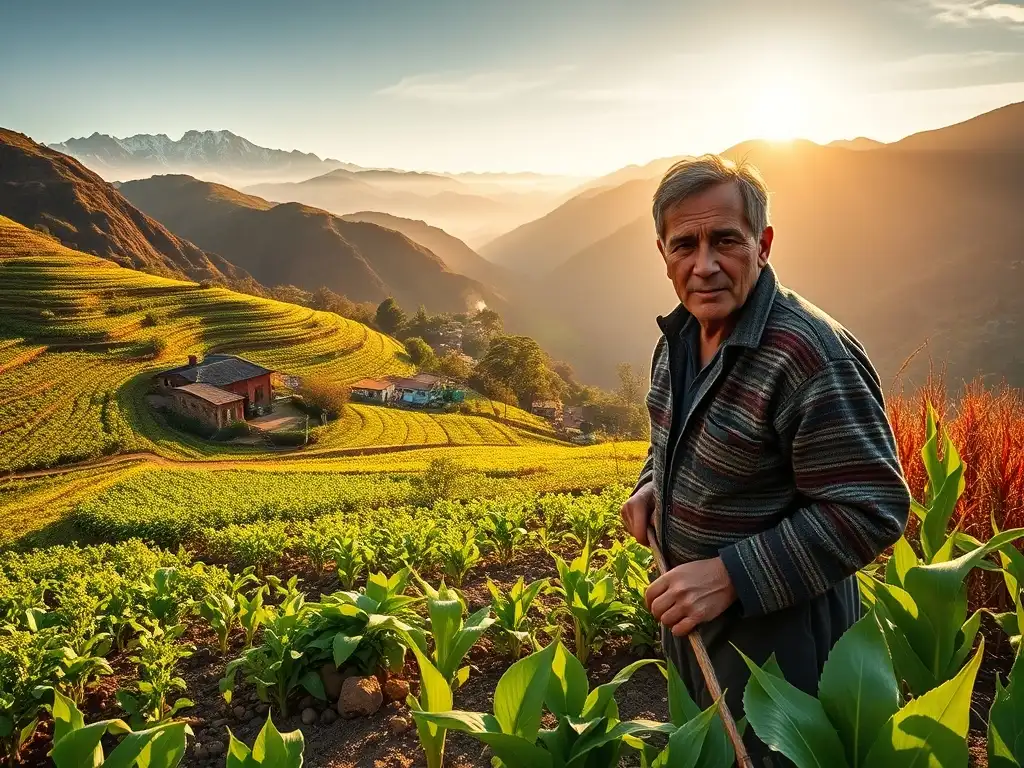
Step into a world lost to time, yet echoing with ingenuity. Imagine civilizations thriving amidst seemingly impossible landscapes, their mastery of agriculture defying the very mountains they called home. The Andean Green Revolution wasn't just about survival; it was a testament to human resilience and innovation. Discover the secrets behind the astonishing Andean agricultural innovations that shaped empires and continue to inspire awe today. Prepare to be amazed by the ingenuity of the ancient Andes.
The Andes Mountains, a seemingly inhospitable environment of towering peaks and steep valleys, nurtured some of the most sophisticated agricultural practices in the pre-Columbian world. This article explores the remarkable ingenuity of Andean civilizations, focusing on their groundbreaking agricultural innovations that allowed them to thrive in challenging terrains and contribute significantly to the global food supply. From the ingenious terracing techniques of the Incas to the complex irrigation systems of the Nazca, the Andean Green Revolution represents a testament to human adaptability and resourcefulness.
We will delve into the key agricultural practices, highlighting the importance of coca and other plants in shaping Andean societies and their enduring legacy on modern agriculture. This exploration of "Andean agricultural innovations" will reveal how these ancient societies not only survived but flourished, leaving behind a rich heritage of agricultural knowledge that continues to inspire today.
Introduction to Andean Agricultural Practices
Andean agricultural practices were far from rudimentary. They were remarkably sophisticated and adapted to the diverse ecological zones found within the Andes. The harsh realities of the environment—variable altitudes, steep slopes, and unpredictable weather—forced Andean people to develop innovative techniques to maximize crop yields. These techniques included:
- Terracing: Creating flat, step-like platforms on hillsides to create level planting surfaces, preventing soil erosion and maximizing arable land. This was particularly crucial in areas with steep slopes.
- Irrigation: Constructing sophisticated canal systems to divert water from rivers and streams to irrigate crops, especially important in drier regions. The complexity of these systems varied across different cultures, reflecting their unique engineering capabilities.
- Waru Waru: A raised-bed agricultural system used in the altiplano, creating microclimates that protected crops from frost and provided better drainage. This technique showcased an impressive understanding of soil management and water conservation.
- Crop Domestication: The Andes were a center of plant domestication, with crops like potatoes, maize, quinoa, and beans forming the cornerstone of the Andean diet. The diversity of these crops reflects a deep understanding of the region's varied climates and soils. Each crop was expertly adapted to specific ecological niches.
The ingenuity of these methods allowed the Andean civilizations to cultivate a wide variety of crops, ensuring food security and supporting large populations in a challenging environment. The success of these techniques was crucial for the development of complex societies and the flourishing of Andean cultures. The integration of these practices with a deep understanding of the local ecology is a key aspect of understanding "Andean agricultural innovations."
Pre-Incan Agricultural Ingenuity: Foundations of the Andean Green Revolution
While the Inca Empire is often associated with advanced agricultural practices, the foundations of the Andean Green Revolution were laid centuries earlier by pre-Inca cultures. The Moche, Nazca, and Tiahuanaco civilizations, among others, developed impressive agricultural technologies that paved the way for later innovations.
The Nazca, renowned for their enigmatic lines, also possessed a mastery of irrigation. Their intricate canal systems, some stretching for miles, demonstrated a remarkable understanding of hydraulic engineering and water management. These systems allowed them to cultivate crops in arid coastal regions, showcasing an incredible adaptation to challenging environments. The scale and precision of their work highlight the advanced level of social organization and planning necessary for such projects.
The Tiahuanaco civilization, located on the Altiplano, developed innovative agricultural techniques suited to the high altitude environment. Their mastery of raised-field agriculture (waru waru) allowed them to cultivate crops in areas with poor drainage and frost-prone conditions. This technique, combined with sophisticated irrigation systems, enabled them to support a large population in a challenging environment.
The success of these systems exemplifies the ingenuity of Andean peoples in adapting their agricultural practices to the specific demands of their environment. The legacy of these pre-Inca agricultural innovations played a vital role in the later successes of the Inca empire and the overall development of Andean agriculture. Their advancements significantly contributed to the richness and complexity associated with "Andean agricultural innovations."
Terrace Farming: Maximizing Land Use in the Andes
Andean agricultural innovations were crucial for the survival and prosperity of ancient civilizations. One of the most striking examples of this ingenuity is terrace farming. The steep slopes of the Andes mountains presented a significant challenge for agriculture, limiting the amount of arable land available.
However, the Andean people overcame this obstacle by developing a sophisticated system of terraced agriculture. This involved carving into the hillsides, creating a series of flat platforms or terraces, supported by retaining walls made of stone, mud, or a combination of both. These terraces dramatically increased the amount of cultivable land, allowing for more efficient use of resources and significantly boosting food production.
The scale and precision of some of these terrace systems are truly breathtaking, showcasing the advanced engineering skills of the ancient Andean people. The construction of these terraces required immense labor and planning, reflecting the societal organization and collaborative spirit needed to undertake such a monumental task. The resulting agricultural productivity ensured food security for growing populations and contributed significantly to the overall development of Andean societies.
Andean Terraces: A Masterpiece of Engineering
The construction of Andean terraces was a remarkable feat of engineering. The precise placement of the retaining walls, often meticulously fitted without mortar, demonstrates a deep understanding of slope stability and drainage. The design of the terraces wasn't simply about creating flat surfaces; it also considered factors such as sun exposure, water drainage, and soil type.
Different orientations and slopes were employed depending on the specific microclimate and the crops being cultivated. For instance, south-facing terraces might be preferred in colder regions to maximize sunlight exposure, while in warmer areas, the orientation could be adjusted to provide shade during the hottest parts of the day. The terraces are a testament to the Andean people's intimate knowledge of their environment and their ability to adapt their agricultural practices to the unique challenges of the mountainous terrain.
Studying these ancient terraces offers valuable insights into sustainable land management techniques that are still relevant today. The enduring legacy of these structures speaks volumes about the ingenuity and foresight of the builders.
The Benefits of Terraced Agriculture in the Andes
Terraced agriculture provided numerous benefits to Andean societies. Beyond the obvious increase in arable land, it also improved soil conservation. The flat surfaces reduced soil erosion caused by rainfall and runoff, protecting fertile topsoil and ensuring long-term agricultural productivity. The retaining walls acted as barriers, preventing soil loss and preserving the valuable nutrients essential for crop growth. This sustainable approach to agriculture enabled Andean communities to maintain food production over generations.
Furthermore, the terraces created microclimates, offering diverse growing conditions within a relatively small area. Different crops could be cultivated at varying altitudes and orientations, optimizing yields and diversifying food sources. This diversification was crucial for food security and resilience in the face of unpredictable weather patterns. The efficiency of terraced farming significantly contributed to the economic and social stability of Andean civilizations.
Advanced Irrigation Techniques in Andean Agriculture
The success of Andean agriculture was also heavily reliant on innovative irrigation techniques. Given the arid and semi-arid conditions in many parts of the Andes, the ability to effectively manage water resources was critical for crop production. The Andean people developed sophisticated systems to capture, store, and distribute water, showcasing their deep understanding of hydrology and engineering.
These systems were tailored to the specific environmental conditions of different regions, demonstrating remarkable adaptability. The ingenuity displayed in these irrigation systems is a testament to the advanced knowledge and skills of Andean societies. The careful planning and construction of these systems demonstrates the importance of water management for their food security and the sustainability of their agricultural practices.
Water Management Systems: Canals and Aqueducts
One of the most impressive aspects of Andean irrigation was the construction of extensive canal and aqueduct systems. These intricate networks of channels transported water from rivers, springs, and other sources to agricultural fields, often over considerable distances and across challenging terrain. The canals were carefully engineered to follow the contours of the land, minimizing water loss through evaporation and seepage.
The construction of aqueducts, often involving impressive feats of engineering such as bridges and tunnels, further demonstrates the advanced skills of the Andean people. These systems were not merely functional; they were also integrated into the overall landscape, often demonstrating aesthetic considerations as well as engineering prowess. The construction of these systems required significant community involvement and cooperation, reflecting the social organization and collaborative spirit needed to manage such large-scale projects.
Efficient Water Distribution for Crop Production
The effective distribution of water to crops was essential for the success of Andean agriculture. Various techniques were employed to ensure that water reached the fields efficiently and evenly. This included the use of diversion channels, which channeled water from main canals to smaller irrigation ditches, allowing for precise control of water flow.
The development of sophisticated techniques for water storage, such as reservoirs and cisterns, enabled communities to cope with periods of drought and ensure a consistent supply of water throughout the growing season. The efficiency and sustainability of Andean irrigation systems enabled them to support large and densely populated settlements, contributing significantly to the overall development of Andean civilizations. The sophisticated knowledge of hydrology and engineering underpinning these systems stands as a remarkable achievement in ancient Andean technology.
Crop Diversification: The Key to Andean Food Security
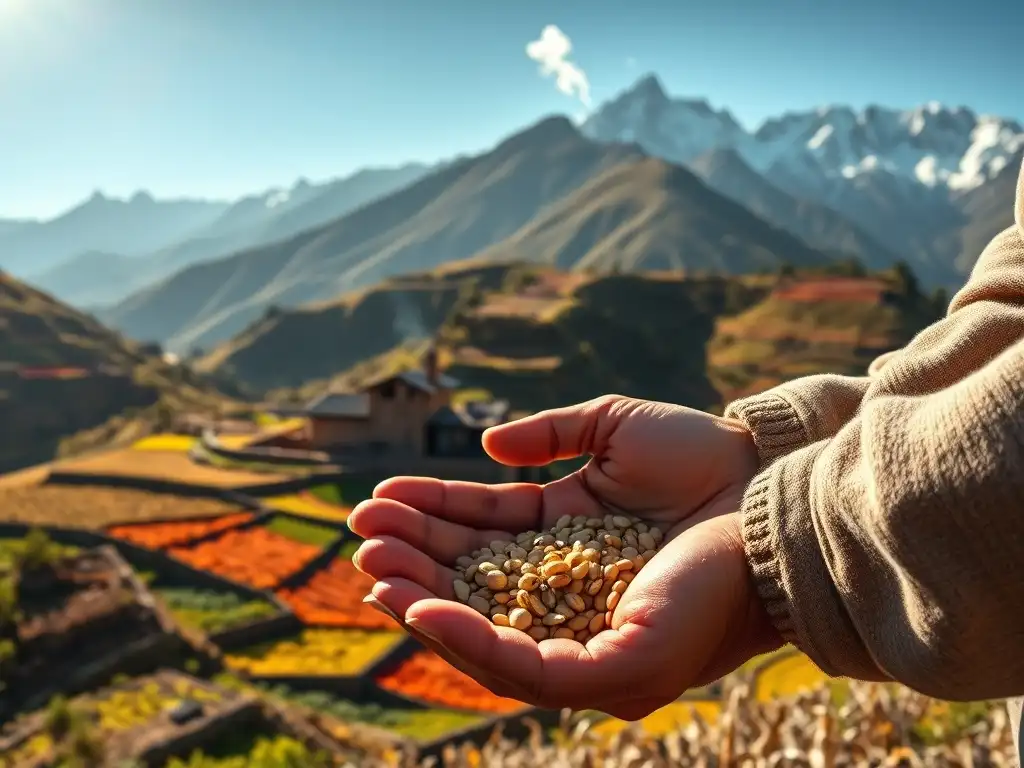
Andean agricultural innovations were not solely about cultivating a few staple crops. Instead, the success of Andean civilizations hinged on a remarkably diverse agricultural system. This diversification was crucial for food security, mitigating the risks associated with crop failures due to climate variability, pests, or diseases.
Imagine a single devastating blight wiping out a region's sole food source – a scenario that the diverse Andean agricultural system effectively prevented. Instead of relying on monoculture, Andean farmers cultivated a wide array of crops, each adapted to specific ecological niches within the complex Andean landscape. This strategy ensured that even if one crop failed, others would likely thrive, guaranteeing a relatively stable food supply for the population.
This sophisticated approach stands in stark contrast to many modern agricultural practices that, ironically, often prioritize monoculture, increasing vulnerability to widespread crop failure. The Andean model offers a valuable lesson in resilience and sustainability for today's food systems. The careful selection and cultivation of diverse crops was a cornerstone of Andean food security, a testament to their deep understanding of their environment and the ingenuity of their farming practices.
High-Altitude Crops: Potatoes, Quinoa, and More
The high Andes presented unique challenges for agriculture, demanding crops capable of withstanding harsh conditions, including intense solar radiation, freezing temperatures, and thin air. Andean agricultural innovations rose to meet this challenge, resulting in the domestication and cultivation of remarkable high-altitude crops. The potato, Solanum tuberosum, is perhaps the most globally recognized example.
The Andes are considered the center of origin for thousands of potato varieties, each adapted to specific altitudes and microclimates. Quinoa ( Chenopodium quinoa), another staple crop, boasts exceptional nutritional value and resilience to harsh conditions, making it a vital component of the Andean diet and a modern-day "superfood." Beyond potatoes and quinoa, Andean farmers cultivated a plethora of other high-altitude crops, including various beans, grains, and tubers, each carefully selected for its ability to thrive in the challenging Andean environment.
This remarkable adaptation showcases the ingenuity and deep ecological knowledge of Andean farmers in harnessing their environment for sustenance. Their understanding of plant genetics and environmental adaptation was far ahead of its time, providing a blueprint for sustainable agriculture in challenging environments.
The Importance of Crop Rotation in Andean Farming
Crop rotation was an integral part of Andean agricultural innovations, contributing significantly to soil health and long-term productivity. Unlike practices that deplete soil nutrients, Andean farmers meticulously rotated crops, preventing soil erosion and maintaining its fertility. This practice not only ensured consistent yields but also minimized the risk of pest infestations and the spread of plant diseases. The specific rotation patterns varied depending on the local conditions and the crops being cultivated, demonstrating a deep understanding of ecological balance and soil management.
Furthermore, the incorporation of fallow periods allowed the soil to recover and replenish its nutrients naturally, a sustainable practice that contrasts sharply with many modern intensive farming methods. This sophisticated approach to soil management highlights the long-term perspective and sustainable ethos embedded within Andean agricultural practices. It offers a powerful reminder of the importance of considering the long-term health of the environment in any agricultural system.
The Role of Andean Farmers in Agricultural Development
The development and success of Andean agriculture were not the result of centralized planning or technological breakthroughs alone. Instead, it was the ingenuity and persistent effort of Andean farmers themselves that drove agricultural innovation and ensured food security for generations. These farmers were not passive recipients of agricultural techniques; they were active participants in a continuous process of experimentation, adaptation, and improvement.
Their intimate knowledge of their environment, combined with their meticulous observation of plant growth and soil conditions, allowed them to develop highly effective agricultural practices. They were not simply cultivating crops; they were actively shaping and improving their environment through their labor and knowledge. The terraces carved into the Andean slopes, the sophisticated irrigation systems, and the diverse range of crops cultivated all testify to the crucial role of Andean farmers in shaping the agricultural landscape of the region.
Their contributions represent a profound example of human ingenuity and adaptation, highlighting the importance of recognizing the knowledge and skills of traditional farmers in modern agricultural development. Their legacy continues to inspire sustainable agricultural practices around the world, reminding us of the vital connection between humans, their environment, and the food they produce.
Inca Agricultural Innovations: Building on Existing Knowledge
The Inca Empire, renowned for its sophisticated administrative and engineering prowess, significantly advanced pre-existing Andean agricultural techniques. Their innovations weren't born in a vacuum; rather, they built upon centuries of knowledge accumulated by earlier Andean cultures like the Wari and Tiwanaku. The Incas inherited a rich legacy of terraced farming, irrigation systems, and diverse crop cultivation. However, they refined and expanded these practices on an unprecedented scale, adapting them to the diverse Andean geography. This involved meticulous observation of environmental conditions, a deep understanding of soil types, and the development of innovative farming techniques to maximize yields. The Incas weren't simply replicating existing practices; they were actively experimenting and innovating, pushing the boundaries of what was possible in Andean agriculture. Their success is a testament to their keen observation skills, practical ingenuity, and efficient organizational capabilities. They understood that agricultural success was intrinsically linked to the well-being of the empire.
Inca Agricultural Centers: Experimentation and Production
The Incas established numerous agricultural centers throughout their vast empire, acting as both experimental farms and productive hubs. These centers, often located in fertile valleys and along riverbanks, were crucial for developing new agricultural techniques and producing surplus food for the empire's population. Scientists and agricultural experts conducted experiments on different crops, soil types, and irrigation methods. These centers served as training grounds for farmers, disseminating the latest agricultural knowledge and innovations across the empire.
The standardization of agricultural practices, facilitated by these centers, ensured consistent food production across diverse ecological zones. Evidence suggests a sophisticated system of crop rotation and fertilizer management was employed, enhancing soil fertility and maximizing crop yields. This systematic approach to agriculture was a key factor in supporting the Inca Empire's large population and its extensive infrastructure projects. The careful management of resources and the emphasis on experimentation contributed significantly to their agricultural success.
The Impact of Inca Agriculture on the Empire
The Inca's agricultural innovations had a profound and far-reaching impact on their empire. The efficient food production supported a large and densely populated urban center, Cusco, and sustained the empire's extensive road network and military campaigns. The surplus food allowed for the development of specialized labor, contributing to the empire's sophisticated social and political structures.
The Inca's agricultural system also played a crucial role in maintaining social stability. A reliable food supply ensured that the population was well-fed, reducing the risk of social unrest and rebellion. The sophisticated irrigation systems not only provided water for crops but also helped prevent droughts and floods, crucial factors in the stability and prosperity of the empire.
The success of Inca agriculture was inextricably linked to the empire's overall strength and longevity. The ability to feed a vast population efficiently allowed the Inca to focus resources on other aspects of their society, such as architecture, textiles, and metalworking.
The Legacy of Andean Agricultural Practices Today
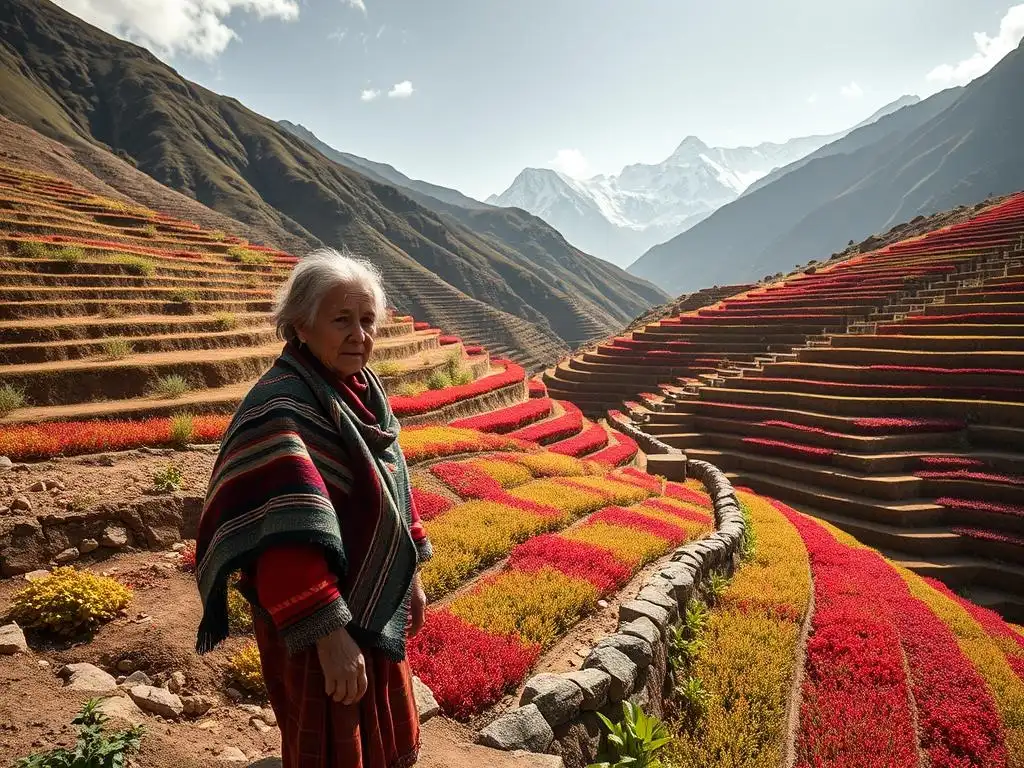
The legacy of Andean agricultural practices continues to influence farming techniques in the region and beyond. Many traditional farming methods, developed over millennia by Andean civilizations, remain relevant today. The ingenious system of terraced farming, for example, is still widely used in mountainous regions, providing efficient land utilization and erosion control. The knowledge of diverse crop varieties and their adaptation to specific environmental conditions remains crucial for maintaining biodiversity and food security in the face of climate change.
Furthermore, the Andean understanding of water management and irrigation, honed over centuries, provides valuable lessons for sustainable agriculture in water-scarce regions. The indigenous knowledge of medicinal plants and their use in agriculture also holds immense potential for modern applications. The enduring relevance of these practices demonstrates the wisdom and ingenuity of ancient Andean farmers.
Sustainable Agriculture: Lessons from the Andes
Andean agricultural practices offer valuable lessons for modern sustainable agriculture. Their emphasis on biodiversity, water conservation, and soil management provides a blueprint for environmentally responsible food production. The traditional methods of terracing and irrigation, designed to minimize environmental impact, are increasingly relevant in a world facing climate change and resource depletion.
The integration of indigenous knowledge with modern scientific techniques holds immense potential for developing climate-resilient agricultural systems. The Andean approach to agriculture highlights the importance of working with nature, rather than against it, a critical concept in today's context of environmental degradation. Learning from the past can guide us towards a more sustainable future in agriculture.
Modern Applications of Ancient Andean Techniques
Ancient Andean agricultural techniques are finding new applications in modern agriculture. Researchers are studying traditional farming methods to improve crop yields, enhance resilience to climate change, and develop sustainable agricultural practices. The use of ancient varieties of crops, adapted to specific environmental conditions, is gaining popularity as a way to promote biodiversity and enhance food security. Modern technology is being used to analyze and replicate some of these traditional techniques, leading to new innovations in sustainable agriculture.
For example, researchers are exploring the use of ancient irrigation systems in arid and semi-arid regions. This integration of ancient wisdom and modern technology offers a promising path toward a more sustainable and resilient agricultural future. The ongoing study of Andean agricultural practices offers a wealth of knowledge that can benefit agriculture globally.
Challenges and Future of Andean Agriculture
Andean agriculture, despite its impressive history of innovation, faces significant challenges in the 21st century. The delicate balance achieved by ancient Andean farmers is being disrupted by a confluence of factors, threatening both food security and the preservation of valuable cultural heritage. One of the most pressing issues is the increasing pressure on land resources.
Population growth and urbanization are leading to the encroachment of agricultural lands, reducing the area available for traditional farming practices. This is particularly acute in densely populated areas of the Andes, where the steep slopes and limited arable land make sustainable agriculture even more challenging. Furthermore, the increasing demand for export crops, often driven by global market forces, can displace traditional food crops, leading to a decline in food diversity and nutritional security for local communities.
This shift towards monoculture farming also increases the vulnerability of Andean agriculture to pests and diseases, potentially leading to widespread crop failures. Finally, the unequal distribution of resources and access to technology exacerbates existing inequalities, leaving many small-scale farmers at a disadvantage.
Climate Change and its Impact on Andean Farming
Climate change poses an existential threat to Andean agriculture. The Andes are particularly vulnerable to the effects of global warming, experiencing changes in temperature, precipitation patterns, and the frequency of extreme weather events. Glacier retreat, a direct consequence of rising temperatures, is reducing the availability of glacial meltwater, a crucial source of irrigation for many Andean communities.
This water scarcity is already impacting crop yields and exacerbating existing water conflicts between different user groups. Changes in precipitation patterns are also causing increased drought in some areas and more frequent and intense flooding in others, both of which disrupt planting cycles and damage crops. The unpredictable weather patterns make it increasingly difficult for farmers to plan their planting and harvesting schedules, impacting their livelihoods and food security.
Furthermore, climate change is also altering the distribution of pests and diseases, making it harder to control crop losses. The combined effects of these climate-related challenges are placing immense pressure on Andean agriculture, potentially leading to widespread food insecurity and displacement. Adapting to these changes requires innovative strategies and substantial investment in climate-resilient agricultural practices.
Preserving Traditional Knowledge and Practices
The preservation of traditional Andean agricultural knowledge and practices is crucial for ensuring the long-term sustainability and resilience of Andean agriculture. For centuries, Andean farmers have developed sophisticated techniques for adapting to the challenging environmental conditions of the Andes, including terracing, water management systems, and crop diversification. This invaluable knowledge, often passed down through generations, is essential for developing climate-resilient agricultural strategies.
However, this traditional knowledge is increasingly at risk of being lost due to migration, the influence of modern agricultural practices, and a lack of recognition of its importance. Efforts to preserve this knowledge should focus on documenting traditional farming techniques, supporting the transmission of knowledge to younger generations, and integrating traditional practices into modern agricultural development programs.
By recognizing and valuing the contributions of indigenous farmers, we can ensure the continued relevance and sustainability of Andean agriculture for future generations. This includes supporting initiatives that promote the use of native crop varieties, which are often better adapted to local conditions and more resilient to climate change.
Conclusion: The Enduring Impact of Andean Agricultural Innovations
The Andean Green Revolution, a testament to human ingenuity and adaptation, has left an enduring legacy. The innovative agricultural practices developed by Andean civilizations continue to inspire and inform modern agricultural research and development. From the sophisticated irrigation systems of the Nazca to the terraced fields of the Inca, these achievements demonstrate the remarkable ability of Andean peoples to harness the resources of their environment and create sustainable agricultural systems.
However, the challenges facing Andean agriculture today underscore the need for a renewed commitment to sustainable and equitable agricultural practices. Addressing the impacts of climate change, preserving traditional knowledge, and promoting sustainable agricultural development are crucial for ensuring the long-term food security and cultural preservation of the Andean region. The future of Andean agriculture depends on integrating traditional wisdom with modern scientific knowledge to build a more resilient and sustainable food system for generations to come.
The continued study and application of Andean agricultural innovations are essential not only for the region but also for addressing global food security challenges in a rapidly changing world. The lessons learned from the past hold valuable insights for shaping a more sustainable agricultural future for all.
- Introduction to Andean Agricultural Practices
- Pre-Incan Agricultural Ingenuity: Foundations of the Andean Green Revolution
- Terrace Farming: Maximizing Land Use in the Andes
- Advanced Irrigation Techniques in Andean Agriculture
- Crop Diversification: The Key to Andean Food Security
- The Role of Andean Farmers in Agricultural Development
- Inca Agricultural Innovations: Building on Existing Knowledge
- The Legacy of Andean Agricultural Practices Today
- Challenges and Future of Andean Agriculture
- Conclusion: The Enduring Impact of Andean Agricultural Innovations
- What agricultural innovations are most associated with Andean civilizations?
- How did terracing contribute to Andean agricultural success?
- What role did irrigation play in Andean agriculture?
- Besides potatoes and maize, what other crops were important in the Andean region?
- How did Andean agricultural practices impact their societal development?
Frequently Asked Questions
What agricultural innovations are most associated with Andean civilizations?
The Andean civilizations developed several key innovations, including terracing, irrigation systems, and the cultivation of diverse crops like potatoes and maize adapted to high altitudes and varied climates. These techniques allowed for sustainable food production in challenging environments.
How did terracing contribute to Andean agricultural success?
Terracing transformed steep slopes into cultivable land, increasing arable land significantly. This technique also helped control erosion and optimize water usage.
What role did irrigation play in Andean agriculture?
Andean societies developed sophisticated irrigation canals and aqueducts to bring water to their fields, particularly crucial in dry regions. This reliable water supply ensured consistent crop yields.
Besides potatoes and maize, what other crops were important in the Andean region?
Quinoa, beans, and various tubers were also vital crops, providing a diverse and nutritious diet. This biodiversity was key to the resilience of Andean agriculture.
How did Andean agricultural practices impact their societal development?
Successful agriculture led to sedentary lifestyles, population growth, and the development of complex social structures and urban centers. Abundant food surpluses supported specialized labor and societal advancement.
Final Reflection: Harvesting the Seeds of Change in the Andes
The Andean Green Revolution, far from being a relic of the past, remains a vital model for sustainable agricultural practices in a world grappling with climate change and food insecurity. Its innovative techniques, adapted to the unique challenges of the Andean highlands, offer crucial lessons for modern agriculture, demonstrating the power of indigenous knowledge combined with scientific advancements. The ingenuity displayed in terracing, water management, and crop diversification continues to inspire solutions for a more resilient and equitable food system.
The enduring legacy of Andean agricultural innovations is profoundly impactful, shaping not only the region's food security but also its cultural identity. These practices are deeply intertwined with the social fabric of Andean communities, passed down through generations and reflecting a profound respect for the land. The land is not merely something to be exploited, but a living entity to be nurtured and respected,
a sentiment echoed across Andean cultures for millennia. This holistic approach, recognizing the interconnectedness of nature and human society, offers a powerful counterpoint to the often exploitative nature of modern industrial agriculture.
Consider the ingenuity of the Andean farmers, their deep understanding of their environment, and the resilience they have demonstrated in the face of adversity. You too can cultivate a deeper appreciation for sustainable practices, whether in your own garden, your food choices, or your advocacy for responsible agricultural policies. Let the legacy of the Andean Green Revolution inspire you to seek innovative solutions, to respect the delicate balance of our ecosystems, and to build a future where food security and environmental sustainability go hand in hand.
**Embrace the Legacy of Innovation! **
Thank you for exploring the fascinating world of the Andean Green Revolution with us! You've uncovered the incredible agricultural advancements that have shaped civilizations and continue to inspire sustainable practices today. Now, it's time to take action and become a part of this enduring legacy!
Here’s how you can contribute:
- **Deepen your understanding of sustainable practices** by starting a home garden or exploring your local farmer's markets. Supporting local farmers directly helps to promote sustainable agriculture and strengthens your community.
- **Share your newfound knowledge! ** Discuss these innovative agricultural techniques with friends, family, or on social media to raise awareness and inspire others to adopt similar practices.
- **Connect with like-minded individuals** by joining online forums or local clubs dedicated to sustainable agriculture and the rich history of Andean farming methods. This offers opportunities to learn from others and contribute your own expertise.
What sustainable agricultural practices resonate most with you, and how do you plan to integrate them into your life? Share your thoughts below!