
The Link Between Storage and Power in the Andean Civilizations

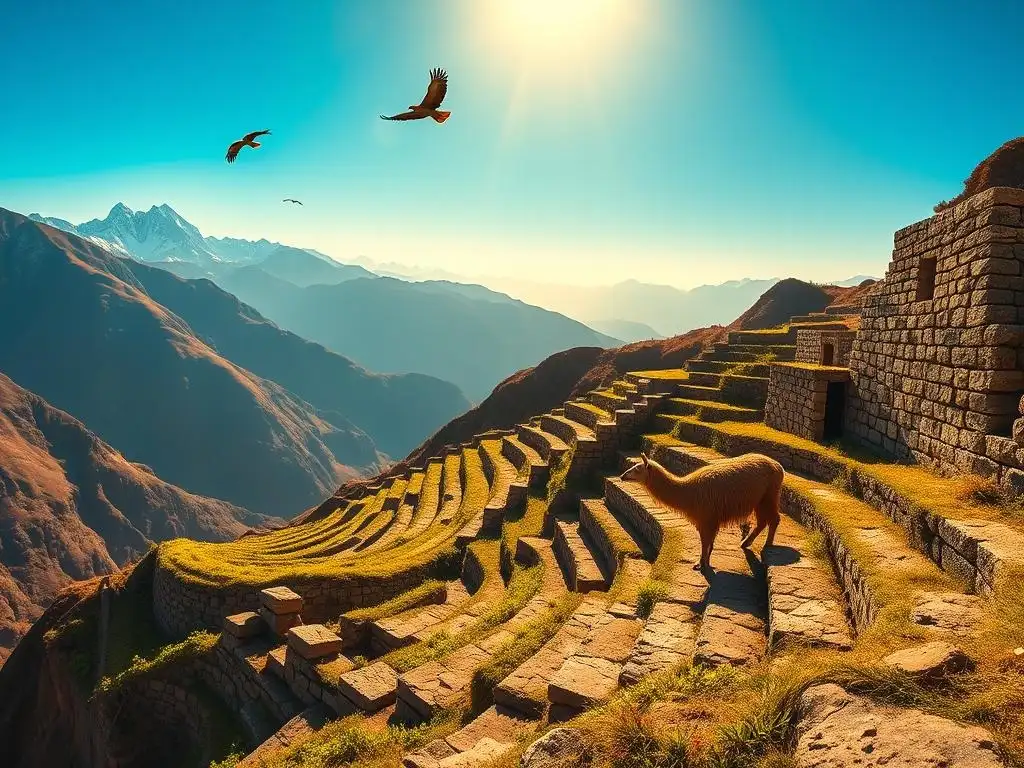
Uncover the secrets hidden within the towering peaks and sprawling valleys of the Andes! For centuries, these majestic lands nurtured some of history's most fascinating civilizations. But what ingenious methods allowed the Incas, Moche, and other Andean cultures to thrive? The answer lies in their remarkably advanced Andean civilizations storage systems, a key to their power and prosperity. Prepare to be amazed as we delve into the intricate world of Andean agriculture and the ingenious techniques that shaped their empires. Discover how these sophisticated systems ensured survival and fueled the rise of these legendary societies.
The towering peaks of the Andes Mountains, while breathtakingly beautiful, presented formidable challenges to the ancient civilizations that thrived in their shadow. The harsh, unpredictable climate, coupled with the varied altitudes and terrains, demanded ingenious solutions for food production and, crucially, storage. This article explores the intricate relationship between sophisticated storage systems and the consolidation of power in the Andean region, demonstrating how effective food preservation and distribution were not merely practical necessities but also key factors in shaping the political and social landscape of pre-Columbian societies.
From the intricate network of storehouses built by the Inca to the cleverly designed granaries of earlier cultures like the Moche and Nazca, we'll examine how these storage solutions directly impacted social stratification, economic control, and ultimately, the rise and fall of Andean empires. Understanding these ancient Andean civilizations storage systems provides crucial insights into their remarkable resilience and ingenuity in the face of adversity, and sheds light on the complex interplay between agriculture, technology, and power.
We will delve into the specific techniques used, the societal implications of successful storage, and the lasting legacy of these remarkable achievements. This exploration of Andean civilizations storage systems will reveal how effective food management was inextricably linked to the very fabric of these powerful societies.
The Vital Role of Andean Storage Systems in Pre-Columbian Societies
The ability to effectively store surplus food was paramount to the survival and growth of Andean civilizations. Unlike societies in more temperate climates, the Andean environment presented significant challenges to food preservation. The extreme variations in temperature and humidity, coupled with the risk of pests and spoilage, necessitated the development of sophisticated storage techniques. These weren't simply rudimentary bins; rather, they were complex systems designed to optimize preservation and minimize losses.
The ingenuity of these systems is evident in the diverse range of structures employed, from underground cellars providing temperature stability to elevated storehouses protecting against rodents and moisture. The construction itself often reflected the societal structure, with larger, more elaborate structures indicating greater power and control over resources. For instance, the Inca's extensive network of qollqas (storehouses) was not only a testament to their engineering prowess but also a powerful symbol of their centralized authority. The strategic placement of these qollqas throughout the empire facilitated efficient distribution of goods, ensuring the stability of the population and the strength of the empire.
The meticulous record-keeping associated with these storage systems further highlights their importance in the overall functioning of the Inca state. These records, often kept using quipus (knotted cords), provided detailed information about the quantities stored, their location, and their intended distribution, allowing for precise control over resources and the efficient management of the empire's vast network of food production and distribution. The sheer scale of the Inca storage system alone speaks volumes about the central role of food security in the maintenance of their powerful empire.
Understanding Andean Food Storage: Beyond Basic Needs
While the primary function of Andean storage systems was undoubtedly to ensure food security, their significance extended far beyond the mere provision of basic needs. The control over food surpluses translated directly into political and economic power. The elite controlled access to these stores, utilizing them to reward loyal subjects, maintain social order, and consolidate their authority. This control allowed them to exert influence over vast populations, shaping social hierarchies and even influencing religious practices.
Furthermore, the ability to store and redistribute food during times of scarcity played a crucial role in maintaining social stability and preventing widespread famine. This ability to manage resources effectively cemented the power of the ruling class and contributed to the longevity of their rule. The construction and maintenance of these systems also provided employment, stimulating the economy and supporting various artisan communities. The intricate designs, often incorporating sophisticated architectural techniques and artistic embellishments, reflect the importance placed on these structures within Andean society.
These were not simply functional buildings; they were integral components of the social, political, and even spiritual fabric of the Andean world. The study of these storage systems therefore offers a unique lens through which to understand the complex dynamics of power, social organization, and economic control in these remarkable ancient civilizations. Further research is needed to fully understand the regional variations in storage techniques and their relationship to specific environmental conditions and social structures.
Types of Storage Structures in Ancient Andes
The Andean civilizations developed a remarkable variety of storage structures, reflecting both the diverse geography of the Andes and the ingenuity of their builders. These structures weren't simply repositories for food; they were integral to the social, economic, and political fabric of these societies. The types of storage varied considerably based on the specific needs of the community, the available resources, and the climate of the region.
From the imposing stone colcas of the Inca to the cleverly concealed underground pits of various cultures, the ingenuity displayed in Andean storage solutions is a testament to their understanding of preservation and resource management. The diversity of these structures also highlights the adaptability of Andean peoples to challenging environments and their sophisticated understanding of agricultural practices.
The careful selection of materials and construction techniques demonstrates a deep connection between the people and their environment, reflecting a sustainable approach to resource management that’s still relevant today. These storage solutions weren't just practical; they were also symbolic, representing power, prosperity, and the continuity of life.
Colcas: The Ubiquitous Granaries of the Inca Empire
The colcas, iconic cylindrical or rectangular stone structures, are perhaps the most recognizable Andean storage facilities. These granaries, often built into hillsides or cliffs for added protection against the elements, were a cornerstone of the Inca Empire's sophisticated agricultural system. Their construction required significant engineering skill, utilizing precisely cut stones fitted together without mortar – a testament to Inca mastery of stonework.
The size and number of colcas in a given location varied greatly, reflecting the agricultural productivity and population density of the area. Larger settlements often boasted clusters of colcas, indicating a substantial surplus of food. The design itself, with its thick walls and carefully sealed entrances, ensured the preservation of stored goods, protecting them from moisture, pests, and theft.
The strategic placement of colcas within the Inca road network facilitated efficient food distribution throughout the vast empire, ensuring the stability and strength of the Inca state. Archaeological findings consistently reveal the importance of colcas in the Inca economy and social structure.
Underground Storage Pits: Preserving Food in Diverse Climates
Beyond the imposing colcas, many Andean cultures utilized underground storage pits for preserving food. These pits, often lined with stone or clay, provided a naturally cool and stable environment, ideal for preserving root vegetables, tubers, and dried goods. Their depth and location varied depending on the local climate and the specific needs of the community. In arid regions, for example, pits might be shallower and more carefully sealed to protect against moisture.
In higher-altitude areas, the naturally cooler temperatures provided by the earth itself would have been sufficient for preservation. The construction of these pits required considerable labor, but their effectiveness in preserving food for extended periods made them a crucial element of Andean food security. The use of underground storage systems demonstrates a keen understanding of environmental factors and a practical approach to resource management, reflecting an impressive level of technological innovation.
Specialized Warehouses for Different Andean Products
Andean storage wasn’t solely focused on food. Specialized warehouses were developed to store a range of products, reflecting the diverse economy of the Andean civilizations. Textiles, for example, required different storage conditions than food, necessitating purpose-built structures that provided protection from moisture and pests. Similarly, certain metals and other valuable resources would have been stored in secure locations, often within fortified compounds, reflecting their economic and social importance.
The existence of these specialized storage facilities underscores the complexity of Andean economies and the sophisticated systems used to manage and distribute goods. Further research into these specialized storage systems could illuminate the intricacies of Andean trade networks and the distribution of wealth and resources within these societies. The variety of storage structures points to a developed understanding of material properties and preservation techniques.
The Strategic Significance of Andean Storage Facilities
The construction and management of storage facilities were not merely practical endeavors; they held profound strategic significance for the Andean civilizations. These structures were central to the power dynamics, economic stability, and social organization of these societies. The ability to store and manage surplus food was directly linked to political control and social stability.
Controlling Food Supply: A Source of Political Power
Control over food supply was a key source of political power in the Andes. Those who controlled the storage facilities effectively controlled the distribution of food, allowing them to influence and potentially manipulate the lives of their subjects. This control extended beyond mere subsistence; it could be used to reward loyalists, punish dissenters, and maintain social order.
The strategic placement of storage facilities, often near important transportation routes or in strategically significant locations, further reinforced this political control. This pattern is evident in the distribution of Inca colcas and the strategic placement of other storage structures throughout the Andes. The control of food resources was a crucial element in the maintenance of power structures.
Andean Storage and the Management of Agricultural Surplus
The ability to store agricultural surpluses was critical for the survival and growth of Andean societies. The fluctuating climate of the Andes meant that periods of abundance were often followed by periods of scarcity. Effective storage systems allowed Andean communities to weather these fluctuations, mitigating the risk of famine and ensuring the continuity of their populations.
The management of surplus food also played a vital role in supporting specialized labor and the development of complex social structures. By ensuring a consistent food supply, the Andean civilizations could support artisans, priests, and other non-agricultural specialists, contributing to the development of sophisticated urban centers and complex social hierarchies. This efficient management of resources was a key factor in the overall success of Andean societies.
Storage and Distribution Networks: Supporting Large Populations
The sophisticated storage systems of the Andean civilizations were not isolated entities; they were part of extensive networks that facilitated the distribution of food and other resources to large populations. The Inca road system, for instance, played a crucial role in connecting storage facilities across vast distances, allowing for the efficient movement of goods to areas in need. These networks were not simply logistical systems; they were also vital for maintaining social cohesion and political stability within the empire.
The ability to quickly and efficiently distribute food during times of need was crucial for preventing unrest and maintaining social order. The integration of storage facilities within broader logistical networks showcases the advanced organizational capabilities of the Andean civilizations.
The Technology Behind Andean Storage: Innovation and Adaptation
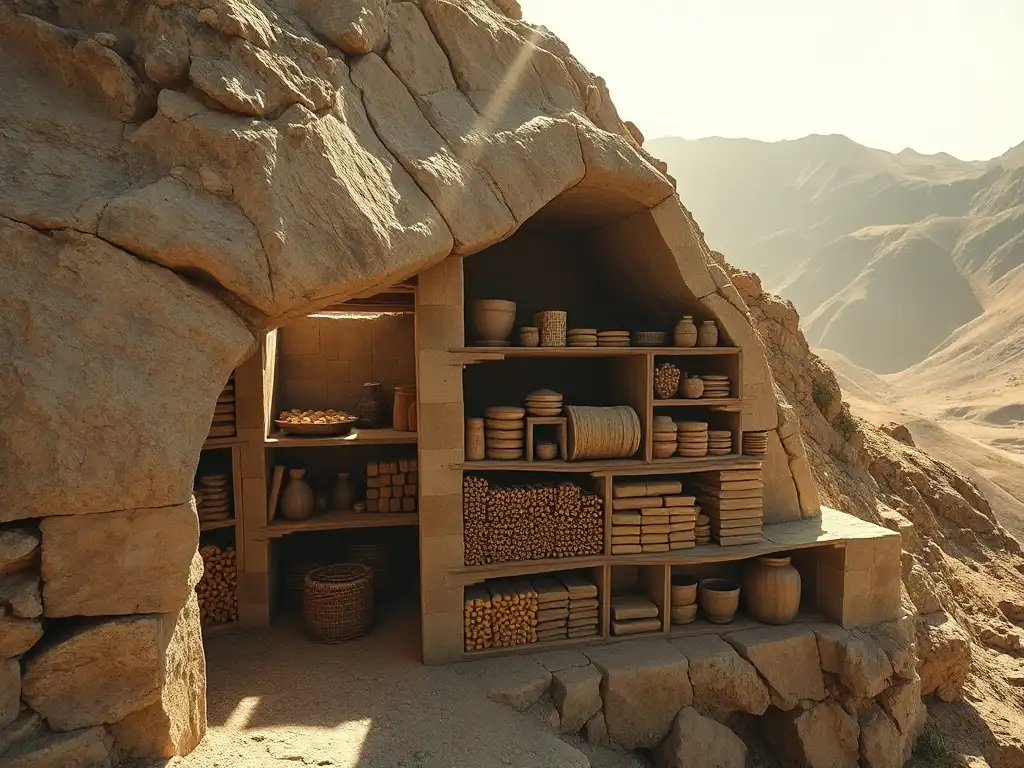
Andean civilizations developed sophisticated storage techniques, reflecting their deep understanding of their environment and the needs of their agricultural systems. Their innovations weren't simply about building structures; they involved a complex interplay of engineering, material science, and agricultural knowledge. The success of their storage systems directly contributed to the stability and growth of their societies. These systems weren't static; they adapted to varying climates and terrains across the Andes, demonstrating a remarkable level of ingenuity and resilience.
From the arid coastal regions to the high-altitude valleys, Andean peoples created storage solutions tailored to the specific challenges of each environment. This adaptability is a crucial aspect of understanding their technological prowess and its impact on their social organization. The development of effective storage allowed for the accumulation of surplus, which in turn fueled population growth and societal complexity.
Techniques for Preserving Andean Crops
Preservation techniques were essential complements to Andean storage. Methods varied depending on the crop and the environment. Drying was a widespread method, used for grains like maize, quinoa, and beans. These crops were often spread out on flat surfaces or hung in well-ventilated areas to reduce moisture content. Another common method was freeze-drying, particularly effective at high altitudes.
The cold, dry air of the Andean highlands naturally preserved food, minimizing spoilage and extending shelf life. Salting and fermentation were also employed, particularly for meats and some vegetables. These techniques, combined with careful storage practices, allowed Andean communities to maintain food supplies throughout the year, mitigating the risks of crop failure and ensuring food security. The specific methods varied regionally, reflecting the diverse agricultural practices across the vast Andean landscape.
Ventilation and Temperature Control in Ancient Warehouses
The design of Andean storehouses often incorporated ingenious methods for ventilation and temperature control. Natural ventilation was crucial, preventing the buildup of moisture and mold that could spoil stored food. This was often achieved through strategically placed openings in walls and roofs, allowing for air circulation. In some cases, elevated platforms or raised floors were used within the storehouses to improve air flow and reduce contact with the ground.
The orientation of the structures, often facing prevailing winds, also played a role in optimizing natural ventilation. In colder, higher-altitude regions, the design might prioritize insulation, perhaps utilizing thick walls made of stone or adobe. The precise techniques varied based on local environmental conditions, highlighting the adaptability of Andean storage technology.
Material Choices and Their Impact on Storage Effectiveness
The selection of building materials for Andean storehouses was crucial to their effectiveness. Stone was a common choice, particularly in areas with readily available stone quarries. Stone's durability and resistance to pests and moisture made it ideal for long-term storage. Adobe, a sun-dried brick made of clay and straw, was another widely used material, especially in regions with suitable soil.
Adobe's insulating properties helped maintain stable temperatures within the storehouses. In some areas, wood was also used, though its susceptibility to pests and decay limited its application in long-term storage facilities. The choice of materials directly impacted the longevity and effectiveness of the storage system, reflecting a sophisticated understanding of material properties and their suitability for the task.
Andean storage systems had profound implications for the social organization of these societies. The ability to store surplus food had cascading effects on population density, labor organization, and social hierarchy. Efficient storage allowed for population growth and the development of larger, more complex settlements. The control over stored resources became a significant source of power and influence, shaping social relationships and political structures.
This control, often vested in elites or religious leaders, solidified power dynamics and influenced social hierarchies. The storage and redistribution of food played a crucial role in maintaining social cohesion and mitigating the risks of famine. This system was not solely based on individual needs; it was integral to the functioning of the entire society.
Storage and Labor Organization in Andean Societies
The construction and maintenance of storage facilities required significant labor input, impacting the organization of Andean societies. Large-scale storage projects often involved communal labor, fostering cooperation and social bonding within communities. Specialized labor groups might have been responsible for the construction, maintenance, and management of storehouses, reflecting a division of labor within the society.
The management of stored resources also required administrative structures to track inventories and oversee distribution. This system of labor organization highlights the importance of collective effort and centralized planning in ensuring food security and societal stability. The organization of labor around storage was essential for the successful functioning of the larger social and economic system.
The Role of Storehouses in Religious and Ritual Practices
Andean storehouses were not merely functional structures; they often held significant religious and ritual importance. Some storehouses were associated with sacred sites or religious ceremonies, suggesting a connection between food storage and spiritual beliefs. The storage of specific crops or offerings within these structures might have been part of rituals aimed at ensuring a bountiful harvest or appeasing deities.
The control over stored resources, particularly in the context of religious practices, further solidified the power of religious leaders and their influence on the community. The integration of storage into religious life highlights the deep cultural significance of food security and the role of storage in maintaining social order and spiritual well-being.
Social Hierarchy and Access to Stored Resources
Access to stored resources was closely tied to social hierarchy in Andean societies. Elites and ruling classes often controlled the largest and most strategically located storehouses, ensuring their privileged access to food supplies. This control over resources contributed to their power and influence within the society.
The distribution of stored food was likely a mechanism for maintaining social order and consolidating political power. The unequal access to resources, however, could also have been a source of social tension and conflict, particularly during times of scarcity. Understanding the relationship between social hierarchy and access to stored food is crucial to interpreting the complexities of Andean social structures and political systems.
Case Studies of Andean Storage Sites
Andean civilizations developed sophisticated storage systems crucial for their survival and societal organization. These systems weren't merely practical solutions to food preservation; they were deeply intertwined with power structures, reflecting social hierarchy and economic control. Analyzing specific sites reveals the intricate relationship between storage and power. The scale and sophistication of storage facilities often corresponded directly to the political and economic importance of a given location.
The design, construction materials, and location of these storage units were all carefully considered, reflecting both the available resources and the societal values of the time. The effective management of stored goods was essential for maintaining social order and ensuring the continued prosperity of the civilization. Understanding these storage systems provides valuable insights into the complex social, economic, and political dynamics of ancient Andean societies.
Kotosh: A Preceramic Site with Evidence of Early Storage Practices
Kotosh, a preceramic site in the central Andes, offers compelling evidence of early storage practices dating back to approximately 2000 BCE. While not as elaborate as later Inca structures, the discovery of subterranean storage pits and carefully constructed bins demonstrates a conscious effort to preserve agricultural surpluses. The strategic placement of these storage facilities within the settlement suggests a degree of community organization and resource management. The types of goods stored likely included various grains, tubers, and possibly dried meats. The relatively small scale of these early storage facilities, compared to later periods, reflects the smaller size and less complex social structure of the preceramic communities. However, the very existence of these structures highlights the importance of food storage even in the earliest stages of Andean societal development. Further research and excavation at Kotosh could reveal more detailed information about these early storage practices and their significance within the community.
Pikillaqta: A Wari Administrative Center with Extensive Storage Facilities
Pikillaqta, a significant Wari administrative center (circa 700-1000 CE), showcases the impressive scale of storage facilities developed during this period. The site features numerous rectangular structures interpreted as storehouses, strategically located throughout the complex. The sheer number and size of these structures indicate the importance of centralized food storage and redistribution within the Wari empire. The uniformity in their design suggests a standardized approach to storage, reflecting a centralized administrative system.
These storehouses were likely used to accumulate agricultural surpluses from surrounding regions, facilitating the provisioning of the administrative center and potentially the distribution of goods to other parts of the empire. The design and location of these facilities strongly suggest a link between storage capacity and the Wari empire's administrative power. The meticulous organization of the storage system at Pikillaqta highlights the sophisticated logistical capabilities of the Wari civilization.
Ollantaytambo: An Inca Site with Well-Preserved Colcas
Ollantaytambo, a remarkable Inca site, contains exceptionally well-preserved colcas, the iconic circular or rectangular stone structures used for storage. These colcas are often built into hillside terraces, utilizing natural topography to enhance their functionality and security. Their robust construction, using precisely cut stone, reflects the Inca's advanced engineering skills and their commitment to long-term food security. The varying sizes of the colcas at Ollantaytambo likely corresponded to the types and quantities of stored goods, reflecting a sophisticated system of resource management.
The strategic placement of these colcas throughout the site, and their proximity to agricultural terraces, underscores their vital role in the Inca agricultural system. The impressive preservation of these structures provides invaluable insights into Inca storage technology and its integration within their broader societal and economic structures. The colcas stand as a testament to the Inca's mastery of engineering and their capacity for large-scale food storage and distribution.
The Legacy of Andean Storage Practices
The ingenious storage techniques employed by Andean civilizations continue to resonate today, offering valuable lessons for modern societies. Their innovative approaches to food preservation and resource management have implications for addressing contemporary challenges related to food security and sustainability. Understanding the principles behind their systems provides a rich source of inspiration for developing more effective and environmentally friendly methods of food storage and distribution. The emphasis on sustainable practices, adaptive techniques, and community organization within Andean storage systems offers a compelling model for the 21st century.
Lessons for Modern Food Security and Sustainability
Andean storage practices offer crucial lessons for enhancing modern food security and sustainability. Their emphasis on diverse storage methods, adapted to specific climates and crops, stands in stark contrast to many modern, centralized approaches. The utilization of natural resources and sustainable building materials, as exemplified by the Inca colcas, presents a compelling model for reducing the environmental impact of food storage.
Furthermore, the integration of storage systems within broader community structures highlights the importance of social organization and resource sharing in ensuring food security. Studying these ancient practices can inform the development of more resilient and equitable food systems. The Andean focus on local adaptation and community-based management provides valuable insights for building more sustainable and secure food systems worldwide.
The Enduring Impact of Andean Storage Technology
The impact of Andean storage technology extends beyond its historical significance. Many of the principles employed by these civilizations, such as the use of natural ventilation and temperature control in storage structures, remain relevant in modern food preservation. The design and construction techniques used in colcas and other storage facilities demonstrate a deep understanding of materials science and engineering principles, showcasing an ingenuity that continues to inspire researchers and engineers today.
Understanding the long-term durability and effectiveness of these ancient methods can inform the development of more robust and sustainable storage solutions for the future. The legacy of Andean storage technology serves as a powerful reminder of the importance of innovation and adaptation in addressing the challenges of food preservation and resource management.
Andean Storage Systems: A Testament to Ingenuity
Andean storage systems stand as a testament to the ingenuity and adaptability of ancient civilizations. Their sophisticated methods of food preservation and resource management were essential for their survival and societal development. These systems were not simply functional; they were deeply embedded within the social, economic, and political structures of these societies, reflecting their values and priorities. The enduring legacy of these systems continues to inspire and inform modern approaches to food security and sustainability.
The study of Andean storage practices provides valuable insights into the complex interplay between technology, environment, and social organization, offering lessons that remain relevant for today's world. The sophisticated understanding and application of agricultural principles, coupled with innovative building techniques, showcases the remarkable capabilities of these ancient Andean cultures. The study of these systems continues to reveal new details and deepen our appreciation for the achievements of these remarkable civilizations.
- The Vital Role of Andean Storage Systems in Pre-Columbian Societies
- Understanding Andean Food Storage: Beyond Basic Needs
- Types of Storage Structures in Ancient Andes
- The Strategic Significance of Andean Storage Facilities
- The Technology Behind Andean Storage: Innovation and Adaptation
- The Impact of Andean Storage on Social Structures
- Case Studies of Andean Storage Sites
- The Legacy of Andean Storage Practices
Frequently Asked Questions
What role did storage systems play in Andean civilizations?
Andean civilizations relied heavily on efficient storage systems for surplus agricultural products. This ensured food security and supported the growth of complex societies and powerful states. Granaries and storehouses were crucial for survival and social control.
How did the Incas manage their vast storage networks?
The Inca Empire utilized a sophisticated system of state-controlled storehouses (qollqas) strategically located throughout their territory. These were vital for redistributing resources, supporting the population, and maintaining control over conquered regions. Record-keeping systems ensured efficient management.
What materials were used to build Andean storage facilities?
Construction materials varied depending on the region and available resources. Stone, adobe bricks, and wattle and daub were commonly used. The choice of materials reflected both environmental factors and technological capabilities. The structures were often built to withstand harsh climates.
Were Andean storage systems only for food?
While food storage was paramount, Andean storage facilities also held textiles, tools, and other valuable goods. This demonstrates the importance of centralized resource management and the capacity for long-term planning and economic stability. Religious artifacts were sometimes stored as well.
How did storage systems contribute to the power of Andean rulers?
Control over food and resources, facilitated by advanced storage systems, was a key element of political power in Andean civilizations. The ability to redistribute goods solidified the ruler's authority and enabled them to maintain social order and support large populations. This control fostered loyalty and stability.
Final Reflection: Echoes of Ingenuity in Andean Storage
The sophisticated storage systems of the Andean civilizations weren't merely practical solutions; they were cornerstones of power, reflecting a deep understanding of resource management and social control that resonates even today. These ancient techniques, from the intricate qollqas to the ingenious use of microclimates, offer valuable lessons for our modern world grappling with issues of food security and sustainable resource management. Their legacy continues to inspire innovative approaches to storage and preservation in diverse fields.
The enduring impact of Andean storage technologies extends far beyond the archaeological record. Their influence can be seen in contemporary agricultural practices, particularly in the Andes themselves, where traditional methods are being revived and adapted to meet the challenges of climate change. The past is never dead. It's not even past.
– William Faulkner. This quote perfectly encapsulates the ongoing relevance of understanding these ancient systems, as they offer valuable insights into sustainable practices that are crucial for our future. Their ingenuity serves as a powerful reminder of the interconnectedness between resource management, social stability, and the very fabric of a civilization.
Consider the ingenuity of these ancient peoples, their profound understanding of their environment, and the societal structures built upon efficient storage. You, too, can apply this wisdom to your own life. Think about how you manage your resources – be it time, energy, or material possessions. By embracing mindful consumption and efficient organization, inspired by the legacy of Andean ingenuity, you can build a more sustainable and fulfilling life, echoing the enduring power of their remarkable achievements.
Uncover the Power of Andean Innovations!
Thank you for exploring the fascinating world of Andean civilizations with us! Your interest in how ingenious storage and power solutions shaped these remarkable cultures is invaluable. Let's delve deeper and explore how you can connect with this rich legacy.
- Delve Deeper: Explore our website, AndeanCivilizations.com , for articles and resources that reveal the technological marvels of these ancient societies. You'll find fascinating details about their innovations.
- Share Your Insights: Join the conversation on social media! Share your thoughts and discoveries about Andean storage systems and connect with others who share your passion for this topic.
- Experience It Yourself: Visit a local museum or cultural exhibit featuring Andean history. Seeing these artifacts firsthand will significantly enhance your understanding of their achievements.
What aspect of Andean civilizations captivates you most—their innovative storage techniques or their unique approaches to harnessing power? Share your thoughts below!