
The Andean Food Pyramid: A Balanced Diet Rooted in Ancient Traditions

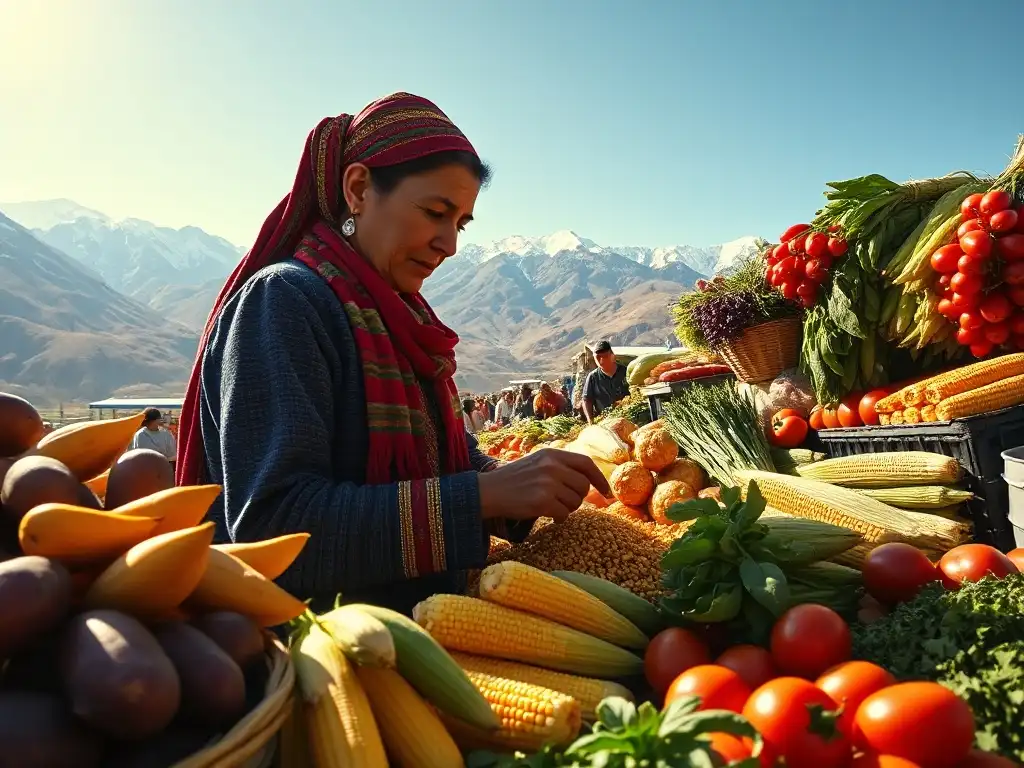
Unravel the mysteries of the Andes—a land where towering peaks meet breathtaking ingenuity. For centuries, these civilizations thrived, their success interwoven with a sophisticated understanding of their environment. But what fueled their remarkable achievements? Discover the secrets of the ancient Andean diet, a surprisingly balanced system that shaped the very foundation of Andean life. Prepare to be amazed by the ingenuity and wisdom embedded within the Andean Food Pyramid, a testament to a culture deeply connected to its land and its resources. Explore the fascinating details within!
The ancient Andean civilizations, renowned for their sophisticated engineering and intricate social structures, also possessed an impressive understanding of nutrition and sustainable agriculture. Their diet, far from being simplistic, was a complex and balanced system reflecting a deep connection with their environment and a remarkable ability to cultivate diverse crops in challenging terrains. This article explores the fascinating "Andean food pyramid," examining the key components that contributed to the health and resilience of these remarkable societies.
Understanding the ancient Andean diet provides valuable insights into sustainable food practices and highlights the importance of biodiversity in a healthy and resilient food system. We'll delve into the specific crops, their cultivation techniques, and the overall dietary structure that allowed these civilizations to thrive for centuries.
This exploration of the ancient Andean diet will reveal a sophisticated system that offers valuable lessons for modern approaches to nutrition and sustainable agriculture. The keyword, "ancient Andean diet," will be explored in depth, examining its various facets and significance.
The Foundation: Tuber Crops and Grains
The base of the Andean food pyramid consisted primarily of tuber crops, particularly potatoes ( Solanum tuberosum), but also including oca, mashua, and ulluco. These provided the majority of carbohydrates and essential nutrients for the population. These weren't just simple carbohydrates; Andean potatoes alone boasted hundreds of varieties, each adapted to specific altitudes and climates, ensuring a diverse and resilient food supply. Alongside tubers, grains like quinoa ( Chenopodium quinoa) and amaranth ( Amaranthus caudatus) played a crucial role, offering a complete protein source and essential minerals.
The cultivation techniques employed, such as terracing and irrigation, maximized yields in the challenging Andean landscape. Detailed records [specific information pending] detailing the various potato varieties and their specific nutritional profiles would further enrich this section. The resilience of these crops to harsh conditions is a testament to the ingenuity of Andean farmers.
Protein Sources: Beyond Meat
While meat played a role in the Andean diet, particularly llama and alpaca, it wasn't a staple for the majority of the population. Instead, protein was sourced from a variety of plant-based options, including quinoa, amaranth, beans (various types), and nuts. The ingenious use of complementary proteins from different plant sources ensured that essential amino acids were readily available.
This plant-based emphasis demonstrates a sustainable and environmentally conscious approach to protein acquisition, minimizing the environmental impact compared to a meat-heavy diet. Further research into the specific quantities of protein derived from different sources [specific information pending] would provide a more complete picture of the protein intake. The strategic combination of these protein sources is a key aspect of the ancient Andean diet's success.
Fruits, Vegetables, and Legumes: A Rainbow of Nutrients
The middle levels of the pyramid were filled with a colorful array of fruits, vegetables, and legumes. These provided essential vitamins, minerals, and fiber, contributing significantly to the overall nutritional balance. The diversity of these components is remarkable, reflecting the adaptability of Andean agriculture to various ecological niches. Specific examples include tomatoes, peppers, squash, and various types of beans, each contributing unique nutritional benefits.
Understanding the precise proportions and seasonal variations of these components [specific information pending] requires further investigation. However, the sheer variety suggests a highly nutritious and balanced diet rich in phytonutrients. The abundance of these foods underscores the importance of dietary diversity in the ancient Andean diet.
Fats and Condiments: A Measured Approach
Fats were obtained from sources like avocados, nuts, and seeds, providing essential fatty acids in moderation. The use of condiments, such as chili peppers and various spices, added flavor and potential health benefits. The use of these condiments was not only for taste enhancement but also served as a natural preservative and a source of antioxidants.
The limited availability of certain fats, like animal fats, suggests a more moderate consumption compared to modern Western diets. Quantifying the specific contribution of each fat source [specific information pending] would provide a more comprehensive understanding of the overall lipid profile of the ancient Andean diet. This measured approach to fats highlights the overall balance of the ancient Andean food pyramid.
The ancient Andean diet, therefore, was not just a collection of foods, but a sophisticated system reflecting a deep understanding of nutrition and sustainable agriculture. Its emphasis on plant-based foods, diversity, and balanced macronutrients offers valuable lessons for modern dietary approaches. Further research into the specific dietary practices of different Andean cultures and the precise nutritional composition of their food will continue to shed light on this fascinating and relevant topic.
- The Foundation: Tuber Crops and Grains
- Protein Sources: Beyond Meat
- Fruits, Vegetables, and Legumes: A Rainbow of Nutrients
- Fats and Condiments: A Measured Approach
Understanding the Ancient Andean Diet
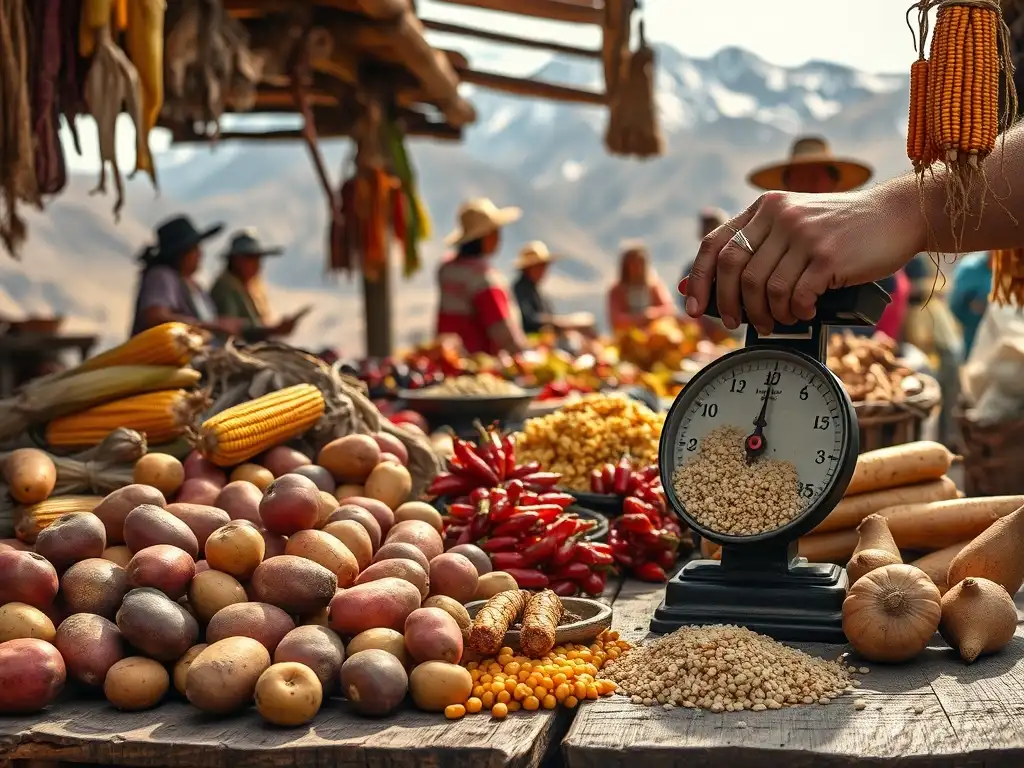
The ancient Andean diet, a cornerstone of their thriving civilizations, wasn't just about sustenance; it was deeply intertwined with their spiritual beliefs and social structures. Understanding this intricate relationship is key to appreciating the ingenuity and sophistication of their agricultural practices and the remarkable resilience of their food systems. Unlike many other ancient cultures, the Andes presented unique challenges—high altitudes, varied climates, and diverse terrains—necessitating innovative cultivation methods and a highly diversified diet to ensure food security.
This section delves into the fundamental principles that shaped the ancient Andean approach to nutrition, highlighting its remarkable balance and adaptability. The term "ancient Andean diet" encompasses a broad range of practices across different Andean cultures, each with its unique nuances, but all sharing a common thread of resourceful adaptation to their environment.
The Foundations of Andean Nutrition
The foundation of Andean nutrition rested on a principle of balance and diversity, reflecting the abundance of resources available in their diverse ecosystem. Their diet wasn't simply a collection of individual foods; it was a carefully constructed system designed to provide a complete spectrum of essential nutrients. This is exemplified by the concept of complementarity, where combining different foods enhanced nutritional value.
For instance, combining maize (corn), a staple crop, with beans and squash—a practice known as the "three sisters"—provided a complete protein profile, compensating for the deficiencies of each individual food. This practice is still prevalent in many Andean communities today, demonstrating the enduring wisdom of ancient dietary principles. The careful selection and combination of foods weren't arbitrary; they were guided by an intimate understanding of the nutritional properties of each ingredient and their synergistic effects.
This intricate knowledge was passed down through generations, ensuring the continuity of a healthy and sustainable food system. Furthermore, the availability of certain foods varied seasonally, prompting the development of ingenious preservation techniques like drying, freezing, and fermentation to ensure year-round access to vital nutrients. This sophisticated approach to food preservation played a crucial role in sustaining the population during periods of scarcity.
Key Components of the Traditional Andean Food System
The ancient Andean food system was incredibly diverse, reflecting the wide array of crops and livestock they cultivated and raised. The staple crops—maize, potatoes (in countless varieties! ), quinoa, and beans—formed the backbone of their diet, providing carbohydrates, proteins, and essential vitamins and minerals. However, their diet extended far beyond these staples. A wide range of fruits, vegetables, and tubers, such as oca, ulluco, and mashua, contributed to a rich and varied nutritional intake. These crops weren't simply consumed as individual items; they were incorporated into complex dishes and preparations, reflecting the culinary creativity and expertise of Andean cooks.
The following table summarizes some key components of the traditional Andean food system:
| Food Group | Examples | Nutritional Significance |
|---|---|---|
| Cereals | Maize (corn), Quinoa | Carbohydrates, energy |
| Tubers | Potatoes (various varieties), Oca, Ulluco | Carbohydrates, vitamins, minerals |
| Legumes | Beans (various varieties) | Protein, fiber |
| Fruits & Vegetables | Tomatoes, Peppers, Squash, various fruits | Vitamins, minerals, antioxidants |
| Protein Sources | Llama, Alpaca, Guinea Pig | Protein, essential amino acids |
The integration of animal products, primarily from llamas, alpacas, and guinea pigs, provided crucial protein sources, particularly in higher altitude regions where crop yields might be lower. The inclusion of these animals also contributed to the overall sustainability of their agricultural system, demonstrating a holistic understanding of ecological balance.
The ancient Andean diet, therefore, wasn't simply a matter of eating to survive; it was a deeply integrated system that reflected their profound connection to the land, their sophisticated understanding of nutrition, and their remarkable capacity for adaptation and innovation. 👨🌾 This holistic approach to food production and consumption is a testament to their enduring legacy and offers valuable lessons for sustainable food systems today.
Core Foods in the Andean Diet
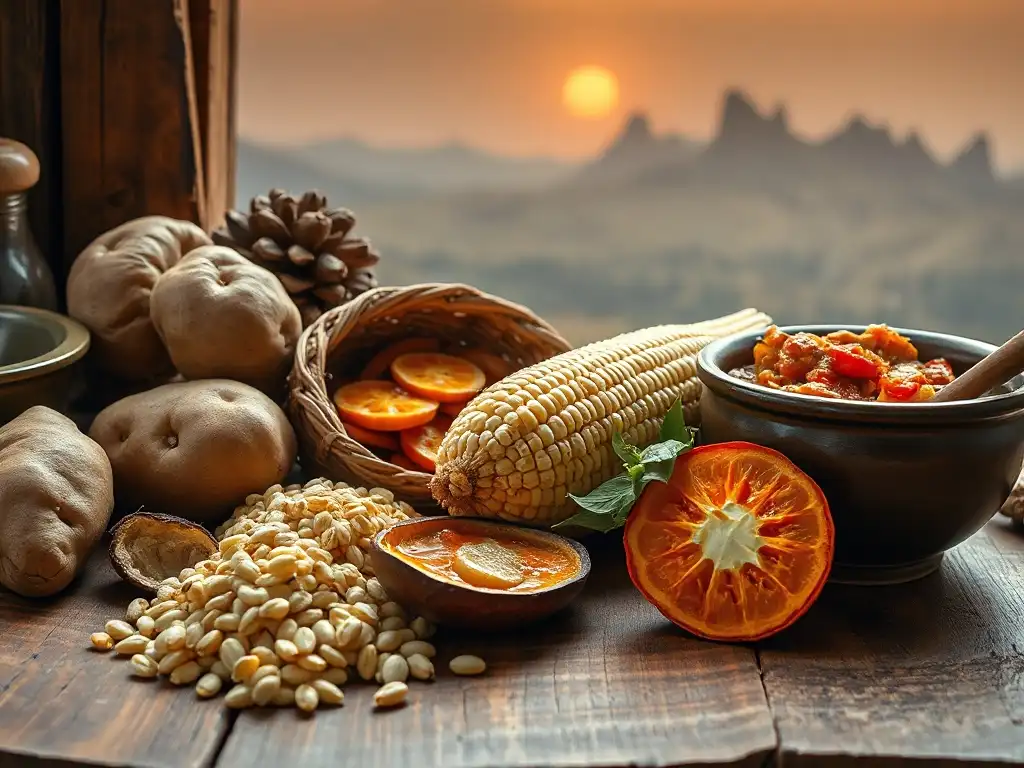
The ancient Andean diet, a testament to human ingenuity and adaptation to a challenging environment, was remarkably diverse and balanced. Its foundation rested on a few key staples, meticulously cultivated and ingeniously prepared to provide a wide range of nutrients crucial for survival and thriving in the high altitudes of the Andes Mountains. Understanding these core foods is key to appreciating the sophistication of ancient Andean agriculture and its lasting impact on modern Andean cuisine.
The nutritional prowess of these crops, combined with innovative food preservation techniques, allowed for year-round sustenance and a resilient population. This section will delve into the principal components of this remarkable dietary system, focusing on the incredible variety and nutritional value within each category.
Andean Tubers: Potatoes and Beyond
The Andean region boasts an unparalleled biodiversity of potato varieties, far exceeding the limited selection available globally today. This incredible genetic diversity allowed the ancient Andeans to cultivate potatoes at various altitudes and climates, ensuring food security even in challenging years. Beyond potatoes, other tubers played significant roles in the Andean diet, contributing to a balanced and nutritious intake of carbohydrates, vitamins, and minerals.
The Variety of Andean Potatoes
The potato ( Solanum tuberosum) wasn't just a single crop for the ancient Andeans; it was a spectrum of flavors, textures, and colors. Estimates suggest that thousands of potato varieties existed, each adapted to specific ecological niches. Some were best suited for boiling, others for frying, and still others for storage.
This incredible variety minimized the risk of crop failure and provided dietary diversity, essential for a balanced diet. For example, some varieties are known for their high protein content, while others excel in vitamin C. The meticulous selection and preservation of these diverse varieties highlight the sophisticated agricultural knowledge of ancient Andean societies. Unfortunately, much of this biodiversity has been lost in recent times, making the preservation of existing varieties a critical endeavor.
Other Important Tubers: Oca, Mashua, and Yacon
Beyond potatoes, other tubers played crucial supporting roles in the ancient Andean diet. Oca ( Oxalis tuberosa), with its tart flavor and high vitamin C content, provided a refreshing counterpoint to the starchy potatoes. Mashua ( Tropaeolum tuberosum), characterized by its slightly spicy taste, was another important crop, offering a different flavor profile and additional nutritional benefits.
Finally, yacon ( Smallanthus sonchifolius), known for its sweet taste and high fructose content, provided a unique source of energy and sweetness, a welcome addition to the largely savory Andean cuisine. The cultivation of these tubers, often intercropped with potatoes, further demonstrates the sophisticated agricultural practices of the ancient Andeans. They understood the importance of diversifying their crops to ensure food security and nutritional balance.
Grains and Pseudocereals of the Andes
While tubers formed the backbone of the Andean diet, grains and pseudocereals provided essential complementary nutrients. These crops, adapted to the high-altitude conditions, offered a significant source of protein, fiber, and essential minerals. Their cultivation and consumption were integral to the Andean agricultural system and dietary habits.
Quinoa: The Andean Superfood
Quinoa ( Chenopodium quinoa) stands out as a nutritional powerhouse. This pseudocereal, often called the "mother grain," is a complete protein, meaning it contains all nine essential amino acids. It's also a rich source of fiber, iron, and other vital minerals.
Its adaptability to diverse climates and altitudes contributed to its importance in the ancient Andean diet. Quinoa was not only a staple food but also held cultural significance, playing a role in religious ceremonies and social events. Its versatility in cooking, suitable for various preparations from porridge to bread, solidified its position as a cornerstone of the ancient Andean diet.
Amaranth and Other Andean Grains
Amaranth ( Amaranthus) is another significant pseudocereal that contributed to the nutritional richness of the ancient Andean diet. Like quinoa, amaranth is a complete protein and a good source of fiber and minerals. It also boasts a pleasant nutty flavor.
Other grains, such as kiwicha ( Amaranthus caudatus) and canihua ( Chenopodium pallidicaule), although less widely known today, also played important roles in the ancient Andean diet, contributing to the overall nutritional diversity and resilience of the Andean agricultural system. The cultivation and consumption of these crops highlight the advanced understanding of agriculture and nutrition within ancient Andean societies. The careful selection and integration of these diverse grains and pseudocereals ensured a balanced and nutritious diet for the Andean populations.
Legumes: Protein Powerhouses of the Andes
Legumes formed a crucial part of the ancient Andean diet, providing essential protein and nutrients in a region where access to animal protein could be limited. Their cultivation was deeply ingrained in the agricultural practices of various Andean cultures, from the Incas to the pre-Inca societies. The high altitude and varied climates of the Andes presented unique challenges, but Andean farmers expertly adapted their techniques to cultivate a diverse range of legumes thriving in these conditions.
The importance of legumes wasn't merely nutritional; they also held significant symbolic and ritualistic value within many Andean communities. Their incorporation into ceremonies and festivals underscored their integral role in Andean life beyond mere sustenance.
The sustainable farming practices employed ensured the continuous availability of these vital crops, contributing to the resilience and stability of Andean societies. Furthermore, the adaptability of legumes to various soil types and altitudes allowed for their cultivation across diverse Andean regions, promoting food security and self-sufficiency within communities.
Beans and Lupins in Andean Cuisine
Beans, particularly varieties like Phaseolus vulgaris (common bean), were, and continue to be, a staple in Andean cuisine. Their versatility allowed for preparation in numerous ways – boiled, stewed, ground into flour for bread, or incorporated into various sauces and soups. Recipes varied across different Andean cultures, reflecting unique regional preferences and culinary traditions.
For instance, the Incas utilized beans extensively in their daily meals, often combining them with maize and quinoa to create nutritious and balanced dishes. Lupins ( Lupinus mutabilis), another important legume, were particularly valued for their high protein content and adaptability to harsh conditions. They were consumed in various forms, including roasted, boiled, or ground into flour for breads and porridges.
The cultivation and consumption of both beans and lupins demonstrate the ingenuity and resourcefulness of Andean farmers in harnessing the nutritional potential of these crops to sustain their populations. The resilience of these crops to challenging environmental conditions highlights their vital role in the long-term food security of Andean communities.
Vegetables and Fruits: Andean Biodiversity
The incredible biodiversity of the Andes Mountains is reflected in the wide array of vegetables and fruits cultivated and consumed by ancient Andean civilizations. This remarkable diversity served as a crucial element of their diet, providing essential vitamins, minerals, and antioxidants. The unique ecological niches found across varying altitudes and microclimates allowed for a vast range of crops to thrive, contributing to a highly varied and nutritious diet.
This wasn't simply a matter of culinary preference; it was a strategic approach to food security, ensuring that even during periods of crop failure in one region, other crops in different ecological zones would provide sustenance. This rich agricultural heritage highlights the sophisticated understanding of Andean farmers regarding their environment and the effective management of resources. The intricate interplay between agriculture and the environment formed the bedrock of Andean societies, showcasing their deep connection with the land.
Native Andean Vegetables
The Andean highlands boasted a rich variety of native vegetables, many of which are still cultivated today. Examples include achira (Canna edulis), a starchy root vegetable; oca (Oxalis tuberosa), a tuber with a slightly sour taste; mashua (Tropaeolum tuberosum), another tuber with a spicy flavor; and various types of squashes and gourds. These vegetables were not only dietary staples but also played important roles in traditional medicine and religious ceremonies.
Their cultivation techniques, often employing sophisticated terracing and irrigation systems, demonstrated a deep understanding of Andean ecosystems and a commitment to sustainable agriculture. The nutritional value and adaptability of these vegetables contributed significantly to the health and well-being of ancient Andean populations, and their continued cultivation today testifies to their enduring importance. The preservation of these native varieties is crucial for maintaining biodiversity and promoting food security in the region.
Unique Andean Fruits
Beyond the familiar vegetables, ancient Andean diets also included a variety of unique fruits adapted to the high-altitude environment. These fruits offered a diverse range of flavors, textures, and nutritional benefits. Among the most prominent are lucuma (Pouteria lucuma), a sweet, custard-like fruit; chirimoya (Annona cherimola), a creamy fruit with a unique flavor profile; and aguaymanto (Physalis peruviana), also known as groundcherry, a small, sweet fruit encased in a papery husk.
These fruits were not only enjoyed fresh but also processed into jams, jellies, and other preserved forms, extending their availability throughout the year. Their cultivation and consumption contributed to a balanced and nutritious diet, enhancing the overall health and well-being of Andean communities.
The diversity of Andean fruits showcases the remarkable adaptation of plants to the challenging environment and the ingenuity of Andean farmers in utilizing this bounty to sustain their populations. Preserving and promoting these unique fruits is essential for maintaining the rich culinary heritage of the Andes.
The Andean Food Pyramid Structure
The concept of a structured diet wasn't explicitly documented in the same way as modern food pyramids, but analyzing archaeological evidence and ethnohistorical accounts reveals a remarkably balanced ancient Andean diet. This "Andean Food Pyramid," a conceptual model reflecting dietary patterns, highlights the importance of diverse, locally sourced foods and showcases the ingenuity of ancient Andean agricultural practices. Understanding this pyramid provides crucial insight into the nutritional foundation of these thriving civilizations and their sophisticated understanding of sustainable food production.
The ancient Andean diet, rich in diverse crops and sustainable farming techniques, represents a fascinating case study in nutritional balance and agricultural innovation. It was far from a simplistic system, reflecting the complex interplay between altitude, climate, and available resources.
The Base: Staple Carbohydrates
The foundation of the ancient Andean diet rested firmly on staple carbohydrates, primarily potatoes in their incredible diversity. Archaeological findings indicate over 2,000 varieties cultivated across varying altitudes and microclimates. These weren't just the potatoes we know today; they encompassed a wide range of shapes, sizes, colors, and flavors, each adapted to specific environmental conditions. Alongside potatoes, quinoa, a complete protein source, played a vital role.
Its resilience to harsh conditions and nutritional richness made it a cornerstone of Andean agriculture. Other important carbohydrates included corn (maize) and various types of amaranth, each contributing significantly to the caloric intake and dietary diversity of the population. The cultivation and processing of these staples were intricately tied to the social and religious life of Andean communities, highlighting their profound significance.
The cultivation techniques themselves were remarkable. Andean farmers developed sophisticated terracing systems, irrigation canals, and frost protection methods to maximize yields, even in challenging terrains. This level of agricultural expertise ensured a reliable supply of these essential carbohydrates, forming the bedrock of their food security. Consider, for example, the waru waru agricultural system, a raised-bed technique that optimized water use and soil fertility, providing a consistent harvest even during periods of drought. This system is a testament to the ancient Andean peoples’ deep understanding of their environment and their ability to adapt their agricultural practices accordingly.
The Middle: Fruits, Vegetables, and Legumes
The middle section of the pyramid represents the significant contribution of fruits, vegetables, and legumes to the ancient Andean diet. A vibrant array of fruits, including lucuma, chirimoya, and various berries, provided essential vitamins and antioxidants. These weren't just consumed fresh; they were also processed into jams, juices, and other preserved forms, extending their availability throughout the year.
The diverse range of vegetables, including achiote (used for both food and dye), various types of beans, and different squashes, added crucial nutrients and dietary fiber. Legumes, especially beans, were a significant source of protein and essential minerals, complementing the carbohydrates at the base of the pyramid.
The integration of these diverse food groups wasn't random; it reflected a sophisticated understanding of nutritional balance. For instance, the combination of quinoa (a complete protein) with beans (rich in certain amino acids) ensured a complete protein profile, crucial for growth and development. This demonstrates a practical knowledge of nutrition far surpassing simplistic dietary practices. Furthermore, the use of diverse crops helped mitigate the risks associated with crop failure, ensuring a more resilient and sustainable food system. The meticulous preservation techniques employed, such as drying and fermentation, further enhanced the food security of the Andean communities.
The Top: Animal Products in Moderation
While the base and middle sections of the Andean Food Pyramid emphasize plant-based foods, animal products occupied a smaller, but still important, position at the top. Llama and alpaca provided meat, wool, and transportation, playing a significant role in the Andean economy and diet. However, their consumption was likely more seasonal and less frequent than the staple crops.
Fish, where available, also contributed to the protein intake, particularly in coastal communities. The consumption of animal products was probably more closely tied to ceremonial occasions and special events, reflecting a more sustainable approach to resource management compared to an overreliance on meat.
The availability of animal products varied significantly across different regions and altitudes. Coastal communities had access to a wider range of seafood, while highland communities relied more heavily on camelids. This regional variation underscores the adaptability of the Andean diet and its integration with the specific ecological context.
Furthermore, the integration of animal products was not simply about meat; the use of llama and alpaca dung as fertilizer highlights the holistic and sustainable approach to resource management within the ancient Andean agricultural system. This circular economy minimized waste and maximized the utilization of available resources. The careful balance between plant-based and animal-based foods showcases a sophisticated understanding of nutritional requirements and resource sustainability, a hallmark of the ancient Andean diet.
Traditional Andean Cooking Methods
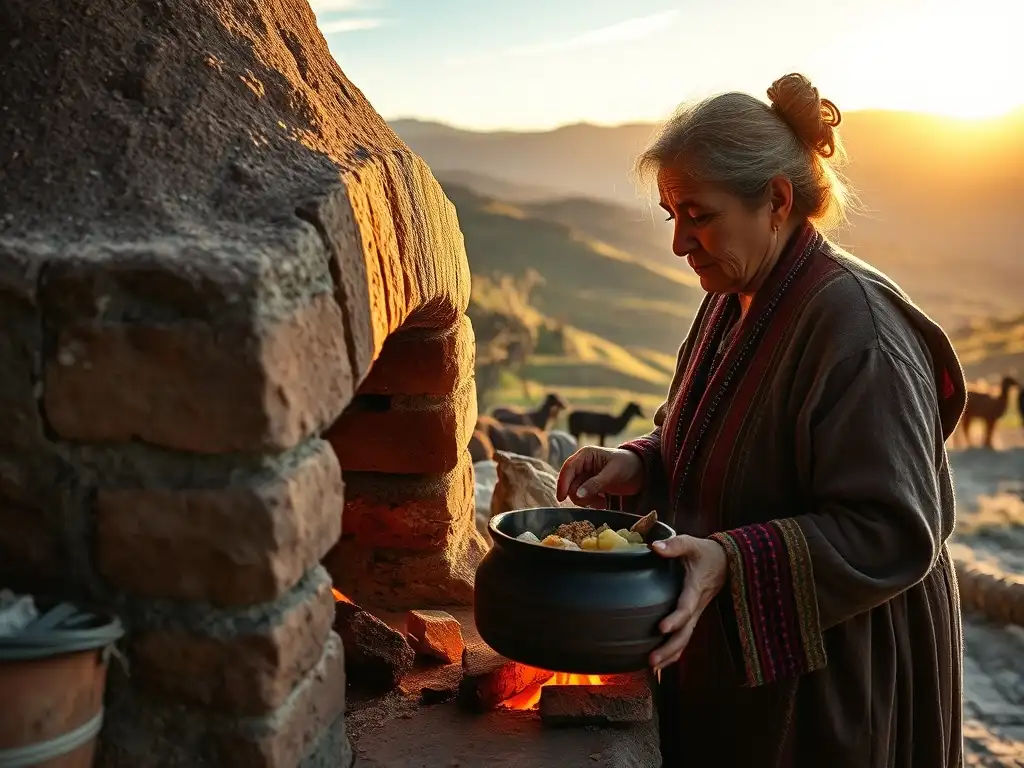
The ancient Andean diet wasn't just about what was eaten, but crucially, how it was prepared. Traditional Andean cooking methods prioritized preserving nutrients and enhancing flavors using techniques passed down through generations. These methods, often employing minimal tools, showcased ingenuity and a deep understanding of the properties of their locally sourced ingredients. The emphasis was on simplicity, maximizing the inherent qualities of the crops and animals available within their diverse ecological zones.
This contrasts sharply with many modern cooking methods which often rely on high heat and extensive processing. Understanding these techniques is key to appreciating the sophistication of the ancient Andean diet and its impact on their overall health and well-being. The careful preparation of food wasn't merely a culinary act; it was intrinsically linked to their spiritual beliefs and social structures.
Fermentation and Preservation Techniques
Fermentation played a vital role in the ancient Andean diet, extending the shelf life of perishable foods and adding unique flavors. The most well-known example is chicha, a fermented beverage made from maize. Different varieties of chicha existed, ranging from slightly alcoholic to highly intoxicating, depending on the fermentation process and the type of maize used. Beyond chicha, other foods underwent fermentation to enhance their nutritional value and palatability. For instance, some tubers were fermented to improve their digestibility and reduce the levels of certain anti-nutritional factors.
The absence of refrigeration necessitated creative preservation techniques. Charqui, or dried llama or alpaca meat, is a prime example. This process involved salting and sun-drying the meat, resulting in a long-lasting protein source ideal for travel and storage. Other preservation methods included freezing at high altitudes, storing grains in cool, dry places, and using techniques like sun-drying for fruits and vegetables. These methods not only ensured food security but also contributed to the diversity and richness of the ancient Andean diet.
The meticulous techniques employed demonstrate a profound understanding of food science and a commitment to resourcefulness. The preservation techniques were crucial for survival, especially during times of scarcity or long journeys. This illustrates how food preparation was intricately woven into the fabric of Andean life, reflecting both their ingenuity and their respect for their environment. The successful preservation of food was crucial for the sustainability of their communities.
Utilizing Andean Ingredients in Culinary Practices
Andean culinary practices centered around a core set of ingredients, each utilized in diverse ways to create a wide array of dishes. Maize, quinoa, potatoes, and beans formed the foundation of their diet, supplemented by a variety of other crops including amaranth, squash, and various fruits. The skillful combination of these ingredients created a balanced and nutritious diet, rich in carbohydrates, proteins, and essential vitamins and minerals.
The preparation methods varied greatly depending on the specific ingredient and the desired outcome. For example, potatoes were not only boiled or roasted but also processed into chuño (freeze-dried potatoes) for long-term storage. Similarly, maize was ground into flour for making breads and porridges, while also being used to produce chicha.
The ancient Andeans demonstrated a remarkable understanding of the nutritional properties of their food. They developed sophisticated techniques to prepare and consume their food in ways that optimized nutrient absorption. For instance, the preparation of quinoa involved rinsing it thoroughly to remove saponins, which can cause bitterness and digestive problems. This attention to detail underscores their commitment to a healthy and balanced diet.
Furthermore, the diverse range of ingredients used ensured that they received a wide spectrum of nutrients, contributing to their overall health and resilience. The ingenuity in utilizing available resources was a defining characteristic of their culinary practices, reflecting the harmony between their diet and their environment. The impact of this balanced and diverse diet on the health and longevity of Andean populations remains a subject of ongoing research. Understanding their food preparation techniques provides valuable insights into their agricultural practices and social structures.
Health Benefits of the Ancient Andean Diet

The ancient Andean diet, a cornerstone of Andean civilization's success, offered significant health advantages stemming from its diversity and nutritional richness. Far from a simplistic subsistence strategy, it was a sophisticated system built around a carefully balanced selection of crops and livestock adapted to the challenging Andean terrain. Understanding the nutritional composition of this diet reveals a compelling case for its contribution to the overall health and longevity of the Andean populations.
This section delves into the specific nutritional benefits and explores the connection between this dietary approach and the observed health outcomes in ancient Andean communities. The study of ancient Andean mummies, combined with archeological findings of food remains and agricultural practices, provides valuable insights into this fascinating aspect of Andean history.
Nutritional Advantages of Andean Foods
Andean agriculture thrived on a remarkable diversity of crops, each contributing unique nutritional elements to the diet. The staple crops—potatoes, maize (corn), quinoa, and beans—formed the foundation of a diet rich in carbohydrates, protein, and essential micronutrients.
- Potatoes: Provided a substantial source of carbohydrates, offering energy for daily activities. Different potato varieties offered varying levels of vitamins and minerals. Some varieties were particularly rich in vitamin C, crucial for immune function. The diversity of potato types also ensured a varied intake of nutrients throughout the year.
- Maize (Corn): Another significant carbohydrate source, maize also provided essential minerals like iron and zinc. Different processing techniques, including nixtamalization (treating corn with an alkaline solution), enhanced nutrient bioavailability.
- Quinoa: A complete protein source, meaning it contains all nine essential amino acids. This was crucial for muscle growth and repair, especially important in demanding agricultural and altitude-related activities. Quinoa is also a good source of fiber, iron, magnesium, and manganese.
- Beans: A valuable source of protein and fiber, beans complemented the carbohydrate-rich staples, further contributing to a balanced and complete dietary profile. Different bean varieties offered a diverse range of nutrients.
Beyond these staples, the Andean diet included a wide array of fruits, vegetables, and tubers, each adding to its overall nutritional value. These included a variety of colorful peppers, providing vitamin C and antioxidants, and various types of squash, rich in vitamins and minerals. The inclusion of these diverse foods minimized nutritional deficiencies and promoted a robust immune system. This dietary complexity, shaped by environmental adaptation and ingenious agricultural techniques, is a key factor in understanding the health benefits of the ancient Andean diet.
Connection to Andean Health and Longevity
The remarkable health and longevity observed in some ancient Andean populations are often linked to their dietary practices. While direct causal links are challenging to establish definitively due to the limitations of historical data, several observations suggest a strong correlation:
| Factor | Observation | Supporting Evidence |
|---|---|---|
| Dietary Diversity | Wide range of crops and livestock, minimizing nutrient deficiencies. | Archaeological evidence of diverse crop remains and animal bones. |
| High Fiber Intake | High fiber content aided in digestive health and prevented chronic diseases. | Analysis of ancient fecal samples (where available) could reveal fiber content. |
| Nutrient-Rich Foods | Abundance of vitamins, minerals, and antioxidants, supporting immune function. | Analysis of ancient food remains can reveal nutrient content (though often challenging). |
| Low Processed Foods | Minimal processing, preserving natural nutrient levels. | Archaeological evidence suggesting limited food processing techniques. |
| Physical Activity | High levels of physical activity contributed to overall health and well-being. | Anthropological studies of ancient Andean lifestyles. |
It's crucial to note that factors beyond diet, such as altitude adaptation, genetics, and lifestyle, also played significant roles in the health of ancient Andean populations. However, the evidence strongly suggests that the ancient Andean diet, with its emphasis on diverse, nutrient-rich, minimally processed foods, contributed significantly to their overall health and potentially, their longevity. Further research, particularly detailed analysis of ancient skeletal remains and dietary reconstructions, could provide more definitive answers to this intriguing question. The study of the "ancient Andean diet" continues to unveil valuable lessons for modern nutritional approaches.
Modern Adaptations of the Andean Diet
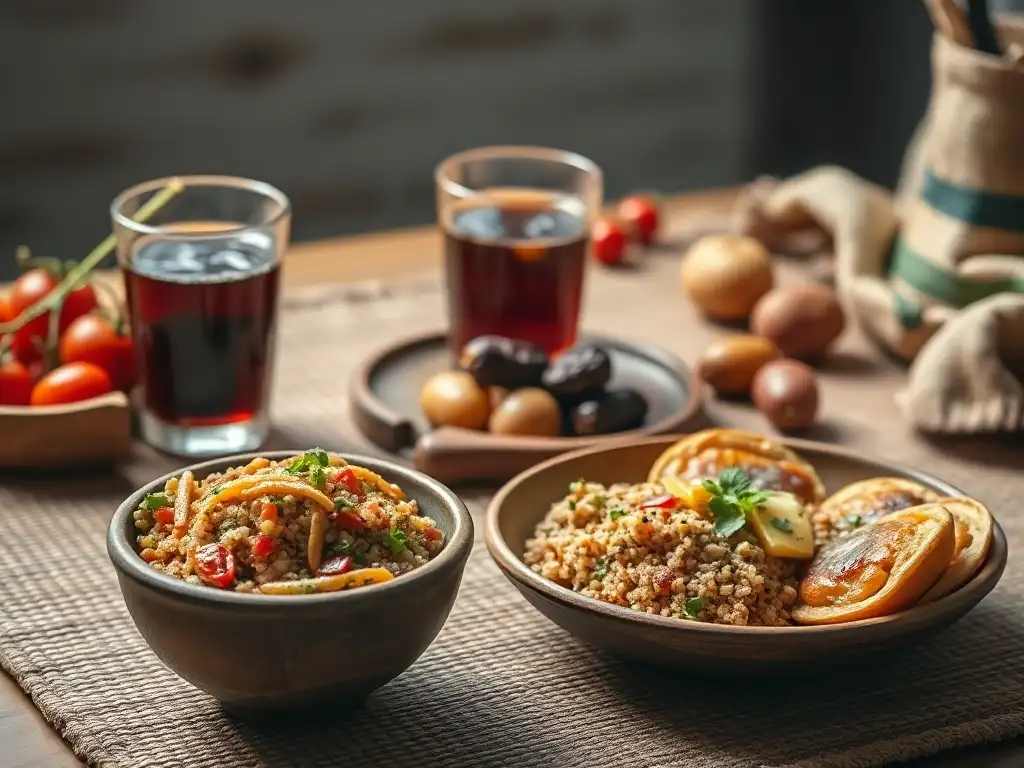
The ancient Andean diet, rich in diverse grains, tubers, and protein sources, offers valuable lessons for modern nutrition. While the exact composition varied across different Andean cultures and altitudes, the core principles of a balanced diet emphasizing locally sourced, nutrient-rich foods remain highly relevant today. Understanding these principles allows us to adapt and integrate the wisdom of the ancient Andean diet into our contemporary meals, promoting healthier lifestyles and supporting sustainable food systems.
This section explores how we can leverage the knowledge of the past to improve our present dietary habits. The enduring legacy of the ancient Andean civilizations provides a blueprint for a more balanced and ecologically mindful approach to nutrition. Understanding the nutritional value of these ancient foods and their role in a sustainable food system is crucial for modern health and environmental consciousness.
Integrating Andean Foods into Contemporary Meals
Modern culinary trends are increasingly incorporating ancient Andean staples. Quinoa, once a niche ingredient, is now a global superfood, prized for its complete protein profile and nutritional density. Its versatility allows for easy integration into various dishes – from salads and bowls to soups and side dishes. Similarly, amaranth, another ancient grain, is finding its place in modern kitchens, offering a gluten-free alternative with a nutty flavor and high nutritional value. Beyond grains, Andean tubers like potatoes (with their incredible diversity of varieties), sweet potatoes, and oca are experiencing a resurgence, adding unique flavors and textures to meals.
Many contemporary chefs are creatively incorporating these ingredients, showcasing their versatility and flavor profiles. Think of quinoa tabbouleh, amaranth porridge with berries, or roasted sweet potatoes with achiote seasoning. These are not just trendy dishes; they represent a mindful return to nutrient-rich, sustainably sourced foods that were central to the ancient Andean diet. The adaptability of these ingredients allows for seamless integration into existing culinary practices, offering a simple yet impactful way to improve one's diet. Moreover, the increasing availability of these foods in mainstream supermarkets reflects a growing awareness of their nutritional benefits and cultural significance.
The Reemergence of Ancient Grains and Tubers
The resurgence of interest in ancient Andean grains and tubers is not just a culinary trend; it's a recognition of their nutritional superiority and resilience. These crops are often more nutrient-dense than their modern counterparts, boasting higher levels of vitamins, minerals, and antioxidants. For instance, some varieties of ancient Andean potatoes contain significantly higher concentrations of Vitamin C than commercially grown potatoes. Similarly, certain quinoa varieties boast elevated levels of protein and essential amino acids.
Furthermore, these ancient crops often exhibit greater resilience to pests and diseases, making them more sustainable options for cultivation. Their adaptability to diverse climates and challenging conditions underscores their ecological importance, aligning perfectly with modern concerns about sustainable agriculture and food security. The reintroduction of these crops into modern agriculture presents a significant opportunity to diversify our food systems, enhance nutritional intake, and promote environmentally friendly farming practices.
The study and cultivation of these ancient varieties offer a powerful pathway toward a more sustainable and nutritious future, echoing the wisdom of the ancient Andean civilizations. The potential benefits extend beyond individual health, contributing to broader agricultural resilience and food security on a global scale. This revival is not merely a nostalgic culinary trend, but a proactive step towards a healthier and more sustainable future.
Preserving Andean Food Traditions
The ancient Andean diet, a cornerstone of their sophisticated civilizations, wasn't just about sustenance; it was deeply intertwined with their spiritual beliefs and social structures. Understanding the principles behind this diet offers valuable insights into their agricultural prowess and enduring cultural legacy. The preservation of these traditions is crucial not only for historical accuracy but also for the ongoing health and sustainability of Andean communities today.
Many traditional practices, honed over millennia, provide sustainable models for modern agriculture, offering solutions to contemporary challenges such as climate change and food security. The unique biodiversity of the Andes, cultivated and protected by these ancient cultures, holds immense potential for future food production.
Studying the ancient Andean diet allows us to appreciate the ingenuity and resilience of past generations, while simultaneously inspiring innovative approaches to contemporary food systems. This is particularly important given the increasing pressure on Andean ecosystems due to factors such as population growth and climate change.
The Importance of Sustainable Andean Agriculture
Sustainable agriculture was paramount to the ancient Andean civilizations. Their success wasn’t solely dependent on fertile land; it relied on a complex interplay of techniques designed to optimize resource use and minimize environmental impact. These techniques, often adapted to the challenging Andean terrain, included:
- Terracing: Ingenious systems of terraced farming transformed steep slopes into productive agricultural land, reducing soil erosion and maximizing water retention. These terraces, often meticulously constructed with stone walls, are a testament to their advanced engineering skills and deep understanding of their environment.
- Waru Waru: This pre-Inca agricultural technique involved building raised beds surrounded by irrigation canals. This system improved drainage, controlled temperature fluctuations, and increased crop yields, especially in high-altitude areas prone to frost. Waru Waru agriculture shows a remarkable level of adaptation to the unique challenges of the Andean environment.
- Crop Rotation: The ancient Andeans practiced crop rotation to maintain soil fertility and prevent the depletion of essential nutrients. This sustainable practice, combined with the use of natural fertilizers like guano (bat and seabird droppings), ensured long-term agricultural productivity. Records suggest a sophisticated understanding of soil nutrient cycling.
- Biodiversity: The Andean diet showcased an incredible diversity of crops, adapted to different altitudes and microclimates. This biodiversity served as a natural resilience strategy, ensuring food security even in the face of environmental challenges. The cultivation of diverse crops minimized risks associated with crop failure and provided a wide range of nutrients.
The application of these sustainable methods ensured the long-term productivity of the land and contributed significantly to the stability and prosperity of the Andean civilizations. Understanding and replicating these techniques is crucial for addressing modern agricultural challenges and promoting sustainable food production in the Andes today. The integration of traditional knowledge with modern scientific understanding holds immense potential for creating resilient and environmentally friendly agricultural systems.
Supporting Andean Farmers and Communities
Preserving the ancient Andean diet requires a multifaceted approach that actively supports Andean farmers and communities. This support needs to go beyond simply providing resources; it must also involve empowering local communities to maintain their traditional knowledge and practices. This can be achieved through:
- Fair Trade Practices: Ensuring fair prices for Andean agricultural products is essential for supporting the livelihoods of farmers and encouraging the continuation of traditional farming methods. Fair trade initiatives can provide economic stability and incentivize sustainable practices.
- Access to Education and Training: Providing access to education and training programs that combine traditional knowledge with modern agricultural techniques can empower farmers to improve their productivity and resilience. This blend of traditional wisdom and modern technology is crucial for sustainable development.
- Investment in Infrastructure: Investing in infrastructure, such as improved irrigation systems and transportation networks, can significantly enhance the efficiency and profitability of Andean agriculture. This can improve market access and reduce post-harvest losses.
- Preservation of Traditional Seeds: The protection and preservation of traditional Andean crop varieties are essential for maintaining biodiversity and ensuring food security. These seeds represent a valuable genetic resource with inherent resilience to diseases and pests. Seed banks and community-based seed saving initiatives play a critical role in this endeavor.
Supporting Andean farmers and communities is not merely an act of charity; it is a crucial step towards preserving the rich cultural heritage and ensuring the long-term sustainability of the ancient Andean diet and its remarkable contribution to global food security. The ongoing commitment to these efforts is essential for safeguarding this invaluable legacy for future generations. The success of these initiatives depends on collaborative efforts involving governments, NGOs, and the Andean communities themselves.
Frequently Asked Questions
What did the ancient Andean people eat?
The ancient Andean diet was incredibly diverse and varied depending on the specific civilization and altitude. It typically included potatoes, maize, quinoa, beans, and various fruits and vegetables, supplemented by animal protein from llamas, alpacas, and guinea pigs.
How did altitude affect the ancient Andean diet?
Altitude significantly impacted food choices. Higher elevations meant cultivating cold-hardy crops like potatoes, while lower areas supported a broader range of plants. Nutritional needs also varied with altitude.
What role did potatoes play in the ancient Andean diet?
Potatoes were a staple food, providing a substantial portion of calories and nutrients. The Andes are the center of origin for potatoes, with many different varieties cultivated and adapted to diverse environments.
Were there any unique cooking techniques used in ancient Andean cuisine?
Yes, ancient Andean civilizations employed various techniques including sun drying, fermentation, and freeze-drying, to preserve and enhance the flavor of their food. Specialized pottery was used for cooking and storage.
How did the ancient Andean diet contribute to their civilization's success?
A nutritious and balanced diet, rich in carbohydrates, protein, and essential vitamins and minerals, provided the energy and sustenance necessary for physical labor and the development of complex societies. This sustainable food system supported large populations.
Final Reflection: Nourishing the Present with Ancient Wisdom
The Andean food pyramid isn't just a historical artifact; it's a blueprint for a healthier, more sustainable future. Its emphasis on whole grains, legumes, and diverse plant-based foods offers a powerful counterpoint to the processed-food-heavy diets prevalent in many parts of the world today, highlighting the crucial link between our food choices and our well-being. This ancient system, far from being outdated, provides a timely and relevant model for addressing modern health challenges.
The enduring legacy of the Andean food pyramid lies not only in its nutritional value but also in its deep connection to the land and its people. It represents a holistic approach to food, one that respects biodiversity, promotes community, and celebrates the rich cultural heritage of the Andes. This interconnectedness is something we, in our increasingly fragmented world, could learn much from. The food we eat is a reflection of our relationship with the earth and with each other.
This simple truth, though often overlooked, holds profound implications for our individual and collective health.
Consider the wisdom embedded within this ancient system. Think about how you can incorporate its principles into your own diet and lifestyle. Choose to prioritize whole, unprocessed foods, explore the diverse bounty of plant-based options, and cultivate a mindful approach to eating. By embracing the lessons of the Andean food pyramid, you not only nourish your body but also connect with a rich cultural heritage and contribute to a more sustainable and equitable food system for generations to come.
**Nourish Your Body and Spirit: Embrace the Andean Diet! **
Thank you for exploring the rich traditions of Andean cuisine! This article reveals the wisdom of ancient civilizations and their understanding of balanced nutrition. Now, let's put that knowledge into practice!
- **Begin by incorporating at least three Andean staples** into your meals this week—perhaps quinoa, potatoes, and aji amarillo.
- **Explore local farmers' markets** for fresh ingredients and discover unique recipes reflecting Andean heritage.
- **Share your culinary journey! ** Post pictures of your favorite Andean-inspired dishes on social media and tag @AndeanCivilizations to connect with our community.
What delicious Andean-inspired creations will you make? We'd love to hear about your culinary adventures!