
The Art of Andean Food Preservation: Techniques Passed Down Through Generations

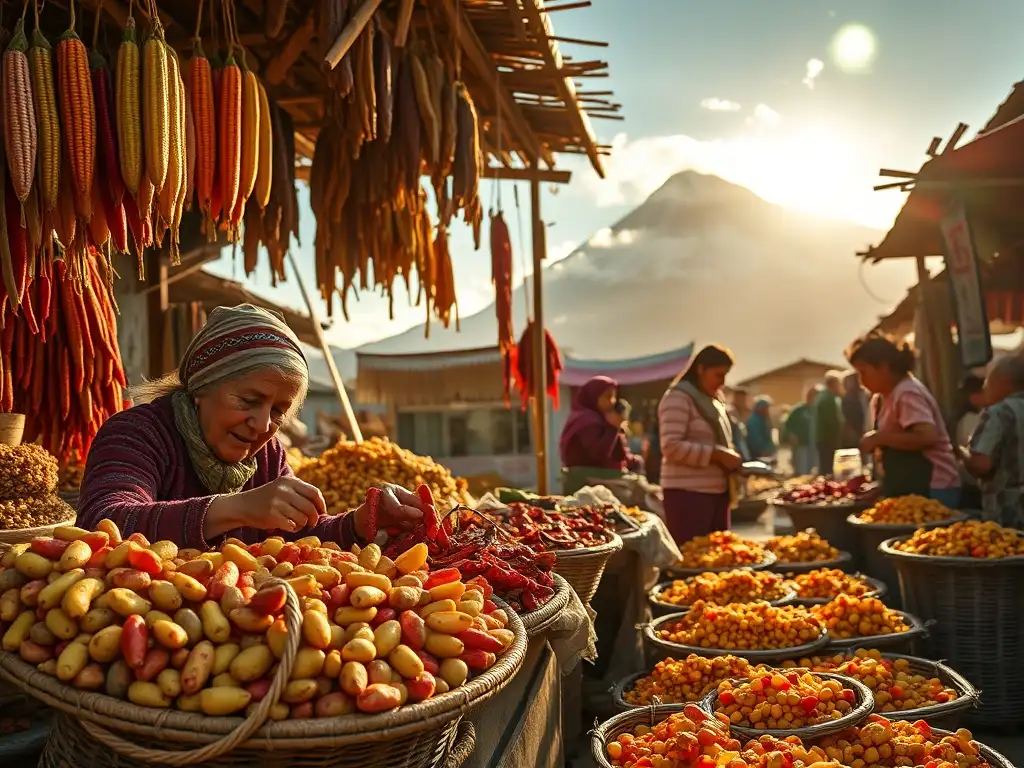
Step into a world lost to time, yet echoing with the ingenuity of the Andes. For centuries, the Andean civilizations thrived, mastering not just monumental architecture and intricate artistry, but also incredibly sophisticated food preservation techniques. Discover the secrets behind their success – how did they ensure survival in challenging terrains? Uncover the fascinating story of Andean agriculture and food, beginning with our exploration of Andean food preservation techniques – a legacy passed down through generations, waiting to be unveiled.
The Andes Mountains, a spine of towering peaks running down the western edge of South America, nurtured some of the world's most sophisticated pre-Columbian civilizations. These societies, including the Incas, Moche, Nazca, and Tiahuanaco, developed remarkable agricultural practices and, crucially, ingenious methods for preserving their food supplies. Understanding Andean food preservation techniques is key to appreciating the ingenuity and resilience of these cultures, who faced the challenges of high altitudes, varied climates, and unpredictable harvests.
This article explores the diverse strategies employed by Andean peoples to ensure food security, highlighting the remarkable innovations that allowed them to thrive in a demanding environment and techniques that continue to influence food practices in the region today. We'll delve into the historical context, the significance of storage in their societies, and the specific techniques they mastered, showcasing the enduring legacy of Andean food preservation.
Introduction to Andean Food Preservation and its Historical Significance
Andean food preservation wasn't merely a practical matter; it was deeply intertwined with their cosmology, social structures, and economic systems. The ability to store food surpluses was essential for survival during lean times, such as droughts or harsh winters prevalent in the high-altitude regions. This capacity also allowed for the development of complex social hierarchies and the support of large populations in urban centers.
Archaeological evidence, including storage facilities found at various sites, reveals the sophisticated planning and organization involved in food preservation. Methods varied across different Andean cultures and altitudes, reflecting adaptations to specific environmental conditions. For example, the coastal regions, with their different climates, employed different techniques than the high-altitude communities.
The techniques were not static, evolving over centuries as the civilizations themselves developed and adapted to changing needs and environments. This dynamic evolution showcases the adaptability and resourcefulness of Andean cultures in the face of environmental challenges. The legacy of these preservation methods continues to influence modern Andean cuisine and agricultural practices, demonstrating their enduring relevance and importance.
The Importance of Food Storage in Ancient Andean Civilizations
The importance of food storage in ancient Andean civilizations cannot be overstated. It was fundamental to their survival and societal structure. Without effective preservation techniques, these societies would have been vulnerable to famine and societal collapse during periods of scarcity. The construction of large-scale storage facilities, such as qollqas (Inca storehouses) and other specialized structures, demonstrates the significant investment of resources and labor dedicated to food preservation.
These structures, often built with meticulous engineering and incorporating sophisticated ventilation systems, highlight the advanced understanding of food storage principles. The ability to preserve surpluses enabled the development of specialized labor and the emergence of complex social hierarchies. Elites could accumulate wealth in the form of stored food, while specialized artisans and builders were supported by the surplus. The successful preservation of food also facilitated trade and exchange networks, connecting different regions and communities across the Andes.
This interconnectedness fostered cultural exchange and economic growth. The strategic location of storage facilities near agricultural lands and transportation routes further underscores the vital role of food preservation in the overall economic and social organization of these ancient civilizations. The sophisticated planning and execution of food storage systems reveal a deep understanding of resource management and societal organization.
- Introduction to Andean Food Preservation and its Historical Significance
- The Importance of Food Storage in Ancient Andean Civilizations
Key Andean Food Preservation Techniques
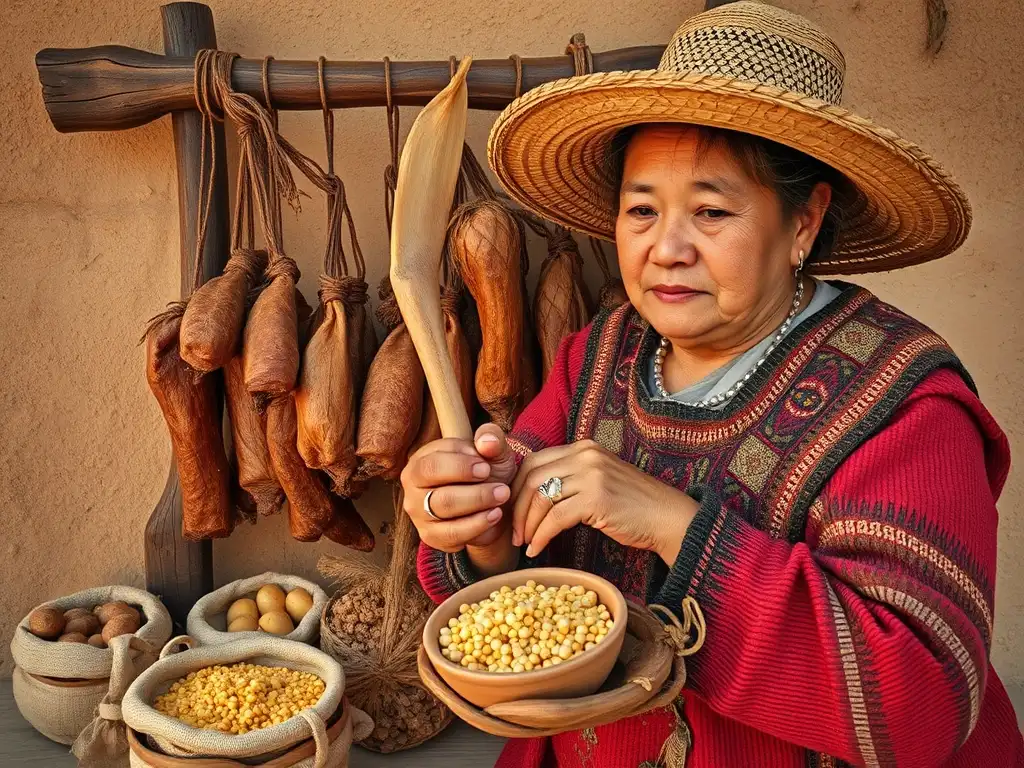
The Andes Mountains, with their diverse altitudes and climates, presented unique challenges and opportunities for food preservation. Ancient Andean civilizations developed ingenious techniques to extend the shelf life of their harvests and ensure food security throughout the year. These methods, often relying on readily available natural resources, showcase remarkable ingenuity and a deep understanding of the environment. Mastering these Andean food preservation techniques was crucial for the survival and prosperity of these communities. The techniques weren't merely practical; they were deeply intertwined with cultural practices and beliefs, passed down through generations with a reverence for tradition and sustainability.
Drying: The Power of the Sun and Wind in Andean Food Preservation
Drying, a simple yet effective method, was widely employed across various Andean cultures. The abundant sunshine and strong winds at high altitudes provided ideal conditions for this process, minimizing the risk of spoilage and maximizing nutrient retention. Different drying techniques were employed depending on the specific foodstuff.
Sun-Drying Methods for Grains and Tubers
Sun-drying was particularly effective for grains like quinoa and maize, as well as tubers such as potatoes. The process typically involved spreading the harvested produce thinly on mats or rocks, ensuring even exposure to sunlight. Regular turning was crucial to prevent uneven drying and mold growth. The duration of sun-drying varied depending on the weather conditions and the type of food, ranging from a few days to several weeks.
This method reduced moisture content, inhibiting microbial growth and significantly extending the shelf life of these staple foods. The resulting dried products were then stored in cool, dry places, often in woven bags or clay pots, for later consumption. This simple yet effective method ensured a reliable food supply during lean times. The meticulous attention to detail in sun-drying reflects the Andean people's deep respect for their resources and their understanding of the natural processes that preserved their food.
Air-Drying Techniques for Meats and Fish
For meats and fish, air-drying techniques were often preferred. These involved cutting the meat or fish into thin strips or pieces and hanging them in well-ventilated areas, often sheltered from direct sunlight. The combination of air circulation and lower temperatures helped to dehydrate the food, preventing bacterial growth and spoilage. This method was particularly important in regions with limited access to sunlight or during periods of inclement weather.
Certain spices and herbs were sometimes added to enhance flavor and further inhibit spoilage. The process could take several weeks, resulting in a preserved product that could be stored for extended periods. This method exemplifies the adaptability and resourcefulness of Andean communities in their approach to food preservation.
Freeze-Drying: The Natural Andean Method of Chuño Making
Perhaps the most iconic Andean food preservation technique is the production of chuño, a freeze-dried potato. This method takes advantage of the unique high-altitude climate characterized by freezing nights and sunny days.
The Process of Making Chuño from Potatoes
The process of making chuño is labor-intensive but incredibly effective. First, selected potatoes are harvested and spread out to freeze overnight. The following day, they are trampled on to remove excess moisture. This process is repeated for several cycles, allowing the potatoes to freeze and thaw, gradually removing water through sublimation. This freeze-drying process not only preserves the potatoes for extended periods but also transforms their texture and flavor. The result is a lightweight, easily stored food source crucial to Andean survival for centuries. The precise techniques and duration varied slightly depending on the specific region and potato variety.
Variations of Chuño: Tunta and Other Freeze-Dried Products
While chuño is the most well-known example, variations exist. Tunta, for instance, is a less processed version of chuño, requiring fewer freeze-thaw cycles. Other Andean communities adapted the freeze-drying principle to preserve other tubers and even some fruits, showcasing the versatility and adaptability of this ingenious preservation method.
The production of chuño and its variations wasn’t simply a culinary practice; it was a significant cultural event, often involving community participation and embodying the spirit of collaboration and resource management that characterized Andean societies. The enduring legacy of chuño highlights the remarkable ingenuity of Andean food preservation techniques. The process itself is a testament to their deep understanding of their environment and their ability to harness natural forces for survival and prosperity.
Salting and Curing: Preserving Meats in the Andes
Salting and curing represent cornerstone techniques in Andean food preservation, extending the shelf life of precious meats and making them accessible throughout the year. These methods, honed over millennia, demonstrate a deep understanding of both food science and resource management. The harsh Andean environment, with its fluctuating temperatures and limited access to refrigeration, necessitated the development of robust preservation strategies.
Salting, in particular, proved incredibly effective in inhibiting microbial growth, a crucial factor in preventing spoilage. The process not only extended the usability of meat but also imparted unique flavors, enhancing its culinary appeal. This preservation method was particularly vital for communities reliant on livestock, ensuring a consistent supply of protein even during lean seasons.
The effectiveness of salting and curing varied depending on climate and altitude, necessitating regional adaptations of the technique. High-altitude communities, for example, might have employed slightly different salting concentrations to account for altered atmospheric pressure and humidity.
Traditional Methods of Salting Andean Meats
Traditional Andean salting methods often involved meticulous preparation. Meats, typically llama, alpaca, or vicuña, were carefully cleaned and butchered. Larger cuts might be further broken down into smaller, more manageable portions for efficient salting. The salt itself, often obtained from natural sources like salt flats or evaporated brine, was meticulously applied.
The process frequently involved layering the meat with salt, ensuring complete coverage and penetration. This could involve dry salting, where salt was simply rubbed onto the meat, or wet salting, where the meat was submerged in brine. The duration of the salting process varied depending on the type of meat, the desired level of preservation, and environmental conditions. Certain communities employed specific herbs and spices alongside the salt, both for added flavor and potential antimicrobial properties.
This careful layering and attention to detail ensured that even in the absence of modern refrigeration, the meat remained palatable and safe for consumption for extended periods. The knowledge of optimal salting techniques was often passed down through generations, forming an integral part of Andean culinary traditions. This oral tradition, along with practical experience, ensured the continued use and refinement of these vital preservation methods.
The Use of Natural Salts in Food Preservation
The Andean region boasts an abundance of natural salt sources, providing the foundation for their traditional food preservation practices. Salt flats, or salars, are particularly significant, yielding vast quantities of naturally occurring salt. These salt flats, often located in high-altitude deserts, provide a readily accessible and essential resource for communities. The salt obtained from these sources isn't just a preservative; it's deeply intertwined with cultural practices and economic activities.
The harvesting and processing of salt often involved community participation, strengthening social bonds. Furthermore, the quality and purity of the salt varied depending on the specific salt flat, leading to regional variations in taste and preservation effectiveness. In some areas, brine, derived from salt springs or dissolved salt crystals, was used instead of dry salt, offering a different approach to curing.
The use of natural, unrefined salt likely contributed to the distinctive flavor profiles of Andean cured meats. The understanding of the properties of different salt sources, combined with generations of accumulated knowledge, reflects a sophisticated approach to food preservation. This sophisticated understanding is reflected in the diverse applications of salt across Andean cultures, highlighting its vital role in their culinary heritage.
Fermentation: Creating Long-Lasting Andean Staples
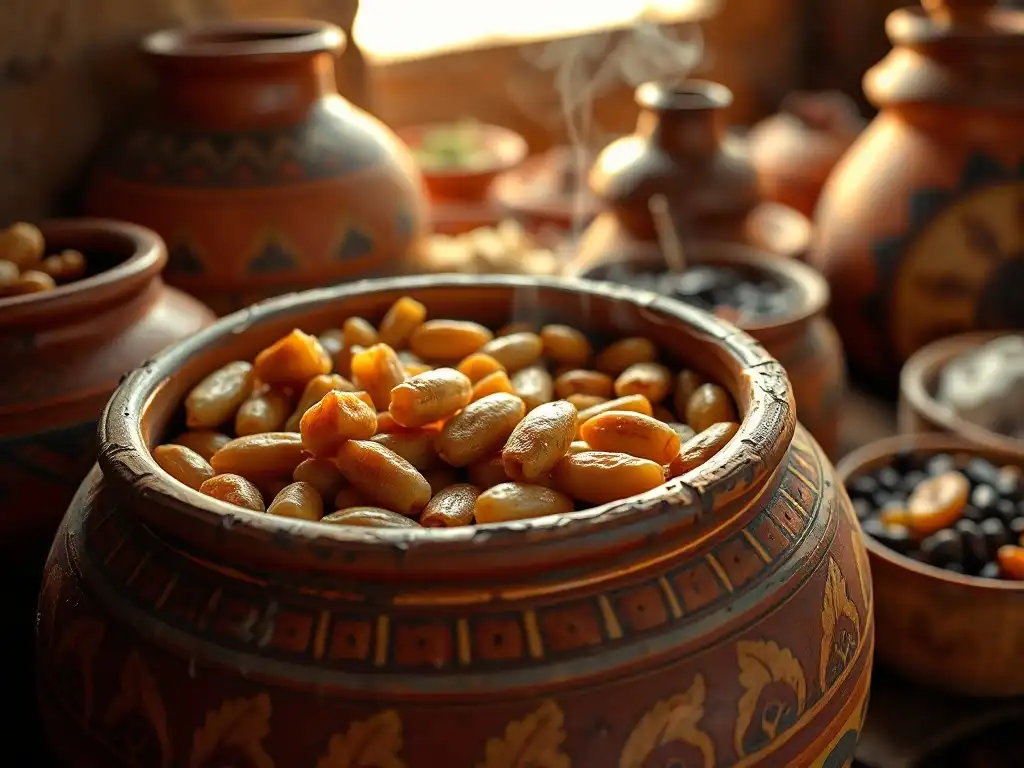
Fermentation, alongside salting, stands as another pillar of Andean food preservation. This process, leveraging the activity of beneficial microorganisms, transforms food, extending its shelf life and creating unique flavors and textures. The Andean climate, with its variations in temperature and humidity, presented challenges and opportunities for fermentation. Different fermentation techniques were employed based on available resources and local conditions.
This resulted in a rich diversity of fermented foods that became essential components of the Andean diet, providing valuable nutrients and ensuring food security, even in times of scarcity. The process wasn't merely about preservation; it also enhanced nutritional value and digestibility in some cases. For example, fermentation could break down complex carbohydrates, making them more readily available to the body.
Fermented Beverages in Andean Culture
Fermented beverages hold a significant place in Andean culture, offering both refreshment and nutritional benefits. Chicha, a fermented beverage made from maize, is perhaps the most well-known example. Its production varied considerably across different Andean communities, with unique recipes and techniques handed down through generations. The fermentation process involved specific yeasts and bacteria, contributing to the beverage’s characteristic flavor profile. Chicha wasn’t just a drink; it played a vital role in religious ceremonies, social gatherings, and daily life, reflecting its importance in Andean society. Other fermented beverages, using different grains or fruits, also existed, demonstrating the adaptability of fermentation techniques to diverse local resources. The brewing of these beverages was often a communal activity, reinforcing social ties and cultural identity. The knowledge of fermentation techniques was carefully guarded and passed down, ensuring the continuation of these traditions.
Fermented Foods and Their Nutritional Value
Beyond beverages, Andean cultures developed a range of fermented foods, each offering unique nutritional benefits. Many of these fermented foods enhanced the bioavailability of essential nutrients, making them easier for the body to absorb. Fermentation also contributed to increased shelf life, reducing food waste and ensuring a reliable source of nutrients throughout the year.
The preservation of essential vitamins and minerals through fermentation was crucial in a region where access to fresh produce could be limited, particularly during harsh weather conditions. Examples of fermented foods included various types of fermented maize preparations, which offered a different texture and flavor profile compared to their unfermented counterparts. The nutritional value of these fermented foods is a subject of ongoing research, with studies indicating potential benefits for gut health and overall well-being.
The development of these preservation techniques demonstrates the sophisticated understanding of food science and nutrition possessed by ancient Andean communities. The continued use of these methods speaks to their enduring value in supporting healthy diets and food security.
Storage Methods: Protecting Preserved Foods
Once Andean foods were preserved using techniques like drying, salting, or fermentation, proper storage was crucial to maintain their quality and prevent spoilage. The methods employed varied depending on the specific food item, climate, and available resources, showcasing the ingenuity of Andean cultures in adapting to their environment. The challenge wasn't just preserving the food initially, but also ensuring its longevity throughout the year, particularly during harsh weather conditions or lean seasons.
The Andean people developed sophisticated storage solutions that minimized food loss and maximized nutritional value. These storage solutions weren't merely functional; they were also integrated into the broader social and economic structures of Andean communities. Access to storage facilities often reflected social standing, highlighting the importance of food security within their societies.
The design and construction of these storage solutions also revealed sophisticated knowledge of engineering and material science, reflecting a deep understanding of the properties of different materials and their interactions with the environment. This integrated approach to food preservation, encompassing both preservation and storage, was fundamental to the survival and prosperity of Andean civilizations.
Underground Storage Pits for Andean Crops
Underground storage pits, or qollqas, represented a cornerstone of Andean food preservation strategies, particularly for root vegetables like potatoes, oca, and mashua. These pits, often lined with stone or other locally available materials, provided a cool, dark, and consistently humid environment ideal for slowing down the decomposition process. The temperature regulation within these pits was remarkably effective, ensuring that the stored crops remained viable for extended periods, sometimes lasting for several months or even years.
The construction of these pits varied depending on the local geography and the specific needs of the community. Some qollqas were relatively simple excavations, while others were more elaborate structures with multiple chambers and ventilation systems. The careful selection of the location, considering factors like soil drainage and proximity to water sources, demonstrates a deep understanding of environmental factors influencing food preservation.
Archaeological evidence reveals the widespread use of qollqas across various Andean regions, highlighting their importance in supporting the agricultural economies of these societies. The design and functionality of these structures underscore the sophisticated knowledge of agricultural practices and food preservation techniques prevalent in ancient Andean societies.
The Use of Elevated Warehouses for Food Preservation
In contrast to underground storage, elevated warehouses, or collcas, were commonly used for storing dried foods, grains, and other non-perishable items. These structures, often constructed from stone and adobe, were raised above the ground to protect the stored food from moisture, rodents, and other pests. Their elevated position also facilitated air circulation, helping to prevent mold and mildew growth. The design of collcas often incorporated ventilation systems and strategically placed openings to control airflow and humidity levels.
The size and complexity of these warehouses varied significantly, reflecting the scale of agricultural production and the storage needs of the community. Some collcas were relatively small, while others were large, multi-storied structures capable of holding significant quantities of food. The strategic placement of collcas in relation to agricultural fields and settlements further highlights their importance in the logistical management of food resources.
The construction of collcas required considerable labor and engineering expertise, demonstrating the commitment of Andean communities to ensuring food security. The architectural sophistication of these structures is a testament to the advanced technological capabilities of Andean civilizations. The combination of underground and elevated storage solutions showcases the adaptability and resilience of Andean food preservation methods, reflecting a deep understanding of diverse environmental conditions and their impact on food preservation.
The Role of Climate and Geography in Andean Food Preservation
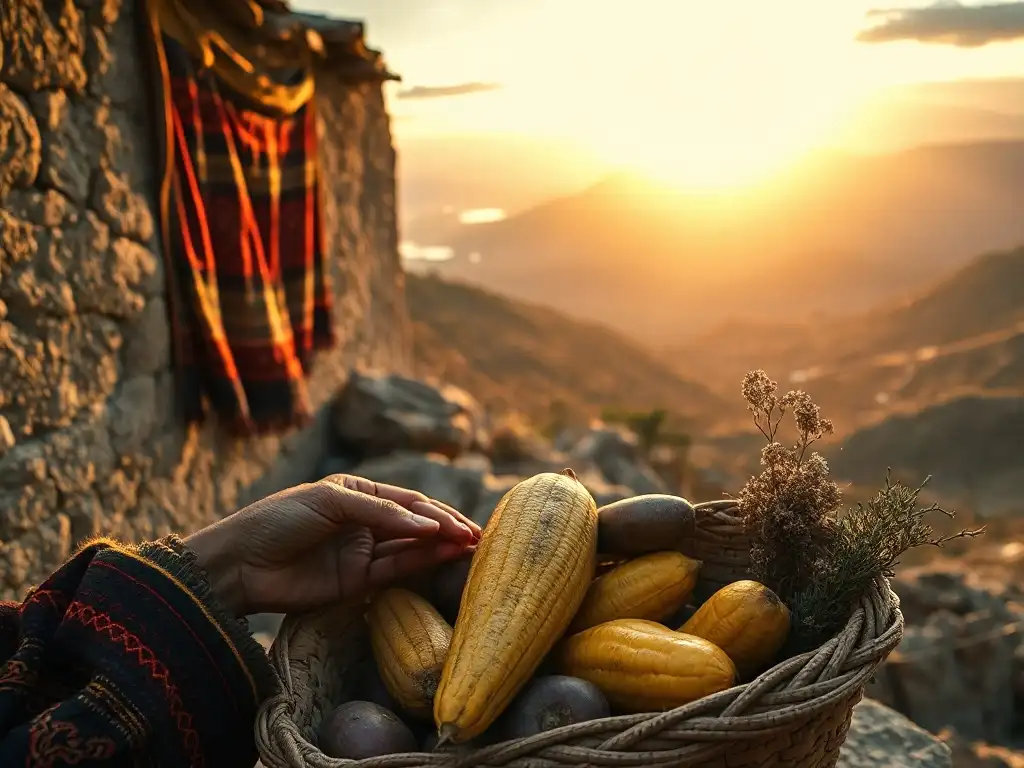
The Andes Mountains, a geographically diverse region spanning several South American countries, presented significant challenges and opportunities for the development of sophisticated Andean food preservation techniques. The extreme variations in altitude, temperature, and rainfall profoundly shaped how Andean cultures approached food storage and preservation. Understanding this interplay between environment and technique is crucial to appreciating the ingenuity and resilience of these ancient societies.
The sheer scale of the Andes, from arid coastal deserts to high-altitude grasslands (puna) and lush Amazonian foothills, necessitated regionally specific approaches to preserving a diverse range of crops and livestock. This environmental diversity is directly reflected in the varied preservation techniques employed across different Andean regions.
The ingenuity of these techniques, often passed down through generations, allowed for the survival and prosperity of Andean communities despite the harsh realities of their environment. These preservation methods were not just about extending shelf-life; they were integral to the social and economic structures of Andean societies.
Adapting to the High-Altitude Andean Environment
The high-altitude puna, characterized by its thin air, intense solar radiation, and freezing temperatures, presented a unique set of challenges for food preservation. At these elevations, traditional methods like drying and freezing became particularly effective. The low humidity and intense sunlight facilitated rapid drying of crops like potatoes, quinoa, and maize, extending their shelf-life considerably. The naturally low temperatures also allowed for a form of natural refrigeration, enabling the long-term storage of certain foods without the need for complex technologies.
Furthermore, the unique characteristics of the high-altitude environment, such as the lower oxygen levels and reduced microbial activity, contributed to the preservation process. For example, charki, sun-dried llama or alpaca meat, was a staple food in the high Andes, its preservation directly aided by the environmental conditions. The combination of low temperatures, low humidity, and high solar radiation created an ideal environment for this method.
Evidence suggests that specific potato varieties, selected for their ability to withstand freezing temperatures, were cultivated at high altitudes, further demonstrating the close relationship between Andean agriculture and food preservation strategies. This adaptation showcases the deep understanding of environmental factors and their impact on food preservation that Andean communities possessed. The integration of agricultural practices with preservation methods allowed for the sustainable utilization of resources in these challenging environments.
The Influence of Microclimates on Preservation Techniques
The Andean region is not a monolithic environment; rather, it's a mosaic of microclimates, each influencing the specific preservation techniques employed in that area. Coastal deserts, for instance, with their aridity and intense heat, favored techniques such as salting and sun-drying. The absence of rainfall and the abundance of sunshine facilitated the rapid dehydration of food, making it less susceptible to spoilage.
In contrast, the more humid regions of the Amazonian foothills required different approaches. Here, techniques like fermentation and smoking played a crucial role in preserving food, as these methods helped to control microbial growth in warmer, damper conditions. The diversity of available resources also played a role.
Coastal communities, rich in marine resources, relied heavily on salting and sun-drying fish, while communities in the highlands focused on preserving potatoes, quinoa, and other Andean staples. This regional variation in preservation techniques underscores the adaptability and innovation of Andean food preservation practices.
The use of storage structures also varied significantly depending on the microclimate. Underground storage pits, for example, were commonly used in areas with stable temperatures, providing a cool, dark environment ideal for preserving root vegetables and grains. Elevated storage platforms, on the other hand, were more common in humid areas, allowing for better air circulation and reducing the risk of spoilage.
Understanding these regional variations in Andean food preservation techniques is crucial to fully appreciating the sophisticated knowledge and adaptability of ancient Andean cultures. The interplay between environment, available resources, and ingenious techniques resulted in a complex and effective system of food preservation that sustained Andean populations for centuries.
The Cultural Significance of Andean Food Preservation
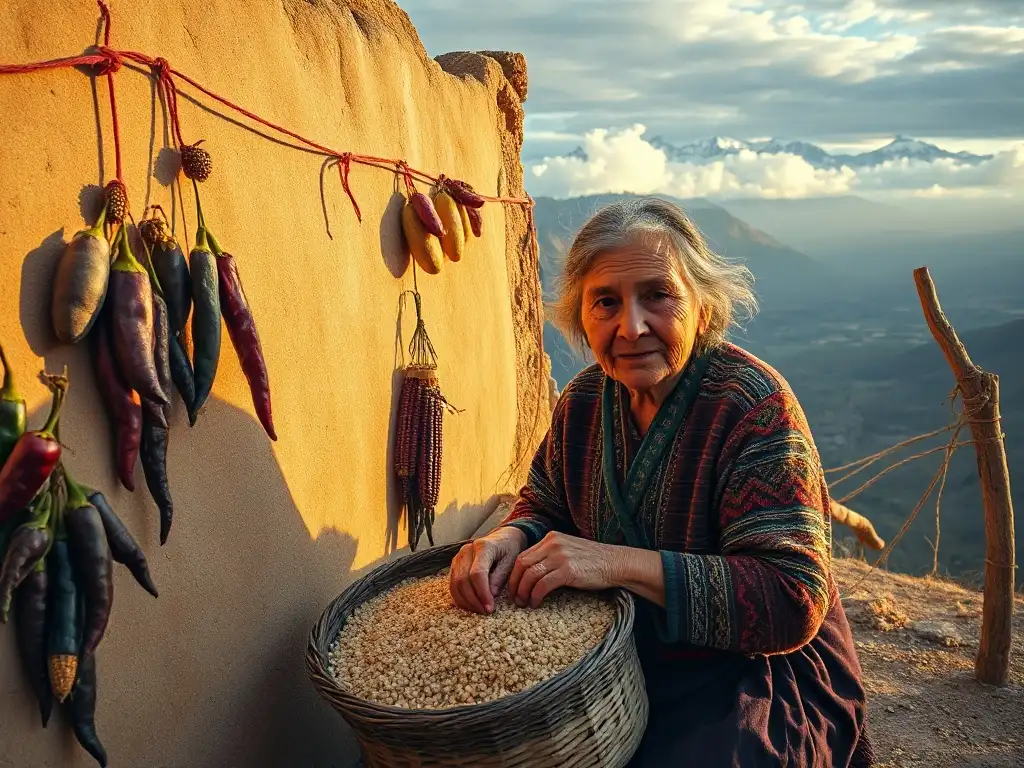
Andean food preservation techniques weren't merely practical methods; they were deeply interwoven with the cultural fabric of these societies. Understanding the why behind the how is crucial to appreciating the ingenuity and resilience of Andean civilizations. Their sophisticated systems of food preservation weren't just about survival; they reflected complex social structures, spiritual beliefs, and a profound respect for the land and its bounty. The techniques themselves became imbued with meaning, passed down through generations as a vital part of their cultural heritage.
This intricate relationship between preservation methods and cultural identity is a key aspect of understanding Andean agricultural practices. The very act of preserving food was a celebration of the harvest, a preparation for the future, and a testament to their connection with the Andes' unique environment. The successful preservation of food was often seen as a sign of community prosperity and divine favor.
Food Preservation as a Ritual and Tradition
Food preservation in Andean cultures frequently incorporated ritualistic elements. The preparation of chuño (freeze-dried potatoes), for instance, wasn't just a matter of technique; it was a communal event, often involving songs, prayers, and specific procedures passed down through generations. The timing of the process was often dictated by the lunar cycle or other astronomical events, highlighting the deep connection between agricultural practices and their understanding of the cosmos.
Similarly, the preparation of charqui (dried meat) involved specific cuts, salting techniques, and drying methods that were tied to traditional beliefs and practices. These weren't simply recipes; they were rituals that reinforced social bonds and transmitted cultural knowledge. The successful preservation of food was a shared accomplishment, reflecting the community's collective efforts and their harmonious relationship with the environment.
The rituals surrounding food preservation ensured the continuity of these practices, preserving not only food but also cultural identity. This intricate interplay of ritual and practicality is a defining characteristic of Andean food preservation. Failure to follow traditional methods was often seen as a sign of disrespect, potentially leading to poor harvests or other misfortunes.
The methods of Andean food preservation were inextricably linked to the social organization of these societies. Efficient storage and distribution systems were essential for maintaining social order and ensuring the survival of communities, particularly during lean times. The qollqa, or Andean storehouses, were not just structures; they were symbols of social power and economic stability. Their construction, maintenance, and access were carefully regulated, reflecting the hierarchical structures of Andean societies.
The distribution of preserved food was often overseen by community leaders or religious figures, ensuring equitable access for all members of the society. This system not only prevented famine but also strengthened social cohesion and reinforced the authority of the ruling class. Furthermore, the exchange of preserved foods played a vital role in inter-community relations and trade networks, fostering alliances and promoting economic cooperation. The construction and management of qollqas represent a sophisticated system of food security, highlighting the social ingenuity of Andean civilizations.
The size and location of these storehouses often reflected the power and influence of a particular community or region, with larger and more strategically located qollqas indicative of greater wealth and control. The careful organization of food storage and distribution was a crucial factor in the stability and longevity of Andean societies. The efficient management of food resources through preservation and distribution techniques significantly contributed to social harmony and economic stability. The system was remarkably effective in mitigating the risks associated with agricultural variability and ensured the survival and prosperity of Andean communities for centuries.
Modern Applications of Andean Food Preservation Techniques
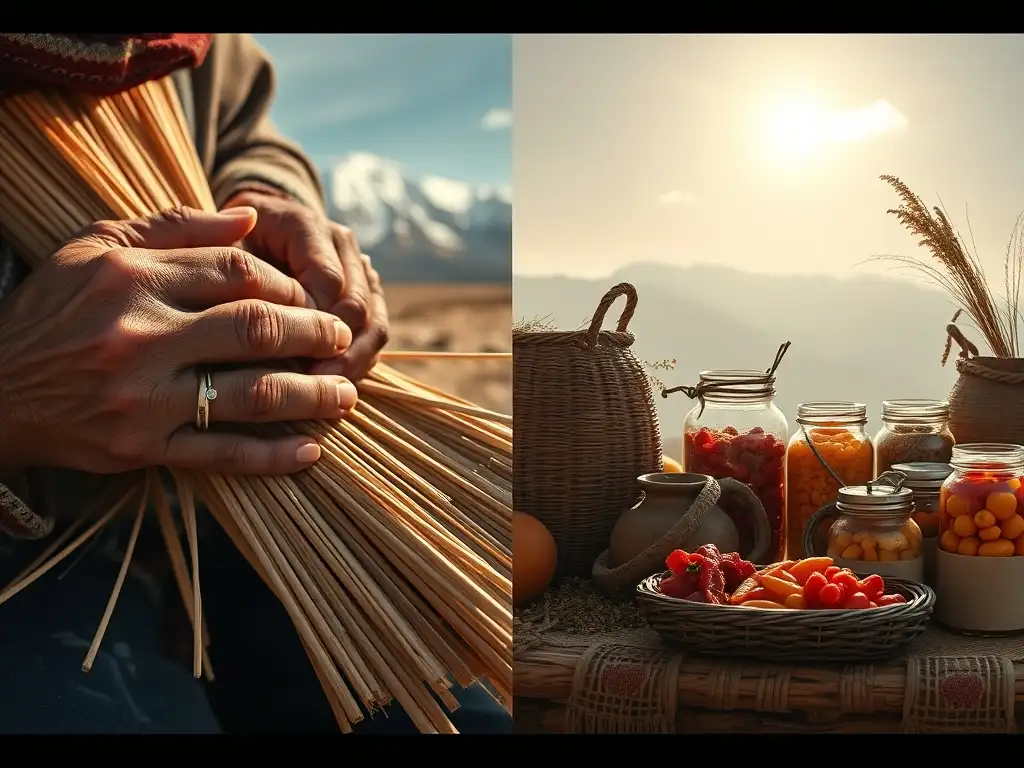
The ingenious Andean food preservation techniques, honed over millennia, continue to inspire and inform modern practices. Their effectiveness and sustainability are increasingly relevant in a world grappling with food security and environmental concerns. Understanding the underlying principles behind these ancient methods allows us to adapt and integrate them into contemporary food systems, promoting both efficiency and environmental responsibility. This section will delve into specific examples of how these ancient techniques are being re-evaluated and applied today.
Inspiring Modern Food Preservation Practices
Many modern food preservation methods draw inspiration, directly or indirectly, from Andean traditions. For example, freeze-drying, a widely used technique for extending the shelf life of food, shares similarities with the ancient Andean practice of sun-drying. Both methods remove moisture, inhibiting microbial growth and slowing down spoilage.
However, freeze-drying offers a more controlled and efficient process, leading to a longer shelf life and improved product quality. Similarly, the Andean technique of storing potatoes in cool, dark cellars finds a parallel in modern controlled-atmosphere storage facilities. These facilities regulate temperature, humidity, and gas composition to optimize storage conditions and extend the shelf life of various produce, mirroring the natural conditions utilized by Andean farmers for centuries.
The use of salt for preservation, a cornerstone of Andean techniques, also remains prevalent. While the methods have evolved—from simple salting to more sophisticated brine solutions—the principle remains the same: controlling water activity to prevent microbial growth. Modern applications include the use of salt in curing meats and preserving fish, reflecting the long-standing Andean tradition of preserving protein sources using this readily available natural resource.
The subtle nuances of Andean salting techniques, often involving specific types of salt or herbs, are now being studied by food scientists to understand their potential for enhancing food safety and flavor profiles. This research aims to optimize these ancient methods for modern use, offering a blend of tradition and scientific innovation.
Sustainable Food Storage Based on Andean Knowledge
Andean food preservation techniques offer valuable lessons in sustainable food storage. The emphasis on utilizing readily available, natural resources minimizes the environmental impact associated with modern preservation technologies. For instance, the Andean reliance on sun-drying and air-drying eliminates the need for energy-intensive processes like refrigeration or canning. This approach reduces carbon emissions and promotes a more environmentally friendly food system. Furthermore, the selection of suitable storage locations, such as cool, dark cellars or elevated platforms, reduces reliance on artificial temperature control, again minimizing energy consumption.
The integration of Andean knowledge into modern sustainable food systems is crucial. For example, understanding the principles behind the selection of appropriate storage containers—from woven baskets to clay pots—can inform the development of eco-friendly packaging solutions. The focus on minimizing waste and maximizing the shelf life of food through these techniques directly addresses contemporary concerns about food waste and resource management.
The Andean approach, rooted in careful observation of natural processes and resource efficiency, provides a powerful model for developing sustainable and resilient food systems, particularly in regions with limited access to modern infrastructure and technology. The development of bio-degradable and locally sourced packaging, inspired by the traditional materials used by Andean communities, represents a significant step towards a more environmentally conscious approach to food preservation. This holistic approach to food preservation, encompassing both the techniques and their environmental implications, offers a valuable lesson for today's world.
Conclusion: The Enduring Legacy of Andean Food Preservation
Andean food preservation techniques represent a remarkable testament to human ingenuity and adaptability. For centuries, Andean communities have developed sophisticated methods to overcome the challenges of a varied and often harsh climate, ensuring food security and cultural continuity. These techniques, honed over millennia, are not merely historical curiosities; they hold valuable lessons for modern food systems grappling with issues of sustainability and food waste. The intricate knowledge embedded within these practices deserves recognition and protection.
The Importance of Preserving Traditional Knowledge
The preservation of traditional Andean food preservation knowledge is not simply an academic pursuit; it's crucial for several reasons. Firstly, these methods often offer sustainable and environmentally friendly alternatives to modern industrial processes. For example, the use of natural preservatives like salt and herbs minimizes the environmental impact associated with artificial chemicals. Secondly, these techniques are inherently resilient, often relying on locally available resources and adapting to changing conditions. This resilience is particularly important in the face of climate change and its potential impact on food security.
Thirdly, preserving this knowledge safeguards a vital part of Andean cultural heritage. The recipes, techniques, and associated rituals are intertwined with the identity and traditions of Andean communities. Losing this knowledge would represent an irreplaceable loss to both cultural diversity and culinary heritage. The continued study and documentation of Andean food preservation practices are therefore essential to ensure the preservation of this valuable legacy for future generations. We need to actively support the communities that hold this knowledge, ensuring its transmission and adaptation to the challenges of a changing world.
This might involve supporting community-based initiatives, promoting research and documentation, and educating future generations about the importance of these traditional practices. The potential benefits are manifold—from enhanced food security and environmental sustainability to the preservation of a unique and invaluable cultural heritage. The loss of these techniques would not only be a culinary tragedy but also a significant blow to the vibrant cultural landscape of the Andes. 🤝
Modern Applications and Future Directions
While traditional Andean food preservation techniques remain relevant, their integration into modern food systems presents exciting opportunities. For example, the principles behind sun-drying and freeze-drying could be applied to develop more efficient and sustainable food preservation methods. Similarly, the use of native Andean plants with preservative properties could inspire the development of new natural food preservatives, reducing our reliance on synthetic chemicals. Further research into the antimicrobial properties of traditional methods could also lead to innovative applications in food safety and quality control.
However, it’s crucial that any such applications respect and acknowledge the origins and cultural significance of these techniques, ensuring fair compensation and community involvement in any commercialization efforts. The future of Andean food preservation lies in a delicate balance between preserving traditional knowledge and adapting it to meet the needs of a modern world. The challenge is to harness the wisdom of the past to build a more sustainable and culturally rich future.
This requires a collaborative approach involving researchers, policymakers, and most importantly, the Andean communities themselves, who are the custodians of this invaluable knowledge. Their insights and participation are essential to ensure that the enduring legacy of Andean food preservation techniques continues to thrive. 🌱
Challenges and Opportunities for Conservation
The preservation of Andean food preservation techniques faces several challenges. The increasing influence of globalization and modern food processing techniques often leads to the abandonment of traditional practices. Younger generations may not be as familiar with these techniques, leading to a loss of knowledge. Furthermore, climate change and environmental degradation can impact the availability of resources necessary for some preservation methods. However, these challenges also present opportunities.
The growing interest in sustainable and traditional food systems provides a renewed appreciation for Andean food preservation techniques. The development of educational programs and community-based initiatives can help transmit this knowledge to future generations. Moreover, the documentation and dissemination of this knowledge through various platforms can raise awareness and promote its wider adoption. By addressing these challenges proactively, we can ensure that the invaluable legacy of Andean food preservation techniques continues to flourish.
This requires a concerted effort from researchers, policymakers, and communities to safeguard and celebrate this crucial aspect of Andean cultural heritage. The potential rewards—improved food security, environmental sustainability, and cultural preservation—are immense. Let's work together to ensure that these time-honored techniques continue to nourish both bodies and souls for generations to come. 🌎
Frequently Asked Questions
What were some common Andean food preservation techniques?
Andean civilizations employed various techniques, including sun drying, freeze-drying, and storage in underground cellars to preserve their harvests. These methods ensured food security throughout the year.
How did the Incas preserve potatoes?
The Incas utilized a variety of methods, such as freeze-drying (chuño) and storing in cool, dark places. This allowed them to maintain a crucial food source during harsh weather conditions.
What role did altitude play in Andean food preservation?
The high altitude of the Andes naturally facilitated preservation through lower temperatures and reduced humidity. This helped to slow down spoilage and extend the shelf life of food.
Were any specific containers used for food preservation in the Andes?
Yes, various containers were used, including woven baskets, ceramic pots, and leather bags, all carefully selected for their specific properties to protect food from the elements and pests.
How did these techniques impact Andean society and culture?
These techniques were essential for survival in the challenging Andean environment, influencing their social structures, agricultural practices, and even religious beliefs surrounding food and harvest cycles.
Final Reflection: A Legacy of Flavor: Preserving Andean Heritage
The ingenious methods of Andean food preservation, once vital for survival in harsh climates, are now more relevant than ever in a world grappling with food security and sustainability. These ancient techniques, far from being relics of the past, offer powerful solutions to modern challenges, reminding us of the wisdom embedded in traditional practices.
The enduring impact of Andean food preservation techniques extends far beyond the practical; they represent a cultural legacy, a testament to the ingenuity and resilience of Andean communities. These methods are not merely about preserving food; they are about preserving knowledge, history, and a deep connection to the land. Food is symbolic of love when words are inadequate.
- Alan D. Wolfelt. This quote resonates deeply, as the meticulous preservation of Andean foods reflects a profound love for their heritage and a commitment to sharing it with future generations.
Consider the ingenuity of these techniques, the respect for nature, and the community spirit they embody. You, the reader, are now equipped with a deeper understanding of these practices. Will you incorporate this knowledge into your own life? Perhaps by exploring local, seasonal ingredients, reducing food waste, or simply appreciating the rich tapestry of culinary traditions that exist around the world. Let the wisdom of the Andes inspire you to connect more deeply with your food and its origins, fostering a more sustainable and meaningful relationship with the world around you.
Embrace the Flavors: Start Your Journey into Andean Food Preservation!
Thank you for exploring the rich heritage of Andean food preservation with us! You've gained valuable insights into a culinary legacy that has sustained generations through time-honored techniques. Now, let's put that knowledge to work!
Here's how you can help keep this incredible tradition alive:
- Experiment in your kitchen: Choose a preservation technique you've learned and try it using locally sourced ingredients. Begin with a simple method like drying herbs or preserving fruits.
- Share your culinary adventure: Document your experience on social media using the hashtag #AndeanPreservation to connect with others who share your passion for Andean food.
- Join our community: Visit our forum at Andean Civilizations to discuss your results, ask questions, and share your experiences with other enthusiasts.
Which preservation technique are you most excited to try, and how do you anticipate it will enhance your cooking?