
From Food to Fabric: The Diverse Applications of Andean Plants

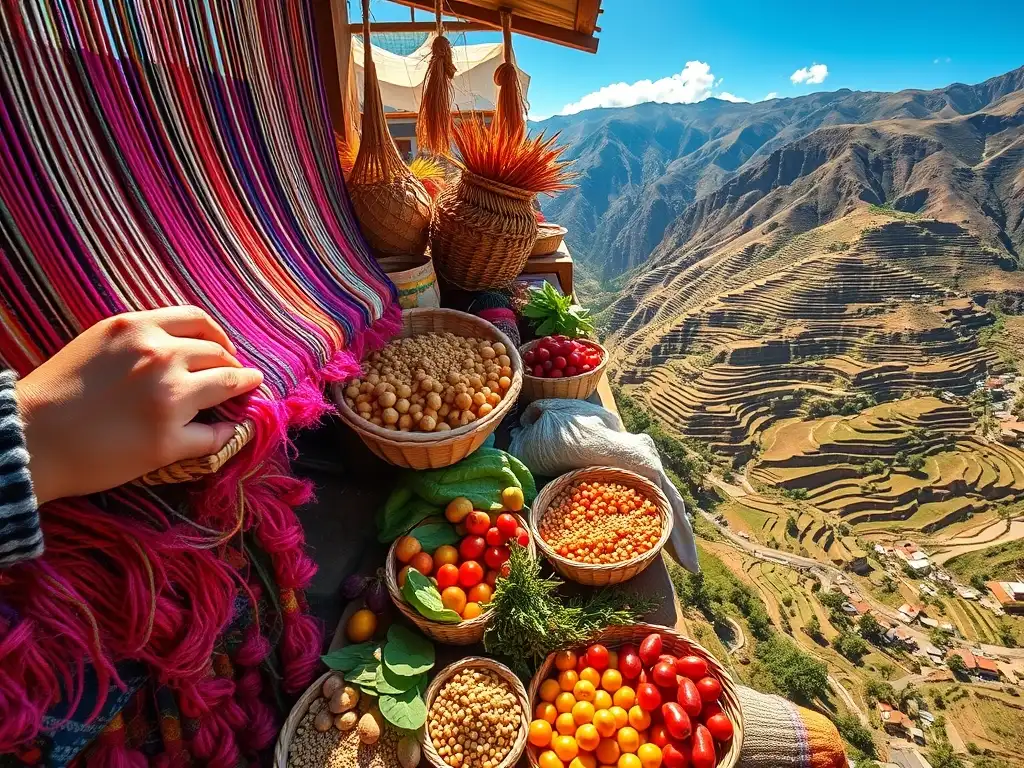
Unravel the mysteries of the Andes! Beyond the towering peaks and breathtaking landscapes lies a world of ingenuity and innovation. For centuries, Andean civilizations harnessed the power of their environment, developing sophisticated techniques and uncovering the incredible versatility of their native plants. Discover the surprising story of Andean plant uses, from sustaining life as food sources to creating vibrant textiles and intricate medicines—a legacy woven into the very fabric of Andean culture. Prepare to be amazed by the intricate relationship between people and nature in our exploration of "From Food to Fabric: The Diverse Applications of Andean Plants."
The Andes Mountains, a spine of towering peaks running down the western coast of South America, nurtured some of the world's most fascinating and innovative civilizations. These cultures, including the Incas, Moche, Nazca, and Tiahuanaco, didn't just conquer challenging terrain; they mastered the art of harnessing the power of their environment, particularly its diverse flora.
This article delves into the remarkable versatility of Andean plants, exploring their multifaceted uses – from sustenance and medicine to textiles and rituals – showcasing the ingenuity and deep connection between these ancient societies and the natural world. Understanding the diverse applications of Andean plants provides crucial insight into the complexity and resilience of Andean civilizations, highlighting their sophisticated knowledge of botany and its integral role in their daily lives and cultural practices.
We will explore how a seemingly simple plant could be utilized in a multitude of ways, demonstrating the resourcefulness and ingenuity characteristic of these remarkable cultures. This exploration will shed light on the importance of Andean plants not just as sources of food and fiber, but also as fundamental components of their social structures, religious beliefs, and artistic expressions.
The Culinary Landscape: Food and Drink from Andean Plants
The Andean diet was, and continues to be, incredibly diverse, relying heavily on plants adapted to high altitudes and varied climates. Potatoes, of course, are iconic, with thousands of varieties cultivated across the region. But beyond the humble potato, the Andean culinary landscape boasted a rich array of edible plants.
Quinoa, a complete protein source, provided essential nutrients. Amaranth, another grain, was widely used, offering both nutritional value and ceremonial significance. Many other plants contributed to a varied diet, including different types of beans, maize (corn), various fruits, and vegetables like oca and ulluco.
The ingenious preservation techniques, such as freeze-drying (chuño) for potatoes, further highlighted the sophisticated understanding of food processing and storage within Andean societies. These techniques ensured food security throughout the year, even in challenging environmental conditions. The importance of these plants wasn't just nutritional; they were also integral to social gatherings and religious ceremonies, underscoring their deep cultural significance.
Textiles and Fiber: Weaving the Andean World
Andean plants weren't just a source of food; they were also the foundation of their vibrant textile traditions. Llama and alpaca wool, renowned for their softness and warmth, were staples, but cotton, also cultivated extensively, provided a lighter and more versatile fiber. The intricate weaving techniques, passed down through generations, created stunning textiles used for clothing, blankets, and ceremonial objects. The dyes used were often derived from other plants, adding another layer of complexity and connection to the natural world.
For example, the vibrant reds often seen in Andean textiles came from cochineal insects, which fed on specific cacti. This intricate relationship between plants, insects, and the resulting textiles showcases a profound understanding of ecological interconnectedness and resource management. The textiles themselves were not just functional; they were often imbued with symbolic meaning, reflecting social status, religious beliefs, and regional identities.
Medicine and Ritual: Healing and Spirituality Through Plants
The medicinal properties of Andean plants were widely recognized and utilized. Coca leaves, for instance, were not only chewed for their stimulating effects but also used for medicinal purposes. Other plants played important roles in traditional medicine, addressing a range of ailments. Many of these uses were intertwined with spiritual beliefs and rituals, highlighting the close relationship between health, spirituality, and the natural world.
Shamans and healers played crucial roles in understanding and applying the medicinal power of these plants, further emphasizing the deep integration of botanical knowledge into Andean culture. The knowledge of these medicinal plants was often passed down orally through generations, maintaining a rich tradition of herbal remedies. Detailed studies on the medicinal applications of these plants are still ongoing, revealing the potential of these traditional remedies for modern medicine.
Beyond Food, Fiber, and Medicine: Other Uses of Andean Plants
The applications of Andean plants extended far beyond food, textiles, and medicine. Many plants played vital roles in construction, tool-making, and even in the creation of pigments and dyes for art and decoration. Certain woods were used for building houses and tools, while others provided resins and gums for various purposes. The resourceful use of readily available plants showcases the ingenuity and adaptability of Andean cultures.
Specific examples of these uses, while requiring further research to fully document, highlight the comprehensive utilization of plant resources across different aspects of Andean life. This holistic approach to resource management demonstrates a deep understanding of the environment and a sustainable relationship with the natural world. The diversity of applications further underscores the crucial role plants played in shaping the cultural landscape of the Andes.
- The Culinary Landscape: Food and Drink from Andean Plants
- Textiles and Fiber: Weaving the Andean World
- Medicine and Ritual: Healing and Spirituality Through Plants
- Beyond Food, Fiber, and Medicine: Other Uses of Andean Plants
- What were some of the most important food plants used by Andean civilizations?
- How did Andean cultures use plants for textiles?
- Beyond food and textiles, what other uses did Andean people find for plants?
- Were there specific plants associated with particular Andean cultures?
- How did the diverse geography of the Andes influence plant use?
Andean Plant Uses: Beyond Sustenance
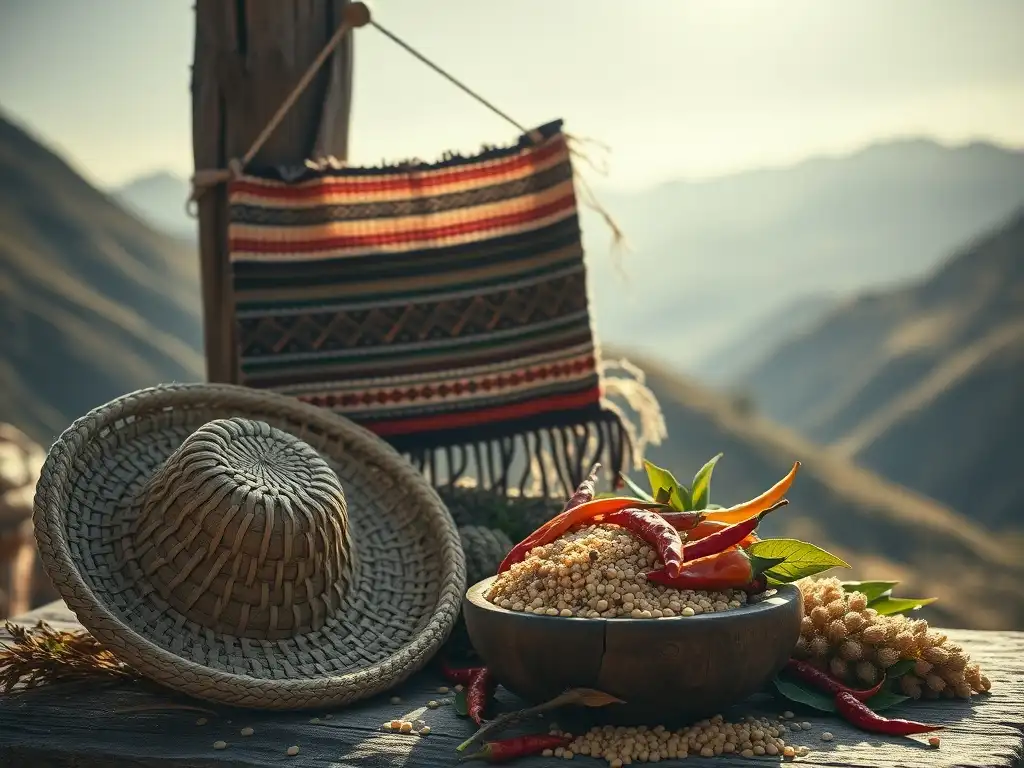
This section delves into the surprisingly diverse applications of Andean plants, extending far beyond their nutritional value. While the Andean civilizations are renowned for their agricultural prowess and the cultivation of staple crops like potatoes and maize, the utilization of native flora encompassed a much broader spectrum. Understanding the multifaceted role of these plants provides critical insight into the ingenuity and resourcefulness of Andean societies.
We'll explore how these plants contributed not only to sustenance but also to medicine, textiles, construction, and ritual practices. The sheer variety of uses demonstrates a deep understanding of the natural world and a sophisticated relationship between humans and their environment, a relationship that continues to influence Andean cultures today. This exploration of "Andean plant uses" reveals a complex tapestry woven from the threads of practicality and symbolism.
The Multifaceted Role of Native Flora
Andean plant life provided a veritable toolkit for ancient communities. The most obvious use was, of course, for food. However, the utilization extended far beyond simple sustenance. Consider the coca leaf: While providing a source of energy and mild stimulation, it also held significant ritual and medicinal importance.
The coca leaf wasn't simply chewed; its use was deeply embedded in religious ceremonies and social interactions. Similarly, many plants were valued for their medicinal properties. Evidence suggests a sophisticated understanding of herbal remedies, with specific plants used to treat a wide array of ailments, from headaches to digestive problems.
Beyond medicine and sustenance, plants played a crucial role in textile production. Cotton, various cacti, and other fibrous plants provided the raw materials for clothing and other textiles, showcasing remarkable weaving techniques and artistic expression. Even construction benefited from the ingenuity of Andean plant use, with certain species employed as building materials or for binding agents.
Many plants served multiple purposes. For instance, the achiote ( Bixa orellana) provided both a vibrant red dye for textiles and a flavoring agent for food. This efficient use of resources highlights the resourcefulness of Andean cultures in maximizing the benefits of their environment.
The careful cultivation and management of these plants reveal a deep understanding of ecological principles, demonstrating a sustainable approach to resource utilization that is still relevant today. Further research into specific plant uses and their cultural significance is needed to fully appreciate the depth and complexity of this relationship. [Specific examples of plants used in construction pending].
Traditional Uses of Plants in Andean Communities
Traditional uses of Andean plants persist in many communities today. While modern medicine and industrial processes have introduced alternatives, indigenous knowledge continues to play a significant role in everyday life. Many Andean communities still cultivate and utilize traditional crops, employing time-honored agricultural techniques passed down through generations.
The use of medicinal plants remains widespread, often integrated with modern healthcare systems. For example, many herbal remedies are used alongside conventional treatments, reflecting a blend of traditional knowledge and modern medical practices. This continued reliance on native flora underscores the enduring importance of Andean plant uses in maintaining cultural identity and ensuring community well-being.
The transmission of knowledge regarding plant uses is often an oral tradition, passed from elders to younger generations. This oral history helps preserve the cultural significance and practical applications of the plants. This knowledge is not just about identifying plants and their uses, but also about understanding the complex relationship between humans, plants, and the environment.
For example, the understanding of the optimal growing conditions for each plant, the timing of harvests, and the appropriate preparation methods are all vital aspects of this knowledge. These traditions are not static; rather, they evolve and adapt to changing environmental conditions and socio-economic factors. [Data on the current prevalence of traditional plant uses in specific Andean communities pending].
Historical Significance of Andean Plants
The historical significance of Andean plants extends far beyond their practical applications. They played a central role in the religious beliefs and ceremonies of various Andean cultures. Many plants were considered sacred, imbued with spiritual power, and used in rituals and offerings.
The coca leaf, for example, held a particularly significant place in Inca religious practices. The use of plants in religious contexts adds another layer of complexity to our understanding of Andean plant uses, highlighting their importance in shaping cultural values and beliefs. Furthermore, the trade and exchange of plants and plant-derived products played a crucial role in the development of Andean societies, fostering economic and social interactions between different communities.
Archaeological evidence provides valuable insights into the historical use of plants. Excavations often uncover remnants of plant remains, tools used for processing plants, and depictions of plants in art. These findings reveal patterns of cultivation, trade, and consumption, adding to our understanding of Andean agricultural practices and the importance of plants in their daily lives.
The study of ancient textiles, for instance, provides information about the types of plants used for fiber production and the sophisticated techniques employed in weaving. By analyzing these historical artifacts, we can gain a deeper appreciation of the ingenuity and resourcefulness of Andean civilizations in utilizing the plants of their environment. [Further detailed analysis of specific archaeological findings related to Andean plant use pending].
Food Sources: Nourishing Andean Civilizations
The Andean region, characterized by its diverse altitudes and climates, fostered an incredible variety of plant life that formed the basis of the sophisticated agricultural systems of its ancient civilizations. Understanding the role of plants in sustaining these societies is crucial to appreciating their ingenuity and resilience.
The term "Andean plant uses" encompasses a vast spectrum, from sustenance to ritual, and this section will explore the primary food sources that fueled the growth and development of these remarkable cultures. The strategic cultivation and utilization of these resources demonstrate a deep understanding of agriculture and a profound connection with the natural world.
Staple Crops: The Core of Andean Diets
The Andean diet revolved around a few key crops, each adapted to specific ecological niches and providing essential nutrients. These staples weren't simply food; they were integral to the social, religious, and economic fabric of Andean societies. Their cultivation and distribution shaped settlement patterns and social hierarchies, highlighting their profound importance.
Potatoes: A Variety of Andean Tubers
Solanum tuberosum, commonly known as the potato, is arguably the most iconic Andean crop. Far from the single variety found in most supermarkets, the Andes boasted (and still boast) an astonishing diversity of potato species, numbering in the thousands. These varieties differed significantly in size, shape, color, taste, and growing conditions, allowing for cultivation across a wide range of altitudes and climates.
The Inca empire, in particular, recognized the importance of potato diversity, maintaining vast stores of different varieties to ensure food security against crop failure. This sophisticated understanding of agricultural biodiversity is a testament to their advanced agricultural practices. The potato wasn't just a staple; it was a symbol of Andean ingenuity and resilience.
Quinoa: The Ancient Grain of the Andes
Quinoa ( Chenopodium quinoa) is another cornerstone of the Andean diet, prized for its nutritional value and adaptability. A complete protein, rich in essential amino acids, quinoa provided a crucial source of energy and protein for Andean populations. Unlike many grains, quinoa is relatively easy to cultivate, requiring less water and tolerating a wider range of soil conditions.
Its resilience made it a dependable food source, even in challenging environments. The high altitude plains of the Andes provided ideal conditions for its growth, making it a crucial element in the sustainability of Andean societies. Its cultivation continues to be vital to the region's food security today.
Maize: A Sacred and Essential Crop
Maize ( Zea mays), or corn, held a significant symbolic and nutritional role in Andean cultures. While not as ubiquitous as potatoes or quinoa in some regions, maize played a vital role in the diet, providing carbohydrates, and forming the base of various dishes and beverages. Its cultivation was often intertwined with religious practices, with maize considered a sacred plant in many Andean mythologies.
The intricate relationship between maize cultivation and Andean spirituality speaks volumes about the deep-seated connection between humans and nature in these societies. The different varieties of maize, adapted to specific environmental conditions, further demonstrate the sophisticated agricultural knowledge of the Andean people.
Other Edible Andean Plants
Beyond the major staples, a wide array of other plants contributed significantly to the Andean diet, providing a rich tapestry of flavors and nutrients. These often-overlooked plants highlight the remarkable biodiversity harnessed by Andean civilizations and their sophisticated understanding of local ecosystems.
Oca and Ulluco: Forgotten Tubers
Oca ( Oxalis tuberosa) and ulluco ( Ullucus tuberosus) are two lesser-known Andean tubers that deserve recognition for their historical and nutritional importance. Both are rich in carbohydrates and vitamins, and they provided valuable dietary diversity for Andean populations. While their cultivation has declined in recent decades, their continued presence in some Andean communities underscores their enduring value as food sources. These tubers represent a rich heritage of Andean agriculture that is gradually being rediscovered and appreciated. Further research on their cultivation techniques and nutritional benefits is crucial for their preservation.
Andean Berries and Fruits
A variety of berries and fruits, adapted to the diverse Andean ecosystems, provided essential vitamins and antioxidants to the diet. These included various species of Rubus (blackberries, raspberries), Physalis (groundcherries), and numerous other native fruits. The precise species and their exact roles in the diet require further research, but their contribution to the overall nutritional balance of the Andean diet is undeniable.
The vibrant colors and diverse flavors of these fruits add another layer to the fascinating story of Andean plant uses. Understanding the historical use and potential future applications of these fruits is crucial for preserving Andean biodiversity and food security.
The Nutritional Value of Andean Flora
The Andean region, characterized by its diverse altitudes and climates, fostered the cultivation of a remarkable array of plants, each offering unique nutritional benefits to the ancient inhabitants. Understanding the nutritional value of these plants is crucial to appreciating the sophistication of Andean agriculture and its contribution to the health and well-being of these civilizations. Many of these plants provided a balanced diet rich in essential vitamins, minerals, and carbohydrates, crucial for sustaining physically demanding lifestyles in challenging terrains.
Potatoes, for example, formed a cornerstone of the Andean diet. Beyond their carbohydrate content, providing vital energy, potatoes are a good source of vitamin C, potassium, and fiber. Different varieties, cultivated at varying altitudes, offered diverse nutritional profiles, ensuring a varied intake of essential nutrients throughout the year.
The Inca Empire, renowned for its agricultural prowess, meticulously managed potato cultivation, developing sophisticated irrigation systems and storage techniques to ensure a reliable food supply. This careful management ensured food security and contributed significantly to the empire's stability and growth. The nutritional diversity of potatoes, along with their adaptability to diverse Andean environments, made them a truly indispensable food source.
Another critical component of the Andean diet was quinoa. This "mother grain" boasts a complete protein profile, meaning it contains all nine essential amino acids that the human body cannot produce on its own. This is a rarity in the plant kingdom, making quinoa a highly nutritious food source, particularly valuable for growing children and physically active adults.
Furthermore, quinoa is rich in fiber, iron, and magnesium, further enhancing its nutritional value. Its resilience to harsh conditions also made it a reliable crop, contributing to the food security of Andean communities. The cultivation and consumption of quinoa showcase the deep understanding Andean civilizations possessed of nutrition and sustainable agriculture.
Beyond potatoes and quinoa, a wide variety of other plants contributed to the nutritional richness of the Andean diet. Legumes like beans provided essential protein and fiber, while various fruits and vegetables offered a range of vitamins and minerals. The careful selection and cultivation of these plants demonstrates an impressive knowledge of nutrition and a sophisticated understanding of agricultural practices tailored to the specific needs of the Andean environment.
The combined nutritional value of this diverse flora provided the energy and sustenance necessary to support the complex social structures and impressive achievements of these civilizations. Further research into the specific nutritional profiles of these various crops could unveil even more about the sophisticated dietary practices and agricultural knowledge of ancient Andean societies.
Medicinal Applications: Healing with Andean Botanicals
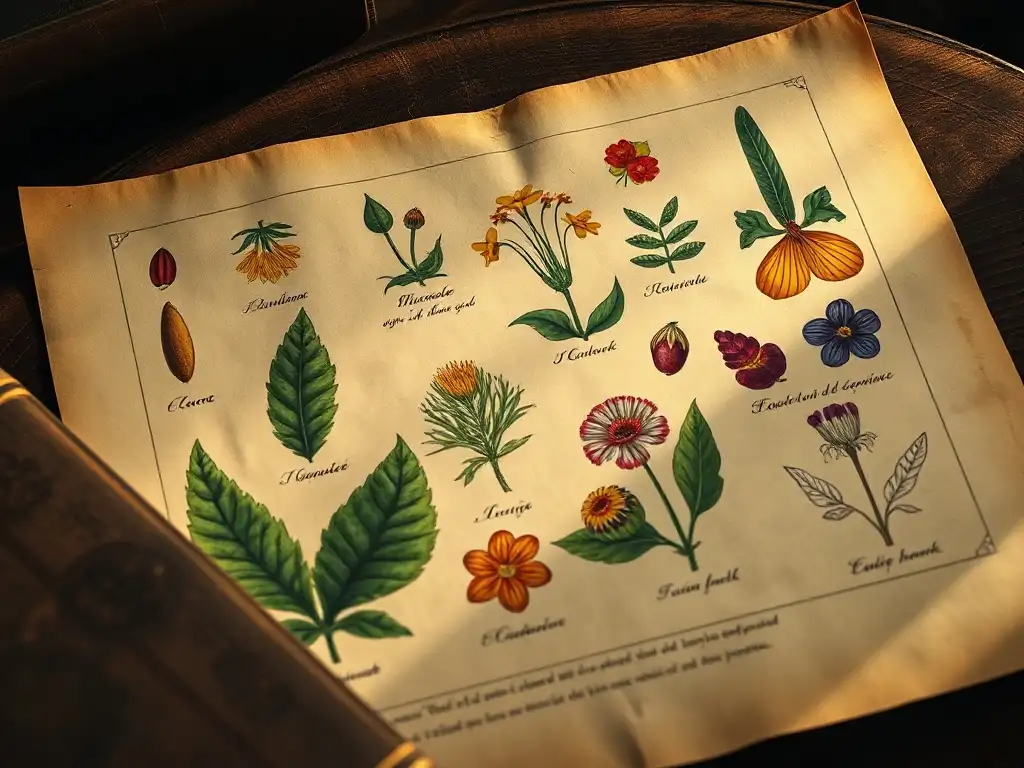
Andean civilizations developed sophisticated systems of medicine deeply intertwined with their environment. Their understanding of plant properties and their applications in healing represents a rich legacy of traditional knowledge, passed down through generations. The use of Andean plants for medicinal purposes wasn't just about treating ailments; it was integral to their worldview, connecting them spiritually and physically to the landscape.
This section delves into the crucial role of Andean botanicals in traditional medicine, highlighting specific plants and their remarkable properties. Understanding these applications offers a glimpse into the ingenuity and holistic approach to healthcare practiced by these ancient societies, significantly contributing to our understanding of "Andean plant uses."
Traditional Andean Medicine and Plant Knowledge
Traditional Andean medicine, often referred to as medicina tradicional andina, wasn't a codified system like modern medicine. Instead, it involved a complex interplay of herbal remedies, rituals, and spiritual practices. Healers, often yatiri (shamans) or experienced individuals within the community, possessed extensive knowledge of plant properties and their therapeutic applications. This knowledge was passed orally, from generation to generation, making it challenging to document comprehensively.
However, ethnographic studies and archaeological findings have revealed valuable insights into the diverse range of plants used and the methods employed. The intimate connection between the Andean people and their environment meant that plants weren't just resources; they were essential components of their culture and identity, profoundly shaping their understanding of health and healing. The meticulous observation of plant behavior and their effects on the body over centuries laid the foundation for a rich pharmacopoeia of Andean plant uses.
Key Medicinal Plants and Their Properties
Numerous Andean plants played vital roles in traditional medicine. Their applications ranged from treating common ailments to addressing more serious conditions. The efficacy of many of these plants has been substantiated by modern scientific research, validating the traditional knowledge accumulated over millennia. Below, we explore a few key examples, focusing on their properties and uses. The understanding of these plants' properties represents a significant aspect of "Andean plant uses" research.
Coca: Beyond the Controversy
Coca ( Erythroxylum coca) is perhaps the most well-known Andean plant, often shrouded in controversy due to its association with cocaine. However, in Andean cultures, coca leaves have held a deeply significant role for centuries, primarily for their medicinal and ritualistic uses. Chewing coca leaves provides a gentle stimulant, alleviating fatigue, hunger, and altitude sickness.
It also possesses anesthetic and analgesic properties, traditionally used to relieve pain and inflammation. The leaves were, and still are, used to treat various ailments, including headaches, digestive problems, and respiratory infections. The traditional use of coca leaves provides a complex example of how the understanding and application of "Andean plant uses" can be nuanced and require careful consideration.
Muña: A Traditional Digestive Aid
Muña ( Minthostachys sp.) is an aromatic herb widely used in Andean cuisine and medicine. Its leaves possess potent digestive properties, making it a popular remedy for stomach aches, nausea, and indigestion. Muña tea is a common household remedy, particularly effective in reducing gas and bloating. Its antiseptic properties also make it useful in treating minor wounds and skin irritations. The versatility of muña highlights the multifaceted nature of "Andean plant uses," demonstrating how a single plant could serve multiple purposes within a community.
Cat's Claw: A Powerful Anti-Inflammatory
Cat's claw ( Uncaria tomentosa) is a vine known for its potent anti-inflammatory and immunostimulant properties. Traditionally used to treat a wide range of conditions, including arthritis, infections, and digestive issues, its medicinal value has gained significant recognition in modern medicine. Studies have shown its effectiveness in boosting the immune system and reducing inflammation. Cat's claw’s use is a compelling example of the enduring relevance of traditional Andean knowledge regarding "Andean plant uses," which continues to inspire scientific research and pharmaceutical development.
Preparation and Use of Herbal Remedies
The preparation of Andean herbal remedies was, and in many cases still is, a highly nuanced process, deeply intertwined with cultural beliefs and practices. It wasn't simply a matter of boiling leaves; the entire process was imbued with ritual and spiritual significance. The time of day for harvesting, the phase of the moon, and even the practitioner's own emotional state were considered crucial factors influencing the efficacy of the medicine.
For example, many remedies involved meticulous preparation of the plant material. This might include careful washing and selection of leaves, stems, roots, or flowers, followed by meticulous drying in the sun or shade, depending on the specific plant and its properties. Some plants required grinding into a fine powder, while others were infused in water or alcohol to create tinctures or teas. The precise methods varied considerably depending on the specific ailment being treated and the tradition of the healer.
The administration of these remedies was equally important. Dosage was often determined not just by the severity of the illness but also by the patient's age, constitution, and even their astrological sign in some cases. Many healers incorporated chants, prayers, or other spiritual practices alongside the physical application of the herbal remedies, believing that these rituals enhanced the healing power of the plants.
The use of amulets or other symbolic objects was also common, further emphasizing the holistic and spiritual nature of Andean medicinal practices. This holistic approach, integrating the physical and spiritual realms, is a key characteristic that differentiates Andean herbalism from many other traditions.
Furthermore, the knowledge of medicinal plants was often passed down through generations within families or specific communities. This oral tradition ensured the preservation of intricate knowledge about plant identification, preparation techniques, and appropriate dosages, contributing to a rich and diverse body of medicinal practices. This close relationship between the community, the healer, and the plants themselves highlights the deep cultural and ecological significance of Andean herbalism.
The plants weren't just medicine; they were integral components of a complex system of beliefs and practices. The loss of this knowledge represents not just a loss of medicinal remedies but also a loss of cultural heritage.
Fiber and Textile Production: Andean Plants for Clothing

The ingenuity of Andean civilizations extended beyond their agricultural prowess and sophisticated societal structures; it deeply permeated their textile production. Andean plant uses in this realm were incredibly diverse, resulting in vibrant and durable clothing, tapestries, and other textiles that reflected both their artistic skill and practical needs. The availability of various plant fibers and natural dyes allowed them to create a wide array of textures and colors, contributing significantly to their unique cultural identity.
Understanding the role of Andean plants in textile production offers a fascinating glimpse into the resourcefulness and artistry of these ancient societies. This section will explore the key plant sources for fibers and dyes that fueled their textile industry.
Natural Fibers from Andean Vegetation
Beyond the well-known alpaca and llama, several Andean plants provided crucial fibers for weaving. These plants adapted to the diverse Andean ecosystems, offering different qualities suited for specific textile applications. For example, maguey (Agave), a resilient plant thriving in arid climates, yielded strong fibers used for ropes, sacks, and coarser fabrics.
Its leaves, processed through meticulous methods, provided long, durable strands, testament to the Andean mastery of plant manipulation. Similarly, toquilla, a species of palm, provided a finer fiber used for making hats, notably the famous Panama hats, although their origin is Ecuadorian, the techniques and plant uses were similar to those found in the Andes. The diversity of plant fibers available meant that Andean textile production could cater to a range of needs, from sturdy work clothing to delicate ceremonial garments.
This adaptability speaks volumes about the intimate relationship between the Andean people and their environment. Further research is needed to fully document the complete range of plants used for fiber production across various Andean cultures, as many traditional practices remain undocumented. [Specific information pending on lesser-known fiber plants].
The Importance of Cotton and Alpaca in Andean Textiles
Cotton and alpaca fiber represent two pillars of Andean textile production. Cotton, cultivated in warmer valleys, provided a soft, comfortable fiber ideal for clothing. The different varieties of cotton grown across the Andes resulted in a spectrum of textures and colors, influencing the final product's characteristics. Archaeological evidence reveals sophisticated techniques for preparing and spinning cotton, showcasing the advanced knowledge of Andean textile artisans. The intricate weaving patterns found on cotton garments and textiles are a testament to their artistic skill and cultural expression.
Alpaca, on the other hand, provided a luxurious, warm fiber perfect for the Andean highlands' harsh climate. The soft, fine wool was highly valued, and garments made from alpaca were often associated with status and prestige. The careful shearing, spinning, and weaving of alpaca fiber demonstrates the deep connection between Andean communities and their animal resources, highlighting the integration of animal husbandry and plant-based textile production in their economic and social systems. The skillful blending of cotton and alpaca fibers, depending on the desired outcome, demonstrates the sophisticated understanding of material properties within Andean textile production.
Dyes from Andean Plants: Coloring Andean Fabrics
The vibrant colors characteristic of Andean textiles were not achieved through synthetic dyes; instead, they were derived from a remarkable array of plants. These natural dyes, extracted through diverse processes, imparted a wide range of hues, contributing significantly to the aesthetic richness of Andean clothing and artifacts. The choice of dye often reflected the availability of specific plants in the local environment, demonstrating a deep understanding of both botany and the dyeing process itself. The permanence and vibrancy of these natural dyes also highlight the sophisticated chemical knowledge of the Andean civilizations.
Indigo and Achote: Natural Dyes
Indigo, obtained from the Indigofera plant, yielded the deep blues and purples frequently seen in Andean textiles. The complex process of extracting and preparing indigo dye required considerable skill and knowledge, underscoring the specialized nature of this craft. The rich blue shades, often used in ceremonial garments, held symbolic importance, reflecting the Andean worldview and spiritual beliefs.
Achote ( Bixa orellana), another important dyeing plant, provided bright reds and oranges. The seeds of the achote plant, rich in bixin, were used to create a vibrant, long-lasting dye. Its use was widespread across the Andes, contributing to the colorful tapestry of Andean textile art.
The combination of indigo and achote, along with other natural dyes, allowed Andean artisans to create a vast palette of colors, showcasing both their artistic skill and the wealth of plant resources available to them. The use of these readily available plants allowed the creation of vibrant and long-lasting textiles, further highlighting the ingenuity and resourcefulness of Andean civilizations.
Traditional Weaving Techniques and Materials
Andean textile production wasn't merely a craft; it was a deeply ingrained cultural practice reflecting social status, religious beliefs, and intricate knowledge passed down through generations. The skill and artistry involved in transforming natural fibers into vibrant, durable textiles are truly remarkable. Understanding Andean weaving requires appreciating both the techniques and the materials employed. The most common fibers included cotton, alpaca, llama, vicuña, and guanaco wool, each possessing unique properties contributing to the final product's quality and character.
Cotton, cultivated in diverse Andean regions, provided a soft, absorbent fiber ideal for warmer climates. Different cotton varieties offered variations in color and texture, adding to the richness of the finished textiles. Conversely, the camelid fibers—alpaca, llama, vicuña, and guanaco—offered warmth and durability, particularly crucial in the higher altitudes of the Andes.
Vicuña, in particular, was prized for its exceptionally fine and luxurious fiber, often reserved for elite members of society. The preparation of these fibers was a laborious process, involving shearing, cleaning, spinning, and dyeing before weaving could even begin. This attention to detail highlights the significant value placed on the textiles produced.
The weaving techniques themselves were equally sophisticated. Backstrap looms, a hallmark of Andean weaving, allowed for intricate designs and precise control over the weaving process. These looms, often portable, were operated by skilled artisans who could create remarkably complex patterns using various techniques like supplementary weft, tapestry weave, and brocade.
The backstrap loom's versatility allowed for the creation of a wide array of textiles, from simple cloths to elaborate garments and ceremonial items. The use of multiple colors and intricate designs served not only aesthetic purposes but also encoded social and religious meanings, acting as visual narratives conveying important information. The vibrant hues achieved through natural dyes derived from plants and minerals further enhanced the textiles' symbolic significance.
Master weavers could use their knowledge of plants and minerals to create a stunning palette of colours, ranging from deep reds and purples to bright yellows and greens. These dyes were not only aesthetically pleasing but also often imbued with symbolic meanings connected to the Andean worldview. The creation of Andean textiles, therefore, was a complex interplay of skilled technique, carefully selected materials, and rich cultural symbolism.
Construction and Craftsmanship: Andean Plants in Daily Life
Andean civilizations demonstrated remarkable ingenuity in utilizing the diverse flora of their environment for construction and crafting. Their mastery of plant-based materials shaped their settlements, tools, and daily lives, reflecting a deep understanding of the properties of different species and a sustainable approach to resource management. Understanding these applications provides valuable insight into the resourcefulness and ingenuity of Andean cultures and their relationship with the natural world. The term "Andean plant uses" truly encompasses a vast range of applications, many of which are explored here.
Building Materials from Local Vegetation
The Andes mountain range, with its varied altitudes and climates, offered a rich tapestry of plant life. This biodiversity provided a wide array of materials for construction, ranging from sturdy timber for structural elements to lighter materials for thatching and insulation. For example, the Quechua people extensively used Ichu grass, a high-altitude bunchgrass, for roofing and wall insulation in their homes.
Its resilience to harsh weather conditions made it an ideal choice for constructing durable and thermally efficient dwellings. Similarly, Guadua, a giant bamboo species, was utilized in warmer regions for building frameworks and scaffolding, showcasing the adaptability of Andean construction techniques to diverse environmental contexts. The use of these readily available resources minimized the environmental impact of construction, demonstrating a sustainable approach to building that was deeply embedded in Andean culture.
Furthermore, the choice of building materials often reflected the specific geographical location and the availability of resources within a particular region, leading to regional variations in architectural styles. [Specific examples of regional variations in building materials pending].
Basketry and Other Crafts Using Plant Fibers
Beyond construction, Andean plants played a pivotal role in the creation of a wide array of everyday items. The mastery of plant fiber manipulation is evident in the intricate basketry, textiles, and rope-making traditions that thrived across different Andean cultures. Various plants provided the raw materials for these crafts.
For instance, toquilla straw, known for its strength and flexibility, was used to weave fine hats, while fibers from cacti and other plants were used to create strong ropes and textiles. The intricate weaving techniques, often passed down through generations, reflect both artistic skill and a profound understanding of the properties of different plant fibers. The designs frequently incorporated symbolic motifs, reflecting the cultural beliefs and narratives of the Andean people.
The creation of these items wasn't merely utilitarian; they also served as important cultural markers and forms of artistic expression, further highlighting the multifaceted significance of Andean plant uses. A detailed analysis of the dyes used in these crafts would reveal further insights into the use of Andean plants. [Specific examples of plant dyes and their uses pending].
Andean Plants in Tools and Utensils
The ingenuity of Andean civilizations is also reflected in their use of plants to create tools and utensils for daily life. Many plants provided the raw materials for crafting tools used in agriculture, hunting, and other activities. For example, hardened wood from certain tree species was used to make handles for tools, while other plants provided materials for making digging sticks and other implements.
Additionally, various plants were utilized in the creation of containers and utensils for food preparation and storage. Gourds, for instance, were hollowed out and used as vessels, while woven baskets provided convenient storage solutions. The design and functionality of these tools and utensils were directly influenced by the characteristics of the available plant materials, highlighting the close relationship between Andean technology and the natural environment.
The durable nature of many of these tools, combined with their sophisticated design, demonstrates the effectiveness of Andean plant uses in creating practical and sustainable tools for daily life. [Specific examples of tools and utensils made from specific plants pending].
Reed and Wood Use in Andean Homes
The ingenuity of Andean civilizations extended beyond agriculture and textiles; their mastery of readily available materials like reeds and wood shaped their architecture and daily life. Reeds, particularly the totora reed found abundantly along the shores of Lake Titicaca, played a crucial role in constructing homes, boats, and even rafts. The totora's resilience to water and its natural flexibility made it ideal for building floating islands, a unique feature of Uros culture on Lake Titicaca.
These islands, constructed entirely of interwoven totora reeds, provided a stable base for homes and communities, demonstrating remarkable adaptability to the challenging lake environment. The process of building these islands was, and continues to be, a complex and communal effort, highlighting the importance of collaborative work within Andean societies. Beyond floating islands, totora was used to build the walls and roofs of traditional homes, showcasing its versatility and significance as a primary building material.
The construction techniques varied depending on the region and specific needs, with some communities employing more intricate weaving patterns than others. The resulting homes, though simple in design, offered effective protection from the elements and reflected a deep understanding of the material's properties.
Beyond reeds, various types of wood were integral to Andean construction. The selection of wood depended on its availability and specific qualities. Strong, durable hardwoods were used for structural elements like beams and posts in larger buildings, while lighter woods served in crafting smaller components or decorative features. For example, [specific wood type pending] was often favored for its strength and resistance to decay, making it suitable for constructing the foundations of houses and temples.
The precise methods of woodworking varied across different Andean cultures, but evidence suggests a high level of skill and precision. The use of stone tools, combined with a deep understanding of wood properties, allowed artisans to craft intricate joints and create strong, stable structures. In some cases, wood was also combined with other materials such as adobe bricks or stone, creating composite structures that were both durable and aesthetically pleasing.
The skillful integration of wood into Andean architecture reflects a sophisticated understanding of engineering and a deep connection with the natural environment. The careful selection and precise use of wood in Andean construction showcases the resourcefulness and ingenuity of these ancient civilizations. The legacy of these building techniques continues to inspire modern-day architects and builders.
Ritual and Spiritual Uses: Andean Plants in Ceremonies
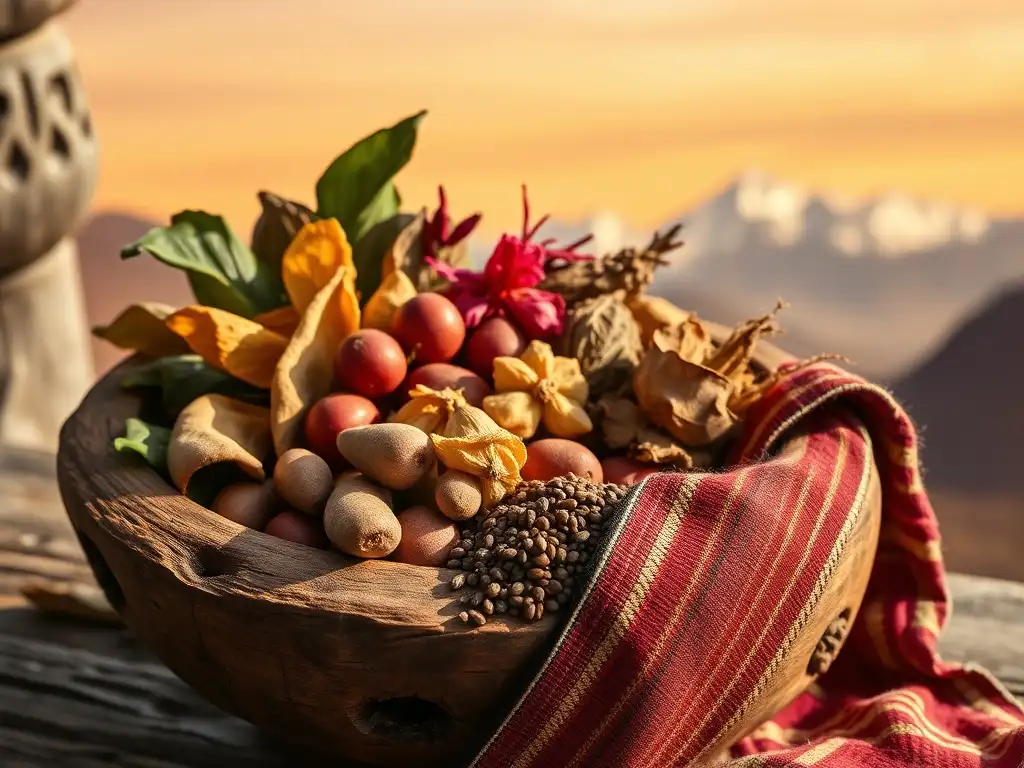
Andean cultures, far from viewing plants solely as sources of sustenance, deeply integrated them into their spiritual and ritualistic practices. The understanding of the interconnectedness between the human world and the natural world – a key tenet of Andean cosmovision – permeated all aspects of life, including religious ceremonies. Many plants held profound symbolic meaning, representing deities, ancestors, or specific energies.
Their use in rituals served to connect individuals with the spiritual realm and maintain harmony within the cosmos. This section explores the diverse ways Andean people utilized plants in their religious ceremonies, focusing on the significance of specific plant species and the roles they played in various rituals.
Sacred Plants in Andean Religious Practices
The coca leaf ( Erythroxylum coca) stands out as one of the most significant sacred plants in Andean religious practices. Its use wasn't merely recreational; it held profound spiritual importance. Coca was offered to deities as a sign of respect and gratitude, used in divination rituals to communicate with the spirit world, and consumed by shamans to enter altered states of consciousness during healing ceremonies.
The meticulous preparation and offering of coca leaves often involved specific prayers and gestures, highlighting the reverence accorded to this plant. Beyond coca, other plants like chicha (a fermented corn beverage), tobacco, and various medicinal herbs played crucial roles in different rituals across various Andean cultures.
The specific plants used often varied depending on the region, the particular deity being honored, and the purpose of the ceremony. For example, the use of huarango (mesquite) in certain ceremonies in the coastal regions reflects the importance of this plant in that specific environment.
The Role of Plants in Andean Cosmovision
The Andean cosmovision, a complex worldview that emphasizes the interconnectedness of all living things, deeply influenced the use of plants in rituals. Plants were not merely passive objects; they were considered active participants in the cosmic order, possessing inherent spiritual power. This belief system shaped the ways in which plants were cultivated, harvested, and used in ceremonies.
The concept of ayni, the principle of reciprocity and balance, governed the relationship between humans and plants. Offering coca leaves or other sacred plants was a way to maintain this balance, expressing gratitude for the gifts of nature and ensuring continued abundance. The use of plants in rituals often aimed to restore equilibrium when this balance was disrupted, whether by illness, natural disasters, or social conflict.
The careful selection, preparation, and offering of specific plants demonstrated a deep understanding of their symbolic meaning and their role in the maintenance of cosmic harmony. This intricate relationship between humans and plants underscores the profound spiritual significance of plant life in Andean cultures.
San Pedro Cactus and Ayahuasca in Rituals
While coca leaf is ubiquitous, other plants played equally vital, though often regionally specific, roles. The San Pedro cactus ( Echinopsis pachanoi), for example, was and continues to be, a crucial element in shamanistic practices in the Andes. Containing mescaline, its ingestion induced altered states of consciousness, allowing shamans to communicate with the spirit world, diagnose illnesses, and perform healing rituals.
The preparation and administration of San Pedro were often elaborate and highly ritualized, reflecting the plant's sacred status. Similarly, although less widespread in the Andes than in the Amazon, Ayahuasca, a brew made from various plants, including Banisteriopsis caapi and Psychotria viridis, was used in some Andean communities for its powerful hallucinogenic properties. The use of Ayahuasca was generally restricted to specialized shamans and involved complex rituals designed to ensure safe and meaningful experiences.
The precise methods of preparation and use varied significantly across different communities and traditions, emphasizing the diverse ways in which Andean cultures incorporated plants into their spiritual practices. Understanding these practices requires careful consideration of the specific cultural context and the nuanced relationship between humans and the plant world.
The Connection Between Plants and Andean Spirituality
Andean spirituality held a deeply interconnected view of the natural world, where plants played a pivotal role, far exceeding their practical applications. The Andean worldview didn't separate the spiritual and the material; plants were considered living beings with inherent power and agency, capable of mediating between the human and supernatural realms.
This profound respect for the plant kingdom is evident in numerous rituals and ceremonies across various Andean cultures, from the Inca to the pre-Inca civilizations. The use of plants wasn't simply a matter of practicality; it was a sacred act, a way to communicate with deities, ancestors, and the forces of nature itself.
Shamans, or paqos, held a crucial role in these ceremonies, acting as intermediaries between the human world and the spirit world, often utilizing specific plants to facilitate their spiritual journeys and healing practices. The selection of plants for rituals was never arbitrary; each plant carried a specific symbolic meaning and was associated with particular deities or spirits.
The concept of ayni, the principle of reciprocity and balance, permeated Andean society and strongly influenced their relationship with plants. By using plants respectfully and offering reciprocal gifts to the earth, the Andeans believed they maintained a harmonious relationship with the spiritual world and ensured the continued abundance of nature's bounty. This concept extended beyond mere survival; it was a spiritual obligation, a commitment to maintaining the delicate balance between humans and the cosmos.
The ritual use of plants served as a powerful reminder of this interconnectedness, reinforcing the community's shared responsibility for the well-being of both the natural and spiritual worlds. This deep-seated spiritual connection fostered a profound respect for the environment and a sustainable approach to resource management, which has implications for understanding modern ecological approaches.
Examples of specific plant uses in Andean spirituality abound. The coca leaf, for instance, wasn't merely a stimulant; it was a sacred offering used in ceremonies to honor deities and communicate with the spirit world. Similarly, various other plants, such as San Pedro cactus and tobacco, held significant spiritual importance, each with its unique properties and symbolic meanings within different Andean cultures.
Detailed studies of pre-Columbian archaeological sites reveal evidence of ritual offerings containing various plant materials, further underscoring the centrality of plants in Andean religious practices. The meticulous preparation and presentation of these offerings highlight the significance and reverence attached to these plants within Andean spiritual life. Understanding this intricate relationship between Andean spirituality and plant life is crucial to comprehending the rich tapestry of Andean culture and its enduring legacy.
Sustainable Practices: Andean Plant Management
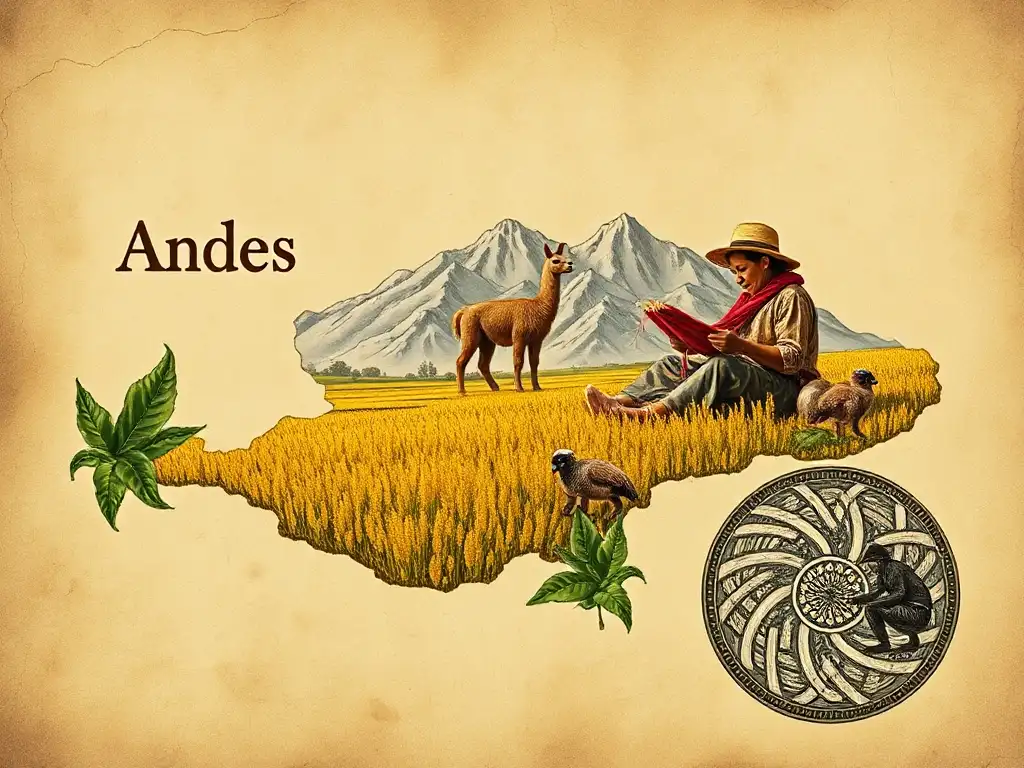
The ingenious methods employed by Andean civilizations for cultivating and managing their diverse plant life stand as a testament to their deep understanding of ecological balance and resource sustainability. Their practices weren't merely about maximizing yield; they were intrinsically linked to their spiritual beliefs and ensured the long-term health of their environment. This holistic approach to agriculture is increasingly relevant in today's world, offering valuable lessons for sustainable agriculture practices.
Understanding these ancient techniques is crucial for appreciating the ingenuity of Andean cultures and for informing modern conservation efforts. The keyword "Andean plant uses" is inherently tied to the sustainable practices that ensured their continued availability.
Traditional Farming Methods and Conservation
Andean farmers developed sophisticated techniques to adapt to the challenging mountainous terrain and varying microclimates. Terracing, for example, was a crucial method for creating level fields on steep slopes, preventing soil erosion and maximizing arable land. This wasn't simply a matter of engineering; it also involved careful consideration of water management.
Irrigation systems, often intricate networks of canals and channels, were meticulously designed to distribute water efficiently throughout the fields. These systems weren't static; they were adapted and modified over generations to respond to changing weather patterns and needs. Furthermore, crop rotation and intercropping were common practices, enhancing soil fertility and reducing the risk of crop failure.
The careful selection of plant varieties, tailored to specific altitudes and soil conditions, further demonstrated their profound knowledge of plant adaptation and resilience. This meticulous approach to farming demonstrates a deep understanding of biodiversity and its importance in ensuring food security. The effective use of Andean plants was inextricably linked to these sustainable practices.
The Importance of Andean Biodiversity
The Andean region boasts an unparalleled level of biodiversity, a richness that fueled the development of the sophisticated agricultural systems described above. The staggering variety of plants—from the coca leaf, crucial for both ritual and medicinal purposes, to potatoes with diverse characteristics and quinoa, a nutritional powerhouse—underpinned the civilizations’ resilience and prosperity. This biodiversity wasn't simply a matter of chance; it was actively managed and conserved through traditional practices.
The understanding of plant properties and their interrelationships within the ecosystem played a vital role in this conservation. For example, the use of specific plants as natural fertilizers or pest controls showcases their ecological awareness. The sheer diversity of "Andean plant uses" highlights the importance of this biodiversity and the ingenuity of the people who preserved it.
Further research is needed to fully quantify the extent of this biodiversity and the specific techniques used to maintain it. [Specific data on Andean plant species and their distribution pending].
Protecting and Preserving Andean Plant Heritage
The preservation of Andean plant heritage is not merely an academic pursuit; it's a critical endeavor for global food security and biodiversity conservation. Many Andean plants possess unique genetic traits that could be invaluable in developing crops resistant to pests, diseases, and climate change. Their traditional farming practices offer valuable insights for sustainable agriculture, reducing our reliance on environmentally damaging industrial methods.
However, habitat loss, climate change, and the introduction of invasive species pose significant threats to this precious heritage. Efforts to protect and preserve Andean plant diversity must involve a multi-faceted approach, including the establishment of protected areas, support for traditional farming practices, and investment in research and education.
Preserving the knowledge of "Andean plant uses" is vital for safeguarding this irreplaceable heritage and ensuring its continued benefit to humanity. The future of Andean biodiversity depends on our ability to learn from the past and apply those lessons to the challenges of the present.
Conclusion: The Enduring Legacy of Andean Plant Uses
The ingenuity of Andean civilizations in harnessing the potential of their diverse flora is truly remarkable. From the towering heights of the Andes to the coastal deserts, Andean people developed sophisticated techniques for cultivating, processing, and utilizing a vast array of plants. Their deep understanding of plant properties extended far beyond mere sustenance, impacting every facet of their lives, from textiles and medicine to rituals and religious practices.
This intricate relationship between humans and plants shaped not only their material culture but also their worldview and social structures. Understanding these ancient practices offers invaluable insights into the resourcefulness and adaptability of Andean societies and provides a rich context for appreciating the enduring legacy of their plant knowledge. The impact of “Andean plant uses” resonates even today, influencing modern practices and inspiring ongoing research.
The Continued Relevance of Andean Plant Knowledge
Traditional Andean knowledge about plant uses remains remarkably relevant in the 21st century. Many plants utilized by ancient Andean cultures continue to hold medicinal value, offering potential leads for modern pharmaceutical research. For example, the coca leaf, long stigmatized in the West, is currently being investigated for its potential therapeutic properties, particularly as a pain reliever and appetite suppressant.
Furthermore, the sustainable agricultural practices developed by Andean communities, often involving complex terracing systems and crop rotation, provide valuable lessons for contemporary efforts to promote environmentally friendly farming techniques. These ancient methods offer sustainable alternatives to intensive, resource-depleting modern agriculture, especially pertinent in the face of climate change and increasing food insecurity. The resilience of Andean agricultural systems, honed over millennia, presents a powerful case study in adapting to challenging environments.
This traditional knowledge, often passed down through oral tradition and practical experience, represents a vast, untapped reservoir of potential solutions for modern challenges. Preserving and studying this knowledge is crucial not only for understanding the past but also for shaping a more sustainable future.
The Future of Andean Plant Use and Research
The future of Andean plant use and research holds immense potential. Further investigation into the pharmacological properties of Andean plants is crucial, with a focus on identifying new drugs and treatments for various ailments. This requires collaborative efforts between scientists, traditional healers, and local communities to ensure that research is conducted ethically and respects indigenous knowledge. Additionally, there is a growing need to document and preserve traditional knowledge systems related to plant use.
This involves working with indigenous communities to record their practices, ensuring that this invaluable heritage is not lost. The development of sustainable cultivation and harvesting methods is also essential to prevent the overexploitation of these valuable resources. This requires a balance between economic development and environmental protection, ensuring that the benefits of plant use are shared equitably and sustainably.
Moreover, focusing on the development of new and innovative applications of Andean plants, such as in cosmetics, textiles, and biofuels, offers opportunities for economic growth while promoting sustainable practices. The future hinges on integrating traditional knowledge with modern scientific methods, fostering collaboration, and ensuring responsible resource management. Continued research on "Andean plant uses" will undoubtedly yield further discoveries with significant implications for medicine, agriculture, and beyond.
Cultural Significance of Andean Plants
Beyond their practical applications, Andean plants hold profound cultural significance. Many plants were integral to religious ceremonies, rituals, and social practices. For example, the coca leaf played a vital role in Inca religious ceremonies and was used as an offering to deities. Similarly, various plants were used in traditional medicine, not only for their healing properties but also as part of a holistic approach to health and well-being, deeply intertwined with spiritual beliefs.
The use of specific plants in textiles and clothing also communicated social status and identity. The intricate designs and dyes derived from plants were not merely decorative; they conveyed narratives, beliefs, and histories. Therefore, studying Andean plant uses requires understanding their cultural context, acknowledging the spiritual and symbolic dimensions that extend beyond their material utility. This holistic approach is essential to appreciating the rich tapestry of Andean culture and its deep connection with the natural world.
The cultural significance of Andean plants continues to resonate in contemporary Andean societies, shaping their identities, traditions, and worldviews. Preserving this rich cultural heritage is paramount to safeguarding a unique and invaluable aspect of Andean civilization. Understanding the cultural significance of plants enhances our understanding of "Andean plant uses" as a multifaceted phenomenon.
Frequently Asked Questions
What were some of the most important food plants used by Andean civilizations?
Andean civilizations relied heavily on crops like potatoes, maize (corn), and quinoa for sustenance. These provided essential carbohydrates and nutrients for their populations. These crops were incredibly versatile and adapted to various altitudes.
How did Andean cultures use plants for textiles?
Plants like cotton and various species of cactus provided fibers for weaving. Alpaca and llama wool, though from animals, were also crucial in textile production, showcasing the integration of plants and animals in their economy. These textiles served both practical and ceremonial purposes.
Beyond food and textiles, what other uses did Andean people find for plants?
Andean plants had a wide range of uses. Many plants were used for medicinal purposes, while others were used in religious ceremonies and construction. Dyes from various plants were also used to color textiles and other objects.
Were there specific plants associated with particular Andean cultures?
Yes, different cultures had unique relationships with specific plants. For example, the coca leaf held significant cultural and religious importance for the Inca, while other plants were central to the traditions of the Nazca or Moche. Regional variations in plant use were significant.
How did the diverse geography of the Andes influence plant use?
The varied altitudes and climates of the Andes resulted in a tremendous diversity of plants. This diversity, in turn, led to a wide range of uses depending on the specific environment and the needs of the various Andean cultures. Adaptation to different environments was crucial to their survival.
Final Reflection: Weaving a Legacy from Andean Fields
The ingenuity of Andean cultures in harnessing the power of their native plants remains a potent lesson for our modern world, a testament to sustainable living and resourcefulness in the face of environmental challenges. The diverse applications of these plants, from nourishing sustenance to durable textiles, offer a blueprint for a more harmonious relationship between humanity and nature, a relationship desperately needed in our era of climate change and resource depletion.
The enduring impact of Andean plant knowledge is undeniable, shaping not only the culinary landscape but also the cultural identity of the region. These plants are more than just ingredients or materials; they are interwoven into the very fabric of Andean society, representing a deep connection to the land and a profound understanding of its bounty. The earth provides enough to satisfy every man's needs but not every man's greed.
– Mahatma Gandhi. This quote resonates deeply when considering the sustainable practices employed by Andean communities for centuries, a stark contrast to the often unsustainable practices of modern industrial agriculture.
Consider the potential within your own life. Can you incorporate more sustainable practices inspired by the resourcefulness of Andean cultures? Perhaps explore locally sourced foods, reduce textile waste, or simply cultivate a deeper appreciation for the natural world and its gifts. Let the wisdom of the Andes inspire you to live more consciously, to weave a more sustainable and fulfilling life, one thread at a time.
Unlock the Wonders of Andean Plants Today!
Thank you for exploring the fascinating world of Andean plants with us! You've discovered their incredible versatility, from providing nutritious food to yielding sustainable textiles. Now, let's put this knowledge to practical use in your life and community.
Here are some ways to get started:
- **Seek out Andean products at local farmers' markets or specialty shops**, enriching your meals while supporting local farmers and artisans.
- **Explore the art of Andean textile crafting**. Consider taking a weaving workshop or following online tutorials to learn traditional techniques.
- **Share your newfound appreciation for Andean plants! ** Discuss their benefits with friends, family, or even on social media, spreading awareness and fostering a deeper understanding of their value.
What interesting Andean plant have you recently encountered, and how do you plan to integrate it into your daily life?