
The Andean Concept of Reciprocity in Agriculture: A System of Shared Labor


Uncover the secrets of a world built on shared abundance! For centuries, the towering Andes Mountains witnessed the rise and fall of incredible civilizations. But what fueled their ingenuity and societal structures? Dive into the fascinating world of the Andean reciprocity agricultural system, a complex network of communal labor and resource sharing that shaped the destinies of the Incas, Moche, and other remarkable Andean cultures. Prepare to be amazed by the intricate details of this ancient system and how it fostered a society unlike any other. Discover the answers within...
The Andean region, home to a diverse tapestry of ancient civilizations, boasts a sophisticated agricultural system deeply intertwined with a unique social philosophy: reciprocity. This wasn't simply a matter of bartering goods; it was a complex system of shared labor, mutual support, and communal responsibility that ensured the survival and prosperity of Andean communities for centuries.
This article delves into the intricacies of the Andean reciprocity agricultural system, exploring its mechanisms, societal impact, and lasting legacy. We will examine how this principle shaped agricultural practices, influencing everything from crop cultivation and irrigation to land distribution and resource management.
Understanding this system is crucial to grasping the remarkable achievements of Andean agriculture and its profound impact on the development of these vibrant cultures. The concept of "Andean reciprocity agricultural system" encompasses far more than simple trade; it represents a fundamental pillar of Andean societal structure, reflecting a deeply ingrained worldview that prioritized community well-being above individual gain.
The Andean reciprocity system relied heavily on two key principles: ayni and mink'a. While often used interchangeably, they possessed distinct characteristics. Ayni referred to a reciprocal exchange of goods and services between individuals or families, often based on mutual need and future obligation. For example, one family might assist another with harvesting potatoes, expecting similar help during their own harvest season.
This created a safety net, ensuring that even during periods of scarcity, communities could rely on each other for support. Mink'a, on the other hand, involved larger-scale communal labor projects. Entire villages would come together to undertake tasks like constructing irrigation canals, building terraces, or clearing land for cultivation.
Participation was considered a social obligation, fostering a strong sense of unity and collective responsibility. The success of these projects depended entirely on the commitment and cooperation of all community members. Failure to participate could result in social ostracism, highlighting the crucial role of social pressure in maintaining the system.
The Role of Religion and Spirituality in Andean Agricultural Reciprocity
The Andean worldview deeply intertwined religious beliefs and agricultural practices. Many rituals and ceremonies were performed to ensure successful harvests and maintain a harmonious relationship with the apus (mountain spirits) and pachamama (Mother Earth). These practices reinforced the importance of reciprocity, portraying agricultural success not as an individual achievement but as a blessing bestowed upon the community through their collective efforts and respect for nature.
Failure to honor these spiritual obligations was believed to result in poor harvests or natural disasters, further emphasizing the communal responsibility inherent in the system. Specific offerings and prayers were made during planting and harvesting seasons, aiming to appease the spirits and secure bountiful yields. This religious dimension of reciprocity ensured the continuity and sustainability of the agricultural system across generations.
The Impact of Reciprocity on Andean Agricultural Productivity and Sustainability
The Andean reciprocity system contributed significantly to the impressive agricultural productivity and environmental sustainability achieved by these ancient civilizations. The shared labor ensured that even challenging tasks could be completed efficiently, maximizing the use of available resources. The construction of sophisticated irrigation systems, extensive terrace farming, and the cultivation of diverse crops, for example, all depended on collaborative efforts facilitated by ayni and mink'a.
Moreover, the communal approach to land management promoted sustainable practices, preventing overexploitation and preserving the fertility of the soil. The emphasis on community well-being discouraged individualistic practices that might have depleted resources for short-term gains. This long-term perspective is a testament to the enduring wisdom of the Andean agricultural system.
The Legacy of Andean Reciprocity in Contemporary Agriculture
While the traditional forms of ayni and mink'a may have diminished in some areas, the underlying principle of reciprocity continues to resonate in contemporary Andean communities. Many cooperative farming practices and community-based agricultural projects reflect the enduring legacy of this ancient system. The emphasis on shared resources, mutual support, and collective responsibility remains crucial for ensuring food security and sustainable agricultural practices in a region often facing environmental challenges.
Understanding the historical context of Andean reciprocity is essential for developing effective and equitable agricultural policies that promote community resilience and environmental sustainability in the Andes today. The spirit of collaboration and mutual support, deeply rooted in the Andean past, offers valuable lessons for modern agriculture worldwide.
- The Mechanics of Ayni and Mink'a: Shared Labor in Practice
- The Role of Religion and Spirituality in Andean Agricultural Reciprocity
- The Impact of Reciprocity on Andean Agricultural Productivity and Sustainability
- The Legacy of Andean Reciprocity in Contemporary Agriculture
- What is the Andean concept of reciprocity?
- How did reciprocity work in Andean agriculture?
- What role did ayllu play in Andean agricultural reciprocity?
- What were the benefits of the Andean reciprocal agricultural system?
- How did the Andean reciprocal agricultural system differ from other agricultural systems?
Understanding Andean Reciprocity and its Agricultural Significance
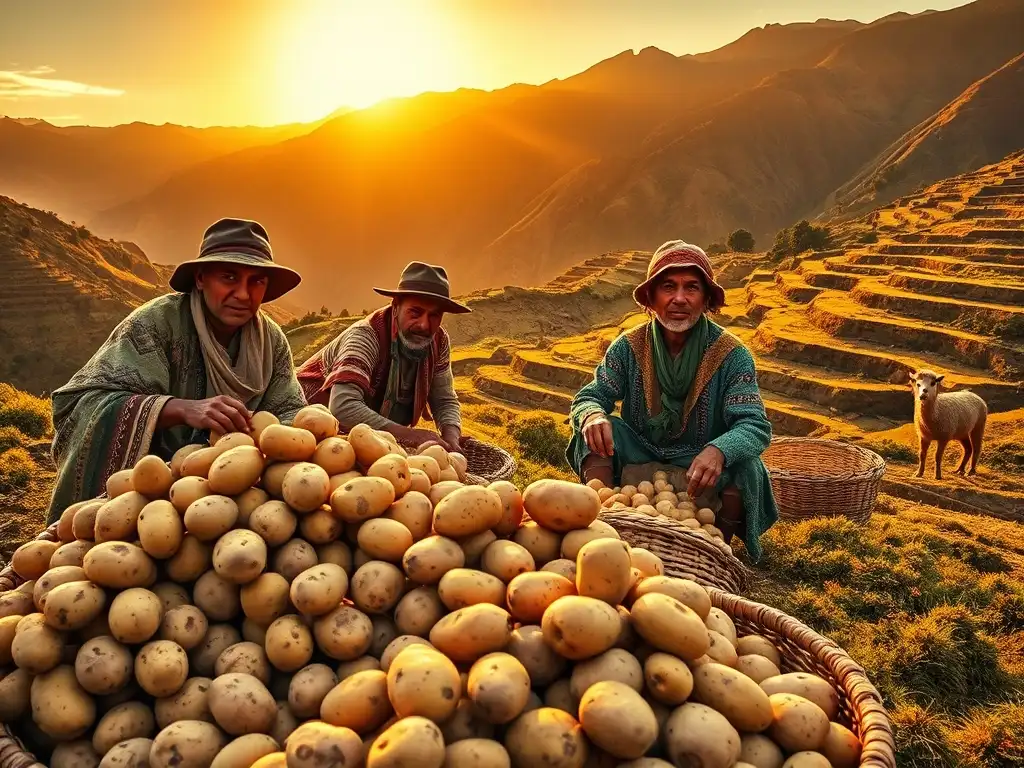
This section delves into the crucial role of reciprocity in shaping Andean agricultural practices. The concept, far from being a simple economic exchange, was deeply embedded in the social fabric, influencing everything from land use to crop distribution. Understanding this system is key to appreciating the ingenuity and sustainability of Andean farming methods.
The Andean reciprocity agricultural system wasn't just about maximizing yield; it was about maintaining social harmony and ensuring communal well-being. This intricate network of mutual obligations fostered cooperation and resilience, allowing Andean communities to thrive in challenging environments for centuries. The success of their agricultural strategies was inextricably linked to their social organization, highlighting the interconnectedness of their worldview.
What is Andean Reciprocity? Exploring the Core Principles
Andean reciprocity, at its core, represents a system of mutual exchange and obligation. It's not simply bartering goods or services; it's a deeply ingrained social principle that governs interactions within the community. The principle emphasizes balanced relationships, where giving and receiving are seen as integral parts of a continuous cycle. This wasn't a transactional system driven by profit; instead, it was rooted in a belief in communal responsibility and the importance of maintaining social equilibrium.
Failure to reciprocate could lead to social sanctions, highlighting the weight placed on fulfilling these obligations. The concept extended beyond simple material exchanges, encompassing acts of kindness, support, and shared responsibility. Key aspects included:
- Ayni: A form of reciprocal labor exchange, where individuals assist each other with tasks like farming, building, or other communal projects. This wasn't necessarily about equal exchange at a specific moment, but rather a long-term balancing of contributions.
- Minka: A larger-scale form of ayni, involving communal work on projects benefitting the entire community, such as irrigation systems or temple construction. Food and drink were often provided to participants, further emphasizing the communal aspect.
- Yanaconas: While not strictly reciprocity, this system involved individuals providing labor in exchange for protection and sustenance, representing a form of asymmetrical reciprocity within the broader system.
The Role of Ayni and Minka in Andean Farming Practices
Ayni and minka were instrumental in the success of Andean agriculture. These systems efficiently mobilized labor for tasks requiring significant manpower, such as clearing land, planting, harvesting, and maintaining irrigation canals. The collective effort ensured that even large-scale projects could be completed effectively, maximizing agricultural output. For example, during planting season, ayni would see neighbors assisting each other in preparing their fields, ensuring everyone had their crops planted in a timely manner. Similarly, during harvest, the community would come together to gather the crops, ensuring a fair and efficient distribution of the bounty.
Consider the construction and maintenance of andenes (terraces). These impressive feats of engineering required coordinated labor, impossible to achieve without the framework of minka. The collective effort ensured the long-term sustainability of the agricultural system, allowing Andean communities to cultivate crops on steep slopes and maximize available land. The efficiency of ayni and minka was crucial for the success of Andean agriculture in diverse and challenging environments. The system minimized individual risk and ensured the survival of the community as a whole.
Andean reciprocity extended far beyond agricultural practices; it permeated all aspects of their social organization. The system fostered strong social bonds and a sense of shared responsibility, contributing to the stability and resilience of Andean societies. This wasn't just about economic efficiency; it was about building and maintaining social cohesion. The success of the agricultural system was directly linked to the strength of the social bonds created through reciprocal practices.
The principle of reciprocity reinforced the idea of communal ownership and shared resources, minimizing conflict and promoting cooperation. Even the distribution of resources and goods was often guided by principles of reciprocity, ensuring a level of social equity within the community. The success of the Andean civilization, in part, can be attributed to this deeply ingrained social philosophy.
The intricate web of reciprocal obligations created a strong social safety net, enabling communities to withstand environmental challenges and social disruptions. The system's effectiveness is a testament to the power of social cooperation in building sustainable and resilient societies. The Andean reciprocity agricultural system, therefore, is best understood not in isolation, but as a vital component of a broader social and philosophical framework.
The Andean Reciprocal Labor System in Detail
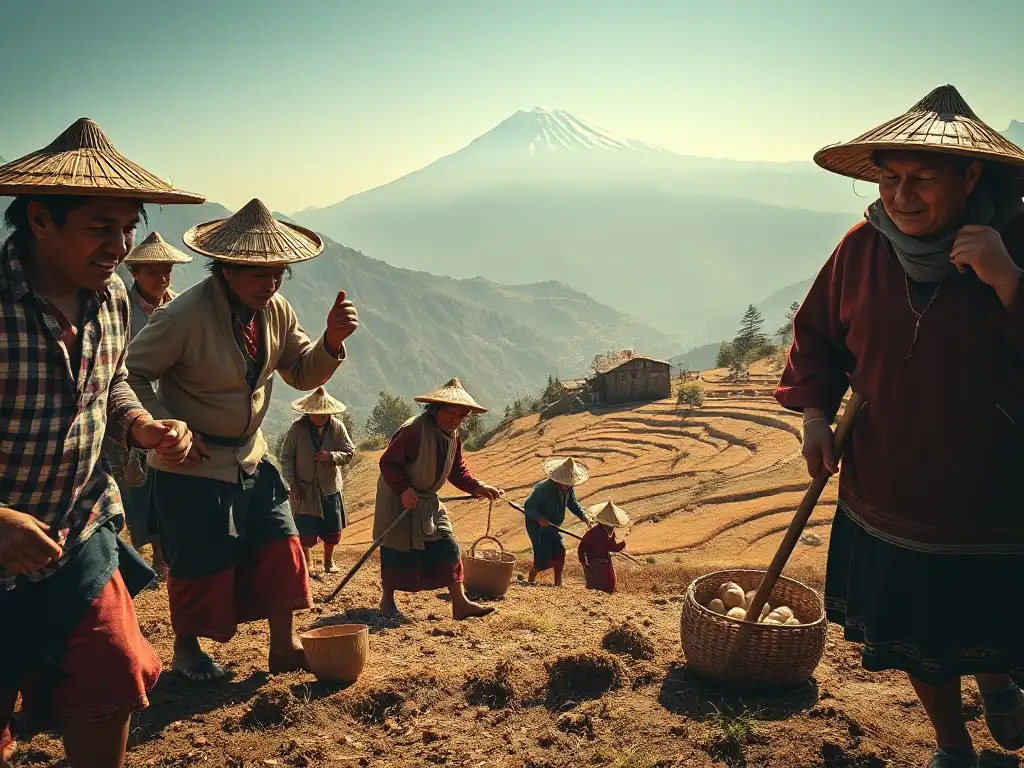
The Andean concept of reciprocity extended far beyond simple bartering; it formed the bedrock of their agricultural practices, creating a robust and sustainable system of food production. This wasn't merely a system of Andean reciprocity agricultural system, but a deeply ingrained social and spiritual principle interwoven with their relationship with the land and its bounty. Understanding this intricate system requires examining the key mechanisms of ayni and minka, the two principal forms of reciprocal labor that underpinned Andean agriculture.
The efficiency and resilience of their agricultural methods were directly tied to the strength of these communal practices. This section delves into the specifics of these systems, highlighting their organizational structures and illustrating their importance in the success of Andean farming.
Ayni: Mutual Assistance in Agricultural Tasks
Ayni, meaning "equivalence" or "exchange," represented a system of mutual assistance between individuals. It wasn't based on formal contracts or monetary compensation, but rather on the principle of reciprocal obligation and trust within a community. Neighbors and family members would assist each other with various agricultural tasks, such as planting, harvesting, irrigation, and animal husbandry. The help rendered didn't need to be immediate or equal in value; it operated on a long-term basis, with the understanding that assistance given would be reciprocated in the future, perhaps for a different task or at a different time.
This flexible system ensured that labor demands, particularly during peak seasons like planting and harvesting, were met effectively. The ayni system fostered strong social bonds and ensured the equitable distribution of labor within the community, promoting a sense of shared responsibility and collective well-being. This system of mutual support was vital for the success of Andean agriculture, particularly in challenging terrains and diverse microclimates.
Consider, for example, the assistance provided during the arduous task of terracing steep slopes – a task requiring significant manpower and coordination. The success of the ayni system depended on trust and social cohesion within the community. A breakdown in these relationships could severely impact agricultural productivity.
Minka: Communal Work for Collective Benefit
Minka, a more formalized form of reciprocal labor, involved communal work projects undertaken for the benefit of the entire community. Unlike ayni, which focused on individual assistance, minka targeted larger-scale undertakings like the construction of irrigation canals, terraces, or public buildings. Participation in minka was considered a civic duty, a contribution to the collective good. While participation was generally voluntary, social pressure and a strong sense of community obligation ensured high levels of participation.
The community leader would often organize the minka, assigning tasks and coordinating the efforts of the participants. Food and drink were usually provided to those participating, creating a sense of communal celebration and shared accomplishment. The scale of minka projects was impressive, demonstrating the capacity for large-scale organization and cooperation within Andean communities.
The construction of intricate irrigation systems, for instance, required meticulous planning and coordinated effort, showcasing the effectiveness of the minka system in achieving ambitious goals. The effectiveness of minka relied not only on communal participation but also on effective leadership and organization. The success of these large-scale projects demonstrates the sophisticated social structures of Andean societies.
The Organization of Reciprocal Labor in Andean Communities
The successful implementation of both ayni and minka required a well-defined social structure and strong community leadership. Community leaders played a crucial role in coordinating labor, resolving disputes, and ensuring the equitable distribution of resources. The Andean concept of reciprocity extended beyond mere labor exchange; it encompassed the entire social and economic fabric of their communities. The effectiveness of the Andean reciprocity agricultural system was intricately linked to the strong social bonds and shared values that characterized Andean communities.
Detailed records of labor contributions and obligations were often kept, though not necessarily in written form. These records, often maintained through oral tradition and community memory, helped ensure fairness and accountability within the system. The system also incorporated mechanisms for addressing conflicts or imbalances that might arise. This intricate network of social interactions and reciprocal obligations ensured the efficient and equitable distribution of labor and resources, contributing significantly to the sustainability and resilience of Andean agriculture.
The system’s success underscores the importance of community cohesion and trust in fostering sustainable agricultural practices. The sophisticated social structures and organizational capabilities of Andean societies are clearly demonstrated in the detailed organization and execution of these reciprocal labor systems. This aspect of their culture played a fundamental role in shaping their agricultural landscape and ensuring food security for generations.
Specific Agricultural Activities Where Reciprocity is Key
Reciprocity in Andean agriculture wasn't a generalized concept; it manifested most strongly in specific, labor-intensive agricultural activities. The scale and complexity of these tasks often necessitated communal effort, highlighting the crucial role of ayni and mita. These weren't simply occasional acts of kindness; they were deeply ingrained social obligations, ensuring the success of the agricultural cycle and, by extension, the survival of the community.
One prime example was terracing. Constructing and maintaining the extensive terrace systems characteristic of Andean agriculture required immense collective effort. The precise techniques varied across different regions and cultures, but the underlying principle of shared labor remained constant.
Individuals contributed their time and strength to build retaining walls, level platforms, and manage irrigation channels, knowing that their neighbors would reciprocate during their own land management needs. This wasn't a simple exchange of equal labor at a specific point in time; it encompassed a long-term commitment, a woven fabric of mutual support across many years. Failure to participate risked social isolation and potential hardship during one's own periods of agricultural need.
Another key area where reciprocity played a vital role was irrigation. The management of water resources, particularly in arid and semi-arid regions, was crucial. Constructing and maintaining canals, diverting water sources, and managing water distribution required careful planning and coordinated labor.
Communities worked together to ensure equitable access to water, recognizing that the prosperity of one depended on the well-being of all. This cooperative management of water resources wasn't just about practicality; it fostered social cohesion and reinforced the bonds of reciprocity within the community. Disputes over water allocation were rare, evidence of the effectiveness of the deeply rooted reciprocal system in managing this vital resource.
Finally, harvesting also saw a significant application of reciprocal labor. While some tasks might be managed by individual families, the harvesting of large-scale crops like maize or potatoes often involved communal participation. The sheer volume of work required made collective effort indispensable. Communities would come together to harvest, process, and store the crops, ensuring a fair distribution of the bounty.
This communal harvesting not only expedited the process but also fostered a sense of shared accomplishment and reinforced the bonds of reciprocity within the community. The collective celebration following the harvest served as a powerful reinforcement of the social fabric underpinning the Andean agricultural system. This festive aspect further cemented the social bonds forged through shared labor.
Benefits of the Andean Reciprocal Agricultural System

The Andean reciprocal agricultural system, a cornerstone of Andean civilizations' success, offered numerous advantages beyond simply cultivating crops. Its effectiveness stemmed from a deeply ingrained social structure built on the principle of ayni, a Quechua term signifying reciprocal exchange and mutual obligation. This wasn't merely a system of labor sharing; it was a fundamental aspect of Andean worldview, impacting social organization, environmental sustainability, and overall societal well-being.
The benefits were multifaceted and deeply intertwined, creating a resilient and productive agricultural landscape. Understanding these benefits provides crucial insight into the remarkable achievements of Andean agricultural practices. The keyword "Andean reciprocity agricultural system" is central to understanding this intricate and effective system.
The most immediate benefit of the Andean reciprocal agricultural system was significantly enhanced agricultural productivity. Large-scale projects, such as terracing steep slopes or constructing complex irrigation canals, required a considerable workforce. Individual farmers, working alone, would have struggled to complete these tasks within a reasonable timeframe, potentially leading to crop failures due to inadequate water management or insufficient land preparation. However, ayni ensured that the necessary labor was available. Communities mobilized collectively, providing manpower based on need, not solely individual capacity. This collaborative approach optimized resource use, leading to larger harvests and greater food security for the entire community.
Consider the construction of andenes, the iconic terraced fields characteristic of Andean agriculture. Building these required immense effort: careful surveying of land, precise stonework, and meticulous soil management. A single family could not have realistically undertaken such a feat. Through ayni, however, entire communities participated, each contributing their time and skills. The result was a dramatic increase in cultivable land, allowing for diversified crops and increased yields. This system effectively amplified individual effort, transforming it into a powerful engine of communal productivity. The efficiency gains were substantial, leading to a more secure and abundant food supply.
Beyond the practical benefits, the Andean reciprocal agricultural system played a crucial role in fostering strong community bonds and social cohesion. The act of participating in ayni wasn't just about work; it was a social ritual that reinforced community ties and mutual dependence. Sharing labor created opportunities for interaction, strengthening relationships and building trust among community members. This fostered a sense of collective identity and shared responsibility, crucial for the stability and resilience of the community as a whole.
The system also functioned as a form of social safety net. During times of hardship, such as illness or poor harvests, individuals could rely on the support of their community. Neighbors would assist with farming tasks, ensuring that everyone had access to sufficient food and resources, irrespective of their individual circumstances.
This mutual support system created a more equitable and resilient society, mitigating the risks associated with agricultural dependence. The inherent social cohesion promoted by ayni was vital to the long-term sustainability of the Andean agricultural system and the societies it supported. It strengthened social fabric beyond mere economic exchange.
Sustainable Agricultural Practices Based on Reciprocity
The Andean reciprocal agricultural system was not only productive but also remarkably sustainable. The principle of ayni extended beyond human labor to encompass the relationship between humans and the environment. Sustainable agricultural practices, such as crop rotation, terracing, and water management systems were not only implemented but also maintained through communal effort. The collective responsibility ensured the long-term health of the land, protecting it from degradation and ensuring its continued productivity for future generations.
The intricate irrigation canals, for example, required constant maintenance and repair. Through ayni, communities collectively ensured that these vital infrastructure components remained functional, preventing water shortages and protecting crops from drought. Similarly, the careful management of soil fertility and the avoidance of over-cultivation were ensured through shared knowledge and coordinated practices.
This holistic approach, deeply intertwined with the ethos of ayni, guaranteed the long-term sustainability of the Andean agricultural landscape. The system's success demonstrates a sophisticated understanding of ecological principles and the importance of integrating social structures with environmental stewardship. The "Andean reciprocity agricultural system" represents a model of sustainable development that remains relevant even today.
The Role of Reciprocity in Food Security
The Andean reciprocal agricultural system played a crucial role in ensuring food security for communities across diverse and challenging terrains. The system wasn't simply about sharing labor; it was a vital mechanism for risk mitigation and resource redistribution. By pooling resources and labor, communities could collectively overcome challenges such as unpredictable weather patterns, crop failures due to pests or disease, and variations in soil fertility. If one community experienced a poor harvest, the reciprocal agreements with neighboring communities ensured that they still had access to essential food supplies.
This prevented widespread famine and ensured a more stable food supply for the entire network of participating groups. This wasn't a charitable act; it was a strategic investment in the collective well-being and survival of the entire system. The system's effectiveness stemmed from its ability to distribute risk and resources efficiently, bolstering the resilience of individual communities and the broader Andean social fabric. This built-in safety net was a key element of the system's long-term sustainability.
The system fostered a sense of collective responsibility and interdependence, highlighting the importance of community cohesion in achieving food security. Failure to participate actively could have serious consequences, impacting not just individual households but the entire community's ability to maintain food security. The shared risk and reward system inherent in Andean reciprocity offered a powerful mechanism for safeguarding against food shortages and ensuring long-term community survival.
Imagine a scenario where a severe frost damages a significant portion of a community's potato crop – a staple food. Without the reciprocal system, that community would face severe hardship. However, through pre-existing agreements, neighboring communities could provide supplemental food supplies, helping them to weather the crisis.
This mutual support wasn't simply a matter of charity; it was a fundamental element of their social contract, ensuring the overall stability and resilience of the entire network. This reciprocal system acted as a form of social insurance, a vital safety net against unpredictable events in an environment with inherently risky agricultural conditions. The success of this strategy highlights the profound understanding of risk management embedded within the Andean agricultural practices.
Contrasting the Andean Reciprocal System with Other Agricultural Models
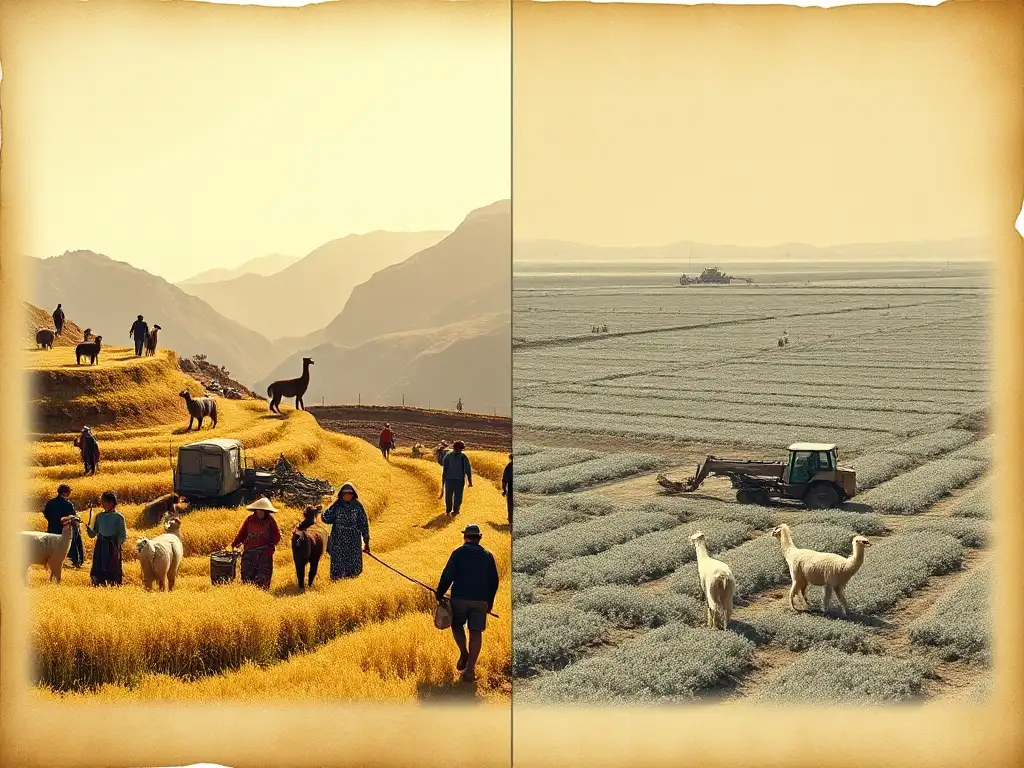
Differences from Individualized Farming Approaches
The Andean reciprocal agricultural system stands in stark contrast to many modern, individualized farming approaches. While contemporary agriculture often emphasizes individual land ownership and independent production, Andean communities historically prioritized collective action and shared resources. This fundamental difference shaped not only the methods of cultivation but also the social fabric of Andean societies.
Individual farmers in, for example, contemporary North American agriculture, typically focus on maximizing their own yield, often utilizing technologies and strategies that might not be environmentally sustainable in the long term. This contrasts sharply with the Andean system, where sustainability was intrinsically linked to the collective well-being and the long-term health of the land. The Andean concept of ayni, the principle of reciprocity, dictated that labor and resources were exchanged within the community, fostering a sense of shared responsibility and mutual support.
This wasn't simply a matter of altruism; it was a deeply ingrained social and economic mechanism crucial for survival in challenging Andean environments. Data from archaeological studies consistently reveal evidence of communal labor organization in agricultural projects, indicating a strong emphasis on collective effort rather than individual gain. This system, focused on the Andean reciprocity agricultural system, created a level of social cohesion and resilience rarely seen in more individualistic agricultural models.
The advantages of shared labor within the Andean reciprocity agricultural system were numerous and crucial for successful agriculture in the challenging Andean terrain. The steep slopes, unpredictable weather patterns, and limited arable land demanded efficient and coordinated effort. Consider, for instance, the construction of andenes (terraces): These monumental feats of engineering required the coordinated labor of many individuals, a task impossible for a single farmer to undertake.
Shared labor allowed for efficient completion of large-scale projects like terrace construction, irrigation canal maintenance, and crop harvesting. Furthermore, the pooling of resources – tools, seeds, and livestock – minimized individual risk and ensured a more reliable harvest. A farmer facing a poor harvest due to unforeseen circumstances could rely on the support of their community, preventing widespread famine.
This system's effectiveness is evidenced by the longevity and success of Andean agricultural practices over centuries. The resilience of the system, built on the principles of the Andean reciprocity agricultural system, is a testament to its effectiveness in optimizing resource utilization and mitigating the risks inherent in high-altitude farming. Indeed, the system's success is directly attributable to the collective effort and mutual support ingrained in its very structure.
How Reciprocity Fosters Resilience in Agriculture
The Andean reciprocity agricultural system demonstrates a remarkable capacity for resilience, a quality particularly relevant in the face of climate change and environmental challenges. Reciprocity, as the cornerstone of this system, ensured a safety net against crop failure, drought, or other unforeseen events. The shared resources and mutual support within the community provided a buffer against individual hardship, preventing widespread famine and social disruption. This contrasts sharply with modern agricultural systems that are often vulnerable to market fluctuations and environmental shocks.
The inherent diversification within the Andean system – the cultivation of a variety of crops and the utilization of diverse ecological zones – also contributed to its resilience. This diversification minimized the impact of localized failures; if one crop failed, others could still provide sustenance. This built-in redundancy, a direct consequence of the Andean reciprocity agricultural system, ensured the long-term survival of the community. Moreover, the deep-seated knowledge of Andean agricultural practices, passed down through generations, provided a valuable toolkit for adapting to changing environmental conditions.
This traditional ecological knowledge, coupled with the principles of reciprocity, represents a powerful model for building resilience in agriculture, especially in the context of current global challenges. The inherent flexibility and adaptability of the Andean reciprocity agricultural system provide valuable lessons for sustainable agriculture today. The system's enduring success highlights the crucial role of community-based approaches and shared resources in building resilience against environmental and social uncertainties.
Examples of Andean Reciprocity in Action
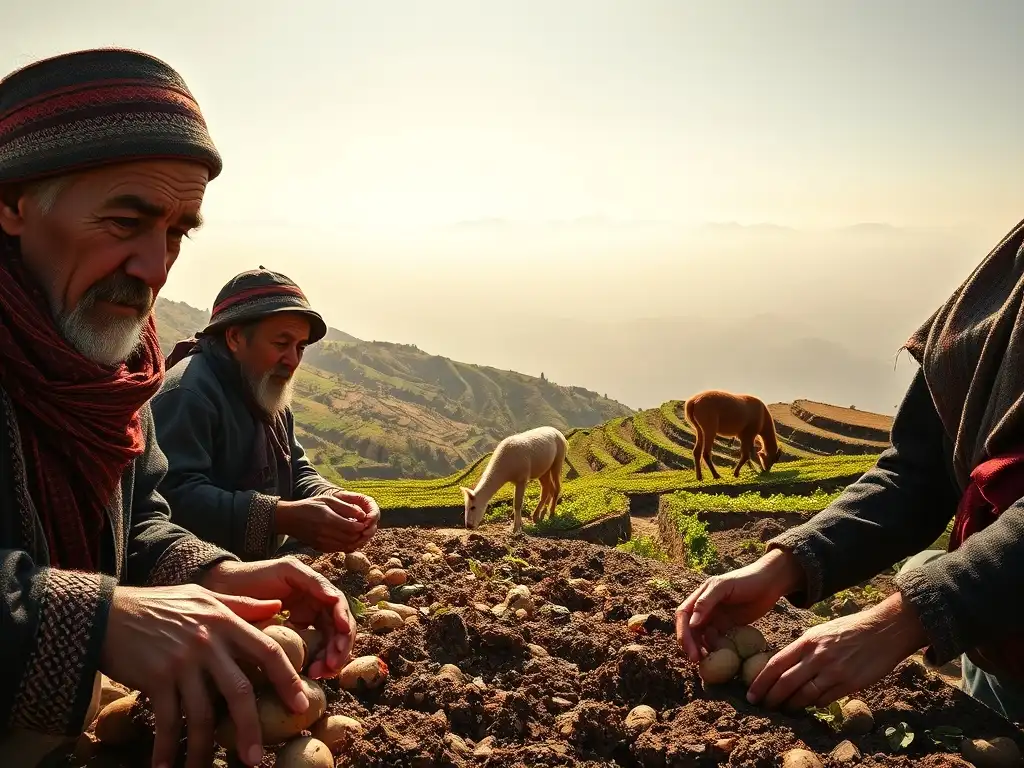
The Andean concept of ayni and minka, forms of reciprocal labor exchange, were fundamental to the success of Andean agricultural systems. These weren't simply acts of altruism; they were deeply ingrained social and economic mechanisms that ensured the productivity and sustainability of farming communities across diverse ecological zones. The effectiveness of these systems stemmed from their ability to mobilize significant labor resources for tasks beyond the capacity of individual households, especially during crucial periods like planting, harvesting, and infrastructure maintenance.
Understanding these practices provides critical insight into the sophisticated organization and resilience of Andean agriculture. The "Andean reciprocity agricultural system" wasn't simply a set of techniques; it was a social contract that bound communities together, fostering cooperation and mutual support.
Case Study: Ayni in Potato Cultivation in the Peruvian Highlands
Ayni, a Quechua term meaning "to reciprocate," is a system of mutual exchange where labor is given and received without immediate monetary compensation. In the Peruvian highlands, ayni was particularly vital during potato cultivation. Imagine a scenario where a family needed help harvesting their potato crop, a labor-intensive process. Instead of hiring paid workers, which might be costly or unavailable, they would call upon their neighbors and community members.
In return, they would offer their labor when their neighbors needed assistance with their own fields, perhaps with planting or weeding. This exchange wasn't transactional; it was a social obligation, reinforcing community bonds and ensuring everyone had access to the necessary labor for successful harvests. The success of the potato harvest, a staple crop, directly depended on the effective functioning of this reciprocal labor system.
This ensured food security for the entire community, creating a robust and resilient system against crop failures. Data on historical potato yields in communities practicing ayni, while scarce, suggests a higher degree of success in times of hardship compared to communities with less developed reciprocal arrangements. This highlights the crucial role of social organization in ensuring agricultural success in challenging environments.
Case Study: Minka in Irrigation Canal Maintenance in Bolivia
Minka, another crucial form of reciprocal labor, often involved larger-scale projects than ayni. In the arid and semi-arid regions of Bolivia, maintaining the intricate network of irrigation canals was essential for successful agriculture. Minka mobilized entire communities to participate in canal cleaning, repair, and construction. Unlike ayni, which could involve smaller, more immediate exchanges, minka was often organized by community leaders and involved a greater coordination of labor.
The success of the minka depended on the collective participation of community members, who contributed their time and effort to ensure the smooth functioning of the irrigation system benefiting everyone. Failure to participate was often viewed negatively, highlighting the social pressure to contribute to the collective good. This system ensured the long-term sustainability of irrigation infrastructure, vital for water resource management and agricultural productivity in regions vulnerable to drought.
The scale of these projects required strong community organization and leadership to coordinate effectively. Anthropological studies have documented the impressive efficiency and social cohesion achieved through minka, demonstrating the power of reciprocal labor in managing complex infrastructure projects. The "Andean reciprocity agricultural system," through minka, showcases an advanced understanding of resource management and community organization.
The Enduring Legacy of Reciprocal Practices in Modern Andean Agriculture
While modern Andean economies have increasingly integrated into global markets, the legacy of ayni and minka persists in many communities. Although monetary transactions are more common, reciprocal labor continues to play a significant role, particularly in remote areas with limited access to paid labor. The spirit of mutual assistance remains strong, reflecting the deeply ingrained cultural values of cooperation and community. The "Andean reciprocity agricultural system," in its adapted forms, continues to contribute to food security and social cohesion.
However, challenges remain. Migration to urban centers and the pressures of globalization have impacted the prevalence of these traditional practices in some regions. Studies are needed to fully assess the ongoing role of reciprocal labor in modern Andean agriculture and to understand the factors that influence its continued practice or decline. Further research could also explore the potential of integrating these traditional practices with modern agricultural techniques to create sustainable and equitable agricultural systems.
The resilience of Andean agriculture, in part, stems from its adaptable and community-focused nature. The legacy of ayni and minka serves as a powerful testament to the enduring strength of reciprocal practices within Andean communities. 🤝
The Cultural Significance of the Andean Reciprocal System
The Andean reciprocal agricultural system wasn't merely a practical arrangement for sharing labor; it was deeply embedded within the cultural fabric of Andean societies. Understanding its significance requires looking beyond the logistical aspects of shared work and delving into the philosophical and spiritual underpinnings that shaped Andean worldview and social structures. This system, often described as ayni (Quechua for reciprocity), transcended mere economic exchange; it was a fundamental principle governing social interactions, reflecting a profound interconnectedness between humans, nature, and the supernatural.
The successful functioning of the ayni system was crucial to the survival and prosperity of Andean communities, ensuring both agricultural productivity and social harmony. Its influence extended far beyond agriculture, impacting every facet of Andean life, from religious ceremonies to political organization. Analyzing the ayni system reveals a sophisticated understanding of social engineering and resource management, highlighting the ingenuity of Andean civilizations.
Reciprocity as a Reflection of Andean Worldview
The Andean concept of reciprocity stemmed from a holistic worldview that emphasized balance and harmony. The cosmos was perceived as a dynamic interplay of opposing forces, where equilibrium was essential for maintaining order. Reciprocity wasn't just about exchanging labor; it was about restoring balance within this cosmic order. By participating in ayni, individuals fulfilled their social obligations, contributing to the well-being of the community and maintaining the flow of energy within the cosmos.
Failure to reciprocate was seen as disrupting this balance, potentially leading to misfortune or illness. This belief system reinforced the importance of collaborative efforts, fostering a strong sense of community and mutual support. Ancient Andean texts and archaeological evidence, though limited, support this interpretation, revealing a society deeply intertwined with its environment and governed by principles of mutual interdependence. The concept resonates with contemporary understandings of sustainable practices, emphasizing the long-term benefits of collaborative resource management.
The Importance of Kinship and Community in Reciprocal Practices
The Andean reciprocal agricultural system thrived on strong kinship ties and a highly developed sense of community. Labor exchange wasn't conducted randomly; it was largely organized within extended family networks and local communities. The ayllu, a fundamental social unit in many Andean societies, played a crucial role in coordinating reciprocal labor.
Members of the ayllu were obligated to assist each other during critical periods of the agricultural cycle, such as planting, weeding, and harvesting. This system ensured that everyone had the necessary support to cultivate their land, even during times of hardship or illness. The strength of these kinship bonds and the communal nature of the ayni system provided a social safety net, minimizing risk and promoting social cohesion.
This system contrasts sharply with individualistic approaches to agriculture, highlighting the importance of collective action in Andean societies. The success of the system depended heavily on trust, cooperation, and a shared commitment to the community's well-being.
The Transmission of Reciprocity through Generations
The principles of Andean reciprocity were not only practiced but actively transmitted across generations. This transmission occurred through a combination of oral traditions, practical apprenticeship, and ritualistic practices. Young individuals learned the importance of ayni through observation and participation in community activities. Elders played a crucial role in guiding younger generations, imparting knowledge and values related to reciprocal labor and community responsibility.
Rituals and ceremonies often reinforced these lessons, emphasizing the spiritual dimensions of reciprocity and its importance in maintaining social harmony. This intergenerational transfer of knowledge ensured the continuity of the ayni system, solidifying its place as a cornerstone of Andean culture and agricultural practices. The longevity of the system, spanning centuries, speaks to the effectiveness of this transmission mechanism, demonstrating the deep-rooted nature of reciprocal values within Andean societies. The enduring legacy of ayni demonstrates the power of cultural transmission in shaping sustainable practices and social structures.
Preserving the Andean Reciprocal Agricultural System in the Modern Era
The enduring legacy of the Andean reciprocal agricultural system faces significant challenges in the modern era. Globalization, market pressures, and the allure of individualistic economic models threaten the traditional practices that have sustained Andean communities for millennia. The shift towards monoculture farming, driven by global demand for specific crops, diminishes biodiversity and weakens the resilience of the ecosystem, directly impacting the sustainability of the reciprocal system.
Furthermore, the migration of younger generations to urban centers leads to a decline in the knowledge and skills necessary to maintain these intricate agricultural practices. This knowledge, passed down through generations, is crucial for understanding the nuances of crop rotation, water management, and the intricate social dynamics that underpin the system. The loss of this traditional knowledge poses a significant threat to the long-term viability of Andean agriculture.
The preservation of the Andean reciprocal system requires a multi-pronged approach that combines traditional knowledge with modern sustainable agricultural techniques. Efforts to document and disseminate the traditional knowledge base are crucial, including the development of educational programs that engage younger generations. This includes not only practical training in agricultural techniques but also a deeper understanding of the cultural and social significance of reciprocity.
Furthermore, supporting initiatives that promote fair trade and sustainable market access for Andean farmers allows them to benefit economically from their traditional practices, providing a strong incentive to maintain them. Government policies that prioritize sustainable agriculture and support community-based initiatives are also essential. This could include providing access to resources, infrastructure, and financial support for farmers who continue to practice reciprocal agriculture.
Innovative approaches are also needed to adapt the reciprocal system to the challenges of climate change. The increased frequency and intensity of extreme weather events require strategies for drought resistance, pest control, and adaptation to changing climatic conditions. Integrating traditional knowledge with modern scientific research can help develop resilient agricultural practices.
For example, scientists could work with local communities to identify drought-resistant crop varieties or develop sustainable irrigation systems that are adapted to the unique conditions of the Andes. This collaborative approach ensures that solutions are both effective and culturally sensitive. Ultimately, safeguarding the Andean reciprocal agricultural system is not just about preserving agricultural practices; it is about preserving a vital part of Andean culture and identity, ensuring the continued well-being of its communities for generations to come.
The system's survival hinges on a collective commitment to understanding, supporting, and adapting it to the realities of a changing world. The future of the Andean reciprocal agricultural system depends on collaborative efforts to bridge the gap between tradition and modernity.
Frequently Asked Questions
What is the Andean concept of reciprocity?
The Andean concept of reciprocity is a system of mutual exchange and shared responsibility, vital to their social and economic structure. It fostered cooperation and ensured the survival of communities through collective action. This principle applied to many aspects of life, including agriculture.
How did reciprocity work in Andean agriculture?
In Andean agricultural systems, reciprocity meant shared labor amongst community members. Individuals helped each other with planting, harvesting, and irrigation, ensuring everyone had access to the necessary resources. This system promoted social cohesion and sustainable farming practices.
What role did ayllu play in Andean agricultural reciprocity?
The ayllu, a kinship-based community group, was crucial for organizing reciprocal labor. Members of the ayllu collaborated on agricultural tasks, based on principles of mutual support and shared benefits. Land ownership was often communal, further strengthening the system.
What were the benefits of the Andean reciprocal agricultural system?
The system ensured food security and resource distribution, mitigating the risks of individual failure. It also fostered strong social bonds, promoting community stability and resilience. The system was remarkably effective in diverse and challenging environments.
How did the Andean reciprocal agricultural system differ from other agricultural systems?
Unlike many individualistic agricultural systems, the Andean model emphasized collective action and social responsibility. This fostered a strong sense of community and ensured the survival of the entire group, rather than focusing solely on individual gain. The emphasis on community was key to its success.
Final Reflection: Reciprocity's Enduring Harvest
The Andean concept of ayni, a system of reciprocal labor, remains profoundly relevant today, offering a powerful counterpoint to the exploitative practices that dominate much of modern agriculture. Its principles of shared effort, mutual benefit, and community well-being stand as a stark reminder of the potential for sustainable and equitable food systems. The stark contrast between ayni and the current global agricultural landscape, characterized by industrial monoculture and widening inequalities, highlights the urgent need for a paradigm shift.
The enduring influence of ayni on Andean communities is undeniable, shaping not only their agricultural practices but also their social fabric and worldview. It's a testament to the power of community-based solutions and the inherent human need for connection and collaboration. The land is not merely a resource to be exploited, but a living entity with which we must maintain a reciprocal relationship,
a Quechua elder once told me, a sentiment that encapsulates the heart of ayni. This deep-rooted connection to the land fosters sustainability and resilience in the face of environmental challenges, a lesson the world desperately needs to learn.
Consider the implications of ayni for your own life. How can you cultivate a spirit of reciprocity in your own interactions, whether it's within your community, your workplace, or even your personal relationships? Embrace the opportunity to build stronger, more sustainable systems based on shared effort and mutual benefit. Let the enduring wisdom of the Andean agricultural system inspire you to create a more just and equitable world, one act of reciprocity at a time.
Embrace Reciprocity: Transform Your Agricultural Practices Today!
Thank you for exploring the rich traditions of reciprocity in Andean agriculture and discovering the powerful impact of shared labor on community and sustainability. Now, let's put that knowledge into action!
- Start a community garden: Encourage collaboration and resource sharing among your neighbors. This fosters a sense of community and strengthens local bonds.
- Share your experience: Document your journey of practicing reciprocal agriculture and inspire others by sharing your insights and experiences on social media or in local forums.
- Join or create a farming cooperative: A cooperative focused on mutual aid and resource sharing will build community and promote sustainable practices.
Are you ready to champion shared labor in your community? How will you integrate reciprocity into your agricultural practices to create a more sustainable and connected future?