
More Than Just Coca: Unearthing the Secrets of Andean Ethnobotany

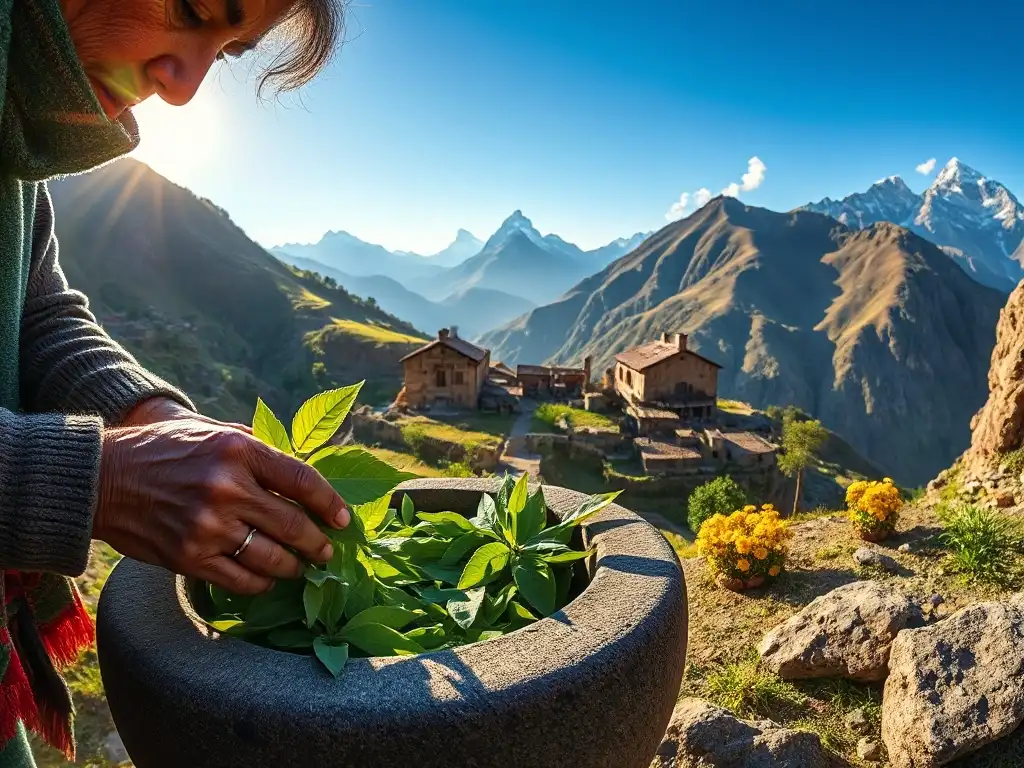
Step into a world lost to time, yet echoing with vibrant life. For centuries, the Andes Mountains have held secrets, whispered on the wind and etched into the very fabric of their ancient civilizations. Prepare to uncover the astonishing Andean ethnobotany secrets, far beyond the familiar coca leaf. This is a journey into the ingenious agricultural practices and profound relationship with nature that sustained these incredible cultures – a story waiting to be revealed. Dare to explore?
- Andean Ethnobotany Secrets: More Than Just Coca
- Unveiling the Richness of Andean Plant Knowledge
- Beyond Coca: Exploring Diverse Andean Flora
- The Sacred Role of Plants in Andean Cosmology
- Preservation of Traditional Andean Plant Knowledge
- The Importance of Andean Ethnobotanical Studies
- Frequently Asked Questions
- Final Reflection: The Enduring Legacy of Andean Wisdom
- Uncover the Wonders of Andean Ethnobotany!
Andean Ethnobotany Secrets: More Than Just Coca
The Andes Mountains, a spine of towering peaks running down the western edge of South America, are home to a breathtaking diversity of life. This biodiversity isn't just visually stunning; it's deeply interwoven with the rich tapestry of Andean cultures, shaping their history, spirituality, and daily lives for millennia. While the coca leaf is perhaps the most internationally recognized symbol of Andean ethnobotany, the reality is far richer and more complex.
This article delves into the fascinating world of Andean ethnobotany, exploring the secrets held within the plants and their profound impact on these ancient civilizations, revealing a knowledge system far exceeding the singular focus on coca. We'll uncover the intricate relationship between people and plants, examining how Andean communities utilized a vast array of botanical resources for sustenance, medicine, ritual, and more.
Prepare to be amazed by the ingenuity and deep understanding of the natural world demonstrated by these ancient cultures. Understanding Andean ethnobotany provides a crucial window into the sophisticated knowledge systems that sustained these remarkable societies and continues to influence their descendants today.
The Sacred Coca Leaf: Beyond the Stereotype
The coca leaf ( Erythroxylum coca) holds a central position in Andean culture, but its significance extends far beyond its recreational use in modern society. For centuries, coca has been revered as a sacred plant, vital for both physical and spiritual well-being. It was, and in many areas still is, used to alleviate hunger and fatigue, aid in religious ceremonies, and facilitate social interactions.
Detailed anthropological studies reveal the nuanced ways in which coca was incorporated into daily life, from its use as a stimulant for arduous tasks like farming and mining, to its role in complex rituals and offerings to the gods. The coca leaf wasn’t simply a plant; it was a powerful symbol representing connection to the ancestors and the earth itself.
Its cultivation and consumption were—and continue to be—governed by intricate social and religious protocols demonstrating a deep respect for its power. The complex relationship between Andean communities and the coca plant challenges the simplistic narratives often associated with it, highlighting the rich cultural context within which it thrives.
Beyond Coca: A Tapestry of Medicinal Plants
Andean ethnobotany boasts a pharmacopoeia far exceeding the coca leaf. Generations of Andean healers, known as yatiri or curanderos, possessed an encyclopedic knowledge of medicinal plants, developing sophisticated remedies for a wide range of ailments. These remedies, often incorporating multiple plant species, were meticulously prepared and administered, reflecting a deep understanding of plant properties and their interactions.
For example, the bark of the quina tree ( Cinchona species) was used to treat fevers, eventually leading to the isolation of quinine, a crucial antimalarial drug. Similarly, many other plants were utilized for their analgesic, anti-inflammatory, or antiseptic properties, demonstrating a remarkable level of botanical expertise and a sophisticated understanding of pharmacology. Unfortunately, much of this traditional knowledge remains undocumented, emphasizing the urgent need for ongoing research and preservation efforts.
Agriculture and Food: Ingenious Adaptations to High Altitudes
The Andes' challenging environment—high altitude, steep slopes, and variable climates—necessitated the development of ingenious agricultural techniques. Andean farmers cultivated a remarkable array of crops adapted to these harsh conditions, showcasing a profound understanding of soil types, water management, and plant breeding. Terracing, irrigation systems, and the cultivation of diverse crops ensured food security and resilience in the face of environmental challenges.
Potatoes ( Solanum tuberosum), quinoa ( Chenopodium quinoa), and maize ( Zea mays) were—and remain—staple crops, but a vast array of other plants provided crucial sources of nutrition, fiber, and flavor. The intricate knowledge of soil fertility, crop rotation, and pest control reflected a holistic approach to agriculture that ensured sustainable food production for generations. This sophisticated agricultural knowledge, deeply rooted in ethnobotanical understanding, represents a remarkable achievement in human adaptation and resource management.
Textiles and Dyes: The Art of Natural Fibers

The vibrant textiles produced by Andean cultures were not only beautiful but also reflected a deep understanding of plant-based dyes and fibers. The cultivation and processing of cotton ( Gossypium species) and other fibers, combined with the extraction of dyes from plants like uña de gato ( Uncaria tomentosa) and various lichen species, resulted in stunningly colored textiles. These textiles served not only practical purposes but also held significant symbolic meaning, often used in ceremonies and rituals.
The intricate designs and color palettes reflect not only artistic skill but also a deep connection to the natural world, where plants provided both the materials and the inspiration for artistic expression. The creation of these textiles represents a powerful example of how Andean ethnobotany extended beyond sustenance to encompass artistic and cultural expression.
The Future of Andean Ethnobotany: Preservation and Research
The rich legacy of Andean ethnobotany faces numerous challenges in the modern world. The loss of traditional knowledge, habitat destruction, and the encroachment of modern agricultural practices threaten the survival of many plant species and the associated cultural practices. Preserving this invaluable knowledge requires a concerted effort to document traditional practices, support local communities, and promote sustainable resource management.
Further research into the medicinal and nutritional properties of Andean plants could lead to the discovery of new treatments and improve food security. The protection and study of Andean ethnobotany are not merely academic pursuits; they are crucial for the well-being of both the environment and the communities that have depended on these resources for millennia. The future of Andean ethnobotany hinges on collaborative efforts that prioritize both the preservation of traditional knowledge and the scientific exploration of this remarkable botanical heritage.
Unveiling the Richness of Andean Plant Knowledge
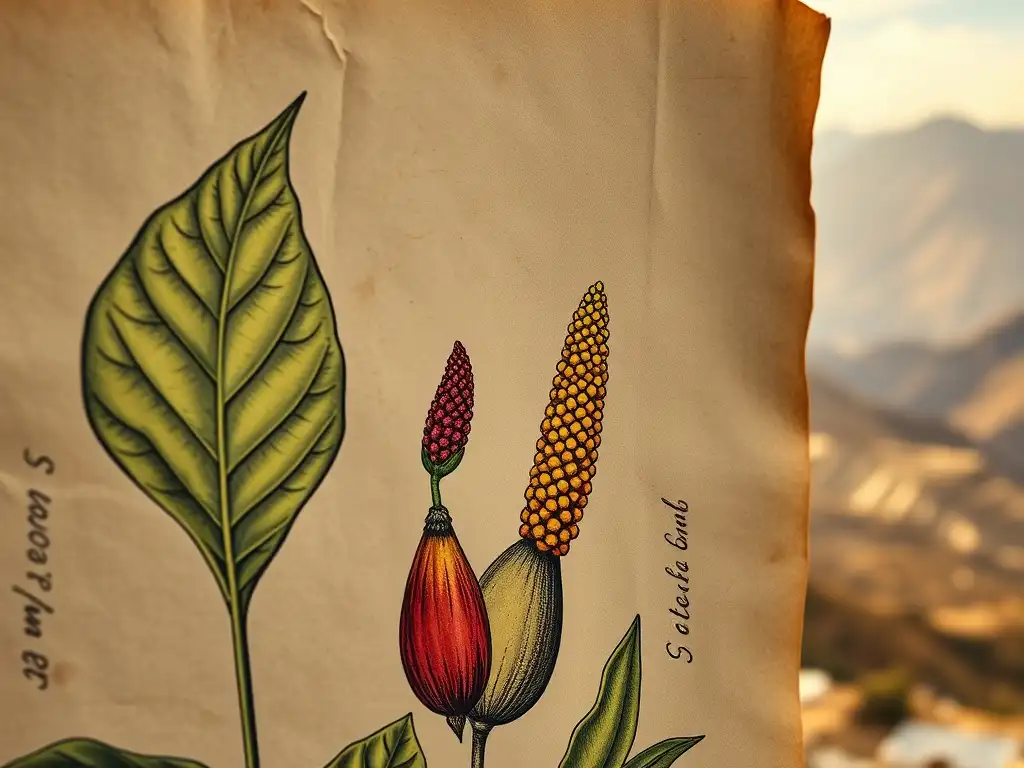
This section delves into the fascinating world of Andean ethnobotany, revealing the intricate relationship between Andean cultures and the plant kingdom. We'll explore the historical context of this knowledge system and examine the diverse traditional uses of plants within Andean societies. Understanding this deep-rooted connection is crucial to appreciating the sophisticated agricultural practices and holistic worldview of these ancient civilizations.
The secrets of Andean ethnobotany are not merely about utilizing plants for survival; they represent a complex interplay of spirituality, social structure, and ecological awareness. This knowledge, passed down through generations, offers invaluable insights into the ingenuity and resilience of Andean peoples. The term "Andean ethnobotany secrets" itself hints at the hidden depths of this knowledge, a wealth of information waiting to be uncovered and understood.
The Historical Context of Andean Ethnobotany
The historical roots of Andean ethnobotany stretch back millennia, intertwined with the development of Andean agriculture itself. Evidence suggests that early Andean societies, long before the Inca Empire, possessed a profound understanding of plant properties and their applications. Archaeological findings, such as preserved plant remains in tombs and depictions of plants in pottery and textiles, reveal a long history of plant cultivation and utilization.
These early Andean farmers not only cultivated staple crops like potatoes and maize but also a wide array of other plants with medicinal, ritualistic, and textile uses. The development of sophisticated irrigation systems and agricultural techniques further underscores their advanced botanical knowledge. The Inca Empire, while building upon existing practices, further formalized and expanded the use of plants, integrating ethnobotanical knowledge into their complex social and religious structures.
This integration is evident in the Inca's meticulous record-keeping systems, albeit primarily through oral traditions rather than written documents, which further strengthened the transmission of this crucial knowledge across generations. The impact of Spanish colonization significantly disrupted these traditional practices, yet despite centuries of oppression, elements of Andean ethnobotany have remarkably persisted, demonstrating the enduring strength and resilience of this knowledge system. Understanding this historical context is key to appreciating the full scope of Andean ethnobotany secrets.
Traditional Uses of Plants in Andean Culture
Andean ethnobotany encompassed a vast array of plant uses, extending far beyond basic sustenance. Plants played, and continue to play, a vital role in various aspects of Andean life. Let's examine some key examples:
- Medicinal Plants: A wide range of plants were, and still are, used for medicinal purposes. Many plants possessed properties to treat various ailments, from common colds to more serious illnesses. Knowledge of these plants was often held by specialized healers, curanderos and yachaks, who played crucial roles in Andean communities. The precise recipes and preparations varied across different regions and communities, reflecting the diverse botanical landscapes and cultural practices. Detailed documentation of these medicinal uses is still ongoing, revealing new Andean ethnobotany secrets regularly.
- Ritualistic Plants: Certain plants held significant spiritual importance, used in ceremonies and rituals. Coca leaves, for instance, played a central role in Andean religious practices, used as offerings to deities and as a means of communication with the spirit world. Other plants were used in divination rituals or to mark important life events. The use of these plants highlights the deep connection between Andean spirituality and the natural world. The secrets surrounding these ritualistic practices are often closely guarded, passed down through generations within families or specific communities.
- Textile Plants: Andean cultures were renowned for their sophisticated textile arts. A variety of plants provided the fibers used to create intricate textiles, including cotton, wool from llamas and alpacas, and various other plants with strong fibers. The dyeing of these textiles also relied on plants, with different plants producing a wide range of colors. The mastery of textile production demonstrates a detailed understanding of plant properties and processing techniques, revealing yet another facet of Andean ethnobotany secrets.
- Food and Agriculture: Beyond coca, the Andean diet was, and is, incredibly diverse, showcasing mastery over agriculture and an intimate knowledge of plants. Potatoes, maize, quinoa, and other crops formed the basis of the diet, complemented by a vast array of fruits, vegetables, and other plants. The cultivation and preparation of these plants reflect a deep understanding of soil conditions, climate, and plant cycles. The sheer variety and sophistication of Andean agriculture underscore the ingenuity and adaptability of these cultures. Many of the Andean ethnobotany secrets related to food production remain relevant and valuable today, particularly in the face of climate change and the need for sustainable agriculture.
The rich tapestry of Andean ethnobotany represents a profound and enduring legacy, one that continues to inspire and inform our understanding of the intricate relationship between humans and the environment. Further research is crucial to fully unveil the remaining Andean ethnobotany secrets and to ensure the preservation of this invaluable knowledge for future generations. The ongoing exploration of this field promises to reveal even more astonishing insights into the ingenuity and wisdom of Andean civilizations.
Beyond Coca: Exploring Diverse Andean Flora
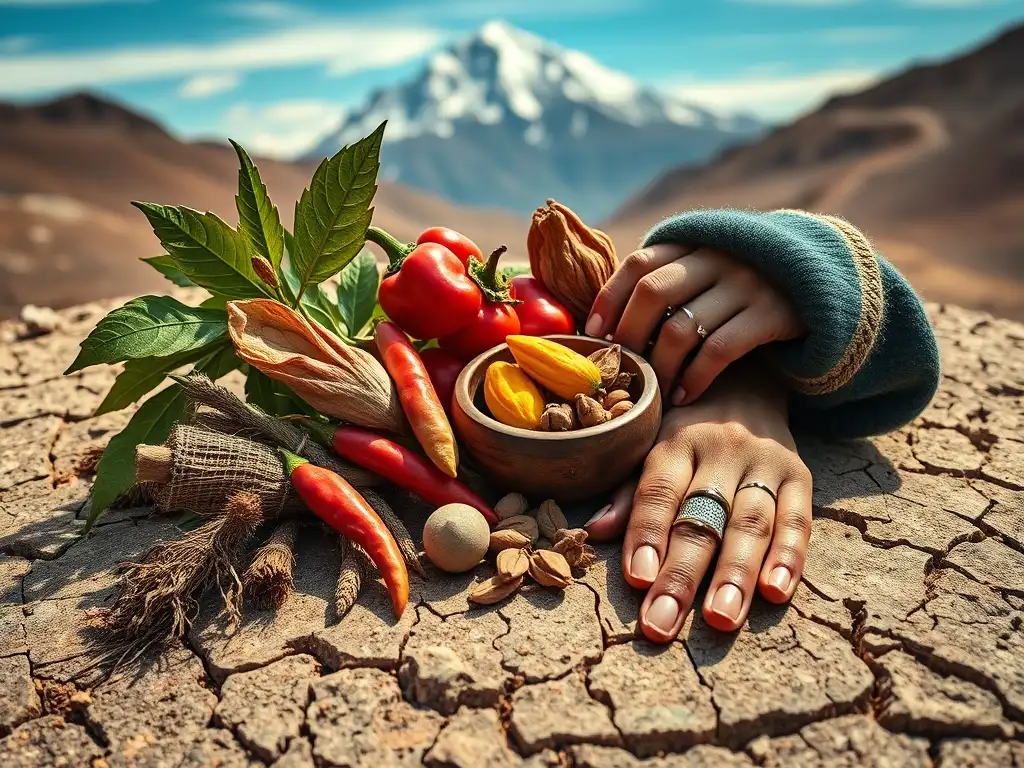
The Andean region, famed for its coca leaf, boasts a far richer tapestry of plant life crucial to the survival and cultural development of its ancient inhabitants. Andean ethnobotany secrets extend far beyond the well-known stimulant, encompassing a vast array of species utilized for medicinal purposes, textile production, and agricultural advancements. This section delves into the diverse applications of Andean plants, revealing the sophisticated understanding of botany possessed by these ancient cultures.
Understanding the multifaceted use of these plants provides a deeper appreciation for the ingenuity and resourcefulness of Andean civilizations and their intimate connection with their environment. The intricate relationship between people and plants shaped their daily lives, traditions, and even their spiritual beliefs.
Medicinal Plants of the Andes: Healing Traditions
Andean ethnobotany reveals a sophisticated understanding of medicinal plants. Many species were, and continue to be, used to treat a wide array of ailments. For example, Matico ( Buddleja incana), with its potent antiseptic properties, was used to staunch bleeding wounds and heal skin infections. Its effectiveness is supported by modern scientific research confirming its antibacterial and anti-inflammatory actions.
Similarly, the bark of the quina tree ( Cinchona spp. ), the source of quinine, played a critical role in combating malaria, a disease prevalent in the region. The knowledge of these medicinal plants was often passed down through generations, forming the basis of complex healing traditions intertwined with spiritual beliefs.
The use of these plants wasn't simply limited to treating physical ailments; they were integral to spiritual practices as well. Certain plants were believed to possess magical or spiritual properties, used in ceremonies and rituals to connect with the supernatural world. This deep connection between the physical and spiritual realms underscores the holistic nature of Andean ethnobotany. Unfortunately, much of the detailed knowledge regarding specific plant uses and preparation methods remains undocumented or only partially understood, necessitating further research to fully uncover the Andean ethnobotany secrets surrounding their medicinal practices.
Andean Plants for Textile Production: Natural Dyes and Fibers
The vibrant textiles of the Andes are a testament to the mastery of natural dyes and fibers. Andean ethnobotany played a crucial role in this artistic expression. The diverse flora provided a rich palette of colors and strong, durable fibers.
For example, cochineal ( Dactylopius coccus), a scale insect that feeds on prickly pear cacti, yielded a brilliant crimson dye, prized for its vibrancy and lasting power. Similarly, various plants, including tarwi ( Lupinus mutabilis), provided both food and a source of natural fibers for textiles. The intricate weaving techniques combined with the natural dyes resulted in stunning textiles that reflected the cultural identity and social status of their creators.
The process of obtaining dyes from plants was often complex, requiring specialized knowledge and meticulous preparation. Different plants were combined to achieve specific shades and hues, reflecting a sophisticated understanding of color chemistry. The durability and fastness of these natural dyes are remarkable, with some textiles surviving for centuries, preserving the Andean ethnobotany secrets embedded within their vibrant colors. Further study of these ancient dyeing techniques could contribute to the development of sustainable and eco-friendly alternatives to synthetic dyes.
Agricultural Applications of Andean Ethnobotany
Andean ethnobotany wasn't merely limited to medicinal applications and textile production; it was fundamental to agricultural practices. The understanding of plant properties and their interactions with the environment allowed Andean farmers to develop sophisticated agricultural techniques adapted to the challenging Andean terrain. The cultivation of potatoes ( Solanum tuberosum), quinoa ( Chenopodium quinoa), and maize ( Zea mays) demonstrates a deep understanding of soil types, water management, and crop rotation. These crops, along with many others, were meticulously adapted and selected over centuries, resulting in a remarkable diversity of varieties suited to various altitudes and climates.
The use of companion planting and intercropping techniques highlights the holistic approach to agriculture. Certain plant combinations were strategically planted together to enhance growth, deter pests, and improve soil fertility. This intricate knowledge of plant interactions showcases the Andean peoples' deep understanding of their ecosystem and their ability to work harmoniously within it. The Andean ethnobotany secrets embedded within these agricultural practices offer valuable insights for modern sustainable agriculture, potentially contributing to more resilient and environmentally friendly farming methods. Further research into these ancient techniques could unlock valuable knowledge for modern agricultural challenges.
The Sacred Role of Plants in Andean Cosmology
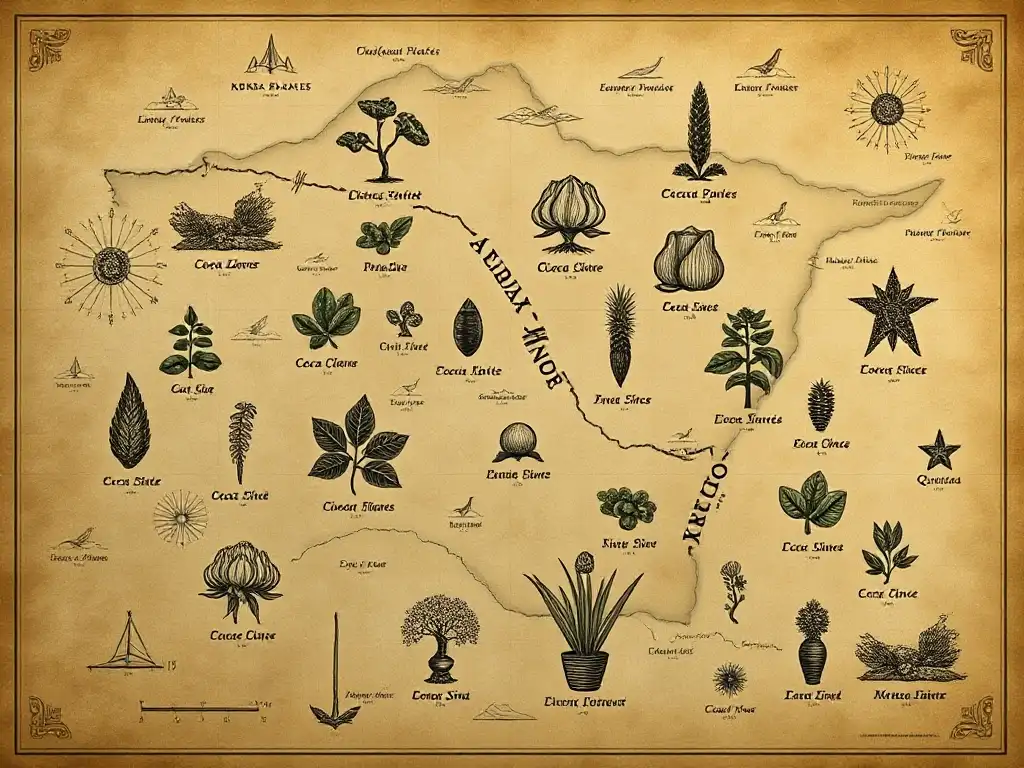
Andean ethnobotany secrets run deep, intertwined with the very fabric of Andean cosmology. Plants weren't merely utilitarian; they were imbued with spiritual significance, acting as intermediaries between the human and divine realms. This profound reverence extended beyond simple sustenance; plants played crucial roles in rituals, ceremonies, and the understanding of the cosmos itself.
The intricate relationship between Andean people and the plant world shaped their worldview, influencing their social structures, artistic expressions, and even their understanding of time and space. Understanding this sacred connection is key to unlocking the true depth of Andean ethnobotany secrets. The Andean worldview saw the world as a living, interconnected entity, with plants occupying a vital position within this intricate web of life.
Plants as Spiritual Connectors in Andean Rituals
The use of plants in Andean rituals was far from arbitrary. Specific plants were associated with particular deities, ceremonies, and life stages. Coca leaves, for example, were—and still are—central to many rituals, facilitating communication with the spirit world and offering protection.
The consumption of coca during ceremonies wasn't simply a social custom; it was a sacred act, believed to enhance spiritual awareness and facilitate connection with ancestral spirits. Similarly, other plants like huamanripa (a species of Dature), with its potent hallucinogenic properties, were used in shamanistic practices to achieve altered states of consciousness and commune with the spiritual realm. Detailed ethnographic accounts document the precise preparation and use of these plants in various rituals, highlighting the meticulous knowledge and deep respect Andean cultures held for their botanical resources.
The intricate details of these practices reveal a sophisticated understanding of plant properties and their spiritual applications, far exceeding simple medicinal use. Furthermore, the specific timing and location of these rituals further demonstrate the deep understanding of the symbiotic relationship between humans and the environment. The Andean people’s mastery of ethnobotanical knowledge was integral to their spiritual practices, shaping their religious beliefs and social structures.
Ethnobotanical Symbolism in Andean Art and Mythology
Andean ethnobotany secrets are also woven into the rich tapestry of Andean art and mythology. Plants frequently appear as powerful symbols in textiles, pottery, and other artistic expressions. The intricate designs often depict specific plants alongside deities or mythical creatures, suggesting a symbolic relationship between the plant world and the spiritual realm.
For instance, the representation of coca leaves in Inca textiles not only highlights their importance as a commodity but also underscores their sacred status. Similarly, the depiction of other plants in various artistic forms provides invaluable insight into their cultural and religious significance. Analyzing these artistic representations reveals a complex system of symbolism, where plants represent concepts such as fertility, abundance, healing, and connection to the ancestors.
The meticulous detail and recurring motifs in Andean art point to a deep understanding and appreciation for the power and symbolism associated with specific plants. Further research into the iconography of Andean art is crucial to unraveling more Andean ethnobotany secrets and gaining a deeper understanding of the profound connection between the Andean people and the plant world. By carefully studying these artistic expressions, we can begin to unravel the complex meanings embedded within these depictions, revealing more about the beliefs and practices of these ancient cultures.
Preservation of Traditional Andean Plant Knowledge
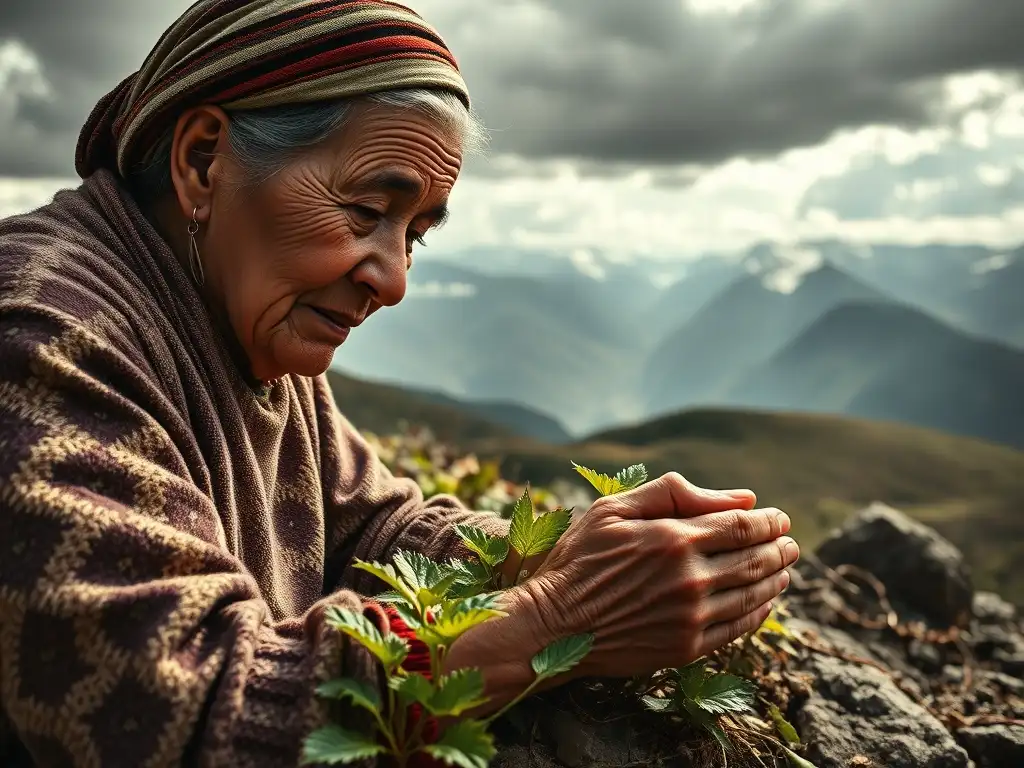
The preservation of traditional Andean plant knowledge, a cornerstone of Andean ethnobotany secrets, is crucial not only for understanding the rich history of these cultures but also for ensuring the sustainable use of biodiversity for future generations. This knowledge, passed down orally through centuries, encompasses a vast array of uses for plants – medicinal, agricultural, ritualistic, and more. The intricate relationship between Andean communities and their environment is deeply intertwined with this botanical understanding.
Losing this knowledge would be a catastrophic loss for both cultural heritage and potentially valuable resources for modern medicine and sustainable agriculture. For example, the detailed knowledge of coca cultivation, processing, and use, extending far beyond its recreational applications, represents a complex system of agricultural practices and cultural significance that deserves meticulous preservation.
Similarly, the understanding and application of diverse medicinal plants, many with yet-undiscovered properties, are invaluable parts of this legacy. Documenting and safeguarding this knowledge requires a multi-faceted approach, encompassing both modern technological advancements and a respectful engagement with indigenous communities.
Threats to Andean Ethnobotanical Heritage
Several factors threaten the delicate balance of preserving Andean ethnobotanical heritage. The encroachment of modern medicine and agriculture often leads to a decline in the use and understanding of traditional plant-based remedies and practices. This is exacerbated by the migration of younger generations to urban centers, resulting in a knowledge gap as traditional practices are not always passed down effectively. Furthermore, the ongoing effects of climate change pose a significant threat to the biodiversity itself, impacting the availability of many crucial plant species.
Deforestation and habitat loss contribute to this decline, further jeopardizing the sustainability of these plant resources. The lack of resources and support for research and documentation efforts also hinders the preservation of this invaluable knowledge. Finally, the commodification of certain plants, such as coca, can lead to unsustainable harvesting practices and a disregard for traditional methods of cultivation and use. These combined threats necessitate urgent action to protect this irreplaceable heritage.
The loss of this knowledge would not only be a cultural tragedy but also a significant loss of potential advancements in various fields, including medicine and sustainable agriculture. Quantitative data on the rate of knowledge loss is currently limited, highlighting the urgent need for comprehensive research on the topic. The protection of Andean ethnobotany secrets is paramount.
Initiatives for Conservation and Sustainable Use
Several initiatives are underway to address the threats to Andean ethnobotanical heritage and promote the conservation and sustainable use of plant resources. These initiatives often involve collaboration between indigenous communities, researchers, and conservation organizations. The focus is on documenting traditional knowledge through participatory research methods, ensuring that indigenous communities actively participate in and benefit from these efforts. This includes oral history projects, botanical surveys, and the creation of ethnobotanical gardens and seed banks to safeguard plant genetic diversity.
Furthermore, there's a growing emphasis on promoting sustainable harvesting practices and the development of fair-trade markets for plant-based products. Education and awareness programs are crucial in raising awareness among younger generations about the importance of preserving this heritage. Support for indigenous-led initiatives is vital, empowering communities to protect their own knowledge and resources.
The development of policies that protect indigenous intellectual property rights is also crucial to prevent biopiracy and ensure the equitable sharing of benefits arising from the use of traditional knowledge. While progress is being made, significant challenges remain, requiring sustained commitment and collaborative efforts to ensure the long-term preservation of Andean ethnobotany secrets and the sustainable use of its invaluable resources for generations to come. The success of these initiatives depends on a holistic approach that acknowledges the interconnectedness of culture, biodiversity, and sustainable development.
The Importance of Andean Ethnobotanical Studies
Andean ethnobotany secrets are deeply embedded within the intricate relationship between the Andean people and their environment. For centuries, these cultures have harnessed the power of plants not just for sustenance, but also for medicine, ritual, and social structure. Understanding this complex interplay is crucial, not only for appreciating the rich cultural heritage of the Andes, but also for gleaning valuable insights into sustainable practices and innovative applications of plant-based resources.
The study of Andean ethnobotany reveals a profound understanding of biodiversity and its utilization, offering a wealth of knowledge relevant to contemporary challenges. This section delves into the significance of this field of study and its broader implications. The sheer diversity of plant life utilized by Andean cultures, combined with their sophisticated knowledge systems, presents a fascinating and invaluable area of research.
Understanding the Interconnectedness of Culture and Nature
The Andean worldview is fundamentally intertwined with the natural world. Plants are not merely resources; they are integral components of a complex cosmological system, imbued with spiritual significance and social function. For example, the coca leaf ( Erythroxylum coca) transcends its role as a stimulant; it serves as a sacred offering, a social lubricant, and a crucial element in various rituals.
Similarly, many other plants, such as Quinoa ( Chenopodium quinoa) and Potatoes ( Solanum tuberosum), hold deep cultural and symbolic meaning beyond their nutritional value. The detailed knowledge of plant properties, cultivation techniques, and harvesting methods passed down through generations reflects a deep understanding of ecological balance and sustainability.
This intricate relationship is not just a historical curiosity; it holds critical lessons for contemporary societies grappling with environmental degradation and resource management. Analyzing traditional Andean agricultural practices, such as terracing and crop rotation, reveals sophisticated methods of land management that promoted biodiversity and soil health.
The intricate knowledge surrounding medicinal plants is another testament to the Andean understanding of nature. Many traditional remedies, often based on plant extracts, have been shown to possess significant therapeutic properties. This traditional knowledge, passed down orally and through practical experience, offers a valuable resource for pharmaceutical research and development, potentially leading to the discovery of new drugs and treatments.
However, it is imperative to approach this research with respect and ethical considerations, ensuring the appropriate recognition and compensation of indigenous communities for their knowledge. The preservation of this knowledge is crucial, not only for the Andean communities themselves but also for the global scientific community.
Lessons from Andean Ethnobotany for Modern Sustainability
Andean ethnobotany offers valuable insights for addressing contemporary sustainability challenges. The region's diverse ecosystems, coupled with the indigenous communities' centuries-long experience in sustainable resource management, provide a wealth of knowledge that can inform modern practices. The traditional Andean approach to agriculture, characterized by its focus on biodiversity, soil conservation, and water management, offers a stark contrast to many contemporary industrial agricultural practices that often lead to environmental degradation. For instance, the use of diverse crops in traditional Andean farming systems significantly reduces the risk of crop failure compared to monoculture farming.
Furthermore, Andean ethnobotanical practices demonstrate the potential for sustainable resource extraction and utilization. The careful harvesting and processing of plants, coupled with a deep understanding of their life cycles, ensure the long-term viability of plant populations. This contrasts with many modern practices that prioritize short-term economic gains over environmental sustainability. The Andean approach exemplifies a holistic perspective that integrates ecological considerations into every aspect of human interaction with the environment. By studying these practices, we can develop more sustainable agricultural and resource management strategies in other regions of the world, promoting biodiversity and reducing environmental impact. The Andean experience underscores the importance of respecting traditional ecological knowledge (TEK) and integrating it into modern solutions. Learning from the past can pave the way for a more sustainable future. The secrets of Andean ethnobotany are not merely historical artifacts; they are vital keys to unlocking a more sustainable and equitable world. 🌱
Frequently Asked Questions
What is Andean ethnobotany?
Andean ethnobotany studies the relationship between Andean cultures and plants. It explores how these civilizations used plants for medicine, food, textiles, and rituals, revealing a deep understanding of the natural world.
How did the Incas use plants?
The Incas utilized a vast array of plants. Coca leaves were crucial for religious ceremonies and daily life, while other plants provided medicinal cures and building materials. Their knowledge was incredibly sophisticated.
What are some examples of Andean medicinal plants?
Many Andean plants possess medicinal properties. Examples include coca for energy and altitude sickness, quina (cinchona) for malaria, and various herbs with anti-inflammatory or analgesic effects. Traditional knowledge remains vital today.
Beyond medicine, what other uses did Andean cultures have for plants?
Plants were integral to all aspects of Andean life. They were used to create textiles (cotton, alpaca wool), build houses (wood, thatch), and produce food and beverages (potatoes, maize, chicha). Their ingenuity is remarkable.
Where can I learn more about Andean ethnobotany secrets?
Researching academic journals, visiting museums with Andean collections, and engaging with indigenous communities (with respect and permission) are excellent ways to learn more about this fascinating subject. Ethnobotanical studies offer further insights.
Final Reflection: The Enduring Legacy of Andean Wisdom
The intricate relationship between Andean communities and their plant world remains profoundly relevant today, a testament to the enduring power of traditional ecological knowledge in a rapidly changing world. The secrets held within Andean ethnobotany are not merely historical curiosities; they represent a vital resource for addressing contemporary challenges in medicine, agriculture, and conservation. Ignoring this wealth of knowledge would be a profound loss, both scientifically and culturally.
The impact of Andean ethnobotany extends far beyond the mountains, influencing global perspectives on sustainable living and the interconnectedness of humans and nature. Its principles of reciprocity and respect for the environment offer a powerful counterpoint to exploitative practices that dominate much of modern society. The earth does not belong to us; we belong to the earth.
This sentiment, echoing through generations of Andean communities, underscores the deep ethical responsibility we all share towards the planet and its resources.
Consider the profound wisdom embedded in centuries of observation and interaction with the natural world. You too can cultivate a deeper appreciation for the interconnectedness of life by embracing the principles of sustainable living and respecting the knowledge systems of indigenous communities. Let the secrets of Andean ethnobotany inspire you to explore the rich tapestry of plant life around you, fostering a more harmonious relationship with the environment and contributing to a more sustainable future for all.
Uncover the Wonders of Andean Ethnobotany!
Thank you for exploring the rich tapestry of Andean ethnobotany with us! Your interest deepens your understanding and connects you to the vibrant traditions and knowledge of Andean cultures. Now, let's continue your journey!
- Expand your knowledge by researching Andean plants and their traditional uses through books, online databases, and reputable websites.
- Share your newfound appreciation with friends and family, or post about it on social media to inspire others to learn more about this fascinating cultural heritage.
- Experience Andean culture firsthand by preparing a traditional Andean dish using locally-sourced ingredients, if possible.
What aspect of Andean ethnobotany intrigues you most, and how will you integrate that knowledge into your life?