
The Andean Diet: A Look into the Stored Foods of Ancient Peoples

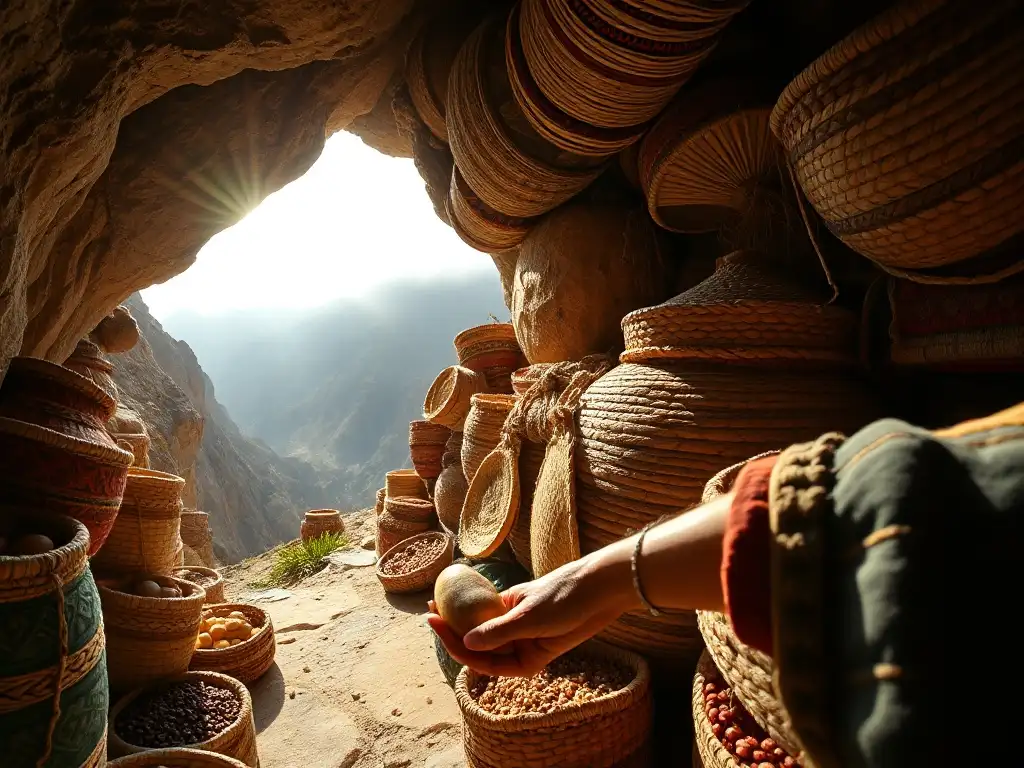
Uncover the secrets of a lost world! Journey through the breathtaking landscapes of the Andes and discover the ingenious methods employed by ancient civilizations to survive and thrive. Imagine the ingenuity behind Ancient Andean stored foods, techniques that allowed empires like the Inca, Moche, and Nazca to flourish. Prepare to be amazed by the sophisticated agricultural practices that shaped their societies – a story waiting to be unearthed. Dive in and explore!
The Andes Mountains, a geographically diverse region stretching along the western coast of South America, fostered the development of remarkable ancient civilizations. These cultures, including the Incas, Moche, Nazca, and Tiahuanaco, weren't just masters of engineering and artistry; they were also sophisticated agriculturalists who developed ingenious methods for storing food to ensure survival during lean times.
Understanding their food storage techniques offers a fascinating glimpse into their resourcefulness, societal organization, and overall understanding of their environment. This article explores the diverse range of ancient Andean stored foods, examining the techniques employed and the significance of these practices within the context of their daily lives and societal structures.
We will delve into the specific foods preserved, the methods used for storage, and the impact these practices had on the growth and sustainability of these impressive civilizations. Understanding these ancient food storage methods provides crucial insight into the ingenuity and resilience of Andean cultures.
Key Stored Food Sources of the Andes
The Andean diet was incredibly diverse, reflecting the varied ecosystems present in the region. High-altitude areas provided hardy crops like potatoes (in numerous varieties! ), quinoa, and beans, while lower altitudes offered maize, squash, and other fruits. The preservation of these foods was crucial for survival, especially during the harsh winters and periods of drought. The most commonly stored foods included:
- Potatoes: These were stored in a variety of ways, depending on the altitude and climate. Some techniques included drying (chuño and tunta), freezing, and storing in cool, dark cellars. The sheer number of potato varieties cultivated by Andean civilizations testifies to their adaptability and understanding of agricultural diversification.
- Quinoa: This highly nutritious grain was stored in granaries, often elevated to protect it from rodents and moisture. Its resilience and nutritional value made it a staple in the Andean diet.
- Maize: Dried maize kernels were frequently stored in granaries alongside other grains. They were also used to produce chicha, an alcoholic beverage that could be preserved for longer periods.
- Beans: Various types of beans, offering different nutritional profiles, were stored in similar ways to maize and quinoa.
- Dried Fruits and Vegetables: These were crucial additions to the stored food reserves, providing essential vitamins and minerals during times when fresh produce was scarce.
Storage Techniques: Granaries and Beyond
The construction and use of granaries were central to Andean food storage. These structures, often built from stone or adobe, were strategically designed to maintain a stable temperature and humidity, crucial for preserving stored goods. Beyond granaries, other innovative techniques were employed:
- Elevated Storage: Raising food supplies above the ground helped to protect them from rodents and moisture. This was achieved using various structures, from simple platforms to complex granaries.
- Drying and Freezing: Techniques like sun-drying and freeze-drying (chuño and tunta) were used to extend the shelf life of potatoes and other produce, dramatically increasing the availability of food throughout the year.
- Underground Storage: In some regions, underground cellars or caves were used to store food at stable, cool temperatures. This approach was particularly effective in maintaining the quality of perishable items.
The ability to store food had profound implications for Andean societies. It allowed for:
- Population Growth: A secure food supply supported larger and more stable populations.
- Social Stratification: The control and distribution of stored food often played a role in the social hierarchy. Elite classes may have had greater access to stored resources.
- Economic Stability: Stored food provided a buffer against crop failures and ensured a degree of economic stability even during periods of scarcity.
- Trade and Exchange: Stored surpluses allowed for trade and exchange with other communities, strengthening social networks and facilitating cultural exchange.
The Legacy of Andean Food Storage
The sophisticated food storage techniques employed by ancient Andean civilizations are a testament to their ingenuity and agricultural expertise. Their practices continue to influence modern Andean agriculture and food systems. The understanding and application of these ancient techniques are vital for ensuring food security in the region today, particularly given the challenges posed by climate change and increasing population density.
The study of ancient Andean stored foods provides valuable lessons for sustainable food practices, highlighting the importance of diversification, resource management, and community cooperation in ensuring long-term food security. Further research into specific regional variations and the precise techniques used in different Andean cultures is needed to fully appreciate the complexity and brilliance of these ancient food preservation methods.
- Key Stored Food Sources of the Andes
- Storage Techniques: Granaries and Beyond
- Social and Economic Implications of Food Storage
- The Legacy of Andean Food Storage
Introduction to Ancient Andean Food Preservation
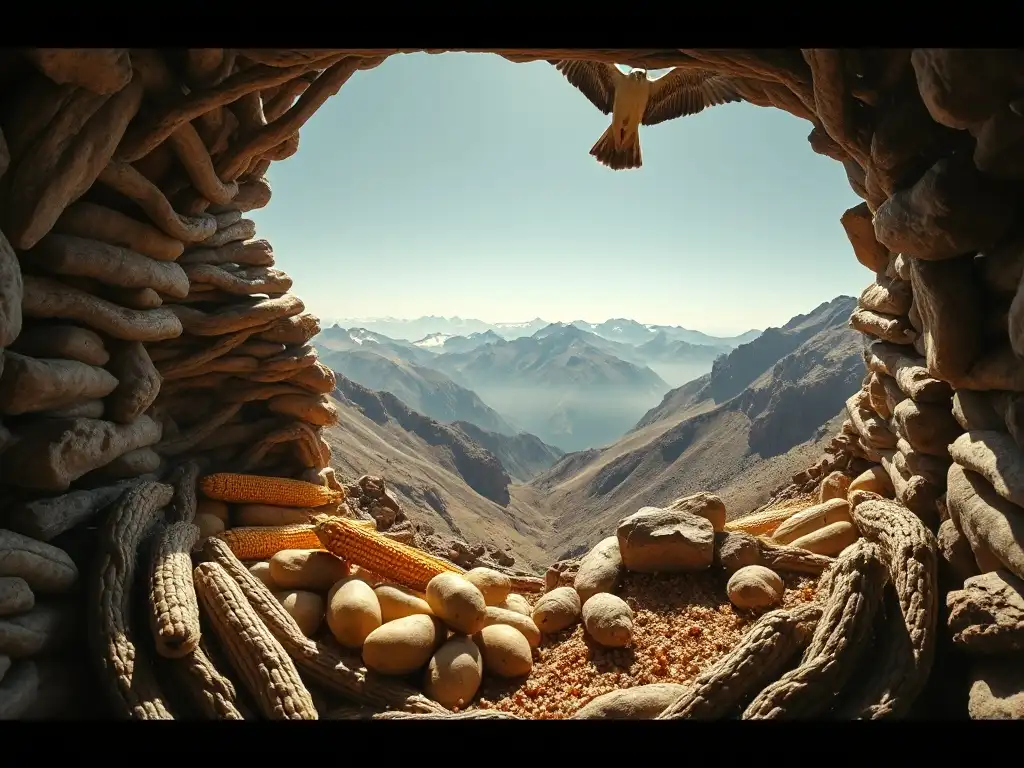
This section delves into the ingenious methods employed by ancient Andean civilizations to preserve and store their food supplies. Understanding their food storage techniques is crucial to appreciating their sophisticated agricultural systems and overall societal resilience. The challenges posed by the varied Andean terrain – from high-altitude plains to coastal deserts – necessitated innovative approaches to ensure food security throughout the year.
The efficient storage of surplus harvests wasn't merely a matter of convenience; it was vital for survival, especially during lean seasons or periods of unpredictable weather. This exploration will illuminate the diverse range of preservation methods and the types of foods commonly stored, revealing a fascinating aspect of Andean ingenuity and adaptation.
The Importance of Food Storage in Andean Civilizations
Food storage was paramount for the survival and prosperity of ancient Andean societies. Unlike societies with consistently abundant resources, the Andes presented significant environmental challenges. The fluctuating climate, including periods of drought and frost, made reliable food production unpredictable.
Therefore, effective preservation and storage techniques were not merely advantageous; they were essential for mitigating the risks of famine and ensuring social stability. Consider the Incas, for example; their vast empire relied on a complex system of storage facilities, qollqas, strategically located throughout the landscape to ensure access to food reserves across diverse ecological zones. These structures, often built into hillsides or carved into rock faces, played a crucial role in supporting a large population and maintaining social order.
The efficient management of stored foods was a key factor in the Inca's ability to maintain their power and influence. The careful planning and execution of food storage were integral to their success, demonstrating a sophisticated understanding of logistics and resource management. Without efficient storage, the Inca's vast empire likely would have faced significant challenges in sustaining itself.
Understanding the Andean Diet and Food Security
The Andean diet was remarkably diverse, reflecting the wide range of microclimates and agricultural practices across the region. Potatoes, of course, were a staple, but quinoa, maize (corn), beans, and various fruits and vegetables also formed important components. The preservation of these foods was crucial for maintaining a balanced diet throughout the year. The challenges of food security were especially acute in high-altitude regions, where growing seasons were shorter and the risk of frost damage was higher.
This necessitated advanced strategies for preserving harvests, ensuring sufficient food supplies to sustain populations through the harshest periods. The ingenuity of these preservation techniques is a testament to the deep understanding ancient Andean peoples had of their environment and the resources available to them. Archaeological evidence consistently reveals the importance placed on food storage, demonstrating its integration into the daily lives and societal structures of these civilizations.
Overview of Stored Foods in the Ancient Andes
A wide array of foods were stored by ancient Andean peoples, reflecting their diverse agricultural practices and the availability of resources. The most common stored foods included:
- Potatoes: Various potato varieties, each adapted to specific altitudes and climates, were stored in qollqas and other storage facilities after harvest. Drying and freezing were common preservation methods.
- Maize (Corn): Corn was stored in its dried form, often after being processed into flour or other forms. Storage practices varied depending on the climate and the specific needs of the community.
- Quinoa: This nutrient-rich grain was another staple stored in substantial quantities. Similar to maize, it was dried and stored for later use.
- Beans: Various types of beans were dried and stored, providing an important source of protein in the Andean diet.
- Dried Fruits: Fruits such as chilies, tomatoes, and other seasonal produce were often dried in the sun to extend their shelf life.
- Chillies: Dried chilies were a crucial component of the Andean diet, both for flavor and their preservation properties.
The quantity and type of stored food varied considerably depending on geographical location, altitude, and the specific needs of each community. Further research is needed to fully understand the complex interplay between food storage practices and the social and economic structures of ancient Andean societies. While we have a good understanding of the types of foods stored, the precise methods of storage and the scale of storage in different communities remain areas of ongoing research.
The study of ancient Andean stored foods offers valuable insights into the adaptive strategies employed by these civilizations to ensure their survival and prosperity in challenging environments. These ingenious techniques highlight their deep understanding of agriculture and their remarkable ability to adapt to their surroundings.
Key Staple Foods of the Ancient Andes
The Andes Mountains, despite their challenging terrain, fostered the development of sophisticated agricultural techniques and a remarkably diverse diet amongst its ancient inhabitants. Understanding the food preservation and storage methods employed by these civilizations is crucial to appreciating their ingenuity and resilience. The success of their agricultural systems, and the subsequent societal development, depended heavily on the ability to store surplus food, ensuring sustenance throughout the year and mitigating the risks of crop failures.
This section focuses on the key staple foods that formed the backbone of the Ancient Andean diet and the strategies used to preserve them for later consumption. The focus will be on “Ancient Andean stored foods” and their importance to the survival and prosperity of these societies.
Potatoes: The Cornerstone of Andean Agriculture
Potatoes ( Solanum tuberosum) are arguably the most important crop in the history of Andean agriculture. Their remarkable adaptability to diverse altitudes and climates allowed for cultivation across a wide range of Andean environments. The sheer variety of potato species cultivated by ancient Andean peoples is astonishing, with thousands of cultivars exhibiting a vast range of colors, shapes, and flavors. This biodiversity played a crucial role in their ability to withstand disease and environmental fluctuations.
The preservation of potatoes was vital for ensuring food security. Ancient Andean techniques for storing potatoes involved careful selection and processing. Only healthy, undamaged tubers were chosen for storage. They were often dried, either sun-dried or freeze-dried at high altitudes, to reduce their moisture content and prevent spoilage.
These chuño (freeze-dried potatoes) and tunta (sun-dried potatoes) could be stored for extended periods, providing a valuable food source during lean times. Underground storage pits, lined with straw or other insulating materials, were also commonly used to maintain optimal temperature and humidity levels for potato storage. The importance of potatoes in the Ancient Andean diet can't be overstated; they were not merely a food source but a cultural symbol, deeply embedded in their social and religious practices. The successful storage of potatoes represented the success of the entire community.
Quinoa and Other Andean Grains
Quinoa ( Chenopodium quinoa) stands out as another crucial element in the Ancient Andean stored foods. This highly nutritious grain, prized for its complete protein profile and adaptability to harsh conditions, was a staple food for numerous Andean cultures. Unlike many grains, quinoa is relatively resistant to pests and diseases, contributing to its reliability as a food source.
Beyond quinoa, other grains like amaranth ( Amaranthus) and kañiwa ( Chenopodium pallidicaule) played significant roles in the Andean diet. These grains were often stored in similar ways to quinoa—dried and stored in granaries or underground pits. The grains' hardiness and low moisture content contributed to their long shelf life.
The diversity of these grains provided a safety net against crop failures, ensuring food security even in challenging years. These grains, along with potatoes, formed the foundation of a diverse and resilient food system. Their successful cultivation and preservation are a testament to the agricultural prowess of the ancient Andean people.
Maize: A Versatile Crop in Ancient Andean Diets
Maize ( Zea mays), introduced to the Andes from Mesoamerica, rapidly became a significant part of the Ancient Andean stored foods. Its versatility made it a crucial component of the Andean diet, used in various forms, from fresh consumption to dried kernels for storage. Unlike potatoes and quinoa, maize required more intensive processing for long-term storage.
The most common method involved drying the maize kernels thoroughly to reduce moisture content. This process was essential to prevent fungal growth and insect infestation. Dried maize kernels were then often ground into flour, which could be stored for extended periods. This flour was used to make various foods, including breads, porridges, and beverages.
Maize was also used to produce chicha, a fermented beverage that played a vital role in social and religious ceremonies. The storage of maize, though requiring more effort than some other staples, provided a significant caloric contribution to the Ancient Andean diet, contributing to its overall nutritional balance and security. The successful storage of maize is another important aspect of the resilience and ingenuity of these ancient societies. The ability to store and utilize maize effectively throughout the year was crucial to their survival and prosperity.
Andean Tubers Beyond Potatoes: Oca, Ulluco and Mashua
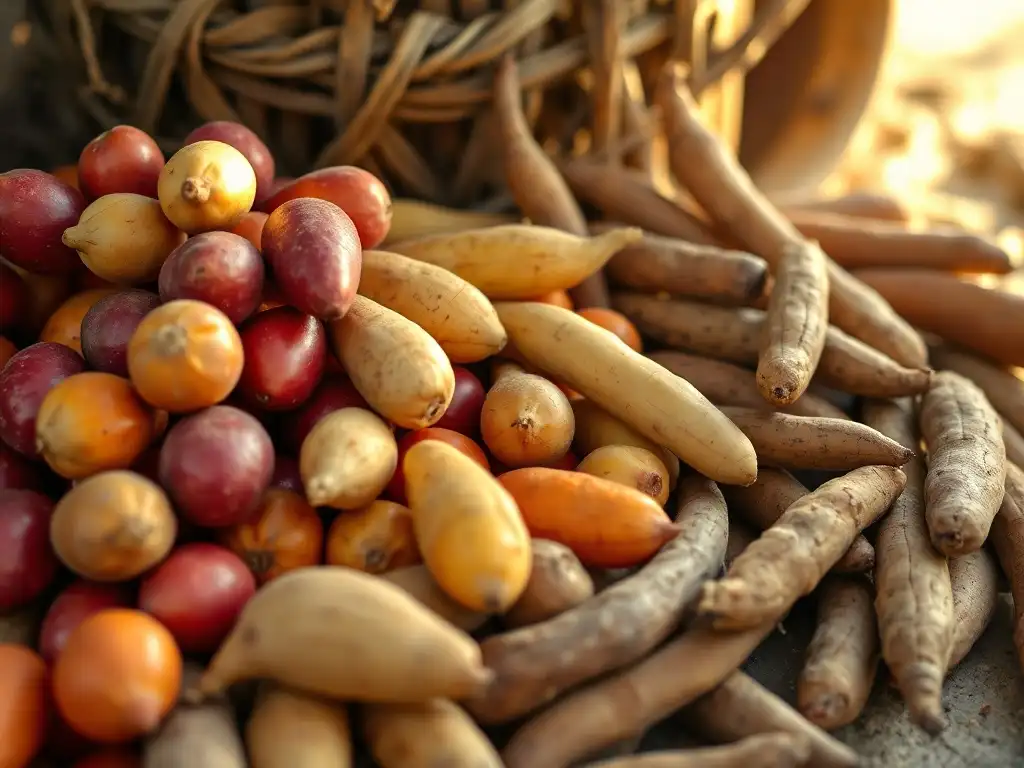
Potatoes often steal the spotlight when discussing Andean staples, but the region's agricultural prowess extended far beyond this single crop. Oca ( Oxalis tuberosa), ulluco ( Ullucus tuberosus), and mashua ( Tropaeolum tuberosum) represent a trio of lesser-known, yet equally important, tubers that significantly contributed to the ancient Andean diet. These root vegetables, boasting a diversity of colors and flavors, provided crucial carbohydrates and essential nutrients to the populations.
Their cultivation techniques, often integrated with other crops in complex agricultural systems, showcased the sophisticated understanding of Andean farmers regarding soil management and crop rotation. The storage of these tubers, often achieved through careful drying and preservation techniques, allowed for year-round availability, bolstering food security and ensuring survival during lean times. The nutritional profiles of oca, ulluco, and mashua vary slightly, but all three are rich sources of carbohydrates, vitamins, and minerals—providing a balanced dietary contribution.
Interestingly, each tuber also possesses unique characteristics; for example, oca's slightly sour taste made it a versatile ingredient in various dishes, while ulluco's creamy texture lent itself to both sweet and savory preparations. The ability to store these tubers effectively, alongside potatoes, allowed for the development of diverse and resilient food systems that sustained large Andean populations for centuries. The continued cultivation of these "forgotten crops" today highlights their enduring importance in Andean culinary traditions and their potential for contributing to food security in the region.
Legumes: Beans and Their Importance in Andean Nutrition
Beans, a cornerstone of diets worldwide, played a similarly crucial role in the ancient Andean food system. Various bean species, adapted to different altitudes and climates, were cultivated across the Andean region. These legumes provided a vital source of protein, essential for muscle growth and overall health, complementing the carbohydrate-rich tubers. The cultivation of beans often involved intercropping techniques, where they were planted alongside other crops like maize and squash. This practice not only optimized land use but also enhanced soil fertility through nitrogen fixation.
Beans, like the tubers, were carefully stored to ensure year-round availability. Drying and preservation methods varied depending on the specific bean type and local climatic conditions. Archaeological evidence suggests that storage techniques were highly effective, allowing for the preservation of beans for extended periods. The nutritional importance of beans in the Andean diet cannot be overstated.
They served not only as a significant protein source but also provided essential vitamins and minerals, contributing significantly to the overall nutritional balance of the Andean diet. Different bean varieties offered varying nutritional profiles, further diversifying the dietary intake. The combination of beans with tubers, maize, and other crops created a remarkably balanced and sustainable food system that supported the growth and development of complex Andean societies. The enduring popularity of beans in modern Andean cuisine testifies to their continued significance in the region's rich culinary heritage.
Methods of Food Storage in Ancient Andean Societies
Ancient Andean societies developed ingenious methods for preserving and storing food, crucial for their survival in diverse and challenging environments. These techniques, passed down through generations, allowed them to maintain food supplies throughout the year, ensuring community sustenance even during lean times. Understanding these methods provides valuable insight into the resourcefulness and agricultural sophistication of these civilizations. The techniques employed varied depending on the specific crop, climate, and available resources, showcasing the adaptability of Andean agricultural practices. The efficient storage of "Ancient Andean stored foods" was essential for their social and economic stability.
Drying Techniques for Preserving Andean Crops
Drying was a prevalent method employed across various Andean cultures for preserving a wide range of crops. This simple yet effective technique involved exposing harvested produce to the sun or utilizing artificial methods like wind and low heat. The low humidity of the high Andes greatly aided this process. Different crops required varying drying times, and the level of dryness needed depended on the desired storage duration and intended use.
For instance, corn (maize) was commonly dried on raised platforms or woven mats. Once sufficiently dried, it could be stored for extended periods in granaries or underground storage facilities. Similarly, potatoes, a staple crop, were often dried in the sun, sometimes after being pre-treated to enhance preservation.
The drying process significantly reduced moisture content, inhibiting microbial growth and preventing spoilage. This dramatically extended the shelf-life of these crucial food sources, allowing the Andean people to buffer against seasonal variations in food availability. The meticulous drying techniques were carefully adapted to the specific characteristics of each crop, demonstrating a deep understanding of agricultural principles.
Freeze-Drying: The Unique Andean Method of Chuño Making
Chuño, a freeze-dried potato product, represents a remarkable example of Andean ingenuity in food preservation. This unique process, primarily used in the high Andes, leveraged the extreme cold and low humidity of the region to create a long-lasting, lightweight food source. The process begins with carefully selected potatoes, often of specific varieties known for their high starch content and resilience to freezing.
The potatoes are first exposed to a severe freeze, typically overnight, during the coldest months. This freezing process causes the water within the potatoes to expand and rupture the cell walls. Subsequently, the frozen potatoes are subjected to a process called "friega," where they are carefully trampled underfoot or pounded to expel excess moisture. The potatoes are then laid out to sun-dry, often for several days or even weeks, until they reach a completely desiccated state.
This freeze-drying method significantly reduced the water content and prevented microbial decomposition, allowing for storage for years without significant deterioration. Chuño provided a crucial food security measure, especially during times of scarcity, and demonstrates the adaptability of Andean food preservation techniques to the specific environmental conditions. The efficiency of chuño production highlights the sophisticated understanding of the interplay between climate, agriculture, and food preservation in the Andes.
Storage in Underground Pits and Silos
Beyond drying techniques, the Andean people employed various methods of storing preserved foods. Underground pits and silos provided effective protection against moisture, temperature fluctuations, and pests, ensuring the long-term preservation of grains, tubers, and other staples. These structures were often lined with materials like clay, stone, or woven mats to further enhance their protective capabilities.
The design and construction of these storage facilities varied across different Andean cultures and regions. Some pits were simple, dug directly into the earth, while others were more complex, featuring multiple chambers and ventilation systems. Larger communities might have constructed substantial granaries, capable of storing significant quantities of food for extended periods.
The strategic location of these underground structures often took advantage of natural features, such as well-drained soil or microclimates that favored preservation. Evidence suggests that these sophisticated storage systems played a critical role in maintaining food security and supporting the complex social structures of Andean societies.
The effectiveness of these storage solutions, combined with the preservation techniques described above, allowed for the accumulation of surplus food, facilitating trade, social stratification, and the overall prosperity of these ancient civilizations. The meticulous planning and execution of these storage solutions underscore the significant role that food security played in the development and sustainability of Andean societies.
Use of Pottery and Baskets for Food Preservation
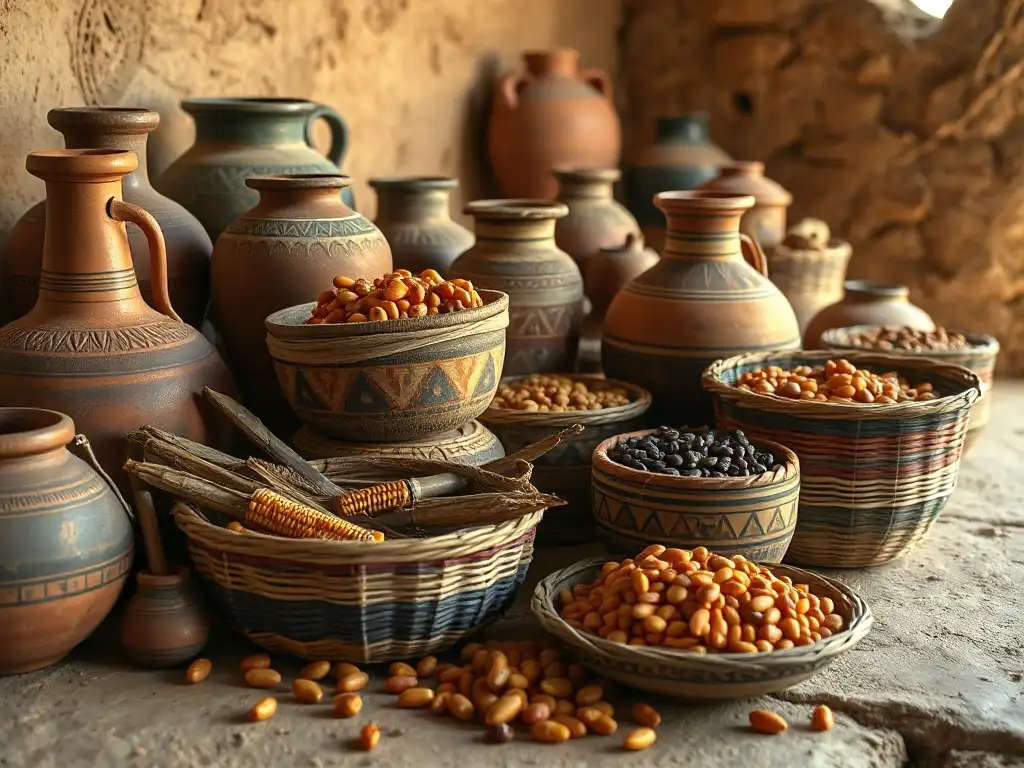
The ingenious methods employed by ancient Andean societies for food preservation are a testament to their deep understanding of their environment and the needs for survival. Pottery and baskets played crucial roles in this process, offering distinct advantages depending on the foodstuff and the climate. The diverse array of pottery styles across different Andean cultures reflects not only aesthetic preferences but also functional adaptations tailored to specific storage needs.
For instance, the Nazca culture, known for its intricate pottery designs, also produced large, sealed jars ideal for storing grains like maize and beans. These jars, often buried in cool, dry locations to minimize temperature fluctuations, helped maintain the quality and prevent spoilage. The meticulous craftsmanship ensured airtight seals, minimizing exposure to air and moisture, key factors in preventing microbial growth.
Beyond grains, pottery also facilitated the storage of other perishable goods. Smaller vessels, often with narrow necks, were employed to store liquids like chicha (a fermented maize beverage) and various sauces. The shape and size of the vessels were carefully considered to optimize preservation; narrow necks, for example, reduced surface area exposed to the air, slowing down evaporation and oxidation.
Furthermore, the use of different clay types and firing techniques influenced the vessels’ porosity and, consequently, their effectiveness in preserving stored foods. Some clays were naturally less porous, making them ideal for liquids, while others, when fired at higher temperatures, became more resistant to cracking and breakage, extending their lifespan and improving their storage capabilities.
Baskets, woven from diverse plant materials like reeds and grasses, offered a lighter and more portable alternative to pottery. While not as effective for liquids, baskets were extremely useful for storing dried foods such as fruits, vegetables, and even some meats. The weaving techniques employed varied significantly across different cultures, influencing the baskets' durability and breathability.
Tightly woven baskets were better suited for preserving dry foods, while more loosely woven ones might have been used for items that needed some air circulation. The use of specific plant materials also played a role; some plants possess natural properties that inhibit microbial growth, further enhancing preservation. The integration of pottery and baskets in a complementary fashion highlights the sophisticated food preservation strategies of ancient Andean communities.
The Role of Salt in Andean Food Conservation
Salt, a precious commodity in the Andean highlands, played a vital role beyond simple seasoning; it was a crucial element in the preservation of food. The scarcity of salt in many regions meant that its use was carefully considered and strategically implemented. The ancient Andeans understood the powerful antimicrobial properties of salt, its ability to draw moisture out of foods, thereby inhibiting the growth of bacteria and fungi that cause spoilage.
This understanding is evidenced by the discovery of salted meats and fish in archaeological sites, particularly in coastal regions where access to salt was more readily available. The process involved carefully rubbing salt into the food, sometimes layering it with salt to ensure complete coverage. This technique, coupled with drying in the sun or air, was exceptionally effective in preserving meats and fish for extended periods.
The use of salt wasn't limited to animal products. It also played a significant role in preserving other foods. Some evidence suggests that salt was used in preserving certain fruits and vegetables, particularly those that were prone to rapid spoilage.
The precise methods remain a subject of ongoing research, but it's likely that salting was combined with other techniques, such as drying or sun-curing, to optimize preservation. The importance of salt in Andean food conservation is further highlighted by the extensive trade networks that existed to facilitate the movement of salt from coastal regions to the highlands.
The control and distribution of salt likely played a significant role in the social and economic structures of these societies, underscoring its value as a crucial resource for food preservation and overall community sustenance. The strategic use of salt demonstrates a sophisticated understanding of food science and its impact on societal organization within ancient Andean civilizations.
Specific Examples of Stored Foods in Andean Cultures
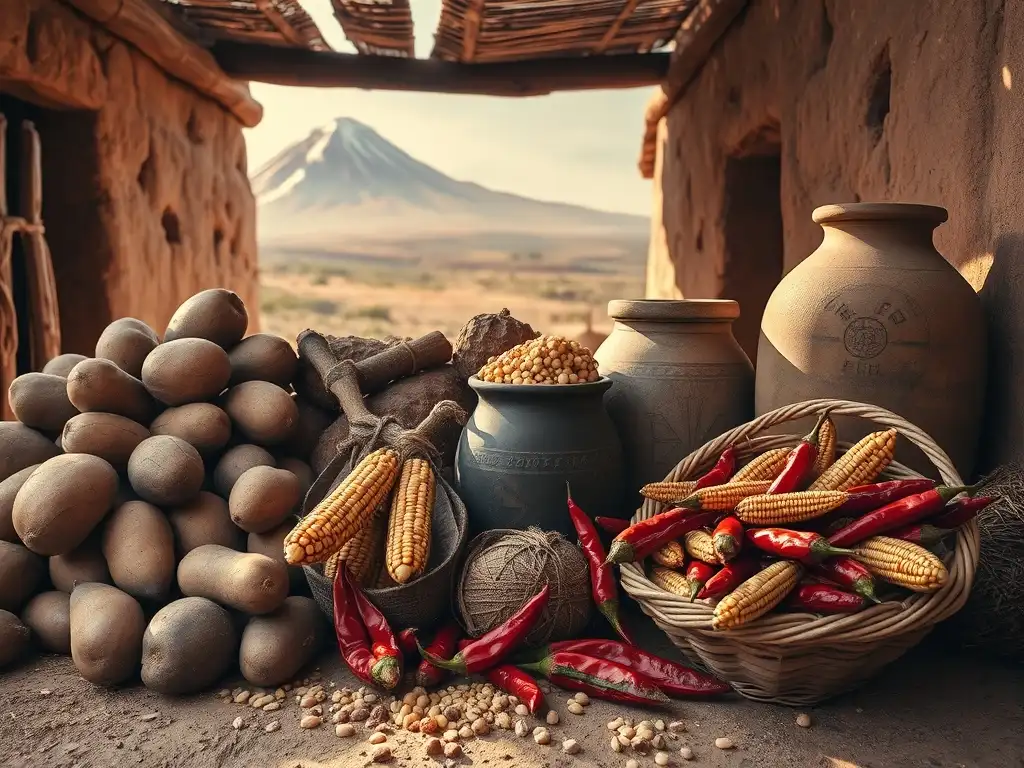
The ingenuity of Andean civilizations in food preservation is remarkable, especially considering their challenging environment. Their survival depended on effective strategies for storing food surpluses to ensure sustenance throughout the year and to withstand periods of scarcity. This section will delve into specific examples of stored foods, highlighting their preparation, preservation techniques, and significance within the broader context of Andean agriculture and food security.
Understanding these ancient food preservation methods offers a fascinating glimpse into the resourcefulness and adaptability of these ancient peoples. The efficient storage of these foods was crucial for supporting large populations and complex social structures. The study of ancient Andean stored foods provides invaluable insight into their agricultural practices and societal organization.
Chuño: Freeze-Dried Potatoes of the Andes
Chuño, a freeze-dried potato, represents a quintessential example of Andean ingenuity in food preservation. This method, honed over millennia, allowed the inhabitants of the Andes to overcome the challenges of storing a perishable staple crop like the potato in a high-altitude environment. The process begins by harvesting potatoes, ideally those with a high starch content and a low water content. These potatoes are then subjected to a rigorous process of freezing and thawing, repeated several times.
This cycle of freezing and thawing removes moisture from the potatoes, resulting in a dehydrated, lightweight product. The final product, chuño, has a distinctive texture and a slightly sweet taste, and importantly, a significantly extended shelf life compared to fresh potatoes. Chuño could be stored for years, providing a vital food source during lean times. Different varieties of chuño exist, depending on the specific potato variety and the precise methods employed in its preparation.
The widespread use of chuño across various Andean cultures underscores its importance in ensuring food security and supporting population growth. Its production reflects a deep understanding of Andean ecosystems and the ability to adapt agricultural practices to challenging conditions. The importance of chuño in the ancient Andean diet cannot be overstated; it was a cornerstone of their food security strategy, allowing them to survive harsh winters and periods of crop failure.
Charqui: Andean Dried Meat
Charqui, also known as jerky, exemplifies another crucial method of food preservation employed by Andean cultures. This technique involved drying meat, typically llama or alpaca, to prevent spoilage. The process typically involved cutting the meat into thin strips, salting it generously, and then exposing it to the sun and wind to dry.
The high altitude and arid conditions of the Andes provided ideal circumstances for this method, minimizing the risk of bacterial growth and ensuring a long shelf life. Charqui was a valuable source of protein, and its portability made it an essential food source for travelers, traders, and armies. The preparation of charqui varied across different Andean communities, with variations in the salting techniques and drying methods.
However, the fundamental principle remained the same: to dehydrate the meat to inhibit microbial growth and extend its shelf life. The widespread use of charqui across the Andean region highlights its significance as a reliable and sustainable food source, contributing significantly to the dietary resilience of the ancient Andean populations. The nutritional value of charqui, despite its simplicity, provided essential sustenance for both everyday life and arduous journeys.
Kiwicha: A Stored Grain of the Andes
Kiwicha, or amaranth, is a pseudocereal that played a significant role in the Andean diet. Unlike many grains that require specialized storage conditions, kiwicha possesses natural properties that make it relatively easy to preserve. Its hard outer shell protects the grain from pests and moisture, allowing for prolonged storage without significant spoilage.
This characteristic made kiwicha a crucial component of the ancient Andean food storage system, providing a reliable source of carbohydrates and protein. Kiwicha's resilience to harsh conditions, combined with its nutritional value, contributed to its widespread cultivation and consumption across various Andean cultures. Archaeological evidence suggests that kiwicha was a staple crop, stored in granaries and used to supplement other stored foods like chuño and charqui.
Its ability to withstand prolonged storage makes it a prime example of a resilient and sustainable food source that contributed to the food security of ancient Andean societies. The versatility of kiwicha, its nutritional benefits, and its ease of storage secured its place as a vital component of the Andean diet and continues to hold significance today. This resilience mirrors the resilience of the Andean people themselves.
Tarwi: A Stored Andean Legume
Tarwi ( Lupinus mutabilis), also known as chocho or altramuz, is a remarkable Andean legume with a long history of cultivation and storage. Its resilience to harsh conditions and high nutritional value made it a staple food for various Andean cultures, including the Incas. Unlike many other legumes, tarwi seeds contain significantly lower levels of alkaloids, toxic compounds that can cause illness if consumed in high quantities.
Ancient Andean farmers developed techniques to reduce these alkaloids through various processing methods, ensuring the safety and palatability of the crop. This involved soaking, boiling, and sometimes fermenting the seeds before consumption. The process not only lowered the alkaloid content but also improved the digestibility and overall nutritional profile of the tarwi.
The ability to store tarwi for extended periods contributed significantly to its importance in the Andean diet. The seeds, once properly processed, could be stored in woven bags or clay pots for months, even years, providing a vital food source during lean seasons or times of scarcity. Archaeological evidence suggests that tarwi played a crucial role in ensuring food security for Andean communities, helping them to survive periods of drought or crop failure.
The resilience of the tarwi plant, combined with effective storage practices, underscores its significance in the development of sustainable agricultural systems in the Andes. Furthermore, the nutritional value of tarwi—rich in protein, fiber, and essential minerals—made it a highly valued component of the Andean diet, contributing to the overall health and well-being of the population. Its long shelf life and nutritional benefits made tarwi a cornerstone of ancient Andean food storage and security.
Storage Practices of the Inca Empire
The Inca Empire, renowned for its sophisticated agricultural techniques and impressive logistical capabilities, implemented a highly organized system for storing and distributing food. Their sophisticated infrastructure included a network of storehouses, known as qollqas, strategically located throughout the empire to ensure food security.
These qollqas were not simply rudimentary structures; they were carefully designed and constructed, often featuring intricate stonework and ingenious ventilation systems to maintain optimal conditions for storing various food items. The qollqas were built at varying altitudes to accommodate the diverse agricultural products of the empire, reflecting the Inca's deep understanding of their environment and the needs of their population.
The Inca's storage practices extended beyond the construction of qollqas. They developed advanced techniques for preserving food, including drying, salting, and freezing. Dried potatoes, chuño, were a staple stored food, capable of lasting for years. Similarly, freeze-dried potatoes, moraya, provided another crucial source of sustenance during harsh conditions.
The Inca's understanding of food preservation allowed them to maintain substantial food reserves, enabling them to withstand droughts, famines, and other environmental challenges. The effective management of these food stores played a vital role in maintaining social order and political stability within the vast Inca Empire. Their sophisticated storage and distribution system is a testament to their advanced agricultural knowledge and organizational skills, providing a compelling example of ancient Andean ingenuity in managing food resources. The qollqas and associated storage techniques represent a significant achievement in ancient Andean technology and its impact on food security.
The Significance of Stored Foods in Andean Society and Culture
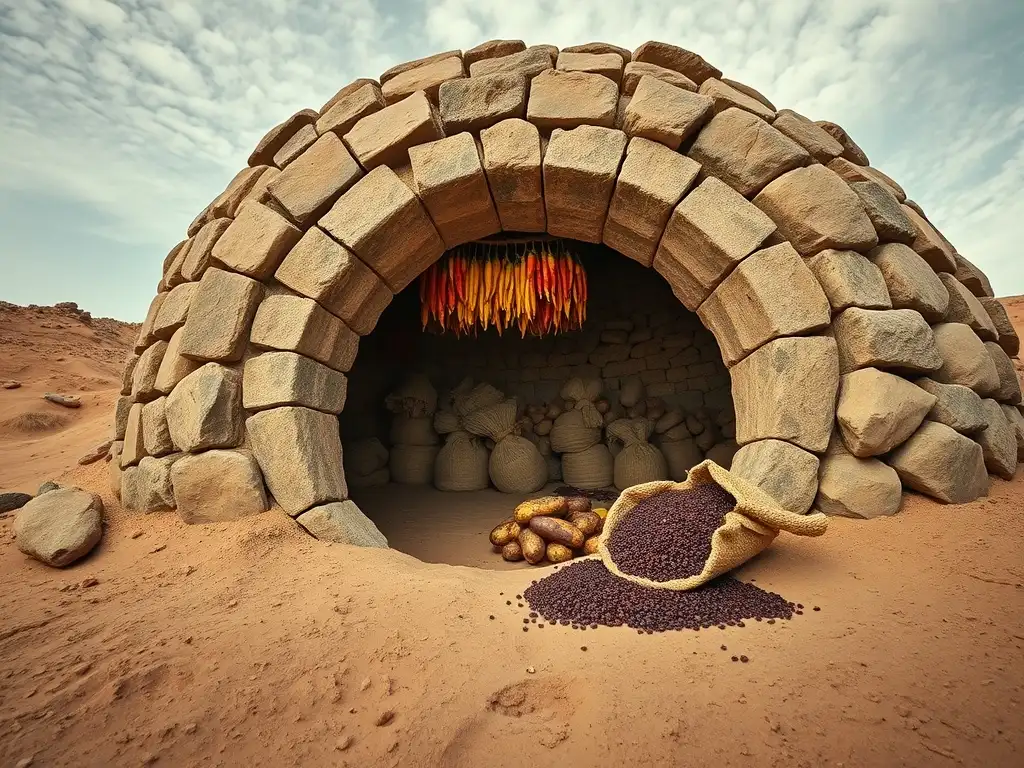
The ability to store food was paramount to the survival and prosperity of ancient Andean civilizations. Unlike societies in other regions, Andean communities faced significant geographical challenges, including unpredictable weather patterns, high altitudes, and diverse microclimates. Successful food storage wasn't merely a matter of convenience; it was fundamental to their social structures, religious practices, and economic systems. The efficient preservation and distribution of Ancient Andean stored foods directly impacted population density, social stratification, and the very fabric of Andean life.
Understanding their storage techniques offers valuable insights into the ingenuity and resilience of these remarkable cultures. The scale of their storage capacity, often revealed through archaeological findings of large granaries and subterranean storage facilities, speaks volumes about their sophisticated understanding of agriculture and resource management. This section will delve into the multifaceted importance of stored foods in shaping Andean society and culture.
Food security, the state of having reliable access to a sufficient quantity of affordable, nutritious food, was intrinsically linked to the successful storage of agricultural surpluses. The Andean agricultural calendar, characterized by distinct planting and harvesting seasons, necessitated effective preservation techniques to ensure food availability throughout the year. This was particularly crucial in high-altitude regions where growing seasons were shorter and less predictable.
Archaeological evidence suggests that a complex system of communal storage facilities, often managed by community leaders or elites, existed. These facilities ensured the equitable distribution of resources during lean periods, mitigating the risk of famine and fostering social cohesion. The efficient storage of Ancient Andean stored foods minimized the impact of crop failures, preventing widespread starvation and maintaining social stability.
The surplus, strategically stored, also served as a safety net, allowing communities to withstand periods of drought or other natural disasters. This system, in turn, strengthened social bonds and reinforced the authority of those responsible for resource management. For example, the Inca empire’s vast network of storehouses, known as qollqas, played a critical role in supporting their expansive military campaigns and maintaining control over their vast territory.
The Role of Stored Foods in Rituals and Ceremonies
Stored foods played a significant role beyond mere sustenance; they were integral to the religious and ceremonial life of Andean societies. Many Andean cultures viewed agriculture and food production as sacred activities, connected to their deities and the cycles of nature. Stored food, representing the bounty of the earth, held symbolic importance and was often used in religious ceremonies and offerings.
Archaeological sites frequently reveal evidence of food offerings placed in tombs or within sacred structures. These offerings, often consisting of carefully preserved maize, quinoa, potatoes, and other staple crops, suggest a deep spiritual connection between food and the afterlife. Furthermore, the distribution of stored food during festivals and celebrations reinforced social bonds and cemented the power of religious leaders.
The careful preservation of Ancient Andean stored foods therefore transcended practical concerns, becoming deeply intertwined with the spiritual and social fabric of Andean life. The abundance of stored food demonstrated the power and prosperity of a community, strengthening their collective identity and reinforcing their connection to the spiritual realm. Specific rituals and ceremonies around harvest time involved the presentation of offerings from the stored food, ensuring continued success and abundance in the coming seasons.
Trade and Distribution of Stored Food
The efficient storage of agricultural products facilitated trade and exchange networks across the Andes. Surplus food served as a valuable commodity, allowing communities to trade for other essential goods such as textiles, tools, or precious metals. The diverse ecological zones within the Andes created regional specialization in agricultural production, leading to intricate trade routes connecting different communities.
The ability to preserve food over long periods enabled the transport of goods across vast distances, enriching the diets of communities and strengthening economic ties. For example, coastal communities might trade fish and seafood for highland agricultural products, while different highland communities might exchange specialized crops based on their unique microclimates. The sophisticated systems of storage and distribution of Ancient Andean stored foods therefore contributed significantly to the economic development and interconnectedness of Andean societies.
The qollqas of the Inca empire, for instance, served not only as storage facilities but also as crucial nodes within a vast, state-controlled distribution system that facilitated the movement of goods across their expansive realm. This carefully managed system ensured the equitable distribution of resources and the maintenance of political control.
The Impact of Food Storage on Population Growth
The development of sophisticated food storage techniques in the Andes had a profound impact on population growth. Before the implementation of effective storage methods, Andean communities were largely limited by the availability of immediately consumable food sources. Harvest cycles dictated population size, leading to periods of feast and famine. The unpredictable nature of harvests resulted in significant population fluctuations, often linked to periods of drought or crop failure.
However, the invention and subsequent refinement of storage techniques like underground cellars ( qollqas), granaries, and various drying and preservation methods dramatically altered this precarious balance. The ability to store surplus food provided a crucial buffer against lean times, ensuring a more stable food supply throughout the year. This reliable food source fostered a more stable and predictable population growth, allowing communities to expand and flourish beyond the constraints of immediate resource availability. The increased food security also facilitated population density increases in settled agricultural areas, contributing to the development of larger, more complex societies.
The impact wasn't solely numerical; a consistent food supply also allowed for specialization of labor, as individuals were not constantly preoccupied with immediate food procurement. This, in turn, facilitated advancements in other areas of Andean life, such as art, architecture, and technology. The ability to store food, therefore, served as a cornerstone for the development of larger and more complex Andean civilizations.
The Legacy of Ancient Andean Food Storage Practices
The sophisticated food storage techniques employed by ancient Andean civilizations left a lasting legacy, influencing agricultural practices and cultural traditions for centuries. Many of the ingenious storage methods, particularly the construction of qollqas, continue to inspire modern approaches to food preservation and resource management. The architectural principles behind these underground storage facilities – their ventilation systems, insulation properties, and microclimates – demonstrate a remarkable understanding of environmental factors and their impact on food preservation. Even today, the knowledge passed down through generations about optimal storage conditions for various crops remains relevant and valuable.
Moreover, the cultural significance of stored food extends beyond mere practicality. Granaries and qollqas often held symbolic importance within Andean communities, representing prosperity, social status, and communal well-being. Festivals and rituals centered around harvest and storage reinforced social cohesion and celebrated the abundance provided by successful agricultural practices.
The intricate systems of food distribution and redistribution, often managed by religious or political elites, highlight the social and political dimensions of food storage within Andean societies. These traditions, although evolved and adapted over time, continue to resonate in contemporary Andean communities, showcasing the enduring impact of ancient food storage practices on cultural identity and agricultural sustainability. The careful preservation of ancestral knowledge regarding food storage, therefore, serves as a valuable resource for modern agricultural practices and highlights the deep connection between Andean peoples and their land.
Frequently Asked Questions
What types of foods did Andean civilizations store?
Andean civilizations stored a variety of foods, including dried potatoes, freeze-dried quinoa, corn, beans, and dried meats. These were crucial for survival during the lean seasons.
How did the ancient Andean people preserve their food?
They used several methods, such as sun-drying, freeze-drying, and storage in underground cellars to maintain food quality and prevent spoilage. This ensured access to sustenance throughout the year.
Why was food storage so important to Andean cultures?
Food storage was vital for survival because the Andean environment presented challenges like unpredictable weather and high altitudes. Storing food ensured community sustenance and prevented famine.
What role did stored food play in Andean society?
Stored food was essential for social stability and economic planning. It supported population growth, enabled large-scale projects, and played a role in rituals and ceremonies.
Where were these stored foods typically kept?
Ancient Andean peoples utilized a variety of storage methods, including underground storehouses (qollqas), elevated storage structures, and even storage within homes. Location varied depending on the specific climate and culture.
Final Reflection: Echoes of the Andes: A Legacy in Every Bite
The ingenious food storage techniques of the ancient Andean civilizations remain remarkably relevant today, offering valuable lessons in sustainability and resilience in the face of climate change and food insecurity. Their mastery of preserving potatoes, grains, and other staples wasn't simply a matter of survival; it was a testament to deep ecological understanding and community planning, a legacy we can still learn from.
The Andean diet, with its emphasis on diverse crops and meticulous preservation methods, profoundly shaped the social fabric of these societies. Their ability to store food allowed for population growth, complex social structures, and the development of thriving urban centers. The cultivation and storage of food were not merely economic activities; they were deeply intertwined with the spiritual and social life of the Andean people.
This quote highlights the interconnectedness of their food systems, a perspective we often overlook in our modern, industrialized approach to agriculture. Understanding this holistic approach is crucial to building more sustainable and equitable food systems today.
Consider the ingenuity of the ancient Andeans, their careful selection of storage locations, their understanding of the natural environment, and their community-based practices. You too can embrace a more mindful approach to food, reducing waste, supporting local producers, and appreciating the rich history and cultural significance embedded within every meal. Let the echoes of the Andes inspire you to cultivate a deeper connection with your food, your community, and the planet we share.
Unveil the Secrets of the Andean Diet!
Thank you for exploring the fascinating world of the Andean diet! You've discovered the rich history of foods that sustained ancient Andean communities. Now, let's put that knowledge into practice and connect more deeply with this vibrant culture.
Here are some practical steps you can take:
- **Experiment with Andean ingredients! ** Explore your local farmers market or an online store for quinoa, kiwicha, or oca. Try incorporating these ancient grains and tubers into your meals and share your culinary adventures with friends.
- **Take an Andean cooking class. ** This is a wonderful way to learn traditional recipes and meet fellow food enthusiasts.
- **Share this article** with others who appreciate exploring diverse culinary traditions and discuss the relevance of ancient diets in modern nutrition.
What Andean dish are you most excited to try recreating at home?