
Beyond Potatoes: The Diverse Range of Foods Stored in the Andes

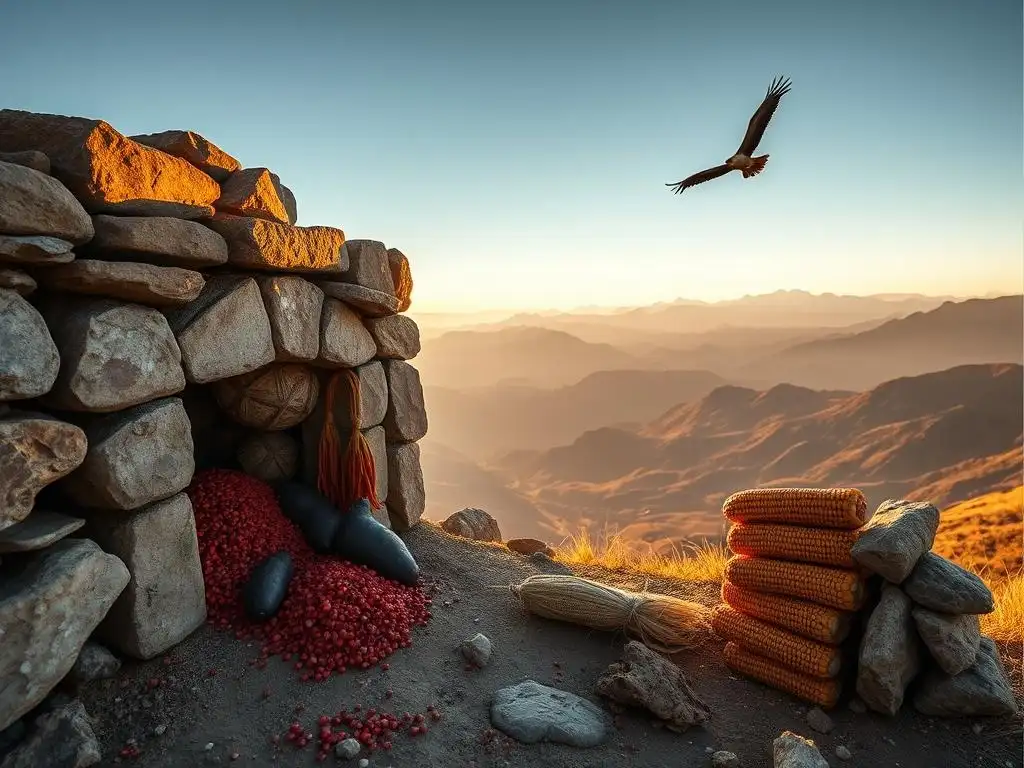
Step into a world lost to time, yet echoing with the ingenuity of the Andean civilizations. Beyond the iconic potato, a fascinating tapestry of survival and innovation awaits. Discover the secrets of their remarkable food storage methods, techniques that allowed these ancient cultures to flourish in the challenging Andean landscape. Prepare to be amazed by the diversity of foods preserved and the sophisticated systems employed – a story far richer than you ever imagined. Let's delve into the ingenious ways the Andean people ensured their sustenance, revealing a legacy that continues to inspire.
The Andes Mountains, a spine of towering peaks running down the western coast of South America, are not only a breathtaking landscape but also a cradle of ancient civilizations. While the potato is often synonymous with Andean cuisine, a deeper exploration reveals a remarkably diverse range of foods meticulously stored and preserved by these ingenious cultures.
This article delves into the sophisticated food storage methods employed by Andean civilizations, showcasing their ingenuity in adapting to the challenging high-altitude environment and ensuring food security year-round. We'll explore the techniques used to preserve not only potatoes, but also a wealth of other vital crops, demonstrating the intricate relationship between Andean agriculture and the survival of these remarkable societies.
Understanding these methods provides crucial insight into the resilience and adaptability of Andean civilizations, highlighting their advanced knowledge of agriculture and resource management. This exploration will uncover the ingenuity behind their food storage systems, revealing a fascinating story beyond the iconic potato.
Andean Civilizations Food Storage Methods: An Introduction
Andean civilizations, including the Incas, Moche, Nazca, and Tiahuanaco, developed a variety of ingenious methods for storing food, crucial for survival in a region characterized by variable climates and altitudes. These techniques weren't simply about preserving food; they were sophisticated systems integrated into their social and economic structures. The success of these methods allowed for the growth of complex societies, supporting large populations and sustaining their unique cultures for centuries.
Food storage wasn't a simple matter of putting food away; it involved careful selection, processing, and storage techniques tailored to specific crops and environmental conditions. This section will provide a general overview of the common principles behind Andean food storage, laying the groundwork for a more detailed exploration of specific techniques and crops in subsequent sections.
We'll examine the importance of location, the use of natural resources, and the social implications of these methods. The effectiveness of these strategies is evident in the archaeological record, which reveals remarkably well-preserved food stores from various Andean cultures.
The following table summarizes some of the key food storage methods employed:
| Method | Description | Crops Stored | Civilization(s) |
|---|---|---|---|
| Qollqas (storehouses) | Stone structures, often elevated, designed to maintain stable temperatures. | Potatoes, maize, quinoa, beans, dried meats | Incas, other cultures |
| Underground storage pits | Pits dug into the ground, often lined with straw or other insulating materials. | Potatoes, tubers, roots | Widespread |
| Sun-drying | Exposing food to the sun to reduce moisture content and prevent spoilage. | Fruits, meats, vegetables | Widespread |
| Freezing (high altitude) | Utilizing naturally low temperatures at high altitudes for preservation. | Potatoes, other produce | Widespread |
| Fermentation | Using microorganisms to preserve food and enhance flavor. | Maize, beans | Widespread |
The ingenuity of these methods is underscored by their effectiveness in preserving a diverse range of foods, contributing significantly to the sustainability and resilience of Andean societies. The next sections will delve into specific examples, illustrating the nuanced understanding of food preservation possessed by these ancient cultures. The strategic placement of storage facilities, often in microclimates offering optimal conditions, further highlights their advanced knowledge of environmental factors.
The integration of these practices into their social fabric demonstrates a deep understanding of not just agricultural techniques, but also resource management and community organization. The impact of these methods extended beyond mere survival; they contributed to the cultural richness and complexity of Andean civilizations.
- What were the primary food storage methods used by Andean civilizations?
- Besides potatoes, what other foods did Andean civilizations store?
- How did the environment influence Andean food storage techniques?
- What role did food storage play in the success of Andean civilizations?
- How did the Incas' food storage system differ from that of other Andean cultures?
Root Vegetables Beyond the Potato: Preserving Andean Staples
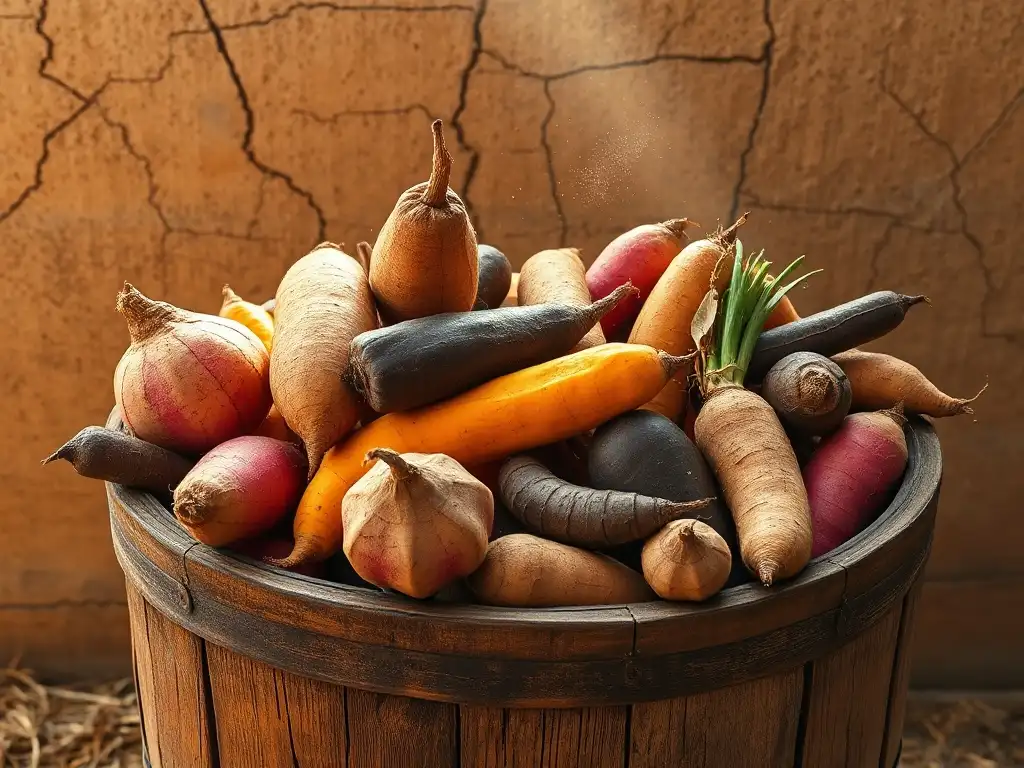
The potato, a staple of Andean cuisine, often overshadows the incredible diversity of root vegetables cultivated and ingeniously preserved by ancient Andean civilizations. Understanding their food storage methods reveals not only sophisticated agricultural practices but also a deep understanding of preserving nutritional value and ensuring food security throughout the year. This section explores some key root vegetables beyond the potato, highlighting their unique characteristics and how Andean communities maximized their storability.
The techniques employed demonstrate a remarkable adaptation to the challenging Andean environment and a testament to the ingenuity of these ancient cultures. The efficient preservation of these crops was crucial for the survival and flourishing of Andean civilizations, contributing significantly to their complex social structures and advancements.
Oca: A Sweet and Storable Andean Root
Oca ( Oxalis tuberosa) is a relatively frost-resistant tuber with a remarkably diverse range of colors and flavors. From creamy white to vibrant red and deep purple, the oca’s versatility extended beyond its culinary uses. Its ability to withstand cold temperatures made it particularly suitable for storage in the Andean highlands. Traditional Andean food storage methods for oca involved careful selection of mature tubers, followed by thorough cleaning and drying.
These dried tubers were then stored in cool, dark, and well-ventilated spaces, often underground pits lined with straw or other insulating materials. This process significantly extended the shelf life of the oca, ensuring its availability throughout the lean seasons. Some communities also practiced a form of "natural refrigeration," utilizing the cool, stable temperatures of caves or specially constructed cellars to preserve their harvest.
The high starch content of oca contributed to its storability, and the low moisture content after drying further inhibited spoilage. This careful attention to detail showcases the advanced understanding of food preservation techniques in Andean agriculture. Variations in sweetness and acidity between different oca varieties also allowed for diverse culinary applications, further increasing its value as a staple crop.
Ulluco: The Versatile and Colorful Tuber
The ulluco ( Ullucus tuberosus), also known as the "Peruvian potato," boasts an equally impressive array of colors and flavors as the oca. Its vibrant hues, ranging from pale yellow to deep orange and even purple, make it visually striking. However, unlike the potato, ulluco possesses a slightly acidic taste, adding a unique dimension to Andean cuisine.
Andean civilizations food storage methods for ulluco differed slightly from those used for oca. While drying was still a crucial step, ulluco tubers were often treated with a mild smoke to further inhibit microbial growth and extend their shelf life. This process, combined with careful storage in cool, dry locations, ensured that ulluco remained a reliable food source throughout the year.
The ulluco's versatility extended beyond its direct consumption; it was also used to produce flour and other processed foods, further maximizing its nutritional value and extending its usability. The Andean people's ability to adapt their storage techniques to the specific characteristics of each crop highlights their remarkable agricultural expertise.
Mashua: A Spicy Root for Long-Term Storage
Mashua ( Tropaeolum tuberosum) stands out among Andean root vegetables for its pungent, peppery flavor. This distinctive taste, while not universally appealing, provided a welcome contrast to the milder flavors of other staples. Andean civilizations food storage methods for mashua often involved a unique preparation step before storage. The tubers, after harvest, were sometimes lightly roasted or sun-dried to reduce moisture content and enhance storability.
This method effectively inhibited the growth of molds and other microorganisms that could spoil the crop. The robust nature of the mashua tuber, combined with these preparation methods, allowed for remarkably long-term storage. Some accounts suggest that mashua could be stored for several years under the right conditions.
This resilience highlights the importance of mashua in ensuring food security in the challenging Andean environment, providing a crucial source of sustenance during periods of scarcity. The spicy flavor of mashua, while distinct, likely contributed to its preservation, as it may have naturally inhibited the growth of some spoilage organisms. Further research into the specific microbial interactions with mashua would be valuable in understanding its long storage potential.
Grains and Seeds: Essential Andean Provisions
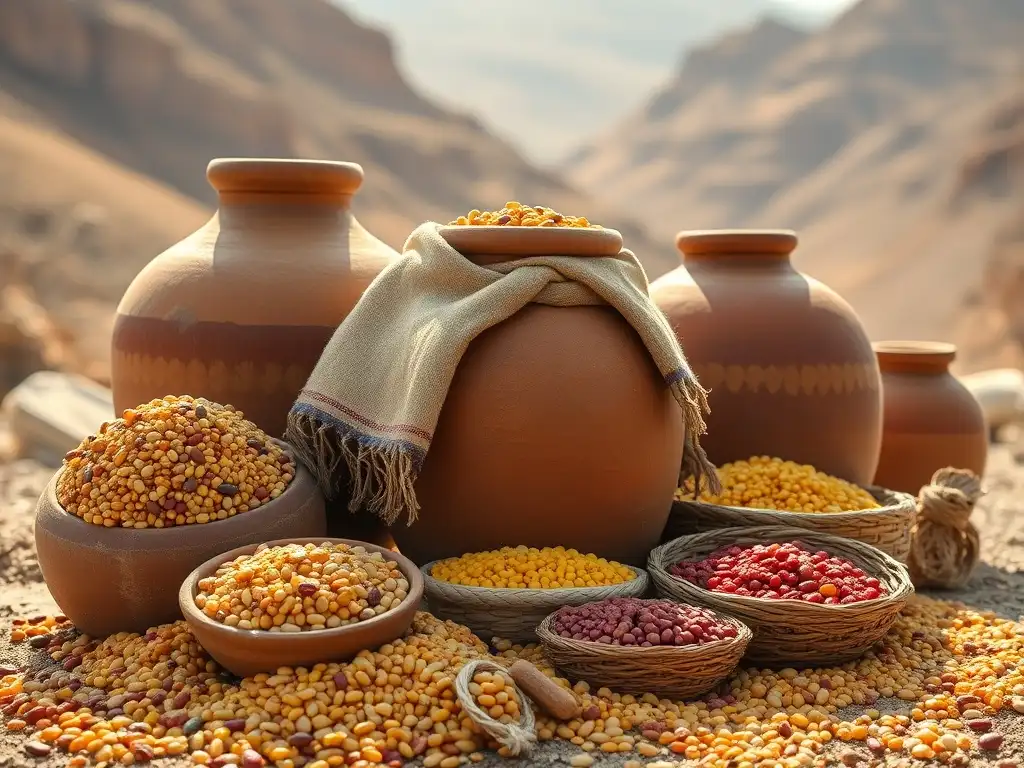
The Andean civilizations weren't solely reliant on the potato, though its importance is undeniable. A diverse range of grains and seeds formed the backbone of their diets, requiring sophisticated storage methods to ensure year-round sustenance. Understanding these techniques offers a fascinating glimpse into the ingenuity and agricultural prowess of these ancient cultures. Their mastery of food preservation directly contributed to the stability and growth of their societies, allowing for population expansion and complex social structures.
The efficient storage of grains and seeds was crucial for surviving the harsh Andean climate and its unpredictable weather patterns. This section will explore some of the key grains and seeds, highlighting their unique storage requirements and the techniques employed by Andean communities. The importance of these methods in the context of Andean civilizations food storage methods cannot be overstated.
Quinoa: The Andean Supergrain and its Storage
Quinoa ( Chenopodium quinoa), often hailed as a "superfood," was a dietary staple across the Andes. Its high nutritional value, containing all nine essential amino acids, made it a crucial element in the Andean diet. However, its susceptibility to pests and spoilage demanded careful storage practices.
Evidence suggests that quinoa was stored in a variety of containers, depending on the quantity and the intended duration of storage. Smaller quantities might have been kept in woven baskets lined with animal hides or tightly sealed clay pots. Larger reserves were likely stored in underground silos or qollqas – the iconic stone structures characteristic of many Andean cultures.
These qollqas were strategically placed to maintain a stable temperature and humidity, crucial for preserving the quinoa's quality. The selection of storage location often depended on factors such as altitude, proximity to water sources, and protection from the elements. Careful drying of the quinoa before storage was essential to minimize the risk of mold and insect infestation.
The process likely involved spreading the harvested quinoa in thin layers under the sun for several days, followed by further drying in well-ventilated areas. Interestingly, some evidence suggests the use of natural pest repellents, such as herbs or specific types of leaves, placed within the storage containers to deter insects. This demonstrates a deep understanding of both agricultural practices and natural pest control methods. The meticulous nature of quinoa storage highlights the high value placed on this crucial crop by Andean civilizations.
Amaranth: A Nutrient-Rich Seed for Long-Term Keeping
Amaranth ( Amaranthus) is another highly nutritious seed that played a significant role in the Andean diet. Unlike quinoa, amaranth seeds are smaller and possess a higher oil content, making them potentially more susceptible to rancidity if not stored properly. This necessitated slightly different storage approaches. While clay pots and woven baskets were still utilized, the emphasis was likely placed on maintaining a cool, dry environment to minimize the risk of spoilage.
The use of airtight containers, possibly sealed with clay or resin, may have been more prevalent for amaranth storage compared to quinoa. Additionally, the practice of mixing amaranth seeds with other grains or dried foods might have contributed to their preservation. This method could help to absorb excess moisture and create a more stable storage environment.
The precise techniques used for long-term amaranth storage remain partially undocumented, and further research is needed to fully understand the intricacies of these practices. However, existing archaeological evidence, coupled with ethnographic studies of contemporary Andean communities, provides valuable insights into the probable methods employed. The resilience of amaranth seeds and the ingenuity of Andean storage techniques allowed this important crop to contribute significantly to the dietary and economic stability of Andean societies.
Canihua: A High-Altitude Grain and Storage Techniques
Canihua ( Chenopodium pallidicaule) is a hardy grain particularly well-suited to the high-altitude conditions of the Andes. Its tolerance to extreme conditions made it a vital food source in regions where other crops struggled to thrive. Storage techniques for Canihua likely shared similarities with those for quinoa, emphasizing careful drying and the use of airtight containers to protect against moisture and pests. However, given its unique characteristics, some specific adaptations may have been employed. [Specific information pending on unique storage adaptations for Canihua].
The relatively smaller scale of Canihua cultivation compared to quinoa or potatoes might suggest that storage methods were often simpler, perhaps relying more on family-level storage solutions within homes rather than large-scale communal qollqas. Nevertheless, the efficient storage of Canihua was crucial to the survival of communities inhabiting the high-altitude regions of the Andes, further demonstrating the sophisticated agricultural practices and food storage methods employed by these Andean civilizations. The adaptation of storage methods to suit the specific needs of each crop is a testament to the remarkable agricultural knowledge of the Andean people.
Andean Preservation Techniques: Mastering the Environment
The Andes Mountains, with their diverse altitudes and climates, presented unique challenges and opportunities for food preservation. Ancient Andean civilizations, far from relying solely on immediate consumption, developed sophisticated techniques to store food for extended periods, ensuring survival during lean seasons and supporting population growth. Understanding these methods provides crucial insight into the ingenuity and adaptability of these cultures.
The ingenuity of their food storage methods reflects a deep understanding of their environment and a remarkable ability to harness natural processes for preservation. Mastering these techniques allowed Andean civilizations to thrive in a challenging landscape, laying the foundation for their complex social structures and advancements. This section will explore several key Andean food storage methods, highlighting their effectiveness and significance.
Freeze-Drying in the High Andes: The Chuño Method
Chuño, a freeze-dried potato, stands as a testament to Andean ingenuity. This method, still practiced today, involves a process of repeated freezing and thawing at high altitudes. Potatoes are first harvested and left to freeze overnight. The following day, they are trampled to remove excess moisture, then left to freeze again. This cycle is repeated several times, resulting in a dehydrated potato that can last for years. The process effectively removes water, inhibiting microbial growth and preventing spoilage.
The effectiveness of chuño production is directly tied to the high-altitude environment. The extreme temperature fluctuations—freezing at night and thawing during the day—are essential to the process. The resulting product is incredibly lightweight and durable, making it easy to transport and store. Chuño became a staple food, providing a reliable source of carbohydrates even during harsh winters and times of scarcity.
Variations exist depending on the specific potato variety and altitude, resulting in different textures and flavors. For example, tunta, a less processed form of chuño, retains a slightly chewier texture. The production of chuño highlights the profound connection between Andean food preservation techniques and the unique environmental conditions of the high Andes.
Sun-Drying: Preserving Crops under the Andean Sun
Sun-drying is another fundamental Andean preservation technique, employed across various crops besides potatoes. Corn, quinoa, beans, and various fruits were routinely sun-dried to extend their shelf life. This method relies on the intense solar radiation prevalent in the Andes, which evaporates moisture from the produce, inhibiting bacterial and fungal growth. The process involves spreading the harvested crops thinly on mats or rocks, ensuring even exposure to sunlight. Regular turning and careful monitoring are crucial to prevent spoilage and ensure uniform drying.
The success of sun-drying depends on several factors, including the intensity of sunlight, humidity levels, and the presence of wind. Optimal conditions are crucial for preventing mold growth and ensuring the product maintains its nutritional value and flavor. The Andean people developed sophisticated techniques to optimize the drying process, often incorporating natural shelters or using specific drying racks to control airflow and protect the crops from rain or dew.
Sun-dried products, like cancha (toasted corn), became important components of the Andean diet, providing a readily available and storable source of energy and nutrients. The simplicity and effectiveness of sun-drying made it a widely adopted and sustainable preservation method across various Andean communities.
Fermentation: Creating Storable Products
Fermentation, a biological process that transforms food through microbial action, played a significant role in Andean food preservation. This method not only extends the shelf life of food but also enhances its flavor and nutritional profile. Different types of fermentation were employed, depending on the food product and desired outcome. For instance, certain types of corn were fermented to produce chicha, an alcoholic beverage that could be stored for extended periods. Similarly, fermentation was used to preserve meats and other perishable goods.
The specific microbial communities involved in Andean fermentation techniques are still being studied. However, it's clear that indigenous knowledge played a crucial role in selecting and managing the microorganisms responsible for the desired fermentation processes. The fermentation of chicha, for example, involved carefully controlling the temperature and conditions to ensure the desired yeast strains dominated the process.
The development of these fermentation techniques demonstrates a deep understanding of microbiology and its application to food preservation, long before modern scientific understanding. Fermentation not only increased the storability of food but also provided valuable sources of probiotics and other beneficial compounds, contributing to the nutritional security of Andean communities. The continued use of these traditional fermentation methods highlights their enduring relevance and cultural significance.
Meat and Fish Storage in the Andes
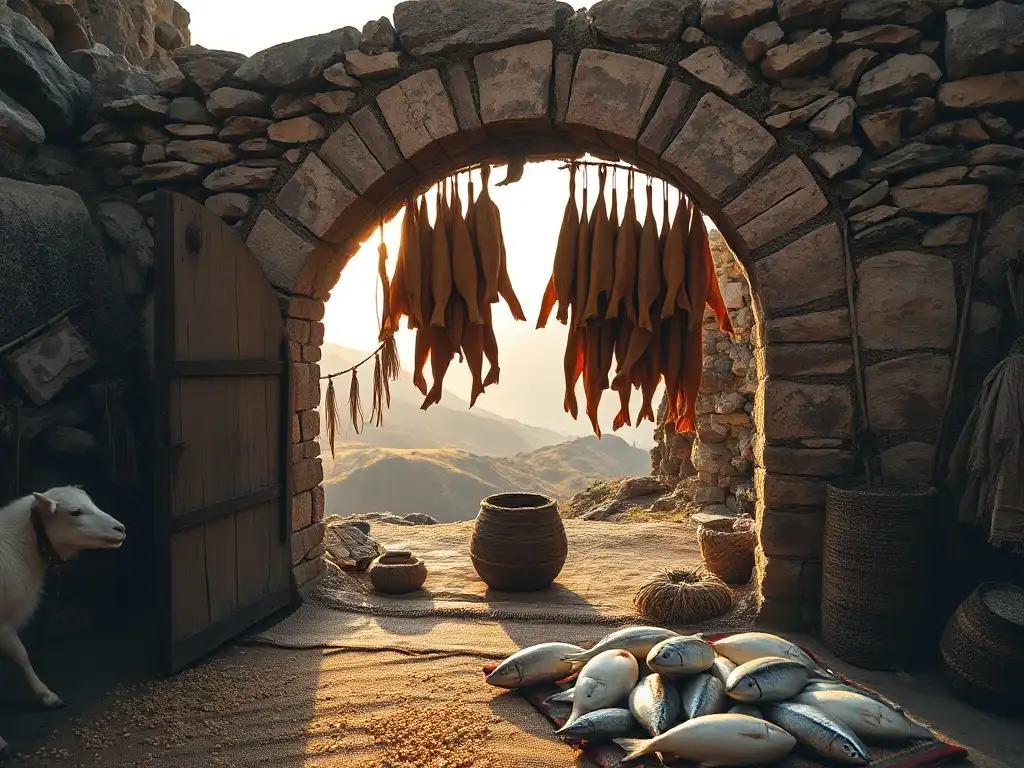
The Andean civilizations, renowned for their agricultural prowess, also developed sophisticated methods for preserving meat and fish, crucial for survival in the challenging Andean environment. These techniques, passed down through generations, ensured a reliable food supply during lean times and facilitated trade and social exchange. Understanding these practices offers a deeper appreciation for the ingenuity and resourcefulness of these ancient cultures and contributes to a more complete picture of Andean civilizations food storage methods. The harsh, high-altitude conditions necessitated creative solutions to prevent spoilage and maximize the nutritional value of protein sources.
Jerky: Traditional Andean Cured Meats
Jerky, a staple in many cultures worldwide, held a significant place in the Andean diet. The process involved slicing thin strips of meat—typically llama, alpaca, or vicuña—and then drying them in the sun or using low-heat smoking. This method effectively removed moisture, inhibiting bacterial growth and extending the shelf life considerably. The precise techniques varied across different Andean communities, with some using specific herbs and spices for added flavor and preservation.
The resulting jerky provided a concentrated source of protein, energy, and essential nutrients, ideal for long journeys, storage during the harsh winter months, or ceremonial occasions. Evidence suggests that jerky production was an integral part of Andean life, with specialized tools and techniques developed over centuries to optimize the process. Archaeological findings often uncover remnants of dried meat, corroborating historical accounts and anthropological studies.
Dried Fish: Preserving Aquatic Resources
In coastal regions and near Andean lakes, fish played a vital role in the diet. Drying fish, similar to the process for meat, offered an effective preservation method. The fish were often gutted, cleaned, and then either sun-dried or air-dried in well-ventilated areas. Larger fish might be split open to speed up the drying process. The arid climate of many Andean regions proved ideal for this preservation method, minimizing the risk of spoilage.
Dried fish, like jerky, provided a valuable source of protein and essential fatty acids, complementing the predominantly agricultural diet. The availability and methods for drying varied according to geographic location and the species of fish available. For example, coastal communities likely utilized different techniques compared to those living near high-altitude lakes. Further research is needed to fully document the regional variations in Andean fish preservation.
Chalona: Salted and Dried Mutton or Llama Meat
Chalona represents a more advanced form of meat preservation, combining salting with drying. This method extended the shelf life even further compared to simple sun-drying. The meat, typically mutton or llama, was heavily salted before being dried.
The salt acted as a preservative, inhibiting microbial growth and drawing out excess moisture. This process likely involved specific techniques for salting and arranging the meat to ensure even preservation. Chalona was highly valued and could be stored for extended periods, making it a crucial component of Andean trade networks and a valuable asset during times of scarcity.
The precise recipes and techniques for preparing chalona likely varied among different communities, reflecting the diverse culinary traditions of the Andes. Detailed analysis of archaeological remains and ethnohistorical accounts could shed further light on the specific ingredients and processes involved in chalona production across different Andean cultures. The impact of chalona on Andean society and economy warrants further investigation.
Storage Structures: Ingenious Andean Warehouses
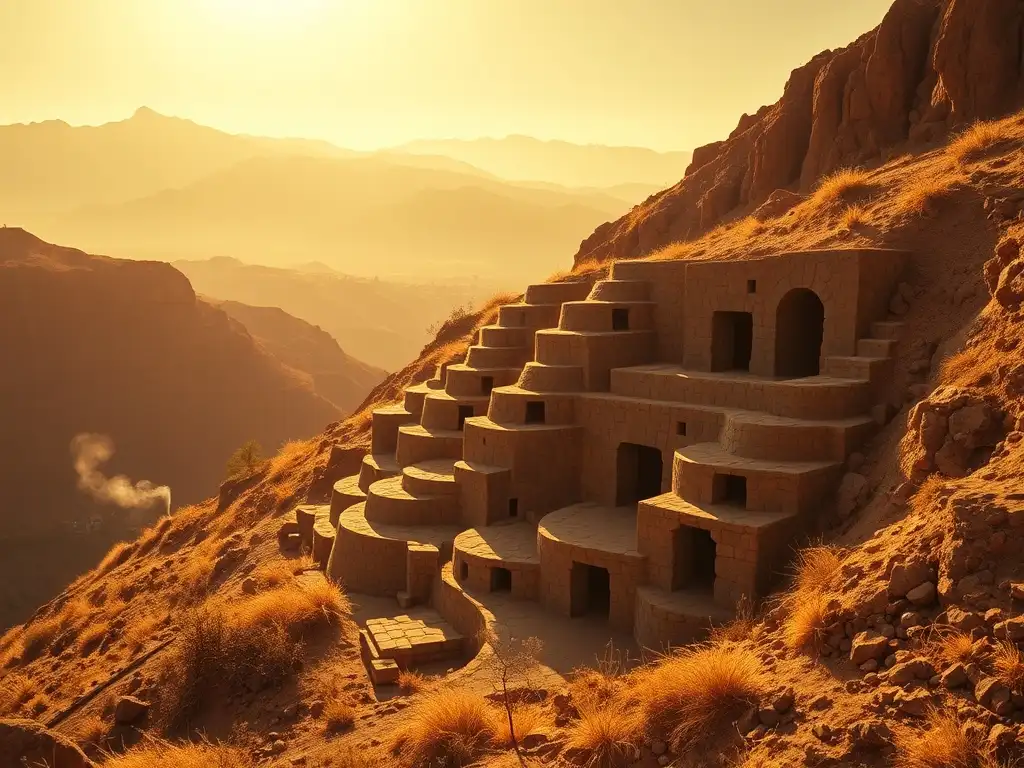
Andean civilizations, renowned for their agricultural prowess, developed sophisticated food storage methods crucial for surviving the challenging Andean environment. The success of their empires hinged on efficient techniques to preserve surplus harvests, ensuring food security throughout the year and mitigating the risks of crop failure. This section explores the diverse range of storage structures employed by these ingenious societies, focusing on their design, functionality, and the role they played in sustaining their populations. Understanding these Andean civilizations food storage methods provides critical insight into their societal organization and resilience.
Colcas: The Sophisticated Storage Facilities
Colcas, the most prominent type of Andean warehouse, represent a remarkable feat of engineering and architectural ingenuity. These structures, typically built of stone, varied significantly in size and design depending on the specific needs of the community and the availability of resources. Many were multi-storied, allowing for efficient organization and maximization of storage capacity.
Their construction often incorporated advanced techniques, like precise stone fitting and the use of mortar, ensuring structural integrity and protection from the elements. The placement of colcas was also strategically planned, often situated on elevated ground or rocky outcrops to protect stored food from rodents and moisture. Their elevated position also aided in ventilation, crucial for preventing spoilage.
The meticulous design of colcas highlights the advanced understanding of Andean civilizations concerning both architecture and food preservation. Analyzing the construction and location of these facilities reveals a deep understanding of environmental factors and their impact on food preservation, a testament to their practical knowledge and adaptability. The size and number of colcas within a community often reflected its wealth and influence, indicating a strong correlation between food storage capacity and societal power.
Circular Colcas: Optimizing Space and Airflow
While rectangular colcas were common, circular designs also existed, particularly in certain regions. This circular structure proved advantageous for several reasons. The curved walls minimized stress points, contributing to greater structural stability, especially in earthquake-prone areas. More importantly, the circular shape facilitated optimal airflow.
The natural convection currents within the circular space aided in regulating temperature and humidity, creating a more stable environment for long-term food storage. This is particularly important in the Andes, where significant temperature fluctuations are common, especially between day and night. Evidence suggests that careful consideration was given to the orientation of circular colcas, aligning them to maximize sunlight exposure for drying and to minimize direct exposure to harsh winds.
The meticulous planning and execution of these structures showcase the advanced understanding of environmental engineering by Andean civilizations. Further research into the construction techniques and material selection used in circular colcas could reveal additional insights into their effectiveness and the ingenuity of their design. The circular colca's effectiveness in preserving perishable food items, for example, would be a fascinating area of future study.
Underground Chullpas: Protecting Food from Extreme Temperatures
Beyond the elevated colcas, some Andean cultures utilized underground storage structures, known as chullpas. These subterranean facilities offered a unique advantage in mitigating the extreme temperature fluctuations characteristic of the high-altitude Andean environment. The earth provided natural insulation, minimizing temperature swings and maintaining a more stable, cooler environment within the chullpa.
This was crucial for preserving food items susceptible to heat damage or spoilage. The construction of chullpas, often involving intricate stonework and careful sealing, ensured that the internal environment remained relatively stable and protected from external elements. The design incorporated features such as ventilation shafts to regulate air quality and prevent the build-up of moisture.
Unlike colcas, which often served as communal storage facilities, chullpas were sometimes used for family or individual food storage, suggesting a more localized approach to food preservation in certain communities. Detailed studies comparing the effectiveness of chullpas and colcas in preserving different types of food would offer valuable insights into the adaptability and sophistication of Andean food storage techniques. 🕵️♂️ The use of underground storage highlights the advanced understanding of environmental control employed by Andean cultures.
The Importance of Food Storage for Andean Societies
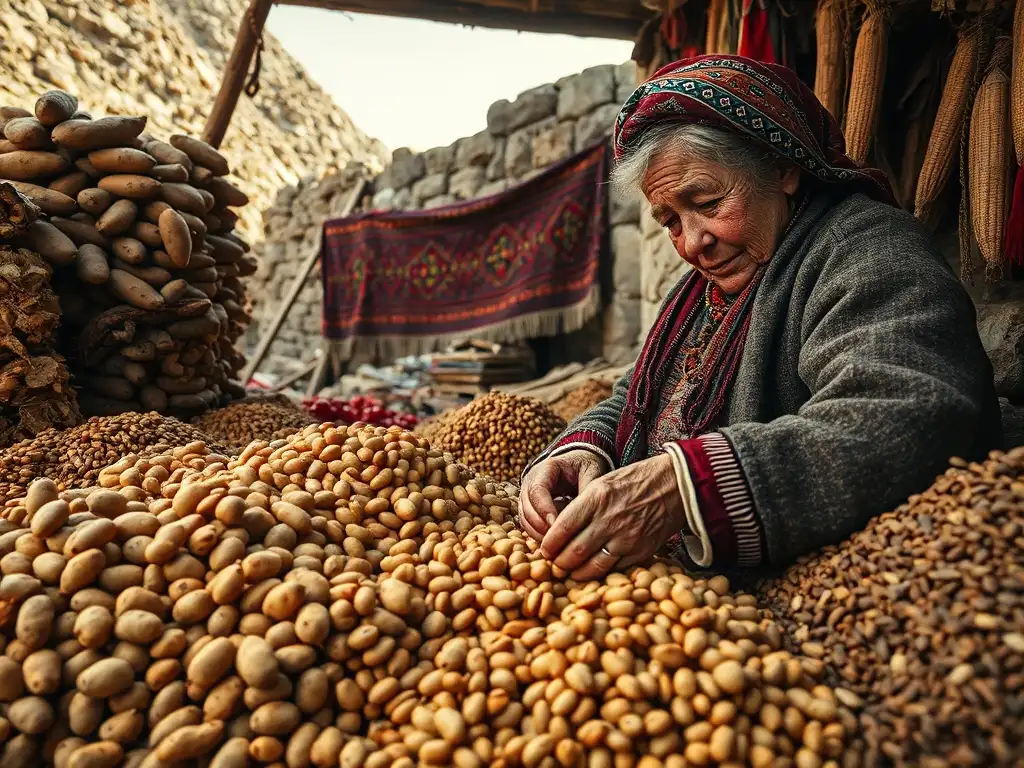
Effective food storage was paramount to the survival and prosperity of Andean civilizations. The challenging geography of the Andes, with its varied altitudes and unpredictable weather patterns, meant that agricultural yields fluctuated significantly. Successful food storage wasn't merely a convenience; it was a crucial element of their survival strategies, allowing them to buffer against lean periods and ensure community resilience.
Understanding the sophisticated methods employed by these cultures provides valuable insight into their ingenuity and adaptability. Their techniques, developed over millennia, were finely tuned to the specific needs of their environment and social structures. This section will explore how Andean food storage techniques directly impacted food security, trade, and social organization.
The ingenuity displayed in these methods showcases the deep understanding these civilizations possessed of their environment and the importance they placed on resource management. Efficient food storage was fundamental to the long-term stability and success of Andean societies, a testament to their remarkable agricultural practices and organizational skills.
Ensuring Food Security in the Andes
The Andes presented significant challenges for agriculture. Harsh weather, including unpredictable frosts and droughts, could easily decimate crops. Altitude also played a critical role, influencing growing seasons and the types of crops that could be cultivated. To mitigate these risks, Andean civilizations developed incredibly sophisticated food storage techniques. These weren't simply about preserving food; they were about ensuring the long-term survival of communities.
For example, the Incas utilized a network of strategically placed storehouses called qollqas, built into the landscape to take advantage of natural temperature variations. These structures, often located at high altitudes to take advantage of lower temperatures, played a crucial role in maintaining food supplies throughout the year. The construction of these qollqas and their location demonstrate sophisticated planning and an intimate understanding of the Andean environment.
Furthermore, the qollqas weren't just simple storage facilities; they were a key component of an integrated system for food production and distribution, integral to the Inca’s ability to maintain social order and stability. The design and implementation of the qollqas system effectively addressed the challenges of food security in a highly variable environment.
The variety of stored foods also contributed to food security. Beyond the well-known potato, Andean diets included quinoa, maize, beans, and various fruits and vegetables, each stored using appropriate methods tailored to its specific characteristics. This diversification minimized the risk of complete food failure even if one crop was affected by adverse conditions. The strategic combination of crop diversification and sophisticated storage solutions exemplifies the resilience of Andean food systems.
Supporting Trade and Exchange
Efficient food storage wasn't just about local sustenance; it facilitated extensive trade networks across the Andes. Surplus food, carefully preserved, could be exchanged for other valuable goods and resources. This trade wasn't simply a barter system; it was a complex mechanism that bound communities together and fostered economic interdependence.
The ability to store surplus crops allowed for the development of specialized production zones. Certain regions excelled at growing particular crops, while others specialized in other goods. The surplus could then be transferred through a network of pathways and storage facilities, creating a system of regional exchange.
This sophisticated system of food storage and distribution was essential for the economic stability and growth of Andean civilizations. The surplus goods, carefully preserved using a variety of techniques, were transported across vast distances, contributing to the economic and political integration of the Andes. This system not only ensured food security but also fostered economic and social integration across diverse regions.
Food storage wasn't merely an economic activity; it was deeply intertwined with the social structures of Andean civilizations. The control and distribution of stored food were often linked to power and authority. Elites, religious figures, and government officials played a key role in managing these resources, ensuring equitable distribution (at least in theory) and maintaining social order. The storage and management of food were critical components of the Andean worldview, profoundly impacting their social and political organization.
The qollqas, for instance, were not just repositories of food; they were symbols of power and authority. Their strategic placement and construction reflected the centralized control exercised by the ruling elite. The management of food resources was inextricably linked to the political and social hierarchy, reinforcing the power structures of these societies. The distribution of food from these storage facilities was not only a matter of logistics but also a means of maintaining social order and political stability.
The careful management of stored food resources was fundamental to the social fabric of Andean civilizations. The system served as a critical tool for social control, resource allocation, and the maintenance of social order. Further research into the social dynamics surrounding food storage in these societies is still needed to fully understand the complexities of these interactions.
Conclusion: The Legacy of Andean Food Preservation
The ingenuity of Andean civilizations in developing sophisticated food storage methods is undeniable. Their techniques, honed over millennia to address the challenges of a diverse and often harsh environment, represent a remarkable achievement in human adaptation and resource management. Understanding these methods offers not only a glimpse into the past but also valuable insights for contemporary food security challenges.
The efficient preservation of food was crucial to the survival and prosperity of these cultures, allowing them to sustain large populations and complex societies in regions with significant climatic variability. The legacy of their practices continues to resonate today, informing modern agricultural techniques and inspiring innovative approaches to food preservation in diverse contexts.
From the simple yet effective use of subterranean storage to the more complex systems of drying and fermentation, Andean food storage strategies demonstrate a deep understanding of both agricultural practices and ecological principles. The impact of this knowledge is far-reaching, influencing not only the food cultures of the Andes but also contributing to global discussions on sustainable food systems.
The Enduring Relevance of Andean Storage Techniques
The challenges of food preservation and distribution remain pertinent in the 21st century. Climate change, population growth, and the increasing demand for food security necessitate innovative and sustainable solutions. The study of Andean food storage methods provides a wealth of knowledge that can inform contemporary approaches.
For instance, the principles of controlled environments, as demonstrated by the qollqas (Andean storage structures), are now being applied in modern agricultural technology. Techniques like freeze-drying, though technologically advanced, share underlying principles with the traditional Andean methods of sun-drying and air-drying. Moreover, the focus on minimizing waste and maximizing the shelf life of food, inherent in Andean practices, offers valuable lessons for reducing food loss and improving resource efficiency.
The sophisticated understanding of local ecosystems and the integration of diverse preservation methods offer valuable case studies for developing sustainable and resilient food systems in various contexts. The Andean experience highlights the importance of adapting food storage techniques to specific environmental conditions and the benefits of integrating traditional knowledge with modern technology.
Further Exploration of Ancient Andean Storage Practices
Further research into Andean food storage techniques could unlock additional insights into the agricultural and societal practices of these ancient civilizations. Detailed studies of remaining qollqas and other storage structures could reveal more information about their construction, capacity, and the types of foods stored. Analyzing the chemical composition of preserved food remains could provide further insights into the effectiveness of different preservation techniques and the types of foods consumed.
Ethnobotanical studies can also provide valuable context, connecting ancient practices with contemporary knowledge and traditions. This interdisciplinary approach, combining archaeology, anthropology, and food science, is crucial for a comprehensive understanding of Andean food storage systems. In addition, comparative studies of different Andean cultures and their respective storage methods could reveal regional variations and adaptations to local environmental conditions.
Such research would not only enhance our understanding of the past but also contribute to the development of sustainable and resilient food systems for the future. A deeper understanding of these historical practices holds immense potential for addressing contemporary challenges related to food security and sustainable resource management. The detailed analysis of specific food items preserved using different techniques, coupled with climate data from the relevant periods, could reveal much about the ingenuity and adaptability of these Andean civilizations.
Frequently Asked Questions
What were the primary food storage methods used by Andean civilizations?
Andean civilizations employed a variety of methods, including underground storage pits (qollqas) for potatoes, grains, and dried goods; raised storage platforms to protect from moisture and rodents; and drying and preserving techniques like sun-drying and freeze-drying.
Besides potatoes, what other foods did Andean civilizations store?
Beyond potatoes, they stored a wide range of crops including corn, quinoa, beans, peppers, and various fruits. Dried meats and fish also played a significant role in their food supply.
How did the environment influence Andean food storage techniques?
The high altitude and varied climates of the Andes significantly impacted storage methods. Underground storage provided protection from extreme temperatures and frost, while raised platforms offered defense against humidity and pests.
What role did food storage play in the success of Andean civilizations?
Efficient food storage was crucial for their survival and prosperity. It allowed them to survive harsh winters and periods of drought, supporting population growth and the development of complex societies.
How did the Incas' food storage system differ from that of other Andean cultures?
While employing similar techniques, the Inca empire standardized and expanded upon pre-existing methods, creating a vast network of state-controlled storehouses (qollqas) to manage resources and redistribute food throughout their empire.
Final Reflection: A Legacy of Ingenuity in the Andes
The ingenious food storage techniques developed by Andean civilizations remain remarkably relevant today, offering crucial lessons in sustainability and resilience in the face of climate change. These ancient methods, far from being relics of the past, provide a blueprint for addressing modern food security challenges, particularly in regions facing similar environmental pressures. The ingenuity of these societies in adapting to their harsh environment should serve as a powerful inspiration for innovative solutions in the 21st century.
The enduring impact of Andean food preservation techniques extends far beyond the practical; they represent a deep connection to the land and a profound understanding of ecological balance. These methods weren't simply about survival; they were integral to the social fabric, shaping cultural practices, religious beliefs, and even artistic expression. The relationship between people and their environment is not merely one of exploitation, but of mutual dependence and respect,
a sentiment deeply reflected in the careful stewardship of resources demonstrated by Andean cultures. Understanding this nuanced relationship allows us to appreciate the holistic nature of their approach to food security, one that prioritized long-term sustainability over short-term gains.
Consider the ingenuity of these ancient methods, the respect for the land, and the enduring legacy they've left behind. You too can contribute to a more sustainable future by exploring local, seasonal foods, reducing food waste, and supporting practices that prioritize ecological balance. Let the wisdom of the Andes inspire you to rethink your relationship with food and the environment, fostering a deeper appreciation for the interconnectedness of all things. Embrace the challenge of building a more resilient and sustainable food system, one that honors both the past and protects the future.
Uncover the Richness of Andean Cuisine!
Thank you for exploring the fascinating world of Andean food with us! Your interest in the diverse culinary traditions of the Andes reveals a desire to understand the rich agricultural and cultural heritage of this magnificent region. Let's delve deeper into how you can experience these unique flavors firsthand.
- Start by experimenting with a new recipe featuring Andean staples like quinoa, amaranth, or potatoes – unleash your inner chef!
- Explore local farmers' markets or specialty stores for authentic Andean ingredients; immerse yourself in the culture behind the food.
- Share your culinary creations on social media or in our community forums; inspire others to discover the beauty and diversity of Andean cuisine!
What Andean dish are you most eager to try recreating at home?