
The Ingenuity of Andean Crop Rotation: Maintaining Soil Health and Productivity


Step into a world lost in time, yet echoing with innovation. For centuries, the towering Andes Mountains witnessed the rise and fall of magnificent civilizations. But what secrets did their ingenuity hold? Discover the remarkable story of Andean crop rotation techniques, a testament to the advanced agricultural practices that sustained these empires and ensured their prosperity. Uncover the intricate methods that allowed them to thrive in challenging terrain – a legacy that continues to inspire us today. Prepare to be amazed.
- Andean Crop Rotation Techniques: Sustaining Soil and Productivity
- The Foundation of Andean Agriculture: Understanding Crop Rotation
- Key Principles of Andean Crop Rotation Systems
- Benefits of Andean Crop Rotation Practices
- Specific Andean Crop Rotation Methods
- The Legacy of Andean Crop Rotation: A Lesson for Today
-
Frequently Asked Questions
- What were the main Andean crop rotation techniques?
- Why was crop rotation important for Andean civilizations?
- What crops were commonly involved in Andean crop rotation systems?
- How did the Incas contribute to Andean crop rotation techniques?
- What is the significance of Andean crop rotation techniques today?
- Final Reflection: The Enduring Legacy of Andean Agricultural Wisdom
- Cultivate Your Knowledge and Start Rotating!
Andean Crop Rotation Techniques: Sustaining Soil and Productivity
The ingenuity of Andean civilizations extended far beyond their breathtaking architecture and intricate textiles. Their mastery of agriculture, particularly their sophisticated crop rotation techniques, played a crucial role in their survival and prosperity for centuries in challenging high-altitude environments.
This article delves into the remarkable strategies employed by Andean farmers – from the Incas to the pre-Inca cultures like the Moche and Nazca – to maintain soil health, enhance crop yields, and ensure food security in the face of diverse and often harsh conditions. We will explore the principles behind their methods, the specific crops involved, and the lasting impact these techniques have on modern agricultural practices in the Andes and beyond.
Understanding these ancient practices offers valuable insights for sustainable agriculture today, particularly in the context of climate change and increasing demands for food production. The effective management of soil fertility, a cornerstone of Andean agricultural success, is a lesson we can all learn from.
The Principles of Andean Crop Rotation
Andean crop rotation wasn't simply a matter of alternating crops; it was a finely tuned system deeply integrated with the Andean understanding of their environment. Key principles included:
- Diverse Crop Selection: Andean farmers cultivated a remarkable diversity of crops, each with different nutrient requirements and soil impacts. This prevented nutrient depletion and minimized the risk of pest and disease outbreaks. Examples include potatoes (various species! ), quinoa, maize (corn), beans, squash, and various tubers and root vegetables. The specific selection varied depending on altitude and microclimate.
- Intercropping and Companion Planting: Rather than planting single crops in large fields, Andean farmers often practiced intercropping, combining different crops within the same field. This strategy maximized land use, improved soil fertility through nitrogen fixation (legumes like beans), and provided natural pest control. For example, beans, known for their nitrogen-fixing properties, were often planted alongside maize.
- Fallow Periods and Soil Regeneration: Unlike continuous cultivation, Andean farmers strategically incorporated fallow periods, allowing the land to rest and recover its fertility. During these periods, the land might be used for grazing animals or allowed to naturally regenerate through natural processes. The length of the fallow period varied based on soil conditions and crop demands.
- Terracing and Water Management: The intricate terracing systems constructed by Andean civilizations played a vital role in crop rotation by creating level fields for cultivation, preventing soil erosion, and optimizing water use. This careful water management ensured consistent moisture levels, crucial for successful crop growth across diverse crops and varying rainfall patterns.
Specific Crop Combinations and Their Benefits
The precise combinations of crops varied significantly based on geographic location and altitude. However, some common patterns emerge:
| Crop Combination | Benefits | Example Cultures |
|---|---|---|
| Maize, Beans, Squash | "The Three Sisters" – classic example of intercropping, maximizing nutrient cycling and pest control. | Incas, Moche, Nazca |
| Potatoes (various types) | Diverse potato varieties with differing nutrient needs and maturity times, ensuring a continuous harvest. | Incas, pre-Inca cultures |
| Quinoa, Amaranth | High-altitude crops adapted to harsh conditions, enriching the soil with their unique nutrient profiles. | Various Andean cultures |
These are just a few examples. The complexity and sophistication of Andean crop rotation systems are still being researched and uncovered by archaeologists and agricultural scientists. Further research is needed to fully understand the nuanced techniques employed by specific cultures and their adaptation to various environmental conditions. [Specific data on crop yields and soil nutrient levels pending further research].
The Legacy of Andean Crop Rotation Techniques
The ingenious crop rotation techniques of Andean civilizations offer invaluable lessons for modern agriculture. Their emphasis on biodiversity, soil health, and sustainable practices provides a powerful model for addressing contemporary challenges such as climate change, soil degradation, and food security. By adopting principles of diversification, intercropping, and responsible land management, we can strive towards more resilient and sustainable agricultural systems, learning from the enduring wisdom of Andean farmers. The importance of preserving and promoting traditional Andean agricultural knowledge cannot be overstated. The legacy of their ingenuity continues to inspire and inform sustainable agricultural practices worldwide.
The Foundation of Andean Agriculture: Understanding Crop Rotation
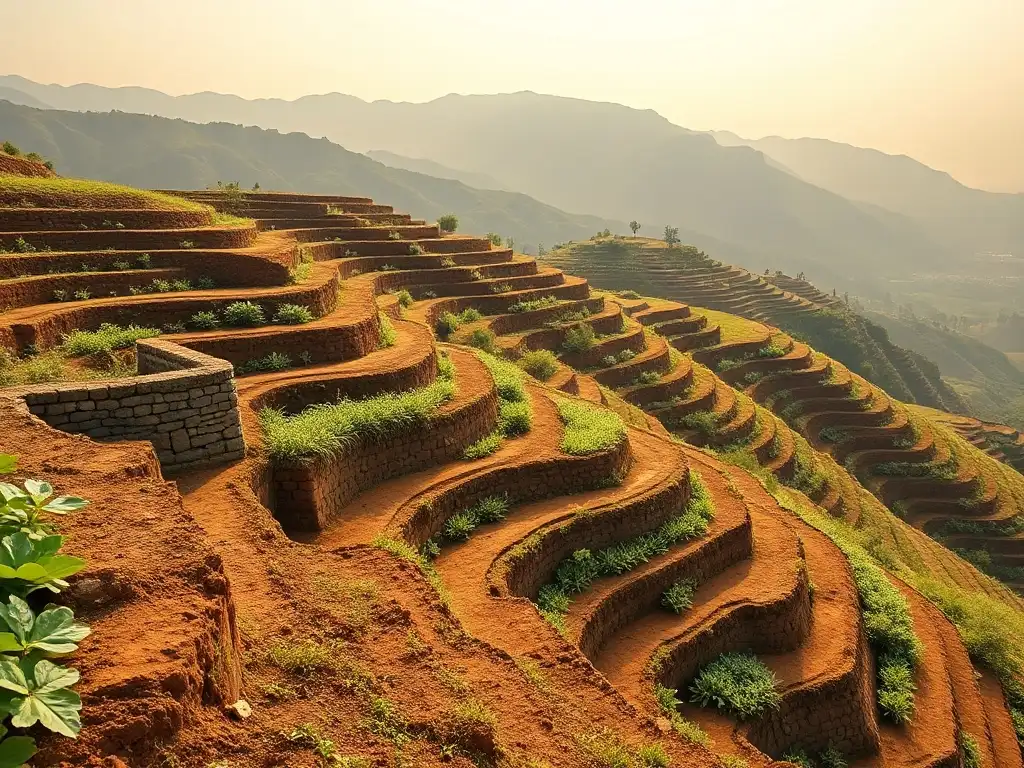
Andean crop rotation techniques represent a sophisticated understanding of agricultural ecology, developed over millennia to maximize yields and maintain soil fertility in challenging Andean environments. These techniques weren't simply about planting different crops in sequence; they were intricately woven into the social fabric and spiritual beliefs of the various Andean cultures. The success of Andean agriculture, particularly in the face of steep slopes, diverse microclimates, and sometimes unpredictable weather patterns, hinged on this sophisticated approach to land management.
Understanding Andean crop rotation is key to understanding the resilience and ingenuity of these ancient civilizations. The practice wasn't static; it evolved and adapted based on local conditions, crop availability, and the specific needs of each community. This adaptability is a crucial aspect of its long-term success.
The Importance of Soil Health in Andean Farming
The Andean worldview deeply valued soil health. Soil wasn't simply a medium for growing crops; it was considered a living entity, imbued with spiritual significance. Maintaining soil health was paramount, not only for ensuring food security but also for upholding the ecological balance believed essential for the well-being of the community.
Depletion of soil nutrients through continuous monoculture was recognized as detrimental, leading to the development of elaborate crop rotation systems. These systems aimed to prevent soil erosion, replenish nutrients, and control pests and diseases. Specific techniques varied across different Andean cultures, reflecting local environmental conditions and agricultural practices.
For instance, the Inca's mit'a system, while primarily a labor system, also contributed to soil management through planned crop rotations and terracing projects. Evidence suggests that the Incas meticulously tracked soil fertility levels, using observational methods to determine the appropriate rotation cycles for various crops. This highlights a deep understanding of soil science, far surpassing simple trial-and-error approaches.
Traditional Andean Farming Practices and Sustainability
Traditional Andean farming practices exemplify sustainable agriculture long before the term gained modern currency. Crop rotation was central to this sustainability. The integration of nitrogen-fixing crops, such as legumes (e.g., beans, peas), into the rotation was crucial for replenishing soil nitrogen levels. This prevented the need for external fertilizers, demonstrating a remarkable understanding of ecological processes.
Furthermore, the use of fallowing – leaving fields uncultivated for a period – allowed the soil to recover its natural fertility. The length of fallow periods varied based on local conditions and the intensity of previous cultivation. The careful selection of crops for rotation also played a vital role. For example, planting deep-rooted crops after shallow-rooted ones helped improve soil structure and prevent compaction.
These practices, combined with advanced terracing and irrigation techniques, allowed Andean farmers to cultivate diverse crops at high altitudes, showcasing an extraordinary level of agricultural expertise. The legacy of these sustainable Andean crop rotation techniques continues to inspire modern agricultural practices, offering valuable lessons for sustainable food production in challenging environments. Further research is needed to fully quantify the specific crop rotations used by different Andean groups and the long-term effects of these practices on soil health and biodiversity. [Specific data on crop rotation sequences for various Andean groups pending].
Key Principles of Andean Crop Rotation Systems

Andean crop rotation techniques, developed over millennia, weren't merely about maximizing yields; they were a sophisticated system for maintaining soil health and overall ecosystem balance in challenging environments. These techniques, honed by generations of farmers, demonstrate a deep understanding of ecological principles far ahead of their time. The key principles revolved around diversification, nutrient cycling, and minimizing soil erosion.
Unlike modern intensive agriculture, Andean systems prioritized long-term sustainability over short-term gains. This approach ensured the continued productivity of the land, even in the face of harsh conditions like high altitudes, steep slopes, and unpredictable weather patterns. The success of these methods underscores the importance of integrating agricultural practices with the natural environment, a lesson highly relevant to modern sustainable agriculture.
The Logic Behind Rotating Crops in the Andes
The Andean logic behind crop rotation was multifaceted. Different crops have varying nutrient requirements and leave behind different residues in the soil. By strategically rotating crops, farmers could prevent nutrient depletion and soil degradation. For example, legumes like lupines, Lupinus mutabilis, are nitrogen-fixing plants. Their roots harbor symbiotic bacteria that convert atmospheric nitrogen into a form usable by plants, enriching the soil for subsequent crops.
This natural fertilization reduced or eliminated the need for external inputs, aligning with the sustainable principles of Andean agriculture. Furthermore, the diverse root systems of different crops helped improve soil structure, aeration, and water infiltration, all crucial in the often-arid Andean environment. The careful selection of crops for rotation also minimized the risk of pest and disease infestations, a significant challenge in monoculture systems. This integrated pest management approach reduced the need for chemical interventions, maintaining the health of the soil and the crops.
Diverse Crops and Their Roles in Soil Enrichment
The Andean agricultural system wasn't limited to a few staple crops; it embraced a remarkable biodiversity. Potatoes, Solanum tuberosum, were a cornerstone, but they were complemented by a wide array of crops, each playing a unique role in soil enrichment and overall ecological balance. Oca, Oxalis tuberosa, a tuberous root vegetable, is known for its tolerance to harsh conditions and its ability to improve soil structure.
Another key player was quinoa, Chenopodium quinoa, a highly nutritious grain that thrives in challenging environments and contributes to soil health through its resilient root system and nutrient cycling properties. These crops, along with others like maize, beans, and various types of squash, were carefully integrated into rotation cycles to optimize soil fertility and maintain long-term productivity.
The diversity of these Andean crop rotation techniques also helped ensure food security, providing farmers with a wide range of nutritious foods and reducing their vulnerability to crop failures. The system demonstrated a remarkable understanding of ecological principles and a commitment to sustainable agricultural practices.
Potato-Oca-Lupine Rotation Cycle in the Altiplano
A common rotation cycle in the Altiplano region involved potatoes, oca, and lupines. This sequence strategically addressed nutrient needs and soil health. Potatoes, heavy feeders, were planted first, utilizing the existing soil nutrients. Following the potato harvest, oca, with its less demanding nutrient requirements, was planted.
The oca improved soil structure and helped prevent erosion. Finally, lupines, with their nitrogen-fixing properties, were planted to replenish nitrogen levels depleted by the previous crops. This three-year cycle ensured that the soil remained fertile and productive over the long term.
This specific example highlights the sophisticated understanding of soil dynamics and nutrient cycling inherent in Andean crop rotation techniques. The meticulous planning and execution of these cycles were essential for the success of Andean agriculture, demonstrating a remarkable level of knowledge and adaptation to the challenging Andean environment. Data on the specific yield improvements achieved through this rotation cycle is [specific information pending], but anecdotal evidence suggests significant long-term benefits in terms of soil health and crop productivity.
Benefits of Andean Crop Rotation Practices
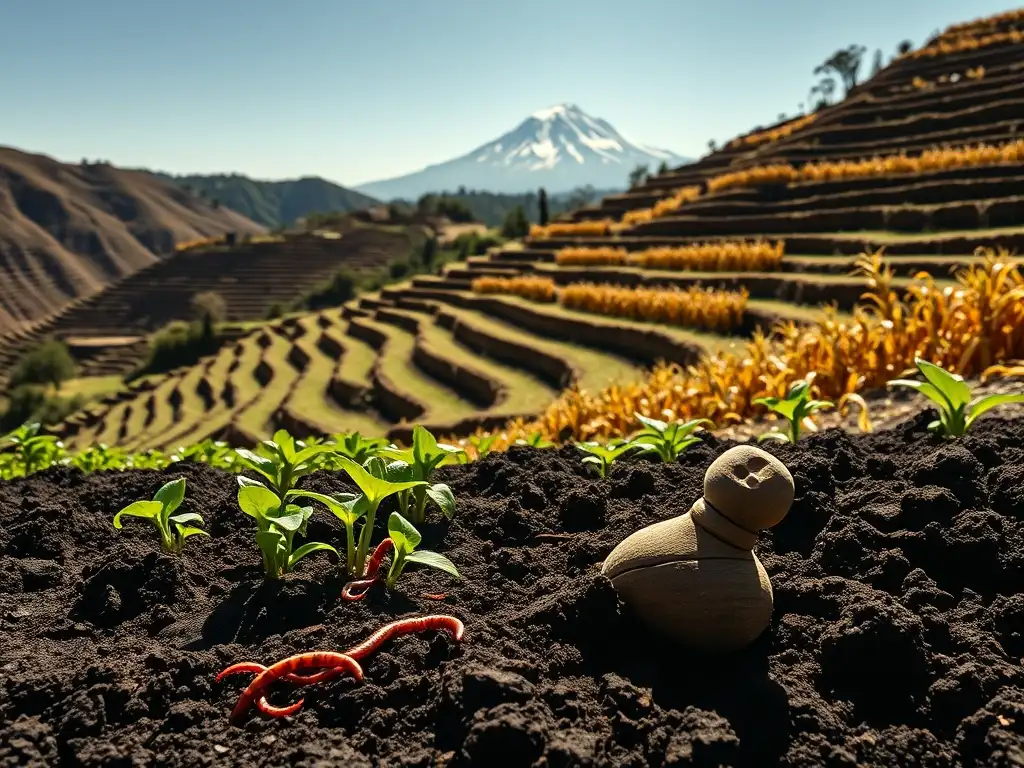
Andean crop rotation techniques, developed over millennia, weren't simply about planting different crops in sequence; they represented a sophisticated understanding of soil health and sustainable agriculture. These practices, passed down through generations, ensured the long-term productivity of the land, even in challenging Andean environments. The ingenuity of these methods is evident in their multiple benefits, significantly impacting soil fertility, pest control, and erosion prevention. Understanding these benefits provides crucial insight into the remarkable agricultural achievements of Andean civilizations.
Enhancing Soil Fertility Naturally
Andean farmers employed a variety of crop rotation strategies tailored to specific ecological niches and soil types. One common approach involved alternating nitrogen-fixing crops, like legumes (e.g., beans, lupins), with crops that heavily depleted soil nitrogen, such as maize or potatoes. Legumes, through symbiotic relationships with soil bacteria, enrich the soil with nitrogen, a crucial nutrient for plant growth.
This natural fertilization significantly reduced the need for external inputs, maintaining soil fertility over extended periods. The careful selection of crops also addressed other nutrient deficiencies. For example, integrating crops with diverse nutrient requirements ensured a balanced nutrient profile in the soil, preventing depletion of specific minerals.
This intricate system of crop rotation was a cornerstone of sustainable agriculture in the Andes, ensuring long-term productivity without damaging the environment. Data from archaeological studies consistently shows the long-term success of these methods, with evidence of continuous cultivation in the same areas for centuries.
Reducing Pests and Diseases Through Crop Diversity
The diversity inherent in Andean crop rotation played a vital role in pest and disease management. By rotating crops, farmers disrupted the life cycles of many pests and pathogens. A pest adapted to a specific crop would find its host plant absent in the following growing season, significantly reducing its population. This natural pest control minimized the need for harmful pesticides, contributing to a healthier ecosystem.
Furthermore, the practice of intercropping—growing different crops together in the same field—further enhanced pest control. The diverse plant community created a less hospitable environment for pests, making it harder for them to establish large populations. This sophisticated approach to pest management showcases the deep ecological understanding of Andean farmers, who developed sustainable practices long before modern agricultural techniques were available. Studies on traditional Andean farming practices show a significantly lower incidence of crop diseases compared to monoculture farming.
Minimizing Soil Erosion and Degradation
Andean crop rotation techniques also played a crucial role in mitigating soil erosion and degradation, particularly important in the steep slopes and fragile ecosystems of the Andes. The use of cover crops, often legumes, helped protect the soil from the elements, reducing erosion caused by wind and water. These cover crops also improved soil structure, enhancing its ability to retain water and nutrients. Moreover, the diverse root systems of different crops helped bind the soil together, further reducing erosion.
The integration of terracing and other soil conservation methods with crop rotation created a robust system capable of sustaining agriculture in challenging environments for extended periods. The long-term success of Andean agriculture, despite environmental pressures, underscores the effectiveness of these integrated approaches to land management. The resilience of these systems is a testament to the ingenuity and foresight of Andean farmers in developing sustainable agricultural practices.
Increasing Crop Yield and Food Security
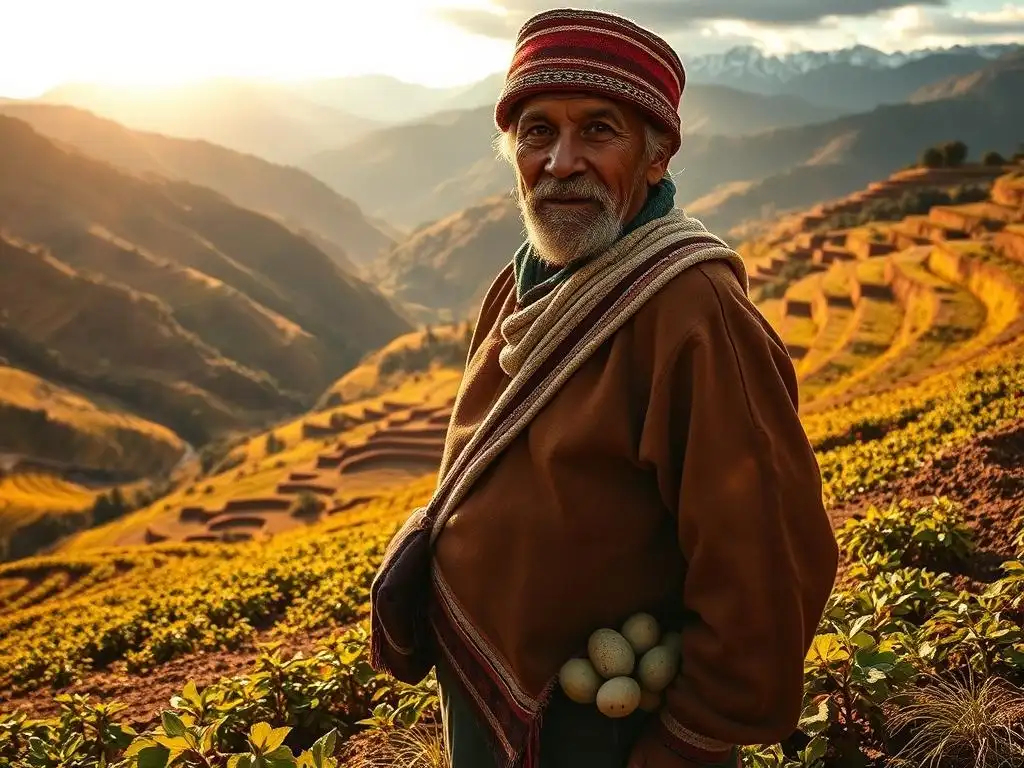
Andean crop rotation techniques played a crucial role in ensuring food security for the vast populations of the Inca Empire and preceding civilizations. By strategically alternating crops, farmers avoided the depletion of specific nutrients in the soil. This prevented a decline in crop yields, a critical factor in maintaining a stable food supply for the communities. The practice wasn't merely about preventing soil degradation; it was a proactive measure to maximize agricultural output. For instance, planting nitrogen-fixing crops like beans or quinoa after a nutrient-intensive crop like maize replenished the soil's nitrogen levels, leading to significantly higher maize yields in subsequent seasons.
This system ensured that harvests remained consistent and plentiful, even in challenging environmental conditions. The success of Andean crop rotation in ensuring sufficient food supplies is evident in the large and densely populated urban centers that flourished across the Andes for centuries. The system’s inherent resilience also helped mitigate the risks associated with unpredictable weather patterns, a common occurrence in the high-altitude Andean regions. Without effective crop rotation, these populations would have faced periods of severe food shortages, jeopardizing their social and political stability.
The sophisticated understanding of soil nutrients and plant needs demonstrated by the Andean farmers showcases an impressive level of agricultural knowledge and foresight. This knowledge, passed down through generations, was vital for the survival and prosperity of Andean civilizations. The impact on food security cannot be overstated; it was a cornerstone of their societal structure and a testament to their agricultural ingenuity. Furthermore, the diversification of crops through rotation also reduced the risk of widespread crop failure due to pests or diseases, adding another layer to the overall food security strategy.
Improved Soil Health and Structure
The practice of Andean crop rotation went beyond simply increasing yields; it actively improved the long-term health and structure of the soil. Different crops have different root systems and nutrient requirements. Rotating these crops helped prevent soil compaction and erosion, two major threats to agricultural productivity in the mountainous Andean terrain. Deep-rooted crops, for example, helped break up compacted soil, improving drainage and aeration.
This, in turn, fostered a more beneficial environment for the roots of subsequent crops, allowing them to access water and nutrients more efficiently. The use of cover crops, often legumes, further enhanced soil health by adding organic matter and improving its water retention capacity. The impact on soil structure was significant, leading to more fertile and resilient lands capable of supporting sustained agricultural production. This wasn't just a matter of short-term gains; it represented a sustainable approach to land management, ensuring the longevity of agricultural practices across generations.
Evidence from archaeological studies shows a remarkable consistency in soil quality in areas where traditional Andean crop rotation methods were employed, highlighting the effectiveness of these techniques in maintaining healthy and productive agricultural lands. The meticulous attention to soil health reflects a deep understanding of the interconnectedness between soil quality, crop growth, and the long-term sustainability of Andean agriculture. The long-term benefits of these practices are still relevant today, offering valuable insights for sustainable agriculture in challenging environments.
Pest and Disease Management
The strategic rotation of crops in the Andes also played a vital role in managing pests and diseases. By alternating crops, farmers disrupted the life cycles of many pests and pathogens that thrive on specific host plants. A monoculture, on the other hand, would create an ideal breeding ground for these organisms, leading to infestations and significant crop losses. The Andean system, however, minimized this risk by introducing crop diversity.
This reduced the likelihood of a widespread outbreak and protected the overall agricultural system from catastrophic damage. Furthermore, some crops have natural pest-repelling properties. Including these in the rotation cycle helped to further reduce pest pressure on subsequent crops. The intricate knowledge of pest and disease dynamics demonstrated by Andean farmers highlights their deep understanding of ecological principles and their ability to apply this knowledge to create a more resilient agricultural system.
This sophisticated approach to pest management significantly reduced the reliance on chemical pesticides, contributing to a more sustainable and environmentally friendly agricultural practice. The effectiveness of this approach is demonstrated by the long-term success of Andean agriculture, which sustained large populations for centuries without the use of modern agricultural chemicals. The Andean approach provides a compelling example of how traditional agricultural practices can offer effective and sustainable solutions to modern agricultural challenges.
Specific Andean Crop Rotation Methods
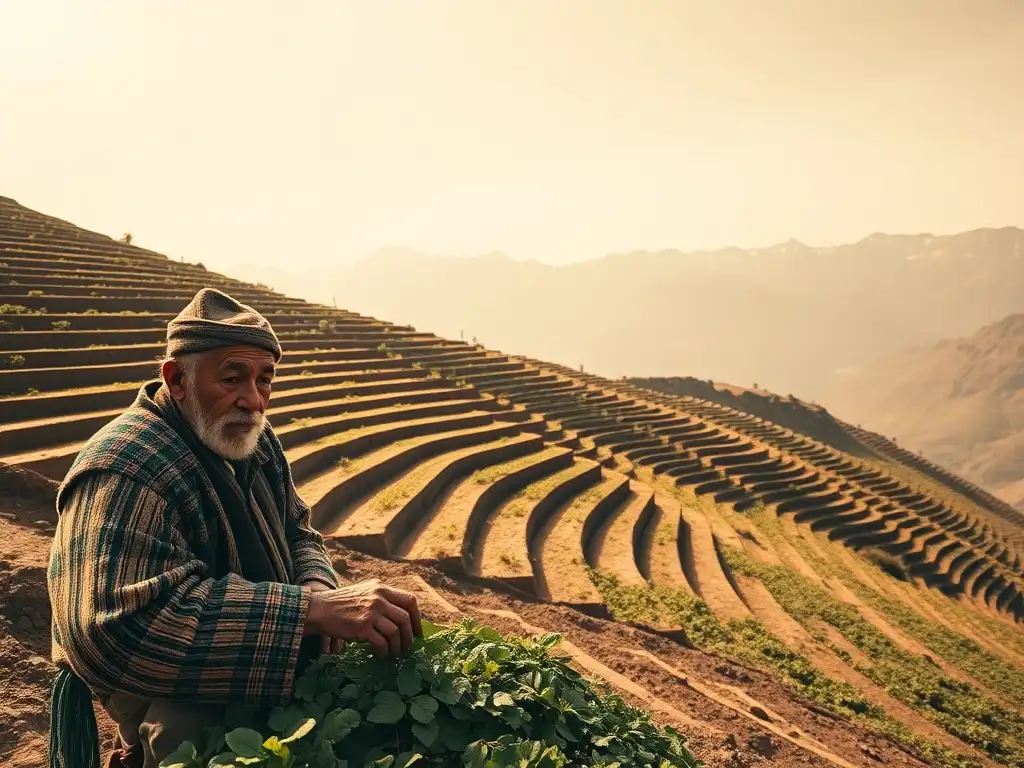
Andean crop rotation techniques, developed over millennia, represent a sophisticated understanding of soil health and agricultural sustainability. These weren't simply random plantings; they were carefully planned systems designed to maximize yields while minimizing soil degradation. The ingenuity lies not just in the what – the specific crops used – but also in the how – the strategic sequencing and spatial arrangement of those crops within the agricultural landscape.
This section will delve into some specific methods employed by Andean farmers, highlighting the key crops and their roles in maintaining soil fertility and productivity. Understanding these methods provides invaluable insight into the remarkable agricultural achievements of Andean civilizations.
The Use of Potatoes in Andean Crop Rotation
Potatoes ( Solanum tuberosum), a staple crop across the Andes, played a central role in Andean crop rotation. Their varied cultivars, adapted to different altitudes and microclimates, allowed for flexible integration into rotation systems. Farmers recognized that continuous potato cultivation could deplete soil nutrients, particularly phosphorus and potassium. To counteract this, they implemented several strategies.
One common practice involved alternating potato cultivation with fallow periods. These fallow periods, sometimes lasting several years, allowed the soil to recover its fertility naturally. During fallow, the land might be left undisturbed or used for grazing livestock, contributing to soil enrichment through manure.
Another technique involved intercropping potatoes with other crops, such as beans or maize. This approach diversified nutrient uptake and reduced the risk of pest and disease outbreaks. For example, beans, being legumes, fix nitrogen in the soil, benefiting subsequent potato plantings. The spatial arrangement of these crops often followed specific patterns, dictated by local conditions and traditional knowledge. Further research is needed to quantify the exact yield improvements achieved through these specific intercropping strategies. [Specific yield data pending]
Furthermore, the selection of potato varieties themselves played a crucial part. Different cultivars have varying nutrient requirements and growth cycles, allowing farmers to tailor their rotations to optimize soil use and minimize nutrient depletion. The diversity of potato varieties within Andean agriculture is a testament to the deep understanding of crop adaptation and soil management.
Integrating Quinoa and Other Grains into Rotation Systems
Quinoa ( Chenopodium quinoa), another Andean staple, was strategically incorporated into crop rotation systems. Its relatively high nutrient requirements meant that it couldn't be grown continuously in the same fields. However, its resilience to harsh conditions and ability to grow in relatively poor soils made it a valuable component of rotations.
Often, quinoa was planted after a leguminous crop, benefiting from the nitrogen fixation. The deep root system of quinoa also helped to improve soil structure, reducing erosion and enhancing water infiltration. This improved soil structure, in turn, benefited subsequent crops in the rotation.
Other grains, such as amaranth and maize, were also integrated into these systems. Maize, with its tall stalks and extensive root systems, helped to prevent soil erosion. The rotation of these grains with legumes and root crops ensured a balanced nutrient cycle, maintaining soil health and maximizing yields across the agricultural cycle. Detailed studies on the specific sequencing of these grains within rotations are still needed to fully understand the complexities of these traditional systems. [Specific data on grain rotation sequencing pending]
The Role of Legumes in Nitrogen Fixation
Legumes, including beans ( Phaseolus vulgaris), were integral to Andean crop rotation. Their ability to fix atmospheric nitrogen through symbiotic relationships with soil bacteria made them crucial for soil fertility. This natural nitrogen fertilization reduced the need for external inputs, making the system inherently sustainable.
Farmers understood the importance of integrating legumes into their rotations. They would frequently plant beans or other legumes before planting more demanding crops like potatoes or quinoa. This ensured that the subsequent crops had access to readily available nitrogen, boosting their growth and yield. The specific legume species used varied depending on altitude, climate, and soil type, demonstrating a remarkable level of adaptation and knowledge of local ecological conditions.
The impact of legume incorporation can be seen in the long-term sustainability of Andean agricultural practices. By naturally replenishing soil nitrogen, these techniques contributed significantly to the productivity of Andean agricultural systems for centuries. Quantitative studies comparing the soil nitrogen levels in fields with and without legume integration would provide further insights into the effectiveness of this crucial component of Andean crop rotation. [Specific data comparing soil nitrogen levels pending]
The 'Laymi' System in Bolivia's Highland Valleys
The laymi system, a traditional Andean crop rotation technique practiced in the high valleys of Bolivia, showcases the ingenuity of Andean farmers in adapting to challenging environmental conditions. This system is not simply a rotation of crops; it's a complex interplay of agricultural practices designed to maintain soil fertility and maximize yields in a region characterized by steep slopes, limited water resources, and short growing seasons.
The core of the laymi system involves a cyclical rotation of crops, often incorporating fallowing periods. This allows the soil to recover its nutrients and prevents soil erosion, critical concerns in the fragile highland ecosystems.
Unlike more rigid, formalized rotation schedules, the laymi system is highly adaptable. Farmers make decisions based on factors like rainfall patterns, soil conditions, and the specific needs of their crops. This flexibility is crucial in a region prone to unpredictable weather patterns.
For example, a year with abundant rainfall might allow for the cultivation of more water-intensive crops, while a drier year might necessitate a shift towards drought-resistant varieties and a longer fallow period. The knowledge of which crops thrive after which others, and the understanding of soil indicators, is passed down through generations, a testament to the enduring wisdom embedded in this agricultural practice. This indigenous knowledge is invaluable for understanding sustainable agriculture in challenging environments.
The crops included in the laymi cycle vary depending on altitude and specific microclimates within the valleys. Common crops often include potatoes (various varieties adapted to different altitudes and conditions), quinoa, barley, and beans. The integration of these diverse crops contributes to soil health through nutrient cycling and diversification.
Leguminous plants, such as beans, are particularly crucial as they fix nitrogen in the soil, enriching it for subsequent crops. The careful selection and sequencing of crops within the laymi system are essential to its success, reflecting a deep understanding of the ecological relationships within the agricultural landscape. The system demonstrates a holistic approach to agriculture, where the health of the soil is prioritized for long-term productivity.
The enduring success of the laymi system underscores the importance of preserving and learning from traditional Andean farming knowledge. Further research into the precise crop sequences and their impact on soil health within various laymi systems across different Bolivian valleys would be highly beneficial for understanding its long-term sustainability.
The Legacy of Andean Crop Rotation: A Lesson for Today
Andean crop rotation techniques, developed over millennia, represent a sophisticated understanding of soil health and agricultural sustainability. These weren't simply haphazard methods; they were finely tuned systems reflecting deep ecological knowledge and a profound respect for the land. The ingenuity of these techniques lies not just in their effectiveness in maintaining soil fertility, but also in their adaptability to diverse Andean environments, ranging from high-altitude puna grasslands to coastal deserts.
This legacy offers valuable insights for modern agriculture, struggling with issues of soil degradation and declining yields. Understanding the principles behind Andean crop rotation is crucial for developing sustainable agricultural practices globally.
Applying Andean Wisdom to Modern Agriculture
Modern intensive farming often relies heavily on chemical fertilizers and pesticides, leading to soil depletion and environmental damage. Andean crop rotation provides a stark contrast. Instead of relying on external inputs, Andean farmers employed a variety of techniques to naturally enrich the soil. For example, the chaco system, practiced by various groups including the Inca, involved clearing and burning a section of forest, cultivating it for a few years, and then letting it fallow for a longer period, allowing the land to regenerate.
This cycle prevented soil erosion and nutrient depletion, ensuring long-term productivity. Furthermore, the intercropping of different plant species, like maize, beans, and squash (the "three sisters"), enhanced soil fertility through nitrogen fixation and improved overall yields. This holistic approach contrasts sharply with monoculture farming prevalent in many parts of the world today.
By studying and adapting these traditional practices, we can develop more sustainable and resilient agricultural systems. The integration of Andean techniques, such as companion planting and the utilization of diverse crop species, could significantly reduce our dependence on synthetic inputs. This would not only improve soil health but also minimize the environmental footprint of modern agriculture.
The Significance of Traditional Knowledge in Sustainable Farming
The effectiveness of Andean crop rotation techniques underscores the importance of preserving and integrating traditional ecological knowledge (TEK) into modern agricultural practices. This knowledge, accumulated over generations, represents a wealth of experience and understanding about local ecosystems and the specific needs of different crops. Ignoring this invaluable resource risks repeating past mistakes and hindering the development of truly sustainable agricultural solutions.
The Andean experience highlights the crucial role of local communities in safeguarding and transmitting this vital knowledge. This knowledge transfer is not merely academic; it's about empowering local farmers to adapt and innovate, creating resilient agricultural systems capable of withstanding climate change and other environmental challenges. The preservation of TEK is therefore not just a matter of cultural heritage, but also a critical component of ensuring food security and environmental sustainability for future generations.
Documented cases of successful integration of Andean farming practices in modern agricultural contexts are needed to further showcase the benefits. [Specific examples and data pending]
Challenges and Opportunities for Preserving Andean Farming Practices
While the benefits of Andean crop rotation are clear, preserving these practices faces significant challenges. Globalization, urbanization, and the allure of modern farming techniques often lead to the abandonment of traditional methods. Loss of biodiversity, due to the adoption of monocultures, further threatens the sustainability of Andean farming systems. However, there are also significant opportunities.
Increased awareness of the environmental costs of intensive agriculture is creating a growing interest in sustainable alternatives. This renewed interest presents a chance to revitalize Andean farming practices, integrating them into broader efforts towards sustainable food production. Government policies supporting traditional farming techniques, along with initiatives promoting knowledge exchange and capacity building within Andean communities, are crucial for ensuring the long-term survival of these valuable agricultural traditions.
Furthermore, research focusing on the scientific underpinnings of Andean crop rotation techniques can help to validate and disseminate this knowledge on a wider scale. The preservation of Andean crop rotation techniques offers a unique opportunity to create a more sustainable and resilient future for agriculture, not just in the Andes, but globally. This requires a collaborative effort involving researchers, policymakers, and most importantly, the Andean farming communities themselves.
Frequently Asked Questions
What were the main Andean crop rotation techniques?
Andean farmers employed various techniques, including intercropping, where different crops were planted together, and sequential cropping, where different crops were planted in the same field in successive seasons. This diversified their harvests and maintained soil fertility.
Why was crop rotation important for Andean civilizations?
Crop rotation was crucial for sustaining agricultural productivity in the challenging Andean environment. It helped prevent soil erosion, reduce pest and disease outbreaks, and ensure a consistent food supply.
What crops were commonly involved in Andean crop rotation systems?
Common crops included potatoes, maize, quinoa, beans, and squash. The specific combination varied depending on altitude, climate, and local conditions. Diverse planting was key.
How did the Incas contribute to Andean crop rotation techniques?
The Inca Empire standardized and expanded existing crop rotation practices through their sophisticated agricultural systems, including terracing and irrigation. Their extensive road network facilitated the exchange of agricultural knowledge and resources.
What is the significance of Andean crop rotation techniques today?
Understanding these ancient techniques offers valuable lessons for modern sustainable agriculture. Their principles of biodiversity and soil health remain relevant for addressing contemporary challenges like climate change and food security.
Final Reflection: The Enduring Legacy of Andean Agricultural Wisdom
The ingenious crop rotation techniques developed in the Andes remain a vital model for sustainable agriculture today, offering crucial solutions to the global challenges of soil degradation and food security. These ancient practices, far from being relics of the past, hold the key to unlocking a more resilient and equitable food system for future generations. Their continued relevance in a world grappling with climate change and dwindling arable land cannot be overstated.
The profound impact of Andean crop rotation extends far beyond the immediate benefits of increased soil fertility. It represents a deep connection between people and their environment, a holistic approach to agriculture that prioritizes long-term sustainability over short-term gains. The land is not an inheritance from our ancestors, but a loan from our children.
This sentiment perfectly encapsulates the enduring wisdom embedded within these traditional farming methods, highlighting the responsibility we bear to protect and preserve the earth's resources for those who will follow. The ingenuity displayed in these techniques serves as a powerful reminder of the interconnectedness of human societies and the natural world.
Consider the lessons learned from the Andes. Think about how you can integrate principles of biodiversity, soil health, and mindful resource management into your own life, whether you're a farmer, a consumer, or simply a concerned citizen. Let the enduring legacy of Andean crop rotation inspire you to cultivate a more sustainable and responsible relationship with the land that sustains us all. Embrace the opportunity to learn from the past and build a future where agricultural practices are both productive and environmentally conscious.
Cultivate Your Knowledge and Start Rotating!
Thank you for exploring the fascinating world of Andean crop rotation! You've learned how this age-old practice promotes soil health and sustains agricultural productivity. Now, let's put this knowledge into action in your own life or community.
Here are a few actionable steps you can take:
- Design a simple crop rotation plan for your garden or community garden, beginning with a few different crops to optimize soil nutrients. Consider rotating between legumes, root vegetables, and leafy greens for a balanced approach.
- Share your newfound knowledge with friends and family, encouraging them to participate in local gardening initiatives focused on sustainable practices. Many communities offer workshops or support groups that can provide valuable resources and connections.
- Connect with local farmers or agricultural extension agents to learn about their rotation techniques. Consider organizing a community workshop to share this valuable knowledge with others.
What innovative strategies can you think of to improve soil health in your community? Let's inspire each other—share your ideas in the comments below!