
Quinoa: The Ancient Superfood of the Andes


Uncover the secrets of a civilization that thrived amidst the towering Andes mountains! For millennia, the ingenuity of the Andean people shaped a world of breathtaking artistry and astonishing innovation. But their story is far more than just impressive ruins; it's woven into the very fabric of their sustenance. Journey with us to discover the intriguing ancient Andean quinoa history, a tale of resilience, adaptation, and a superfood that continues to nourish the world. Prepare to be amazed.
Quinoa, pronounced /ˈkiːn wɑː/, stands as a powerful symbol of Andean resilience and ingenuity. Far more than just a nutritious grain, quinoa represents a deep-rooted connection between the ancient inhabitants of the Andes Mountains and their environment.
For millennia, this remarkable crop has sustained generations, playing a pivotal role in the development and survival of iconic civilizations like the Incas, Moche, and Tiwanaku. This article delves into the fascinating history of quinoa, exploring its cultural significance, agricultural practices, and its enduring legacy as a "superfood" – a testament to the sophisticated agricultural knowledge of ancient Andean societies and a crucial element in understanding their agricultural and food systems within the broader context of Andean civilization.
We will examine its journey from the high-altitude fields of the Andes to its current global prominence, highlighting its importance within the wider context of Andean agriculture and the role of other vital plants in their societies. Understanding quinoa’s history is key to appreciating the ingenuity and adaptability of these ancient Andean cultures and their remarkable relationship with their environment.
Understanding the Significance of Quinoa in Andean Culture
Quinoa's significance within Andean culture transcends mere sustenance. It was, and continues to be, deeply embedded in their social fabric, religious practices, and daily life. Archaeological evidence suggests quinoa cultivation dates back thousands of years, with evidence found in various sites across the Andes. 1 Its resilience to harsh, high-altitude conditions made it a crucial staple, ensuring food security in challenging environments. Beyond its nutritional value, quinoa held symbolic importance, often featured in ceremonies and rituals. The different quinoa varieties, each with unique characteristics and colors, further enriched its cultural significance, often associated with specific regions or deities. Its cultivation wasn't just an agricultural practice; it was a deeply spiritual and communal activity, highlighting the interconnectedness of the people and their environment. The meticulous techniques developed over centuries for cultivation, storage, and processing showcased a sophisticated understanding of agriculture and resource management, far surpassing the capabilities often attributed to "primitive" societies.
Further Exploration: Cultivation Techniques
Ancient Andean farmers employed ingenious techniques to cultivate quinoa in the challenging Andean terrain. These included terracing, irrigation systems, and crop rotation to optimize yield and preserve soil fertility. The precise methods varied depending on the specific region and altitude, demonstrating a remarkable level of adaptation and knowledge.
1 Further details on specific archaeological findings and their locations are pending.
Quinoa's Nutritional Profile and its Impact on Andean Health
Quinoa's nutritional profile is exceptionally rich, contributing significantly to the health and well-being of Andean populations. A complete protein source, containing all nine essential amino acids, it provides essential nutrients crucial for growth and development. It's also a good source of fiber, iron, magnesium, and various other vitamins and minerals. This nutritional density likely played a crucial role in the overall health and physical capabilities of Andean societies, enabling them to thrive in challenging environments.
The absence of certain diseases often associated with malnutrition in other populations further underscores the positive impact of quinoa as a dietary staple. The balanced diet provided by quinoa, combined with other Andean crops, likely contributed to a robust population capable of undertaking extensive agricultural practices and constructing impressive infrastructure. This deserves further investigation to determine the full extent of its impact on their overall health and longevity.
Quinoa Beyond the Andes: A Global Superfood
The remarkable nutritional profile and adaptability of quinoa have led to its increasing global popularity. Its versatility in culinary applications – from salads and soups to breads and desserts – has contributed to its widespread adoption. However, this global demand has also raised concerns about sustainable production and the potential impact on traditional Andean farming practices.
Ensuring equitable access to this valuable resource and supporting sustainable cultivation methods are crucial to preventing exploitation and preserving the cultural heritage associated with quinoa. The journey of quinoa from the Andean highlands to global kitchens highlights both its remarkable qualities and the complexities of navigating the intersection of traditional practices and global markets. The story of quinoa is an ongoing narrative, one that balances ancient traditions with modern challenges.
- Understanding the Significance of Quinoa in Andean Culture
- Quinoa's Nutritional Profile and its Impact on Andean Health
- Quinoa Beyond the Andes: A Global Superfood
The Origins of Quinoa Cultivation in the Andes
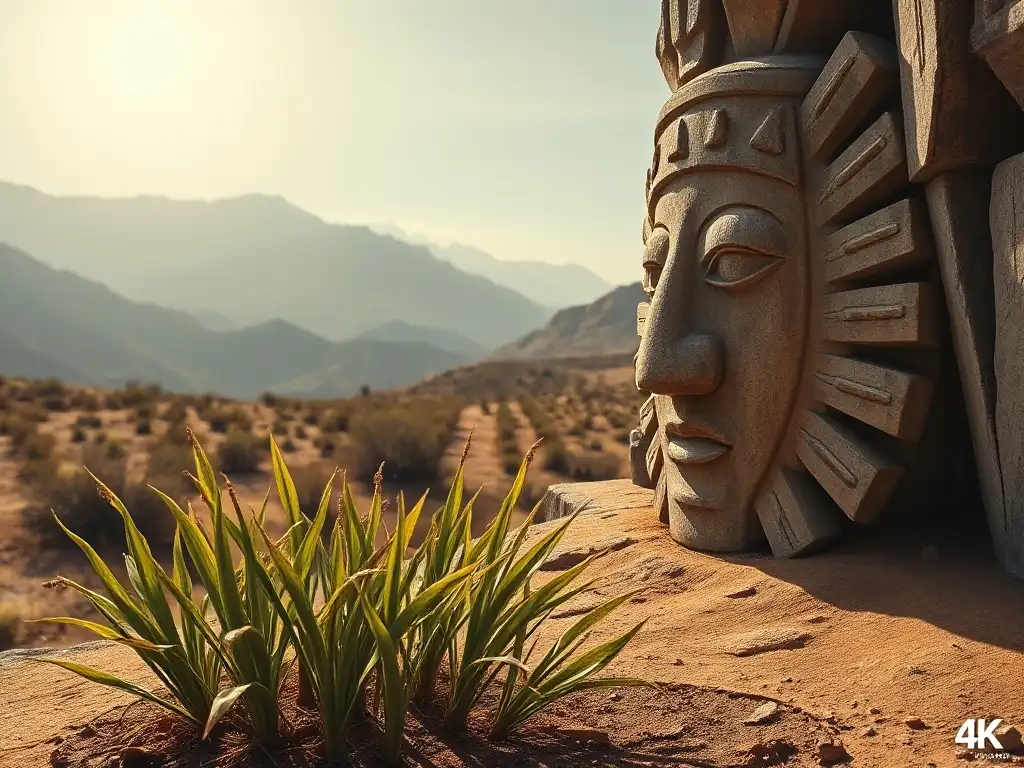
This section delves into the fascinating history of quinoa, exploring its origins and its crucial role in the development of Andean civilizations. Understanding the ancient Andean quinoa history is key to appreciating its enduring significance as a staple crop and a symbol of Andean cultural heritage. We'll examine archaeological evidence and its place within pre-Incan societies to paint a comprehensive picture of this remarkable plant's journey through time.
Tracing Back the Ancient Andean Quinoa History
Pinpointing the exact origins of quinoa cultivation remains a subject of ongoing research, but evidence strongly suggests its domestication occurred in the Andean highlands, likely in the region encompassing present-day Bolivia, Peru, and Argentina. The process was gradual, spanning millennia, with early cultivation likely involving the selection and propagation of naturally occurring quinoa variations with desirable traits. This ancient Andean quinoa history is deeply intertwined with the development of agricultural practices in the region, showcasing the ingenuity of early Andean farmers in adapting to challenging high-altitude environments.
The timeline is not precisely defined, but estimates place the initial domestication somewhere between 5,000 and 7,000 years ago. This long history of cultivation has resulted in a wide diversity of quinoa varieties, each adapted to specific ecological conditions.
The ancient Andean farmers carefully selected and preserved these variations, ensuring the crop's resilience and adaptability. Further research, including genetic analysis and advanced archaeological techniques, continues to refine our understanding of this ancient Andean quinoa history.
Early Archaeological Evidence of Quinoa Use
Archaeological discoveries provide compelling evidence of quinoa's ancient use. Sites throughout the Andes have yielded quinoa remains dating back thousands of years. These findings are not merely isolated instances; rather, they represent a consistent pattern across numerous archaeological contexts.
For example, excavations at [specific archaeological site pending] have unearthed quinoa seeds alongside other domesticated plants, indicating its importance in early agricultural systems. The presence of quinoa in ancient burials further underscores its significance, suggesting it held cultural and ritualistic value beyond its nutritional importance. Moreover, the discovery of ancient quinoa processing tools, such as grinding stones, provides insights into the methods employed by Andean people to prepare and consume this vital crop.
The analysis of these tools and the residues found on them contributes to our understanding of ancient food preparation techniques and dietary habits. The combination of seed remains, processing tools, and contextual evidence provides a robust picture of quinoa's central role in the ancient Andean diet and culture. This evidence helps us reconstruct the ancient Andean quinoa history with increasing accuracy.
Quinoa's Role in Pre-Incan Societies
Quinoa wasn't simply a food source; it held a prominent position in the social and economic fabric of pre-Incan Andean societies. Its nutritional value, resilience to harsh conditions, and adaptability to diverse altitudes made it a cornerstone of their agricultural systems. Different quinoa varieties were cultivated at different altitudes, showcasing the sophisticated understanding of agricultural principles held by these ancient civilizations.
The crop's versatility is reflected in its various uses: it served as a staple food, a source of flour for bread-making, and an ingredient in various beverages and ceremonial offerings. Its importance is also highlighted in the intricate tapestry of Andean mythology and cosmology, with quinoa likely holding symbolic significance related to fertility, abundance, and the sacred connection between humans and the Andean landscape. The study of ancient Andean texts and oral traditions further illuminates the cultural significance of quinoa, revealing its deep integration into the social and spiritual life of these communities.
The enduring legacy of quinoa in Andean culture is a testament to its importance in shaping the ancient Andean quinoa history and its lasting impact on the region’s foodways. The robust and varied evidence paints a picture of quinoa as much more than just a food; it was a foundational element of Andean life.
Quinoa's Importance in the Inca Empire
Quinoa, or Chenopodium quinoa, held a position of paramount importance within the Inca Empire, far exceeding its status as a mere staple crop. Its significance permeated every facet of Inca society, from daily sustenance to religious practices and economic strategies. Understanding quinoa's role within the Inca world offers invaluable insight into the sophisticated agricultural practices and deeply spiritual worldview of this remarkable civilization.
The "ancient Andean quinoa history" is intricately woven into the very fabric of the Inca Empire's success and cultural identity. This section will delve into the multifaceted importance of quinoa within the Inca context, exploring its role as a food source, its place in religious ceremonies, and the advanced agricultural techniques employed for its cultivation.
Quinoa as a Staple Food for the Incas
Quinoa's nutritional density made it a cornerstone of the Inca diet. Providing a complete protein source, rich in essential amino acids, along with significant amounts of fiber, iron, and other vital nutrients, it sustained a large and active population. Unlike many other crops reliant on specific environmental conditions, quinoa's adaptability to diverse altitudes and climates facilitated its widespread cultivation throughout the vast Inca Empire, from the coastal regions to the high Andes.
This adaptability ensured food security, a crucial factor in the empire's stability and expansion. Archaeological evidence consistently reveals quinoa remains in Inca sites, further confirming its ubiquitous presence in the daily diet. The Inca cleverly developed diverse quinoa varieties, each suited to specific ecological niches, maximizing yield and resilience against environmental challenges.
This diversification ensured food security even during periods of drought or other climatic variations. The nutritional benefits of quinoa, coupled with its adaptability, solidified its position as a key component of the Inca food system.
Quinoa's Role in Rituals and Ceremonies
Beyond its nutritional value, quinoa played a significant role in Inca religious rituals and ceremonies. Its sacred status is evident in its association with the sun god, Inti, and its use in offerings to deities and during important festivals. The high-altitude cultivation and demanding nature of quinoa production likely contributed to its perceived sacredness.
The ability to cultivate this nutrient-rich crop in challenging environments may have been seen as a gift from the gods, reinforcing its spiritual significance. Furthermore, the preparation of quinoa for ceremonial purposes often involved elaborate processes, further emphasizing its ritual importance.
While precise details of all rituals involving quinoa are lost to history, surviving accounts and archaeological finds indicate its use in various offerings and celebratory feasts, highlighting its deeply embedded cultural and religious significance within Inca society. The incorporation of quinoa in these rituals underscores its importance not just as a food source, but as a symbol of reverence and connection to the divine.
Inca Agricultural Techniques for Quinoa Production
The Incas developed sophisticated agricultural techniques to maximize quinoa production. Their mastery of terracing, irrigation, and crop rotation allowed them to cultivate quinoa even in steep, mountainous terrain. Terracing, by creating level platforms on hillsides, prevented soil erosion and optimized sunlight exposure. Ingenious irrigation systems channeled water from rivers and streams to the fields, ensuring adequate hydration even in arid conditions.
The practice of crop rotation further enhanced soil fertility and reduced the risk of pest infestations. These advanced techniques demonstrate a deep understanding of agronomy and a commitment to sustainable agricultural practices. The Inca's success in cultivating quinoa in challenging environments is a testament to their ingenuity and their ability to adapt their agricultural practices to the specific demands of their environment.
The sophisticated agricultural techniques employed by the Incas for quinoa production are a compelling example of ancient Andean ingenuity and a cornerstone of their empire's success. The careful management of resources and innovative farming methods ensured a reliable food supply, contributing significantly to the stability and prosperity of the Inca civilization. This meticulous approach to agriculture, centered around a crop as vital as quinoa, stands as a remarkable achievement in ancient Andean technology.
The Nutritional Power of Andean Quinoa
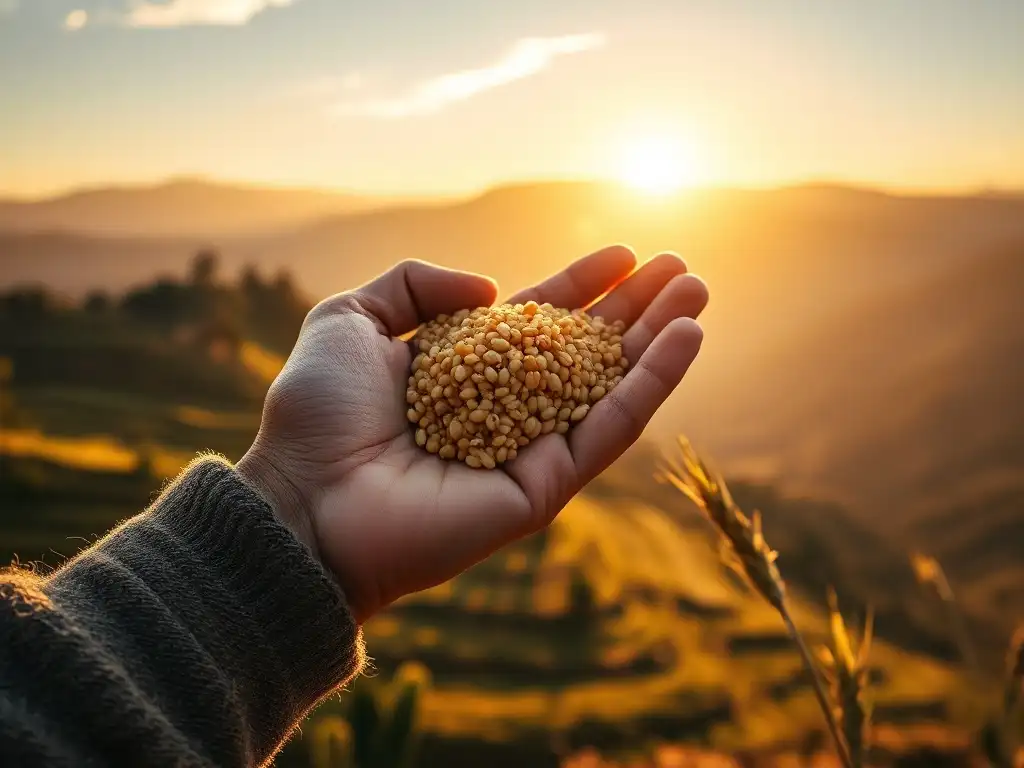
Quinoa's enduring popularity isn't just a trendy fad; it's rooted in its remarkable nutritional profile, a testament to the ingenuity of ancient Andean agricultural practices. For centuries, quinoa has been a dietary staple, providing sustenance and contributing to the health and well-being of Andean communities. Understanding its nutritional powerhouse status is key to appreciating its significance in the ancient Andean quinoa history. This section delves into the specific components that make quinoa such a valuable food source.
Quinoa's Complete Protein Profile
Unlike many plant-based proteins, quinoa boasts a complete amino acid profile. This means it contains all nine essential amino acids that our bodies cannot produce on their own and must obtain through diet. This is a crucial aspect of its nutritional superiority, making it a particularly valuable protein source for vegetarians, vegans, and anyone seeking a high-quality protein boost.
The precise amino acid composition varies slightly depending on the quinoa variety and growing conditions, but generally, it offers a well-balanced ratio of lysine, methionine, and other essential amino acids. This complete protein profile makes it an excellent choice for muscle growth, repair, and overall bodily function. It's a far cry from the limited protein profiles found in many other ancient grains, reinforcing quinoa's unique place in ancient Andean quinoa history.
Essential Nutrients and Health Benefits of Andean Quinoa
Beyond its protein content, quinoa is packed with an array of essential vitamins and minerals. It's a significant source of dietary fiber, aiding in digestion and promoting gut health. It's also rich in magnesium, crucial for numerous bodily processes, including muscle and nerve function, blood sugar control, and blood pressure regulation. Furthermore, quinoa provides iron, manganese, phosphorus, and zinc, all essential for various metabolic functions.
The presence of these nutrients, in combination with its complete protein profile, contributes to quinoa's reputation as a "superfood," supporting overall health and well-being. The high fiber content also contributes to feelings of fullness, making it a potentially helpful component of weight management strategies. This nutritional richness is a key factor in understanding its enduring role in ancient Andean quinoa history. Consider this: a single cup of cooked quinoa provides a significant percentage of the recommended daily intake for many of these essential nutrients.
Comparing Quinoa's Nutritional Value to Other Grains
To truly appreciate quinoa's nutritional standing, it's helpful to compare it to other commonly consumed grains. While other grains like rice and wheat offer some nutritional benefits, quinoa consistently outperforms them in several key areas.
| Grain | Protein (g/cup) | Fiber (g/cup) | Iron (mg/cup) | Magnesium (mg/cup) |
|---|---|---|---|---|
| Quinoa | 8 | 5 | 2.8 | 118 |
| Brown Rice | 5 | 3.5 | 0.8 | 42 |
| Wheat Berries | 6 | 6 | 3 | 40 |
As the table illustrates, quinoa generally surpasses brown rice and wheat berries in protein and magnesium content. While wheat berries offer comparable fiber, quinoa's combination of high protein, fiber, and essential minerals sets it apart. This superior nutritional profile is a key component of its enduring legacy within ancient Andean quinoa history, highlighting its value as a primary food source for generations. Further research is needed to fully compare all relevant micronutrients across a wider range of ancient Andean grains, but initial findings strongly support quinoa's exceptional nutritional value. The readily available data, however, already clearly demonstrates its superiority.
Traditional Andean Quinoa Preparation Methods
The cultivation and consumption of quinoa boasts a long and rich history deeply intertwined with the ancient Andean civilizations. Understanding traditional Andean quinoa preparation methods offers a glimpse into the ingenuity and resourcefulness of these cultures. For centuries, Andean communities refined techniques that maximized quinoa's nutritional value and ensured its place as a dietary staple. The methods weren't merely about sustenance; they were deeply embedded in cultural practices and rituals, passed down through generations. This section will explore some key aspects of these ancient techniques, highlighting their enduring relevance.
Ancient Cooking Techniques for Quinoa
Ancient Andean cooking techniques for quinoa focused on simplicity and maximizing flavor using readily available ingredients. Before modern processing, quinoa required thorough rinsing to remove saponins, the bitter compounds naturally present in the grain's outer coating. This process, often involving multiple rinses in flowing water, was crucial for palatable consumption. Methods varied regionally, with some communities utilizing specific techniques passed down through families.
Following the rinsing, cooking methods largely involved boiling the quinoa in water or broth, sometimes with the addition of herbs and spices readily available in the Andean ecosystem. The cooking time depended on the altitude and the specific quinoa variety, with higher altitude varieties often requiring longer cooking times. The resulting cooked quinoa could then be incorporated into a vast array of dishes, demonstrating its versatility as a base ingredient.
Evidence suggests that Andean communities also experimented with different cooking vessels and techniques, adapting to the available resources and environmental conditions. The absence of extensive written records from these periods leaves room for ongoing research and discovery, allowing for a deeper understanding of these ancient culinary practices. Archaeological findings continue to provide valuable insights into the ancient Andean quinoa culinary traditions.
Quinoa Soup: A Traditional Andean Recipe
One exemplary dish highlighting the ancient Andean use of quinoa is a hearty and nutritious quinoa soup. While precise recipes varied across communities and families, a typical version might include cooked quinoa as a base, complemented by locally sourced vegetables like potatoes, squash, and various herbs. Meat, often llama or alpaca, could also be incorporated, reflecting the Andean reliance on these animals for both meat and wool.
The soup’s preparation would typically begin with sautéing onions and garlic in a pot, followed by the addition of the vegetables, which were cut into sizable pieces. The broth, often made from water and herbs, would then be added, along with the pre-cooked quinoa. The soup would simmer until the vegetables were tender and the flavors had melded.
Finally, spices such as aji (a type of chili pepper) might be added to enhance the taste, demonstrating the Andean mastery of flavor profiles. This simple yet nourishing soup represents a microcosm of the ancient Andean approach to food, emphasizing simplicity, resourcefulness, and the utilization of locally sourced ingredients. The soup's enduring popularity speaks volumes about its enduring appeal and nutritional value.
The Importance of Quinoa in Traditional Andean Cuisine
Quinoa's importance in traditional Andean cuisine extended beyond its nutritional value; it held significant cultural and symbolic meaning. The grain was not merely a food source; it was deeply integrated into Andean life, playing a vital role in religious ceremonies, festivals, and daily life.
Quinoa's versatility allowed for its inclusion in a wide array of dishes, from simple porridges to elaborate celebratory meals. Its status as a complete protein, rich in essential amino acids, made it a cornerstone of the Andean diet, providing vital sustenance for communities living at high altitudes. The cultivation and consumption of quinoa were not merely economic activities; they were integral parts of a complex social fabric, reflecting the intricate relationship between Andean communities and their environment.
This complex interplay between culture, environment, and the cultivation of quinoa forms a fascinating and significant aspect of ancient Andean history. Further research into archaeological and ethnographic data will undoubtedly shed more light on the multifaceted role of quinoa in shaping Andean societies.
The Rediscovery of Quinoa and its Global Impact
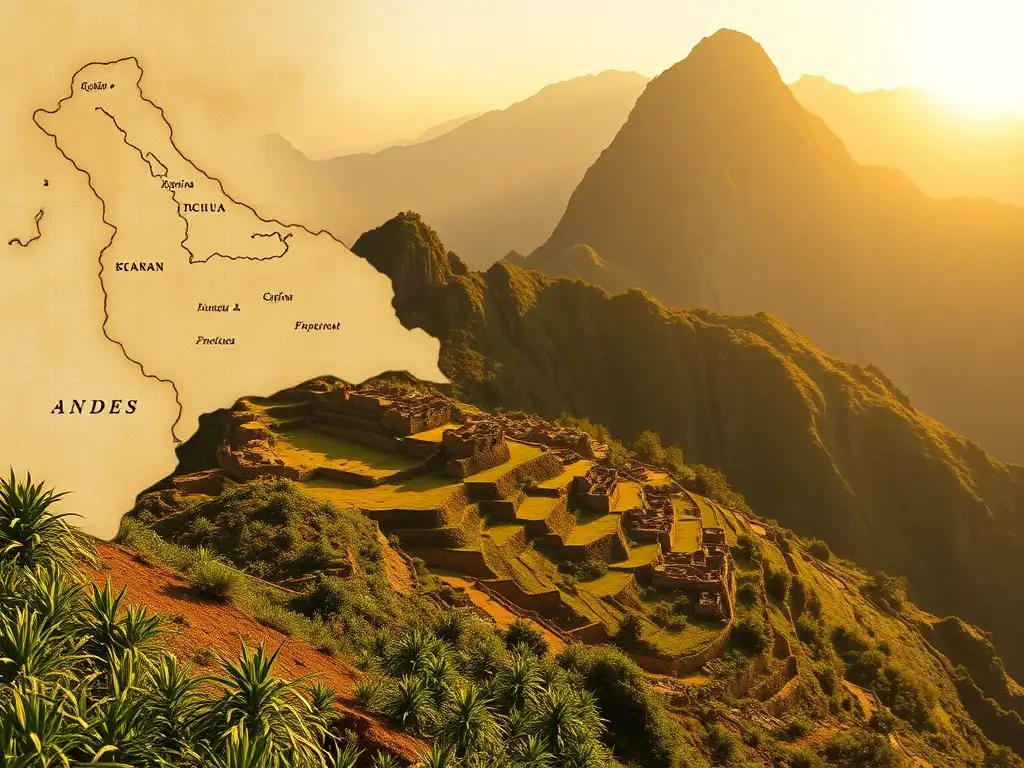
Quinoa's journey from an ancient Andean staple to a globally recognized superfood is a fascinating story reflecting changing dietary trends and agricultural practices. For centuries, quinoa remained largely confined to the Andean region, a vital part of the diet of civilizations like the Incas, Nazca, and Tiwanaku. Its resilience in harsh, high-altitude environments cemented its importance in these cultures; it was, and remains, a crucial source of protein and essential nutrients. However, for much of the 20th century, quinoa remained relatively unknown outside its native region.
From Local Staple to Global Superfood
The late 20th and early 21st centuries witnessed a significant shift in quinoa's global profile. Several factors contributed to this transformation. Firstly, growing awareness of the need for nutritious and sustainable food sources fueled increased interest in ancient grains like quinoa.
Its high protein content, complete amino acid profile, and abundance of minerals and vitamins made it particularly attractive to health-conscious consumers. Secondly, the promotion of quinoa by international organizations and NGOs helped to raise its visibility on the global stage. This increased awareness, coupled with marketing campaigns emphasizing its health benefits, led to a surge in demand.
Finally, advancements in agricultural techniques enabled increased quinoa production, making it more readily available to international markets. This rapid rise in popularity transformed quinoa from a niche product to a widely consumed superfood, impacting both its economic value and the lives of Andean farmers. The increase in demand, however, also presented challenges, as we'll discuss below.
The Impact of Quinoa on Modern Agriculture
The global demand for quinoa has had a profound impact on modern agriculture, particularly in the Andean region. Increased cultivation has led to both economic opportunities and challenges. On the positive side, the rise in quinoa prices has provided a much-needed economic boost to Andean farmers, many of whom rely on quinoa as their primary source of income.
This economic empowerment has helped to improve living standards and reduce poverty in some Andean communities. However, the rapid expansion of quinoa cultivation has also raised concerns about sustainability. The increased demand has led to the intensification of farming practices, including the use of chemical fertilizers and pesticides, which can negatively impact the environment and human health.
Furthermore, the shift towards quinoa monoculture in some areas has resulted in biodiversity loss and soil degradation. Balancing the economic benefits of quinoa production with the need for environmentally sustainable practices remains a significant challenge. The need for careful planning and responsible farming techniques is paramount to ensure the long-term viability of quinoa cultivation.
Sustainable Quinoa Farming Practices
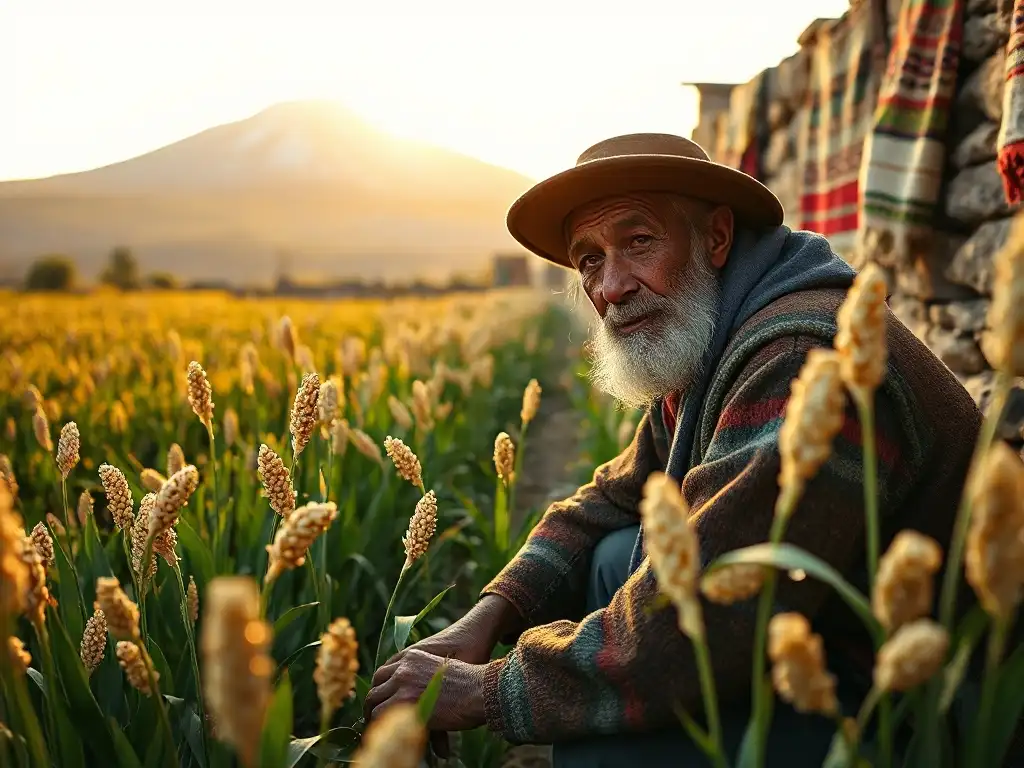
Addressing the challenges posed by the increased demand for quinoa requires a shift towards sustainable farming practices. Several strategies are crucial for ensuring the long-term viability of quinoa production while minimizing its environmental impact.
Sustainable Quinoa Farming Practices
- Agroecology: Implementing agroecological principles, such as crop rotation, intercropping, and the use of organic fertilizers, can help to improve soil health, reduce the need for chemical inputs, and enhance biodiversity. Agroecology promotes a holistic approach to farming, considering the interconnectedness of ecological systems. Studies have demonstrated the effectiveness of these practices in maintaining soil fertility and improving quinoa yields over the long term.
- Water Management: Efficient irrigation techniques are crucial, especially in arid and semi-arid regions where quinoa is typically grown. Techniques like drip irrigation can significantly reduce water consumption compared to traditional flood irrigation methods. Careful water management is essential for minimizing environmental impact and ensuring water availability for future generations.
- Genetic Diversity: Maintaining genetic diversity within quinoa crops is crucial for resilience against pests, diseases, and climate change. Preserving local quinoa varieties and promoting the development of climate-resilient cultivars are key to ensuring the long-term sustainability of quinoa production. This genetic diversity acts as a buffer against unforeseen challenges.
- Fair Trade Practices: Ensuring fair prices for quinoa farmers is essential for promoting equitable and sustainable production. Fair trade certification and direct trade relationships can help to empower farmers and improve their livelihoods while also contributing to environmental sustainability. Fair trade practices promote economic justice and environmental responsibility.
The future of quinoa depends on a commitment to sustainable farming practices that balance economic benefits with environmental protection. By adopting these strategies, we can ensure that this ancient Andean superfood continues to nourish people worldwide for generations to come. The successful implementation of these practices will be crucial for the continued growth and sustainability of the quinoa industry, safeguarding its place in both Andean culture and the global food system.
Quinoa Varieties and Their Characteristics
Quinoa, a staple crop of the ancient Andean civilizations, boasts a surprising diversity beyond its familiar pearly white grains. Understanding the different varieties and their unique characteristics is key to appreciating the full potential of this ancient superfood and its enduring legacy in Andean agriculture. The diverse range of quinoa cultivars reflects centuries of careful selection and adaptation by Andean farmers to varying altitudes, climates, and soil conditions.
This meticulous cultivation contributed significantly to the resilience and nutritional richness of this remarkable grain. The history of ancient Andean quinoa is intrinsically linked to the development of these diverse varieties, each possessing its own distinct profile.
Different Types of Andean Quinoa
Andean quinoa isn't a monolith; it comes in a rainbow of colors and varieties, each with its own distinct flavor and nutritional profile. While white quinoa is the most commonly found in supermarkets globally, the Andean region is home to a far wider spectrum. Beyond the familiar white, you'll discover red, black, and even yellow and orange varieties. These variations aren't simply cosmetic; they signify differences in texture, nutritional content, and culinary applications.
The ancient Andean people meticulously cultivated these diverse types, tailoring their planting to specific environmental conditions and optimizing yields. This careful cultivation practice highlights the sophisticated agricultural knowledge possessed by these ancient civilizations. Some less common, but historically significant, varieties include:
- White Quinoa: The most widely available, known for its mild flavor and fluffy texture.
- Red Quinoa: Possesses a slightly chewier texture and a nutty, earthy flavor. It retains its shape well when cooked, making it ideal for salads.
- Black Quinoa: Offers a slightly bitter, peppery flavor and a firm, chewy texture. Its dark color comes from high levels of antioxidants.
- Yellow Quinoa: A less common variety, with a slightly sweeter taste than white quinoa.
- Orange Quinoa: Another rare variety, noted for its vibrant color and slightly sweet flavor.
Characteristics of White, Red, and Black Quinoa
Let's delve deeper into the characteristics of the three most prevalent quinoa varieties: white, red, and black. Understanding these differences allows for informed culinary choices and a greater appreciation for the nuances of this ancient grain.
| Quinoa Type | Color | Texture | Flavor | Cooking Time | Nutritional Highlights |
|---|---|---|---|---|---|
| White | Off-white | Fluffy | Mild, slightly sweet | ~15 minutes | High in protein, iron, and fiber |
| Red | Deep Red | Chewy | Nutty, earthy | ~15-20 minutes | Rich in antioxidants and fiber |
| Black | Dark Black | Chewy | Peppery, slightly bitter | ~15-20 minutes | High in antioxidants, protein, and iron |
The differences in cooking time reflect the varying levels of saponins, a naturally occurring compound that gives quinoa a slightly bitter taste when unwashed. While modern processing largely removes saponins, some varieties retain more than others, influencing cooking time and texture.
Choosing the Right Quinoa for Your Needs
Selecting the right quinoa depends on your culinary preferences and the intended dish. The ancient Andean people likely chose varieties based on factors such as altitude, soil conditions, and desired flavor profiles. Today, the choice is often a matter of personal taste and convenience.
- For a light and fluffy side dish: White quinoa is the classic choice. Its mild flavor complements a wide range of dishes.
- For salads or dishes requiring shape retention: Red quinoa’s chewier texture and earthy flavor make it a perfect choice.
- For a more robust flavor and added nutritional punch: Black quinoa offers a unique peppery bite and a higher antioxidant content.
Ultimately, experimenting with different quinoa varieties is the best way to discover your personal preferences and appreciate the rich diversity of this ancient Andean superfood. The ancient Andean quinoa history is one of adaptation and innovation, resulting in a spectrum of flavors and textures that continue to delight and nourish us today. Exploring these varieties allows us to connect with the ingenuity of past civilizations and celebrate the enduring legacy of this remarkable grain.
The Cultural Legacy of Quinoa: A Living Heritage
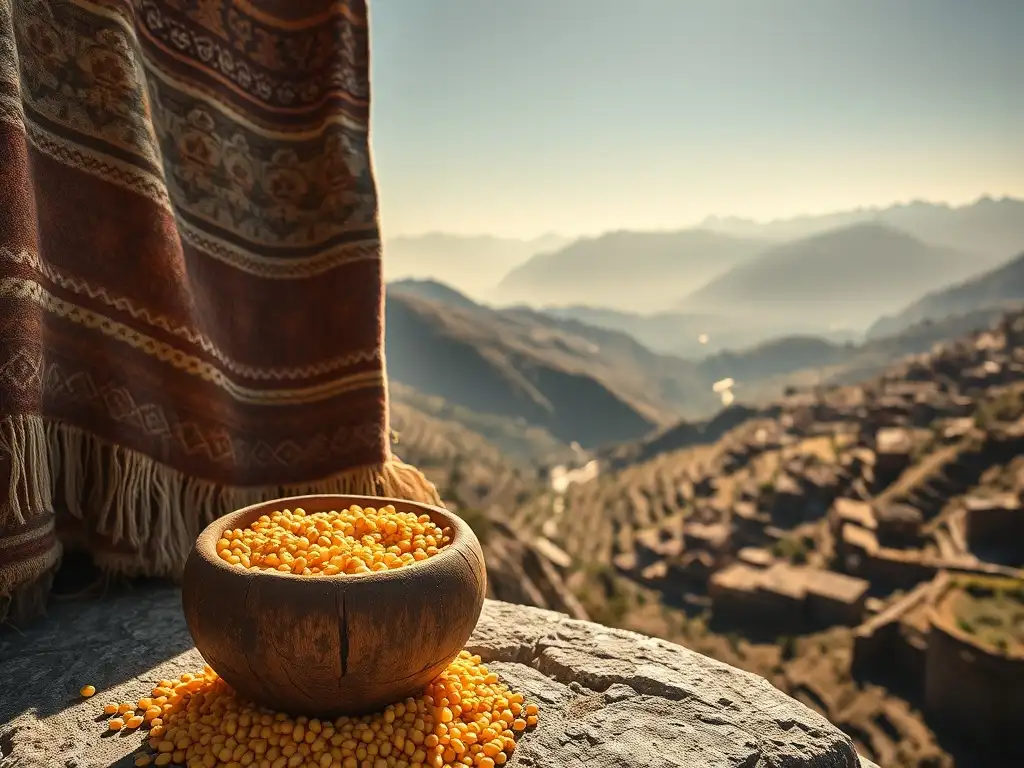
Quinoa's significance in Andean culture extends far beyond its nutritional value; it's deeply intertwined with the region's history, traditions, and identity. Understanding the ancient Andean quinoa history requires looking beyond the grain itself to the intricate social and agricultural systems that sustained its cultivation for millennia. This legacy continues to shape modern Andean societies and their relationship with this remarkable crop. The resilient nature of quinoa, its ability to thrive in harsh environments, mirrors the tenacity and adaptability of the Andean people themselves. This inherent connection between the plant and its cultivators underscores its enduring cultural importance.
Preserving Traditional Quinoa Knowledge
The preservation of traditional quinoa cultivation methods is crucial for safeguarding both biodiversity and cultural heritage. Indigenous communities in the Andes possess invaluable knowledge about diverse quinoa varieties, optimal planting techniques adapted to specific microclimates, and sustainable farming practices that have been honed over centuries. This knowledge, often passed down orally through generations, is threatened by factors such as globalization, migration, and the adoption of modern, industrialized agricultural techniques. Efforts to document and disseminate this traditional knowledge are paramount. These include:
- Ethnobotanical studies: Detailed research documenting indigenous knowledge of quinoa cultivation, including variety selection, soil preparation, pest management, and harvesting techniques.
- Community-based seed banks: Supporting local initiatives to preserve the genetic diversity of quinoa through the establishment of seed banks managed by indigenous communities.
- Traditional farming workshops: Facilitating knowledge transfer between generations through workshops and training programs that emphasize traditional practices.
- Integration of traditional knowledge into modern agricultural practices: Finding ways to combine the best aspects of traditional and modern farming techniques to ensure sustainable and culturally relevant quinoa cultivation.
The loss of this traditional knowledge represents not just a decline in agricultural practices but also a loss of cultural identity and a diminished understanding of the ancient Andean quinoa history.
The Future of Quinoa Cultivation in the Andes
The future of quinoa cultivation in the Andes faces numerous challenges, including climate change, market fluctuations, and the need for sustainable agricultural practices. While quinoa's global popularity has brought economic benefits to some Andean communities, it has also led to concerns about overproduction, price volatility, and the potential displacement of traditional farming systems. A sustainable future for Andean quinoa requires a multifaceted approach:
- Climate-smart agriculture: Developing and implementing farming techniques that are resilient to the impacts of climate change, such as drought-resistant varieties and water-efficient irrigation methods.
- Fair trade practices: Ensuring that Andean farmers receive fair prices for their quinoa and that the benefits of quinoa's global success are shared equitably.
- Diversification of crops and income sources: Reducing reliance on quinoa as the sole source of income by promoting the cultivation of other traditional Andean crops and developing alternative livelihoods.
- Investment in research and development: Supporting research efforts to improve quinoa yields, develop new varieties adapted to changing environmental conditions, and enhance the nutritional value of the crop.
Quinoa as a Symbol of Andean Identity
Quinoa transcends its role as a mere food source; it has become a potent symbol of Andean identity, resilience, and cultural heritage. Its cultivation is deeply embedded in the social fabric of Andean communities, reflecting their close relationship with the land and their rich history. The grain's enduring presence in Andean cuisine and celebrations serves as a powerful reminder of the region's unique cultural heritage and its enduring connection to its ancestral past.
This symbolic significance is further amplified by its role in promoting food sovereignty and cultural preservation. The continued cultivation and celebration of quinoa is, therefore, not just about sustenance, but a powerful affirmation of Andean identity in a rapidly changing world. The enduring story of quinoa is intrinsically linked to the ancient Andean quinoa history, a testament to the ingenuity and resilience of Andean civilizations.
Quinoa and the Future of Food Security
Quinoa, a staple crop of the ancient Andean civilizations, is experiencing a global resurgence, driven by its nutritional value and resilience in challenging environments. Understanding its ancient Andean quinoa history is crucial to appreciating its potential in addressing modern food security challenges. The growing global demand for quinoa presents both opportunities and challenges for sustainable food production and equitable distribution.
Quinoa’s Role in Addressing Food Insecurity
The remarkable nutritional profile of quinoa makes it a powerful tool in combating malnutrition. It's a complete protein, containing all nine essential amino acids, a rarity among plant-based foods. It's also a good source of fiber, iron, magnesium, and other essential minerals. This makes it particularly valuable in regions facing food insecurity, where diets are often deficient in crucial nutrients.
For example, studies have shown that incorporating quinoa into the diets of children in undernourished communities leads to significant improvements in growth and development. The adaptability of quinoa to various climates and soil conditions further enhances its potential. It can thrive in harsh environments where other crops struggle, making it a vital resource in arid and mountainous regions, mirroring its ancient Andean origins.
The resilience of quinoa to drought and salinity also contributes to its suitability for cultivation in marginal lands, minimizing the pressure on fertile areas already dedicated to food production. This versatility is key to securing food supplies in the face of climate change and increasing population pressure. The ancient Andean quinoa history demonstrates its inherent adaptability, a trait that continues to benefit modern food systems.
The Potential of Quinoa in Sustainable Agriculture
The cultivation of quinoa presents a compelling model for sustainable agriculture. Unlike many crops requiring intensive inputs of water and fertilizers, quinoa is relatively low-maintenance. Its natural resilience to pests and diseases reduces the need for pesticides, contributing to environmentally friendly farming practices. Furthermore, quinoa’s deep root system helps improve soil health, reducing erosion and enhancing water retention.
This contributes to the long-term sustainability of agricultural lands, a crucial factor in ensuring food security for future generations. Promoting sustainable quinoa farming practices, such as crop rotation and intercropping, can further enhance soil fertility and biodiversity. Ancient Andean farming techniques, many of which are still practiced today, provide valuable insights into sustainable cultivation methods. The potential for diversification within quinoa production also offers avenues for increased resilience.
Different quinoa varieties possess varying levels of tolerance to different environmental stresses, allowing farmers to select the most suitable cultivars for their specific conditions. This adaptability is crucial in mitigating the risks associated with climate change. Moreover, exploring the genetic diversity within quinoa can lead to the development of even more resilient and productive varieties.
Supporting Andean Quinoa Farmers
The global demand for quinoa has led to significant economic opportunities for Andean farmers. However, it’s crucial to ensure that the benefits of this resurgence are equitably distributed. Supporting Andean quinoa farmers requires a multi-faceted approach that addresses issues of fair trade, access to markets, and sustainable agricultural practices. Fair pricing mechanisms are essential to ensure that farmers receive a just return for their labor.
This involves fostering direct trade relationships between producers and consumers, bypassing exploitative intermediaries. Providing access to training and resources on sustainable farming techniques can help farmers improve yields and reduce their environmental footprint. Furthermore, investing in infrastructure, such as improved transportation networks and storage facilities, can enhance market access and reduce post-harvest losses. Preserving and promoting traditional Andean quinoa cultivation methods is also crucial, as these practices often contribute to biodiversity and environmental sustainability.
By supporting Andean quinoa farmers, we not only contribute to their economic well-being but also help to safeguard the ancient Andean quinoa history and the future of this remarkable crop. The global community has a responsibility to ensure that the benefits of quinoa’s resurgence are shared fairly and sustainably. This requires a concerted effort to empower Andean farmers and build resilient, equitable food systems.
Frequently Asked Questions
What is quinoa's significance in ancient Andean history?
Quinoa held immense religious and nutritional importance in ancient Andean cultures. It was a staple crop, crucial for their survival and deeply interwoven with their spiritual beliefs. Cultivation techniques were sophisticated and passed down through generations.
Which Andean civilizations primarily cultivated quinoa?
Many Andean civilizations, including the Incas, Tiwanaku, and Wari, cultivated quinoa. Its widespread cultivation speaks to its adaptability and nutritional value. It was a vital part of their agricultural systems.
How was quinoa used in ancient Andean diets?
Quinoa was a versatile food source, prepared in various ways. It was used in soups, stews, porridges, and even fermented beverages. Its nutritional profile provided essential energy and nutrients for daily life.
What role did quinoa play in Andean religious ceremonies?
Quinoa played a significant role in religious rituals and offerings. Its sacred status is evidenced by archaeological finds and historical accounts, highlighting its importance beyond mere sustenance. It was considered a gift from the gods.
How did ancient Andean people adapt quinoa cultivation to diverse environments?
Ancient Andean farmers developed sophisticated irrigation and terracing techniques to cultivate quinoa in diverse and challenging terrains. This demonstrates their advanced agricultural knowledge and adaptation to varied altitudes and climates.
Final Reflection: Quinoa's Enduring Legacy
The resurgence of quinoa, once a staple of Andean civilizations, reflects a growing global awareness of sustainable and nutritious food sources. Its journey from the high altitudes of the Andes to supermarket shelves worldwide is a testament to the enduring power of ancient agricultural practices and the potential for traditional foods to address modern challenges. This journey highlights the importance of understanding and respecting the origins of our food, recognizing the cultural and ecological significance embedded within each grain.
Quinoa's influence extends far beyond its nutritional value; it represents a powerful connection to the rich history and cultural heritage of the Andean people. Its cultivation and consumption are deeply intertwined with their traditions, beliefs, and social structures. The resilience of this crop, mirroring the resilience of the Andean communities themselves, is truly inspiring. The earth provides enough to satisfy every man's needs but not every man's greed.
- Mahatma Gandhi. This quote speaks to the sustainable practices inherent in traditional Andean agriculture, a stark contrast to the often unsustainable practices of modern industrial farming.
Consider, for a moment, the impact of your own food choices. What stories do the ingredients on your plate tell? By choosing consciously, by seeking out sustainably sourced and culturally significant foods like quinoa, we can support both our own well-being and the preservation of invaluable cultural heritage. Let the legacy of quinoa inspire you to explore the origins of your food, to appreciate the intricate relationship between food, culture, and sustainability, and to make choices that nourish both body and soul.
Elevate Your Meals – Embrace Quinoa Today!
Thank you for exploring the world of quinoa with us! We've uncovered the remarkable benefits of this ancient superfood and how it can transform your diet and well-being. Now it's your turn to discover its nutritional treasures and incorporate them into your daily life.
- Start incorporating quinoa into your meals this week—consider adding it to salads, stir-fries, or breakfast bowls for a nutritious boost!
- Share your favorite quinoa recipes on social media using the hashtag #AndeanQuinoa to inspire others and join our community.
- Learn more about the rich history of quinoa by visiting our articles on andeancivilizations.com and deepen your understanding of its cultural significance.
What delicious quinoa dish will you create this week? Share your ideas below!