
The Enduring Spirit of Andean Agriculture: A Testament to Human Ingenuity

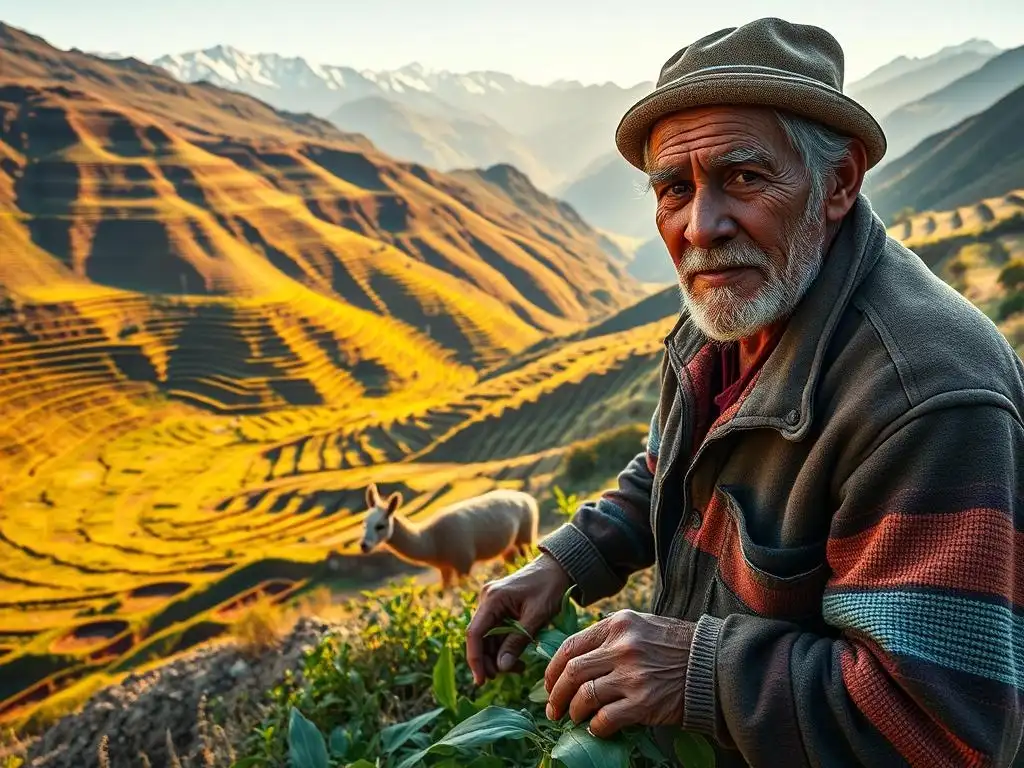
Unravel the mysteries of a civilization that defied the Andes' harsh terrain. For centuries, the ingenuity of the Andean people shaped not only breathtaking landscapes but also a complex and remarkably sustainable agricultural system. Prepare to be amazed by the intricate story of Andean agriculture history, a testament to human resilience and innovation that continues to inspire awe. Discover how these ancient cultures harnessed their environment to create a legacy that still resonates today—a legacy you're about to explore.
The Andes Mountains, a spine of towering peaks and deep valleys stretching along the western coast of South America, presented an extraordinary challenge and opportunity for the development of human civilization. For millennia, diverse Andean cultures—from the Incas to the Moche, Nazca, and Tiahuanaco—demonstrated remarkable ingenuity in adapting to this demanding environment, crafting sophisticated agricultural systems that ensured their survival and prosperity.
This article delves into the history of Andean agriculture, exploring the innovative techniques and resilient crops that allowed these civilizations to thrive in a landscape often characterized by extremes of altitude, climate, and terrain. We'll uncover the secrets of their success, revealing a legacy of sustainable practices that continue to inspire and inform modern agricultural approaches.
Understanding the history of Andean agriculture provides crucial insights into the resilience of human ingenuity in the face of environmental adversity, and offers valuable lessons for sustainable agriculture in the modern world. The story of Andean agriculture is not merely one of survival; it is a testament to the enduring spirit of human adaptation and innovation.
Introduction to Andean Agricultural Practices
Andean agriculture wasn't simply a matter of planting seeds and harvesting crops; it was a complex and integrated system deeply intertwined with the social, religious, and political fabric of these societies. The varied geography of the Andes—from arid coastal deserts to high-altitude plains and lush cloud forests—necessitated diverse strategies. Farmers developed ingenious techniques to maximize yields in challenging conditions, utilizing terracing, irrigation systems, and a deep understanding of microclimates to cultivate a wide range of crops. These practices were not haphazard; they were the result of centuries of observation, experimentation, and refinement, passed down through generations.
The success of Andean agriculture relied heavily on a sophisticated understanding of water management. Given the unpredictable rainfall patterns in many regions, the construction of intricate irrigation canals and reservoirs was crucial. These systems, often carved into mountain slopes, allowed farmers to control the flow of water, ensuring a reliable supply for their crops throughout the growing season.
The scale and precision of some of these projects are truly astonishing, demonstrating the advanced engineering skills and collaborative efforts of these ancient societies. Furthermore, the development of diverse crop varieties adapted to specific altitudes and microclimates further demonstrates the remarkable adaptability of Andean agricultural practices.
Examples of Andean Agricultural Innovations
- Terracing: Creating level platforms on steep slopes to increase cultivatable land and reduce soil erosion. This technique allowed for efficient water management and prevented soil runoff.
- Waru Waru: A sophisticated raised-field system used in the altiplano, combining irrigation with raised beds to create a microclimate conducive to crop growth. This system also helped to regulate water temperature and prevent frost damage.
- Andenes: Extensive terraced fields, often hundreds of meters long, that dramatically increased arable land in mountainous regions. The construction of andenes required immense human labor and sophisticated planning.
The development of these techniques wasn't solely a practical endeavor; it was also deeply embedded in the spiritual beliefs of these cultures. Many Andean societies viewed agriculture as a sacred act, with rituals and ceremonies performed to ensure bountiful harvests. This intertwining of practical knowledge and spiritual belief reflects the holistic approach to agriculture that characterized these civilizations.
The legacy of Andean agricultural practices continues to resonate today, providing valuable lessons in sustainable land management and resource conservation. The enduring spirit of Andean agriculture serves as a powerful reminder of human adaptability and the profound connection between people and their environment.
- What innovative agricultural techniques did Andean civilizations employ?
- How did the climate impact Andean agricultural practices?
- What were the most important crops cultivated by Andean civilizations?
- How did Andean agriculture contribute to the development of complex societies?
- What is the legacy of Andean agriculture today?
Ancient Andean Agriculture: A Historical Overview

This section delves into the fascinating history of Andean agriculture, exploring its origins and evolution across various civilizations. Understanding the ingenuity and resilience of Andean farming practices provides critical insight into the remarkable achievements of these ancient cultures. The unique challenges posed by the Andes Mountains—variable altitudes, diverse climates, and unpredictable weather patterns—forced the development of sophisticated and sustainable agricultural techniques that continue to inspire today.
This deep dive into Andean agriculture history will illuminate the remarkable adaptations and innovations that allowed these societies to thrive for centuries. The keyword "Andean agriculture history" is central to understanding the impact of these techniques on the development of Andean societies.
The Origins of Farming in the Andes
The origins of farming in the Andes are a subject of ongoing research, but evidence suggests that agriculture emerged independently in the region, distinct from the Fertile Crescent or other early agricultural centers. Archaeological findings point to the domestication of various crops, including potatoes, quinoa, and beans, as early as 7,000 years ago in the Peruvian highlands. These early farmers utilized rudimentary techniques, likely employing slash-and-burn agriculture in some areas and gradually developing more sophisticated methods as their understanding of their environment deepened.
The early adoption of terrace farming, even in its most basic forms, demonstrates an early understanding of water management and soil conservation—crucial aspects of successful Andean agriculture history. The development of these early farming practices laid the groundwork for the more complex and sophisticated systems employed by later Andean civilizations.
The success of these early farming communities is a testament to human adaptability and resourcefulness in the face of challenging environmental conditions. Early Andean farmers didn't just cultivate crops; they shaped their environment, creating a sustainable relationship with the land that would last for millennia.
Key Civilizations and Their Agricultural Contributions
Several key Andean civilizations—the Inca, Moche, Nazca, and Tiahuanaco—made significant contributions to agricultural practices, each adapting and refining techniques to suit their specific environments and needs. Their innovations in irrigation, terracing, and crop diversification demonstrate a deep understanding of ecological principles and a remarkable capacity for engineering and resource management. Studying these contributions allows us to appreciate the complexity and sophistication of Andean agriculture history and its lasting impact on the region. The following sections will explore the unique agricultural practices of each civilization in greater detail.
Inca Agricultural Innovations
The Inca Empire, known for its impressive administrative prowess, also excelled in agricultural innovation. Their mastery of terracing reached new heights, with extensive hillside terraces carved into the mountainsides, maximizing arable land and minimizing soil erosion. They developed intricate irrigation systems, channeling water from distant sources to irrigate their fields, even in arid regions. The Inca also employed sophisticated crop rotation techniques and a diverse range of crops, ensuring food security and resilience against crop failures.
Their waru waru system, a type of raised-bed agriculture, further enhanced water retention and soil fertility. This innovative approach to agriculture played a crucial role in supporting the large Inca population and facilitating the empire's expansion. The Inca's agricultural achievements represent a pinnacle of Andean agriculture history, showcasing remarkable engineering, organizational, and ecological knowledge.
Moche Farming Techniques
The Moche civilization, known for its elaborate art and sophisticated social structures, also developed advanced agricultural techniques. They built extensive irrigation canals, some stretching for miles, to bring water to their coastal valleys. Their mastery of hydraulic engineering allowed them to cultivate fertile lands in otherwise arid environments, supporting a dense population. The Moche also employed diverse planting techniques, adapting their methods to the varied topography of their region.
Evidence suggests they utilized different types of irrigation systems, depending on the specific needs of the land and crops. Their detailed understanding of their environment and innovative solutions to agricultural challenges represent a significant chapter in Andean agriculture history. The Moche's commitment to agricultural development is evident in their impressive infrastructure and the prosperity it fostered.
Nazca Agricultural Systems
The Nazca civilization, famed for its enigmatic geoglyphs, also possessed a remarkable understanding of agriculture. Their ingenuity is particularly evident in their sophisticated irrigation systems, which allowed them to cultivate crops in the arid coastal plains of southern Peru. They constructed extensive underground canals, known as puquios, to tap into underground water sources, a testament to their advanced engineering skills and intimate knowledge of the local hydrology.
The Nazca's ability to harness scarce water resources to support intensive agriculture exemplifies their resilience and adaptability. Their complex agricultural systems are a compelling illustration of Andean agriculture history and underscore the ingenuity necessary for survival in a challenging environment. The precise engineering of their puquios remains a marvel of ancient technology.
Tiahuanaco Agricultural Practices
The Tiahuanaco civilization, located on the shores of Lake Titicaca, developed unique agricultural practices adapted to the high-altitude environment. They utilized raised fields, known as suka kollus, to create fertile microclimates and improve drainage, allowing them to cultivate crops in the challenging conditions of the Altiplano. Their mastery of water management was crucial to their success, and their agricultural innovations allowed them to support a large population in a relatively harsh environment.
The Tiahuanaco's agricultural legacy reflects a deep understanding of ecological principles and the remarkable capacity for adaptation that characterized Andean civilizations. Their innovative techniques contribute significantly to our understanding of Andean agriculture history, providing insights into the possibilities of sustainable farming in high-altitude regions.
Understanding Andean Farming Techniques
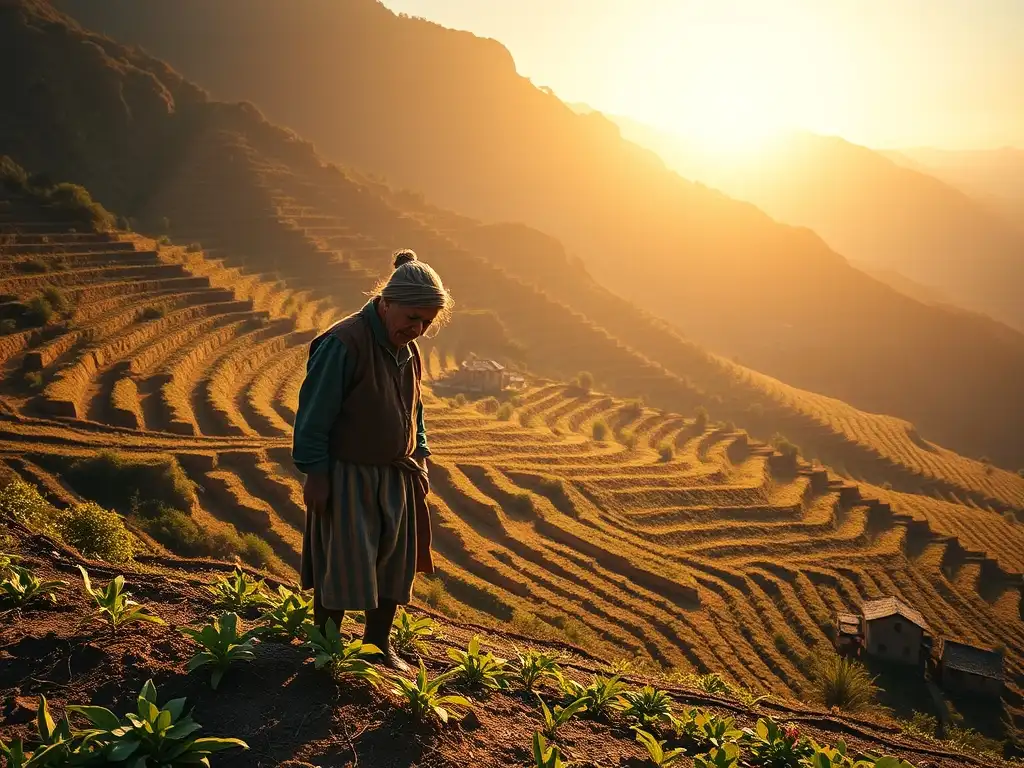
Andean agriculture history is a remarkable story of human adaptation and ingenuity. Faced with the challenges of a diverse and often harsh environment, Andean peoples developed sophisticated farming techniques that allowed them to thrive for millennia. These techniques weren't merely survival strategies; they were integral to the development of complex societies and vibrant cultures. This section delves into some of the key methods that shaped Andean agricultural practices and contributed to the region's remarkable agricultural productivity.
Understanding these techniques provides crucial insight into the enduring legacy of Andean civilization. The ingenuity displayed in overcoming the limitations of the terrain is a testament to the deep connection between Andean peoples and their environment. We will explore the sophisticated systems they created to maximize their resources and ensure food security across generations.
Terracing: Maximizing Land Use in Mountainous Terrain
The dramatic Andean landscape, characterized by steep slopes and mountainous terrain, presented significant challenges to agriculture. However, Andean farmers ingeniously overcame these obstacles by developing the technique of terracing. Terracing involves carving the slopes into a series of flat, step-like platforms. This method served several crucial purposes:
- Increased Cultivable Land: Terraces dramatically increased the amount of land suitable for farming, effectively transforming steep, unusable slopes into productive agricultural areas.
- Reduced Soil Erosion: The flat surfaces of the terraces significantly reduced soil erosion caused by rainfall runoff, preserving precious topsoil and ensuring long-term agricultural viability.
- Improved Water Management: Terraces facilitated better water management by slowing down the flow of water, allowing it to soak into the soil and irrigate the crops more effectively. This was particularly important in areas with limited water resources.
- Enhanced Microclimates: The varying heights of the terraces created distinct microclimates, allowing farmers to cultivate a wider range of crops adapted to different temperature and sunlight conditions.
The construction of terraces was a labor-intensive process, often requiring significant community effort and sophisticated engineering knowledge. The scale and precision of some terraced landscapes, such as those found in the Sacred Valley of Peru, are truly awe-inspiring, standing as a monument to the perseverance and skill of Andean farmers. The precise alignment of terraces, often following the contours of the land with remarkable accuracy, demonstrates a deep understanding of both topography and agricultural principles.
Irrigation Systems: Engineering Water for Agriculture
Water scarcity was a constant concern for Andean farmers, particularly in drier regions. To overcome this challenge, they developed ingenious irrigation systems that efficiently channeled water from rivers and streams to their fields. These systems, varying in complexity across different Andean cultures and time periods, were crucial for ensuring successful harvests and supporting dense populations. The development and maintenance of these irrigation systems represent a significant feat of engineering and collective effort, reflecting the importance of water management in Andean agricultural practices.
Pre-Inca Irrigation Methods
Long before the Inca Empire, numerous Andean cultures developed sophisticated irrigation techniques. For example, the Nazca people (c. 100 BCE – 800 CE) are renowned for their extensive network of canals, some of which were surprisingly long and complex, transporting water across considerable distances. These canals, often built along the sides of hills and mountains, showcased a deep understanding of hydraulic engineering.
The precise construction and maintenance of these systems required significant planning and coordinated labor, highlighting the importance of community cooperation in Andean agriculture. Detailed studies of these pre-Inca systems continue to reveal the remarkable engineering skills of these early Andean societies, showcasing their sophisticated understanding of water management and resource allocation.
Inca Canal Systems
The Inca Empire further refined irrigation techniques, building upon the existing knowledge and infrastructure of previous cultures. Inca canal systems were often characterized by their scale and integration into a broader, empire-wide network. They employed advanced techniques such as aqueducts and tunnels to transport water across challenging terrain.
The Inca's mastery of hydraulic engineering enabled them to irrigate vast areas of land, contributing to the empire's agricultural productivity and supporting its large population. Moreover, the Inca's standardized approach to canal construction and maintenance facilitated efficient resource management and promoted agricultural stability across the empire. The integration of these systems into the broader imperial administration showcases the significance of agriculture in Inca societal structure and power.
The construction and maintenance of these impressive systems were a testament to Inca organizational skills and their ability to mobilize large-scale labor forces for major public works projects. The enduring legacy of Inca irrigation systems is evident in many Andean landscapes even today.
Crop Rotation and Soil Management
Andean agriculture thrived not only on ingenuity but also on a deep understanding of sustainable practices. Crop rotation was a cornerstone of their farming techniques, preventing soil depletion and maintaining fertility over the long term. Farmers carefully planned sequences of crops, alternating resource-intensive plants with those that replenished the soil. For example, a nitrogen-fixing crop like beans might be planted after a maize harvest, enriching the soil with essential nutrients for the following year's maize planting.
This meticulous planning wasn't merely a matter of tradition; it was a survival strategy, ensuring consistent yields across generations. Evidence suggests that the specific rotation patterns varied according to altitude and microclimate, reflecting a nuanced understanding of local ecological conditions. The Incas, in particular, demonstrated advanced knowledge in this area, implementing complex systems that optimized soil health and maximized productivity across diverse terrains. Their success underscores the importance of integrating ecological principles into agricultural practices, a lesson that resonates even today in sustainable farming initiatives.
The precise crop rotations used varied significantly depending on the specific crops grown and the local conditions, but the underlying principle of maintaining soil fertility remained constant across different Andean communities. Archaeological findings continue to reveal new insights into the sophisticated methods employed by Andean farmers to manage their land and ensure its long-term productivity. This sophisticated understanding of soil health was a key factor in the long-term success of Andean agriculture.
The Use of Natural Fertilizers
Beyond crop rotation, Andean farmers employed a variety of natural fertilizers to enhance soil fertility. Guano, the excrement of seabirds, was a highly prized resource, rich in nitrogen and phosphorus. Access to guano deposits was often carefully controlled, reflecting its crucial role in agricultural productivity. The strategic use of guano, transported from coastal areas to inland farms, highlights the complex logistical networks that supported Andean agriculture.
However, guano wasn't the sole fertilizer; farmers also integrated other organic materials, such as composted animal manure and plant residues, into their fields. These practices not only enriched the soil with essential nutrients but also improved its structure and water retention capacity. The careful application of these natural fertilizers reflects a holistic approach to soil management, minimizing the reliance on potentially harmful synthetic inputs. This sustainable approach to fertilization contributed significantly to the long-term health and productivity of Andean agricultural lands, showcasing a deep understanding of ecological balance and resource management.
The integration of multiple fertilization strategies – guano, compost, and crop residues – demonstrates a sophisticated understanding of soil chemistry and a commitment to sustainable practices. The enduring legacy of these techniques underscores the importance of integrating natural fertilizers into modern agricultural practices to promote soil health and reduce environmental impact. Moreover, the effective distribution and management of these resources demonstrates the complex social and economic systems that supported Andean agriculture.
Key Crops of the Andean Region
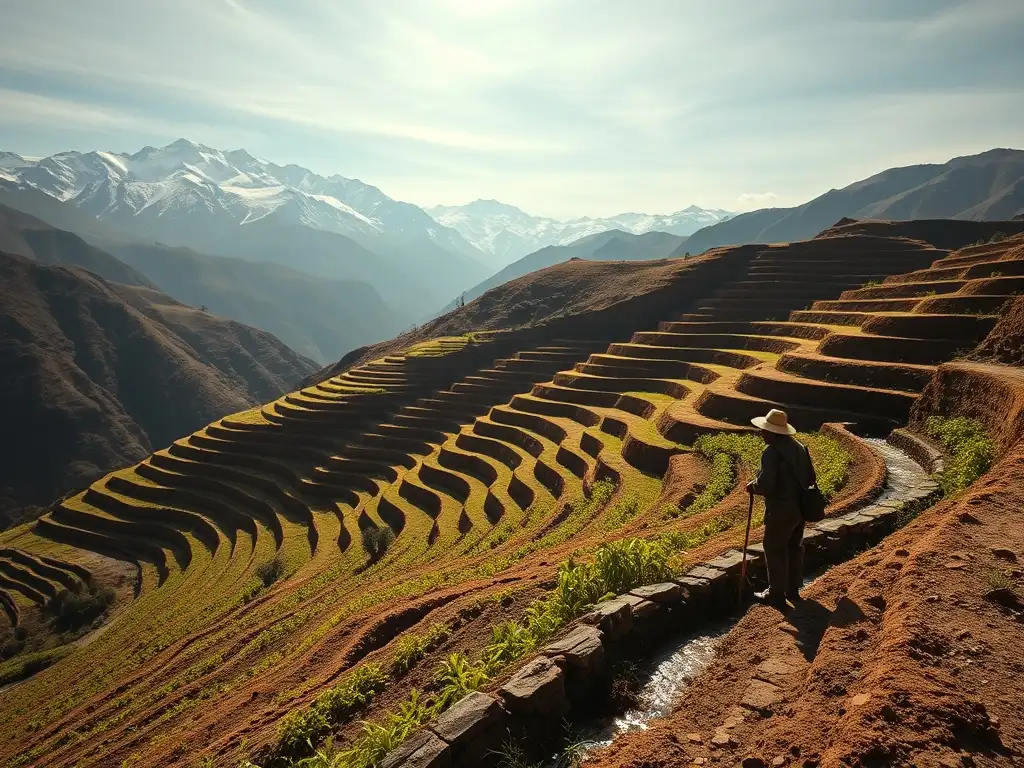
The Andean region, renowned for its diverse geography and challenging climates, fostered the development of remarkable agricultural practices. Understanding the key crops cultivated by Andean civilizations is crucial to appreciating their ingenuity and resilience. This section will explore two pivotal crops: potatoes and quinoa, highlighting their significance in shaping Andean diets, cultures, and societies. The enduring legacy of these crops speaks volumes about the sophisticated agricultural knowledge that characterized Andean agriculture history.
Potatoes: The Staple of Andean Diets
Potatoes ( Solanum tuberosum) are arguably the most iconic crop of the Andes, representing a cornerstone of Andean diets for millennia. Their adaptability to diverse altitudes and climates allowed them to thrive in the varied Andean landscapes, from the high-altitude puna grasslands to the warmer valleys. The potato's nutritional value, providing essential carbohydrates, vitamins, and minerals, made it a crucial component of the Andean food system, fueling both daily life and ceremonial practices. The sheer volume of potato production and consumption throughout Andean history solidifies its position as a vital crop in understanding Andean agriculture history.
Varieties of Andean Potatoes
The remarkable biodiversity of Andean potatoes is astonishing. Thousands of varieties exist, each uniquely adapted to specific environmental conditions. These varieties differ significantly in color, size, shape, taste, and nutritional content. Some are small and round, others elongated and large.
Their colors range from creamy white and yellow to deep purple and red. This incredible genetic diversity reflects centuries of careful selection and cultivation by Andean farmers, a testament to their deep understanding of plant genetics and the environment. This diversity also provided resilience against crop failures, ensuring food security even in the face of climate variability. Understanding this vast range of potato varieties is essential to fully appreciating the richness of Andean agriculture history.
The Importance of Potatoes in Andean Culture
Beyond its nutritional value, the potato holds deep cultural significance in Andean societies. It features prominently in numerous traditional ceremonies, rituals, and festivals. The potato harvest, for example, is often celebrated with elaborate rituals expressing gratitude for the bounty of the land.
Furthermore, the potato's symbolic importance is reflected in Andean art, mythology, and folklore. Stories and legends often feature the potato as a sacred gift from the gods, emphasizing its central role in the Andean worldview. This deep cultural integration underscores the potato's significance not just as a food source, but as a symbol of identity and community, further enriching our comprehension of Andean agriculture history.
Quinoa: The Ancient Superfood
Quinoa ( Chenopodium quinoa), another remarkable Andean crop, is gaining global recognition as a "superfood" due to its high nutritional value. This pseudocereal, cultivated for thousands of years in the Andes, is a complete protein source, containing all nine essential amino acids. It is also rich in fiber, iron, and other essential nutrients, making it a highly nutritious and sustainable food source.
Quinoa's adaptability to harsh conditions, including high altitudes and drought, made it a crucial component of Andean agriculture history, particularly in regions where other crops struggled to thrive. Its resilience and nutritional benefits contributed significantly to the health and well-being of Andean populations.
The cultivation of quinoa, like potatoes, showcases the remarkable understanding of Andean farmers regarding soil fertility, water management, and crop rotation. Their knowledge, passed down through generations, allowed them to cultivate quinoa successfully in challenging environments, ensuring food security for their communities. The continued cultivation and appreciation of quinoa today is a testament to the enduring legacy of Andean agricultural practices and their relevance to modern sustainable food systems. This crop’s role in Andean agriculture history cannot be overstated.
Other Important Andean Crops: Oca, Mashua, and Ulluco
Beyond the major staples like potatoes and maize, the Andean region boasted a remarkable diversity of crops, each uniquely adapted to the challenging terrain and climate. Oca, mashua, and ulluco, often overlooked in broader discussions of Andean agriculture history, played, and continue to play, vital roles in the sustenance and cultural identity of Andean communities. These three tuberous crops, while less widely known globally, exhibit a fascinating resilience and adaptability that mirrors the ingenuity of their cultivators.
Their cultivation techniques, often involving complex systems of terracing and irrigation, highlight the deep understanding of Andean farmers concerning their environment. For instance, the timing of planting and harvesting for these crops was often intricately linked to the local microclimate and altitude, demonstrating a sophisticated knowledge of agricultural calendars that were passed down through generations. This knowledge wasn't simply about survival; it was deeply interwoven with the spiritual and social fabric of Andean life. Festivals and rituals often marked key stages in the agricultural cycle, underscoring the crops' significance beyond their nutritional value.
Oca ( Oxalis tuberosa), with its vibrant, often brightly colored tubers, offers a range of flavors from subtly sweet to tart. Its high vitamin C content made it a crucial component of the Andean diet, contributing to overall health and resistance to disease. Mashua ( Tropaeolum tuberosum), another tuber crop, presents a unique challenge and reward.
Its tubers contain a slightly spicy, peppery flavor, but also contain alkaloids that require specific preparation methods to render them safe for consumption. This process, passed down through generations, speaks volumes about the sophisticated food preparation techniques developed in the Andes. Ulluco ( Ullucus tuberosus), with its varied colors and shapes, provided another essential source of carbohydrates and nutrients, contributing to the dietary diversity that characterized Andean societies.
The enduring cultivation of these three crops – oca, mashua, and ulluco – serves as a powerful testament to the ingenuity and resourcefulness of Andean farmers. Their continued presence in Andean agriculture, despite the introduction of "new world" crops, speaks to their intrinsic value and the enduring connection between Andean communities and their agricultural heritage. The story of these crops is not just a story of food production; it is a story of adaptation, resilience, and the enduring spirit of Andean agriculture.
Understanding their history provides a deeper appreciation for the complexity and richness of Andean agriculture history, a history that continues to shape the region's culinary landscape today. The meticulous techniques used in their cultivation, combined with their nutritional value, underscore their importance within the broader context of Andean food systems.
The Adaptability of Andean Agriculture

Andean agriculture history is a remarkable story of human adaptation to some of the world's most challenging environments. The Andes Mountains, with their diverse altitudes, climates, and terrains, presented significant obstacles to successful farming. Yet, the ingenuity of Andean peoples resulted in sophisticated agricultural systems that thrived for millennia, shaping the very fabric of their cultures. This section delves into the remarkable strategies employed to overcome these environmental hurdles.
Overcoming Environmental Challenges
The Andes' varied geography – from arid coastal deserts to high-altitude puna grasslands – demanded innovative approaches to cultivation. Farmers developed techniques tailored to specific ecological niches. For example, the waru waru system, prevalent in the altiplano region, involved creating raised beds surrounded by irrigation canals. This method not only improved drainage in waterlogged areas but also moderated temperature fluctuations, extending the growing season. The effectiveness of waru waru is evidenced by its continued use in some areas even today. It demonstrates a deep understanding of water management and soil conservation, crucial for sustainable agriculture in a challenging climate.
Further showcasing Andean ingenuity is the development of andenes or terraced farming. These meticulously crafted terraces transformed steep slopes into cultivatable land, significantly increasing arable acreage. The construction of andenes was a monumental task, requiring considerable labor and expertise in stonework and hydraulic engineering. The precise orientation of terraces often maximized sunlight exposure, further enhancing crop yields.
Analysis of existing andenes reveals sophisticated understanding of hydrology, preventing erosion and optimizing water distribution. The sheer scale and precision of these terraces stand as a testament to the advanced engineering capabilities of Andean civilizations. These techniques, along with others like the use of frost-resistant crops and microclimates, highlight the remarkable adaptability of Andean agriculture and its enduring legacy. The ability to cultivate diverse terrains speaks volumes about the deep understanding of the environment and the resourcefulness of Andean farmers.
The Integration of Agriculture and Spirituality
Andean agriculture history wasn't simply about practicality; it was deeply intertwined with religious beliefs and spiritual practices. Farming was not merely a means of subsistence but a sacred act, connecting people to the earth and its life-giving forces. Many Andean cultures believed that the fertility of the land was dependent on maintaining a harmonious relationship with nature and the spirits that inhabited it. This is reflected in various agricultural rituals and ceremonies.
For instance, the Inca celebrated the Capacocha, a ritual involving the sacrifice of children and animals to ensure bountiful harvests. While the practice is viewed with ethical complexities today, it underscores the profound significance of agriculture within the Inca worldview. Similarly, many other Andean cultures performed ceremonies to appease the gods and spirits associated with water, mountains, and other elements crucial for successful farming. These rituals were not merely symbolic; they served as a social mechanism to reinforce community collaboration and shared responsibility in agricultural production.
The integration of spirituality into agricultural practices ensured the continuity of these systems across generations, solidifying their importance within the cultural fabric. The close relationship between spirituality and agriculture further enriched the development of Andean agricultural systems, demonstrating a holistic approach to food production that went beyond mere practicality. The spiritual dimension ensured the sustainability and resilience of these practices for centuries.
The Legacy of Andean Farming Today
The ingenuity of Andean agricultural practices continues to resonate in the 21st century, impacting not only the region's food security but also influencing global agricultural discourse. Understanding the historical context of Andean agriculture is crucial to appreciating its enduring relevance. For centuries, Andean communities developed sophisticated techniques to cultivate diverse crops in challenging high-altitude environments. This legacy, passed down through generations, offers valuable lessons for sustainable agriculture worldwide.
The impact of Andean farming methods on modern practices is undeniable, as we'll explore in the following sections. The resilience of these techniques in the face of climate change and population growth makes studying Andean agriculture history a critical endeavor for securing global food security. Keywords like "Andean agricultural practices," "sustainable farming," and "high-altitude agriculture" highlight the importance of this rich history.
Preserving Traditional Agricultural Knowledge
The transmission of traditional Andean agricultural knowledge is paramount for its continued relevance. Many indigenous communities actively work to preserve their ancestral farming practices, often facing challenges from modernization and globalization. These challenges include the loss of traditional crop varieties, the adoption of unsustainable chemical farming methods, and the erosion of indigenous languages that hold vital agricultural knowledge. Efforts to document and disseminate this knowledge are crucial. This includes initiatives focused on:
- Ethnobotanical studies: Detailed research into the relationship between Andean communities and their plant resources.
- Community-based conservation programs: Supporting local farmers in preserving their traditional seed banks and farming techniques.
- Educational programs: Teaching younger generations about the importance of traditional Andean agriculture and its sustainability.
- Policy support: Governmental initiatives that recognize and protect indigenous farming practices.
The preservation of this knowledge isn't merely a cultural endeavor; it is essential for ensuring food security and biodiversity in the Andes and beyond. The continued cultivation of heirloom varieties holds immense value for adapting to climate change and maintaining genetic diversity within crops.
Modern Applications of Andean Techniques
Andean farming techniques, once considered solely relevant to the high Andes, are now finding applications in diverse agricultural contexts globally. The principles of terracing, water management systems (like andas and qanats), and crop diversification are being adopted and adapted in different environments to address challenges such as soil erosion, water scarcity, and climate change. For instance:
| Technique | Modern Application | Example |
|---|---|---|
| Terracing | Erosion control on hillsides, increased arable land in mountainous regions | Steep slopes in Southeast Asia, Mediterranean |
| Water Management | Efficient irrigation in arid and semi-arid regions | Drought-prone regions of Africa and Australia |
| Crop Diversification | Increased resilience to pests and diseases, improved soil health | Organic farming practices worldwide |
| Intercropping | Enhanced nutrient cycling, reduced pest pressure | Agroforestry systems, companion planting |
These examples demonstrate the adaptability and enduring value of Andean agricultural knowledge. The successful application of these techniques underscores the importance of learning from traditional practices and integrating them into modern agricultural systems. The synergy between traditional wisdom and modern scientific understanding can lead to more resilient and sustainable farming practices globally.
The Future of Andean Agriculture and Food Security
The future of Andean agriculture is intrinsically linked to addressing the challenges of climate change, population growth, and maintaining biodiversity. Securing food security in the region requires a multifaceted approach that integrates traditional knowledge with modern technologies. This includes:
- Climate-smart agriculture: Developing and implementing farming practices that are resilient to climate change impacts, such as drought and frost.
- Improved infrastructure: Investing in better transportation and storage facilities to reduce post-harvest losses.
- Market access: Ensuring that Andean farmers have access to fair prices for their produce.
- Sustainable intensification: Increasing agricultural productivity while minimizing environmental impact.
- Genetic resource conservation: Protecting the diversity of Andean crops and livestock breeds.
The future of Andean agriculture hinges on a collaborative effort that values traditional knowledge while embracing innovative solutions. By understanding and applying the lessons of Andean agriculture history, we can contribute to a more sustainable and food-secure future, not only for the Andean region but for the world. The continued study and application of these techniques are crucial for addressing global food security concerns in a changing climate. The keyword phrase "Andean agriculture future" encapsulates the importance of ongoing research and proactive measures.
Frequently Asked Questions
What innovative agricultural techniques did Andean civilizations employ?
Andean civilizations developed terracing, irrigation systems, and fertilizer techniques to maximize crop yields in challenging terrains. These methods allowed them to cultivate diverse crops at different altitudes.
How did the climate impact Andean agricultural practices?
The diverse climates of the Andes Mountains significantly influenced agricultural practices. Different crops were grown at different altitudes, based on temperature and rainfall variations. Adaptation to varied climates was essential.
What were the most important crops cultivated by Andean civilizations?
Potatoes, maize (corn), quinoa, beans, and various other tubers were staple crops. Their cultivation was vital to the survival and prosperity of Andean societies.
How did Andean agriculture contribute to the development of complex societies?
Successful agriculture provided food surpluses, which supported population growth and the development of specialized labor, leading to the rise of complex social structures and urban centers.
What is the legacy of Andean agriculture today?
Many traditional Andean farming techniques are still practiced today. The genetic diversity of Andean crops continues to be vital for global food security, and their cultivation remains crucial to many Andean communities.
Final Reflection: Harvesting the Legacy of Andean Agriculture
The ingenious agricultural practices of the Andes, honed over millennia, remain a powerful testament to human adaptability and a vital lesson for our food-insecure present. These ancient techniques, far from being relics of the past, offer crucial insights into sustainable food production in the face of climate change and growing global populations. Their enduring relevance is undeniable, a beacon illuminating a path towards a more resilient and equitable future.
The ingenuity of the Andean people in manipulating their challenging environment continues to inspire awe and underscores the profound connection between culture and agriculture. Their terraced fields, sophisticated irrigation systems, and diverse crop selection weren't simply practical solutions; they were integral to the very fabric of Andean society, shaping their spiritual beliefs, social structures, and artistic expressions. The land is not merely something to be exploited, but a living entity to be respected and nurtured,
a sentiment echoed across Andean cultures for generations. This deep-seated respect for the land, coupled with remarkable agricultural innovation, offers a powerful counterpoint to the often exploitative relationship modern society has with its resources.
Consider the implications of this legacy. What can we learn from the Andean approach to biodiversity, water management, and community-based farming? You, the reader, hold the power to integrate these lessons into your own life, whether through supporting sustainable agriculture, advocating for responsible land use, or simply cultivating a deeper appreciation for the interconnectedness of food systems and culture. Let the enduring spirit of Andean agriculture inspire you to build a more sustainable and just future, one where ingenuity and respect for the earth work hand-in-hand.
Embrace and Elevate Andean Agriculture!
Thank you for exploring the rich tapestry of Andean agriculture and its incredible legacy. You've discovered the ingenuity and resilience of this age-old practice, a tradition that continues to inspire us. Now, let's work together to further its impact!
Here's how you can actively participate and connect with this vibrant tradition:
- Visit a local farmers' market and speak with vendors about their traditional Andean crops. Learn about their farming methods and share your knowledge!
- Grow Andean plants like quinoa or potatoes in your own garden. This hands-on experience will deepen your appreciation for sustainable practices and Andean cultural heritage.
- Share your newfound knowledge about Andean agriculture with friends, family, and on social media. Every conversation helps spread awareness and appreciation!
How will you integrate the spirit of Andean agriculture into your life and community?