
Unearthing the Secrets of Andean Irrigation: Canals, Aqueducts, and Water Management

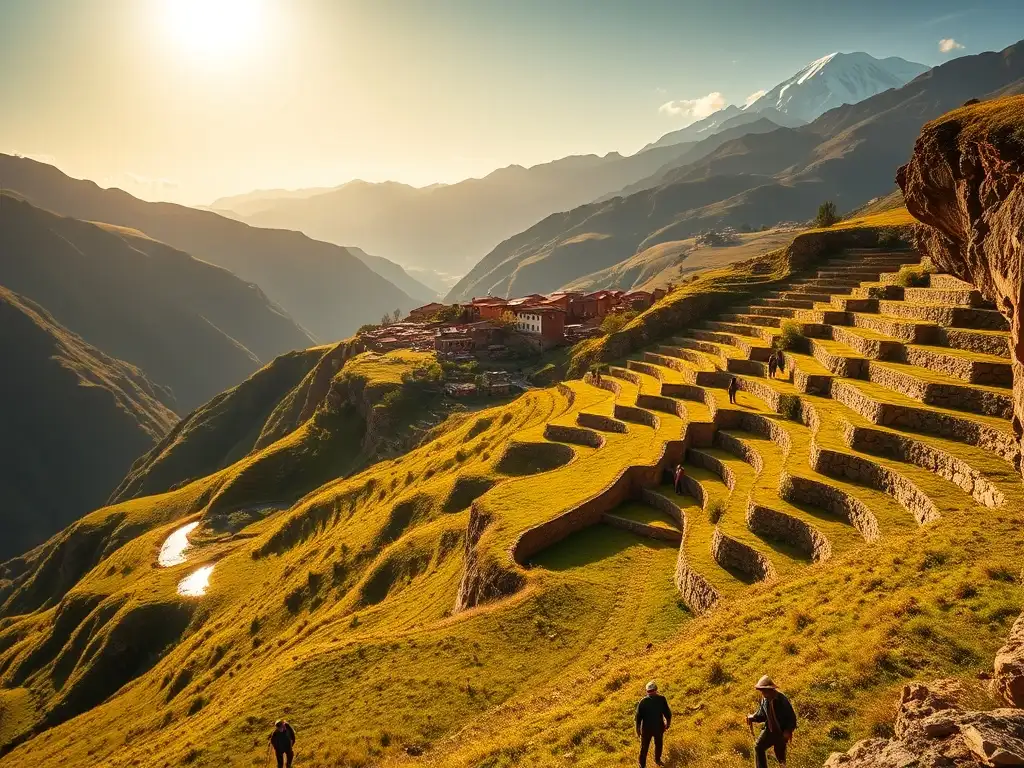
Prepare to be amazed. Journey back in time to uncover the ingenuity of the ancient Andean civilizations. For centuries, these masterful cultures thrived in the challenging Andean landscape, a feat largely attributed to their sophisticated understanding of water management. Intrigued by the secrets behind their remarkable Andean irrigation systems? Delve into the world of canals, aqueducts, and innovative agricultural practices that shaped the very fabric of their societies – and discover how their legacy continues to inspire us today.
The Andes Mountains, a formidable and breathtaking landscape, presented ancient civilizations with a unique challenge: harnessing the scarce and unpredictable water resources necessary for thriving agriculture. This article delves into the ingenious irrigation systems developed by Andean cultures, showcasing their remarkable engineering prowess and profound understanding of their environment. From the intricate canal networks of the Nazca to the sophisticated aqueducts of the Inca, we'll explore the diverse techniques employed to cultivate crops in this challenging terrain, highlighting their impact on the development and prosperity of these remarkable societies.
Understanding Andean irrigation systems is crucial to appreciating the complexity and sophistication of Andean agriculture and its lasting legacy. This exploration will reveal not only the practical aspects of water management but also the cultural and spiritual significance water held within these societies.
We will examine how these systems contributed to social organization, economic stability, and the overall success of Andean civilizations. The keyword "Andean irrigation systems" will be explored throughout, analyzing its various components and the lasting impact of these systems.
The Nazca's Groundbreaking Canal Systems
The Nazca civilization, famed for its enigmatic geoglyphs, also possessed a remarkable understanding of water management. Their arid coastal environment necessitated the development of sophisticated irrigation techniques. They constructed extensive networks of canals, some stretching for kilometers, diverting water from rivers and underground aquifers to irrigate their crops.
These canals were meticulously engineered, utilizing a system of carefully graded channels and strategically placed reservoirs to ensure an even distribution of water. The construction itself was a feat of engineering, often involving the digging of deep trenches and the precise placement of stones to create durable and efficient water conduits. Evidence suggests the Nazca employed sophisticated surveying techniques to accurately plan and construct these vast canal networks.
The precise methods used remain a subject of ongoing research, but the sheer scale and effectiveness of the systems speak volumes about their engineering skills. Archaeological findings continue to unveil new details about these intricate systems, revealing the ingenuity and resourcefulness of the Nazca people in overcoming the challenges of their environment.
Inca Aqueducts: A Masterpiece of Andean Engineering
The Inca Empire, known for its vast territorial reach and impressive infrastructure, perfected the art of water management on an unprecedented scale. Their ingenuity is especially evident in their aqueducts, which transported water across vast distances and challenging terrain. These weren't simply open channels; the Inca employed advanced techniques to channel water, often using carefully cut stones to create durable and leak-proof conduits.
Some aqueducts were built along mountain slopes, utilizing gravity to move water efficiently. Others incorporated ingenious systems of tunnels and siphons to overcome obstacles and ensure a continuous flow of water. The construction of these aqueducts required a highly organized workforce and a deep understanding of hydraulic principles.
The Inca's mastery of stonework is clearly demonstrated in the precision and durability of these structures, many of which remain functional even today. The societal implications were immense, contributing to the agricultural productivity that supported the empire's vast population and its complex social structure.
Beyond Canals and Aqueducts: Integrated Water Management in the Andes
While canals and aqueducts represent the most visible aspects of Andean irrigation, a more nuanced understanding reveals a broader, integrated approach to water management. The Andean civilizations understood the interconnectedness of water resources and implemented strategies that went beyond simple conveyance. This included techniques like terracing, which not only created level farming surfaces but also helped to retain moisture and prevent soil erosion.
They also developed sophisticated systems of reservoirs and storage tanks to collect and store rainwater, ensuring a reliable water supply during dry periods. Furthermore, evidence suggests that Andean communities had a deep understanding of hydrology and water cycles, adapting their irrigation practices to the specific conditions of their environment. This holistic approach to water management exemplifies the deep connection between the Andean civilizations and their environment.
The sustainability of their practices is a testament to their wisdom and foresight. Further research is needed to fully understand the complexity and sophistication of these integrated systems.
The Lasting Legacy of Andean Irrigation Systems
The ingenuity of Andean irrigation systems continues to inspire awe and admiration. Their impact extends far beyond their immediate practical applications. These systems represent a remarkable achievement in engineering and a testament to the resourcefulness and adaptability of ancient Andean societies. The knowledge and techniques developed by these civilizations continue to inform modern water management practices, offering valuable lessons in sustainable resource use.
Studying these systems provides insights into the cultural values and beliefs surrounding water, highlighting its importance in the spiritual and social life of these communities. Understanding the Andean approach to water management is crucial for addressing modern challenges related to water scarcity and sustainable agriculture, particularly in arid and mountainous regions. The legacy of Andean irrigation systems is a powerful reminder of the importance of respecting and learning from the wisdom of past civilizations.
- The Nazca's Groundbreaking Canal Systems
- Inca Aqueducts: A Masterpiece of Andean Engineering
- Beyond Canals and Aqueducts: Integrated Water Management in the Andes
- The Lasting Legacy of Andean Irrigation Systems
- What were Andean irrigation systems used for?
- How did Andean civilizations build their irrigation systems?
- Which Andean cultures are known for their sophisticated irrigation?
- What impact did Andean irrigation have on societal development?
- Are there any examples of well-preserved Andean irrigation systems today?
The Ingenuity of Andean Irrigation Systems
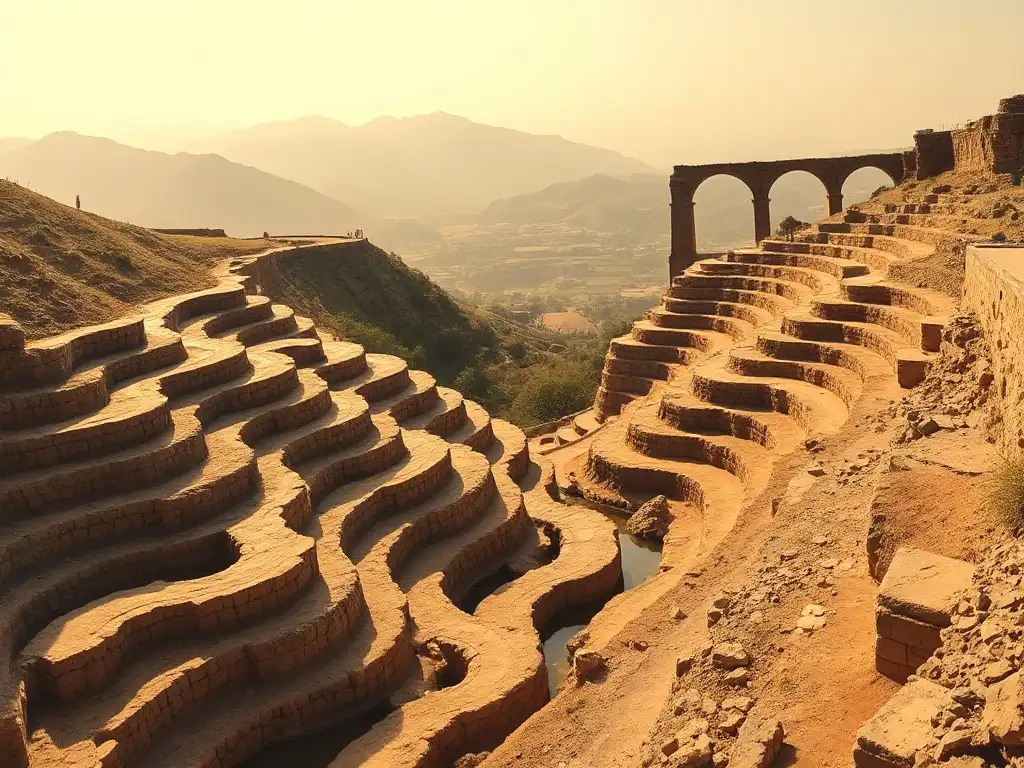
This section delves into the remarkable ingenuity of Andean irrigation systems, showcasing the sophisticated techniques employed by ancient Andean civilizations to harness and manage water resources in challenging terrains. The development of these systems was crucial for their agricultural success and societal stability, reflecting a deep understanding of hydrology and engineering principles far ahead of their time. The term "Andean irrigation systems" itself encompasses a broad range of techniques, adapted and refined over centuries to suit the diverse ecological niches across the Andes Mountains. We'll explore some key aspects of this fascinating topic.
Understanding the Need for Advanced Water Management in the Andes
The Andes Mountains present a formidable challenge for agriculture. The high altitude, steep slopes, and variable rainfall patterns necessitate advanced water management strategies. Unlike many other ancient civilizations that relied on predictable river flooding, Andean farmers faced the constant challenge of diverting and storing water from diverse sources.
This included capturing meltwater from glaciers and snowpack, collecting rainfall runoff from mountainous slopes, and channeling water from rivers and streams often traversing difficult terrain. The success of Andean agriculture hinged on their ability to overcome these geographic limitations, a testament to their resourcefulness and observational skills.
The development of sophisticated irrigation systems was not merely a technological achievement, but a social and cultural imperative, underpinning the complex social structures and political power of these civilizations. The sheer scale and complexity of some of these systems, such as those found in the Nazca region, are still being studied and analyzed today, revealing ever more intricate details of their design and functionality.
The Role of Geography in Shaping Andean Agricultural Practices
The geographical diversity of the Andes profoundly shaped the specific techniques used in Andean irrigation. Different ecological zones demanded distinct approaches to water management. For instance, coastal regions, often characterized by arid conditions, necessitated the development of sophisticated canal systems to transport water from distant sources.
In contrast, the higher altitudes, with their abundant snowmelt, required different techniques focused on managing the flow of water and preventing erosion. The ingenuity of Andean farmers is evident in the diverse range of water control structures they developed, including intricate canal networks, terraced fields, and subsurface irrigation systems. These were not simply isolated projects but integrated components of a holistic approach to water management, demonstrating a nuanced understanding of the interplay between water, soil, and climate.
The design and construction of these systems involved significant labor, reflecting the importance of agriculture in Andean societies and the collective effort required for successful water management. [Specific examples of regional variations in irrigation techniques pending]. Understanding this interplay between geography and agricultural practices is key to appreciating the full extent of Andean ingenuity in harnessing water resources.
Key Components of Ancient Andean Irrigation
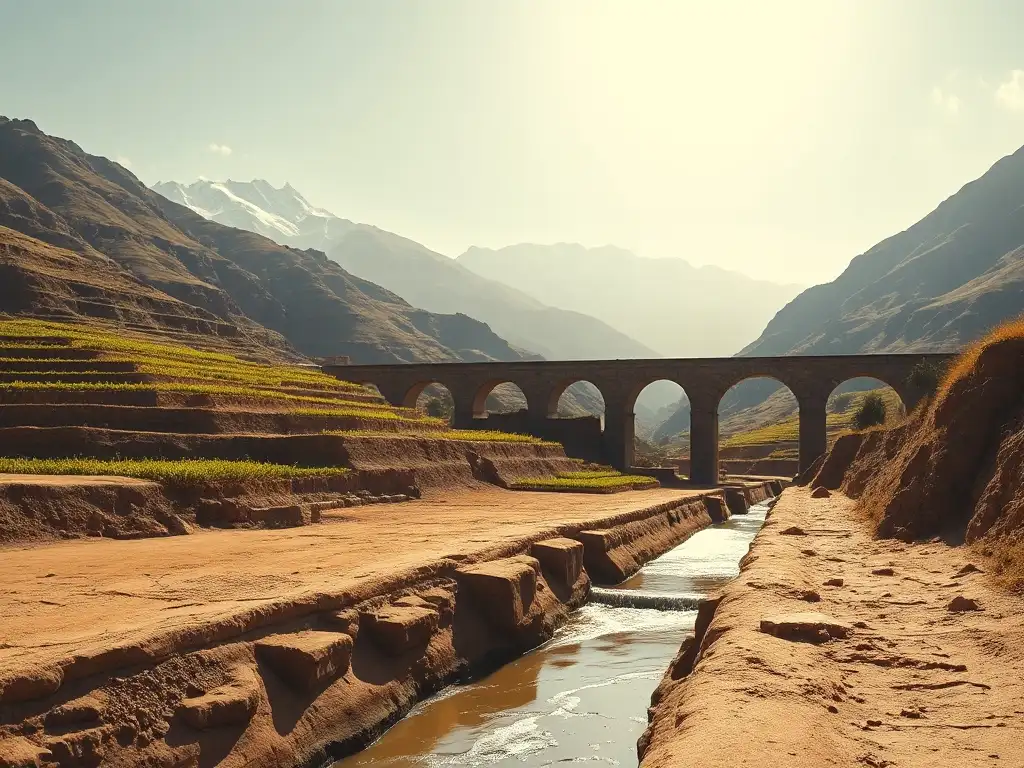
This section delves into the intricate components that made up the remarkable Andean irrigation systems, showcasing the ingenuity and advanced engineering skills of pre-Columbian civilizations. Understanding these individual elements is crucial to appreciating the overall sophistication of their water management strategies, a critical factor in their agricultural success and societal development. The efficient harnessing of water resources allowed for the flourishing of complex societies in challenging Andean environments.
The ingenuity displayed in these systems stands as a testament to the deep understanding these civilizations had of their environment and the needs of their agricultural practices. This knowledge was passed down through generations, refined and adapted to suit specific geographical conditions, resulting in a diverse range of irrigation techniques across different Andean cultures. We will explore the key elements: canals, aqueducts, and terraces, highlighting their individual roles and their synergistic interaction within the broader Andean irrigation networks.
Andean Canals: Engineering Marvels for Water Distribution
Andean canals represent a monumental achievement in ancient engineering. These weren't simply ditches; they were meticulously planned and constructed systems designed to efficiently distribute water across vast agricultural lands. Their construction involved a deep understanding of topography, hydrology, and materials science. Evidence suggests that sophisticated surveying techniques were used to create canals that followed the contours of the land, minimizing the need for excessive earthworks and maximizing water flow. The canals were often lined with stone or clay to prevent water loss through seepage, a testament to their practical knowledge and engineering prowess.
The scale of some canal systems is truly astounding. For example, the [Specific Canal System Name pending] in the [Specific Andean Region pending] featured canals stretching for [Specific Length pending] kilometers, supplying water to numerous agricultural plots. The construction of these canals required immense labor, coordination, and societal organization, suggesting a highly structured and centralized society capable of undertaking large-scale public works projects.
The precise methods used to manage water flow within the canals, including the use of weirs and diversion channels, are still being investigated by archaeologists. Further research is needed to fully understand the intricate details of canal design and management across different Andean cultures.
Aqueducts: Transporting Water Across Challenging Terrains
Where canals couldn't readily follow the natural contours of the land, aqueducts provided a solution for transporting water across valleys and challenging terrain. These structures, often constructed from stone, were designed to carry water over significant distances, sometimes traversing steep slopes and rugged landscapes. The engineering challenges involved in building aqueducts were immense, requiring a sophisticated understanding of hydraulics and structural engineering. Many aqueducts were built with remarkable precision, incorporating features such as siphons and tunnels to overcome obstacles and maintain a consistent water flow.
The construction of aqueducts involved techniques like dry-stone masonry, where stones were carefully fitted together without the use of mortar. This technique, requiring exceptional skill and precision, ensured the durability and watertightness of the structures. The design and construction of aqueducts also varied significantly across different Andean regions, reflecting the diverse environmental conditions and the unique engineering solutions developed by different cultures.
Analysis of surviving aqueduct structures reveals a range of innovative techniques, such as the use of pressure-resistant materials and sophisticated water control mechanisms. The ingenuity displayed in these structures underscores the advanced engineering capabilities of ancient Andean societies. Further study is needed on the material science aspects of these aqueducts to fully understand their longevity and effectiveness.
Terraces and Their Integration with Andean Irrigation Networks
Andean terraces are not merely agricultural features; they are integral components of the sophisticated irrigation systems that characterized Andean agriculture. Terraces transformed steep slopes into level platforms, creating ideal conditions for cultivation. The creation of these terraces involved significant earthworks, requiring the careful planning and execution of large-scale construction projects. The terraces were often interconnected by a network of canals and channels, ensuring that water was efficiently distributed to each terrace. This integration of terraces and irrigation systems maximized land use and agricultural productivity in challenging mountainous environments.
The construction of terraces also had a significant environmental impact. By reducing soil erosion and improving water retention, terraces contributed to the sustainability of Andean agriculture. The careful design and construction of terraces, often incorporating drainage systems and retaining walls, minimized the risk of landslides and soil degradation. The effectiveness of Andean terracing is evident in the enduring legacy of these agricultural landscapes, which continue to inspire modern agricultural practices. Furthermore, the social and economic implications of terrace construction should be considered.
The massive labor involved likely played a significant role in the social organization and economic structure of Andean societies. Archaeological research continues to uncover more details about the social and economic aspects of terrace construction and its impact on the lives of Andean communities. The intricate relationship between terraces and irrigation networks showcases the holistic approach to water management adopted by Andean civilizations. 🤯
Specific Examples of Andean Water Management
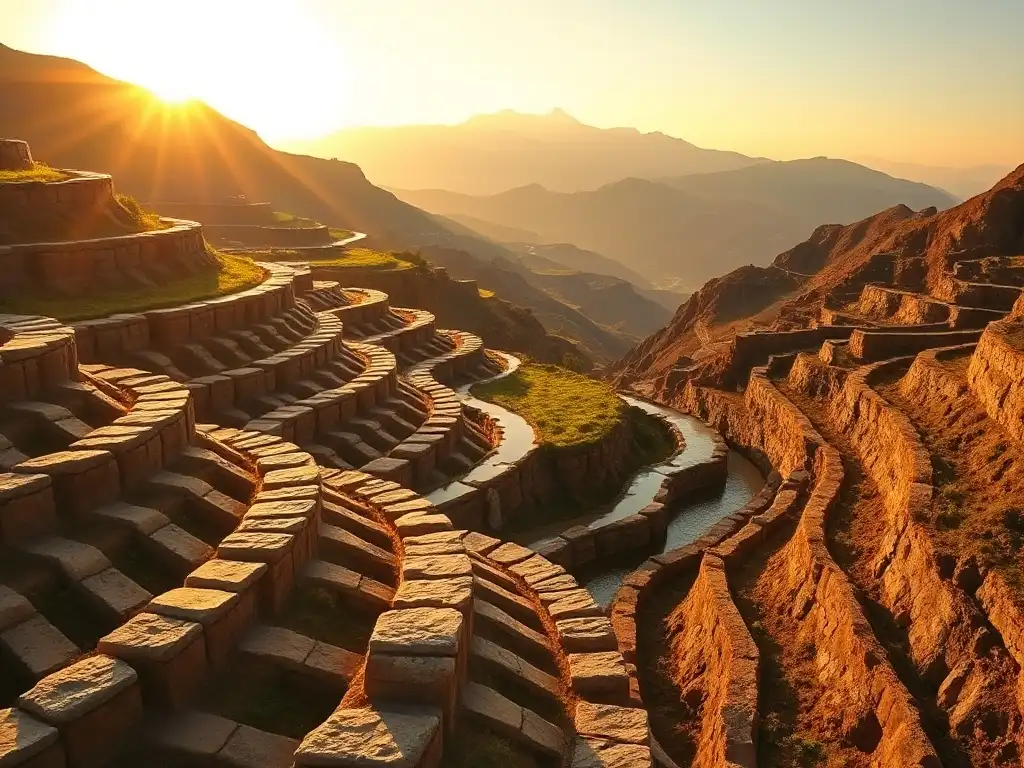
This section delves into the remarkable achievements of several Andean civilizations in developing sophisticated water management systems, crucial for their agricultural success and societal development. We will examine the unique approaches employed by the Inca, Moche, and Nazca cultures, highlighting their ingenuity and adaptability in harnessing water resources within diverse geographical contexts. The ingenuity demonstrated in Andean irrigation systems showcases a deep understanding of hydrology and engineering, far surpassing what many might assume of pre-Columbian societies.
These systems weren't merely functional; they were integral to the social, economic, and spiritual fabric of these vibrant civilizations. Understanding these techniques provides valuable insights into the complexity and resilience of Andean societies.
The Sophistication of Incan Irrigation Techniques
The Inca Empire, renowned for its vast territory and intricate road network, also possessed a mastery of water management unparalleled in the Andes. Their irrigation systems were characterized by their scale and complexity, often involving extensive canal networks traversing challenging terrains. Inca engineers skillfully employed a variety of techniques, including:
- Terracing: Creating level platforms on steep slopes to maximize cultivable land and control water flow. This technique minimized soil erosion and allowed for efficient irrigation, even on mountainous terrain. The terraces themselves were often reinforced with stone walls, demonstrating a sophisticated understanding of structural engineering.
- Canals and Aqueducts: Constructing elaborate canal systems to divert water from rivers and streams to agricultural fields, sometimes over considerable distances. These canals were often lined with stone or plastered to minimize water loss through seepage. Aqueducts, some quite impressive in scale, were used to carry water across valleys and gorges.
- Water Control Structures: Implementing sophisticated structures like weirs, spillways, and diversion channels to regulate water flow and prevent flooding or water shortages. These structures were carefully designed to manage the seasonal variations in water availability.
The Inca's mastery of Andean irrigation systems wasn't simply about technical prowess; it was also about social organization. Large-scale projects required coordinated labor and resource allocation, reflecting a highly structured and centralized state. The success of Inca agriculture depended not only on engineering skill but also on effective social and political management. The scale of their projects continues to astound researchers today, a testament to their exceptional organizational capabilities and deep understanding of their environment.
Moche Hydraulic Engineering: A Legacy of Precision
The Moche civilization, flourishing on the northern coast of Peru, faced unique challenges in managing water resources due to the arid desert environment. Their response was the creation of highly efficient irrigation systems characterized by their precision and ingenuity. Unlike the Inca's broad, extensive networks, the Moche focused on smaller, highly controlled systems adapted to the specific needs of their coastal location:
- Canals and Reservoirs: The Moche constructed intricate networks of canals to channel water from rivers and streams to their fields. These canals were often carefully graded to ensure a consistent flow of water. They also built reservoirs to store water during periods of heavy rainfall for use during drier times.
- Subterranean Canals: In some areas, the Moche utilized subterranean canals to transport water underground, minimizing evaporation and protecting the water from contamination. These sophisticated systems demonstrate an advanced understanding of hydrology and engineering.
- Intensive Agriculture: Their sophisticated water management enabled the Moche to cultivate a wide variety of crops, including maize, beans, squash, and cotton, supporting a densely populated society. The productivity of their agricultural system was a direct result of their mastery of irrigation.
The Moche's understanding of water management was integral to their culture, reflected in their art and religious beliefs. The precision and efficiency of their systems speak to their advanced technical skills and deep understanding of their environment. Their legacy continues to inspire modern engineers and researchers studying sustainable water management techniques in arid regions.
Nazca Underground Aqueducts: Exploring the Puquios
The Nazca culture, famous for its enigmatic geoglyphs, also developed a remarkable system for managing water in the arid coastal plains of southern Peru. Their solution was the construction of puquios, a network of ingenious underground aqueducts.
- Puquio Construction: These aqueducts were built by digging shafts into the ground, connecting them with tunnels to tap into underground water sources. The tunnels were often lined with stones to prevent collapse and maintain water flow. Ingenious ventilation shafts were incorporated to regulate airflow and prevent the tunnels from flooding.
- Water Management: The puquios allowed the Nazca to access a reliable water supply even during periods of drought. The underground system minimized evaporation and protected the water from contamination. The design and construction of the puquios required a detailed understanding of the local geology and hydrology.
- Social Significance: The construction and maintenance of the puquios were likely communal efforts, reflecting the social organization and cooperative spirit of the Nazca society. The system ensured the survival of the population and supported their agricultural activities. The puquios stand as a testament to the ingenuity and resilience of the Nazca people in the face of environmental challenges. Their enduring legacy serves as a powerful example of sustainable water management in arid environments. The complexity of these systems, coupled with their longevity, highlights the profound understanding of hydrology and engineering possessed by the Nazca.
Tiahuanaco's Water Management Strategies and the Lake Titicaca
The Tiahuanaco civilization, flourishing in the Altiplano region of the Andes between approximately 500 and 1000 CE, developed sophisticated water management techniques to thrive in a high-altitude environment characterized by limited rainfall and fluctuating water availability. Their ingenuity is particularly evident in their relationship with Lake Titicaca, a massive, high-altitude lake crucial to their survival. The Tiahuanaco people didn't simply rely on the lake's resources; they actively managed them, demonstrating a deep understanding of hydrology and engineering.
One of the most impressive aspects of Tiahuanaco's water management was their sophisticated canal system. These canals, meticulously constructed, channeled water from Lake Titicaca and its tributaries to irrigate their extensive agricultural fields. Archaeological evidence suggests that these canals were not simple ditches but rather complex systems, incorporating features like check dams and diversion channels to regulate water flow and prevent erosion. The precise alignment and construction of these canals indicate a high degree of planning and engineering expertise, far beyond what many might expect from a pre-Columbian civilization.
The construction itself would have required significant labor coordination and a strong social structure to organize and sustain such a large-scale project. Furthermore, the canals weren't simply straight lines; they adapted to the terrain, demonstrating a keen understanding of the landscape and its hydrological properties. This allowed for efficient water distribution even across uneven surfaces.
Beyond canals, the Tiahuanaco people likely employed other water management strategies. The construction of raised fields, or waru waru, is a possibility, though evidence for this specific technique in the Tiahuanaco context might require further archaeological investigation. These raised fields, common in other Andean cultures, would have improved soil drainage, reduced frost damage, and increased agricultural productivity.
Such techniques would have been particularly valuable in the often-wet and cold conditions of the Altiplano. Further research is needed to definitively link waru waru to the Tiahuanaco water management system, but the possibility aligns with their demonstrated capacity for innovative water management. The combination of canals and potentially waru waru suggests a multifaceted approach to water resource management, allowing for resilience in the face of climatic variability.
This highlights the sophisticated understanding of their environment and the ability to adapt their farming practices accordingly. The Tiahuanaco's success demonstrates the critical role of water management in the development and sustainability of complex Andean societies. Their legacy continues to inspire modern water management strategies in the region, demonstrating the enduring relevance of ancient Andean knowledge.
Water Conservation and Management Practices
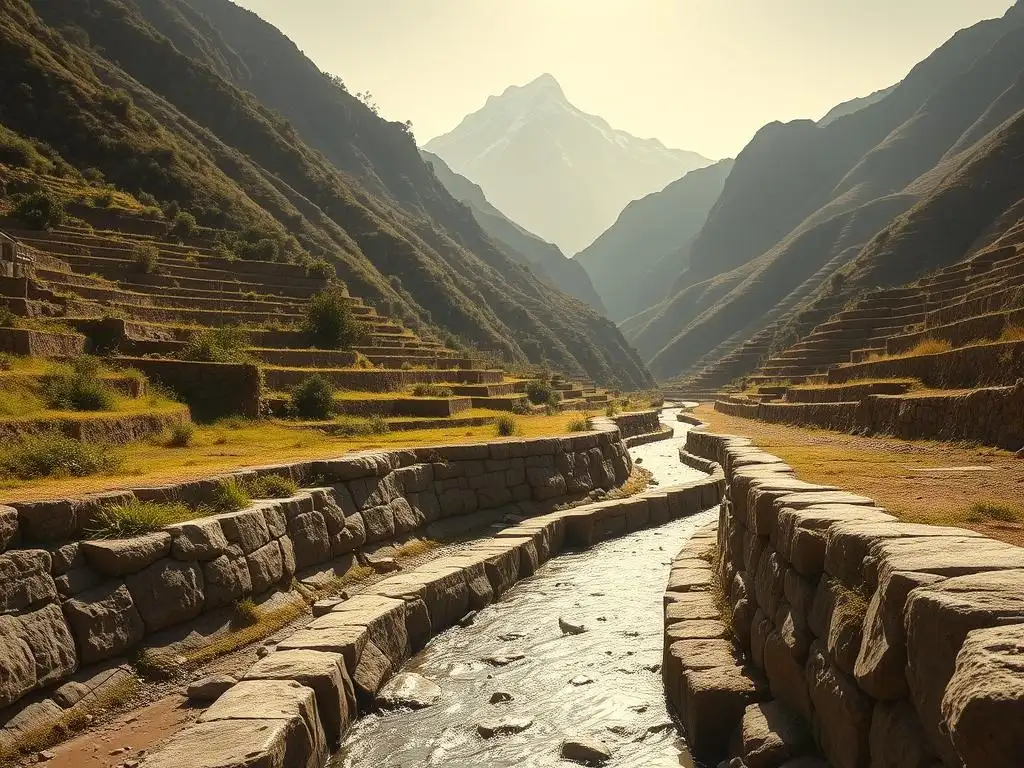
The ingenuity of Andean civilizations in harnessing water resources is a testament to their deep understanding of their environment. Their sophisticated irrigation systems weren't just about supplying water to crops; they represented a complex interplay of water conservation, management, and sustainable practices crucial for thriving in challenging high-altitude environments. This section explores the key strategies employed by these remarkable cultures to ensure a reliable water supply for agriculture, emphasizing the unique challenges and innovative solutions they developed.
Understanding these techniques provides valuable insight into the resilience and adaptability of Andean agriculture, offering lessons for modern water management strategies. The development and implementation of these Andean irrigation systems were vital to the success and prosperity of these societies, ensuring food security and supporting population growth.
Water Storage Techniques: Reservoirs and Ponds
Andean farmers weren't solely reliant on immediate water sources. They employed clever water storage techniques to buffer against seasonal variations in rainfall and meltwater. Reservoirs and ponds, often integrated into the landscape, played a crucial role. These weren't simply dug holes; they were carefully designed structures, sometimes lined with stone or clay to minimize water loss through seepage.
The size and location of these reservoirs varied depending on local topography and rainfall patterns. For instance, the Moche civilization, known for their sophisticated irrigation systems, constructed large reservoirs in valleys to capture and store water from seasonal floods. These reservoirs served as a vital buffer during dry spells, ensuring a consistent supply of water for irrigation throughout the growing season. Evidence suggests that the capacity of these reservoirs was carefully calculated to meet the water demands of the surrounding agricultural fields.
Furthermore, smaller ponds, often constructed near fields, provided convenient access to water for smaller-scale irrigation. These ponds often incorporated ingenious features, like strategically placed inlets and outlets, to control water flow and prevent silting. The construction and maintenance of these water storage facilities required a significant community effort, underscoring the social and cooperative aspects of Andean water management.
The creation of these reservoirs and ponds showcases the advanced engineering skills and deep understanding of hydrology possessed by these ancient cultures. The effective management of stored water through these techniques significantly reduced reliance on unpredictable rainfall, thereby safeguarding food production. Archaeological findings continue to reveal the extent and sophistication of these water storage systems, further highlighting the importance of water conservation in Andean agriculture.
Water Diversion Methods: Controlling Water Flow
Efficient water diversion was paramount for Andean irrigation systems. The intricate network of canals and channels, often carved into hillsides, demonstrates a remarkable understanding of hydraulic engineering. These systems were not haphazard; they were meticulously planned to distribute water equitably across vast agricultural areas. Gravity played a key role, with canals carefully graded to ensure a steady flow of water from higher elevations to lower-lying fields. The design incorporated features like check dams and spillways to regulate water flow and prevent erosion.
The Nazca culture, famous for their geoglyphs, also excelled in water management. Their canals, sometimes extending for many kilometers, are a testament to their engineering prowess and organizational skills. These canals often involved tunneling through hillsides to access water sources, highlighting their ability to overcome topographical challenges. The construction of these canals required immense labor, coordinated by skilled engineers and overseen by powerful social structures.
The precise alignment of these channels demonstrates a sophisticated understanding of surveying and land measurement, underscoring the advanced technical capabilities of Andean civilizations. Maintenance of these systems required continuous effort, including clearing sediment and repairing damage caused by weathering and erosion. Effective water diversion ensured that water reached the fields when and where it was needed, maximizing crop yields and supporting agricultural productivity.
The Importance of Sustainable Water Use in Andean Agriculture
The Andean approach to irrigation wasn't simply about maximizing immediate yields; it was fundamentally about sustainability. The careful planning and management of water resources, evident in the design and maintenance of their irrigation systems, reveals a deep understanding of ecological balance. The long-term viability of their agricultural practices hinged on a responsible and sustainable approach to water use. This understanding extended beyond simply supplying water; it encompassed strategies to prevent soil erosion, maintain water quality, and ensure the long-term health of the ecosystem.
Sustainable practices were crucial for the survival of Andean communities. Over-exploitation of water resources would have had dire consequences, leading to crop failures and social disruption. The evidence suggests that Andean societies developed intricate social norms and institutions to govern water use, ensuring equitable distribution and preventing conflicts. These practices are still relevant today, offering valuable lessons for modern water management in regions facing similar challenges.
The integration of water conservation and sustainable land management practices within the context of Andean irrigation systems offers invaluable insights into the long-term viability of agricultural practices. Understanding and applying these principles can contribute to building more resilient and sustainable agricultural systems in the face of climate change and increasing water scarcity. The legacy of Andean irrigation systems is not only one of technological achievement, but also of sustainable resource management, offering a powerful model for future generations.
The Impact of Andean Irrigation on Agriculture
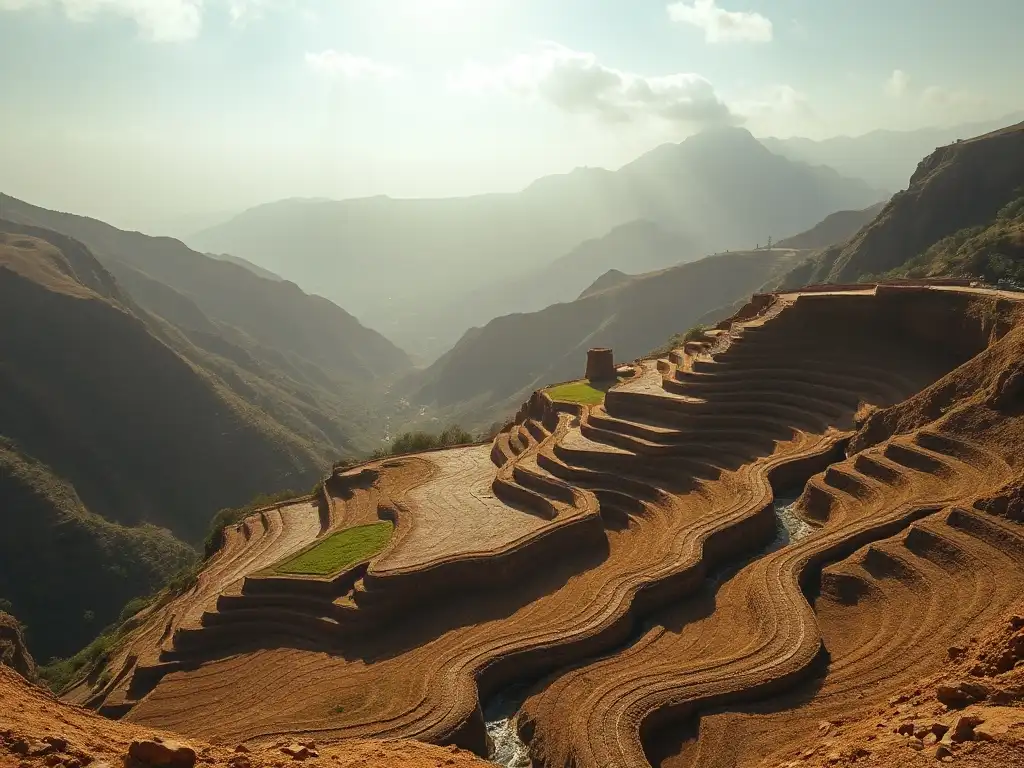
The ingenuity of Andean irrigation systems profoundly shaped the agricultural landscape and the trajectory of Andean civilizations. Mastering water management wasn't merely a technological feat; it was the cornerstone of their societal structures, economic prosperity, and cultural development. The sophisticated techniques employed allowed for significant advancements in food production and societal stability, directly impacting population density and the complexity of social organization.
Understanding the impact of these systems requires examining their multifaceted consequences on both crop production and societal development. This section will delve into the specific ways Andean irrigation systems boosted agricultural productivity and underpinned the very existence of these remarkable civilizations.
Increased Crop Yields and Agricultural Productivity
Andean irrigation systems dramatically increased crop yields, far surpassing what could be achieved through rain-fed agriculture alone. The ability to control water distribution allowed farmers to cultivate larger areas and ensure consistent harvests, even during periods of drought. This is evidenced by the extensive agricultural terraces carved into hillsides, which, combined with sophisticated canal networks, maximized arable land and water usage.
For example, the terraced fields of the Inca Empire, particularly in the Urubamba Valley, showcase the impressive scale of this achievement. These terraces, often supported by elaborate stonework, captured and retained water, preventing erosion and optimizing water distribution to individual plots. The resulting increase in productivity supported a larger and more densely populated society.
Studies comparing yields from irrigated versus non-irrigated plots in similar Andean environments consistently demonstrate a significant increase – often exceeding 50% – in crop production for irrigated areas. This surplus was crucial not only for subsistence but also for the development of complex social structures and trade networks. The improved efficiency in water use, achieved through techniques like diverting water from rivers and streams into carefully constructed channels, further amplified crop yields and resilience against environmental variability.
Supporting Diverse Cultivation and Crop Variety
The control over water resources facilitated by Andean irrigation systems wasn't limited to increasing the overall quantity of crops; it also enabled the cultivation of a remarkable diversity of crops. By carefully managing water flow and creating microclimates within the irrigated areas, Andean farmers were able to cultivate a wide range of crops with varying water requirements. This diversity is a testament to their deep understanding of both hydrology and agronomy.
The ability to irrigate different plots with varying water levels allowed for the cultivation of potatoes at higher altitudes, maize in lower-lying areas, and a variety of other crops such as quinoa, beans, and squash, each thriving in its optimal conditions. This diversification ensured food security and resilience against crop failures. A failure in one crop would not necessarily lead to famine, thanks to the robust variety of cultivated plants.
This agricultural diversity is a key factor contributing to the resilience and longevity of Andean civilizations. The intricate interplay between irrigation techniques and crop selection highlights the sophisticated knowledge and planning employed by Andean farmers.
Sustaining Andean Civilizations Through Effective Irrigation
The impact of Andean irrigation systems extends beyond mere agricultural productivity; it played a vital role in the very survival and societal development of these civilizations. The reliable food supply generated by efficient irrigation supported population growth, allowing for the development of larger, more complex urban centers. The surplus food production freed a portion of the population from constant agricultural labor, enabling specialization in crafts, administration, and other non-agricultural activities.
This specialization fueled the development of sophisticated social structures, religious institutions, and artistic expressions that characterize Andean cultures. Furthermore, control over water resources often translated into political power. The construction and maintenance of irrigation systems required significant organization and labor, often under the direction of ruling elites.
This control over essential resources solidified the power of ruling classes and shaped the political landscape of Andean societies. The interconnectedness of irrigation, food production, and social organization underscores the profound impact of these systems on the development and sustainability of Andean civilizations. The legacy of these sophisticated water management techniques continues to inspire and inform modern agricultural practices.
The Legacy of Andean Irrigation Systems
The ingenuity of Andean civilizations in developing sophisticated irrigation systems remains a testament to their deep understanding of their environment and the crucial role of water in sustaining their agricultural practices. These systems, far from being simple canals, represented complex engineering feats adapted to the challenging Andean terrain. From the coastal deserts to the high-altitude valleys, Andean peoples carved intricate networks of channels, aqueducts, and reservoirs, demonstrating remarkable resourcefulness and collaborative efforts across communities.
The scale and complexity varied depending on the specific civilization and geographic location; the Nazca lines, for example, while possibly having a ceremonial function, also suggest a sophisticated understanding of water management and land surveying necessary for efficient irrigation. The success of these systems allowed for intensive agriculture, supporting large populations and complex societies.
The legacy of these systems continues to influence modern agricultural practices in the Andes and beyond, highlighting the enduring value of traditional knowledge in addressing contemporary challenges. The keyword "Andean irrigation systems" is intrinsically tied to this legacy, encompassing the technological achievements, societal organization, and lasting impact of these remarkable feats of engineering.
Modern Applications of Ancient Andean Techniques
Many contemporary Andean communities still utilize adapted versions of ancestral irrigation techniques. These aren't simply relics of the past; they are actively maintained and improved upon. For example, the principles of waru waru agriculture, a pre-Inca technique involving raised beds and canals, are being revived and refined to improve water use efficiency and crop yields in the face of climate change.
This technique, characterized by its ability to retain moisture and reduce water loss through evaporation, is proving particularly valuable in arid and semi-arid regions. Furthermore, modern engineering projects often incorporate elements inspired by ancient Andean designs. The understanding of water flow dynamics, channel construction, and reservoir management gleaned from studying ancient sites informs the design of modern irrigation infrastructure, ensuring greater sustainability and resilience.
This shows a direct link between "Andean irrigation systems" and current agricultural practices, highlighting their continued relevance in addressing modern agricultural challenges. Studies comparing the efficiency of traditional waru waru systems with modern drip irrigation, for instance, reveal surprising similarities and potential synergies, suggesting that ancient knowledge can inform cutting-edge solutions.
Preserving the Knowledge of Traditional Water Management
The preservation of traditional Andean water management practices is crucial for maintaining biodiversity, ensuring food security, and promoting sustainable development in the region. This involves not only the physical preservation of ancient irrigation infrastructure but also the safeguarding of the associated knowledge and practices passed down through generations. This necessitates a multi-faceted approach, including:
- Documentation and research: Detailed studies of ancient irrigation systems, including archaeological excavations and ethnographic research, are essential for understanding their design, functionality, and societal context.
- Community participation: The active involvement of local communities in the preservation and management of their water resources is paramount. This includes supporting traditional practices, fostering knowledge transmission, and empowering communities to participate in decision-making processes.
- Education and training: Educational programs that promote awareness of the importance of traditional water management techniques and their relevance to modern challenges are crucial for ensuring the long-term sustainability of these practices. This should include training programs for farmers and engineers on adapting traditional methods to contemporary needs.
The continued relevance of "Andean irrigation systems" depends on this active preservation of both physical infrastructure and the cultural knowledge embedded within these practices. Failure to do so would represent a significant loss of invaluable knowledge and experience.
Lessons Learned from Andean Civilizations for Sustainable Agriculture
The Andean civilizations offer valuable lessons for sustainable agriculture in the 21st century. Their sophisticated water management techniques, adapted to diverse and challenging environments, demonstrate the importance of:
- Water conservation: Andean irrigation systems prioritized efficient water use, minimizing losses through evaporation and seepage. Modern agriculture can learn from these techniques to reduce its water footprint.
- Integrated water resource management: Andean communities developed integrated approaches to water management, considering the needs of agriculture, domestic use, and the environment. This holistic approach is crucial for sustainable water management in today's world.
- Community-based management: The success of Andean irrigation systems depended on strong community participation and collaboration. This highlights the importance of community-based approaches to water resource management in ensuring equitable access and sustainable use.
- Adaptability and resilience: Andean irrigation systems were designed to adapt to variable climatic conditions and environmental challenges. This adaptability is crucial in the face of climate change and increasing environmental uncertainties.
The study of "Andean irrigation systems" offers a rich source of knowledge and inspiration for developing more sustainable and resilient agricultural practices globally. By understanding and applying these lessons, we can create more sustainable and equitable agricultural systems that meet the needs of present and future generations. This includes the integration of traditional knowledge with modern technology to create innovative solutions to contemporary challenges in water management and food security.
Frequently Asked Questions
What were Andean irrigation systems used for?
Andean irrigation systems were crucial for agricultural production, allowing ancient civilizations to cultivate crops in diverse and challenging terrains. They ensured a reliable water supply for sustaining large populations and supporting complex societies.
How did Andean civilizations build their irrigation systems?
These systems involved complex engineering feats, including the construction of canals, aqueducts, and reservoirs. They utilized sophisticated techniques to divert water from rivers and streams, often across vast distances and challenging landscapes. Stone tools and human labor were primarily used.
Which Andean cultures are known for their sophisticated irrigation?
Many Andean cultures developed impressive irrigation, but the Incas, Nazca, and Moche are particularly renowned for their extensive and advanced systems. Each culture adapted its techniques to the specific geographical conditions of their region.
What impact did Andean irrigation have on societal development?
Efficient water management through irrigation enabled the development of larger, more stable settlements and facilitated the growth of complex social hierarchies and political structures. It supported specialized labor and enabled surplus food production.
Are there any examples of well-preserved Andean irrigation systems today?
Yes, several examples remain, though often in a ruined or partially restored state. Archaeological sites frequently showcase remnants of canals and aqueducts, offering insights into the ingenuity of ancient Andean engineers and their mastery of water management. These sites are vital for understanding ancient technologies.
Final Reflection: The Enduring Legacy of Andean Water Wisdom
The ingenious irrigation systems of the Andes, far from being relics of a bygone era, offer crucial lessons for a world grappling with water scarcity and climate change. Their sophisticated design and sustainable practices remain strikingly relevant in our time, reminding us of the profound connection between human ingenuity and environmental stewardship. The challenges we face today—droughts, population growth, and the need for resilient agricultural practices—demand a renewed appreciation for the wisdom embedded in these ancient techniques.
The enduring impact of Andean irrigation extends far beyond the realm of engineering; it speaks to a deep cultural understanding of water's vital role in shaping societies. These systems weren't merely functional; they were integral to the social fabric, fostering cooperation, community building, and a profound respect for the natural world. Water is life, and without it, there is no future.
This simple truth, understood intuitively by Andean communities for millennia, holds a powerful resonance in our increasingly water-stressed world. The intricate network of canals and aqueducts stands as a testament to their foresight and their ability to harmonize human needs with ecological realities.
Consider the ingenuity of these systems, the collaborative spirit they fostered, and the enduring legacy they represent. You too can draw inspiration from this ancient wisdom. Think about how you can contribute to more sustainable water management in your own community, whether through advocating for responsible water use, supporting innovative water conservation projects, or simply deepening your understanding of the precious resource that sustains us all. Let the legacy of Andean irrigation inspire you to become a steward of water, ensuring a future where this vital resource is cherished and protected for generations to come.
Dive Deeper into Andean Innovations!
Thank you for exploring the fascinating world of Andean irrigation and its remarkable engineering feats! You've gained a valuable understanding of how ancient civilizations mastered water management to thrive in challenging environments. Let's build on this knowledge!
Here are some engaging ways to continue your exploration:
- Explore a Local Water Management Project: Discover how your community manages its water resources and consider the similarities to ancient Andean techniques. You might be surprised by the parallels!
- Share Your Knowledge: Discuss your newfound appreciation for sustainable water practices with friends, family, or online communities. Inspire others to consider the wisdom of ancient civilizations.
- Connect with Like-Minded Individuals: Join an online forum or group dedicated to Andean history, sustainable practices, or water management. Engage in discussions, share your insights, and learn from others' experiences.
What aspect of Andean irrigation most inspires you, and how might you apply these principles to improve water management in your own life or community?