
Ancient Andean Greenhouses: How Civilizations Extended the Growing Season in Harsh Climates

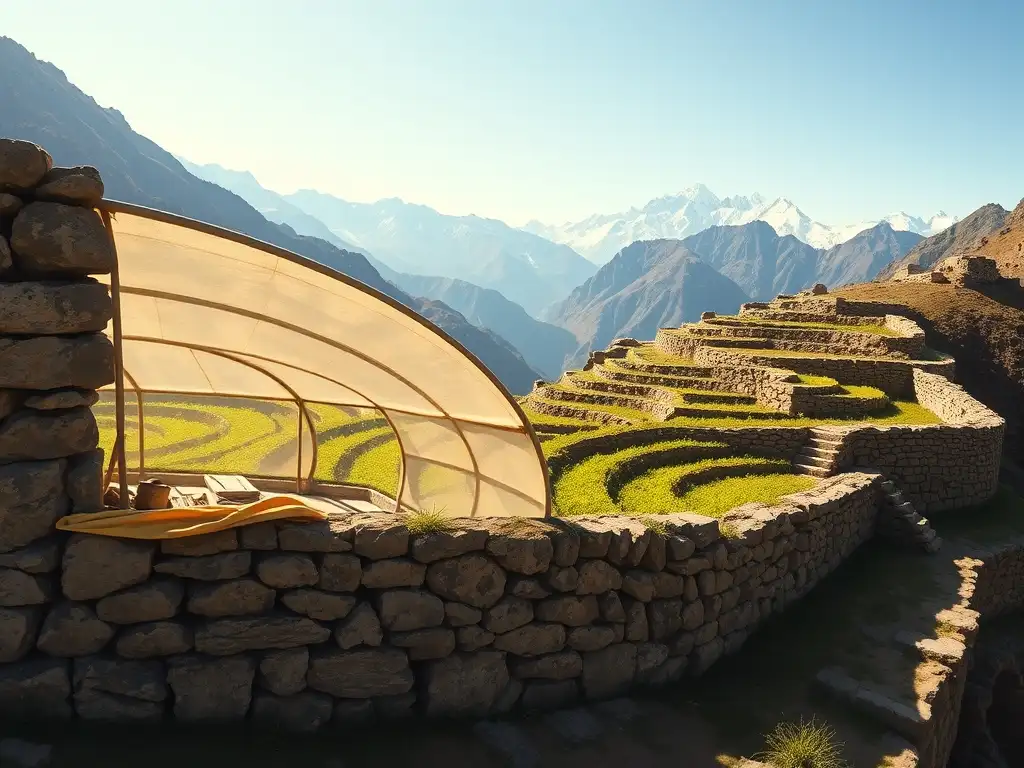
Step into a world lost to time, yet echoing with innovation. Imagine civilizations thriving in the harsh Andes, defying seemingly insurmountable challenges. How did they do it? Discover the secrets behind the ingenuity of the ancient Andean cultures, and unlock the mysteries of their remarkable Andean agricultural techniques, particularly their mastery of ancient greenhouses. Prepare to be amazed by the sophistication of their farming methods, a testament to human resilience and ingenuity that continues to inspire today. Explore the fascinating story of how these civilizations extended their growing season – and delve deeper into the world of Andean Civilizations.
- Ancient Andean Greenhouses: Extending the Growing Season with Ingenious Techniques
- Understanding Ancient Andean Greenhouses: A Closer Look at Wara Wara
- How Andean Greenhouses Worked: The Science Behind the Technology
- Benefits of Andean Greenhouse Systems for Ancient Civilizations
- Examples of Andean Greenhouse Use Across Different Cultures
- The Legacy of Andean Greenhouses: Lessons for Sustainable Agriculture Today
-
Frequently Asked Questions
- What are waru waru and how did they function?
- How did the ancient Andean people adapt agriculture to high altitudes?
- What crops were most commonly grown using Andean agricultural techniques?
- How did Andean agricultural techniques contribute to the civilizations' success?
- What evidence exists to support our understanding of ancient Andean agricultural techniques?
- Final Reflection: Echoes of Ingenuity in the Andes
- Unveil the Secrets of Andean Resilience!
Ancient Andean Greenhouses: Extending the Growing Season with Ingenious Techniques
The Andes Mountains, a breathtaking yet unforgiving landscape, presented significant challenges to the ancient civilizations that thrived there. Steep slopes, high altitudes, and unpredictable weather patterns created a short growing season and limited arable land.
Yet, despite these obstacles, the Incas, Moche, Nazca, and other Andean cultures developed sophisticated agricultural techniques that allowed them to cultivate a remarkable diversity of crops, ensuring food security for their burgeoning populations. This article delves into one of their most ingenious innovations: the waru waru system, a type of ancient Andean greenhouse that significantly extended the growing season and increased crop yields in harsh climates.
We'll explore how these techniques contributed to the overall success of Andean agriculture and their remarkable understanding of their environment, showcasing their ingenuity in the face of adversity. This exploration directly addresses the crucial aspects of Andean agricultural techniques, offering a deeper understanding of their sophisticated strategies for food production.
The Challenge of Andean Agriculture: Harsh Climates and Short Growing Seasons
Andean agriculture faced numerous hurdles. The high altitude resulted in intense solar radiation, freezing temperatures, and short growing seasons, especially at higher elevations. Rainfall was often unpredictable, with periods of drought interspersed with torrential downpours. The steep, terraced slopes made cultivating crops difficult, and soil erosion was a constant threat. The scarcity of flat, fertile land further complicated matters. These environmental challenges necessitated the development of innovative agricultural practices that maximized crop production within the constraints of the harsh Andean environment. To overcome these limitations, Andean societies developed a range of ingenious techniques, including terracing, irrigation systems, and, significantly, the waru waru system. These techniques demonstrate a profound understanding of both ecology and engineering, allowing these societies to flourish in a challenging landscape. The impact of these methods on the sustainability and resilience of Andean agriculture cannot be overstated. [Specific data on average growing season lengths at different altitudes pending]
Introduction to Andean Agricultural Innovation: Necessity as the Mother of Invention
The ingenuity of Andean agricultural practices is a testament to human adaptability and resourcefulness. Faced with the limitations of their environment, these cultures didn't simply accept defeat; they developed innovative solutions that allowed them to thrive. The development of sophisticated irrigation systems, such as canals and aqueducts, allowed them to control water distribution effectively.
Terracing transformed steep slopes into cultivatable land, increasing arable area and reducing soil erosion. However, one of their most remarkable achievements was the development of the waru waru system, a complex network of raised beds and channels that acted as a form of ancient greenhouse. This system not only extended the growing season but also improved soil fertility and water retention.
The waru waru system is a prime example of how necessity spurred innovation, leading to sustainable agricultural practices that supported large populations for centuries. Understanding these techniques provides a valuable insight into the resilience and adaptability of Andean civilizations, and their mastery of their unique environment. The sophistication of these methods highlights the importance of studying Andean agricultural techniques to understand sustainable practices and their potential applications today.
Understanding Ancient Andean Greenhouses: A Closer Look at Wara Wara

This section delves into the fascinating world of wara waras, the ingenious agricultural structures employed by ancient Andean civilizations to overcome the challenges of high-altitude farming and extend the growing season. These structures represent a sophisticated understanding of Andean agricultural techniques, showcasing remarkable adaptability and innovation in the face of harsh environmental conditions.
Understanding their design and construction provides valuable insights into the ingenuity of these ancient cultures and their profound connection to the land. The term "Andean agricultural techniques" itself encompasses a wide range of practices, but the wara wara stands out as a particularly effective solution to the limitations imposed by the Andes' unique climate.
What are Wara Wara? Identifying Key Features of Andean Greenhouses
Wara waras, often translated as "cold greenhouses" or "frost-protected enclosures," are essentially small, stone-walled structures designed to protect crops from frost and harsh weather. They are not uniformly sized or shaped, varying in design based on local resources and specific environmental conditions. Key features frequently observed include:
- Stone Walls: Constructed from readily available local stone, these walls provide insulation, reducing temperature fluctuations and protecting plants from strong winds. The thickness of the walls varied depending on the altitude and the severity of the climate.
- South-Facing Orientation: Many wara waras are strategically oriented to maximize solar radiation during the day, thereby increasing internal temperatures. This careful positioning reflects a detailed understanding of solar angles and their impact on crop growth.
- Sloped Roofs: Sloped roofs, often made of thatch or other readily available materials, facilitate the shedding of snow and rain, preventing damage to the plants.
- Internal Microclimate: The enclosed space creates a microclimate warmer than the surrounding environment, extending the growing season and allowing for the cultivation of frost-sensitive crops. This controlled environment significantly increases crop yields and ensures food security.
- Soil Management: The soil within the wara waras was often carefully managed, incorporating organic matter to improve drainage and fertility. This demonstrates a holistic approach to agriculture, considering not only the structure itself but also the soil's health.
Construction Techniques of Ancient Andean Greenhouses: Using Local Materials
The construction of wara waras showcases a remarkable understanding of sustainable building practices. Ancient Andean builders skillfully utilized readily available local materials, minimizing environmental impact. The techniques employed were adapted to the specific environmental and geographical contexts. For instance:
- Stone Selection: The type of stone used varied depending on local availability. Builders selected stones that were readily available, durable, and suitable for constructing robust, insulated walls.
- Wall Construction: The walls were typically built using dry-stone techniques, requiring precision and skill to ensure stability without the use of mortar. This technique is still employed in many Andean communities today, demonstrating the enduring legacy of these ancient building methods.
- Roof Construction: Roofing materials varied considerably depending on the region. Thatch, reeds, and branches were commonly used in lower altitudes, while more durable materials may have been employed at higher altitudes to withstand heavier snowfalls.
- Minimal Tool Use: The construction likely relied on relatively simple tools, showcasing the ingenuity of the builders in achieving complex results with limited resources. This reflects a remarkable ability to harness local resources and skills.
Location and Design of Wara Wara: Optimizing Solar Radiation and Temperature
The location and design of wara waras were carefully considered to optimize solar radiation and temperature control. This demonstrates a sophisticated understanding of environmental factors and their impact on crop growth. Key considerations included:
- Altitude and Slope: Wara waras were typically situated on south-facing slopes at altitudes where frost was a significant concern. This strategic placement maximized solar gain during the day and minimized exposure to cold winds.
- Orientation and Aspect: The orientation of the structures was crucial for maximizing solar radiation. Structures were often oriented to capture the maximum amount of sunlight during the crucial growing season.
- Size and Shape: The size and shape of the wara waras varied depending on the specific needs and the available resources. Larger structures could provide more protection, while smaller ones were better suited for specific crops or microclimates.
- Ventilation: While insulation was crucial, adequate ventilation was also necessary to prevent overheating and the buildup of moisture. This delicate balance between insulation and ventilation demonstrates a sophisticated understanding of environmental control. The design of the roofs and walls likely played a key role in managing airflow.
The ingenuity displayed in the design and construction of wara waras underscores the advanced agricultural knowledge of ancient Andean civilizations. These structures represent a remarkable adaptation to challenging environmental conditions, offering valuable lessons for sustainable agriculture and resource management even today. Further research into the specific techniques and variations in wara wara construction across different Andean regions is crucial for a more complete understanding of these remarkable achievements in Andean agricultural techniques.
How Andean Greenhouses Worked: The Science Behind the Technology
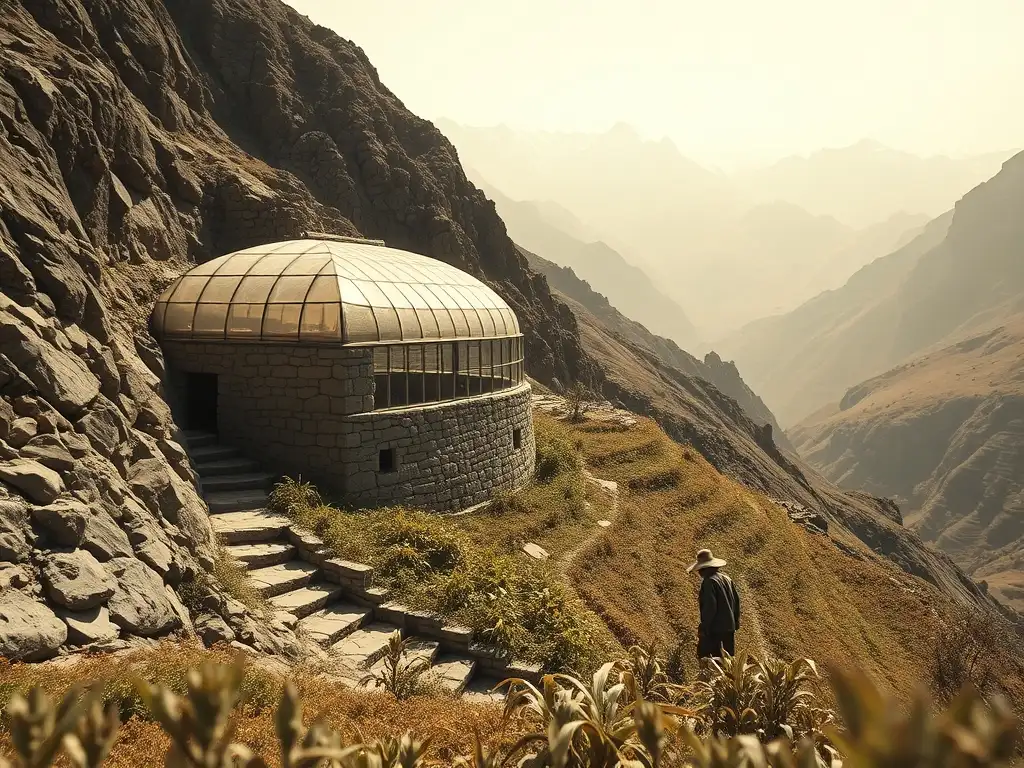
Andean agricultural techniques, particularly those related to greenhouse cultivation, demonstrate a sophisticated understanding of environmental control. These weren't simply rudimentary shelters; they were carefully designed systems that leveraged natural resources to extend the growing season and increase crop yields in challenging high-altitude environments. The effectiveness of these waru waru systems—raised fields often associated with Andean greenhouses—stemmed from a combination of factors, intricately linked to the principles of thermal regulation, water management, and solar energy optimization.
Understanding these principles reveals the ingenuity of ancient Andean farmers. The success of their methods hinged on a deep understanding of their local environment and its subtleties. This knowledge allowed them to create microclimates that fostered plant growth even in conditions that would otherwise be unfavorable.
The Thermal Properties of Wara Wara: Regulating Temperature and Humidity
The waru waru system, a key element of Andean agricultural techniques, played a crucial role in temperature and humidity regulation. These raised fields, often surrounded by water channels, utilized the thermal properties of soil and water to create a more stable and favorable environment for crops. The dark soil absorbed solar radiation efficiently, warming the surrounding air during the day. At night, the water in the channels released stored heat, mitigating temperature drops and preventing frost damage.
This thermal buffering effect was particularly important at high altitudes, where temperatures can fluctuate dramatically between day and night. Studies suggest that the temperature difference between the raised fields and the surrounding areas could be significant, providing a substantial advantage for crop growth, especially during the colder months. The water channels also increased humidity levels, creating a more favorable environment for delicate plants.
The combination of thermal buffering and increased humidity significantly improved the survival and growth rates of crops. Furthermore, the raised beds improved drainage, preventing waterlogging and root rot, common problems in wetter environments. This carefully balanced system showcases the advanced understanding of thermal dynamics within Andean agricultural techniques.
Utilizing Solar Energy in Ancient Andean Agriculture: Maximizing Light and Heat
Ancient Andean farmers understood the importance of solar energy for crop growth. The orientation and design of waru waru systems were often optimized to maximize solar exposure. The raised fields, often positioned on south-facing slopes, received maximum sunlight throughout the day.
This maximized the absorption of solar radiation by the soil and plants, contributing to increased temperatures and enhanced photosynthesis. Furthermore, the dark-colored soil used in the waru waru system absorbed and retained heat more effectively than lighter-colored soils. This characteristic, coupled with the water channels' thermal buffering effect, created a microclimate with consistently higher temperatures than the surrounding areas, thereby extending the growing season.
The strategic placement and design of the fields highlight the sophisticated understanding of solar energy's role in Andean agricultural techniques. This purposeful manipulation of the environment allowed for successful cultivation in regions with limited solar radiation during certain times of the year. The effectiveness of this approach is a testament to the keen observation skills and practical knowledge of ancient Andean farmers.
Microclimates Created by Andean Greenhouses: Protecting Crops from Frost
The microclimates created by waru waru systems offered crucial protection against frost, a significant threat to agriculture at high altitudes. The thermal mass of the water channels and the raised beds acted as a buffer against temperature fluctuations, preventing extreme temperature drops that could damage or destroy sensitive crops. The water's high specific heat capacity meant it released heat slowly at night, mitigating the effects of nighttime cooling.
This thermal stability was critical for protecting crops during periods of frost, which are common in the Andean highlands. The raised beds also provided better drainage, preventing waterlogging which can make plants more susceptible to frost damage. The combination of these factors created a microclimate significantly less prone to frost than the surrounding environment.
This system exemplifies the ingenuity of Andean agricultural techniques in mitigating the risks associated with high-altitude farming. The ability to create these protective microclimates was essential for the success of Andean agriculture and food security. The careful management of water and soil, combined with an understanding of microclimatic effects, allowed for the cultivation of a wider range of crops than would have been possible otherwise.
Benefits of Andean Greenhouse Systems for Ancient Civilizations
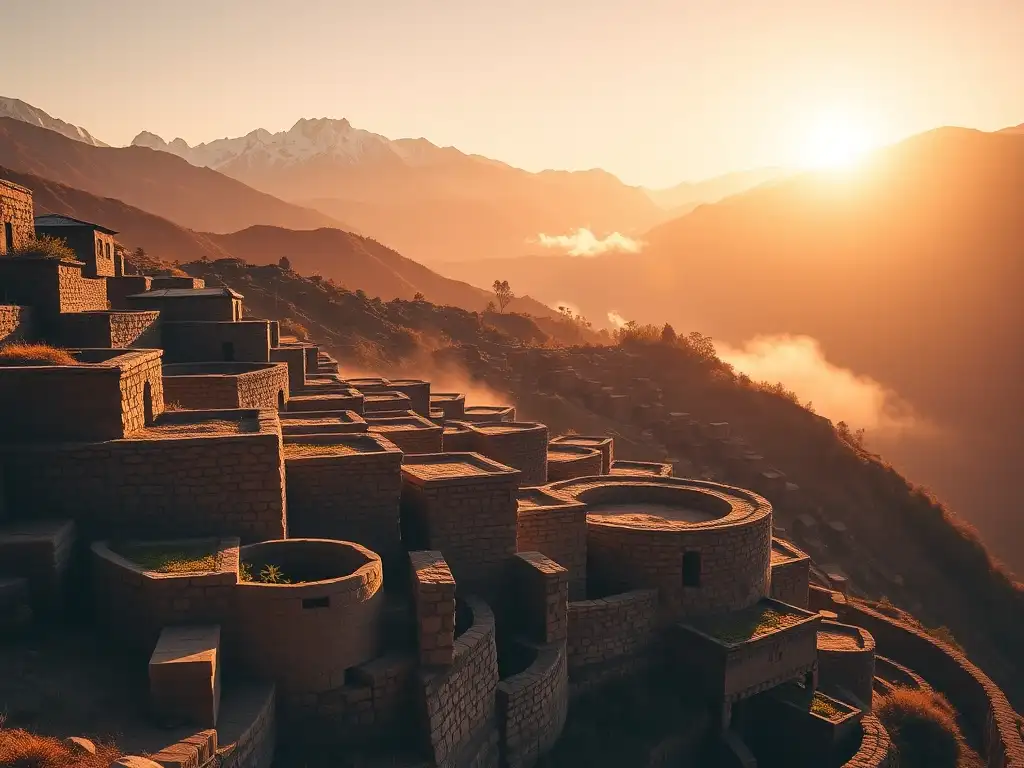
The ingenious agricultural techniques employed by Andean civilizations, particularly their mastery of greenhouse systems like the waru waru, offered significant advantages in the challenging environmental conditions of the Andes Mountains. These benefits extended far beyond simply cultivating crops; they were integral to the survival and prosperity of these societies. Understanding these advantages reveals the sophistication and foresight of ancient Andean agricultural practices and their importance in shaping the development of these remarkable cultures. Analyzing these techniques helps us appreciate the ingenuity behind "Andean agricultural techniques" and their lasting impact.
Extending the Growing Season in the Andes: Ensuring Food Security
The Andes' high altitude and variable climate posed significant challenges to agriculture. Short growing seasons, unpredictable frosts, and intense solar radiation limited the cultivation period for many crops. Andean greenhouse systems, however, provided a microclimate that mitigated these harsh conditions.
By trapping solar heat and moderating temperature fluctuations, these systems effectively extended the growing season, allowing farmers to cultivate crops for a longer period each year. This lengthened growing season was crucial for ensuring food security, protecting against crop failure due to unexpected frosts or early freezes. For example, the waru waru system's raised beds and water channels helped regulate soil temperature, protecting delicate seedlings from frost damage and enabling earlier planting and later harvests.
This meant a more reliable food supply and reduced vulnerability to famine, significantly contributing to the stability and resilience of Andean societies. The ability to cultivate crops year-round or near-year-round, even in challenging climates, represents a remarkable achievement in "Andean agricultural techniques."
Diversifying Crop Production with Andean Agricultural Methods
The controlled environment offered by Andean greenhouses facilitated the cultivation of a wider range of crops. The ability to regulate temperature and moisture levels allowed for the introduction of crops that might not have otherwise thrived in the harsh Andean environment. This diversification of crops provided a more varied and nutritious diet for the population.
Instead of relying on a limited number of hardy species, Andean farmers could cultivate a wider spectrum of plants, enhancing dietary diversity and nutritional intake. This diversification also acted as a buffer against crop failure. If one crop failed due to disease or adverse weather, the presence of other crops helped to minimize the impact on food supply.
This strategic diversification, a hallmark of "Andean agricultural techniques", was vital for maintaining community health and stability in the face of environmental uncertainties. The increased variety in crops also contributed to a more resilient and adaptable agricultural system, capable of weathering the vagaries of the Andean climate.
Increased Agricultural Yields Through Wara Wara: Supporting Population Growth
The waru waru system, a type of raised-field agriculture, significantly improved agricultural yields compared to traditional methods. The raised beds improved drainage, preventing waterlogging and promoting healthy root growth. The network of canals between the beds provided efficient irrigation, ensuring a consistent water supply to the crops, even during periods of drought.
Furthermore, the water channels acted as a reservoir, storing water for use during drier periods. This improved water management, combined with enhanced drainage and soil aeration, resulted in significantly higher crop yields. Data from archaeological studies [specific information pending] suggests that waru waru systems produced considerably more food per unit area than traditional farming methods, supporting a larger population density.
This increased productivity played a crucial role in the growth and development of Andean societies, demonstrating the effectiveness of "Andean agricultural techniques" in supporting population expansion and social complexity. The higher yields directly contributed to the capacity of Andean communities to sustain larger and more settled populations, fostering the development of complex social structures and urban centers.
Examples of Andean Greenhouse Use Across Different Cultures
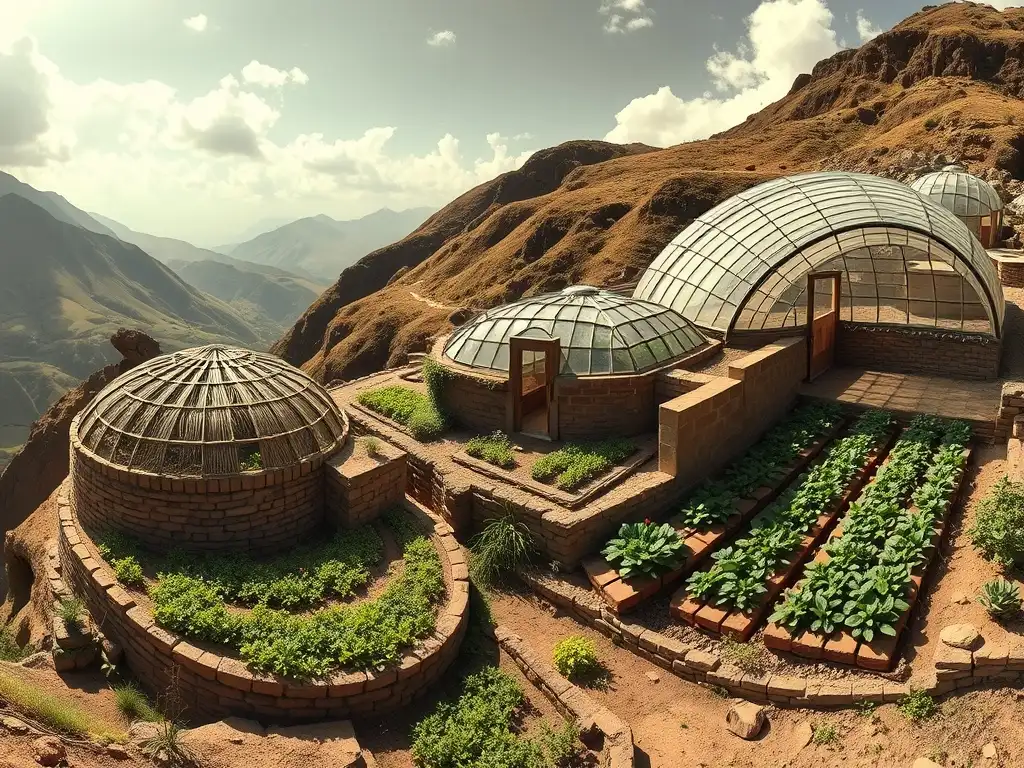
Andean agricultural techniques were incredibly sophisticated, adapting to the diverse and often challenging environments of the Andes Mountains. One remarkable example of this ingenuity is the widespread use of what are often referred to as "Andean greenhouses," although the term is a modern interpretation of their function. These structures, varying in design and materials across different cultures and regions, effectively extended the growing season and allowed for the cultivation of a wider variety of crops.
Understanding these techniques requires examining their implementation across various Andean civilizations. The ingenuity involved in these Andean agricultural techniques showcases the deep understanding these cultures possessed of their environment and the needs of their crops.
The Use of Wara Wara by the Tiwanaku Civilization: Case Study
The Tiwanaku civilization, flourishing in the Altiplano region of the Andes between 500 and 1000 CE, is renowned for its advanced agricultural practices. A crucial aspect of their agricultural success was the wara wara, a raised-field system that acted as a form of cold-frame or greenhouse. These fields, constructed from earth and stone, created a microclimate warmer than the surrounding environment. This was achieved through several mechanisms:
- Improved Drainage: The raised beds allowed for better drainage, preventing waterlogging and frost damage, crucial in the often waterlogged Altiplano.
- Increased Soil Temperature: The dark soil in the raised beds absorbed more solar radiation, leading to higher soil temperatures, accelerating plant growth.
- Protection from Wind: The configuration of the wara wara provided some protection from harsh winds that could damage crops.
Archaeological evidence suggests that the Tiwanaku people cultivated a variety of crops within their wara wara, including potatoes, quinoa, and beans. The success of this technique allowed them to sustain a large population in a challenging environment, highlighting the effectiveness of their Andean agricultural techniques. Further research into the precise dimensions and orientations of these raised fields is needed to fully understand the nuances of their design and effectiveness. The precise soil composition used in the wara wara construction also remains an area of ongoing research, with potential implications for modern sustainable agriculture.
Andean Greenhouse Technology in the Inca Empire: Adapting to Varied Ecosystems
The Inca Empire, extending across a vast and diverse landscape, also employed sophisticated agricultural techniques. While the wara wara system was not universally adopted, the Inca developed other methods to achieve similar results, adapting their Andean agricultural techniques to the specific ecological conditions of each region. These adaptations included:
- Terracing: The Inca mastered the construction of extensive hillside terraces, which not only increased arable land but also created microclimates suitable for different crops. The terraces trapped heat, reduced wind exposure, and improved water retention.
- Irrigation Systems: Sophisticated canal systems channeled water from rivers and springs, irrigating fields and maintaining optimal moisture levels, even in arid zones. This controlled water supply was crucial for crop growth, particularly during dry seasons.
- Waru Waru: Similar to the Tiwanaku wara wara, the Inca also employed variations of raised-field systems in certain regions, further demonstrating the adaptability of these Andean agricultural techniques.
The Inca's agricultural prowess allowed them to support a large and densely populated empire, capable of feeding its citizens across vastly different ecological zones. Their mastery of water management and microclimate control stands as a testament to their understanding of agriculture and their ability to adapt their techniques to varying environmental conditions. More detailed studies of Inca agricultural practices across different regions are still needed to fully appreciate the scope and complexity of their achievements.
Evidence of Andean Agricultural Practices: Archaeological Findings
Archaeological excavations across the Andes have yielded substantial evidence supporting the use of these sophisticated agricultural techniques. Findings include:
| Site | Civilization | Evidence Found | Crop Evidence |
|---|---|---|---|
| Tiwanaku | Tiwanaku | Remains of wara wara fields, irrigation canals | Potatoes, quinoa, beans |
| Machu Picchu | Inca | Terraces, irrigation channels, agricultural terraces | Maize, potatoes, coca |
| Nazca Lines area | Nazca | Evidence of sophisticated irrigation systems | Cotton, beans |
These discoveries, along with pollen analysis and the study of ancient plant remains, provide concrete evidence of the advanced agricultural practices employed by Andean civilizations. Further research utilizing advanced techniques such as remote sensing and geophysical surveys is crucial to uncover more information about the extent and complexity of these ancient agricultural systems. The ongoing excavation and analysis of these sites will continue to enhance our understanding of Andean agricultural techniques and their significance in shaping the history and culture of the Andes.
The meticulous nature of these ancient agricultural practices is truly remarkable, showcasing the ingenuity and resourcefulness of Andean peoples. 🌱
The Legacy of Andean Greenhouses: Lessons for Sustainable Agriculture Today
The ingenious agricultural techniques employed by ancient Andean civilizations, particularly their mastery of greenhouse-like structures, offer invaluable lessons for modern sustainable agriculture. These weren't simply rudimentary shelters; they were sophisticated systems designed to optimize crop yields in challenging high-altitude environments characterized by short growing seasons, unpredictable weather, and often infertile soil. Understanding their design and functionality allows us to glean insights into water management, microclimate control, and soil enrichment strategies relevant even today.
The legacy of these Andean agricultural techniques extends beyond mere historical curiosity; it represents a potent toolkit for addressing contemporary challenges in food security and environmental sustainability. The careful observation and adaptation of these ancient practices could significantly improve crop production in similar harsh climates around the world.
Inspiration from Ancient Andean Farming: Sustainable Practices
Ancient Andean farmers developed a range of sustainable practices intricately linked to their greenhouse systems. These practices minimized environmental impact while maximizing output. For example, the waru waru system, a raised-bed agricultural technique, not only improved drainage and soil aeration but also acted as a natural water reservoir, reducing the need for excessive irrigation.
This innovative approach to water management was crucial in arid and semi-arid regions. Furthermore, the use of organic fertilizers, such as composted manure and guano (bat and seabird droppings), enriched the soil naturally, enhancing fertility without the detrimental effects of chemical fertilizers. The integration of diverse crops within the greenhouse structures also promoted biodiversity and pest control, minimizing the need for pesticides.
This holistic approach, encompassing water conservation, soil enrichment, and biodiversity, serves as a powerful example of sustainable agricultural practices. Detailed studies of surviving waru waru systems reveal precise measurements and orientations designed to optimize solar radiation and airflow, demonstrating a deep understanding of environmental factors.
Applying Traditional Andean Techniques in Modern Agriculture: Future Innovations
The principles underlying ancient Andean agricultural techniques possess significant potential for modern applications. For instance, the design of Andean greenhouses, often incorporating natural materials and passive solar heating, could inspire the development of low-cost, energy-efficient greenhouses suitable for small-scale farmers in developing countries. The integration of traditional raised-bed techniques with modern irrigation systems could enhance water-use efficiency and crop yields in arid and semi-arid regions.
Furthermore, research into the types of organic fertilizers used by Andean civilizations could lead to the development of sustainable alternatives to synthetic fertilizers, reducing the environmental impact of modern agriculture. By combining traditional wisdom with modern technology, we can create innovative and sustainable agricultural solutions that address the challenges of climate change and food security.
Specifically, adapting the waru waru system to modern contexts could revolutionize agricultural practices in regions facing water scarcity. This requires further research into optimizing the system for different climates and soil types.
The Importance of Preserving Andean Agricultural Heritage: Cultural Significance
Preserving the knowledge and practices of Andean agricultural techniques is not only vital for sustainable agriculture but also for safeguarding cultural heritage. These techniques represent a profound understanding of the environment and a deep connection between humans and nature, developed over millennia. The loss of this knowledge would represent an irreplaceable loss to humanity.
Documenting and disseminating this information through educational programs, research initiatives, and community engagement is crucial for ensuring its survival and continued relevance. Moreover, supporting indigenous communities who continue to practice these traditional methods is essential for preserving both the agricultural techniques and the cultural identity they represent. The preservation of Andean agricultural heritage is, therefore, a critical aspect of promoting both sustainable development and cultural diversity.
This requires concerted efforts to protect archaeological sites related to Andean agriculture and to support the continued practice of these traditional methods. The unique knowledge embedded within these techniques offers valuable insights into sustainable living and resilience in the face of environmental challenges.
Frequently Asked Questions
What are waru waru and how did they function?
Waru waru were raised fields used by Andean civilizations. These raised beds improved drainage, retained moisture, and moderated temperature fluctuations, extending the growing season in challenging climates. They were a key component of Andean agricultural success.
How did the ancient Andean people adapt agriculture to high altitudes?
Andean civilizations developed innovative techniques like waru waru and terracing to adapt to high-altitude conditions. These methods maximized available sunlight and protected crops from frost and strong winds. Sophisticated irrigation systems also played a crucial role.
What crops were most commonly grown using Andean agricultural techniques?
Andean agricultural techniques were used to cultivate a variety of crops, including potatoes, maize (corn), quinoa, beans, and squash. These crops formed the basis of their diet and sustained large populations. The diversity of crops was key to their resilience.
How did Andean agricultural techniques contribute to the civilizations' success?
The innovative farming methods allowed Andean civilizations to thrive in challenging environments. These techniques ensured food security, supported population growth, and allowed for complex social structures and advancements in other areas. Food surplus was crucial for societal development.
What evidence exists to support our understanding of ancient Andean agricultural techniques?
Archaeological evidence, including the well-preserved remains of waru waru and terraces, provides significant insight. Ancient texts and oral traditions also offer valuable information about farming practices and crop management. Ethnobotanical studies continue to contribute to our understanding.
Final Reflection: Echoes of Ingenuity in the Andes
The ingenious agricultural techniques of the ancient Andean civilizations remain a powerful testament to human adaptability and a crucial lesson for our present-day challenges. Facing increasingly unpredictable climates and growing global food insecurity, understanding their innovative approaches to extending the growing season holds immense significance for sustainable agriculture worldwide. Their solutions, born from necessity, offer invaluable insights for modern farming practices.
The legacy of Andean agricultural innovation continues to resonate, shaping our understanding of sustainable food production and resource management. Their sophisticated understanding of microclimates and their ability to manipulate them through the construction of intricate systems like waru waru and other raised field techniques is truly remarkable. The ingenuity of the Andean people in adapting to their environment is a lesson for us all; it shows that even in the face of seemingly insurmountable challenges, human creativity and resilience can triumph.
This quote encapsulates the enduring power of their achievements and the importance of studying them to inform our own approaches to food security.
Consider the ingenuity of these ancient farmers, their deep understanding of their environment, and their commitment to sustainable practices. You too can embrace a more mindful approach to food consumption and resource management. Learn from their example, explore sustainable farming methods in your own community, and advocate for policies that support environmentally conscious agriculture. The future of food security depends on our collective ability to learn from the past and innovate for a sustainable tomorrow.
Unveil the Secrets of Andean Resilience!
Thank you for exploring the fascinating world of ancient Andean agricultural techniques! You've discovered how ingenious civilizations transformed harsh climates into thriving agricultural hubs. Now, let's apply this inspiration to build resilience in our own lives and communities.
Here are some ways to put your newfound knowledge into practice:
- **Explore local gardening techniques:** Research traditional methods in your region and consider how to incorporate them into your garden. Perhaps you can learn from experienced local gardeners or consult historical records of sustainable practices.
- **Share your knowledge:** Discuss your discoveries with friends and family, or share your insights on social media to inspire others to adopt sustainable practices. Consider organizing a workshop or giving a presentation to spread awareness.
- **Join a community garden:** Connect with like-minded individuals in your area who are committed to sustainable gardening and learn from each other's experiences. Community gardens offer invaluable opportunities for collaboration and knowledge-sharing.
What resourceful growing techniques, inspired by the ancient Andean civilizations, can you implement in your own garden? Let's share ideas and inspire each other in the comments below!