
The PlantBased Diet: Unveiling the Secrets to Andean Health and Longevity


Uncover the mysteries behind the remarkable achievements of the Andean civilizations! Journey with us through a world of breathtaking artistry, sophisticated engineering, and surprisingly advanced agricultural practices. But what fueled this ingenuity? Discover the secrets of the Andean plant-based diet, a cornerstone of Andean health and longevity, and learn how this unique food system contributed to the flourishing of empires that still captivate us today. Prepare to be amazed by what nature and human innovation could achieve...
- The Andean PlantBased Diet: Unveiling Secrets to Health and Longevity
- Key Plant-Based Foods of the Andes
- Health Benefits of the Andean Plant-Based Diet
- Longevity and the Andean Plant-Based Lifestyle
- Preparing and Enjoying Andean Plant-Based Dishes
- The Sustainability of Andean Plant-Based Agriculture
-
Frequently Asked Questions
- What was the basis of the Andean plant-based diet?
- How did the Andes' diverse geography influence their diet?
- Were there any animal products consumed in the Andean diet?
- What role did Andean agriculture play in their longevity?
- How does the modern understanding of nutrition relate to the traditional Andean diet?
- Final Reflection: Harvesting the Legacy of Andean Longevity
- **Embrace a Vibrant Future with Plant-Based Living! **
The Andean PlantBased Diet: Unveiling Secrets to Health and Longevity
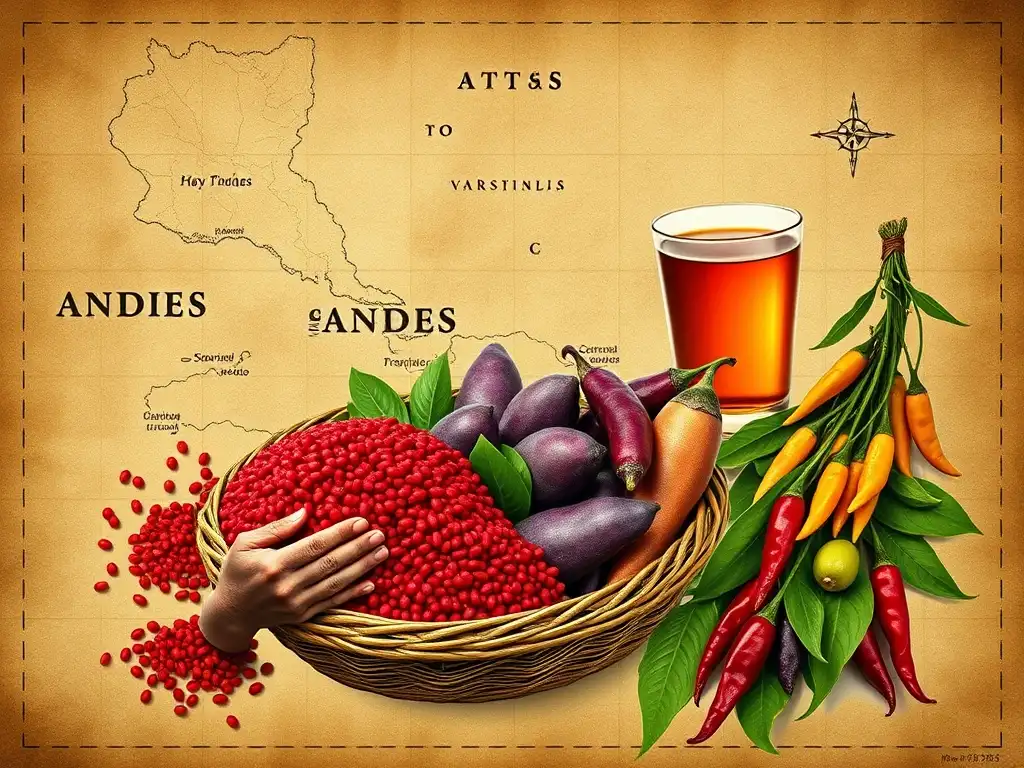
The Andes Mountains, a spine of towering peaks running down the western coast of South America, are home to a rich tapestry of ancient civilizations whose ingenuity and resilience are reflected in their unique agricultural practices and dietary habits. For centuries, Andean communities thrived on a largely plant-based diet, a testament to their deep understanding of the land and its bounty. This article delves into the secrets of this Andean plant-based diet, exploring the key ingredients, traditional preparations, and the potential links between this nutritional approach and the remarkable health and longevity observed in many Andean populations.
We will uncover how the careful cultivation and utilization of diverse Andean crops contributed to a sustainable and nutritious food system, providing insights into a dietary model relevant to modern health concerns. Understanding the Andean plant-based diet offers not only a glimpse into the past but also a potential pathway towards a healthier future.
This exploration is crucial for appreciating the cultural significance of food within Andean societies and its impact on their well-being. We will also examine the role of specific plants, such as coca, within this context, dispelling myths and highlighting the nuanced relationship between these plants and the Andean way of life.
Introduction to Andean Food Traditions
Andean food traditions are deeply intertwined with the complex geography and diverse ecosystems of the region. The varied altitudes, from coastal deserts to high-altitude plains and cloud forests, fostered the cultivation of an astonishing variety of crops, each uniquely adapted to its specific environment. This biodiversity is the cornerstone of the traditional Andean diet.
Potatoes, for example, boast an incredible diversity of species, each with its own unique flavor, texture, and nutritional profile. Similarly, quinoa, amaranth, and various beans formed the basis of a protein-rich diet, supplemented by fruits, vegetables, and nuts. The intricate knowledge of Andean farmers allowed them to cultivate these crops sustainably, using techniques such as terracing and crop rotation to maximize yields while minimizing environmental impact.
These techniques, passed down through generations, are a testament to the sophisticated understanding of agriculture that characterized Andean civilizations. Furthermore, traditional methods of food preservation, such as drying and fermentation, ensured food security throughout the year, mitigating the challenges posed by the variable Andean climate. The preparation of these foods, often involving simple techniques that preserve their nutritional value, underscores the emphasis on wholesome and nutritious eating.
The Core of the Andean Plant-Based Diet
The core of the Andean plant-based diet consisted primarily of carbohydrates from tubers like potatoes (with hundreds of varieties! ), quinoa, and other grains. These provided the essential energy for daily life in the challenging Andean environment. Protein sources were abundant and varied, including beans (such as black beans, kidney beans, and others), lentils, and amaranth.
These legumes are not only excellent sources of protein but also rich in fiber and essential minerals. Fruits and vegetables, such as lucuma, chirimoya, and various types of peppers, provided crucial vitamins and antioxidants, contributing to a balanced and nutritious diet. The inclusion of nuts and seeds added healthy fats and additional nutrients to this already diverse food system. It's important to note that while meat was consumed, it was often a secondary component of the diet, with the emphasis remaining firmly on plant-based foods.
The availability of meat likely varied depending on altitude and access to livestock, but the foundation of the diet remained consistently plant-focused. This dietary structure, characterized by its diversity and nutritional density, offers a compelling model for healthy eating, even in modern times. The emphasis on whole, unprocessed foods, coupled with sustainable agricultural practices, offers valuable lessons for promoting both individual and planetary health.
Key Plant-Based Foods of the Andes
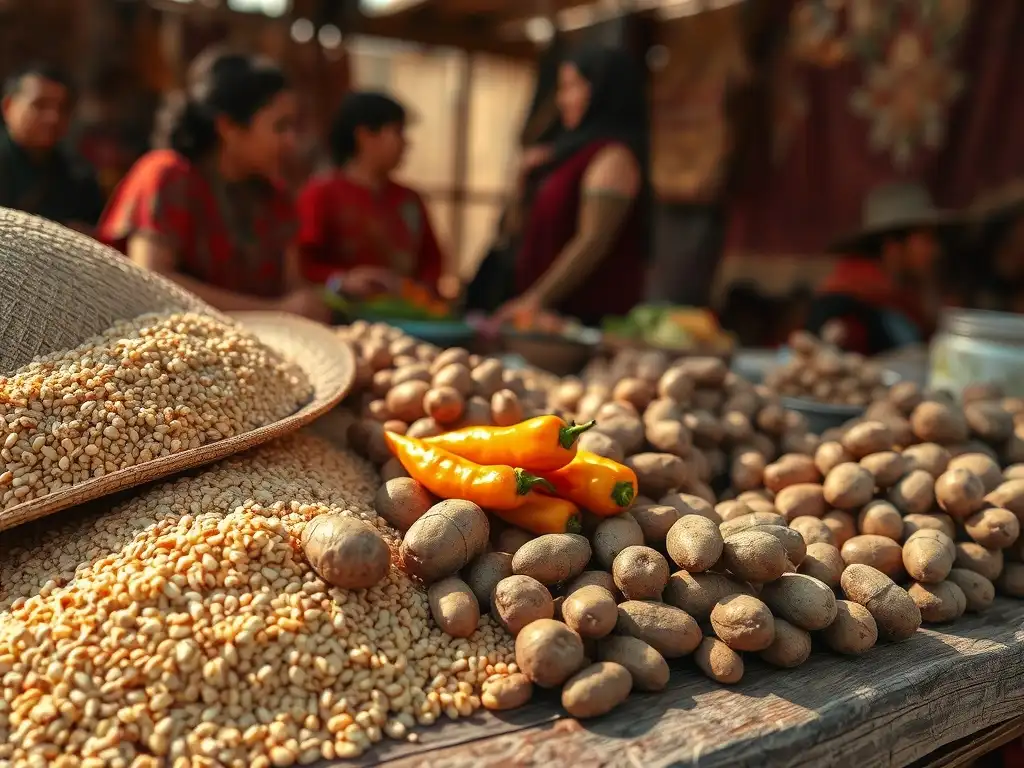
The Andean plant-based diet, a cornerstone of Andean health and longevity, relied on a remarkable diversity of crops cultivated and refined over millennia. This section delves into the key plant-based foods that formed the foundation of their sustenance, highlighting their nutritional value and cultural significance. Understanding the Andean plant-based diet provides crucial insights into the ingenuity and resilience of these ancient civilizations. The abundance and variety of these crops contributed significantly to the sustained growth and prosperity of Andean societies.
Ancient Grains: Quinoa, Amaranth, and Kañiwa
Quinoa ( Chenopodium quinoa), amaranth ( Amaranthus), and kañiwa ( Chenopodium pallidicaule) were, and continue to be, dietary staples in the Andes. These so-called "ancient grains" boast exceptional nutritional profiles, providing complete proteins (containing all essential amino acids), fiber, and a wealth of minerals. Their adaptability to high-altitude conditions made them crucial for survival in challenging environments.
Quinoa, particularly, stands out for its high protein content, surpassing many other grains. A 100g serving provides roughly 14g of protein, along with significant amounts of iron, magnesium, and phosphorus. Amaranth, known for its small, round seeds, is another excellent source of protein and minerals, while kañiwa, although less widely known, offers similar nutritional benefits and resilience to harsh conditions.
These grains were not only a source of sustenance but also played a vital role in religious ceremonies and celebrations, further cementing their importance in Andean culture. Their versatility in preparation – from porridge to breads and side dishes – ensured their integration into various aspects of Andean life.
Andean Tubers: Potatoes, Oca, and Mashua
The Andes are renowned as the center of origin for the potato ( Solanum tuberosum). However, beyond the ubiquitous potato, a diverse array of Andean tubers contributed significantly to the plant-based diet. Oca ( Oxalis tuberosa) and mashua ( Tropaeolum tuberosum), for instance, offered alternative sources of carbohydrates, vitamins, and minerals.
Potatoes, of course, are incredibly versatile, providing energy and essential nutrients. Their various forms – from small, fingerling potatoes to large, starchy varieties – provided options for diverse culinary applications. Oca, with its slightly acidic and tangy flavor, offered a unique culinary experience, while mashua, characterized by its slightly peppery taste, added another layer of flavor complexity to Andean cuisine.
The cultivation and storage techniques developed for these tubers were sophisticated and crucial to ensuring year-round food security. The diversity of these tubers also provided a crucial buffer against crop failure, vital in a region prone to unpredictable weather conditions.
Legumes: Beans, Lupins, and Peanuts in Andean Cuisine
Legumes played a vital role in the Andean plant-based diet, providing essential proteins and fiber. Beans of various kinds, lupins ( Lupinus), and peanuts ( Arachis hypogaea) were cultivated and incorporated into a wide variety of dishes.
Beans, particularly, were a staple, offering a balanced source of protein, fiber, and essential minerals. Different varieties of beans were cultivated, each with its own unique flavor and nutritional profile. Lupins, known for their high protein content, provided an alternative source of this crucial macronutrient.
Peanuts, although not native to the Andes, were readily adopted and incorporated into the diet, adding another layer of nutritional diversity. The integration of legumes into the diet not only enhanced its nutritional value but also contributed to the sustainability of the Andean agricultural system through nitrogen fixation in the soil. The careful management of these crops demonstrates the advanced agricultural knowledge and practices of the Andean civilizations.
Andean Vegetables and Herbs: Aji Peppers, Yacon, and Muña
The Andean region boasts a remarkable diversity of vegetables and herbs, many of which played—and continue to play—a crucial role in the traditional Andean plant-based diet. These plants weren't merely sustenance; they were integral to cultural practices, medicinal remedies, and even spiritual ceremonies. Let's explore some key examples: the fiery aji peppers, the subtly sweet yacon, and the aromatic muña.
The aji pepper, a close relative of the chili pepper, is ubiquitous throughout Andean cuisine. Its presence varies widely in terms of heat and flavor profile, ranging from mildly sweet to intensely spicy. Different varieties were, and still are, cultivated at varying altitudes, reflecting the adaptability of this crucial crop. Beyond its culinary uses, aji peppers were also valued for their medicinal properties, believed to aid digestion and alleviate certain ailments.
The diverse use of aji peppers showcases the deep integration of food and medicine in Andean culture, a principle that remains relevant today. Consider, for example, the traditional use of aji in sauces accompanying various dishes, where the pepper's pungency stimulates appetite and aids digestion. This isn't simply a matter of flavor; it's a carefully considered aspect of nutritional balance.
Yacon, a root vegetable with a unique flavor profile, offers a refreshing sweetness without the high glycemic index often associated with other sugary foods. This made it a particularly valuable crop for the Andean people, who relied on its sustained energy release. Unlike many modern processed foods, yacon provides a natural sweetness without the same rapid blood sugar spikes.
Its cultivation, often in higher altitudes, required specific knowledge of soil conditions and water management, highlighting the advanced agricultural techniques employed by Andean civilizations. The sustainable cultivation practices associated with yacon also demonstrate a deep respect for the environment and the understanding of ecological balance inherent in traditional Andean agriculture. Modern research is only beginning to fully explore the potential health benefits of yacon, such as its potential prebiotic effects on gut health.
Muña, a fragrant herb with a minty aroma, is another example of the Andean people’s sophisticated understanding of plant-based medicine. It is widely used as a tea, believed to alleviate digestive problems, respiratory issues, and even headaches. The leaves, stems, and flowers of the plant all have different applications, demonstrating a detailed knowledge of its properties. The use of muña extends beyond medicinal applications; its distinctive aroma also adds a unique flavor to various dishes and beverages.
The resilient nature of the muña plant, thriving in diverse Andean climates, reflects the ingenuity of its cultivation methods and the adaptability of the plant itself. Its continuing importance in traditional Andean medicine and cuisine underscores its enduring value within the plant-based dietary traditions of the region. The sustained use of muña across generations is a testament to its effectiveness and its integration into the fabric of Andean life.
Health Benefits of the Andean Plant-Based Diet
The Andean plant-based diet, a cornerstone of Andean civilizations for millennia, offers a compelling model for health and longevity. Far from a simple subsistence strategy, it represents a sophisticated understanding of nutritional needs and the therapeutic properties of diverse plant life. This diet, rich in grains, tubers, fruits, and vegetables uniquely adapted to the high-altitude environment, provided—and continues to provide—remarkable health benefits to Andean communities.
Understanding its composition and impact is crucial to appreciating the ingenuity and resilience of these ancient cultures and their lasting legacy. This section delves into the specific nutritional advantages of this remarkable dietary system, highlighting its contribution to overall well-being and potentially informing modern dietary approaches. The focus here is on the "Andean plant-based diet" and its impact on health, specifically examining its nutritional profile and contribution to longevity.
Nutritional Powerhouses: Vitamins and Minerals from Andean Plants
Andean agriculture thrived on a remarkable diversity of crops, each contributing vital micronutrients to the diet. Consider the potato ( Solanum tuberosum), a staple that comes in thousands of varieties, each offering a slightly different nutritional profile. Some are rich in Vitamin C, a powerful antioxidant crucial for immune function and collagen synthesis.
Others boast high concentrations of Vitamin B6, vital for brain development and neurological function. Beyond potatoes, quinoa ( Chenopodium quinoa), a complete protein source, provides essential amino acids along with iron, magnesium, and manganese. Amaranth ( Amaranthus), another pseudo-cereal, is an excellent source of lysine, an amino acid often lacking in other grains, and is also rich in fiber and minerals.
The vibrant array of Andean fruits and vegetables further enriches the micronutrient profile. Achiote ( Bixa orellana), used for both culinary and medicinal purposes, is a source of carotenoids, potent antioxidants linked to reduced risk of chronic diseases. Various types of beans, including kidney beans and black beans, contribute substantial amounts of iron and folate, crucial for red blood cell production and preventing neural tube defects.
The inclusion of these diverse plants in the Andean diet ensured a wide spectrum of vitamins and minerals, contributing significantly to the overall health and vitality of the population. This varied intake minimized the risk of nutritional deficiencies common in less diverse diets. Further research is needed to quantify precisely the vitamin and mineral content across the diverse varieties of Andean crops and their impact on specific health outcomes in the Andean population.
Fiber-Rich Foods and Digestive Health
The Andean diet's high fiber content played a crucial role in promoting digestive health. The abundance of grains, legumes, and tubers provided a significant intake of both soluble and insoluble fiber. Soluble fiber, found in foods like quinoa and beans, helps regulate blood sugar levels and lower cholesterol. Insoluble fiber, abundant in the skins of potatoes and other vegetables, promotes regularity and prevents constipation, reducing the risk of digestive disorders. This high-fiber intake also contributed to a feeling of satiety, potentially aiding in weight management and reducing the risk of obesity-related diseases.
The traditional preparation methods of Andean cuisine further enhanced the fiber content and digestibility of the food. Many dishes involved slow cooking or fermentation, which increased the bioavailability of nutrients and made the food easier to digest. These traditional practices, combined with the inherently high-fiber nature of the Andean diet, contributed to a healthy gut microbiome, further promoting overall health and well-being. The specific types of fiber found in each Andean crop and their impact on gut microbiota composition requires more in-depth study, specifically focusing on the long-term effects on gut health within Andean communities.
The Role of Antioxidants in Andean Plant Foods
The Andean diet is exceptionally rich in antioxidants, compounds that protect cells from damage caused by free radicals. These antioxidants, abundant in many Andean plants, are believed to play a significant role in preventing chronic diseases such as cancer, heart disease, and Alzheimer's. Achiote, as mentioned previously, is a prime example, but many other plants contribute to this antioxidant profile. Various berries native to the Andes, along with colorful vegetables like purple potatoes, are packed with anthocyanins, a powerful class of antioxidants.
The high altitude of the Andes also contributes to the increased antioxidant capacity of plants grown in this region. The harsh environmental conditions, such as intense UV radiation and fluctuating temperatures, induce plants to produce higher levels of antioxidants as a defense mechanism. This natural process leads to a diet inherently richer in these protective compounds, contributing to the observed health benefits.
A comprehensive analysis of the antioxidant capacity of various Andean plants and their combined effect on health is needed to fully understand this aspect of the Andean plant-based diet and its contribution to longevity. This research should prioritize the identification of the most potent antioxidant compounds and their potential application in modern health interventions. Further exploration into this area could reveal novel strategies for disease prevention and improved health outcomes globally.
Supporting Heart Health with the Andean Diet
The Andean plant-based diet, rich in diverse fruits, vegetables, and grains, offers significant advantages for cardiovascular health. Unlike diets high in saturated and trans fats, common in many Westernized nations, the Andean approach emphasizes foods naturally low in these harmful fats. This inherent characteristic contributes significantly to lower cholesterol levels and reduced risk of heart disease. Studies, while limited in direct focus on the Andean diet specifically, show strong correlations between plant-based diets rich in similar components and improved cardiovascular markers.
These studies consistently demonstrate reductions in LDL ("bad") cholesterol and increases in HDL ("good") cholesterol, leading to a healthier lipid profile. Furthermore, the high fiber content in Andean staples like quinoa and potatoes helps regulate cholesterol absorption in the digestive tract, further minimizing the risk of heart disease. The abundance of antioxidants in Andean fruits and vegetables, such as the diverse varieties of potatoes and berries, also contributes to cardiovascular health by combating oxidative stress, a key factor in the development of atherosclerosis.
The absence of processed foods and refined sugars, prevalent in many modern diets, is another crucial element contributing to the heart-healthy nature of the traditional Andean diet. This minimizes the risk of inflammation, a significant contributor to heart disease. In essence, the Andean approach to nutrition presents a naturally heart-healthy model, demonstrating the power of a diet rich in whole, unprocessed plants.
The Role of Quinoa in Andean Longevity
Quinoa, a staple grain in the Andean diet, plays a crucial role in promoting longevity and overall well-being. Its nutritional profile is exceptionally rich, boasting a complete protein source—meaning it contains all nine essential amino acids—a rarity among plant-based proteins. This complete protein content is vital for maintaining muscle mass and supporting various bodily functions, especially critical as we age.
Beyond protein, quinoa is an excellent source of dietary fiber, which aids in digestion, regulates blood sugar levels, and promotes gut health—all essential for long-term health and longevity. The grain is also packed with essential minerals like iron, magnesium, and manganese, vital for energy production, bone health, and immune function. These nutrients contribute to overall vitality and help mitigate the effects of aging.
Furthermore, quinoa contains a variety of antioxidants that combat oxidative stress, protecting cells from damage and contributing to a longer lifespan. Traditional Andean communities, heavily reliant on quinoa, often demonstrate remarkable longevity and robust health, suggesting a direct correlation between the consumption of this superfood and increased lifespan. The complete nutritional profile of quinoa, coupled with its high fiber and antioxidant content, makes it a cornerstone of the Andean diet's contribution to longevity.
The Power of Andean Superfoods: Beyond Quinoa
While quinoa is rightly celebrated, the Andean diet's impact on health and longevity extends far beyond this single grain. A plethora of other "superfoods" contribute significantly to the region's impressive health outcomes. For instance, various types of Andean potatoes are rich in resistant starch, a type of fiber that feeds beneficial gut bacteria, promoting a healthy microbiome essential for overall well-being. These potatoes also offer a diverse range of vitamins and minerals, contributing to overall nutritional intake.
The array of Andean fruits, including diverse berries and unusual fruits with unique nutrient profiles, provide a potent source of antioxidants and vitamins, further enhancing the health benefits. These fruits are often consumed fresh, maximizing their nutrient content and bioavailability. Furthermore, the inclusion of diverse legumes, such as beans and lentils, provides additional protein, fiber, and essential nutrients.
The use of native herbs and spices adds another layer of complexity, potentially offering additional health benefits through their bioactive compounds. The synergistic effect of this diverse range of nutrient-rich foods is what truly defines the Andean plant-based diet's power to promote health and longevity. Further research is needed to fully elucidate the individual contributions of each component, but the overall picture is clear: the Andean diet offers a wealth of superfoods that contribute to a long and healthy life.
Longevity and the Andean Plant-Based Lifestyle
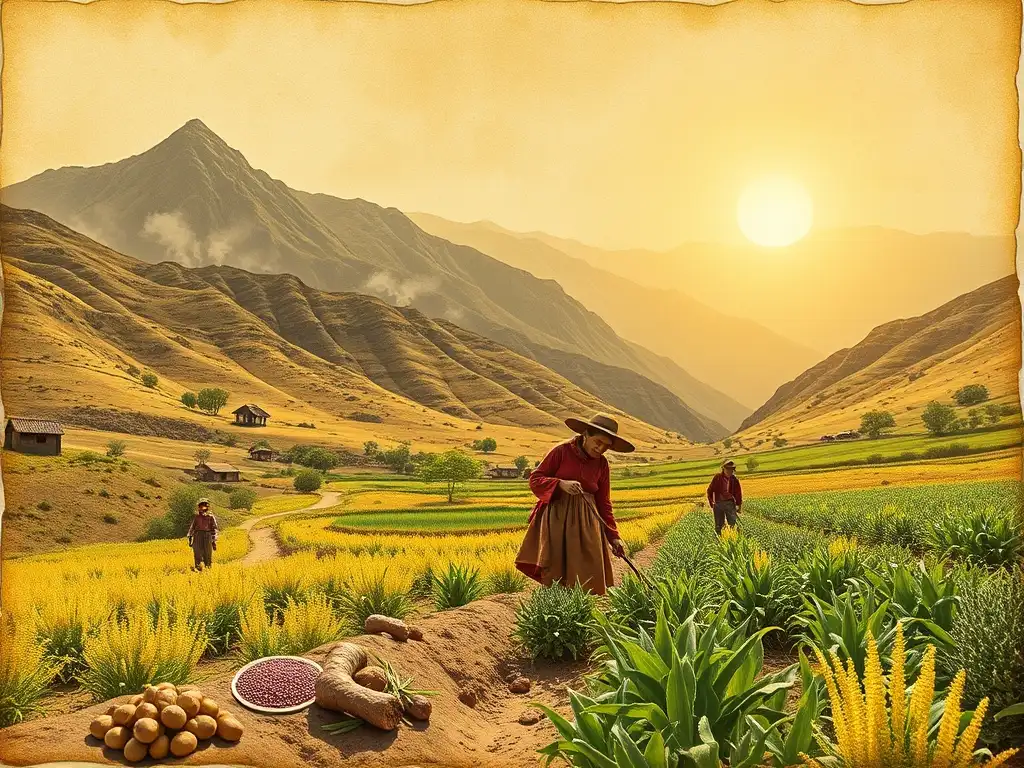
The Andean region boasts a fascinating history of longevity, with certain communities exhibiting significantly longer lifespans than the global average. This remarkable phenomenon is intrinsically linked to the traditional Andean plant-based diet, a cornerstone of their culture and a testament to the power of nature's bounty.
While genetic factors undoubtedly play a role, the dietary habits and lifestyle choices of these populations offer valuable insights into the potential benefits of a plant-centric approach to health and well-being. Understanding the components of the Andean plant-based diet is crucial to appreciating its contribution to the remarkable health and longevity observed in some Andean communities.
Factors like access to fresh produce, traditional food preparation methods, and the close relationship with the land all contribute to a holistic approach to health that deserves further investigation. The "Andean plant-based diet" is more than just a dietary pattern; it represents a deeply ingrained cultural practice interwoven with a profound respect for the environment and its resources.
Traditional Andean Practices and Health
Traditional Andean agricultural practices played a vital role in shaping their diet and health. The cultivation of diverse crops, including potatoes, quinoa, maize, beans, and various fruits and vegetables, ensured a nutrient-rich and varied food supply. These practices, often involving terracing and irrigation systems, optimized land use and maximized crop yields.
This agricultural diversity directly translated into a diverse diet, providing a wide range of vitamins, minerals, and antioxidants. Furthermore, traditional food preparation methods, often involving minimal processing, preserved the nutritional integrity of the ingredients. For example, quinoa, a staple grain, was prepared in various ways, retaining its high protein and essential amino acid content.
These practices fostered a strong connection between the Andean people and their environment, promoting sustainable living and contributing to their overall well-being. The emphasis on local, seasonal produce minimized exposure to pesticides and other harmful chemicals, further enhancing the nutritional quality of their diet. Careful observation of the land and its cycles informed agricultural decisions, creating a resilient and sustainable food system.
The Connection Between Diet and Andean Well-being
The correlation between the Andean plant-based diet and overall well-being is undeniable. Studies have shown a lower incidence of chronic diseases like heart disease, type 2 diabetes, and certain cancers in communities that adhere closely to traditional dietary patterns. This can be attributed to the high intake of fiber, antioxidants, and phytochemicals found in abundance in Andean crops.
Fiber promotes healthy digestion and helps regulate blood sugar levels, while antioxidants protect cells from damage caused by free radicals. Phytochemicals, the bioactive compounds found in plants, possess a range of health-promoting properties, contributing to the overall protective effect of the Andean diet. The low consumption of processed foods, refined sugars, and saturated fats further contributes to the health benefits of this dietary approach.
The integration of traditional medicinal plants, such as coca leaves for altitude adaptation and various herbs for therapeutic purposes, also underscores the holistic approach to health and well-being prevalent in Andean cultures. It's important to note that further research is needed to fully elucidate the complex interplay between diet, lifestyle, and longevity in Andean communities.
The Vilcabamba Community and Their Plant-Rich Diet
The Vilcabamba Valley in Ecuador is renowned for its unusually high number of centenarians. This community offers a compelling case study of the relationship between a plant-rich diet and exceptional longevity. Their diet typically features a wide variety of locally grown fruits, vegetables, legumes, and grains. Potatoes, a staple crop, are consumed in numerous ways, providing a significant source of carbohydrates and essential nutrients.
Quinoa, another staple, contributes to their high protein intake. Beans and other legumes provide additional protein and fiber, further enhancing the nutritional value of their meals. The Vilcabamba diet is characterized by its low consumption of processed foods, animal products, and refined sugars. Their lifestyle, characterized by physical activity, close-knit social networks, and a strong connection to nature, also contributes to their overall health and well-being.
The Vilcabamba example highlights the potential of a plant-centric lifestyle to promote longevity and improve quality of life. However, it's crucial to remember that this is a complex issue with multiple contributing factors. Further research is essential to fully understand the unique aspects of the Vilcabamba lifestyle and their contribution to their exceptional longevity. The Vilcabamba community serves as an inspiring example of the potential benefits of the Andean plant-based diet.
Preparing and Enjoying Andean Plant-Based Dishes
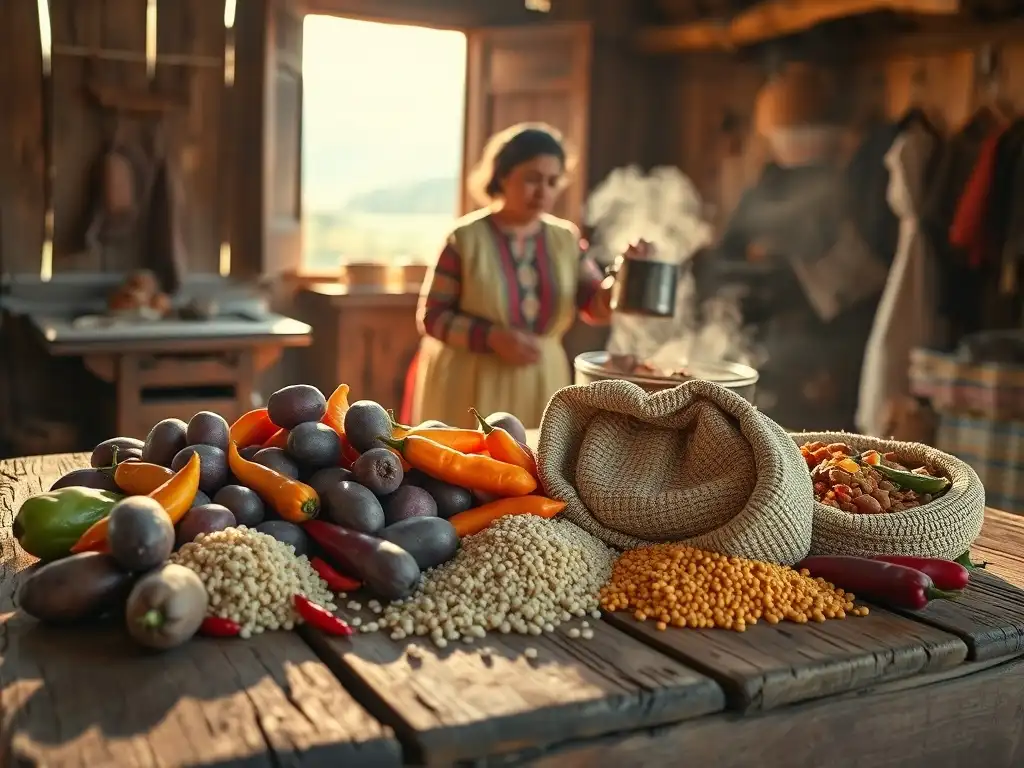
The Andean plant-based diet wasn't just about sustenance; it was a deeply ingrained cultural practice reflecting a profound understanding of the environment and its bounty. Mastering the preparation of these dishes unlocks not only delicious flavors but also a connection to a rich culinary heritage. Understanding traditional methods is key to appreciating the nuances of Andean cuisine and maximizing the nutritional benefits of these incredible ingredients.
The vibrant colors and diverse textures are as captivating as the history behind them. This section delves into the techniques that shaped Andean foodways and continue to inspire modern interpretations of this healthy and delicious cuisine.
Traditional Andean Cooking Methods
Andean cooking methods, developed over millennia, emphasize simplicity and the preservation of the natural flavors of ingredients. Many techniques focus on slow cooking, which enhances the tenderness of vegetables and grains while intensifying their flavors. Think of the pachamanca, a traditional earth oven where food is cooked underground using heated stones.
This method, while requiring time and specific conditions, results in incredibly tender meats (though we'll focus on the plant-based adaptations here) and vegetables infused with an earthy aroma. Another common method is boiling, often used for preparing grains like quinoa and potatoes. This simple technique unlocks the nutritional value of these staples, while allowing the addition of herbs and spices to create complex flavor profiles.
Roasting, particularly over an open fire, adds a smoky element to vegetables and grains, creating a distinct Andean flavor. Finally, the use of molinillos (hand-held whisks) for creating airy textures in sauces and drinks showcases the ingenuity and artistry of Andean cuisine. These techniques, often passed down through generations, are crucial for replicating authentic Andean plant-based meals.
Recipes: Locro de Papa, Sopa de Quinoa, and Humitas
Let's explore some iconic Andean plant-based dishes. These recipes showcase the versatility and deliciousness of Andean ingredients. Remember, slight variations exist across different regions and families, making each dish a unique expression of Andean culinary traditions.
Locro de Papa (Potato Stew): This hearty stew is a staple in many Andean communities. It typically features potatoes, various types of chuño (freeze-dried potatoes), onions, and spices. The key to a perfect locro is using a variety of potato types for a range of textures and flavors. The addition of ají amarillo (yellow chili pepper) provides a subtle heat and rich color. A creamy texture is achieved through careful simmering and potentially the addition of milk or cream (though easily omitted for a vegan version). It's a comforting and nutritious dish, perfect for a cold evening.
Sopa de Quinoa (Quinoa Soup): Quinoa, a nutritional powerhouse, is the star of this light yet satisfying soup. A simple broth, often vegetable-based, serves as the base, with quinoa cooked until tender. The addition of vegetables like carrots, zucchini, and spinach adds color, texture, and vital nutrients. Herbs such as cilantro or huacatay (black mint) enhance the flavor profile. Sopa de Quinoa is a quick and easy meal, ideal for a busy weeknight.
Humitas (Corn Tamales): These savory corn cakes are a delightful example of Andean ingenuity. Fresh corn kernels are ground into a dough, often combined with cheese (easily omitted for vegan version), onions, and spices. The dough is then wrapped in corn husks and steamed until tender. The result is a subtly sweet and savory treat, perfect as a side dish or a light meal. The preparation of humitas is a communal activity in many Andean communities, strengthening social bonds while creating delicious food.
Incorporating Andean Foods into Modern Diets
The Andean plant-based diet offers a wealth of nutritious and delicious options that can easily be incorporated into modern lifestyles. The emphasis on whole grains like quinoa and amaranth, along with a variety of colorful vegetables and tubers, provides a balanced and satisfying dietary approach. The growing popularity of Andean superfoods like quinoa has made these ingredients readily available in many parts of the world, making it easier than ever to experiment with these flavors and incorporate them into your daily meals.
Here are some practical tips for incorporating Andean foods:
- Swap grains: Replace rice or pasta with quinoa or amaranth for a boost of protein and fiber.
- Explore tubers: Experiment with different types of potatoes, sweet potatoes, and yuca in your dishes.
- Embrace spices: Add ají amarillo, huacatay, and other Andean spices to your cooking to create unique flavor profiles.
- Try traditional recipes: Adapt traditional Andean recipes to your preferences and dietary needs. Many recipes can be easily veganized by omitting dairy products and substituting plant-based alternatives.
- Source ethically: When possible, support sustainable and ethical sourcing of Andean ingredients to ensure the preservation of this rich agricultural heritage.
By embracing the principles and flavors of the Andean plant-based diet, you can enjoy a delicious, healthy, and culturally rich culinary experience. The nutritional benefits, coupled with the rich history and traditions behind these foods, make the Andean plant-based diet a compelling choice for those seeking a wholesome and flavorful approach to eating. The versatility of Andean ingredients allows for endless culinary exploration, ensuring that each meal is a unique and satisfying experience.
The Sustainability of Andean Plant-Based Agriculture
The Andean plant-based diet wasn't just a culinary choice; it was a cornerstone of a remarkably sustainable agricultural system. For centuries, Andean communities developed sophisticated techniques to maximize yields while minimizing environmental impact, creating a model of resilience that continues to inspire today. Understanding the principles behind this ancient system offers valuable insights for modern sustainable agriculture practices, particularly in the face of climate change and growing global food security concerns. The key to their success lay in a deep understanding of their environment and a commitment to biodiversity.
Ancient Techniques and Modern Relevance
Andean farmers employed a variety of ingenious techniques to cultivate their crops effectively. Terracing, for instance, transformed steep slopes into productive farmland, preventing soil erosion and maximizing water retention. This method, still visible in many Andean landscapes, is a testament to the ingenuity of ancient agricultural practices. Furthermore, the practice of waru waru agriculture, a sophisticated system of raised beds and irrigation channels, allowed for efficient water management and increased crop yields, even in arid climates.
These raised beds acted as miniature greenhouses, trapping heat and moisture, creating a microclimate favorable for plant growth. The effectiveness of waru waru is especially relevant today, as water scarcity becomes an increasingly pressing issue in many parts of the world. The integration of diverse crops, including quinoa, potatoes, maize, and beans, further enhanced the resilience of the system.
This polyculture approach promoted natural pest control and minimized the risk of crop failure. Modern agricultural practices, often focused on monoculture, could learn much from this ancient wisdom. The Andean approach demonstrates that high yields can be achieved without the heavy reliance on chemical fertilizers and pesticides that are detrimental to the environment and human health.
Preserving Andean Biodiversity
The Andean plant-based diet was intrinsically linked to the preservation of an incredibly rich biodiversity. The Andes are a biodiversity hotspot, home to a vast array of plant species, many of which are uniquely adapted to the region's diverse climates and altitudes. Andean communities cultivated and conserved this biodiversity, ensuring the long-term sustainability of their food systems.
This careful stewardship stands in stark contrast to modern agricultural practices that often prioritize a limited number of high-yielding varieties, leading to a loss of genetic diversity and increased vulnerability to pests and diseases. The preservation of ancient Andean crops, many of which possess valuable nutritional and medicinal properties, is crucial not only for the region's food security but also for global food security.
Efforts to document, conserve, and promote these crops are essential for ensuring the continued availability of this vital genetic resource for future generations. The ongoing research into the nutritional properties and potential applications of these underutilized crops reveals a treasure trove of potential benefits for human health and well-being.
The Future of Plant-Based Eating Inspired by the Andes
The Andean plant-based diet offers a compelling model for a more sustainable and healthy future. Its principles of biodiversity, water conservation, and soil health are increasingly relevant in a world facing the challenges of climate change and population growth. By re-examining and adapting ancient Andean agricultural techniques, we can develop more resilient and environmentally friendly food systems.
The integration of traditional Andean crops into modern diets can also contribute to improved nutrition and public health. The promotion of Andean plant-based foods offers not only a delicious and nutritious alternative but also a path towards a more sustainable and equitable food future. Furthermore, supporting Andean communities in preserving their traditional knowledge and practices is essential for ensuring the long-term viability of this valuable agricultural heritage.
The future of plant-based eating could be significantly enhanced by learning from and incorporating the wisdom of the Andes. The Andean plant-based diet provides a powerful example of how humans can live in harmony with nature, creating a sustainable and healthy food system for generations to come. This holistic approach, emphasizing both ecological and social sustainability, presents a compelling vision for the future of food.
Frequently Asked Questions
What was the basis of the Andean plant-based diet?
The Andean diet was primarily plant-based, relying heavily on potatoes, quinoa, maize, and other locally grown crops. It also included beans, fruits, and vegetables, varying regionally based on altitude and climate.
How did the Andes' diverse geography influence their diet?
The varied altitudes and climates of the Andes resulted in a remarkably diverse range of crops and food sources. This ensured a nutritious and balanced diet adapted to specific ecological niches.
Were there any animal products consumed in the Andean diet?
While primarily plant-based, some Andean cultures incorporated limited amounts of meat from llamas, alpacas, and guinea pigs, mostly on special occasions or for ceremonial purposes. Fish was also consumed in coastal regions.
What role did Andean agriculture play in their longevity?
The sophisticated agricultural techniques developed by Andean civilizations, such as terracing and irrigation, allowed them to cultivate a wide variety of nutritious crops. This consistent access to diverse foods likely contributed to their relatively long lifespans.
How does the modern understanding of nutrition relate to the traditional Andean diet?
Modern nutritional science increasingly recognizes the health benefits of a plant-based diet rich in whole grains, legumes, and fruits, echoing the principles of the traditional Andean dietary practices. This highlights the wisdom of their approach to food and health.
Final Reflection: Harvesting the Legacy of Andean Longevity
The Andean plant-based diet, far from being a niche dietary trend, offers a powerful blueprint for sustainable health and well-being in our increasingly fragile world. Its emphasis on nutrient-dense, locally sourced foods, coupled with a deep respect for the land, provides a compelling counterpoint to the often unsustainable practices of modern agriculture and processed food consumption. This ancient wisdom holds the key to unlocking a healthier future for us all.
The enduring influence of the Andean diet on its people is a testament to the profound connection between food, culture, and longevity. It's not simply about consuming specific foods; it's about a holistic approach to life that values community, respect for nature, and mindful eating. This resonates deeply with me, highlighting the importance of reconnecting with our food sources and understanding the impact our choices have on both our individual health and the planet's well-being. The food we eat is our medicine.
– Hippocrates. This ancient wisdom holds true, particularly when considering the vibrant health and remarkable longevity observed in Andean communities who adhere to traditional dietary practices.
Consider the profound implications of this knowledge. You, too, can cultivate a healthier, more sustainable relationship with food by incorporating elements of the Andean plant-based diet into your own life. Explore the diverse array of Andean crops, experiment with new recipes, and prioritize locally sourced, seasonal produce. By embracing these principles, you're not just improving your personal health; you're actively participating in a movement towards a more sustainable and equitable food system. Let the legacy of Andean longevity inspire you to make conscious choices that nourish both your body and the planet.
**Embrace a Vibrant Future with Plant-Based Living! **
Thank you for exploring the secrets of the Andean plant-based diet! You've discovered valuable insights into health and longevity that can transform your life. Now, it's time to put that knowledge into practice!
Here are some practical steps to begin your plant-based journey:
- Try a New Recipe: Start with a delicious Andean-inspired dish, like a quinoa salad or a hearty potato stew. Experimenting in the kitchen is a rewarding way to discover new favorites!
- Connect with Others: Join a local plant-based or vegetarian group. Sharing experiences with like-minded individuals provides valuable support and encouragement.
- Inspire Others: Share your journey and newfound knowledge with friends and family, or on social media. You might inspire others to embrace a healthier, more vibrant lifestyle.
What delicious plant-based meal are you most excited to try first?