
How Did Social Hierarchy Affect Food Distribution in Andean Societies?

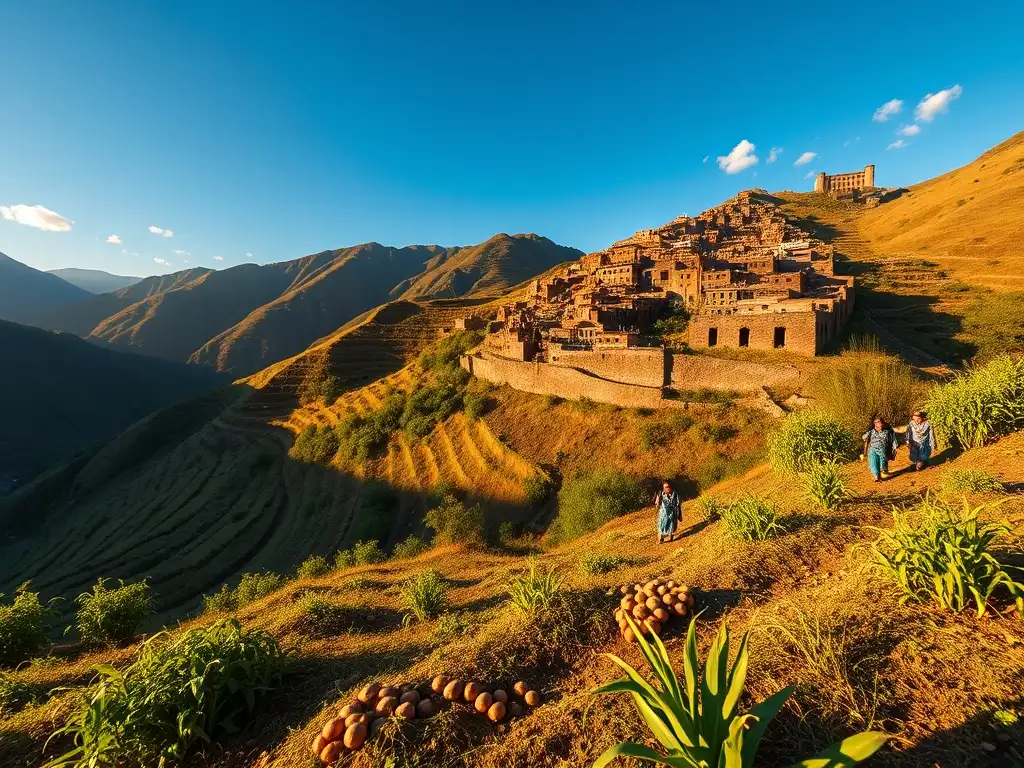
Unravel the mysteries of the Andes! For centuries, towering civilizations flourished amidst breathtaking landscapes, leaving behind a legacy as complex as the mountains themselves. But how did the intricate social hierarchy of the Andean civilizations impact the distribution of food? Journey with us to uncover the fascinating story behind Andean civilizations food distribution, a crucial element shaping the power dynamics and daily lives of these remarkable societies. Prepare to be amazed by the ingenuity and resilience of a world unlike any other.
-
How Social Hierarchy Influenced Food Distribution in Andean Societies
- Understanding Andean Social Structures and Their Impact on Resource Management
- The Role of Social Classes in Andean Food Systems
- Andean Food Distribution Mechanisms: A Hierarchical Perspective
- Social Status and Dietary Differences in Andean Civilizations
- The Impact of Social Inequality on Food Security in the Andes
- Case Studies of Food Distribution in Specific Andean Societies
- The Legacy of Social Hierarchy on Food Practices in the Andes
-
Frequently Asked Questions
- How did the Inca Empire manage food distribution across such a vast territory?
- What role did ayllus play in Andean food distribution?
- Did all Andean civilizations share similar food distribution systems?
- What types of food were commonly distributed in Andean societies?
- How did social hierarchy influence access to food?
- Final Reflection: Unearthing the Legacy of Andean Food Distribution
- **Unlock the Secrets of Andean Culinary Heritage! **
The intricate tapestry of Andean civilizations, encompassing cultures like the Incas, Moche, Nazca, and Tiahuanaco, reveals a fascinating interplay between social organization and resource management. Understanding how these societies structured their access to food—a fundamental aspect of survival and societal stability—requires examining the deeply ingrained social hierarchies that permeated every facet of their lives. This article delves into the complex relationship between social hierarchy and food distribution in Andean civilizations, exploring how the allocation of resources directly reflected and reinforced power structures.
We'll examine the various social classes, their respective access to food, and the mechanisms employed to control and distribute this vital commodity, shedding light on the crucial role of food in maintaining social order and stability within these remarkable ancient societies. This exploration will provide a deeper understanding of Andean civilizations food distribution and its impact on the daily lives of their inhabitants.
Andean societies were characterized by complex and stratified social structures. While the specifics varied among different cultures and across time periods, a common thread was the existence of a hierarchical system placing elites at the top and commoners at the bottom. This hierarchy wasn't merely a social construct; it directly impacted the distribution of resources, particularly food.
The elite, often comprising religious leaders, rulers, and nobility, controlled the most fertile lands and had privileged access to surplus food production. This control wasn't arbitrary; it was a cornerstone of their power, reinforcing their authority and maintaining social order. The intricate system of ayllus (kinship-based communities) among the Incas, for example, facilitated both agricultural production and the redistribution of resources, but this redistribution was inherently skewed towards those in positions of power.
The effectiveness of this system, however, depended heavily on the stability and efficiency of the administrative structures responsible for its implementation. Disruptions to these structures, such as internal conflicts or external invasions, could significantly impact food distribution, leading to widespread famine and social unrest. The impact of climate change and environmental factors also played a crucial role, influencing agricultural yields and subsequently impacting the distribution of food resources across different social groups.
The Andean food system wasn't simply about producing enough food to survive; it was a carefully orchestrated system reflecting and reinforcing social inequalities. The different social classes experienced vastly different realities regarding food access and security. The system wasn't static; it evolved over time, influenced by shifts in power dynamics, technological advancements, and environmental changes.
For instance, the development of sophisticated irrigation systems allowed for increased agricultural productivity, but the benefits of this progress weren't evenly distributed. The elite often benefited disproportionately, accumulating surplus food while commoners continued to struggle with food insecurity. The control over storage facilities, such as qollqas (Inca storehouses), further solidified the elite's control over the food supply.
This control allowed them to strategically manage food distribution, using it as a tool for rewarding loyalty, punishing dissent, and maintaining social control. The system also involved a complex network of reciprocal obligations and responsibilities, tying the different social classes together in a system that, while unequal, offered a degree of social security for the commoners. This intricate system, however, was vulnerable to disruptions, with consequences that could reverberate throughout the entire society.
The Elite and Their Control Over Food Resources in Andean Societies
The elite in Andean societies enjoyed a privileged position in the food system. They controlled the best agricultural lands, often located in fertile valleys and along rivers, ensuring high yields. They also had access to specialized foods, such as exotic fruits, meats, and beverages, unavailable to the commoners.
This access wasn't merely a matter of preference; it served as a powerful symbol of their status and authority. The control over food storage facilities like the qollqas allowed the elite to stockpile surplus food, ensuring their own sustenance during times of scarcity. This control also allowed them to use food as a tool of political and social control, rewarding loyal followers and punishing those who opposed them.
Archaeological evidence, such as the elaborate burial goods found in elite tombs, provides tangible evidence of their privileged access to high-quality and abundant food resources. The elite's control over food resources wasn't merely a matter of economic power; it was a fundamental component of their political and religious authority. The abundance of their food supply served as a visual representation of their divine favor and social legitimacy.
Commoners and Their Access to Food in Andean Civilizations
Commoners in Andean societies, forming the vast majority of the population, had significantly less access to food resources than the elite. Their diets consisted primarily of staple crops such as potatoes, maize, and quinoa, supplemented by locally available protein sources. While they participated in agricultural production, they often worked on land controlled by the elite, receiving a portion of the harvest in return for their labor.
The amount and quality of food they received were often subject to the whims of those in power. During times of scarcity, commoners were particularly vulnerable, facing food insecurity and even famine. The system of reciprocal obligations within the ayllu offered a degree of social safety net, but this system was often strained during periods of drought or other environmental challenges.
While the commoners' diet was less diverse and abundant than that of the elite, it was adapted to the local environment and provided the necessary sustenance for their physical labor. Archaeological studies of commoner settlements reveal evidence of a varied, albeit less luxurious, diet, reflecting their adaptation to the available resources and the social constraints they faced. The resilience of the commoners in the face of food insecurity highlights their adaptive capacity and the importance of social networks in mitigating the effects of inequality in access to resources.
Andean Food Distribution Mechanisms: A Hierarchical Perspective
Andean civilizations, renowned for their agricultural prowess, developed intricate systems for food distribution deeply intertwined with their complex social hierarchies. Understanding these mechanisms requires acknowledging the significant role social status played in determining access to resources. The vast empires, like the Inca, implemented centralized systems, while smaller, pre-Inca societies relied on more localized approaches. However, a common thread throughout all these systems was the unequal distribution of food, reflecting the stratified nature of Andean societies. The elite consistently enjoyed preferential access to the best and most abundant food supplies, while the commoners' diets were often more precarious, dependent on their own production and the limited surplus available through redistribution. This disparity, observable across various Andean cultures and time periods, underscores the crucial influence of social hierarchy on food security and overall societal well-being. The impact extended beyond mere sustenance; food became a powerful symbol of power, status, and social control.
The Inca System of Food Storage and Redistribution
The Inca Empire's sophisticated system of tapu (state-controlled lands) and mit'a (labor service) formed the backbone of its food distribution network. The tapu lands provided agricultural produce for the emperor, the nobility, and the state bureaucracy. The mit'a system ensured labor for agricultural production and construction projects, further strengthening the empire's capacity to store and redistribute food.
Granaries, strategically located throughout the empire, served as central storage facilities, holding surplus crops collected through taxation and tribute. This centralized system allowed the Inca to manage food supplies effectively, mitigating the effects of droughts or other natural disasters. However, the system also reinforced the existing power structure, with the elite receiving preferential access to stored food, ensuring their continued dominance and control.
The redistribution of food wasn't purely altruistic; it served as a crucial mechanism for maintaining social order and political stability, rewarding loyalty and suppressing dissent. The system's efficiency in times of plenty is well documented, however, its resilience during periods of scarcity remains a subject of ongoing scholarly debate.
Localized Food Distribution Systems in Pre-Inca Andean Cultures
Before the Inca Empire's dominance, various Andean cultures developed their own unique food distribution systems, often characterized by a more localized and less centralized approach. These systems varied depending on factors such as environmental conditions, population density, and social organization. For instance, the Moche civilization, known for its sophisticated irrigation systems, relied heavily on community-based agriculture and reciprocal exchange.
Evidence suggests that social hierarchy existed within these communities, but the system wasn't as rigidly centralized as the Inca system. Similarly, the Nazca culture, famous for its geoglyphs, employed a complex network of canals and terraces for agricultural production, likely leading to a more localized distribution of food resources.
While the details of these pre-Inca systems are still being uncovered through archaeological research, it's clear that social status played a role, although perhaps less dramatically than under the Inca. The absence of a large, centralized bureaucracy meant that food distribution was more closely tied to community structures and kinship networks.
The social hierarchy in Andean civilizations profoundly impacted dietary habits. Archaeological evidence reveals distinct differences in the diets of the elite and commoners, reflecting unequal access to food resources. The elite consistently enjoyed a more diverse and nutritionally rich diet, including exotic foods and meats, while the commoners' diet was primarily composed of staple crops like potatoes, maize, and quinoa. These disparities are not merely a matter of quantity; the quality and variety of food consumed were also significantly different.
This unequal distribution of food resources had significant implications for health and well-being, with the elite enjoying better nutrition and potentially longer lifespans. The difference in diets wasn't just a matter of access to food; it was a powerful symbol of social status and power. The consumption of certain foods became a marker of elite identity, reinforcing social stratification and reinforcing existing power structures.
Evidence of Elite Consumption Patterns in Andean Archaeological Sites
Archaeological excavations in various Andean sites provide compelling evidence of elite consumption patterns. Royal tombs often contain elaborate burials with offerings of fine ceramics, gold artifacts, and remnants of exotic foods like seafood and certain types of meats rarely found in commoner settlements. Analysis of human remains also reveals differences in dietary intake between elite and commoner populations.
Isotopic analysis of bones, for example, can reveal information about the types of foods consumed during a person's lifetime. These analyses consistently show that elite individuals had access to a wider variety of foods, including imported goods, reflecting their privileged position within Andean society.
The presence of specialized storage facilities and elaborate feasting paraphernalia in elite residences further underscores the unequal distribution of food resources. The sheer quantity and quality of food remains associated with elite sites stand in stark contrast to the more modest remains found in commoner dwellings, clearly reflecting the vast social and economic disparities in Andean societies.
The Dietary Habits of Commoners in Andean Communities
The dietary habits of commoners in Andean communities were primarily dictated by the availability of staple crops and their access to agricultural land. Their diets consisted mainly of potatoes, maize, and quinoa, supplemented by beans, fruits, and vegetables grown in their own plots or obtained through communal activities. Meat consumption was less frequent and mainly consisted of locally available animals, such as llamas and alpacas, often reserved for special occasions or religious ceremonies.
Archaeological evidence shows that commoner diets were often less diverse and nutritionally varied than those of the elite, although they were sufficient for sustaining life. The reliance on staple crops, while providing sustenance, could also lead to nutritional deficiencies if harvests were poor.
This dependence on a limited range of food sources highlighted the vulnerability of commoners to environmental fluctuations and economic hardship. The limited access to resources underscores the significant impact of social hierarchy on the health and well-being of the commoner population.
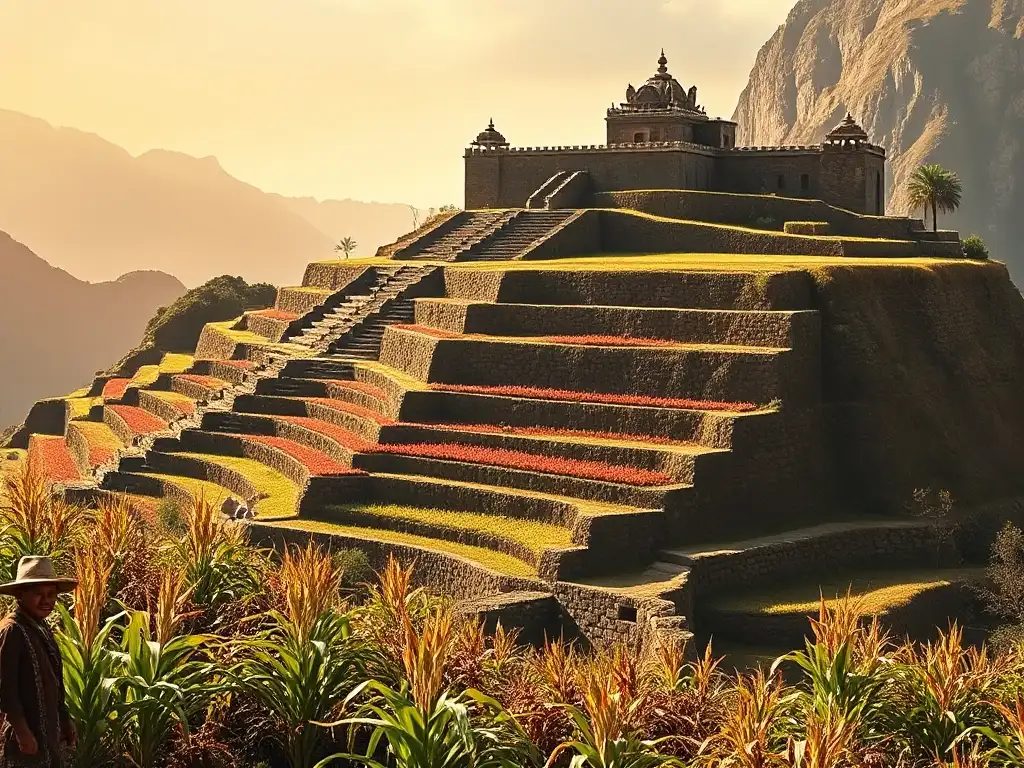
The intricate social hierarchies of Andean civilizations profoundly impacted food security, creating stark disparities in access to resources. Food production, storage, and distribution weren't simply matters of practicality; they were powerful tools used to reinforce social structures and maintain elite control. The more privileged members of society, such as the ruling class, priests, and nobles, enjoyed a significantly higher standard of living, with consistent access to a diverse and abundant food supply.
This was often achieved through tribute systems, where those lower on the social ladder were required to contribute a portion of their harvest. The surplus generated fueled the power and prestige of the elites, creating a cycle of dependency and inequality. The concentration of resources in the hands of a few meant that periods of drought or crop failure disproportionately affected the lower social classes, leading to increased vulnerability and even famine.
This system, while effective in maintaining social order from the perspective of the ruling class, inherently created a precarious situation for the majority of the population. The extent of this inequality varied across different Andean societies and throughout different historical periods, but the fundamental principle of elite control over food resources remained largely consistent.
Food Scarcity and Vulnerability Among Lower Social Classes
The consequences of this unequal food distribution were severe for the lower social classes. Chronic food scarcity was a constant threat, leading to malnutrition, disease, and increased mortality rates, particularly amongst children and the elderly. Their diets were often limited to staple crops like potatoes and maize, with little access to protein sources or other essential nutrients.
Periods of drought or natural disasters exacerbated these existing inequalities, pushing vulnerable populations to the brink of starvation. Archaeological evidence, such as variations in skeletal remains and the presence of malnutrition indicators, supports the existence of widespread food insecurity among commoners. Furthermore, historical accounts, where available, offer glimpses into the struggles faced by these communities, highlighting the harsh realities of their lives and the constant struggle for survival.
The lack of access to diverse food sources contributed significantly to health disparities, further reinforcing the social inequalities present within Andean societies. This vulnerability wasn't simply a matter of bad luck or individual failings; it was a systemic problem, deeply rooted in the social and economic structures of these civilizations.
How Social Hierarchy Affected Access to Nutritious Food
Access to nutritious food wasn’t merely a question of quantity but also of quality. The elite classes enjoyed a far more varied and balanced diet, including access to meats, exotic fruits, and other luxury items unavailable to the common people. This difference in diet contributed to significant health disparities between social classes.
The elite had better access to protein-rich foods, such as llama and alpaca meat, fish from coastal regions, and various types of beans and vegetables. These foods provided essential nutrients crucial for physical strength, growth, and overall well-being. In contrast, the diets of the lower classes were often limited to starchy staples, resulting in nutritional deficiencies and increased susceptibility to disease.
This disparity in nutritional intake reinforced the existing power imbalances, ensuring that the ruling classes remained physically and mentally superior, perpetuating the cycle of inequality. The control of food resources, therefore, extended beyond mere survival; it served to maintain the social hierarchy and the power of the elite. The unequal access to nutritious food, therefore, played a crucial role in shaping the health and overall well-being of Andean populations.
Case Studies of Food Distribution in Specific Andean Societies
Examining specific Andean societies allows for a deeper understanding of how social hierarchy affected food distribution. Different civilizations developed unique systems of agriculture, storage, and distribution, reflecting their specific environments and social structures. While the fundamental principle of elite control over resources remained relatively consistent, the mechanisms used to achieve this control varied significantly.
Analyzing these variations provides valuable insight into the complexities of Andean food systems and the ways in which social stratification shaped access to vital resources. By comparing and contrasting different case studies, we gain a more comprehensive understanding of the pervasive influence of social hierarchy on food distribution across the Andean region. This comparative approach allows for a nuanced and comprehensive understanding of the topic.
The Moche Culture: A Study in Coastal Food Control and Distribution
The Moche civilization, known for its sophisticated irrigation systems and elaborate artistic representations, provides a compelling case study of coastal food control. Their mastery of irrigation allowed them to cultivate diverse crops along the arid Peruvian coast, generating a surplus that supported a complex social hierarchy. Evidence suggests that the Moche elite controlled access to vital resources, including fish, seafood, and agricultural products.
Their monumental architecture, elaborate tombs, and artistic depictions reveal a society where the elite enjoyed privileged access to a wide range of high-quality foods. The control over irrigation systems, fishing grounds, and agricultural lands was a crucial element in maintaining their power. The commoners, in turn, likely contributed a portion of their harvest to the elite through tribute or labor obligations.
The Moche's sophisticated system of food production and distribution directly reflected and reinforced their social hierarchy, highlighting the intricate relationship between power and access to resources. The Moche case provides a clear example of how centralized control over food production and distribution could strengthen social hierarchies.
The Tiwanaku Civilization: Examining the Effects of Social Stratification on Food Access
The Tiwanaku civilization, located on the shores of Lake Titicaca, presents a different perspective on social stratification and food access. Their sophisticated agricultural techniques, including raised fields and terracing, allowed them to cultivate diverse crops in a challenging high-altitude environment. While the exact nature of their social hierarchy remains a topic of ongoing research, evidence suggests a complex system of social stratification with a powerful elite controlling key resources.
The distribution of food likely involved a combination of tribute systems, communal labor, and perhaps even state-controlled granaries. Archaeological evidence, such as the differing sizes and contents of burials, indicates a significant disparity in access to food and other resources among different social groups. The Tiwanaku case, like the Moche, illustrates the strong connection between social hierarchy and food distribution in Andean societies.
The unique challenges of their environment, however, likely shaped the specific mechanisms used to manage food production and distribution. Further research is needed to fully understand the nuances of food distribution within this complex society.
The intricate social hierarchies of Andean civilizations profoundly shaped their food production and distribution systems. From the Inca Empire's sophisticated mit'a system – a form of labor tribute – to the earlier stratified societies of the Nazca and Moche, access to resources and food varied dramatically based on social standing. Elite classes enjoyed a surplus of high-quality foods, including exotic fruits, meats, and specially prepared beverages like chicha, while commoners consumed a more basic diet of grains, tubers, and vegetables.
This disparity wasn't merely a matter of quantity; the quality of food also served as a potent symbol of social status. The meticulous preparation and presentation of food for the elite, often involving intricate ceremonies and rituals, further emphasized the social divisions inherent in the system. Archaeological evidence, including the discovery of elaborate burial sites containing abundant food offerings alongside elite remains, confirms this stark contrast in dietary access.
The very landscape itself reflected this hierarchy; the best agricultural land was often reserved for the elite, while commoners cultivated less fertile areas, further reinforcing their lower social standing and limiting their access to sufficient, high-quality food. Understanding this historical legacy is crucial for interpreting current food practices in the Andes.
Lasting Effects on Traditional Agriculture and Food Distribution
The hierarchical structures of pre-Columbian Andean societies left a lasting impact on agricultural practices and food distribution systems that persist to this day. While the formal structures of the Inca Empire have long since vanished, the underlying principles of differential access to resources continue to influence how food is produced and distributed. For instance, land tenure systems in many Andean communities still reflect historical patterns of inequality, with some families controlling significantly more fertile land than others.
This uneven distribution of resources contributes to disparities in food security and nutritional outcomes. Furthermore, traditional agricultural knowledge, often passed down through generations, frequently incorporates practices that were developed within these hierarchical contexts. These practices may not always be optimal for maximizing food production or equitable distribution in modern circumstances, but they continue to shape agricultural decision-making.
The legacy of the mit'a system, though adapted, is still present in certain forms of communal labor in contemporary Andean agriculture, highlighting the enduring influence of pre-colonial social structures on food systems. Addressing these enduring inequalities is essential for creating a more just and sustainable food system in the Andean region.
The Relevance of Understanding Social Structures for Modern Food Security in the Andean Region
Understanding the historical context of social hierarchy and its impact on food distribution is paramount to addressing contemporary food security challenges in the Andean region. The legacy of inequality continues to manifest in disparities in access to land, water, credit, and markets, disproportionately affecting marginalized communities. This historical perspective allows for a more nuanced understanding of the complex interplay of factors that contribute to food insecurity, moving beyond simplistic explanations and recognizing the deeply rooted social and economic structures at play.
By acknowledging the lasting effects of past social hierarchies, policymakers and development practitioners can design more effective interventions that address not only immediate food shortages but also the underlying social inequalities that perpetuate them. This includes promoting equitable land distribution, supporting smallholder farmers, and fostering inclusive market access for marginalized groups.
Ignoring the historical dimensions of food insecurity risks perpetuating the very inequalities that exacerbate the problem, making a comprehensive understanding of Andean civilizations' food distribution systems crucial for creating a truly sustainable and equitable food future for the region. Only by confronting this complex legacy can we build a food system that truly serves the needs of all Andean communities.
Frequently Asked Questions
How did the Inca Empire manage food distribution across such a vast territory?
The Inca Empire utilized a sophisticated system of state-controlled agriculture and storage facilities called qollqas. This, combined with a network of roads and runners, allowed for efficient redistribution of surplus food to support the population and the elite.
What role did ayllus play in Andean food distribution?
Ayllus, or extended family groups, were crucial in local food production and distribution. They collectively farmed land and shared resources, ensuring community survival, before surplus was given to the state.
No, while many Andean societies practiced agricultural surplus redistribution, the specific mechanisms varied. The Inca system was particularly centralized, unlike the potentially more localized systems of earlier cultures like the Nazca.
What types of food were commonly distributed in Andean societies?
Commonly distributed foods included potatoes, maize, quinoa, and beans, alongside various fruits and meats. The specific items and quantities varied by region and social standing, with the elite receiving higher-quality and more diverse foods.
Social hierarchy significantly impacted food access. Elites enjoyed privileged access to the best and most varied foods, while commoners received basic rations. This system reinforced social stratification and power structures.
Final Reflection: Unearthing the Legacy of Andean Food Distribution
The intricate relationship between social hierarchy and food distribution in Andean civilizations remains profoundly relevant today. Understanding the historical mechanisms of food access and inequality provides a crucial lens through which to examine contemporary issues of food security and social justice, highlighting the enduring power of structural inequities across time and cultures. The stark disparities in diet and nutrition that characterized Andean societies serve as a potent reminder of the devastating consequences of unchecked power imbalances.
The echoes of this complex system of food distribution resonate even now, shaping our understanding of societal structures and their impact on resource allocation. The legacy of the mita system, for instance, continues to inform discussions about labor exploitation and fair compensation. The past is never dead. It's not even past.
– William Faulkner. This quote perfectly encapsulates the enduring relevance of studying Andean food distribution; the systems of the past continue to shape the present, influencing our understanding of power dynamics and their impact on access to essential resources.
Consider the implications of this historical analysis in your own life. How do you perceive the distribution of resources in your community and the world at large? Are there parallels to the Andean systems we've explored? I urge you to engage in critical reflection, to question the structures that govern access to food and other necessities, and to actively work towards a more equitable and just future. By understanding the past, we can better navigate the challenges of the present and build a more sustainable and compassionate world for generations to come.
**Unlock the Secrets of Andean Culinary Heritage! **
Thank you for exploring the fascinating interplay between social hierarchy and food distribution in Andean societies. Your insights into how societal structures shaped daily life and sustenance in these remarkable civilizations are invaluable.
To further deepen your understanding of the Andean world and its rich history, consider these suggestions:
- **Explore traditional Andean recipes:** Experience the vibrant flavors of Andean cuisine firsthand by preparing dishes like *pachamanca* or *aji de gallina*.
- **Share your knowledge:** Host a themed dinner party with friends and family, sparking a conversation about how social structures influenced food practices.
- **Immerse yourself in the culture:** Seek out local cultural events or workshops celebrating Andean heritage and cuisine. Learning from experts will provide invaluable insights.
What aspect of Andean food culture most captivates you, and how would you like to delve deeper into it?