
Beyond Food: The Spiritual and Cultural Significance of Andean Plants

Step into a world lost in time, where vibrant cultures thrived amidst towering peaks and breathtaking landscapes. Discover the secrets whispered by the wind through the Andes, as we delve into the surprisingly profound Andean plant spiritual significance. Beyond their nutritional value, these plants held a sacred place in the hearts and rituals of ancient civilizations. Unravel the mysteries surrounding their symbolic power and their enduring legacy – a journey awaits you into the heart of Andean culture.
The Andes Mountains, a spine of towering peaks stretching along the western edge of South America, are home to a rich tapestry of cultures that have thrived for millennia. While often viewed through the lens of their agricultural achievements and impressive infrastructure, a deeper understanding reveals the profound spiritual and cultural significance woven into the very fabric of Andean life, particularly their relationship with the plant kingdom.
This article delves into the multifaceted role of plants in Andean societies, moving beyond their nutritional value to explore their deeply embedded spiritual and symbolic importance. We will examine how these plants, far from being mere sustenance, served as integral components of religious practices, social structures, and healing traditions, shaping the worldview and practices of civilizations like the Inca, Moche, Nazca, and Tiahuanaco.
Understanding this relationship offers a crucial perspective on the complexity and richness of Andean civilizations, illuminating aspects often overlooked in more superficial accounts. This exploration of the "Andean plant spiritual significance" unveils a world where the natural and spiritual realms are inextricably intertwined.
Andean Plants: More Than Just Sustenance
For Andean communities, the cultivation and utilization of plants extended far beyond mere subsistence. Plants weren't simply sources of food; they were vital components of a complex system of beliefs and practices deeply intertwined with their cosmology. The relationship between people and plants was—and in many cases, still is—one of profound respect and reciprocity. Many plants held specific symbolic meanings, reflecting the Andean worldview that saw the natural world as alive and imbued with spiritual energy.
Consider the coca leaf ( Erythroxylum coca ), for example. While its stimulant properties are well-known, its significance within Andean culture goes far beyond its physiological effects. It played—and continues to play—a crucial role in religious ceremonies, social interactions, and medicinal practices.
Similarly, other plants like the pacoca (a type of potato), maize, and various medicinal herbs held specific spiritual values and were incorporated into rituals and daily life. The meticulous cultivation and careful management of these plants demonstrated not only agricultural expertise but also a profound understanding of their spiritual power and interconnectedness with the cosmos. The careful selection of seeds, the precise timing of planting and harvesting, and the intricate ceremonies surrounding these activities highlighted the sacred nature of this relationship.
The Sacred Role of Plants in Andean Cosmology
Andean cosmology viewed the natural world, including plants, as possessing inherent spiritual power. Mountains, rivers, and plants were not simply inanimate objects but rather living entities, often personified and integrated into a complex web of interconnectedness. Plants were believed to possess specific energies and properties, capable of influencing human life in various ways. This belief system fostered a deep respect for the environment and a sustainable approach to agriculture, reflecting a holistic worldview that prioritized harmony between humans and nature.
Many rituals and ceremonies involved the use of plants, either as offerings to deities or as tools for communicating with the spirit world. The preparation and consumption of specific plant-based brews, for example, were integral parts of these rituals, facilitating altered states of consciousness and fostering a deeper connection with the spiritual realm. The use of medicinal plants, often integrated into shamanic practices, further underscores the profound connection between Andean spirituality and the plant world.
These plants weren't simply treated as medicine; they were seen as vehicles for accessing spiritual healing and restoring balance within the individual and the community. The intricate knowledge of these plants and their properties represents a sophisticated understanding of both botany and spirituality, a testament to the ingenuity and holistic worldview of Andean cultures. The enduring legacy of these traditions continues to influence contemporary Andean communities, demonstrating the enduring power of this profound relationship between humanity and the natural world.
- What role did plants play beyond sustenance in Andean cultures?
- Which specific Andean plants held particular spiritual importance?
- How did the Incas incorporate plants into their religious beliefs?
- What is the connection between Andean plants and healing practices?
- How is the spiritual significance of Andean plants relevant today?
Andean Plant Spiritual Significance: A Deep Dive
The Andean worldview is deeply intertwined with the natural world, particularly its flora. Understanding the Andean plant spiritual significance requires moving beyond a purely utilitarian view of plants as sources of food and medicine. Instead, we must recognize their crucial role in shaping Andean cosmology, rituals, and social structures.
This section delves into the profound spiritual connection Andean cultures held, and continue to hold, with their plant life. The reverence for plants wasn't simply about practicality; it was a fundamental aspect of their spiritual beliefs and practices, enriching their lives and connecting them to the cosmos. This deep-rooted relationship is evident in their mythology, rituals, and everyday life.
Plants as Links to the Divine in Andean Beliefs
Andean cultures didn't perceive plants as separate entities from the spiritual realm. Instead, they believed plants possessed inherent spiritual power, acting as intermediaries between the human world and the divine. Many plants were considered sacred, embodying specific deities or representing different aspects of the cosmos.
For example, the coca leaf ( Erythroxylum coca) wasn't just a stimulant; it was a sacred offering to deities, a facilitator of communication with the spirit world, and a symbol of reciprocity between humans and nature. Similarly, other plants like cantuta (sacred flower), pacoca, and various cacti played significant roles in Andean spiritual practices. The vibrant colors and unique properties of these plants further enhanced their sacred status, reflecting the diverse and powerful forces of nature.
Their use wasn't arbitrary; the selection of specific plants for rituals was carefully considered, reflecting a deep understanding of their symbolic meanings and properties. The knowledge of these plants and their uses was often passed down through generations, carefully guarded and maintained within families and communities. This transmission of knowledge, both practical and spiritual, ensured the continuation of these traditions throughout the centuries.
The Concept of "Pacha" and the Role of Plants
Central to understanding the Andean plant spiritual significance is the concept of Pacha, a Quechua term encompassing the entire cosmos. Pachamama, often translated as "Mother Earth," represents the fertile and life-giving aspects of the cosmos, while Hanan Pacha refers to the upper world, the celestial realm. Plants, rooted in the earth and reaching towards the sky, were seen as tangible manifestations of this interconnectedness.
They literally bridged the gap between Pachamama and Hanan Pacha, acting as conduits of energy and spiritual power. This understanding influenced every aspect of Andean life, from agriculture to religious practices. Farmers didn't simply cultivate plants; they engaged in a sacred dialogue with Pachamama, offering prayers and sacrifices to ensure bountiful harvests.
The plants themselves were viewed as participants in this reciprocal relationship, providing sustenance and spiritual sustenance in return. This holistic approach to agriculture highlights the deep respect and reverence held for the natural world and its ability to provide for both physical and spiritual needs. The cyclical nature of planting, growth, and harvest mirrored the cyclical rhythms of the cosmos, reinforcing the interconnectedness between the human world and the divine.
Andean Rituals and the Use of Sacred Plants
Andean rituals frequently involved the use of sacred plants. Coca leaves were chewed and offered as part of ceremonies, facilitating communication with spirits and ancestors. Other plants were used in healing rituals, ceremonies marking important life events (births, marriages, deaths), and agricultural festivals to ensure successful harvests. The use of these plants wasn't haphazard; specific plants were associated with specific deities or spirits, and their use followed established protocols and procedures.
These rituals served not just religious purposes but also social functions, strengthening community bonds and reinforcing shared values. For example, the sharing of coca leaves during a ceremony symbolized unity and mutual respect. The detailed preparation and execution of these rituals demonstrate the importance placed on proper conduct and the deep respect for both the plants themselves and the spiritual forces they represented. Furthermore, the specific timing of rituals often coincided with agricultural cycles or astronomical events, further emphasizing the close relationship between the Andean worldview and the natural world.
The knowledge of these rituals and their associated plants was often entrusted to specialized individuals, such as shamans or paqos, who acted as intermediaries between the community and the spirit world. Their expertise in the use of sacred plants was crucial for maintaining the spiritual well-being of the community. The continued practice of some of these traditions today underscores the enduring significance of Andean plant spiritual significance.
Key Andean Plants and Their Spiritual Connotations
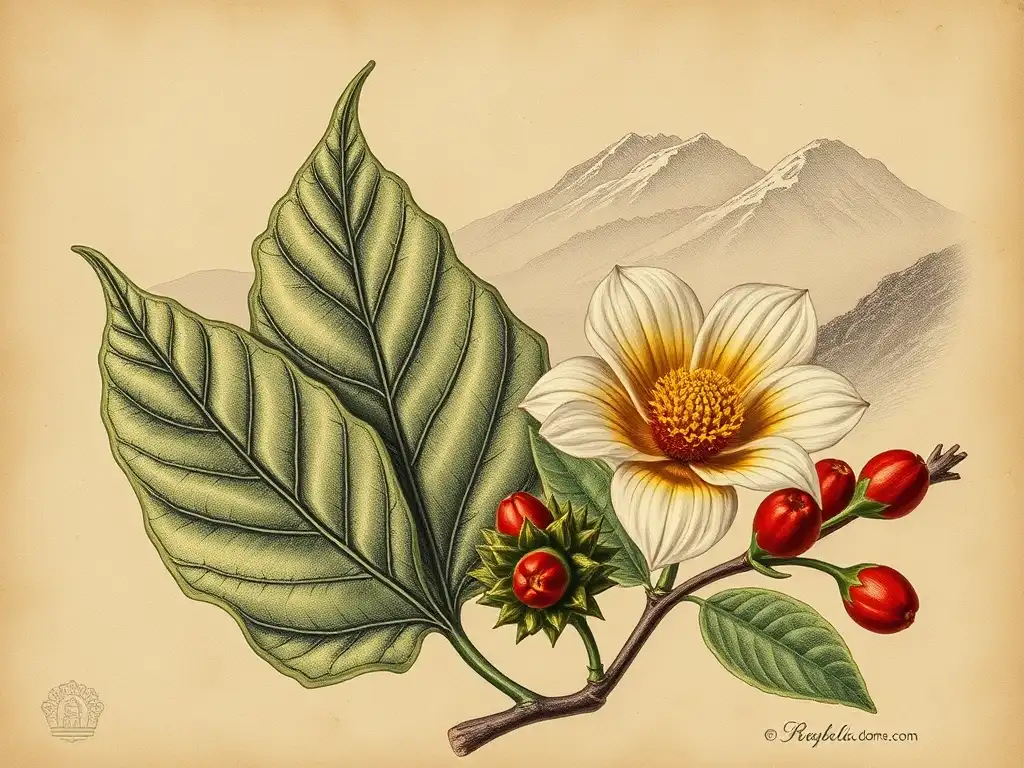
This section delves into the profound spiritual and cultural significance attributed to various plants within Andean civilizations. Beyond their nutritional value, these plants played, and in some cases continue to play, a crucial role in religious ceremonies, healing practices, and daily life, shaping the worldview and beliefs of these ancient societies.
Understanding this connection reveals a deeper appreciation for the intricate relationship between the Andean people and their environment, a relationship deeply rooted in respect and reverence for the natural world. The concept of Andean plant spiritual significance extends beyond simple utilitarianism; it encompasses a complex interplay of cosmology, shamanism, and societal structure.
Coca: The Sacred Leaf and Its Multiple Dimensions
Coca ( Erythroxylum coca), far from being merely a stimulant, held immense spiritual significance for the Andean cultures. Its leaves were not simply chewed for energy; they were viewed as a sacred offering, a conduit to the spiritual realm, and an essential element in rituals and ceremonies. Evidence suggests coca was used in offerings to deities, incorporated into mummification processes, and used by shamans to achieve altered states of consciousness for divination and healing.
The spiritual power of coca was deeply intertwined with Andean cosmology. The leaf's vibrant green color was associated with life, growth, and the fertility of the land. Its stimulating properties were seen as a gift from the gods, enhancing both physical and spiritual energy. Furthermore, the act of sharing coca leaves fostered social bonds and strengthened community ties, highlighting its importance in social cohesion.
The significance of coca is not confined to the past. In many Andean communities today, coca continues to be an integral part of daily life and religious practices, reinforcing its enduring cultural and spiritual relevance. Its use is interwoven with traditions passed down through generations, demonstrating the lasting impact of this sacred plant on Andean culture. The precise methods and beliefs surrounding coca use varied across different Andean groups, reflecting the diverse spiritual landscapes of the region. Further research is needed to fully understand the nuances of coca's spiritual significance across these diverse cultures.
San Pedro Cactus: Visions and Spiritual Journeys
The San Pedro cactus ( Echinopsis pachanoi) is another key plant with profound spiritual connotations in Andean traditions. Unlike coca, which is primarily associated with daily life and social interaction, the San Pedro cactus is strongly linked to shamanic practices and visionary experiences. Its psychoactive properties, stemming from the presence of mescaline, allowed shamans to enter altered states of consciousness, enabling them to communicate with the spirit world, diagnose illnesses, and guide their communities.
The cactus itself was often considered a sacred entity, imbued with powerful spiritual energy. Its geometric patterns and tall, columnar form resonated with Andean cosmology, representing a connection between the earthly and spiritual realms. Shamans would often prepare specific brews from the cactus, carefully selecting and preparing the plant to ensure the efficacy and safety of the ritual. The ingestion of San Pedro was not a recreational activity but a solemn and carefully orchestrated ceremony, requiring extensive training and spiritual preparation.
Detailed accounts of San Pedro ceremonies are scarce, particularly from pre-Columbian times. However, ethnographic studies of contemporary Andean communities provide valuable insights into the continuing significance of this cactus in spiritual healing and divination. Further research is needed to fully reconstruct the complex rituals and beliefs surrounding San Pedro use in different Andean societies.
Ayahuasca: The Vine of Souls and its Ceremonial Use
While not native to the Andes, ayahuasca ( Banisteriopsis caapi combined with other plants) gained prominence in some Andean regions, particularly in the Amazonian foothills. Its use, often closely associated with shamanic practices, was deeply intertwined with spiritual journeys and healing. The visionary experiences induced by ayahuasca allowed shamans to diagnose illnesses, connect with ancestral spirits, and access hidden knowledge.
Unlike coca or San Pedro, the use of ayahuasca was often more closely tied to specific shamanic lineages and traditions. The preparation of the brew was a meticulous process, requiring specialized knowledge and careful handling of the ingredients. The ceremonies themselves were often complex and highly ritualized, involving intricate songs, prayers, and symbolic gestures.
The spiritual significance of ayahuasca in the Andes is a complex topic, requiring further research to fully understand its integration within various cultural contexts. The plant's role in healing, divination, and spiritual growth within Andean communities needs further investigation to fully comprehend its historical and contemporary impact. The specific methods of preparation and the specific beliefs associated with ayahuasca varied significantly across different groups, highlighting the diversity of Andean spiritual practices.
Maca: Symbolism of Strength and Fertility
Maca ( Lepidium meyenii), a cruciferous root vegetable cultivated high in the Andes, holds a deeply significant place in Andean spirituality and culture, far beyond its nutritional value. For centuries, it has been revered not just as a food source, but as a powerful symbol of strength, fertility, and vitality, both for humans and livestock. Its association with these potent concepts is deeply rooted in the Andean worldview, where the interconnectedness of the human and natural worlds is paramount.
The Andean people believe that maca's properties reflect the harsh yet life-giving environment in which it thrives. The plant's ability to flourish in the challenging high-altitude conditions mirrors human resilience and the capacity to overcome adversity. This resilience is symbolically linked to the strength and endurance needed to navigate life's challenges.
Consequently, maca is often consumed to enhance physical strength and stamina, particularly by individuals undertaking strenuous activities or facing periods of intense physical demand. The consumption of maca is not just a physical act, but a ritualistic engagement with the spirit of the plant, seeking its power to bolster human capabilities.
Furthermore, maca's long-standing association with fertility is undeniable. Traditional Andean societies have used maca for centuries to enhance both male and female reproductive health. This association stems from observations of its apparent influence on libido and reproductive function, leading to its continued use in traditional medicine and as a fertility enhancer. The plant's symbolic connection to fertility extends beyond human reproduction, encompassing the fertility of the land itself.
A bountiful maca harvest is seen as an auspicious sign, promising a prosperous year for the community and its agricultural endeavors. This connection highlights the holistic Andean perspective, linking human well-being with the vitality of the natural world. The use of maca in fertility rituals underscores the deep spiritual connection between the plant and the community's well-being. The vibrant, earthy color of the maca root itself further reinforces its association with the life-giving power of the earth.
The enduring cultural and spiritual significance of maca is evident in its continued use in contemporary Andean society. While its popularity has spread globally, its traditional uses and symbolic meanings remain deeply embedded in Andean culture, serving as a powerful reminder of the profound relationship between people and plants in this unique region. The symbolic power of maca transcends its nutritional benefits, representing a potent connection to the land, its resilience, and its life-giving forces.
Cultural Significance of Andean Plants
The Andean region boasts a breathtaking tapestry of cultures, intricately woven with the threads of its diverse flora. Understanding the Andean plant spiritual significance requires moving beyond a purely utilitarian view of plants as sources of food and medicine. Their significance permeates every aspect of Andean life, from artistic expression to social structures and spiritual beliefs, shaping worldview and daily practices for millennia.
This deep-rooted connection highlights the profound relationship between the people and their environment, a relationship that continues to resonate today. The influence of Andean plants extends far beyond mere sustenance; they are integral to the very fabric of Andean identity.
Plants in Andean Art and Symbolism
Andean art is replete with depictions of plants, not merely as decorative elements, but as potent symbols reflecting cosmological beliefs and social hierarchies. The intricate textiles of the Nazca culture, for example, often showcase stylized representations of cacti, flowers, and other plants, interwoven with depictions of mythical beings and celestial events. These weren't simply aesthetically pleasing designs; they communicated complex narratives, conveying messages about fertility, power, and the cyclical nature of life and death.
Similarly, the Moche pottery vividly portrays plants alongside scenes of daily life, rituals, and warfare, underscoring their importance in all facets of Moche society. The coca leaf, in particular, is a recurring motif, appearing frequently in both artistic and archaeological contexts, highlighting its central role in religious ceremonies and social interactions. Analysis of these artistic representations reveals a sophisticated understanding of botany and a profound appreciation for the symbolic power of plants.
For example, the specific type of cactus depicted often relates to the specific deity or ritual represented in the artwork. [Specific examples of plant symbolism in Moche and Nazca art pending further research].
Traditional Medicine and the Power of Andean Flora
For centuries, Andean communities have relied on their vast botanical knowledge to maintain health and well-being. Traditional Andean medicine, passed down through generations, utilizes a wide array of plants for therapeutic purposes. This intricate system of healing is not merely a collection of remedies; it is a holistic approach that integrates botanical knowledge with spiritual practices, viewing plants as possessing inherent power and agency.
The coca leaf, for instance, isn't just a stimulant; it holds a crucial place in traditional healing practices, used to alleviate altitude sickness, reduce pain, and promote overall well-being. Other plants, like the Cantuta (sacred flower) and Huamanripa (a plant known for its medicinal properties), play equally important roles in treating various ailments and maintaining spiritual balance. The depth of this knowledge is staggering, with detailed understanding of plant properties, preparation methods, and administration techniques.
This traditional knowledge system, often intertwined with animistic beliefs, views plants as active participants in the healing process, not merely passive ingredients. Detailed ethnobotanical studies are crucial for preserving and understanding this rich heritage. [Specific examples of Andean medicinal plants and their uses pending further research].
The significance of Andean plants extends beyond individual experiences; they play a vital role in shaping community life and social structures. Many Andean ceremonies and rituals revolve around plants, symbolizing community cohesion and reinforcing social bonds. The coca leaf, for example, is central to many social gatherings, exchanged as a sign of respect and solidarity.
Sharing coca leaves during ceremonies signifies participation and shared identity within the community. Furthermore, access to and control over certain plants often held social and economic importance, influencing power dynamics and social hierarchies. The cultivation and distribution of valuable plants like coca could determine social standing and influence within a community.
The complex interplay between plants, social structures, and spiritual beliefs highlights the interconnectedness of these aspects in Andean culture. [Specific examples of community rituals involving plants and the social significance of plant cultivation pending further research]. The study of Andean social structures reveals a complex system where the cultivation, distribution, and use of plants were deeply intertwined with social hierarchies and community dynamics, demonstrating their far-reaching influence on Andean society.
Preserving the Legacy of Andean Plant Wisdom
The profound spiritual and cultural significance of Andean plants is inextricably linked to the biodiversity of the Andes Mountains. For millennia, indigenous communities have developed intricate relationships with the flora of their environment, imbuing plants with deep symbolic meaning and utilizing them in various ceremonies and daily life. This intimate knowledge, passed down through generations, represents a precious legacy that deserves meticulous preservation. The loss of biodiversity directly translates to the loss of this invaluable cultural heritage.
For example, the decline of specific coca varieties, each with unique properties and spiritual associations, weakens the fabric of traditional practices. Similarly, the disappearance of medicinal plants, such as uña de gato (cat's claw), diminishes access to traditional healing methods and the associated spiritual beliefs. Protecting Andean biodiversity isn't merely an environmental concern; it's a crucial step in safeguarding the rich tapestry of Andean cultural heritage.
The Importance of Protecting Andean Biodiversity
Protecting Andean biodiversity is paramount for maintaining the spiritual and cultural integrity of Andean civilizations. The interconnectedness between the physical environment and the spiritual world is deeply ingrained in Andean cosmology. Mountains, rivers, and plants are not simply natural resources; they are considered sacred entities, imbued with spiritual power and playing vital roles in rituals and ceremonies.
The loss of plant species directly impacts the ability of communities to practice their traditions. This loss isn't merely about the absence of a particular plant; it's about the erosion of a complex system of beliefs, practices, and social structures that have evolved over centuries in harmony with the natural world. Concrete actions, such as establishing protected areas, promoting sustainable agricultural practices, and supporting community-based conservation initiatives, are crucial for safeguarding this invaluable heritage.
Furthermore, the development of seed banks and botanical gardens dedicated to the preservation of Andean plant species is of critical importance. The documentation and study of traditional ecological knowledge, combined with modern scientific techniques, is essential for the long-term survival of both the plants and the cultural practices they sustain. The challenge requires a collaborative approach, bringing together indigenous communities, scientists, and policymakers to ensure the lasting protection of this irreplaceable heritage.
Modern Challenges to Traditional Plant Knowledge
The transmission of traditional knowledge surrounding Andean plants faces significant challenges in the modern world. Globalization, migration, and the influence of Western medicine and agriculture pose substantial threats to the continuity of this vital cultural heritage. Younger generations are often less connected to traditional practices, leading to a decline in the knowledge and skills necessary to cultivate, harvest, and utilize these plants in their traditional ways.
The encroachment of industrial agriculture and mining activities further exacerbates the problem, leading to habitat loss and the displacement of indigenous communities. The commercialization of sacred plants, such as coca, can also lead to exploitation and a distortion of their cultural significance. Furthermore, the lack of access to education and resources, particularly in remote Andean communities, hinders the documentation and preservation of this knowledge.
This knowledge erosion represents a significant loss, not only for the Andean communities themselves, but for the global community as a whole, which could benefit from the wisdom embedded within these traditional practices. Addressing these challenges requires innovative strategies that combine traditional methods with modern technologies to ensure the survival and revitalization of this precious heritage.
Reviving and Sharing the Spiritual Heritage of Andean Plants
Reviving and sharing the spiritual heritage of Andean plants requires a multifaceted approach that prioritizes community involvement and cultural respect. Educational programs, focused on both the scientific and spiritual aspects of these plants, are critical for engaging younger generations and fostering a deeper understanding of their importance. The collaboration between indigenous communities and researchers is essential for ensuring that the knowledge is documented and preserved accurately, while respecting traditional protocols and intellectual property rights.
This collaboration should also focus on empowering communities to manage and protect their own plant resources. The development of ethnobotanical gardens, where both the plants and the associated cultural knowledge are showcased, can play a significant role in educating broader audiences and promoting cultural exchange.
Furthermore, supporting community-based tourism initiatives that integrate traditional knowledge and practices can provide economic benefits to indigenous communities while simultaneously promoting the preservation of their heritage. By fostering a deeper appreciation for the spiritual and cultural significance of Andean plants, we can contribute to the revitalization of this invaluable heritage for future generations, ensuring that this ancient wisdom continues to flourish.
Frequently Asked Questions
What role did plants play beyond sustenance in Andean cultures?
Andean cultures attributed profound spiritual significance to many plants. They weren't just food sources but integral to religious ceremonies, healing practices, and daily life. Their use was deeply intertwined with their worldview.
Which specific Andean plants held particular spiritual importance?
Plants like coca, tobacco, and various medicinal herbs held significant spiritual importance. Coca, for example, was used in rituals and as an offering to deities. Medicinal plants were crucial for healing and maintaining spiritual balance.
How did the Incas incorporate plants into their religious beliefs?
Inca religion was deeply connected to the natural world, with plants playing a vital role. They believed that plants possessed spiritual power, and rituals often involved offerings of plants and their use in religious ceremonies.
What is the connection between Andean plants and healing practices?
Andean cultures developed sophisticated systems of herbal medicine, relying heavily on plants for healing and spiritual well-being. Shamans used plants in rituals to cure illnesses and restore spiritual harmony.
How is the spiritual significance of Andean plants relevant today?
Many traditional practices involving Andean plants continue today. Understanding their cultural and spiritual significance helps appreciate the rich tapestry of Andean heritage and the enduring connection between people and nature.
Final Reflection: Weaving the Threads of Andean Wisdom
The profound connection between Andean people and their plant life extends far beyond sustenance; it's a vibrant tapestry woven with threads of spirituality, cultural identity, and ecological understanding, a legacy deeply relevant in our increasingly disconnected world. The knowledge held within these plants, passed down through generations, offers a powerful counterpoint to the homogenizing forces of globalization, reminding us of the intricate relationship between humanity and the natural world.
The enduring influence of Andean plant traditions is palpable, not just in the continued use of sacred plants in ceremonies and rituals, but also in the growing global interest in holistic well-being and sustainable practices. These plants represent more than just botanical specimens; they are living embodiments of ancestral wisdom, keepers of stories and traditions that deserve our respect and protection. The earth is what we all have in common.
- Wendell Berry. This quote perfectly encapsulates the interconnectedness that Andean cultures so beautifully exemplify through their reverence for the plant kingdom.
Consider, for a moment, the profound implications of this interconnectedness. How can we, in our own lives, cultivate a deeper appreciation for the plants that sustain us and the ecosystems that support them? Let the wisdom of the Andes inspire you to reconnect with nature, to seek a more harmonious relationship with the earth, and to champion the preservation of traditional knowledge for future generations. The journey towards a more sustainable and spiritually fulfilling life begins with a single step – a step towards understanding and respecting the profound gifts offered by the Andean plant world.
Embrace the Essence of Andean Wisdom!
Thank you for exploring the rich tapestry of Andean plants and their profound spiritual and cultural significance. We hope this exploration has sparked your curiosity and inspired you to connect more deeply with these remarkable plants. To continue your journey, consider these suggestions:
- Deepen your understanding: Seek out Andean plants or products that resonate with you—perhaps at a local market or online retailer. Integrate their unique properties into your daily life.
- Share your knowledge: Discuss your newfound appreciation for Andean plants with friends and family, or share your insights on social media, highlighting their cultural and spiritual importance.
- Join a community: Participate in a workshop or community group focused on Andean plant traditions to further enrich your understanding through shared experiences.
What new practices or perspectives related to Andean plants are you most excited to integrate into your life?