
Coca's Journey: From Ancient Fields to Modern Debates


Step into a world lost to time, where towering empires sculpted landscapes and innovative techniques thrived amidst the Andes Mountains. Discover the secrets of the ancient Andean civilizations, their breathtaking artistry, and the ingenuity that shaped their world. But what about the plant that fueled their empires and continues to spark debate today? Prepare to uncover the fascinating story behind ancient coca leaf uses, a journey that will unravel the mysteries of Andean agriculture and its enduring legacy.
The coca leaf ( Erythroxylum coca) holds a position of unparalleled significance in the history and culture of the Andean civilizations. For millennia, it has transcended its botanical classification, becoming deeply interwoven with the social fabric, religious practices, and even the very economy of societies stretching from the Andes Mountains to the coastal regions.
This article explores the multifaceted journey of the coca leaf, tracing its path from ancient agricultural practices and ritualistic uses to its contemporary role, fraught with both celebration and controversy. We will delve into the diverse ways ancient Andean cultures utilized coca, examining its medicinal properties, its role in religious ceremonies, and its importance in daily life.
Understanding this history is crucial to appreciating the complex relationship between Andean peoples and this remarkable plant, a relationship that continues to shape modern debates surrounding its cultivation and use. This exploration will illuminate the profound impact of coca on Andean civilizations and the enduring legacy it carries today.
Ancient Andean Coca Cultivation Techniques
Ancient Andean farmers developed sophisticated techniques for cultivating coca, adapting their methods to the challenging Andean terrain. Terracing, for instance, allowed them to maximize arable land on steep slopes, creating intricate agricultural landscapes that are still visible today. These terraces, often built with remarkable precision, not only provided ideal growing conditions for coca but also helped to prevent soil erosion. Evidence suggests that coca cultivation was often integrated into broader agricultural systems, with farmers strategically planting coca alongside other crops to enhance biodiversity and soil fertility.
The meticulous care and advanced knowledge required for successful coca cultivation underscore the plant's economic and cultural importance within these societies. Archaeological findings continue to reveal more about their sophisticated agricultural practices, including irrigation systems and careful selection of coca varieties for specific environments. Moreover, the social organization of coca cultivation likely involved communal effort and specialized knowledge passed down through generations.
Coca's Role in Ancient Andean Religious Ceremonies
The coca leaf played a pivotal role in the religious and spiritual life of ancient Andean civilizations. It was frequently used in ceremonies and rituals dedicated to various deities, often acting as a sacred offering or a facilitator of communication with the spiritual world. Shamans and priests utilized coca to induce altered states of consciousness, allowing them to connect with the divine and interpret messages from the spirit world.
Archaeological discoveries have unearthed coca leaves within ancient burial sites, indicating its importance in funerary rites and beliefs about the afterlife. Furthermore, coca's use in religious ceremonies likely served to strengthen social bonds and reinforce community identity, fostering a sense of shared spirituality and cultural heritage.
The symbolic significance of coca extended beyond its purely religious functions, embedding itself deeply in the cosmological beliefs and worldviews of these cultures. We can find evidence of this in the iconography and artistic representations found throughout Andean archaeological sites.
Medicinal Uses of Coca in Pre-Columbian Times
Beyond its religious significance, the coca leaf held considerable medicinal value in pre-Columbian Andean societies. Ancient healers recognized and utilized its various properties to treat a wide range of ailments. Coca was used as a stimulant to combat fatigue and altitude sickness, common challenges in the harsh Andean environment. It was also employed to alleviate pain, reduce inflammation, and aid digestion.
Furthermore, coca was believed to possess spiritual healing properties, capable of cleansing the body and soul. The detailed understanding of coca's medicinal properties, as well as its various applications, demonstrates the advanced knowledge of botany and medicine possessed by ancient Andean healers. While precise formulations and treatments remain partially unknown, ethnobotanical studies offer compelling insights into the diverse ways coca was used for healing. The traditional knowledge surrounding coca's medicinal properties continues to be relevant today, inspiring ongoing research into its potential uses in modern medicine.
Coca and Daily Life in Ancient Andean Societies
The coca leaf wasn't solely confined to religious ceremonies or medicinal practices; it was deeply integrated into the daily lives of ancient Andean peoples. It served as a social lubricant, facilitating interactions and fostering social cohesion. Offering coca was a common courtesy, a gesture of respect and hospitality. Its stimulating properties also assisted in the performance of demanding physical tasks, such as farming and mining.
In essence, coca was an integral component of the Andean lifestyle, enhancing social interactions, promoting physical endurance, and contributing to the overall well-being of the population. The widespread use of coca underscores its importance as a vital resource, woven into the fabric of daily life. Its presence in everyday activities highlights the integral role it played in the social, economic, and cultural life of ancient Andean societies. Further research is needed to fully grasp the nuances of coca's everyday presence in these societies.
- Ancient Andean Coca Cultivation Techniques
- Coca's Role in Ancient Andean Religious Ceremonies
- Medicinal Uses of Coca in Pre-Columbian Times
- Coca and Daily Life in Ancient Andean Societies
The Historical Significance of Coca in Andean Civilizations
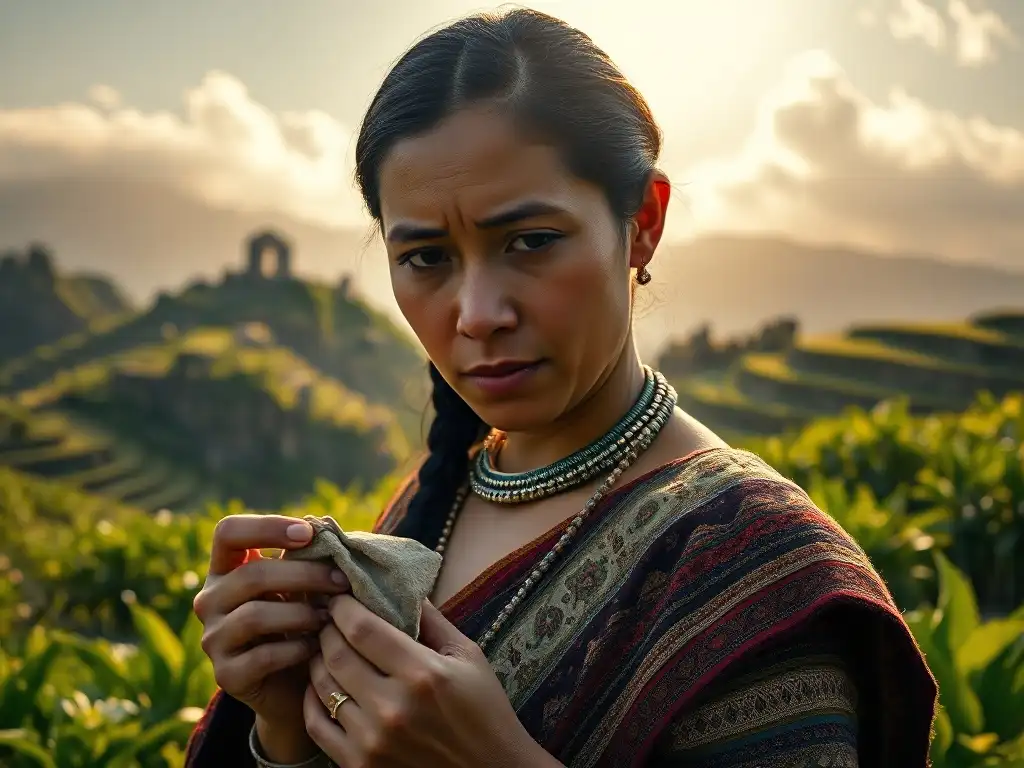
Coca's enduring presence in Andean culture speaks volumes about its deep-rooted historical significance. Far from being merely a stimulant, the coca leaf held – and continues to hold – a profound spiritual, social, and economic importance for Andean peoples. Understanding its historical role is crucial to appreciating its current multifaceted status.
This section delves into the ancient uses of the coca leaf, exploring its origins, societal integration, and ritualistic significance across various Andean cultures. The sheer volume of archaeological evidence and ethnographic accounts underscores the plant's centrality to the lives of these ancient societies. Analyzing this evidence provides invaluable insights into the complexities of ancient Andean civilizations and their relationship with their environment.
Origins of Coca Cultivation in the Andes
Pinpointing the precise origins of coca cultivation remains a subject of ongoing research. However, archaeological evidence suggests that coca ( Erythroxylum coca) was domesticated in the Andean highlands, likely in the northern Andes, sometime between 8000 and 3000 BCE. The discovery of coca pollen in ancient sites, coupled with the identification of early coca leaf remains, strongly supports this hypothesis.
The transition from wild coca to cultivated coca likely coincided with the development of agriculture in the region, marking a significant step in the evolution of Andean societies. Early cultivation techniques, while rudimentary compared to modern methods, demonstrate a sophisticated understanding of the plant's needs and its potential benefits. Further research, particularly genetic analysis of ancient coca specimens, is needed to refine our understanding of its domestication timeline and geographic spread.
This research may also help to clarify the relationship between different coca varieties and their distribution across the Andes. The ancient coca leaf uses varied depending on the specific variety and location.
Early Andean Societies and the Use of Coca Leaves
The integration of coca into the daily lives of early Andean societies was extensive and multifaceted. Evidence from various cultures, including the Moche, Nazca, and Tiwanaku, points to coca's widespread use well before the Inca Empire. Archaeological excavations frequently unearth coca leaves alongside other artifacts in tombs and settlements, indicating its importance in both daily life and funerary practices. For example, Moche pottery often depicts figures chewing coca, suggesting its social acceptance and prevalence.
The Nazca culture, known for its elaborate geoglyphs, also incorporated coca imagery into their artwork, further highlighting its cultural significance. Coca wasn't simply a recreational substance; it was deeply intertwined with social interactions, economic activities, and religious beliefs. Its use likely provided both physical and psychological benefits, aiding in endurance during arduous tasks and potentially facilitating social bonding.
The widespread presence of coca across different Andean cultures demonstrates its enduring appeal and adaptability. More research is needed to fully understand the nuanced ways coca was utilized by these diverse societies. We can speculate that different varieties of coca were used for different purposes, adding another layer of complexity to our understanding of ancient coca leaf uses.
Coca's Role in Ancient Andean Rituals and Ceremonies
Coca played a central role in the religious and spiritual practices of numerous Andean cultures. It was frequently used in rituals and ceremonies, serving as an offering to deities and as a means of communicating with the spirit world. Evidence suggests that coca leaves were burned as incense, incorporated into offerings, and chewed by shamans during divination rituals. The Inca, for example, revered coca as a sacred plant, believing it to be a gift from the gods.
Coca leaves were offered to the sun god, Inti, and other deities. Shamans, or paqos, used coca in their healing practices and to access altered states of consciousness, facilitating communication with the spiritual realm. The use of coca in these rituals fostered a deep connection between the Andean people and their environment, emphasizing the plant's spiritual power and its role in maintaining cosmic balance. The detailed descriptions of coca use in colonial-era accounts, while sometimes biased, offer valuable insights into the continuation of these traditions despite the Spanish conquest.
However, more research is needed to fully reconstruct the specific rituals and practices associated with coca use in the different pre-Columbian Andean cultures. The complexity of ancient coca leaf uses in religious contexts highlights the plant's enduring importance in Andean spirituality. Further investigation into the archaeological and ethnographic record is needed to shed more light on the diverse and sophisticated religious practices surrounding coca.
Coca as a Sacred Plant in Andean Cosmology
Coca's role transcended mere sustenance; it held profound spiritual significance within the Andean worldview. For centuries, indigenous cultures viewed the coca leaf not simply as a plant, but as a sacred entity, deeply interwoven with their cosmology and religious practices. The leaf's perceived mystical properties fostered a connection between the earthly and spiritual realms, solidifying its place in rituals and ceremonies.
Shamans, or paqos, played a crucial role in these practices, using coca leaves to commune with the gods and access divine knowledge. The act of offering coca leaves to deities was a way to honor them and gain their favor, ensuring successful harvests and overall well-being. This reverence extended to everyday life, with coca leaves often included in offerings made to the apus (mountain spirits) and other natural forces, underscoring the deep-seated belief in the plant's inherent power.
The vibrant green of the coca leaf, symbolizing life and vitality, further reinforced its sacred status. The preparation and consumption of coca were imbued with ritual significance, varying across different Andean communities and reflecting the unique cosmological beliefs of each group. This sacred status wasn't limited to religious ceremonies; it permeated daily life, shaping social interactions and influencing the understanding of the natural world.
The intricate relationship between coca and Andean cosmology is evidenced by archaeological findings. Excavations at various sites have uncovered coca leaves alongside ceremonial objects, further confirming their importance in religious rituals. These discoveries provide tangible evidence of the deep-rooted spiritual connection between the ancient Andean peoples and the coca plant, showcasing its central role in their spiritual beliefs and practices.
The sheer volume of coca leaves found in these contexts underscores the widespread and consistent use of coca in both religious and everyday life. The findings demonstrate that coca was not just a dietary supplement but a cornerstone of the Andean spiritual world, reflecting a holistic worldview where the physical and spiritual realms were inextricably linked.
Analysis of these archaeological findings, alongside ethnobotanical studies of contemporary Andean communities, provides a compelling picture of coca's enduring significance. The continuity of coca's sacred use highlights its enduring power as a symbol of Andean identity and spirituality.
Ancient Coca Leaf Uses: Beyond the Modern Understanding

The modern perception of the coca leaf is often clouded by its association with cocaine production. However, understanding the ancient coca leaf uses requires looking beyond this narrow lens. For millennia, Andean cultures cultivated and revered the coca plant, integrating it deeply into their daily lives, spiritual practices, and medicinal traditions.
Its significance extended far beyond mere recreational use, representing a vital component of their social fabric and survival strategies. Examining these ancient practices reveals a complex relationship between people and plant, one that challenges contemporary misconceptions. This section explores some key aspects of coca's multifaceted role in ancient Andean societies, focusing on its medicinal applications, its contribution to energy and sustenance, and its use in mitigating the effects of high-altitude living.
Traditional Medicinal Applications of Coca
The coca leaf held immense medicinal value for ancient Andean populations. Its use wasn't limited to a single ailment; instead, it addressed a wide spectrum of health concerns. Archaeological evidence, coupled with ethnobotanical studies, suggests its application in treating diverse conditions. For example, coca was used to alleviate pain, reduce inflammation, and combat nausea. It was also believed to possess invigorating properties, aiding in recovery from illness and injury.
Chroniclers from the Spanish colonial period documented numerous medicinal uses of coca, corroborating indigenous accounts. These reports often describe the plant's use in treating digestive problems, respiratory ailments, and even certain types of wounds. The leaves were chewed, brewed into teas, or applied topically depending on the specific ailment. The precise methods varied across different Andean cultures, reflecting a rich diversity of traditional medical knowledge.
Moreover, the coca leaf’s purported ability to enhance endurance and stamina played a significant role in its medicinal application. It wasn't simply a stimulant; rather, it was seen as a tool for bolstering the body's natural resilience and capacity for healing. This perspective underscores the holistic understanding of health that characterized ancient Andean societies. Further research is needed to fully understand the pharmacological properties of coca and to validate the traditional medicinal claims associated with it. The complex chemical composition of the coca leaf presents a rich area for future scientific investigation.
Coca as a Source of Energy and Sustenance for Andean People
Beyond its medicinal properties, coca played a crucial role in providing energy and sustenance to Andean communities. The high-altitude environment of the Andes presents significant challenges to human survival, demanding significant caloric intake and efficient energy utilization. Coca, with its stimulating alkaloids, helped people overcome these challenges.
Chewing coca leaves provided a sustained release of energy, aiding in the performance of strenuous physical activities, such as farming, herding, and construction projects. This effect was especially important in the arduous conditions of the mountainous terrain. The leaves also provided essential nutrients, contributing to the overall health and well-being of the population.
The incorporation of coca into the Andean diet wasn't merely a matter of convenience; it was a strategic adaptation to the harsh environment. The plant's ability to alleviate hunger and fatigue made it an indispensable part of their daily lives. This sustained energy boost allowed them to work longer hours and endure difficult physical tasks. It was an integral part of their food security strategy, ensuring the survival and prosperity of their communities. The importance of coca in the Andean diet is evidenced by its presence in various rituals and ceremonies, further highlighting its central role in their society.
Chewing Coca Leaves for Altitude Sickness Relief
The high altitude of the Andes poses significant challenges, including altitude sickness, characterized by symptoms such as headaches, nausea, and shortness of breath. Ancient Andean populations developed sophisticated strategies to mitigate these effects, and the coca leaf played a central role.
Chewing coca leaves provided a natural and effective way to alleviate the symptoms of altitude sickness. The plant's alkaloids are believed to improve oxygen uptake and reduce the effects of hypoxia (low oxygen levels). This allowed individuals to adapt more easily to the high-altitude environment and perform physical activities without experiencing severe discomfort.
The practice of coca chewing was not merely a response to the immediate symptoms of altitude sickness; it was a preventative measure as well. Regular coca consumption helped acclimatize individuals to the thin air, enabling them to maintain their physical capabilities and overall well-being. This adaptation highlights the intimate connection between the Andean people and their environment, demonstrating their resourceful use of natural resources to overcome the challenges of their habitat.
The effectiveness of coca in mitigating altitude sickness has been corroborated by modern scientific studies, further validating its traditional use. The enduring practice of coca chewing in Andean communities today serves as a testament to its efficacy and enduring importance.
The coca leaf's significance in ancient Andean societies extended far beyond mere sustenance; it played a crucial role in social interactions and complex trade networks. Archaeological evidence, including the discovery of coca leaves in various contexts alongside other artifacts, strongly suggests its integral part in daily life and ceremonial practices. For instance, the presence of coca leaves in tombs alongside elite individuals highlights its association with status and power. The leaves weren't simply a commodity; they were a symbol of social standing and were likely exchanged as gifts to cement alliances or demonstrate respect.
The distribution of coca cultivation across diverse Andean regions further underscores its importance in trade. While coca thrived in specific ecological niches, its consumption spanned a vast geographical area. This necessitates a sophisticated system of exchange and trade, connecting distant communities and facilitating the movement of goods and, crucially, coca leaves.
The scale of this trade is hinted at by the presence of coca remains in archaeological sites far from its cultivation zones, indicating extensive trade routes and networks that connected different Andean cultures. This trade wasn't just about economic exchange; it also fostered cultural exchange and interaction, contributing to the complex tapestry of Andean civilization.
Furthermore, the coca leaf likely served as a significant medium of exchange, potentially functioning as a form of currency or barter in certain situations. While we lack detailed records detailing specific transactions, the archaeological evidence of coca's widespread distribution and association with elite burials strongly suggests its value beyond mere consumption. The meticulous preservation of coca leaves in some archaeological contexts also points to its symbolic and ritualistic significance, further enhancing its value in social and economic exchanges.
Understanding the nuances of coca's role in ancient Andean trade requires further research, but its prominent presence in archaeological discoveries points to a far more complex and multifaceted role than previously understood. The coca leaf's journey through these intricate networks shaped the social fabric and economic systems of ancient Andean societies.
Coca's Cultural Importance in Andean Societies
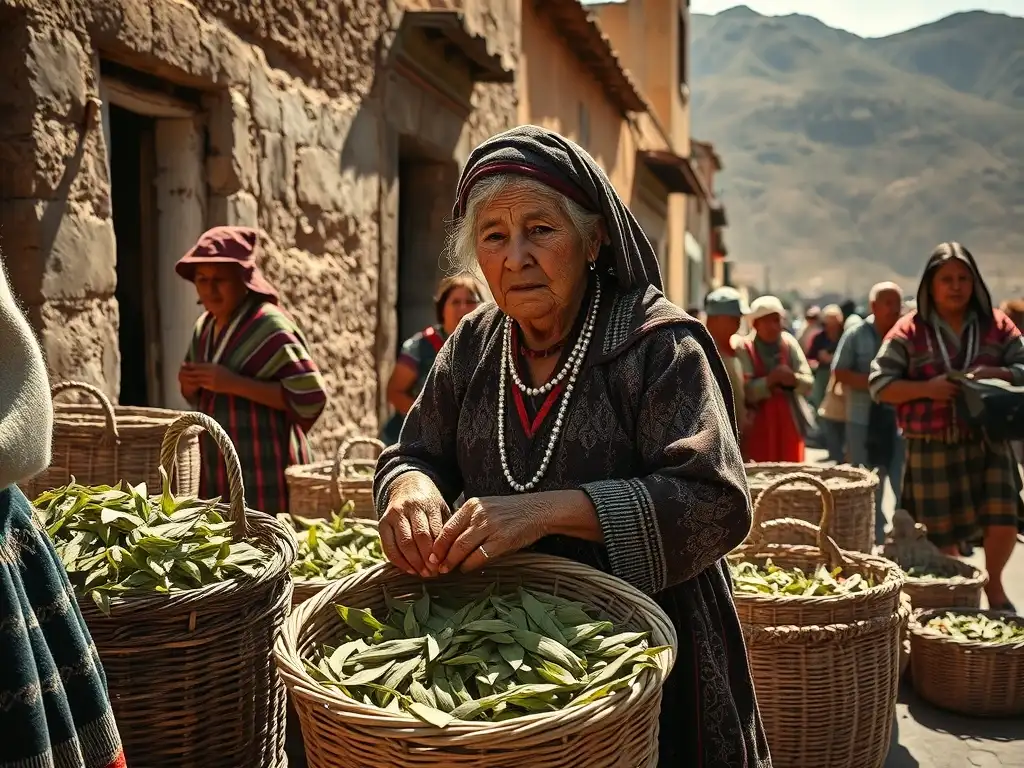
The coca leaf ( Erythroxylum coca) holds a position of profound cultural significance within Andean societies, extending far beyond its known stimulant properties. Its importance transcends mere economic value; it's deeply interwoven with religious beliefs, social structures, and artistic expression, shaping the lives and worldview of Andean communities for millennia. Understanding this multifaceted role is crucial to appreciating the plant's enduring legacy and the complexities surrounding its modern usage. The ancient coca leaf uses were incredibly diverse, reflecting its multifaceted integration into daily life and spiritual practices. The following sections delve into specific aspects of its cultural impact.
Coca and the Inca Empire: A Royal Privilege
During the Inca Empire (1438-1533 CE), coca leaf cultivation and distribution were strictly controlled by the state. Access to coca was not universally granted; it was a privilege primarily enjoyed by the Inca elite, priests, and soldiers. This control ensured the Inca's power and influence, as coca was not only a stimulant but also a crucial element in religious ceremonies and social interactions.
The Inca meticulously managed coca plantations, ensuring a stable supply to sustain their army and maintain social order. Evidence suggests that tribute in the form of coca leaves was collected from conquered territories, further solidifying the Inca's control over this vital resource.
The Inca's sophisticated agricultural techniques, including terracing and irrigation, maximized coca production, highlighting their understanding of the plant's importance and their ability to harness its value for political and economic gain. The royal monopoly on coca distribution underscores its status as a symbol of power and authority within the Inca Empire.
Coca and Its Connection to Andean Agriculture
The cultivation of coca was, and remains, intricately linked to the broader Andean agricultural system. Coca plants thrived in specific ecological niches, often nestled within complex agricultural terraces alongside other crops like potatoes, maize, and beans. This integrated approach to farming maximized land use and biodiversity, reflecting a deep understanding of ecological principles.
The coca leaf's role wasn't simply as a cash crop; it was a vital part of a sustainable agricultural system that provided sustenance and cultural significance for Andean communities. Furthermore, the careful management of coca plantations often involved intricate knowledge of soil conditions, water management, and pest control, demonstrating sophisticated agricultural practices developed over centuries. The interconnectedness of coca cultivation with other crops highlights its integral role within the larger framework of Andean agricultural practices and its importance in ensuring food security and cultural continuity.
The Symbolic Representation of Coca in Andean Art and Pottery
The profound cultural significance of the coca leaf is vividly portrayed in Andean art and pottery. Numerous examples across various Andean cultures depict coca leaves, often in conjunction with other sacred objects and figures. These depictions highlight the plant's spiritual and ritualistic importance, providing valuable insight into ancient Andean beliefs and practices.
For instance, Moche pottery often features coca leaves alongside deities and ritual scenes, suggesting its use in religious ceremonies. The detailed representation of coca leaves in these artifacts indicates the plant's revered status and its integration into the spiritual fabric of Andean societies. Analysis of these artistic representations reveals a complex tapestry of symbols and meanings associated with coca, underscoring its multifaceted role in ancient Andean culture.
The meticulous detail in the depictions demonstrates the importance placed on accurately portraying this sacred plant, further emphasizing its deep-rooted cultural significance. Further research into the iconography of coca in Andean art would undoubtedly reveal even more nuanced understandings of its ancient uses and symbolic value.
Coca's Enduring Presence in Andean Traditions
Coca's significance in Andean cultures transcends mere economic or medicinal value; it's deeply interwoven into the fabric of their social, spiritual, and daily lives. For millennia, the coca leaf has held a sacred position, representing much more than a simple plant. Its enduring presence is evident in a multitude of traditions, passed down through generations and continuing to shape Andean societies today.
The act of chacchado, the ritualistic chewing of coca leaves, remains a central practice. This isn't simply a habit; it's a social ritual, often performed communally, fostering connection and shared experience. The sharing of coca leaves symbolizes trust, respect, and solidarity, strengthening social bonds within communities. Different ways of preparing and consuming coca, from the simple chewing to the preparation of coca tea (mate de coca), reflect regional variations and cultural nuances. These variations are not merely superficial; they often carry significant symbolic meanings linked to specific ceremonies, celebrations, or everyday activities.
The spiritual significance of coca is equally profound. In many Andean cosmologies, coca leaves are believed to possess a spiritual essence, acting as a conduit between the human and spiritual realms. Shamans and healers use coca leaves in divination rituals, interpreting the patterns and shapes of the leaves to gain insight into the future or diagnose illnesses.
The leaves are also frequently offered as a sacred offering to the apus (mountain spirits) and other deities, demonstrating a deep-seated reverence for the plant and its perceived power. This spiritual dimension of coca use is integral to understanding its enduring presence in Andean life, far beyond mere practical applications.
The enduring presence of coca is also evident in its continued use in various ceremonies and festivals. From celebratory events to healing rituals, coca leaves are often incorporated as essential components. Their use underscores the deep-rooted cultural significance of the plant and its continued integration into the lives of Andean communities. The precise roles and significance of coca in different ceremonies vary considerably depending on the specific community and tradition, underscoring the rich diversity of cultural practices surrounding this remarkable plant.
The continued use of coca in these contexts demonstrates its resilience and enduring importance in preserving cultural heritage and identity. The coca leaf is not simply a plant; it is a living symbol of Andean culture itself. Its continued use ensures the preservation of ancient traditions and their seamless integration into modern Andean life.
The Impact of Colonization on Coca and its Perception
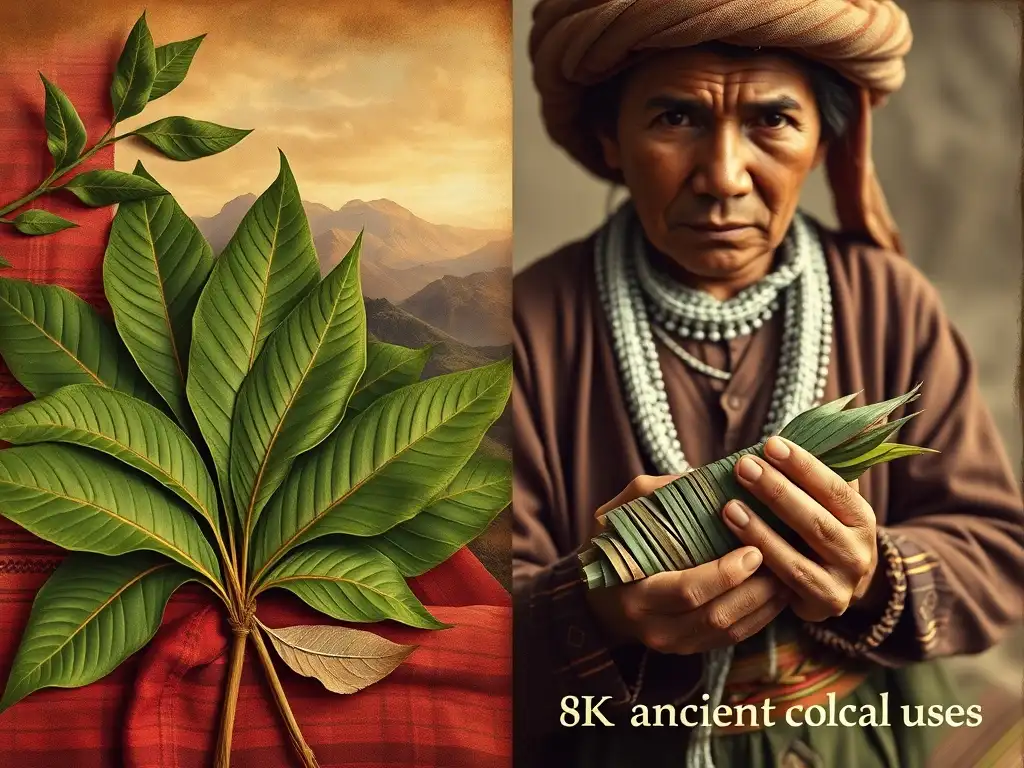
The arrival of the Spanish in the 16th century drastically altered the landscape of Andean life, including the deeply ingrained cultural significance of the coca leaf. Prior to colonization, coca held a sacred and multifaceted role in Andean societies, integral to religious ceremonies, medicinal practices, and daily life. The Spanish, however, viewed coca with suspicion and disdain, initiating a process of demonization that continues to impact perceptions today.
This negative portrayal, fueled by religious biases and economic interests, significantly overshadowed the plant's long history of beneficial and ritualistic use. Understanding this historical context is crucial to appreciating the complexities surrounding contemporary discussions about coca.
The Spanish Conquest and the Demonization of Coca
The Spanish conquest marked a turning point in the history of coca. Their initial encounters with the plant were met with distrust, fueled by a combination of factors. The Catholic Church, seeking to eradicate indigenous religious practices, actively condemned coca use, associating it with pagan rituals and idolatry.
Chroniclers of the conquest often portrayed coca chewing as a vice, describing it in negative terms to reinforce the narrative of Spanish superiority and indigenous inferiority. This negative propaganda, coupled with the suppression of indigenous cultures, contributed significantly to the stigmatization of coca. The Spanish also attempted to control coca production and trade, implementing taxes and restrictions that aimed to limit its accessibility and further undermine its cultural importance.
The systematic dismantling of traditional Andean social structures and the imposition of new economic systems further marginalized the plant and its associated practices. The Spanish actively sought to replace coca's sacred importance with their own religious beliefs, effectively stripping the plant of its spiritual significance for many Andean communities. This deliberate campaign to suppress indigenous culture is a critical aspect of understanding the plant's subsequent history and the lingering negative perceptions that persist in some quarters.
The Commercialization of Coca: Coca-Cola and its Origins
The commercialization of coca, ironically, began during the colonial period, though it was far from a celebration of its traditional uses. While the Spanish initially sought to restrict coca use, they eventually recognized its economic potential. This led to the exploitation of coca cultivation and trade, often under harsh and exploitative conditions.
The modern commercialization of coca is perhaps best exemplified by Coca-Cola, a beverage that initially contained coca leaf extract. While the company removed cocaine from its recipe early in its history, the association with the plant remains, highlighting the complex and often contradictory legacy of coca.
This commercialization further distanced the plant from its traditional uses, shaping perceptions of coca primarily through a commercial lens rather than a cultural or medicinal one. The initial use of coca in Coca-Cola, while ultimately modified, exemplifies how economic interests have shaped the narrative and perception surrounding the plant, often overshadowing its historical and cultural significance.
The Shift from Traditional Use to Modern Misconceptions
The shift from traditional Andean uses of coca to modern perceptions is a complex process shaped by colonization, commercialization, and the propagation of misinformation. While coca continues to hold cultural and medicinal significance for many Andean communities, global perceptions are often skewed by historical biases and limited understanding. The association with cocaine, a potent derivative, has further complicated the narrative, leading to widespread misconceptions and stigmatization.
This has resulted in policies and regulations that often fail to recognize the distinct differences between coca leaf and cocaine, impacting the livelihoods of coca farmers and the cultural practices of Andean communities. The enduring legacy of colonial demonization, combined with the commercial exploitation and the harmful effects of cocaine, has created a complex situation where the nuanced understanding of ancient coca leaf uses is often lost.
Efforts to address these misconceptions must focus on educating the public about the plant's diverse applications and its historical significance within Andean cultures, emphasizing the critical distinctions between the coca leaf and its processed derivatives. Accurate information is crucial to fostering a more nuanced and respectful understanding of this ancient plant and its enduring legacy.
Modern Debates and the Future of Coca

The ancient coca leaf, once revered as a sacred plant and vital part of Andean life, now finds itself at the center of complex and often contentious modern debates. Its historical significance, intertwined with cultural practices and spiritual beliefs, clashes with contemporary concerns surrounding its potential for misuse and the illicit cocaine trade. Understanding this multifaceted issue requires a nuanced approach, acknowledging both the plant's cultural value and the challenges posed by its association with illegal narcotics.
The very survival of traditional coca cultivation practices hangs in the balance, caught between the weight of history and the pressures of globalization. The discussion isn't simply about the leaf itself, but about the livelihoods of countless Andean communities whose lives and economies are inextricably linked to its cultivation.
The Controversy Surrounding Coca and Cocaine
The primary driver of modern anxieties surrounding coca is its close chemical relationship to cocaine. While the coca leaf itself contains relatively low levels of cocaine alkaloids, and traditional chewing methods don't lead to significant levels of absorption, the process of cocaine extraction presents a significant challenge. This has led to a widespread perception, often fueled by misinformation, that the plant is inherently dangerous and synonymous with illicit drug production.
This association has resulted in stigmatization of the plant and the communities that cultivate it, despite millennia of safe and responsible traditional use. Many indigenous groups argue that this connection is a gross oversimplification, ignoring the cultural and spiritual significance of the leaf separate from cocaine production. The challenge, therefore, lies in differentiating between the traditional, low-risk use of the coca leaf and the dangerous and illegal production of cocaine.
Further complicating the issue are the economic realities; the significantly higher profit margins associated with cocaine production often outweigh the sustainable income generated from traditional coca cultivation. This economic disparity fuels the ongoing struggle to protect traditional practices while addressing the very real threat of illicit drug production.
The Legal Status of Coca in Different Countries
The legal status of coca varies considerably across the globe, reflecting differing perspectives on its potential benefits and risks. In some Andean countries, where coca leaf chewing has a long-standing cultural tradition, the plant is legally cultivated and consumed under certain conditions. However, international conventions aimed at combating drug trafficking often place stringent regulations on coca production, making it difficult for farmers to operate legally and access international markets for legitimate coca products.
This legal ambiguity fosters a complex situation, where some communities struggle to balance their cultural traditions with international legal requirements. The lack of clear and consistent international regulations regarding coca cultivation and trade creates a breeding ground for illicit activities and hinders the development of sustainable and legal coca industries.
A more nuanced legal framework is needed, one that recognizes the legitimate cultural and economic role of coca while effectively addressing the risks associated with cocaine production. For instance, some researchers suggest focusing on regulating the extraction and distribution of cocaine rather than outright banning coca cultivation.
Promoting Sustainable Coca Cultivation and Traditional Practices
Protecting traditional coca cultivation practices requires a multi-faceted approach that balances cultural preservation with economic sustainability. Supporting fair trade initiatives, ensuring access to international markets for coca-derived products (such as coca tea), and providing farmers with technical assistance to improve yields and reduce environmental impact are crucial steps. Promoting sustainable farming techniques can reduce the plant's vulnerability to pests and diseases, thus contributing to both higher yields and environmentally friendly practices.
Furthermore, investing in research to develop new, legal coca-based products, such as pharmaceuticals or cosmetics, can create new economic opportunities while simultaneously highlighting the plant’s potential benefits beyond its traditional uses. The long-term success of sustainable coca cultivation hinges on collaborative efforts between governments, international organizations, and local communities. This collaborative approach should focus on empowering Andean farmers, fostering economic development, and preserving the rich cultural heritage associated with the ancient coca leaf.
Ultimately, the future of coca depends on finding a balance between respecting its cultural significance and addressing its potential for misuse. This requires a shift away from simplistic approaches towards a nuanced and collaborative strategy that prioritizes both tradition and sustainability.
The Potential of Coca in Modern Medicine and Research
The coca leaf, long stigmatized due to its association with cocaine, holds significant potential in modern medicine and research. While cocaine extraction is illegal and highly problematic, the leaf itself contains numerous alkaloids and compounds with potential therapeutic benefits. Scientists are exploring these compounds for their potential in treating various ailments. For instance, preliminary research suggests that some coca alkaloids possess analgesic properties, meaning they could potentially be used to manage pain.
Furthermore, studies are investigating the leaf's potential to alleviate symptoms of altitude sickness, a common issue in the Andes where coca has been traditionally used for centuries. This is particularly relevant given the growing interest in sustainable and culturally appropriate solutions for managing altitude-related health challenges. The potential benefits extend beyond pain management and altitude sickness; some researchers are even exploring the leaf's potential in treating neurological disorders and other conditions. However, it's crucial to emphasize that much of this research is in its early stages, and further investigation is needed to fully understand the therapeutic potential of coca and to develop safe and effective treatments.
The rigorous scientific scrutiny and ethical considerations surrounding coca research are paramount to ensure responsible development and prevent misuse. The pathway to realizing the potential of coca in modern medicine requires careful navigation of regulatory hurdles and a commitment to responsible scientific practices. This responsible approach is essential to ensure that the potential benefits of this ancient plant can be harnessed without perpetuating harmful stereotypes or contributing to substance abuse.
The Importance of Preserving the Heritage of Coca
Beyond its potential medicinal applications, the coca leaf holds immense cultural and historical significance for Andean communities. For millennia, coca has been an integral part of Andean life, woven into social rituals, religious ceremonies, and daily routines. Preserving this rich heritage is crucial for maintaining the cultural identity and well-being of these communities. The coca leaf is not merely a plant; it's a symbol of Andean identity, resilience, and connection to ancestral traditions.
Attempts to eradicate coca cultivation without considering the cultural context have often resulted in negative social and economic consequences for Andean communities. Therefore, any approach to regulating or managing coca must respect the cultural significance of the plant and involve the active participation of local communities. This means promoting sustainable coca cultivation practices that respect the environment and empower local farmers. Furthermore, efforts should focus on supporting research that explores the traditional uses of coca and its potential benefits, while simultaneously addressing the challenges associated with cocaine production.
Education and awareness campaigns are also essential to combat harmful stereotypes and promote a more nuanced understanding of the coca leaf and its role in Andean culture. By promoting sustainable practices and preserving the heritage of coca, we can ensure that this ancient plant continues to play a vital role in the lives of Andean communities for generations to come. This is not just a matter of preserving cultural heritage; it's about recognizing the intrinsic value and rights of indigenous communities and their connection to their ancestral plant.
Frequently Asked Questions
What were some ancient uses of the coca leaf?
The coca leaf held significant religious and medicinal importance in Andean cultures. It was used in rituals, ceremonies, and as a stimulant to alleviate hunger and fatigue, and for medicinal purposes.
How did the Incas use coca leaves?
The Incas revered coca, integrating it into everyday life and religious practices. They used it as a form of currency, offering it to deities, and consuming it during ceremonies and daily life.
Were there any medicinal uses for coca leaves in pre-Columbian times?
Yes, ancient Andean cultures believed coca possessed curative properties. It was used to treat various ailments, including altitude sickness, headaches, and digestive problems.
How did the Spanish conquest affect the use of coca leaves?
The Spanish initially tried to suppress coca use, viewing it as a pagan practice. However, they eventually recognized its economic value and its importance to the labor force, and its use continued, although often under strict control.
What is the difference between ancient and modern uses of coca leaves?
While ancient uses focused on religious, medicinal, and social contexts, modern uses are often centered around stimulant effects, traditional medicine, and, unfortunately, the illegal production of cocaine.
Final Reflection: The Enduring Legacy of the Coca Leaf
The coca leaf, a plant steeped in ancient tradition, continues to spark intense debate in the modern world. Its journey, from sacred ritual to global commodity, reveals a complex interplay of cultural significance, economic power, and ethical considerations that resonate deeply today. The enduring power of this plant challenges us to reconsider our relationship with nature and the narratives we construct around both ancient practices and modern challenges.
The coca leaf's influence transcends mere historical significance; it remains a potent symbol in discussions surrounding colonialism, indigenous rights, and the complexities of global trade. Its story is a stark reminder of how easily cultural practices can be misinterpreted and exploited. The coca leaf is not just a plant; it is a living culture, a history, and a future that deserves respect and understanding.
This quote encapsulates the need for a nuanced perspective, moving beyond simplistic narratives of good and evil to engage with the multifaceted reality of the coca leaf's legacy.
Consider the weight of this history. Reflect on the enduring power of tradition, the complexities of cultural exchange, and the ethical dilemmas presented by the globalized economy. You, the reader, hold the power to shape the future narrative surrounding the coca leaf. By understanding its past, we can work towards a more equitable and sustainable future, one that respects both the ancient traditions and the modern challenges surrounding this remarkable plant.
Embrace the Legacy of Coca: Take Action Today!
Thank you for exploring the fascinating history of coca, from its ancient origins to its contemporary relevance. Your interest in this rich cultural heritage allows you to participate in a vital discussion about tradition, ethics, and sustainable practices.
Now, let's turn your interest into action. Here's how you can contribute:
- **Learn more:** Discover additional resources about the cultural significance of coca on our **Resources** page.
- **Share your knowledge:** Spread awareness by sharing this article with friends and family, or posting it on social media. Let's expand the conversation about coca!
- **Join the conversation:** Participate in our online forum and share your perspectives on the meaning and importance of coca. Your insights are valuable!
Which aspect of coca's journey resonates most with you, and how do you believe it influences today's cultural landscape? We'd love to hear your thoughts!