
Inca Architecture: Fortresses and Cities as Symbols of Power

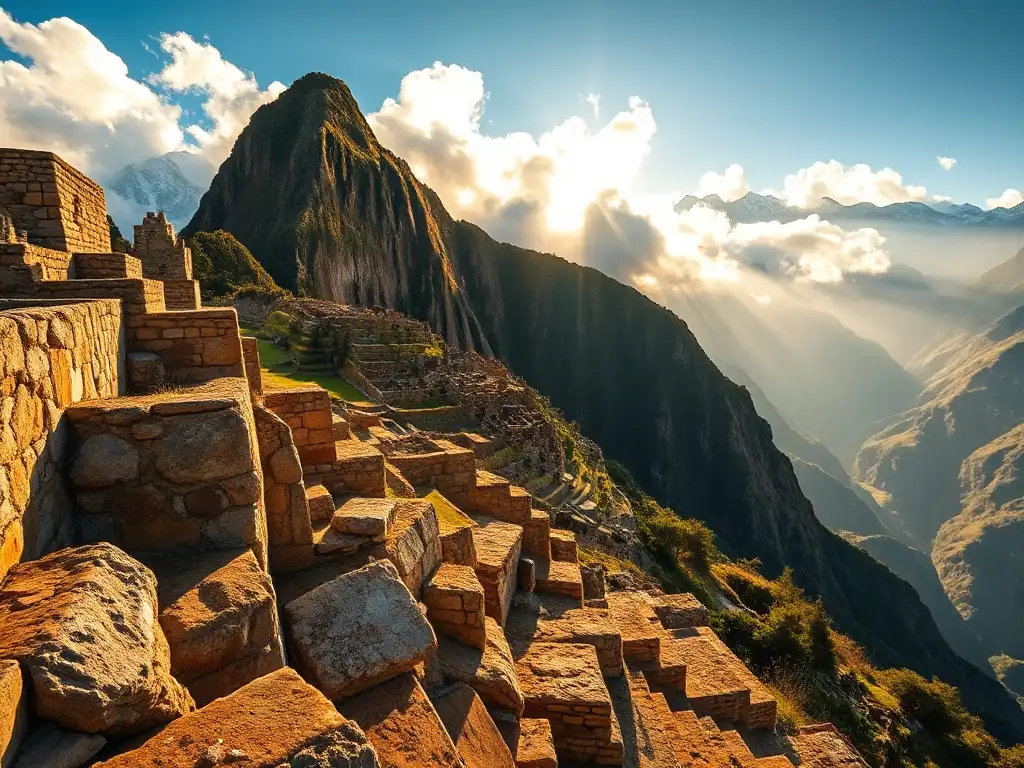
Step into a world lost to time, yet echoing with the grandeur of the Andes. Imagine colossal structures defying gravity, intricate designs whispering tales of a sophisticated civilization. This isn't just history; it's a journey through the ingenuity of the Inca, a legacy etched in stone. Prepare to be captivated by breathtaking Inca architecture examples, from majestic fortresses to sprawling cities – symbols of power that continue to inspire awe centuries later. Discover the secrets behind their mastery and explore the wonders that await within the heart of the Inca Empire.
The Inca Empire, a civilization that flourished in the Andes Mountains from the 15th to the 16th century, left behind a remarkable legacy of architectural achievements. Their structures, far from being mere buildings, served as powerful symbols of imperial authority, religious beliefs, and sophisticated engineering prowess.
This article delves into the fascinating world of Inca architecture, examining its significance and exploring key examples that showcase the ingenuity and ambition of this remarkable civilization. We will explore how Inca architecture, with its impressive fortresses and meticulously planned cities, solidified their control over a vast and challenging landscape, effectively showcasing their power and influence throughout the Andean region.
Understanding Inca architecture provides crucial insight into the complex social, political, and religious fabric of the Inca Empire, and how its design reflected the empire's ideology and ambitions. This exploration will focus on specific examples relevant to the keyword "Inca architecture examples," providing a detailed analysis of their construction techniques, symbolic meaning, and lasting impact.
The Significance of Inca Architectural Design
Inca architectural design was far more than just aesthetics; it was deeply intertwined with the Inca worldview and social structure. The carefully chosen locations of cities and fortresses, often perched high in the Andes, weren't accidental. These sites served strategic military purposes, controlling vital trade routes and commanding breathtaking views of the surrounding territories.
But beyond the practical considerations, Inca architecture also held profound religious and symbolic meaning. Temples and palaces were meticulously aligned with the cosmos, reflecting the Inca belief in the interconnectedness of the earthly and spiritual realms. The use of specific materials, such as intricately carved stone, and the precise techniques employed in construction, all contributed to the creation of structures that were both functional and awe-inspiring.
The monumental scale of some of these projects further underlined the power and resources at the disposal of the Inca rulers, reinforcing their authority and inspiring both awe and obedience in their subjects. The precision and uniformity seen in many Inca constructions underscore a highly organized and centrally planned system of labor and resource management, demonstrating a sophisticated understanding of logistics and societal organization. This level of control over resources and manpower was a key factor in the Inca Empire's success and expansion.
Inca Engineering Marvels: Building for an Empire
The Inca's mastery of engineering is perhaps best exemplified by their monumental construction projects. Without the use of wheels or draft animals, they moved massive blocks of stone across challenging terrain, employing innovative techniques to create structures that have withstood the test of time. [Specific examples of Inca engineering techniques pending]. The precision of the stonework is astonishing; massive blocks were fitted together with such accuracy that even a knife blade could not be inserted between them.
This level of craftsmanship showcases not only their advanced understanding of stonework but also their dedication to creating structures that were both durable and visually stunning. Consider, for example, the impressive fortress of Sacsayhuamán near Cusco, its massive walls showcasing the incredible scale and precision of Inca engineering. [Detailed description of Sacsayhuamán's construction and significance pending]. The city of Machu Picchu, with its intricate network of terraces carved into the mountainside, further illustrates the Inca's ability to adapt their building techniques to the challenging Andean environment.
[Detailed description of Machu Picchu's construction and significance pending]. These structures weren't merely functional; they were powerful statements of Inca dominance and technological superiority, visibly demonstrating the empire’s ability to overcome seemingly insurmountable obstacles. The sheer scale of these projects, completed using human labor and sophisticated techniques, underlines the immense organizational capacity and engineering skill of the Inca civilization. The lasting impact of these structures on our understanding of ancient Andean civilizations is undeniable, offering a captivating glimpse into their remarkable ingenuity and societal organization.
Inca Fortresses: Military Strength and Strategic Control
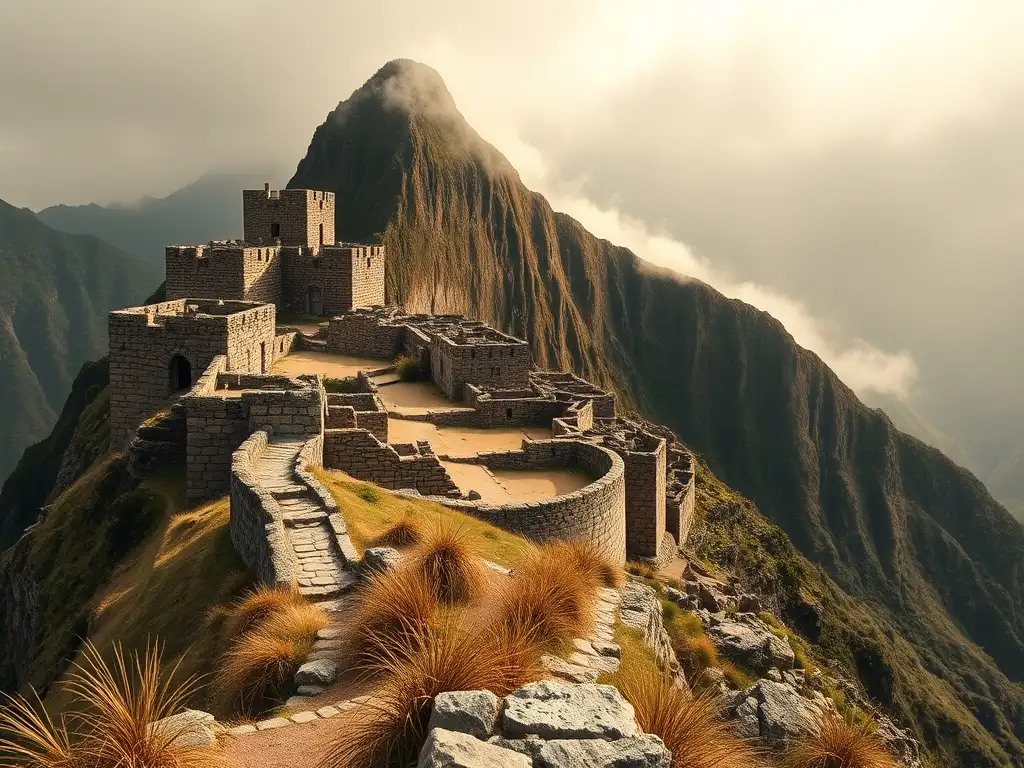
Inca architecture examples are abundant throughout the Andes, showcasing not only impressive engineering feats but also the Inca's sophisticated understanding of military strategy and territorial control. Their fortresses weren't merely defensive structures; they were powerful symbols of imperial authority, strategically placed to project power and maintain control over conquered territories. The construction techniques, materials used, and strategic placement of these fortresses highlight the Inca's advanced understanding of both architecture and military tactics.
This section focuses on examining some key examples of Inca fortresses and analyzing their role within the broader context of Inca expansion and consolidation. The meticulous planning and execution evident in these structures underscore the Inca Empire's remarkable organizational capabilities. Understanding these structures provides crucial insight into the Inca worldview and their methods of maintaining control over a vast and diverse empire.
Sacsayhuamán: A Monumental Fortress Complex
Sacsayhuamán, located overlooking Cusco, stands as a testament to Inca architectural prowess and military might. This monumental fortress complex, renowned for its cyclopean masonry, is a prime example of Inca architecture. The massive, precisely fitted stones, some weighing over 100 tons, defy easy explanation even with modern technology.
The strategic location, commanding a panoramic view of Cusco and the surrounding valleys, allowed for effective surveillance and defense. Sacsayhuamán wasn't just a fortress; it was a symbolic center of Inca power, reinforcing their dominance over the region. Its construction involved a massive workforce and sophisticated engineering techniques, reflecting the immense resources and organizational capabilities of the Inca Empire.
The walls are not straight but follow the contours of the hill, maximizing defensive capabilities and integrating the structure seamlessly into the landscape. Historians debate the exact purpose of some of the structures within the complex, but it's clear that Sacsayhuamán played a crucial role in the Inca's military and political strategies. Further research is needed to fully understand the intricacies of its design and function.
Ollantaytambo: A Fortress and Royal Estate
Ollantaytambo, nestled in the Sacred Valley, presents another fascinating example of Inca architecture. Unlike Sacsayhuamán’s primarily defensive function, Ollantaytambo served a dual purpose: a formidable fortress and a royal estate. Its strategic location along a crucial trade route controlled access to the region, while its impressive architecture showcased Inca power and prestige.
The intricate agricultural terraces carved into the mountainside demonstrate the Inca's mastery of engineering and their ability to adapt their architecture to the challenging Andean terrain. Ollantaytambo's layout, with its interconnected buildings and defensive features, suggests a carefully planned and well-organized settlement. The massive stone walls, similar in style to Sacsayhuamán, are a testament to the Inca's skill in stonework.
The fortress's resistance during the Spanish conquest further highlights its strategic importance and robust construction. Analyzing the layout and features of Ollantaytambo offers valuable insights into Inca urban planning and their integration of military and administrative functions within a single complex. Detailed studies of the agricultural terraces are still ongoing, revealing more about their sophisticated irrigation systems and agricultural practices.
The Role of Fortresses in Inca Territorial Control
The construction and strategic placement of Inca fortresses like Sacsayhuamán and Ollantaytambo were integral to the empire's expansion and consolidation. These structures served not only as defensive fortifications but also as potent symbols of imperial power, projecting authority and maintaining control over conquered territories. Their presence deterred rebellion and served as a constant reminder of Inca dominance.
The choice of location for each fortress was carefully considered, often situated at strategic points along trade routes or overlooking key agricultural areas. This demonstrates a sophisticated understanding of geography and its impact on military strategy. The fortresses also served as administrative centers, facilitating the governance of the surrounding regions.
By controlling access to resources and key transportation routes, the Inca ensured the flow of goods and maintained their grip on the vast empire. The sheer scale and engineering sophistication of these structures highlight the power and organization of the Inca state, effectively communicating their dominance to both their subjects and potential rivals. Further research into the logistical aspects of fortress construction, including resource management and labor organization, would provide a more complete understanding of the Inca's control over their vast empire.
Inca Cities: Centers of Administration and Ritual
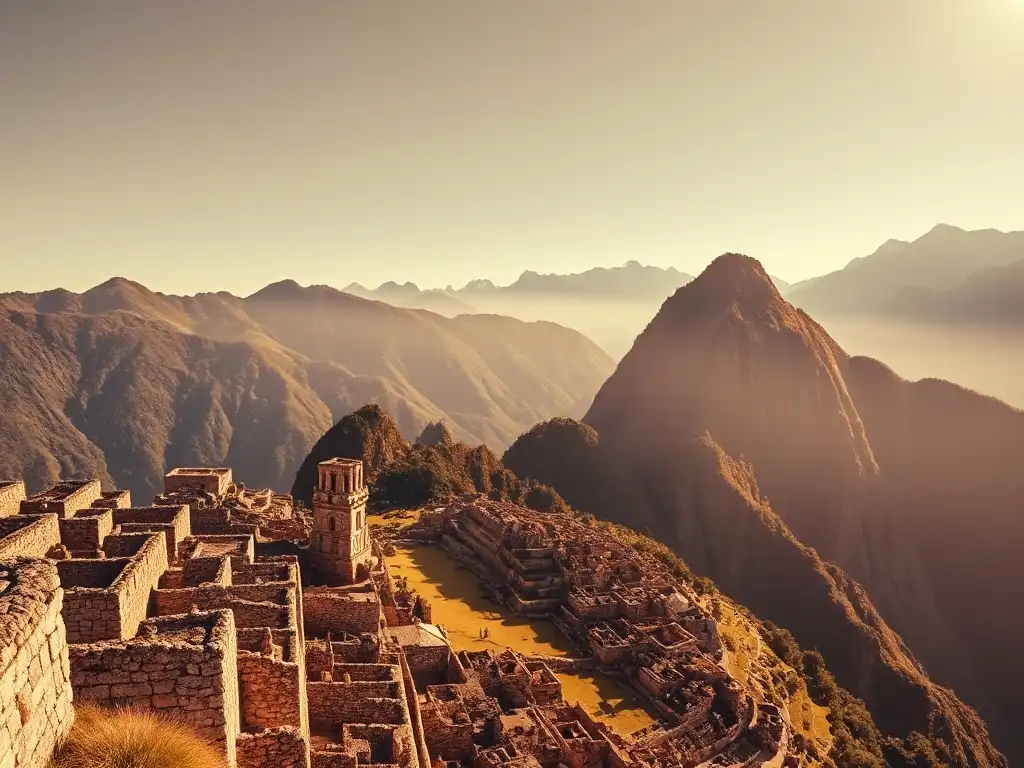
Inca cities weren't merely haphazard collections of buildings; they were meticulously planned urban centers reflecting the Inca's sophisticated understanding of Inca architecture examples. These cities served as crucial hubs for administration, trade, and religious ceremonies, showcasing the empire's power and control. Their strategic locations, often nestled in fertile valleys or overlooking vital trade routes, underscored their importance.
The integration of urban planning with the natural landscape is a hallmark of Inca urban design, a testament to their advanced engineering skills and deep connection with their environment. The construction materials, primarily stone, were expertly cut and fitted together without mortar, displaying an astonishing mastery of stonework.
This precision, combined with the intricate designs and symbolic elements incorporated into the architecture, speaks volumes about the Inca worldview and their capacity for large-scale, organized construction projects. The scale and complexity of these cities, coupled with their enduring legacy, provide compelling Inca architecture examples for modern study.
Cusco: The Heart of the Inca Empire
Cusco, the capital of the Inca Empire, stands as a prime example of Inca urban planning and architectural prowess. Its strategic location in a fertile valley, surrounded by mountains, provided both agricultural richness and natural defenses. The city's layout, carefully planned around a central axis, demonstrates a sophisticated understanding of urban design principles, far ahead of its time.
Cusco’s Urban Planning and Architectural Layout
Cusco's urban planning was not arbitrary. The city was organized around a network of ceques, radiating lines that connected sacred sites and important buildings. These lines, representing a complex cosmology, integrated the city with its surrounding landscape, highlighting the Inca's deep spiritual connection to their environment. The streets were straight and narrow, forming a grid-like pattern that facilitated efficient movement and control within the city.
Buildings were constructed using precisely cut stones, fitted together without mortar, a testament to their exceptional masonry skills. Many buildings were multi-storied, showcasing a sophisticated understanding of structural engineering. The use of specific types of stone, often chosen for their color and texture, further enhanced the aesthetic appeal and symbolic significance of the structures. The city's layout, combined with its sophisticated infrastructure, provides a fascinating case study in Inca architecture examples of urban planning and design.
The Coricancha and Religious Structures in Cusco
The Coricancha, or Temple of the Sun, was the most important religious structure in Cusco and a central focus of Inca religious life. Its walls were originally plated with gold, reflecting the Inca's reverence for the sun god, Inti. The temple's design, with its intricate carvings and astronomical alignments, reveals a deep understanding of cosmology and astronomy.
Other religious structures in Cusco, such as smaller temples and shrines dedicated to various deities, were similarly impressive in their design and construction. These structures, integrated seamlessly into the urban fabric of Cusco, demonstrate the religious significance of the city and the central role of religion in Inca society. The sheer scale and craftsmanship involved in the creation of these religious sites provide compelling Inca architecture examples of religious devotion and architectural skill.
Machu Picchu: The Lost City of the Incas
Machu Picchu, often referred to as the "Lost City of the Incas," is arguably the most iconic example of Inca architecture. Its dramatic setting high in the Andes Mountains, combined with its remarkably preserved structures, has captivated the imaginations of people worldwide. But beyond its aesthetic appeal, Machu Picchu offers valuable insights into Inca engineering, social organization, and agricultural practices.
The Architectural Features of Machu Picchu
Machu Picchu's architecture is characterized by its masterful use of stone, its integration with the surrounding landscape, and its sophisticated engineering. The precisely cut stones, fitted together without mortar, exemplify the Inca's advanced construction techniques. The terraces carved into the mountainside showcase their understanding of agriculture and land management.
The buildings themselves, including temples, residences, and storage facilities, were strategically placed to maximize their functionality and aesthetic appeal. The city's water management system, with its intricate network of canals and fountains, further demonstrates their engineering prowess. All these elements showcase the ingenuity and sophistication of Inca architecture examples found in Machu Picchu.
The Purpose and Mystery of Machu Picchu
While Machu Picchu's function remains a subject of ongoing debate among scholars, it's widely believed to have served as a royal estate, a religious center, or possibly both. Its remote location and strategic defensibility suggest a possible role as a refuge or a place of retreat for the Inca elite. The absence of large-scale fortifications, however, points towards a more peaceful purpose than a strictly military one.
The city’s layout, the intricate details of its buildings, and the various artifacts found within its walls continue to fuel scholarly discussion and contribute to the enduring mystery surrounding this remarkable site, further solidifying its position as one of the most significant Inca architecture examples. Ongoing research continues to shed light on its purpose and significance within the broader context of the Inca Empire.
Pisac: A Royal Estate and Agricultural Center
Pisac, nestled high in the Urubamba Valley, stands as a prime example of Inca ingenuity in urban planning and agricultural adaptation. More than just a picturesque village clinging to the mountainside, Pisac served as a crucial royal estate and a vital agricultural center for the Inca Empire. Its strategic location, combining accessibility to the valley floor with defensible heights, highlights the Inca's mastery of integrating practical needs with symbolic power. The city's architecture showcases the seamless blend of functionality and aesthetics characteristic of Inca design. The meticulous arrangement of buildings, terraces, and agricultural features demonstrates a deep understanding of the environment and a commitment to sustainable practices. This wasn't simply a place of residence; it was a carefully planned ecosystem designed to support a significant population and contribute to the empire's overall prosperity. The presence of royal residences alongside extensive agricultural infrastructure underscores Pisac's multifaceted role within the Inca state.
Pisac’s Terraces and Irrigation Systems
The hallmark of Pisac's agricultural prowess lies in its extensive network of agricultural terraces carved into the steep mountain slopes. These terraces, a testament to Inca engineering skill, dramatically increased arable land, allowing for intensive cultivation even on challenging terrain. The terraces weren't simply stacked platforms; they were meticulously designed to optimize water management.
Ingenious irrigation systems channeled water from mountain springs and streams, ensuring a consistent supply to even the highest terraces. This sophisticated system minimized water loss and maximized crop yields, providing a reliable food source for the population of Pisac and contributing significantly to the empire's food security. The precision and scale of these terraces are truly remarkable, highlighting the Inca's deep understanding of hydrology and their ability to transform seemingly unusable land into productive farmland.
The enduring legacy of these terraces is a testament to the sustainable agricultural practices employed by the Inca civilization. Archaeological evidence suggests that the careful construction and maintenance of these systems allowed for the cultivation of a diverse range of crops, contributing to the dietary diversity of the Inca population.
The Sun Temple and Ritual Spaces in Pisac
Beyond its agricultural significance, Pisac also held considerable religious importance. The presence of a Sun Temple, along with other ritual spaces, indicates its role as a center for religious ceremonies and practices. While the precise nature of these rituals remains a subject of ongoing research, the architectural features of these spaces suggest a focus on solar worship and other Andean religious beliefs.
The strategic placement of these temples within the city reinforces the Inca concept of integrating religious life into everyday existence. The design and layout of these spaces, often incorporating astronomical alignments, reflect the Inca's deep connection to the natural world and their sophisticated understanding of astronomy. The Sun Temple itself, likely a central point of worship, would have been a focal point for both religious ceremonies and political displays of power.
The grandeur and precision of the temple's construction, mirroring the quality of the agricultural terraces, underscores the Inca’s commitment to excellence in all aspects of their civilization. The careful preservation of these sites today allows us to appreciate the profound religious and cultural significance of Pisac within the Inca Empire. Further research into the iconography and artifacts found within these ritual spaces is crucial to gaining a more complete understanding of Inca religious beliefs and practices.
Key Elements of Inca Architectural Techniques
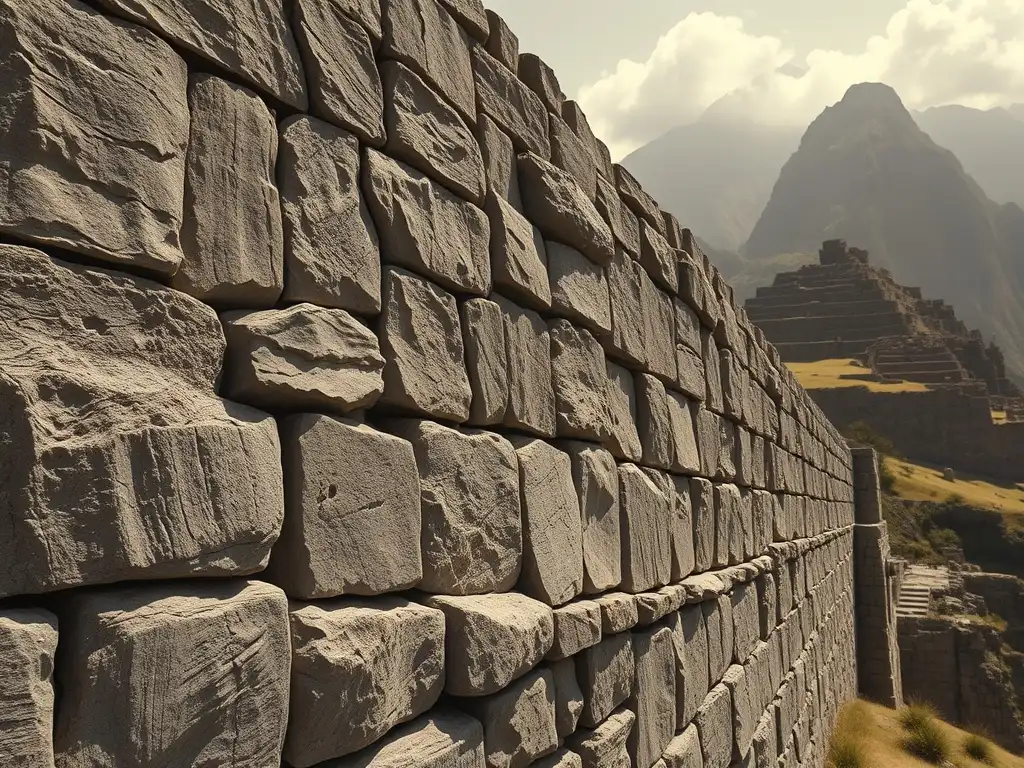
The Inca Empire's impressive architectural achievements weren't solely the result of grand designs; they stemmed from a mastery of sophisticated techniques. Understanding these techniques is crucial to appreciating the ingenuity and scale of Inca construction projects, which serve as prime examples of Inca architecture. The Inca's success lay in their ability to adapt their building methods to diverse terrains and climates, resulting in structures that remain remarkably resilient even today. This section will delve into the key elements of Inca architectural prowess, focusing on their precise stonework and extensive infrastructure projects.
Inca Stonework: Precision and Durability
Inca stonework is renowned for its unparalleled precision and durability. The Incas didn't use mortar in most of their constructions; instead, they relied on the incredibly precise fitting of stones to create incredibly strong and stable structures. This technique, often referred to as dry-stone masonry, showcases the advanced understanding of engineering principles possessed by Inca builders. The incredibly tight fit of the stones not only ensured structural integrity but also minimized the need for constant repairs and maintenance. The longevity of many Inca structures is a testament to this masterful approach.
The Use of Ashlar Masonry in Inca Construction
Ashlar masonry, characterized by the use of precisely cut, rectangular blocks of stone, was a prominent feature of Inca construction, particularly in official buildings and urban centers. The blocks, often made from granite, andesite, or limestone, were meticulously shaped and fitted together without mortar, creating incredibly strong and aesthetically pleasing walls. The precision involved in creating these perfectly sized and shaped blocks is astonishing, demonstrating a high level of skill and planning.
Examples of ashlar masonry can be found throughout the Inca Empire, from the imposing walls of Sacsayhuamán to the intricate stonework of Machu Picchu. The sheer scale of these projects, coupled with the precision of the stonework, underscores the organizational prowess of the Inca Empire.
The Importance of Polygonal Blocks in Inca Walls
While ashlar masonry was common, the Incas also employed polygonal blocks—irregularly shaped stones—in many of their constructions, especially in areas with challenging terrain. These polygonal blocks, often massive in size, were fitted together with remarkable precision, creating incredibly strong and stable walls that could withstand earthquakes and other natural disasters. The ability to seamlessly integrate stones of varying shapes and sizes demonstrates a sophisticated understanding of geometry and engineering principles.
The iconic walls of Sacsayhuamán, with their massive, perfectly fitted polygonal blocks, stand as a powerful symbol of Inca architectural ingenuity and engineering prowess. The fit of these blocks is so precise that even a knife blade cannot be inserted between them. This exemplifies the level of skill and dedication required for Inca construction projects.
Inca Road System and Infrastructure
Beyond impressive structures, the Inca Empire is also renowned for its extensive road network, the Qhapaq Ñan, and associated infrastructure. This sophisticated system of roads, bridges, and resting places facilitated communication, trade, and military movements across the vast and diverse Andean landscape. The strategic planning and engineering ingenuity behind this infrastructure are essential components of understanding the Inca's control and expansion across the empire.
The Qhapaq Ñan and its Architectural Significance
The Qhapaq Ñan, meaning "Royal Road" in Quechua, was a marvel of engineering for its time. Spanning over 40,000 kilometers, it connected the far-flung corners of the Inca Empire, traversing mountains, valleys, and deserts. The road itself was a significant architectural feat, with sections paved with stone and others carefully graded to accommodate the challenging terrain.
Beyond the road itself, the Qhapaq Ñan included a network of supporting infrastructure, such as tambos (resting places) and chasquis (relay runners) stations, all crucial for facilitating communication and trade along the routes. The architectural design of these structures often incorporated local materials and styles, showcasing the Inca's ability to adapt to diverse environments while maintaining a consistent level of quality and functionality. The Qhapaq Ñan remains a testament to the Inca’s ability to integrate architecture with a complex logistical system.
Inca Suspension Bridges and their Construction
The Inca’s ingenuity is further highlighted by their construction of suspension bridges. These bridges, often spanning deep gorges and rivers, were essential for connecting different parts of the empire. Constructed using materials readily available in the Andes such as strong fibers (like ichu grass) and wood, these bridges demonstrate a sophisticated understanding of structural mechanics.
Their construction required a complex combination of weaving, knotting, and anchoring techniques, showcasing the advanced knowledge of Inca artisans and engineers. While many of these bridges have been lost to time, surviving examples and historical accounts provide valuable insight into Inca engineering capabilities and their resourcefulness in overcoming geographical challenges. The design and construction of these bridges are a significant example of Inca architecture, showcasing their adaptability and innovative problem-solving skills.
The Relationship Between Inca Architecture and the Landscape
Inca architecture wasn't simply imposed upon the landscape; it was intricately woven into it. The Incas demonstrated a profound understanding of their environment, skillfully adapting their building techniques to the diverse geography of their empire, from the high Andes mountains to the coastal plains. This symbiotic relationship between architecture and landscape is a defining characteristic of Inca ingenuity and reflects their deep spiritual connection to the Pachamama, or Mother Earth.
Consider the impressive terraces carved into the steep Andean slopes. These weren't merely agricultural innovations; they were architectural feats, transforming unforgiving terrain into fertile farmland. The precise stonework, carefully aligned to maximize sunlight and minimize erosion, showcases a remarkable mastery of engineering and a deep respect for the land's capacity.
These terraces, often integrated into broader architectural complexes, highlight the Incas' ability to seamlessly blend human construction with the natural environment. The integration wasn't merely aesthetic; it was practical, providing stability and optimizing resource utilization. The terraces themselves became part of the landscape, a testament to the Incas' ability to work with nature, not against it.
Furthermore, the strategic placement of Inca cities and fortresses often capitalized on natural defensive features. The capital city of Cusco, for example, is nestled in a valley, surrounded by mountains that provided natural protection. This wasn't accidental; the Incas carefully selected locations that offered both strategic advantages and symbolic resonance. The integration of their architecture with the existing topography enhanced both the functionality and the symbolic power of their settlements.
The very positioning of structures within the landscape served as a powerful statement, reinforcing their dominion over the land and its resources. This strategic placement, coupled with the ingenious use of materials readily available in the surrounding environment, further cemented their architectural prowess and adaptability. The relationship between Inca architecture and the landscape wasn't merely a matter of practicality; it was a deeply symbolic one, reflecting their worldview and their connection to the Pachamama.
Inca Architecture Examples: A Legacy of Ingenuity
Inca architecture stands as a testament to the ingenuity and organizational prowess of the Inca Empire. Their structures, built without mortar, showcase a deep understanding of engineering principles and a remarkable ability to adapt to diverse geographical landscapes. This section explores key examples of Inca architecture, highlighting their distinctive features and the lasting impact they've had on our understanding of Andean civilization.
The term "Inca architecture examples" often evokes images of Machu Picchu, but the empire's architectural achievements extend far beyond this iconic site. From imposing fortresses to meticulously planned urban centers, Inca architecture reveals a sophisticated civilization capable of monumental feats of construction. Their mastery of stonework, particularly the precise fitting of massive blocks without the use of mortar, remains a source of wonder and ongoing research.
Analyzing the Influence of Inca Architecture
The influence of Inca architecture extends far beyond the physical structures themselves. The principles of Inca construction, such as their understanding of seismic activity and their use of locally sourced materials, continue to inspire modern architects and engineers. For example, the intricate stonework techniques employed in sites like Sacsayhuamán, with its massive, precisely fitted stones, demonstrate a sophisticated understanding of engineering principles that are still studied today.
The ability to create such robust structures without mortar speaks to an advanced knowledge of load-bearing and structural integrity. Furthermore, the integration of Inca architecture with its natural surroundings – a hallmark of their design philosophy – serves as a model for sustainable and environmentally conscious building practices. The strategic placement of structures within the landscape, taking advantage of natural features and optimizing sunlight and ventilation, reflects a holistic approach to design that is increasingly relevant in contemporary architecture.
This integration is particularly evident in the agricultural terraces that cascaded down Andean slopes, a testament to the Inca's profound understanding of both architecture and agriculture. The precise alignment of many structures with celestial events also points to an advanced understanding of astronomy and its influence on urban planning.
Preserving the Architectural Heritage of the Andes
Preserving the architectural heritage of the Andes presents significant challenges, ranging from the effects of weathering and erosion to the impact of tourism. Efforts to conserve these invaluable sites often involve complex and delicate processes, requiring specialized expertise and resources. The delicate balance between preserving authenticity and making these sites accessible to visitors requires careful planning and management.
For example, the ongoing conservation efforts at Machu Picchu involve meticulous monitoring of the site's structural integrity and the implementation of measures to mitigate the impact of tourism. These efforts highlight the importance of international collaboration and the pooling of resources to protect these irreplaceable treasures. The development of sustainable tourism practices is also crucial to ensuring the long-term preservation of Inca architectural sites.
This includes limiting visitor numbers, implementing strict guidelines for visitor behavior, and investing in infrastructure that minimizes environmental impact. The challenges are numerous, but the rewards of preserving this unique architectural heritage for future generations are immeasurable. The meticulous documentation and ongoing research are vital for understanding the construction techniques and the cultural significance of these sites, allowing us to appreciate the ingenuity of the Inca civilization and the enduring legacy of their architecture.
Inca Architectural Innovations and their Impact
Several key innovations distinguish Inca architecture. The mastery of dry-stone masonry, where stones are precisely fitted together without mortar, is a prime example. This technique required exceptional skill and an intimate understanding of stone properties. The scale of some projects, such as the massive walls of Sacsayhuamán, is astonishing. Further, the Inca's utilization of different stone types, depending on their availability and properties, showcases their practical approach to construction.
The integration of architectural elements with the surrounding landscape, such as the use of terraces for agriculture, demonstrates an advanced understanding of environmental engineering. These innovations were not merely aesthetic choices but reflected a deeply practical and sustainable approach to building. The impact of these innovations continues to resonate today. The durability of Inca structures, even after centuries of exposure to the elements, is a testament to their engineering prowess.
Furthermore, the Inca's understanding of seismic activity is evident in the construction methods used to create stable and earthquake-resistant structures. The study of Inca architectural techniques provides valuable insights for modern construction practices, particularly in earthquake-prone regions. The legacy of Inca architecture is not just about the aesthetic beauty of the structures, but also about the innovative engineering solutions and sustainable practices that shaped the Inca civilization and continue to inspire us today. Their legacy is a valuable resource for architects, engineers, and historians alike.
Frequently Asked Questions
What makes Inca architecture unique?
Inca architecture is unique due to its precise stonework, innovative construction techniques like fitting stones without mortar, and its adaptability to diverse terrains. Their structures seamlessly integrated with the landscape.
What are some famous examples of Inca architecture?
Famous examples include Machu Picchu, Sacsayhuamán, and Ollantaytambo. These sites showcase the impressive scale and sophistication of Inca engineering and design.
How did the Incas build such massive structures without mortar?
The Incas achieved this through meticulous stone cutting and precise fitting. They expertly shaped stones to interlock perfectly, creating incredibly strong and durable structures.
What was the purpose of Inca architecture beyond aesthetics?
Inca architecture served several purposes, including religious significance, administrative control, and demonstration of power. Structures often served multiple functions simultaneously.
How did the Inca's environment influence their architectural style?
The Andean terrain significantly influenced Inca architecture. Their buildings were adapted to mountains, valleys, and varied climates, demonstrating a deep understanding of their environment.
Final Reflection: Echoes of Empire in Stone
The ingenuity of Inca architecture continues to resonate today, a testament to a civilization that mastered both engineering and symbolic representation. Their monumental structures, from the seemingly impenetrable fortresses perched high in the Andes to the meticulously planned cities sprawling across the landscape, stand as powerful reminders of a sophisticated and advanced society. These are not merely buildings; they are tangible expressions of a culture's ambition, resilience, and profound understanding of its environment.
The enduring legacy of Inca architecture is not simply aesthetic; it's a profound reflection on the relationship between power, landscape, and cultural identity. The very stones themselves whisper stories of meticulous planning, collaborative effort, and a deep connection to the land. Their ability to adapt their building techniques to diverse terrains, creating structures that harmonized with their surroundings, is particularly striking. As the historian John Hemming eloquently stated, The Incas were masters of adaptation, not only in their architecture but in their entire way of life.
This adaptability, this ability to build not just structures but entire societies within challenging environments, remains a powerful lesson for us today.
Consider the breathtaking precision of Machu Picchu, the strategic placement of Sacsayhuamán, the intricate water management systems woven into the fabric of their cities. These are not just examples of impressive engineering; they are symbols of a civilization's enduring spirit. You, the reader, are now invited to reflect on the power of human ingenuity and the enduring legacy of cultures that came before us.
What can we learn from the Incas' ability to create such lasting monuments? How can we apply their principles of adaptation and collaboration to the challenges facing our world today? Let the echoes of their empire inspire your own vision for a future built on resilience, innovation, and a deep respect for the environment.
Unveil the Wonders of Inca Architecture!
Thank you for exploring the impressive world of Inca architecture with us! From majestic fortresses like Sacsayhuamán to splendid cities such as Cusco, you've discovered the power and ingenuity that shaped Andean civilizations. Now, let's delve deeper into this rich history.
Here are some ways you can continue your exploration:
- Visit a local museum with artifacts and exhibits on ancient Andean cultures, including the Incas, to further your understanding.
- Connect with online communities and forums dedicated to Andean history; sharing your insights with others can deepen your appreciation.
- Take a virtual tour of Machu Picchu or other Inca ruins. Many resources offer immersive experiences, allowing you to explore these marvels from the comfort of your home.
What aspect of Inca architecture most captivates you, and how do you believe it reflects the values of Inca society? Share your thoughts below!