
Tiahuanaco's Lost Technology: The Secrets of Their Advanced Construction

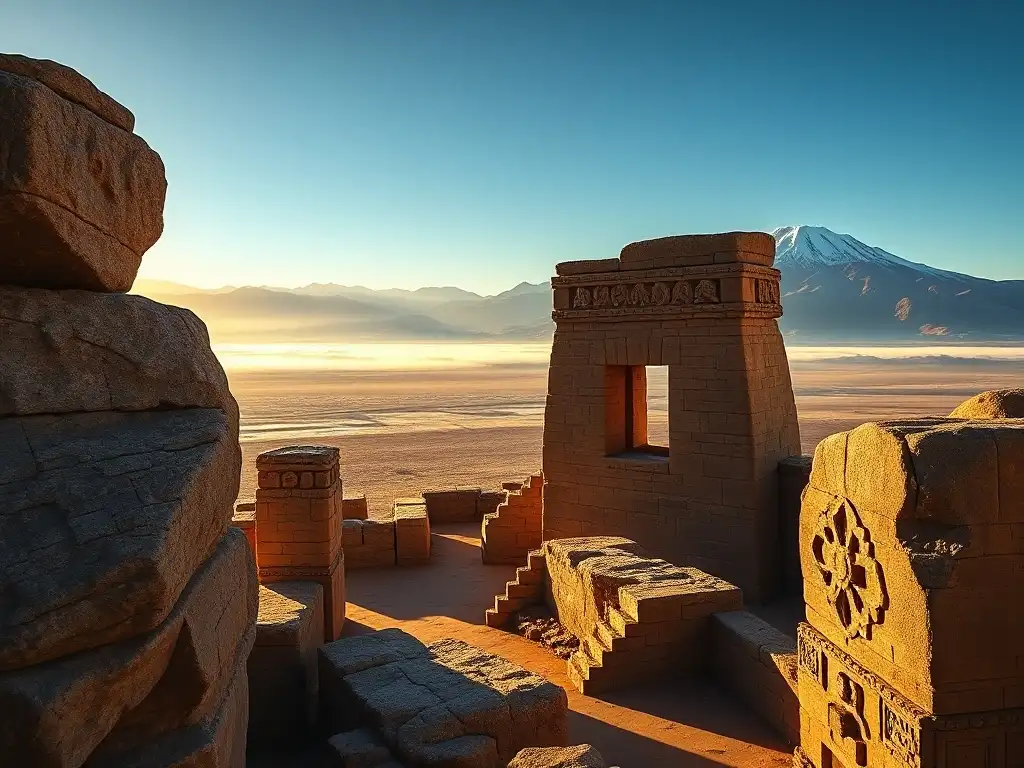
Step into a world lost to time, where towering structures and intricate artistry whisper tales of ingenuity beyond imagination. Uncover the mysteries of the Andes, a realm brimming with vibrant cultures and astonishing achievements. Prepare to be amazed by the Tiahuanaco civilization, and particularly, their advanced construction techniques—a feat of engineering that continues to baffle modern experts. What secrets lie hidden within these ancient stones? Dive in and discover the answers.
The city of Tiahuanaco, located on the shores of Lake Titicaca in modern-day Bolivia, stands as a testament to the remarkable engineering prowess of the ancient Andean civilizations. For centuries, this pre-Columbian metropolis has captivated archaeologists and historians alike, its monumental structures defying easy explanation.
This article delves into the mysteries surrounding Tiahuanaco's advanced construction techniques, exploring the innovative methods employed to erect colossal stone structures with astonishing precision, despite a lack of readily available advanced tools and technologies. We will examine the evidence, analyze the challenges faced by the builders, and consider the potential implications of their achievements for our understanding of ancient Andean ingenuity and societal organization.
Understanding Tiahuanaco's construction techniques not only illuminates the sophistication of this civilization but also offers valuable insights into their social structures, resource management, and overall worldview. The scale and precision of their work continue to challenge modern engineering capabilities, making Tiahuanaco a truly fascinating subject of study for anyone interested in ancient civilizations and their remarkable achievements.
Introduction to Tiahuanaco's Engineering Prowess
Tiahuanaco's most striking feature is its monumental architecture. Massive stone blocks, some weighing many tons, were precisely cut, transported, and assembled to create structures like the Kalasasaya Temple and the Gate of the Sun. The sheer scale of these projects is impressive, but even more remarkable is the precision with which the stones were fitted together.
Many blocks show incredibly fine tolerances, with joints so tight that even a knife blade cannot be inserted between them. This level of accuracy, achieved without the benefit of modern tools and machinery, points to a sophisticated understanding of geometry, engineering, and possibly even advanced technologies that remain poorly understood. The questions surrounding how they achieved this level of precision are many, and the answers still elude us.
We can however examine the evidence available and speculate on their methods using our knowledge of available resources and contemporary construction methods. The precision of the stonework alone suggests a high level of planning and organization within Tiahuanaco society. This implies a complex social structure capable of mobilizing large workforces and coordinating complex logistical operations.
The Puzzle of Stone Quarrying and Transportation
The sourcing of the stones used in Tiahuanaco's construction presents a significant challenge. Many of the blocks are made of red sandstone, a material not readily available near the city. This suggests that the builders had to transport these massive stones over considerable distances, a feat that would have required significant engineering and manpower.
Evidence suggests that some of the stones originated from quarries located up to 10 kilometers away. The exact methods of transportation remain a subject of debate, but it is likely that a combination of techniques, including rollers, ramps, and possibly even sledges, was employed. The sheer weight and size of the stones, however, makes the logistics of transportation a formidable puzzle.
We can only speculate about the scale of the workforce and the ingenuity of their methods, considering the lack of animal power commonly associated with large-scale construction projects in other parts of the world. Furthermore, the precise methods of shaping and cutting the stones remain a mystery, as analysis of the tools found at the site does not fully explain the precision of the finished product. There is evidence suggesting the use of advanced techniques beyond simple hammering and chipping.
Analyzing the Precision of Stone Joining
The incredibly tight fit of the stones in Tiahuanaco's structures is perhaps its most remarkable feature. The joints between many blocks are so fine that they are almost imperceptible. This level of precision is unparalleled in other contemporary Andean constructions, and it is still a subject of much speculation and debate.
Some theories propose the use of advanced tools or techniques, while others suggest that the builders may have possessed a deeper understanding of stone properties and construction methods than we currently appreciate. Detailed studies of the stone surfaces and joints are ongoing, seeking to reveal clues about the tools and techniques used, and the level of planning and precision involved in the construction process.
The remarkable tolerances achieved suggest a high degree of skill and craftsmanship, and a level of understanding of geometry and engineering that far surpasses what might be expected for a pre-Columbian civilization. The precise methods, however, remain elusive, prompting continuous research and investigation.
The Role of Advanced Knowledge and Organization
The construction of Tiahuanaco's monumental structures required not only sophisticated engineering skills but also highly organized labor and resource management. The city's layout, the precise placement of the stones, and the overall design of the structures suggest a level of planning and coordination that points to a complex social and political structure. Evidence suggests a centralized authority capable of mobilizing vast resources and manpower to complete these ambitious projects.
The magnitude of the undertaking underscores the advanced social and organizational capabilities of the Tiahuanaco civilization. Further research into the city's social structures and governance is needed to fully understand the factors that enabled the construction of such remarkable structures. The scale and complexity of the project point to a sophisticated understanding of engineering, social organization, and resource management – all hallmarks of an advanced civilization.
- Introduction to Tiahuanaco's Engineering Prowess
- The Puzzle of Stone Quarrying and Transportation
- Analyzing the Precision of Stone Joining
- The Role of Advanced Knowledge and Organization
- What makes Tiahuanaco's construction so impressive?
- What advanced construction techniques did the Tiahuanaco people employ?
- How did the Tiahuanaco people transport such large stones?
- What is the significance of Tiahuanaco's advanced construction techniques?
- Where can I learn more about Tiahuanaco's advanced construction techniques?
Unveiling Tiahuanaco's Masterful Stone Masonry
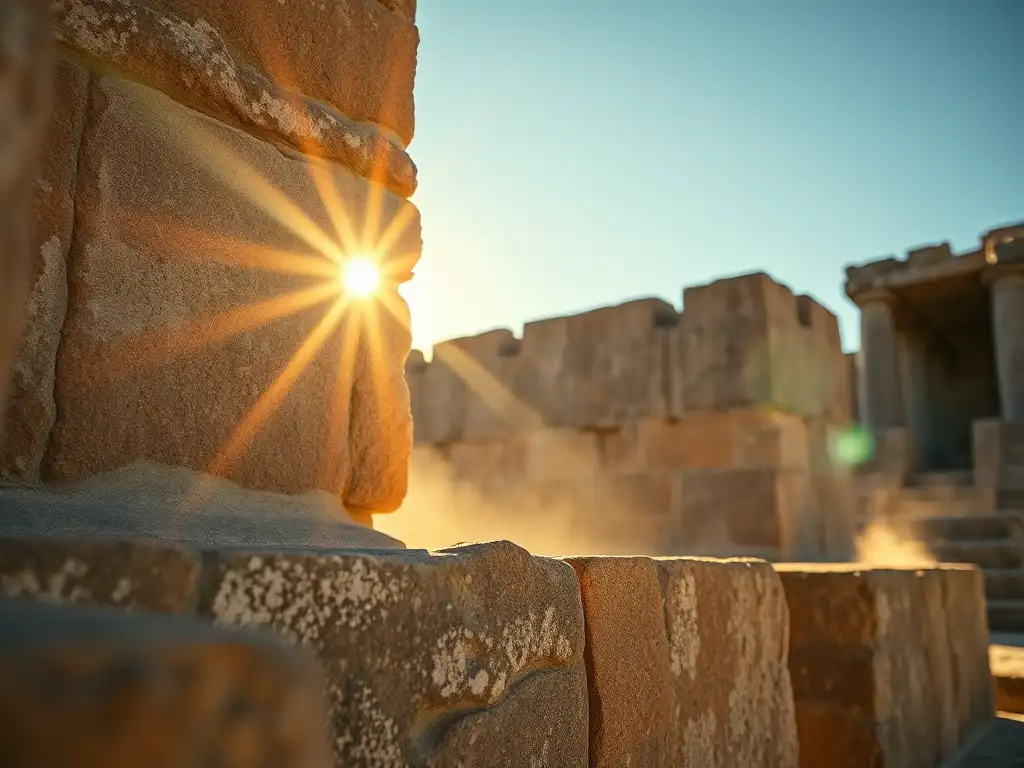
Tiahuanaco's advanced construction techniques are a testament to the ingenuity and sophisticated understanding of engineering possessed by its builders. The city's monumental structures, crafted from massive blocks of andesite, a remarkably hard volcanic rock, stand as enduring symbols of their prowess. Understanding how they achieved this feat requires examining the precision of their stone cutting, the scale of their blocks, and the logistical challenges they overcame in quarrying and transportation.
This section focuses on the remarkable stone masonry that underpins Tiahuanaco's architectural achievements, a feat that continues to fascinate and challenge modern engineers. The precision and scale involved in the construction of Tiahuanaco speak to a level of technological sophistication rarely seen in other contemporary civilizations. Deciphering these techniques offers invaluable insights into the social organization, technological capabilities, and cultural values of the Tiahuanaco people.
The Precision of Tiahuanaco Stone Cutting Techniques
The accuracy of the stone cutting at Tiahuanaco is breathtaking. Many blocks fit together with such precision that even a thin knife blade cannot be inserted between them. This wasn't achieved through rudimentary methods. Evidence suggests the use of sophisticated tools and techniques, possibly involving copper and bronze chisels, along with abrasive materials like sand and water to achieve such fine levels of accuracy.
The intricate carvings and designs on many of the stones further demonstrate a high level of skill and artistic sensibility. Some scholars hypothesize the use of prefabricated templates or even a system of standardized measurements to ensure consistency across the vast construction project. The sheer number of precisely cut stones, many weighing several tons, speaks to a highly organized and skilled workforce, capable of executing complex tasks with remarkable precision.
The level of craftsmanship displayed in Tiahuanaco's stonework surpasses many later constructions, highlighting the advanced state of their technology. Further research into the tools and techniques employed could shed even more light on this remarkable achievement. Analysis of the wear patterns on surviving tools, if any are ever discovered, could provide invaluable insights into the methods used.
Examining the Gigantic Blocks of Tiahuanaco Architecture
The sheer size of the stones used in Tiahuanaco's construction is another remarkable aspect of their advanced construction techniques. Many blocks weigh tens, even hundreds of tons, presenting immense challenges for quarrying, transporting, and placing them into position. The Kalasasaya complex, for instance, features massive stones that are truly monumental in scale.
These gigantic blocks were not simply haphazardly placed; they were precisely fitted together, demonstrating a mastery of engineering principles that allowed for the creation of stable and durable structures capable of withstanding centuries of weathering and seismic activity. The sheer weight and size of these blocks raise questions about the tools and methods used to move them. Did they employ ramps, levers, rollers, or some combination of these methods?
[Specific information pending] on the exact methods employed would greatly enhance our understanding of their logistical capabilities. The scale of these blocks is a powerful visual representation of the Tiahuanaco's societal power and their capacity for large-scale, coordinated projects. The precision with which these massive stones are fitted together is a testament to their advanced understanding of engineering and construction.
Quarrying and Transportation: Tiahuanaco's Logistical Achievements
The logistical challenges inherent in the construction of Tiahuanaco are immense. The andesite used in construction was quarried some distance from the city site, requiring significant organization and effort. The transportation of these enormous blocks across challenging terrain represents a remarkable feat of engineering and coordination. [Specific information pending] on the exact quarries used and the routes taken to transport the stones.
However, it is clear that the Tiahuanaco people possessed a sophisticated understanding of logistics, capable of managing a large workforce and coordinating the movement of massive materials over considerable distances. This logistical achievement underscores the advanced societal organization and technological capabilities of the Tiahuanaco civilization. The ability to quarry, transport, and precisely place these enormous blocks showcases a level of planning and execution that is astonishing.
Further research into the routes and methods of transportation could reveal more about the techniques employed and the organizational structure of the Tiahuanaco society. The success of these logistical operations is a clear indicator of the advanced nature of Tiahuanaco's construction techniques. The combination of precise stone cutting, massive blocks, and sophisticated logistics showcases the impressive engineering abilities of the Tiahuanaco people.
The Ingenious Architectural Designs of Tiahuanaco
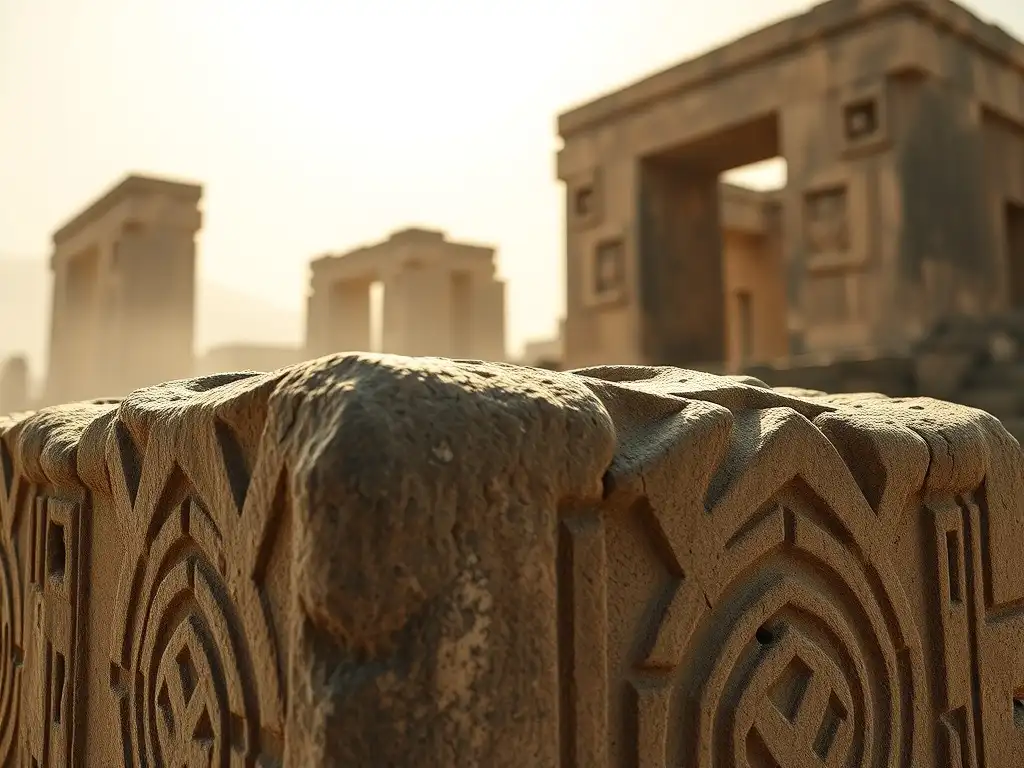
Tiahuanaco's advanced construction techniques remain a source of fascination and debate among archaeologists and engineers. The sheer scale and precision of the structures, coupled with the limited tools seemingly available to the builders, point to an impressive understanding of engineering principles and a sophisticated level of organizational skill. This section will delve into the specific architectural designs of several key structures, highlighting the ingenuity and advanced techniques employed in their construction.
Understanding these methods allows us to appreciate the remarkable achievements of the Tiahuanaco civilization and their mastery of stonework. The use of massive blocks of stone, precise cuts, and complex arrangements showcase a level of architectural sophistication rarely seen in other contemporary civilizations. This sophistication in Tiahuanaco's advanced construction techniques is evident in the precision and scale of their monumental architecture.
The Akapana Pyramid: A Marvel of Tiahuanaco Engineering
The Akapana pyramid, a massive earthen mound with stone facing, stands as a testament to Tiahuanaco's engineering prowess. Its complex internal structure, revealed through archaeological excavations, includes a series of interconnected chambers and passageways. The precise arrangement of these internal features suggests a sophisticated understanding of hydraulics and water management.
Evidence suggests that the pyramid may have served as a ceremonial center, potentially incorporating water features as part of its ritualistic function. The sheer size of the Akapana, combined with its intricate internal design, demonstrates a remarkable capacity for large-scale construction projects and a deep understanding of structural integrity. Analyzing the construction methods used to create the Akapana reveals a high degree of planning and precision, with stones carefully cut and fitted together.
The use of ramps and other temporary structures for moving the immense stone blocks is also a testament to their advanced engineering skills. Further research is needed to fully understand the construction techniques used, however, preliminary findings suggest a level of expertise that surpasses many other contemporary civilizations in their approach to Tiahuanaco's advanced construction techniques.
The Kalasasaya Temple: Exploring Tiahuanaco's Complex Layouts
The Kalasasaya Temple, with its monumental standing stones and intricate carvings, presents another fascinating example of Tiahuanaco's advanced construction techniques. The precise alignment of the stones, particularly in relation to celestial events, suggests a deep understanding of astronomy and its incorporation into architectural design. The temple's layout, with its carefully planned courtyards and monumental gateways, points to a sophisticated understanding of urban planning and the symbolic use of space.
The stones used in the Kalasasaya's construction are massive and precisely cut, requiring a high degree of skill and coordination. The use of sophisticated tools, possibly including copper or bronze implements, is suggested by the precision of the stonework. Archaeological evidence indicates that the temple underwent several phases of construction and modification, reflecting the evolving needs and beliefs of the Tiahuanaco people.
The complexities of the Kalasasaya’s layout and its astronomical alignments underscore the sophisticated knowledge and advanced planning involved in its creation, contributing to the overall understanding of Tiahuanaco's advanced construction techniques. The intricate carvings on the stones further enhance the temple's significance, demonstrating a high degree of artistic skill in addition to engineering expertise.
Pumapunku: Decoding Tiahuanaco's Advanced Construction Methods
Pumapunku, with its massive and precisely cut stone blocks, represents the pinnacle of Tiahuanaco's advanced construction methods. The sheer size and weight of some of these blocks, combined with their incredibly precise fit, continue to puzzle researchers. The absence of visible mortar between many of the stones further complicates understanding the construction process. Some theories suggest that the builders utilized advanced techniques, possibly involving sophisticated tools and methods for shaping and transporting the stones.
The precision of the cuts and the intricate interlocking designs indicate a level of planning and execution that is rarely matched in other ancient civilizations. The remarkable accuracy of the stonework, with tolerances measured in millimeters, is a testament to the builders' expertise. Pumapunku's advanced construction techniques are especially noteworthy because of the scale of the project and the precision required to achieve such a level of accuracy.
The site showcases a level of technological sophistication that suggests a more complex society than previously assumed, challenging current understandings of Andean technological development. Further investigation is needed to fully uncover the secrets of Pumapunku's construction, but the evidence clearly points to an advanced understanding of engineering and a level of skill that was truly remarkable. The mystery surrounding Pumapunku's construction only adds to its allure and continues to drive research into Tiahuanaco's advanced construction techniques.
Tiahuanaco's Use of Advanced Materials and Techniques
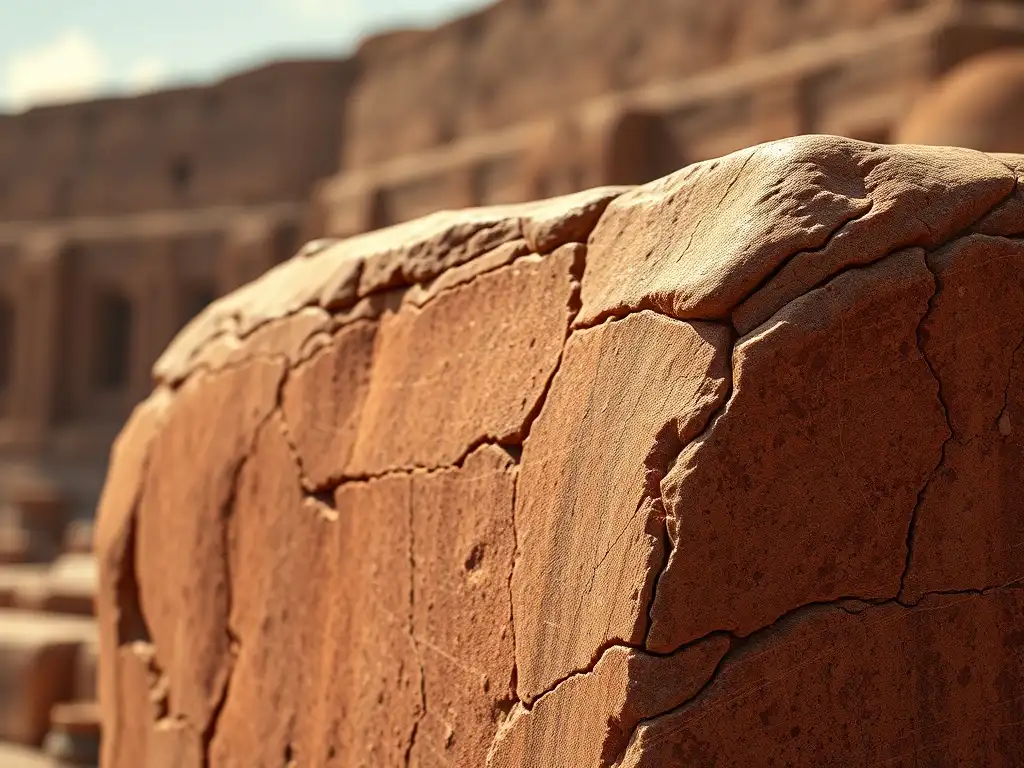
The remarkable achievements in Tiahuanaco's architecture are not solely attributable to skillful engineering, but also to the innovative use of materials and construction techniques. The city’s builders demonstrated a sophisticated understanding of material science, adapting readily available resources to create structures of impressive scale and durability. This mastery of materials and techniques allowed them to overcome significant logistical and engineering challenges, resulting in the iconic monuments we see today, a testament to their advanced civilization.
Understanding their material choices and construction methods is crucial to fully appreciating the ingenuity and sophistication of Tiahuanaco's advanced construction techniques. The sheer scale of the project, coupled with the precision of execution, points towards a highly organized and technically proficient society. This section delves into the specifics of their material selection and construction processes, highlighting their unique approaches to building.
Investigating the Use of Metal Clamps in Tiahuanaco's Structures
One of the most intriguing aspects of Tiahuanaco's advanced construction techniques is the extensive use of metal clamps in their monumental structures. These clamps, primarily made of copper and bronze, were strategically placed to secure massive stone blocks together. Archaeological evidence suggests that these weren't simply decorative elements; their precision and placement indicate a crucial role in maintaining the structural integrity of the buildings.
The meticulous craftsmanship displayed in the creation and placement of these clamps is astonishing. Each clamp was precisely shaped and fitted to its designated location, suggesting advanced metalworking skills and a sophisticated understanding of structural engineering.
Analysis of these metal clamps reveals a complex process of manufacture. The metals were likely smelted locally, indicating a well-established metallurgical industry. Furthermore, the clamps themselves often exhibit intricate designs, suggesting that functionality was not the sole consideration; aesthetics also played a significant role in their design.
The use of these metal clamps represents a remarkable feat of engineering, demonstrating a mastery of metallurgy and a profound understanding of structural mechanics that surpasses many contemporary building practices. Further research is needed to fully understand the exact methods used in their creation and placement, but the existing evidence strongly suggests an advanced level of technological sophistication. The precise fitting of these clamps, often within extremely tight tolerances, highlights the advanced understanding of both metalworking and stone manipulation within Tiahuanaco society.
The Puzzle of Tiahuanaco's Mortar-Less Construction
Many of Tiahuanaco's structures are notable for their mortar-less construction. Instead of using mortar as a binding agent, the builders employed incredibly precise stone cutting and fitting techniques. The massive blocks were shaped with such accuracy that they interlocked perfectly, creating incredibly strong and stable structures. This technique, requiring exceptional precision and skill, showcases an advanced understanding of geometry and engineering principles. The absence of mortar further enhances the longevity of the structures, as the lack of a binding agent reduces the risk of deterioration over time due to material expansion or contraction.
The precision required for this mortar-less construction is truly remarkable. Some blocks fit together with such accuracy that even a thin blade cannot be inserted between them. This level of accuracy suggests the use of sophisticated tools and techniques, potentially involving advanced surveying instruments and precise cutting tools, the specifics of which remain largely unknown.
Achieving such precision on a massive scale, as evidenced by the size of some of the stones, is a testament to the skill and organization of Tiahuanaco's workforce. The exact methods used to achieve this level of precision remain a topic of ongoing research, but the results speak for themselves: structures that have withstood the test of time, a remarkable testament to their advanced construction techniques. The puzzle of how they achieved this remains one of the most captivating aspects of Tiahuanaco's legacy.
Analyzing Tiahuanaco's Unique Building Materials
Tiahuanaco's builders skillfully utilized readily available materials, but their selection and application demonstrate a clear understanding of their properties and limitations. The primary building material was andesite, a volcanic rock known for its strength and durability. However, the selection of andesite was not arbitrary; the specific type of andesite used varied based on the intended purpose and location of the structure. This suggests a sophisticated understanding of material science and careful planning during the construction process.
Beyond andesite, other materials were also incorporated into the construction. Red sandstone, for example, was used for decorative elements, while other stones were employed based on their unique properties. The choice of materials reflects a deep understanding of the local geology and a sophisticated approach to material selection, optimized for both functionality and aesthetics.
The careful selection and precise placement of these diverse materials showcases a level of planning and execution rarely seen in other ancient civilizations, further emphasizing the sophistication of Tiahuanaco's advanced construction techniques. The integration of different materials, each chosen for its specific properties, underlines the builders' understanding of material science and their ability to utilize diverse resources effectively. Further research into the specific types of stone and their sourcing would provide a more complete picture of Tiahuanaco's advanced understanding of material science.
Exploring the Purpose and Function of Tiahuanaco's Structures
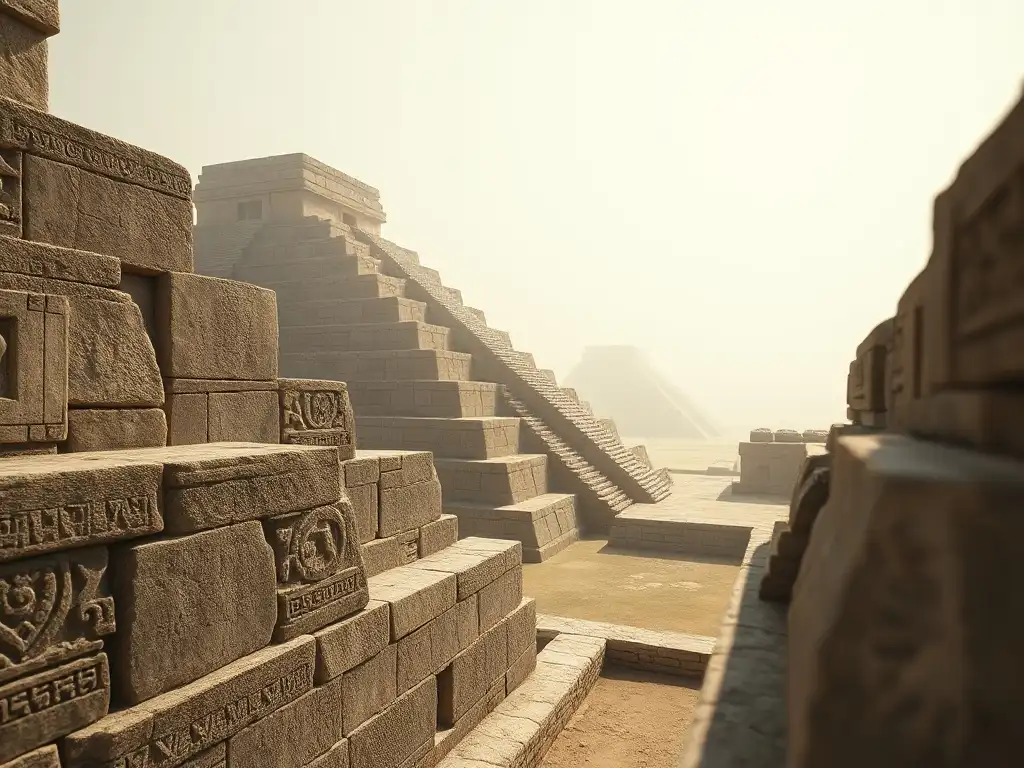
The imposing structures of Tiahuanaco, a pre-Columbian city located on the shores of Lake Titicaca in modern-day Bolivia, continue to fascinate archaeologists and engineers alike. Understanding the purpose and function of these buildings is crucial to appreciating the advanced construction techniques employed by the Tiahuanaco culture. Their impressive scale and sophisticated design suggest a complex society with advanced knowledge of engineering, astronomy, and religious beliefs.
The sheer magnitude of the undertaking – quarrying, transporting, and precisely placing massive stones – speaks volumes about their organizational capabilities and technological prowess. Deciphering their intended use allows us to better understand the Tiahuanaco worldview and their mastery of Tiahuanaco advanced construction techniques.
Religious Significance of Tiahuanaco's Architectural Designs
Many scholars believe that religious practices were central to the construction and function of Tiahuanaco's structures. The iconic Gate of the Sun, for example, is intricately carved with figures that may represent deities or cosmological symbols. Its placement and orientation suggest a deliberate connection to the celestial movements, reinforcing the belief that religious rituals were deeply intertwined with astronomical observations.
The Kalasasaya complex, with its massive stone blocks and meticulously aligned structures, is also believed to have served as a significant religious center. Evidence suggests ceremonial activities, possibly involving sacrifices and offerings, took place within its confines. The scale and precision of the construction underscore the importance of these religious practices within Tiahuanaco society.
Further research into iconography and ritual deposits within these structures is needed to fully understand the religious significance of Tiahuanaco's advanced construction techniques. The intricate carvings and symbolic representations found throughout the city point to a sophisticated understanding of cosmology and a profound reverence for their deities.
The Astronomical Alignment of Tiahuanaco's Buildings
The precise alignment of many Tiahuanaco buildings with astronomical events is a testament to their advanced astronomical knowledge. Studies have shown that certain structures, including the Gate of the Sun and the Kalasasaya complex, are oriented towards the solstices and equinoxes. This suggests a sophisticated understanding of celestial movements and a possible use of these structures for astronomical observations and calendar-keeping.
The accuracy of these alignments is remarkable, indicating a high level of precision in their construction and a deep understanding of geometry and astronomy. This understanding was not only crucial for religious practices but also likely played a role in agricultural planning and societal organization. The ability to predict seasonal changes through astronomical observation would have been essential for a civilization reliant on agriculture.
Further research into the astronomical alignments of other Tiahuanaco structures is needed to fully appreciate the extent of their advanced knowledge and its influence on their construction techniques. The integration of astronomical knowledge into their advanced construction techniques provides further evidence of Tiahuanaco's sophisticated understanding of their environment and the cosmos.
Tiahuanaco's Urban Planning and Infrastructure
Beyond the monumental structures, Tiahuanaco's urban planning and infrastructure reveal further evidence of advanced construction techniques. The city's layout suggests a degree of pre-planning and organization, with evidence of sophisticated water management systems and drainage channels. The precise placement of buildings and the careful consideration of topography indicate a well-developed understanding of engineering principles.
The use of massive stone blocks, precisely cut and fitted together without mortar, showcases impressive skills in stonework and engineering. While the exact methods used by the Tiahuanaco people remain a subject of ongoing research, the precision and scale of their work are undeniable. The integration of sophisticated water management systems into their urban planning demonstrates a high level of technological advancement and a deep understanding of the local environment.
The city's layout and infrastructure, reflecting a combination of religious beliefs and practical considerations, illustrate the extent of Tiahuanaco's mastery of advanced construction techniques. The evidence points to a society capable of large-scale planning and execution, showcasing a unique blend of engineering prowess and cultural significance. Further investigation into the city's infrastructure, including its water management systems and road networks, is crucial for a more complete understanding of Tiahuanaco's impressive achievements in urban planning and engineering.
Comparing Tiahuanaco's Construction to Other Andean Cultures
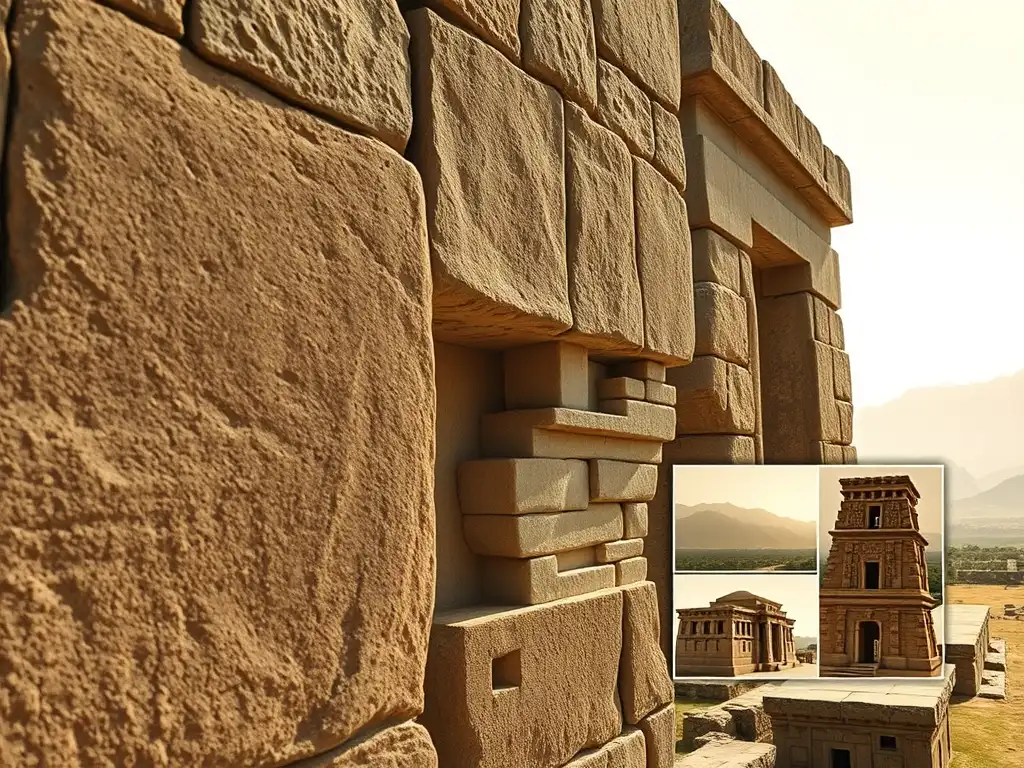
This section delves into the unique aspects of Tiahuanaco's advanced construction techniques by comparing and contrasting them with those employed by other Andean civilizations. While similarities exist in the use of stone, the scale, precision, and specific methods employed at Tiahuanaco set it apart. Understanding these differences provides crucial insight into the sophistication of Tiahuanaco's engineering prowess and its potential influence on subsequent Andean cultures.
Contrasting Tiahuanaco's Methods with Inca Building Techniques
The Inca, renowned for their impressive stonework, often utilized a technique known as ashlar masonry, where precisely cut stones were fitted together without mortar. While Tiahuanaco also employed stone, their methods differed significantly. Inca constructions, while impressive in their scale and precision, frequently show visible joints between stones.
Tiahuanaco's monumental structures, however, often exhibit a level of precision that surpasses Inca techniques, with stones fitted so tightly that a knife blade cannot be inserted between them. This suggests a mastery of stone cutting and fitting beyond what is typically seen in Inca architecture. Further, the sheer scale of Tiahuanaco's structures, like the Puerta del Sol, presents a significant engineering challenge that surpasses the complexity typically seen in Inca constructions.
The precise methods used to lift and place these massive stones remain a subject of ongoing debate and research. Some hypothesize the use of ramps or levers, while others propose more advanced, albeit still unknown, techniques.
Comparing Tiahuanaco's Architecture to Earlier Andean Societies
Tiahuanaco's advanced construction techniques stand in stark contrast to those employed by earlier Andean societies. While cultures like the Chavín and Wari utilized stone in their constructions, the scale and sophistication of Tiahuanaco's architecture far surpasses their achievements. Earlier Andean societies primarily constructed smaller structures, often with less precise stonework. Tiahuanaco's mastery of large-scale stone manipulation, evident in its monumental platforms and intricate carvings, represents a significant leap forward in Andean engineering.
The precise methods used to quarry, transport, and shape these colossal stones remain largely enigmatic, highlighting the advanced technological capabilities of the Tiahuanaco culture. Further research into the tools and techniques used by Tiahuanaco builders is needed to fully understand the extent of their technological innovation. The difference is not simply one of scale, but also of precision and complexity in design, showcasing a distinct advancement in architectural and engineering knowledge.
Tiahuanaco's Legacy in Andean Construction Traditions
The legacy of Tiahuanaco's advanced construction techniques is evident in subsequent Andean cultures. While the exact methods of construction remain partially obscure, the influence of Tiahuanaco's architectural style and engineering principles is undeniable. The impressive scale and precision of Tiahuanaco's monuments likely inspired and influenced later builders across the Andes.
The sophisticated stonework techniques, though perhaps not fully replicated, undoubtedly served as a benchmark for subsequent Andean civilizations. While direct evidence of a continuous technological transmission might be lacking, the stylistic similarities and the general advancement in stonework observed in later Andean cultures strongly suggest a lasting impact of Tiahuanaco's architectural and engineering innovations. The influence can be seen in the continued use of large-scale stone structures and the pursuit of precise stone fitting, although the methods may have evolved over time.
Further research is needed to fully map the extent of Tiahuanaco's influence on the development of Andean construction traditions. The study of later Andean sites, comparing their construction techniques with those of Tiahuanaco, will be crucial to fully understanding this lasting legacy.
The Mysteries and Open Questions of Tiahuanaco's Technology
The monumental structures of Tiahuanaco, a pre-Columbian city located in modern-day Bolivia, continue to fascinate and puzzle archaeologists and engineers alike. Despite significant research, many aspects of its construction remain shrouded in mystery. The sheer scale of the projects, the precision of the stonework, and the sophisticated techniques employed raise fundamental questions about the technological capabilities and organizational prowess of the Tiahuanaco culture.
Understanding how they moved and precisely fitted massive blocks of stone across vast distances remains a significant challenge. The lack of readily available, large-scale quarries near the city itself further complicates the picture, suggesting a sophisticated logistical network that stretched beyond the immediate vicinity. This leads us to consider what other, perhaps less obvious, technological innovations might have aided their ambitious building program.
Were there advanced tools or techniques that are yet to be fully understood? Did they possess a deeper knowledge of engineering principles than currently acknowledged? These questions underscore the ongoing need for further investigation into Tiahuanaco's advanced construction techniques.
Unsolved Aspects of Tiahuanaco's Construction Processes
One of the most perplexing aspects of Tiahuanaco's construction is the precision with which massive blocks of stone were cut, transported, and fitted together. The Pumapunku complex, for instance, showcases stones with incredibly tight tolerances, some even exhibiting intricate carvings. How did they achieve such accuracy without the benefit of modern tools and machinery? Some researchers speculate on the use of advanced tools, perhaps made of harder materials than we currently understand, or sophisticated techniques involving leverage and counterweights. The absence of clear evidence for such tools, however, leaves this as a matter of ongoing debate.
Another key unsolved aspect is the transportation of these enormous stones. Some blocks weigh many tons, and the distances involved likely required significant planning and manpower. Did they utilize ramps, rollers, levers, or some combination thereof? Were there animal-powered systems involved?
Or perhaps even more advanced technologies that we can only speculate upon? The lack of definitive answers leaves a significant gap in our understanding of Tiahuanaco's logistical capabilities and construction processes. Detailed analysis of existing sites, combined with further excavation and the application of advanced imaging techniques, could shed light on these crucial unanswered questions. The precise methods employed for shaping, transporting, and assembling these gigantic stones remain a significant puzzle, highlighting the technological sophistication of Tiahuanaco's builders.
Speculations on Lost Technologies of the Tiahuanaco Civilization
The remarkable precision and scale of Tiahuanaco's construction have led to numerous speculations about the possibility of lost or forgotten technologies. Some researchers propose that the Tiahuanaco people might have possessed a superior understanding of materials science, enabling them to create tools and techniques far beyond what we currently associate with their technological level. These might have included advanced methods of stone cutting, efficient transport systems, or even a deeper understanding of leverage and engineering principles than previously thought.
The possibility of advanced knowledge of acoustics or even rudimentary understanding of energy manipulation remains speculative, but cannot be entirely dismissed given the unique characteristics of some of the structures. The use of unknown materials or techniques in the construction process is another fascinating area of speculation. Could there have been unknown binding agents or techniques employed to enhance the durability and stability of the structures?
The precision of the stonework suggests a high degree of planning and engineering expertise, far beyond what is typically associated with societies of that era. Further research, incorporating interdisciplinary approaches from archaeology, engineering, and materials science, is crucial to evaluate these intriguing possibilities and to unravel the secrets of Tiahuanaco's advanced construction techniques. The potential for uncovering evidence of lost technologies remains a powerful incentive for continued research.
Future Research and Discoveries on Tiahuanaco's Engineering
Future research on Tiahuanaco's advanced construction techniques should focus on a multidisciplinary approach, combining archaeological excavation with advanced scientific techniques. Non-invasive methods like ground-penetrating radar (GPR) and LiDAR scanning could reveal hidden features and structures, providing valuable insights into the city's planning and construction processes. Detailed analysis of stone samples using advanced microscopy and spectroscopy could reveal the composition of tools and binding agents, shedding light on the materials and techniques employed.
Furthermore, the application of digital modeling and simulation could help to recreate the construction process, testing different hypotheses and evaluating the feasibility of various methods. This integrated approach will be crucial to unlock the secrets of Tiahuanaco's engineering prowess.
By combining meticulous fieldwork with cutting-edge technology, researchers can hope to make significant progress in unraveling the mysteries of this remarkable civilization and gaining a deeper understanding of its advanced construction techniques. 🕵️♂️ The potential for new discoveries is immense, promising to reshape our understanding of Tiahuanaco's technological achievements and its place in the history of Andean civilizations.
Frequently Asked Questions
What makes Tiahuanaco's construction so impressive?
Tiahuanaco's architecture is remarkable due to its massive stone blocks, some weighing over 100 tons, and the precise fitting without the use of mortar. Their ability to transport and place such enormous stones remains a mystery.
What advanced construction techniques did the Tiahuanaco people employ?
The Tiahuanaco people utilized sophisticated techniques including precise stone cutting, complex quarrying methods, and potentially unknown tools or methods to achieve such accuracy in their construction. The exact methods are still debated by researchers.
How did the Tiahuanaco people transport such large stones?
The transportation of massive stones remains a subject of much speculation. Theories range from using ramps and rollers to employing advanced knowledge of leverage and pulleys. The sheer scale of the undertaking is astounding.
What is the significance of Tiahuanaco's advanced construction techniques?
Tiahuanaco's advanced engineering and architectural skills demonstrate a high level of societal organization and technological prowess. Their achievements surpassed many contemporary cultures and continue to fascinate researchers today.
Where can I learn more about Tiahuanaco's advanced construction techniques?
You can find more information through academic journals, books on Andean civilizations, and museum exhibits focusing on Tiahuanaco. Further research into the site itself and its surrounding areas is ongoing.
Final Reflection: Echoes of Tiahuanaco: A Legacy of Ingenuity
The monumental structures of Tiahuanaco stand as a testament to the ingenuity of a civilization far ahead of its time, a legacy that continues to challenge our understanding of ancient engineering and societal organization. Their precise stonework, massive scale, and sophisticated water management systems remain a source of wonder and inspiration, prompting ongoing research and debate that directly impacts our understanding of pre-Columbian civilizations and the very limits of human achievement.
The enduring mystery surrounding Tiahuanaco's advanced construction techniques compels us to reconsider our assumptions about technological progress and the capabilities of ancient societies. Their achievements resonate far beyond the Andean highlands, forcing us to re-evaluate historical narratives that often underestimate the sophistication of pre-industrial cultures. The past is never dead. It's not even past.
– William Faulkner. This quote perfectly encapsulates the ongoing relevance of Tiahuanaco, whose secrets continue to shape our present understanding of the past and inspire future investigations.
Consider the implications of Tiahuanaco's legacy. What can we learn from their resourcefulness, their collaborative spirit, and their mastery of complex engineering? How can we apply these lessons to address the challenges of our own time, from sustainable construction to collaborative problem-solving? Let the echoes of Tiahuanaco inspire you to explore the boundless potential of human ingenuity and to strive for innovative solutions to the problems facing our world today. Embrace the mystery, question the known, and discover the enduring power of ancient wisdom.
Unveil the Secrets of Tiahuanaco's Lost Technology!
Thank you for exploring the fascinating world of Tiahuanaco! You've uncovered intriguing insights into their advanced construction techniques and the mysteries surrounding their lost technologies. Let's build on this knowledge!
- Dive Deeper: Expand your understanding of ancient engineering marvels by visiting a local museum or library, and researching related civilizations to understand the cross-cultural exchange of technological ideas.
- Join the Conversation: Share your thoughts on Tiahuanaco's construction methods with friends, online forums, or archaeological societies. Engaging in discussions will broaden your perspective and reveal new insights.
- Create & Educate: Consider creating a presentation or writing a blog post about your discoveries. Inspire others to appreciate the remarkable achievements of ancient civilizations.
Have you considered how our modern technologies might have been influenced by the ingenuity of ancient societies like Tiahuanaco? Share your thoughts below!