
The Legacy of Ingenuity: How Ancient Andean Solutions Inspire Modern ProblemSolving


Step into a world lost to time, yet echoing with ingenuity. Imagine civilizations that thrived amidst the towering Andes, mastering challenges that continue to astound us today. This is Andean Civilizations, your gateway to uncovering the secrets of the Incas, Moche, Nazca, and Tiahuanaco. Prepare to be captivated by their remarkable achievements, particularly their ancient Andean problem-solving techniques – solutions that hold the key to innovative thinking in our own era. Discover how their legacy lives on, influencing our world in ways you never imagined. Explore further to unlock the mysteries of this fascinating and inspiring heritage.
The ingenuity of ancient Andean civilizations continues to fascinate and inspire. Far from being isolated societies, the Incas, Moche, Nazca, and Tiahuanaco, among others, developed sophisticated solutions to complex challenges posed by their unique environment – a landscape of towering mountains, arid deserts, and unpredictable weather patterns.
This article explores how their problem-solving techniques, honed over centuries, offer valuable insights and potential solutions to contemporary issues, proving that studying the past can illuminate the path to a better future. We'll delve into specific examples of ancient Andean innovation and discuss their surprising relevance to modern-day challenges in engineering, agriculture, and resource management.
Understanding these ancient Andean problem-solving techniques provides a unique perspective on sustainable practices and resilient community building, reminding us that many of today's "new" ideas have deep historical roots. This exploration will reveal not only the impressive achievements of these civilizations but also the enduring power of their legacy.
Agricultural Innovations in the Andes: Terracing and Irrigation
The harsh Andean terrain presented significant agricultural challenges. Steep slopes, limited arable land, and unpredictable rainfall made food production a constant struggle. However, Andean civilizations overcame these obstacles through remarkable innovations in terracing and irrigation. Terracing, the creation of flat platforms on steep hillsides, dramatically increased cultivable land and reduced soil erosion.
These weren't simply haphazardly carved terraces; they were meticulously engineered systems, often incorporating sophisticated water management techniques to ensure even water distribution. The intricate network of canals and aqueducts, some of which are still in use today, showcased their profound understanding of hydrology and engineering. These systems allowed for the cultivation of a diverse range of crops, ensuring food security for large populations.
The precision and efficiency of these ancient systems continue to inspire modern agricultural practices, particularly in regions with challenging topography. Studies of Andean terracing techniques are informing the development of sustainable agricultural practices in mountainous regions worldwide, demonstrating their lasting relevance. Moreover, the resilience of these ancient systems in the face of climate variability offers valuable lessons for adapting to the challenges of modern climate change.
Architectural Marvels: Building with Stone and Adapting to Altitude
The Andes are renowned for their breathtaking mountain landscapes, and the ancient civilizations skillfully integrated their architecture into this dramatic setting. Their mastery of stonework is evident in the monumental structures that still stand today, testaments to their engineering prowess and sophisticated understanding of materials. The precise fitting of stones without mortar in structures like Machu Picchu showcases an advanced level of craftsmanship and planning.
Furthermore, their buildings were designed to withstand earthquakes and other natural hazards, highlighting their deep understanding of structural engineering principles. The adaptation to high altitude environments is another significant aspect of their architectural achievements. The design and construction of buildings considered factors like ventilation, insulation, and sun exposure to create comfortable and functional spaces in challenging climatic conditions.
These ancient architectural solutions, characterized by their durability and adaptability, offer valuable lessons for modern sustainable building practices, especially in earthquake-prone regions or those facing environmental challenges. The integration of traditional building techniques with modern materials and technologies offers a pathway towards environmentally friendly and resilient construction.
Resource Management and Sustainable Practices in the Andean World
Ancient Andean societies developed sophisticated strategies for managing resources sustainably, ensuring the long-term well-being of their communities. Their understanding of ecological balance is reflected in their agricultural practices, resource allocation, and waste management systems. For example, the use of crop rotation and intercropping techniques helped maintain soil fertility and prevent soil degradation.
Similarly, their water management systems were designed to optimize water use and prevent waste. These practices highlight a deep understanding of the interconnectedness of human activities and the environment, a concept that is increasingly relevant in our modern world. The principles of sustainable resource management employed by ancient Andean civilizations provide a valuable framework for addressing the environmental challenges we face today.
Studying their integrated approach to agriculture, water management, and waste disposal can inform the development of more sustainable practices in modern societies, fostering a greater awareness of the importance of environmental stewardship. The legacy of their resourcefulness serves as a powerful reminder of the importance of responsible resource management for a sustainable future.
- Agricultural Innovations in the Andes: Terracing and Irrigation
- Architectural Marvels: Building with Stone and Adapting to Altitude
- Resource Management and Sustainable Practices in the Andean World
- What innovative problem-solving techniques did the ancient Andean civilizations employ?
- How did the Incas address challenges related to communication across vast distances?
- What were some of the unique architectural solutions developed by Andean cultures?
- How did the ancient Andean civilizations manage resource scarcity in challenging environments?
- In what ways do ancient Andean problem-solving techniques inspire modern solutions?
Understanding Ancient Andean Problem-Solving Techniques

This section delves into the practical problem-solving approaches employed by ancient Andean civilizations, highlighting their ingenuity and adaptability in the face of significant environmental and social challenges. Understanding these ancient Andean problem-solving techniques offers valuable insights into sustainable practices and innovative solutions that remain relevant today. We will explore the foundations of their innovation, their adaptations to diverse landscapes, and the key principles that guided their ingenuity. The study of these techniques provides a rich tapestry of knowledge, demonstrating how resourcefulness and community collaboration could overcome seemingly insurmountable obstacles.
The Foundation of Andean Innovation: Environmental Challenges
The Andes Mountains presented a formidable set of environmental challenges for ancient Andean societies. Harsh climates, unpredictable weather patterns, steep terrains, and limited arable land necessitated innovative solutions for agriculture, water management, and construction. These challenges, rather than hindering progress, acted as a catalyst for ingenuity. The need to survive and thrive in such an unforgiving environment pushed these civilizations to develop sophisticated techniques that are still studied and admired today.
For instance, the development of terracing on steep slopes dramatically increased the amount of cultivatable land. This wasn't simply a matter of carving out flat areas; it involved intricate systems of channels and retaining walls designed to manage water flow and prevent soil erosion. The precision and scale of these projects are astonishing, demonstrating a deep understanding of hydrology and engineering. Furthermore, the selection of crops was crucial.
Ancient Andean farmers cultivated a wide variety of crops adapted to different altitudes and microclimates, creating resilient and diverse agricultural systems. This diversification minimized the risk of crop failure due to unexpected weather events or pests. The cultivation of potatoes, quinoa, and other resilient crops exemplifies their profound understanding of environmental adaptation.
Adapting to Diverse Landscapes: Coastal, Mountain, and Jungle Solutions
The ancient Andean civilizations weren't confined to a single environment. They occupied diverse ecosystems, ranging from the arid coastal deserts to the high-altitude Andes and the lush Amazonian rainforest. Their problem-solving strategies reflected this environmental diversity, showcasing remarkable adaptability and ingenuity.
Coastal communities, facing scarce freshwater resources, developed sophisticated water management systems. These included techniques like fog harvesting (capturing moisture from coastal fogs) and the construction of intricate irrigation canals that channeled water from distant sources. In the highlands, the challenges of altitude and extreme temperatures led to the development of unique building techniques using locally sourced materials like stone and adobe.
The impressive architecture of sites like Machu Picchu testifies to their mastery of construction in challenging terrain. Meanwhile, in the Amazon rainforest, ancient Andean communities adapted their agricultural practices to the humid and fertile environment, developing sophisticated systems of swidden agriculture (slash-and-burn) and managing diverse forest resources sustainably. The sophistication of these techniques highlights their deep understanding of their respective environments and their ability to maximize resource utilization.
Key Principles of Ancient Andean Ingenuity
Several key principles underpinned the ancient Andean approach to problem-solving. These principles, while rooted in their specific context, offer valuable lessons for contemporary challenges.
- Resourcefulness and Sustainability: Ancient Andean societies prioritized resourcefulness, utilizing available materials efficiently and minimizing waste. They developed sustainable agricultural practices that ensured long-term food security without depleting resources. Their approach to resource management stands as a model of sustainable living.
- Community Collaboration: Many of the impressive achievements of ancient Andean civilizations were the result of collective effort and community collaboration. Large-scale projects like irrigation systems and monumental architecture required coordinated labor and a shared vision. This emphasis on teamwork and community participation is a key element of their problem-solving approach.
- Adaptability and Resilience: Facing unpredictable environmental conditions, ancient Andean societies developed an exceptional capacity for adaptation and resilience. Their flexible strategies and diverse approaches allowed them to overcome challenges and maintain stability in the face of adversity. This adaptability is a crucial lesson for navigating the complexities of the modern world.
The study of ancient Andean problem-solving techniques reveals a rich legacy of ingenuity and sustainable practices. By understanding their approaches, we can gain valuable insights into tackling contemporary challenges, from resource management and sustainable development to community building and environmental resilience. Their achievements continue to inspire innovation and offer valuable lessons for a more sustainable and equitable future.
Ancient Andean Solutions and Their Modern Applications

This section explores how ancient Andean problem-solving techniques continue to inspire contemporary solutions. We'll examine specific examples of their ingenuity in agriculture and architecture, highlighting their enduring relevance in addressing modern challenges. The sophisticated approaches employed by Andean civilizations offer valuable insights into sustainable practices and resilient design, demonstrating the timeless wisdom embedded within their cultural heritage. Understanding these "ancient Andean problem-solving techniques" provides a unique lens through which to view modern challenges and potential solutions.
Agricultural Innovations: Terracing, Irrigation, and Crop Management
The Andes Mountains present a formidable challenge to agriculture: steep slopes, unpredictable rainfall, and limited arable land. Yet, ancient Andean civilizations developed remarkably effective agricultural techniques that allowed them to thrive in this harsh environment. Their ingenuity in terracing, irrigation, and crop management stands as a testament to their deep understanding of ecological principles and their capacity for adaptation. These ancient Andean problem-solving techniques were crucial to their survival and prosperity.
Modern Applications of Andean Agricultural Techniques
Andean terracing, with its intricate network of stone-walled platforms carved into hillsides, remains a model of sustainable land management. This technique reduces soil erosion, conserves water, and maximizes usable land area. Modern agricultural engineers are rediscovering the benefits of terracing in combating soil degradation and promoting sustainable farming practices, particularly in mountainous regions worldwide.
The efficiency of water management systems, like the sophisticated canales (irrigation channels) used by the Inca, continues to inspire the design of efficient irrigation systems in arid and semi-arid areas. The Inca's understanding of crop rotation and diversification, which involved planting a variety of crops to minimize the risk of widespread crop failure, also provides valuable lessons for modern agriculture, emphasizing the importance of biodiversity and resilience in the face of climate change.
These ancient Andean problem-solving techniques offer valuable insights into sustainable and resilient agricultural practices. The study of ancient Andean agriculture offers valuable data for addressing contemporary food security challenges, especially in regions with similar environmental constraints.
Architectural Marvels: Earthquake-Resistant Structures and Urban Planning
The Andes are a seismically active region, yet ancient Andean civilizations constructed impressive cities and structures that withstood centuries of earthquakes. Their architectural ingenuity, particularly in the construction of earthquake-resistant buildings and the planning of entire urban centers, represents a remarkable feat of engineering and foresight. The sophisticated understanding of structural mechanics and materials science displayed in their buildings demonstrates advanced problem-solving capabilities.
Modern Lessons from Andean Architectural Design
The Inca's mastery of stonework, their use of interlocking blocks without mortar, and their understanding of seismic forces continue to inspire modern earthquake-resistant design. Their buildings, characterized by flexibility and the ability to absorb seismic energy, demonstrate a remarkable understanding of structural mechanics. Modern architects and engineers are studying Inca building techniques to develop more resilient structures capable of withstanding earthquakes. The meticulous urban planning of cities like Machu Picchu, with its terraced architecture integrated into the landscape, serves as an example of sustainable and environmentally conscious urban design.
The integration of buildings with the natural environment, minimizing environmental impact, provides modern urban planners with valuable insights. The study of ancient Andean architectural designs provides crucial information for developing earthquake-resistant and sustainable building practices. The resilience of ancient Andean structures, a testament to their advanced problem-solving techniques, presents invaluable lessons for modern architecture and urban planning in earthquake-prone regions.
Water Management Systems: Aqueducts, Canals, and Reservoirs
The ancient Andean civilizations, facing diverse and challenging terrains, developed sophisticated water management systems crucial for their survival and prosperity. These weren't simply rudimentary ditches; they were complex networks of aqueducts, canals, and reservoirs, showcasing remarkable engineering prowess and a deep understanding of hydrology. The Inca empire, for instance, is renowned for its intricate network of canals that crisscrossed the Andes, bringing water to otherwise arid agricultural terraces.
These canals weren't straight lines; they were carefully engineered to follow the contours of the land, minimizing erosion and maximizing water flow. The use of sophisticated techniques, including the creation of strategically placed reservoirs to store excess water during the rainy season for use in the dry season, demonstrates a profound understanding of water resource management. Furthermore, the construction of these systems often involved the integration of stonework, demonstrating a mastery of both engineering and construction techniques.
Their ingenuity wasn't limited to large-scale projects; smaller-scale systems, such as individual irrigation channels for smaller plots of land, were also common, demonstrating the widespread adoption of efficient water management practices across all levels of Andean society. The precision and scale of these systems are a testament to the advanced understanding of hydraulics and engineering possessed by these ancient cultures. Their solutions to water scarcity offer valuable insights for modern-day water management strategies, especially in regions facing similar challenges.
Contemporary Water Management Inspired by Andean Engineering
Modern water management systems continue to draw inspiration from the ingenious solutions developed by the ancient Andean civilizations. The principles of terracing, for example, are being re-evaluated and implemented in contemporary hillside agriculture to reduce soil erosion and optimize water usage. Furthermore, the Andean understanding of water conservation, evident in their reservoir systems, is being applied in modern drought mitigation strategies.
Researchers are studying the design and construction of ancient Andean aqueducts to improve the efficiency and durability of modern pipelines and canals. The integration of traditional Andean knowledge with modern technology allows for more sustainable and resilient water management solutions. For example, the use of traditional Andean techniques in conjunction with modern materials and sensors could lead to more efficient and environmentally friendly irrigation systems.
The study of ancient Andean water management systems provides valuable lessons in sustainable resource management, particularly crucial in light of increasing water scarcity in many parts of the world. The focus is shifting towards mimicking the resilience and adaptability of these ancient systems in the face of climate change and population growth.
Textile Technology: Advanced Weaving and Dyeing Methods
The ancient Andean civilizations were masters of textile production, developing advanced weaving and dyeing techniques that produced incredibly intricate and durable textiles. Their mastery extended far beyond simple cloth; they created complex tapestries, finely woven garments, and elaborate ceremonial textiles. The techniques employed varied among different cultures, but the overall sophistication was remarkable.
The use of different types of fibers, including alpaca, llama, and cotton, allowed for a wide range of textures and colors. The development of intricate weaving patterns, some of which are still not fully understood, showcases a high level of artistic skill and technical expertise. Furthermore, the Andean civilizations developed a vast palette of natural dyes, derived from plants, minerals, and insects, producing vibrant and long-lasting colors.
The quality and durability of these ancient textiles are a testament to the advanced knowledge and skills of Andean artisans. These textiles weren't merely functional; they held deep cultural and symbolic significance, often used in religious ceremonies and as markers of social status. The intricate designs and vibrant colors reflect the rich cultural heritage of the Andean civilizations.
Modern Textile Innovations Based on Ancient Andean Techniques
Modern textile designers and engineers are increasingly looking to ancient Andean techniques for inspiration. The sophisticated weaving patterns and natural dyeing methods are being re-evaluated and incorporated into contemporary textile production. For example, the study of ancient Andean weaving techniques has led to innovations in textile design software and automated looms.
Furthermore, the use of natural dyes, once considered outdated, is experiencing a resurgence as consumers seek more sustainable and environmentally friendly products. These ancient techniques offer a valuable alternative to synthetic dyes and materials, reducing the environmental impact of the textile industry. The study of ancient Andean textile technology is not only providing inspiration for new designs but is also contributing to the development of more sustainable and ethical textile production practices.
The revival of ancient Andean techniques offers a path towards creating textiles that are both aesthetically pleasing and environmentally responsible. This renewed interest in ancient Andean knowledge is driving innovation in the textile industry while simultaneously promoting cultural preservation.
Specific Examples of Andean Ingenuity Shaping Modern Solutions
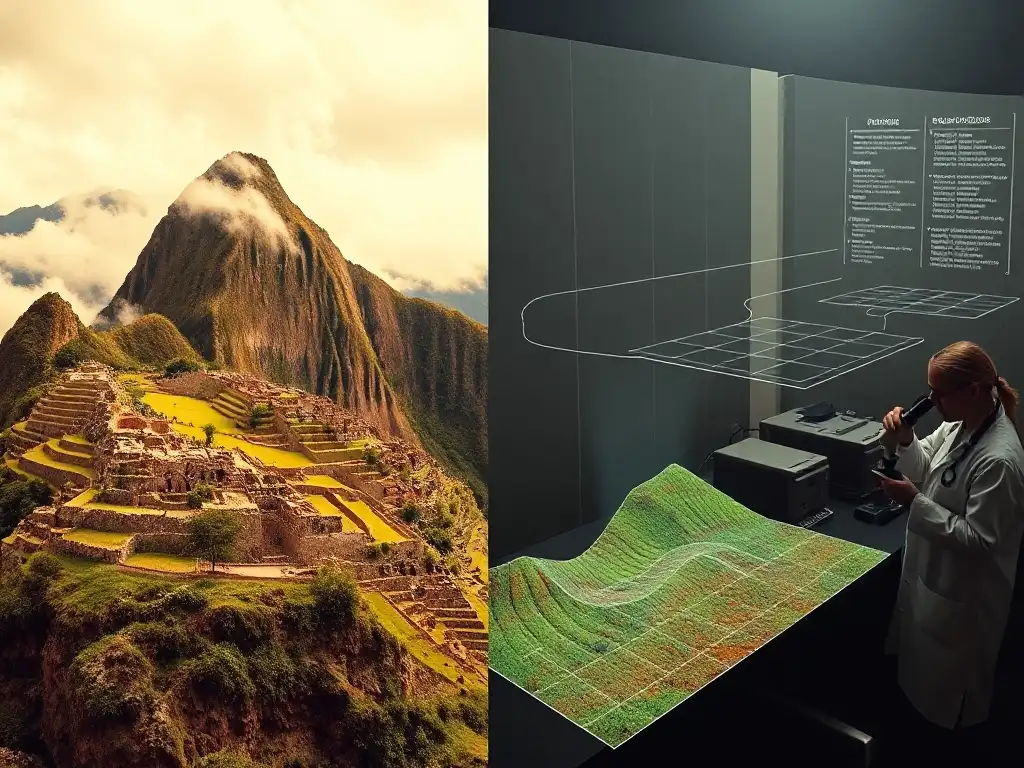
This section delves into concrete examples showcasing how ancient Andean problem-solving techniques continue to inspire innovative solutions in the 21st century. We'll explore the enduring legacy of Andean ingenuity across various fields, highlighting the remarkable adaptability and resilience embedded within their cultural heritage. The ingenuity of ancient Andean civilizations in tackling challenges related to their environment and societal needs offers valuable lessons for modern problem-solving. Understanding their approaches provides a unique perspective on sustainable practices and resource management.
The Use of Andean Materials in Sustainable Construction
Ancient Andean builders mastered the use of readily available, locally sourced materials. Their expertise in stonework, particularly in the construction of impressive structures like Machu Picchu, is legendary. This wasn't just about aesthetics; it was about sustainability and resilience. They understood the properties of materials like andesite and granite, utilizing their strength and durability to create structures that withstood earthquakes and the test of time.
Today, architects and engineers are rediscovering the benefits of these traditional techniques. The use of locally sourced materials reduces transportation costs and environmental impact, aligning perfectly with modern sustainable building practices. Furthermore, the inherent strength and durability of these materials contribute to longer-lasting, more resilient structures. For example, modern constructions in the Andes region increasingly incorporate traditional stonework techniques, adapting them to contemporary building codes and designs.
This represents a conscious effort to blend ancient Andean knowledge with modern engineering principles for increased sustainability. The focus on minimizing environmental impact and maximizing longevity mirrors the ancient Andean approach to construction, proving that their solutions remain highly relevant today. The revival of these techniques also contributes to the preservation of traditional Andean craftsmanship and the economic empowerment of local communities.
Applying Ancient Andean Knowledge to Modern Agriculture
Ancient Andean civilizations developed sophisticated agricultural techniques to thrive in challenging environments. Terracing, irrigation systems, and crop diversification were crucial for their survival. These techniques, adapted to the varied altitudes and climates of the Andes, demonstrate a deep understanding of ecological principles and resource management.
Modern agriculture in the Andes region is increasingly drawing upon this ancient knowledge. For instance, the revival of traditional terracing methods helps prevent soil erosion and conserve water, crucial in the face of climate change. Similarly, the diversification of crops, a hallmark of Andean agriculture, enhances resilience against crop failures and promotes biodiversity.
The incorporation of ancient Andean farming practices into modern agricultural methods not only improves yields but also contributes to the preservation of biodiversity and the sustainability of agricultural systems. Studies show a significant increase in crop yields and soil health in areas where traditional Andean agricultural techniques are implemented alongside modern technologies. This integration reflects a pragmatic approach, combining the wisdom of the past with the advancements of the present.
Inspired Designs: Reinterpreting Andean Aesthetics in Contemporary Art and Architecture
The aesthetic sensibilities of ancient Andean cultures, evident in their textiles, pottery, and architecture, continue to inspire contemporary artists and architects. The intricate designs, vibrant colors, and symbolic imagery found in ancient Andean artifacts are being reinterpreted and integrated into modern creations.
For example, many contemporary Andean artists incorporate traditional weaving techniques and motifs into their work, creating unique and visually stunning pieces. Similarly, architects are drawing inspiration from the structural ingenuity and aesthetic beauty of ancient Andean buildings, adapting their principles to modern designs. The use of geometric patterns, symmetrical layouts, and natural materials reflects a conscious effort to blend ancient Andean aesthetics with contemporary architectural styles.
This fusion creates a unique architectural language that honors the past while embracing the present. The integration of ancient Andean design elements adds a layer of cultural significance and authenticity to contemporary art and architecture, fostering a sense of place and identity within the modern Andean context. This creative reinterpretation not only celebrates the rich artistic heritage of the Andes but also contributes to the economic vitality of the region by creating new opportunities for artists and artisans.
The Enduring Relevance of Ancient Andean Problem-Solving
The ingenuity of ancient Andean civilizations continues to resonate in the 21st century. Their innovative solutions to challenges in agriculture, architecture, and social organization offer valuable lessons for contemporary society grappling with similar issues, albeit on a vastly different scale. Understanding their problem-solving techniques, honed over millennia in a challenging environment, provides a unique perspective on sustainable development and technological innovation.
Examining their achievements reveals not just historical facts but also practical strategies that can inform our approach to modern problems. The study of ancient Andean problem-solving techniques unveils a wealth of knowledge applicable to a wide range of contemporary challenges, from climate change adaptation to efficient resource management.
Lessons in Sustainability and Resource Management
Ancient Andean societies, facing harsh environmental conditions and limited resources, developed sophisticated techniques for sustainable living. Their agricultural practices, such as terracing and irrigation systems, maximized crop yields while minimizing environmental impact. The intricate network of canals and raised fields in the Nazca region, for example, allowed for efficient water distribution and cultivation in an arid climate.
These systems weren't merely technological feats; they represented a deep understanding of ecological principles and a commitment to long-term sustainability. Their resource management strategies, often involving communal ownership and careful allocation, ensured equitable distribution and avoided overexploitation. This contrasts sharply with many modern practices that prioritize short-term gains over long-term sustainability.
We can learn much from their integrated approach to resource management, which prioritized community well-being and environmental stewardship. Analyzing their techniques reveals a holistic perspective on resource management, emphasizing careful planning, community involvement, and a deep respect for the environment. This contrasts with modern, often exploitative, approaches.
Moreover, the careful observation of the environment and the development of crops suited to the specific conditions demonstrates a profound understanding of ecological principles. They didn't simply exploit the land; they worked with it, adapting their practices to maximize yields while preserving the environment's integrity. This nuanced approach to agriculture offers crucial insights for modern sustainable agriculture practices, highlighting the importance of biodiversity and localized solutions. The ancient Andean understanding of sustainable agriculture provides a powerful counterpoint to contemporary industrialized agriculture, which often leads to soil degradation and environmental damage.
The Importance of Indigenous Knowledge in Modern Innovation
The success of ancient Andean civilizations wasn't solely based on technological prowess; it also stemmed from a deep understanding of their environment and a rich body of indigenous knowledge. This knowledge, passed down through generations, informed their problem-solving approaches and enabled them to adapt to changing conditions. The integration of indigenous knowledge with technological innovation is a key element that differentiates their approach to problem-solving from many modern approaches.
Ignoring this aspect limits our ability to fully appreciate the depth and complexity of their achievements. For instance, the intricate knowledge of medicinal plants and their applications, developed and refined over centuries, represents a vast untapped resource for modern medicine. Similarly, their understanding of astronomy and its application to agriculture and social organization demonstrates the power of integrating traditional wisdom with practical applications.
The sophisticated astronomical observatories, such as those found at Machu Picchu, highlight the importance of observation and precise calculation in their culture. The integration of this knowledge into modern scientific research holds immense potential for developing innovative solutions to contemporary challenges. In essence, modern innovation should actively incorporate and respect indigenous knowledge systems.
Honoring the Legacy: A Path Forward Inspired by Ancient Wisdom
The legacy of ancient Andean problem-solving techniques extends far beyond historical curiosity. It offers a powerful framework for addressing the complex challenges facing contemporary society. By studying their sustainable practices, resource management strategies, and integration of indigenous knowledge, we can gain valuable insights into creating more resilient and equitable communities. We can learn from their emphasis on community participation, their holistic approach to problem-solving, and their deep respect for the environment.
This isn't simply about replicating their methods; it's about understanding the underlying principles and adapting them to modern contexts. Modern engineers, for example, can draw inspiration from the remarkable structural integrity of Inca stonework, which withstood earthquakes for centuries. The precision and ingenuity displayed in their construction techniques provide valuable lessons in sustainable building practices. Similarly, their sophisticated water management systems offer valuable lessons for modern water resource management, especially in regions facing water scarcity.
The challenge lies in integrating these ancient wisdoms with modern technology and scientific understanding to create innovative and sustainable solutions for the 21st century and beyond. The careful study and application of ancient Andean problem-solving techniques represent a crucial step towards building a more sustainable and equitable future. This legacy offers a powerful reminder of the importance of respecting the environment, embracing community participation, and valuing indigenous knowledge in our pursuit of progress.
Frequently Asked Questions
What innovative problem-solving techniques did the ancient Andean civilizations employ?
The Andean civilizations demonstrated remarkable ingenuity in areas like agriculture, developing sophisticated irrigation systems and terracing to overcome challenging terrains. They also excelled in architecture, creating sturdy structures adapted to seismic activity.
The Incas overcame communication barriers through a sophisticated system of road networks and chasquis, a relay runner system that enabled rapid transmission of messages across their empire. This efficient communication was crucial for governance and trade.
What were some of the unique architectural solutions developed by Andean cultures?
Andean cultures developed remarkable architectural skills, including stonework so precise it required no mortar, complex irrigation systems, and adaptable building techniques which allowed them to build in diverse terrains and climates.
How did the ancient Andean civilizations manage resource scarcity in challenging environments?
The Andean civilizations developed sustainable agricultural practices like terracing, sophisticated water management systems, and innovative methods of crop diversification to deal with harsh environmental conditions and limited resources.
In what ways do ancient Andean problem-solving techniques inspire modern solutions?
Andean ingenuity provides valuable lessons in sustainable development, adaptive engineering, and resource management. Their innovative solutions to challenging environments continue to inspire modern architects, engineers, and agriculturalists.
Final Reflection: Echoes of Ingenuity Across Time
The ingenious solutions crafted by the ancient Andean civilizations continue to resonate today, offering powerful lessons in sustainability and resilience in the face of complex challenges. Their mastery of resource management, intricate agricultural techniques, and innovative architectural designs stand as a testament to human adaptability and the enduring power of ingenuity. These are not merely historical curiosities; they are blueprints for a more sustainable future.
The impact of Andean ingenuity extends far beyond the archaeological record; it permeates our understanding of sustainable living and community building. Their sophisticated understanding of water management, for example, offers invaluable insights for addressing modern water scarcity. Their terraced farming techniques, designed to maximize yield on challenging terrain, provide inspiration for contemporary agricultural practices. The past is never dead. It's not even past.
– William Faulkner. This quote perfectly encapsulates the enduring relevance of Andean innovations, reminding us that the wisdom of past generations holds the key to unlocking solutions for the present and future.
Consider the challenges we face today – climate change, resource depletion, and social inequality. The ingenuity of the ancient Andean people, their ability to thrive in harsh environments through collaborative effort and innovative solutions, offers a powerful model for navigating these complexities. You, too, possess the capacity for ingenious problem-solving.
Reflect on the challenges you face, both personal and global, and consider how the principles of Andean ingenuity – resourcefulness, collaboration, and a deep understanding of the environment – can inspire your own approach to finding solutions. Let the echoes of their ingenuity guide you towards a more sustainable and equitable future.
Unleash Your Inner Innovator!
Thank you for exploring the fascinating ingenuity of Andean cultures! You've discovered how ancient solutions offer valuable insights for modern problem-solving, and now it's time to put that inspiration into practice.
Here are some ways you can build upon this remarkable heritage:
- Apply an Ancient Technique: Choose an Andean innovation that inspires you—perhaps sustainable farming practices or traditional textile methods—and integrate it into your own work or personal projects.
- Share Your Discoveries: Discuss your newfound knowledge with friends, family, or online communities. Encourage critical thinking about how these ancient approaches can help address contemporary issues.
- Deepen Your Understanding: Visit local museums or libraries to learn more about Andean history and discover further examples of their innovative solutions.
Reflect on how these ancient civilizations overcame their challenges. Consider: What contemporary problem could benefit from an Andean perspective?