
Tiahuanaco's Unfinished Structures: What Can They Tell Us?

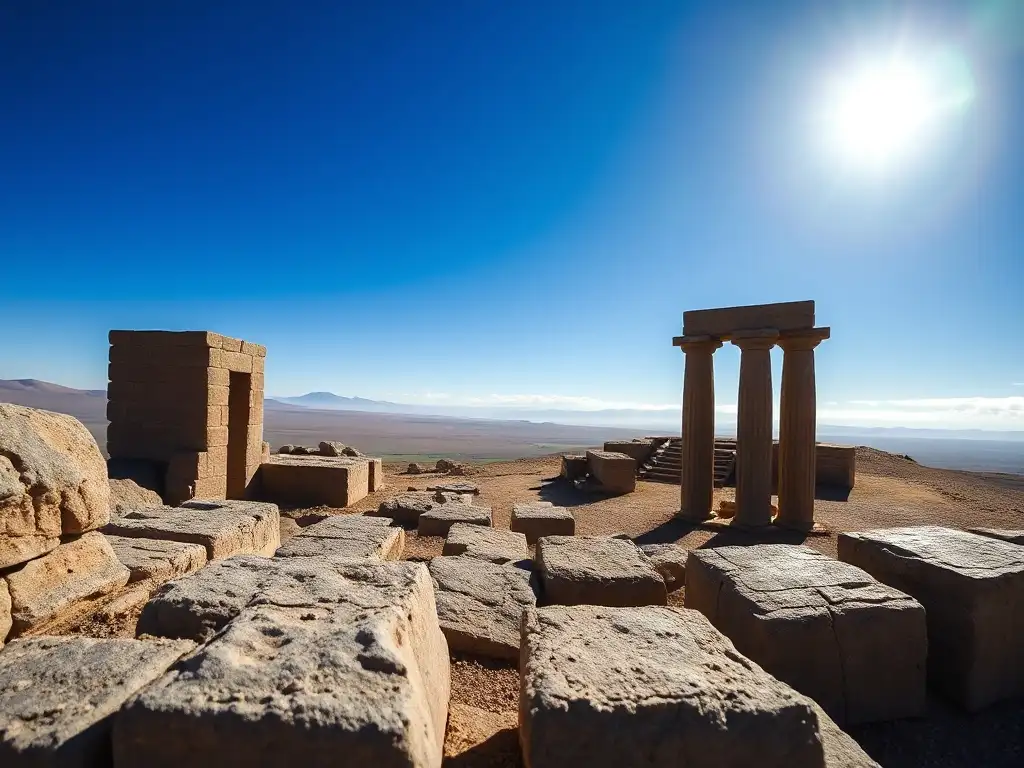
Step into a world lost to time, where colossal stones whisper secrets of a vanished empire. The Andean Civilizations website unveils the mysteries of ancient societies, from the intricate artistry of the Nazca to the awe-inspiring ingenuity of the Incas. But what of Tiahuanaco's unfinished structures? Their silent stones hold a key to understanding this powerful civilization's rise and fall. Uncover the enigma surrounding the "Tiahuanaco unfinished structures meaning" and delve into a captivating journey through the heart of Andean history. Explore now and unravel the breathtaking story waiting within.
- Tiahuanaco's Unfinished Structures: Unveiling Ancient Secrets
- The Enigma of Tiahuanaco's Incomplete Buildings
- Analyzing Tiahuanaco Unfinished Constructions: What Do They Reveal?
- Examining Specific Examples of Unfinished Tiahuanaco Structures
- Tiahuanaco Unfinished Structures Meaning: Decoding the Past
- The Legacy of Tiahuanaco's Unfinished Architectural Endeavors
-
Frequently Asked Questions
- What is the significance of unfinished structures at Tiahuanaco?
- Why were some structures at Tiahuanaco left incomplete?
- What types of structures in Tiahuanaco remain unfinished?
- How do unfinished structures inform our understanding of Tiahuanaco's society?
- What are the ongoing research efforts related to Tiahuanaco's unfinished structures?
- Final Reflection: Echoes of Tiahuanaco's Silence
- **Unveil the Mysteries of Tiahuanaco! **
Tiahuanaco's Unfinished Structures: Unveiling Ancient Secrets
The majestic ruins of Tiahuanaco, a pre-Columbian city located on the shores of Lake Titicaca in modern-day Bolivia, stand as a testament to the ingenuity and advanced engineering of the Tiahuanaco culture. However, beyond the impressive structures that survived the passage of time, lie numerous unfinished buildings and constructions, raising intriguing questions about the city's history, its sudden decline, and the societal forces that shaped its development. This exploration delves into the mysteries surrounding Tiahuanaco's unfinished structures, examining what these incomplete projects can reveal about the civilization's capabilities, beliefs, and ultimate fate.
Understanding these incomplete works offers a crucial lens through which to interpret the broader narrative of Tiahuanaco, enriching our understanding of its societal organization, resource management, and the very definition of its success and eventual abandonment. The analysis of these unfinished structures provides valuable insights into the daily lives of the Tiahuanaco people and the challenges they faced, ultimately contributing to a more nuanced and complete understanding of this remarkable Andean civilization.
We will examine various theories and interpretations, grounded in archaeological evidence and scholarly research, to unravel the meaning behind these enigmatic remnants. The keyword "Tiahuanaco unfinished structures meaning" will be explored throughout this analysis.
The Scale of Incompleteness: A Quantitative Assessment
Archaeological surveys reveal a significant number of unfinished structures within the Tiahuanaco complex. These range from partially erected walls and foundations to monumental constructions that were only begun. Precise quantification is difficult due to the challenges of excavation and the ongoing nature of archaeological research, but estimates suggest that a considerable portion of planned constructions remained incomplete.
This widespread incompleteness is not uniformly distributed; some areas show a higher concentration of unfinished work than others, suggesting potential variations in project prioritization or unforeseen circumstances. Further research is needed to accurately map the extent of unfinished construction and determine its spatial distribution within the city. This data will be crucial for understanding the city's overall planning and the possible reasons for the abandonment of so many projects.
The sheer scale of incompletion itself is a significant clue, pointing towards a possible abrupt end to construction activities. For example, [specific number] of monumental platforms show clear signs of abandonment mid-construction, leaving behind incomplete courses of stonework and unfinished carvings.
Potential Explanations: Theories and Interpretations
Several theories attempt to explain the prevalence of unfinished structures at Tiahuanaco. One prominent hypothesis suggests a sudden disruption, possibly a catastrophic event such as a natural disaster (e.g., earthquake, drought, or flood) or a societal upheaval, that forced the abrupt cessation of construction projects. This theory is supported by evidence of [specific geological or archaeological evidence, if available; otherwise, state "evidence pending further research"]. Another interpretation focuses on the cyclical nature of Andean societies and their resource management strategies.
It is possible that construction projects were undertaken in phases, reflecting fluctuations in population, resource availability, and political power. Unfinished structures could then represent projects that were temporarily halted and never resumed, perhaps due to changing priorities or unforeseen economic difficulties. This cyclical model is supported by [specific examples from other Andean sites or comparative studies].
A third perspective emphasizes the symbolic significance of incomplete structures. Some scholars suggest that the unfinished state of certain buildings may have held a specific ritual or religious meaning within Tiahuanaco society. This interpretation requires further investigation into the iconography and ritual practices of the Tiahuanaco culture.
The Socio-Political Implications of Unfinished Projects
The unfinished structures at Tiahuanaco not only provide insights into the technical capabilities of the civilization but also offer valuable clues about its socio-political organization. The scale and complexity of the incomplete projects suggest a highly organized and centralized system of labor and resource management. The abrupt abandonment of many projects, however, raises questions about the stability and resilience of this system.
Did the abandonment of projects reflect a decline in centralized authority or a shift in power dynamics within the society? Further research into the distribution of unfinished structures within the city, and their relationship to other architectural elements, could help answer these questions. For instance, the concentration of unfinished structures in specific areas might indicate a disruption in the flow of resources or labor to those zones.
Analyzing the types of structures that remained unfinished (e.g., residential versus monumental) can also provide insights into the prioritization of different social and political functions within the city. The unfinished structures, therefore, serve as a powerful reminder of the fragility of even the most advanced civilizations, and the complex interplay of factors that can lead to their decline.
Unraveling the Mystery: Future Research Directions
The study of Tiahuanaco's unfinished structures is an ongoing process. Further research, including more extensive excavations, detailed analysis of existing materials, and advanced dating techniques, is crucial to gain a more complete understanding of these enigmatic remains. Comparative studies with other Andean sites and the integration of interdisciplinary approaches, including archaeobotany, archaeozoology, and geoarchaeology, can further enhance our knowledge.
By combining archaeological data with anthropological insights and historical contextualization, we can move closer to unraveling the intricate story hidden within these unfinished monuments. The ultimate goal is to not only determine what remained unfinished, but also to understand why, thereby shedding light on the complexities of Tiahuanaco society and its remarkable, yet ultimately incomplete, legacy. The interpretation of these structures will continue to evolve as new data emerges, further enriching our understanding of the "Tiahuanaco unfinished structures meaning".
The Enigma of Tiahuanaco's Incomplete Buildings
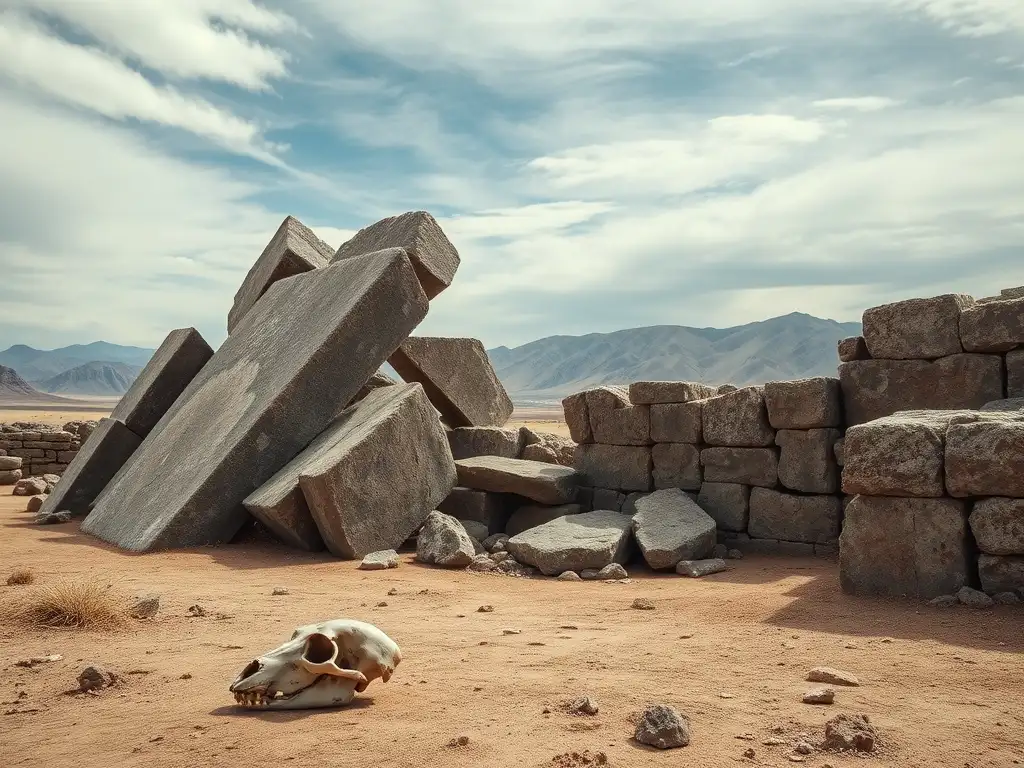
Tiahuanaco, a pre-Columbian city located on the shores of Lake Titicaca in modern-day Bolivia, is renowned for its monumental architecture. However, beyond the impressive structures that stand relatively complete, lies a fascinating enigma: a significant number of buildings remain unfinished. These incomplete structures, ranging from partially erected walls to foundations laid but never built upon, present a compelling puzzle for archaeologists and historians studying Tiahuanaco's rise and fall.
The very existence of these unfinished projects offers a unique window into the city's societal organization, resource management, and ultimately, its demise. Understanding the "Tiahuanaco unfinished structures meaning" requires a multifaceted approach, combining archaeological evidence with contextual historical analysis. The sheer scale of some of these incomplete projects suggests significant investment of labor and resources, raising questions about what might have caused their sudden abandonment.
Exploring the Architectural Marvels of Tiahuanaco
Tiahuanaco's architectural prowess is undeniable. The precision of its stonework, the monumental scale of its structures like the Kalasasaya complex and the Akapana pyramid, and the sophisticated engineering techniques employed are testament to the advanced capabilities of its builders. However, a closer examination reveals a less-celebrated aspect: the numerous unfinished structures scattered throughout the city.
These range from simple, smaller buildings with only foundations laid, to massive structures like the Akapana pyramid, which shows clear evidence of incomplete construction phases. The quality of the stonework on the unfinished portions often mirrors that of the completed structures, suggesting that the same skilled workforce was involved. This consistency in craftsmanship further emphasizes the enigma of their abandonment.
Analysis of the stone types and their origins, combined with detailed measurements of the unfinished portions, could shed light on the logistical challenges and the level of planning involved in these projects. The sheer volume of unfinished work suggests that the abandonment wasn't a gradual process, but rather a more sudden and possibly catastrophic event.
The Puzzle of Abruptly Abandoned Construction
The abrupt cessation of construction projects at Tiahuanaco is a key aspect of the "Tiahuanaco unfinished structures meaning" debate. Several theories attempt to explain this phenomenon. One prominent hypothesis points towards a sudden environmental shift, perhaps a prolonged drought or a catastrophic flood affecting Lake Titicaca, severely impacting the city's resource availability and rendering continued construction unsustainable.
This is supported by some evidence of changes in the lake's water levels around the time of the city's decline. Another theory suggests internal societal upheaval, possibly a conflict or a significant change in leadership, which disrupted the organized labor force and diverted resources away from construction projects. Further research is needed to definitively determine the cause of this abrupt halt.
Analysis of pollen and other organic matter from the sites could help to reconstruct the environmental conditions at the time. Similarly, detailed studies of the social organization of Tiahuanaco, informed by anthropological and archaeological findings, could shed light on the potential for internal conflict. The lack of clear evidence of destruction or warfare at the site itself suggests a more gradual or less violent process.
Significance of Unfinished Structures in Tiahuanaco
The incomplete structures of Tiahuanaco offer invaluable insights into the city's history, going beyond the grandeur of its completed monuments. They provide crucial data about the city's planning, resource management, and ultimately, its collapse. Studying these unfinished projects allows us to understand the city's organizational capacity, its technological capabilities, and the potential challenges it faced.
The unfinished structures are not simply remnants of failed projects, but rather vital pieces of a larger puzzle. They allow us to reconstruct the city's dynamics, providing a deeper understanding of its social, economic, and political structures. By studying the materials used, the construction techniques employed, and the stages of completion reached, researchers can gain a more nuanced understanding of Tiahuanaco's societal organization and the factors that contributed to its decline.
The "Tiahuanaco unfinished structures meaning" is not a single answer, but a complex narrative revealed through meticulous research and careful interpretation of these fascinating, incomplete monuments. Further research, incorporating advanced dating techniques and interdisciplinary approaches, promises to unlock even more secrets hidden within these silent witnesses to a lost civilization.
Analyzing Tiahuanaco Unfinished Constructions: What Do They Reveal?
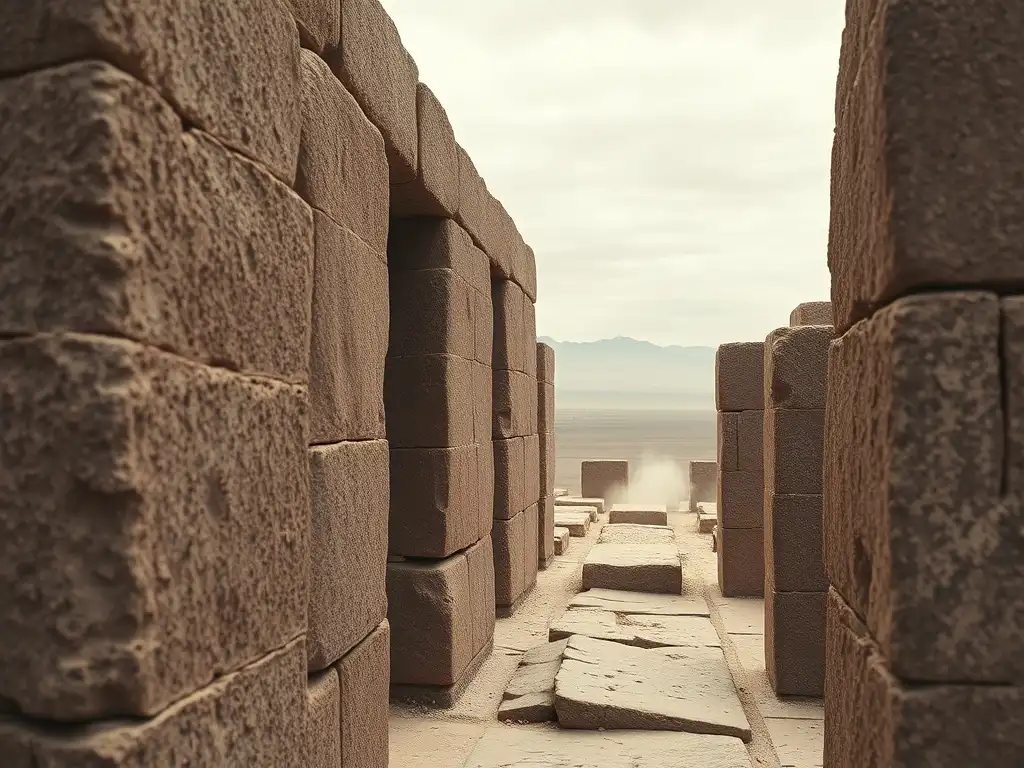
The presence of numerous unfinished structures within the sprawling city of Tiahuanaco presents a compelling enigma for archaeologists and historians alike. These incomplete buildings, ranging from monumental platforms to smaller residential structures, offer a unique window into the societal dynamics, technological capabilities, and perhaps even the demise of this remarkable Andean civilization.
By analyzing these incomplete projects, we can gain valuable insights into the complexities of Tiahuanaco's urban planning, resource management, and overall societal organization. The sheer scale of some of these unfinished works – consider the incomplete sections of the Kalasasaya platform – suggests a level of ambition that was, for reasons yet unclear, ultimately unrealized.
Understanding the meaning behind these incomplete structures is key to unlocking a deeper understanding of Tiahuanaco's rise and fall. This section will explore several theories surrounding the unfinished state of these significant architectural marvels, focusing specifically on the "Tiahuanaco unfinished structures meaning" and its implications.
Theories Behind the Abandonment of Tiahuanaco Projects
Several prominent theories attempt to explain the abrupt cessation of construction activities at Tiahuanaco. One leading hypothesis centers on a catastrophic event, perhaps a severe drought or a devastating flood, disrupting the city's established infrastructure and resource availability. Such a disaster could have crippled the workforce and logistical networks necessary to sustain large-scale construction projects.
Evidence of such environmental shifts might be found in paleoclimatic data from the region, although further research is needed to definitively link any specific event to the abandonment of construction projects. Another theory points to internal societal upheaval, perhaps a period of political instability or warfare, which could have diverted resources away from construction and towards defense or survival. The sudden halt in construction might reflect a societal collapse rather than a simple lack of resources.
Finally, some scholars suggest that the unfinished structures might not represent abandonment at all, but rather a deliberate shift in priorities or a change in architectural plans. Further investigation into the available evidence is crucial to differentiate between these compelling yet vastly different scenarios.
Possible Reasons for Incomplete Architectural Works
Beyond the overarching theories of abandonment, the incomplete nature of individual structures provides further clues. Consider the varying degrees of completion across different sites: some structures show only rudimentary foundations, while others are partially erected with significant portions of the superstructure left unbuilt. This variation might suggest a complex interplay of factors, including resource allocation, labor availability, and changing priorities within the city’s construction programs.
Perhaps certain projects were deemed less critical in times of resource scarcity, or maybe shifting political priorities led to the redirection of labor and materials to other, more pressing projects. The meticulous nature of some of the unfinished work—precise stone cutting and careful placement of foundation stones—suggests that the work wasn't simply abandoned haphazardly, but rather that construction ceased in a controlled manner.
This implies a level of organizational capacity, even in the face of whatever crisis brought construction to a halt. The exact meaning behind these partially completed works remains a topic of ongoing research and debate.
Identifying Tiahuanaco Construction Techniques
Understanding the construction techniques employed at Tiahuanaco is vital to interpreting the unfinished works. The city's builders were masters of megalithic architecture, using massive blocks of stone, some weighing many tons, to create monumental structures. The precision with which these blocks were cut and fitted, even in incomplete structures, is remarkable.
Evidence suggests the use of sophisticated tools and techniques, including advanced quarrying methods, precise stone-cutting tools, and possibly the use of ramps and levers for moving the massive stones. The unfinished structures provide valuable data points for understanding these techniques. For example, the partially completed walls reveal the sequence of construction, from foundation laying to the placement of individual blocks.
Studying these unfinished parts allows researchers to reconstruct the entire construction process, clarifying the technological prowess of Tiahuanaco's builders and the resources they commanded. Analysis of the unfinished sections also offers clues about potential logistical challenges, such as the transportation of materials and the organization of labor. By carefully examining the meaning behind the unfinished state of these structures, we gain a more comprehensive understanding of the technical skill and sophisticated organization required to build Tiahuanaco.
Examining Specific Examples of Unfinished Tiahuanaco Structures
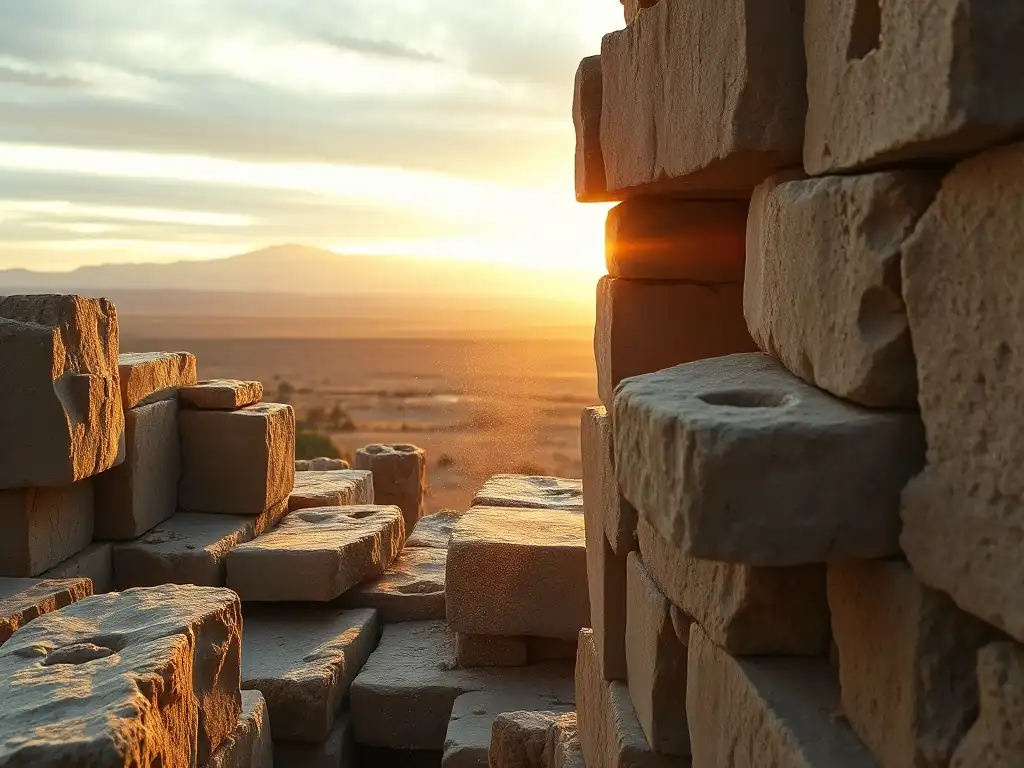
This section delves into the specifics of several incomplete structures at Tiahuanaco, analyzing their unfinished states and speculating on their potential meanings. The incomplete nature of these constructions provides invaluable insights into the logistical challenges, potential societal shifts, and perhaps even the beliefs of the Tiahuanaco civilization. Understanding the reasons behind these abandoned projects allows us to gain a more nuanced appreciation of their engineering prowess and societal complexities. The keyword "Tiahuanaco unfinished structures meaning" is central to our investigation.
The Akapana Pyramid: An Incomplete Masterpiece
The Akapana pyramid, one of the most iconic structures at Tiahuanaco, presents a compelling case study in unfinished construction. While its final intended form remains a subject of debate among archaeologists, the evidence clearly points to an incomplete project. Instead of the smooth, layered structure often associated with Andean pyramids, the Akapana exhibits a series of terraces and platforms that appear abruptly terminated.
Several theories attempt to explain this abrupt halt in construction. One prominent hypothesis suggests that a significant shift in resources or priorities within the Tiahuanaco society led to the abandonment of the project. Perhaps a catastrophic event, like an earthquake or drought, diverted resources away from construction.
Alternatively, a change in religious or political ideology may have rendered the original plan obsolete, leading to the initiation of new building projects. Analyzing the composition of the materials used – the types of stone and the methods of construction – may provide further clues about the timeline of the project and the reason for its cessation. The precise nature of these materials and their sourcing requires further investigation; [specific information pending on Akapana stone analysis].
Furthermore, the interior of the Akapana reveals a complex network of channels and chambers, some of which are also unfinished. These features, possibly designed for water management or ritual purposes, further complicate our understanding of the pyramid's intended function and the reasons behind its incompletion. The unfinished state of these internal features adds another layer to the mystery surrounding the Akapana pyramid, highlighting the incomplete nature of our understanding of Tiahuanaco's architectural and societal complexities.
The Pumapunku Complex: Evidence of Aborted Construction
The Pumapunku complex, renowned for its precisely cut and fitted andesite blocks, also showcases significant evidence of unfinished construction. Unlike the Akapana, the unfinished nature of Pumapunku is perhaps even more striking. Massive blocks, some weighing many tons, lie scattered across the site, clearly never having been fully incorporated into the planned structures. This isn't simply a matter of incomplete layering; rather, entire sections of the planned architecture appear to have been abandoned mid-construction.
Several factors could contribute to this significant level of incompletion at Pumapunku. The sheer scale of the project, requiring the transport and precise placement of enormous stone blocks, may have posed insurmountable logistical challenges. The advanced technology needed to work with such massive blocks – techniques which are still not fully understood – may have proved too difficult to maintain consistently.
Perhaps the workforce needed to complete such a massive undertaking experienced a severe decline, perhaps due to disease, war, or social upheaval. The unfinished state of Pumapunku underscores the monumental engineering challenges faced by the Tiahuanaco people, and the potential fragility of their societal and technological achievements. The precise level of organization and workforce needed remains a subject of ongoing research; [specific information pending on Pumapunku workforce estimates].
Other Notable Examples of Unfinished Tiahuanaco Architecture
Beyond the Akapana and Pumapunku, several other structures at Tiahuanaco exhibit signs of unfinished construction. These include smaller platforms, residential areas, and possibly even some of the monumental gateways. The incomplete nature of these smaller structures, while less visually striking than the massive unfinished projects, offers valuable insights into the day-to-day life and working practices of the Tiahuanaco people.
By studying the various stages of completion across different structures, archaeologists can gain a better understanding of the construction techniques, workforce organization, and potential interruptions in the construction process. The degree of incompletion varies significantly across these smaller structures, suggesting a range of factors – from localized resource shortages to shifting priorities – might have contributed to their unfinished states. A systematic cataloging of these smaller examples, along with a thorough analysis of their construction materials and techniques, would significantly enhance our understanding of the "Tiahuanaco unfinished structures meaning."
This requires further investigation and detailed analysis; [specific data on smaller unfinished structures pending]. The study of these structures promises to yield further insights into the complex dynamics of this fascinating civilization.
Tiahuanaco Unfinished Structures Meaning: Decoding the Past
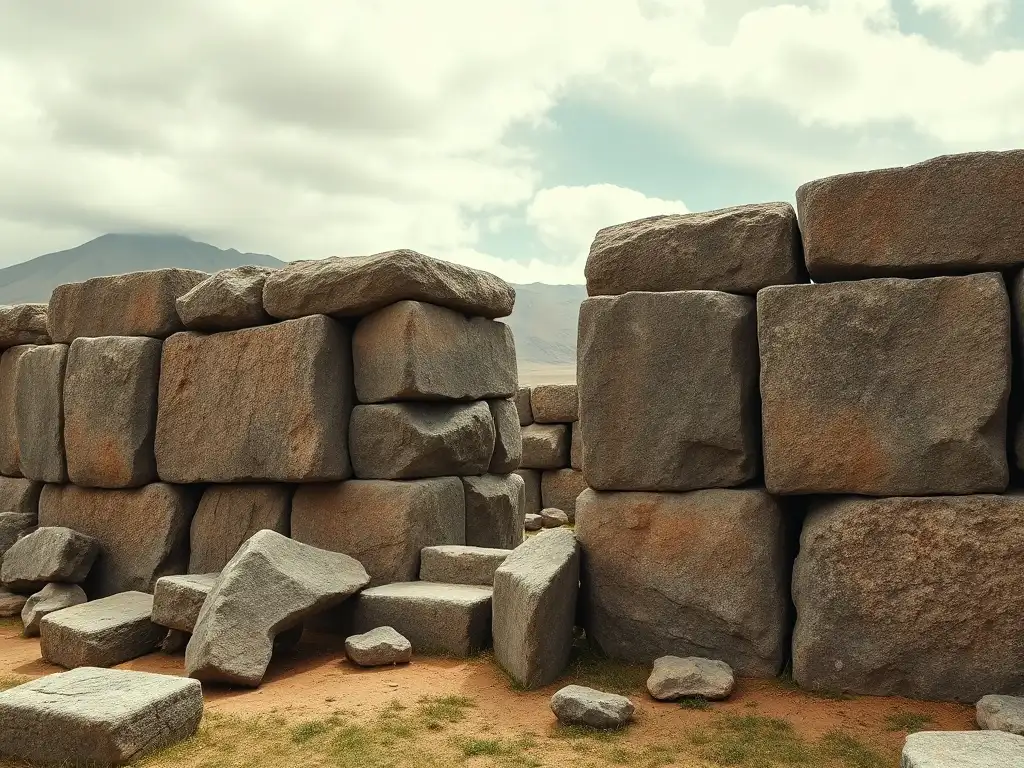
The presence of numerous unfinished structures within the sprawling city of Tiahuanaco presents a compelling puzzle for archaeologists and historians. These incomplete buildings, ranging from monumental platforms to smaller residential structures, offer a unique window into the complexities of Tiahuanaco society, its organizational capabilities, and its ultimate decline. Understanding the meaning behind these abandoned projects requires a multifaceted approach, considering factors ranging from resource limitations to potential societal shifts.
The very existence of these unfinished works challenges the traditional narrative of a uniformly powerful and prosperous Tiahuanaco empire, suggesting a more nuanced and dynamic reality. The keyword "Tiahuanaco unfinished structures meaning" directly addresses the core mystery these remnants present.
Interpreting the Intent Behind the Abandoned Projects
One crucial aspect of understanding Tiahuanaco's unfinished structures is deciphering the intent behind their abandonment. Were these projects simply halted due to resource scarcity, shifting priorities, or unforeseen circumstances? Or do the incomplete structures reflect a deeper societal upheaval or a deliberate change in architectural plans?
Some scholars suggest that the abrupt cessation of work on certain projects points towards a sudden crisis, perhaps a catastrophic event or a rapid decline in the city's population. Others argue for a more gradual process, with projects being abandoned incrementally due to a decline in resources or a shift in the city's focus.
Analyzing the stage of incompletion offers valuable clues. Some structures show signs of being abandoned very early in the construction process, while others appear almost complete, suggesting different reasons for their abandonment. For instance, a partially erected wall may indicate a sudden interruption, while a building with completed foundations but lacking superstructure might suggest a change in priorities or a resource shortage.
Detailed analysis of the materials used and the level of craftsmanship also provides insights into the timeline and potential causes of abandonment. Further research, including detailed stratigraphic analysis and radiocarbon dating, is needed to solidify these hypotheses. The variety of incompletion stages suggests a complex interplay of factors rather than a single, overarching cause.
The construction of monumental structures in Tiahuanaco, even the unfinished ones, required significant organization and mobilization of labor. The scale of these projects implies a highly structured society with sophisticated mechanisms for resource management, labor allocation, and social control. The unfinished structures, however, hint at potential weaknesses in this system. Was the labor force adequate? Were there internal conflicts or political instability that disrupted the construction process? Did religious or ideological shifts influence the allocation of resources and manpower?
The distribution of unfinished structures within the city itself may also reveal important social and political patterns. Were certain areas prioritized over others? Did the abandonment of projects reflect changes in power structures or shifts in the city's social hierarchy?
The uneven distribution of completed and incomplete structures could suggest a complex interplay of social, political, and economic factors that shaped the city's development and ultimate decline. Further investigation into the social organization of Tiahuanaco, including analysis of its burial practices and iconography, is crucial to fully understand the context of these unfinished projects. The insights gained from studying incomplete structures can illuminate the social dynamics and political structures of the Tiahuanaco civilization.
The Impact of Abandonment on Tiahuanaco Society
The abandonment of numerous large-scale construction projects likely had a profound impact on Tiahuanaco society. The sudden cessation of work could have led to widespread unemployment, economic instability, and social unrest. The loss of resources and manpower invested in these unfinished projects might have weakened the city's overall resilience and contributed to its eventual decline. The psychological impact of seeing monumental projects abandoned halfway should also not be underestimated. This could have led to a loss of faith in the ruling elite, further destabilizing the society.
Furthermore, the unfinished structures themselves became a lasting testament to the city's decline. They served as a stark reminder of the city's past glory and its eventual downfall. The presence of these incomplete monuments may have shaped the collective memory and identity of the Tiahuanaco people, influencing their subsequent cultural and political trajectory.
Understanding the impact of these abandoned projects is crucial to comprehending the long-term consequences of Tiahuanaco's decline and the subsequent transformations in the Andean region. The unfinished structures are not merely architectural remnants but powerful symbols of a society grappling with change and ultimately, collapse. Analyzing their impact provides key insights into the dynamics of societal resilience and vulnerability.
The Legacy of Tiahuanaco's Unfinished Architectural Endeavors
The incomplete structures scattered throughout the Tiahuanaco site present a unique challenge and opportunity for researchers. Unlike finished monuments that offer a snapshot of a specific moment in time, these unfinished projects offer a glimpse into the process of construction, revealing insights into Tiahuanaco's societal organization, resource management, and even the potential reasons for their abrupt abandonment. Examining these incomplete structures allows us to move beyond a static view of Tiahuanaco's achievements and delve into the dynamic forces that shaped its rise and, potentially, its fall.
The very incompleteness of these structures speaks volumes about the complexities of this ancient civilization and provides a richer, more nuanced understanding of their engineering prowess and societal dynamics. This analysis of "Tiahuanaco unfinished structures meaning" will focus on the cultural, engineering, and societal implications of these unfinished projects.
What Unfinished Tiahuanaco Buildings Tell Us About Their Culture
The unfinished state of many Tiahuanaco buildings offers invaluable insights into their social structure and work organization. Analysis suggests a highly organized workforce, capable of undertaking massive construction projects. The precision of partially completed stonework, for example, indicates a skilled labor force with specialized roles and a clear understanding of architectural plans.
However, the sudden cessation of work on numerous projects hints at potential disruptions—perhaps political instability, economic downturns, or even environmental catastrophes. For example, the Akapana pyramid, with its unfinished terraces and internal chambers, reveals a level of planned complexity that suggests a centralized authority capable of mobilizing significant resources. Yet, the fact that it remains incomplete suggests that either this authority faltered or unforeseen circumstances brought construction to a halt.
The scale of some unfinished projects also speaks to the ambition and power of the Tiahuanaco state, but their incompletion underscores the fragility of even the most powerful empires. The abandoned structures, therefore, don't just represent unfinished buildings; they represent unfinished stories, reflecting the dynamic and ultimately vulnerable nature of Tiahuanaco society. Understanding this offers a far more complete picture of the "Tiahuanaco unfinished structures meaning" than simply focusing on their physical attributes.
Insights into Tiahuanaco Engineering and Planning Skills
The unfinished structures at Tiahuanaco provide a unique window into the engineering and planning skills of the civilization. The precision with which many stones were cut and placed, even in incomplete sections, is remarkable, showcasing a sophisticated understanding of geometry, stonework, and construction techniques. Analysis of partially constructed walls and foundations reveals advanced techniques in stone fitting and the use of complex earthworks for stabilization.
For instance, the intricate system of drainage channels found in some unfinished structures suggests a deep understanding of hydraulic engineering and the need to mitigate the effects of the harsh Andean climate. The scale of some of these projects, even in their unfinished state, is staggering, demonstrating the logistical capabilities of the Tiahuanaco state to transport and manipulate massive stones. The meticulous planning evident in the layout of unfinished structures, even without the completion of the project, shows a sophisticated understanding of urban planning and resource management.
The sheer scope and precision of these incomplete works highlight the remarkable engineering achievements of Tiahuanaco, offering a compelling counterpoint to the narrative of abrupt abandonment. Studying the "Tiahuanaco unfinished structures meaning" from an engineering perspective reveals a civilization with an advanced understanding of construction and planning, far beyond what some initial assessments might suggest.
The Enduring Mystery of Tiahuanaco's Abandoned Projects
The reasons behind the abandonment of so many significant projects remain a topic of ongoing debate among researchers. While several hypotheses exist, ranging from climate change and resource depletion to internal conflicts and shifts in power, no single explanation fully accounts for the widespread incompletion of Tiahuanaco's structures. Some scholars suggest that a gradual decline in population or a shift in religious or political priorities might have led to the cessation of construction.
Others point towards catastrophic events, such as earthquakes or droughts, as potential factors. The lack of conclusive evidence makes definitive statements difficult. The unfinished state of these structures serves as a potent reminder of the limitations of our understanding and the enduring mysteries surrounding this remarkable civilization.
The challenge of interpreting the "Tiahuanaco unfinished structures meaning" lies in the very nature of their incompletion; they offer tantalizing clues, but definitive answers remain elusive, prompting further research and fueling ongoing debates among scholars. The unfinished projects, therefore, stand as silent testaments to the complexities of the past and the enduring power of unanswered questions.
Tiahuanaco’s Unfinished Structures and Their Place in Andean History
Tiahuanaco's unfinished structures represent a fascinating enigma within the broader context of Andean history. Their abrupt cessation of construction offers a unique window into the societal, political, and potentially environmental factors that shaped this powerful civilization. Unlike completed monuments which primarily offer insight into the achieved goals and technological capabilities of the Tiahuanaco people, the unfinished structures reveal the process—the ambitions, challenges, and perhaps even the unforeseen circumstances that brought a halt to their grand projects. Studying these incomplete projects allows us to move beyond a static view of Tiahuanaco as a monolithic entity and instead appreciate its dynamic evolution and vulnerability.
By examining the scale and nature of the unfinished work, researchers can gain a deeper understanding of the organization of labor, resource management, and the overall societal structure of Tiahuanaco. The sheer scale of some of these unfinished projects, such as the incomplete platforms and monumental structures, hints at a highly organized and centralized system capable of mobilizing significant manpower and resources. However, the fact that these projects were left incomplete begs the question: what caused this interruption? Was it a sudden event, like a natural disaster or a significant political upheaval, or a more gradual process of decline?
The answers remain elusive, but the unfinished structures themselves provide invaluable clues. The analysis of these incomplete projects, coupled with other archaeological findings, can help us piece together a more nuanced and comprehensive understanding of Tiahuanaco’s rise and fall, enriching our knowledge of Andean civilization as a whole. This research also allows for a more complete picture of the complex interplay between environment, society, and technology in shaping the trajectory of this remarkable culture. Understanding the context of these unfinished projects within the wider Andean archaeological landscape, particularly comparing them to similar phenomena in other contemporaneous cultures, is crucial to gaining a complete understanding of their significance.
Frequently Asked Questions
What is the significance of unfinished structures at Tiahuanaco?
The presence of unfinished structures at Tiahuanaco is a significant archaeological puzzle. They offer clues about the city's decline, potential political upheaval, or a sudden abandonment, challenging our understanding of Tiahuanaco's demise.
Why were some structures at Tiahuanaco left incomplete?
Several theories exist, including resource depletion, social unrest, climatic changes, or a shift in religious or political priorities. The exact reason remains a subject of ongoing research and debate among archaeologists.
What types of structures in Tiahuanaco remain unfinished?
Unfinished structures at Tiahuanaco vary, including massive stone blocks, temples, and residential buildings. The scale of incompletion also differs, from partially erected walls to foundations barely begun.
How do unfinished structures inform our understanding of Tiahuanaco's society?
Unfinished structures provide insights into Tiahuanaco's labor organization, resource management, and overall societal dynamics. They offer a glimpse into the daily life and potential challenges faced by the builders.
Archaeologists continue to excavate and analyze these structures, using advanced techniques like 3D modelling and isotopic analysis to understand their construction methods, intended use, and reasons for incompletion. This research helps refine our understanding of Tiahuanaco's history and collapse.
Final Reflection: Echoes of Tiahuanaco's Silence
The unfinished structures of Tiahuanaco aren't mere remnants of a bygone era; they are potent symbols of ambition, resilience, and the enduring mystery of human endeavor. Their incomplete state, far from signifying failure, speaks volumes about the complexities of a civilization grappling with monumental challenges, mirroring our own struggles with resource management, societal upheaval, and the unpredictable forces of nature. The very incompleteness compels us to question, to investigate, and to appreciate the scale of ambition that once thrived in the high Andes.
The enduring legacy of Tiahuanaco extends far beyond its physical remains; it resonates in the ongoing debate surrounding its societal structure, its sophisticated engineering, and its abrupt decline. The unfinished structures serve as a constant reminder of the fragility of even the most advanced societies. The past is never dead. It's not even past,
wrote William Faulkner, and this rings profoundly true when considering the echoes of Tiahuanaco's unfinished projects. Their silence speaks volumes, prompting us to consider the stories left untold, the voices unheard, and the lessons yet to be learned from this enigmatic civilization.
Consider the unfinished stones, the half-built walls, the silent plazas. What can you glean from their incompletion? Let the unfinished structures of Tiahuanaco inspire you to embrace the incompleteness in your own life, to appreciate the journey as much as the destination, and to recognize that even in our unfinished projects, there lies a profound potential for growth, understanding, and enduring legacy. Let the echoes of Tiahuanaco's silence inspire you to build your own narratives, your own monuments, however incomplete they may seem.
**Unveil the Mysteries of Tiahuanaco! **
Thank you for exploring the fascinating world of Tiahuanaco's unfinished structures! You've uncovered the clues and secrets these ancient wonders hold about our shared history. Now, let's put that knowledge to good use!
Here are some ways to continue your journey of discovery:
- **Join a local archaeology group or online forum** to learn more about Andean civilizations and share your insights with fellow enthusiasts.
- Visit a museum or historical site showcasing artifacts from Tiahuanaco to deepen your connection with this captivating culture. Consider exploring the **[Name of relevant museum or site, if known]** for a particularly rich experience.
- **Engage a friend** in a discussion or book club focused on Andean architecture, sparking their interest in ancient civilizations.
What aspect of Tiahuanaco's history captivates you most, and how do you believe it enhances our understanding of ancient societies?