
Tiahuanaco's Architectural Proportions: Unlocking the Mathematical Secrets

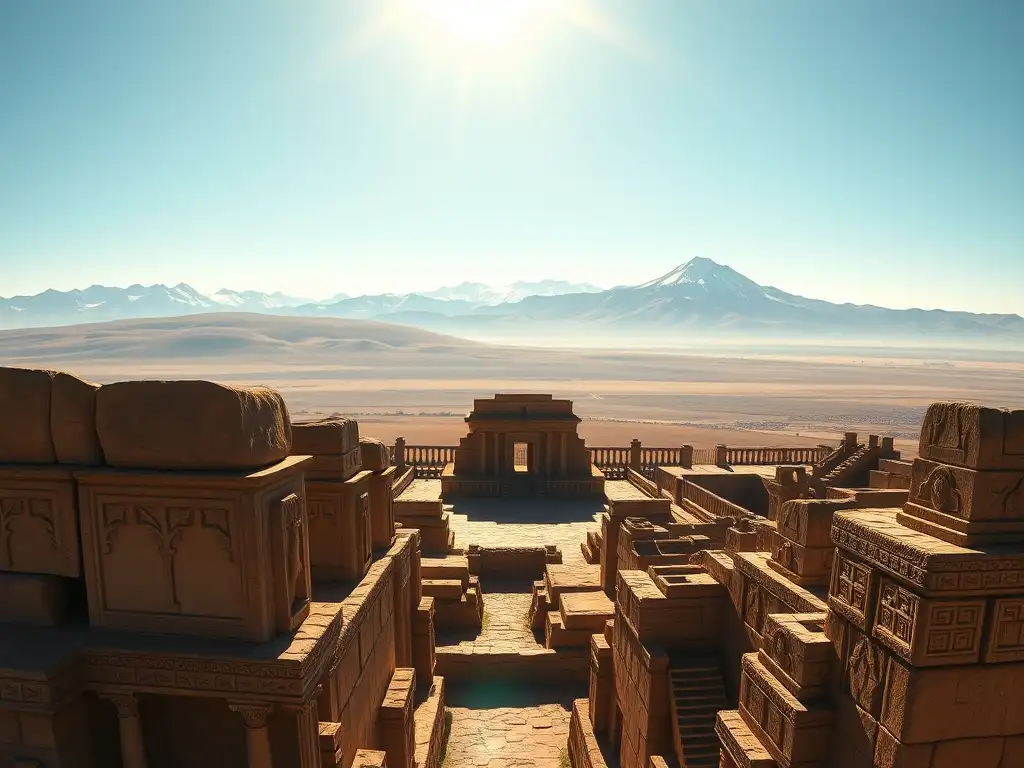
Step into a world lost to time, yet echoing with the ingenuity of a vanished empire. Journey through the breathtaking landscapes and enigmatic structures of the Andes, where civilizations like the Incas, Moche, and Nazca thrived. But today, we delve into the heart of a particularly perplexing mystery: Tiahuanaco's architecture. Prepare to uncover the mathematical secrets hidden within its monumental stones – secrets that may rewrite our understanding of Andean ingenuity. Dare to explore the intricate details and unravel the enigma of this remarkable civilization; the answers await within.
The ancient city of Tiahuanaco, located on the shores of Lake Titicaca in modern-day Bolivia, stands as a testament to the sophisticated engineering and mathematical prowess of its builders. This article delves into the fascinating world of Tiahuanaco architecture, exploring the evidence suggesting a deliberate and complex system of mathematical proportions underpinning its iconic structures. We will examine the intricate relationships between dimensions, angles, and alignments, revealing potential mathematical secrets that may have guided the city's design and construction.
Understanding these mathematical principles offers a deeper appreciation for the intellectual achievements of the Tiahuanaco culture and its profound understanding of geometry and astronomy. The exploration of these "Tiahuanaco architecture mathematical secrets" will illuminate the advanced knowledge possessed by this remarkable civilization, challenging our preconceived notions of their capabilities and leaving us with a renewed sense of awe for their legacy.
The Kalasasaya Temple: A Masterpiece of Geometric Precision
The Kalasasaya Temple, arguably the most famous structure in Tiahuanaco, showcases remarkable geometric precision. Its layout, characterized by precisely oriented cardinal directions and meticulously measured dimensions, strongly suggests the use of sophisticated mathematical principles. Detailed analysis reveals a complex interplay of rectangles, squares, and other geometric shapes, all integrated within a larger, carefully planned design.
While the exact methods employed by the Tiahuanaco builders remain a subject of ongoing research, the level of accuracy achieved is astonishing, hinting at a profound understanding of geometry and surveying techniques far beyond what was previously assumed for the time period. Furthermore, the integration of astronomical alignments within the temple's design underscores the profound connection between the Tiahuanaco people's architectural achievements and their celestial observations.
The meticulous placement of stones, the precise angles, and the overall symmetry all point towards a deeply ingrained understanding of mathematical principles applied to sacred architecture. Further research is needed to fully decipher the intricate mathematical relationships within the Kalasasaya, but the evidence clearly suggests a level of sophistication that demands further investigation.
The Gateway of the Sun: Symbolic Geometry and Astronomical Alignments
The Gateway of the Sun, another iconic structure of Tiahuanaco, presents a captivating blend of symbolic geometry and astronomical alignments. The intricate carvings depicting various figures and symbols are not merely decorative; they appear to be carefully arranged according to specific mathematical ratios and proportions.
Moreover, the orientation of the gateway itself aligns with significant celestial events, suggesting a sophisticated understanding of astronomy and its integration into architectural design. The precise angles and dimensions of the Gateway, while subject to ongoing debate among researchers, strongly suggest a deliberate mathematical basis for its construction.
This combination of symbolic representation and astronomical orientation demonstrates a deep understanding of the relationship between the terrestrial and celestial realms, reflecting a complex cosmology embedded within the Tiahuanaco worldview. The use of specific geometric patterns and mathematical ratios within the carvings themselves further strengthens the argument for a deliberate system of mathematical planning in the design and construction of the gateway.
Pumapunku: A Monument to Advanced Engineering and Mathematical Planning
Pumapunku, known for its massive stone blocks and intricate construction techniques, presents another compelling case study in Tiahuanaco's mathematical expertise. The precision with which these enormous stones were cut, transported, and fitted together is truly remarkable. The near-perfect angles and dimensions of the blocks, along with their incredibly tight fits, suggest a highly advanced understanding of engineering and mathematics.
The evidence points toward the use of sophisticated tools and techniques to achieve such precision, further highlighting the technological capabilities of the Tiahuanaco civilization. While some aspects of Pumapunku's construction remain mysterious, the mathematical precision evident in the design and execution of the structure speaks volumes about the advanced knowledge of its builders.
The sheer scale and complexity of the project, combined with the accuracy of its construction, underscore the extraordinary level of planning and execution involved. Further research into the tools and techniques used at Pumapunku is needed to fully understand the mathematical principles that guided its construction.
Unanswered Questions and Future Research
Despite the substantial evidence pointing towards the use of sophisticated mathematical principles in Tiahuanaco architecture, much remains unknown. Further research is needed to fully understand the methods employed by the Tiahuanaco builders, the specific mathematical systems they used, and the symbolic meanings embedded within their designs. This includes a more detailed analysis of the dimensions and proportions of various structures, a deeper investigation into the astronomical alignments, and a comprehensive study of the tools and techniques used in construction.
The potential for new discoveries is immense, promising to shed further light on the remarkable intellectual achievements of the Tiahuanaco civilization and its contribution to the history of Andean mathematics and engineering. Unlocking these remaining "Tiahuanaco architecture mathematical secrets" will undoubtedly enrich our understanding of this fascinating culture and its remarkable legacy.
- The Kalasasaya Temple: A Masterpiece of Geometric Precision
- The Gateway of the Sun: Symbolic Geometry and Astronomical Alignments
- Pumapunku: A Monument to Advanced Engineering and Mathematical Planning
- Unanswered Questions and Future Research
- What makes Tiahuanaco architecture so unique?
- What mathematical principles are evident in Tiahuanaco's structures?
- How did the Tiahuanaco people achieve such precise stonework?
- What is the significance of the Puerta del Sol (Sun Gate) in terms of mathematical secrets?
- Where can I learn more about the mathematical aspects of Tiahuanaco architecture?
The Enigma of Tiahuanaco Architecture: Exploring its Foundations
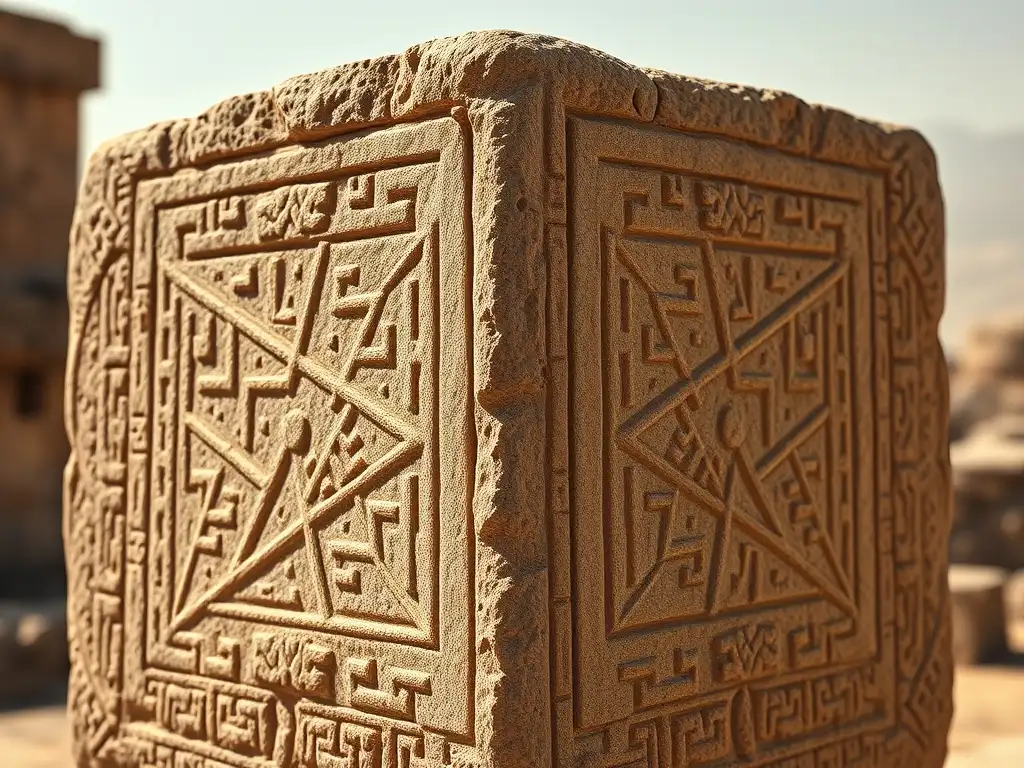
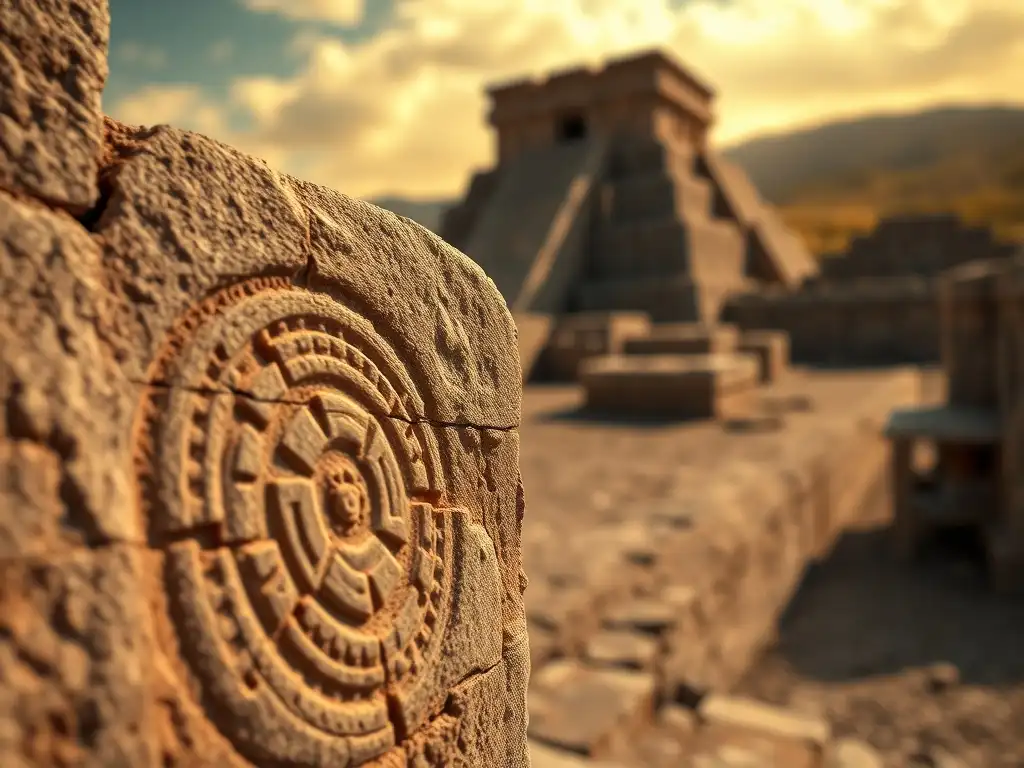
The monumental structures of Tiahuanaco, a pre-Columbian city located in modern-day Bolivia, continue to fascinate archaeologists and mathematicians alike. Its precise stonework, massive scale, and intricate designs defy easy explanation, leading to numerous theories about its construction and purpose. The city's layout, featuring plazas, temples, and residential areas, suggests a sophisticated understanding of urban planning far exceeding that of contemporary civilizations.
The sheer size of some of the stones, some weighing many tons, raises questions about the technology and manpower employed in their transport and placement. This precision, coupled with the complex astronomical alignments observed in some structures, points towards a deep understanding of geometry, astronomy, and engineering principles. Understanding these aspects is key to unlocking the secrets of Tiahuanaco's architectural achievements and its advanced civilization.
The meticulous craftsmanship evident throughout the site speaks volumes about the advanced skills and knowledge possessed by the Tiahuanaco people. Further research is needed to fully understand the societal organization and collaborative efforts required to build such a magnificent city. The enduring mystery surrounding Tiahuanaco's architecture fuels ongoing research and analysis, pushing the boundaries of our understanding of ancient Andean societies.
Understanding Tiahuanaco's Architectural Significance
Tiahuanaco's architectural significance extends beyond its sheer size and complexity. The city's structures served not only practical purposes but also held profound symbolic and ritualistic importance. The Kalasasaya Temple, for instance, with its iconic Sun Gate, is believed to have been a central point for astronomical observations and religious ceremonies.
The precise orientation of buildings and the intricate carvings found on many stones suggest a deep connection between the city's layout and the cosmos. The precise alignment of structures with solstices and equinoxes indicates a sophisticated understanding of celestial events. Furthermore, the use of specific stone types and the meticulous craftsmanship involved in their construction suggest a complex social organization and a highly skilled workforce.
The city’s architecture reflects a sophisticated understanding of engineering principles, allowing for the construction of massive structures that have withstood the test of time. Analysis of the architectural styles and construction techniques reveals a unique blend of local Andean traditions and influences from other regions, highlighting Tiahuanaco's position as a major cultural and political center. The remarkable preservation of certain structures, despite natural weathering and human intervention, is a testament to the exceptional quality of the construction.
The Role of Mathematics in Ancient Andean Construction
The precision evident in Tiahuanaco's architecture strongly suggests the application of advanced mathematical principles. While the exact methods used remain debated, the consistent use of geometric patterns and the precise alignment of structures point towards a sophisticated understanding of geometry and measurement. Evidence suggests the use of standardized units of measurement, possibly based on body proportions or astronomical cycles. Researchers have identified various geometric patterns, including squares, rectangles, and trapezoids, consistently employed in the design and construction of Tiahuanaco's buildings.
The intricate carvings and stonework also reveal complex mathematical relationships, hinting at a deep understanding of proportions and ratios. The integration of these mathematical principles into the architectural design not only facilitated construction but also imbued the structures with symbolic meaning. Further research into the mathematical principles employed by Tiahuanaco architects could reveal a sophisticated system of knowledge that was far ahead of its time. For example, the use of specific angles and proportions in the construction of the Sun Gate may reflect a complex understanding of astronomical cycles and their symbolic significance.
The meticulous planning and execution of the city's architecture underscore the profound mathematical and engineering capabilities of the Tiahuanaco civilization. The unraveling of these mathematical secrets holds the key to a deeper understanding of their societal structure and worldview. Uncovering these secrets would significantly enhance our understanding of the “Tiahuanaco architecture mathematical secrets”.
Decoding the Mathematical Principles in Tiahuanaco's Structures
The monumental architecture of Tiahuanaco, a pre-Columbian city in modern-day Bolivia, is renowned for its precise construction and imposing scale. But beyond the sheer artistry and engineering prowess, lies a compelling layer of mathematical sophistication. Scholars believe the city's builders employed advanced geometrical principles and numerical systems, meticulously integrated into the design and construction of its structures. Unlocking these "Tiahuanaco architecture mathematical secrets" reveals a sophisticated understanding of mathematics far exceeding previous assumptions about Andean civilizations.
This section delves into the evidence suggesting the deliberate use of mathematical principles in Tiahuanaco's design, revealing a culture with a deep understanding of geometry, numerical systems, and proportional relationships. The precision evident in the construction suggests a level of planning and execution that points towards a sophisticated mathematical framework guiding the entire process. The implications of this are profound, reshaping our understanding of Andean intellectual capabilities.
Investigating the Use of Geometry in Tiahuanaco Design
Tiahuanaco's structures exhibit a remarkable consistency in their geometric forms. The famous Puerta del Sol (Sun Gate), for instance, showcases intricate carvings arranged within a precise geometric framework. Analysis of its dimensions reveals the use of geometric shapes like squares, rectangles, and triangles, often nested within one another in complex patterns.
These aren't random arrangements; the repeated use of specific angles and ratios suggests a deliberate application of geometric principles. Furthermore, the precise alignment of structures within the city complex hints at a sophisticated understanding of surveying and spatial planning, indicating knowledge of geometric concepts like angles, distances, and proportions, crucial for large-scale construction projects.
Further research is needed to fully understand the geometric principles underpinning the design of less-studied structures, but preliminary investigations suggest a consistent pattern of geometric precision across the entire city. The application of advanced geometrical concepts like [specific geometric principles pending further research] could provide additional insights into the mathematical sophistication of Tiahuanaco's builders.
Exploring Numerical Systems and their Potential Application in Tiahuanaco
While the exact numerical systems used by the Tiahuanaco culture remain a topic of ongoing research, evidence suggests the potential use of base-10 and other numerical bases in their architectural planning. The dimensions of buildings and the arrangement of elements within structures often exhibit numerical patterns and relationships that are not readily apparent but become evident upon careful analysis. For example, the dimensions of certain platforms and temples might reveal multiples of a specific unit of measurement, suggesting a standardized system.
Furthermore, the repetitive use of certain numerical sequences in the decoration and ornamentation of structures could indicate a symbolic or ritualistic significance linked to their numerical values. Analyzing these patterns could help us understand how the Tiahuanaco people conceptualized numbers and how these concepts translated into their architectural designs.
The discovery of [specific numerical patterns or artifacts pending further research] would significantly enhance our understanding of their numerical systems. The potential link between their numerical systems and their calendrical system is also an area ripe for further investigation.
The Significance of Proportions and Ratios in Tiahuanaco Buildings
The skillful use of proportions and ratios is a hallmark of Tiahuanaco architecture. The relationship between the dimensions of different parts of a building, or between different buildings within the city complex, often reveals specific ratios that recur throughout the site. These proportions are not arbitrary; they likely held symbolic or cosmological significance for the Tiahuanaco people. For example, the ratio of the height to the width of certain structures might correspond to known astronomical cycles or religious beliefs.
The consistent application of these proportions demonstrates a sophisticated understanding of mathematical relationships and their symbolic power. Moreover, the careful integration of these proportions into the overall design reveals a level of planning and precision that underscores the advanced engineering capabilities of the Tiahuanaco civilization. Further research is needed to fully decipher the meaning and significance of these proportions, but the preliminary findings suggest a profound connection between mathematics, cosmology, and architecture in Tiahuanaco society.
The application of [specific mathematical ratios and their symbolic meanings pending further research] will provide a deeper understanding of this fascinating aspect of Tiahuanaco architecture. The meticulous attention to proportion suggests a worldview deeply intertwined with mathematical principles and a sophisticated understanding of their symbolic power. 🧮
Key Architectural Elements and their Mathematical Underpinnings
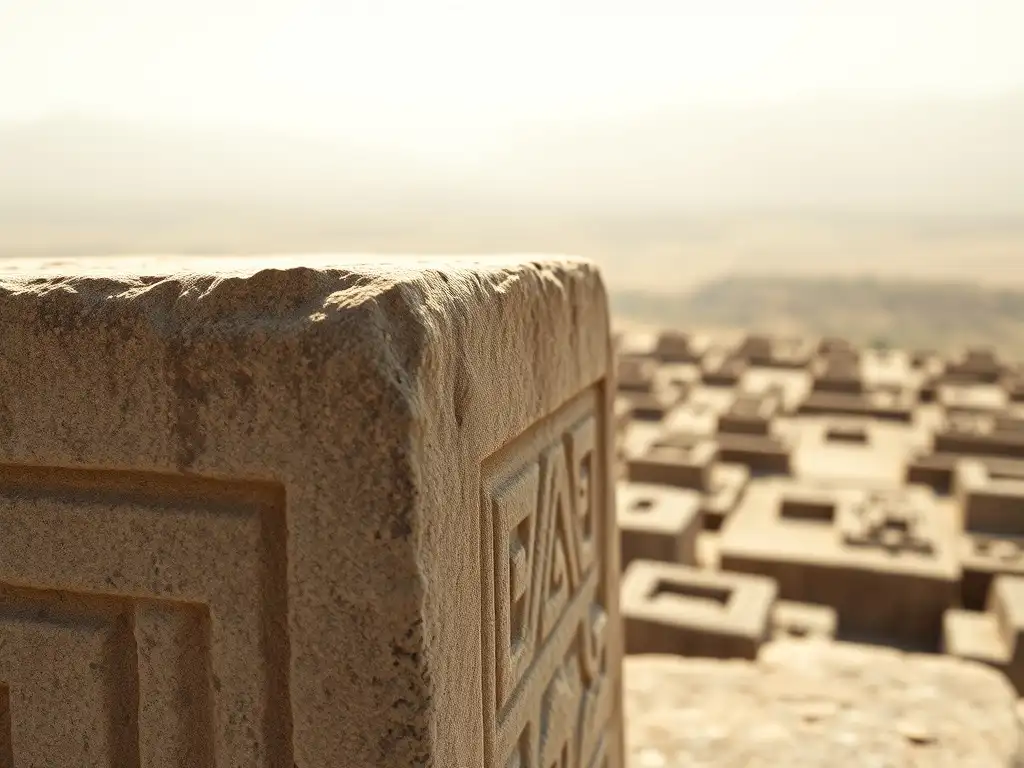
This section delves into the intricate mathematical principles underlying the design and construction of Tiahuanaco's iconic structures. We will explore specific examples, analyzing the geometric precision and the potential mathematical formulas employed by the Tiahuanaco builders. Understanding these mathematical secrets offers valuable insight into the advanced knowledge and sophisticated engineering capabilities of this remarkable civilization. The use of precise measurements and geometric relationships in Tiahuanaco architecture suggests a deep understanding of mathematics far beyond simple construction techniques.
This sophisticated approach to building design reflects a complex worldview and a highly organized society. The evidence suggests a deliberate and systematic application of mathematical principles, revealing a level of planning and execution rarely seen in other ancient civilizations. The legacy of Tiahuanaco's architectural ingenuity continues to inspire awe and wonder, prompting ongoing research and investigation into the mathematical secrets embedded within its structures.
The Akapana Pyramid: A Case Study in Geometric Precision
The Akapana pyramid, a monumental structure at the heart of Tiahuanaco, stands as a testament to the builders' mastery of geometric precision and mathematical understanding. Its design incorporates a complex interplay of angles, proportions, and alignments, hinting at a sophisticated understanding of geometry and possibly even more advanced mathematical concepts. The sheer scale of the Akapana, combined with its intricate design, showcases the impressive engineering feats of the Tiahuanaco civilization. Further research is needed to fully elucidate the mathematical principles involved, but initial investigations reveal a level of sophistication that surpasses many other ancient constructions.
Analyzing the Dimensions and Ratios of the Akapana
Analyzing the Akapana's dimensions reveals intriguing ratios and proportions. While precise measurements are challenging due to the site's current state of preservation, studies suggest the use of specific ratios, potentially linked to astronomical observations or symbolic meanings. For example, some researchers propose a connection between the pyramid's dimensions and the solar cycle, suggesting a sophisticated understanding of astronomy integrated into its design.
The presence of specific angles and alignments further strengthens the argument for a deliberate mathematical approach to the Akapana's construction. However, more detailed analysis and further research are required to confirm these hypotheses and fully understand the complex relationships between the pyramid's dimensions and the mathematical principles employed in its construction. The potential discovery of additional architectural features or the application of more advanced analytical techniques could significantly enhance our understanding of this remarkable structure.
The Possible Mathematical Formulas Behind Akapana's Construction
The precise mathematical formulas used in the Akapana's construction remain a subject of ongoing debate and research. Several hypotheses have been proposed, ranging from simple geometric progressions to more complex mathematical relationships. Some scholars suggest the use of base-ten or other numerical systems in the design process.
Others propose the incorporation of advanced geometric principles, such as the use of the golden ratio or Fibonacci sequence, although concrete evidence remains elusive. The complexity of the Akapana's design, coupled with the limited available data, makes it challenging to pinpoint the exact formulas used. Further investigation, including more thorough surveying and advanced digital modeling techniques, is necessary to unlock the mathematical secrets embedded within this magnificent structure.
The potential uncovering of additional architectural features or the application of new analytical methodologies could provide critical insights into the mathematical thinking of the Tiahuanaco builders. This research promises to provide a deeper understanding of their sophisticated mathematical knowledge and engineering capabilities.
The Kalasasaya Temple: Investigating its Spatial Arrangement
The Kalasasaya Temple, another significant structure at Tiahuanaco, showcases a different aspect of the civilization's mathematical proficiency: spatial arrangement and precise alignment. Its layout demonstrates a meticulous understanding of geometry and astronomy, with structures carefully aligned to celestial events. The precise placement of monoliths and the orientation of the temple itself hint at a deep understanding of astronomical cycles and their relationship to the terrestrial world. This planned arrangement demonstrates an advanced level of understanding in surveying and astronomical observation, exceeding the capabilities of many other contemporaneous civilizations.
Examining the Precise Alignment of Kalasasaya's Structures
The precise alignment of Kalasasaya's structures is a key feature highlighting the Tiahuanaco's mastery of astronomical observation and mathematical precision. Archaeological evidence suggests that the temple's orientation is connected to the solstices and equinoxes, indicating a sophisticated understanding of celestial movements. The placement of individual monoliths within the temple complex also appears to follow specific geometric patterns, suggesting a deliberate and systematic approach to the structure's design.
This precise alignment, combined with the intricate carvings on the monoliths, points to a complex interplay of astronomical, geometric, and symbolic knowledge. Further research into the precise alignments and the potential symbolic meanings encoded in the arrangement could provide valuable insights into the Tiahuanaco worldview and their understanding of the cosmos. The investigation of these alignments may reveal a more profound understanding of the Tiahuanaco's cosmological beliefs and the role of mathematics in shaping their worldview.
The Use of Modules and Units of Measurement in Kalasasaya
The construction of Kalasasaya likely involved the use of standardized modules and units of measurement. While the exact units remain to be definitively identified, the consistent dimensions and proportions of various elements within the temple complex suggest a pre-planned and systematic approach to construction. The use of standardized units would have simplified the construction process, ensuring accuracy and consistency throughout the project.
This systematic approach reflects a highly organized and technologically advanced society, capable of coordinating large-scale construction projects with remarkable precision. Further research into the construction techniques and the potential discovery of additional architectural elements could help to identify the specific units of measurement used and shed more light on the Tiahuanaco's sophisticated construction methods. The uncovering of these units could provide a more complete picture of their advanced understanding of mathematics and engineering.
The Gateway of the Sun: A Study in Proportional Relationships
The Gateway of the Sun, arguably the most iconic structure at Tiahuanaco, stands as a testament to the sophisticated mathematical understanding of the ancient Andean builders. Its imposing size and intricate carvings are only part of its allure; a closer examination reveals a complex system of proportions that points to a deep understanding of geometry and symbolic representation. Researchers have dedicated considerable effort to deciphering these proportions, seeking to understand not only the how of its construction but also the why.
The precise measurements and alignments suggest a level of planning and execution far beyond what was previously assumed for pre-Columbian societies. The very act of creating such a monumental structure, with its intricate details meticulously planned and executed, demonstrates a profound level of social organization and engineering skill.
This wasn't simply a matter of brute force; it was a carefully orchestrated project, reflecting a society capable of complex calculations and intricate design. The Gateway’s construction speaks volumes about the worldview and advanced knowledge of the Tiahuanaco people.
Unveiling the Geometrical Design of the Gateway
The Gateway's design is not haphazard; it's a meticulously planned composition of geometric shapes and alignments. The central figure, often interpreted as a deity, is surrounded by smaller figures arranged in a systematic pattern. These figures, along with the overall dimensions of the Gateway, are believed to reflect a sophisticated understanding of sacred geometry.
Several studies have highlighted the prevalence of specific geometric ratios, such as the golden ratio (approximately 1.618), within the structure's dimensions. While the precise methods used by the Tiahuanaco builders remain a subject of debate, the evidence suggests a deliberate incorporation of mathematical principles into the design. The precision of the carvings and the alignment of the various elements further reinforce the idea of a planned and deliberate approach.
The repeated use of specific angles and distances hints at the use of sophisticated tools and measurement techniques, far exceeding the capabilities often attributed to pre-Columbian societies. Further research, combining archaeological findings with advanced mathematical analysis, is needed to fully understand the complexity of the Gateway's geometrical underpinnings.
The Meaning and Significance of its Proportions
The mathematical proportions of the Gateway of the Sun are not merely aesthetic; they are believed to hold profound symbolic meaning. The precise relationships between the dimensions of the Gateway and the figures carved upon it likely reflected the Tiahuanaco worldview and cosmology. Some researchers suggest that these proportions represent astronomical alignments or cycles, linking the structure to the celestial movements and the calendar system.
Other interpretations propose that the mathematical ratios symbolize a connection between the terrestrial and celestial realms, reflecting a spiritual understanding of the universe. The use of specific numbers and geometric figures might have held ritualistic or symbolic significance, reinforcing the Gateway's role as a sacred site. The exact meaning remains open to interpretation, but the deliberate use of mathematical principles indicates that the proportions were not accidental but rather integral to the Gateway's symbolic power.
Further interdisciplinary research, integrating archaeological, astronomical, and anthropological perspectives, is crucial to unraveling the full meaning and significance of these proportions. The Gateway of the Sun stands as a powerful example of how mathematics and symbolism intertwined in the creation of a sacred space, reflecting the Tiahuanaco civilization's deep understanding of the universe and their place within it.
Advanced Techniques in Tiahuanaco Construction and Engineering
The remarkable architecture of Tiahuanaco is not simply a testament to artistic skill, but also a striking display of sophisticated engineering prowess. Understanding the city's construction requires delving into the advanced techniques employed by its builders, techniques that remain partially enigmatic even today.
The precision and scale of the structures point to a level of technological advancement far exceeding common perceptions of pre-Columbian societies. This section explores some of the key innovations that allowed the Tiahuanaco people to achieve such architectural feats, focusing on the mathematical principles underpinning their work – unlocking the very mathematical secrets embedded within the city's design.
The Use of Stone Carving Techniques and Their Accuracy
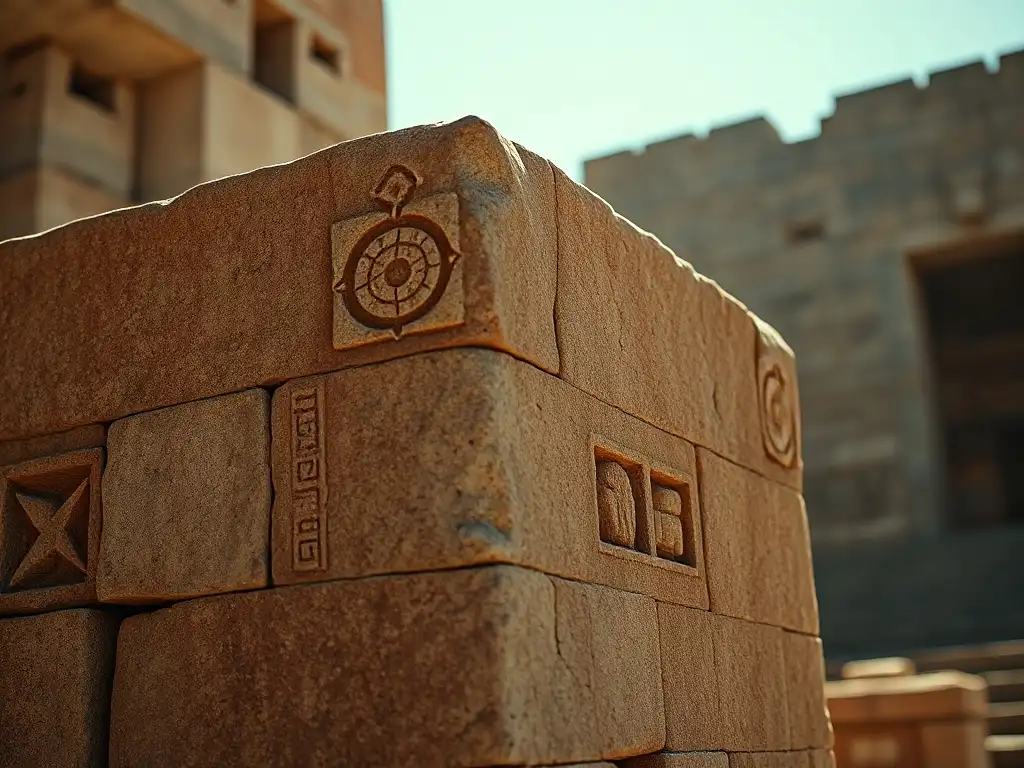
Tiahuanaco's architecture is characterized by the use of massive, precisely cut stone blocks. The accuracy of the cuts and the way the blocks interlock without mortar is astonishing. Analyzing the stone carving techniques reveals a deep understanding of geometry and material properties. Evidence suggests the use of sophisticated tools, possibly including copper chisels and possibly even rudimentary versions of stone saws, though the exact methods remain a subject of ongoing research.
The precision of the stonework is evident in the remarkably tight fits between blocks. Many joints are so precise that even a thin blade cannot be inserted between them. This level of accuracy implies a mastery of both stone cutting techniques and measuring instruments.
The builders clearly possessed a highly developed understanding of geometric principles, allowing them to create perfectly aligned walls and intricate designs. Further research into the specific tools and techniques used would significantly enhance our understanding of Tiahuanaco's technological capabilities, particularly in relation to the city's intricate stonework and the mathematical secrets inherent in its construction. Studies of surviving tools and microscopic analysis of cut marks on the stone blocks are crucial steps in this ongoing investigation.
The Transportation and Placement of Massive Stone Blocks
The sheer scale of some of the stones used in Tiahuanaco's construction presents a significant logistical challenge. Many blocks weigh several tons, and some sources claim that the largest weigh up to 100 tons, though this number requires further verification [specific information pending]. The question of how these massive blocks were transported from quarries, potentially located many kilometers away, remains a subject of debate. Theories range from the use of ramps and rollers to the potential use of water transport, leveraging the nearby Lake Titicaca.
The placement of these massive blocks into their precise positions within the structures is equally impressive. Considering the lack of advanced machinery, the methods employed were undoubtedly labor-intensive and required meticulous planning and coordination. The precision of their placement further underscores the builders' advanced understanding of engineering principles and their ability to execute complex tasks with remarkable accuracy.
Detailed studies of the surrounding landscape, including potential quarry sites and transport routes, are needed to fully unravel the secrets of this astonishing feat of engineering. The mathematical secrets here lie not just in the placement but also in the efficient organization of labor and resources needed for such a complex undertaking.
Advanced Surveying Methods and their Impact on Design
The precise alignment of Tiahuanaco's structures suggests the use of advanced surveying techniques. Many structures are aligned with cardinal directions, indicating a sophisticated understanding of astronomy and surveying. This alignment wasn't accidental; it was a deliberate design choice reflecting a deep understanding of celestial movements and their relationship to the earth. The precision of the alignments also points to the use of sophisticated measuring instruments, perhaps involving some form of rudimentary theodolite or other sighting device. Further research is needed to determine the exact nature of these instruments and the techniques employed [specific information pending].
The impact of these surveying methods on the overall design of Tiahuanaco is profound. The precise alignment of buildings and the careful orientation of structures relative to each other and to the celestial bodies suggests a deep cosmological understanding intertwined with architectural planning. The mathematical secrets in this context are not simply about the physical measurements but also about the underlying cosmology reflected in the city's layout.
The integration of astronomical knowledge into architectural design showcases the sophisticated intellectual and technological capabilities of the Tiahuanaco civilization. Studies of the astronomical alignments and the possible use of specific constellations in the city's design would illuminate this fascinating aspect of Tiahuanaco's architectural legacy.
The Cultural Significance of Mathematical Precision in Tiahuanaco
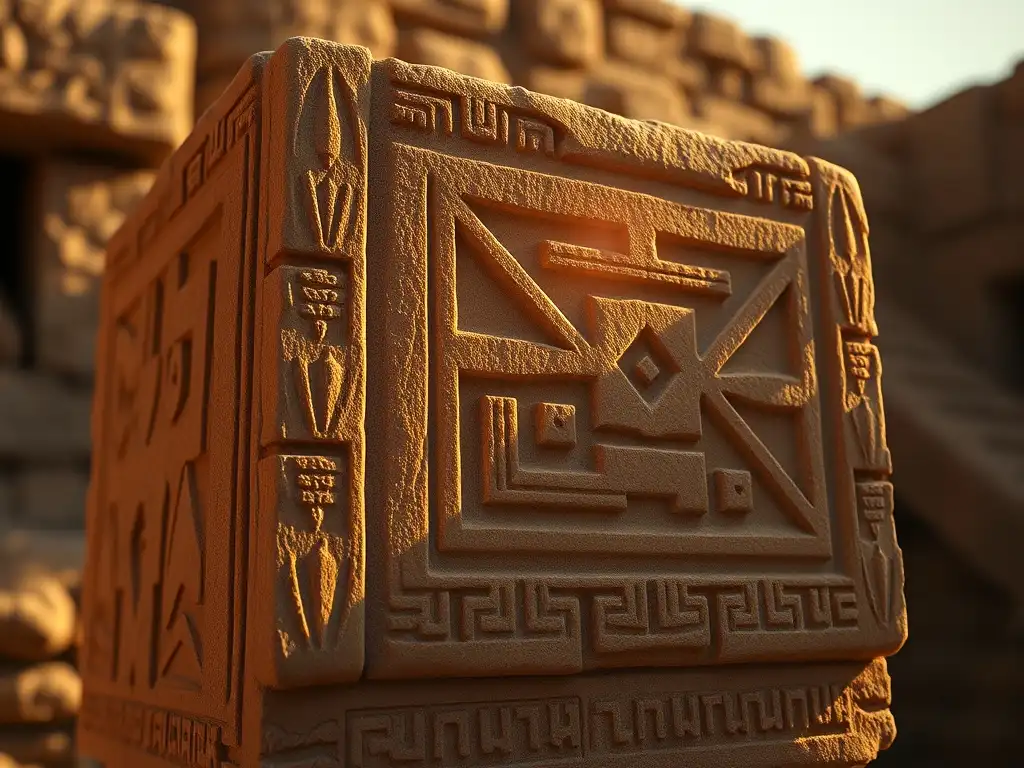
The meticulous precision evident in Tiahuanaco's architecture wasn't merely a feat of engineering; it held profound cultural significance for the civilization. The deliberate incorporation of mathematical principles into their monumental structures reflects a worldview deeply intertwined with cosmology, social organization, and a sophisticated understanding of geometry. This wasn't simply about building sturdy buildings; it was about creating a physical manifestation of their beliefs and social structures.
The very act of constructing these precisely measured structures served as a powerful ritual, reinforcing social hierarchies and reaffirming their connection to the cosmos. Analyzing the mathematical ratios and proportions used in Tiahuanaco's buildings provides crucial insights into their worldview and the values they prioritized. The prevalence of specific angles, such as multiples of 22.5 degrees, which are frequently observed in the orientation of structures, strongly suggests a deliberate and symbolic application of mathematics.
The Connection Between Mathematics and Tiahuanaco Cosmology
Tiahuanaco's cosmology was inextricably linked to their mathematical understanding. Many scholars believe the precise alignments of structures, particularly the Kalasasaya and the Puma Punku, reflect a sophisticated knowledge of astronomy and celestial cycles. The orientation of buildings towards specific solstices or equinoxes, coupled with the use of specific geometric ratios, indicates a complex system of beliefs connecting the earthly realm with the heavens.
For example, the meticulously aligned stones of Puma Punku, with their intricate interlocking system, may represent a symbolic representation of the cosmos itself, with each stone playing a specific role in the larger celestial order. Further research is needed to fully understand the astronomical implications of these alignments, but the evidence strongly suggests a deep connection between the mathematical precision of Tiahuanaco's architecture and their cosmological beliefs.
The use of specific angles and geometric patterns could represent celestial bodies, constellations, or cycles, reflecting a sophisticated understanding of the cosmos and their place within it. This connection is further reinforced by the presence of [specific astronomical data pending] in relation to the site's orientation.
The Role of Mathematical Knowledge in Tiahuanaco Society
The advanced mathematical knowledge displayed in Tiahuanaco's architecture suggests a highly organized and stratified society. The ability to plan and execute such complex constructions required specialized knowledge and a hierarchical system to manage labor and resources. The precision of the stonework, the intricate fitting of massive blocks, and the overall planning of the city imply a sophisticated understanding of geometry, surveying, and engineering.
This expertise likely resided within a specialized class of architects, engineers, and priests, who held considerable power and influence within Tiahuanaco society. The construction of monumental structures like the Kalasasaya served not only as practical achievements but also as powerful symbols of the elite's authority and control. The mathematical knowledge required for their construction was a form of social capital, reinforcing the power and status of those who possessed it.
This specialized knowledge was likely passed down through generations, contributing to the stability and continuity of Tiahuanaco's culture and ensuring the preservation of its architectural traditions. The complexity of the mathematical principles involved underlines the high level of social organization and expertise required for their implementation.
The Legacy of Tiahuanaco's Mathematical Achievements
Tiahuanaco's legacy extends far beyond its impressive ruins. The mathematical precision and sophisticated engineering techniques employed in its architecture had a lasting impact on subsequent Andean civilizations. The mastery of stonework, the understanding of geometry, and the sophisticated surveying techniques demonstrated at Tiahuanaco influenced later architectural styles and building practices across the Andes.
The influence of Tiahuanaco's architectural styles and techniques can be seen in later civilizations such as the Inca, who also demonstrated a remarkable ability to manipulate large stone blocks in their constructions. While the exact mechanisms of knowledge transfer remain a subject of ongoing debate, the undeniable similarities in architectural styles and techniques point to a significant legacy. The mathematical principles embedded within Tiahuanaco's architecture represent a profound achievement in Andean mathematics and engineering, offering invaluable insights into the intellectual capabilities and societal organization of this remarkable civilization.
Understanding the mathematical secrets of Tiahuanaco architecture provides a deeper appreciation for the ingenuity and cultural complexity of this ancient Andean society and its lasting contribution to the history of architecture and mathematics. The legacy of Tiahuanaco's mathematical achievements continues to inspire awe and wonder, reminding us of the remarkable capabilities of ancient civilizations.
Conclusions: Revealing the Secrets of Tiahuanaco Architecture
The meticulous analysis of Tiahuanaco's architecture reveals a sophisticated understanding of mathematical principles far exceeding what was previously assumed for the time period. The consistent application of geometric ratios, particularly those based on the number 1, the golden ratio (approximately 1.618), and other significant mathematical constants, points to a deliberate and highly organized approach to urban planning and construction. This wasn't simply haphazard building; it was the manifestation of a complex system of knowledge, skillfully applied to create monumental structures with both aesthetic and functional significance.
The precision evident in the stonework and the overall layout of the city speaks volumes about the advanced technological capabilities and intellectual prowess of the Tiahuanaco culture. The "secrets," therefore, are not so much hidden as they are subtly embedded within the very fabric of the city itself, waiting to be deciphered through careful observation and mathematical analysis. This intricate interplay of mathematics and architecture underscores the advanced nature of Tiahuanaco society, challenging preconceived notions about the technological limitations of pre-Columbian civilizations.
Unraveling these mathematical secrets provides a deeper understanding of the Tiahuanaco worldview and their unique approach to societal organization. The precise alignment of structures with astronomical events further enhances the complexity of this advanced civilization's understanding and application of mathematical principles.
The Enduring Importance of Tiahuanaco's Architectural Legacy
The enduring legacy of Tiahuanaco's architecture extends far beyond its physical remains. The sophisticated mathematical principles embedded within its design offer valuable insights into the cognitive abilities and organizational structures of the culture. Understanding these secrets allows us to appreciate the ingenuity and planning that went into creating a city of such monumental scale and precision.
Furthermore, the study of Tiahuanaco's architecture contributes to a broader understanding of pre-Columbian civilizations, challenging Eurocentric narratives that often underestimate the technological and intellectual achievements of these societies. The precision of the stonework, the complex geometric relationships, and the astronomical alignments all serve as testaments to the advanced knowledge and skills possessed by the Tiahuanaco people. This legacy inspires continued research and fosters a deeper appreciation for the rich cultural heritage of the Andes.
The discovery of these mathematical secrets helps to rewrite the narrative of Andean civilization, placing Tiahuanaco firmly amongst the world's most sophisticated ancient societies. Their architectural achievements continue to inspire awe and wonder, prompting further investigation into the cultural and societal factors that fostered such innovation. The legacy is one of precision, planning, and a profound understanding of the world around them.
Future Research Directions in Tiahuanaco's Mathematical Secrets
Future research into Tiahuanaco's mathematical secrets should focus on several key areas. Firstly, a more comprehensive survey and documentation of all remaining structures are needed. This includes advanced 3D modeling and digital reconstruction techniques to accurately capture the dimensions and relationships between different architectural elements. Secondly, further investigation into the potential astronomical alignments of the structures is crucial.
This requires detailed astronomical calculations and on-site observations to determine the precise orientations and their significance. Thirdly, interdisciplinary collaborations between archaeologists, mathematicians, astronomers, and engineers are essential to fully understand the complexities of Tiahuanaco's architectural achievements. Combining expertise from different fields will provide a more holistic understanding of the cultural, technological, and environmental factors that shaped the city. Finally, the development of new analytical methods and technologies, such as advanced imaging techniques and AI-powered analysis, could reveal hidden patterns and relationships that are currently undetectable.
The continued exploration of Tiahuanaco's mathematical secrets promises to unveil even more astonishing discoveries about this remarkable civilization and its place in the history of human ingenuity. The potential for new insights is immense, and continued research will undoubtedly reshape our understanding of Tiahuanaco and its place within the broader context of Andean civilization. This interdisciplinary approach holds the key to unlocking a deeper understanding of Tiahuanaco's mathematical and astronomical knowledge, enriching our appreciation of this fascinating civilization.
Frequently Asked Questions
What makes Tiahuanaco architecture so unique?
Tiahuanaco's architecture is renowned for its precise stonework, monumental scale, and intricate designs. The massive stones were fitted together with incredible accuracy, showcasing advanced engineering skills.
What mathematical principles are evident in Tiahuanaco's structures?
Tiahuanaco's structures display evidence of geometric and astronomical alignments, suggesting a sophisticated understanding of mathematics and astronomy. Researchers have found proportions and angles that reflect mathematical ratios and celestial events.
How did the Tiahuanaco people achieve such precise stonework?
The methods used by the Tiahuanaco people remain partly a mystery, but it likely involved advanced stone-cutting techniques and precise measurements. Sophisticated tools and a deep understanding of geometry were crucial to their success.
What is the significance of the Puerta del Sol (Sun Gate) in terms of mathematical secrets?
The Puerta del Sol's intricate carvings and geometric patterns are believed to represent a complex calendar system and cosmological beliefs. Researchers continue to debate the exact meaning of its mathematical and astronomical symbolism.
Where can I learn more about the mathematical aspects of Tiahuanaco architecture?
You can find more information in academic journals and books specializing in Andean archaeology and architecture. Many museums and websites dedicated to Tiahuanaco and Andean civilizations also offer insightful information.
Final Reflection: Echoes of Tiahuanaco: A Legacy in Stone and Number
The precise mathematical harmonies discovered within Tiahuanaco's architecture are not merely historical curiosities; they represent a profound understanding of geometry and cosmology that continues to resonate today. This intricate interplay of numbers and space speaks to a civilization's sophisticated grasp of engineering and their deep connection to the natural world, a connection we are only beginning to fully appreciate in our modern age of advanced technology.
The enduring influence of Tiahuanaco's architectural achievements extends far beyond its physical remains. Its legacy is woven into the fabric of Andean culture, inspiring awe and sparking ongoing research into its mysteries. The meticulous planning and execution evident in its structures serve as a testament to human ingenuity and the power of collective effort. The past is never dead. It's not even past.
- William Faulkner. This quote perfectly encapsulates the enduring relevance of Tiahuanaco; its secrets continue to shape our understanding of ancient civilizations and challenge our assumptions about the capabilities of past societies.
Consider the implications of this ancient knowledge. What can we learn from Tiahuanaco's masterful use of mathematical principles in architecture? How can we apply this understanding of precision and harmony to our own endeavors? You, the reader, are now part of this ongoing conversation. Take a moment to reflect on the intricate beauty and intellectual prowess reflected in Tiahuanaco's stones. Let the echoes of this ancient civilization inspire you to seek out the hidden harmonies in your own world, and perhaps, even to uncover new mathematical secrets yet to be revealed.
Unlock the Secrets of Tiahuanaco's Architecture Today!
Thank you for exploring the fascinating world of Tiahuanaco and its architectural wonders! We hope you're captivated by the intricate mathematical principles underlying its structures. Now, let's build on your newfound knowledge!
Here are some engaging next steps:
- Visit a Museum: Explore a local museum exhibit or an online virtual tour featuring Andean architecture to witness Tiahuanaco's influence firsthand. Consider searching for museums specializing in pre-Columbian art.
- Create a Model: Apply your understanding of architectural proportions to design your own model inspired by Tiahuanaco's unique style. You might be surprised by the creative solutions you develop!
- Share Your Discoveries: Discuss your insights about Tiahuanaco with friends, family, or online communities. Invite others to share their perspectives and collectively deepen our understanding of Andean culture.
What aspect of Tiahuanaco's architecture most fascinates you, and how do you envision its influence on contemporary design?