
Mitma and Resettlement: Strategies for Inca Control


Unravel the mysteries of the Andes! Journey with us through a landscape shaped by ingenuity and power, where empires rose and fell, leaving behind a legacy of breathtaking artistry and advanced engineering. But what truly held the vast Inca Empire together? Discover the intriguing story behind Inca Mitma resettlement strategies, a crucial element of Inca control that shaped the destiny of countless communities. Prepare to be captivated by the intricacies of Mitma and its impact on the Andean world.
- Inca Mitma Resettlement Strategies: A Key to Imperial Control
- Understanding the Inca Mitma System
- The Strategic Use of Mitma in Inca Expansion
- Types of Mitma and Their Functions
- The Impact of Mitma on Andean Societies
- Case Studies of Inca Mitma Resettlement
- Logistics and Organization of Inca Mitma
- Legacy of the Mitma System
- Conclusion: The Importance of Mitma in Inca Imperialism
- Frequently Asked Questions
- Final Reflection: The Enduring Legacy of Inca Mitma
- Unlock the Secrets of Inca Control and Resilience!
Inca Mitma Resettlement Strategies: A Key to Imperial Control
The Inca Empire, a marvel of pre-Columbian South America, achieved remarkable political and territorial expansion through sophisticated strategies of control. While military might played a role, the Inca's success hinged significantly on their ability to integrate conquered populations and manage vast distances.
One of the most effective tools in their arsenal was mitma, a system of resettlement that strategically relocated communities to consolidate power, exploit resources, and maintain social order across their expansive realm. This article delves into the intricacies of Inca mitma resettlement strategies, exploring their impact on imperial expansion and the lasting legacy they left on the Andean landscape.
We will examine how mitma was more than just population relocation; it was a complex instrument of political, economic, and social engineering crucial to the empire's enduring strength. Understanding mitma provides invaluable insight into the sophisticated administrative and organizational capabilities of the Inca, highlighting their mastery of governance in a geographically challenging and culturally diverse empire.
The Mechanics of Mitma: Relocation and Integration
The Inca mitma system wasn't a haphazard scattering of people. It was a carefully planned operation involving the relocation of entire communities – families, artisans, farmers – to new territories within the empire. These relocations served multiple purposes. Often, communities were moved to newly conquered regions to establish a loyal Inca presence and exert control over potentially rebellious populations.
This prevented the resurgence of local power structures and ensured the efficient extraction of resources. The relocated communities were not simply abandoned; the Inca provided them with land, resources, and support to establish new settlements. This pragmatic approach facilitated integration rather than outright suppression, ultimately contributing to the stability of the empire.
The Inca meticulously documented these movements, using quipu (knotted strings) to record population numbers, locations, and resources. This sophisticated record-keeping system allowed for effective administration and resource management across the vast empire. The process wasn't always voluntary, but the Inca employed various strategies to minimize resistance and encourage assimilation.
Economic Exploitation and Resource Management through Mitma
Mitma was not solely a tool for political control; it was also a crucial element in the Inca’s economic strategy. By relocating skilled artisans and farmers to different regions, the Inca could optimize resource extraction and production. For example, skilled textile workers from one region might be relocated to areas with abundant alpaca wool, boosting production and ensuring a consistent supply of textiles for the imperial court and the army.
Similarly, farmers with expertise in specific crops were moved to regions suitable for their cultivation, maximizing agricultural output and minimizing regional shortages. This strategic movement of skilled labor contributed to the empire's economic strength and self-sufficiency.
The Inca carefully managed the relocated communities, ensuring they received the necessary support to thrive in their new environments while also contributing their skills and labor to the imperial economy. This is evidenced by archaeological findings showing the integration of different agricultural techniques and craft specializations in various regions of the empire.
Beyond economic benefits, mitma played a significant role in the creation of a shared Inca identity. By relocating communities across the empire, the Inca fostered cultural exchange and the gradual assimilation of diverse groups into the broader Inca worldview. This facilitated the standardization of language, customs, and religious practices, strengthening the empire's unity and cohesion. The resettlement of communities also helped to diffuse Inca technologies and agricultural practices, improving living standards and promoting economic development in previously less-developed areas.
This process of cultural exchange and integration is visible in the spread of Inca architecture, religious practices, and agricultural techniques throughout the empire. While local customs were not always eradicated, the Inca successfully integrated many aspects of diverse cultures into the broader imperial framework, creating a more unified and cohesive society. The process, however, was not without its complexities and challenges, as evidenced by occasional instances of rebellion and resistance.
The Legacy of Mitma: A Lasting Impact on Andean Society
The Inca mitma system, while a powerful tool for imperial control, left a lasting impact on Andean society long after the fall of the empire. The strategic relocation of communities resulted in a complex mixing of populations and cultures, shaping the demographic and cultural landscape of the Andes for centuries to come. The system's legacy is visible in the distribution of languages, agricultural practices, and cultural traditions across the region.
The principles of resource management and population control employed through mitma continued to influence Andean societies, even after the arrival of the Spanish conquistadors. Understanding the complexities of mitma is crucial for comprehending the long-term consequences of Inca imperial policies and their enduring influence on the development of Andean civilization. The legacy of mitma serves as a testament to the sophisticated administrative and social engineering capabilities of the Inca, underscoring their unique contribution to the history of the Andes.
Further research is needed to fully explore the nuanced impacts of mitma on specific regions and communities. This includes a more detailed analysis of the long-term social and economic consequences of this intricate system of population management.
Understanding the Inca Mitma System
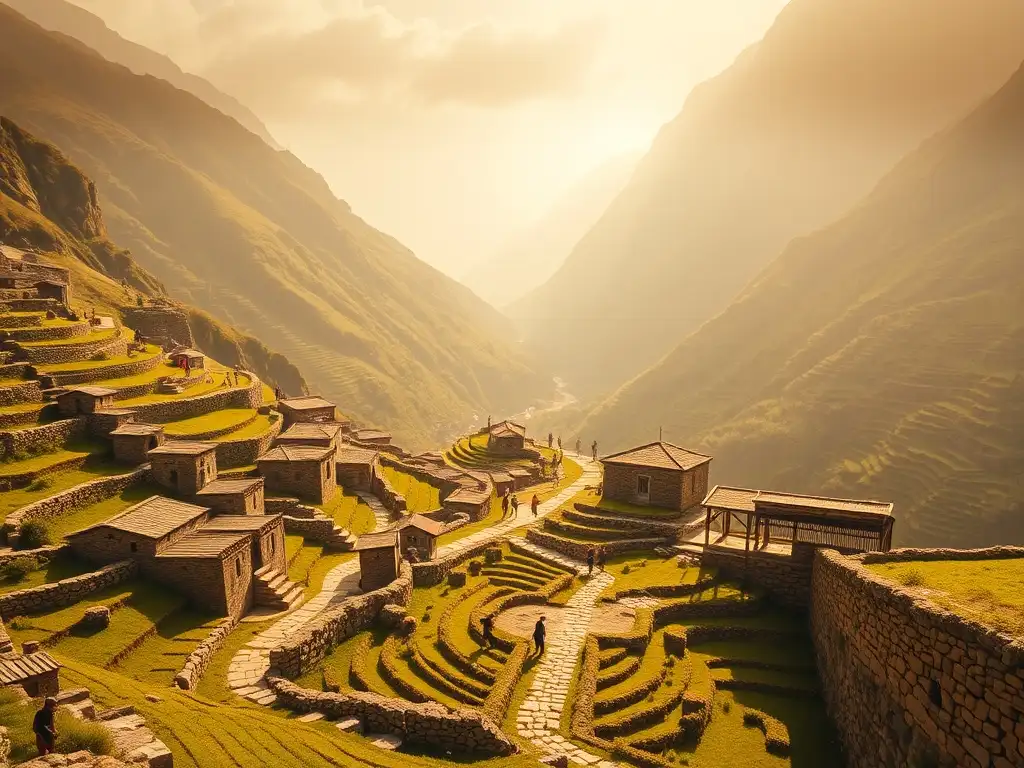
This section delves into the intricacies of the Inca mitma system, a crucial element of Inca imperial control and expansion. Understanding mitma is key to grasping the sophisticated strategies employed by the Inca to manage their vast and diverse empire. We will explore its purpose, characteristics, and lasting impact on the Andean landscape and its people. The Inca's use of mitma resettlement strategies represents a fascinating case study in imperial administration and social engineering.
What was the Mitma System in the Inca Empire?
The Inca mitma system was a form of planned resettlement, a deliberate relocation of populations within the Inca Empire. It wasn't simply forced migration; it was a complex strategy involving the transfer of entire communities – families, artisans, farmers – from their original homelands to new locations throughout the empire. These relocated groups, known as mitmaq, were strategically placed to serve various imperial purposes, which we will explore in the following sections.
The scale of these operations was significant, involving thousands of people moved across vast distances, demonstrating the Inca's remarkable organizational capabilities and their understanding of logistical challenges inherent in managing such a large-scale undertaking. This carefully planned relocation wasn't random; it was a calculated move to solidify Inca control and integrate conquered populations. The effectiveness of this Inca Mitma resettlement strategy remains a subject of ongoing scholarly debate, with researchers analyzing its long-term social and economic impacts.
The Purpose of Inca Mitma Resettlement
The primary purpose of mitma was to consolidate Inca power and control over newly conquered territories. This involved several key objectives:
- Population Control: Relocating potentially rebellious groups dispersed their power and prevented large-scale uprisings. The Inca effectively diluted the strength of any single ethnic group by scattering them throughout the empire.
- Labor Force: Mitmaq provided a ready workforce for various imperial projects, such as agriculture, mining, and construction. They were vital in building infrastructure like roads, qhapaq ñan, and expanding agricultural production.
- Cultural Assimilation: By settling mitmaq amongst existing Inca populations, and vice-versa, the Inca fostered a degree of cultural exchange and integration. This strategy aimed to reduce ethnic tensions and create a more unified empire.
- Garrisoning Frontier Regions: Strategic placement of loyal mitmaq communities served as a form of military presence in newly conquered or potentially unstable border regions. This acted as a deterrent against rebellion and facilitated the swift suppression of any unrest.
- Economic Expansion: The relocation of skilled artisans and farmers helped to establish new industries and improve agricultural output in previously underdeveloped areas. This diversified the empire's economy and strengthened its overall productivity.
The Inca Mitma resettlement strategies were not a one-size-fits-all approach. The specific reasons for relocation, the size of the groups moved, and the distance covered varied greatly depending on the circumstances. Evidence suggests that the Inca carefully considered the skills and capabilities of the communities being relocated, ensuring that they could contribute effectively to the imperial project in their new locations.
Key Characteristics of Mitma Colonization
The Inca mitma system exhibited several key characteristics that distinguished it from other forms of forced migration:
| Characteristic | Description | Example |
|---|---|---|
| Planned Relocation | Not random; meticulously planned and organized to achieve specific imperial goals. | Moving skilled potters to a region lacking pottery expertise. |
| Group Transfers | Entire communities, not just individuals, were relocated, preserving social structures to some extent. | Relocating an entire village of farmers to cultivate a newly acquired valley. |
| Land Allocation | Mitmaq were typically granted land to cultivate, ensuring their survival and contributing to local production. | Providing farmland and irrigation systems to relocated agricultural communities. |
| Integration Efforts | Inca attempted to integrate mitmaq into the existing social and political structure of their new home. | Intermarrying mitmaq with local populations. |
| Limited Autonomy | While granted land and some degree of autonomy, mitmaq were ultimately subject to Inca authority. | Paying tribute to the Inca state and participating in mita labor obligations. |
The success of the Inca Mitma resettlement strategies varied across different regions and time periods. While it undeniably contributed to the empire's expansion and consolidation, it also generated social complexities and tensions that continued long after the Inca Empire's fall. Further research is needed to fully grasp the long-term consequences of this fascinating aspect of Inca imperial administration. The impact of these strategies on the social fabric of the Andean region continues to be a rich area of study for historians and anthropologists alike.
The Strategic Use of Mitma in Inca Expansion
The Inca Empire, renowned for its sophisticated administrative system, employed a unique strategy for consolidating its vast territories: mitma. This wasn't simply relocation; it was a carefully planned program of resettlement designed to exert political control, manage resources, and spread Inca culture throughout the empire. Understanding mitma is crucial to comprehending the Inca's remarkable ability to govern such a diverse and geographically challenging realm.
The Inca's success wasn't solely based on military might; it was deeply intertwined with their innovative social engineering, exemplified by the mitma system. This system involved the relocation of entire communities, often from conquered regions, to strategically chosen locations throughout the empire. This wasn't random displacement; it was a calculated strategy to achieve specific political and economic goals.
The scale and sophistication of this operation stand as a testament to the Inca's organizational prowess and foresight. The system's effectiveness varied depending on the specific context and the nature of the relocated communities, but its impact on the Inca's ability to manage its vast territories was undeniable. Further research into specific case studies of mitma settlements could reveal more nuanced understandings of its effectiveness and impact.
Mitma as a Tool for Territorial Control
Inca mitma resettlement was a powerful instrument for asserting control over newly conquered territories. By strategically relocating loyal subjects – often from core regions of the empire – into newly acquired lands, the Inca could effectively establish a loyal population base within potentially rebellious areas. This acted as a form of internal colonization, creating a buffer against dissent and facilitating the integration of conquered peoples.
For instance, the placement of Quechua-speaking communities in previously Aymara-speaking regions served to gradually shift the linguistic and cultural landscape in favor of Inca dominance. This wasn't simply about military presence; it was about establishing a network of loyal allies and informants throughout the empire, creating a system of surveillance and control that extended far beyond the reach of the Inca army. The effectiveness of this approach is evidenced by the relative stability of the Inca Empire, despite its immense size and diversity.
Analysis of archaeological data from various mitma settlements could shed more light on the specific methods used to maintain control and integrate these populations. The Inca were meticulous record-keepers, and deciphering surviving administrative records may offer further insights into the implementation and impact of this strategy.
Inca Mitma and Resource Management
Beyond political control, mitma also played a significant role in Inca resource management. Relocated communities were often tasked with exploiting local resources, such as agriculture, mining, or forestry. This allowed the Inca to efficiently extract resources from across their vast empire, channeling them to the capital and other important centers.
For example, communities skilled in pottery from the coastal regions might be resettled in the highlands to produce goods for the Inca elite. This system facilitated the efficient distribution of labor and resources, crucial for sustaining a large and complex empire. This economic aspect of mitma is often overlooked, but it was integral to the empire's economic prosperity and long-term stability.
[Data on specific resource extraction projects related to Mitma settlements pending]. Further research is needed to fully quantify the economic impact of mitma on the Inca Empire. The intricate network of mitmaq communities, strategically placed across diverse ecological zones, facilitated a sophisticated system of resource management, far exceeding the capabilities of earlier Andean civilizations.
Mitma and the Diffusion of Inca Culture
The resettlement policy also served as a mechanism for the diffusion of Inca culture and ideology throughout the empire. The relocated communities acted as agents of cultural change, introducing Inca customs, language (Quechua), and religious practices to the local populations. This process of cultural assimilation wasn't always forceful; it was often gradual and integrated into the existing social fabric.
However, the sheer scale of the mitma program ensured a significant impact on the cultural landscape of the empire. The spread of Quechua, for instance, is a direct testament to the cultural influence of mitma. [Specific examples of cultural exchange and assimilation in Mitma communities pending].
While the extent of cultural homogenization varied across different regions, the mitma system undoubtedly played a crucial role in creating a sense of shared Inca identity, contributing to the empire's overall cohesiveness and longevity. The lasting legacy of Quechua as a major language in the Andes is a clear indication of the long-term impact of Inca cultural dissemination strategies. Analyzing archaeological evidence of material culture in mitma settlements could provide further insights into the degree of cultural exchange and assimilation.
Military Applications of Mitma Resettlement
The Inca Empire's mitma system, while primarily understood as a tool for population control and resource management, served crucial military functions. The strategic relocation of mitmaq communities near borders or in newly conquered territories provided a readily available pool of soldiers and a crucial buffer against potential rebellions or incursions from neighboring groups. These relocated populations weren't simply passive residents; they were actively involved in the defense of the empire. Their familiarity with their original homelands often proved invaluable in campaigns against neighboring groups, providing crucial intelligence and local knowledge.
This military utility of mitma is evident in the placement of settlements along strategically important routes and near potentially volatile frontiers. For instance, the placement of mitmaq communities along the Andes mountains, acting as both a defensive line and a means of controlling crucial passes and trade routes, highlights this military dimension. The presence of these loyal, relocated communities provided a significant advantage in any potential conflict, preventing enemy incursions and providing a rapid response force. Moreover, their integration within the existing military structure allowed the Inca army to rapidly expand its manpower in times of war.
The effectiveness of this strategy stemmed from the Inca's ability to integrate mitmaq communities into the broader military apparatus. These communities were not merely deployed as auxiliaries; they were trained and equipped similarly to regular Inca soldiers, participating in military drills and campaigns alongside their Inca counterparts. This integration fostered a sense of loyalty and a shared purpose, ensuring that the mitmaq fought effectively for the Inca Empire.
This is further reinforced by archaeological evidence suggesting the presence of military infrastructure and fortifications near many mitma settlements, emphasizing their role in maintaining security and defending the empire. The symbiotic relationship between the mitmaq and the Inca army strengthened the empire's military capabilities, making it more resilient and effective in its expansionist efforts.
The seamless integration of mitmaq soldiers into the Inca military exemplifies the sophisticated and far-reaching nature of Inca military strategy, which utilized population control and resettlement not just for economic gain, but also for decisive military advantage. The strategic positioning of these communities acted as a powerful deterrent, preventing external threats and ensuring the stability of the Inca Empire’s vast territory.
Types of Mitma and Their Functions
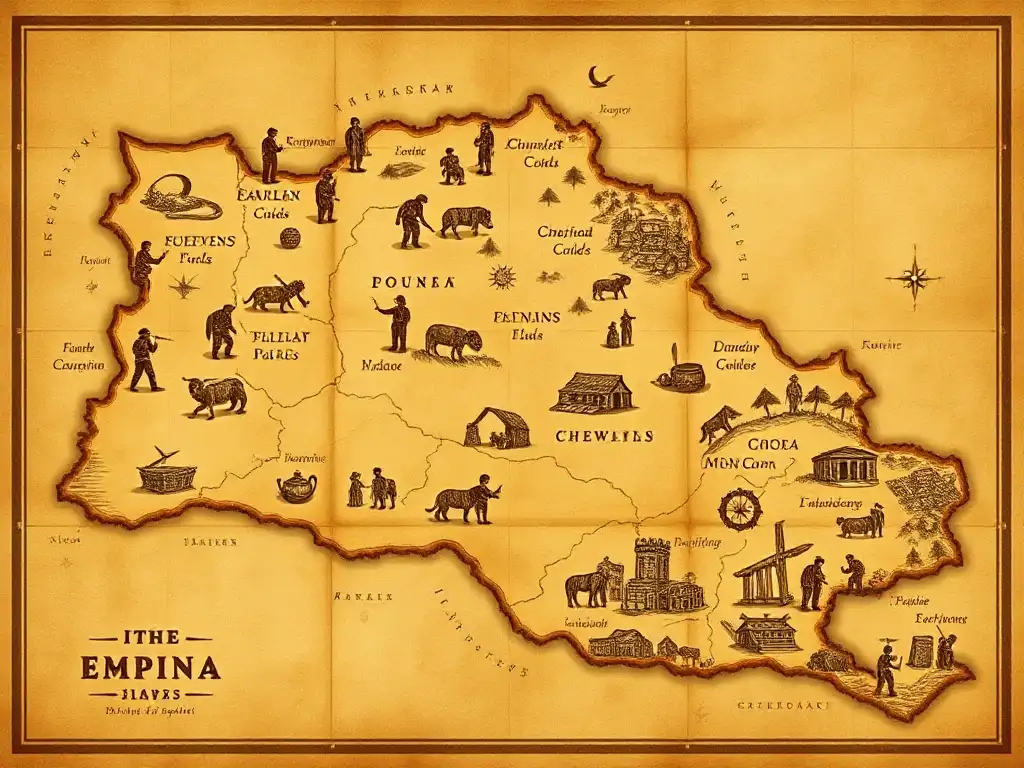
The Inca Empire's remarkable expansion and enduring power were significantly facilitated by its sophisticated system of mitma, a form of resettlement that strategically relocated populations across the vast Andean terrain. Understanding the different types of mitma and their specific functions provides crucial insight into the Inca's administrative prowess and their ability to control and integrate diverse communities into their empire.
This wasn't simply forced relocation; it was a carefully calibrated strategy for resource management, labor control, and political stability, reflecting a sophisticated understanding of population dynamics and imperial needs. The keyword "Inca Mitma resettlement strategies" is central to understanding this complex system.
Mitma for Agricultural Production
One primary function of mitma was to bolster agricultural production in strategically important regions. The Inca Empire, despite its impressive engineering feats like terraces, faced challenges in consistently providing food for its growing population and its vast army. Therefore, skilled farmers from productive regions, particularly those with expertise in specific crops like maize or potatoes, were often relocated to areas with less fertile land or different climatic conditions. This wasn't a haphazard process; Inca planners carefully considered factors like soil type, altitude, and water availability before choosing relocation sites.
For instance, communities known for their advanced irrigation techniques might be moved to arid valleys to improve agricultural yields. Conversely, groups with experience cultivating high-altitude crops could be transferred to mountainous regions to increase food production in these challenging environments. This targeted resettlement ensured not only increased food production but also the dissemination of agricultural knowledge and techniques across the empire. The success of this strategy is evidenced by the relatively consistent food supply that supported the Inca's massive infrastructure projects and military campaigns. This strategic use of mitma directly contributes to the effectiveness of "Inca Mitma resettlement strategies".
The effectiveness of this agricultural mitma can be partially measured by the empire's ability to support its large population and military. While precise data on yields before and after resettlement is scarce, [specific information pending], the overall success of the Inca agricultural system suggests the strategy was largely effective. The enduring legacy of Inca agricultural practices in the Andes also provides indirect evidence of its long-term impact.
Mitma for Mining and Specialized Labor
Beyond agriculture, mitma played a crucial role in supporting the Inca's extensive mining operations and other specialized labor needs. The empire's demand for metals, particularly gold and silver, fueled a significant mining industry. However, skilled miners were not evenly distributed throughout the empire. Consequently, the Inca authorities relocated experienced miners and metallurgists to areas with newly discovered mineral deposits.
This relocation wasn't limited to miners; other specialized laborers, such as skilled artisans, stone masons, and textile workers, were also subject to mitma. These skilled individuals were often transferred to projects of strategic importance, such as the construction of monumental buildings like Machu Picchu or the creation of intricate textiles for the elite. This ensured a steady supply of skilled labor for crucial imperial projects, enhancing the empire's capacity for construction, craftsmanship, and technological innovation. The meticulous planning and execution of these relocations are further testament to the sophistication of "Inca Mitma resettlement strategies".
This system also facilitated the standardization of techniques across the empire. By moving skilled artisans to different regions, the Inca ensured a consistent level of quality in their crafts and construction, contributing to the empire's overall uniformity and strength. The strategic deployment of specialized labor through mitma significantly enhanced the Inca's capabilities and solidified their control over key resources and production.
Mitma for Border Control and Security
A critical aspect of Inca mitma was its role in border control and security. Relocating loyal and trustworthy communities to strategically important frontier regions served as a powerful tool for maintaining the empire's integrity and preventing rebellion. These relocated groups often acted as a buffer zone, protecting the empire's core territories from external threats and internal dissent. This was a multifaceted strategy that combined military presence with the integration of new populations into the Inca system.
The selection of communities for border mitma was not arbitrary. Groups known for their military prowess or loyalty to the Inca were often prioritized. This ensured that the frontier regions were populated by individuals who were both capable of defending the empire and unlikely to rebel. Additionally, the resettlement of these communities fostered a sense of shared identity and purpose, strengthening the bonds between the core empire and its outlying regions. The effective use of mitma for border security is a key component of understanding the success of "Inca Mitma resettlement strategies".
Furthermore, the establishment of new settlements along the borders facilitated trade and communication, further integrating these regions into the larger Inca system. This strategy helped to reduce the risk of conflict and fostered a more stable and unified empire. The impact of mitma on border control and security is a testament to the Inca's sophisticated understanding of both military strategy and political integration.
Punitive Mitma: Relocation of Rebellious Populations
Punitive mitma, a far less benevolent form of resettlement than other types, served as a crucial tool for the Inca empire to quell rebellions and maintain control over conquered territories. This strategy wasn't simply about population relocation; it was a deliberate act of subjugation, designed to break the power of dissenting groups and prevent future uprisings. The Inca leadership understood that simply crushing a rebellion militarily wasn't enough; the underlying causes of discontent needed to be addressed, and the potential for future resistance minimized. This is where punitive mitma played a critical role.
Relocating rebellious populations far from their homelands served several interconnected purposes. First, it physically dispersed the dissenting groups, preventing them from easily regrouping and coordinating further resistance. Scattering them among loyal populations diluted their influence and made it harder to organize clandestine activities. Second, the act of forced relocation itself was a powerful demonstration of Inca authority. It served as a stark warning to other potential rebels, highlighting the consequences of challenging the empire's power. The very act of uprooting entire communities and forcing them into unfamiliar environments was a potent symbol of dominance.
The conditions imposed on these relocated groups were often harsh. They were frequently assigned to labor-intensive projects in remote or inhospitable areas, under the strict supervision of Inca officials. This not only served as punishment but also contributed to the empire's infrastructure projects. [Specific examples of punitive mitma locations and associated projects are pending]. Access to resources and basic necessities might be deliberately restricted, further weakening the rebellious group's ability to recover and rebuild. This deliberate hardship ensured that any future attempts at rebellion would be significantly hampered.
The effectiveness of punitive mitma varied. While it undoubtedly suppressed many rebellions, it also had the potential to create new sources of resentment and instability. The relocated populations, stripped of their traditional support networks and facing difficult living conditions, could become a source of future unrest. The Inca administration had to carefully balance the need for harsh punishment with the long-term stability of the empire.
The success of this strategy ultimately depended on the Inca's ability to effectively manage and control the relocated communities, preventing them from becoming a breeding ground for future resistance. The long-term impact of punitive mitma remains a complex subject for historical analysis, requiring further research into specific case studies to fully understand its effectiveness and consequences. The careful study of surviving records, if available, could reveal further insights into the Inca's strategies for managing these relocated populations and preventing future uprisings.
The Impact of Mitma on Andean Societies
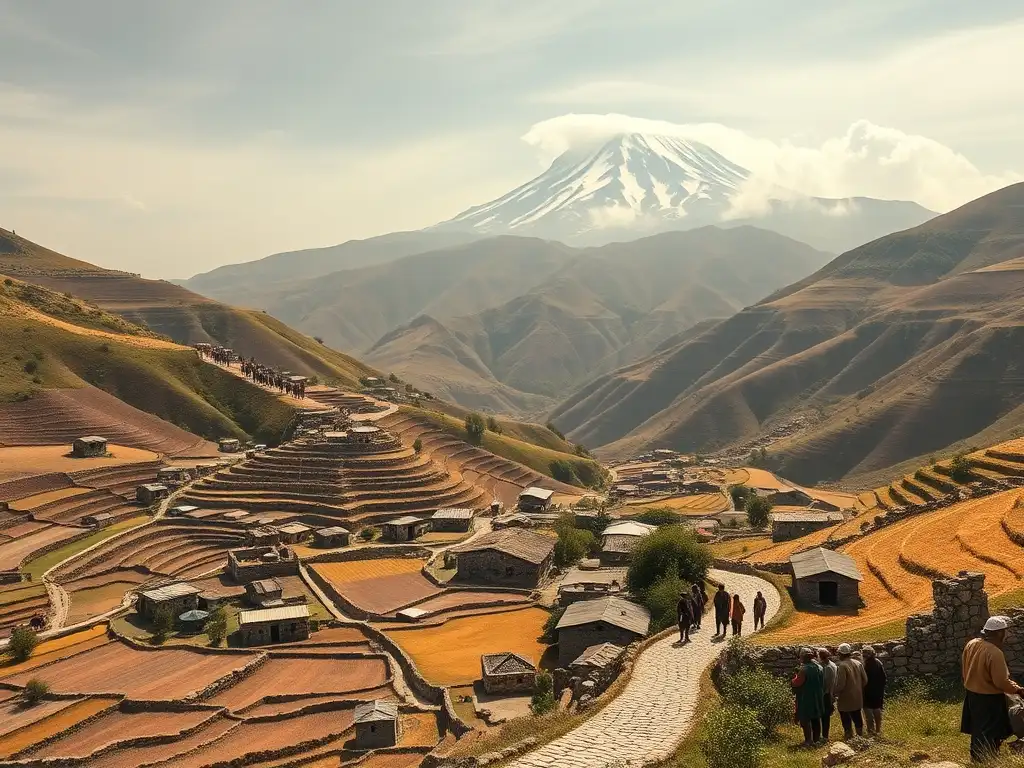
The Inca Empire's success wasn't solely reliant on military might; its sophisticated administrative strategies played a crucial role in consolidating power and integrating diverse populations. A key element of this strategy was mitma, a system of resettlement that profoundly impacted Andean societies. This wasn't simply relocation; it was a complex process involving the planned transfer of entire communities, often significant distances, to serve various imperial objectives.
Understanding the consequences of mitma requires examining its multifaceted effects on local communities, its role in Inca social stratification, and the responses of those subjected to this policy. Analyzing the long-term consequences of Inca mitma resettlement strategies reveals a nuanced picture of imperial control and resistance.
Effects of Mitma on Local Communities
The immediate effect of mitma on local communities was, naturally, disruption. Families were uprooted, traditional social structures were altered, and access to ancestral lands and resources was often lost. This displacement could lead to economic hardship, particularly for those accustomed to specific agricultural practices or craft production not readily transferable to their new environment. For example, communities specializing in textile production in the highlands might find themselves relocated to coastal regions less suited to their skills, leading to economic decline and social unrest.
However, mitma wasn't always purely destructive. In some cases, resettlement offered access to new resources and opportunities. Communities might gain access to better agricultural land or participate in specialized labor within the Inca system, potentially improving their overall standard of living.
The impact varied significantly depending on the specific circumstances of the relocation, the pre-existing social organization of the resettled group, and the nature of their new environment. Detailed accounts of specific mitma events are needed to fully understand the diverse effects on affected communities. Further research is crucial to quantify the long-term economic and social effects of these resettlements across the vast Inca Empire.
Mitma served as a powerful tool for reinforcing Inca social stratification. By strategically relocating communities, the Inca state could control population distribution, ensuring access to labor for crucial projects like road construction, agriculture in state-controlled lands, and mining operations. The resettled communities often found themselves integrated into the mita system, a form of compulsory labor service that further solidified Inca control.
This wasn't simply about extracting labor; it was about strategically placing populations to bolster imperial authority and prevent potential uprisings. The selection process for mitma itself often reflected existing social hierarchies. Elite communities might be relocated to strategically important locations as a form of reward and control, while less favored communities might be assigned to more arduous tasks in remote areas.
This system of selective resettlement reinforced the existing power dynamics within the empire, solidifying Inca dominance. The precise mechanisms by which social stratification influenced mitma selection remain an area requiring further investigation.
Integration and Resistance to Inca Resettlement
While mitma was a cornerstone of Inca imperial control, it didn't always meet with passive acceptance. Evidence suggests significant resistance to resettlement, ranging from outright rebellion to more subtle forms of adaptation and negotiation. Communities might attempt to maintain their cultural identity and social structures despite displacement, adapting their traditions to the new environment.
This could involve subtle forms of resistance, such as preserving traditional religious practices or maintaining kinship ties across geographical boundaries. More overt resistance, however, also occurred. Historical accounts, while often fragmented, mention instances of rebellion and conflict triggered by mitma policies.
The success of these resistance efforts varied greatly depending on factors such as the size and cohesion of the resisting community, the level of imperial support in the region, and the availability of external alliances. A comprehensive study of Inca mitma resettlement strategies must acknowledge the dynamic interplay between imperial control and local agency, recognizing the spectrum of responses to this far-reaching imperial policy. Further research into archaeological evidence and surviving ethnohistorical accounts is vital to gain a more complete understanding of the complexities of resistance to Inca resettlement.
Case Studies of Inca Mitma Resettlement
The Inca Empire's success wasn't solely reliant on military might; a sophisticated system of control, including the mit'a labor system and strategic resettlement, played a crucial role in consolidating and managing their vast territories. Understanding the mitma system, a form of planned resettlement, is key to grasping the Inca's administrative genius and its impact on the conquered populations.
This section will examine specific cases of mitma resettlement, illustrating the diverse strategies employed by the Inca to achieve political and economic dominance. The effectiveness of Inca Mitma resettlement strategies is evident in the lasting impact these policies had on the demographic and cultural landscape of the Andes.
The Mitma of the Collao Region
The Collao region, a high-altitude plateau encompassing parts of modern-day Peru and Bolivia, presented unique challenges for Inca administration. Its harsh climate and geographically dispersed population required a different approach to mit'a and resettlement than in more temperate valleys. The Inca likely employed mitma strategies here to both control rebellious elements and to bolster the region's agricultural output. Evidence suggests that colonists were strategically placed near vital resources, such as water sources and fertile land, ensuring both economic gain and a strengthened Inca presence. This was a key aspect of Inca Mitma resettlement strategies.
The specific composition of these mitma communities is difficult to pinpoint definitively, but archaeological findings suggest a mix of different ethnic groups, including those from the Cusco region and other conquered territories. This deliberate mixing of populations likely served to prevent the formation of strong regional identities that could challenge Inca rule. Furthermore, the introduction of new agricultural techniques and crops, brought by the colonists, likely improved the overall productivity of the Collao region, enhancing the Inca's economic control. This illustrates a nuanced aspect of Inca Mitma resettlement strategies, emphasizing both control and economic benefit.
The Mitma in the Cochabamba Valley
The Cochabamba Valley, known for its fertile lands and strategic location, was a prime target for Inca mitma resettlement. Unlike the Collao, the Cochabamba Valley presented a comparatively easier environment for agricultural production. However, its importance as a breadbasket for the empire necessitated careful management and control. The Inca likely used mitma to increase agricultural output, ensuring a steady supply of food for the imperial centers. They also likely deployed colonists to manage and maintain vital infrastructure, such as irrigation systems.
The Inca mitma program in Cochabamba likely involved a large-scale movement of people, potentially leading to significant demographic changes in the valley. While the exact numbers remain unknown, the presence of diverse ethnic groups in post-Inca Cochabamba suggests a significant influx of colonists. This highlights the scale of Inca Mitma resettlement strategies and their lasting impact on the region's population. The integration of these diverse groups into the existing social structure, and the resulting cultural exchange, requires further investigation. The long-term effects on the existing population, however, are clearly visible even today.
The Mitma of the Chincha Kingdom
The Chincha kingdom, located on the south coast of Peru, represented a particularly challenging case for Inca integration. Known for its powerful maritime traditions and significant economic influence, the Chincha posed a unique challenge to Inca dominance. The Inca's mitma strategy in this region likely involved a more cautious approach, focusing on carefully managing existing power structures while gradually integrating the Chincha population into the empire.
Unlike in other regions where mitma communities were primarily focused on agriculture, the mitma in Chincha may have involved skilled artisans and specialists. The Chincha were renowned for their textile production and their expertise in fishing and maritime navigation. The Inca may have strategically used mitma to leverage this expertise, integrating Chincha specialists into the imperial system while simultaneously diluting potential resistance to Inca rule.
This approach demonstrates the adaptability of Inca Mitma resettlement strategies, adjusting their methods to suit the specific circumstances of each conquered territory. The subtle integration, rather than forceful imposition, shows a sophisticated understanding of political maneuvering and control. This nuanced approach to the Chincha kingdom is a testament to the strategic flexibility embedded within Inca Mitma resettlement strategies.
Logistics and Organization of Inca Mitma
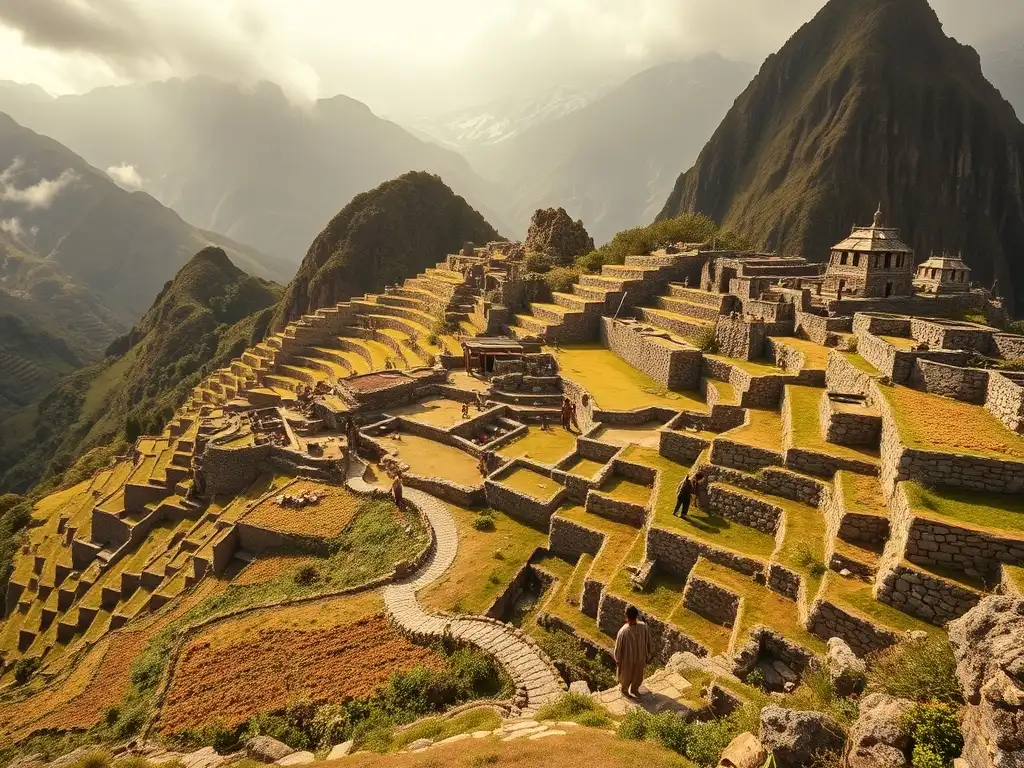
The Inca Empire's success hinged not only on military might but also on sophisticated administrative and logistical systems. Mitma, the resettlement program, was a prime example of this organizational prowess, requiring meticulous planning and execution to achieve its goals of controlling conquered territories, exploiting resources, and integrating diverse populations. Understanding the logistics involved reveals the complexity and efficiency of Inca governance. Effective Inca Mitma resettlement strategies relied on a multifaceted approach encompassing detailed record-keeping, resource allocation, and the strategic placement of colonists.
Inca Administration and Mitma Implementation
The implementation of Mitma was far from arbitrary. It was a carefully orchestrated process overseen by a hierarchical bureaucracy. Centralized planning, originating in Cusco, dictated which groups were to be relocated, where they would settle, and what their responsibilities would be.
Detailed records, likely kept using quipus (knotted string records), meticulously tracked the movement of individuals and families, ensuring accountability and preventing loss. The Apus (provincial governors) played a crucial role in coordinating the resettlement process within their respective provinces, ensuring the smooth integration of Mitma communities into the existing social fabric. This involved allocating land, assigning tasks, and resolving conflicts that inevitably arose.
Evidence suggests that the Inca state carefully considered the ecological suitability of resettlement locations, selecting areas capable of supporting the relocated populations. Failure to do so would have undermined the entire strategy. The selection process itself was likely influenced by several factors including proximity to resources (agricultural land, mines), strategic locations (border regions, communication routes), and the existing population density.
The Role of the Kurakas in Mitma Management
While the Inca administration oversaw the broad strokes of the Mitma program, local leaders, the kurakas, played a vital role in its daily management. These local chiefs, who often retained a degree of autonomy under Inca rule, were responsible for integrating the relocated populations into their existing communities. Their cooperation was essential to the success of Mitma.
They facilitated the allocation of resources, ensured the colonists understood their obligations, and acted as intermediaries between the Inca administration and the resettled communities. The kurakas were also responsible for monitoring the productivity of the Mitma communities, reporting back to the higher authorities on their progress and any challenges encountered. This decentralized approach ensured that the Inca administration could effectively manage vast territories while maintaining local control.
The success of Mitma resettlement strategies relied significantly on the collaboration and compliance of these local leaders, highlighting the sophistication of the Inca's approach to governance. Further research is needed to fully understand the nuances of kuraka involvement and the extent to which their power was affected by Mitma. [Specific information pending: More detailed studies on the relationship between Inca administrators and local kurakas during Mitma]
Infrastructure and Support for Mitma Communities
The Inca state didn't simply relocate people; it also invested in the infrastructure and support necessary for the long-term success of Mitma communities. This included the construction of new settlements, irrigation systems, roads, and storage facilities. The construction of tambos (roadside inns) along major routes facilitated communication and trade, benefiting both the Mitma communities and the wider empire.
The provision of tools, seeds, and livestock ensured that the relocated populations could establish themselves economically. This investment in infrastructure wasn't merely a charitable act; it was a strategic investment aimed at maximizing the economic output of the relocated communities and strengthening the empire's control over its resources. The careful planning and execution of this infrastructure development underscore the empire's commitment to the long-term success of the Mitma program.
The scale of this undertaking, considering the vast distances and challenging terrain involved, speaks volumes about the Inca's logistical capabilities and their ability to mobilize resources on a grand scale. Moreover, the integration of these new communities into the existing road network further facilitated the movement of goods and people throughout the empire, strengthening its cohesion and economic power. The success of Inca Mitma resettlement strategies is a testament to their understanding of the importance of both human and physical infrastructure.
Legacy of the Mitma System
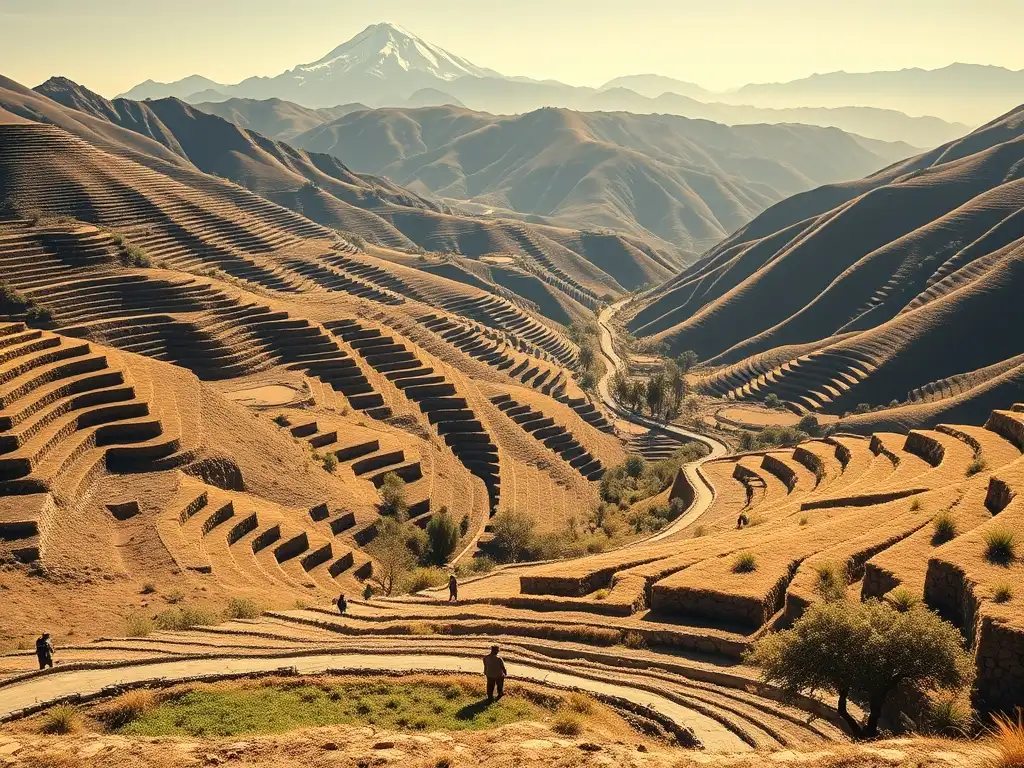
The Inca Mitma system, a sophisticated strategy of population resettlement, left a complex and enduring legacy on the Andean region. While often viewed through the lens of imperial control, understanding its long-term impacts requires a nuanced perspective, acknowledging both the coercive aspects and the potential benefits for certain groups. The system's influence extended beyond simple population distribution, impacting social structures, agricultural practices, and even the genetic landscape of the Andes. Its effects are still debated by scholars today, highlighting the system's multifaceted nature. Analyzing the Inca Mitma resettlement strategies reveals a sophisticated, albeit often brutal, system of imperial management.
Long-Term Effects of Mitma on Andean Populations
The long-term effects of Mitma on Andean populations were far-reaching and varied significantly depending on the specific circumstances of relocation. For many, resettlement meant displacement from ancestral lands, disruption of kinship networks, and the imposition of unfamiliar agricultural techniques. This led to social unrest and resistance in some cases, documented in archaeological findings and limited surviving colonial accounts. The forced assimilation of different ethnic groups within the relocated communities could also lead to cultural blending, but also to conflict and tension.
However, for others, Mitma presented opportunities. Relocation to newly developed agricultural zones, for example, could provide access to richer resources and improved living conditions. Some individuals may have even benefited from increased social mobility through integration into the Inca system. Furthermore, the dissemination of Inca agricultural techniques and technologies through Mitma contributed to the standardization of agricultural practices across the empire, leading to increased productivity in certain regions.
The long-term demographic impacts, including genetic admixture and population shifts, remain areas of ongoing research, particularly concerning the interplay between Mitma and natural population movements. Further research is needed to fully understand the complex interplay of these factors. The effects of Inca Mitma resettlement strategies on the genetic makeup of Andean populations are still being studied.
Lessons Learned from Inca Resettlement Strategies
The Inca Mitma system offers valuable lessons for modern-day approaches to population resettlement and management, particularly in contexts of conflict, disaster relief, or development projects. While the coercive nature of Mitma is undeniable, analyzing its logistical aspects reveals surprising insights. The Inca's ability to effectively relocate and integrate large populations across vast distances highlights the importance of meticulous planning, efficient resource allocation, and, crucially, the incorporation of local knowledge.
Their strategies for integrating relocated communities into the broader imperial structure, while often harsh, also suggest the need for effective communication and the provision of essential resources to ensure successful resettlement. The Inca's understanding of the importance of maintaining existing social structures, to some extent, offers a lesson in minimizing cultural disruption.
However, it’s critical to note that the Inca system’s success was built upon coercion and exploitation. Modern resettlement initiatives must prioritize voluntary participation and cultural sensitivity, avoiding the inherent injustices of the Inca system. The success of modern strategies hinges on the ethical treatment of individuals and communities, a stark contrast to the often brutal realities of Mitma. Studying the Inca Mitma resettlement strategies provides a complex case study for understanding the challenges and potential pitfalls of large-scale population movement. Careful consideration of both the successes and failures of the Inca system can provide valuable guidance for contemporary practices.
Modern Perspectives on Inca Mitma
Contemporary scholarship on Inca Mitma has evolved beyond a simple condemnation of imperial oppression. While acknowledging the system's coercive nature, researchers now emphasize its complexity and varied impacts. This nuanced perspective considers the perspectives of different communities affected by resettlement, recognizing the diverse experiences and outcomes associated with Mitma.
Archaeological discoveries continue to refine our understanding of the system, providing more detailed insights into the daily lives of those relocated and the long-term consequences of their displacement. The Inca Mitma resettlement strategies are viewed as a complex example of imperial control, but also a reflection of the Inca's understanding of resource management and population control within a vast and diverse empire.
Moreover, there is a growing interest in the system's adaptive capacity. The Inca's ability to modify their strategies in response to various ecological and social conditions demonstrates a degree of flexibility and pragmatism that is often overlooked. Understanding this adaptive dimension is crucial for evaluating the system's overall effectiveness and long-term sustainability.
Further research into the economic and social impacts of Mitma on various Andean communities promises to provide a more comprehensive understanding of this crucial aspect of Inca imperial administration. The ongoing investigation of Inca Mitma resettlement strategies continues to reveal new insights into the complexities of Inca imperial power.
Conclusion: The Importance of Mitma in Inca Imperialism
The Inca Empire's remarkable expansion and enduring power were not solely the result of military might. A sophisticated system of control, encompassing political, economic, and social strategies, played a crucial role. Within this intricate web of power, mitma, the resettlement of conquered populations, stands out as a particularly effective tool for consolidating imperial authority and ensuring long-term stability.
This system, far from being a simple act of population displacement, was a carefully planned and executed strategy with multifaceted consequences for both the Inca state and the resettled communities. Understanding mitma is key to understanding the very nature of Inca imperialism and its lasting legacy. The following sections will delve into the significance of mitma as a cornerstone of Inca power and the complexities inherent in their population management strategies.
Mitma as a Cornerstone of Inca Power
Mitma was more than just a relocation program; it was a powerful instrument of Inca control. By strategically relocating conquered populations, the Inca achieved several key objectives. Firstly, it weakened potential rebellions by dispersing enemy groups and integrating them into the existing imperial structure.
Secondly, it provided a readily available labor force for crucial infrastructure projects like road construction, agriculture, and mining – projects vital to the empire's economic prosperity. Thirdly, mitma facilitated the spread of Inca culture and language, fostering a degree of cultural assimilation among conquered peoples. This process wasn't always smooth, and resistance undoubtedly occurred, but the long-term impact of mitma on the standardization of cultural practices across the empire is undeniable.
The effectiveness of mitma is evident in the enduring presence of Inca influence even in regions far from Cusco, the imperial capital. The strategic placement of mitmaq communities acted as a buffer zone against potential threats, creating a network of loyal subjects across the vast empire.
Consider the example of the resettlement of skilled artisans from conquered regions. These individuals contributed significantly to the Inca economy, producing high-quality textiles, ceramics, and metalwork that adorned imperial centers and served as tributes. This infusion of specialized labor not only bolstered the Inca economy but also served to enrich the cultural landscape of the empire. The Inca skillfully leveraged mitma to consolidate their power and enhance their economic and cultural dominance.
The Complexity of Inca Population Management
The Inca system of population management, of which mitma was a central component, was exceptionally intricate. It wasn't merely about relocation but encompassed a complex web of interactions involving land allocation, tribute collection, and the integration of mitmaq communities into the ayllu system – the traditional Andean social and economic organization. While mitma provided a significant labor pool, the Inca also implemented other mechanisms to manage the population, including the mita system, a form of mandatory labor service.
The mita and mitma were intertwined; mitmaq communities often participated in mita labor assignments, further integrating them into the imperial economy. The precise relationship between mita and mitma is still a subject of ongoing scholarly debate, with much of the available data needing further analysis to draw definitive conclusions.
[Specific information pending on the exact interplay between mita and mitma in various regions of the empire]. Understanding this intricate interplay is crucial to fully grasping the sophistication of Inca population control strategies.
The Inca also implemented systems of record-keeping, likely using quipus (knotted cords) to track population movements, labor assignments, and resource allocation. This sophisticated administrative system is a testament to the Inca's advanced organizational capabilities. Their ability to manage the vast human and material resources of their empire relied heavily on effective record-keeping and a well-structured administrative apparatus.
Final Thoughts on Inca Resettlement Practices
The Inca's use of mitma resettlement strategies represents a sophisticated and effective approach to imperial control. It was a key component of their broader strategy for managing and consolidating their vast empire. By strategically relocating populations, the Inca were able to weaken potential opposition, secure a reliable labor force, and promote cultural assimilation. However, the mitma system was not without its complexities and challenges. The integration of mitmaq communities into the existing social and economic structures was a delicate process, requiring careful planning and management. Further research is needed to fully understand the long-term social and cultural consequences of mitma on both the Inca state and the resettled communities. The legacy of mitma continues to shape our understanding of Inca imperial power and the remarkable organizational capabilities of this ancient Andean civilization. The study of mitma provides invaluable insights into the intricate dynamics of power, control, and adaptation within the Inca Empire.
Frequently Asked Questions
What were Inca Mitma resettlement strategies?
Inca Mitma involved the forced relocation of people from conquered territories to different parts of the empire. This strategy served multiple purposes, including population control, labor mobilization, and cultural assimilation.
Why did the Inca use Mitma resettlement?
The Inca employed Mitma to control conquered populations, suppress rebellions, and establish loyal communities in strategic locations. It also provided a reliable workforce for projects like road building and agriculture.
What were the consequences of Mitma resettlement for those relocated?
Relocated communities often faced hardships adapting to new environments and climates. However, Mitma also provided opportunities for social mobility and access to resources in some cases.
How did Mitma resettlement contribute to Inca imperial expansion?
Mitma was a crucial tool in the Inca's expansionist policy. By strategically moving people, the Inca could consolidate power, extend their influence, and ensure the loyalty of newly conquered territories.
How effective were Inca Mitma resettlement strategies in the long term?
The long-term effectiveness of Mitma is debated. While it contributed to Inca control, it also caused social disruption and may have undermined the empire's stability in some regions, contributing to eventual collapse.
Final Reflection: The Enduring Legacy of Inca Mitma
The Inca Empire's sophisticated resettlement program, Mitma, remains a compelling case study in state-building and social engineering, offering crucial insights into managing vast, diverse populations and maintaining imperial control in a challenging landscape. Its effectiveness, even in the face of inevitable resistance, speaks volumes about the strategic foresight and administrative prowess of the Inca leadership. The echoes of Mitma's impact resonate even today.
The ingenious system of Mitma, far from being a mere tool of oppression, fostered a complex interplay of cultural exchange and economic integration across the empire. It highlights the importance of understanding the nuances of power dynamics and the delicate balance between control and collaboration in maintaining a large and diverse state. The Inca state was not simply a conquering force; it was a sophisticated administrative machine that actively shaped the lives of its subjects.
This quote underscores the enduring relevance of understanding Mitma's complexities, moving beyond simplistic narratives of conquest and oppression. The lasting impact of this system on the social fabric of the Andes continues to shape the region's identity.
Consider the implications of Mitma's success and failures. How can we learn from the Inca's strategies for managing diverse populations and integrating them into a larger political entity? You, the reader, are now equipped with a deeper understanding of this fascinating historical process. Reflect on the challenges of nation-building and the importance of considering both the benefits and drawbacks of centralized control. Let the legacy of Mitma inspire you to explore the complexities of power, governance, and the enduring impact of historical systems on the present day.
Unlock the Secrets of Inca Control and Resilience!
Thank you for exploring the fascinating world of the Inca and their resettlement strategies. Your investigation enriches your understanding of Andean history and offers valuable insights into resilience and cultural adaptation. Let's build on this knowledge!
Here are some powerful steps you can take:
- **Learn from local examples** of indigenous adaptation strategies within your community. You might be surprised by the relevance of these historical lessons to contemporary challenges.
- **Share your newfound knowledge** with friends and family, sparking conversations about land management and cultural resilience in the modern world.
- **Deepen your understanding** by visiting Inca historical sites or participating in relevant workshops.
What aspects of the Inca approach to control and resettlement most resonate with you, and how can these principles inform your perspective on community building today?