
Inca Architecture and the Environment: Building in Harmony with Nature

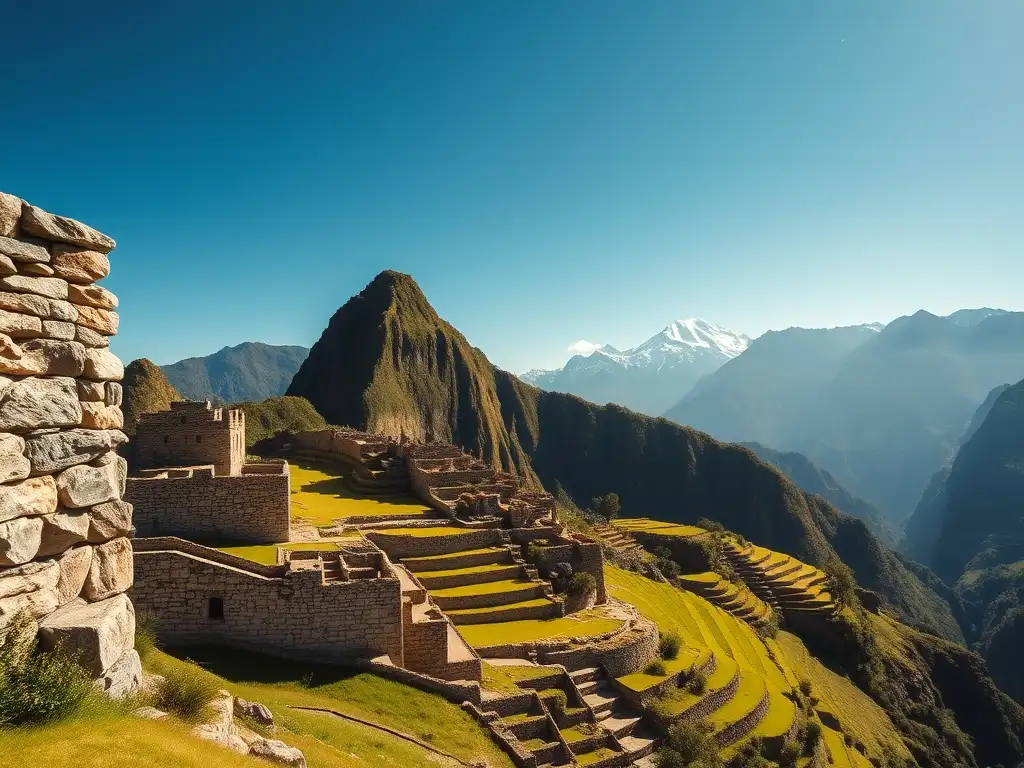
Step into a world lost to time, yet echoing with the ingenuity of the Andes. Imagine cities carved into mountains, intricate irrigation systems defying gravity, and a civilization that thrived in harmony with its environment. This is the legacy of the Andean civilizations, and we invite you to uncover the secrets of their remarkable achievements. But what about the Inca architecture environmental impact? Delve deeper into the fascinating relationship between Inca ingenuity and the natural world—a story of breathtaking innovation and sustainable design. Prepare to be amazed.
The Inca Empire, renowned for its sophisticated social structures and impressive engineering feats, left behind a legacy of architectural marvels that stand as a testament to their deep understanding and respect for the environment. This article delves into the intricate relationship between Inca architecture and its environmental context, exploring how their building practices minimized environmental impact while simultaneously maximizing resource utilization and adaptation to the challenging Andean landscape.
We will examine specific examples of Inca ingenuity, showcasing their remarkable ability to integrate their structures seamlessly within their surroundings, a practice that continues to inspire sustainable building techniques today. Understanding the Inca approach to architecture offers valuable insights for contemporary architects and engineers seeking environmentally responsible solutions in challenging terrains.
The impact of Inca architecture on the environment, both positive and negative, will be carefully considered, providing a comprehensive overview of this fascinating topic relevant to the keyword "Inca architecture environmental impact".
Sustainable Building Materials and Techniques
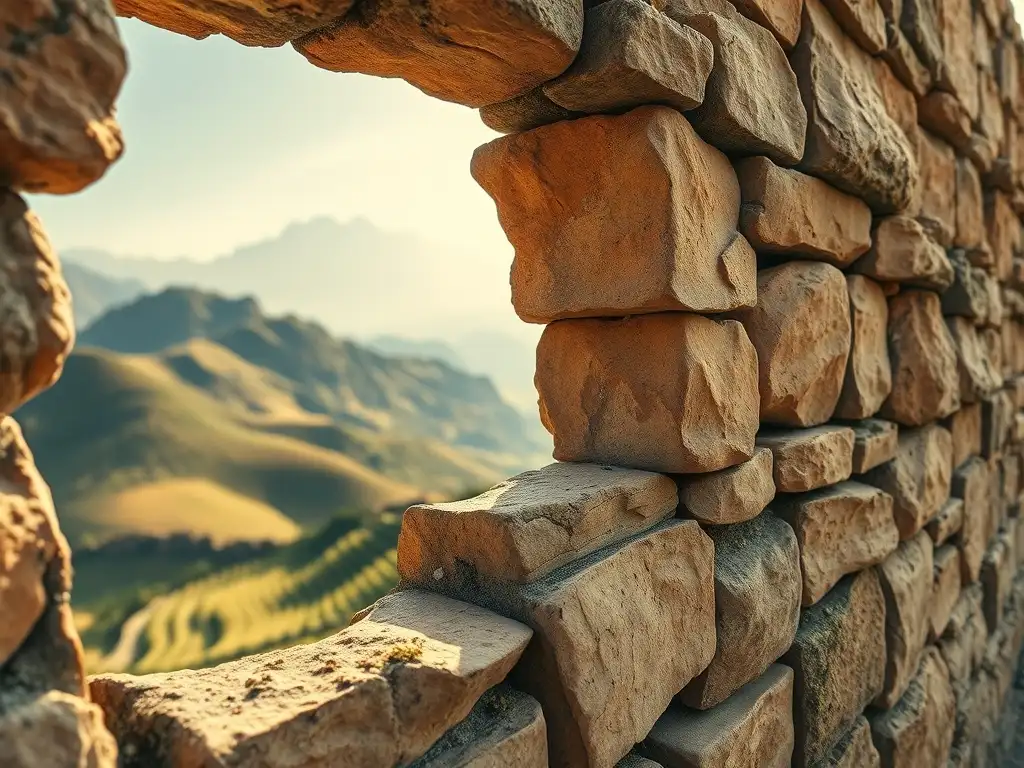
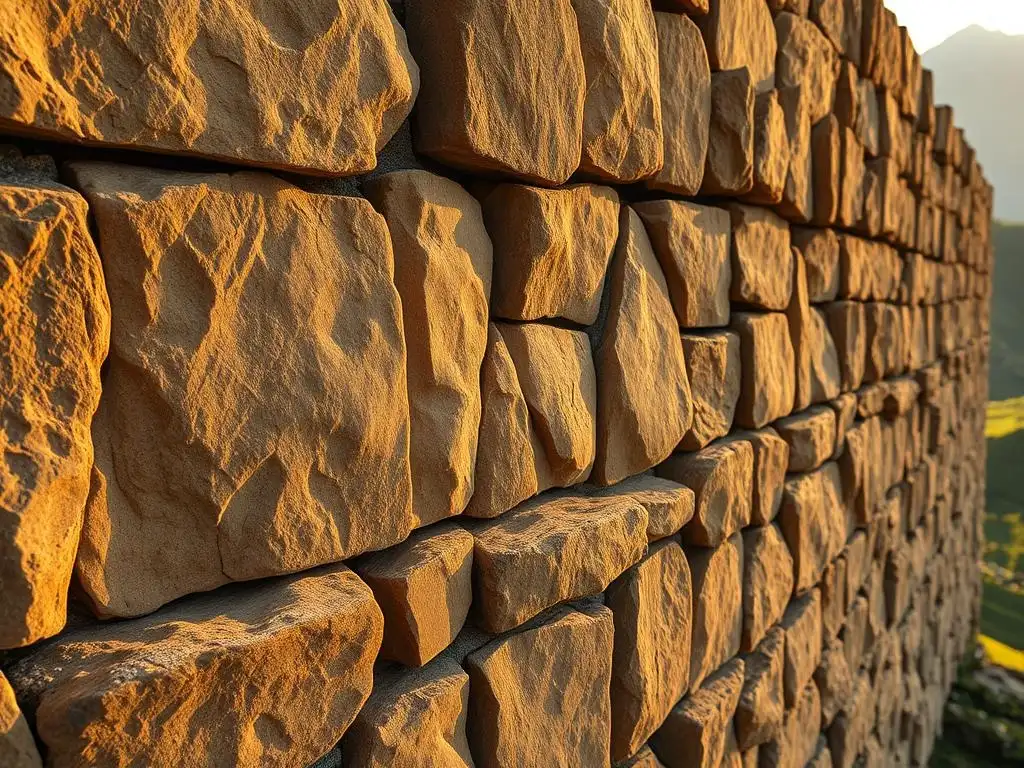
Inca builders demonstrated a remarkable proficiency in utilizing locally sourced, sustainable materials. Stone, readily available throughout the Andes, formed the backbone of their constructions. Instead of quarrying large blocks that would cause significant environmental disruption, they skillfully employed smaller stones, carefully fitting them together to create incredibly strong and durable structures. This meticulous approach, known as ashlar masonry, minimized waste and reduced the overall environmental footprint.
Furthermore, the use of readily available materials reduced transportation needs, further lessening the impact on the environment. They also cleverly integrated existing natural features into their designs, minimizing excavation and land alteration. The incorporation of local vegetation, such as grasses and reeds, in roofing and other construction elements further highlights their commitment to sustainable practices.
Adaptive Architecture: Responding to the Andean Terrain
The Andes Mountains present a formidable challenge for construction, with steep slopes, seismic activity, and diverse microclimates. However, Inca architects cleverly adapted their building techniques to overcome these obstacles. Their structures were often terraced, following the contours of the land to minimize soil erosion and maximize usable space.
This terracing technique not only prevented landslides but also created fertile agricultural plots, further demonstrating their holistic approach to environmental integration. The use of specific stone types, selected for their strength and resistance to earthquakes, further showcases their understanding of the environmental context and its impact on building design. Examples of this adaptive architecture can be seen throughout the Inca road system and in their impressive agricultural terraces.
Minimizing the Environmental Footprint: A Case Study of Machu Picchu
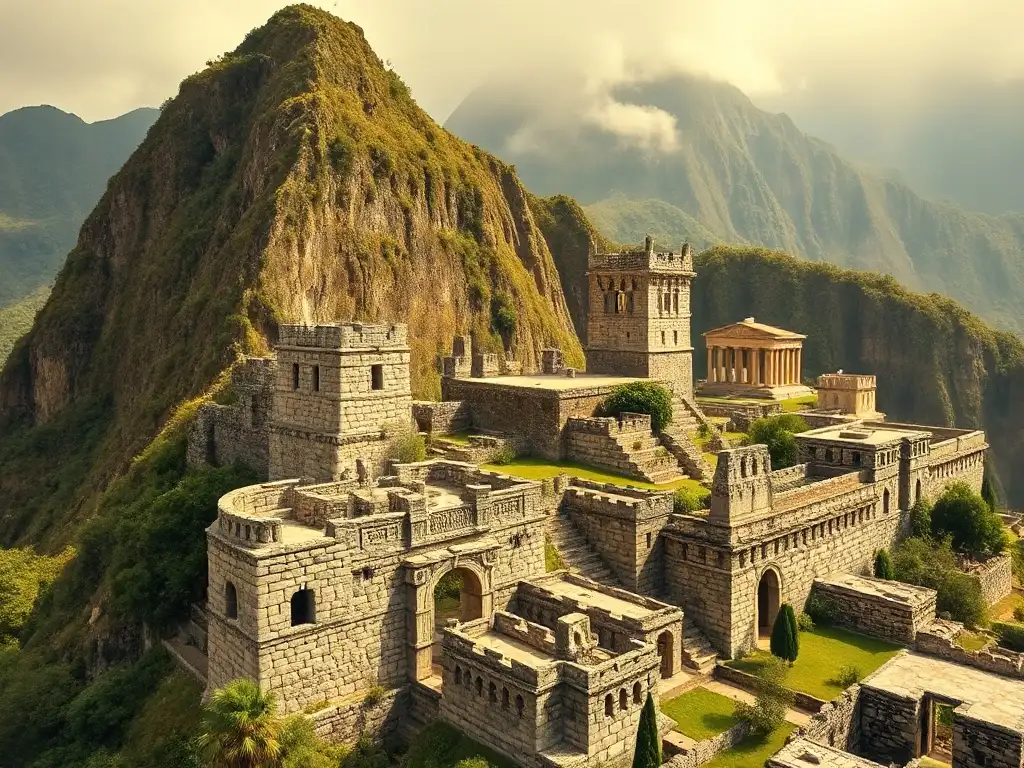
Machu Picchu, the iconic “Lost City of the Incas,” serves as a prime example of Inca architecture’s harmony with the environment. The city's design seamlessly blends with the surrounding landscape, minimizing its visual impact. The careful placement of buildings, using existing rock formations as foundations, reduced the need for extensive excavation.
The efficient use of water management systems, including intricate irrigation channels and fountains, demonstrates a sophisticated understanding of water conservation and resource management. Moreover, the city's agricultural terraces provided food for the inhabitants, reducing the need for extensive external resource extraction. The overall design of Machu Picchu underscores the Inca’s commitment to a sustainable and harmonious relationship with their environment.
The Legacy of Inca Architecture: Lessons for the Present
The Inca's approach to architecture offers invaluable lessons for contemporary sustainable building practices. Their emphasis on locally sourced materials, adaptive design, and minimal environmental impact provides a powerful model for architects and engineers today. The Inca’s ingenuity in integrating their structures with the natural landscape provides inspiration for creating buildings that not only function well but also enhance their environment.
By studying and emulating the Inca’s techniques, we can strive to create more sustainable and environmentally responsible structures in the face of contemporary challenges such as climate change and resource depletion. The ongoing study of Inca architecture continues to reveal new insights into their sophisticated engineering and environmental consciousness, offering a rich source of knowledge for future generations. The principles of Inca architecture continue to inspire innovative approaches to sustainable building design, emphasizing the enduring value of their legacy.
- Sustainable Building Materials and Techniques
- Adaptive Architecture: Responding to the Andean Terrain
- Minimizing the Environmental Footprint: A Case Study of Machu Picchu
- The Legacy of Inca Architecture: Lessons for the Present
- How did Inca architecture minimize its environmental impact?
- What building materials did the Incas primarily use?
- Did Inca architecture affect the surrounding ecosystems?
- How did the Incas adapt their architecture to different environments?
- What are some examples of Inca architecture that demonstrate environmental harmony?
The Inca Understanding of Natural Resources and Construction
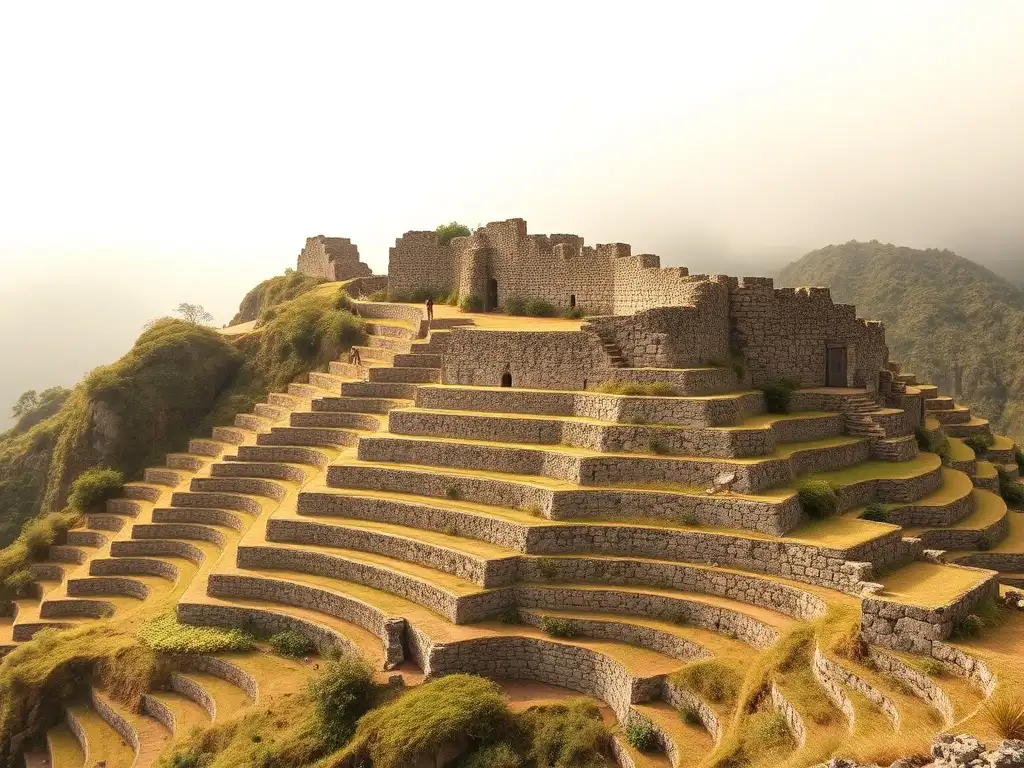
The Inca Empire's remarkable architectural achievements weren't solely feats of engineering prowess; they were deeply intertwined with a sophisticated understanding of the Andean environment and its resources. The Inca's approach to construction wasn't about dominating nature, but rather about working with it, minimizing environmental impact while maximizing the use of readily available materials. This harmonious relationship is evident in their meticulous material selection, innovative construction techniques, and overall approach to resource management.
The very fabric of Inca architecture reflects a deep respect for the land and its capacity to provide. This understanding of their surroundings shaped not only the aesthetic qualities of their structures but also their remarkable longevity and resilience. Analyzing Inca architecture through the lens of its environmental impact reveals a civilization remarkably attuned to sustainable practices, centuries ahead of their time.
The ingenuity demonstrated in their resource management offers valuable lessons for contemporary sustainable building practices. Understanding their methods allows us to appreciate the holistic approach the Inca employed, which prioritized both functionality and environmental responsibility.
Inca Material Selection: Utilizing Andesite, Granite, and Adobe
Inca builders displayed a keen awareness of the readily available materials in their environment and their suitability for different construction purposes. The choice of materials wasn't arbitrary; it was driven by factors such as durability, accessibility, and environmental impact. Three key materials stand out: andesite, granite, and adobe.
- Andesite: This volcanic rock, prevalent throughout the Andes, was a staple in Inca construction, particularly for monumental structures like Machu Picchu. Its strength and resistance to weathering made it ideal for load-bearing walls and intricate stonework. The Inca's mastery of quarrying and stone-cutting techniques allowed them to shape andesite into precisely fitted blocks, creating structures of exceptional stability. The use of locally sourced andesite minimized transportation costs and environmental disruption associated with long-distance material transport.
- Granite: Similar to andesite, granite's durability and abundance contributed to its widespread use. However, its use was often more selective, employed where exceptional strength and longevity were required. The selection of granite often depended on its proximity to the construction site, reflecting a pragmatic approach to minimizing transport burdens and their associated environmental effects.
- Adobe: In contrast to the hard stones, adobe – sun-dried brick made from clay and other local materials – played a vital role in Inca construction, especially for residential and less demanding structures. Adobe's lower environmental impact compared to fired bricks is significant. The production process was relatively simple, requiring minimal energy input and reducing the carbon footprint associated with brick-making. The use of adobe showcases the Inca's adaptability and their understanding of material properties suited to specific applications.
Minimizing Inca Construction Environmental Footprint
The Inca's commitment to minimizing their construction's environmental footprint was not merely incidental; it was integral to their approach. Several strategies highlight their sustainability:
- Local Sourcing: As previously discussed, the preference for locally sourced materials significantly reduced the carbon footprint associated with transportation. This reduced both pollution and the environmental damage caused by extensive road building or animal transport.
- Minimal Land Disturbance: Inca construction techniques often involved adapting to the existing topography, minimizing the need for extensive land clearing and earthworks. This approach preserved existing ecosystems and reduced soil erosion. The integration of structures into the landscape is a testament to their respect for the environment.
- Waste Minimization: The precise fitting of stones in Inca masonry minimized waste. The remarkable precision of their stonework allowed them to use almost all quarried material, reducing the amount of discarded rock and minimizing the environmental impact of quarrying operations. This demonstrates an efficient and resourceful approach to resource utilization.
- Sustainable Practices: The Inca's agricultural techniques, closely linked to their construction activities, were also sustainable. Terracing, for example, prevented soil erosion and maximized agricultural output, ensuring food security without harming the environment. This integrated approach underscores the holistic nature of their environmental stewardship.
The Inca Empire's architectural legacy is not just a collection of impressive structures; it's a powerful testament to a civilization that understood the importance of building in harmony with nature. Their methods offer valuable insights for modern sustainable building practices, demonstrating that environmentally responsible construction and architectural grandeur are not mutually exclusive. The careful selection of materials, coupled with innovative construction techniques, resulted in structures that stood the test of time while minimizing their environmental impact—a legacy that continues to inspire today.
Key Features of Inca Architecture That Promoted Environmental Harmony
The Inca Empire, renowned for its sophisticated engineering and architectural prowess, demonstrated a remarkable understanding of environmental sustainability. Their architectural achievements weren't merely aesthetic; they were deeply intertwined with their environment, reflecting a profound respect for and adaptation to the challenging Andean landscape. This harmonious relationship between Inca architecture and the environment is evident in several key features, showcasing their ingenuity and foresight in minimizing the negative impact of their construction and maximizing resource utilization.
Analyzing these features reveals a sophisticated approach to sustainable building practices, far ahead of its time, and offers valuable lessons for contemporary architecture aiming for environmental responsibility. The understanding of Inca architecture's environmental impact is crucial for appreciating the full scope of their achievements.
Terracing Techniques for Soil Conservation and Agriculture
Inca agricultural practices were inextricably linked to their architectural ingenuity. The steep slopes of the Andes presented significant challenges for farming, but the Inca overcame this by developing sophisticated terracing systems. These weren't simply carved into hillsides; they were meticulously planned and executed, employing a series of interconnected platforms supported by retaining walls.
These walls, often constructed from locally sourced stone, not only prevented soil erosion but also created microclimates, improving soil fertility and water retention. The terraces significantly increased arable land, allowing for intensive agriculture in a challenging environment. The precision of the terracing, visible even today in many sites, speaks to the advanced knowledge of engineering and the profound understanding of the land’s potential.
The effectiveness of this system is undeniable; it enabled the Inca to support a large population in a geographically demanding region, minimizing environmental disruption. The impact on soil conservation was profound, ensuring long-term agricultural productivity and reducing the risk of landslides and other environmental hazards. The intricate network of terraces is a testament to the Inca's commitment to sustainable agricultural practices and their ability to work in harmony with nature.
Inca Water Management Systems: Sustainable Irrigation and Drainage
Water management was paramount for the Inca, particularly in the arid and semi-arid regions of their empire. Their ingenuity in this area is perhaps even more impressive than their terracing techniques. They developed elaborate systems of canals, aqueducts, and reservoirs, demonstrating a deep understanding of hydrology and a commitment to efficient water use.
These systems were not only used for irrigation but also for drainage, preventing flooding and protecting infrastructure. The construction of these systems involved careful planning and execution, taking into account the terrain, water sources, and the needs of the agricultural lands they served. For example, the ingenious use of gravity to channel water across long distances, minimizing energy expenditure and maximizing efficiency, is a marvel of engineering.
The integration of water management systems with their architecture is remarkable; structures were often built to incorporate these systems, showcasing a holistic approach to design that prioritized resource conservation. Precisely engineered channels, often lined with stone to minimize water loss, testify to the Inca's ability to manage water resources sustainably, ensuring both agricultural productivity and the protection of their settlements from the damaging effects of flooding and drought. The longevity of some of these systems, parts of which remain functional even today, demonstrates their remarkable durability and sustainable design.
The Use of Natural Light and Ventilation in Inca Structures
Beyond the large-scale engineering feats, the Inca also demonstrated a keen understanding of how to integrate their buildings with the environment at a smaller scale. The design of Inca structures frequently incorporated features that optimized natural light and ventilation. The use of strategically placed windows and doorways, combined with carefully designed internal layouts, allowed for natural illumination and airflow. This minimized the need for artificial light and heating, reducing energy consumption and improving the comfort and habitability of the structures.
Furthermore, the materials used in construction often had thermal properties that contributed to temperature regulation. Stone, for instance, provided excellent insulation, maintaining relatively stable internal temperatures throughout the day. This approach to building design reflects an understanding of passive solar design principles, demonstrating an awareness of the environmental impact of building materials and design choices.
The integration of these features into the overall architectural design showcases a holistic approach to construction that prioritized both functionality and environmental sustainability. It's a clear example of how the Inca's architectural ingenuity was directly informed by their awareness of the local climate and environmental conditions, resulting in structures that were both energy-efficient and comfortable. The study of Inca architecture offers valuable insights into sustainable building practices, highlighting the importance of considering environmental factors at every stage of the design process.
Analyzing the Environmental Impact of Inca Building Techniques
The Inca Empire, renowned for its impressive architectural feats, demonstrated a remarkable understanding of sustainable building practices. Their approach to construction minimized environmental impact, a testament to their deep connection with and respect for their environment. Analyzing their techniques reveals a sophisticated system that prioritized resource efficiency and ecological harmony. This section will explore the key aspects of Inca architecture that minimized its environmental footprint, focusing on material selection, land management, and ecosystem preservation. Understanding the Inca's environmental impact allows us to appreciate their ingenuity and learn from their sustainable practices.
The Sustainability of Inca Construction Materials
Inca builders prioritized locally sourced, readily available materials, significantly reducing transportation needs and associated emissions. Stone, the primary building material, was quarried responsibly, often utilizing already existing formations. This minimized the disruption of natural landscapes and avoided the large-scale deforestation associated with other building methods.
The careful selection of stone types further enhanced sustainability. For instance, the use of granite and andesite, known for their durability and resistance to weathering, meant structures required less frequent maintenance and replacement, thus extending their lifespan and reducing material consumption over time. Furthermore, the use of adobe bricks, made from locally sourced clay and straw, presented a sustainable alternative for less demanding structures, reducing reliance on quarried stone.
The incorporation of organic materials like wood and thatch, primarily for roofing and interior elements, was also carefully managed to minimize deforestation, likely through selective harvesting and replanting strategies. The long-term impact of such practices, however, requires further investigation, but preliminary evidence suggests a remarkably low environmental footprint for their construction material choices.
Reducing Erosion and Land Degradation Through Inca Engineering
The Inca's architectural ingenuity extended beyond material selection to encompass sophisticated engineering solutions that mitigated erosion and land degradation. Their mastery of terracing, particularly in agricultural landscapes, is a prime example. Terraces not only increased arable land but also prevented soil erosion by creating level platforms that captured rainwater and reduced runoff.
This careful management of water flow was crucial in preventing landslides and maintaining soil fertility. Moreover, the Inca's construction techniques, such as the precise fitting of stones without mortar, ensured structural stability and minimized the need for extensive excavation or earthworks. This reduced soil disturbance and helped maintain the integrity of surrounding ecosystems.
The intricate network of canals and irrigation systems, often integrated into their architectural designs, further showcased their understanding of water management and its role in preventing erosion and desertification. These systems, carefully planned and executed, minimized the negative environmental impact of their agricultural practices and ensured the long-term sustainability of their settlements.
Inca Architecture's Minimal Impact on Ecosystems
The Inca’s approach to architecture demonstrated a profound respect for the natural environment and a keen awareness of minimizing disruption to existing ecosystems. Their settlements were often integrated seamlessly into the landscape, minimizing deforestation and habitat destruction. The strategic placement of structures, often taking advantage of natural features like hillsides and valleys, further reduced the need for extensive land clearing.
Careful consideration was given to the impact of building activities on local flora and fauna. While specific data on the impact on biodiversity is scarce, the available evidence suggests a relatively low level of disruption compared to other ancient civilizations. The Inca’s sustainable approach to resource management, their sophisticated understanding of engineering principles, and their evident respect for the environment, allowed them to create impressive architectural marvels while minimizing their ecological footprint.
This legacy serves as a powerful example of how human development can coexist harmoniously with nature, offering valuable lessons for contemporary sustainable building practices. Further research into Inca agricultural practices and their impact on biodiversity is needed to fully understand the complexity of their environmental impact.
Examples of Inca Environmental Architecture
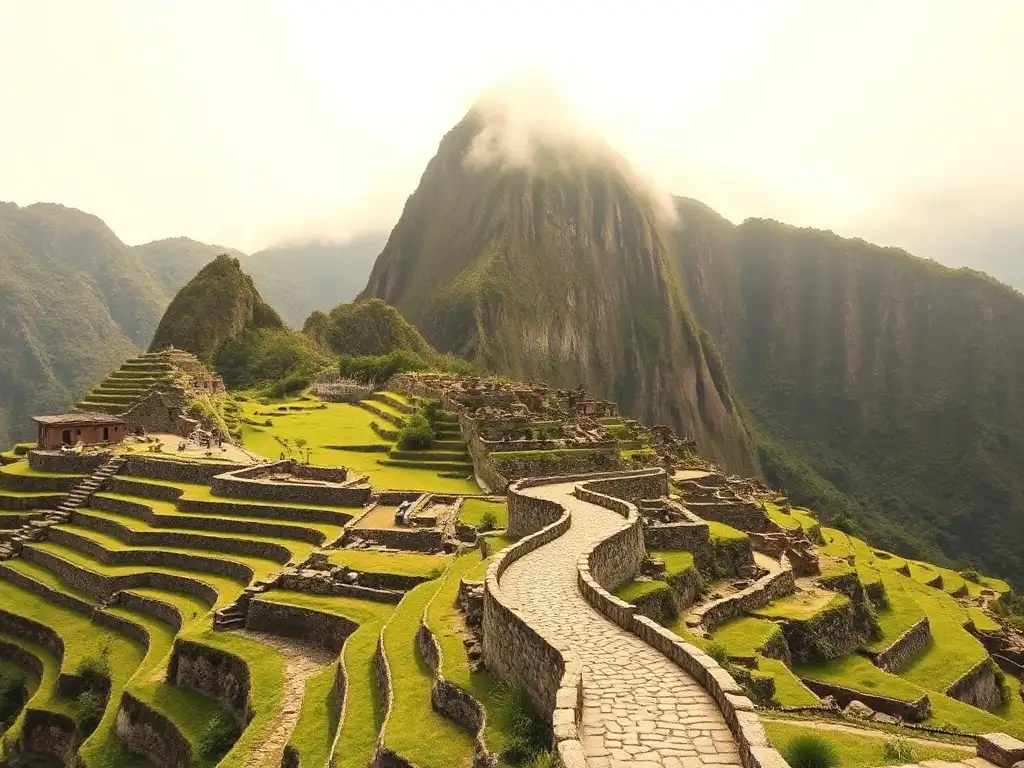
This section delves into specific examples of Inca architecture that showcase their remarkable ability to integrate their constructions seamlessly with the surrounding environment. The Inca's understanding of their landscape, coupled with their advanced engineering skills, resulted in structures that were not only aesthetically pleasing but also remarkably sustainable and resilient. This approach minimized the environmental impact of their building projects, demonstrating a sophisticated relationship between human ingenuity and ecological awareness. The impact of Inca architecture on the environment was, in many ways, remarkably minimal considering the scale of their construction projects.
Machu Picchu: A Model of Integration with the Landscape
Machu Picchu, the iconic "Lost City of the Incas," stands as a prime example of Inca architectural ingenuity harmoniously integrated with its environment. Nestled high in the Andes Mountains, the city’s design masterfully utilizes the natural contours of the landscape. Terraces carved into the steep slopes minimized soil erosion and provided agricultural land for the inhabitants.
The buildings themselves were constructed using locally sourced materials, primarily granite, which blended perfectly with the surrounding rock formations. This minimized the need for transportation of materials over long distances, reducing the overall environmental footprint. Furthermore, the city's water management system, a complex network of canals and fountains, was meticulously designed to collect and distribute water efficiently, ensuring a sustainable water supply for the population.
This sophisticated system demonstrates a profound understanding of hydrology and its application in urban planning. The Machu Picchu example illustrates the Inca's commitment to sustainable building practices, minimizing the disturbance to the delicate mountain ecosystem.
Sacsayhuamán: Utilizing Natural Rock Formations
Sacsayhuamán, a massive fortress located near Cusco, presents another compelling case study of Inca architectural harmony with nature. Unlike Machu Picchu's integration through terracing, Sacsayhuamán's impressive cyclopean walls showcase the Inca’s ability to adapt their construction to pre-existing natural features. Instead of leveling the terrain, the Incas strategically incorporated the massive natural rock formations into the fortress walls.
These enormous stones, some weighing over 100 tons, were precisely fitted together without the use of mortar, creating a structure that is both breathtaking and remarkably stable. This intelligent use of existing rock formations minimized the amount of material extraction and waste generation, showcasing a resourceful and environmentally conscious approach to construction.
The Inca's mastery in stonework, evident in the precise fitting of these massive boulders, reduced the need for extensive quarrying and transportation, further minimizing the environmental impact of the project. The sheer scale of Sacsayhuamán, combined with its ingenious construction techniques, highlights the Inca’s impressive engineering prowess and their respect for the natural landscape.
Ollantaytambo: Adapting to the Mountainous Terrain
Ollantaytambo, a significant Inca town and fortress situated in a narrow valley, provides further evidence of the Inca’s remarkable adaptation to challenging terrain. The town’s architecture is intricately interwoven with the steep slopes and agricultural terraces that characterize the valley. The agricultural terraces, meticulously carved into the mountainside, not only provided fertile land for farming but also helped to stabilize the soil and prevent erosion.
This innovative approach to agriculture maximized the use of available land while minimizing the environmental disruption. The buildings themselves were carefully positioned to maximize sunlight and minimize wind exposure, reflecting a deep understanding of the local climate and its impact on building design. The integration of the agricultural terraces into the overall urban planning of Ollantaytambo is a testament to the Inca’s holistic approach to environmental sustainability, demonstrating their awareness of the interconnectedness between urban development and agricultural practices.
The precision and scale of the agricultural terraces at Ollantaytambo showcase the Inca's dedication to preserving the land's productivity while building their settlements. This approach directly counteracted potential negative environmental impacts associated with large-scale construction projects.
Lessons from Inca Architecture for Modern Sustainable Building
The Inca Empire, renowned for its sophisticated engineering feats, offers invaluable lessons for contemporary sustainable building practices. Their architectural achievements weren't merely aesthetic; they were deeply intertwined with the environment, demonstrating a profound understanding of resource management and ecological harmony. Analyzing Inca architecture reveals ingenious strategies for minimizing environmental impact, which can inspire innovative solutions for modern construction.
The Inca's mastery of Inca architecture environmental impact mitigation provides a rich case study for architects and engineers seeking to build a more sustainable future. Understanding their methods can lead to significant improvements in energy efficiency, material sourcing, and waste reduction in modern constructions.
Principles of Inca Design Adaptable to Contemporary Construction
Inca builders prioritized the use of locally sourced materials, minimizing transportation costs and emissions. Stone, readily available in the Andes, formed the backbone of their structures. This emphasis on locally sourced materials is directly applicable to contemporary green building. By prioritizing regionally available resources, we can reduce the carbon footprint associated with material transport and promote local economies.
Furthermore, Inca construction techniques often involved fitting stones together precisely, minimizing the need for mortar. This "dry-stone masonry" technique, though labor-intensive, reduces the reliance on cement production, a significant source of greenhouse gas emissions. Modern adaptations of this technique, using prefabricated components, could streamline the process while retaining its environmental benefits.
Another key principle is the integration of architecture with the landscape. Inca structures were seamlessly integrated into their surroundings, often utilizing natural features to enhance stability and aesthetics. This approach minimizes site disruption and promotes biodiversity. Contemporary architects can learn from this by designing buildings that blend harmoniously with their environment, reducing the need for extensive land clearing and minimizing visual impact.
The Inca's understanding of natural ventilation and passive solar design also merits consideration. Their buildings were often oriented to maximize sunlight in winter and minimize it in summer, reducing reliance on mechanical heating and cooling systems. Modern building design can incorporate these principles through careful site selection, building orientation, and the strategic use of natural materials with high thermal mass.
Replicating Inca Techniques for Ecological Architecture
The ingenuity of Inca architecture extends to their innovative water management systems. They developed sophisticated irrigation canals and terraces to optimize water usage in challenging terrains. These systems not only supported agriculture but also minimized soil erosion and runoff. Modern architects can draw inspiration from these systems by incorporating rainwater harvesting, greywater recycling, and other water-efficient technologies into their designs.
This is particularly crucial in regions facing water scarcity. The Inca's expertise in utilizing natural materials goes beyond stone. They skillfully employed wood, thatch, and adobe, all readily biodegradable and renewable resources. Modern architects can explore similar materials, prioritizing sustainable forestry practices and minimizing the use of energy-intensive materials like steel and concrete.
Additionally, the Inca's construction methods often involved minimal waste. Precise stone cutting and fitting ensured that materials were used efficiently. This contrasts sharply with modern construction practices, where significant waste generation is often unavoidable.
By embracing lean construction principles and exploring prefabrication techniques inspired by Inca methods, we can significantly reduce waste in modern building projects. A detailed analysis of Inca construction waste management practices (specific information pending) could provide even more valuable insights for modern sustainable construction. The precision and efficiency demonstrated in Inca stonework could be replicated through advanced digital design and manufacturing techniques, further enhancing the sustainability of the process.
The Legacy of Inca Environmental Consciousness in Modern Design
The Inca's approach to architecture demonstrates a holistic understanding of the relationship between human activity and the environment. Their buildings weren't simply structures; they were integral parts of a larger ecological system. This holistic approach is a valuable lesson for modern architects and designers, who are increasingly recognizing the need to integrate environmental considerations into every stage of the building process.
The Inca's legacy underscores the importance of sustainable material sourcing, efficient resource management, and the integration of architecture with the natural landscape. Their commitment to minimizing environmental impact offers a powerful model for sustainable building practices in the 21st century.
The profound understanding of Inca architecture environmental impact by the Inca civilization serves as a powerful reminder that sustainable design is not merely a trend but a necessity. By adopting their principles and adapting their techniques to modern contexts, we can create buildings that are not only aesthetically pleasing and functional but also environmentally responsible and contribute to a more sustainable future.
Further research into specific Inca building techniques (specific information pending) could unlock even more innovative solutions for contemporary sustainable construction. The Inca's legacy inspires us to strive for harmony between human civilization and the natural world, a crucial aspect of creating truly sustainable architecture.
Comparing Inca Architecture with Other Ancient Civilizations
This section delves into a comparative analysis of Inca architecture, highlighting its unique characteristics when juxtaposed against other prominent ancient civilizations. While many ancient societies developed impressive architectural feats, the Inca approach stands out due to its specific adaptation to the challenging Andean environment and its emphasis on sustainability. We will explore these differences, focusing on contrasting building methods and environmental practices.
Contrasting Inca Building Methods with Egyptian Architecture
Egyptian architecture, renowned for its monumental pyramids and temples, relied heavily on massive stone blocks precisely cut and fitted together using advanced tools and techniques. The sheer scale of these projects required immense manpower and resources. In contrast, Inca architecture, while equally impressive, employed a different strategy.
Instead of relying on massive blocks, the Incas utilized smaller, irregularly shaped stones, meticulously fitted together without mortar. This dry-stone masonry, known as ashlar, showcased remarkable precision and engineering skill, allowing for flexibility and adaptability to the uneven terrain of the Andes. The smaller stone sizes also facilitated easier transportation and construction in mountainous regions, minimizing the environmental impact associated with large-scale quarrying and transportation.
For instance, the precision of Inca masonry is evident in the walls of Sacsayhuamán, near Cusco. The stones fit together so tightly that a knife blade cannot be inserted between them. This is a stark contrast to the more standardized, albeit equally impressive, block-based construction of the Egyptian pyramids. The Incas' mastery of dry-stone masonry is a testament to their ingenuity and adaptability, reflecting a far less resource-intensive approach than that of the Egyptians. The lack of mortar also allowed for flexibility in the face of seismic activity, a crucial consideration given the Andean region's frequent earthquakes.
Comparing Inca Environmental Practices with Roman Engineering
Roman engineering achievements, such as aqueducts and roads, significantly impacted their environment, often involving massive deforestation and land alteration. While their infrastructure was impressive, the Romans' approach to resource management often lacked the sustainability that characterized Inca practices. The Incas, on the other hand, demonstrated a remarkable understanding of their environment and integrated their architecture seamlessly into the landscape. Their terraced farming techniques, for example, not only increased agricultural output but also prevented soil erosion and minimized the impact on natural water resources.
This contrasts sharply with some Roman engineering projects, which sometimes led to significant ecological disruption. The construction of roads, while facilitating trade and communication, often resulted in habitat fragmentation and deforestation. Similarly, some aqueducts, though marvels of engineering, diverted water resources, potentially impacting local ecosystems. The Inca approach prioritized integration with the environment rather than dominance over it, resulting in a more sustainable outcome, a clear difference in their environmental impact.
The Unique Approach of the Incas to Sustainable Building
The Inca approach to building was uniquely sustainable, considering factors like material sourcing, construction techniques, and the overall impact on the environment. They prioritized locally sourced materials, minimizing transportation needs and reducing their carbon footprint. Their use of dry-stone masonry reduced the need for energy-intensive processes like firing bricks. Furthermore, their architectural designs were often integrated into the existing landscape, minimizing disruption to natural habitats.
The Incas' understanding of the Andean environment is evident in their choice of materials. They utilized readily available stone, wood, and thatch, minimizing the need for extensive quarrying or deforestation. Their construction techniques, such as the use of interlocking stones and ingenious drainage systems, ensured the longevity of their structures while minimizing environmental damage.
This holistic approach to building, prioritizing harmony with nature over imposing structures upon it, is a key element of the Inca's legacy and a vital aspect of understanding the Inca architecture environmental impact. Further research into specific Inca construction projects and their long-term environmental consequences would be beneficial to fully quantify this impact. The available evidence strongly suggests, however, a significantly lower environmental impact compared to many other ancient civilizations.
The Enduring Relevance of Inca Architecture's Environmental Approach
The Inca Empire's impressive architectural achievements weren't solely feats of engineering prowess; they were also remarkable examples of sustainable building practices deeply intertwined with the surrounding environment. Understanding the Inca approach to architecture offers invaluable lessons for contemporary sustainable design and construction, particularly in addressing the growing challenges of climate change and resource depletion. Their methods, honed over centuries, demonstrate a sophisticated understanding of environmental impact and resource management, far surpassing the technological capabilities of their time.
This section will explore the enduring relevance of this approach, highlighting key aspects that continue to resonate today. The Inca's masterful integration of architecture with the landscape, their use of locally sourced materials, and their adaptive building techniques are all crucial aspects of their environmentally conscious approach to construction.
These principles, often overlooked in modern construction, provide a compelling argument for revisiting and implementing similar strategies in today's world. The Inca’s legacy extends beyond the majestic ruins; it provides a blueprint for sustainable building practices that can help mitigate the environmental impact of modern construction.
Preserving Inca Architectural Heritage for Future Generations
Preserving Inca architectural heritage requires a multifaceted approach that goes beyond simple restoration. It demands a deep understanding of the Inca's building techniques and their relationship with the environment. This understanding is crucial to ensure that conservation efforts don't inadvertently compromise the very principles of sustainability that made Inca architecture so remarkable. For example, the use of traditional materials and techniques in restoration projects is paramount.
Employing modern materials might seem efficient, but it can negatively impact the long-term stability and authenticity of the structures. Furthermore, climate change poses a significant threat to Inca sites. Increased rainfall, fluctuating temperatures, and extreme weather events can accelerate erosion and damage delicate structures. Therefore, proactive measures, such as improved drainage systems and climate-resilient materials, are essential to safeguard these invaluable sites.
Careful monitoring and ongoing research are also necessary to understand the impact of environmental changes on the sites and adapt preservation strategies accordingly. The challenge is to balance the needs of preservation with the principles of sustainability, ensuring that future generations can appreciate and learn from this remarkable legacy. This involves careful planning, community engagement, and a commitment to long-term preservation strategies that prioritize both the cultural and environmental significance of Inca architecture.
The Importance of Studying Inca Environmental Practices
Studying Inca environmental practices within the context of their architecture provides invaluable insights into sustainable design and construction. Their approach wasn't merely a matter of expediency; it was a deeply ingrained aspect of their worldview, reflecting a harmonious relationship between humans and nature. Analyzing their methods, including the selection of building materials, the orientation of structures, and the integration with the landscape, can reveal crucial lessons for modern architects and engineers.
For instance, the Inca's skill in using local materials minimized transportation costs and environmental impact. Their ability to adapt building designs to specific environmental conditions, such as seismic activity and varying climates, demonstrates a remarkable level of ingenuity and adaptability. This adaptive approach is especially relevant today, as climate change necessitates more resilient and environmentally responsive building designs.
Moreover, by understanding the Inca's sophisticated water management systems, integrated into their architectural designs, we can gain insights into water conservation and efficient resource utilization. Detailed studies of Inca agricultural terraces, for example, reveal intricate systems of water channeling and soil conservation that could inspire modern agricultural practices. The systematic study of these practices offers a rich source of inspiration for innovative and sustainable solutions to modern-day environmental challenges.
Inca Architecture: A Source of Inspiration for a Sustainable Future
The Inca legacy extends beyond its historical significance; it offers a potent source of inspiration for creating a more sustainable future. Their architectural achievements demonstrate that sustainable construction is not merely a modern concept but a practice that has been successfully implemented on a large scale centuries ago. The principles of using local materials, minimizing environmental impact, and integrating structures with the landscape are as relevant today as they were during the Inca Empire. Modern architects and engineers can draw inspiration from Inca ingenuity to develop innovative and environmentally conscious building designs.
For example, the Inca's mastery of stonework, with its emphasis on precision and durability, can inspire the development of more sustainable and long-lasting building materials. Their understanding of climate and topography informed their architectural choices, resulting in structures that were both aesthetically pleasing and functionally appropriate to their environment. This holistic approach, considering both form and function within the context of the environment, can serve as a model for modern sustainable design.
By emulating the Inca's environmentally conscious approach, we can strive to create buildings that are not only aesthetically pleasing and functional but also contribute to a more sustainable and resilient future. The Inca's architectural achievements stand as a testament to the possibility of building in harmony with nature, a lesson that holds immense value in the face of today's environmental challenges. The integration of these principles into modern construction practices could significantly reduce the environmental impact of the built environment.
Frequently Asked Questions
How did Inca architecture minimize its environmental impact?
The Inca cleverly used locally sourced materials, minimizing transportation needs and reducing their carbon footprint. They also adapted their building techniques to the specific environment, creating structures that blended seamlessly with the landscape.
What building materials did the Incas primarily use?
The Incas primarily used stone, adobe bricks, and wood, materials readily available in the Andes. Their mastery of stonework is particularly noteworthy, creating incredibly durable structures.
Did Inca architecture affect the surrounding ecosystems?
While the Incas utilized natural resources, their impact was generally localized and sustainable. Their agricultural practices and building techniques were often integrated with the environment rather than destructive to it.
How did the Incas adapt their architecture to different environments?
Inca architecture showed remarkable adaptability, varying from stone structures in mountainous regions to adobe constructions in drier areas. This adaptability reflected a deep understanding of their environment.
What are some examples of Inca architecture that demonstrate environmental harmony?
Sacsayhuamán, with its massive stone walls blending into the mountainside, and Machu Picchu, perched harmoniously on a mountain ridge, are prime examples of Inca architecture's environmental integration. Their designs minimized disruption to the natural landscape.
Final Reflection: Echoes of the Andes: A Legacy of Sustainable Building
The ingenuity of Inca architecture continues to resonate today, offering a powerful counterpoint to our often unsustainable building practices. Their mastery of environmental integration wasn't merely a matter of practicality; it was a profound philosophical commitment, a testament to a society deeply connected to its surroundings. This connection, so evident in their breathtaking structures, offers vital lessons for a world grappling with climate change and resource depletion.
The Inca's understanding of their environment, their ability to adapt their building techniques to the specific challenges of the Andes, continues to inspire architects and engineers seeking sustainable solutions. Their approach wasn't about dominating nature, but about working with it, a philosophy beautifully captured in this quote: The mountains are our mother, the rivers our veins; to harm them is to harm ourselves.
This ancient wisdom holds a timeless relevance, reminding us that true progress lies not in conquest but in harmony.
Consider the Inca's legacy. Think about the meticulous planning, the resourcefulness, the deep respect for the land that went into every stone laid. Now, imagine applying these principles to your own life, your own community. How can we build more sustainably? How can we foster a deeper connection with the natural world? The answers lie not only in technological innovation, but in a renewed commitment to mindful living, a conscious effort to build, not just structures, but a more harmonious relationship with our planet.
Embrace the Legacy of Inca Architecture Today!
Thank you for exploring the remarkable connection between Inca architecture and the environment. You've gained valuable insights into how these master builders harmonized their structures with nature, providing a powerful model for sustainable living. Now, let's put that knowledge into action!
- Apply these principles: Begin by assessing your home or workspace, identifying opportunities to adopt environmentally conscious practices. Consider using natural light, improving insulation, or incorporating recycled materials.
- Seek inspiration: Explore local buildings that exemplify sustainable design, noting how innovative features contribute to their environmental performance. Let these examples inform your own projects.
- Share your knowledge: Discuss the ingenuity of Inca building techniques with friends, family, and colleagues. Engage with online communities dedicated to sustainable architecture and share your newfound appreciation for environmentally responsible design.
How can you integrate the principles of sustainable design, inspired by Inca architecture, into your own home or community projects?