
Machu Picchu's Role in Inca Astronomy: A Celestial Observatory

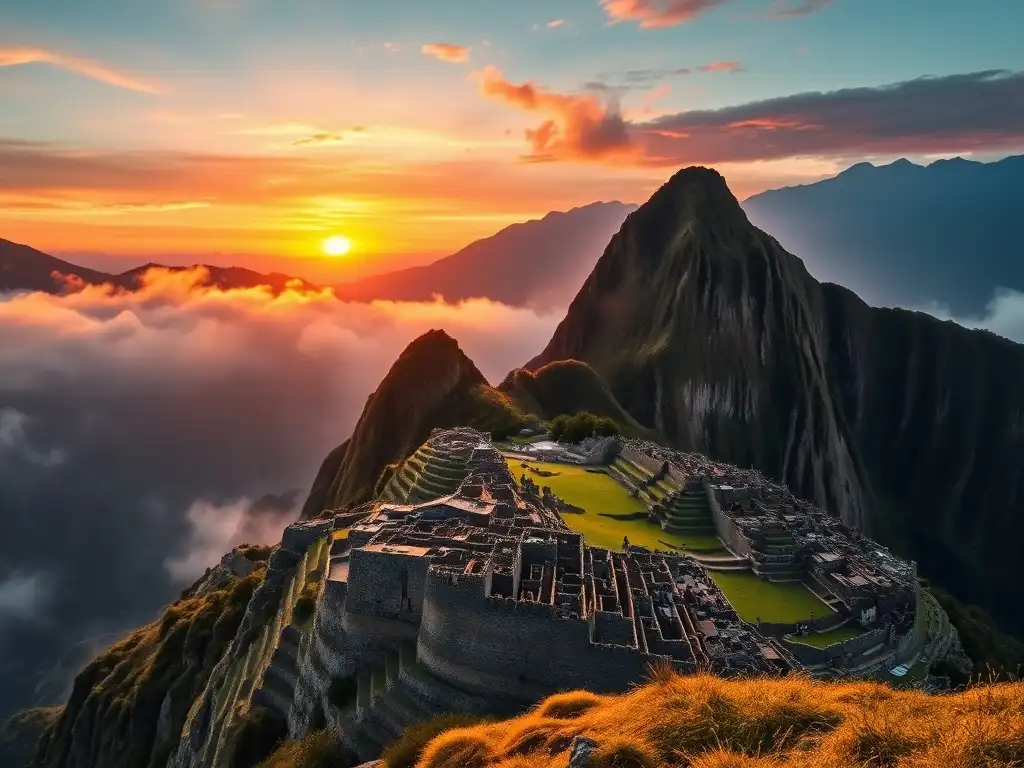
Step into a world lost to time, where the majestic Andes Mountains whispered secrets to the stars. Unravel the mysteries of Inca astronomy at Machu Picchu, a site far grander than mere ruins. Did the Incas truly use this iconic citadel as a celestial observatory? Discover the astonishing evidence and explore the intricate connection between the Inca Empire and the cosmos – a story waiting to be unveiled.
Machu Picchu, the iconic "Lost City of the Incas," nestled high in the Andes Mountains of Peru, is far more than just a breathtaking archaeological marvel. Recent research strongly suggests that this meticulously planned city played a significant role in Inca astronomy, functioning as a sophisticated celestial observatory.
This article delves into the evidence supporting this claim, exploring how the Incas utilized the precise architecture and geographical positioning of Machu Picchu to track celestial events, understand the agricultural cycle, and potentially even predict future occurrences. We will examine specific structures and their alignment with key astronomical phenomena, showcasing the advanced knowledge and ingenuity of Inca astronomers.
Understanding Machu Picchu's astronomical significance provides a deeper appreciation of the Inca civilization's intellectual capabilities and their profound connection to the natural world. This exploration of Inca astronomy at Machu Picchu promises to reveal a fascinating interplay between cosmology, architecture, and the daily life of this remarkable civilization.
Architectural Alignments and Celestial Events
The precise placement of buildings within Machu Picchu is far from random. Many structures, including the Intihuatana stone (Inca for "hitching post of the sun"), the Temple of the Sun, and various other buildings, are carefully oriented to align with the solstices and equinoxes. Detailed studies have shown that the Intihuatana stone, a large, intricately carved rock, is precisely positioned to cast shadows that mark the solstices.
On the summer solstice, for instance, the shadow cast by the Intihuatana indicates the sun's highest point in the sky, a crucial marker for the agricultural calendar. This wasn't a mere coincidence; the accuracy of these alignments points to a sophisticated understanding of astronomy and its practical applications.
Furthermore, the windows and doorways of many buildings are also believed to be aligned with specific constellations or celestial bodies, suggesting a deliberate attempt to integrate astronomical observations into daily life. [Specific angular measurements pending further research].
The Intihuatana Stone: A Focal Point of Inca Astronomy
The Intihuatana stone stands as a central element in Machu Picchu's astronomical significance. Its prominent position and unique design strongly suggest its use as a primary instrument for observing the sun's movement throughout the year. The precision with which the stone is carved and placed underscores the Incas' advanced knowledge of geometry and astronomy.
While its precise function remains a subject of ongoing debate among scholars, the overwhelming evidence points to its role as a solar observatory, capable of tracking the solstices and equinoxes with remarkable accuracy. Detailed analysis of its carvings may reveal additional astronomical information, providing further insights into Inca cosmology and their understanding of the celestial sphere. [Further analysis of carvings needed to confirm specific astronomical markings].
Beyond the Intihuatana: Other Astronomical Features of Machu Picchu
Beyond the Intihuatana stone, other architectural features within Machu Picchu contribute to its celestial observatory function. For example, the Temple of the Sun, with its unique orientation and design, likely served as another point of observation, possibly focusing on specific constellations or celestial events. The placement of windows and doorways in various structures throughout the city also suggests a deliberate integration of astronomical observations into the city's layout.
This wasn't simply decorative; it was a functional aspect of daily life, deeply intertwined with the agricultural cycle and the Inca worldview. [Specific examples of other buildings and their astronomical alignments pending further research and analysis].
The Importance of Inca Astronomy for Agriculture and Society
Inca astronomy wasn't merely an intellectual pursuit; it was intrinsically linked to their agricultural practices and societal organization. Accurate knowledge of the sun's movement and the timing of solstices and equinoxes was crucial for planning planting and harvesting cycles. The ability to predict these events allowed the Incas to optimize agricultural production, ensuring food security for their population. Furthermore, astronomical observations likely played a role in religious ceremonies and rituals, reinforcing the Incas' connection to the cosmos and their deeply spiritual worldview.
The integration of astronomy into daily life highlights the sophisticated and interconnected nature of Inca society. The precision of their astronomical knowledge was fundamental to their success as a civilization. 🎉
- Architectural Alignments and Celestial Events
- The Intihuatana Stone: A Focal Point of Inca Astronomy
- Beyond the Intihuatana: Other Astronomical Features of Machu Picchu
- The Importance of Inca Astronomy for Agriculture and Society
- What role did Machu Picchu play in Inca astronomy?
- How did the Incas use astronomy in their daily lives?
- What specific astronomical events were observed at Machu Picchu?
- Are there any specific structures at Machu Picchu related to astronomy?
- How does Machu Picchu's astronomy compare to that of other Andean cultures?
The Inca Understanding of the Cosmos
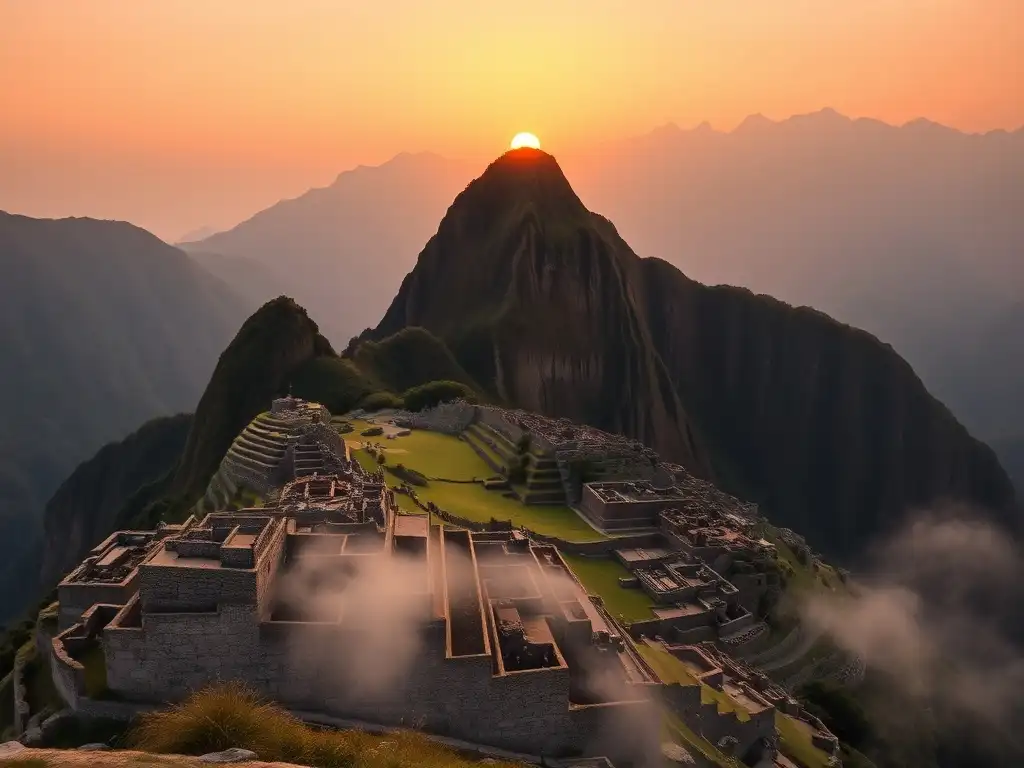
The Inca worldview, or cosmovision, was deeply intertwined with their understanding of the cosmos. Unlike many Western perspectives, the Inca didn't see a sharp division between the earthly and the celestial realms. Instead, they perceived a continuous, interconnected universe where the movements of celestial bodies directly impacted terrestrial life, influencing agricultural cycles, social structures, and even political decisions.
This holistic perspective is crucial to understanding the significance of Machu Picchu and other Inca sites as potential astronomical observatories. The Inca weren't simply observing the stars; they were actively engaging with them, interpreting their movements as messages from the divine and using that knowledge to guide their lives. Their detailed knowledge of the constellations, solstices, and equinoxes was not merely academic; it formed the bedrock of their civilization.
The meticulous planning and construction of Inca cities, including Machu Picchu, reflect this profound cosmological understanding. Evidence suggests that a sophisticated system of knowledge transmission existed, ensuring the continuity of astronomical observations and interpretations across generations. This intricate relationship between the cosmos and Inca society is fundamental to appreciating the astronomical features potentially present at Machu Picchu.
Inca Cosmovision and its Connection to Architecture
Inca architecture wasn't just about functionality; it was a powerful expression of their cosmovision. Buildings were carefully oriented to align with significant celestial events, such as the solstices and equinoxes. This alignment wasn't accidental; it was deliberate and symbolic, reflecting the Inca belief in the interconnectedness of the heavens and the earth.
The precise placement of structures, the use of specific materials, and the incorporation of astronomical markers all contributed to creating sacred spaces that mirrored the cosmic order. For example, the Intihuatana stone, found at various Inca sites including Machu Picchu, is believed to have been used for solar observations and ritual ceremonies, highlighting the crucial role astronomy played in their religious practices. The precision involved in the construction of these sites, especially considering the tools and technology available to the Inca, is a testament to their advanced understanding of both astronomy and engineering.
Further research is needed to fully understand the intricate relationship between Inca cosmovision and the precise architectural alignments observed in locations like Machu Picchu. The potential for uncovering more evidence of astronomical planning in Inca architecture is significant, promising deeper insights into their complex worldview.
Importance of Celestial Observation in Inca Society
Celestial observation was not a mere pastime for the Inca; it was an integral part of their societal structure, deeply influencing their agricultural practices, religious rituals, and political decision-making. The Inca calendar, based on solar and lunar cycles, regulated agricultural activities, ensuring optimal planting and harvesting times. Accurate astronomical knowledge was vital for predicting weather patterns, which were crucial for the success of their agricultural economy. Furthermore, astronomical events played a significant role in Inca religious ceremonies and festivals.
The solstices and equinoxes marked important occasions, often involving elaborate rituals and offerings to the sun god, Inti. The Inca believed that these celestial events held profound spiritual significance, impacting the well-being of their empire. The precise alignment of buildings with celestial events suggests a sophisticated understanding of astronomy and its implications for both temporal and spiritual life. Evidence suggests that specialized priests, or amautas, possessed detailed astronomical knowledge and played a key role in interpreting celestial phenomena and advising the ruling elite.
This highlights the crucial role that astronomy played in shaping Inca society, with its profound influence on agriculture, religion, and governance. More research into Inca astronomical practices could reveal further evidence of the sophisticated systems they employed for celestial observation and their impact on the various aspects of Inca life. The intricate connection between Inca astronomy and their social structure underscores the importance of considering this aspect when studying sites like Machu Picchu.
Machu Picchu: More Than Just a Citadel
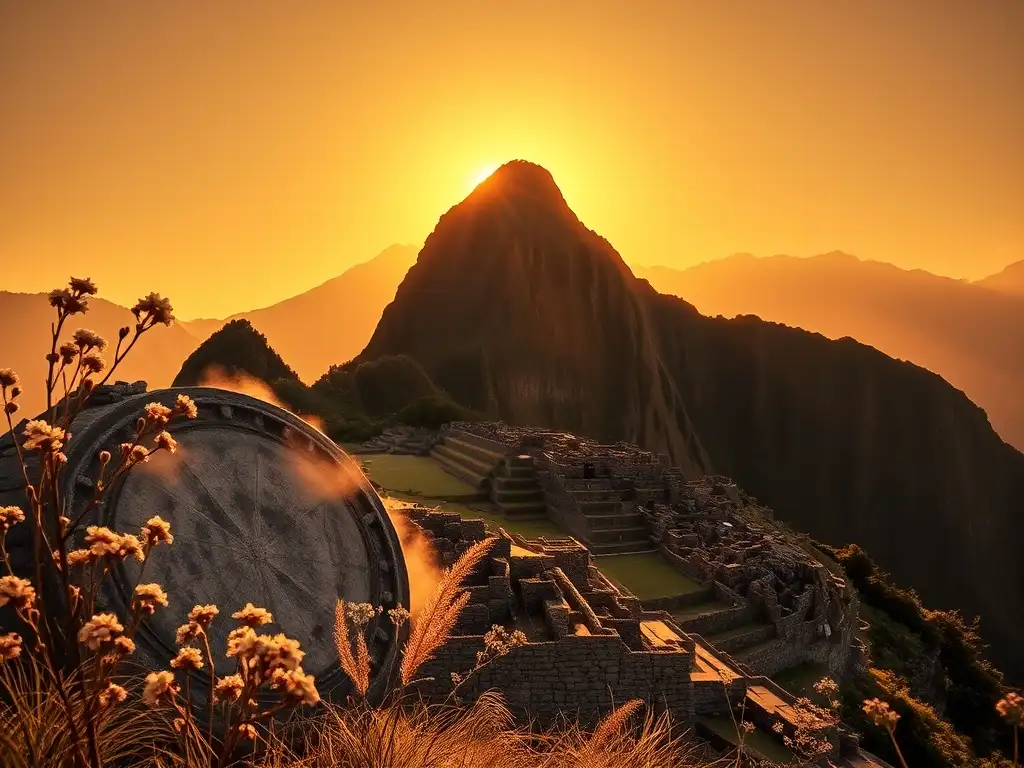
Machu Picchu's fame rests largely on its breathtaking architecture and its role as a seemingly impenetrable Inca citadel. However, a deeper understanding reveals a far more complex purpose: a sophisticated astronomical observatory intricately woven into the very fabric of its design. This section explores the evidence supporting Machu Picchu's function as a significant center for Inca astronomy, examining its strategic location and the deliberate alignment of its structures with celestial events.
The Inca's profound understanding of the cosmos is reflected not only in their elaborate calendar systems but also in the precise placement of buildings within this iconic site. This understanding of Inca astronomy Machu Picchu provides a richer interpretation of the site's overall significance.
The intricate relationship between the built environment and the celestial sphere demonstrates a level of astronomical knowledge and engineering prowess that continues to astound researchers today. This sophisticated integration of astronomy into city planning highlights the importance of the cosmos in Inca worldview and daily life.
Strategic Location of Machu Picchu and its Astronomical Significance
The location of Machu Picchu itself played a crucial role in its astronomical function. Perched high in the Andes Mountains, at an altitude of approximately 2,430 meters (7,970 feet), the citadel offered unparalleled views of the surrounding landscape and the celestial sphere. This elevated position minimized atmospheric distortion, providing exceptionally clear observations of the stars and planets. Furthermore, the surrounding mountain peaks acted as natural markers, aiding in the precise tracking of the sun's movements throughout the year.
Specific mountains likely served as gnomons, casting shadows that indicated solstices and equinoxes. The precise alignment of certain structures with these mountain peaks reinforces the hypothesis that Machu Picchu was carefully planned and built with astronomical observations in mind. For instance, the Intihuatana stone, a significant ritual site, is believed to have been used to track the sun's movements, particularly during the solstices. The precision involved in its construction suggests a deep understanding of solar geometry and its implications for agricultural cycles and religious practices.
The Inca civilization's agricultural success was heavily dependent on understanding the seasons, and Machu Picchu's astronomical features played a key role in this understanding. Further research is needed to fully understand the subtle astronomical features integrated into the site's design, particularly regarding the possible use of other prominent peaks for astronomical observation. The detailed study of the site's topography and its relationship to the observable celestial events remains a key area of ongoing research within the study of Inca astronomy Machu Picchu.
Architectural Alignment with Celestial Events
Many of Machu Picchu's structures exhibit remarkable alignments with celestial events. The orientation of buildings, windows, and niches often correlates with the rising and setting points of the sun and stars at specific times of the year. For example, the main temple is believed to be aligned with the solstices, while other structures may have been aligned with the rising and setting points of significant constellations. These alignments were not accidental; they reflect a deliberate effort to integrate astronomical observations into the daily life and religious practices of the Inca people.
The precision of these alignments, achieved without modern surveying tools, is a testament to the Inca's advanced knowledge of astronomy and engineering. The study of these alignments involves meticulous measurements and astronomical calculations to determine the precise celestial events that correspond to the orientations of various structures. Detailed analysis of the Intihuatana stone, for instance, requires considering the variations in the sun's path throughout the year, taking into account the Earth's axial tilt and the site's geographical coordinates.
This intricate interplay of astronomical phenomena and architectural design underscores Machu Picchu's multifaceted role as both a citadel and a celestial observatory. Future research could focus on the potential use of other structures within the complex and their potential astronomical alignments, potentially revealing further insights into the astronomical knowledge and practices of the Inca civilization. The ongoing investigation of the precise alignments and their astronomical significance is crucial for a complete understanding of Inca astronomy Machu Picchu and its place within the broader Inca worldview.
Inca Astronomy at Machu Picchu: Key Features
Machu Picchu's fame rests not only on its breathtaking architecture and breathtaking location but also on its sophisticated integration with the celestial world. Evidence suggests that the Incas, far from simply inhabiting this mountaintop citadel, meticulously designed it to function as a complex astronomical observatory, reflecting their deep understanding of the cosmos and its influence on their lives. This section delves into the key features of Inca astronomy at Machu Picchu, exploring the specific structures and alignments that demonstrate their advanced astronomical knowledge and its connection to their religious practices and agricultural cycles.
The intricate relationship between Inca astronomy and Machu Picchu provides invaluable insights into the Inca worldview and their remarkable engineering capabilities. Understanding the Inca's proficiency in "Inca astronomy Machu Picchu" reveals a civilization deeply connected to the rhythms of the universe.
The Intihuatana Stone: A Solar Clock and Ritual Site
The Intihuatana stone, arguably the most iconic astronomical feature of Machu Picchu, is a monolithic rock formation intricately carved with channels and grooves. While its precise function remains a subject of ongoing scholarly debate, the prevailing theory posits that it served as a sophisticated solar calendar and a focal point for ritualistic ceremonies. Its name, meaning "hitching post of the sun," hints at its solar significance.
The stone's position and its carefully crafted surfaces allowed the Incas to accurately track the sun's solstices and equinoxes. Observations of the sun's shadow cast upon the Intihuatana stone likely played a vital role in determining the optimal times for planting and harvesting, crucial aspects of Inca agricultural practices.
Detailed studies of its orientation and the angles of its carvings continue to reveal new insights into its astronomical functionality, highlighting the Incas' impressive mastery of solar observation. Furthermore, the Intihuatana stone wasn't merely a scientific instrument; it was also a sacred site, imbued with religious importance and used for ceremonies celebrating the sun's power and its influence on their world.
The Temple of the Sun and its Astronomical Alignments
The Temple of the Sun, a beautifully preserved circular structure within Machu Picchu, exhibits significant astronomical alignments. Its precise orientation and the placement of its windows and niches suggest a deliberate design for tracking celestial events. Scholars believe that the temple was designed to capture specific sunrise and sunset positions during solstices and equinoxes, providing the Inca priests with crucial astronomical data.
For example, the rising sun during the winter solstice may have illuminated a particular window or niche within the temple, serving as a visual marker for the start of the agricultural cycle. The meticulous precision of these alignments speaks volumes about the Incas' expertise in astronomical observation and their ability to translate such knowledge into architectural design.
The Temple of the Sun, therefore, wasn't just a place of worship; it served as a functional observatory, seamlessly integrating religious and scientific pursuits. The accurate alignment, verifiable through modern astronomical calculations, reinforces the deliberate astronomical purpose woven into the very fabric of Machu Picchu.
Evidence of Lunar Observations at Machu Picchu
While solar observations are more prominent at Machu Picchu, evidence suggests the Incas also tracked lunar cycles. The precise nature of their lunar observations remains less understood than their solar observations. However, some scholars propose that certain structures and alignments within Machu Picchu could have been used to monitor lunar phases and eclipses.
For instance, the orientations of some buildings and the positioning of certain windows could have been strategically designed to observe the moon's trajectory. Further research is needed to fully elucidate the extent of Inca lunar astronomy at Machu Picchu. The limited existing evidence hints at a more comprehensive astronomical system than initially assumed, encompassing both solar and lunar observations.
This underscores the sophisticated nature of Inca astronomy and its pervasive influence on their society, highlighting the need for continued research and analysis to uncover the full extent of their astronomical knowledge and its impact on their daily lives. The potential for uncovering more definitive evidence of lunar observations at Machu Picchu promises further exciting discoveries in our understanding of Inca astronomy.
Specific Astronomical Alignments at Machu Picchu
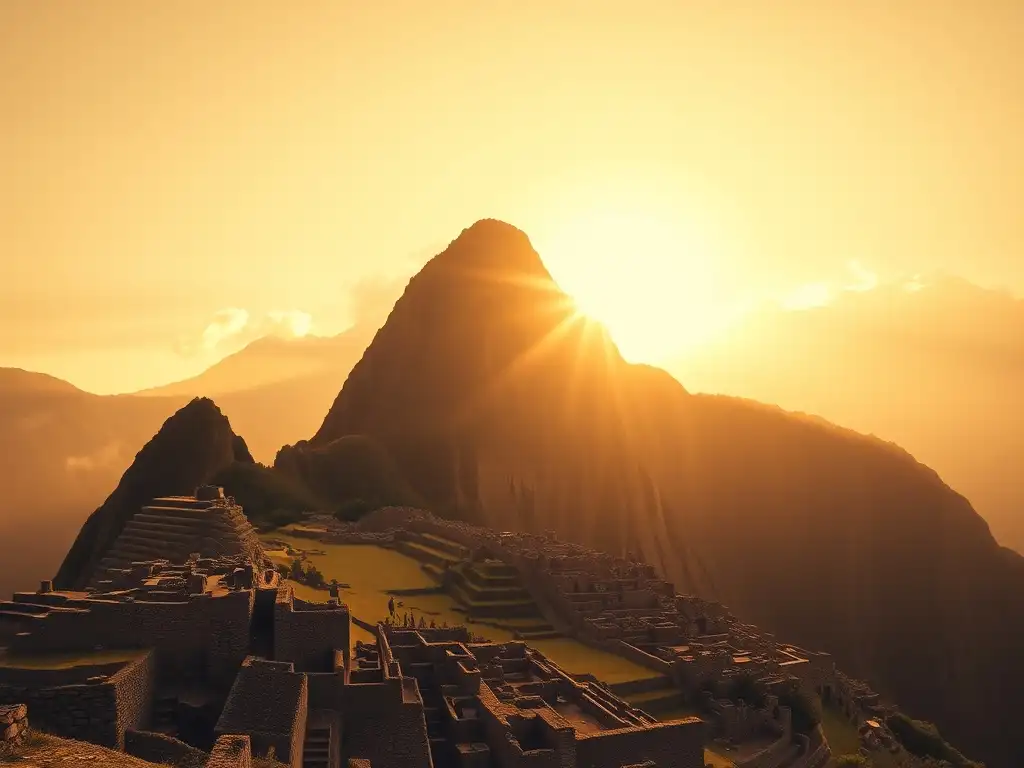
Machu Picchu's fame rests not only on its breathtaking architecture and intricate urban planning but also on its subtle yet profound connection to Inca astronomy. The site's layout, meticulously planned and executed, reveals a sophisticated understanding of celestial movements, suggesting a deliberate integration of astronomical knowledge into its design. This section delves into specific alignments within Machu Picchu, highlighting its potential function as a sophisticated celestial observatory. Understanding these alignments offers a deeper appreciation for the Inca's advanced astronomical capabilities and their profound connection to the cosmos.
The precise nature of Inca astronomical practices continues to be a subject of ongoing research, with new discoveries constantly refining our understanding. The Inca's mastery of astronomy, as evidenced at Machu Picchu, showcases their impressive intellectual achievements and their deep-seated reverence for the celestial realm. This wasn't simply about tracking time; it was integral to their worldview and religious practices.
Solstice and Equinox Observations at Key Points
Several key structures within Machu Picchu appear strategically positioned to align with the solstices and equinoxes. The Intihuatana stone, perhaps the most famous example, is believed by many researchers to have served as a solar observatory. Its unique shape and placement allow for precise tracking of the sun's movement throughout the year.
During the solstices, the shadow cast by the Intihuatana stone reportedly marks specific points, indicating the extreme northern and southern positions of the sun. Similarly, the orientation of certain buildings and windows within the urban complex seems to align with the rising and setting sun during the equinoxes. Precise measurements and detailed analysis are required to fully validate these alignments, and ongoing research continues to refine our understanding of the exact astronomical functions of these structures.
While some interpretations remain debated, the evidence strongly suggests that the Inca meticulously planned Machu Picchu to function as a calendar and observatory, reflecting their deep understanding of the sun's annual journey. This sophisticated approach to astronomical observation was crucial for agricultural planning and religious ceremonies.
The Pleiades and their Significance in Inca Astronomy
The Pleiades star cluster held immense cultural and religious significance for the Inca. Known as Colca in Quechua, the Pleiades' heliacal rising—its first appearance in the dawn sky after a period of invisibility—marked the beginning of the agricultural season. The precise timing of the Pleiades' emergence was crucial for Inca farmers, signaling the optimal time for planting.
While direct evidence linking specific Machu Picchu structures to the observation of the Pleiades is still being investigated, the overall importance of the Pleiades in Inca culture suggests that their appearance would have been carefully tracked. Further research focusing on the possible alignments of Machu Picchu structures with the Pleiades’ position could yield significant insights into the site’s astronomical function. The Inca's meticulous observation of the Pleiades and their integration into their agricultural calendar underscores the sophisticated interplay between astronomy and their societal practices.
Evidence of Venus Observations
While less extensively studied than solar observations, there is some evidence suggesting that the Inca may have also tracked the movements of Venus. Venus, a bright and easily observable planet, held symbolic importance in many ancient cultures, and its cyclical appearances in the sky were likely incorporated into Inca cosmology and rituals. The potential for Venus observations at Machu Picchu, however, remains a topic of ongoing research.
The precise alignments required for Venus observation are more complex than those for the sun, necessitating further detailed analysis of the site's layout and orientation. Some researchers propose that certain architectural features, including the placement of windows and doorways, might have facilitated the tracking of Venus's movements. However, conclusive evidence linking specific structures to Venus observations requires more comprehensive study and analysis of available data.
The potential for Venus observations at Machu Picchu adds another layer to the site's complex astronomical functions, highlighting the breadth of Inca astronomical knowledge. Further research in this area could significantly enhance our understanding of Inca astronomy and their celestial worldview.
The Intihuatana Stone: An In-Depth Look
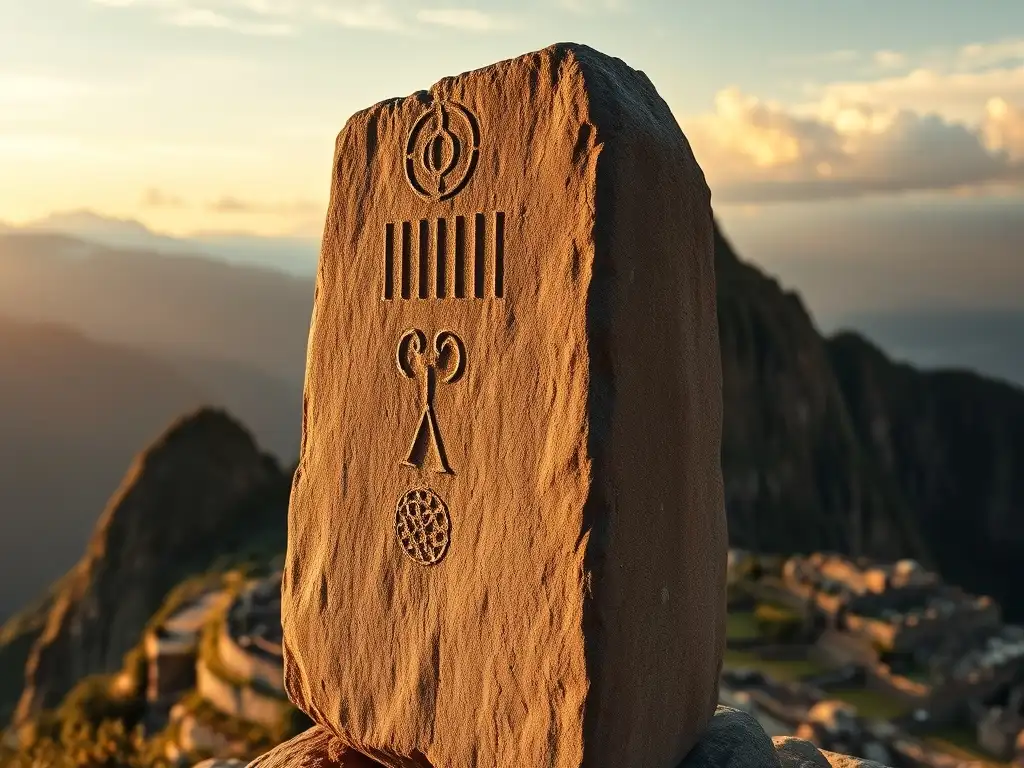
The Intihuatana stone, located at the highest point of Machu Picchu, stands as a compelling testament to Inca astronomical knowledge and ingenuity. While its precise function remains a subject of ongoing scholarly debate, its design and placement strongly suggest a multifaceted role in Inca astronomy, ritual, and spiritual life. This section delves into the intricacies of this enigmatic monolith, exploring its possible functions as a solar calendar, its ritual significance, and the sophisticated construction techniques employed in its creation.
The very name, Intihuatana, meaning "where the sun is tied," hints at its profound connection to the celestial sphere and the Inca worldview. The study of Inca astronomy Machu Picchu, particularly focusing on the Intihuatana, provides invaluable insights into the advanced understanding of celestial mechanics possessed by this civilization.
Function as a Solar Calendar
The Intihuatana's most widely accepted function is as a sophisticated solar calendar. Its carefully carved angles and precise positioning are believed to have been used to track the solstices and equinoxes. Archaeological evidence suggests that Inca astronomers utilized the stone's shadow patterns cast by the sun throughout the year to mark important dates in their agricultural cycle.
This intricate system allowed for precise predictions of planting and harvesting seasons, crucial for the survival and prosperity of the Inca empire. The accuracy of the Intihuatana's solar observations is remarkable, showcasing an advanced understanding of geometry and celestial movements. Further research, particularly detailed analysis of the stone's orientation and the shadow patterns it casts throughout the year, could further refine our understanding of its calendrical function.
Detailed studies using modern astronomical software could help model the solar observations made using the Intihuatana, providing a more complete picture of its astronomical capabilities. The Inca's mastery of Inca astronomy Machu Picchu is clearly evident in the precision of this remarkable structure.
Ritual Significance and Spiritual Connection
Beyond its practical application as a solar calendar, the Intihuatana stone held immense ritual and spiritual significance for the Inca people. Its location at the summit of Machu Picchu, a site considered sacred, underscores its importance in Inca religious practices. It's plausible that the stone served as a focal point for ceremonies and rituals associated with the sun god, Inti, and agricultural cycles.
The Inca worldview deeply intertwined the celestial and terrestrial realms, viewing the sun as a vital source of life and power. The Intihuatana, therefore, acted as a tangible link between the earthly and divine spheres, facilitating communication and interaction between the Inca people and their deities. Evidence from other Inca sites suggests similar structures were used in rituals, further supporting the idea of a widespread practice.
Moreover, the stone’s size and imposing presence likely contributed to its perceived power and spiritual significance, enhancing its role in Inca religious ceremonies. The study of Inca astronomy Machu Picchu, therefore, provides a broader understanding of Inca cosmology and religious beliefs.
Construction Techniques and Material Analysis
The construction of the Intihuatana stone demonstrates the remarkable engineering prowess of the Inca civilization. The stone itself is a massive monolith, precisely carved and fitted into place with incredible accuracy. Analysis of the stone's composition reveals that it's made from a type of granite found locally, suggesting that the Inca utilized readily available resources in their construction.
The precise techniques used to quarry, transport, and shape such a large and heavy stone remain a subject of ongoing research. However, evidence suggests the Inca employed sophisticated tools and methods, including stone hammers and chisels, to achieve such remarkable precision. The smooth surfaces and intricate carvings of the Intihuatana showcase a high level of craftsmanship and artistic skill.
Furthermore, the stone's placement at the highest point of Machu Picchu required meticulous planning and execution, demonstrating the Inca's mastery of engineering and construction. A detailed analysis of the stone's construction techniques could provide further insights into Inca engineering practices and technological capabilities. The study of Inca astronomy Machu Picchu, thus, reveals not only their astronomical knowledge but also their advanced engineering skills.
The Temple of the Sun: A Sacred Space
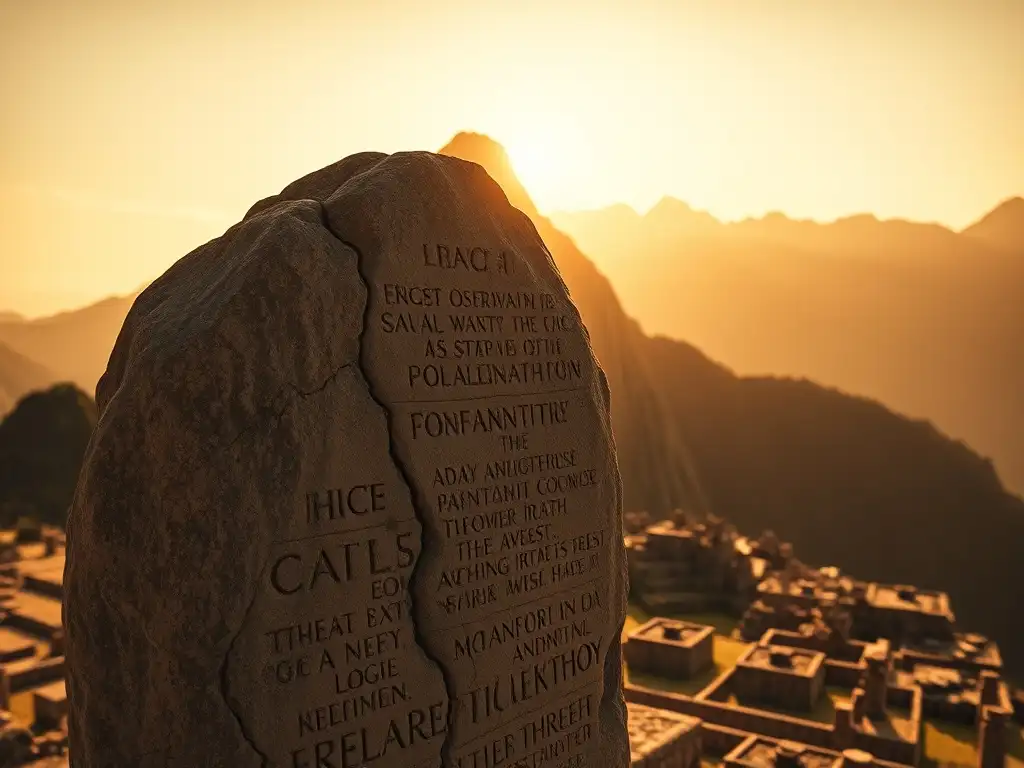
The Temple of the Sun, located within the enigmatic Machu Picchu citadel, stands as a prime example of Inca architectural mastery and its profound connection to astronomy. Its strategic placement, intricate design, and solar alignments all point to a sophisticated understanding of celestial movements and their integration into religious and societal practices.
While much remains shrouded in mystery, archaeological evidence and careful analysis offer compelling insights into its multifaceted role within Inca society. The Inca's deep reverence for Inti, the Sun God, is clearly reflected in this remarkable structure, making it a crucial site for understanding Inca astronomy Machu Picchu.
Architectural Design and Solar Alignments
The Temple of the Sun's design is far from arbitrary. Its trapezoidal shape, characteristic of Inca architecture, is not merely aesthetic. The precise angles of its walls, meticulously crafted from finely fitted stones, are believed to be purposefully aligned with significant solar events throughout the year.
For example, studies suggest that specific windows and doorways frame the rising or setting sun at solstices and equinoxes. This precision implies a deep understanding of solar geometry and the ability to incorporate astronomical observations into architectural planning. The meticulous nature of the stonework itself, showcasing the mastery of Inca stonemasons, further emphasizes the sacred importance of this structure.
The incredibly tight fit of the stones, often without mortar, speaks to the dedication and precision involved in its construction, reflecting the reverence held for the celestial events it was designed to track. Further research is needed to fully map all the solar alignments within the Temple of the Sun, potentially revealing even more intricate astronomical knowledge.
Function as a Royal Mausoleum and Ceremonial Site
Beyond its astronomical significance, the Temple of the Sun likely served as a royal mausoleum and a site for important ceremonies. Evidence suggests that the structure may have housed the remains of Inca royalty, further highlighting its sacred and elevated status within the city.
The intricate carvings and decorations found within the temple add to its ceremonial significance, indicating its use for rituals and religious observances. The use of specific materials, such as polished stones and gold leaf (where traces have been found), points towards its high status and the importance of the ceremonies performed within its walls.
The location itself, high within the citadel, overlooking the Urubamba Valley, also reinforces its symbolic significance as a connection between the earthly and celestial realms. The combination of its astronomical alignments, potential use as a mausoleum, and its elaborate design strongly suggests that this was a site reserved for the Inca elite and their religious practices.
Connection to Inti, the Sun God, and Astronomy
The Temple of the Sun's prominent role in Inca astronomy Machu Picchu is inextricably linked to the worship of Inti, the Sun God. The Inca civilization's cosmology was deeply intertwined with the sun's movements, and the temple's design reflects this profound connection. The precise alignments of the structure with solar events served as a tangible manifestation of the Inca's understanding of the cosmos and their reverence for Inti.
The sun's daily and annual movements were not merely observed but were actively incorporated into the design and function of this sacred space. The temple's very existence symbolizes the Inca belief in the sun's power and its influence on their lives, from agriculture to the governance of their empire.
This intricate interplay between astronomy, architecture, and religion underscores the sophisticated understanding of the cosmos held by the Inca civilization, making the Temple of the Sun a unique testament to their cultural and scientific achievements. Further research into the symbolic representations within the temple could unlock a deeper understanding of the Inca's complex relationship with Inti and the universe.
Preserving the Legacy of Inca Astronomy
The study of Inca astronomy at Machu Picchu is not merely an academic pursuit; it's a vital aspect of preserving a rich cultural heritage. Understanding the Inca's sophisticated astronomical knowledge allows us to appreciate their worldview, ingenuity, and deep connection to the natural world. This preservation effort requires a multi-pronged approach, combining careful archaeological investigation with robust conservation strategies and accessible educational initiatives.
The delicate balance between research and protection is paramount, ensuring that future generations can benefit from this invaluable legacy. Failure to preserve these sites risks losing irreplaceable information about the Inca civilization's advanced understanding of the cosmos. This is particularly crucial for sites like Machu Picchu, which are vulnerable to environmental factors and the sheer volume of tourists.
Ongoing Research and Discoveries at Machu Picchu
Ongoing research at Machu Picchu continues to reveal new insights into Inca astronomical practices. Recent studies using advanced techniques like LiDAR (Light Detection and Ranging) have mapped the site with unprecedented detail, revealing previously unseen features potentially related to astronomical observations. For instance, researchers have identified alignments of structures with significant celestial events, such as solstices and equinoxes, adding to the growing body of evidence supporting Machu Picchu's role as a sophisticated astronomical center.
Analysis of artifacts discovered within the site, such as intricately carved stones and ceramic pieces depicting celestial bodies, further enriches our understanding of Inca cosmology. The ongoing excavation and analysis of these artifacts, coupled with advanced surveying methods, promises to shed even more light on the Inca's astronomical knowledge in the coming years. This continuous process of discovery underlines the dynamic and evolving nature of our understanding of Inca astronomy at Machu Picchu.
The integration of modern technology with traditional archaeological methods is proving crucial in unlocking the secrets of this remarkable site. For example, [Specific information pending on recent LiDAR findings and their implications].
Understanding the Importance of Inca Astronomical Knowledge
The Inca's mastery of astronomy wasn't merely a scientific pursuit; it was deeply interwoven with their religious beliefs, agricultural practices, and social organization. Accurate astronomical observations were crucial for determining the optimal times for planting and harvesting, ensuring food security for the vast Inca empire. The precise alignment of structures at Machu Picchu with celestial events suggests a sophisticated understanding of the solar and lunar cycles, reflecting a profound connection between the Inca worldview and the cosmos.
Their knowledge of astronomy influenced their calendar system, religious rituals, and even the design of their cities. Understanding this intricate interplay is key to comprehending the complexity of Inca civilization and their advanced societal structures. Further research is needed to fully understand the extent to which Inca astronomy influenced other aspects of their society, such as their political system and social hierarchies.
For example, [Specific examples pending on how astronomical knowledge influenced Inca social structure]. The interconnectedness of astronomy with other societal aspects highlights the holistic nature of Inca culture.
The Future of Conservation and Education
The future of Inca astronomy at Machu Picchu hinges on a commitment to both conservation and education. Sustainable tourism practices are essential to protect the site from the damaging effects of mass tourism. This includes limiting visitor numbers, implementing strict guidelines for site access, and investing in infrastructure that minimizes environmental impact.
Simultaneously, educational initiatives are crucial to raise awareness about the significance of Inca astronomy and the importance of preserving this cultural heritage. Accessible museum exhibits, educational programs, and online resources can help disseminate this knowledge to a wider audience, fostering a sense of appreciation and responsibility towards protecting these invaluable sites. This combined approach ensures that future generations can appreciate and learn from the rich astronomical legacy of the Inca civilization.
Investing in advanced conservation techniques and promoting responsible tourism are vital steps in securing Machu Picchu's future as a testament to Inca ingenuity and their profound connection to the cosmos. The implementation of a comprehensive plan that balances tourism with preservation is crucial for the long-term preservation of Inca astronomical knowledge. [Specific examples of successful conservation and educational initiatives pending].
Frequently Asked Questions
What role did Machu Picchu play in Inca astronomy?
Machu Picchu served as a significant celestial observatory for the Inca. Its precise architecture and alignment with key astronomical events suggest a deep understanding of the cosmos and its influence on agriculture and daily life. Solar and stellar observations were likely crucial.
How did the Incas use astronomy in their daily lives?
Inca astronomy was deeply intertwined with their agricultural practices. They used celestial observations to predict planting and harvesting times, ensuring optimal yields. Religious ceremonies were also heavily influenced by the movements of the sun, moon, and stars.
What specific astronomical events were observed at Machu Picchu?
Observations at Machu Picchu likely focused on the solstices and equinoxes, as well as the movements of specific constellations. These events held great religious and agricultural significance for the Incas, marking important times in their calendar.
Yes, several structures, including the Intihuatana stone (hitching post of the sun) and various windows and doorways, are believed to have been carefully aligned to track the sun's movement and other celestial events. These alignments were not accidental, but carefully planned.
How does Machu Picchu's astronomy compare to that of other Andean cultures?
While Machu Picchu showcases Inca astronomical knowledge, other Andean cultures, such as the Nazca and Moche, also demonstrated sophisticated astronomical understanding. However, Machu Picchu's integration of astronomy with urban planning is particularly noteworthy among the Inca sites.
Final Reflection: Machu Picchu's Celestial Legacy
The intricate astronomical alignments of Machu Picchu aren't just relics of a bygone era; they are a powerful testament to the Inca's profound understanding of the cosmos and their ability to integrate celestial observations into their daily lives. This sophisticated knowledge, woven into the very fabric of their sacred city, continues to resonate with us today, reminding us of the enduring human fascination with the stars and the importance of understanding our place within the universe.
The enduring influence of Inca astronomy, as exemplified by Machu Picchu, transcends mere historical significance. It speaks to a deeper human need to connect with something larger than ourselves, to find meaning and order in the seemingly chaotic dance of the heavens. The universe is not outside of us. We are made of the same stardust as the stars.
This quote beautifully captures the interconnectedness that the Inca so clearly understood and embodied in their architectural and spiritual practices. Their legacy challenges us to reconsider our own relationship with the natural world and the celestial bodies that govern it.
Consider the implications of this knowledge. How might a deeper understanding of the Inca's astronomical achievements inspire us to reconnect with the night sky, to appreciate the cycles of nature, and to foster a more harmonious relationship with our planet? You, the reader, hold the power to carry this legacy forward. Take a moment to look up at the stars tonight, and let the celestial tapestry remind you of the enduring wisdom of the Inca and the boundless wonders of the universe that still await our discovery.
Unveil the Wonders of Inca Astronomy!
Thank you for exploring the celestial secrets of Machu Picchu! You've discovered fascinating insights into how the Incas used this magnificent site as an astronomical observatory. Now, let's expand your knowledge and explore further the rich tapestry of astronomical understanding that awaits.
- Connect with fellow astronomy enthusiasts by joining a local astronomy club.
- Witness the wonders of ancient civilizations firsthand with a visit to Machu Picchu or a similar archaeological site known for its astronomical significance.
- Share your favorite discovery from this article with friends and family, or post it on social media—let's spark a conversation about the wonders of the cosmos!
What aspect of Inca astronomy captivates you most, and how do you believe it informs our current understanding of the universe?