
The Future of Machu Picchu: Research, Conservation, and Sustainable Tourism

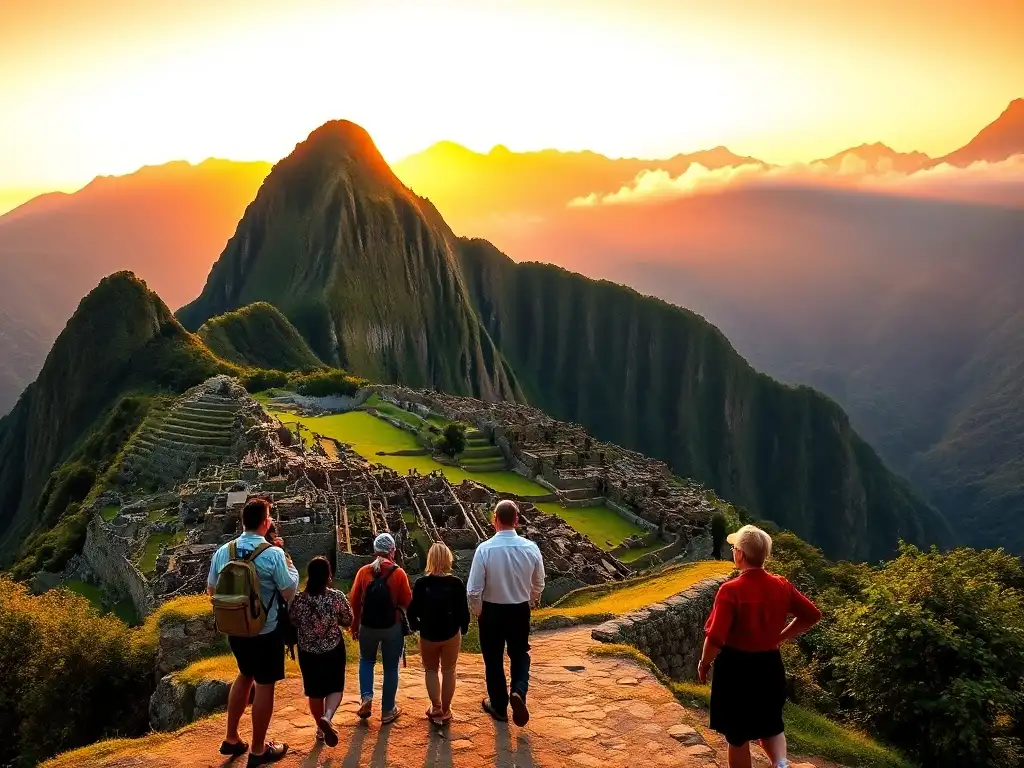
Step into a world lost to time, yet echoing with the whispers of a magnificent empire. Journey with us through the breathtaking landscapes and captivating legacies of the Andean civilizations. From the intricate artistry of the Nazca lines to the awe-inspiring ingenuity of the Incas, prepare to be amazed. But the story doesn't end there… What will the future hold for Machu Picchu? Discover the crucial research, conservation efforts, and innovative sustainable tourism strategies shaping the fate of this iconic site and learn more about the Machu Picchu sustainable tourism future within.
Machu Picchu, the iconic "Lost City of the Incas," stands as a testament to the ingenuity and artistry of a remarkable civilization. This breathtaking citadel, perched high in the Andes Mountains, attracts millions of visitors annually, fueling both economic growth and environmental concerns. This article delves into the crucial intersection of research, conservation, and sustainable tourism practices that will shape the future of Machu Picchu, ensuring its preservation for generations to come.
We will explore the current challenges facing this invaluable historical site, examine the impact of tourism, and highlight the ongoing efforts to balance the needs of preservation with the desires of responsible tourism. The future of Machu Picchu hinges on our ability to implement effective strategies that prioritize its long-term protection while allowing for meaningful engagement with its rich history and cultural significance.
Understanding the delicate balance between accessibility and preservation is paramount to securing Machu Picchu's place as a global heritage site for years to come. This requires a multifaceted approach, encompassing scientific research, innovative conservation techniques, and a commitment to sustainable tourism practices that minimize environmental impact and maximize cultural understanding.
Understanding Machu Picchu's Current State and Challenges
Machu Picchu faces a complex array of challenges that threaten its structural integrity and environmental stability. These challenges are multifaceted and interconnected, demanding a holistic approach to conservation. The site’s altitude and exposure to the elements contribute to significant weathering and erosion.
Rainfall, freeze-thaw cycles, and seismic activity all pose ongoing threats to the ancient stonework. Furthermore, the sheer volume of tourists visiting the site each year puts immense pressure on the infrastructure and surrounding ecosystem. The impact of foot traffic, coupled with the potential for damage from careless visitors, necessitates stringent management and conservation protocols.
Additionally, the delicate balance of the local ecosystem is vulnerable to the introduction of invasive species and the disruption of natural processes. Addressing these challenges requires a combination of scientific research to understand the specific vulnerabilities of the site, the implementation of effective conservation measures, and the careful management of visitor access. A comprehensive understanding of these factors is crucial for developing effective long-term preservation strategies.
The Impact of Tourism on Machu Picchu's Preservation
The influx of tourists, while contributing significantly to the local economy, also presents significant challenges to Machu Picchu's preservation. The sheer number of visitors places considerable strain on the site's infrastructure, leading to increased wear and tear on the ancient structures. Foot traffic compacts the soil, contributing to erosion and instability.
The disposal of waste and the potential for vandalism also pose serious threats. Furthermore, tourism can indirectly impact the surrounding ecosystem through increased demand for resources and the potential introduction of invasive species. Balancing the economic benefits of tourism with the imperative to protect the site requires careful planning and implementation of sustainable tourism practices.
This includes limiting the number of daily visitors, implementing strict regulations regarding visitor behavior, and investing in infrastructure improvements that minimize environmental impact. Effective management strategies must prioritize the preservation of the site's integrity above all else. Careful monitoring of tourist impact, coupled with adaptive management strategies, is essential for mitigating negative consequences.
Conservation Efforts and Ongoing Projects at Machu Picchu
Significant efforts are underway to preserve Machu Picchu for future generations. These initiatives encompass a range of activities, from scientific research to infrastructure improvements and the implementation of sustainable tourism practices. Ongoing research focuses on understanding the site's vulnerabilities to environmental factors and developing effective conservation techniques. This includes studying the effects of weathering, erosion, and seismic activity, as well as monitoring the health of the surrounding ecosystem.
Several projects are underway to improve the site's infrastructure, including the restoration of damaged structures and the implementation of measures to protect against erosion. Furthermore, efforts are being made to promote sustainable tourism practices, such as limiting visitor numbers, educating tourists about responsible behavior, and investing in eco-friendly transportation options. These initiatives demonstrate a commitment to balancing the needs of preservation with the economic benefits of tourism. The long-term success of these efforts depends on continued investment, collaboration between stakeholders, and a shared commitment to protecting this invaluable cultural heritage site.
The future of Machu Picchu depends on our collective ability to balance preservation with responsible tourism. The ongoing research and conservation projects represent a vital step in ensuring the site's survival for generations to come. This includes not only physical preservation but also the maintenance of its cultural and historical significance.
Archaeological Research at Machu Picchu: Uncovering New Insights
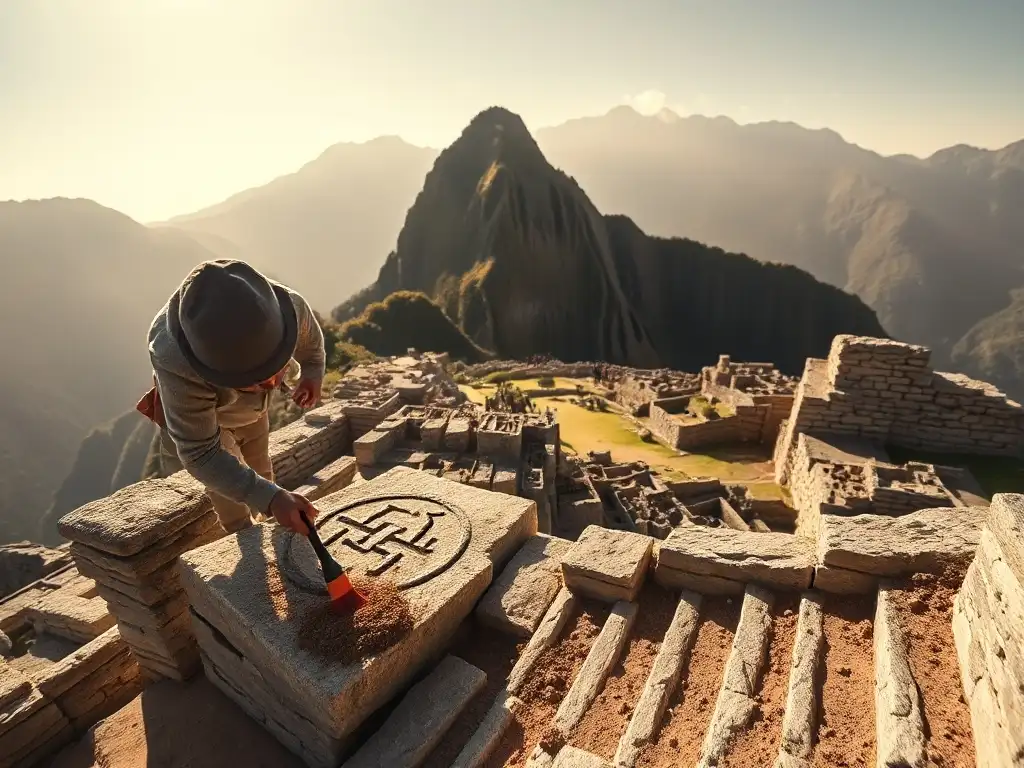
Ongoing archaeological research at Machu Picchu continues to yield fascinating new insights into Inca life and the city's construction. Recent excavations have focused on areas previously unexplored, revealing previously unknown structures and artifacts. These discoveries are helping researchers refine their understanding of the city's layout, its social organization, and the daily lives of its inhabitants. For example, the discovery of a previously unknown residential area provided valuable data on the living conditions of the common people, challenging previous assumptions about a strictly hierarchical society.
The meticulous analysis of pottery shards, textiles, and other artifacts is providing crucial information about Inca technology, trade networks, and cultural practices. Sophisticated techniques like ground-penetrating radar and 3D modeling are being employed to create detailed maps of the site, revealing hidden passages and structures beneath the surface. This research is not only expanding our knowledge of Machu Picchu but also informing conservation efforts by providing a more comprehensive understanding of the site's fragility and vulnerabilities. Furthermore, the ongoing analysis of plant and animal remains found at the site is shedding light on the Inca diet and their relationship with the surrounding environment.
This holistic approach to archaeological research is crucial for ensuring the long-term preservation of Machu Picchu and a more complete picture of Inca civilization. The integration of cutting-edge technology with traditional archaeological methods ensures a thorough and responsible approach to understanding this invaluable historical site. The meticulous documentation of every find is vital for future generations of researchers. The ongoing nature of this research means that our understanding of Machu Picchu is constantly evolving, promising further exciting discoveries in the years to come.
The Delicate Balance: Preserving History While Welcoming Visitors
The challenge of balancing the preservation of Machu Picchu with the influx of tourists is a significant one. The sheer number of visitors each year puts considerable strain on the site's infrastructure and environment. Sustainable tourism practices are paramount to ensure the long-term preservation of Machu Picchu for future generations. This requires a multi-pronged approach involving strict visitor management, infrastructure improvements, and community engagement. Limiting the number of daily visitors, implementing timed entry systems, and improving transportation options are crucial steps in reducing the environmental impact of tourism.
Investing in improved infrastructure, including better pathways and waste management systems, is essential for minimizing damage to the site and enhancing the visitor experience. Furthermore, engaging local communities in tourism management and ensuring that the economic benefits of tourism are shared equitably are vital for fostering a sense of ownership and responsibility for the preservation of Machu Picchu. The development of educational programs for both visitors and local communities helps promote a greater understanding of the site’s historical significance and the importance of its preservation. This includes promoting responsible behavior among tourists, educating them about the delicate ecosystem and the importance of respecting the site's cultural heritage.
Successfully navigating this delicate balance requires ongoing collaboration between government agencies, researchers, local communities, and tourism operators. By implementing innovative strategies and fostering a collaborative spirit, it is possible to ensure that Machu Picchu remains a treasured site for generations to come while also providing economic opportunities for the local population. This collaborative approach, focusing on sustainable practices and responsible tourism, is key to the future of Machu Picchu's preservation and its role as a globally significant cultural and historical landmark. A successful model here could serve as a blueprint for the sustainable management of other historically significant sites worldwide.
- Understanding Machu Picchu's Current State and Challenges
- The Impact of Tourism on Machu Picchu's Preservation
- Conservation Efforts and Ongoing Projects at Machu Picchu
- Archaeological Research at Machu Picchu: Uncovering New Insights
- The Delicate Balance: Preserving History While Welcoming Visitors
- Technological Innovations for Site Monitoring and Conservation
- Remote Sensing and 3D Modeling for Preservation
- Balancing Tourism Growth and Historical Integrity
- Time-Slot Entry and Guided Tour Regulations
- The Role of Education in Promoting Sustainable Practices
- Educational Programs for Tourists and Local Guides
- What challenges does Machu Picchu face regarding sustainable tourism?
- How can research contribute to the sustainable future of Machu Picchu?
- What conservation efforts are currently underway at Machu Picchu?
- What role do local communities play in Machu Picchu's sustainable tourism future?
- How can tourists contribute to the sustainable future of Machu Picchu?
Sustainable Tourism Strategies for Machu Picchu
The future of Machu Picchu hinges on the successful implementation of sustainable tourism strategies. Balancing the immense cultural and historical significance of the site with the economic benefits of tourism requires a multifaceted approach that prioritizes preservation, community well-being, and responsible visitor experiences. This section delves into key strategies crucial for ensuring Machu Picchu's long-term viability as a world heritage site and a sustainable tourist destination, focusing on the keyword phrase "Machu Picchu sustainable tourism future."
Defining Sustainable Tourism in the Context of Machu Picchu
Sustainable tourism, in the context of Machu Picchu, goes beyond simply minimizing environmental impact. It encompasses a holistic approach that considers the social, economic, and cultural dimensions of the site and its surrounding communities. This means actively working to:
- Preserve the historical integrity of Machu Picchu: This involves careful management of visitor flow to minimize erosion and damage to the ancient structures. Detailed studies of visitor impact, including soil compaction and structural stress analysis, are crucial for informed decision-making.
- Protect the biodiversity of the surrounding ecosystem: The unique flora and fauna of the region must be conserved through responsible land management practices, including reforestation efforts and the prevention of illegal wildlife trade. Data on species diversity and population trends are essential for monitoring the effectiveness of conservation initiatives.
- Support the economic well-being of local communities: Tourism revenue should directly benefit the communities surrounding Machu Picchu, fostering economic opportunities and improving the quality of life for residents. This includes fair wages, support for local businesses, and investment in community infrastructure.
- Respect the cultural heritage of the Inca people: The Inca legacy is an intrinsic part of Machu Picchu's significance. Sustainable tourism must incorporate respectful cultural practices, including accurate historical interpretation and responsible engagement with local indigenous communities. This requires careful collaboration with community leaders and cultural experts.
Implementing Responsible Tourism Practices at Machu Picchu
Several key practices are vital for implementing responsible tourism at Machu Picchu:
- Limiting visitor numbers: Implementing a strict quota system for daily visitors is crucial to prevent overcrowding and damage to the site. Data on visitor capacity and environmental impact should inform the setting of these limits.
- Improving infrastructure: Investing in improved infrastructure, such as better pathways, waste management systems, and public transportation options, can minimize the environmental footprint of tourism. This requires careful planning and consideration of the site's unique environmental conditions.
- Educating visitors: Providing comprehensive information to visitors about responsible behavior, including respecting the site's historical and cultural significance, is essential. Educational campaigns should be implemented in multiple languages and formats to reach a wider audience.
- Monitoring and evaluation: Regular monitoring of visitor impact and the effectiveness of sustainable tourism initiatives is crucial for ongoing improvement. This involves collecting data on visitor numbers, environmental indicators, and socio-economic impacts. The data should be analyzed to inform future strategies and adjustments.
Community Involvement in Machu Picchu's Tourism Management
The success of sustainable tourism at Machu Picchu depends on the active participation of local communities. This requires:
- Fair distribution of tourism benefits: Ensuring that local communities receive a fair share of the economic benefits generated by tourism is crucial for building support for sustainable initiatives. This can involve direct financial contributions, job creation, and investment in community development projects.
- Empowering local communities: Giving local communities a voice in the decision-making process regarding tourism management is essential for fostering a sense of ownership and responsibility. This can involve establishing participatory planning processes and collaborative management structures.
- Promoting local culture and traditions: Sustainable tourism should showcase and celebrate the rich cultural heritage of the local communities, providing opportunities for cultural exchange and economic diversification. This can involve supporting local artisans, promoting cultural events, and developing culturally sensitive tourism products. The preservation and promotion of Quechua language and traditions are particularly important.
The future of Machu Picchu as a vibrant and sustainable tourist destination requires a commitment to a holistic approach that prioritizes preservation, community well-being, and responsible visitor experiences. By implementing these strategies, Machu Picchu can continue to inspire and educate visitors for generations to come, ensuring a bright future for this iconic site and its surrounding communities. Careful management and ongoing research are key to safeguarding the "Machu Picchu sustainable tourism future."
Reducing the Environmental Footprint of Machu Picchu Tourism
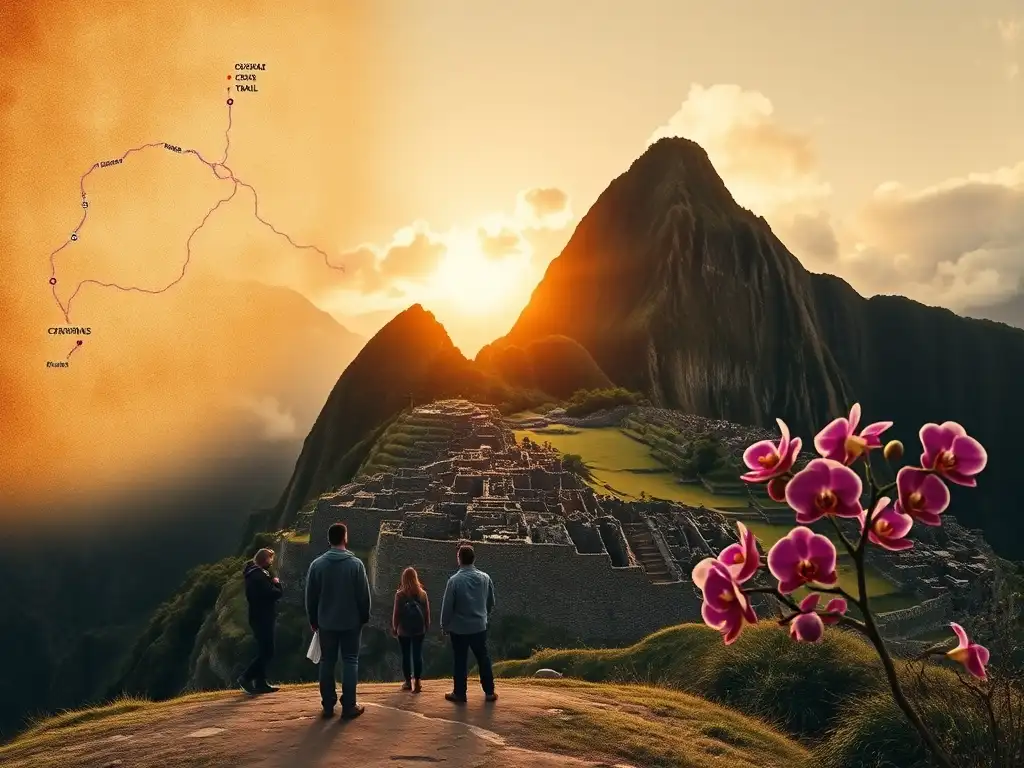
The environmental impact of Machu Picchu tourism is a significant concern. The influx of visitors generates substantial waste, contributes to air and water pollution, and puts pressure on fragile ecosystems. Sustainable tourism strategies must prioritize minimizing this footprint. This involves a multi-pronged approach focusing on several key areas. Firstly, reducing carbon emissions is crucial. This can be achieved through promoting eco-friendly transportation options, such as the use of electric buses within the site and encouraging the use of the train rather than private vehicles for access.
Furthermore, investing in renewable energy sources to power facilities within and around Machu Picchu is essential. Solar and hydroelectric power offer viable alternatives to fossil fuels, reducing the reliance on non-renewable energy sources and their associated emissions. Secondly, responsible water management is paramount. The delicate water resources of the region need protection. This requires implementing efficient water conservation techniques in hotels, restaurants, and visitor facilities.
Strict regulations and monitoring are necessary to prevent pollution of water sources and ensure responsible usage. Finally, minimizing habitat disruption is vital. The construction of new infrastructure must be carefully planned and executed to minimize its impact on the surrounding ecosystem. Strict adherence to environmental impact assessments and sustainable building practices is crucial for preserving the unique biodiversity of the area. The implementation of these strategies requires collaboration between the government, local communities, and tourism operators to ensure effectiveness.
Waste Reduction and Renewable Energy Initiatives
Implementing effective waste reduction and renewable energy initiatives is fundamental to achieving sustainable tourism at Machu Picchu. Currently, the volume of waste generated by visitors and support infrastructure poses a significant environmental challenge. To address this, a comprehensive waste management system needs to be implemented. This includes improving waste sorting and recycling facilities within the site and surrounding communities. Educational campaigns targeting both visitors and locals can promote responsible waste disposal practices and increase awareness of the importance of recycling.
Furthermore, investing in composting facilities can further reduce landfill waste and create nutrient-rich soil for local agriculture. The transition to renewable energy is another crucial aspect. Replacing diesel generators with solar panels and hydroelectric systems can drastically reduce reliance on fossil fuels, lessening the carbon footprint and air pollution. This transition requires significant investment but offers long-term environmental and economic benefits.
Moreover, exploring innovative technologies like biogas production from organic waste could further enhance energy self-sufficiency and reduce reliance on external energy sources. The success of these initiatives hinges on strong collaboration between stakeholders – the Peruvian government, local businesses, and international organizations – to secure funding and implement sustainable practices effectively. A robust monitoring and evaluation system is also crucial to track progress and make necessary adjustments to optimize the effectiveness of these initiatives. The long-term goal is to create a model for sustainable tourism that can be replicated in other environmentally sensitive areas worldwide.
The Future of Machu Picchu: A Vision for Long-Term Preservation
This section explores the multifaceted challenges and opportunities facing Machu Picchu's future, focusing on the crucial interplay between research, conservation efforts, and sustainable tourism practices. The goal is to ensure the longevity of this invaluable historical site while allowing responsible access for future generations. Effective strategies require a blend of cutting-edge technology, robust conservation strategies, and a careful management of tourism's impact. The keyword phrase, "Machu Picchu sustainable tourism future," underpins all our considerations.
Technological Innovations for Site Monitoring and Conservation
Technological advancements are proving invaluable in safeguarding Machu Picchu. Sophisticated monitoring systems are crucial for proactive conservation. For example, the implementation of a comprehensive network of sensors throughout the site allows for real-time monitoring of environmental conditions such as temperature, humidity, and ground stability.
This data provides early warning signs of potential damage from seismic activity, landslides, or even the effects of climate change – all significant threats to the site's structural integrity. Further, the use of drones equipped with high-resolution cameras enables detailed inspections of hard-to-reach areas, identifying erosion, weathering, and other deterioration patterns with unprecedented accuracy. This allows for targeted interventions and preventative maintenance before significant damage occurs, ensuring the preservation of the site's unique architectural features and intricate stonework.
Analysis of this data, coupled with advanced predictive modeling, allows for better resource allocation and more effective long-term planning for the preservation of Machu Picchu. The integration of AI and machine learning algorithms into these systems promises further improvements in efficiency and accuracy, leading to even more effective conservation strategies.
Remote Sensing and 3D Modeling for Preservation
Remote sensing technologies, such as satellite imagery and LiDAR (Light Detection and Ranging), offer non-invasive methods for monitoring changes in the site over time. This allows researchers to track erosion rates, detect subtle shifts in ground stability, and document the effects of both natural and human-induced factors.
The data collected can be used to create highly accurate 3D models of Machu Picchu, providing a virtual record of the site's current state and facilitating detailed analysis of its condition. These digital twins are incredibly valuable for planning restoration projects, simulating the impact of various interventions, and facilitating virtual tours for educational purposes, reducing the physical strain on the site itself.
The use of 3D modeling also allows for the creation of comprehensive digital archives, preserving detailed information about the site's architecture and its evolution over time, even if physical deterioration occurs. This digital preservation is a crucial component of ensuring the long-term accessibility and understanding of Machu Picchu's legacy.
Balancing Tourism Growth and Historical Integrity
Sustainable tourism is paramount for Machu Picchu's future. The delicate balance between allowing access for visitors and protecting the site's fragile ecosystem and historical structures is a constant challenge. Implementing a robust system of visitor management, including limiting daily entry numbers and enforcing strict guidelines on visitor behavior, is crucial. Diversifying tourism offerings beyond Machu Picchu itself, promoting visits to nearby communities and showcasing the rich cultural heritage of the region, can help alleviate pressure on the main site.
Investing in improved infrastructure, such as better transportation systems and visitor centers located outside the immediate vicinity of the ruins, can also help manage tourist flow more effectively. Furthermore, educating tourists about responsible travel practices and the importance of preserving cultural heritage is vital. By promoting a sense of stewardship and shared responsibility among visitors, we can help ensure that Machu Picchu remains a cherished and protected site for generations to come.
This mindful approach to tourism, combined with technological advancements and rigorous conservation efforts, represents a comprehensive strategy for achieving a sustainable future for Machu Picchu, aligning perfectly with the core concept of "Machu Picchu sustainable tourism future." Careful planning and execution of these strategies will ensure the preservation of this iconic site for years to come. Further research is needed to [specific information pending] regarding optimal visitor capacity and the long-term effects of various tourism management strategies.
Time-Slot Entry and Guided Tour Regulations
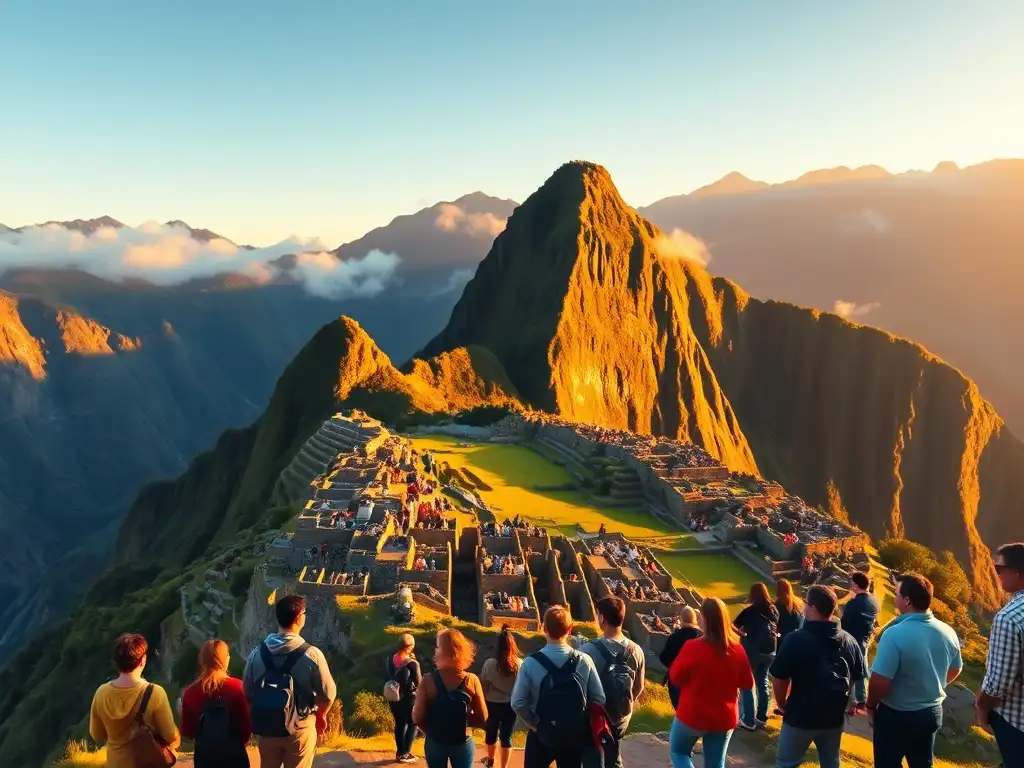
Implementing a strict time-slot entry system is crucial for managing the flow of tourists to Machu Picchu. This system, already in place to some degree, needs further refinement to optimize visitor experience while minimizing environmental impact. Instead of a free-for-all entry, pre-booked timed tickets could limit the number of people within the site at any given moment, preventing overcrowding and reducing the pressure on fragile archaeological features. This would involve a robust online booking system, potentially integrated with a comprehensive visitor management platform that tracks real-time visitor numbers and adjusts entry times accordingly.
Furthermore, mandatory guided tours for all visitors, or at least strongly incentivized guided tours, could help to educate tourists about the site's history and significance, encouraging responsible behavior and minimizing environmental damage. This could involve a tiered system of guided tours, offering options catering to different interests and budgets, ensuring accessibility for a broad range of visitors. The guides themselves would undergo rigorous training, emphasizing sustainable tourism practices and the importance of protecting Machu Picchu's delicate ecosystem.
Moreover, the implementation of these regulations should be coupled with a comprehensive communication strategy, informing potential visitors well in advance of the new system and addressing potential concerns. This proactive approach could help mitigate any negative reactions and ensure a smooth transition. Finally, regular monitoring and evaluation of the effectiveness of the time-slot entry and guided tour system are essential to make necessary adjustments and ensure ongoing improvements.
The Role of Education in Promoting Sustainable Practices
Education plays a pivotal role in securing the future of Machu Picchu through sustainable tourism. A multifaceted approach is needed, targeting diverse stakeholders including tourists, local communities, and site managers. For tourists, educational initiatives should highlight the historical and ecological significance of the site, emphasizing the delicate balance between preservation and access. Interactive exhibits, informative brochures, and engaging multimedia presentations could effectively convey this message.
Furthermore, educational programs should empower tourists to actively participate in the preservation efforts. This could involve encouraging responsible waste disposal, promoting respectful behavior towards the site and its surroundings, and discouraging activities that could damage the environment or archaeological remains. For local communities, education is equally crucial. Sustainable tourism practices can create economic opportunities while preserving the cultural heritage and natural environment.
Educational programs should equip local communities with the knowledge and skills to participate effectively in the tourism industry, including training in sustainable hospitality, guiding, and craft production. This ensures that economic benefits are distributed equitably and that local communities become active stakeholders in the preservation of Machu Picchu. Finally, continuous professional development for site managers and staff is essential to ensure that best practices in sustainable tourism are consistently implemented and adapted to changing circumstances. Investing in training programs that cover topics such as environmental management, visitor management, and conflict resolution is crucial for the long-term success of sustainable tourism initiatives.
Educational Programs for Tourists and Local Guides
Developing comprehensive educational programs tailored to both tourists and local guides is key to fostering sustainable tourism at Machu Picchu. For tourists, a tiered system of educational programs could be implemented. Introductory programs could provide an overview of the site's history, culture, and ecology, while more advanced programs could delve into specific aspects, such as the Inca civilization's agricultural techniques or the unique biodiversity of the region. These programs could be delivered through various channels, including interactive museum exhibits, guided walks, and online resources.
The use of multilingual materials would also enhance accessibility for international visitors. For local guides, specialized training programs are crucial. These programs should equip guides with the knowledge and skills to effectively communicate the site's history and significance while promoting responsible tourism practices. The curriculum should cover topics such as sustainable tourism principles, environmental protection, cultural sensitivity, and effective communication techniques.
Regular refresher courses and ongoing professional development would ensure that guides remain up-to-date with the latest research and best practices. Furthermore, collaboration with local universities and research institutions could provide opportunities for continuous improvement and innovation in the design and delivery of educational programs. This collaborative approach would ensure that the educational initiatives are grounded in robust scientific research and that they effectively address the evolving needs of both tourists and local communities. The ultimate goal is to create a truly sustainable tourism model that benefits both the site and the people who depend on it, preserving Machu Picchu for generations to come.
Machu Picchu's Future: Research and Exploration
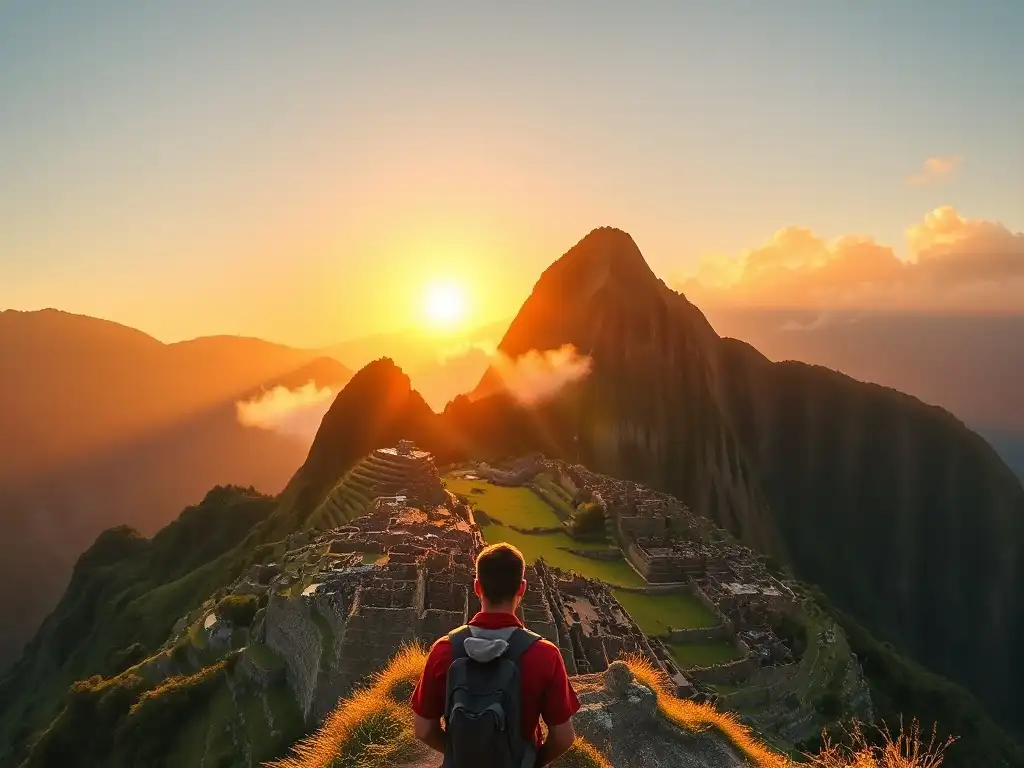
Machu Picchu's enduring allure stems not only from its breathtaking beauty but also from the wealth of unanswered questions surrounding its history and purpose. The future of this iconic site hinges on continued research, innovative conservation techniques, and a commitment to sustainable tourism practices. This section focuses on the crucial role of ongoing research in shaping Machu Picchu's future. Understanding the site's past is paramount to ensuring its preservation for generations to come.
The convergence of archaeological investigation, technological advancements, and interdisciplinary collaboration is vital for achieving this goal. This multifaceted approach allows for a more comprehensive understanding of the site, informing effective conservation strategies and sustainable tourism management. The keyword, Machu Picchu sustainable tourism future, is intrinsically tied to these research efforts.
Ongoing Archaeological Investigations and Discoveries
Archaeological investigations at Machu Picchu continue to yield fascinating discoveries, constantly refining our understanding of Inca civilization and the site's unique role. Recent excavations have focused on previously unexplored areas, revealing new structures, artifacts, and insights into daily life within the citadel. For example, the discovery of a previously unknown residential area provided valuable data on the social stratification within the community.
Careful documentation of these findings, through meticulous mapping, 3D modeling, and advanced imaging techniques, is crucial for preserving this invaluable information for future scholars. Furthermore, the application of non-invasive techniques, such as ground-penetrating radar (GPR), allows researchers to explore areas without causing further damage to the delicate site. These ongoing discoveries enrich our understanding of Inca ingenuity, social organization, and daily life, contributing significantly to the broader narrative of Machu Picchu's significance.
This detailed research directly informs the development of sustainable tourism strategies that prioritize preservation. The ongoing refinement of our knowledge base is vital for informed decision-making concerning the site's future.
Uncovering the Royal Estate and Water Management System
A key focus of current research is on the royal estate and the intricate water management system that sustained the inhabitants of Machu Picchu. The precise function and significance of various structures within the royal sector remain a subject of intense study. Researchers are employing a combination of archaeological excavation, architectural analysis, and isotopic studies to unravel the mysteries surrounding the site's elite residents and their daily routines.
The sophisticated Inca water management system, a testament to their engineering prowess, is another area of ongoing research. Analysis of the channels, aqueducts, and fountains reveals a remarkable understanding of hydraulics and water conservation. Understanding the intricacies of this system is crucial for developing effective conservation strategies that protect these fragile elements from degradation.
The preservation of this remarkable water system is not only important for preserving Machu Picchu's historical integrity but also provides valuable insights into sustainable water management techniques applicable to modern challenges. The long-term sustainability of Machu Picchu is intrinsically linked to the understanding and preservation of this sophisticated system.
The Importance of Interdisciplinary Research at Machu Picchu
The preservation and sustainable management of Machu Picchu necessitate a truly interdisciplinary approach. Archaeologists, historians, architects, engineers, environmental scientists, and tourism specialists must collaborate to develop holistic strategies. For example, environmental scientists are crucial in assessing the impact of tourism on the fragile ecosystem surrounding Machu Picchu, informing sustainable tourism practices.
Similarly, engineers play a critical role in developing and implementing preservation techniques that mitigate the risks of erosion, landslides, and other environmental threats. This collaborative approach ensures that conservation efforts are informed by the most up-to-date scientific knowledge and that sustainable tourism is managed effectively and responsibly. The successful implementation of these interdisciplinary strategies is essential for ensuring the long-term viability of Machu Picchu as a historical site and a major tourist destination.
This collaborative spirit is a pivotal factor in the success of the Machu Picchu sustainable tourism future initiative. The integration of diverse perspectives guarantees a more comprehensive and effective approach to the site's management and preservation. This ensures that Machu Picchu remains a vibrant and accessible site for future generations, while simultaneously protecting its invaluable historical and ecological significance.
Future Directions for Research and Conservation
Machu Picchu's future hinges on a multi-pronged approach combining rigorous scientific research with effective conservation strategies. Ongoing research needs to address several key areas to ensure the site's long-term preservation and understanding. One crucial aspect is the ongoing study of the site's microclimate. Understanding the intricate interplay of temperature, humidity, and rainfall patterns is crucial for predicting the impact of climate change on the fragile structures and the surrounding ecosystem. This requires advanced meteorological monitoring and sophisticated climate modeling, allowing for proactive conservation measures.
Furthermore, detailed studies of the building materials themselves—the types of stone used, the mortar techniques employed, and the effects of weathering—are vital for developing effective preservation strategies. This includes advanced material science analysis to identify vulnerabilities and inform restoration techniques. Another area requiring further investigation is the impact of tourism itself. Research must quantify the effects of visitor traffic on the site's structural integrity, soil erosion, and overall environmental health. This could involve sophisticated monitoring systems tracking visitor numbers, foot traffic patterns, and soil stability.
The data gathered from these studies can inform the development of sustainable tourism management plans. Finally, a more complete understanding of the Inca's agricultural practices and their impact on the surrounding environment is needed. This involves archaeological investigations combined with paleoecological studies to reconstruct past land use and assess the sustainability of Inca agricultural methods. This holistic approach to research will inform conservation efforts and ensure the long-term preservation of Machu Picchu for generations to come. The integration of cutting-edge technologies, such as 3D modeling and remote sensing, will further enhance research capabilities.
Geophysics and Paleobotany Projects
Geophysical techniques are proving invaluable in non-invasive exploration of Machu Picchu. Ground-penetrating radar (GPR) and magnetometry surveys are revealing hidden structures and features beneath the surface, expanding our understanding of the site's layout and complexity. Recent GPR surveys have identified potential subterranean structures, such as storage areas or water channels, that were previously unknown. This non-destructive method allows researchers to map these features without causing damage to the existing ruins, preserving the site's integrity. Furthermore, the application of magnetometry helps detect variations in the magnetic susceptibility of the soil, which can indicate the presence of buried walls, foundations, or other archaeological features.
These geophysical surveys are complemented by paleobotanical studies, which analyze ancient plant remains found at the site. Pollen analysis and the identification of plant macrofossils provide insights into the vegetation surrounding Machu Picchu during the Inca period and how it has changed over time. This information is crucial for understanding the site's environmental context and the impact of human activity on the surrounding ecosystem. For instance, the analysis of ancient pollen samples can reveal the types of crops cultivated by the Inca and the extent of their agricultural activities.
By combining geophysical and paleobotanical data, researchers can create a more complete picture of Machu Picchu's past, its environment, and the interactions between the Inca and their surroundings. This integrated approach is crucial for developing effective conservation strategies that are sensitive to the site's historical and ecological significance. The integration of these diverse research methods provides a more comprehensive understanding of Machu Picchu, paving the way for more informed conservation strategies and sustainable tourism planning. The detailed analysis of these findings will contribute significantly to our understanding of Inca ingenuity and their sustainable relationship with the environment.
The Long-Term Vision for Machu Picchu: A Legacy for Future Generations
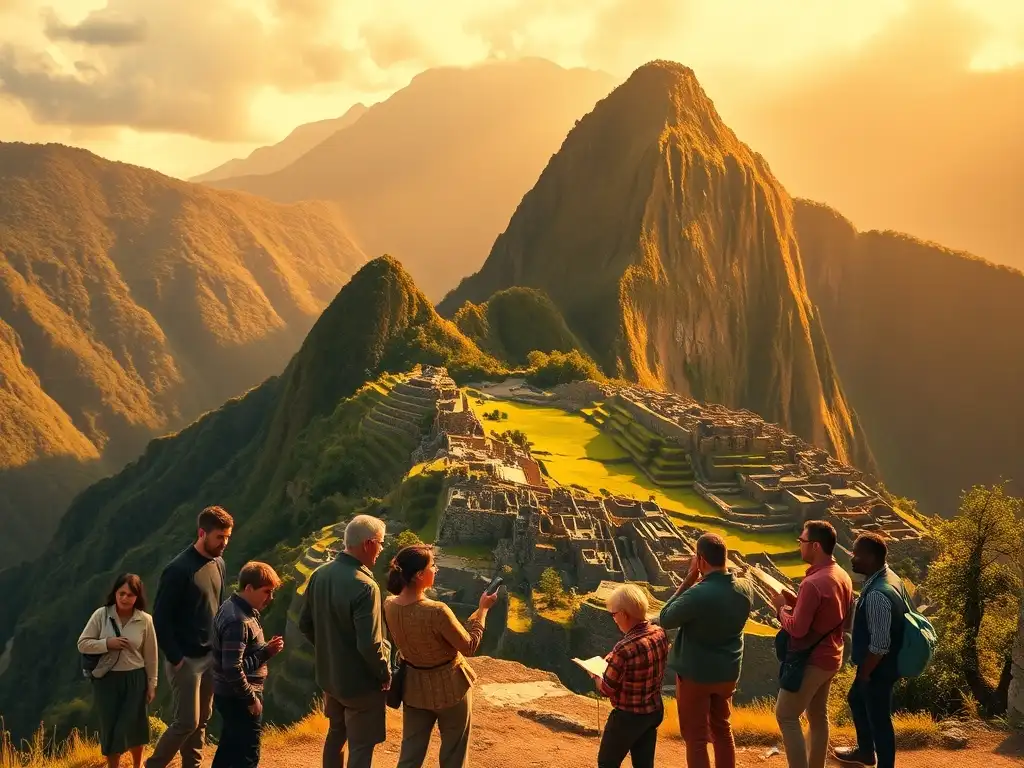
Machu Picchu's future hinges on a comprehensive, long-term vision that balances preservation with responsible access. This isn't merely about maintaining the physical structure; it's about safeguarding its cultural and historical significance for generations to come. The challenge lies in creating a sustainable model that allows for the appreciation of this incredible site without compromising its integrity. This requires a multifaceted approach, encompassing robust research, innovative conservation techniques, and a commitment to sustainable tourism practices.
A successful strategy will ensure Machu Picchu remains a powerful symbol of Andean heritage, inspiring awe and wonder for centuries to come. The core of this vision is a delicate balancing act: preserving the past to illuminate the future. Failure to achieve this balance risks irreversible damage, both to the site and its enduring legacy. The keyword here is sustainable preservation, a concept that guides every aspect of long-term planning.
Ensuring the Cultural Significance of Machu Picchu Remains Intact
The cultural significance of Machu Picchu extends far beyond its stunning architecture. It represents a complex interplay of Inca cosmology, social structures, and agricultural practices. Preserving this intangible heritage is just as crucial as maintaining the physical site. This involves:
- Detailed Archaeological Research: Ongoing research is paramount to understanding the site's evolution and uncovering new insights into Inca life. This includes meticulous documentation of existing structures, analysis of artifacts, and the application of advanced technologies like LiDAR to map the surrounding landscape and identify previously unknown features. This detailed work provides a deeper understanding of the site's history, informing conservation strategies and enhancing the visitor experience through more accurate and nuanced interpretations.
- Protecting Against Looting and Vandalism: Robust security measures, including advanced surveillance technologies and increased patrols, are essential to deter illicit activities. Furthermore, public awareness campaigns can educate visitors and the surrounding communities about the importance of respecting the site's cultural heritage. The fight against illegal activity is a constant battle, requiring vigilance and proactive measures.
- Community Engagement: Involving local communities in the preservation efforts is vital. This can involve providing training opportunities in tourism and conservation, creating economic incentives for local support, and ensuring that the benefits of tourism are shared equitably. This fosters a sense of ownership and responsibility among the people who live closest to Machu Picchu.
Passing on the Knowledge of Machu Picchu's History
Effective preservation requires the dissemination of knowledge. This involves:
- Improved Educational Programs: Developing accessible and engaging educational materials, both for visitors and local communities, is crucial. These could include interactive exhibits, virtual reality experiences, and educational workshops that bring the site's history to life. Making learning fun and interactive encourages a deeper appreciation for Machu Picchu's significance.
- Supporting Academic Research and Publication: Funding and supporting academic research on Machu Picchu is crucial for generating new knowledge and disseminating findings to a wider audience. This includes publishing accessible scholarly articles and books, as well as supporting postgraduate studies focused on Inca history and archaeology. The more we learn, the better we can protect.
- Digital Archiving and Accessibility: Creating comprehensive digital archives of Machu Picchu's history, including high-resolution images, 3D models, and detailed archaeological reports, makes the site accessible to a global audience and ensures the preservation of this knowledge for future generations, even if physical access becomes restricted. This digital preservation is a crucial element of sustainable preservation.
The Importance of Global Collaboration in Machu Picchu's Conservation
The preservation of Machu Picchu is not solely a Peruvian responsibility; it's a global concern. International collaboration is essential:
- Sharing Best Practices: International collaboration allows for the sharing of best practices in conservation and sustainable tourism management. This can involve exchanging expertise, technology, and resources with other organizations and countries that manage similar historical sites. This collaborative approach is crucial for learning from successes and avoiding past mistakes.
- Securing Funding: International funding is crucial to support long-term conservation efforts. This can involve securing grants from international organizations, as well as attracting private investment in sustainable tourism initiatives. Financial stability is crucial for the long-term success of any preservation project.
- Raising Global Awareness: International collaboration can help raise global awareness of Machu Picchu's importance and the challenges it faces. This can involve organizing international conferences, creating joint educational materials, and promoting Machu Picchu as a global heritage site. Raising global awareness helps to garner support and resources for preservation efforts. This collaborative approach is essential for the long-term sustainability of Machu Picchu and its enduring legacy as a symbol of Andean civilization. 🌎
UNESCO and International Funding Partnerships
Securing the long-term preservation of Machu Picchu necessitates a robust financial framework extending beyond national resources. The site's designation as a UNESCO World Heritage Site opens doors to vital international collaborations and funding opportunities. UNESCO itself provides technical assistance and grants, often focusing on capacity building for local conservation efforts and sustainable tourism management.
These initiatives frequently involve training programs for park rangers, archaeologists, and local community members in areas such as responsible tourism practices, heritage preservation techniques, and the sustainable management of natural resources. Furthermore, UNESCO actively facilitates partnerships with other international organizations, such as the World Bank, various governmental agencies, and private foundations, to leverage their expertise and financial resources. These collaborations often result in large-scale projects focused on infrastructure improvements, research initiatives, and community development programs that directly support the preservation of Machu Picchu and its surrounding environment.
The success of these partnerships hinges on transparent governance, effective monitoring mechanisms, and a shared commitment to the long-term vision for Machu Picchu's preservation. A crucial aspect involves ensuring that the funding is channeled efficiently and effectively, with a clear focus on achieving measurable results and maximizing the impact of each investment. Regular audits and progress reports are vital to guarantee the accountability and transparency of these international funding streams.
Machu Picchu Sustainable Tourism Future: A Continued Commitment
The future of Machu Picchu's sustainability is intrinsically linked to the responsible management of tourism. A continued commitment to sustainable tourism practices is paramount to mitigating the negative impacts of mass tourism while maximizing the positive economic and social benefits for the local communities. This involves implementing and strictly enforcing visitor quotas, carefully managing the flow of tourists throughout the site, and promoting responsible visitor behavior through educational campaigns and signage. The implementation of advanced booking systems and online ticketing platforms can help regulate visitor numbers and contribute to a more predictable and manageable tourism flow.
Investing in high-quality, eco-friendly infrastructure, such as improved transportation systems and waste management facilities, is also critical. Diversifying tourism offerings beyond the main site, encouraging visits to nearby communities and showcasing their unique cultural heritage, can alleviate pressure on Machu Picchu itself. This approach promotes a more holistic and sustainable tourism ecosystem, benefiting the wider region and ensuring the preservation of both cultural and natural heritage. Furthermore, empowering local communities through sustainable economic opportunities linked to tourism, such as craft production, hospitality services, and guiding, is crucial for long-term success.
This ensures that the benefits of tourism are shared equitably and contribute to the overall well-being of the local population, fostering a sense of ownership and responsibility for the site's preservation. The ongoing monitoring and evaluation of these strategies, coupled with adaptive management techniques, are vital to ensure continued success in balancing the needs of tourism with the preservation of Machu Picchu for future generations. This requires a multi-stakeholder approach involving government agencies, local communities, tourism operators, and research institutions working collaboratively towards a shared vision.
Frequently Asked Questions
What challenges does Machu Picchu face regarding sustainable tourism?
Machu Picchu faces challenges like overtourism, infrastructure limitations, and the impact on the environment and local communities. Sustainable practices are crucial to mitigate these issues and preserve the site for future generations.
How can research contribute to the sustainable future of Machu Picchu?
Research plays a vital role in understanding visitor behavior, environmental impacts, and community needs. This knowledge informs the development of effective conservation strategies and sustainable tourism management plans.
What conservation efforts are currently underway at Machu Picchu?
Current conservation efforts include restoration projects, monitoring of environmental conditions, and management of visitor flow. These initiatives aim to protect the site's archaeological remains and natural environment.
What role do local communities play in Machu Picchu's sustainable tourism future?
Local communities are essential partners in sustainable tourism. Their involvement ensures that tourism benefits are shared equitably, and their traditional knowledge contributes to effective conservation and management.
How can tourists contribute to the sustainable future of Machu Picchu?
Tourists can contribute by following regulations, supporting local businesses, and choosing responsible tour operators. Respecting the site and its environment is crucial for its long-term preservation.
Final Reflection: Guardians of Machu Picchu's Legacy
The delicate balance between preserving Machu Picchu's irreplaceable heritage and ensuring its accessibility for future generations is not merely a historical concern; it's a critical challenge for sustainable development in the 21st century. The choices we make today—in research, conservation, and tourism management—will directly shape the experience of Machu Picchu for centuries to come, determining whether this wonder remains a vibrant testament to Inca ingenuity or fades into a shadow of its former glory.
The ongoing dialogue surrounding Machu Picchu's future underscores the profound impact of tourism on cultural sites worldwide. It's a conversation that resonates deeply with me, highlighting the urgent need for responsible stewardship. The weight of this responsibility is immense, demanding a commitment to innovative solutions and a willingness to adapt our approaches as we learn more. The past is never dead. It's not even past.
– William Faulkner. This quote rings true for Machu Picchu; its past continues to shape its present and will inevitably influence its future. We must ensure that future is a bright one.
Consider the choices you make as a traveler, a researcher, or simply a citizen of the world. Will you support initiatives that prioritize conservation and community involvement? Will you advocate for sustainable tourism practices? The future of Machu Picchu rests not only in the hands of experts and policymakers but also in the conscious choices of each individual. Let us all strive to be guardians of this incredible site, ensuring that its majestic beauty and historical significance endure for generations to come.
Unveil the Future of Machu Picchu: Take Action Today!
Thank you for exploring the fascinating world of Machu Picchu and its future! Your interest in its research, conservation, and sustainable tourism is vital for preserving this iconic site. Let's turn that interest into action!
Here's how you can make a difference:
- Support local conservation efforts: Get involved with organizations actively working to protect the cultural and natural heritage of Machu Picchu. Many groups offer volunteer opportunities or accept donations.
- Share your passion: Spread the word about responsible tourism and the importance of preserving Machu Picchu. Share this article with your friends and family, and post about it on social media.
- Plan a sustainable visit: When visiting Machu Picchu, choose tour operators committed to environmental protection and supporting the local community. Look for certifications or testimonials that demonstrate their commitment to sustainability.
What steps will you take to help protect and promote the future of this incredible site?