
Spice Up Your Life: Discover the Unique Flavors of Andean Herbs and Spices

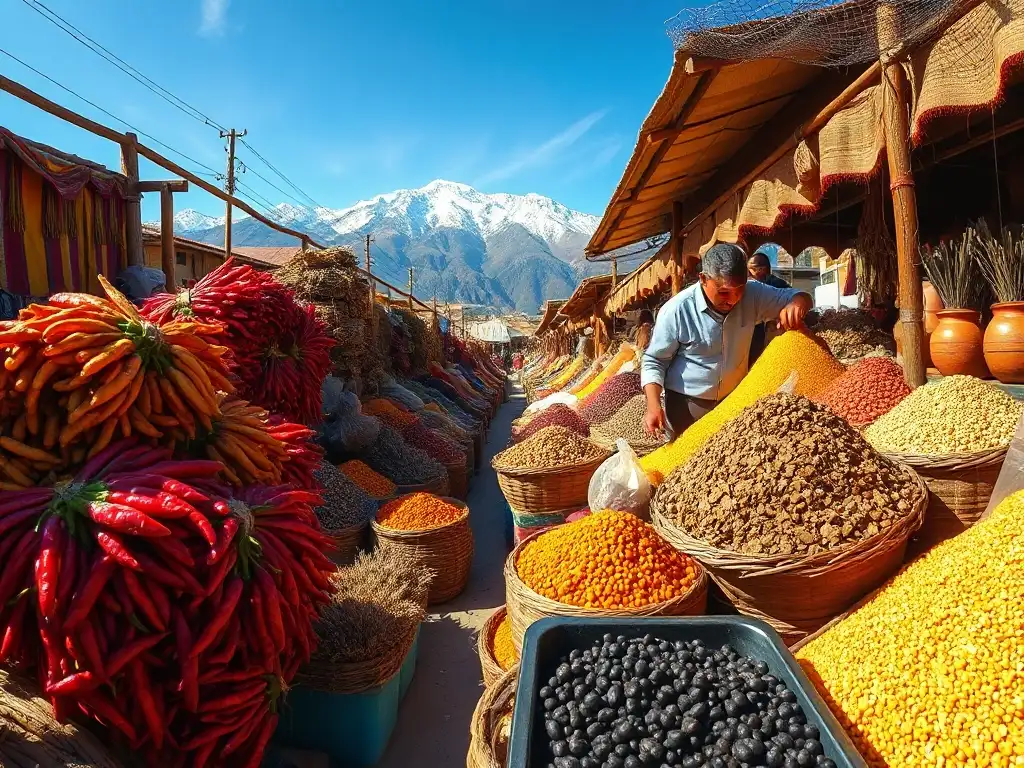
Step into a world lost to time, yet vibrantly alive in its legacy. Imagine the breathtaking heights of the Andes, echoing with the whispers of ancient empires. Andean Civilizations unveils the secrets of these remarkable cultures, their artistry, and their ingenuity. But what truly fueled their vibrant lives? Prepare to be captivated by the story of Andean herbs and spices, a journey into the unique flavors that shaped a civilization and continue to tantalize the senses today. Discover more within our Immersive Andean Experiences category.
The Andes Mountains, a spine of towering peaks running down the western coast of South America, are home to a breathtaking tapestry of cultures and a surprisingly diverse culinary landscape. For centuries, Andean civilizations—including the Incas, Moche, Nazca, and Tiahuanaco—have cultivated a unique palette of herbs and spices, infusing their dishes with vibrant flavors and aromatic complexity. This journey into the heart of Andean cuisine will unveil the secrets behind these remarkable seasonings, revealing their historical significance and practical applications in modern cooking.
From the invigorating zest of muña to the earthy warmth of ají, we'll explore the rich tapestry of Andean herbs and spices, empowering you to recreate the authentic flavors of this captivating region in your own kitchen. Prepare to embark on a culinary adventure that transcends mere cooking; it’s a journey through time, culture, and the unforgettable tastes of the Andes.
Unlocking the Secrets of Andean Flavor: An Introduction to Unique Spices
Andean cuisine is characterized by its bold and often unexpected flavor profiles. Unlike many other culinary traditions, it relies less on imported spices and more on the incredible bounty of native plants. This reliance on indigenous ingredients is not just a matter of availability; it's deeply intertwined with the cultural and historical fabric of the Andes. For generations, Andean peoples have carefully cultivated and preserved a remarkable array of herbs and spices, each carrying its own unique story and culinary application.
Let's delve into some key examples:
- Ají: A collective term for a variety of chili peppers, ají peppers range in heat level from mild to intensely fiery. They are a cornerstone of Andean cuisine, adding a vibrant kick to countless dishes. Different varieties offer unique flavor profiles, from the fruity sweetness of some ají to the smoky heat of others. Understanding the nuances of different ají varieties is key to mastering Andean cooking.
- Muña: This aromatic herb, with its minty and slightly citrusy notes, is a staple in many Andean dishes. Often used to flavor teas and stews, muña adds a refreshing complexity that elevates the overall flavor profile. Its versatility extends beyond savory applications; it's also used in traditional Andean desserts and beverages.
- Huacatay: Known as black mint or Peruvian black mint, huacatay boasts a distinct, pungent flavor with hints of anise and chocolate. It's a popular ingredient in sauces, stews, and as a garnish, adding a depth of flavor that is both unique and captivating. Its slightly bitter notes offer a fascinating counterpoint to the richness of other Andean ingredients.
- Cumin: Although not exclusively Andean, cumin holds a prominent place in Andean cuisine, adding a warm, earthy flavor to many dishes. Its versatility allows it to be incorporated into both savory and sweet preparations, underscoring its importance in the region's culinary traditions.
Why Explore Andean Seasonings? A Taste of History and Culture
Exploring Andean herbs and spices is more than just a culinary pursuit; it's a journey through history and culture. These ingredients are inextricably linked to the Andean civilizations' deep connection to the land and their sophisticated understanding of agriculture and food preservation. By incorporating these unique flavors into your cooking, you're not simply adding spice; you're engaging with a rich heritage and a vibrant culinary tradition.
The use of these spices wasn't merely functional; it held significant cultural and ritualistic value. Many herbs and spices were used in ceremonies and traditional medicine, reflecting the Andean worldview that interconnected food, health, and spirituality. Understanding this deeper context enriches the experience of cooking and eating Andean food, transforming a simple meal into a meaningful cultural immersion.
The vibrant colors and complex aromas of Andean spices are a testament to the ingenuity and resilience of Andean cultures, offering a fascinating glimpse into their rich history and enduring legacy. More than just a culinary adventure, it's a chance to connect with a remarkable civilization and its enduring culinary traditions.
- Unlocking the Secrets of Andean Flavor: An Introduction to Unique Spices
- Why Explore Andean Seasonings? A Taste of History and Culture
- 1. Aji Amarillo: The Golden Pepper of the Andes
- 2. Huacatay (Black Mint): The Aromatic Herb of the Incas
- 3. Paico: The Ancient Andean Digestive Aid and Flavor Enhancer
- 4. Hierba Buena (Spearmint): A Versatile Andean Culinary Herb
- 5. Rocoto Pepper: The Fiery Heart of Andean Spices
- 6. Chincho: A Lesser-Known Aromatic Andean Herb
- What herbs and spices were commonly used in Andean civilizations?
- How were these herbs and spices used in ancient Andean cooking?
- Did the use of Andean herbs and spices have medicinal properties?
- How did the geography of the Andes influence the types of herbs and spices used?
- Where can I find Andean herbs and spices today?
The Best Andean Herbs and Spices to Elevate Your Cooking
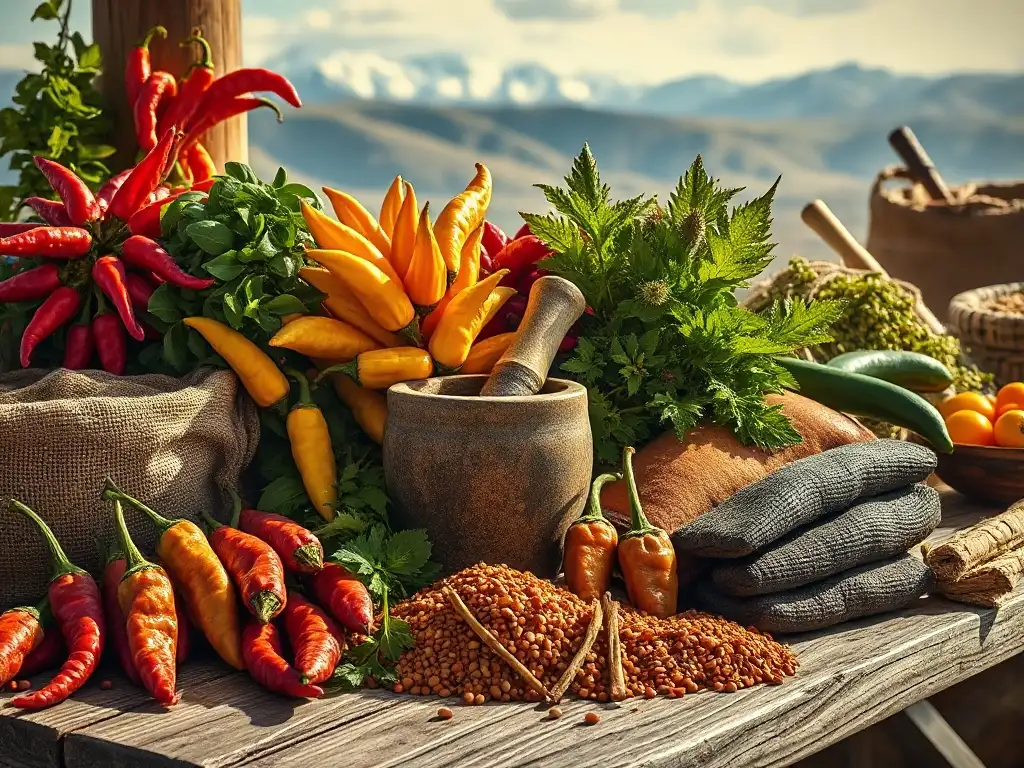
The Andean region boasts a vibrant culinary heritage, deeply intertwined with its unique flora. From the towering peaks to the fertile valleys, a diverse array of herbs and spices have shaped Andean cuisine for centuries. Mastering these flavors is key to unlocking the authenticity of Andean dishes and adding a truly unique dimension to your cooking. This section highlights two essential ingredients: aji amarillo and huacatay, showcasing their distinctive profiles and culinary applications. Understanding these Andean herbs and spices will allow you to recreate the magic of Andean food in your own kitchen.
1. Aji Amarillo: The Golden Pepper of the Andes
Aji amarillo, meaning "yellow chili," is arguably the most important chili pepper in Peruvian cuisine, and by extension, a cornerstone of broader Andean gastronomy. Its vibrant yellow hue and subtly sweet yet fiery flavor profile make it incredibly versatile. It's not just heat; it's a complex interplay of fruity notes, a hint of sweetness, and a lingering warmth that dances on the palate. This isn't your typical fiery chili; it's a nuanced ingredient that elevates dishes rather than overpowering them. Its versatility makes it suitable for a wide range of culinary applications.
Aji Amarillo Flavor Profile and Culinary Uses
The flavor of aji amarillo is highly dependent on its ripeness and preparation. When ripe, the pepper offers a mellow sweetness balanced by a moderate heat, described by some as a gentle warmth rather than intense spiciness. Its flavor profile is often compared to a blend of paprika and a mild jalapeño, with hints of apricot and mango. This unique combination allows aji amarillo to enhance rather than dominate the other flavors in a dish.
Aji amarillo is frequently used in sauces, stews, and marinades. It's a key ingredient in many classic Peruvian dishes, such as aji de gallina (creamy chicken stew), seco de carne (beef stew), and various causas (layered potato dishes). The paste, made from blended roasted peppers, is a pantry staple in many Andean kitchens. Dried aji amarillo pods can also be rehydrated and used, though the paste offers a smoother, more readily incorporated flavor. The versatile nature of aji amarillo makes it an essential addition to any Andean-inspired recipe.
Where to Buy Authentic Aji Amarillo Paste and Dried Pods
Finding authentic aji amarillo can sometimes be a challenge outside of Andean regions. Look for reputable Latin American grocery stores or online retailers specializing in authentic ingredients. When purchasing, prioritize products that specify their origin and processing methods. Pay attention to the color; a deep, vibrant yellow indicates freshness and superior flavor.
Avoid overly pale or dull-colored peppers, as they may be less flavorful. For the best results, opt for aji amarillo paste made from roasted peppers for a richer, smoother flavor. If using dried pods, ensure they are properly stored in an airtight container in a cool, dark place to maintain their quality and potency. The aroma should be pungent and slightly sweet, a clear indicator of freshness.
2. Huacatay (Black Mint): The Aromatic Herb of the Incas
Huacatay, also known as black mint or Peruvian black mint, is another indispensable Andean herb. Unlike traditional mint, huacatay possesses a distinctly unique flavor profile, a complex blend of minty, citrusy, and slightly bitter notes. Its dark green leaves and strong aroma immediately set it apart. Its use in Andean cooking is widespread, adding a distinctive and unforgettable flavor to various dishes.
Huacatay's Unique Minty-Citrus Aroma and Applications
The aroma of huacatay is unlike any other herb. It's a powerful, almost pungent scent that combines the familiar coolness of mint with unexpected citrus undertones and a subtle bitterness. This complexity makes it a fascinating addition to a wide array of dishes. The flavor is equally intriguing; it's refreshing yet earthy, with a hint of anise and a lingering bitterness that cuts through richness.
Huacatay is a versatile herb used both fresh and dried. Fresh huacatay leaves are often added to sauces, soups, and stews, providing a vibrant green hue and a distinctive flavor boost. It is a crucial ingredient in many Peruvian sauces, including the classic salsa criolla. Dried huacatay leaves can be used to create a flavorful powder, ideal for adding to rubs for meats or sprinkling over finished dishes. Its robust flavor complements both meat and vegetable dishes, adding depth and complexity. Its distinctive aroma and flavor profile make it a true culinary treasure of the Andes.
Finding Fresh Huacatay or Dried Huacatay Leaves
Finding fresh huacatay might be challenging outside Andean regions. Specialized Latin American markets or online retailers are your best bet. Look for vibrant, dark green leaves with no signs of wilting or discoloration. Fresh huacatay should have a strong, pungent aroma.
If purchasing dried huacatay, ensure it's stored in an airtight container in a cool, dark, and dry place to preserve its aroma and flavor. The dried leaves should retain their dark green color and possess a strong, though slightly muted, aroma compared to the fresh herb. Experimenting with both fresh and dried huacatay will allow you to fully appreciate its versatility in Andean cooking.
3. Paico: The Ancient Andean Digestive Aid and Flavor Enhancer
Paico ( Chenopodium ambrosioides), a member of the goosefoot family, holds a significant place in Andean culinary traditions and herbal medicine. For centuries, it has been valued not only for its unique flavor profile but also for its purported digestive benefits. Its use extends far beyond the kitchen, with historical accounts mentioning its application in traditional Andean healing practices. The plant's versatility makes it a staple in many Andean homes, demonstrating its enduring importance throughout generations.
The earthy, slightly bitter, and subtly minty taste of paico makes it a fascinating ingredient for adventurous cooks. It's a testament to the ingenuity of Andean cultures that they harnessed this plant for both culinary and medicinal purposes. The plant's resilience and adaptability to various altitudes and climates further contribute to its widespread presence across the Andean region.
The Distinctive Flavor of Paico and its Traditional Uses
The flavor of paico is quite distinctive, a complex blend of earthy notes with hints of mint and a subtle bitterness. This unique taste profile makes it ideal for adding depth and complexity to a wide array of Andean dishes. Traditionally, paico is used to season soups, stews, and various meat preparations. Some Andean communities incorporate it into their traditional remedies for digestive issues, highlighting its historical significance beyond its culinary applications.
The leaves are often added towards the end of cooking to preserve their delicate flavor and aroma. The versatility of paico allows for its integration into both savory and slightly sweet dishes, demonstrating its adaptability within Andean gastronomy. Many recipes call for a small amount of paico to avoid overpowering the other flavors in the dish.
Sourcing Organic Paico Seeds and Dried Herbs
Sourcing high-quality, organic paico can enhance the overall experience of cooking with this ancient herb. While fresh paico is ideal, finding it outside of Andean regions might prove challenging. Fortunately, dried paico leaves and even seeds are becoming increasingly available through online retailers specializing in organic and ethically sourced ingredients. When purchasing, it is crucial to look for reputable suppliers who prioritize sustainable farming practices and transparent sourcing.
Checking for certifications like organic labels can help ensure the quality and purity of the product. Storing dried paico in an airtight container in a cool, dark place will preserve its flavor and aroma for an extended period. Growing paico from seeds is also a rewarding option for those with a green thumb, allowing for a fresh supply readily available.
4. Hierba Buena (Spearmint): A Versatile Andean Culinary Herb
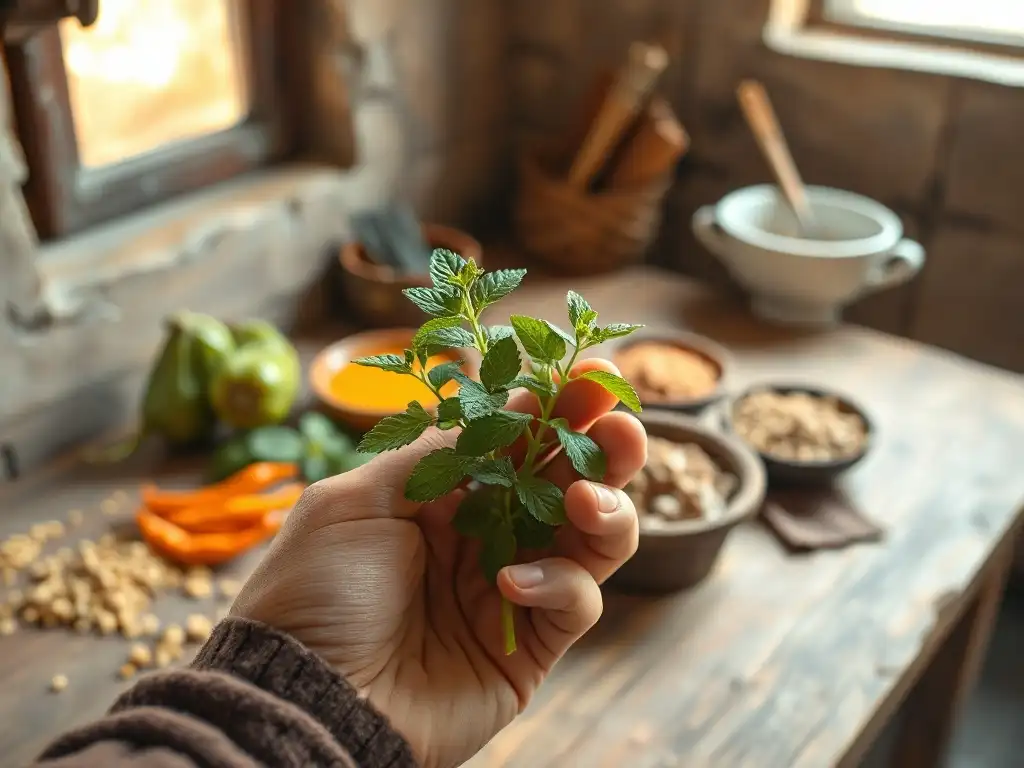
Hierba buena, also known as spearmint, is a ubiquitous herb in Andean cuisine, lending its refreshing and invigorating flavor to a wide variety of dishes. Unlike the more pungent peppermint, hierba buena offers a milder, sweeter mint profile that complements many Andean flavors beautifully. Its widespread use underscores its importance in the region's culinary traditions, passed down through generations of Andean cooks. Its adaptability makes it a versatile ingredient, easily integrated into both sweet and savory dishes. The plant's aromatic leaves add a touch of freshness and complexity, elevating simple meals to something truly special.
Hierba Buena's Refreshing Flavor and its Role in Andean Cuisine
The refreshing, slightly sweet flavor of hierba buena is what sets it apart. It differs from other mints with its less intense, more subtle aroma. In Andean cuisine, hierba buena is a staple in many dishes, adding a vibrant, refreshing element. It's commonly used to flavor beverages, particularly infusions and refreshing drinks, perfect for the Andean climate.
It also finds its place in savory dishes, enhancing the flavors of soups, stews, and grilled meats. The leaves can be used fresh or dried, although fresh hierba buena provides the most vibrant flavor and aroma. Its presence in traditional Andean recipes speaks to its enduring popularity and its essential role in the region's culinary heritage. The use of hierba buena showcases the Andean appreciation for fresh, aromatic herbs to enhance the overall taste experience.
Options for Purchasing Fresh or Dried Hierba Buena
Finding fresh hierba buena can be a challenge depending on your location. Local farmers' markets, especially those specializing in international produce, might offer it seasonally. Alternatively, many supermarkets with extensive produce sections carry fresh hierba buena, particularly those catering to diverse culinary traditions. If fresh is unavailable, dried hierba buena is a viable alternative, although the flavor intensity might be slightly less pronounced.
Online retailers specializing in herbs and spices often offer dried hierba buena, providing a convenient option for those with limited access to fresh produce. Remember to always check the source and ensure the product is high quality and ideally organically grown to maximize the flavor and aroma. The choice between fresh and dried depends on availability and personal preference, but both options allow you to incorporate this valuable Andean herb into your cooking.
5. Rocoto Pepper: The Fiery Heart of Andean Spices
The rocoto pepper 🌶️, a staple in Andean cuisine, isn't for the faint of heart. Its fiery heat and complex flavor profile make it a culinary cornerstone, adding a vibrant kick to countless dishes. Unlike the jalapeño or serrano pepper, the rocoto boasts a thicker flesh and a more intense, fruity heat that lingers pleasantly on the palate. This isn't just about brute force heat; it's a nuanced burn that complements, rather than overwhelms, other flavors.
The rocoto pepper's heat level can vary depending on the specific cultivar and growing conditions, ranging from moderately hot to intensely fiery. However, even the milder varieties still pack a significant punch. Its unique flavor profile is often described as a blend of sweet, smoky, and fruity notes, making it a versatile ingredient for both savory and sweet applications.
Rocoto's Intense Heat and Unique Flavor Profile
The intensity of the rocoto pepper's heat is measured on the Scoville scale, typically ranging from 25,000 to 100,000 Scoville heat units (SHU). 1 For comparison, a jalapeño pepper typically measures between 2,500 and 8,000 SHU. This significant difference highlights the rocoto's potent heat. But it's not just about the heat; the rocoto offers a multifaceted flavor profile. Its sweetness adds depth, while smoky notes contribute complexity. The fruity undertones further enhance its versatility, making it suitable for various culinary applications. Many chefs appreciate its ability to enhance, rather than dominate, other ingredients in a dish. This allows the rocoto to add a vibrant kick without overpowering the other flavors. The rocoto's unique character is what sets it apart from other chili peppers.
Where to Find Fresh Rocoto Peppers or Rocoto Paste
Finding fresh rocoto peppers outside of Andean regions can be a challenge, but not impossible. Specialty Latin American grocery stores often carry them, especially during peak season. Online retailers specializing in exotic produce also provide a reliable source. If fresh rocoto peppers are unavailable, rocoto paste offers a convenient alternative.
This paste is readily available in many international grocery stores and online marketplaces. It's a concentrated source of rocoto flavor and heat, making it ideal for adding a quick and intense kick to stews, sauces, and other dishes. Remember to handle rocoto peppers with care, wearing gloves to avoid skin irritation. The oils from the pepper can cause burning sensations, so washing your hands thoroughly after handling is crucial.
6. Chincho: A Lesser-Known Aromatic Andean Herb
Chincho ( Cyperus articulatus), while less widely known than other Andean herbs and spices, deserves a place in any adventurous cook's repertoire. This aromatic herb, with its subtle yet distinct flavor and fragrance, adds a unique dimension to Andean dishes. Its grassy, slightly citrusy notes provide a refreshing counterpoint to richer flavors, making it a versatile addition to a wide range of culinary creations. Often used in traditional Andean stews and soups, chincho imparts a subtle earthiness that enhances the overall flavor profile without overpowering other ingredients. Its delicate fragrance also adds another layer of sensory experience.
Discovering Chincho's Unique Scent and Flavor
The scent of chincho is best described as a blend of grassy, earthy, and subtly citrusy notes. It's a delicate fragrance, not overpowering, but rather a subtle hint that adds to the overall aromatic complexity of a dish. The flavor is equally nuanced, offering a mild earthiness with a touch of citrusy brightness. This makes it a perfect complement to both meat and vegetable dishes.
It's not a dominant flavor, but rather a supporting player, enhancing and balancing other ingredients. Some describe its taste as similar to lemongrass, but with a more subtle and earthy character. The versatility of chincho lies in its ability to add complexity without overpowering the other flavors in a dish, allowing for a well-balanced and nuanced culinary experience.
Finding Chincho Leaves or Dried Chincho for cooking
Finding chincho might require a bit more searching than readily available spices. Specialty Latin American markets, particularly those focusing on Andean ingredients, are the best place to start your search. Online retailers specializing in exotic herbs and spices are another option. If fresh chincho leaves are unavailable, dried chincho is a viable substitute.
Dried chincho retains much of its flavor and aroma, making it a convenient option for home cooks. Remember to use dried chincho sparingly, as its flavor can become more concentrated during the drying process. When using dried chincho, consider infusing it in hot water or broth for a few minutes to fully release its aromatic compounds before incorporating it into your dish. This will ensure that you capture the full depth of its unique flavor and aroma.
1 Scoville Scale values can vary depending on the source and specific cultivar.
How to Use Andean Herbs and Spices in Your Kitchen
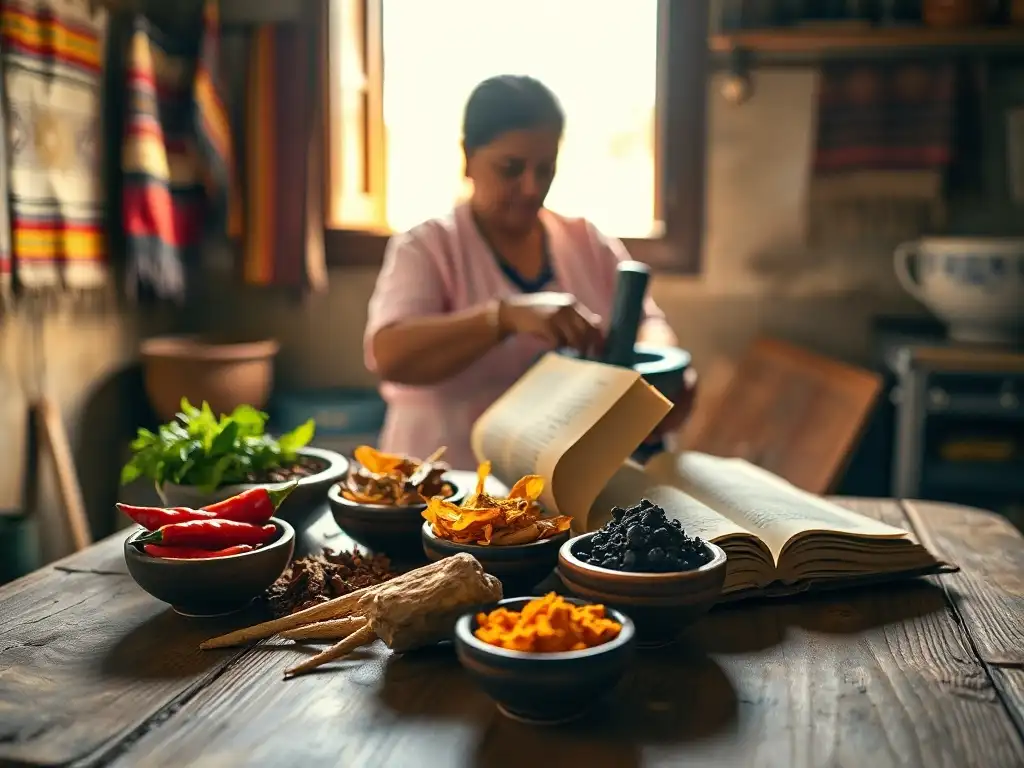
Andean herbs and spices offer a unique and complex flavor profile unlike anything found in other cuisines. Their potent aromas and diverse tastes stem from the high-altitude environment and unique biodiversity of the Andes Mountains. To truly appreciate these culinary treasures, understanding their proper handling and usage is key. This section will guide you through maximizing the flavor and aroma of these incredible ingredients.
Tips for Grinding and Storing Andean Spices
Freshly ground spices always deliver the most intense flavor. Many Andean spices, such as ají panca and ají amarillo, are best purchased whole and ground just before use. Using a mortar and pestle allows for more control over the grind, releasing the aromatic oils more effectively than a mechanical grinder. For a coarser grind, ideal for stews and roasts, use fewer pulses. A finer grind is preferred for sauces and marinades, requiring more thorough grinding.
Storing your Andean spices correctly is critical for preserving their potency. Airtight containers, kept in a cool, dark, and dry place, are essential. Avoid exposure to light and moisture, which can quickly degrade the quality and flavor of your spices.
Proper storage can extend the shelf life of your spices, allowing you to savor their unique qualities for longer. Consider using smaller containers to ensure you use up your spices before they lose their vibrancy. Remember, even with proper storage, the flavor of spices will diminish over time, so aim to use them within six to twelve months for optimal taste.
Consider this helpful table:
| Spice | Optimal Grinding Method | Storage Recommendation | Shelf Life (approx.) |
|---|---|---|---|
| Ají Panca | Mortar and Pestle | Airtight container, cool, dark, dry | 6-12 months |
| Ají Amarillo | Mortar and Pestle | Airtight container, cool, dark, dry | 6-12 months |
| Muña | Mortar and Pestle (leaves) | Airtight container, cool, dark, dry | 3-6 months (dried) |
| Cumin | Grinder or Mortar & Pestle | Airtight container, cool, dark, dry | 12-18 months |
| Coriander | Grinder or Mortar & Pestle | Airtight container, cool, dark, dry | 12-18 months |
Creating Your Own Andean Spice Blends at Home
Experimenting with different combinations of Andean herbs and spices is a rewarding culinary journey. The possibilities are endless! Start with a base of cumin and coriander, then add other spices to suit your taste. For a smoky flavor, incorporate ají panca; for a brighter, citrusy note, add ají amarillo. Muña, with its unique minty-licorice aroma, adds a distinctive Andean touch. Consider these blend ideas:
- Spicy Adobo Blend: Ají panca, ají amarillo, cumin, coriander, oregano. Perfect for marinating meats.
- Earthy Stew Blend: Cumin, coriander, huacatay (black mint), paprika, a pinch of ground cloves. Ideal for hearty Andean stews.
- Citrusy Chicken Rub: Ají amarillo, paprika, garlic powder, onion powder, a touch of oregano and cumin.
Remember to start with small amounts and adjust to your liking. Tasting as you go is crucial to achieving the perfect balance of flavors. Note down your successful blends for future reference! The creation of custom spice blends is a fun and creative way to explore the unique culinary landscape of the Andes.
Recipe Ideas: Using Andean Seasonings in Traditional Dishes
Andean cuisine is incredibly diverse, with each region boasting its own unique culinary traditions. Incorporating Andean herbs and spices into familiar dishes can add exciting new dimensions of flavor. Here are a few ideas to inspire your culinary explorations:
- Roasted Chicken with Ají Panca: Marinate chicken in a blend of ají panca, garlic, and lime juice before roasting for a smoky, flavorful dish. Serve with roasted potatoes seasoned with cumin and coriander.
- Spicy Andean Stew (Caldo de Gallina): Enhance a classic Andean chicken stew with a blend of ají amarillo, huacatay, and other spices for a rich and flavorful broth.
- Peruvian-Style Rice: Add a vibrant touch to your rice dishes with a combination of ají panca, cumin, and coriander. A simple yet effective way to elevate your side dishes.
Experimentation is key! Don't be afraid to try different combinations and adjust seasonings to your preference. The beauty of Andean cuisine lies in its adaptability and the endless possibilities for creative culinary exploration. The vibrant flavors of the Andes await your discovery!
The Health Benefits of Andean Herbs and Spices
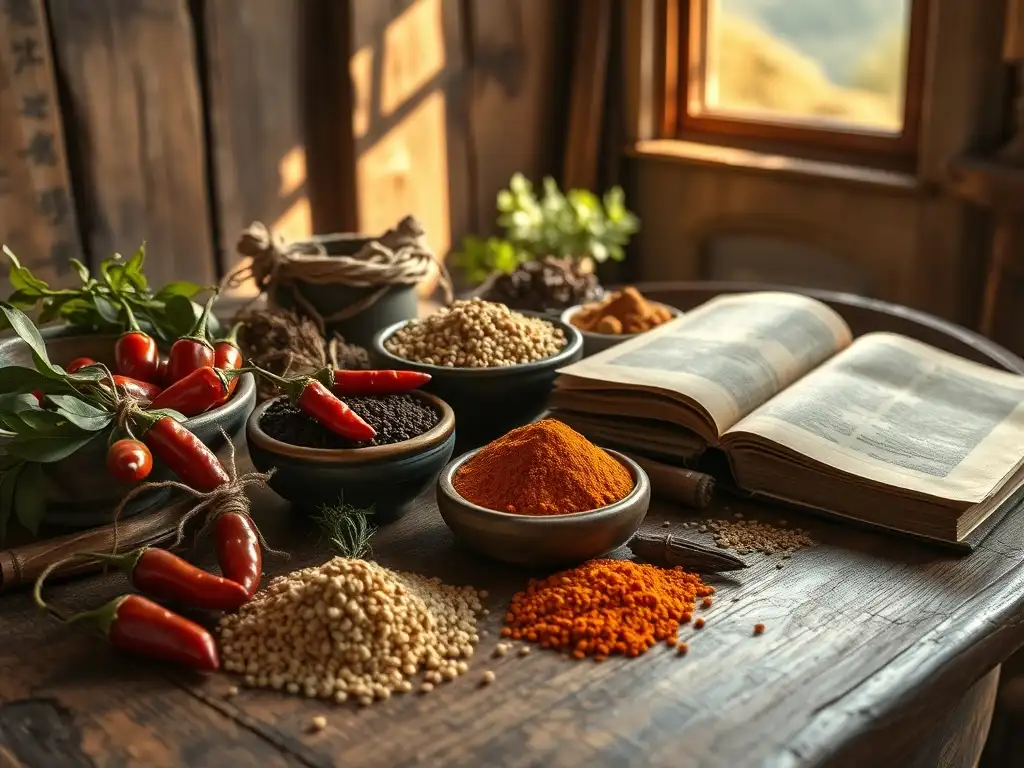
The vibrant culinary landscape of the Andes is not just delicious; it's also a treasure trove of nutritional powerhouses. Andean herbs and spices, passed down through generations, offer a unique blend of flavors and significant health benefits. Understanding their nutritional value and traditional uses unlocks a deeper appreciation for these remarkable ingredients and their impact on well-being.
Exploring the Nutritional Value and Traditional Uses
Many Andean herbs and spices are rich in antioxidants, vitamins, and minerals. For example, a ji (Capsicum baccatum), a common Andean pepper, is a potent source of vitamin C, boosting the immune system and acting as a natural anti-inflammatory. Its capsaicin content also contributes to improved metabolism and pain relief. Similarly, muña ( Minthostachys spicata), a minty herb, is traditionally used to soothe digestive issues and alleviate headaches, thanks to its essential oils with antispasmodic and analgesic properties.
Beyond individual ingredients, the combined use of Andean herbs and spices in traditional dishes contributes to a balanced and nutritious diet. Consider rocoto peppers, another variety of chili pepper, often paired with huacatay (black mint) in sauces. This combination not only creates a complex and delicious flavor profile but also offers a synergistic effect: the vitamin C in the rocoto complements the digestive benefits of huacatay.
The traditional uses of these ingredients are deeply intertwined with their health benefits. For centuries, Andean communities have employed these herbs and spices for medicinal purposes, creating remedies for various ailments. This knowledge, passed down orally and through practice, highlights the deep connection between Andean culture, cuisine, and well-being. Further research is needed to fully quantify the health benefits of many Andean herbs and spices, [specific research data pending], but anecdotal evidence and traditional uses strongly suggest their positive impact on overall health.
Incorporating Andean Seasonings for a Healthier Lifestyle
Integrating Andean herbs and spices into your daily diet is a delicious way to enhance your nutritional intake and experience the richness of Andean culinary traditions. A simple approach is to experiment with different blends in your cooking. For instance, adding a pinch of ají panca (a mild, sweet pepper) and a sprinkle of culantro (a pungent herb) to your soups or stews adds a burst of flavor while providing a boost of vitamins and antioxidants.
You can also explore creating your own spice blends, mirroring the complex flavor profiles found in traditional Andean dishes. A blend of comino (cumin), orégano (oregano), and achiote (annatto) can add a warm, earthy depth to roasted vegetables or grilled meats. Remember that moderation is key; while these spices offer numerous benefits, their potent flavors should be used judiciously to avoid overpowering the other ingredients in your dishes.
Furthermore, consider the versatility of these ingredients. Muña tea, for example, is a refreshing and healthy beverage that can be enjoyed hot or cold. Adding a few sprigs of huacatay to your salads or dips adds a unique flavor and potential health benefits. The possibilities are endless, allowing you to create healthy and flavorful meals while exploring the rich tapestry of Andean culinary heritage. The incorporation of Andean herbs and spices offers a delicious path towards a healthier and more flavorful lifestyle. 🎉
Conclusion: Embark on a Flavorful Journey with Andean Spices
This exploration of Andean herbs and spices has only scratched the surface of the incredible culinary diversity found in the Andes Mountains. From the vibrant hues of ají amarillo to the earthy notes of muña, these ingredients are far more than just flavor enhancers; they represent centuries of tradition, ingenuity, and a deep connection to the land. Understanding their unique properties and applications allows you to not only recreate authentic Andean dishes but also to appreciate the rich cultural heritage behind them.
The careful selection and combination of these ingredients are key to achieving the complex and nuanced flavors that define Andean cuisine. Experimentation is encouraged – the possibilities are truly endless!
Where to Continue Your Exploration of Andean Cuisine
Continuing your journey into the world of Andean cuisine requires a multifaceted approach. Beyond simply acquiring the necessary herbs and spices, understanding their historical context and traditional uses is essential. This deeper understanding will allow you to appreciate the nuances of flavor profiles and to confidently experiment with new recipes.
Here are some avenues you can explore:
- Culinary Books and Resources: Seek out cookbooks specifically focusing on Andean cuisine. Many offer detailed recipes and insightful background information on the ingredients used. Look for books that emphasize authenticity and traditional cooking methods. Pay close attention to the specific varieties of herbs and spices mentioned, as regional variations can significantly impact the final taste.
- Online Communities and Forums: Engage with online communities dedicated to Andean cooking. These platforms are excellent resources for exchanging recipes, tips, and techniques with other enthusiasts. You can find answers to specific questions, discover new ingredients, and even participate in virtual cooking classes.
- Hands-on Workshops and Classes: If possible, consider participating in hands-on cooking classes or workshops led by experienced Andean chefs. This immersive approach provides invaluable practical experience and allows you to learn directly from the masters. You'll gain firsthand knowledge of techniques and gain confidence in your own culinary abilities.
| Resource Type | Example | Benefits |
|---|---|---|
| Cookbook | The Complete Book of Andean Cooking | Detailed recipes, historical context, ingredient sourcing information |
| Online Forum | Andean Cuisine Enthusiasts Facebook Group | Recipe sharing, tips, community support, access to expert knowledge |
| Cooking Class | Andean Cooking Workshop at [Location] | Hands-on experience, direct learning from chefs, cultural immersion |
Remember, the key to mastering Andean cuisine is not just about replicating recipes, but about understanding the philosophy behind them. It's about appreciating the connection between the ingredients, the culture, and the land. Embrace the process, experiment boldly, and enjoy the flavorful journey! 🧑🍳 The rich tapestry of Andean flavors awaits your exploration!
Frequently Asked Questions
What herbs and spices were commonly used in Andean civilizations?
Andean cuisine relied heavily on native plants. Common spices included aji (various chili peppers), muña (a minty herb), and huacatay (black mint). These were used extensively in stews, sauces and other dishes.
How were these herbs and spices used in ancient Andean cooking?
Andean cooks used a complex blend of herbs and spices to create unique flavor profiles. They often combined aji peppers with other ingredients to create both spicy and nuanced tastes. Specific combinations varied by region and culture.
Did the use of Andean herbs and spices have medicinal properties?
Yes, many Andean herbs and spices held significant medicinal value. Muña, for example, was used to treat digestive problems. The use of these plants reflected a deep understanding of their healing properties.
How did the geography of the Andes influence the types of herbs and spices used?
The diverse geography of the Andes, ranging from coastal deserts to high-altitude plains, led to a wide variety of plants. This resulted in a rich tapestry of unique flavors and aromas depending on the specific region and altitude.
Where can I find Andean herbs and spices today?
Many Andean herbs and spices are available in specialty stores, online retailers, and some larger supermarkets. Look for products that are ethically sourced and support local communities in the Andes.
Final Reflection: A Legacy of Flavor, A Future of Discovery
The vibrant tapestry of Andean herbs and spices isn't just a culinary delight; it's a living testament to a rich cultural heritage and a vital resource for a sustainable future. These unique flavors, passed down through generations, offer not only exquisite taste but also potential solutions to modern challenges in food security and biodiversity. Their continued use is crucial for preserving both culinary traditions and ecological balance.
The profound impact of Andean herbs and spices extends far beyond the kitchen; they represent a deep connection to the land and a resilient spirit. Their use speaks volumes about the ingenuity and resourcefulness of Andean communities, who have harnessed the power of nature for centuries. The earth provides all we need; we only need to learn how to receive it.
This sentiment perfectly encapsulates the relationship between the Andean people and their unique botanical treasures, a relationship we can all learn from and appreciate. Their continued cultivation and responsible use are vital for preserving this invaluable legacy.
Consider the flavors you've discovered within this article. Think about the potential these incredible plants hold, not only for enriching your own culinary experiences but also for supporting sustainable agriculture and preserving biodiversity. Let the vibrant tastes of the Andes inspire you to explore new culinary horizons and to champion the preservation of this precious natural heritage. Embrace the opportunity to learn more, to share your knowledge, and to contribute to a future where the unique flavors of the Andes continue to thrive.
**Unleash the Flavor of the Andes! **
Thank you for exploring the vibrant world of Andean herbs and spices with us! You've discovered unique flavors that can elevate your cooking. Now, let's put your newfound knowledge to work!
Here's how you can start incorporating these incredible flavors into your life:
- **Experiment with Recipes:** Try adding Andean spices like ají amarillo or huacatay to your meals this week. Share your delicious creations online to inspire others!
- **Visit Local Markets:** Explore specialty shops or farmers' markets to find fresh Andean herbs. Connecting with local vendors can introduce you to exciting new ingredients and their stories!
- **Join a Cooking Class:** Consider a cooking class focused on Andean cuisine to learn from experts. You'll not only improve your culinary skills, but also meet fellow food enthusiasts.
What delicious Andean-inspired dish will you create first, and how will it inspire your future culinary adventures? Share your thoughts below!