
The Spanish Advantage: Military Technology That Overwhelmed the Inca Armies

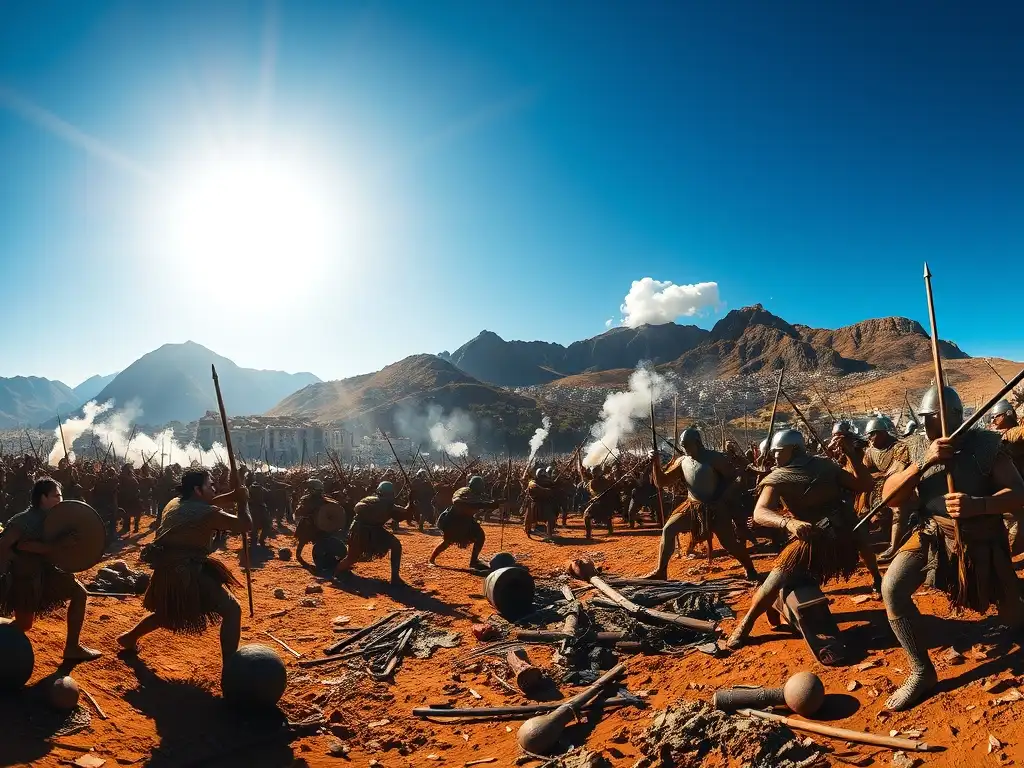
Unravel the mysteries of the Andes! For centuries, the Inca Empire stood as a testament to human ingenuity and power. But their reign ended abruptly, a dramatic clash of cultures and military might. Discover the pivotal role of Inca military defeat by Spanish technology in this seismic shift, a story of breathtaking innovation and devastating consequences. Prepare to be captivated by a tale of empires colliding, where superior weaponry and strategic prowess proved to be the ultimate deciding factor. Explore the intricate details and learn how the balance of power irrevocably changed.
The conquest of the Inca Empire by the Spanish conquistadors, a seemingly improbable feat considering the vast size and sophisticated organization of the Inca state, was significantly facilitated by a disparity in military technology. While the Inca possessed a formidable army and impressive logistical capabilities, their weaponry and tactics proved no match for the advanced weaponry and strategic innovations brought by the Spanish.
This article will delve into the key technological advantages that allowed a relatively small force of Spanish soldiers, aided by indigenous allies, to conquer the mighty Inca Empire, ultimately leading to the Inca military defeat. We will examine the strengths and weaknesses of both sides, highlighting the crucial role that superior Spanish technology played in this pivotal historical event.
The contrast between Inca military might and Spanish technological prowess offers a fascinating case study in the impact of innovation on warfare and the course of history. Understanding this technological imbalance is crucial to comprehending the fall of one of the most remarkable civilizations of the pre-Columbian Americas.
Introduction: The Clash of Two Worlds and the Inca Military Defeat
The conquest of the Inca Empire by the Spanish, beginning in 1532, represents a dramatic clash of two vastly different worlds. The Inca, masters of their Andean environment, had built a vast empire through sophisticated administrative systems, intricate road networks, and a powerful army. However, their military prowess, honed through centuries of inter-Andean warfare, was ultimately outmatched by the Spanish, whose military technology offered significant advantages.
This technological gap, combined with internal Inca conflicts and diseases introduced by the Europeans, contributed decisively to the Inca military defeat and the subsequent collapse of their empire. The Spanish victory was not solely a matter of superior numbers or brute force; it was significantly shaped by a decisive technological edge. The impact of steel weaponry, firearms, and horses on the outcome of the conquest cannot be overstated.
Inca Warfare: Strengths and Limitations of Inca Military Tactics
The Inca army was a formidable fighting force, renowned for its size, organization, and logistical capabilities. Their military prowess stemmed from a combination of factors including effective organization, disciplined troops, and mastery of high-altitude warfare. However, despite these strengths, certain limitations in their military technology ultimately contributed to their defeat.
Inca Army Organization and Structure
The Inca army was a highly organized and disciplined force, structured around a decimal system (units of 10, 100, 1000, etc.). This allowed for efficient command and control, even with large armies. Soldiers were conscripted from across the empire, often serving for extended periods. Their training emphasized discipline, endurance, and the use of traditional Inca weapons. However, this system, while effective in Andean warfare, proved less adaptable to the Spanish methods of warfare.
Inca Weapons and Armor: An Overview
Inca weaponry primarily consisted of clubs, spears, slings, and bolas (weighted throwing ropes). Their armor, when used, was typically made from quilted cotton or leather, offering limited protection against steel weaponry. While effective against other Andean groups, these weapons proved inadequate against the Spanish, who possessed superior weaponry and armor. The lack of ranged weaponry capable of matching the effectiveness of Spanish firearms was a significant disadvantage.
Limitations of Inca Military Technology Compared to European Standards
The Inca military faced a stark technological disadvantage against the Spanish. The Spanish possessed steel weapons (swords, lances, and halberds) that were far superior in strength and durability to the Inca's weapons. Furthermore, the Spanish introduction of firearms (arquebuses and cannons) proved devastatingly effective against the Inca's less advanced weaponry and relatively light armor.
The use of horses by the Spanish cavalry also significantly altered the dynamics of battle, providing them with speed and maneuverability that the Inca infantry could not match. This combination of superior weaponry, armor, and cavalry tactics contributed significantly to the Spanish victory and the ultimate Inca military defeat.
- Introduction: The Clash of Two Worlds and the Inca Military Defeat
- Inca Warfare: Strengths and Limitations of Inca Military Tactics
The Decisive Factor: Spanish Military Technology in the Conquest of the Inca Empire
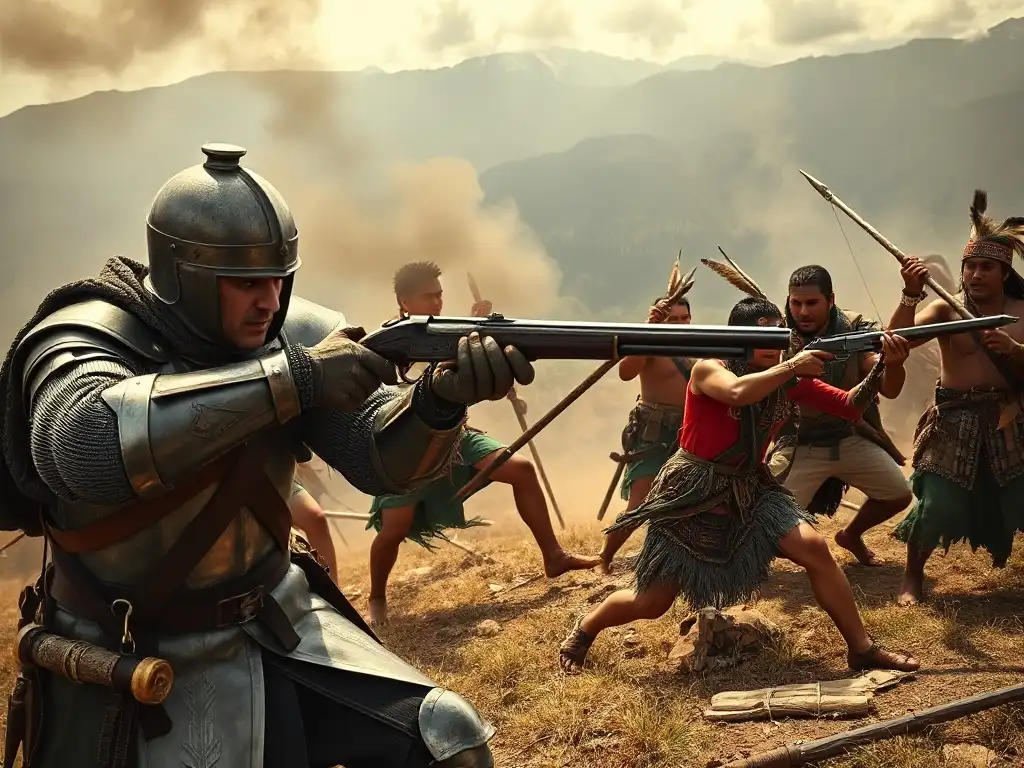
The Spanish conquest of the Inca Empire wasn't solely a matter of superior numbers or cunning strategies. A crucial element in the Inca military defeat was the significant technological disparity between the Spanish conquistadors and the Inca armies. This technological advantage, primarily in weaponry and armor, proved decisive in many battles, allowing a relatively small force of Spaniards to overcome a vastly larger Inca army.
This section will delve into the specific technologies that played a pivotal role in the Spanish victory, focusing on the impact of Spanish armor and firearms on Inca warfare. The phrase "Inca military defeat Spanish technology" accurately reflects this imbalance.
Spanish Armor and its Impact on Inca Battles
The contrast between Spanish and Inca military equipment was stark. Inca warriors relied primarily on defensive gear made from materials such as cotton, leather, and wood. While effective against some weaponry, these defenses were utterly inadequate against the steel weaponry wielded by the Spanish.
Steel Armor: Protection Against Inca Weapons
Spanish soldiers wore steel armor, offering significantly superior protection against Inca weaponry. This included breastplates, helmets, and greaves, often crafted in multiple layers for enhanced defense. Inca clubs, slings, and spears, while capable of inflicting damage, were largely ineffective against this superior armor. The steel's resilience deflected blows that would have easily penetrated Inca defenses. This defensive advantage allowed the Spanish to engage in close-quarters combat with significantly reduced risk of injury, a crucial factor in many battles. The impact is clear: the Inca’s weaponry was simply outmatched.
The Psychological Effect of European Armor
The imposing appearance of the Spanish soldiers in their steel armor also played a significant psychological role. The sight of seemingly invincible warriors clad in metal instilled fear and awe in the Inca soldiers, undermining their morale and confidence. This psychological advantage, combined with the superior protection afforded by the armor, significantly contributed to the Spanish victories. The psychological impact of the Spanish armor should not be underestimated in the context of "Inca military defeat Spanish technology." The sheer visual dominance amplified the technological advantage.
Spanish Firearms: The Power of Gunpowder in the Inca Conquest
The introduction of gunpowder weaponry was a game-changer in the Andean conflict. The Inca had no equivalent technology, leaving them utterly unprepared for the devastating power of Spanish firearms.
Muskets and Cannons: A Technological Leap
Spanish forces utilized both muskets and cannons, representing a monumental technological leap over Inca weaponry. Muskets, though slow to reload, could inflict significant casualties at a distance, while cannons proved devastatingly effective in sieges and open battles. The explosive power of gunpowder completely altered the dynamics of warfare in the Andes. The sheer destructive power of these weapons, unfamiliar to the Inca, contributed significantly to the Spanish success.
The Role of Firearms in Inca Military Defeats
The impact of firearms on the Inca military was profound. The unexpected and overwhelming power of these weapons caused widespread panic and disarray among Inca ranks. The effectiveness of Spanish firearms in decimating Inca armies, coupled with the protective advantage offered by steel armor, proved a decisive factor in the Spanish conquest.
The phrase "Inca military defeat Spanish technology" is directly applicable here, highlighting the devastating effect of firearms in the conquest. The Inca lacked any defense against this novel technology, leading to repeated and decisive military defeats. The combination of superior armor and firearms created a nearly insurmountable advantage for the Spanish conquistadors.
The Importance of Spanish Steel Swords and Blades
Spanish conquistadors wielded steel swords and blades of superior quality compared to the weaponry of the Inca. This technological advantage played a crucial role in their military victories. The Spanish steel, produced using advanced techniques unavailable to the Inca, possessed significantly greater hardness, sharpness, and durability. This meant Spanish swords could more easily cut through Inca armor and inflict devastating wounds, while Inca bronze weapons often bent or broke upon impact.
The difference wasn't merely marginal; it represented a fundamental shift in the effectiveness of close-quarters combat. The consistent sharpness of Spanish blades allowed for repeated strikes with greater accuracy and lethality, significantly impacting the outcome of battles. Furthermore, the superior durability of Spanish steel meant that weapons could withstand prolonged use without significant damage, a considerable advantage in protracted conflicts. The consistent supply of these high-quality weapons from Spain, further reinforced this technological superiority.
Advantages of Spanish Steel over Inca Bronze Weapons
The contrast between Spanish steel and Inca bronze is stark. Spanish steel, forged in European furnaces using techniques refined over centuries, boasted a much higher carbon content. This resulted in a significantly harder and more resilient metal.
Inca bronze, while effective in its own right, was inherently less durable and prone to bending or breaking under significant stress. A direct comparison reveals a clear disparity: a Spanish steel sword could cleave through an Inca bronze weapon with relative ease, rendering the latter almost useless in a direct confrontation. The sharpness of Spanish steel also played a key role.
The ability to maintain a keen edge allowed for deeper, more damaging cuts, leading to quicker incapacitation of Inca warriors. The Inca's bronze weapons, while adequately sharp initially, dulled rapidly during combat, diminishing their effectiveness. This difference in material properties directly translated to a decisive advantage on the battlefield, contributing significantly to the Inca military defeat.
The Impact of Swords in Close Combat
The Spanish sword's impact on close-combat engagements was decisive. Inca warriors, armed primarily with clubs, slings, and bronze weapons, were often outmatched by the superior reach and cutting power of the Spanish steel swords. The Spanish swords allowed for a greater degree of precision and control, enabling targeted strikes that could quickly disable or kill an opponent. This advantage was especially pronounced in organized formations, where Spanish soldiers could coordinate their attacks to overwhelm Inca defenses.
Accounts from the conquest describe the devastating effectiveness of Spanish swordsmanship, with individual soldiers often felling multiple Inca warriors in a single engagement. The psychological impact of witnessing such superior weaponry was also significant, contributing to the erosion of Inca morale and further bolstering Spanish confidence. The effectiveness of Spanish swords in close combat was a critical component in the overall success of the Spanish conquest, highlighting the significant technological advantage they possessed.
The Role of Horses in the Spanish Conquest of the Inca
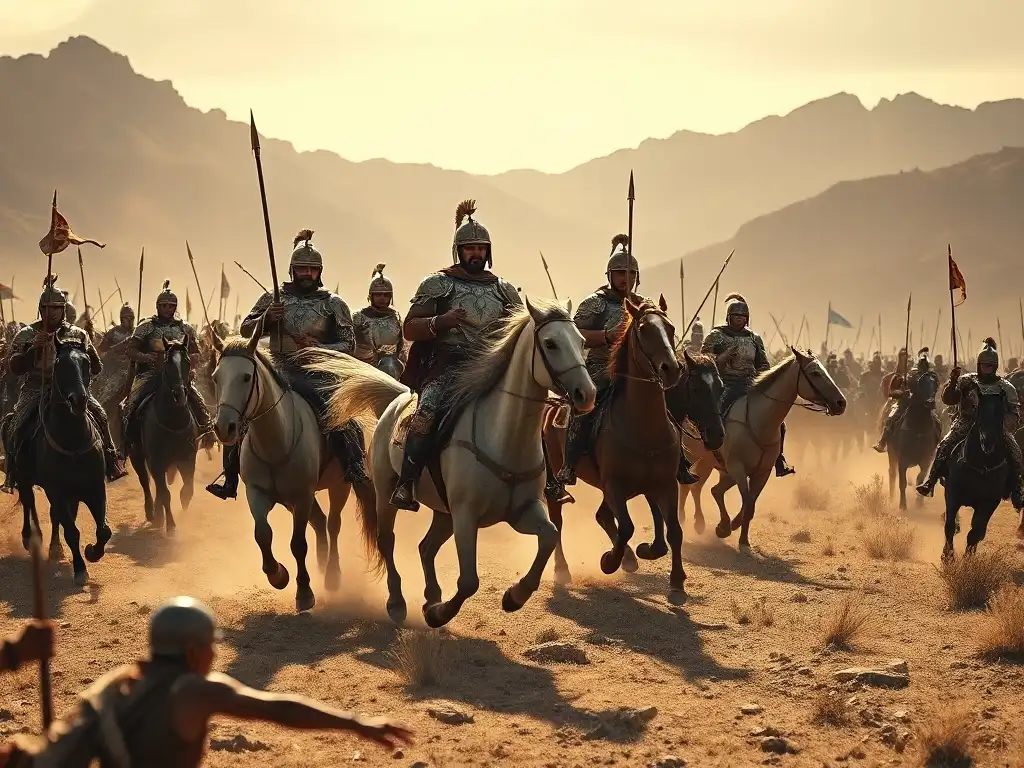
The use of horses by the Spanish conquistadors provided a significant military advantage over the Inca, who had no prior experience with cavalry. This advantage extended beyond simple speed and mobility; the psychological impact of mounted warriors was just as important. The sight of charging cavalry, with their armored riders and deadly weaponry, instilled fear and confusion in the Inca ranks, disrupting their formations and diminishing their fighting effectiveness.
The horses themselves represented a powerful symbol of Spanish dominance, further contributing to the overall success of the conquest. The strategic deployment of cavalry proved instrumental in many key battles, enabling the Spanish to effectively maneuver on the battlefield and exploit Inca weaknesses.
Horses as a Military Asset: Speed and Shock Power
The speed and maneuverability of horses provided the Spanish with unparalleled tactical flexibility. They could rapidly deploy their forces, outflanking Inca armies and striking at vulnerable points. This superior mobility allowed the Spanish to dictate the tempo of battle, launching surprise attacks and effectively exploiting any openings in Inca defenses. Moreover, the shock value of a cavalry charge was immense.
The combined weight and momentum of horse and rider, coupled with the slashing power of lances and swords, could easily break Inca formations and cause widespread panic and disarray. The sheer power of a cavalry charge was a decisive factor in several key battles, leading to decisive Spanish victories and contributing significantly to the Inca military defeat. The horses’ endurance also allowed for sustained campaigning, a capability that the Inca, reliant on foot soldiers, could not match.
The Psychological Impact of Cavalry on Inca Warriors
The psychological impact of cavalry charges on Inca warriors cannot be overstated. The sight of heavily armed Spanish soldiers charging on horseback was terrifying and unfamiliar to the Inca, who had no comparable military force. This psychological element played a significant role in undermining Inca morale and confidence.
The sudden and overwhelming nature of cavalry attacks often caused Inca formations to break and flee, leading to rout and significant casualties. The horses themselves, large and powerful animals, were also a source of fear and awe, further contributing to the psychological advantage enjoyed by the Spanish. This fear, coupled with the devastating effectiveness of cavalry charges, greatly contributed to the ultimate success of the Spanish conquest, highlighting the critical role of psychological warfare in the context of technological superiority.
Other Significant Spanish Military Technologies
Beyond firearms and horses, the Spanish possessed several other technological advantages that significantly contributed to their conquest of the Inca Empire. These technologies, while perhaps less spectacular than cannons or cavalry charges, played crucial roles in disrupting Inca logistics, weakening their defenses, and ultimately securing Spanish victories. The cumulative effect of these seemingly minor advantages proved devastating to the Inca war machine. The Inca, accustomed to a different style of warfare, struggled to adapt to these novel threats effectively. Their sophisticated organization and impressive manpower were ultimately outmatched by the combined technological superiority of the Spanish.
The use of Dogs of War
The Spanish utilized war dogs, specifically Mastiffs, in their campaigns against the Inca. These large, powerful dogs were trained for combat and instilled fear in the Inca soldiers. Unlike the Inca, who did not use dogs in warfare, the psychological impact of these ferocious animals was considerable.
While the direct combat contribution of the dogs might seem relatively small compared to firearms, their presence on the battlefield disrupted Inca formations and sowed confusion among their ranks. Accounts from the conquest describe terrified Inca soldiers scattering before charging war dogs, creating openings for the Spanish infantry to exploit. The use of war dogs is a testament to the Spanish's pragmatic approach to warfare—leveraging every available advantage, however seemingly insignificant.
The Use of Warships and Naval Power
The Spanish conquest wasn't solely a land-based operation. Control of the seas proved vital, particularly in the coastal regions of the Inca Empire. Spanish warships, with their superior firepower and maneuverability compared to Inca vessels, allowed for the efficient transport of troops and supplies along the coast.
This logistical advantage was crucial, enabling the Spanish to swiftly reinforce their positions and launch surprise attacks. Furthermore, Spanish naval power effectively cut off Inca supply lines, hindering their ability to mobilize troops and resources effectively. The ability to control maritime access greatly limited the Inca's ability to respond effectively to Spanish advances, isolating various regions and preventing a unified defense.
The dominance of Spanish naval power is often overlooked in discussions of the Inca defeat, yet it was a critical element in the success of the conquest. This control of the sea, coupled with their other technological advantages, allowed the Spanish to maintain a strategic edge throughout the campaign.
Inca Adaptation and Initial Resistance: A Brief Overview
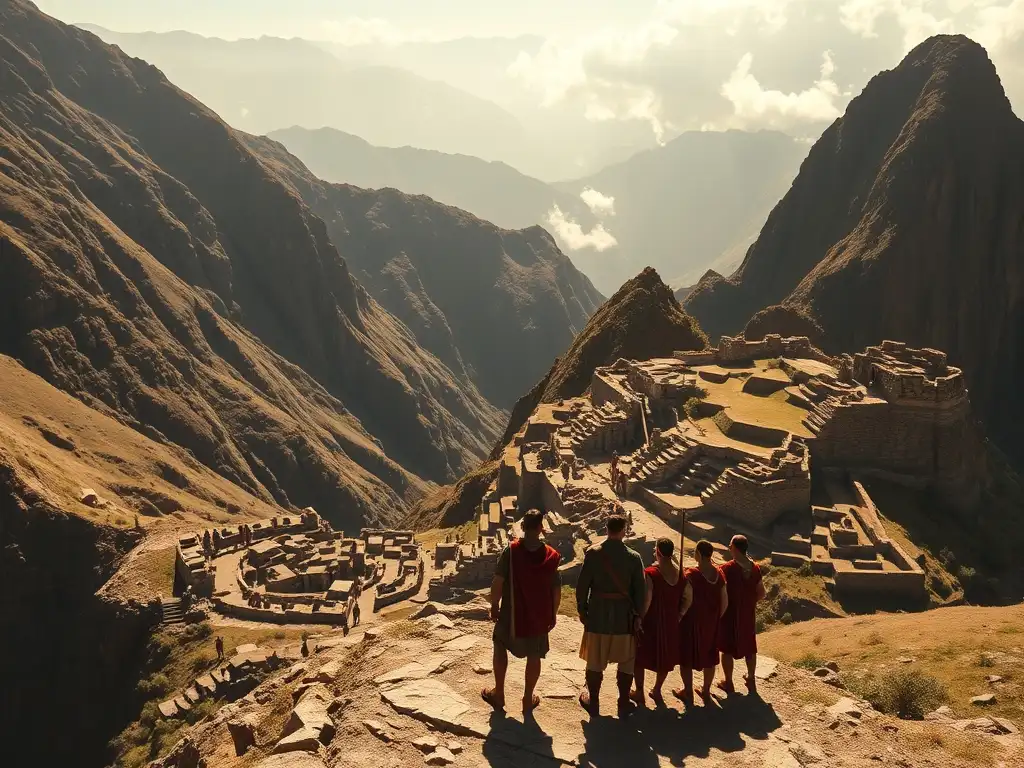
The Inca military, prior to the Spanish arrival, was a formidable force, renowned for its organization, discipline, and effectiveness in Andean warfare. Their success stemmed from a sophisticated system of conscription, rigorous training, and a deep understanding of the Andean terrain. However, the Inca military's strengths were severely tested by the introduction of completely novel weaponry and tactics employed by the Spanish conquistadors.
While the Inca initially displayed remarkable resilience and adaptability, ultimately the technological disparity proved insurmountable, leading to the empire's downfall. The narrative of the Inca military defeat often centers on the Spanish technological advantage, highlighting the impact of firearms, steel weaponry, and horses on the battlefield. However, a deeper examination reveals a nuanced picture of Inca resistance and their attempts to leverage their strengths to counter the Spanish onslaught, a struggle epitomized by their innovative but ultimately unsuccessful adaptation strategies to the new military reality.
Understanding these adaptations is crucial to comprehending the full scope of the Inca military defeat and the complexities of the Spanish conquest. The phrase "Inca military defeat Spanish technology" simplifies a much more intricate historical process.
Inca Attempts to Counter Spanish Military Superiority
The Inca, facing an unprecedented military challenge, didn't passively accept defeat. Their response was characterized by a blend of strategic adaptation and tactical innovations, attempting to exploit the weaknesses of the Spanish forces while mitigating their own vulnerabilities. These strategies, though ultimately unsuccessful in preventing the conquest, demonstrate the Inca's military ingenuity and their determined resistance against overwhelming odds.
The initial shock of the Spanish weaponry and tactics was followed by a period of intense experimentation and adaptation as the Inca sought to develop countermeasures. This involved not only tactical maneuvers but also attempts to acquire and utilize some of the Spanish technology, albeit with limited success due to the significant technological gap.
Inca Use of Terrain and Fortifications
The Inca's profound knowledge of the Andean terrain was a crucial element of their military strategy long before the Spanish arrival. They skillfully used natural features like mountains, rivers, and dense forests to their advantage, creating chokepoints and ambushes to offset the Spanish cavalry's mobility. The construction of impressive fortifications, like those at Sacsayhuamán near Cusco, also played a crucial role.
These structures, built with massive stones, were designed to withstand sieges and provide defensive positions. While these fortifications proved resilient against traditional Andean warfare, they were ultimately less effective against Spanish cannons and firearms, which could breach their walls with relative ease. The effectiveness of Inca fortifications was heavily dependent on the type of siege weaponry deployed.
For example, while they could withstand the assaults of siege weapons common in pre-Columbian South America, they were vulnerable to the superior firepower of Spanish cannons. This disparity in siege technology contributed significantly to the Spanish victories.
Inca Guerrilla Tactics and Ambush Strategies
Faced with the superior firepower of the Spanish army, the Inca increasingly relied on guerrilla warfare and ambush strategies. This involved utilizing their familiarity with the terrain to launch surprise attacks against smaller Spanish detachments, exploiting the logistical challenges faced by the invading forces. These hit-and-run tactics, while inflicting casualties on the Spanish, proved unsustainable in the long run.
The Spanish, with their superior mobility (provided by horses) and superior firepower, were able to regroup and often retaliate with brutal effectiveness. Moreover, the Inca’s reliance on close-quarters combat was ineffective against Spanish firearms and the devastating impact of cavalry charges. Detailed accounts of these ambushes highlight the Inca's courage and resourcefulness, but also underline the limitations of these tactics against a technologically superior enemy.
The effectiveness of Inca guerrilla tactics was further hampered by the difficulty of coordinating large-scale operations in the rugged Andean terrain, highlighting the challenges of maintaining cohesive action against a mobile and technologically superior opponent. The Spanish conquest, therefore, wasn't a simple military victory, but a complex interplay of technological superiority, strategic adaptation, and the Inca's determined, though ultimately unsuccessful, resistance.
Analyzing the Inca Military Defeat: The Technological Gap
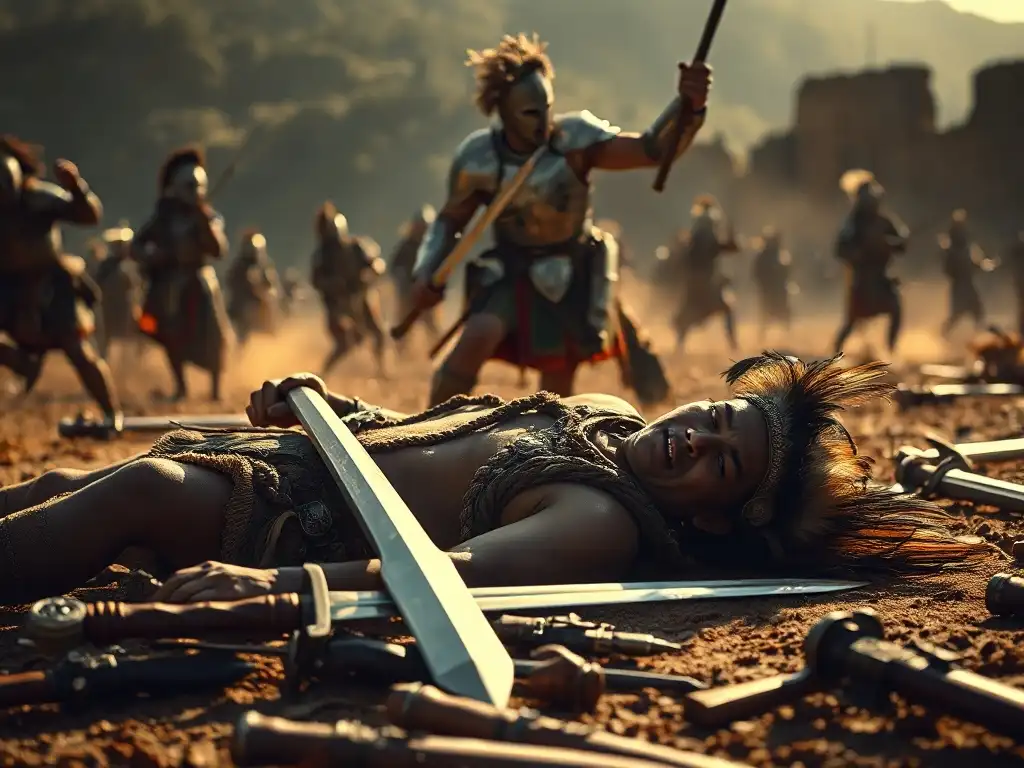
The Inca military defeat at the hands of the Spanish conquistadors wasn't solely a matter of numbers or bravery. A significant factor, often overlooked in simplistic narratives, was the stark technological disparity between the two forces. The Inca, masters of their environment and skilled warriors, faced weaponry and strategies fundamentally different from anything they had encountered before. This technological gap, encompassing weaponry, logistics, and communication, proved decisive in determining the outcome of the conquest.
Understanding this imbalance is crucial to appreciating the complexity of the Inca military defeat and the subsequent fall of their empire. The Spanish advantage wasn't just about superior firepower; it was a multifaceted technological superiority that rendered Inca tactics ineffective and ultimately led to their downfall. This section will explore the key technological aspects that contributed to the Spanish victory.
Why Inca Military Tactics Failed Against Spanish Technology
Inca military tactics, honed over centuries of Andean warfare, were highly effective against their regional adversaries. Their strength lay in their organization, numbers, and the use of familiar terrain. However, these strengths proved insufficient against the Spanish arsenal. The Inca relied heavily on close-quarters combat, using clubs, slings, and spears. Their formations, while effective in coordinated assaults, were vulnerable to the range and destructive power of Spanish firearms.
The Spanish conquistadors, in contrast, utilized gunpowder weaponry – muskets and cannons – that inflicted devastating casualties from a distance. The psychological impact of these weapons was substantial. The explosive power of cannons shattered Inca fortifications and instilled fear, undermining the morale and cohesion of Inca armies. Furthermore, the Spanish cavalry, with their horses and lances, proved a formidable force against Inca infantry, breaking through their formations and causing significant disruption. This unexpected element, the horse, was a factor completely outside the Inca's experience.
The Inca's sophisticated system of communication, based on a network of runners (chasquis), was unable to match the speed and range of Spanish communication. The ability of the Spanish to rapidly deploy troops and coordinate their actions using horses and advanced communication methods gave them a crucial advantage in battles and sieges. The Inca's inability to respond quickly to Spanish maneuvers exacerbated their vulnerabilities.
The Decisive Role of Technology in the Fall of the Inca Empire
The technological superiority of the Spanish wasn't limited to weaponry. Their advanced metalworking skills enabled the production of superior swords, armor, and tools. This superiority extended to navigation and shipbuilding, allowing them to traverse the vast oceans and land on the shores of the Inca empire. The Inca, while possessing sophisticated metalworking techniques of their own, did not possess the equivalent of gunpowder weaponry or the tactical advantages it afforded.
Consider the siege of Cusco, the Inca capital. The Spanish, utilizing cannons and other siege weaponry, were able to breach the Inca defenses, something that would have been nearly impossible with Inca technology alone. This demonstrates the decisive role of technology in shaping the outcome of the conquest.
The Spanish were not simply stronger; they possessed a completely different technological paradigm that rendered Inca strategies obsolete. The impact of disease, often cited as a significant factor in the Inca defeat, was also exacerbated by the technological imbalance. The Spanish were able to move more swiftly and efficiently, spreading the disease more rapidly and effectively.
| Factor | Spanish Advantage | Inca Weakness |
|---|---|---|
| Weaponry | Gunpowder weapons (muskets, cannons) | Close-quarters weapons (clubs, slings, spears) |
| Mobility | Horses, superior navigation | Limited mobility, reliance on foot soldiers |
| Communication | Rapid communication networks | Slower communication via runners (chasquis) |
| Fortification | Superior siege weaponry | Less effective defensive fortifications |
| Metalworking | Superior metalworking skills, steel weaponry | Less effective metalworking, bronze weaponry |
Legacy of the Technological Disparity
The technological disparity between the Spanish and the Inca had a profound and lasting impact. It not only determined the outcome of the conquest but also shaped the trajectory of Andean history for centuries to come. The Inca military defeat highlighted the vulnerability of advanced civilizations to technologically superior forces, even when possessing superior numbers and organization.
The legacy of this technological gap serves as a reminder of the transformative power of technology in warfare and its role in shaping the course of history. This event underscores the importance of technological innovation and adaptation in maintaining military dominance and protecting against external threats.
The fall of the Inca Empire remains a stark example of how a seemingly insurmountable advantage in military technology can lead to the downfall of a powerful civilization. The impact of this technological imbalance continues to resonate in the study of the Inca military defeat and the Spanish conquest.
Conclusion: The Legacy of the Spanish Conquest and Inca Military Technology
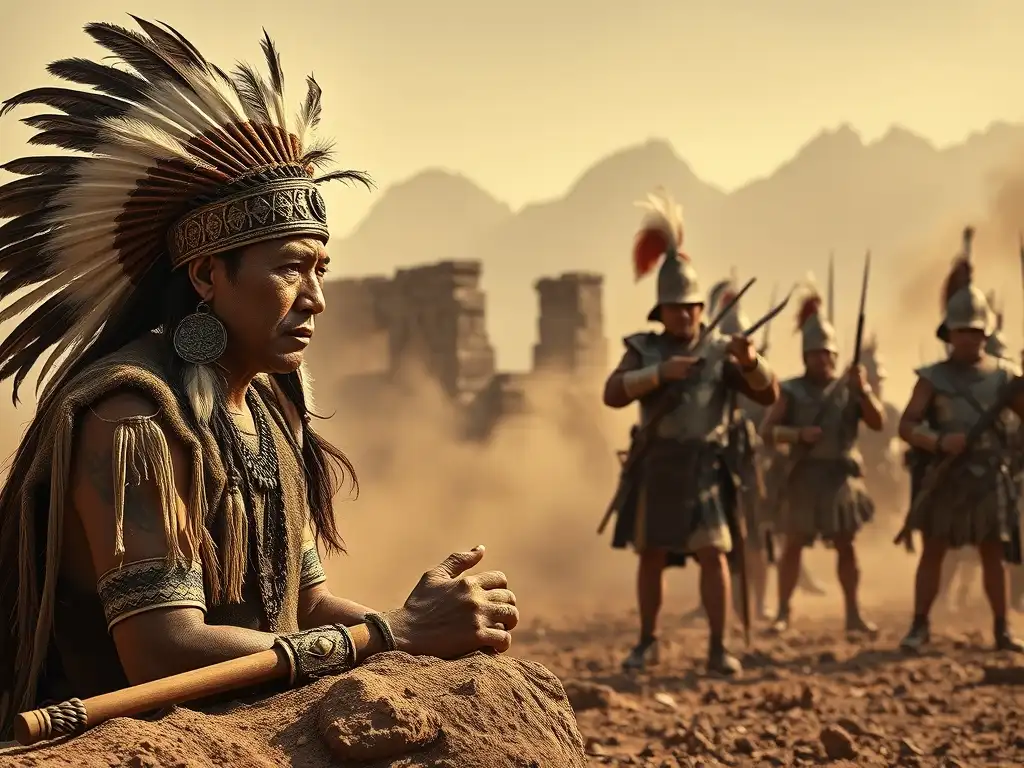
The Spanish conquest of the Inca Empire stands as a stark example of how technological disparities can drastically alter the course of history. While Inca ingenuity in areas like agriculture, architecture, and administration is undeniable, their military technology proved inadequate against the weaponry and tactics employed by the Spanish conquistadors. This imbalance, rather than solely representing a clash of civilizations, highlights the profound impact of technological advancement on military outcomes. The Inca military defeat, fueled by the Spanish technological advantage, resonates even today, offering valuable lessons about the interconnectedness of technology, power, and societal change.
The Enduring Impact of Spanish Military Superiority
The consequences of the Spanish military victory were far-reaching and long-lasting. The Inca's sophisticated social structures and advanced agricultural practices were disrupted, leading to widespread societal upheaval and a significant decline in population. The introduction of European diseases, coupled with the devastating effects of warfare, decimated the Inca population.
The economic and political systems that had sustained the empire for centuries crumbled under the weight of Spanish domination. The Spanish effectively leveraged their superior weaponry – steel swords, firearms, cannons, and horses – to conquer a vastly larger and more populous empire. This success wasn't merely a matter of superior numbers; it was a direct result of exploiting a significant technological advantage.
The psychological impact of encountering such advanced weaponry cannot be underestimated; it instilled fear and shattered the Inca's confidence in their own military capabilities. The legacy of this military imbalance continues to shape the region's cultural and political landscape even centuries later. The Inca military defeat by Spanish technology serves as a powerful reminder of the transformative power of military innovation.
Lessons from the Technological Asymmetry
The Inca military defeat offers crucial lessons about the role of technology in warfare and its broader implications for societies. It underscores the importance of technological adaptation and innovation in maintaining military dominance. The Inca, despite their impressive achievements in other fields, failed to adapt to the rapidly evolving military technology of Europe.
This highlights the need for constant assessment of technological advancements and the preparedness to integrate new technologies into military strategies. Furthermore, the conquest demonstrates the crucial role of intelligence gathering and understanding the capabilities of potential adversaries. Had the Inca possessed a clearer understanding of the Spanish weaponry and tactics, they might have been able to develop countermeasures or strategies to mitigate the technological imbalance.
The story of the Inca's downfall is a compelling case study in the importance of technological preparedness in the face of external threats. The Inca military defeat by Spanish technology wasn't simply a matter of chance; it was a consequence of a critical technological gap.
The Importance of Understanding the Role of Technology in History
Understanding the Spanish conquest of the Inca Empire necessitates a thorough examination of the technological asymmetry between the two civilizations. Dismissing the role of technology in this historical event would be a significant oversight. The Spanish victory was not solely attributable to superior strategy or tactics; it was fundamentally shaped by the significant technological advantage they possessed.
This underscores the crucial role of technology in shaping historical events and the need to consider technological factors when analyzing past conflicts. By understanding the influence of Spanish technology on the Inca military defeat, we gain a deeper appreciation for the intricate interplay between technology, power dynamics, and the course of history. Ignoring this aspect diminishes our comprehension of the complexities of the Inca civilization's fall and the enduring impact of the Spanish conquest.
The study of the Inca military defeat by Spanish technology should therefore be a cornerstone in understanding the role of technology in shaping historical narratives and the rise and fall of civilizations. It provides a compelling example of how technological advancements can dramatically shift the balance of power and reshape the destiny of nations.
Frequently Asked Questions
What technological advantages did the Spanish have over the Inca?
The Spanish possessed superior military technology, including firearms, steel weapons, and horses, which the Inca lacked. This gave them a significant advantage in combat.
How did Spanish weaponry contribute to the Inca's defeat?
Guns, cannons, and steel swords proved devastatingly effective against Inca weaponry, which was primarily made of bronze and stone. The accuracy and range of Spanish firearms were also crucial.
Did the Inca have any military advantages?
The Inca had a large and well-organized army, along with knowledge of the terrain. However, these advantages were insufficient to overcome the Spanish technological superiority.
What role did disease play in the Spanish conquest?
Old World diseases, like smallpox, ravaged the Inca population, weakening their resistance and significantly aiding the Spanish conquest. This was a crucial factor alongside military technology.
Beyond weaponry, what other factors contributed to the Spanish victory?
Internal conflicts within the Inca Empire, coupled with superior Spanish strategy and alliances with indigenous groups, also contributed to their ultimate victory. Disease was a significant factor as well.
Final Reflection: Echoes of Conquest: Technology and the Fall of the Inca Empire
The Spanish conquest of the Inca Empire remains a stark reminder of the devastating power of technological asymmetry in warfare. While Inca ingenuity and societal organization were remarkable, the introduction of steel weaponry, horses, and gunpowder fundamentally shifted the balance of power, leading to the rapid collapse of a vast and sophisticated civilization. This historical event continues to resonate today, serving as a cautionary tale about the impact of technological advancements on societies and the enduring consequences of conquest.
The enduring legacy of the Spanish conquest extends far beyond the immediate military conflict; it profoundly shaped the cultural and social landscape of South America. The introduction of European diseases, alongside the military defeat, decimated the Inca population and irrevocably altered the course of history. The impact of this event continues to be felt in the social, political, and economic structures of modern-day South America. History is not just what happened, but what is remembered, and how it is remembered.
This quote highlights the importance of understanding the Spanish conquest not just as a military event, but as a complex process with lasting repercussions that continue to shape narratives and identities.
Consider the implications of this historical event. How does understanding the role of technology in shaping historical outcomes inform our understanding of contemporary global power dynamics? What responsibilities do we have to acknowledge and address the lasting impacts of past injustices? You, the reader, are now empowered to reflect on the complexities of technological advancement and its potential to both uplift and destroy. Let the story of the Inca and the Spanish serve not just as a historical lesson, but as a catalyst for critical thinking about the ethical implications of power and progress in our own time.
**Unleash Your Curiosity: Dive Deeper into the Spanish Conquest of the Inca Empire! **
Thank you for exploring the pivotal role of Spanish military technology in the conquest of the Inca Empire. Your interest in this fascinating historical event highlights the complexities of cultural interaction and the impact of technological advancements. Let's delve even deeper!
Here are some ways to continue your exploration:
- **Share your knowledge:** Discuss the impact of technology on warfare with friends, family, or fellow history enthusiasts. Spark a conversation about the complexities of the Inca conquest.
- **Expand your research:** Explore our website for more articles on Andean civilizations and their rich cultural heritage. Discover the fascinating stories of this remarkable region.
- **Reflect and contribute:** Consider how technological advancements shape modern society. Share your insights and perspectives on our community forum; your thoughts are valuable.
Which aspects of military technology do you believe have had the most profound and lasting impact on the course of history?