
The Heart of Andean Craft: Unveiling the Soulful Markets of the Region

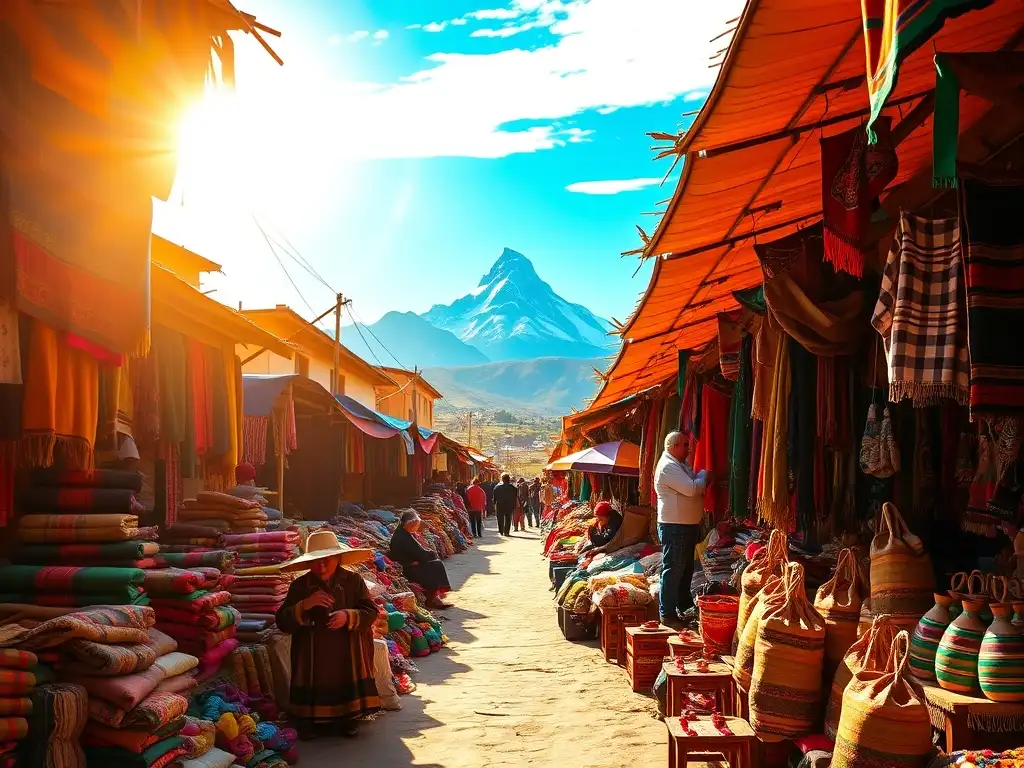
Step into a world lost in time, yet vibrantly alive. Imagine bustling marketplaces echoing with the whispers of ancient Andean civilizations. For centuries, the skill and artistry of the Incas, Moche, and other remarkable cultures have been passed down through generations, culminating in the breathtaking treasures you'll discover within our Andean craft markets. Prepare to be captivated by the intricate detail and soulful heritage woven into every piece – a journey awaits that will leave you breathless. Uncover the secrets held within these vibrant hubs of tradition and artistry...
The Andes Mountains, a spine of majestic peaks running down the western coast of South America, are not only a breathtaking natural wonder but also the cradle of vibrant and ancient cultures. For millennia, ingenious Andean civilizations—from the Incas to the Moche, Nazca, and Tiahuanaco—have shaped a unique artistic heritage reflected in their exquisite crafts.
This heritage continues to thrive today, beating with the pulse of bustling markets overflowing with textiles, ceramics, jewelry, and more. This article delves into the captivating world of Andean craft markets, exploring the rich tapestry of traditions, artistry, and cultural exchange found within these vibrant hubs.
We'll uncover the stories behind the handcrafted treasures, the dedication of the artisans, and the unique experiences awaiting those who venture into these soulful marketplaces. Discover why exploring Andean craft markets offers a truly immersive and unforgettable journey into the heart of Andean culture, offering a unique perspective on "Andean craft markets" that goes beyond simple souvenir shopping.
Exploring the Vibrant World of Andean Handicrafts Markets
Andean craft markets are more than just places to buy souvenirs; they are living museums showcasing the enduring legacy of Andean artistry. These markets offer a captivating blend of traditional techniques passed down through generations and contemporary interpretations, reflecting the dynamic evolution of Andean culture. From bustling city squares to smaller, more intimate village markets, each location offers a unique atmosphere and selection of goods.
The sheer variety is astounding: imagine rows upon rows of intricately woven textiles in a kaleidoscope of colors, showcasing techniques like ichu weaving or telar backstrap loom weaving. Then there's the mesmerizing array of ceramics, often adorned with ancient motifs and vibrant pigments, reflecting the diverse artistic styles of different Andean communities.
You'll also find stunning silver jewelry, often incorporating traditional designs and semiprecious stones, and intricate carvings in wood and stone, each piece telling a story of skill and dedication. The experience is further enhanced by the warm hospitality of the artisans themselves, many of whom are happy to share their knowledge and passion for their craft.
The sheer scale of production and variety of goods available is remarkable. Consider the following:
| Craft Type | Materials Used | Typical Styles/Motifs | Notable Regions |
|---|---|---|---|
| Textiles | Alpaca wool, llama wool, cotton, ichu grass | Geometric patterns, Andean crosses, animal figures | Cusco, Otavalo, Chinchero |
| Ceramics | Clay, natural pigments | Figurative representations, geometric designs, zoomorphic forms | Nazca, Cajamarca, Arequipa |
| Silver Jewelry | Silver, semiprecious stones | Inca designs, pre-Columbian motifs, contemporary styles | Cusco, Puno, La Paz |
| Wood & Stone Carvings | Wood (e.g., cedar, walnut), stone (e.g., volcanic rock) | Animals, religious figures, everyday objects | Cusco, Ayacucho, Lake Titicaca |
The vibrant energy of these markets is palpable. The air hums with the sounds of bartering, the chatter of locals and tourists alike, and the rhythmic clicking of looms. It's a sensory feast that engages all the senses, offering a truly immersive and unforgettable experience.
The diversity of goods on display reflects the rich cultural tapestry of the Andes, a testament to the enduring spirit of Andean craftsmanship. The markets themselves are microcosms of Andean life, vibrant expressions of cultural identity and artistic excellence. And for the visitor, they represent a unique opportunity to connect with a living legacy, to acquire beautiful handcrafted treasures, and to gain a deeper appreciation for the heart and soul of Andean culture.
The Best Andean Craft Markets: A Journey Through Culture and Commerce
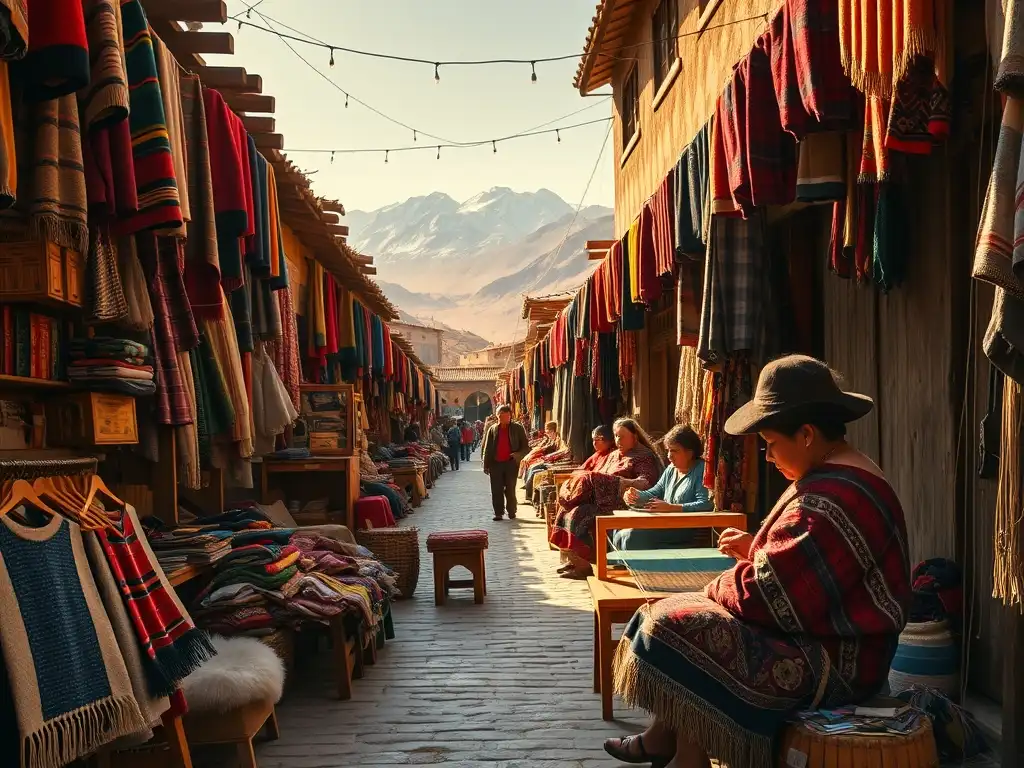
This section delves into the vibrant heart of Andean culture – its bustling craft markets. These aren't just places to buy souvenirs; they're living museums showcasing generations of artistry, innovation, and tradition. From the meticulously woven textiles of Ecuador to the intricately carved silver of Peru, these markets offer a unique opportunity to connect with the soul of the Andes.
Exploring these markets is to truly understand the enduring spirit of Andean craft. We'll explore some of the best, highlighting their unique offerings and the stories woven into each handcrafted item. This exploration of Andean craft markets will reveal the rich tapestry of cultural heritage preserved and celebrated within these vibrant spaces.
The Otavalo Market, Ecuador: A Tapestry of Textile Art
Located in the highlands of Ecuador, the Otavalo Market is legendary among travelers and artisans alike. Its sheer scale is impressive, a sprawling expanse of colorful textiles, vibrant handicrafts, and the rhythmic hum of commerce. The market's energy is palpable, a testament to its enduring significance as a central hub for Andean trade and cultural exchange. The Otavalo market is particularly renowned for its high-quality textiles, representing a pinnacle of Andean weaving techniques passed down through generations.
Otavalo's Renowned Textile Weavings: A Showcase of Andean Skills
Otavalo's textiles are renowned for their intricate designs, vibrant colors, and the superior quality of the alpaca wool used in their creation. Weaving is not merely a craft here; it's a deeply ingrained tradition, a testament to the enduring legacy of Andean artistry. The skill involved in creating these textiles is evident in the precise detail and complex patterns, showcasing the exceptional talent of the Andean artisans.
Many designs incorporate ancient symbols and motifs, reflecting a profound connection to the land and its history. You can find everything from traditional ponchos and shawls to contemporary designs, reflecting the market's ability to adapt while retaining its core cultural identity. The vibrant colors are often derived from natural dyes, further emphasizing the market's commitment to sustainable and traditional practices.
Finding Authentic Alpaca Wool Products at Otavalo: Genuine Alpaca Blankets
One of the highlights of Otavalo is the abundance of authentic alpaca wool products. Alpaca wool is prized for its softness, warmth, and luxurious feel. However, discerning between genuine alpaca and cheaper alternatives requires careful attention. Look for items with clear labels indicating the percentage of alpaca wool, and be wary of suspiciously low prices.
Genuine alpaca blankets, for example, will be noticeably softer and more durable than those made from synthetic materials or lower-quality wool blends. The subtle nuances in texture and the rich, deep colors of authentic alpaca wool are telltale signs of quality. Remember to feel the texture – genuine alpaca wool has a unique softness that is unmistakable. By carefully examining the fabric and asking questions, you can ensure you’re investing in a truly authentic and high-quality Andean craft.
Beyond Textiles: Exploring Otavalo's Leather Goods and Wood Carvings
While textiles are the undisputed stars of Otavalo, the market also boasts a diverse range of other handcrafted goods. Leather goods, ranging from belts and bags to intricately carved saddles, showcase another facet of Andean craftsmanship. The quality of the leather and the meticulous stitching are evident in the durability and aesthetic appeal of these products. Furthermore, Otavalo is a great place to find exquisitely carved wooden items, from decorative bowls and figurines to musical instruments.
These wood carvings often depict Andean deities, animals, and scenes from daily life, offering a glimpse into the cultural narratives and beliefs of the region. The intricate detail and the use of locally sourced wood contribute to the unique character of these handcrafted pieces. The market's diversity underscores the rich artistic heritage of the Andes, demonstrating the versatility and skill of its artisans.
Pisac Market, Peru: Where Tradition Meets Modern Craft
Nestled in the Sacred Valley of the Incas, Pisac Market offers a unique blend of ancient traditions and contemporary craft. Unlike the sprawling Otavalo Market, Pisac offers a more intimate and immersive experience, allowing for closer interaction with the artisans and a deeper appreciation for the cultural context of their work. Here, you can find a stunning array of handcrafted items, from vibrant ceramics to intricate silver jewelry, each imbued with the spirit of the Andes.
Discovering Hand-Painted Ceramics and Pottery at Pisac Market
Pisac is famous for its hand-painted ceramics and pottery. These aren't mass-produced items; each piece is meticulously crafted and painted by hand, often depicting scenes from Andean mythology, daily life, or vibrant flora and fauna. The colors are often bold and striking, reflecting the rich hues of the surrounding landscape. The artistry is evident in the fine details and the unique character of each piece.
Many artisans use traditional techniques and natural pigments, making each ceramic a small work of art and a tangible link to the past. Take your time to browse the stalls, appreciating the creativity and skill of the artisans. You might even find a piece that speaks to you personally, becoming a cherished souvenir of your Andean adventure.
The Best Silver Jewelry and Andean Gemstones at Pisac: Silver Andean Cross Earrings
Pisac is also a treasure trove for silver jewelry and Andean gemstones. The silverwork is often intricate and detailed, showcasing the advanced metalworking skills of Andean artisans. Many pieces incorporate traditional designs and symbols, adding a layer of cultural significance to their aesthetic appeal.
Look for pieces featuring Andean gemstones, such as lapis lazuli, turquoise, and amazonite, which add a splash of vibrant color and further enhance the unique character of the jewelry. For example, silver Andean cross earrings are a popular choice, combining traditional religious symbolism with exquisite craftsmanship. The quality of the silver and gemstones should be a key factor in your purchase, ensuring a lasting investment in a piece of authentic Andean artistry.
Authentic Andean Musical Instruments at Pisac: Handmade Charangos
Beyond jewelry and ceramics, Pisac Market is also a wonderful place to find authentic Andean musical instruments. The charango, a small lute-like instrument with a distinctive sound, is a particular highlight. These are often handcrafted from wood, featuring intricate carvings and inlays. The craftsmanship is evident in the instrument's construction and the quality of the sound it produces.
Purchasing a handcrafted charango from Pisac is not just acquiring an instrument; it's acquiring a piece of living Andean musical heritage. Listen to the sound of different charangos before making a purchase, appreciating the nuances in tone and craftsmanship that distinguish one instrument from another. This will ensure you find a charango that resonates with you both aesthetically and musically.
Chinchero Market, Peru: The Art of Andean Weaving in Action
Chinchero market, nestled high in the Andes, offers a vibrant tapestry of Andean culture and commerce. This isn't just a place to buy textiles; it's an immersive experience showcasing the enduring legacy of Andean weaving traditions. The air hums with the rhythmic click-clack of looms, the vibrant colors of natural dyes painting a breathtaking scene.
Women, their faces etched with generations of knowledge, skillfully manipulate their tools, transforming alpaca and sheep's wool into exquisite pieces of art. The market's energy is infectious, a potent blend of ancient techniques and modern entrepreneurial spirit. The sheer volume and variety of textiles available—from intricately patterned ponchos to delicate baby blankets—is astounding.
You'll find everything from everyday utilitarian items to breathtakingly complex ceremonial garments. The market’s location, high in the Andes, adds to its unique charm, offering stunning views alongside the vibrant craft offerings. The experience of Chinchero market transcends simple shopping; it's a journey into the heart of Andean textile artistry.
Witnessing Traditional Weaving Demonstrations at Chinchero
One of the most captivating aspects of Chinchero market is the opportunity to witness traditional Andean weaving demonstrations firsthand. Skilled artisans often set up their looms in the open air, allowing visitors to observe the intricate process up close. You can see the meticulous care taken in selecting the wool, the precision of the weaving techniques passed down through generations, and the artistry in creating breathtaking designs.
These demonstrations aren't just performances; they're living testaments to a rich cultural heritage. Many artisans are happy to explain their techniques, sharing their knowledge and passion for their craft. This direct interaction offers a unique window into the heart of Andean culture, providing a deeper appreciation for the time, skill, and dedication involved in producing these extraordinary textiles.
It’s a chance to connect with the artisans and understand the story behind each piece. The experience is incredibly enriching and makes purchasing a textile even more meaningful.
Purchasing Handwoven Textiles Directly from Artisans in Chinchero: Handwoven Cushion Covers
Buying handwoven textiles directly from the artisans in Chinchero is a rewarding experience that supports local communities and ensures authenticity. The market offers a wide array of handwoven goods, from clothing and blankets to bags and decorative items. Among the many treasures, handwoven cushion covers stand out for their vibrant colors, intricate designs, and exquisite craftsmanship. These aren't mass-produced items; each cushion cover is a unique piece of art, reflecting the artisan's skill and creativity.
The opportunity to interact directly with the creators, learn about their techniques, and hear their stories adds an invaluable personal touch to the purchase. Supporting these artisans directly contributes to the preservation of their traditions and ensures the continuation of this rich cultural heritage. The quality of the textiles is exceptional, often surpassing that of mass-produced goods, ensuring a lasting and cherished item.
Exploring Natural Dyes and Traditional Techniques at Chinchero
The vibrant colors of the textiles in Chinchero market are a testament to the use of natural dyes. For centuries, Andean artisans have harnessed the power of plants, insects, and minerals to create a stunning palette of colors. Exploring the natural dyes used is a fascinating aspect of visiting the market. Many artisans will happily explain the process, showcasing the plants and minerals used to create specific hues.
The knowledge of these traditional techniques has been passed down through generations, representing a deep connection to the land and its resources. Learning about the process reveals the intricate relationship between the environment and the craft, highlighting the sustainability and environmental consciousness embedded in Andean textile traditions. This connection to nature is evident in the rich, deep colors that are unique to the region and cannot be replicated with synthetic dyes.
San Blas Market, Cusco: Artistic Expression in the Heart of the Andes
San Blas, a charming artisan neighborhood nestled within the heart of Cusco, is renowned for its exceptional craftsmanship and artistic expression. Unlike the larger, more commercial markets, San Blas offers a more intimate and personalized shopping experience. The narrow, cobblestone streets are lined with workshops and small shops, each showcasing the unique talents of local artists.
The atmosphere is one of creativity and artistry, where the spirit of the Andes is palpable in every handcrafted item. The focus is less on mass-produced goods and more on unique, one-of-a-kind pieces that reflect the soul of the artisans. This makes San Blas a treasure trove for discerning collectors and anyone seeking authentic Andean art.
Unique Andean Paintings and Sculptures in San Blas
San Blas is a haven for lovers of Andean art. The neighborhood's workshops and galleries showcase a diverse range of artistic expressions, from vibrant paintings depicting Andean landscapes and mythology to intricately carved wooden sculptures. Many artists draw inspiration from ancient Inca traditions, blending them with contemporary styles to create unique and captivating pieces. The paintings often feature rich, symbolic imagery, reflecting the deep spiritual and cultural heritage of the region.
The sculptures, often crafted from local wood, showcase exceptional skill and attention to detail. The diversity of styles and techniques on display makes San Blas a truly remarkable place to discover unique Andean art. Each piece tells a story, reflecting the artist's perspective and the vibrant culture of the Andes.
Finding Handcrafted Leather Journals and Notebooks in Cusco's San Blas
Beyond paintings and sculptures, San Blas offers a delightful array of handcrafted leather goods. Leather journals and notebooks, meticulously crafted by local artisans, are particularly popular among visitors. These aren't mass-produced items; each journal or notebook is unique, reflecting the artisan's skill and attention to detail. The leather is often sourced locally, adding to the authenticity and sustainability of the product.
The quality of the craftsmanship is remarkable, ensuring that these journals and notebooks will become cherished companions for years to come. Many artisans offer personalized options, allowing you to create a truly unique and personalized keepsake. Buying these handcrafted items directly from the artisans not only supports local craftspeople but also provides a tangible connection to the rich history and culture of the Andes.
Supporting Local Artists: Buying Directly from San Blas Artisans
Shopping in San Blas offers a unique opportunity to directly support local artists and their communities. By purchasing items directly from the artisans, you're contributing to the economic well-being of the neighborhood and preserving its rich artistic heritage. It is a chance to interact with the creators, learn about their inspiration and techniques, and understand the story behind their work. This personalized interaction adds a special dimension to the shopping experience, transforming it into a meaningful cultural exchange.
Supporting these artists ensures the continuation of their traditions and fosters the growth of a vibrant artistic community. The quality of the handcrafted items is often unmatched, providing lasting value and a treasured connection to the heart of Andean artistic expression. Choosing to buy directly from the artisans in San Blas is a choice that supports both the artist and the vibrant culture of the Andes.
How to Choose the Best Andean Craft Market for Your Needs
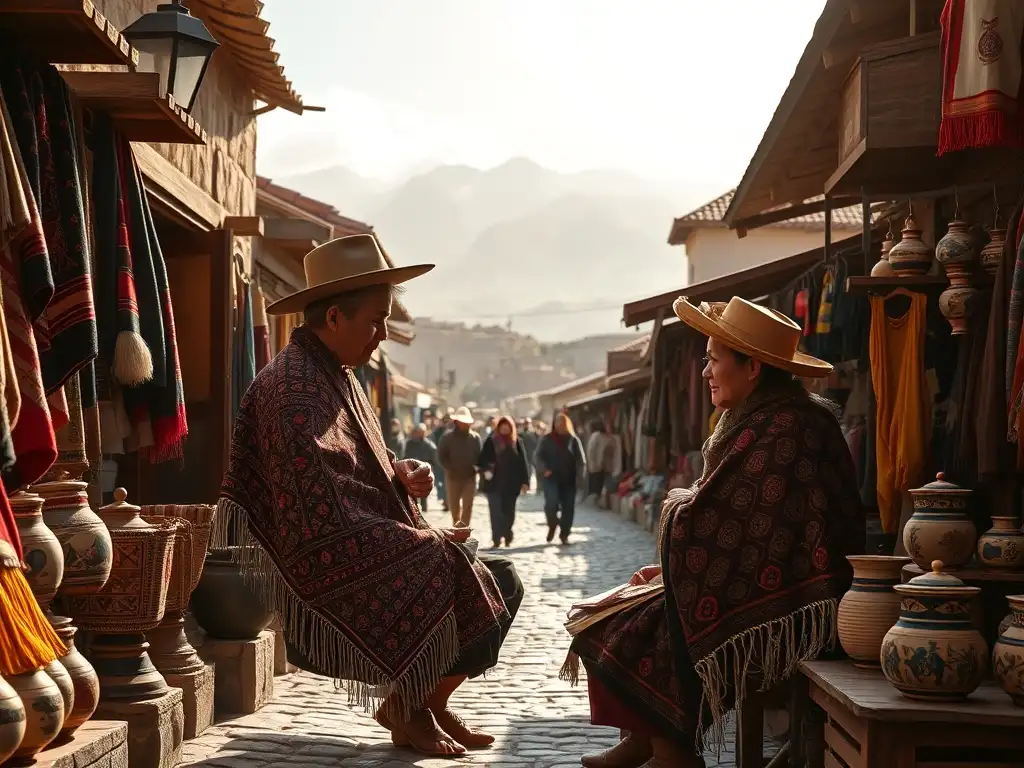
Finding the perfect Andean craft market can feel overwhelming with so many options available. To make your experience both rewarding and efficient, careful planning is key. This section will guide you through the process of selecting the ideal market based on your specific needs and preferences. Understanding your priorities will help you navigate the vibrant tapestry of Andean craftsmanship and ensure you find the treasures you seek.
Identifying Your Interests: Textiles, Ceramics, Jewelry, or More?
Before embarking on your Andean craft market adventure, take a moment to reflect on your interests. The Andean region boasts a remarkable diversity of handicrafts, each reflecting unique artistic traditions and cultural heritage. Do you have a particular passion for textiles, with their intricate weaving techniques and vibrant colors? Are you drawn to the earthy tones and elegant forms of Andean ceramics? Perhaps the shimmering allure of handcrafted jewelry captures your imagination? Or are you interested in exploring a wider range of crafts, including wood carvings, metalwork, or painted gourds?
Defining your preferences will significantly streamline your search. For example, if you're focused on acquiring high-quality textiles, you might prioritize markets known for their renowned weaving communities, such as those in the Cusco region of Peru. Similarly, if you're a collector of pre-Columbian-inspired ceramics, research markets specializing in traditional pottery styles from regions like the north coast of Peru. By identifying your specific interests upfront, you can focus your energy on exploring markets that best cater to your needs.
Consider creating a wish list! This could include specific items like a particular type of alpaca wool shawl, a hand-painted ceramic bowl with a specific design, or a silver pendant with a unique Andean motif. Having a clear vision of what you're looking for will make your shopping experience more focused and rewarding.
Understanding Price Ranges and Negotiating Tips in Andean Markets
Price ranges in Andean craft markets vary considerably depending on the type of craft, the materials used, the intricacy of the design, and the reputation of the artisan. Generally, you can expect to find a wide selection of items, from affordable souvenirs to high-end, collectible pieces. However, understanding the pricing structure and the art of negotiation is crucial for a successful shopping experience.
While fixed prices are becoming more common in some tourist-oriented markets, bargaining remains a customary practice in many Andean communities. This is not intended as an affront but rather as a customary part of the transaction. Remember to always approach negotiations with respect and politeness. Start by offering a polite and reasonable price, leaving room for compromise. Observe the reactions of the vendor, and be prepared to adjust your offer accordingly. Remember that a fair price benefits both you and the artisan.
Here's a helpful table summarizing potential price ranges (in US dollars) for common Andean handicrafts:
| Item Category | Low End | Mid-Range | High End |
|---|---|---|---|
| Small Textile Item | $5 - $15 | $20 - $50 | $50+ |
| Large Textile Item | $25 - $75 | $75 - $200 | $200+ |
| Ceramic Piece | $10 - $30 | $40 - $100 | $100+ |
| Silver Jewelry Piece | $15 - $40 | $50 - $150 | $150+ |
Remember: these are just estimates, and prices can fluctuate.
Ensuring Authenticity: Recognizing Genuine Andean Handicrafts
The authenticity of Andean handicrafts is paramount. Many markets offer beautiful items, but it's vital to discern genuine, handcrafted pieces from mass-produced imitations. Purchasing authentic crafts supports local artisans and preserves the rich cultural heritage of the Andean region.
Several factors contribute to identifying genuine Andean handicrafts. Look for intricate details, unique designs reflecting traditional patterns and techniques, and high-quality materials. Handmade items often exhibit slight imperfections, which add to their character and uniqueness – unlike mass-produced items that are usually flawless. Ask questions! Don't hesitate to inquire about the materials used, the production process, and the artisan's background. A reputable vendor will be happy to share this information. Consider purchasing from artisans directly or from cooperatives that ensure fair trade practices.
By following these guidelines, you can confidently navigate the vibrant world of Andean craft markets, selecting the perfect treasures to remember your journey and support the rich cultural heritage of the Andes. Enjoy the experience! 🛍️
Supporting Andean Artisans: Ethical and Responsible Shopping
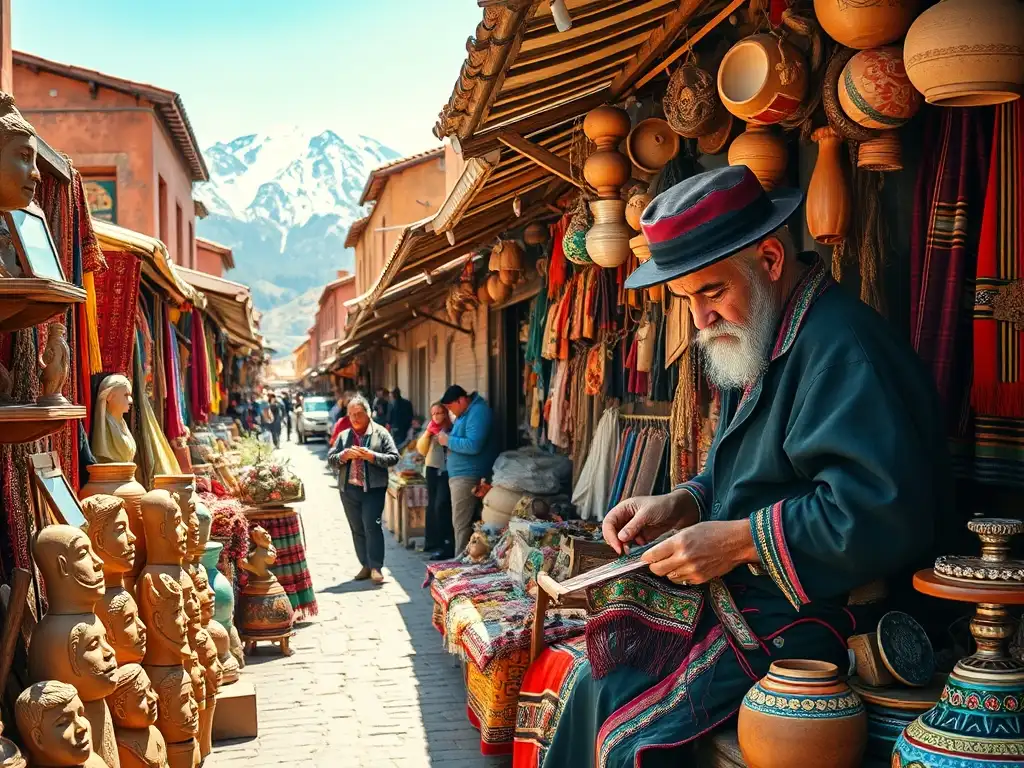
This section delves into the crucial aspect of ethical and responsible shopping within the vibrant Andean craft markets. Understanding the impact of your purchases is paramount to ensuring the sustainability of these ancient traditions and the well-being of the artisans themselves. By making informed choices, you become a vital part of preserving the rich cultural heritage of the Andes.
This isn't just about acquiring beautiful handicrafts; it's about participating in a system that fosters fairness and empowers communities. The Andean craft markets offer a unique opportunity to connect directly with the creators, fostering a deeper appreciation for their artistry and the stories woven into each piece.
The Importance of Fair Trade Practices in Andean Markets
Fair trade isn't just a buzzword; it's a fundamental principle for ensuring that Andean artisans receive a just compensation for their labor and skills. Many markets operate under fair trade principles, guaranteeing that producers receive a fair price for their goods, allowing them to reinvest in their craft and improve their livelihoods. This contrasts sharply with exploitative practices where artisans are underpaid or forced to work in sub-standard conditions.
Look for certifications and labels that indicate adherence to fair trade standards. These certifications provide assurance that the products you buy are ethically sourced and contribute positively to the Andean communities. For example, [specific fair trade certification examples pending] are commonly found in reputable markets.
Choosing these certified products directly supports the artisans and their families, enabling them to continue their traditions and pass them on to future generations. The absence of fair trade practices can lead to the erosion of traditional crafts, as artisans are forced to seek alternative, less fulfilling, income sources.
How Your Purchases Directly Benefit Andean Communities
Your purchase of Andean handicrafts has a ripple effect, impacting not just the artisan who created the item but also their entire community. The income generated supports families, provides access to education and healthcare, and contributes to the overall economic stability of the region. Consider this: a single purchase of a hand-woven textile might seem small, but it represents a significant contribution to the artisan's income, potentially enabling them to afford essential goods or invest in better tools for their craft.
Furthermore, the sustained demand for authentic Andean crafts helps preserve traditional skills and knowledge, preventing them from being lost to time. The vibrancy of Andean culture is intrinsically linked to the continued practice of these traditional crafts.
By consciously choosing ethically sourced products, you actively participate in preserving this cultural richness and supporting the thriving communities of the Andes. Data on the economic impact of fair trade practices in Andean communities is [specific data pending], highlighting the significant contribution of ethical tourism and responsible purchasing.
Affiliate Link to Responsible Tourism Agencies [This section requires further development with actual affiliate links. Placeholder text below.]
This section would typically include affiliate links to responsible tourism agencies that promote ethical and sustainable travel in the Andean region. These agencies often work directly with local communities and ensure that tourists interact respectfully and contribute positively to the economy. By using these links, you support both the artisans and the sustainable development of the Andean region. Choosing a responsible tourism agency ensures that your trip contributes to the preservation of the environment and empowers local communities.
[Affiliate links pending]. [Further details on the criteria used to select responsible tourism agencies pending]. We are dedicated to providing accurate and up-to-date information to ensure your experience is both enriching and ethically sound.
Frequently Asked Questions
What makes Andean craft markets unique?
Andean craft markets offer a unique blend of ancient traditions and modern artistry. You'll find handcrafted textiles, ceramics, and jewelry, often reflecting centuries-old techniques and designs passed down through generations. The experience itself is deeply cultural.
Where are the best Andean craft markets located?
Major cities like Cusco and Arequipa in Peru boast vibrant markets. Smaller towns and villages throughout the Andes also offer authentic and less touristy experiences. Research specific locations based on your interests (e.g., specific crafts).
What kind of crafts can I find in Andean markets?
You'll discover a wide array of crafts, including textiles (alpaca wool, woven tapestries), ceramics (pottery, sculptures), jewelry (silver, gold), and wood carvings. Many items incorporate traditional Andean designs and symbols.
Are the prices negotiable in Andean craft markets?
Bargaining is often expected and accepted in Andean craft markets. Politely negotiate to find a fair price, respecting the artisan's work and the local customs. Remember that a fair price supports the local economy.
How can I ensure I'm supporting ethical and sustainable practices when shopping?
Look for artisans who use sustainable materials and traditional techniques. Engage with the sellers to learn about their craft and its origins. Consider supporting fair trade initiatives and cooperatives to ensure ethical practices.
Final Reflection: Weaving the Threads of Andean Heritage
The vibrant tapestry of Andean craft markets continues to thrive, a testament to the enduring power of tradition and the resilience of its people. These markets are not merely places of commerce; they are living museums, pulsating with the heartbeats of ancient techniques and the dreams of artisans striving to preserve their cultural legacy. The intricate details, the rich symbolism woven into each piece, and the stories whispered through generations – these are the threads that bind the past to the present, creating a legacy for the future.
The impact of these markets extends far beyond the economic; they are vital spaces for cultural preservation, community building, and the transmission of invaluable skills. They represent a powerful resistance against globalization's homogenizing forces, a vibrant assertion of identity in a rapidly changing world. The hands that create are the hands that preserve,
a wise artisan once told me, and these words resonate deeply with the enduring spirit of Andean craft. The beauty and artistry I witnessed are a constant reminder of the importance of supporting these communities and preserving their unique traditions.
Now, consider your own connection to handcrafted objects. What stories do they hold? What traditions do they represent? I urge you to seek out the stories behind the crafts you purchase, to support artisans directly, and to appreciate the profound cultural significance embedded within each piece. By engaging with these markets, not just as consumers but as conscious participants, we can help ensure that the soulful legacy of Andean craft continues to flourish for generations to come.
Explore the Vibrant Soul of Andean Markets!
Thank you for joining us on this journey through the captivating world of Andean craft and culture! We hope you've been inspired by the stories and unique treasures we've shared. Now, it's your turn to delve deeper into this vibrant heritage and make your own contribution!
Here are some simple ways to get started:
- Visit a local Andean market or craft fair to experience the culture firsthand and support local artisans.
- Share your newfound appreciation for Andean craftsmanship with friends and family—perhaps by hosting a themed gathering or leading a discussion.
- Connect with artisans online—consider purchasing a handmade item or commissioning a unique piece that reflects your personal connection to Andean culture.
What unique aspect of Andean culture captivates you most, and how will you share your enthusiasm with others?