
Pizarro's Family: The Role of Kinship in the Conquest of the Inca Empire


Step into a world lost to time, yet echoing with power and intrigue. For centuries, the Andes Mountains held the secrets of mighty civilizations, from the Incas to the Nazca. But the rise and fall of empires is often a family affair. Discover the shocking truth behind the Pizarro family's Inca conquest, a tale of kinship, ambition, and brutal conquest that changed the course of history. Unravel the complex web of relationships that fueled this dramatic chapter; the story awaits...
-
The Medici Family: Power, Patronage, and Politics in Renaissance Florence
- Introduction to the Pizarro Family and their Rise to Influence in Spain
- Key Pizarro Family Members: Their Contributions to the Conquest
- Medici Family Dynamics: Loyalty and Conflict
- The Medici Family's Impact on Florentine Society
- Key Family Members Beyond the Main Line
- The Medici Family Legacy: A Cultural and Political Impact
- The Medici Kinship Network: A Foundation for Power
- Conclusion: Reflecting on the Medici Family's Role in the Renaissance
-
Frequently Asked Questions
- What role did family relationships play in Pizarro's conquest of the Inca Empire?
- How did Pizarro's family benefit from the Inca conquest?
- Were there any internal conflicts within the Pizarro family during or after the conquest?
- Did kinship ties influence the strategies employed by Pizarro during the conquest?
- How did the Pizarro family's actions impact the Inca people and their culture?
- Final Reflection: The Enduring Legacy of Family in Conquest
- Unveil the Power of Kinship: Shape Your Understanding of History!
The Medici Family: Power, Patronage, and Politics in Renaissance Florence
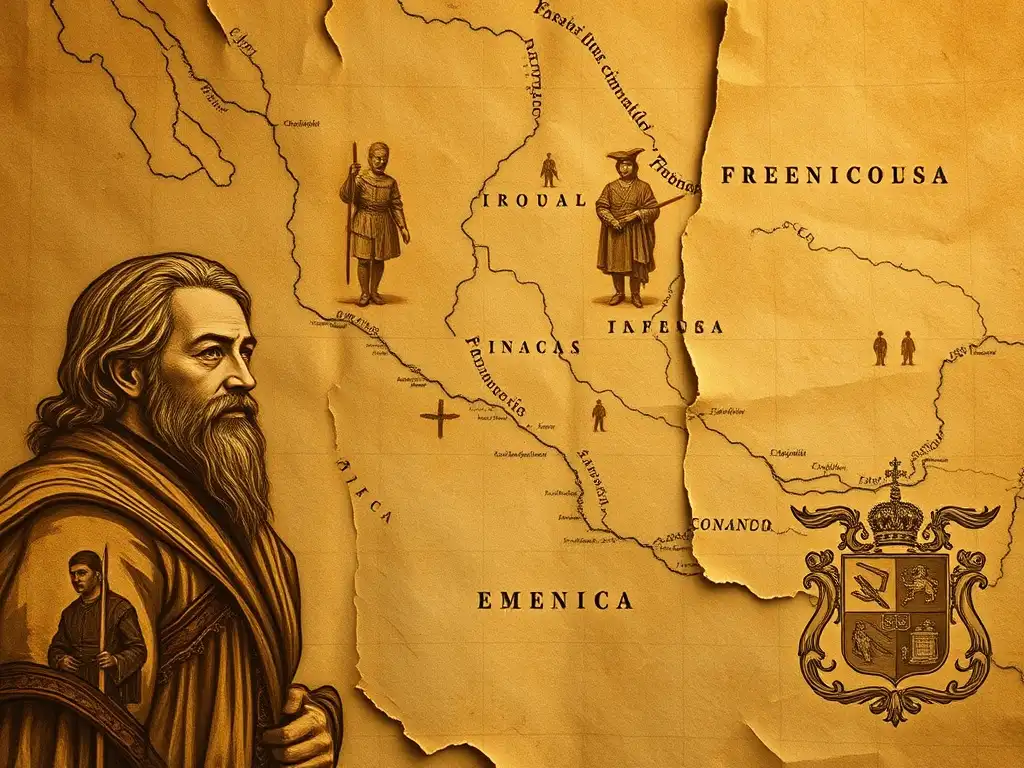
The Spanish conquest of the Inca Empire was not solely the work of Francisco Pizarro; it was a complex undertaking fueled by ambition, greed, and a tightly knit family network. This article explores the crucial role of Pizarro's family in facilitating the conquest, highlighting how kinship ties, strategic alliances, and inherited privileges contributed significantly to the downfall of the Inca civilization.
We will delve into the key members of the Pizarro family, examining their individual contributions and their interconnected roles in the brutal yet effective campaign that reshaped the political landscape of South America. Understanding the dynamics of the Pizarro family provides a critical lens through which to analyze the conquest, moving beyond a simplistic narrative focused solely on Pizarro himself and revealing the intricate web of power and influence that underpinned this pivotal historical event.
The keyword "Pizarro family Inca conquest kinship" will be explored throughout this article, examining the intricate relationship between family ties and the conquest's success.
Introduction to the Pizarro Family and their Rise to Influence in Spain
The Pizarro family, though not of noble lineage, possessed a strategic blend of ambition and connections that propelled them to prominence in 16th-century Spain. Originating from humble beginnings in Trujillo, Extremadura, the family's trajectory shifted with Francisco Pizarro's early involvement in the Spanish conquest of the Americas.
His brothers, Gonzalo, Hernando, and Juan, played significant roles in the Inca conquest, demonstrating the family's collective drive and strategic utilization of their familial bonds. Unlike many conquistadors who relied on individual merit, the Pizarros leveraged their kinship to amass wealth, land, and power, forming a powerful alliance that proved instrumental in their success in Peru.
This familial cohesion provided a crucial advantage, allowing them to share resources, coordinate strategies, and maintain control over their expanding territories. The family's rise from relative obscurity to become key players in one of history's most significant conquests underscores the importance of understanding the dynamics of kinship in shaping historical events.
Key Pizarro Family Members: Their Contributions to the Conquest
The Pizarro brothers weren't simply a group; each played a distinct yet complementary role in the conquest. Their combined skills and unwavering loyalty formed a formidable force that overwhelmed the Inca Empire. Their shared ambition and ruthless efficiency ensured that the conquest was not only swift but also brutally effective. The coordinated efforts of the Pizarro brothers highlight the importance of family networks in the context of colonial expansion.
Francisco Pizarro: The Leader of the Expedition
Francisco Pizarro, the eldest brother, is the most well-known figure. His leadership, ruthlessness, and strategic acumen were key to the conquest's success. However, it was his ability to leverage his family's combined strengths that truly set him apart. His brothers were not mere followers but active participants in the conquest, providing crucial support in various aspects of the campaign. [Specific examples of Francisco's strategic use of his brothers pending]
Gonzalo Pizarro: The Explorer and Conquistador
Gonzalo Pizarro, known for his exploration of the Amazon basin, played a critical role in consolidating Spanish control over newly acquired territories. His military prowess and ability to navigate challenging terrains were invaluable assets to the overall conquest strategy. His expeditions, while often independent, served to expand the reach and influence of the Pizarro family in South America. [Specific examples of Gonzalo's military achievements and exploration pending]
Hernando Pizarro: The Administrator and Diplomat
Hernando Pizarro's skills lay in administration and diplomacy. While his brothers focused on military campaigns, Hernando managed the conquered territories, establishing order and securing the family's economic interests. His role was crucial in ensuring the long-term success of the conquest, consolidating Spanish power and extracting resources from the Inca Empire. [Specific examples of Hernando's administrative achievements pending]
Juan Pizarro: The Military Commander
Juan Pizarro, though less prominent than his brothers, served as a skilled military commander, playing a vital role in several key battles. His contributions to the military campaigns, though less widely documented, were essential to the overall success of the conquest. [Specific examples of Juan's military achievements pending]
The coordinated efforts of these brothers, bound by blood and ambition, illustrate how kinship played a pivotal role in the conquest of the Inca Empire. Their individual strengths, combined with their shared vision, created a formidable force that reshaped the history of South America. The legacy of the Pizarro family remains a complex and controversial subject, a testament to the lasting impact of their actions and the intricate role of kinship in shaping history.
Medici Family Dynamics: Loyalty and Conflict
The Medici family, despite their immense power and influence, were not immune to the internal conflicts common to large, ambitious families. Loyalty and betrayal were intertwined threads in the Medici tapestry, shaping their rise and, at times, threatening their very existence. The complex web of relationships, often forged through strategic marriages, created both powerful alliances and bitter rivalries.
For instance, the rivalry between Lorenzo de' Medici and his cousin, Giuliano, though ultimately overshadowed by Lorenzo's political acumen, highlights the inherent tensions within the family. The assassination of Giuliano in the Pazzi Conspiracy starkly demonstrated the vulnerability even the most powerful family faced from both internal and external threats. This event, far from destroying the Medici, galvanized Lorenzo's determination and solidified his control, demonstrating the resilience born from familial bonds, even amidst treacherous circumstances.
The constant need to balance personal ambitions with the family's overall goals created a dynamic environment where loyalty was often tested, and familial bonds were frequently strained. The family's success wasn't solely attributed to their political prowess but also to their ability to navigate these internal power struggles effectively, often through a combination of shrewd negotiation and decisive action.
The Importance of Family Alliances in Renaissance Italy
In the fiercely competitive landscape of Renaissance Italy, family alliances were paramount. The Medici's success was significantly bolstered by their strategic marriages, which extended their network of influence and secured crucial political partnerships. Marrying into powerful families like the Pazzi (before the infamous conspiracy) and other prominent Florentine and Italian houses allowed the Medici to consolidate their power base and expand their reach across the Italian peninsula.
These alliances provided not only political capital but also access to resources and networks vital for maintaining their dominance. The intricate dance of these familial connections was a key factor in the Medici's ability to navigate the complex political terrain of Renaissance Italy, showcasing the strategic importance of kinship in securing and maintaining power during this period. These alliances weren't merely social contracts; they were carefully calculated moves in a high-stakes game of power and influence.
Kinship as a Tool for Political Control
The Medici masterfully employed kinship as a tool for political control. Their extensive family network served as a powerful instrument for influencing Florentine politics and beyond. Through carefully orchestrated marriages and patronage, they cultivated a loyal following among numerous families, creating a complex web of obligations and alliances that ensured their continued dominance.
This intricate system of familial connections allowed them to control key positions within the Florentine government and secure support for their policies. The Medici understood that control extended beyond individual power; it was about shaping the very fabric of Florentine society through their familial influence. This strategic use of kinship extended their reach far beyond the immediate family, transforming the concept of family into a powerful political machine.
Intrigues and Power Struggles within the Medici Family
Despite the outward image of unity, the Medici family was not without its share of internal power struggles and intrigues. Competition for influence and resources amongst various branches of the family frequently led to conflicts, often played out behind closed doors. These internal battles, though sometimes overshadowed by their broader political achievements, highlight the human element within this powerful dynasty.
Ambition, rivalry, and the desire for personal advancement created a complex dynamic within the family, shaping decisions and impacting the family's overall trajectory. These internal conflicts, while potentially disruptive, also served as a crucible, forcing the family to adapt and evolve in the face of internal pressure, ultimately contributing to their enduring legacy. The family’s ability to overcome these challenges speaks to their remarkable resilience and adaptability.
The Medici Family's Impact on Florentine Society
The Medici family's impact on Florentine society was profound and multifaceted, leaving an indelible mark on its cultural, political, and economic landscape. Their patronage extended far beyond mere financial support; it was a strategic investment in shaping Florentine identity and solidifying their own power. The family's influence permeated every aspect of Florentine life, from the arts and sciences to politics and commerce.
Their actions and decisions shaped the city's trajectory for generations to come, transforming Florence into a center of Renaissance learning and artistic innovation. The Medici legacy is inseparable from the city's flourishing during the Renaissance, showcasing the power of a single family to reshape an entire society.
Patronage of the Arts and Sciences
The Medici's patronage of the arts and sciences is legendary. Their generous support fostered a flourishing of artistic and intellectual activity in Florence, attracting some of the greatest minds of the Renaissance. Artists like Michelangelo, Leonardo da Vinci, and Botticelli received significant commissions and support from the Medici, creating masterpieces that continue to inspire awe centuries later.
This patronage wasn't merely an act of philanthropy; it was a strategic investment in enhancing Florence's prestige and solidifying the Medici's image as enlightened rulers. The Medici's support extended to scholars and scientists, contributing to the intellectual ferment of the Renaissance and laying the foundation for future scientific advancements. Their legacy in this regard is undeniable, transforming Florence into a global center for artistic and scientific innovation.
Influence on Florentine Politics and Trade
The Medici family exerted considerable influence over Florentine politics and trade. Their mastery of political maneuvering and their shrewd business acumen allowed them to control key aspects of the city's governance and economy. They held significant power within the Florentine government, shaping policies that benefited their interests and the city's overall prosperity.
The Medici's involvement in trade, particularly banking and finance, allowed them to accumulate vast wealth and influence, further solidifying their control over Florence’s political and economic life. Their ability to balance political power with economic influence was a key factor in their long-term success and their enduring impact on Florentine society. Their influence permeated every level of Florentine life, illustrating the multifaceted nature of their power.
The Role of the Family in the Development of Renaissance Culture
The Medici family played a pivotal role in the development of Renaissance culture. Their patronage, combined with their political and economic influence, created an environment conducive to artistic and intellectual innovation. They fostered a culture of patronage that attracted and nurtured talent, fueling the creative explosion of the Renaissance.
The family’s commitment to learning and the arts helped shape the intellectual and artistic landscape of not only Florence but also of Europe, establishing a legacy that continues to resonate today. Their influence extended beyond mere financial support; they actively shaped the cultural discourse, promoting and disseminating ideas that defined the Renaissance. Their contributions are integral to understanding the unique flowering of culture during this transformative period.
Key Family Members Beyond the Main Line
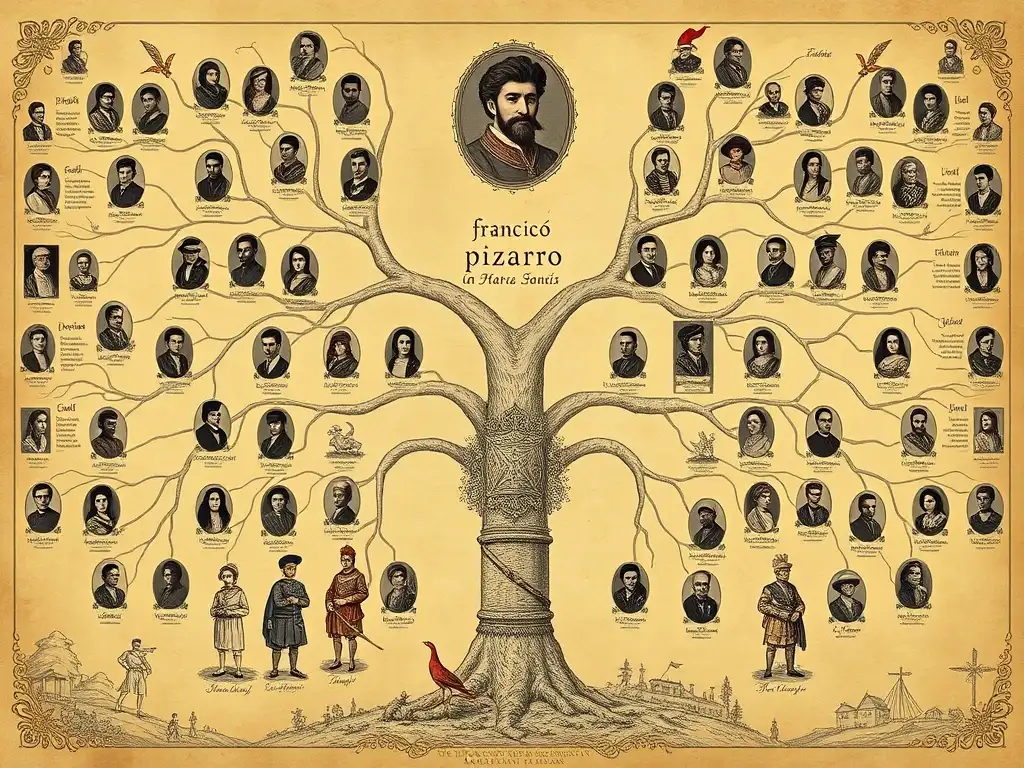
The Medici family's influence extended far beyond its principal lineage. Numerous branches and extended family members played crucial, albeit often less publicized, roles in consolidating and maintaining the family's power. These individuals, through strategic marriages, shrewd business dealings, and political maneuvering, contributed significantly to the Medici legacy. Their actions often intertwined with the main line, creating a complex web of familial relationships that underpinned the family's enduring success.
Understanding these secondary players is crucial to gaining a complete picture of the Medici's impact on Renaissance Florence and beyond. Their stories, often overshadowed by the more famous figures, reveal a depth and breadth of influence that underscores the family's pervasive power structure. The interconnectedness of their lives and actions highlights the importance of kinship ties in shaping the political and cultural landscape of the era.
Maria Salviati: A Strategic Marriage and Political Influence
Maria Salviati, mother of Cosimo I de' Medici, exemplifies the strategic importance of marriage within the Medici family. Her union with Giovanni dalle Bande Nere, a powerful condottiero, strengthened the family's military alliances and provided a crucial link to influential Florentine families. This connection, while forged through marriage, proved invaluable in consolidating the Medici's political power base. Maria's own political acumen and influence, though often understated, played a significant role in guiding her son Cosimo's ascent to power.
She acted as a mentor and advisor, navigating the complex political landscape of 16th-century Florence with remarkable skill, shaping her son's decisions and ensuring the continuation of the Medici dynasty. Her influence extended beyond her immediate family; she actively fostered alliances and networks that proved crucial to the Medici's long-term success. Her story highlights the critical role of women in the Medici family's political strategy.
Alessandro de' Medici: The First Duke of Florence
Alessandro de' Medici, the illegitimate son of Lorenzo II de' Medici, became the first Duke of Florence, marking a significant turning point in the family's history. His rule, however, was marked by both ambition and controversy. While he consolidated Medici power and established Florence as a duchy, his harsh rule and questionable legitimacy led to internal conflicts and challenges to his authority. Alessandro's reign highlights the complexities of succession and the inherent tensions within a powerful family.
He implemented significant administrative and military reforms, strengthening Florence's position in the Italian peninsula. His assassination, however, underscores the precariousness of power, even for a Medici Duke. The consequences of his reign profoundly impacted the trajectory of the Medici family and the future of Florence.
Catherine de' Medici: Queen of France and Political Power Broker
Catherine de' Medici's marriage to Henry II of France propelled the Medici family onto the European stage. As Queen of France, she wielded immense political influence, navigating the treacherous waters of French court politics with considerable skill. Her involvement in the French Wars of Religion, though controversial, demonstrates her political acumen and determination. Catherine's patronage of the arts and her influence on fashion solidified the Medici name as a symbol of sophistication and power throughout Europe.
Her legacy extends far beyond her role as queen; she was a shrewd political operator who managed to maintain her influence even amidst significant political upheaval. Her story showcases the international reach of the Medici family's network and their ability to influence events far beyond the borders of Florence. She became a symbol of Medici power and sophistication on a global scale.
The Medici Family Legacy: A Cultural and Political Impact
The Medici family's impact on Renaissance Florence and beyond is undeniable. Their patronage of the arts, their influence on political power structures, and their economic dominance shaped the course of European history. The lasting consequences of their actions continue to resonate today. Their legacy is a complex tapestry woven from threads of brilliance, ambition, and political maneuvering. Their story serves as a powerful case study in the intersection of power, wealth, and cultural influence.
The Economic Impact of the Medici Banking Empire
The Medici family's wealth, largely derived from their banking empire, fueled their patronage of the arts and their political influence. Their innovative banking practices, international networks, and shrewd business acumen created an economic powerhouse that shaped the financial landscape of Renaissance Europe. The Medici Bank's global reach facilitated trade and investment, contributing significantly to the economic growth of Florence and other European cities. Their financial prowess allowed them to fund ambitious projects, patronize artists, and manipulate political events to their advantage. Their economic dominance was a cornerstone of their power and influence.
The Long-Term Consequences of Medici Rule in Florence
Medici rule in Florence had profound and lasting consequences. Their patronage of the arts transformed Florence into a cultural center, attracting artists and intellectuals from across Europe. However, their autocratic tendencies and political maneuvering also led to internal conflicts and challenges to their authority.
The Medici's legacy is a complex mix of cultural flourishing and political intrigue. The balance of power, the stability of the city, and the very fabric of Florentine society were all shaped by their rule, leading to both prosperity and periods of instability. Analyzing these long-term consequences requires a nuanced understanding of the political and social climate of the time.
The Enduring Influence of the Medici Family on the Arts and Politics
The Medici family's enduring influence on the arts and politics remains palpable even today. Their patronage fostered the development of the Renaissance, and their political legacy continues to shape our understanding of power and influence. The works of art commissioned by the Medici family remain some of the most celebrated pieces in history, and their political strategies are still studied by historians and political scientists. Their impact transcended their time, shaping the cultural and political landscape of Europe for centuries to come. The family's name is synonymous with artistic excellence and political shrewdness, a testament to their enduring legacy.
The Medici Kinship Network: A Foundation for Power
The Medici family's ascent to power in Florence wasn't solely due to shrewd financial dealings or political maneuvering. Their extensive and strategically cultivated kinship network played a crucial role. Through a series of well-planned marriages and alliances, the Medici forged connections with some of the most influential families in Florence and beyond. These weren't simply social connections; they were powerful tools used to consolidate wealth, expand political influence, and secure advantageous positions within the Florentine government.
The family understood the importance of maintaining strong ties, not only between immediate family members but also with extended relatives, cousins, and in-laws. This intricate web of relationships allowed them to mobilize support, share resources, and effectively counter potential threats to their dominance. The Medici’s success demonstrates the significant power of kinship in building and sustaining political power, particularly in a fiercely competitive environment like Renaissance Florence.
How Family Dynamics Shaped the Political Landscape of Florence
The internal dynamics within the Medici family itself profoundly impacted Florence's political landscape. Succession disputes, rivalries between branches of the family, and the ambitions of individual members often led to periods of instability and even violence. For example, the struggle for power between different Medici factions significantly influenced the city's political alliances and policies. These internal conflicts, while damaging at times, also served as a catalyst for change and innovation.
The competition between family members often pushed them to adopt new strategies and tactics, ultimately strengthening their overall position. The interplay between familial ambition and political maneuvering created a complex and ever-shifting political landscape within Florence, shaping its development for centuries. Analyzing the family's internal dynamics reveals a fascinating interplay between personal ambition and the broader political goals of the Medici dynasty.
The Interplay of Patronage, Power, and Ambition
The Medici family's power wasn't solely based on kinship; it was intricately interwoven with patronage and ambition. Their vast wealth allowed them to cultivate a network of loyal supporters through generous patronage of artists, scholars, and architects. This patronage not only enhanced their prestige but also secured their political position by creating a powerful base of loyal allies.
The Medici strategically used their wealth and influence to advance their political ambitions, creating a cycle where patronage strengthened their power, which in turn allowed them to extend their patronage further. This dynamic interplay between wealth, patronage, and political ambition was a defining characteristic of the Medici's rise and enduring influence in Florence. The Medici family's success serves as a compelling case study in how patronage can be a powerful instrument of political control and social influence.
Family Structures as a Model for Renaissance Governance
The Medici family's structured approach to governance, mirroring their family organization, significantly influenced the political structures of Renaissance Florence. Their emphasis on centralized authority, strategic alliances, and the careful management of resources found parallels in their family dynamics. The Medici's organizational skills, honed within the family, translated effectively into their administration of Florence, leading to periods of relative stability and prosperity.
Their approach demonstrated the potential for a more efficient and centralized form of governance, contrasting with the often fragmented political landscape of other Italian city-states. The Medici family's success in both family management and governance highlights the importance of effective organization and strategic planning in achieving political dominance.
Conclusion: Reflecting on the Medici Family's Role in the Renaissance
The Lasting Significance of Family Power in European History
The Medici family's story stands as a powerful testament to the enduring significance of family power in shaping European history. Their influence extended far beyond Florence, impacting Italian politics, the papacy, and even the broader cultural landscape of the Renaissance. Their legacy highlights the complex ways in which family networks, wealth, and political ambition interacted to shape the course of history.
The Medici's success, however, also serves as a reminder of the potential pitfalls of concentrated power, including internal conflicts and the potential for abuse of authority. Understanding their story offers valuable insights into the enduring role of family in the political and social dynamics of Europe.
The Complex Legacy of the Medici Family in Florence
The Medici family left an indelible mark on Florence, shaping its art, architecture, and political landscape for centuries. Their patronage fostered a flourishing of artistic and intellectual creativity, leaving a legacy that continues to inspire awe and admiration. However, their reign was not without its challenges and controversies.
The family's accumulation of wealth and power led to resentment and opposition from some segments of Florentine society. Their complex legacy reflects the multifaceted nature of their influence, encompassing both remarkable achievements and periods of political turmoil. Understanding the complete picture requires acknowledging both the positive and negative aspects of their reign.
Further Research on the Medici Family and the Renaissance
Further research into the Medici family and the Renaissance could explore several avenues. A deeper investigation into the family's financial practices and their impact on the Florentine economy would be valuable. Additionally, further analysis of the family's patronage networks and their impact on artistic production could reveal new insights. Finally, examining the family's internal dynamics and the impact of succession disputes on Florentine politics would provide a richer understanding of their complex legacy. These avenues of research could significantly enhance our understanding of the Medici's influence on the Renaissance and their enduring contribution to European history.
Frequently Asked Questions
What role did family relationships play in Pizarro's conquest of the Inca Empire?
Pizarro's family connections were crucial. His brothers, Francisco de Carvajal, and other relatives held important military and administrative positions, strengthening his power and control during the conquest. This kinship network facilitated the consolidation of Spanish power.
How did Pizarro's family benefit from the Inca conquest?
The Pizarro family amassed enormous wealth and power through land grants, encomiendas (the right to extract labor and tribute from indigenous populations), and control of key resources following the conquest. Their social standing was dramatically elevated.
Were there any internal conflicts within the Pizarro family during or after the conquest?
Yes, there were significant internal disputes and rivalries among Pizarro's brothers and other family members over wealth, power, and influence in the newly conquered territories. These conflicts sometimes undermined the stability of Spanish rule.
Did kinship ties influence the strategies employed by Pizarro during the conquest?
Absolutely. Pizarro relied heavily on his family and trusted associates, creating a loyal and effective military command structure. This network of kinship and loyalty proved instrumental in his military successes against the Inca.
How did the Pizarro family's actions impact the Inca people and their culture?
The Pizarro family's conquest had a devastating impact on the Inca Empire, leading to the destruction of Inca society, the loss of lives, and the exploitation of the indigenous population. Their actions profoundly altered the course of Andean history.
Final Reflection: The Enduring Legacy of Family in Conquest
The Pizarro family's ruthless pursuit of power in the Inca Empire remains a chillingly relevant example of how familial bonds can be weaponized for conquest and exploitation. Their story serves as a stark reminder that ambition, fueled by kinship ties, can have devastating consequences on a global scale, echoing in the power dynamics we see today in both political and corporate spheres. The legacy of their actions continues to shape our understanding of colonialism and its lasting impact.
The intricate web of familial alliances and rivalries within the Pizarro family profoundly impacted the course of the Inca conquest, highlighting the crucial role kinship played, not just in their success, but also in the brutality of their methods. Their actions underscore how personal relationships, far from being separate from larger historical events, can be the very engine driving them. History is not just what happened, but also how it was remembered, and the Pizarro family's narrative, carefully constructed and perpetuated, shaped the very understanding of the conquest itself.
This manipulation of narrative, a tool used effectively by the Pizarros, continues to be a relevant issue in our modern world, where the control of information remains a powerful instrument.
Consider the impact of family dynamics on your own life, and the broader societal structures you inhabit. How have familial relationships shaped your own experiences, both positively and negatively? Reflect on the power of kinship, its potential for both good and evil, and how we can learn from history to build more just and equitable relationships in the future. Let the story of the Pizarro family serve not as a celebration of conquest, but as a cautionary tale, urging us to critically examine the role of power, family, and legacy in shaping our world.
Unveil the Power of Kinship: Shape Your Understanding of History!
Thank you for exploring the profound impact of family relationships during Pizarro's conquest of the Inca Empire. Understanding these intricate ties provides crucial insight into the motivations behind this pivotal moment in history. Now, let's explore how this knowledge can enrich your understanding further!
Here are some ways to deepen your engagement with this topic:
- **Delve into your own family history** using genealogical resources; you might uncover surprising connections!
- **Share your insights** on social media using #AndeanCivilizations and spark conversations about the role of kinship in shaping historical events.
- **Connect with fellow history enthusiasts** by joining a local history group or online forum dedicated to exploring the impact of family on cultural legacies.
How might a deeper understanding of family dynamics reshape our interpretation of historical events?