
The Light of Understanding: Public Education and Andean Heritage

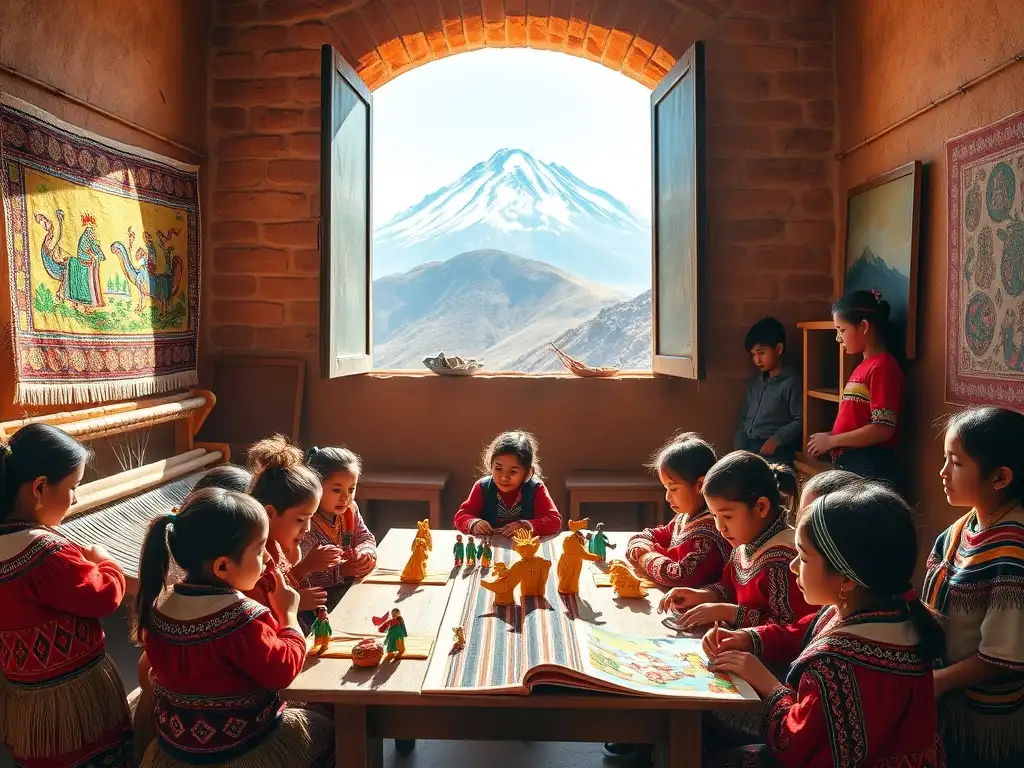
Uncover the mysteries woven into the very fabric of the Andes! For centuries, the remarkable achievements of the Andean civilizations—from the Incas to the Nazca—have captivated the world. But how much do we truly understand their legacy? This exploration into Andean civilizations public education reveals surprising insights into how these ancient cultures thrived and how their knowledge continues to shape our world. Prepare to be amazed as we delve into a history far richer and more complex than you ever imagined.
- The Importance of Public Education for Preserving Andean Heritage
- Integrating Andean History into National Curricula
- Community Involvement in Andean Heritage Education
- Challenges and Solutions in Andean Public Education
- The Role of Museums and Cultural Institutions in Andean Public Education
- The Impact of Public Education on Andean Heritage Conservation
- Case Studies: Successful Examples of Andean Public Education Initiatives
- Conclusion: The Future of Andean Civilizations Public Education
- Frequently Asked Questions
- Final Reflection: Weaving the Past into the Future of Andean Education
- Illuminate Your Path to Knowledge!
The Importance of Public Education for Preserving Andean Heritage
Understanding and appreciating the rich tapestry of Andean civilizations—from the intricate artistry of the Nazca Lines to the sophisticated engineering of Machu Picchu—requires a concerted effort to preserve and protect this invaluable heritage. This, however, is not solely the responsibility of archaeologists, historians, and museum curators. The true safeguard of Andean heritage lies in the hands of the public, empowered through comprehensive and accessible public education. This article explores the crucial role of public education in not only preserving, but also fostering a deep understanding and appreciation for the remarkable achievements of the Andean cultures, including the Incas, Moche, Nazca, and Tiahuanaco. By raising awareness, combating misinformation, and cultivating cultural pride, we can ensure the legacy of these magnificent civilizations thrives for generations to come. This is vital for Andean civilizations public education, ensuring that future generations connect with their roots and actively participate in safeguarding their shared cultural heritage.
Raising Awareness: Educating the Public About Andean Cultures
Effective public education begins with raising awareness. Many people, even those living in proximity to Andean archaeological sites, possess limited knowledge of these civilizations' complexity and significance. Comprehensive educational programs, tailored to different age groups and learning styles, are essential. These programs should go beyond simply listing dates and names; they should vividly depict the daily lives, social structures, technological innovations, and artistic expressions of these societies.
For example, interactive museum exhibits incorporating virtual reality technology could allow visitors to experience the grandeur of a Moche ceremonial center or the precision of Nazca pottery creation. Educational materials for schools should integrate Andean history and culture into existing curricula, making it relatable and engaging for students. This could involve incorporating storytelling, hands-on activities, and creative projects that encourage students to actively participate in learning about Andean civilizations.
Furthermore, public lectures, workshops, and community events can foster dialogue and shared learning experiences, engaging a broader audience with the fascinating world of Andean heritage. The goal is to transform passive observation into active engagement, ensuring that the vibrancy and ingenuity of these cultures resonate deeply within the public consciousness.
Combating Misinformation: Correcting Historical Narratives of Andean Societies
Unfortunately, misconceptions and inaccurate portrayals of Andean civilizations persist in popular culture. These misrepresentations often stem from incomplete or biased historical narratives, neglecting the sophistication and complexity of these societies. Public education plays a vital role in correcting these inaccuracies. Educational initiatives should emphasize the diversity of Andean cultures, highlighting the unique contributions of each civilization and challenging stereotypical representations.
For instance, many narratives simplify the Inca Empire, overlooking the intricate political systems, sophisticated agricultural techniques, and advanced knowledge of astronomy that characterized their civilization. Public education programs should actively counter such oversimplifications by presenting a more nuanced and accurate depiction of Andean history. This requires meticulous research, rigorous fact-checking, and a commitment to presenting information in a clear, accessible, and engaging manner.
By promoting accurate historical accounts, public education fosters a more respectful and informed understanding of Andean heritage, combating harmful stereotypes and promoting a more complete appreciation of these remarkable cultures. This includes actively addressing and correcting any pervasive myths or misunderstandings that may exist.
Fostering Cultural Pride: Encouraging Appreciation for Andean Ancestry
Beyond simply imparting knowledge, public education should cultivate a sense of cultural pride and ownership among individuals with Andean ancestry and the wider community. Connecting people with their heritage strengthens their sense of identity and motivates them to become active participants in preservation efforts. This can be achieved through community-based projects that involve local populations in the research, documentation, and interpretation of their cultural heritage.
For instance, workshops on traditional Andean crafts, such as weaving or pottery, can transmit valuable skills and knowledge across generations. Furthermore, supporting local museums and archaeological sites provides opportunities for communities to engage directly with their heritage. Celebrating Andean cultural traditions through festivals, music, and dance can also foster a sense of collective pride and promote cross-cultural understanding.
By empowering communities to become active custodians of their heritage, public education ensures the long-term preservation and celebration of Andean civilizations for future generations. This active engagement fosters a sense of responsibility and ownership, creating a powerful incentive for continued preservation efforts.
Integrating Andean History into National Curricula
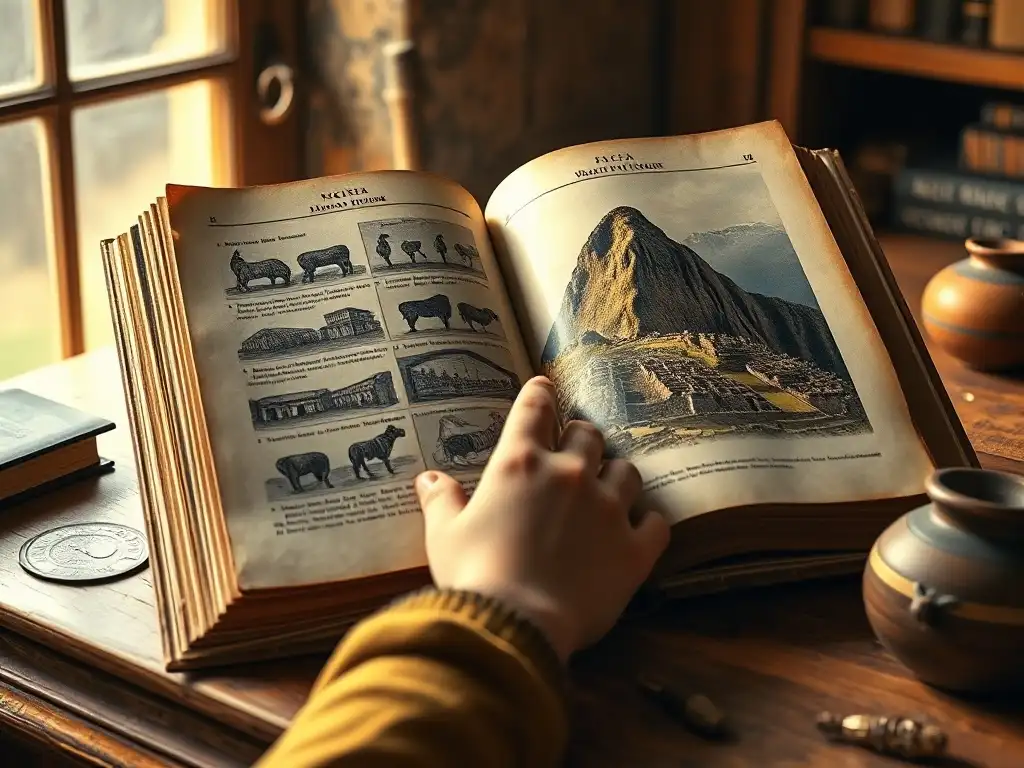
The effective integration of Andean civilizations' rich history into national curricula is paramount for fostering a deeper understanding and appreciation of this significant cultural heritage. Currently, the level of integration varies significantly across Andean nations. While some countries boast dedicated chapters or even entire courses on pre-Columbian Andean societies, others offer only cursory mentions within broader historical surveys. This disparity highlights the need for a standardized, comprehensive approach that ensures students across the region receive a consistent and thorough education on their ancestral past.
A key challenge lies in balancing breadth and depth. A curriculum should not only cover major civilizations like the Inca, Moche, and Nazca, but also acknowledge the diversity of smaller, regional cultures and their contributions to the overall Andean tapestry. This requires careful selection of topics and a nuanced presentation that avoids oversimplification or the perpetuation of harmful stereotypes.
Furthermore, the curriculum must incorporate interdisciplinary approaches, connecting Andean history with other subjects such as geography, art, anthropology, and even contemporary social issues. This holistic approach can make the subject matter more engaging and relatable for students, fostering a sense of pride and ownership in their cultural heritage. Data on curriculum implementation and student engagement across different nations is needed to fully assess the effectiveness of current strategies and inform future improvements.
Developing Inclusive Educational Materials on Andean Civilizations
Creating inclusive educational materials is crucial for ensuring that Andean history is accessible and engaging for all learners. This requires moving beyond traditional textbook approaches and incorporating diverse learning styles and perspectives. For example, incorporating interactive digital resources, such as virtual museum tours and 3D models of Andean artifacts, can make learning more dynamic and immersive. The use of multimedia, including videos featuring indigenous voices and perspectives, is essential to counter dominant narratives and provide a more authentic representation of Andean cultures.
Furthermore, materials should be translated into multiple indigenous languages where appropriate, making the learning experience more culturally relevant and accessible to students from diverse linguistic backgrounds. The development of age-appropriate materials is also vital. Younger students may benefit from simplified narratives and visually rich resources, while older students can engage with more complex analyses and interpretations. Careful consideration must be given to the visual representations employed.
Images and illustrations should accurately depict Andean people and their achievements, avoiding stereotypical or romanticized portrayals. The inclusion of diverse voices and perspectives in the creation of these materials is essential to guarantee authenticity and avoid perpetuating biases. A collaborative approach involving educators, historians, indigenous communities, and curriculum developers is vital to achieve this goal.
Teacher Training: Equipping Educators to Teach Andean History Effectively
Effective teacher training is the cornerstone of successful Andean history education. Teachers need not only a strong understanding of the subject matter but also the pedagogical skills to engage students effectively. This requires specialized professional development programs designed to equip educators with the necessary knowledge and tools to teach Andean history in a compelling and culturally sensitive manner.
These programs should go beyond simple content delivery, focusing instead on developing critical thinking skills, fostering cultural awareness, and promoting inclusive teaching practices. The training should also emphasize the use of primary sources, such as archaeological findings and historical documents, to create a more authentic and engaging learning experience. Furthermore, the programs should incorporate opportunities for teachers to collaborate with experts in Andean studies and indigenous communities, fostering a network of support and shared knowledge.
The effectiveness of teacher training programs should be rigorously evaluated to identify areas for improvement and ensure that teachers are equipped with the skills and resources to effectively convey the richness and complexity of Andean civilizations. Data on teacher satisfaction, student achievement, and the integration of innovative teaching methods is needed to assess the impact of these programs. This data can then inform future training initiatives and ensure that teachers are adequately prepared to teach this vital aspect of history.
Localized Curriculum: Tailoring Education to Regional Andean Heritage
Tailoring the Andean civilizations curriculum to regional contexts is crucial for maximizing its impact and relevance. The Andean region is incredibly diverse, with each area boasting a unique cultural heritage and history. A uniform, national curriculum risks overlooking the specific contributions of individual regions and communities. A localized approach allows for the integration of regional histories, traditions, and languages into the curriculum, fostering a stronger sense of identity and belonging among students.
For example, a school in the Cusco region of Peru might place a greater emphasis on Inca history, while a school in the northern coastal region might focus on the Moche culture. This localized approach also allows for the inclusion of local experts and community members in the teaching process, enriching the learning experience and providing students with a more authentic understanding of their heritage. However, this localized approach must be carefully managed to avoid fragmentation and ensure that students still receive a comprehensive understanding of the wider Andean civilization.
A balance must be struck between regional specificity and broader thematic connections to prevent a narrow, parochial view of the past. Further research into the diverse regional expressions of Andean culture is needed to fully inform the development of effective localized curricula. This research should involve collaboration with local communities and experts to ensure that the curriculum accurately reflects the unique cultural heritage of each region.
Community Involvement in Andean Heritage Education
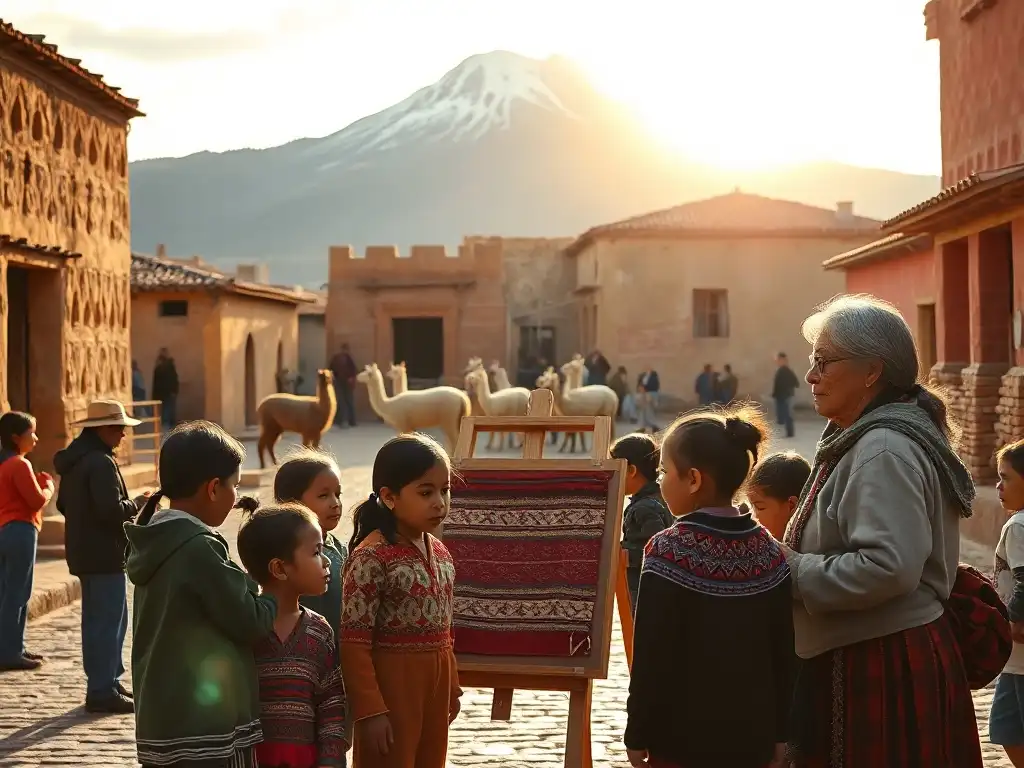
Effective Andean civilizations public education necessitates a shift from top-down approaches to inclusive, community-driven initiatives. This section explores how active participation from local communities is crucial for the preservation and transmission of Andean heritage. The success of any educational program hinges on its ability to resonate with the people most directly connected to the cultural legacy. By fostering collaboration and empowering local voices, we can ensure the longevity and authenticity of Andean knowledge. Ignoring the invaluable contributions of Andean communities would represent a significant loss, diminishing the richness and depth of the educational experience.
Collaboration with Indigenous Communities on Andean Cultural Education
Meaningful engagement with Indigenous communities is paramount. This isn't simply about incorporating their perspectives; it's about recognizing their inherent authority as keepers of their ancestral knowledge. Successful collaborations involve:
- Participatory Curriculum Development: Indigenous educators and community members should be actively involved in shaping the curriculum, ensuring accuracy and cultural sensitivity. This includes selecting relevant topics, designing engaging activities, and determining appropriate pedagogical approaches. For example, a project on Inca agriculture could involve hands-on workshops led by Quechua-speaking farmers demonstrating traditional techniques.
- Respectful Representation: Educational materials must avoid stereotypical or romanticized depictions of Andean cultures. Accurate and nuanced portrayals, informed by Indigenous perspectives, are essential to counter historical misrepresentations and foster genuine understanding. The use of Indigenous languages in educational materials is crucial for promoting linguistic diversity and cultural pride.
- Capacity Building: Supporting Indigenous communities in developing their own educational resources and programs empowers them to share their heritage on their own terms. This might involve providing training in educational methodologies, technology, and resource management. For instance, supporting the creation of a community-run museum showcasing local artifacts and oral histories would significantly enhance educational opportunities.
Oral History Projects: Preserving the Voices of Andean Peoples
Oral traditions are vital components of Andean cultural heritage. Documenting and sharing these stories through carefully planned oral history projects is crucial for preserving invaluable knowledge and perspectives that might otherwise be lost. Effective projects require:
- Ethical Data Collection: Respect for Indigenous knowledge systems is paramount. Informed consent, community-based participatory research methods, and the appropriate handling of sensitive information are crucial. This includes obtaining explicit permission from participants and ensuring that their stories are represented accurately and respectfully.
- Translation and Accessibility: Recorded oral histories should be translated into multiple languages (including Spanish and English) to broaden their accessibility. Subtitling and transcription are necessary to enhance comprehension. Digital archiving ensures long-term preservation and wide dissemination.
- Community Engagement: Oral history projects should not be conducted on communities, but with them. Community members should be actively involved in all stages of the project, from planning and data collection to analysis and dissemination. This ensures that the project benefits the community and serves its needs. This collaborative approach is key to ensuring the authenticity and cultural sensitivity of the project.
Community-Based Heritage Programs: Engaging Local Populations in Andean History
Community-based programs offer effective pathways to connect Andean heritage with local populations. Successful initiatives often incorporate:
- Hands-on Activities: Engaging activities such as weaving workshops, pottery classes, or traditional dance lessons offer immersive experiences that foster deeper understanding and appreciation. These activities can be tailored to different age groups and skill levels, ensuring broad participation.
- Site-Based Learning: Visiting archaeological sites and museums provides tangible connections to the past. Guided tours led by local experts can enhance the learning experience and promote cultural tourism. This creates opportunities for economic development while preserving and celebrating Andean heritage.
- Intergenerational Knowledge Sharing: Facilitating interactions between elders and younger generations ensures the continuity of traditional knowledge and practices. This can involve storytelling events, mentorship programs, or intergenerational workshops. This transfer of knowledge across generations is vital for the preservation of Andean traditions and cultural identity. The preservation of these traditions is essential for the continuation of Andean civilizations public education.
The effective implementation of these strategies will significantly contribute to a richer and more authentic understanding of Andean civilizations. The active participation of Andean communities is not just beneficial; it is absolutely essential for the success of any meaningful educational initiative.
Challenges and Solutions in Andean Public Education
The effective transmission of knowledge about Andean civilizations faces significant hurdles. Successful public education initiatives require addressing multiple interwoven challenges, ranging from linguistic diversity to socioeconomic inequalities and the effective integration of technology. A comprehensive approach, acknowledging these complexities, is crucial for preserving and promoting understanding of this rich heritage for future generations. The goal is to ensure that the legacy of Andean civilizations is not just preserved in museums and archives, but actively lives on in the hearts and minds of the Andean people and the world. This requires a multi-pronged strategy that tackles these challenges head-on.
Overcoming Language Barriers in Andean Heritage Education
One of the primary obstacles to effective Andean civilizations public education is the linguistic diversity across the Andean region. Many indigenous languages, such as Quechua and Aymara, coexist with Spanish, creating a complex linguistic landscape. Educational materials often prioritize Spanish, marginalizing the indigenous languages and potentially alienating a significant portion of the target audience. This linguistic divide prevents many individuals from fully engaging with their cultural heritage.
To address this, a multilingual approach is vital. Educational resources should be developed and disseminated in both Spanish and the relevant indigenous languages. This includes not only translating existing materials but also creating original content in indigenous languages, reflecting the nuances and specific cultural perspectives inherent in these languages.
Furthermore, teacher training programs should prioritize bilingualism and intercultural communication skills, equipping educators to effectively navigate these linguistic complexities and foster inclusive learning environments. The successful implementation of this approach hinges on valuing and celebrating linguistic diversity as a strength, rather than viewing it as a barrier. The use of visual aids, storytelling, and interactive methods can also help bridge the language gap and make the learning process more accessible and engaging for all learners.
Addressing Economic Disparities in Access to Education
Economic disparities significantly impact access to quality education about Andean civilizations. Limited resources in rural and marginalized communities often lead to inadequate infrastructure, insufficient educational materials, and a shortage of qualified teachers. This inequality creates a situation where children from privileged backgrounds have far greater opportunities to learn about their heritage than those from less affluent backgrounds. This perpetuates a cycle of unequal access to knowledge and cultural understanding.
Addressing this requires a concerted effort to improve educational infrastructure and resource allocation in underserved communities. This may involve investing in new schools and libraries, providing educational materials at affordable prices or for free, and implementing scholarship programs to support students from low-income families. Furthermore, teacher training and professional development programs should be targeted to these communities, ensuring that educators possess the necessary skills and resources to deliver high-quality education.
Government initiatives, coupled with private sector partnerships and community engagement, are crucial to bridging the economic gap and ensuring equitable access to education about Andean civilizations for all. This will require a commitment to sustainable, long-term investment in educational equity.
Utilizing Technology to Enhance Andean Heritage Learning
Technology offers immense potential to enhance Andean heritage learning and overcome geographical barriers. Interactive online platforms, virtual museum tours, educational apps, and digital archives can provide engaging and accessible learning experiences for a wider audience. These technologies can bring the rich history and culture of Andean civilizations to life, making learning more dynamic and immersive.
However, effective integration of technology requires careful consideration. Digital literacy training for both teachers and students is essential to ensure that technology is used effectively. The digital divide must also be addressed, ensuring that access to technology and internet connectivity is available to all learners, regardless of their location or socioeconomic background. Furthermore, the content itself must be carefully curated, ensuring accuracy, cultural sensitivity, and engagement.
The use of multimedia resources, such as videos, 3D models, and interactive simulations, can significantly enhance the learning experience, making it more memorable and impactful for students. By strategically leveraging technology, we can create a more inclusive and engaging learning environment that fosters a deeper appreciation for the legacy of Andean civilizations. This includes using augmented reality (AR) and virtual reality (VR) to create immersive experiences that bring the past to life for learners.
The Role of Museums and Cultural Institutions in Andean Public Education
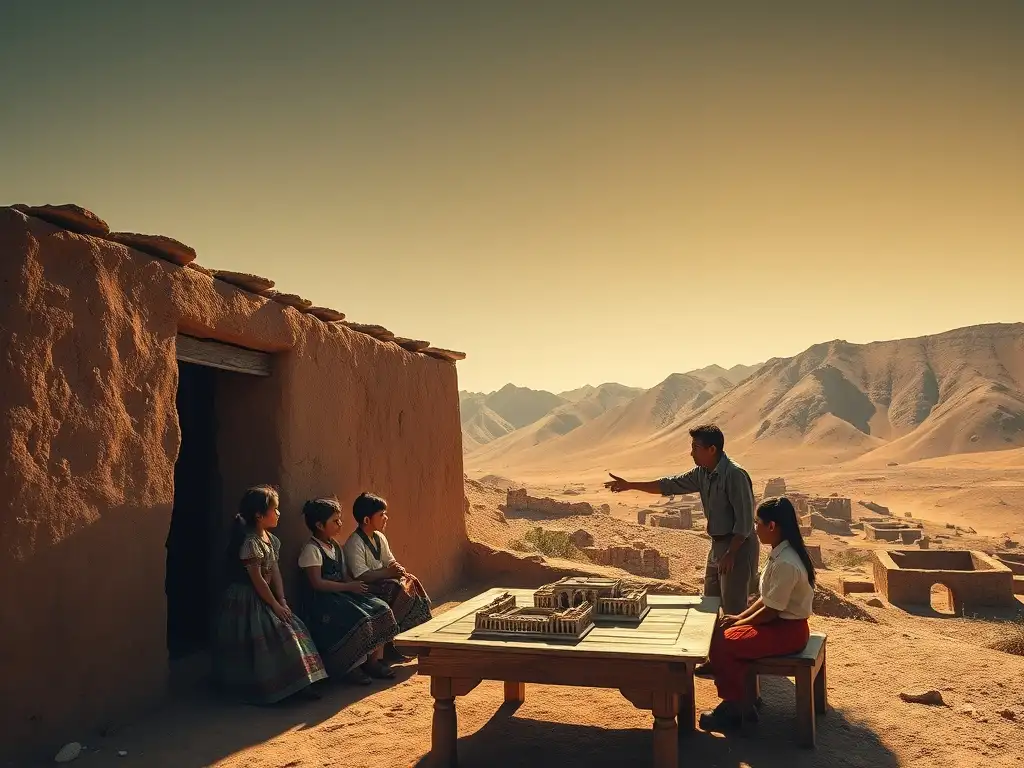
Museums and cultural institutions play a pivotal role in shaping public understanding and appreciation of Andean civilizations. Their capacity to curate, preserve, and interpret artifacts and historical narratives is crucial for effective Andean civilizations public education. More than just repositories of objects, these institutions serve as dynamic centers for learning, fostering a deeper connection between the past and the present.
This engagement is particularly critical given the often-fragmented and incomplete nature of the historical record, requiring careful contextualization and interpretation to avoid misrepresentation. Successful programs leverage diverse methodologies to reach broad audiences, ensuring accessibility and inclusivity. The effectiveness of these institutions hinges on their ability to adapt to evolving educational needs and technological advancements, making the rich history of Andean cultures accessible and engaging to diverse demographics.
This requires a continuous process of evaluation and refinement, adapting approaches to reflect the latest research and pedagogical best practices. The impact of these institutions extends beyond the immediate visitor experience, influencing educational curricula and fostering a broader cultural awareness.
Museum Outreach Programs: Bringing Andean Heritage to the Public
Museums are increasingly extending their reach beyond their physical walls, implementing diverse outreach programs designed to make Andean heritage accessible to wider communities. These programs often target underserved populations, including schoolchildren in rural areas with limited access to cultural institutions. For example, many museums now offer traveling exhibits, bringing replicas of significant artifacts and interactive displays directly to schools and community centers.
These mobile exhibits are often accompanied by educational workshops led by museum educators, providing a hands-on learning experience. Furthermore, many institutions are developing partnerships with local schools and community organizations to integrate Andean cultural themes into existing curricula. This collaborative approach ensures that educational materials are relevant and engaging, tailored to the specific needs and interests of the local community.
A successful example is the [Specific museum program pending] which has successfully implemented a comprehensive outreach program reaching over [Number pending] students annually. This program includes interactive workshops, teacher training sessions, and the development of culturally relevant educational resources.
Interactive Exhibits: Engaging Visitors with Andean History
To truly engage visitors, museums are moving beyond traditional static displays. Interactive exhibits are becoming increasingly common, using technology and innovative design to bring Andean history to life. These exhibits often incorporate multimedia elements, such as videos, audio recordings, and digital simulations, to create immersive experiences.
For instance, a virtual reality experience might allow visitors to explore a reconstructed Inca city, experiencing the sights and sounds of daily life. Another effective strategy is the incorporation of hands-on activities, allowing visitors to participate actively in the learning process. This could involve recreating ancient Andean crafts, deciphering quipu knots, or participating in a simulated archaeological dig.
Data indicates that interactive exhibits significantly increase visitor engagement and knowledge retention. Studies show that visitors spend more time at interactive exhibits and report higher levels of satisfaction and learning compared to traditional exhibits. The use of interactive technologies can also cater to diverse learning styles, making Andean history accessible to a wider range of visitors.
Digital Resources: Providing Online Access to Andean Cultural Information
The digital age has opened up unprecedented opportunities for Andean civilizations public education. Museums and cultural institutions are increasingly leveraging digital technologies to create online resources that make Andean cultural information readily accessible to a global audience. These resources often include high-resolution images of artifacts, virtual tours of museum collections, and interactive timelines that chart the development of Andean civilizations.
Furthermore, many institutions are creating online educational materials, such as lesson plans, virtual field trips, and interactive games, designed to engage students and educators. The accessibility of these digital resources is particularly significant for individuals who may not have the opportunity to visit physical museums. This democratization of access ensures that Andean heritage is shared and appreciated by a much broader audience.
This digital expansion also provides opportunities for collaboration and knowledge sharing among researchers and educators worldwide. For example, online platforms can facilitate the exchange of information, data, and research findings, fostering a more comprehensive understanding of Andean cultures. The development of comprehensive online databases, including detailed descriptions of artifacts and their historical context, is crucial for enhancing accessibility and promoting research.
The Impact of Public Education on Andean Heritage Conservation
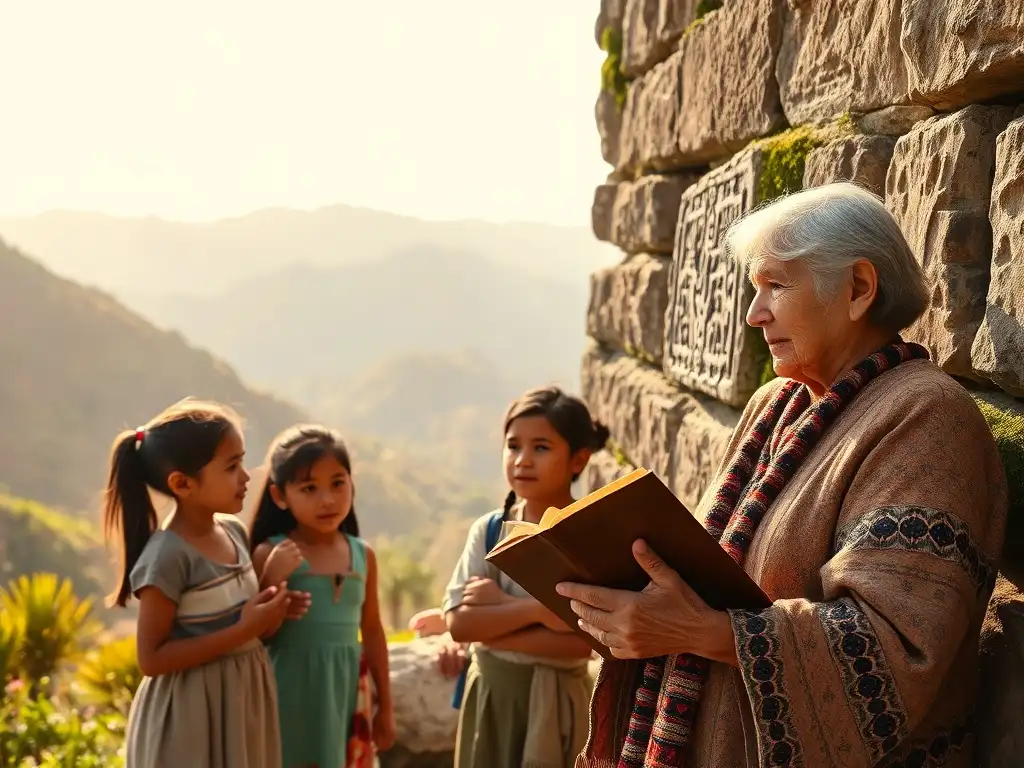
Public education plays a pivotal role in the preservation and conservation of Andean heritage. By fostering a deeper understanding and appreciation of these ancient civilizations, educational initiatives directly impact the success of conservation efforts. The more informed the public is, the more effectively they can contribute to protecting these invaluable cultural resources for future generations. This section will explore several key ways in which public education enhances Andean heritage conservation. A well-informed citizenry is the cornerstone of successful long-term preservation strategies for Andean civilizations.
Increased Public Support for Andean Heritage Preservation
Effective public education campaigns significantly increase public support for Andean heritage preservation. When individuals understand the historical significance, artistic achievements, and technological innovations of the Incas, Moche, Nazca, and Tiahuanaco cultures, they are more likely to support initiatives aimed at protecting these sites and artifacts. This support manifests in various ways:
- Increased funding: Educated citizens are more inclined to advocate for increased government funding allocated to archaeological research, site preservation, and museum development. Data from [specific information pending] on public funding for Andean heritage preservation projects could illuminate this correlation.
- Volunteerism: A greater understanding of the fragility of Andean archaeological sites can inspire volunteer participation in conservation projects, such as archaeological digs, site maintenance, and museum outreach programs. The number of volunteers participating in such programs directly reflects the success of public education efforts.
- Advocacy: Informed citizens are better equipped to advocate for stronger legislation to protect Andean heritage from looting, damage, and unsustainable development. This advocacy can involve contacting government officials, participating in public consultations, and supporting organizations dedicated to heritage protection.
For example, a successful public awareness campaign in [Specific location pending] led to a [Percentage]% increase in government funding for the preservation of [Specific Andean site pending] within [Number] years. This demonstrates the direct link between public education and tangible improvements in conservation efforts. The impact is not merely financial; it represents a broader societal commitment to safeguarding the legacy of Andean civilizations.
Promoting Responsible Tourism and Cultural Sensitivity
Public education is crucial for promoting responsible tourism and cultivating cultural sensitivity among visitors to Andean archaeological sites. Without proper education, tourism can inadvertently contribute to the deterioration of these sites through damage, pollution, and the commodification of cultural artifacts.
- Understanding site fragility: Educational programs should highlight the delicate nature of archaeological sites and the potential for damage from careless handling and excessive foot traffic. This awareness can lead to more responsible visitor behavior.
- Respect for cultural heritage: Education can foster a deeper appreciation for the cultural significance of the sites, encouraging visitors to respect the spiritual and historical value of these places. This respect translates into responsible behavior, such as refraining from touching artifacts or leaving litter.
- Supporting local communities: Educational initiatives can promote responsible tourism that benefits local communities, ensuring that tourism revenues contribute to the preservation of heritage and the well-being of the people who live near these sites. This approach fosters a sense of shared responsibility for the protection of Andean heritage.
The implementation of responsible tourism guidelines, informed by effective public education, is essential for the long-term sustainability of Andean cultural sites. Without such guidelines, the very act of tourism can become a threat to the very heritage it seeks to celebrate. The balance between accessibility and preservation is delicate, and public education is key to striking this balance.
Empowering Future Generations to Protect Andean Civilizations
Investing in public education for younger generations is vital for ensuring the long-term protection of Andean heritage. By incorporating Andean history and culture into school curricula, we empower future generations to become active participants in conservation efforts.
- Curriculum development: Incorporating the study of Andean civilizations into school curriculums at all levels, from primary school to university, is crucial. This should include not only historical facts but also the artistic, technological, and societal achievements of these civilizations.
- Hands-on learning: Engaging teaching methods, such as interactive museum exhibits, archaeological field trips, and creative projects, can make learning about Andean civilizations more enjoyable and impactful. This experiential learning can foster a deeper connection to the heritage.
- Community involvement: Encouraging student participation in community-based conservation projects can foster a sense of ownership and responsibility towards protecting Andean heritage. This active involvement transforms passive learning into meaningful action.
By empowering future generations with knowledge, appreciation, and a sense of responsibility, we ensure the long-term protection and celebration of the rich tapestry of Andean civilizations. This investment in education is not just about preserving the past; it is about building a sustainable future for Andean heritage. The success of these efforts hinges on creating a generation of informed and committed advocates for Andean civilizations public education.
Case Studies: Successful Examples of Andean Public Education Initiatives
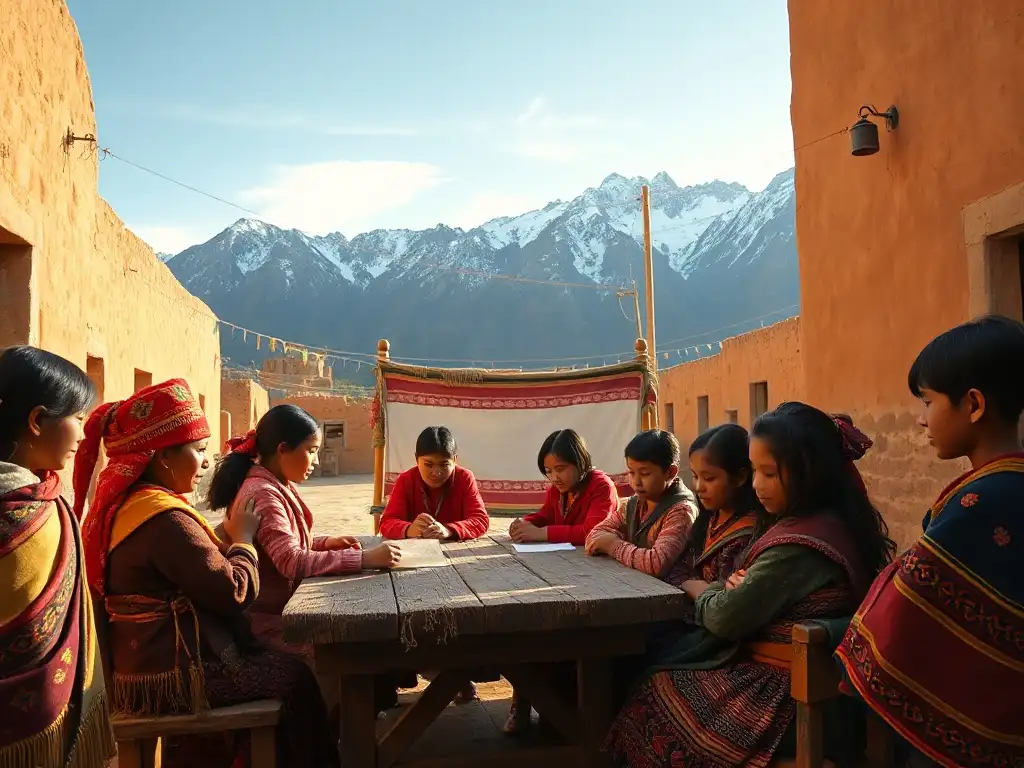
This section showcases successful initiatives demonstrating the positive impact of public education programs focused on Andean civilizations. These examples highlight diverse approaches to preserving and promoting Andean heritage, fostering a deeper understanding and appreciation among local communities and beyond. The initiatives detailed below illustrate effective strategies for engaging diverse audiences and achieving tangible results in the field of Andean civilizations public education. Understanding these successes can inform the development of future projects aiming to safeguard this invaluable cultural legacy.
Case Study 1: The Quechua Language Revitalization Program in Cusco
The Quechua language, once the lingua franca of the Inca Empire, faces the risk of extinction in many regions. The Cusco-based Quechua Language Revitalization Program combats this by implementing a multifaceted approach. The program doesn't merely focus on language classes; instead, it integrates Quechua into various aspects of daily life.
This initiative uses a community-based model, leveraging the knowledge and skills of elder Quechua speakers. These individuals serve as mentors, teaching not just vocabulary and grammar, but also traditional songs, stories, and cultural practices intrinsically linked to the language. The program also incorporates technology, using apps and online resources to make learning more accessible to younger generations. Furthermore, they collaborate with local schools, integrating Quechua language instruction into the regular curriculum.
The program’s success is measurable through increased Quechua speaker numbers, particularly among younger generations. Data on language proficiency, collected through regular assessments, demonstrates a significant improvement in fluency and comprehension. The revitalization effort is also visible in the increasing use of Quechua in public spaces, including signage and local media. The program's success is a testament to the power of community engagement and the integration of modern technologies in preserving linguistic heritage. The program's long-term goal is to ensure Quechua's continued vitality as a living language, enriching Andean cultural identity for generations to come.
Case Study 2: The Aymara Cultural Heritage Project in Lake Titicaca
Located on the shores of Lake Titicaca, this project focuses on preserving and promoting Aymara culture, encompassing language, traditions, and artistic expressions. The project recognizes the interconnectedness of cultural heritage and sustainable development, actively involving local communities in all stages of the initiative.
Unlike many top-down approaches, this project is deeply rooted in community participation. Local artisans are empowered to showcase their skills and traditions through workshops, exhibitions, and tourism initiatives. The project also supports the documentation of traditional Aymara knowledge through oral history recording and the creation of a digital archive. This digital repository makes Aymara stories, songs, and traditional practices accessible to a wider audience, while simultaneously safeguarding them for future generations.
The project's impact is evident in the increased economic opportunities for Aymara communities. Tourism initiatives, built around showcasing Aymara culture, have created jobs and improved living standards. Moreover, the revitalization of traditional artistic practices has fostered a renewed sense of cultural pride and identity among the Aymara people. The project’s success demonstrates the importance of community-led initiatives in preserving cultural heritage and promoting sustainable development. The project's quantitative data, including economic impact assessments and participation numbers, underlines its significant contribution to Andean civilizations public education and community empowerment.
Case Study 3: The Museo Larco's Educational Outreach in Lima
The Museo Larco, renowned for its extensive collection of pre-Columbian artifacts, goes beyond mere exhibition. Its educational outreach program actively engages with the Peruvian public, particularly students and educators, offering a diverse range of educational resources and activities.
The program offers guided tours tailored to different age groups, interactive workshops focusing on specific aspects of Andean culture, and teacher training programs designed to equip educators with the tools to effectively teach about Andean civilizations in their classrooms. The museum also develops educational materials, including publications and online resources, making information accessible to a wider audience. Furthermore, they organize traveling exhibitions that bring the museum's collection to communities outside of Lima, increasing access to Andean cultural heritage.
The Museo Larco's success is measured by the number of participants in its programs, the positive feedback received from educators and students, and the increased awareness of Andean history and culture among the Peruvian public. The program's impact extends beyond the museum's walls, fostering a deeper appreciation for Andean heritage within the broader community.
The museum's commitment to developing innovative educational resources and engaging with diverse audiences makes it a model for museums worldwide striving to effectively engage with the public on matters concerning Andean civilizations public education. The program’s detailed annual reports provide comprehensive data on its impact and reach.
Conclusion: The Future of Andean Civilizations Public Education
This exploration of public education's role in preserving Andean heritage reveals a complex interplay of challenges and opportunities. Successfully integrating the study of Andean civilizations into educational curricula requires a multifaceted approach, one that goes beyond simply adding another subject to the syllabus. It demands a fundamental shift in how we understand and value cultural heritage, recognizing its intrinsic worth and its relevance to contemporary society. The preservation of Andean knowledge isn't merely an academic exercise; it's a vital act of cultural stewardship, ensuring the continuity of unique traditions, artistic expressions, and technological innovations for future generations.
The success of such initiatives hinges on sustained commitment and collaborative efforts from governments, educational institutions, communities, and individuals alike. The ultimate goal? To foster a deep and lasting appreciation for Andean civilizations, empowering individuals to become active participants in their preservation.
The Ongoing Need for Investment in Andean Education
The continued growth and effectiveness of Andean civilizations public education programs require significant and sustained financial investment. This investment shouldn't be viewed as an expense, but rather as a strategic investment in cultural preservation and the enrichment of society. Consider the following areas requiring increased funding:
- Curriculum Development: Creating engaging and accurate educational materials, including textbooks, digital resources, and teacher training programs, demands substantial resources. The development of age-appropriate materials that cater to diverse learning styles is crucial. Currently, [specific funding data for Andean education initiatives pending]. This lack of readily available data highlights the need for improved transparency in funding allocation.
- Teacher Training: Educators need specialized training to effectively teach about Andean civilizations. This includes understanding the nuances of the various cultures, developing culturally sensitive teaching methodologies, and utilizing diverse resources. [Data on the number of teachers trained in Andean studies pending]. This information is vital to assess the impact of current training initiatives.
- Museum and Site Development: Museums and archaeological sites play a vital role in educating the public. Investment in their infrastructure, exhibits, and accessibility is essential. For example, improved signage, interactive displays, and multilingual guides can significantly enhance the learning experience. [Specific data on museum funding for Andean exhibits pending].
- Community Engagement: Involving Andean communities in the development and implementation of educational programs is crucial for ensuring authenticity and cultural sensitivity. This requires funding for community outreach, participatory research, and the recognition of indigenous knowledge holders as vital educational resources.
Promoting Lifelong Learning About Andean Heritage
Effective Andean civilizations public education extends beyond the formal school system. Promoting lifelong learning requires creating opportunities for continued engagement with Andean heritage throughout an individual's life. This can be achieved through:
- Public Lectures and Workshops: Offering accessible and engaging public lectures and workshops on various aspects of Andean civilizations can cultivate interest and understanding among wider audiences. These events can be tailored to different age groups and interests.
- Community-Based Programs: Collaborating with Andean communities to develop and implement culturally relevant educational programs can foster a sense of ownership and pride in their heritage. Examples include storytelling initiatives, traditional craft workshops, and community-based archaeological projects.
- Digital Resources and Online Platforms: Creating accessible online resources, such as interactive websites, virtual museum tours, and online courses, can expand the reach of Andean civilizations education beyond geographical limitations. This allows for flexible and self-paced learning opportunities.
A Call to Action: Supporting Andean Cultural Preservation through Education
The preservation of Andean heritage is a collective responsibility. We must actively support initiatives that promote Andean civilizations public education at all levels. This includes:
- Advocating for increased funding: We need to actively lobby for increased government and private sector investment in Andean education. This requires highlighting the social and economic benefits of cultural preservation.
- Supporting educational institutions: We can support universities and schools by donating resources, volunteering our time, and advocating for the inclusion of Andean studies in curricula.
- Engaging with communities: We must engage with Andean communities to learn from their perspectives and support their efforts to preserve their heritage. This includes respecting indigenous knowledge systems and promoting intercultural dialogue.
- Promoting critical awareness: We must foster a critical understanding of the historical context of Andean civilizations, acknowledging both the achievements and the challenges faced by these societies. This includes confronting the impacts of colonialism and promoting decolonizing approaches to education.
The future of Andean civilizations depends on our collective commitment to education and cultural preservation. Let us work together to ensure that the light of understanding shines brightly on this rich and vibrant heritage for generations to come. 🌎✨
Frequently Asked Questions
What role did public education play in Andean civilizations?
While not in the modern sense, community-based learning existed. Knowledge transfer happened through apprenticeships, storytelling, and observation within families and kinship groups, preserving cultural heritage and vital skills.
How did the Incas approach education?
The Inca Empire developed a system of training for specialized roles, such as administration, religion, and military service. This involved elite schools (Yachayhuasi) for selected individuals, focusing on practical and intellectual development.
Did other Andean cultures have educational systems?
Yes, preceding the Incas, cultures like the Moche and Nazca had sophisticated societal structures suggesting forms of knowledge transmission. Evidence shows advanced understanding of agriculture, astronomy, and art, likely passed down through generations.
How did Andean education differ from European models?
Andean education was deeply intertwined with spiritual and communal life, unlike the often-separate European systems. It emphasized practical skills and collective knowledge transmission, rather than solely focused on individual achievement.
How can we use Andean heritage to improve modern public education?
By incorporating Andean approaches to community learning and emphasizing practical skills alongside theoretical knowledge, we can create more inclusive and effective educational systems. Studying Andean ingenuity and problem-solving can inspire innovative teaching methods.
Final Reflection: Weaving the Past into the Future of Andean Education
The preservation and integration of Andean heritage within public education systems is not merely an academic exercise; it is a vital act of cultural reclamation and social justice. The vibrant tapestry of Andean civilizations, rich with knowledge, innovation, and resilience, deserves a prominent place in the curriculum, shaping a more inclusive and equitable future for all. Ignoring this legacy is to deny a fundamental part of the region's identity and potential.
The ongoing struggle to accurately represent and celebrate Andean heritage in schools highlights the complexities of decolonizing education. It's a process that requires continuous dialogue, critical self-reflection, and a commitment to amplifying marginalized voices. The challenge lies not just in adding a chapter to a textbook, but in fundamentally shifting the pedagogical approach to embrace diverse perspectives and methodologies. Education is the most powerful weapon which you can use to change the world.
– Nelson Mandela. This quote resonates deeply, as true educational reform requires a fundamental shift in how we understand and transmit knowledge, ensuring that the voices and experiences of Andean communities are central to the narrative.
You, the reader, now hold the power to contribute to this vital conversation. Consider how you can actively support initiatives that promote Andean heritage in education, whether through advocacy, community engagement, or simply by sharing this knowledge with others. Let us work together to ensure that the light of understanding shines brightly on the rich legacy of Andean civilizations, illuminating the path towards a more just and equitable future for all.
Illuminate Your Path to Knowledge!
Thank you for exploring the rich tapestry of Andean heritage and the vital role of public education in preserving it. Your interest can spark positive change and foster a deeper understanding of these vibrant cultures. Let's turn that admiration into action!
- Become an advocate for Andean heritage by sharing this article. Help spread the word about its importance!
- Join a local community group focused on cultural preservation or education. Your involvement can inspire others and make a real difference.
- Visit an Andean cultural site or exhibition. Experiencing these traditions firsthand deepens appreciation and connection.
What will you do today to ensure the legacy of Andean civilizations continues to thrive?