
Connecting with Andean Communities: Cultural Experiences Beyond the Ruins

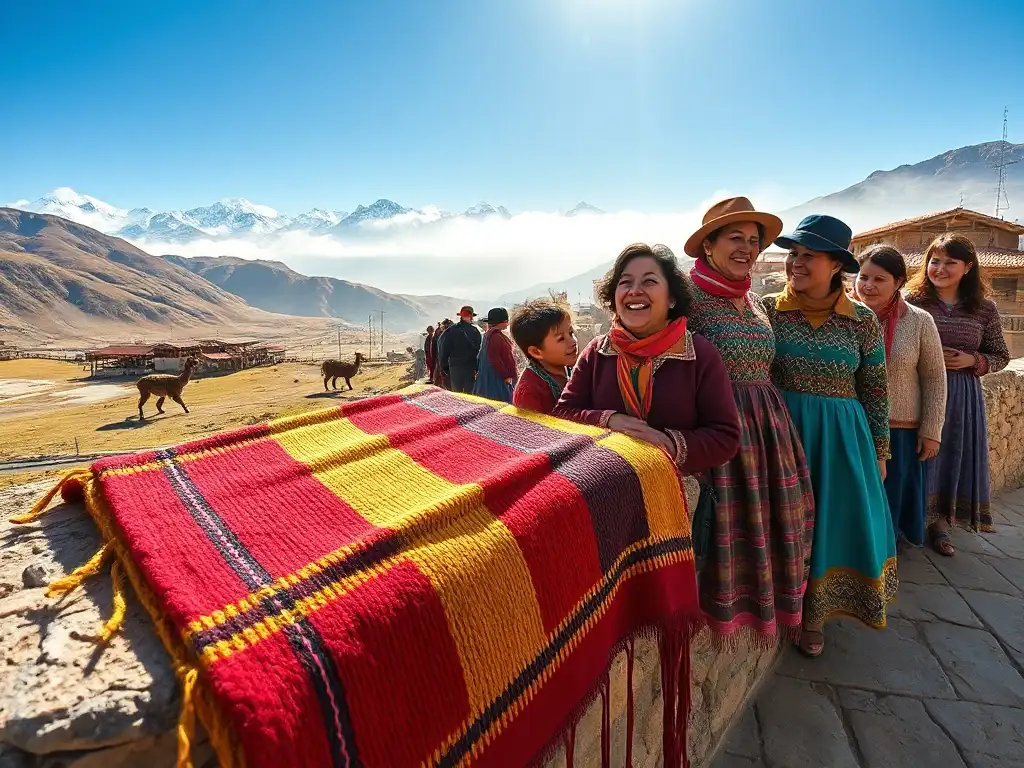
Uncover the mysteries of a world lost to time, yet vibrantly alive in the present. Journey with us through the breathtaking landscapes and captivating legacies of the Andean civilizations, from the majestic Incas to the enigmatic Nazca. Discover how Andean cultural experiences continue to shape modern life, revealing a tapestry richer and more complex than any ancient ruin could ever convey. Prepare to be amazed—your exploration of the Andes begins now.
Exploring the majestic ruins of Machu Picchu, the Nazca Lines, or the impressive Tiahuanaco site offers a glimpse into the fascinating world of Andean civilizations. However, a truly enriching experience goes beyond simply visiting these iconic locations. This article delves into the realm of authentic Andean cultural experiences, offering insights into how travelers can connect with contemporary Andean communities and gain a deeper understanding of their vibrant traditions, which continue to thrive today.
We'll explore opportunities that move beyond the typical tourist trail, focusing on immersive experiences that foster genuine connection and respect for the rich heritage of the Andes. This guide aims to help you plan a trip that not only explores the historical sites but also provides meaningful interactions with the people who continue to shape Andean culture.
We'll examine the variety of experiences available, focusing on responsible and sustainable tourism practices that benefit both travelers and the local communities. Discover how you can contribute positively to the preservation of Andean culture while creating lasting memories of your journey.
Unveiling Authentic Andean Culture: Moving Beyond the Tourist Trail
Stepping beyond the well-trodden paths of major tourist attractions unveils a wealth of opportunities to engage authentically with Andean culture. Many communities offer unique experiences designed to share their traditions, knowledge, and way of life. These experiences can range from participating in traditional weaving workshops to learning ancient Andean agricultural techniques, from attending local festivals celebrating ancestral customs to engaging in storytelling sessions that transmit oral histories across generations.
The key is to approach these interactions with respect, humility, and a genuine desire to learn. Remember that you are a guest in their community, and your role is to observe, listen, and learn from their expertise.
For example, some communities offer homestay programs where you can live with a local family, experiencing daily life firsthand. This immersive approach allows you to engage with the community on a deeper level, learning about their customs, food, and beliefs in a far more personal way than a typical guided tour.
This type of experience offers an unparalleled opportunity to build meaningful connections and gain a profound understanding of Andean culture. Other possibilities include participating in community-based tourism initiatives, which ensure that the economic benefits of tourism directly support the local population and contribute to the preservation of their heritage.
Why Choose Immersive Andean Cultural Travel?
Choosing immersive Andean cultural travel offers numerous benefits beyond simply sightseeing. It provides a more enriching and meaningful travel experience, fostering a deeper understanding and appreciation of the Andean world. Instead of passively observing, you actively participate, contributing to the preservation of a rich cultural heritage. This kind of travel is not just about ticking off destinations on a list; it's about creating lasting memories and forming meaningful connections with the people and places you encounter.
The benefits extend beyond the personal level. By choosing to support community-based tourism initiatives, you directly contribute to the economic well-being of Andean communities. This ensures that the benefits of tourism are shared equitably, empowering local people and contributing to the sustainability of their traditions.
Furthermore, immersing yourself in Andean culture promotes intercultural understanding and breaks down stereotypes, fostering a more empathetic and interconnected world. It's a chance to challenge your own perspectives and broaden your horizons, fostering personal growth and a deeper appreciation for the diversity of human experience. Think of it as a journey of both cultural and personal discovery.
Understanding the Landscape of Andean Cultural Experiences
The landscape of Andean cultural experiences is incredibly diverse, reflecting the rich tapestry of cultures and traditions found across the Andes. From the high altitude plains of the Altiplano to the coastal valleys and Amazonian foothills, each region offers unique cultural offerings. The possibilities are vast and varied, catering to different interests and preferences.
To navigate this diversity effectively, careful planning is essential. Researching different communities and the experiences they offer is crucial. Consider what aspects of Andean culture most interest you – perhaps it's traditional music, textile arts, agricultural practices, or spiritual beliefs. Look for experiences that align with your interests and allow for authentic engagement with the local community.
Remember to prioritize responsible and sustainable tourism practices. Choose operators who prioritize the well-being of local communities and the preservation of their cultural heritage. By choosing thoughtfully and engaging respectfully, you can ensure that your Andean cultural experience is both enriching and beneficial for all involved. Consider factors such as the size of the group, the duration of the experience, and the level of immersion desired to find the perfect fit for your travel style.
Planning Your Immersive Cultural Trip: Key Considerations
Planning a trip focused on Andean cultural experiences requires careful consideration beyond simply booking flights and accommodation. A truly immersive experience necessitates thoughtful preparation to ensure respectful engagement and meaningful interaction with local communities. This involves understanding the nuances of Andean culture and planning activities that contribute positively to the preservation of their heritage.
One critical aspect is choosing the right time to visit. The Andes boasts diverse microclimates, and weather conditions can significantly impact accessibility and the availability of certain activities. The dry season, typically from May to September, generally offers the best weather for trekking and exploring archaeological sites.
However, this is also peak tourist season, leading to higher prices and increased crowds. Conversely, the wet season (October to April) may offer a more intimate experience with fewer tourists, but it's crucial to be prepared for unpredictable weather and potential travel disruptions. Researching specific regions and their seasonal variations is essential for a smooth and enjoyable trip.
Another key consideration is selecting authentic and ethical experiences. Avoid tours that exploit local communities or contribute to the commodification of their culture. Look for operators committed to sustainable tourism practices, which prioritize community benefit and environmental protection. This often means supporting local guides, artisans, and businesses, ensuring that your tourism dollars directly contribute to the well-being of the Andean communities.
Furthermore, learning some basic Quechua or Aymara phrases can significantly enhance your interactions. Even a few simple greetings and thank yous demonstrate respect and show your willingness to connect on a deeper level. This simple gesture can open doors to more meaningful conversations and cultural exchanges. Consider investing time in learning a few key phrases before your trip, or perhaps even taking a short online course. This small effort can make a big difference in your interactions with locals.
Finally, remember that cultural immersion involves respecting local customs and traditions. Dress modestly when visiting religious sites or interacting with communities. Be mindful of photography, always asking for permission before taking pictures of individuals or sacred objects.
Active listening and respectful observation are paramount to appreciating the richness of Andean culture without imposing your own perspective. By approaching your trip with sensitivity and respect, you can create a truly memorable and enriching experience that benefits both you and the communities you visit. This thoughtful approach to planning will transform your Andean cultural experience from a simple sightseeing trip into a profound and transformative journey.
- Unveiling Authentic Andean Culture: Moving Beyond the Tourist Trail
- Why Choose Immersive Andean Cultural Travel?
- Understanding the Landscape of Andean Cultural Experiences
- Planning Your Immersive Cultural Trip: Key Considerations
- What kind of cultural experiences can I expect in the Andes?
- How can I connect with Andean communities respectfully?
- Are there opportunities for hands-on learning about Andean culture?
- What is the best time of year to experience Andean culture?
- How can I find authentic Andean cultural experiences, and avoid tourist traps?
Deep Dive into Authentic Andean Experiences
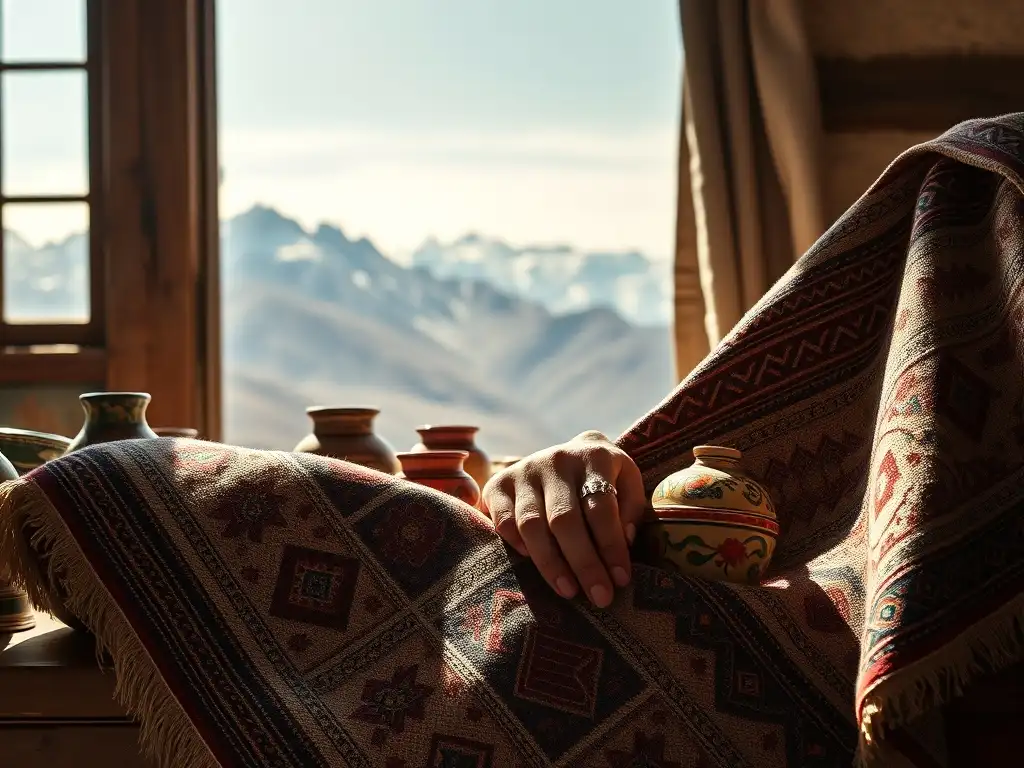
This section delves into enriching Andean cultural experiences that go beyond simply visiting historical sites. We explore opportunities for genuine connection with Andean communities, offering immersive activities that provide a deeper understanding of their traditions and way of life. Engaging in these experiences contributes directly to sustainable tourism, supporting local communities and preserving their invaluable cultural heritage. This isn't just sightseeing; it's about meaningful interaction and cultural exchange.
Homestay Programs: Living with Local Andean Families
Immersing yourself in the daily life of an Andean family provides an unparalleled opportunity to understand their culture from the inside out. Homestay programs offer a unique perspective, allowing you to participate in daily routines, share meals, and learn firsthand about their traditions and beliefs. These programs are carefully selected to ensure ethical and responsible tourism practices, ensuring that the cultural exchange benefits both the visitor and the host community.
Example: Munayki Community Tourism Project in the Sacred Valley
The Munayki Community Tourism Project, located in the Sacred Valley of the Incas, is a prime example of a successful and sustainable homestay program. This initiative empowers local families to share their culture and traditions while generating income to support their livelihoods. Participants can expect a warm welcome, opportunities to learn Quechua (the local language), and insights into traditional Andean agricultural practices. The project emphasizes reciprocity and mutual respect, fostering a truly authentic cultural exchange.
What to Expect: Daily life, traditional Pachamanca meals, and ancestral storytelling
Expect to participate in daily chores, from tending to animals to preparing traditional meals. A highlight is often the pachamanca, an ancient Andean cooking method involving cooking food underground using heated stones. Evenings typically involve sharing stories, learning about Andean cosmology, and experiencing the vibrant community life. The level of involvement is tailored to the guest's preferences, ensuring a comfortable and enriching experience. This is a chance to connect with the heart of Andean culture, experiencing its warmth, resilience, and enduring spirit.
Recommended Products: Travel Journal and Portable Translation Device
To fully appreciate your homestay experience, consider bringing a travel journal to record your reflections and observations. A portable translation device, capable of translating Quechua, can significantly enhance communication and deepen your understanding of the local culture. These tools will help you create lasting memories and foster meaningful connections with your host family. Remember, respectful observation and participation are key to a positive cultural exchange.
Traditional Andean Weaving Workshops: Hands-On Cultural Immersion
Andean weaving is a time-honored tradition, representing not just a craft, but a deep connection to the land and ancestors. Participating in a weaving workshop offers a unique opportunity to learn these ancient techniques and appreciate the artistry and symbolism embedded within the textiles. These workshops often take place in community settings, providing further opportunities for interaction with local artisans.
Example: Awamaki Weaving Cooperative in Ollantaytambo
The Awamaki Weaving Cooperative in Ollantaytambo is a renowned example of a successful social enterprise that combines traditional Andean weaving with sustainable development. Women from the community participate in the cooperative, producing high-quality textiles while receiving fair wages and improving their economic prospects. Workshops at Awamaki provide a hands-on experience, allowing participants to learn various weaving techniques and understand the rich symbolism behind the designs.
Learning the Ancient Techniques of Andean Textiles
Participants in these workshops learn about the preparation of natural dyes from local plants and the intricate techniques used to create complex patterns. The process is often meditative and deeply rewarding, allowing for a connection with the ancient traditions and the rich cultural heritage of the Andes. You'll gain an appreciation for the time, skill, and artistry involved in creating these exquisite textiles. It’s a chance to actively participate in a living tradition, creating a lasting souvenir and a deeper understanding of Andean culture.
Recommended Products: Local Artisan's Weaving Kit and Natural Dye Book
To continue your exploration of Andean weaving after your workshop, consider purchasing a local artisan's weaving kit and a book on natural dyeing techniques. These products will allow you to continue practicing the skills you have learned and create your own pieces, keeping the spirit of Andean artistry alive. This provides a tangible reminder of your Andean cultural experiences and a way to support local artisans.
Andean Cooking Classes: Discovering the Flavors of the Andes
Andean cuisine is a vibrant tapestry woven from centuries of tradition, ingenuity, and the bounty of the Andes Mountains. Participating in an Andean cooking class offers a unique opportunity to delve into this rich culinary heritage, going beyond simply tasting the food to understanding its cultural significance. These classes aren't just about learning recipes; they're about connecting with the land, the people, and the history embedded within each dish.
You'll learn about the careful selection of ingredients, the intricate preparation techniques passed down through generations, and the stories behind each culinary creation. From the humble potato, boasting hundreds of varieties across the Andes, to the vibrant flavors of quinoa and the unique spices that define Andean gastronomy, a cooking class provides an immersive sensory experience.
You'll discover the subtle nuances of flavors and the balance of textures that characterize authentic Andean dishes. The hands-on experience allows you to actively participate in the culinary process, fostering a deeper appreciation for the artistry and dedication involved.
Example: Chef Virgilio Martínez's Cooking Experience in Cusco
One exceptional example of an Andean cooking experience is Chef Virgilio Martínez's renowned culinary journey in Cusco. Chef Martínez, a celebrated figure in the world of gastronomy, is known for his innovative approach to Andean cuisine, blending traditional techniques with modern culinary artistry. His experiences often involve sourcing ingredients directly from local farmers and producers, highlighting the importance of sustainable practices and the connection between the land and the food.
Participants not only learn to prepare specific dishes but also gain a deeper understanding of the biodiversity of the Andes and the sustainable practices that are crucial for preserving the region's culinary heritage. The experience often includes a market tour, providing a firsthand look at the diversity of Andean produce and the vibrant atmosphere of local markets.
Exploring Native Ingredients and Culinary Traditions
Beyond specific recipes, Andean cooking classes provide invaluable insights into the unique ingredients and culinary traditions of the region. You'll learn about the historical significance of certain foods, their role in Andean culture and society, and the ways in which they have adapted and evolved over time. For example, you might learn about the different varieties of potatoes and how they are used in various dishes, or you might discover the nutritional benefits and cultural significance of quinoa.
The classes often incorporate discussions about the medicinal properties of certain herbs and spices, reflecting the holistic approach to food and health that is characteristic of Andean cultures. Understanding the cultural context enriches the culinary experience, transforming a simple cooking class into a journey of discovery.
Recommended Products: Peruvian Cookbook and Organic Andean Spices Set
To further enhance your Andean culinary journey, consider purchasing a high-quality Peruvian cookbook featuring authentic recipes and a set of organic Andean spices. A well-written cookbook can provide detailed instructions and background information, allowing you to recreate the magic of Andean cuisine in your own kitchen.
A set of organic Andean spices, including aji amarillo, cumin, and others, will allow you to capture the unique and complex flavors that define Andean gastronomy. These products will serve as tangible reminders of your Andean culinary experience, allowing you to continue exploring and celebrating the flavors of the Andes long after you return home.
Participating in Andean Festivals and Celebrations
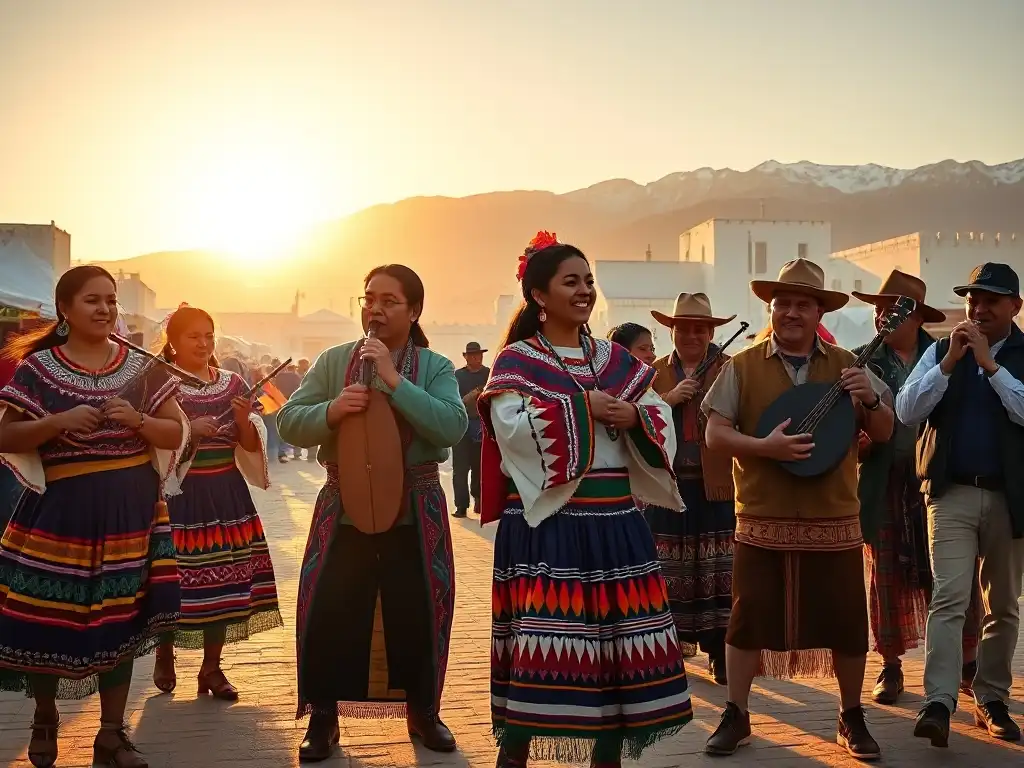
Immerse yourself in the vibrant heart of Andean culture by attending one of the many festivals and celebrations that take place throughout the year. These events offer a unique opportunity to witness the rich traditions, music, dance, and rituals that define Andean communities. From religious celebrations to harvest festivals, these events are a powerful expression of Andean identity and a testament to the enduring spirit of the people.
Participating in these festivals is more than just observing; it’s about actively engaging with the culture, feeling the energy of the community, and creating lasting memories. You'll witness stunning displays of traditional dress, hear the captivating sounds of Andean music, and experience the warmth and hospitality of the local people.
Example: Inti Raymi Festival in Cusco
The Inti Raymi Festival, held annually in Cusco, is a prime example of a spectacular Andean celebration. This Inca festival, dedicated to the sun god Inti, is a vibrant spectacle of color, music, and dance. Thousands of participants and spectators gather to witness the reenactment of Inca rituals and traditions, creating an atmosphere of energy and excitement.
The festival is a powerful reminder of the rich history and cultural heritage of the Inca Empire, and provides a fascinating glimpse into the beliefs and practices of this ancient civilization. Participating in Inti Raymi allows for an unforgettable cultural immersion, offering a deep connection to Andean history and tradition.
Experiencing the Richness of Andean Rituals and Music
Andean festivals are not merely celebrations; they are deeply rooted in spiritual and cultural rituals. These rituals often involve music, dance, and ceremonies that have been passed down through generations. The music, characterized by its unique instruments and melodies, is a powerful expression of Andean identity and emotion.
The dances, often intricate and symbolic, tell stories of Andean history and mythology. By attending these festivals, you'll have the opportunity to witness the profound connection between Andean people and their traditions, gaining a deeper understanding of their beliefs and worldviews. The energy and passion of the performances are infectious, leaving a lasting impression on all who witness them.
Recommended Products: High-Quality Camera and Travel Guide to Andean Festivals
To fully capture the beauty and energy of Andean festivals, consider investing in a high-quality camera and a comprehensive travel guide dedicated to Andean festivals. A good camera will allow you to document the vibrant colors, intricate costumes, and captivating performances. A detailed travel guide will provide essential information about the different festivals, their dates, locations, and cultural significance. These tools will allow you to plan your trip effectively and ensure that you make the most of your experience, creating lasting memories and a rich collection of photographs to cherish for years to come.
Guided Hikes with Local Andean Guides: Understanding the Land
Engaging with the Andes on a deeper level necessitates more than just admiring the breathtaking landscapes; it requires understanding the intricate relationship between the people and their environment. Guided hikes with local Andean guides offer an unparalleled opportunity to achieve this. These aren't just hikes; they are immersive cultural experiences.
Local guides possess an intimate knowledge of the terrain, the flora and fauna, and, most importantly, the cultural significance of the land. They can share stories passed down through generations, explaining the traditional uses of plants, the significance of specific geographical features, and the spiritual connection Andean communities have to their surroundings. This knowledge transforms a simple hike into a journey of discovery, enriching the experience immeasurably.
The perspectives shared are not merely geographical; they are deeply rooted in the cultural heritage of the Andes, adding a profound dimension to the adventure. Choosing a local guide directly supports the Andean communities, contributing to their economic well-being and cultural preservation. Moreover, their insights ensure a safe and respectful experience, minimizing environmental impact and fostering a deeper connection with the land and its people.
Example: Lucho Quispe's Trekking Experience in the Ausangate Region
Lucho Quispe, a Quechua-speaking guide from the Ausangate region, exemplifies the value of local expertise. His family has lived in the area for centuries, inheriting a deep understanding of the high-altitude environment and its associated challenges. A trek with Lucho isn't just about reaching a summit; it's about learning about the medicinal properties of local plants, understanding the intricate water management systems used by his ancestors, and appreciating the spiritual significance of Ausangate, a sacred mountain revered by many Andean communities.
He shares stories of ancient traditions, pointing out evidence of past settlements and explaining the importance of respecting the environment and the spirits that inhabit it. Lucho’s knowledge goes beyond practical trekking skills; it's a cultural inheritance, passed down through generations, and shared with visitors to foster a respectful and authentic understanding of Andean life.
His expertise in navigating the challenging terrain, combined with his cultural insights, makes the experience both thrilling and profoundly educational, a testament to the value of employing local Andean guides. He provides a unique perspective that enriches the entire Andean cultural experience.
Exploring Sacred Sites and the Andean Cosmology
Many Andean hikes lead to sacred sites, places imbued with deep spiritual significance. These sites are not merely historical landmarks; they are integral to the Andean worldview, reflecting a cosmology that intertwines the natural world with the spiritual realm.
With a knowledgeable guide, visitors can gain a profound understanding of the Andean concept of Pachamama, Mother Earth, and the interconnectedness of all living beings. The guide can explain the significance of rituals performed at these sites, the meanings behind the various offerings left by pilgrims, and the stories associated with the sacred mountains and landscapes.
This understanding transcends a simple sightseeing experience; it provides a glimpse into the heart of Andean spirituality, revealing a rich tapestry of beliefs and practices that have shaped the culture for millennia. The exploration of these sacred sites, guided by someone deeply connected to the culture, allows for a respectful and meaningful engagement with the Andean worldview, offering a truly enriching Andean cultural experience.
Recommended Products: Hiking Boots and Trekking Poles
Investing in high-quality hiking boots and trekking poles is crucial for a safe and comfortable Andean trekking experience. The terrain can be challenging, ranging from rocky trails to steep inclines, making sturdy footwear essential. Look for boots with good ankle support, waterproof membranes, and durable soles capable of handling uneven surfaces. Trekking poles offer stability and reduce strain on knees and ankles, especially during ascents and descents.
Choosing lightweight yet strong poles made from carbon fiber or aluminum is recommended. Properly fitted boots and poles significantly enhance the overall hiking experience, allowing for a more enjoyable and less strenuous exploration of the stunning Andean landscapes. Prioritizing quality equipment demonstrates respect for the challenges of the environment and ensures a more fulfilling and sustainable Andean cultural experience.
Essential Tools and Services for Your Andean Cultural Journey
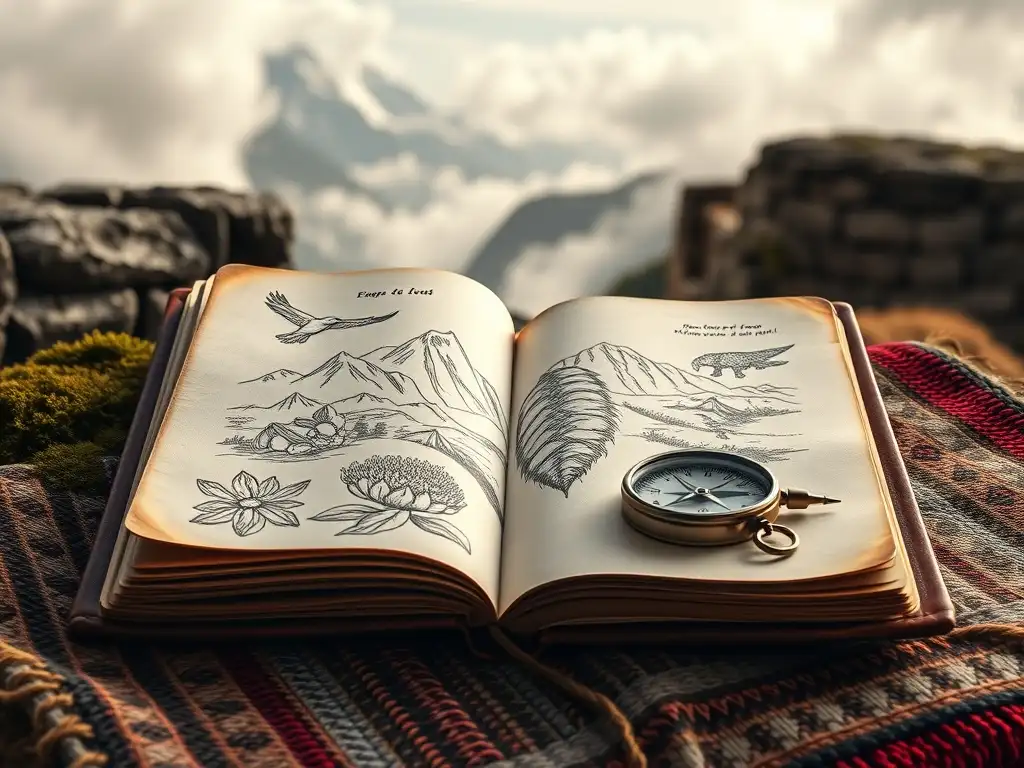
Planning an immersive Andean cultural experience requires more than just booking flights and accommodation. Successfully connecting with Andean communities hinges on careful preparation and utilizing resources that prioritize authenticity and respect. This section details essential tools and services to enhance your journey and ensure a meaningful interaction with the local culture.
Travel Agencies Specializing in Andean Cultural Tours
Choosing the right travel agency can significantly impact the quality of your Andean cultural experience. Avoid generic tour operators and instead seek agencies specializing in culturally sensitive and sustainable tourism. These agencies understand the nuances of Andean communities and prioritize ethical practices, ensuring that your visit benefits the local people and preserves their heritage. Look for agencies that emphasize community-based tourism, supporting local businesses and initiatives.
Example: Andean Lodges
Many lodges in the Andes offer more than just a place to sleep; they provide immersive cultural experiences. These lodges often partner with local communities, offering opportunities to participate in traditional activities, learn about local crafts, and engage in meaningful interactions with residents. For instance, some lodges organize weaving workshops led by experienced artisans, providing firsthand knowledge of traditional techniques and cultural significance.
Others may offer guided hikes through the surrounding landscape, incorporating storytelling and insights into the region's history and folklore. The key is to research lodges that actively promote cultural exchange and sustainability, not just those that offer a picturesque setting.
Finding Authentic and Sustainable Experiences
Identifying truly authentic and sustainable Andean cultural experiences requires diligent research. Look for agencies and organizations that explicitly highlight their commitment to ethical tourism practices. This might include certifications or affiliations with organizations dedicated to sustainable tourism. Scrutinize their itineraries; do they prioritize genuine interactions with local communities, or do they focus primarily on sightseeing?
Authentic experiences often involve direct engagement with local artisans, farmers, or community leaders, offering opportunities to learn about their traditions, beliefs, and daily life. Avoid tours that feel overly commercialized or that present a superficial view of the culture. Look for testimonials and reviews that emphasize the cultural immersion aspect of the experience.
Recommended Service: Customizable Itinerary Planning
A customizable itinerary allows you to tailor your Andean cultural experience to your interests and preferences. Many agencies offer this service, allowing you to choose specific activities, locations, and the level of cultural immersion you desire. This is particularly beneficial for individuals or groups with specific interests, such as textile art, traditional music, or specific Andean communities.
A well-planned itinerary can ensure you maximize your time and resources, focusing on experiences that genuinely resonate with your purpose for visiting the Andes. For example, you might choose to spend more time in a particular village known for its unique craft, or to participate in a specific ceremony or festival.
Language Learning Resources: Breaking the Communication Barrier
While many people in tourist areas speak some English, learning basic Spanish phrases can significantly enrich your Andean cultural experience. Even a few basic phrases can demonstrate respect and enhance your interactions with local people. This will allow you to connect on a deeper level, showing your genuine interest in learning about their culture and traditions.
Recommended Products: Spanish Phrasebook and Online Language Learning Platform
A good Spanish phrasebook tailored to travel in the Andes can be invaluable. Look for phrasebooks that include regional dialects and cultural nuances. Supplement this with an online language learning platform that offers interactive lessons and pronunciation practice. Many free and paid platforms are available, offering various levels of instruction.
Consistent practice, even for a short period before your trip, can make a considerable difference in your ability to communicate and connect with Andean communities. This effort demonstrates respect and a genuine desire for meaningful interaction, leading to more rewarding cultural exchanges. Remember, even a few learned phrases can greatly enhance your ability to connect with the local people, making your Andean cultural experience significantly more enriching.
Travel Insurance: Ensuring a Safe and Secure Cultural Adventure
Planning an Andean cultural experience requires careful consideration, and securing comprehensive travel insurance is paramount. Unexpected events, from medical emergencies to trip cancellations, can quickly derail even the best-laid plans. Investing in robust travel insurance provides peace of mind, allowing you to fully immerse yourself in the Andean experience without the constant worry of unforeseen costs.
A good policy should cover medical expenses, including evacuation, repatriation, and emergency medical treatment, which can be particularly crucial in remote Andean regions where access to advanced medical facilities might be limited. Furthermore, a comprehensive policy should also include coverage for trip cancellations or interruptions due to unforeseen circumstances, such as natural disasters or political instability. Consider policies that offer baggage loss or damage coverage, as well as personal liability protection, in case you unintentionally cause damage or injury to others.
Remember to carefully review the policy's terms and conditions, paying close attention to exclusions and limitations, to ensure it adequately meets your needs and the specific activities you plan to undertake during your Andean adventure. Don't underestimate the importance of travel insurance; it's an investment that protects your trip and your well-being.
Recommended Service: World Nomads Travel Insurance
While specific recommendations are beyond the scope of this article, exploring various options is highly encouraged. Consider researching providers that specialize in adventure travel and offer comprehensive coverage tailored to the unique challenges of exploring the Andes. Look for policies that specifically address activities like trekking, hiking, and visiting remote communities. Check for reviews and compare coverage options, paying close attention to the level of medical coverage, emergency assistance services, and cancellation provisions offered.
Remember to tailor your policy to the duration and specific activities of your trip. A well-chosen travel insurance provider can make all the difference in ensuring a smooth and worry-free Andean cultural experience. Always read the fine print and understand exactly what is covered before purchasing any plan.
Sustainable Travel Practices: Respecting Andean Culture and Environment
Sustainable travel is not just a trend; it's a responsibility when exploring the Andes. Respecting the local culture and preserving the fragile environment are crucial aspects of any Andean cultural experience. Prioritize choosing eco-friendly accommodations that support local communities and implement sustainable practices. Look for hotels and lodges committed to reducing their environmental footprint, such as those using renewable energy sources, minimizing water consumption, and employing responsible waste management systems.
When engaging with local communities, remember to be mindful and respectful of their traditions and customs. Avoid intrusive behavior and always ask permission before taking photographs. Support local businesses by purchasing handicrafts directly from artisans and choosing locally-owned restaurants and tour operators. This not only benefits the local economy but also promotes cultural preservation.
Minimize your environmental impact by reducing plastic waste, using reusable water bottles, and respecting wildlife and natural habitats. Remember that the Andes are a sensitive ecosystem, and responsible travel is essential to preserving its beauty and biodiversity for future generations. By adopting sustainable travel practices, you contribute to the long-term well-being of the Andean communities and the environment you are privileged to visit. The Andean people and their environment are precious; let's ensure we travel responsibly and leave a positive footprint.
Maximizing Your Andean Cultural Journey
This section focuses on strategies to ensure your Andean cultural experience is both enriching and respectful. We'll explore how to optimize your trip for maximum immersion and cultural sensitivity, moving beyond the typical tourist experience to connect with the heart of Andean life. Understanding the nuances of Andean culture is key to a truly memorable journey. Remember, respecting local customs and traditions is paramount. This is not just about sightseeing; it's about building connections and fostering understanding.
Choosing the Right Time to Travel for Immersive Experiences
The best time to experience Andean cultural events varies depending on your priorities and the specific region you plan to visit. For example, the dry season (May to September) offers optimal weather for trekking and exploring archaeological sites. However, this is also peak tourist season, meaning higher prices and more crowds. Conversely, the wet season (October to April) sees fewer tourists but also potential disruptions to travel plans due to rain and occasional road closures.
Consider specific festivals and celebrations: many Andean communities hold vibrant cultural events throughout the year. Researching these events in advance allows you to tailor your trip to coincide with these immersive experiences. For instance, the Inti Raymi (Sun Festival) in Cusco is a spectacular event that offers an unparalleled glimpse into Inca traditions. Planning around such events guarantees a deeper connection to Andean culture than simply visiting historical sites.
To illustrate, imagine experiencing the vibrant Pachamama celebrations (Mother Earth) in the Sacred Valley during the wet season. While the rain might require some flexibility, the intimacy of participating in a local ceremony far outweighs the minor inconveniences. The opportunity to witness ancient traditions firsthand is invaluable. Remember to always check local weather forecasts and travel advisories before embarking on your journey.
Budgeting for Authentic Cultural Experiences in the Andes
Budgeting for authentic Andean cultural experiences requires a nuanced approach. While entry fees to major sites are relatively predictable, the cost of truly immersive experiences can vary significantly. Factors influencing your budget include accommodation choices (ranging from budget-friendly hostels to luxurious lodges), transportation (consider internal flights versus buses), food (from street food to fine dining), and participation in cultural activities (e.g., workshops, ceremonies, guided tours).
Creating a realistic budget involves careful planning. Consider allocating a larger portion of your budget towards local experiences. This might involve staying in community-run accommodations, participating in homestays, or hiring local guides. These choices not only provide a more authentic experience but also directly benefit the Andean communities you're visiting. Supporting local businesses is crucial for sustainable tourism.
Here’s a sample budget breakdown (per person, per week), remember these are estimates and can vary widely:
| Expense Category | Low Budget (USD) | Mid-Range Budget (USD) | High Budget (USD) |
|---|---|---|---|
| Accommodation | 140 | 350 | 700 |
| Food | 70 | 175 | 350 |
| Transportation | 70 | 140 | 280 |
| Activities & Entrance Fees | 70 | 210 | 420 |
| Total (approximate) | 350 | 875 | 1750 |
Remember that these are estimates. Thorough research and pre-booking are essential to managing expenses effectively.
Essential Packing List for Immersive Andean Travel
Packing for an immersive Andean cultural experience requires careful consideration of the diverse climates and activities you'll encounter. The Andes boast varied landscapes, from high-altitude deserts to lush cloud forests. Therefore, layering is key. Pack versatile clothing items that can be adapted to changing conditions.
Beyond clothing, consider these essentials:
- Clothing: Lightweight and breathable clothing for warmer days, warm layers (fleece, down jacket) for cooler evenings and higher altitudes, comfortable hiking boots, rain gear (jacket and pants), a sun hat, and sunglasses.
- Gear: A sturdy backpack, reusable water bottle, sunscreen (high SPF), insect repellent, first-aid kit (including altitude sickness medication), headlamp or flashlight, a universal adapter (if needed), and a phrasebook or translation app.
- Documents: Passport, visa (if required), travel insurance information, copies of important documents (stored separately), and flight/bus tickets.
- Optional but Recommended: A camera to capture your memories, a journal for reflections, small gifts for local communities (respectful and culturally appropriate items), and a basic Spanish phrasebook.
Remember to pack light! You'll likely be carrying your backpack during some excursions. Prioritize essential items and consider leaving non-essential items at your accommodation. Prioritize comfort and practicality over unnecessary luxury items. A well-organized backpack will enhance your overall Andean experience.
Post-Trip Reflection: Keeping the Andean Spirit Alive
Your Andean adventure doesn't have to end the moment you leave the airport. The vibrant culture, breathtaking landscapes, and profound history of the Andes can continue to inspire and enrich your life long after you've returned home. Actively engaging in post-trip reflection is crucial to fully absorb and appreciate the experiences you've had. This isn't just about looking at photos; it's about internalizing the essence of your journey.
One powerful method is journaling. Write about your favorite moments, the people you met, the emotions you felt. Describe the intricate details of a textile you admired, the taste of a traditional dish, or the sound of Andean music echoing through a mountain valley. These sensory details will help to vividly recall your experiences, keeping the memories alive and vibrant. Consider including sketches or even pressing a flower or leaf collected responsibly as a tangible reminder of your trip.
Beyond personal journaling, consider sharing your experience with others. Tell your friends and family about your adventures, sharing anecdotes and insights. This not only reinforces your own memories but also allows you to spread awareness and appreciation for Andean culture. Participating in online forums or communities dedicated to Andean travel can connect you with like-minded individuals, fostering a sense of shared experience and continuing the conversation about Andean cultural preservation.
Furthermore, explore ways to support Andean communities even from afar. Research organizations dedicated to sustainable tourism, cultural preservation, or community development in the Andes. Many organizations accept donations or offer volunteer opportunities, allowing you to contribute directly to the well-being of the communities you visited.
Even small acts of support can make a significant difference in preserving the rich tapestry of Andean culture for future generations. Consider purchasing ethically sourced Andean handicrafts to support local artisans and keep the spirit of your journey alive in your home. Remember, responsible tourism is not just about respecting the environment; it's also about respecting and supporting the people who call the Andes home.
By consciously choosing to support Andean communities, you actively participate in the ongoing preservation of their unique heritage. 🌎 Your Andean journey is far more than just a vacation; it's an opportunity to connect with a vibrant culture and contribute to its enduring legacy.
Frequently Asked Questions
What kind of cultural experiences can I expect in the Andes?
You can expect a wide range of immersive experiences, from participating in traditional ceremonies and festivals to learning ancient crafts like weaving and pottery. You can also engage with local communities, learning about their unique customs and traditions, and enjoying their authentic hospitality.
How can I connect with Andean communities respectfully?
Respectful engagement involves seeking permission before taking photos, learning basic Quechua phrases, and being mindful of local customs and traditions. Support local businesses and guides, and remember that you are a visitor in their home.
Are there opportunities for hands-on learning about Andean culture?
Absolutely! Many communities offer workshops and classes in traditional crafts, music, and dance. You can learn to weave, make pottery, play Andean instruments, or even participate in a traditional healing ceremony.
What is the best time of year to experience Andean culture?
The best time to visit depends on your priorities. The dry season (May-September) offers the best weather for trekking and exploring ruins, while the wet season (October-April) is vibrant with agricultural festivals and celebrations.
How can I find authentic Andean cultural experiences, and avoid tourist traps?
Research thoroughly and choose reputable tour operators committed to sustainable tourism and community engagement. Look for experiences that prioritize direct interaction with local communities, rather than staged performances designed solely for tourists.
Final Reflection: Weaving Threads of Andean Heritage
The enduring legacy of Andean culture continues to resonate, demanding not just observation but active engagement. Understanding the complexities of Andean life, beyond the iconic ruins, offers a profound connection to a rich tapestry of traditions, beliefs, and resilience that shapes our world today. This understanding is crucial not only for appreciating the past but also for fostering a more equitable and sustainable future.
The impact of Andean culture extends far beyond the tourist trail, influencing art, music, spirituality, and even our understanding of sustainable living. Its vibrant traditions, often passed down through generations, offer invaluable lessons in community, respect for nature, and the power of storytelling. The mountains are our teachers; they teach us patience, resilience, and the interconnectedness of all things.
This sentiment, echoing through generations, highlights the enduring wisdom embedded within Andean communities and their profound connection to the land.
Now, consider your own journey. How can you integrate the spirit of Andean resilience and community into your life? Perhaps it's through supporting ethical tourism, engaging with Andean art and music, or simply taking a moment to appreciate the interconnectedness of all living things. Let the stories and wisdom of the Andes inspire you to build a more meaningful and connected life, one woven with threads of respect, understanding, and appreciation for the diverse cultures that enrich our world.
Embrace the Spirit of the Andes!
Thank you for exploring the rich tapestry of Andean cultures with us! We hope you feel inspired to delve deeper, beyond the archaeological sites, and connect with the vibrant communities that keep these traditions alive.
Now it's time to take action! Here are a few suggestions:
- Attend a local cultural event to experience Andean traditions firsthand. This could be anything from a music festival to a craft fair celebrating Andean heritage.
- Volunteer your time with organizations dedicated to preserving Andean culture and supporting local artisans. Many organizations offer opportunities to directly contribute to the preservation of traditional skills and knowledge.
- Share your newfound appreciation of Andean culture with friends and family, or on social media. Help spread awareness and understanding of these incredible communities and their heritage.
What steps will you take to connect with Andean culture in your daily life?