
The Path Forward: Indigenous Strategies for Sustainable Development in the Andes


Uncover the secrets of a legacy built on ingenuity and resilience. For centuries, the Andean civilizations thrived, mastering complex engineering and sustainable practices long before their time. But how did they achieve such remarkable feats? Dive into the fascinating world of Andean indigenous sustainable development, and discover the innovative strategies that offer valuable lessons for our future. Explore the path forward in our latest article, "The Path Forward: Indigenous Strategies for Sustainable Development in the Andes," and unlock the wisdom of the past to shape a more sustainable tomorrow.
The Andes Mountains, a spine of towering peaks running down the western coast of South America, are home to a rich tapestry of indigenous cultures. For millennia, these communities have developed sophisticated strategies for living in harmony with their unique and often challenging environment. However, the pressures of globalization, climate change, and economic disparities threaten the delicate balance achieved by these Andean communities.
This article explores how indigenous communities are adapting and innovating, employing traditional knowledge alongside modern approaches, to pursue sustainable development pathways that safeguard their cultural heritage and ensure a thriving future. We will examine specific strategies employed by various Andean groups, highlighting the resilience and ingenuity at the heart of their efforts to secure a sustainable future for generations to come. This examination of Andean indigenous sustainable development will reveal valuable lessons applicable far beyond the Andes themselves.
Traditional Ecological Knowledge (TEK) and Sustainable Agriculture
For centuries, Andean indigenous communities have practiced sophisticated agricultural techniques adapted to the unique conditions of their high-altitude environments. These techniques, often passed down through generations, represent a deep understanding of the interplay between climate, soil, and biodiversity. Examples include the intricate andenes (terraces) that reduce soil erosion and optimize water use, the careful selection of crop varieties suited to specific microclimates, and the application of natural fertilizers and pest control methods.
These practices not only enhance agricultural productivity but also contribute to the long-term health and resilience of Andean ecosystems. The integration of TEK with modern agricultural science holds significant potential for improving food security and promoting environmentally sustainable farming practices across the region. Furthermore, the preservation and dissemination of this knowledge are crucial for ensuring the continued success of Andean agriculture.
Community-Based Tourism and Economic Empowerment
Tourism presents both opportunities and challenges for Andean communities. While it can generate income and support local economies, it also poses risks to cultural integrity and environmental sustainability. However, many communities are actively working to develop community-based tourism initiatives that prioritize local participation, environmental protection, and cultural preservation.
This involves creating tourism experiences that authentically reflect the culture and traditions of the Andean people, ensuring that profits benefit the community directly, and implementing responsible environmental practices that minimize the impact of tourism on the fragile Andean ecosystems. The success of these initiatives demonstrates the capacity of Andean communities to leverage tourism as a tool for economic empowerment while safeguarding their cultural heritage.
Water Management and Climate Change Adaptation
Water scarcity is a growing concern in the Andes, exacerbated by climate change and increased competition for water resources. Andean indigenous communities have a long history of developing sophisticated water management systems, including irrigation canals, reservoirs, and water distribution networks. These traditional systems, often integrated with spiritual and cultural practices, offer valuable lessons for managing water resources sustainably in the face of climate change.
By combining traditional knowledge with modern hydrological techniques, communities are adapting to changing rainfall patterns, reducing water waste, and improving water security. This highlights the importance of incorporating indigenous knowledge into climate change adaptation strategies to ensure the long-term sustainability of water resources in the Andean region. Further research is needed to fully understand and document these sophisticated systems, [Specific information pending: details on a particular community's water management system].
Protecting Biodiversity and Natural Resources
The Andes boast an extraordinary level of biodiversity, but this is threatened by deforestation, mining, and other forms of human activity. Andean indigenous communities have traditionally held a deep respect for nature and have developed practices that promote biodiversity conservation. These practices include sustainable harvesting of natural resources, the establishment of sacred sites that protect biodiversity hotspots, and the implementation of traditional resource management systems.
However, these practices are often challenged by external pressures and the need to balance conservation with the economic needs of the community. The development of collaborative management strategies that integrate indigenous knowledge with modern conservation techniques is critical for protecting the unique biodiversity of the Andes and ensuring the long-term sustainability of these vital ecosystems. The successful integration of indigenous knowledge systems into conservation efforts requires respectful collaboration and genuine recognition of traditional rights.
- Traditional Ecological Knowledge (TEK) and Sustainable Agriculture
- Community-Based Tourism and Economic Empowerment
- Water Management and Climate Change Adaptation
- Protecting Biodiversity and Natural Resources
- What is the focus of this article on Andean civilizations?
- How does the article connect Andean history with modern sustainability?
- Which Andean cultures are discussed in relation to sustainable development?
- What types of sustainable development strategies are highlighted?
- What are the main challenges faced by Andean communities in pursuing sustainable development?
Understanding Andean Indigenous Perspectives on Development

This section delves into the core principles guiding Andean indigenous communities' approach to sustainable development, moving beyond Western models to explore deeply rooted cultural values and knowledge systems. Understanding these perspectives is crucial for effective collaboration and the creation of truly sustainable initiatives in the Andes. The concept of sustainable development itself takes on a different meaning when viewed through the lens of Andean worldviews, emphasizing harmony with nature and the interconnectedness of all living things. This differs significantly from the often anthropocentric view prevalent in Western development models.
The Concept of "Sumak Kawsay" and its Relevance to Sustainability
"Sumak Kawsay," a Quechua term often translated as "good living" or "living well," is a central concept in Andean indigenous philosophies. It transcends a simple economic definition of well-being and encompasses a holistic perspective that integrates social, environmental, spiritual, and economic dimensions. Sumak Kawsay isn't just about material wealth; it's about achieving a balanced and harmonious life in relationship with the community, the environment, and the spiritual realm.
This holistic approach has profound implications for sustainable development. For Andean communities, sustainability isn't merely about preserving resources for future generations; it's about maintaining the intricate balance that sustains life itself. Projects aimed at "Andean indigenous sustainable development" must therefore incorporate the principles of Sumak Kawsay, prioritizing community participation, respecting traditional practices, and ensuring that development initiatives contribute to overall well-being, not just economic growth. For example, a successful agricultural project wouldn't just focus on yield increase, but also on maintaining soil health, preserving biodiversity, and strengthening community bonds through collective work.
The implementation of Sumak Kawsay requires a shift in perspective, moving away from extractive practices towards regenerative ones. This necessitates a deep understanding of the cultural values and priorities of each specific Andean community, recognizing the diversity within the region. Ignoring this crucial aspect can lead to unsustainable and even harmful development projects.
Traditional Ecological Knowledge (TEK) in Andean Communities
Andean indigenous communities possess a vast body of Traditional Ecological Knowledge (TEK) accumulated over millennia of close interaction with their environment. This knowledge encompasses intricate understanding of local ecosystems, including plant and animal life, water resources, and agricultural practices. This TEK is not merely a collection of facts; it's a dynamic system of knowledge that is constantly evolving and adapting to changing conditions.
This invaluable knowledge is crucial for developing sustainable practices. For instance, Andean communities have developed sophisticated techniques for water management, such as irrigation systems adapted to high-altitude conditions and methods for conserving water resources in arid environments. Their agricultural practices often incorporate principles of agroforestry and crop diversification, promoting biodiversity and resilience to climate change. Ignoring this TEK in favor of externally imposed models can lead to ecological damage and the loss of valuable knowledge.
The integration of TEK into sustainable development initiatives is essential for ensuring their success and relevance. This requires a collaborative approach, where indigenous knowledge holders are actively involved in the design, implementation, and monitoring of projects. It also necessitates a respectful and reciprocal exchange of knowledge between indigenous communities and external actors. This collaborative process is key to achieving genuine Andean indigenous sustainable development.
The Interconnectedness of Nature and Culture in Andean Worldviews
A defining characteristic of Andean indigenous perspectives is the deep interconnectedness perceived between nature and culture. The natural world is not seen as a separate entity to be exploited, but as an integral part of life, deeply intertwined with human existence and spiritual beliefs. Mountains, rivers, and other natural features are often imbued with sacred significance, reflecting a profound respect for the environment.
This worldview has significant implications for sustainable development. For Andean communities, development cannot be separated from the protection and preservation of their natural environment. Any development initiative that threatens the ecological integrity of their territories is inherently unsustainable. Understanding this fundamental principle is crucial for designing projects that are both environmentally sound and culturally appropriate.
For example, mining projects that disregard traditional land use practices and sacred sites are likely to face strong opposition from Andean communities, even if they offer economic benefits. Sustainable development in the Andes requires a careful balancing act, ensuring that economic progress does not come at the cost of environmental degradation or cultural disruption. This necessitates a participatory approach that prioritizes the well-being of both people and the environment, reflecting the deep interconnectedness central to Andean indigenous worldviews. Ignoring this interconnectedness undermines any claim towards achieving genuine Andean indigenous sustainable development.
Challenges to Sustainable Development in the Andean Region

The Andean region, home to a rich tapestry of indigenous cultures, faces significant hurdles in achieving sustainable development. Balancing the preservation of ancestral traditions and knowledge with the demands of modern development requires innovative and context-specific strategies. This section will explore some of the key challenges confronting Andean indigenous communities in their pursuit of a sustainable future, focusing on the interconnectedness of environmental, economic, and social factors.
Understanding these challenges is crucial for developing effective and equitable solutions that empower indigenous communities to shape their own destinies. The keyword "Andean indigenous sustainable development" is central to understanding the complexities and nuances of this critical issue.
Impact of Climate Change on Andean Indigenous Communities
Climate change poses an existential threat to Andean indigenous communities, exacerbating existing vulnerabilities and creating new challenges. The Andes are particularly susceptible to the effects of global warming, experiencing accelerated glacier melt, altered rainfall patterns, and increased frequency of extreme weather events. These changes directly impact the livelihoods of indigenous communities who rely heavily on agriculture, pastoralism, and natural resources.
For example, the shrinking glaciers in the Cordillera Blanca, Peru, threaten water security for millions, including Quechua and Aymara communities downstream. Changes in rainfall patterns disrupt traditional agricultural cycles, leading to crop failures and food insecurity. Increased frequency of floods and droughts further destabilize communities, causing displacement and economic hardship. The impact extends beyond immediate survival; the loss of biodiversity and sacred sites further diminishes cultural heritage and spiritual well-being.
Adaptation strategies, such as improved water management techniques, diversification of crops, and community-based early warning systems, are crucial for building resilience to climate change impacts. However, access to resources and technical expertise remains a significant barrier for many communities. Further research is needed to understand the specific vulnerabilities of different Andean indigenous groups and to develop tailored adaptation strategies that respect their traditional knowledge and practices. This is crucial for achieving true Andean indigenous sustainable development.
Resource Extraction and its Consequences for Traditional Lands
The extraction of natural resources, such as mining and oil, often occurs on or near traditional indigenous lands, leading to significant environmental degradation and social disruption. Large-scale mining projects, for instance, can contaminate water sources, destroy ecosystems, and displace communities from their ancestral territories. The resulting loss of biodiversity and disruption of traditional land use practices undermine the cultural and economic foundations of indigenous life.
The impacts extend beyond the immediate environment. The influx of workers into mining areas can lead to social tensions and conflicts over resources. Furthermore, the benefits of resource extraction are often not equitably distributed, with indigenous communities receiving minimal compensation despite bearing the brunt of environmental and social costs.
Addressing this requires strengthening indigenous land rights, promoting free, prior, and informed consent (FPIC) in resource extraction projects, and ensuring that communities receive fair compensation and participate meaningfully in decision-making processes. Promoting sustainable resource management practices, such as responsible mining and ecotourism, can offer alternative development pathways that are more compatible with the long-term well-being of Andean indigenous communities and contribute to genuine Andean indigenous sustainable development.
Socioeconomic Disparities and Marginalization
Andean indigenous communities face significant socioeconomic disparities and marginalization, hindering their access to essential services, such as education, healthcare, and infrastructure. Historical injustices and systemic discrimination have contributed to persistent poverty and limited opportunities. This marginalization limits their ability to participate fully in the economic and political life of their countries, further hindering their pursuit of sustainable development.
Lack of access to quality education limits opportunities for economic advancement and perpetuates cycles of poverty. Inadequate healthcare infrastructure and limited access to healthcare services result in poorer health outcomes and reduced productivity. The lack of infrastructure, including roads, electricity, and communication networks, isolates communities and hinders their participation in regional and global markets. Addressing these disparities requires targeted policies and investments that promote equity and inclusion.
This includes improving access to quality education and healthcare, strengthening indigenous governance structures, and promoting economic opportunities that respect and value indigenous knowledge and traditions. Ultimately, achieving Andean indigenous sustainable development necessitates tackling these deep-rooted inequalities and empowering indigenous communities to become active agents in shaping their own futures. [Specific data on socioeconomic disparities pending] This data will allow for a more robust analysis of the challenges and the effectiveness of current interventions.
Indigenous-Led Strategies for Sustainable Development
This section explores the innovative and effective strategies employed by Andean indigenous communities to achieve sustainable development. These initiatives are not merely responses to external pressures, but rather, a continuation and adaptation of long-standing traditions interwoven with modern challenges. They demonstrate a deep understanding of their environment and a commitment to intergenerational well-being, offering valuable lessons for broader sustainable development efforts.
The focus is on indigenous-led initiatives, recognizing their agency and expertise in shaping their own futures. The examples provided highlight the resilience and ingenuity of Andean communities in navigating the complexities of the 21st century while preserving their cultural heritage. The keyword "Andean indigenous sustainable development" is central to understanding the context and significance of these approaches.
Community-Based Resource Management Initiatives
Many Andean communities are actively involved in community-based natural resource management (CBNRM). This approach empowers local communities to manage their resources – such as water, forests, and pasturelands – sustainably. Instead of relying solely on top-down government regulations, CBNRM prioritizes local knowledge, customary practices, and collective decision-making. This participatory approach ensures that resource management aligns with the community's needs and cultural values.
For example, in the highlands of Peru, communities have implemented successful water management systems based on traditional ayllu structures. 1 These systems, which involve shared responsibility for water distribution and conservation, have proven remarkably effective in ensuring equitable access to water, even during periods of drought. Similarly, indigenous communities in the Amazonian foothills are actively involved in forest conservation projects, combining traditional ecological knowledge with modern monitoring techniques to prevent deforestation and protect biodiversity. These initiatives demonstrate the critical role of indigenous leadership in safeguarding natural resources for future generations. Successful CBNRM initiatives often hinge on strong community organization, effective conflict resolution mechanisms, and the secure tenure rights of the communities involved. Further research is needed to fully understand the long-term economic and social impacts of these initiatives, particularly in the context of climate change.
Agroecological Practices and Food Sovereignty
Andean indigenous communities have long practiced agroecology, a sustainable agricultural approach that integrates ecological principles with traditional farming practices. This contrasts sharply with industrial agriculture's reliance on chemical inputs and monoculture farming. Agroecology, as practiced in the Andes, emphasizes biodiversity, soil health, and water conservation. It not only ensures food security but also contributes to ecosystem resilience and cultural preservation.
The practice of chaccu, a traditional Andean technique for managing camelids, is a prime example. This involves the herding and controlled grazing of alpacas and llamas, optimizing pasture utilization and minimizing environmental impact. Similarly, the cultivation of native Andean crops like quinoa and potatoes, adapted to high-altitude conditions, showcases the resilience and adaptability of indigenous farming systems. These practices significantly contribute to food sovereignty, allowing communities to control their food production and distribution, reducing dependence on external markets and maintaining cultural identity. The growing interest in Andean crops globally offers opportunities for economic empowerment, but careful management is needed to avoid exploitation and ensure fair trade practices.
Data on the yield comparisons between agroecological and conventional farming methods in the Andes is needed for a more comprehensive evaluation of the economic benefits of this approach.
Revitalizing Traditional Andean Technologies for Sustainable Living
Andean civilizations developed sophisticated technologies adapted to their unique environment. Many of these technologies are being revitalized today as part of sustainable development initiatives. This involves not only the reintroduction of traditional techniques but also their integration with modern innovations. The focus is on creating sustainable and culturally appropriate solutions to contemporary challenges.
For instance, the use of traditional building materials like adobe and stone, combined with modern engineering principles, can lead to energy-efficient and environmentally friendly housing. Similarly, the revival of traditional water management systems, coupled with rainwater harvesting techniques, can improve water security in arid and semi-arid regions. Furthermore, the development of sustainable tourism initiatives, based on the cultural heritage and natural beauty of the Andes, can provide economic opportunities while promoting environmental conservation.
The key to success lies in empowering indigenous communities to lead these revitalization efforts, ensuring that traditional knowledge is preserved and adapted to modern contexts. Further research should focus on documenting and disseminating traditional Andean technologies, ensuring their accessibility and wider adoption. This includes detailed studies on the environmental impacts and cost-effectiveness of these technologies compared to their modern counterparts.
1 Further details on specific ayllu water management systems are pending.
Case Studies of Successful Indigenous Development Projects
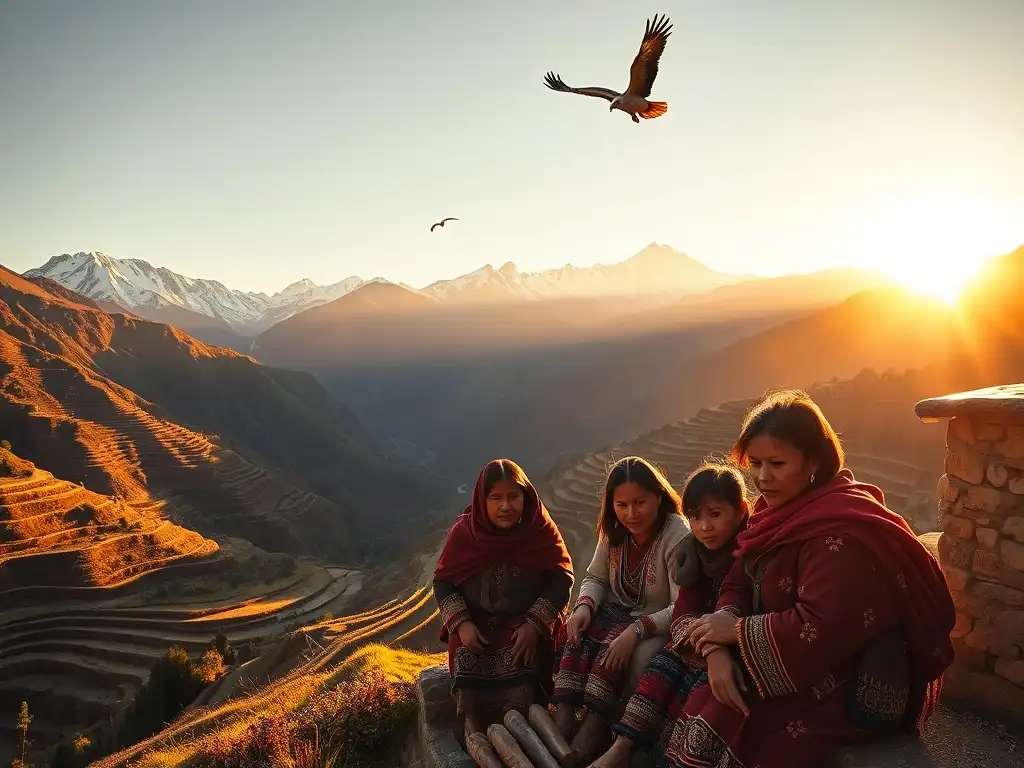
This section examines successful initiatives demonstrating how Andean indigenous communities are actively shaping sustainable development strategies. These case studies highlight the innovative approaches and community-led solutions that are crucial for preserving both cultural heritage and environmental sustainability in the Andes. Understanding these successes is key to informing future development projects and fostering collaboration between indigenous communities and external stakeholders committed to Andean indigenous sustainable development.
Community-Based Tourism in the Sacred Valley, Peru
Community-based tourism (CBT) in the Sacred Valley of Peru exemplifies a powerful model for Andean indigenous sustainable development. Instead of relying solely on large-scale tourism operations that often marginalize local communities, CBT empowers indigenous groups to manage and benefit directly from tourism activities. This approach ensures that profits remain within the community, supporting local businesses and preserving traditional practices.
Several communities in the Sacred Valley have successfully implemented CBT programs. These initiatives often involve offering guided tours of ancient Inca sites, showcasing traditional crafts and textiles, and providing homestays that immerse visitors in the local culture. This generates income while simultaneously promoting cultural preservation and environmental stewardship. The success hinges on strong community organization, effective marketing strategies, and a commitment to sustainable practices that minimize the environmental impact of tourism.
For example, some communities have implemented waste management systems and eco-friendly transportation options to reduce their carbon footprint. The economic benefits are significant, leading to improved infrastructure, educational opportunities, and healthcare access within these communities. Data from [specific data on economic impact pending] would further illustrate the positive effect on community income and living standards.
Indigenous-Led Reforestation in the Ecuadorian Amazon
Deforestation poses a significant threat to the Amazon rainforest and the indigenous communities that depend on its resources. However, many indigenous groups are actively leading reforestation efforts, demonstrating a strong commitment to environmental preservation and Andean indigenous sustainable development. These initiatives often involve planting native tree species, restoring degraded lands, and implementing sustainable forestry practices.
In the Ecuadorian Amazon, several indigenous communities have successfully implemented large-scale reforestation projects. These initiatives are often supported by NGOs and international organizations, but the leadership and management remain firmly in the hands of indigenous communities. This ensures that the projects align with their traditional ecological knowledge and cultural values.
The reforestation efforts not only help to combat climate change and protect biodiversity, but also provide numerous economic and social benefits. For example, the cultivation of sustainable timber species can create new income streams for the communities, while the restoration of forest ecosystems can improve water quality and soil fertility. Detailed information on the specific tree species replanted and the resulting increase in biodiversity is crucial to fully understanding the impact of these initiatives, [specific data on species and biodiversity impact pending].
Fair Trade Coffee Cooperatives in Bolivia
The Bolivian highlands are home to numerous indigenous communities that cultivate coffee. Fair trade cooperatives offer a vital pathway towards Andean indigenous sustainable development by guaranteeing fair prices for their products and empowering farmers to control their production processes. This model goes beyond simply ensuring a livable wage; it promotes equitable trade practices, environmental sustainability, and community development.
These cooperatives often adopt sustainable agricultural practices, such as organic farming and agroforestry, to minimize their environmental impact. They also invest in community development projects, such as education, healthcare, and infrastructure improvements. The success of these cooperatives demonstrates the power of collective action and the importance of supporting ethical and sustainable trade practices. Quantifiable data on the impact of fair trade practices on Bolivian indigenous communities, such as improvements in income levels, access to healthcare, and child enrollment in schools, would provide a more comprehensive understanding of their success.
[Specific data on economic and social impacts pending]. The adoption of organic farming practices also contributes to preserving biodiversity and reducing the use of harmful pesticides, further illustrating the integration of environmental sustainability into their development strategy. The model offers a blueprint for other Andean communities seeking to balance economic development with environmental and social responsibility.
The Role of Policy and Collaboration in Supporting Andean Indigenous Development
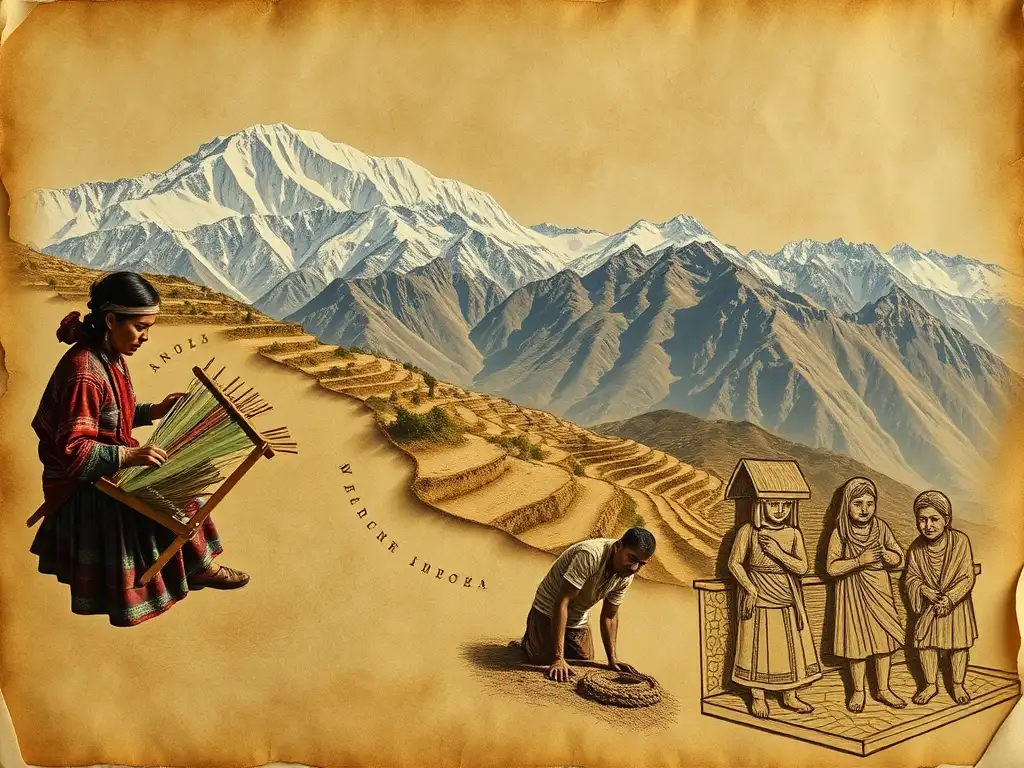
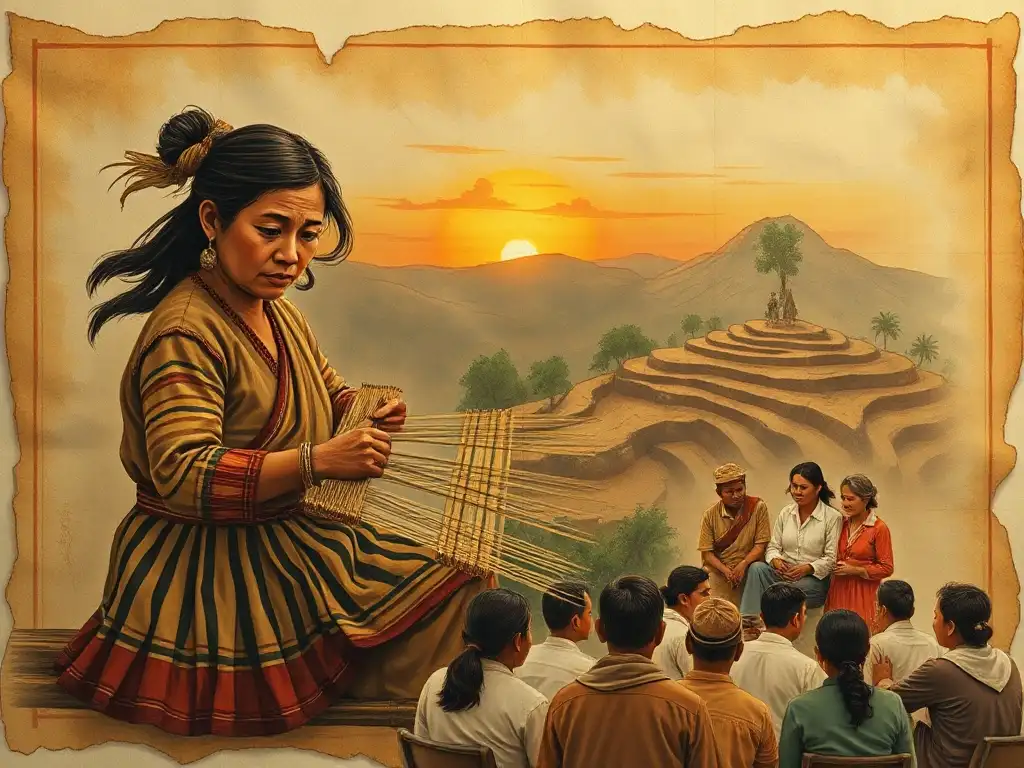
This section explores the crucial role of policy and collaborative efforts in fostering sustainable development within Andean indigenous communities. Effective strategies must move beyond simple aid and instead focus on empowering indigenous populations to lead their own development initiatives. This requires a fundamental shift in approach, prioritizing indigenous knowledge, self-determination, and genuine partnerships. Ignoring these factors will likely result in unsustainable and even harmful interventions.
The success of any development project hinges on its ability to align with the cultural values and priorities of the Andean communities it seeks to serve. This necessitates a deep understanding of the unique challenges and opportunities present in each specific region. Achieving Andean indigenous sustainable development demands a holistic strategy, integrating economic, social, and environmental considerations.
The Importance of Indigenous Land Rights and Self-Determination
Securing indigenous land rights is paramount for sustainable development. Historically, the dispossession of ancestral lands has severely undermined the economic and cultural well-being of Andean communities. These lands are not merely sources of resources; they represent a deep spiritual and cultural connection, essential to the identity and resilience of indigenous groups. Self-determination, the right of indigenous peoples to govern their own affairs, is inextricably linked to land rights.
It empowers communities to make decisions about their resources, development priorities, and cultural preservation. A strong legal framework recognizing and protecting collective land ownership, free from external encroachment, is critical. Many Andean communities are actively engaged in reclaiming their ancestral territories and asserting their rights through legal challenges and community-based land management initiatives.
Examples of successful land restitution programs and community-based conservation efforts could provide valuable case studies for replicating best practices. Data on the correlation between secure land tenure and improved socio-economic indicators within Andean communities would further strengthen this argument. The absence of such data highlights the need for comprehensive research in this crucial area.
Creating Inclusive Policies that Respect Traditional Knowledge
Sustainable development in the Andes demands a paradigm shift away from externally imposed solutions towards policies that genuinely integrate and value indigenous knowledge. Traditional practices in agriculture, resource management, and healthcare possess immense wisdom accumulated over generations, offering valuable insights for sustainable practices. Policies should actively incorporate this knowledge into development planning and implementation.
This requires a conscious effort to consult with and actively involve indigenous communities in all stages of the policy-making process. For example, the development of agricultural policies should consider traditional Andean farming techniques like terracing and crop rotation, which have proven effective in mitigating soil erosion and promoting biodiversity. Similarly, healthcare policies could benefit from integrating traditional Andean medicinal practices, which often utilize locally sourced plants with known therapeutic properties.
The challenge lies in finding ways to bridge the gap between traditional knowledge and modern scientific understanding, creating a synergistic approach that leverages the strengths of both. Detailed case studies demonstrating the successful integration of indigenous knowledge into policy are needed to highlight the effectiveness of this approach.
Fostering Partnerships Between Indigenous Communities and Development Agencies
Successful Andean indigenous sustainable development hinges on genuine and equitable partnerships between indigenous communities and development agencies. These partnerships should be built on mutual respect, trust, and shared decision-making. Development agencies must move beyond the traditional donor-recipient model, empowering indigenous communities to take the lead in identifying their priorities and implementing projects. Transparency and accountability are crucial.
Projects should be designed with clear indicators of success, regularly monitored with community involvement, and evaluated to assess their impact. A collaborative approach requires agencies to invest in capacity building within indigenous communities, providing training and technical assistance to strengthen their organizational and managerial skills. Furthermore, fair and equitable benefit-sharing mechanisms are essential to ensure that the economic benefits of development projects directly reach the communities involved.
The success of these partnerships will depend on the willingness of development agencies to adapt their approaches and prioritize the needs and priorities of Andean indigenous communities. [Specific examples of successful partnerships pending] This will help illustrate the benefits of collaboration and offer valuable lessons for future initiatives. The ultimate goal is to create self-reliant and thriving communities, capable of managing their own development sustainably.
The Future of Andean Indigenous Sustainable Development
The future of Andean indigenous sustainable development hinges on a multifaceted approach that acknowledges the unique challenges and opportunities facing these communities. It requires a shift from merely addressing immediate needs to proactively shaping a future where traditional knowledge and modern sustainable practices intertwine, leading to economic prosperity, environmental stewardship, and cultural preservation. This isn't simply about economic growth; it's about regenerative development, ensuring the well-being of both present and future generations.
Success will depend on the effective implementation of strategies that empower indigenous communities, fostering self-determination and resilience in the face of external pressures. The path forward necessitates collaborative efforts between indigenous communities, governments, and international organizations, ensuring that development initiatives are truly indigenous-led and benefit the people most directly affected.
Empowering Future Generations of Indigenous Leaders
Empowering future generations of Andean indigenous leaders is paramount to achieving sustainable development. This involves investing in education programs that not only impart modern skills but also actively integrate and celebrate traditional knowledge. This means supporting bilingual education initiatives that preserve indigenous languages while providing access to STEM fields and other relevant skills for the modern workforce.
For example, imagine a program that combines traditional Andean agricultural techniques with modern sustainable farming practices, teaching young people how to optimize crop yields while minimizing environmental impact. Such an initiative could integrate lessons on water management using ancient Inca techniques alongside modern irrigation technologies. Similarly, training programs could focus on sustainable tourism practices, empowering indigenous communities to manage and benefit from tourism while protecting their cultural heritage and natural environment.
The key is to create a pipeline of well-educated, capable leaders who can effectively advocate for their communities and guide sustainable development initiatives. This includes providing access to higher education and leadership training opportunities, fostering critical thinking, and promoting entrepreneurial skills. Without this investment in human capital, sustainable development efforts will inevitably fall short.
Specific data on existing programs and their success rates is needed to fully assess the impact and effectiveness of current initiatives. [Specific data on existing educational programs pending]
Integrating Traditional Knowledge with Modern Sustainable Practices
Sustainable development in the Andes requires a harmonious integration of traditional indigenous knowledge with modern sustainable practices. This isn't about a simple juxtaposition; it's about creating synergistic relationships where each complements and enhances the other. For instance, traditional Andean agricultural methods, often characterized by terracing and crop rotation, offer valuable lessons in sustainable land management.
These techniques, honed over centuries, can be combined with modern technologies like precision agriculture and climate-resilient seed varieties to improve yields while minimizing environmental impact. Similarly, traditional Andean medicinal practices, rich in biodiversity knowledge, can inform the development of sustainable healthcare systems that leverage both traditional remedies and modern medical science.
Consider the potential of combining traditional Andean textile production techniques with modern sustainable dyeing methods. This could lead to the creation of high-value, eco-friendly products that preserve cultural heritage while promoting economic empowerment. The challenge lies in finding effective ways to document, preserve, and transmit this traditional knowledge to younger generations, ensuring its continued relevance in a rapidly changing world. Moreover, it's crucial to ensure that the intellectual property rights of indigenous communities are respected and protected in any commercial applications of their traditional knowledge.
This requires careful collaboration and equitable benefit-sharing agreements. The successful integration of traditional and modern practices will require ongoing dialogue and collaboration between indigenous communities, researchers, and policymakers. [Data on successful integration projects needed]
The Potential for a More Equitable and Sustainable Andean Region
The successful integration of Andean indigenous sustainable development strategies holds the potential to create a more equitable and sustainable Andean region for all its inhabitants. This involves not only economic growth but also improved social justice, environmental protection, and cultural preservation. A key element is the promotion of equitable access to resources and opportunities, ensuring that the benefits of development are shared broadly within indigenous communities and the wider Andean region.
This requires addressing historical injustices and systemic inequalities that have marginalized indigenous populations for centuries. It also necessitates the implementation of policies that prioritize indigenous rights and self-determination, ensuring that development initiatives are truly participatory and community-led.
Furthermore, a more sustainable Andean region will require a significant shift towards environmentally responsible practices across all sectors. This includes promoting sustainable agriculture, responsible tourism, and the conservation of biodiversity. By integrating traditional ecological knowledge with modern environmental management techniques, the Andean region can become a global leader in sustainable development, demonstrating how indigenous knowledge can play a vital role in addressing global environmental challenges.
The potential for a more equitable and sustainable Andean region is immense, but realizing this potential will require a long-term commitment to collaborative efforts, respectful dialogue, and the empowerment of indigenous communities. This journey requires a fundamental shift in mindset, moving away from extractive models of development towards regenerative and inclusive approaches that prioritize the well-being of both people and the planet. [Data on successful equitable development projects in the Andes needed]
Frequently Asked Questions
What is the focus of this article on Andean civilizations?
This article explores how indigenous communities in the Andes are employing sustainable development strategies, drawing on their rich history and traditional practices. It highlights successful examples and challenges faced in balancing tradition with modern needs.
How does the article connect Andean history with modern sustainability?
The article demonstrates how ancient Andean knowledge of agriculture, resource management, and community organization provides a foundation for contemporary sustainable practices. It shows the relevance of past innovations to current challenges.
Which Andean cultures are discussed in relation to sustainable development?
While encompassing various groups, the article particularly focuses on the strategies and experiences of the Inca, Moche, Nazca, and Tiahuanaco civilizations, illustrating how their legacy informs modern approaches to sustainable living.
What types of sustainable development strategies are highlighted?
The article showcases a range of strategies, including sustainable agriculture, water management techniques, and community-based conservation efforts. It emphasizes the importance of indigenous knowledge in these initiatives.
What are the main challenges faced by Andean communities in pursuing sustainable development?
The article addresses challenges such as climate change, economic pressures, and external influences that threaten traditional practices and sustainable development goals. It also highlights the need for policy support and recognition of indigenous rights.
Final Reflection: Weaving a Sustainable Future in the Andes
The strategies employed by Andean indigenous communities for sustainable development are not merely historical relics; they are vital blueprints for a future grappling with climate change and resource depletion. Their deep understanding of interconnected ecosystems and their commitment to intergenerational well-being offer powerful lessons for a world desperately seeking solutions to its environmental and social crises. These are not just ancient practices; they are profoundly relevant and urgently needed models for the 21st century.
The resilience and ingenuity of Andean indigenous communities, their ability to adapt and thrive within their environments for millennia, is a testament to the power of holistic approaches to development. Their wisdom challenges the dominant, extractive models that have often prioritized short-term economic gains over long-term ecological and social sustainability. We do not inherit the earth from our ancestors, we borrow it from our children.
This sentiment, though often attributed to various sources, perfectly encapsulates the Andean worldview and its profound implications for our own actions. It underscores the responsibility we all share in ensuring a sustainable future.
Consider the profound wisdom embedded in these traditional practices. Reflect on how you can integrate principles of sustainability into your own life, however small. Embrace the interconnectedness of all things, value community over individual gain, and strive to live in harmony with the natural world. Let the resilience and wisdom of the Andean people inspire you to become a steward of the earth, contributing to a future where sustainability is not just a goal, but a way of life.
Embrace the Future: Take Action for Sustainable Development Today!
Thank you for exploring the vital Indigenous strategies for sustainable development in the Andes. Your interest in this crucial topic demonstrates a commitment to positive change. Let's translate that interest into concrete actions.
Here are some ways you can contribute:
- **Support Indigenous Communities:** Donate to or volunteer with organizations that champion Indigenous rights and sustainable practices in the Andes. Many organizations work tirelessly to protect these communities and their invaluable knowledge.
- **Engage with Local Sustainability Initiatives:** Seek out local projects that incorporate Indigenous wisdom and sustainable practices, and get involved. Your participation can make a real difference at the community level.
- **Share Your Knowledge:** Spread awareness by sharing this information with your network. Increased awareness leads to greater support for these essential strategies.
What specific action will you take today to support Indigenous-led sustainability initiatives in your community? Even small steps can create a ripple effect.