
The Future of the Past: Ensuring Andean Textiles Survive for Generations

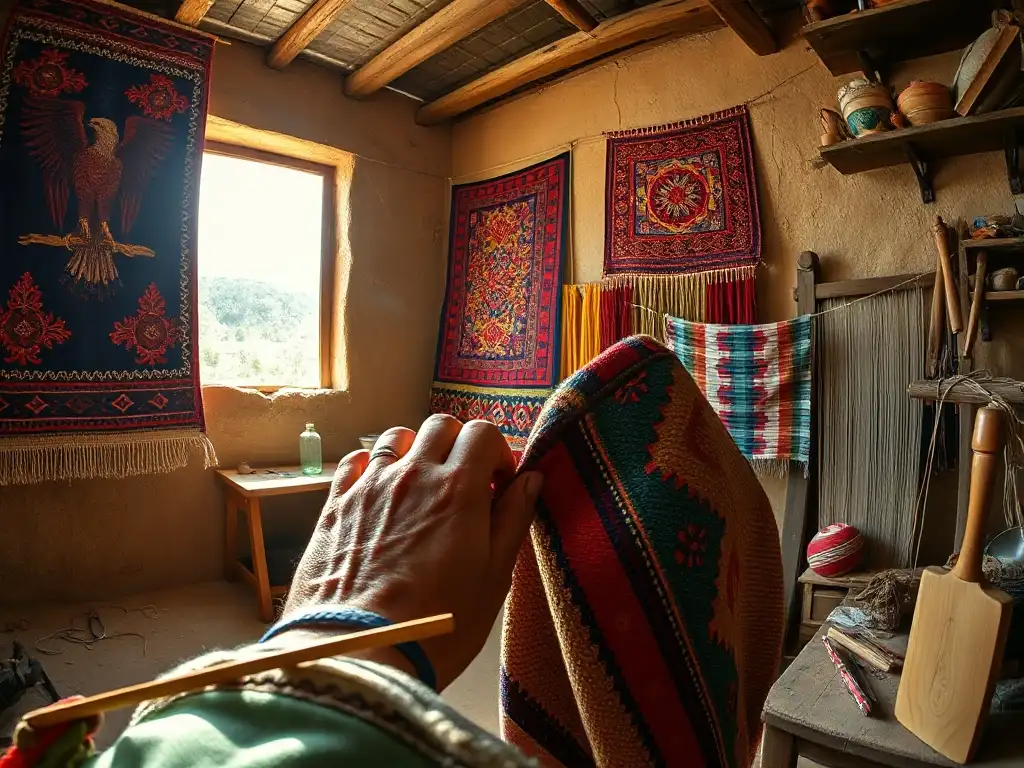
Unravel the mysteries of the Andes! Journey through millennia of breathtaking artistry and ingenuity, from the intricate weavings of the Nazca to the sophisticated engineering of the Incas. But time takes its toll... what secrets do ancient Andean textiles hold, and how are we safeguarding their legacy? Discover the cutting-edge science and meticulous techniques behind Andean textiles preservation, ensuring these vibrant threads continue to tell their stories for generations to come. Explore the fascinating world of Andean artifacts and delve into the future of the past.
The vibrant tapestry of Andean civilizations is not just woven into their intricate textiles; it's embedded in the very threads of their history and culture. From the intricate designs of the Nazca to the sophisticated techniques of the Inca, these textiles represent unparalleled artistic achievements and invaluable historical records. However, the passage of time, coupled with environmental factors and improper handling, poses a significant threat to the survival of these fragile artifacts.
This article delves into the crucial issue of Andean textile preservation, exploring the challenges and highlighting the innovative techniques employed to ensure these irreplaceable pieces of history endure for generations to come. We will examine the threats facing these delicate artifacts and discuss the crucial preservation techniques that are essential for their long-term survival, contributing to a deeper understanding of "Andean textiles preservation techniques."
Introduction: The Urgent Need for Andean Textile Preservation
The preservation of Andean textiles is not merely a matter of aesthetics; it's a responsibility to safeguard a vital part of humanity's cultural heritage. These textiles are more than just beautiful fabrics; they are living archives that tell stories of ancient societies, their beliefs, and their daily lives. The intricate designs, the use of unique dyes derived from natural sources like cochineal and indigo, and the sophisticated weaving techniques employed all speak volumes about the ingenuity and artistry of Andean cultures.
Unfortunately, many of these priceless artifacts are at risk due to a combination of factors, including age, environmental conditions, and improper handling. The urgent need for effective preservation strategies is paramount to prevent the irreversible loss of this invaluable cultural legacy. Without proactive measures, future generations may be deprived of the opportunity to connect with their ancestors through these remarkable creations.
The challenge lies in balancing the need to study and appreciate these textiles with the imperative to protect them from further deterioration. This requires a multifaceted approach encompassing careful storage, appropriate handling, and the application of cutting-edge conservation techniques.
Understanding the Threats to Andean Textiles
Andean textiles face a multitude of threats that contribute to their degradation. These threats can be broadly categorized into environmental factors, improper handling, and the inherent vulnerability of the materials themselves. The delicate nature of the fibers, often made from alpaca, llama, vicuña, or cotton, makes them susceptible to damage. The dyes used, while beautiful, can be unstable and prone to fading or bleeding over time. Furthermore, the textiles themselves often contain delicate embellishments and intricate stitching which can be easily damaged.
Understanding these specific threats allows for the development of targeted preservation strategies. For example, the use of specific environmental controls can mitigate the effects of humidity and temperature fluctuations, while careful handling protocols can prevent physical damage. A comprehensive understanding of these challenges is crucial for implementing effective preservation measures. This includes not only recognizing the immediate dangers but also anticipating potential future problems.
Environmental Factors: The Silent Destroyers of Ancient Weavings
Environmental factors are perhaps the most significant threat to the long-term survival of Andean textiles. Fluctuations in temperature and humidity can cause fibers to weaken, leading to breakage and loss of structural integrity. Exposure to light, especially ultraviolet (UV) radiation, can cause fading and discoloration of the dyes. Pests such as insects and rodents can also cause significant damage by consuming or damaging the fibers.
The presence of pollutants in the air can also lead to chemical degradation of the materials. To mitigate these environmental threats, careful control of storage conditions is essential. This includes maintaining stable temperature and humidity levels, minimizing exposure to light, and implementing pest control measures. The use of archival-quality storage materials is also crucial to prevent further deterioration.
Proper storage facilities, designed to specifically address the needs of textile preservation, are essential for the long-term protection of these valuable artifacts. Furthermore, regular monitoring and assessment of environmental conditions are necessary to ensure the effectiveness of the preservation strategies. The silent, gradual destruction caused by environmental factors can be effectively countered through proactive and informed preservation techniques.
Biological Threats: Pests and Mold Attacking Your Collection
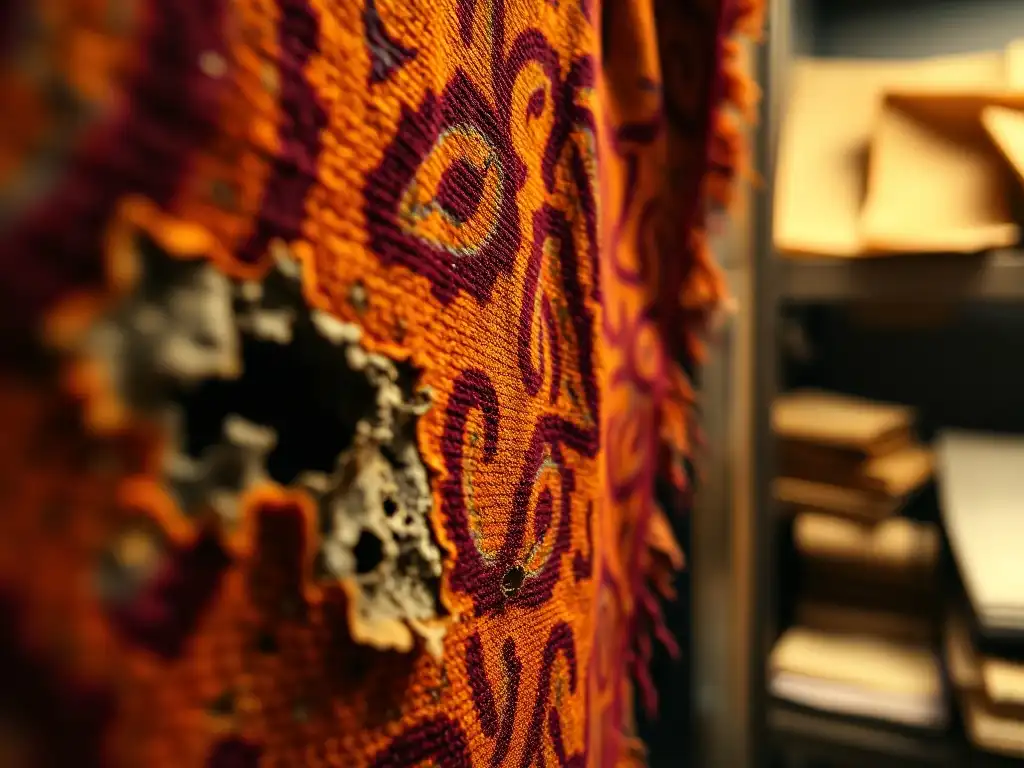
Andean textiles, with their vibrant colors and intricate designs, are unfortunately susceptible to a range of biological threats. Pests, such as moths, beetles, and silverfish, are drawn to the natural fibers used in their creation—wool, cotton, alpaca, and llama. These insects feed on the fibers, causing irreparable damage and weakening the fabric's structural integrity. A single infestation can quickly decimate a collection, leaving behind holes, weakened areas, and unsightly droppings. The damage isn't just aesthetic; it compromises the historical and cultural significance of the textiles.
Preventing pest infestations requires a multi-pronged approach. Regular and thorough inspections are crucial, allowing for early detection of any unwanted guests. Proper storage conditions, including cool, dry environments with low humidity, significantly reduce the risk of infestations. Furthermore, using airtight containers or archival-quality storage boxes helps create a barrier against pests.
In cases of infestation, professional pest control is recommended, ideally using methods that are safe for the textiles and the environment. Never attempt to handle a severe infestation yourself; improper handling could cause further damage. Finally, preventative measures, such as regularly vacuuming storage areas and using natural insect repellents (like cedar chips or lavender sachets – always test in an inconspicuous area first), can help keep your collection safe. Remember, early detection and prevention are key to protecting your precious Andean textiles from these devastating pests.
The threat of mold and mildew is equally serious. These fungi thrive in damp, poorly ventilated environments, feeding on organic materials like the fibers in Andean textiles. Mold not only discolors and weakens the fabric but can also release harmful spores, posing risks to human health. The telltale signs of mold include discoloration (often appearing as dark spots or stains), a musty odor, and a slimy or fuzzy texture.
Preventing mold requires maintaining a consistently low humidity level in your storage area. Proper ventilation is essential, allowing for air circulation to prevent moisture buildup. Regularly inspect your textiles for any signs of mold or mildew. If mold is discovered, immediate action is required.
In the case of minor mold growth, carefully cleaning the affected area with a soft brush and distilled water may be sufficient. However, for extensive mold damage, professional conservation services are crucial. Improper cleaning can cause further damage and spread the mold, so professional expertise is invaluable. The preservation of Andean textiles demands a proactive approach to mitigating both pest and mold threats.
Physical Damage: Handling and Storage Mistakes
The delicate nature of Andean textiles makes them vulnerable to physical damage from improper handling and storage. Even seemingly minor actions can lead to significant deterioration over time. For example, careless folding or rolling can create creases and stress points that weaken the fabric, eventually leading to tears or breaks. Rough handling, such as pulling or tugging on the textile, can easily snag or damage the delicate threads.
The use of inappropriate materials in storage, such as acidic papers or plastics, can cause discoloration and chemical damage. Acidic materials can react with the fibers, causing them to become brittle and prone to breakage. Similarly, improper lighting can cause fading and deterioration of the dyes over time. Direct sunlight, especially ultraviolet (UV) light, is particularly damaging.
To avoid these problems, always handle Andean textiles with clean, cotton gloves. This protects the fibers from oils and dirt on your hands. When storing these textiles, use acid-free tissue paper or archival-quality materials to prevent discoloration and chemical reactions. Avoid using plastic bags or containers, as these can trap moisture and promote mold growth.
Instead, opt for breathable archival boxes or fabric covers made from cotton or linen. Store textiles in a cool, dry, and dark environment, away from direct sunlight and sources of heat or moisture. Proper storage conditions are essential for minimizing physical damage. Furthermore, avoid using pins, staples, or other sharp objects that could puncture the fabric.
If you must attach labels or notes, use acid-free archival-quality materials and methods. Remember, careful handling and appropriate storage are fundamental aspects of preserving the beauty and integrity of these invaluable cultural artifacts for future generations. Proper storage and handling techniques are crucial to the long-term preservation of Andean textiles. The investment in archival-quality materials and careful handling practices is a small price to pay for ensuring these treasures endure.
- Introduction: The Urgent Need for Andean Textile Preservation
- Understanding the Threats to Andean Textiles
- Environmental Factors: The Silent Destroyers of Ancient Weavings
- Biological Threats: Pests and Mold Attacking Your Collection
- Physical Damage: Handling and Storage Mistakes
- What are the biggest threats to the preservation of Andean textiles?
- What are some traditional Andean textile preservation techniques?
- What modern techniques are used to preserve Andean textiles?
- How can I help in the preservation of Andean textiles?
- Where can I learn more about Andean textile preservation?
Andean Textiles Preservation Techniques: Practical Solutions
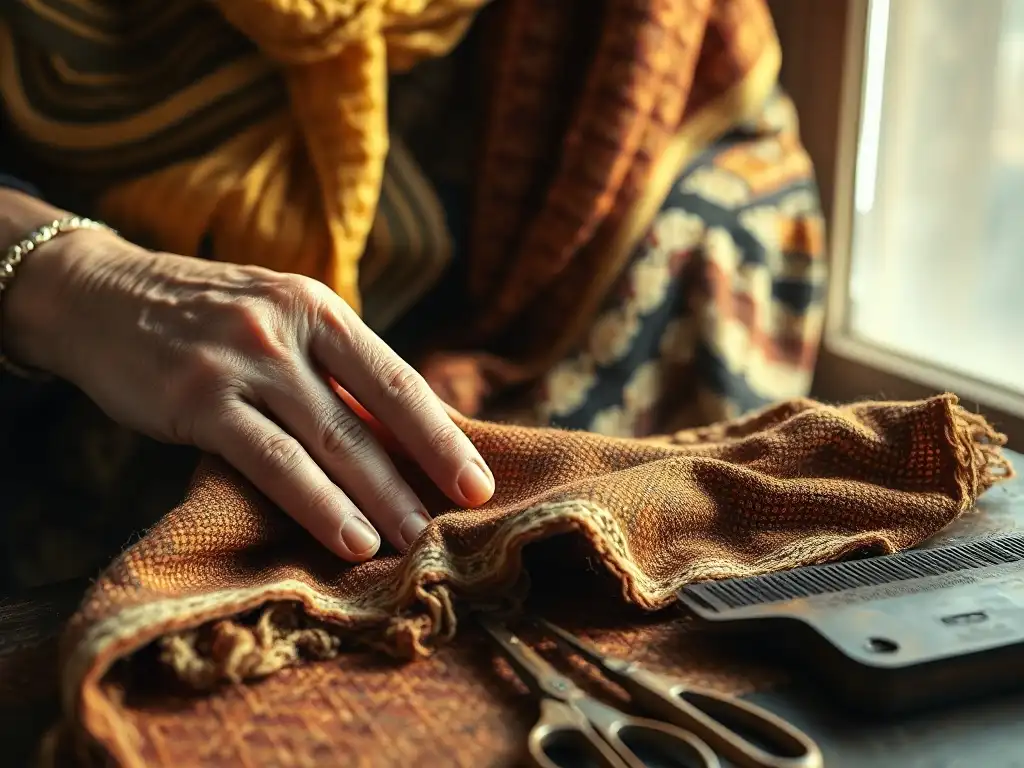
This section delves into the practical application of Andean textiles preservation techniques, offering detailed guidance for collectors and enthusiasts. The delicate nature of these ancient artifacts necessitates a careful and informed approach to ensure their longevity. Understanding the materials and construction methods is crucial for successful preservation. Improper handling can lead to irreversible damage, so meticulous care is paramount. The following subsections outline essential methods for cleaning, repair, and storage.
Gentle Cleaning Methods: Preserving the Integrity of the Fabric
The cleaning of Andean textiles requires extreme gentleness. Aggressive methods can cause irreparable harm to the delicate fibers, dyes, and intricate weaving. Avoid harsh chemicals and abrasive materials at all costs. The best approach often involves a careful assessment of the textile's condition before proceeding. Minor surface dust can often be removed using a soft-bristled brush, gently working along the grain of the weave. For more stubborn dirt, consider using a vacuum cleaner with a low-suction attachment, holding it at a safe distance from the fabric.
For more significant soiling, a professional textile conservator should be consulted. They possess the expertise and specialized equipment to perform delicate cleaning procedures, minimizing risk of damage. Remember, prevention is key. Regular, gentle dusting can significantly reduce the need for more intensive cleaning. Always handle Andean textiles with clean, dry hands, and avoid exposure to excessive light, humidity, or extreme temperatures. These simple precautions can drastically extend the lifespan of your treasured artifacts.
Here's a table summarizing suitable and unsuitable cleaning methods:
| Method | Suitability | Notes |
|---|---|---|
| Soft-bristled brush | Suitable for surface dust removal | Use gentle, sweeping strokes along the weave. |
| Low-suction vacuum cleaner | Suitable for light soiling | Maintain a safe distance from the fabric. |
| Chemical solvents | Unsuitable – High risk of damage | Can cause fading, fiber degradation, and irreversible damage to dyes. |
| Harsh scrubbing | Unsuitable – High risk of damage | Can fray fibers, damage the weave, and cause irreparable harm. |
| Professional cleaning | Recommended for significant soiling | A conservator can employ specialized techniques and materials safely. |
Repair and Reinforcement: Mending Damaged Textiles
Damaged Andean textiles require careful repair to prevent further deterioration. This often involves techniques like patching, darning, and the careful replacement of missing fibers. The aim is always to minimize intervention while stabilizing the structure and preserving the textile's integrity. Professional conservation is highly recommended, especially for significant damage or intricate weaving. However, some minor repairs can be undertaken with care.
For example, small tears can sometimes be mended using fine-gauge needles and threads that closely match the original material. Always use a conservation-grade adhesive if necessary, ensuring compatibility with the textile's fibers. Before undertaking any repair, thoroughly document the damage through photography or detailed notes. This meticulous record-keeping is crucial for future reference and to inform conservation decisions. Remember that even minor repairs should be approached with caution and precision. Improper mending can compromise the textile's structural integrity and diminish its historical value.
Proper Storage Solutions: Ensuring Long-Term Preservation
Proper storage is crucial for the long-term preservation of Andean textiles. Environmental factors such as light, humidity, and temperature significantly impact the textile's condition. Ideal storage conditions involve a cool, dark, and dry environment with stable temperature and humidity levels. Avoid direct sunlight, which can cause fading and fiber degradation. Fluctuating temperatures and high humidity promote mold and pest infestations.
Textiles should be stored individually in acid-free archival boxes or tissue paper. Acid-free materials are essential to prevent discoloration and fiber damage. Avoid using plastic bags, which can trap moisture and promote mold growth. Heavy items should be supported to prevent undue stress on the fabric. Consider using acid-free foam or cotton padding for support. Regular inspection is vital to detect any signs of damage or pest infestation. Prompt action is crucial to prevent further deterioration. A well-maintained storage environment is the cornerstone of effective Andean textiles preservation. This proactive approach safeguards these invaluable cultural artifacts for future generations.
Advanced Andean Textile Care Strategies
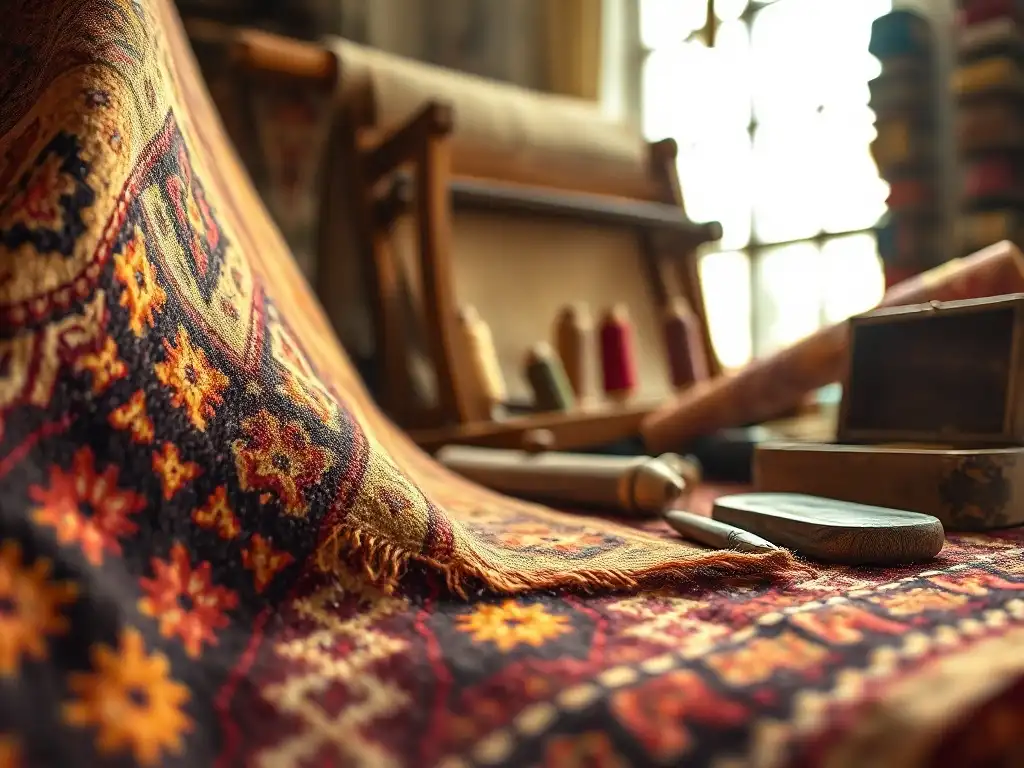
This section delves into sophisticated methods for preserving your Andean textiles, going beyond basic care. Understanding these advanced strategies will ensure the longevity of these invaluable pieces of cultural heritage. Proper preservation is crucial for maintaining the integrity of the vibrant colors, intricate weaving techniques, and historical significance inherent in Andean textiles. The techniques discussed below represent best practices for long-term preservation and are vital for protecting this irreplaceable legacy. We will explore strategies that balance preventative care with specialized interventions when necessary.
Professional Textile Conservation Services: When to Seek Expert Help
Knowing when to enlist professional help is crucial for the long-term preservation of your Andean textiles. While diligent home care is essential, certain situations necessitate the expertise of trained textile conservators. These experts possess the knowledge and specialized tools to address complex issues beyond the scope of DIY methods.
Consider seeking professional help if you encounter any of the following:
- Significant Damage: Large tears, holes, significant fading, insect infestation (beyond minor occurrences), or water damage exceeding simple surface cleaning requires professional intervention. Attempting repairs without proper training can exacerbate the damage.
- Fragile Materials: Extremely delicate textiles, those made with highly sensitive fibers (e.g., extremely fine vicuña wool), or items exhibiting significant age-related deterioration should be handled by specialists. Their experience ensures minimal risk of further harm.
- Complex Cleaning: Removing stubborn stains or ingrained dirt, especially from delicate fabrics, often demands specialist techniques and materials. Incorrect cleaning methods can cause irreversible damage to the fibers and dyes.
- Preventive Conservation: For valuable or historically significant pieces, proactive preventive conservation is recommended. Professionals can assess the textile's condition, recommend optimal storage conditions, and create a tailored preservation plan. This proactive approach minimizes the risk of future damage and helps extend the textile's lifespan considerably.
- Authenticity Verification: If you suspect the authenticity of your Andean textile, a professional conservator can often provide valuable insights based on their expertise in materials, techniques, and historical context.
Remember, the cost of professional conservation is an investment in preserving a valuable piece of history. The long-term benefits far outweigh the initial expense. Proper assessment by an expert may even reveal previously unknown details about the textile's origins and creation. The peace of mind knowing your textile is in expert hands is invaluable.
Digitization and Documentation: Safeguarding Textile Legacy
Digitization and thorough documentation are paramount for safeguarding the legacy of Andean textiles. These methods offer a non-invasive way to preserve the textile's visual and contextual information for future generations, even if the physical artifact deteriorates over time. This proactive approach ensures that the knowledge and artistry embedded in these textiles are not lost.
Here’s how digitization and documentation contribute to Andean textiles preservation techniques:
- High-Resolution Photography: Detailed photographic documentation, including close-up shots highlighting weaving techniques, dyes, and any existing damage, is crucial. This provides a visual record of the textile's current state, allowing for future comparison and monitoring of any changes.
- 3D Scanning: For intricate or three-dimensional textiles, 3D scanning creates a precise digital replica. This technology allows for detailed analysis without physically handling the fragile artifact. Future researchers can then virtually examine the textile in minute detail.
- Detailed Cataloguing: Creating a comprehensive catalog with information on the textile's origin, materials, weaving techniques, age, and any known history is essential. This contextual information enriches the understanding and appreciation of the artifact. This includes recording any known provenance or family history associated with the textile.
- Spectral Imaging: Advanced techniques like multispectral or hyperspectral imaging can reveal hidden details, such as underlying dyes or repairs not visible to the naked eye. This provides invaluable insight into the textile's creation and history.
- Online Databases: Sharing digitized records through online databases makes this invaluable information accessible to researchers, scholars, and the public worldwide. This expands access to knowledge and fosters collaboration in the field of Andean textile studies.
By combining high-quality imaging with meticulous documentation, we ensure that the knowledge and artistry embedded in these textiles are preserved for future generations, enriching our understanding of Andean culture and heritage. These digital records serve as a vital backup, safeguarding the legacy of these remarkable artifacts even if the physical textiles are lost or damaged.
Frequently Asked Questions
What are the biggest threats to the preservation of Andean textiles?
The biggest threats include environmental factors like humidity and light exposure, as well as physical damage from handling and pests like insects and rodents. Improper storage also significantly contributes to deterioration.
What are some traditional Andean textile preservation techniques?
Traditional methods often involved storing textiles in dry, dark places, sometimes using natural repellents like herbs. These techniques, while effective to a degree, are often insufficient for long-term preservation.
What modern techniques are used to preserve Andean textiles?
Modern preservation involves controlled environments with regulated temperature and humidity, specialized cleaning methods, and conservation-grade materials for storage and display. Digital archiving also plays a crucial role.
How can I help in the preservation of Andean textiles?
Supporting museums and research institutions dedicated to Andean textile preservation is vital. You can also help by educating others about the importance of these artifacts and the threats they face. Responsible tourism is also key.
Where can I learn more about Andean textile preservation?
Numerous academic journals and museum websites offer detailed information. Searching for "Andean textiles conservation" will yield many resources. You can also explore ethnographic museums specializing in Andean cultures.
Final Reflection: Weaving a Legacy: The Enduring Power of Andean Textiles
The intricate artistry of Andean textiles isn't merely a relic of the past; it's a vibrant thread woven into the fabric of contemporary cultural identity and a powerful testament to human resilience. The techniques used to create these masterpieces, passed down through generations, are facing unprecedented challenges in the modern world, demanding innovative preservation strategies to ensure their survival. The future of these textiles is not simply a matter of historical preservation; it's a vital component of safeguarding cultural heritage and supporting the communities that continue to practice these ancient crafts.
The enduring influence of Andean textiles extends far beyond their aesthetic beauty. They represent a profound connection to ancestral knowledge, a living history expressed through vibrant colors, intricate patterns, and the very fibers themselves. These textiles tell stories of resilience, adaptation, and the enduring human spirit. The threads themselves are a living archive, holding within them the stories of countless generations.
This quote, though fictional, encapsulates the profound significance of these textiles and the urgent need to protect them for future generations. Their continued existence is a testament to the power of cultural preservation and the importance of supporting the artisans who keep these traditions alive.
Consider the impact of these textiles, not just as museum pieces, but as living expressions of cultural identity. You have the power to contribute to their preservation. Support artisans directly by purchasing authentic pieces, learn more about the techniques and history behind these incredible works of art, and advocate for policies that protect both the cultural heritage and the livelihoods of the communities who create them. Let us work together to ensure that the vibrant threads of Andean textile traditions continue to enrich our world for centuries to come.
Embrace and Sustain the Legacy of Andean Textiles!
Thank you for joining us on this enriching journey through the vibrant world of Andean textiles. Your interest in preserving these artful traditions is invaluable, and you've gained insights into their cultural significance and the challenges they face. Now, it's time to take action and play your part in ensuring these textiles thrive for future generations!
Here are some meaningful ways you can contribute:
- Support local artisans by purchasing authentic Andean textiles directly from the communities that create them. This directly supports their craftsmanship and livelihoods.
- Share your newfound knowledge! Discuss what you've learned about Andean textiles with friends, family, and colleagues, or share your appreciation on social media. Raising awareness helps preserve this beautiful heritage.
- Explore workshops and cultural events in your area that focus on Andean culture and textile arts. Active participation deepens your connection and understanding.
What creative ways can you think of to promote and preserve the rich traditions of Andean textiles within your community?