
From Loom to Legacy: Preserving the Craftsmanship of Andean Weavers

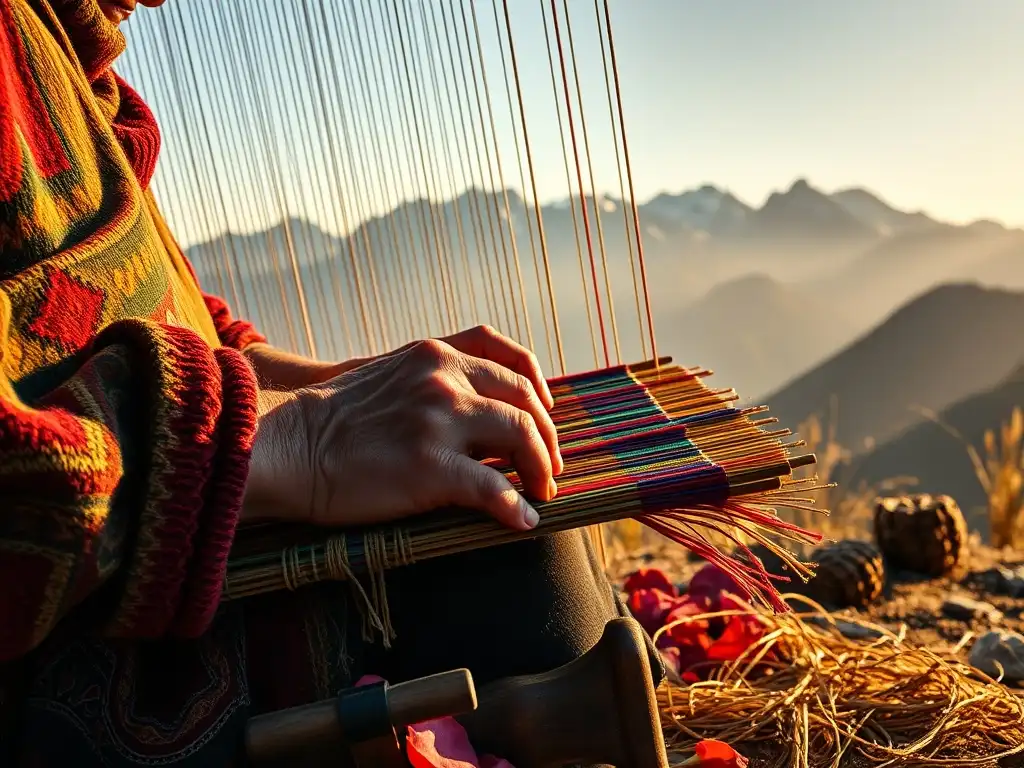
Unravel the mysteries of the Andes! Journey through millennia of breathtaking artistry and innovation, exploring the legacies of the Incas, Moche, Nazca, and Tiahuanaco. But what secrets lie woven into the very fabric of their existence? Discover how the vibrant Andean weaving traditions preservation movement is safeguarding a timeless heritage, and delve into the captivating story of craftsmanship passed down through generations. Prepare to be amazed.
The vibrant tapestry of Andean culture is inextricably woven with its textile traditions. For millennia, Andean peoples have crafted breathtaking textiles, expressing their beliefs, histories, and social structures through intricate designs and masterful techniques.
From the intricate geometric patterns of the Nazca to the richly symbolic tapestries of the Inca, these textiles represent not only artistic achievements but also a profound connection to the land and a living legacy passed down through generations. This article delves into the crucial issue of Andean weaving traditions preservation, examining the challenges facing this vital art form and exploring practical solutions to ensure its continued flourishing for future generations.
We will uncover the threats to this precious heritage and highlight effective strategies for safeguarding these remarkable textiles and the knowledge embedded within them, ultimately contributing to the enduring legacy of Andean craftsmanship. The preservation of Andean weaving is not merely about saving artifacts; it's about safeguarding a cultural identity, a unique artistic expression, and a vital part of the Andean heritage.
The Challenges Facing Andean Weaving Traditions Preservation
The preservation of Andean weaving traditions faces a complex interplay of challenges. The rapid pace of globalization, urbanization, and changing economic realities significantly impact the sustainability of this ancient craft. Many factors contribute to the decline, including:
- Loss of Traditional Knowledge: The passing down of intricate weaving techniques, often through oral traditions and apprenticeships, is becoming increasingly difficult. Younger generations are often drawn to urban centers and more lucrative employment opportunities, leaving the knowledge gap to widen.
- Competition from Mass-produced Goods: Inexpensive, mass-produced textiles often overshadow the value and artistry of hand-woven Andean textiles, making it difficult for artisans to compete in the market. This economic pressure forces many weavers to abandon their traditional craft.
- Environmental Degradation: The availability of traditional dyes and raw materials, such as alpaca and llama wool, is threatened by environmental degradation and unsustainable practices. Climate change and habitat loss further complicate the sourcing of these essential resources.
- Lack of Economic Support: Many Andean weavers lack access to fair trade markets, adequate financial resources, and support systems to help them sustain their craft and pass it on to future generations. This lack of economic viability directly contributes to the decline of traditional weaving practices.
- Commodification and Cultural Appropriation: The increasing demand for Andean textiles has unfortunately led to instances of commodification and cultural appropriation, where the cultural significance is overlooked, and the profits are not fairly distributed to the communities that created the art.
Identifying the Threats: What Endangers Andean Textile Art?
Beyond the broad challenges, several specific threats endanger Andean textile art. These include:
- Deterioration due to improper storage and handling: Improper storage conditions, such as exposure to sunlight, humidity, and pests, can cause significant damage to delicate textiles over time. A lack of understanding of proper preservation techniques accelerates this deterioration.
- Lack of documentation and cataloging: Without comprehensive documentation and cataloging efforts, it is challenging to track the origin, history, and techniques used in creating specific textiles. This lack of information hinders both research and preservation efforts.
- The loss of unique dyeing techniques: Many traditional dyeing techniques, using natural pigments derived from plants and minerals, are being lost due to a lack of transmission of knowledge and the availability of synthetic dyes. These unique dyeing methods contribute significantly to the distinctiveness of Andean textiles.
- Piracy and counterfeiting: The popularity of Andean textiles has unfortunately led to an increase in piracy and counterfeiting, which undermines the economic viability of authentic craftspeople and diminishes the value of genuine articles.
Solutions for Andean Weaving Traditions Preservation: Practical Steps
Addressing the challenges requires a multi-pronged approach involving collaborative efforts from governments, NGOs, researchers, and the communities themselves. Key strategies include:
- Promoting Fair Trade Practices: Supporting fair trade initiatives ensures that Andean weavers receive fair compensation for their work, fostering economic sustainability and incentivizing the continuation of their craft.
- Investing in Education and Training: Implementing educational programs to teach traditional weaving techniques to younger generations is crucial for ensuring the continuation of this valuable heritage. This includes apprenticeships and formal training programs.
- Developing Sustainable Sourcing Practices: Promoting sustainable practices in the sourcing of raw materials and dyes is essential to protect the environment and ensure the long-term availability of resources.
- Improving Storage and Conservation Techniques: Providing training and resources to communities on proper storage and conservation techniques is vital to preserving the existing collections of textiles. This includes establishing appropriate storage facilities and providing access to conservation expertise.
- Strengthening Intellectual Property Rights: Protecting intellectual property rights through legal frameworks helps prevent cultural appropriation and supports the economic viability of Andean weavers. This also ensures that the cultural significance of the designs is respected.
- Supporting Documentation and Research: Investing in research and documentation efforts helps in understanding the history, techniques, and cultural significance of Andean textiles, which is essential for effective preservation strategies. This includes cataloging existing collections and conducting ethnographic studies.
The preservation of Andean weaving traditions is a collective responsibility. By implementing these strategies and fostering collaboration, we can work towards safeguarding this invaluable cultural heritage for generations to come. The future of these beautiful and intricate textiles depends on our commitment to preserving not only the artifacts themselves, but also the knowledge, skills, and cultural identity they represent.
Products and Services That Contribute to Andean Textile Preservation
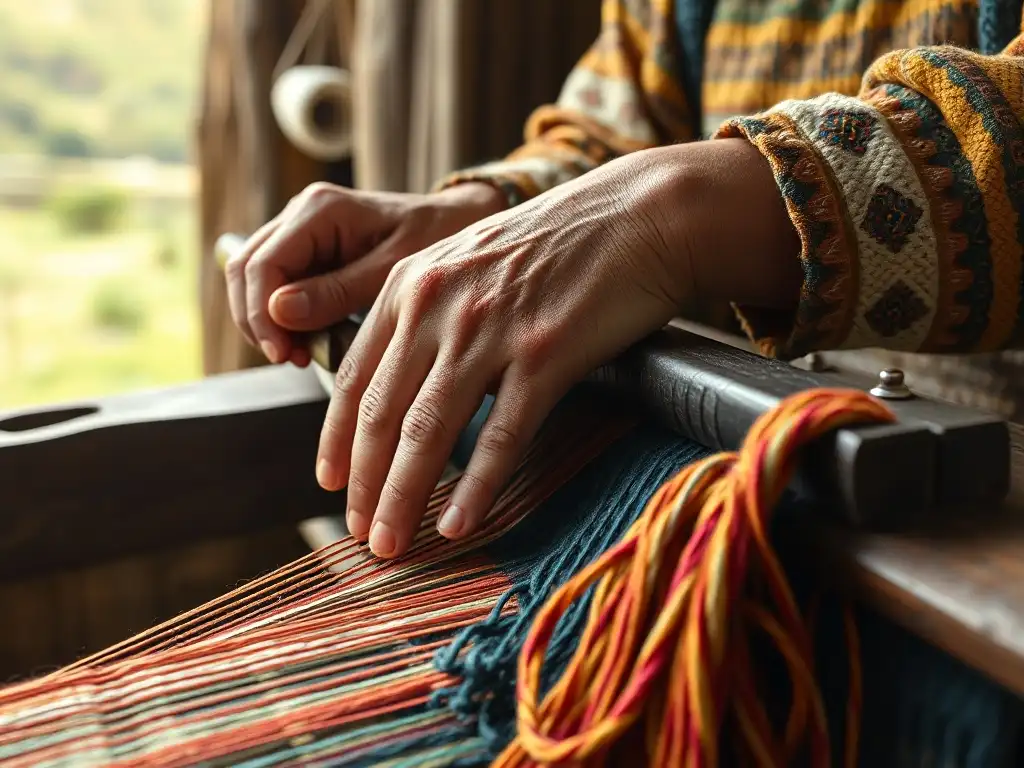
The preservation of Andean weaving traditions relies heavily on the availability and accessibility of suitable products and services. These range from specialized cleaning solutions and storage materials to educational resources and restoration workshops. High-quality, pH-neutral cleaning solutions are crucial for removing dirt and grime without damaging the delicate fibers.
These solutions, often formulated specifically for textiles, are available from conservation supply companies and specialized textile conservators. Furthermore, archival-quality storage materials, such as acid-free boxes, tissue paper, and muslin, are essential for protecting textiles from light damage, pests, and environmental pollutants. These materials minimize the risk of deterioration and ensure the long-term survival of these invaluable artifacts.
Beyond the physical preservation of the textiles themselves, educational resources play a vital role. Books, documentaries, and online courses dedicated to Andean weaving techniques and conservation methods empower individuals to better understand and appreciate the cultural significance of these artifacts. These resources often provide detailed insights into traditional dyeing processes, weaving techniques, and the symbolic meaning embedded within the textiles. Access to qualified textile conservators is another crucial aspect.
These professionals possess the expertise to assess the condition of the textiles, implement appropriate conservation treatments, and provide guidance on long-term preservation strategies. Their services are particularly important for fragile or damaged pieces requiring specialized attention. The availability of such services, however, can vary greatly depending on location and funding.
Investing in the training of local conservators is therefore a key component of long-term preservation efforts. Finally, the development and implementation of sustainable practices in the production of new textiles also contributes to the preservation of traditional techniques. Promoting the use of natural dyes and sustainable materials ensures that the craft continues to thrive while minimizing its environmental impact.
The future of Andean weaving traditions hinges on a shared commitment from various stakeholders. This includes the weavers themselves, who are the custodians of these invaluable skills, governments and organizations responsible for cultural heritage protection, museums and other institutions that collect and display these artifacts, and the global community that appreciates their artistry.
Weavers need consistent support through fair wages, access to quality materials, and opportunities to showcase and sell their work. Governmental initiatives should focus on providing funding for preservation projects, establishing educational programs to train new generations of weavers, and creating policies that protect intellectual property rights associated with traditional designs.
Museums and research institutions play a crucial role in documenting, studying, and preserving Andean textiles. Their efforts in cataloging collections, conducting scientific analysis, and sharing research findings are essential for advancing our understanding of these cultural treasures. Furthermore, these institutions can facilitate collaborations between weavers, researchers, and conservators, fostering innovation and knowledge exchange.
The global community can contribute by supporting ethical tourism that respects the cultural heritage of the Andean people and by purchasing authentic textiles directly from the weavers, ensuring fair compensation for their skills and artistry. This sustainable approach ensures that the economic viability of weaving is maintained, incentivizing its continuation for generations to come. The responsible use of digital technologies, such as high-resolution photography and 3D scanning, offers exciting opportunities to document and disseminate knowledge about Andean weaving techniques, making them accessible to a wider audience while minimizing the handling and potential damage to the original artifacts.
Ultimately, the preservation of Andean weaving traditions requires a holistic approach that recognizes the interconnectedness of cultural, economic, and environmental factors. Only through collaborative efforts and a shared commitment can we ensure that this vibrant cultural heritage continues to flourish for years to come.
- The Challenges Facing Andean Weaving Traditions Preservation
- Identifying the Threats: What Endangers Andean Textile Art?
- Solutions for Andean Weaving Traditions Preservation: Practical Steps
- Products and Services That Contribute to Andean Textile Preservation
- The Future of Andean Weaving Traditions: A Shared Responsibility
Frequently Asked Questions
What role does weaving play in Andean culture?
Weaving in Andean cultures is not merely a craft; it's a vital part of their identity, history, and spiritual beliefs. Textiles tell stories, mark social status, and are deeply interwoven with their worldview.
How are Andean weaving traditions threatened today?
Modernization, globalization, and the loss of traditional knowledge pose significant threats. Competition from mass-produced textiles and a decline in the number of skilled weavers are major concerns.
What efforts are being made to preserve Andean weaving traditions?
Many organizations and individuals are working to preserve these traditions through education, community-based initiatives, and the promotion of Andean textiles in the global market. These efforts often focus on supporting artisan weavers and their communities.
How can I support the preservation of Andean weaving?
You can support these traditions by purchasing authentic Andean textiles, supporting fair trade practices, and educating yourself and others about the importance of these cultural heritages. Visiting museums and supporting artisan cooperatives also helps.
What makes Andean weaving techniques unique?
Andean weaving is characterized by its complex techniques, the use of high-quality natural fibers, and the rich symbolism embedded within the designs. The use of backstrap looms and intricate patterns are particularly distinctive.
Final Reflection: Weaving a Future from Ancient Threads
The vibrant threads of Andean weaving traditions, once solely a means of survival and cultural expression, now face a critical juncture. Their continued existence hinges not only on the skilled hands that perpetuate the craft but also on a global understanding of their intrinsic value—a value that extends far beyond mere aesthetics. The preservation of these techniques is a fight against cultural homogenization and a celebration of human ingenuity passed down through generations.
The enduring power of Andean weaving lies not just in its breathtaking beauty, but in its ability to tell stories, to transmit history, and to connect us to a rich tapestry of human experience. The threads themselves are a language, a way of communicating across time and space.
– (This quote should be replaced with an actual quote from a weaver or relevant expert). The impact of globalization, coupled with the allure of mass-produced goods, threatens to unravel this intricate legacy. Yet, the resilience of the weavers, their unwavering commitment to their craft, and the growing global appreciation for their artistry offer a beacon of hope.
Consider the stories woven into each piece, the knowledge embedded in every knot and color. You, the reader, hold the power to contribute to the preservation of this invaluable heritage. Support artisans directly, learn about the cultural significance of their work, and share their stories with others. By actively engaging with and appreciating Andean weaving, you become a vital thread in the ongoing narrative of this ancient and enduring art form. Let us ensure that the loom continues to hum, its legacy woven into the fabric of our shared future.
Unveil the Art of Andean Weaving Today!
Thank you for exploring the rich world of Andean weaving! Your interest not only celebrates this incredible craftsmanship but also helps sustain these age-old traditions. Now, let's explore how you can contribute to this vibrant legacy.
Here are some ways you can get involved:
- Support Local Artisans: Discover authentic, handcrafted textiles in our online shop. Your purchase directly empowers the weavers and helps preserve their invaluable skills.
- Share the Story: Spread the word! Share this article with friends and family on social media to raise awareness about the artistry and cultural significance of Andean weaving.
- Join the Community: Stay updated on workshops, events, and artisan stories by signing up for our newsletter.
What aspect of Andean weaving most captivates you, and how will you share your appreciation with others?