
The Inca's Use of Undercutting Technique: Creating Stable Structures

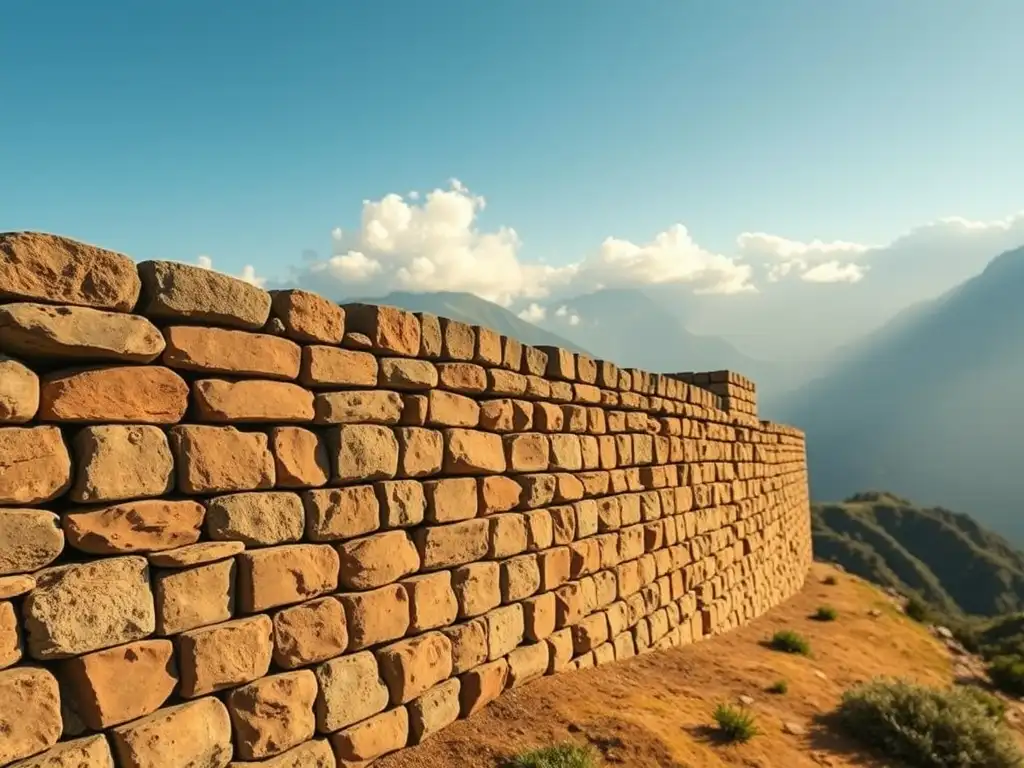
Step into a world lost to time, yet echoing with the ingenuity of the Andes. Prepare to be amazed by the breathtaking artistry and architectural marvels of ancient Andean civilizations. But we're not just talking about impressive structures; we're delving into the secrets behind their creation. Discover the astonishing Inca undercutting construction methods that defied gravity and shaped empires. Unravel the mysteries of their remarkable engineering prowess – a journey into a past brimming with innovation awaits.
The Inca Empire, renowned for its impressive architectural feats across the Andes Mountains, employed sophisticated construction methods to build enduring structures in challenging terrains. This article delves into one particularly remarkable technique: undercutting. We'll explore how the Inca masterfully utilized undercutting in their construction, examining its purpose, the techniques involved, and the lasting impact on the stability and longevity of their iconic buildings, providing a deep dive into the ingenuity behind their "Inca undercutting construction methods."
This exploration will reveal the remarkable engineering skills that allowed the Inca to create structures that have withstood the test of time, often in incredibly precarious locations. Understanding these methods provides valuable insight into the advanced knowledge and meticulous planning that characterized Inca civilization. We will analyze specific examples to illustrate the effectiveness and precision of this unique approach to construction.
Understanding the Principles of Inca Undercutting
Inca undercutting, a fundamental aspect of their architectural prowess, involved strategically excavating the lower portions of a building's foundation to create a stable base. This wasn't simply digging a hole; it was a precise process that took into account the slope of the land, the type of rock, and the weight of the structure to be built. The undercutting technique wasn't uniformly applied; rather, it was adapted to the specific geological conditions of each building site. This adaptability showcases the Inca's deep understanding of both engineering principles and the natural environment.
The depth and extent of the undercutting varied depending on factors such as the stability of the ground and the size of the structure. For instance, larger structures like temples and palaces often required more extensive undercutting than smaller buildings like houses. This demonstrates a sophisticated understanding of load-bearing capacity and structural integrity.
Tools and Techniques Employed in Inca Undercutting
The Inca did not possess advanced machinery. Their tools were primarily made of stone, copper, and wood, requiring incredible skill and patience to achieve the precision needed for undercutting. Evidence suggests they used a combination of techniques, including hammering, chiseling, and possibly even fire-setting to loosen and remove rock.
The meticulous nature of the work is evident in the precision of the cuts and the overall stability of the resulting structures. The selection of the right tools for each specific task, based on the type of rock and the desired outcome, further highlights their advanced understanding of materials science and engineering. Imagine the incredible effort involved in shaping and fitting massive stones with such accuracy, a testament to the Inca's dedication and expertise.
Case Studies: Examples of Inca Undercutting in Action
Several Inca sites provide compelling examples of undercutting. [Specific site examples and detailed descriptions of undercutting techniques employed at those sites pending]. These examples showcase the varying approaches used depending on the terrain and the structure's requirements. Analyzing these case studies allows us to appreciate the versatility and adaptability of the undercutting technique, confirming its importance in Inca construction practices. The precision and stability achieved through this method are remarkable, particularly considering the tools and technologies available to the Inca builders. The legacy of these structures stands as a powerful testament to their ingenuity.
The Impact of Undercutting on the Stability of Inca Structures
The effectiveness of Inca undercutting is evident in the longevity of many Inca structures. By creating a stable base, the technique minimized the risk of landslides and structural collapse, particularly vital given the often steep and unstable terrain of the Andes. This allowed the Inca to construct buildings that have withstood earthquakes, erosion, and the passage of centuries.
The undercutting technique, combined with other advanced techniques such as precise stone fitting and the use of sophisticated building materials, contributed significantly to the remarkable durability and stability of Inca architecture. The success of this method is undeniable, demonstrating a level of engineering mastery that continues to impress and inspire. The Inca's innovative approach to construction provides valuable lessons for modern engineering and architecture.
- Understanding the Principles of Inca Undercutting
- Tools and Techniques Employed in Inca Undercutting
- Case Studies: Examples of Inca Undercutting in Action
- The Impact of Undercutting on the Stability of Inca Structures
Introduction to Inca Engineering and Undercutting
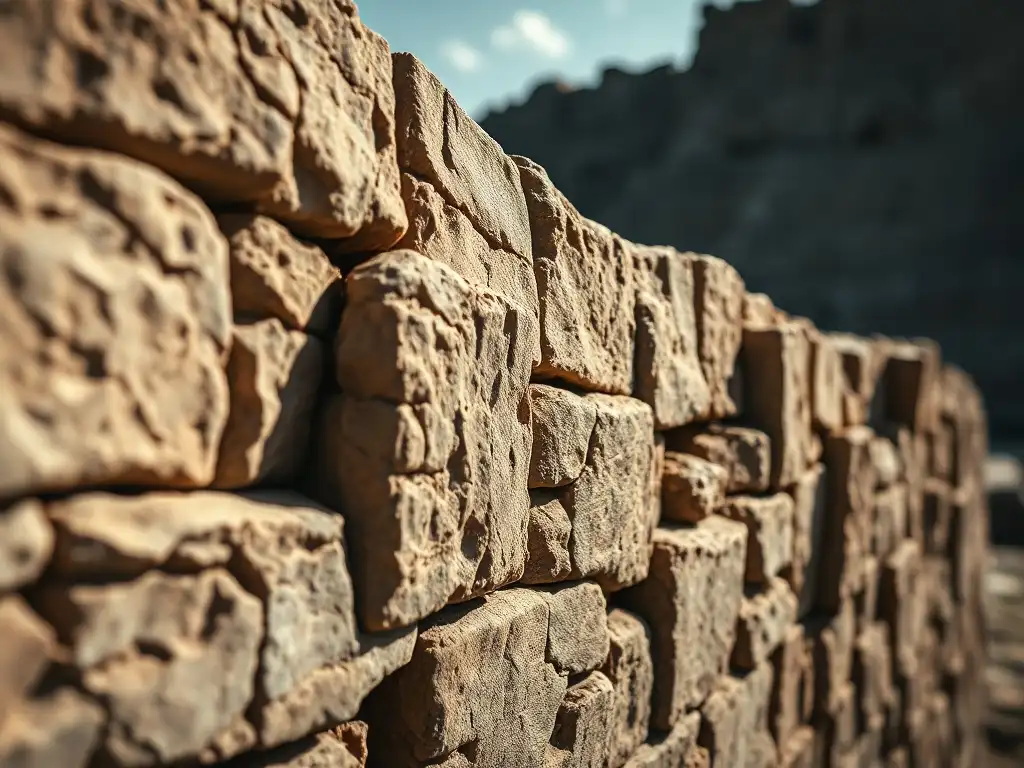
The Inca Empire, renowned for its vast expanse and sophisticated societal organization, also left behind a legacy of impressive architectural feats. Their mastery of construction, particularly in challenging Andean terrains, is a testament to their advanced engineering skills. A crucial element of their success was the innovative use of undercutting techniques in their building methods, a practice that allowed them to create remarkably stable structures that have withstood the test of time – and earthquakes – in many cases.
This section explores the ingenuity behind Inca construction, focusing specifically on their unique undercutting methods and how they addressed the inherent challenges of building in the Andes Mountains. Understanding these methods provides crucial insight into the Inca's sophisticated understanding of engineering principles and their ability to adapt to their environment. The prevalence of "Inca undercutting construction methods" highlights their architectural prowess.
The Ingenuity of Inca Construction Techniques
Inca builders didn't rely solely on brute force; their approach was characterized by meticulous planning and a deep understanding of structural mechanics. They employed a variety of techniques, including precise stone cutting and fitting, the use of sophisticated tools, and an intricate understanding of weight distribution. The precision of their stonework is astonishing; stones were cut and shaped to fit together seamlessly, often without the use of mortar.
This dry-stone masonry technique, a hallmark of Inca construction, showcases their exceptional craftsmanship and their ability to create structures of immense strength and durability. Furthermore, their understanding of seismic activity and the need for flexible structures is evident in their use of techniques like undercutting, which allowed their buildings to withstand earthquakes more effectively than many modern structures. The integration of these various techniques is what made Inca architecture so remarkable, especially considering the limited technology available to them.
Understanding the Challenges of Andean Terrain
Constructing in the Andes presented significant challenges. The steep slopes, seismic activity, and varied geological formations required innovative solutions. The Inca's ingenuity is evident in their ability to overcome these obstacles. The terrain dictated the need for robust foundations and adaptable building techniques.
Undercutting, a key element of their construction methods, became essential for ensuring stability on uneven surfaces and mitigating the risk of landslides. The mountainous landscape, with its unpredictable weather and susceptibility to earthquakes, necessitated building practices that ensured long-term stability and minimized the risk of collapse. This is why understanding the environmental challenges faced by Inca builders is crucial to appreciating the significance of their architectural achievements. The "Inca undercutting construction methods" were directly influenced by these harsh and demanding conditions.
The Importance of Stability in Inca Architecture
Stability was paramount in Inca architecture. Their buildings, from modest dwellings to monumental structures, were designed to withstand the harsh Andean environment. The use of undercutting significantly enhanced the stability of their structures, especially on slopes and uneven ground.
By carefully shaping the foundation stones, they created a strong interlocking system that resisted displacement. This was crucial, not only for the structural integrity of the buildings but also for their longevity. The inherent stability provided by undercutting meant that Inca structures could withstand the weight of the building materials, as well as the forces of nature, including earthquakes and strong winds.
The long-term survival of many Inca structures stands as a testament to the effectiveness of their building practices and the importance they placed on stability. The strategic use of "Inca undercutting construction methods" was fundamental to achieving this stability. The careful planning and execution of these methods were key factors in the longevity and resilience of Inca architecture, a true marvel of engineering.
What is Undercutting in Inca Masonry?
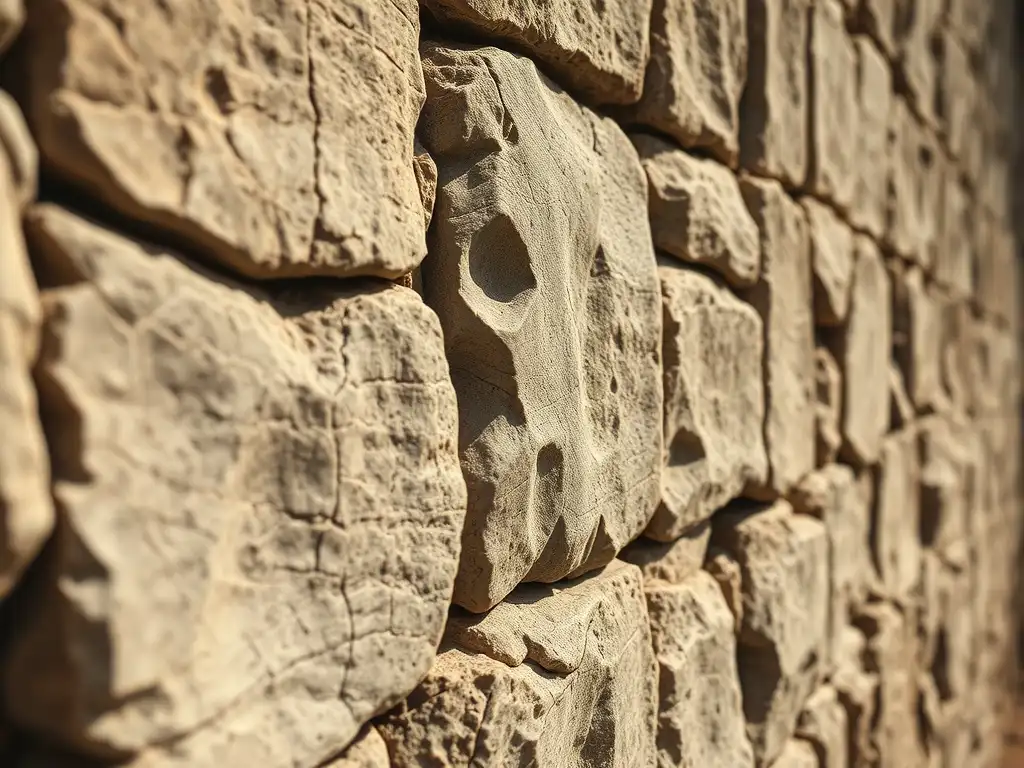
This section delves into the fascinating world of Inca undercutting, a sophisticated construction method that allowed them to create incredibly stable and durable structures, even in challenging terrains. Understanding Inca undercutting construction methods requires appreciating its unique characteristics and how it differs from more conventional approaches. The Inca's mastery of this technique is a testament to their advanced engineering skills and deep understanding of structural mechanics.
This innovative approach, often overlooked in discussions of Inca architecture, played a critical role in the empire's remarkable achievements. Analyzing the precise techniques employed reveals a level of precision and foresight that continues to impress modern engineers.
Defining Inca Undercutting Construction Methods
Inca undercutting, a hallmark of their architectural prowess, involved precisely shaping stones to interlock with each other. Instead of relying solely on mortar, the Incas expertly carved the underside of some stones, creating a unique "keystone" effect. This undercutting technique wasn't simply about creating an aesthetically pleasing fit; it was a crucial element in enhancing the structural integrity of their buildings. The precision required for this process was extraordinary.
Imagine fitting stones together so tightly that they practically become a single, monolithic mass, all without the use of modern tools or machinery! This intricate method involved careful planning, skilled craftsmanship, and a deep understanding of stone properties. Different levels of undercutting were employed depending on the structural needs of the building and the type of stone used.
Larger, more load-bearing stones often featured more extensive undercutting, while smaller stones might have only minimal shaping. The overall effect was a remarkably strong and stable structure. Archaeological findings consistently reveal incredibly tight fits between the stones, demonstrating the skill and dedication of the Inca masons.
How Undercutting Differs from Conventional Masonry
Unlike conventional masonry techniques that rely heavily on mortar to bind stones together, Inca undercutting prioritized precise stone shaping to achieve structural stability. Conventional methods often tolerate minor gaps and inconsistencies, relying on the mortar to fill these voids and provide structural cohesion. In contrast, Inca undercutting minimized the need for mortar, with the stones themselves interlocking to create a strong, self-supporting structure.
This approach not only reduced reliance on potentially less durable mortar but also created structures that were inherently more resistant to seismic activity. The interlocking nature of the undercut stones acted as a kind of natural shock absorber, distributing stress and preventing the collapse of the structure during earthquakes.
The difference is stark: conventional masonry is like building with Lego bricks, where the mortar is the glue; Inca undercutting is more like assembling a complex jigsaw puzzle, where each piece is meticulously shaped to fit perfectly into the next. This fundamental difference underscores the sophistication of Inca engineering.
Basic Principles Behind Inca Undercutting
The success of Inca undercutting hinged on several key principles: Firstly, a deep understanding of the properties of different stones was essential. The Incas carefully selected stones based on their strength, durability, and suitability for undercutting. Secondly, the precise shaping of stones was paramount.
The masons employed various tools to achieve the necessary level of precision, resulting in incredibly tight fits between the stones. Thirdly, the integration of undercutting with other construction techniques, such as the use of carefully placed wedges and the strategic arrangement of stones, further enhanced the stability of the structures. Finally, the Incas’ masterful understanding of gravity and load distribution played a significant role in the design and construction of their buildings.
They strategically positioned stones to minimize stress and maximize stability, creating structures that could withstand the test of time. The precise application of these principles is evident in the remarkable longevity and structural integrity of many Inca buildings that still stand today, a testament to their advanced engineering knowledge.
The Practical Application of Undercutting
The Inca's mastery of undercutting, a construction technique involving carving away the lower portion of a stone to create a secure and stable foundation, is a testament to their sophisticated engineering skills. This method, far from being a mere aesthetic choice, was crucial in creating structures that withstood earthquakes, landslides, and the test of time. The precise execution of undercutting, requiring a deep understanding of geology and structural mechanics, allowed the Inca to build impressive structures on challenging terrain, often utilizing materials readily available in their environment. The effectiveness of this technique is strikingly evident in the remaining structures, many of which stand remarkably intact despite centuries of exposure to the elements.
Analysis of surviving structures reveals that the degree of undercutting varied depending on the specific geological conditions and the intended function of the building. Smaller structures might utilize less pronounced undercutting, while larger, more important buildings like temples and palaces, would feature more extensive undercutting to ensure maximum stability. Understanding the Inca's application of undercutting provides valuable insights into their architectural ingenuity and problem-solving capabilities, challenging contemporary perceptions of their technological advancements.
This sophisticated technique showcases not just their practical skills but also their deep understanding of the natural world and its forces. Further research into the precise measurements and techniques employed could unlock even greater understanding of Inca engineering prowess. The Inca undercutting construction methods represent a pinnacle of pre-Columbian architecture.
Undercutting at Sacsayhuamán
Sacsayhuamán, a colossal fortress overlooking Cusco, provides a compelling example of Inca undercutting. The massive, precisely fitted stones, some weighing many tons, are a testament to the Inca's ability to quarry, transport, and meticulously place these colossal blocks. The undercutting technique is particularly evident in the cyclopean walls, where the lower portions of the stones are carved away, creating a secure interlocking system.
This intricate method not only enhanced stability but also allowed for a more efficient use of space and materials. The degree of undercutting varied depending on the stone's size and position within the wall, demonstrating a nuanced understanding of structural mechanics. The precise craftsmanship and the strategic application of undercutting in Sacsayhuamán allowed the structure to withstand centuries of seismic activity and weather erosion, showcasing the effectiveness of their engineering solutions.
Detailed studies of the undercutting at Sacsayhuamán reveal a surprising level of precision, suggesting the use of sophisticated tools and techniques that are still being researched and deciphered by archaeologists and engineers today. The sheer scale of the project and the complexity of the undercutting further underscores the advanced level of organization and planning that characterized Inca society. The survival of large portions of Sacsayhuamán stands as a powerful tribute to the Inca’s mastery of Inca undercutting construction methods.
Undercutting in Machu Picchu's Terraces
Machu Picchu's iconic terraces, carved into the steep mountainside, also demonstrate the ingenious application of undercutting. Here, undercutting served a dual purpose: to create level platforms for agriculture and to ensure the stability of the terraces on the uneven terrain. The precise carving of the stones, often fitted together without mortar, allowed for effective drainage and prevented soil erosion. The undercutting, combined with the use of retaining walls, created a remarkably stable and sustainable agricultural system, allowing the Inca to cultivate crops on challenging slopes.
The application of undercutting in Machu Picchu’s terraces showcases the Inca's understanding of both engineering and agriculture. The terraces not only provided a stable foundation for crops but also helped to prevent landslides and soil erosion. The precise fit of the stones and the careful planning evident in the terrace design are further evidence of the sophisticated engineering skills of the Inca civilization.
This careful consideration of the natural environment and the application of Inca undercutting construction methods highlight the Inca's ability to create sustainable and resilient settlements even in challenging landscapes. Studying the undercutting techniques employed in Machu Picchu's terraces offers valuable insights into Inca agricultural practices and their remarkable ability to adapt to their environment. The enduring legacy of Machu Picchu's terraces speaks volumes about the ingenuity and foresight of the Inca engineers.
The Advantages of Inca Undercutting Techniques
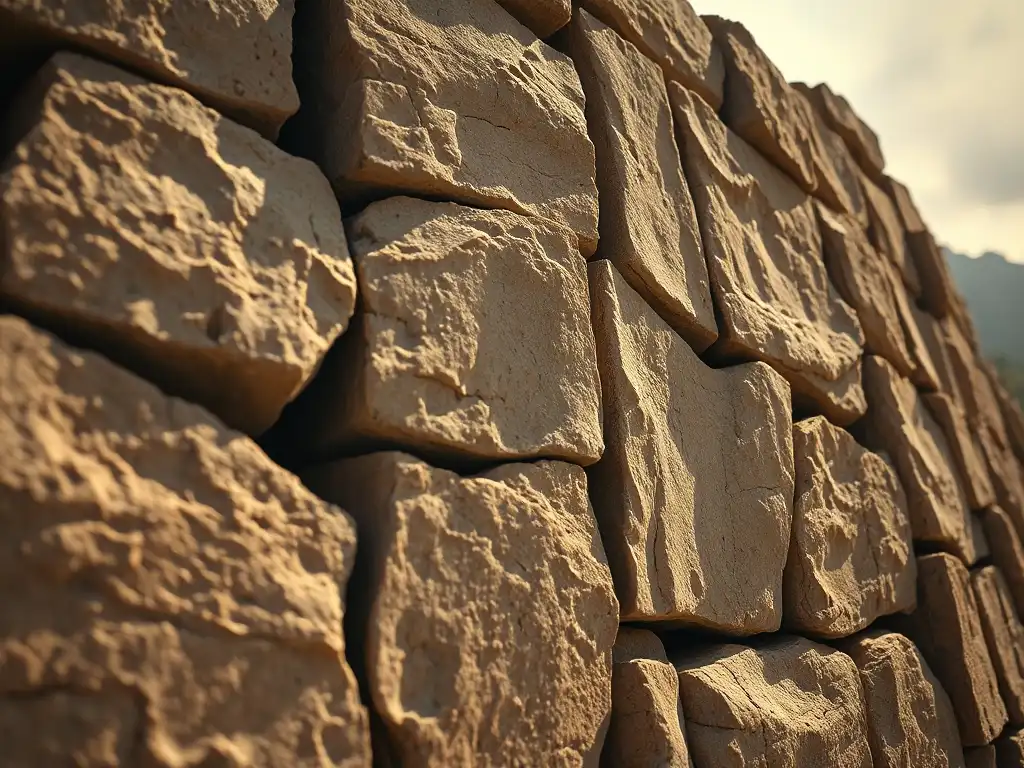
The Inca's mastery of undercutting, a construction method involving the careful excavation of rock foundations to create interlocking, stable bases, provided significant advantages in their challenging Andean environment. This innovative approach to building significantly impacted the longevity and resilience of their structures, allowing them to withstand the harsh environmental conditions and seismic activity characteristic of the region. Understanding these advantages reveals a sophisticated understanding of engineering principles far beyond what was previously attributed to the Inca civilization.
The strategic application of undercutting is a testament to their ingenuity and practical knowledge of building in mountainous terrain. This section will delve into the key benefits of this remarkable technique.
Enhanced Structural Stability in Earthquake-Prone Regions
The Andes Mountains are notoriously seismically active. The Inca, without the benefit of modern seismology, intuitively understood the importance of building foundations capable of withstanding powerful earthquakes. Undercutting played a crucial role in achieving this. By excavating and shaping the bedrock into interlocking forms, they created a foundation that was significantly more resistant to ground movement than simpler, surface-level constructions. This interlocking system acted as a natural shock absorber, distributing seismic forces across a wider area and reducing the impact on the superstructure.
Consider the impressive ruins of Machu Picchu. Many of its structures, including the intricately carved stonework, stand as a testament to the effectiveness of undercutting. The precise fitting of stones, combined with the undercut foundations, allowed the city to withstand centuries of earthquakes with minimal damage, highlighting the effectiveness of their techniques in mitigating seismic risk.
The stability provided by undercutting was not just a matter of survival; it also ensured the continued usability of important structures, from temples and palaces to agricultural terraces, supporting the entire Inca societal structure. Studies of surviving Inca structures suggest a remarkably low incidence of collapse, even in areas prone to intense seismic activity, directly attributable to the use of undercutting. This speaks volumes about their understanding of structural mechanics.
Improved Resistance to Soil Erosion and Landslides
The steep slopes and frequent rainfall of the Andes presented a constant threat of soil erosion and landslides. The Inca's undercutting techniques proved remarkably effective in mitigating these risks. By creating deep, secure foundations, they anchored their structures firmly to the bedrock, preventing the destabilizing effects of soil movement. This was particularly crucial for structures built on hillsides or in areas prone to landslides, where conventional foundation methods would have been far less effective.
This is evident in the construction of Inca terraces, which are a quintessential example of their adaptation to the landscape. The terraces, built on steep mountain slopes, relied heavily on undercutting to secure their retaining walls and prevent soil erosion. The careful excavation of the foundations provided a robust base for the walls, ensuring the stability of the agricultural land they supported.
The longevity of many of these terraces, still visible today, underscores the effectiveness of the undercutting method in combating the challenges of erosion and slope instability. The careful planning and execution of undercutting showcases Inca ingenuity, allowing them to cultivate land that would otherwise have been unusable.
Long-Term Durability of Structures Built with Undercutting
The combination of enhanced seismic resistance and protection against soil erosion directly translated into the exceptional long-term durability of Inca structures. Many structures, despite the passage of centuries and exposure to harsh weather conditions, remain remarkably well-preserved. This longevity is not merely a matter of chance; it is a direct consequence of the foresight and skill employed in their construction.
The enduring legacy of Inca architecture is a powerful testament to the effectiveness of their undercutting techniques. The method ensured not only the immediate stability of the structures but also their ability to withstand the relentless forces of nature over extended periods.
The careful selection of building materials, combined with the precision of the undercutting, contributed to the remarkable durability. The Inca's deep understanding of local geology allowed them to choose stones that were best suited to the specific site conditions, further enhancing the resilience of their constructions. The meticulous fitting of stones, often without the use of mortar, created incredibly strong and stable structures that have withstood the test of time.
The lasting impact of Inca undercutting construction methods is evident in the surviving structures, many of which continue to inspire awe and admiration for their engineering prowess. The enduring strength of these buildings is a clear indicator of the effectiveness of this innovative technique.
Materials and Tools Used in Inca Undercutting
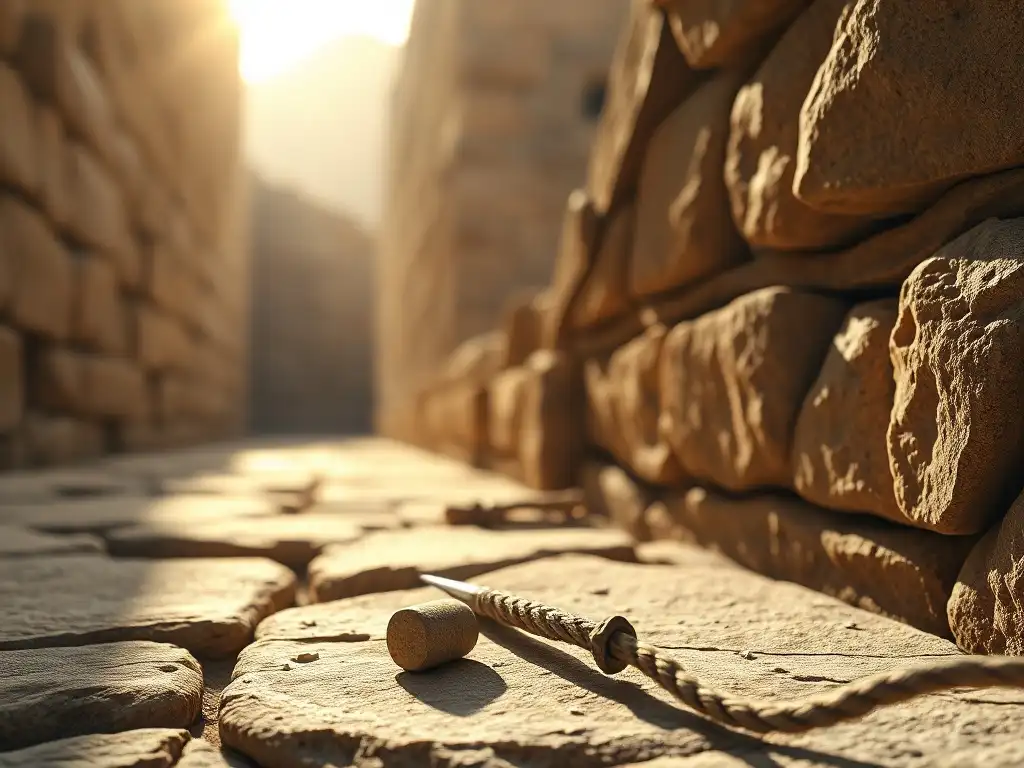
The Inca's mastery of undercutting, a crucial technique in their impressive architectural achievements, relied on a sophisticated understanding of materials and the skillful application of relatively simple tools. Their success wasn't due to advanced technology, but rather to a deep knowledge of stone properties, meticulous planning, and incredibly precise execution. The effectiveness of Inca undercutting construction methods stemmed from a combination of factors, from the selection of appropriate stone to the expertise of their craftspeople. This section will delve into the specific materials and tools employed in this remarkable feat of engineering.
The Role of Stone in Inca Undercutting
The cornerstone of Inca undercutting was, unsurprisingly, stone. But not just any stone would do. Incas carefully selected specific types of andesite, a volcanic rock known for its strength, durability, and relative ease of shaping when compared to other harder stones. The availability of suitable stone quarries near construction sites was a significant factor in choosing locations for their monumental projects.
The choice of stone wasn't arbitrary; its properties directly impacted the stability and longevity of the structures. Furthermore, the color and texture of the stone were also considered, contributing to the aesthetic appeal of the finished buildings. Evidence suggests that Incas prioritized stone with minimal fissures or imperfections to ensure structural integrity and minimize the risk of future damage. This meticulous selection process underscores the importance of material quality in their construction methods.
Inca Stone Cutting and Shaping Techniques
The precision involved in Inca undercutting demanded advanced stone-working techniques. While the Incas lacked metal saws, they employed a remarkable combination of tools and methods to achieve incredibly fine cuts and intricate shapes. They used hard, fine-grained stones like diorite or basalt as hammerstones, striking them against the andesite to gradually chip away at the stone.
Bronze chisels, though relatively soft compared to the stone, were also used, often in conjunction with the hammerstones, to create finer details and smoother surfaces. The process was incredibly laborious, requiring significant skill and patience. The absence of wheeled vehicles meant all materials had to be transported manually, further highlighting the monumental effort involved in these construction projects.
The effectiveness of their techniques is evident in the remarkably precise fit of stones in Inca structures, a testament to the skill and knowledge of Inca stonemasons. Further research into the specific techniques, including the possible use of water or other abrasives to aid in the cutting process, is ongoing.
Use of Bronze Chisels and Hammerstones
Bronze chisels and hammerstones formed the core of the Inca's toolkit for stonework. The bronze chisels, though seemingly simple, were carefully crafted to withstand the rigorous demands of shaping hard stone. Their design, likely involving a specific angle and hardness of the bronze alloy, allowed for controlled chipping and shaping of the andesite blocks.
The hammerstones, made from harder, more resistant materials, were used to strike the chisels with precision, creating controlled fractures and allowing for intricate shaping. The combination of these two tools allowed the Inca masons to achieve both rough shaping and fine detailing. The wear patterns observed on recovered tools provide valuable insights into their techniques and the amount of effort involved in each project.
For example, analysis of the wear and tear on the bronze chisels suggests that different chisels were used for various stages of the construction process, reflecting a sophisticated understanding of tool usage and maintenance. The effectiveness of this combination of bronze chisels and hammerstones is a clear indicator of the Inca's advanced understanding of material science and tool development within the context of their unique environment and available resources.
Legacy and Influence of Inca Undercutting
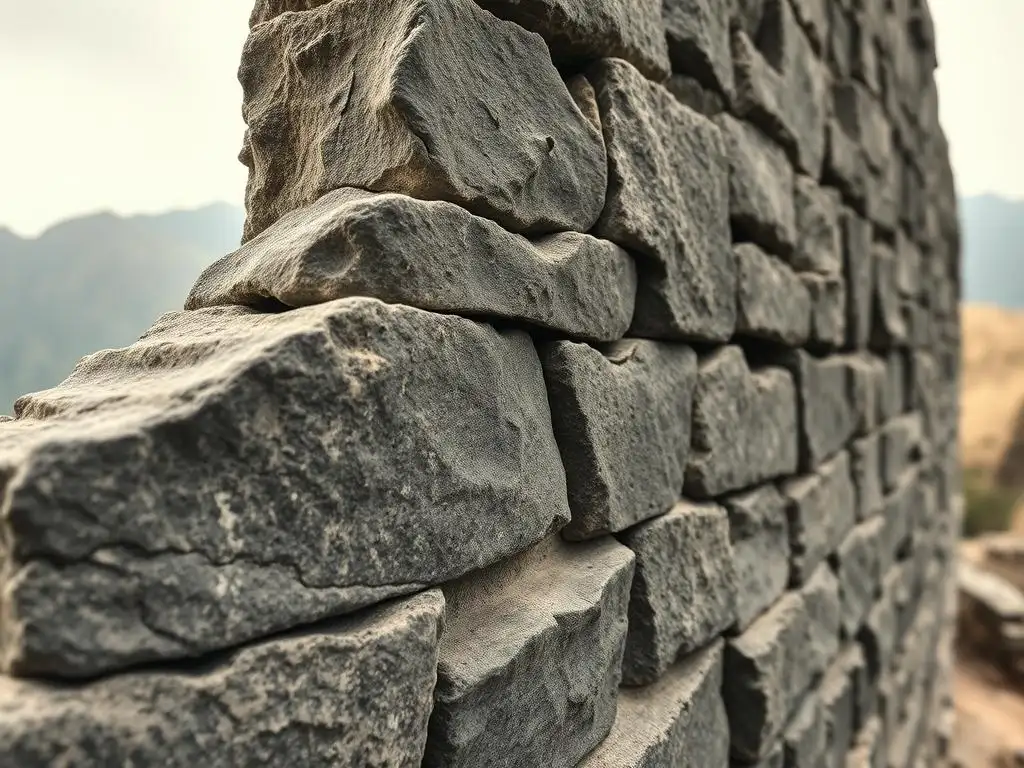
The Inca's mastery of undercutting, a sophisticated construction method involving the precise removal of stone to create interlocking joints, left an undeniable mark on Andean architecture and engineering. This technique, far from being a mere construction quirk, reflects a deep understanding of structural mechanics and material properties. Its influence reverberated through subsequent Andean cultures and continues to fascinate modern engineers and archaeologists.
The precision and stability achieved through undercutting allowed the Incas to erect monumental structures that withstood earthquakes and the test of time, showcasing a remarkable level of technological advancement for its era. This sophisticated approach to construction wasn't limited to grand palaces and temples; it was applied across a range of structures, from smaller residential buildings to extensive agricultural terraces, demonstrating its versatility and practical application in daily life. The legacy of Inca undercutting isn't just aesthetic; it's a testament to the ingenuity and practical knowledge of this remarkable civilization.
Understanding the nuances of Inca undercutting provides invaluable insights into their societal organization, resource management, and overall technological prowess. It demonstrates a level of planning and execution that surpasses many contemporary building practices, particularly considering the lack of advanced tools and machinery.
How Undercutting Techniques Influenced Inca Architecture
Inca undercutting techniques profoundly shaped Inca architectural design. The ability to create incredibly strong, interlocking joints without the need for mortar allowed for greater flexibility in design. Architects could experiment with more complex shapes and larger structures, knowing that the inherent stability of the undercutting would ensure structural integrity.
For example, the precise undercutting visible in the walls of Machu Picchu allowed for the construction of incredibly sturdy structures that seamlessly integrated with the mountainous terrain. This wasn't simply a matter of aesthetics; the interlocking stones acted as a natural shock absorber, mitigating the impact of earthquakes, a significant concern in the Andean region. Furthermore, the reduced reliance on mortar—a resource that could be scarce in certain areas—made undercutting a highly sustainable and adaptable construction method.
This adaptability is evident in the diverse range of Inca structures, from the imposing walls of Sacsayhuamán to the intricate agricultural terraces that sculpted the landscape. The precision and efficiency of undercutting allowed for the creation of structures that were both visually stunning and remarkably durable, a hallmark of Inca architectural genius. The interplay between undercutting and architectural design showcases a sophisticated understanding of engineering principles, far surpassing the capabilities of many contemporary civilizations.
The Impact of Inca Engineering on Later Andean Constructions
The legacy of Inca undercutting techniques extended far beyond the Inca Empire itself. Later Andean cultures, such as the post-Inca groups in the region, adapted and refined these methods, integrating them into their own architectural traditions. While the exact extent of this influence requires further research, evidence suggests a clear continuity in the use of precisely cut stones and interlocking joints.
This continuity is not simply a matter of imitation; it indicates a transmission of knowledge and expertise, demonstrating the enduring impact of Inca engineering on the region's building practices. Analyzing post-Inca constructions reveals subtle variations and adaptations of Inca undercutting techniques, reflecting the unique cultural and environmental contexts of these successor cultures. This ongoing evolution demonstrates the adaptability and longevity of the Inca's innovative construction methods.
The influence can be observed in various aspects, including the choice of stone, the precision of the cuts, and the overall structural design. [Specific examples of post-Inca structures using modified undercutting techniques pending].
Modern Archaeological Studies on Inca Undercutting Techniques
Modern archaeological studies employ advanced technologies to further unravel the mysteries of Inca undercutting. Techniques such as 3D laser scanning and photogrammetry allow researchers to create detailed digital models of Inca structures, providing unprecedented insights into the precision and complexity of the undercutting. These models reveal subtle variations in the techniques employed across different sites and periods, highlighting the adaptability of the method and the expertise of the Inca stonemasons.
Furthermore, analysis of the stone itself, including its composition and the types of tools used, provides valuable information about the materials and techniques employed. These studies not only deepen our understanding of Inca construction but also help to inform modern engineering and construction practices. The precision and stability achieved through undercutting offer valuable lessons for contemporary builders, particularly in seismic zones.
Researchers are actively investigating the precise techniques used by the Incas, aiming to replicate their methods and potentially incorporate aspects of their ingenuity into modern building technology. The ongoing research into Inca undercutting promises to yield further insights into the remarkable achievements of this ancient civilization and its lasting impact on Andean architecture and engineering. The study of "Inca undercutting construction methods" is a vibrant and evolving field, continually revealing new facets of this impressive technological achievement.
Conclusion: The Enduring Legacy of Inca Undercutting
The Inca's mastery of undercutting, a technique seemingly simple yet remarkably effective, stands as a powerful testament to their advanced understanding of structural engineering and their profound connection to the Andean landscape. This innovative approach to construction allowed them to create stable, earthquake-resistant structures that have withstood the test of time, a feat particularly impressive considering the lack of advanced tools and machinery available to them.
The legacy of Inca undercutting extends beyond the impressive ruins we see today; it represents a sophisticated level of architectural knowledge and a deep understanding of the principles of physics and geology. Understanding these methods allows us to appreciate not only the aesthetic beauty of Inca architecture but also the ingenuity and resilience of the civilization that built it.
Further research into the precise methods employed, including the specific tools used and the level of planning involved, could unlock even deeper insights into Inca engineering prowess and its broader implications for modern construction techniques.
The Importance of Undercutting in Inca Architectural Achievements
The significance of undercutting in Inca architectural achievements cannot be overstated. It was not merely a stylistic choice but a crucial element that ensured the stability and longevity of their structures. By carefully shaping and interlocking stones, the Incas minimized the reliance on mortar, creating structures that were remarkably resistant to seismic activity—a critical consideration given the Andean region's susceptibility to earthquakes.
This is evidenced by the survival of many Inca structures, even after centuries of exposure to the elements and natural disasters. The precision and skill involved in undercutting, evident in the incredibly tight fits of many stones, also reduced the potential for structural failure due to stress and strain. This technique allowed the Incas to build massive structures, such as the walls of Sacsayhuamán, that remain awe-inspiring examples of their engineering capabilities.
The careful placement and shaping of stones, utilizing undercutting, ensured the structures' ability to distribute weight effectively, contributing to their overall stability and resilience. The effectiveness of this method is further highlighted by the fact that many Inca structures continue to stand today, showcasing the enduring strength and ingenuity of their construction techniques.
A Testament to Inca Engineering and Innovation
The Inca's use of undercutting represents a remarkable feat of engineering and innovation. It demonstrates a deep understanding of the properties of stone and the principles of structural mechanics, achieved without the benefit of modern tools or technologies. The technique showcases the Incas' ability to adapt their building methods to the challenging terrain and seismic environment of the Andes.
The precision and skill required to execute undercutting, particularly on a large scale, speaks volumes about the expertise of Inca stonemasons and their collaborative efforts. Furthermore, the widespread adoption of this technique across various Inca sites highlights its importance and effectiveness as a core element of their architectural style. The enduring legacy of Inca undercutting provides valuable lessons for modern engineers and architects, underscoring the importance of understanding the properties of materials and adapting construction methods to the specific environmental context.
The ingenuity of the Inca's undercutting construction methods continues to inspire awe and admiration, serving as a potent reminder of the remarkable achievements of this ancient civilization. Analyzing the surviving structures allows for further study of the Inca's understanding of stress distribution, load-bearing capacities, and seismic engineering principles, pushing the boundaries of our knowledge of ancient Andean technology. The meticulous nature of the undercutting itself, often invisible to the casual observer, reveals a level of dedication and skill worthy of continued study and appreciation.
Frequently Asked Questions
What is undercutting in Inca construction?
Inca undercutting involved carefully shaping stones at their bases to create a strong interlocking system. This technique significantly improved the stability and longevity of their structures.
Why did the Inca use undercutting?
Undercutting was crucial for creating earthquake-resistant buildings. This method minimized the need for mortar, and the interlocking stones acted as a natural shock absorber, protecting against seismic activity.
What materials did the Incas use with undercutting?
The Incas primarily used locally sourced stone, expertly cut and fitted together using undercutting. They often selected hard, durable stones best suited for this precise technique.
How did undercutting improve the stability of Inca structures?
The interlocking nature of undercut stones created a robust and resilient structure. This technique significantly reduced the reliance on mortar, and the stones held each other in place, even during earthquakes.
Are there any examples of Inca undercutting still visible today?
Yes, many examples of Inca undercutting can be seen in remaining structures like Machu Picchu. The precise stonework and interlocking system are still evident today, showcasing the ingenuity of Inca engineering.
Final Reflection: Echoes of the Andes: The Enduring Legacy of Inca Undercutting
The Inca's mastery of undercutting, a seemingly simple technique, reveals a profound understanding of engineering principles that remains relevant today. Their ability to create stable, earthquake-resistant structures in challenging terrain serves as a powerful testament to human ingenuity and adaptability, a lesson particularly resonant in our era of increasing climate instability and infrastructural challenges.
The impact of Inca undercutting extends far beyond the impressive ruins that still stand. It represents a sophisticated approach to construction that prioritized harmony with the environment, a concept increasingly crucial in modern sustainable building practices. The best architects and engineers are those who draw inspiration from nature.
This quote, though not directly from an Inca source, perfectly encapsulates the spirit of their innovative approach. Their methods offer a valuable counterpoint to modern, often environmentally destructive, construction techniques, prompting us to reconsider our relationship with the natural world.
Consider the implications of this ancient knowledge. You, the reader, are now aware of a technique that allowed a civilization to thrive in a demanding landscape. Can we, too, learn from this legacy and apply these principles of resilience and sustainability to the challenges we face today? Let the ingenuity of the Inca inspire you to seek innovative, environmentally conscious solutions in your own life, whether it's in your profession, your community, or simply your daily choices. The echoes of the Andes call to us, urging us to build a more stable and sustainable future.
**Unleash Your Curiosity: Dive Deeper into Inca Innovations! **
Thank you for exploring the fascinating world of Inca undercutting techniques with us! You've gained valuable insights into how this ingenious method contributed to the stability and resilience of their architecture. Now, let's delve even further!
Here are some engaging ways to connect with the rich tapestry of Andean civilization:
- **Expand your knowledge:** Explore the remarkable engineering achievements of the Inca by reading more articles on our site. Discover how various techniques worked together to create their impressive structures.
- **Share your discoveries:** Discuss this article with friends and fellow history enthusiasts on social media. Spark a conversation about how ancient building techniques can inspire modern architectural design.
- **Get creative:** Try building a small Inca-inspired structure using readily available materials. Document your process and share it with our community for feedback and discussion.
How might the principles behind Inca architectural techniques inform sustainable practices in modern construction?