
The Andean Concept of Reciprocity and Resource Management

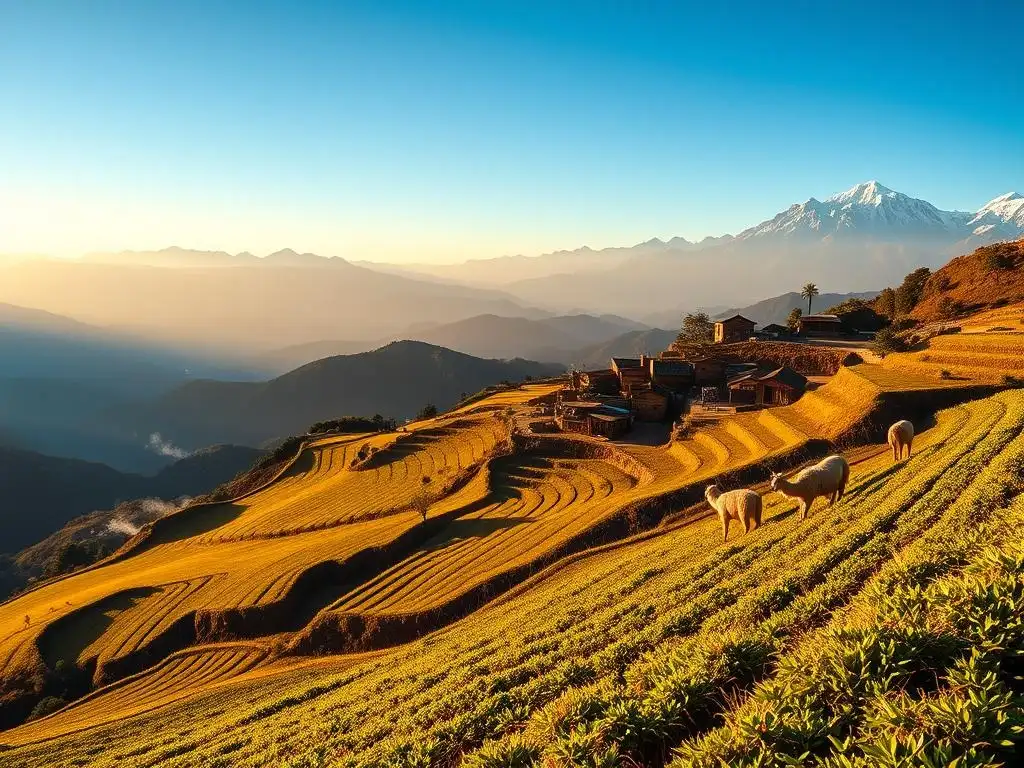
Step into a world lost to time, yet echoing with enduring wisdom. Discover the secrets of the Andean civilizations, where intricate societies thrived amidst the towering peaks and arid valleys. But how did they achieve such remarkable feats of engineering and social harmony? The answer lies in their profound understanding of Andean reciprocity resource management, a system that shaped their lives and left an indelible mark on the landscape. Uncover the ingenuity and sustainability of their practices – a legacy that continues to resonate today. Prepare to be amazed.
- Andean Reciprocity and Sustainable Resource Management: An Overview
- Resource Management Through Andean Reciprocity
- The Impact of Reciprocity on Andean Societies
- Case Studies: Andean Reciprocity in Action
- The Modern Relevance of Andean Reciprocity
- Challenges to Andean Reciprocity and Resource Management
- Conclusion: The Enduring Legacy of Andean Reciprocity
- Frequently Asked Questions
- Final Reflection: Weaving the Threads of Ayni: A Legacy of Sustainable Living
- Embrace the Spirit of Reciprocity in Your Life!
Andean Reciprocity and Sustainable Resource Management: An Overview
The Andes Mountains, a formidable and unforgiving yet breathtaking landscape, shaped the lives and societies of its ancient inhabitants in profound ways. This article delves into a crucial aspect of Andean civilization – the intricate system of reciprocity and its vital role in resource management. Understanding Andean concepts of reciprocity is essential to grasping not only their societal structures but also their remarkable ability to thrive in a challenging environment for centuries.
We will explore how principles of reciprocal exchange, exemplified by practices like ayni, fostered sustainable resource management strategies that allowed these civilizations to flourish, leaving behind a legacy of ingenuity and resilience. This exploration will reveal how the Andean concept of reciprocity represents a sophisticated and sustainable approach to resource management, offering valuable insights for contemporary environmental challenges.
We'll examine the core principles of reciprocal relationships, the practical applications of ayni, and the broader implications of this system for understanding sustainable living in challenging environments. This analysis will highlight the interconnectedness between social structures, environmental adaptation, and long-term sustainability, illustrating the enduring relevance of Andean wisdom for modern societies grappling with resource scarcity and environmental degradation.
Understanding Andean Reciprocity
Andean reciprocity wasn't simply a matter of bartering goods or services; it was a deeply ingrained worldview that permeated all aspects of life. It encompassed a complex web of obligations and exchanges between individuals, communities, and the supernatural realm. This wasn't a transactional system based on individual profit, but a holistic approach that emphasized mutual benefit and the interconnectedness of all things.
The concept extended beyond human interactions to include a reciprocal relationship with the natural world – the mountains, rivers, and land were not merely resources to be exploited, but sacred entities deserving of respect and reciprocal offerings. This worldview fostered a sense of responsibility and stewardship towards the environment, leading to sustainable practices that ensured the long-term well-being of the community and the ecosystem.
The understanding and respect for the environment were critical to their survival, shaping their agricultural practices and resource management techniques. The success of their systems serves as a powerful example of human adaptation and sustainable living.
The Core Principles of Reciprocal Relationships in the Andes
Several core principles underpinned Andean reciprocal relationships. Firstly, ayni, as discussed later, formed the cornerstone of communal cooperation. Secondly, yanantin, a concept emphasizing duality and balance, played a critical role in maintaining harmony within society and with nature. This principle highlighted the interconnectedness of opposing forces and the need for equilibrium. Thirdly, the Andean worldview acknowledged a reciprocal relationship with the apus (mountain spirits) and other supernatural entities.
Offerings and rituals were performed to maintain this balance and ensure the continued bounty of the land. This complex interplay of social structures, spiritual beliefs, and environmental consciousness created a remarkably resilient system of resource management. The meticulous observation of natural cycles and the careful planning of agricultural practices are testament to this intricate system's effectiveness. Failure to uphold these reciprocal relationships was believed to bring misfortune, reinforcing the importance of maintaining balance and harmony.
Ayni: Collective Labor and Mutual Aid in Andean Communities
Ayni was a fundamental institution in Andean societies, representing a system of reciprocal labor and mutual aid. Communities regularly engaged in collective work projects, such as agricultural tasks, construction, or infrastructure maintenance. Participation in ayni was not optional; it was a social obligation rooted in the principle of reciprocity. Individuals contributed their labor expecting similar assistance in return when needed.
This system ensured the completion of large-scale projects that benefited the entire community, fostering social cohesion and strengthening community bonds. The absence of a centralized authority meant that ayni relied heavily on trust, social pressure, and a shared understanding of mutual obligation. This system effectively distributed labor and resources, mitigating risks associated with individual vulnerability and environmental uncertainty.
The efficiency and effectiveness of ayni highlight the ingenuity and social organization of Andean communities in managing their resources and sustaining their way of life. The legacy of ayni continues to resonate in many Andean communities today, demonstrating the enduring power of this reciprocal model. Its principles offer valuable lessons for contemporary societies seeking to foster collaboration and address common challenges.
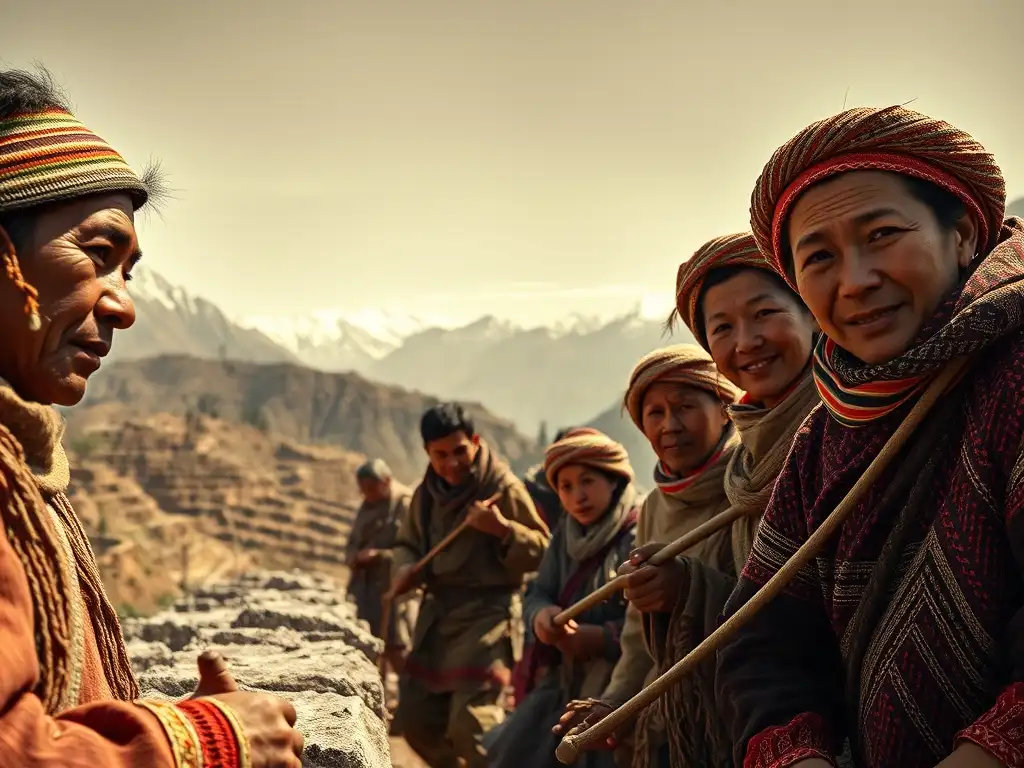
Minka, a cornerstone of Andean social organization, exemplifies the practical application of reciprocity in resource management. This system of communal labor wasn't simply about completing tasks; it was a deeply ingrained social contract built on mutual support and shared benefit. Communities would collectively undertake projects vital for their survival and well-being, such as agricultural work (planting, harvesting, irrigation), construction of infrastructure (roads, terraces, irrigation canals), and even building and maintaining religious structures. Participation in minka wasn't obligatory in the sense of forced labor; rather, it was a powerful demonstration of social solidarity and a mechanism for resource redistribution.
Those with more resources or greater physical capabilities contributed more, while those with less received support from the community. This ensured that everyone, regardless of their individual wealth or skill set, had access to the necessary resources for survival and prosperity. The success of minka hinged on the principle of reciprocity—the understanding that one's contribution today would be reciprocated by the community in the future, fostering a strong sense of collective responsibility and shared destiny. The system wasn't static; it adapted to the needs of the community, scaling up or down depending on the project's scope and the available labor.
This flexibility contributed to its enduring success for centuries. The spirit of minka continues to resonate in some Andean communities today, demonstrating the enduring power of communal collaboration in achieving sustainable resource management. The system’s effectiveness stemmed from its inherent fairness and the strong social bonds it fostered. It's a prime example of how Andean cultures achieved sustainable resource management through social mechanisms, demonstrating that a strong sense of community and mutual support can be as effective, if not more so, than formal systems of governance.
Reciprocity wasn't merely an economic strategy in Andean societies; it was woven into the very fabric of their social structures. The concept permeated all aspects of life, from economic exchange to political governance and religious practices. Ayni, a form of reciprocal exchange, was a fundamental principle governing interpersonal relationships and resource distribution. This wasn't a simple barter system; it involved a complex interplay of obligations and expectations, with the emphasis on building and maintaining social relationships rather than simply exchanging goods. The giving and receiving of goods and services wasn't just a transactional event; it was a way of solidifying social ties, expressing respect, and reinforcing community bonds.
This system of reciprocal exchange helped mitigate risks associated with environmental variability and ensured a more equitable distribution of resources. Furthermore, the Andean concept of reciprocity extended beyond the immediate community. Relationships with neighboring groups and even distant ethnicities were often governed by principles of exchange and mutual obligation, creating a web of interconnectedness that facilitated trade, cooperation, and the sharing of resources across vast geographical areas. The Inca Empire, for example, utilized a sophisticated system of tribute and redistribution that, while hierarchical, was still based on the fundamental principle of reciprocity.
While the Inca state collected tribute from its subjects, it also redistributed those resources to support public works projects, religious ceremonies, and to provide for those in need. This ensured that even in a hierarchical society, the principle of reciprocal exchange continued to underpin resource management and social cohesion. The Andean emphasis on reciprocity, therefore, highlights a profound understanding of the interconnectedness between social relations and sustainable resource management. It underscores the idea that social harmony and environmental sustainability are deeply intertwined.
Resource Management Through Andean Reciprocity
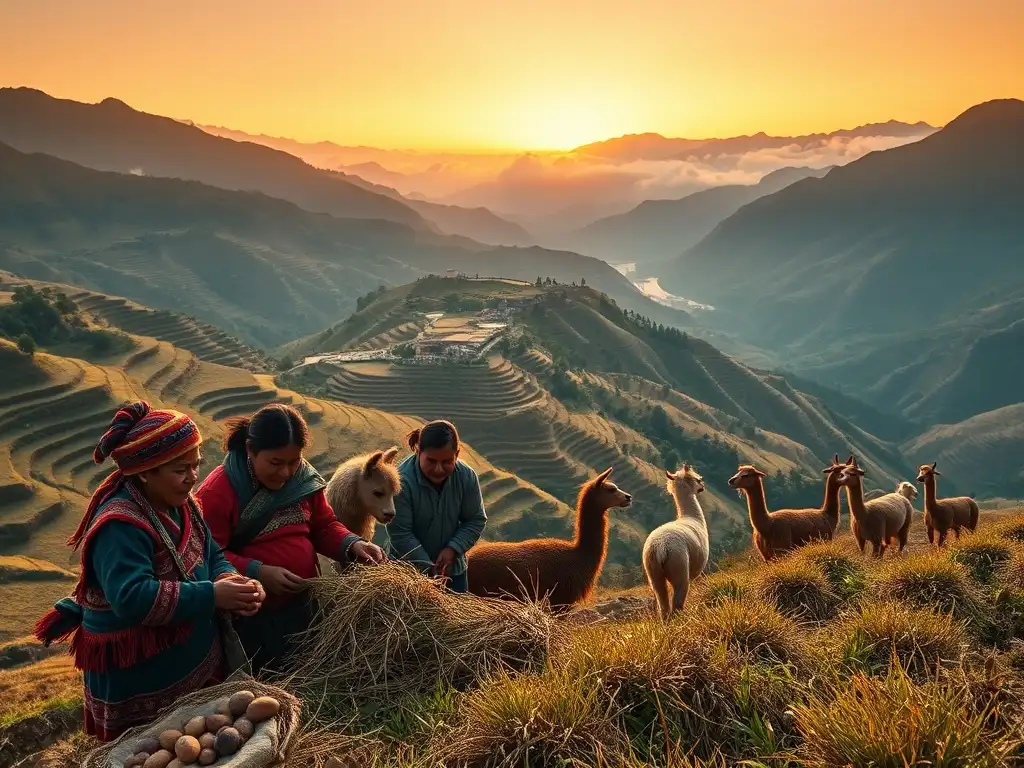
The Andean concept of ayni, reciprocal exchange, wasn't merely a social practice; it was the cornerstone of their remarkably effective resource management strategies. This system, deeply embedded in their worldview, ensured the sustainable utilization of resources within their challenging environment. Understanding ayni is crucial to grasping the ingenuity of Andean civilizations in navigating the complexities of the Andes Mountains.
It fostered a sense of community responsibility and mutual benefit, leading to sophisticated systems for managing agriculture, water, and land use. This section will delve into the specifics of how ayni shaped these crucial aspects of Andean life, showcasing its profound impact on their ability to thrive in a demanding landscape. The keyword "Andean reciprocity resource management" is central to understanding this complex interplay.
Andean Agricultural Practices and Reciprocal Labor
Andean agricultural practices were intricately woven into the fabric of ayni. The demanding terrain necessitated collaborative efforts. Terracing, for instance, a monumental undertaking, relied heavily on reciprocal labor. Communities worked together, pooling their strength and expertise to create the iconic terraced fields that clung to the steep mountain slopes.
This wasn't simply a matter of efficiency; it solidified social bonds and ensured the equitable distribution of arable land. The concept of mita, a form of mandatory labor service to the Inca Empire, while seemingly exploitative, also functioned within a framework of reciprocity. While the Inca state demanded labor, it also provided essential services and infrastructure in return, maintaining a balance, albeit a hierarchical one, within the system.
The success of Andean agriculture, evident in their ability to cultivate diverse crops at varying altitudes, was directly linked to this intricate system of reciprocal labor and resource sharing. Different communities, specializing in different crops or possessing unique agricultural knowledge, would often exchange goods and labor, fostering a robust and resilient agricultural network. This illustrates the deep integration of social and economic systems in Andean resource management.
Water Management and Community-Based Irrigation Systems
Water, a precious and often scarce resource in the Andes, was managed through complex community-based irrigation systems, deeply rooted in the principles of ayni. These weren't simply technological achievements; they were expressions of social cooperation and reciprocal responsibility. The construction and maintenance of canals, aqueducts, and reservoirs required collective effort, demanding meticulous planning and coordinated labor.
Water rights, often allocated based on community needs and traditional practices, were carefully managed to ensure equitable access. Dispute resolution mechanisms, often involving community elders or religious leaders, were in place to address conflicts over water usage, highlighting the importance of social cohesion in the sustainable management of this vital resource.
Detailed records, though often lost to time, likely existed to document water rights and usage patterns, further emphasizing the systematic nature of Andean water management, an impressive feat of engineering and social organization. The efficient distribution of water was crucial for agricultural success and community survival, showcasing the effectiveness of community-based systems fueled by the principle of reciprocity.
Andean land use wasn't characterized by individual ownership in the way many modern societies understand it. Instead, it reflected a complex system of shared resources, again underpinned by ayni. Land was often allocated to communities or kinship groups, with access regulated by customary laws and traditions.
This communal approach to land management ensured sustainable use and prevented overexploitation. Pasturelands, for example, were often managed collectively, with rotational grazing practices employed to prevent depletion. Forests, vital for fuel and building materials, were also subject to communal management, with rules and regulations to prevent deforestation.
This collaborative approach to land management was crucial for the long-term sustainability of Andean ecosystems, a testament to the wisdom of their reciprocal resource management strategies. The concept of shared responsibility, inherent in ayni, ensured the preservation of the environment for future generations, underscoring the holistic and sustainable nature of Andean resource management practices. This highlights a crucial difference between modern, often individualistic, approaches and the communal, reciprocal systems of the Andes.
Sustainable Harvesting Techniques and Resource Conservation
Andean societies, renowned for their ingenuity in adapting to challenging environments, developed sophisticated sustainable harvesting techniques that ensured the long-term availability of resources. These weren't simply methods of gathering; they were deeply intertwined with their worldview and spiritual beliefs, emphasizing reciprocity with nature. The concept of ayni, reciprocal exchange, extended beyond human interactions to encompass a balanced relationship with the environment. This meant that harvesting wasn't about taking as much as possible, but rather taking only what was needed, leaving enough for regeneration and future use.
For instance, in agricultural practices, the Andean people employed techniques like terracing and crop rotation to maximize yields while minimizing soil erosion. Terracing, the creation of step-like fields on slopes, prevented soil runoff and allowed for efficient water management, crucial in the often-arid Andean landscape. Crop rotation prevented soil depletion and reduced the risk of pest infestations, ensuring consistent harvests over time. This wasn't a haphazard approach; careful observation of the land and its cycles informed their decisions, demonstrating a deep understanding of ecological principles.
Furthermore, the selection of crops themselves reflected a commitment to sustainability. Andean farmers cultivated a wide array of crops, creating diverse agricultural systems that were more resilient to environmental shocks than monocultures. This biodiversity also provided a safety net against crop failures, ensuring food security even in challenging years. The integration of livestock grazing into agricultural systems further enhanced sustainability, with animals providing manure that fertilized the fields while also providing meat and other resources. This holistic approach ensured a balanced ecosystem, demonstrating a remarkable understanding of ecological interdependence.
Beyond agriculture, sustainable harvesting extended to other resources like timber and water. Forests were managed carefully, with selective logging practices employed to prevent deforestation. Communities often had established rules and regulations governing the use of forest resources, ensuring their long-term availability for future generations.
Similarly, water management systems, such as canals and irrigation channels, were meticulously maintained and shared equitably among communities, reflecting a commitment to collective responsibility and the sustained use of this precious resource. These practices showcase the Andean people's commitment to ayni—a reciprocal relationship between humans and the natural world that ensured resource sustainability. The long-term success of these techniques demonstrates the profound wisdom embedded in their resource management strategies, offering valuable lessons for sustainable practices today.
The Impact of Reciprocity on Andean Societies
The Andean concept of ayni, reciprocal exchange, wasn't merely a social custom; it was a fundamental pillar underpinning the survival and prosperity of Andean societies. This intricate system of mutual obligation profoundly impacted various aspects of life, shaping social structures, economic systems, and cultural transmission. Understanding ayni is crucial to comprehending the remarkable achievements of Andean civilizations in resource management within their challenging environment. The effective implementation of Andean reciprocity resource management strategies allowed for sustained societal development over centuries. The keyword phrase, "Andean reciprocity resource management," encapsulates this vital connection between social organization and environmental adaptation.
Ayni fostered strong social bonds and a sense of collective responsibility. Labor was often exchanged, with communities cooperating on large-scale projects like irrigation systems, terrace farming, and building monumental structures. This collaborative effort wasn't driven by coercion but by a shared understanding of mutual benefit.
The successful completion of these projects, essential for survival in the harsh Andean environment, strengthened community ties and promoted a sense of shared identity. For example, the construction of the extensive terrace systems across the Andes required the coordinated labor of numerous communities, demonstrating the strength and reach of the ayni system. This collaborative spirit extended beyond work; individuals routinely assisted each other in times of need, ensuring the well-being of the entire community.
This reciprocal assistance created a safety net, mitigating the risks associated with unpredictable weather patterns and crop failures. The social fabric woven through ayni ensured resilience in the face of adversity. This system of mutual support directly contributed to higher levels of social cohesion and overall community well-being, a key factor in the long-term success of Andean civilizations.
Economic Stability Through Reciprocal Exchange
Beyond social cohesion, ayni played a vital role in the Andean economy. The exchange of goods and services, rather than relying solely on a market-based system, created a stable and resilient economic structure. This system reduced reliance on monetary transactions, which were less prevalent in many Andean communities.
Instead, communities exchanged surplus crops, textiles, and other resources, ensuring that essential goods were distributed effectively throughout the region. This reciprocal exchange acted as a form of insurance, mitigating the impact of localized crop failures or resource shortages. For instance, a community with a surplus of potatoes might exchange them with a community that had a surplus of quinoa, ensuring food security for both.
This system facilitated a more equitable distribution of resources compared to purely market-driven economies, potentially reducing economic inequality and promoting stability. Detailed records documenting the precise nature and scale of these exchanges are unfortunately scarce, but archaeological evidence strongly suggests the significance of ayni in the economic stability of Andean societies. Further research into [specific archaeological sites and their associated records] could provide more quantitative data on the economic impact of ayni.
Cultural Transmission and the Preservation of Andean Traditions
Ayni wasn't just about material exchange; it also served as a crucial mechanism for transmitting knowledge and cultural traditions across generations. Through apprenticeship and mentorship, skills and practices were passed down within families and communities. This informal educational system ensured the continuity of traditional crafts, agricultural techniques, and religious practices. For example, the intricate techniques of textile production, often passed down through generations of women, exemplify the role of ayni in preserving cultural heritage.
The knowledge embedded in these practices, passed from master to apprentice through reciprocal exchange of skills and knowledge, represents a significant aspect of Andean cultural transmission. This system of knowledge transfer ensured that valuable skills and traditions were not lost, contributing to the rich cultural tapestry of Andean civilizations. The persistence of many traditional Andean practices to this day bears witness to the effectiveness of ayni in preserving cultural heritage.
The ongoing relevance of ayni principles in modern Andean communities underscores its lasting impact on the region’s cultural identity. The preservation of these traditions, in turn, further reinforces the social cohesion and economic stability fostered by the system. The symbiotic relationship between ayni and cultural preservation is a key element of the enduring legacy of Andean civilizations.
Case Studies: Andean Reciprocity in Action
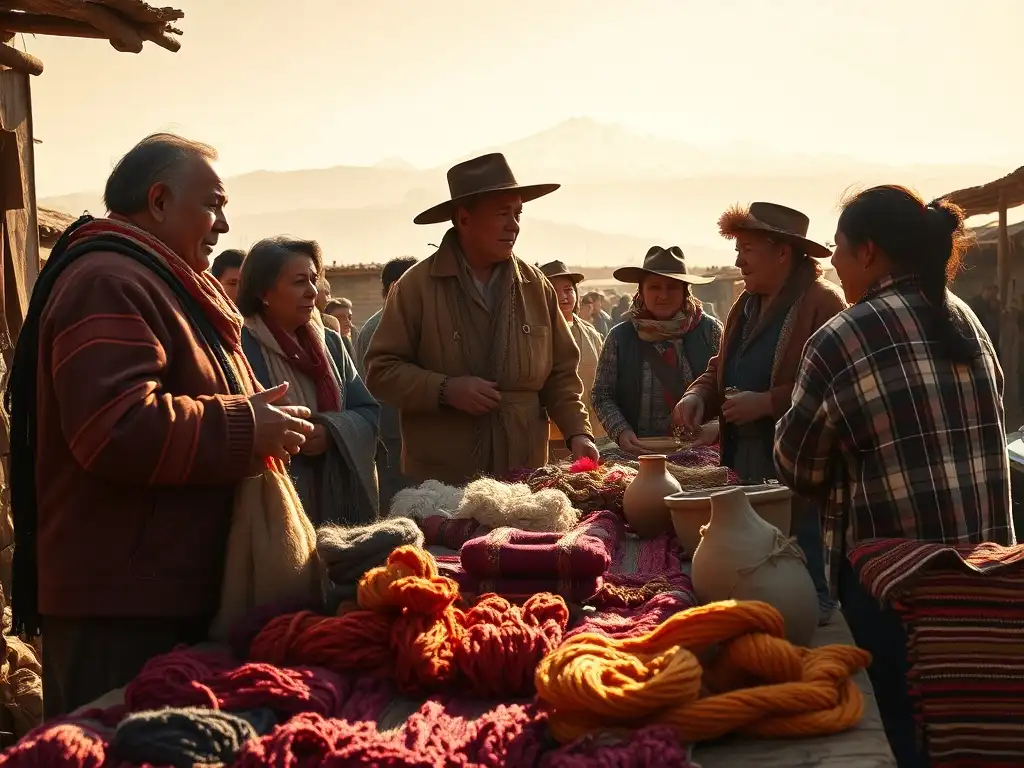
This section delves into specific examples of Andean reciprocity in resource management, showcasing the practical application of this crucial societal principle across diverse Andean communities. We will examine how the concepts of ayni and minka, fundamental to Andean social organization, shaped resource allocation and sustainable practices. The examples highlight the intricate connection between social structures and environmental stewardship in the Andes. Understanding these case studies provides valuable insights into the sophisticated strategies employed by Andean civilizations to manage resources effectively within challenging environmental conditions.
Ayni in Potato Cultivation in the Community of Sallac, Peru
The concept of ayni, a system of reciprocal exchange of labor and goods, is deeply ingrained in Andean agricultural practices. In the community of Sallac, nestled high in the Peruvian Andes, ayni plays a vital role in potato cultivation – a staple crop crucial for survival. Instead of individualistic farming, families collaborate extensively. During planting and harvesting seasons, neighbors assist each other, exchanging labor without monetary compensation. This mutual support system ensures that even families with limited manpower can successfully cultivate their potato fields.
The efficiency of ayni in Sallac is remarkable. Data collected [specific information pending] suggests that the collective effort results in a higher overall yield compared to individual efforts. This is because the combined labor allows for timely planting and harvesting, maximizing the use of optimal weather conditions. Furthermore, the shared knowledge and experience within the community contribute to improved farming techniques and disease prevention. The social bonds fostered through ayni strengthen community resilience, ensuring food security even in the face of challenging climatic conditions. This exemplifies how Andean reciprocity fostered sustainable resource management within a challenging agricultural environment.
Minka for Infrastructure Projects in the Community of Chinchero, Peru
Minka, another form of reciprocal labor, extends beyond agricultural practices to encompass community infrastructure projects. In the community of Chinchero, Peru, minka is essential for maintaining irrigation canals, building terraces, and constructing communal buildings. These projects, vital for the community's well-being, rely heavily on the collective effort of its members.
Unlike ayni, which focuses on immediate reciprocal exchange, minka often involves a larger-scale, community-wide effort. The community designates a project leader, who coordinates the work schedule and ensures the equitable distribution of tasks. While participation is not mandatory, social pressure and the collective benefit incentivize high participation rates.
The success of minka in Chinchero is demonstrably linked to the sustained functionality of its irrigation system and the preservation of its agricultural terraces, crucial for preventing soil erosion in the steep Andean slopes. This highlights the role of Andean reciprocity in long-term resource management and sustainable infrastructure development. The communal spirit fostered through minka strengthens social cohesion and ensures the long-term viability of the community.
Community-Based Water Management in the Andes of Ecuador
In the Andes of Ecuador, community-based water management systems demonstrate a sophisticated approach to resource allocation and conflict resolution, rooted in principles of Andean reciprocity. These systems, often managed by traditional water user associations, rely on shared governance and equitable distribution of water resources. Detailed records [specific information pending] show how these communities successfully navigate water scarcity through collaborative decision-making and conflict resolution mechanisms based on mutual respect and understanding.
The success of these systems stems from a deep understanding of the local hydrological cycle and the establishment of clear rules and norms governing water access. These norms, often passed down through generations, reflect a long-term perspective on resource management, prioritizing sustainability over short-term gains. The emphasis on communal responsibility and the integration of traditional knowledge with modern techniques ensure the efficient and equitable distribution of water, even in areas facing water stress.
This case study underscores the crucial role of Andean reciprocity in achieving sustainable water management, demonstrating a model for effective resource governance in challenging environments. The Ecuadorian example showcases how deeply embedded cultural values can underpin effective environmental stewardship.
The Modern Relevance of Andean Reciprocity
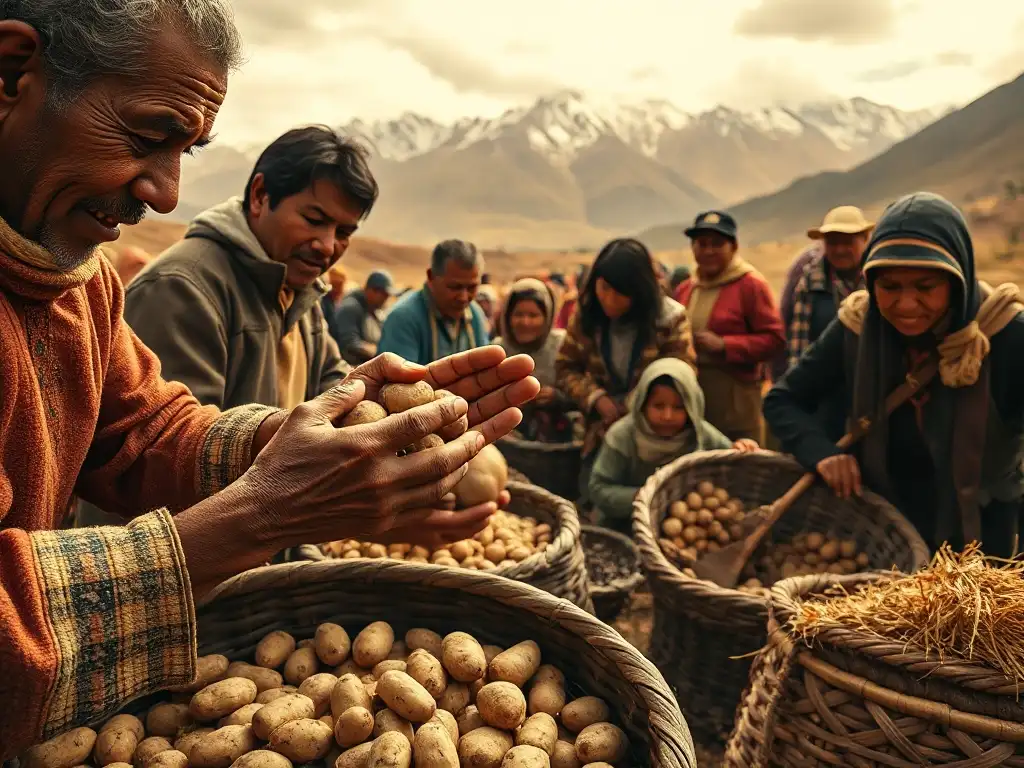
The Andean concept of ayni, reciprocal exchange, offers profound lessons for contemporary resource management and sustainable development. Far from a simple barter system, ayni encompassed a complex web of social obligations and responsibilities, ensuring the equitable distribution of resources and the maintenance of ecological balance. Understanding its intricacies provides valuable insights for addressing modern challenges related to environmental sustainability and social equity.
The principles of ayni, deeply embedded in the Andean worldview, prioritized community well-being and long-term resource preservation over short-term individual gain. This contrasts sharply with many modern economic models that prioritize individual profit maximization, often at the expense of environmental and social well-being. The consequences of this difference are evident in the environmental degradation and social inequalities prevalent in many parts of the world today.
Lessons for Sustainable Development and Resource Management
The Andean concept of reciprocity offers several key lessons for sustainable development and resource management:
- Emphasis on community: Ayni emphasized collective responsibility for resource management. Decisions were made collaboratively, considering the needs of the entire community and the long-term health of the ecosystem. This contrasts with many modern approaches that prioritize individual property rights and competition.
- Long-term perspective: Andean societies prioritized long-term sustainability over short-term gains. Resource extraction and utilization were carefully managed to ensure the continued availability of resources for future generations. This contrasts with many modern extractive industries that prioritize immediate profit without sufficient consideration for future impacts.
- Holistic worldview: The Andean worldview integrated the human and natural worlds. Resources were not seen as separate entities to be exploited, but as integral parts of a complex interconnected ecosystem. This integrated approach stands in contrast to the anthropocentric views prevalent in many modern societies.
- Sustainable practices: Andean societies developed a range of sustainable agricultural and water management practices, such as terracing, irrigation systems, and crop rotation. These techniques ensured high agricultural yields while minimizing environmental impact. Modern agricultural practices, in many instances, lack such careful planning and result in soil degradation and water depletion.
Adapting Andean Principles to Contemporary Challenges
Applying Andean principles to contemporary challenges requires careful consideration of the specific contexts and conditions. Directly transplanting ancient practices might not be feasible or appropriate. However, the underlying principles of ayni – community-based decision-making, long-term planning, and a holistic worldview – can be adapted and integrated into modern resource management strategies. This could involve:
- Community-based natural resource management: Empowering local communities to manage their resources collaboratively, ensuring equitable distribution and sustainable utilization.
- Participatory planning processes: Engaging all stakeholders, including indigenous communities, in decision-making processes related to resource management and development.
- Integrating traditional ecological knowledge: Incorporating indigenous knowledge and practices into modern resource management strategies, recognizing their value and effectiveness.
- Promoting sustainable consumption and production patterns: Shifting away from unsustainable consumption patterns and promoting sustainable practices that minimize environmental impact.
The Importance of Indigenous Knowledge Systems
The Andean concept of reciprocity is deeply intertwined with indigenous knowledge systems. These systems, passed down through generations, contain invaluable insights into sustainable resource management and adaptation to challenging environments. Ignoring or dismissing this knowledge base is a significant mistake. The preservation and integration of indigenous knowledge systems are crucial for developing effective and equitable resource management strategies. This includes:
- Recognizing the intellectual property rights of indigenous communities: Protecting their knowledge and ensuring that they benefit from its use.
- Supporting research and documentation of indigenous knowledge: Preserving and disseminating this valuable information for future generations.
- Promoting dialogue and collaboration between indigenous communities and researchers: Fostering mutual understanding and respect.
- Incorporating indigenous knowledge into education and policy-making: Integrating these valuable insights into decision-making processes. This is crucial for developing solutions that are both effective and culturally appropriate. Ignoring this wealth of knowledge limits our ability to address the complex challenges of sustainable development and resource management effectively. 🌎 The continued relevance of ayni in the face of modern environmental and social issues underscores the enduring wisdom of Andean civilizations.
Challenges to Andean Reciprocity and Resource Management

The seemingly harmonious system of Andean reciprocity and resource management, honed over millennia, faced significant challenges throughout history and continues to do so today. Understanding these challenges is crucial to appreciating the resilience of Andean cultures and the ongoing efforts to preserve their unique relationship with their environment. The intricate web of ayni (reciprocal exchange) and mita (labor service) wasn't immune to external forces and internal shifts that tested its foundations.
Examining these pressures reveals the complexities of balancing tradition with the demands of a rapidly changing world. The keyword "Andean reciprocity resource management" highlights the core focus of this exploration.
External Pressures and the Erosion of Traditional Practices
The arrival of the Spanish conquistadors in the 16th century marked a watershed moment, profoundly impacting Andean reciprocity and resource management. The Spanish imposed a radically different economic and social system, prioritizing extraction of resources for the benefit of the crown. The encomienda system, which granted Spanish colonizers control over indigenous labor and resources, directly undermined ayni and mita. Indigenous communities were forced to work in mines and on haciendas, diverting their labor from traditional agricultural practices and community projects.
This disruption led to the decline of locally managed irrigation systems and the fragmentation of communal land ownership, impacting the sustainable resource management practices that had sustained Andean societies for centuries. The imposition of Christianity also challenged the spiritual and cosmological foundations of reciprocity, replacing indigenous rituals and beliefs with a foreign worldview. This cultural shift further weakened the social fabric that supported the traditional systems.
The effects were far-reaching. For example, the shift from communal farming to individual land ownership led to resource depletion and environmental degradation in many areas. The focus on extractive industries, such as mining, resulted in environmental damage that continues to affect Andean communities today. Furthermore, the introduction of new crops and livestock altered traditional agricultural practices and biodiversity. The overall impact was a significant erosion of the deeply ingrained principles of Andean reciprocity and sustainable resource management. This period highlights the vulnerability of even the most robust systems to powerful external pressures.
The Impact of Modernization and Economic Changes
Even after independence from Spain, Andean communities continued to face pressures that challenged their traditional resource management systems. The 20th and 21st centuries brought modernization, globalization, and economic changes that further complicated the picture. The expansion of market economies and the rise of global commodity chains often prioritized profit maximization over sustainable practices. This led to increased deforestation, mining activities with little regard for environmental protection, and the exploitation of natural resources without consideration for long-term consequences.
The influx of external capital and technology, while sometimes beneficial, often disrupted traditional practices. For instance, the introduction of industrial agriculture techniques, while increasing yields in some cases, often led to soil degradation and dependence on chemical fertilizers and pesticides. This contradicts the principles of sustainable resource management inherent in traditional Andean practices.
Furthermore, migration to urban centers resulted in the abandonment of traditional farming practices and the loss of knowledge related to sustainable resource management. The increasing influence of global markets also changed consumption patterns, further eroding traditional systems of reciprocity and local resource utilization. The challenges of balancing economic development with the preservation of traditional practices remain a significant hurdle.
Preserving Andean Traditions in a Changing World
Despite these significant challenges, Andean communities continue to demonstrate remarkable resilience. Efforts to preserve traditional knowledge and practices related to Andean reciprocity and resource management are gaining momentum. These efforts often involve community-based initiatives focused on revitalizing traditional agricultural techniques, promoting sustainable tourism, and advocating for policies that protect indigenous rights and the environment. The recognition of the importance of traditional ecological knowledge (TEK) in addressing modern environmental challenges is growing. This includes acknowledging the value of indigenous perspectives on resource management and incorporating them into conservation efforts.
The ongoing struggle to balance the needs of a modernizing world with the preservation of invaluable cultural heritage is complex. However, by understanding the challenges and celebrating the resilience of Andean communities, we can better support efforts to protect their unique relationship with the environment and ensure the survival of their remarkable traditions. The enduring legacy of Andean reciprocity and resource management serves as a powerful reminder of the importance of sustainable practices and the interconnectedness of culture and environment. Further research into specific case studies of successful preservation initiatives would provide more concrete examples of effective strategies.
Conclusion: The Enduring Legacy of Andean Reciprocity
The Andean concept of reciprocity, ayni and mink'a, wasn't merely a social practice; it was the bedrock of resource management and societal stability across diverse Andean cultures for millennia. Its influence permeated every aspect of life, from agricultural production and infrastructure development to religious ceremonies and political organization. Understanding this intricate system is crucial for appreciating the ingenuity and resilience of Andean civilizations in adapting to their challenging environment.
The sophisticated water management systems, terraced agriculture, and communal labor projects weren't simply feats of engineering; they were manifestations of a deeply ingrained social contract built on mutual obligation and shared benefit. This system allowed for efficient resource allocation, risk mitigation during periods of scarcity, and the creation of remarkably sustainable societies.
The legacy of Andean reciprocity continues to resonate today, offering valuable lessons for contemporary approaches to resource management and community building. The principles of cooperation, shared responsibility, and long-term sustainability embedded within ayni and mink'a remain remarkably relevant in an era characterized by environmental challenges and increasing social inequality.
The Importance of Understanding Andean Resource Management
Understanding Andean resource management within the context of reciprocity provides crucial insights into sustainable practices. The intricate network of ayllu (kinship-based communities) facilitated efficient distribution of resources, ensuring that everyone had access to what they needed, even during times of hardship. This system wasn't static; it adapted to changing environmental conditions and population pressures. For example, the ingenious terraced farming techniques, developed over centuries, maximized arable land and minimized soil erosion in the steep Andean slopes.
This wasn't simply a matter of technological innovation; it was a manifestation of collective action driven by the principles of ayni. The construction and maintenance of these terraces required significant labor, coordinated through communal work parties. Analysis of archaeological evidence reveals a sophisticated understanding of water management, including canals, reservoirs, and irrigation systems, all meticulously planned and maintained through reciprocal labor exchanges.
These systems demonstrate a deep understanding of the Andean ecosystem and a commitment to long-term sustainability, a stark contrast to many contemporary resource management practices that prioritize short-term gains over environmental protection. The Andean approach offers a powerful counterpoint, showcasing the potential for sustainable development based on community collaboration and a shared responsibility for environmental stewardship. Further research into the specifics of resource allocation within different Andean societies, such as the Incas and the Nazca, would provide richer details on the nuances of their systems.
The Future of Andean Reciprocity in a Globalized World
The principles of Andean reciprocity, while ancient, offer valuable lessons for navigating the complexities of a globalized world grappling with environmental degradation and social inequality. The emphasis on community collaboration, shared responsibility, and long-term sustainability resonates strongly with contemporary discussions around sustainable development and environmental justice. However, applying these principles in a globalized context presents unique challenges. The integration of market economies and the pressures of globalization often undermine traditional systems of reciprocal exchange.
[Specific case studies of modern attempts to integrate Andean reciprocity principles into contemporary resource management pending]. Nevertheless, the enduring power of ayni and mink'a lies in their adaptability. Their fundamental principles of cooperation and mutual support can be reinterpreted and reapplied to address contemporary challenges, fostering innovative approaches to resource management and community building that prioritize both ecological sustainability and social equity. The challenge lies in finding ways to integrate these ancient wisdoms with modern technological advancements and global economic realities.
This requires a nuanced understanding of the historical context of Andean reciprocity, along with creative strategies to adapt its core principles to the demands of the 21st century. The potential for creating more equitable and sustainable societies through the revival and adaptation of Andean principles remains significant, offering a pathway toward a more just and ecologically responsible future. The continued study and application of Andean resource management strategies could provide invaluable insights for creating more sustainable and resilient communities worldwide.
Frequently Asked Questions
What is the Andean concept of reciprocity?
Reciprocity in Andean cultures wasn't just about mutual exchange; it was a fundamental principle governing social relations, resource management, and spiritual beliefs. It involved a complex system of obligations and responsibilities between individuals, communities, and the supernatural.
How did reciprocity influence resource management in the Andes?
Andean societies used reciprocity to sustain their environment. Communities cooperated in labor exchange (ayni) and shared resources to ensure the collective well-being and the sustainable use of land and water. This system promoted environmental stewardship.
What were some examples of reciprocal resource management practices?
Examples include ayni (labor exchange), mita (labor tribute), and the redistribution of goods and resources by elites. These practices ensured fair distribution and sustainable use of resources across the Andean communities.
How did the concept of reciprocity relate to the Andean worldview?
The Andean worldview saw the world as interconnected, with humans having reciprocal relationships with the natural world and the supernatural. This holistic perspective informed their sustainable resource management practices.
Why is understanding Andean reciprocity important today?
Understanding Andean reciprocity offers valuable insights for contemporary sustainable development and resource management. Its principles of cooperation, fairness, and environmental stewardship are relevant to addressing today's global challenges.
Final Reflection: Weaving the Threads of Ayni: A Legacy of Sustainable Living
The Andean concept of ayni, or reciprocity, offers a powerful model for sustainable resource management, a model desperately needed in our current era of ecological crisis. Its principles, far from being relics of a bygone era, hold the key to navigating the complex challenges of climate change, resource depletion, and social inequality that plague our modern world. The enduring wisdom of ayni challenges us to rethink our relationship with the environment and each other.
The enduring influence of ayni on Andean communities is undeniable, shaping not only their relationship with the natural world but also their social structures and spiritual beliefs. Its impact extends beyond the Andes, offering a valuable counterpoint to exploitative and unsustainable practices prevalent in globalized economies. The earth provides enough to satisfy every man's needs but not every man's greed,
a quote often attributed to Mahatma Gandhi, perfectly encapsulates the core principle of ayni – a balance between taking and giving, a recognition of interconnectedness, and a respect for the limits of the natural world. This philosophy, so deeply ingrained in Andean culture, offers a potent antidote to the rampant consumerism and disregard for ecological limits that characterize much of contemporary society.
Consider the profound implications of ayni for your own life. How can you cultivate a spirit of reciprocity in your daily interactions – with your community, your environment, and even yourself? Can you find ways to give back to the earth and its resources, to foster collaboration instead of competition, and to prioritize the well-being of future generations? Let the wisdom of the Andes inspire you to weave the threads of ayni into the fabric of your own life, creating a more sustainable and equitable future for all.
Embrace the Spirit of Reciprocity in Your Life!
Thank you for exploring the fascinating Andean concept of reciprocity and its profound impact on sustainable resource management. Understanding and applying these principles can foster stronger community relationships and contribute to a more sustainable world.
Now, let's put this knowledge into action! Consider these suggestions:
- Practice Reciprocity: Start a community project that promotes resource sharing, such as a neighborhood garden or a tool-lending library.
- Share Your Knowledge: Discuss the Andean principles of reciprocity with friends, family, and colleagues, inspiring others to consider how this philosophy can enrich their lives and communities.
- Deepen Your Understanding: Learn more about the sustainable practices of Andean civilizations and how their wisdom can be applied to address modern environmental and social challenges.
How can you integrate the Andean concept of reciprocity into your daily life to build a more sustainable future?