
Unveiling the Secrets: Expert Tips for Preserving Your Andean Textiles

Welcome to Andean Civilizations, where the echoes of a lost world whisper secrets of ingenuity and artistry. Journey with us through the captivating tapestry of ancient Andean cultures – from the Incas' majestic empire to the enigmatic Nazca lines. But the past isn't just for gazing upon; it requires careful stewardship. This is why we delve into the crucial topic of Andean textiles preservation techniques, revealing expert methods to safeguard these invaluable pieces of history. Discover the techniques and unlock the knowledge needed to protect these fragile threads of the past— your exploration begins now.
- Understanding the Delicate Nature of Andean Textiles: A Guide to Preservation
- Essential Andean Textiles Preservation Techniques: A Step-by-Step Guide
- Advanced Andean Textiles Conservation Strategies: When to Seek Professional Help
- Recommended Products for Andean Textile Care: Tools and Resources
- Maintaining the Legacy: Long-Term Care for Your Andean Textile Collection
-
Frequently Asked Questions
- What are the biggest threats to Andean textile preservation?
- What are some basic preservation techniques I can use at home?
- How important is proper cleaning for Andean textiles?
- What are some advanced techniques used by professionals for Andean textile preservation?
- Where can I find more information on Andean textile conservation?
- Final Reflection: Weaving a Legacy: The Enduring Power of Andean Textiles
- **Preserve Your Andean Textile Treasures – Take Action Today! **
Understanding the Delicate Nature of Andean Textiles: A Guide to Preservation
Andean textiles represent a breathtaking tapestry of history, artistry, and cultural heritage. These intricately woven fabrics, often crafted from alpaca, llama, or vicuña wool, tell compelling stories of ancient civilizations like the Inca, Moche, Nazca, and Tiahuanaco. However, the very materials and techniques that make these textiles so captivating also contribute to their fragility.
This guide provides expert tips and techniques for preserving your Andean textile collection, ensuring these invaluable pieces remain vibrant and intact for generations to come. We will delve into the specific challenges posed by time and environmental factors, and explore effective preservation strategies to safeguard these irreplaceable artifacts. Understanding the delicate nature of these textiles is the first step towards ensuring their long-term survival, allowing us to appreciate their beauty and the rich cultural legacy they embody.
Proper preservation is not just about preventing damage; it's about actively participating in the ongoing legacy of Andean craftsmanship. Let's explore the best practices for caring for these exceptional works of art.
Why Andean Textiles Require Special Care: The Impact of Time and Environment
The passage of time inevitably takes its toll on all materials, and Andean textiles are no exception. Natural fibers, like those used in Andean weaving, are susceptible to degradation over time. The dyes used, often derived from natural sources, can fade or become unstable with exposure to light and environmental fluctuations. Furthermore, the intricate weaving techniques, while beautiful, can make textiles more vulnerable to damage from handling and improper storage.
The environment plays a significant role in the deterioration process. High humidity can encourage the growth of mold and mildew, while fluctuating temperatures can cause the fibers to expand and contract, weakening the textile structure. Exposure to direct sunlight, particularly ultraviolet (UV) radiation, leads to significant fading and fiber degradation. These factors, combined with the age and inherent fragility of many Andean textiles, necessitate a proactive and informed approach to preservation. Understanding these specific vulnerabilities is crucial for developing effective preservation strategies.
Identifying Common Threats to Andean Textile Integrity: Light, Humidity, and Pests
Several environmental factors pose significant threats to the integrity of Andean textiles. Let's examine some of the most common culprits:
- Light: Exposure to light, particularly UV rays, is a major cause of color fading and fiber degradation. Prolonged exposure can weaken the fibers, leading to structural damage and loss of detail. This is especially true for textiles with vibrant natural dyes.
- Humidity: High humidity levels create an ideal environment for mold and mildew growth. These microorganisms feed on the organic fibers, causing discoloration, weakening, and ultimately, irreversible damage. Fluctuations in humidity can also cause the fibers to expand and contract, leading to stress and weakening of the textile structure.
- Pests: Insects, such as moths and carpet beetles, are attracted to the natural fibers in Andean textiles. Their larvae feed on the fibers, causing holes and significant damage. Rodents can also cause damage through chewing and gnawing. Prevention and regular inspection are key to controlling pest infestations.
Understanding these threats allows for the implementation of appropriate preventative measures, such as controlled environmental conditions and regular pest monitoring. The longevity of these precious artifacts depends on our vigilance and proactive approach to preservation. The next section will outline specific techniques for mitigating these risks.
Essential Andean Textiles Preservation Techniques: A Step-by-Step Guide
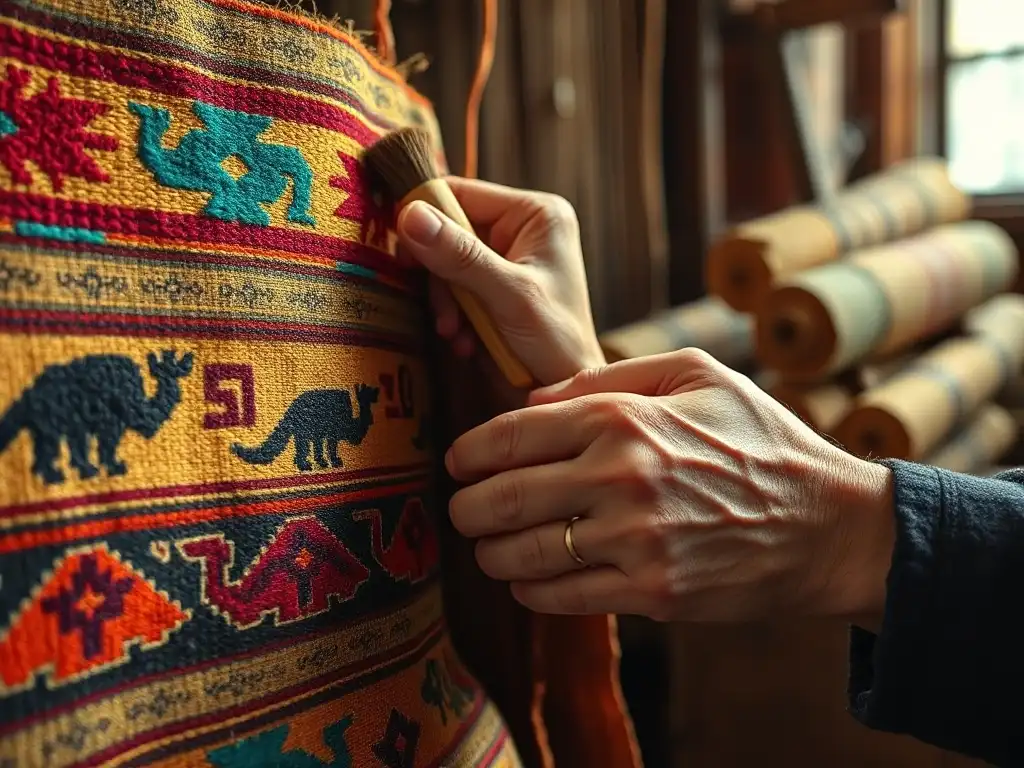
This section delves into the practical aspects of preserving your precious Andean textiles, offering detailed, actionable steps to ensure their longevity. Understanding the delicate nature of these historical artifacts is crucial; improper handling can lead to irreversible damage. These techniques, focusing on gentle cleaning and appropriate storage, will help safeguard your collection for generations to come. We'll explore methods specifically suited for the unique materials and construction of Andean weavings. Proper preservation of Andean textiles is not just about maintenance; it's about respecting the rich cultural heritage embedded within each piece.
Step 1: Gentle Cleaning Methods for Andean Weavings: The Role of Orvus WA Paste
The cleaning of Andean textiles requires a delicate touch. Harsh chemicals and abrasive methods can severely damage the fibers, leading to discoloration, weakening, and even disintegration. For surface cleaning, a solution of Orvus WA paste—a mild, non-ionic detergent often used in museum conservation—is highly recommended. This gentle cleanser effectively removes dust and light soil without compromising the integrity of the textile.
To prepare the Orvus WA paste, mix a small amount of the powder with distilled water to create a thin, creamy consistency. Avoid using hot water, as this can damage the fibers. Apply the paste sparingly to the affected area using a soft, clean brush—a sable brush is ideal. Gently work the paste into the fabric, using circular motions.
Never rub vigorously. After applying the paste, allow it to sit for a few minutes before carefully rinsing with cool, distilled water using a sponge or soft cloth. Finally, blot the textile gently with a clean, absorbent towel, avoiding harsh squeezing or rubbing. Allow the textile to air dry completely, away from direct sunlight or heat.
Remember, less is more; a light cleaning is often sufficient. If significant staining or soiling is present, consider consulting a professional textile conservator. Proper cleaning of your Andean textiles is a critical aspect of Andean textiles preservation techniques.
Step 2: Proper Storage Solutions: Protecting Your Textiles with Archival Storage Boxes and Acid-Free Tissue Paper
Appropriate storage is paramount to the long-term preservation of Andean textiles. Exposure to light, humidity, and pests can cause significant deterioration. Archival-quality storage boxes made from acid-free materials provide a protective barrier against environmental factors. These boxes should be made from materials that are inert and will not off-gas harmful chemicals that could damage the textiles.
Furthermore, using acid-free tissue paper to wrap and separate individual textiles within the boxes is crucial. Acid-free tissue paper prevents the textiles from rubbing against each other, reducing the risk of abrasion and fiber damage. It also helps to absorb any residual moisture. The choice of storage materials is paramount in effective Andean textiles preservation techniques.
The Importance of Temperature and Humidity Control: Using a Digital Hygrometer
Maintaining a stable temperature and humidity level is vital for the preservation of Andean textiles. Fluctuations in these conditions can cause fiber degradation and encourage the growth of mold and mildew. A digital hygrometer allows for precise monitoring of temperature and relative humidity (RH) within the storage area. Ideally, the storage environment should maintain a temperature between 65-70°F (18-21°C) and a relative humidity of 40-50%. Regular monitoring with a hygrometer helps ensure that these optimal conditions are maintained, preventing damage to your treasured collection. Consistent monitoring is a key element in successful Andean textiles preservation techniques.
Folding vs. Rolling: Best Practices for Long-Term Textile Storage
The debate between folding and rolling Andean textiles for storage is a common one among collectors. While both methods have their proponents, rolling is generally preferred for larger, heavier textiles to minimize stress on the fibers. However, the method of rolling is also crucial. Loosely roll the textile around a soft, acid-free core (such as a foam tube) and secure it gently with acid-free ties. Avoid tight rolling which can cause creases and damage.
For smaller, more delicate textiles, careful folding using acid-free tissue paper separators is acceptable. Regardless of the method chosen, ensure the textiles are handled with care and stored in a clean, stable environment. Choosing the appropriate method is an important aspect of Andean textiles preservation techniques. Remember, the goal is to minimize stress on the fibers and protect them from damage.
Step 3: Displaying Andean Textiles Safely: Minimizing Damage from Light and Handling
Displaying your precious Andean textiles is a rewarding experience, allowing others to appreciate their beauty and craftsmanship. However, improper display can lead to significant deterioration. Light, particularly ultraviolet (UV) radiation, is a major culprit in fading dyes and weakening fibers. Similarly, frequent handling can introduce dirt, grime, and even physical damage.
Therefore, careful consideration of display methods is crucial for long-term preservation. We'll explore strategies to minimize these risks, ensuring your textiles remain vibrant and intact for generations to come. The key is to balance the desire to showcase these stunning artifacts with the need to protect them from environmental stressors. This careful approach will allow you to enjoy your collection while safeguarding its future.
Remember, even seemingly minor details can cumulatively impact the longevity of your textiles. This section will provide you with the information you need to make informed decisions about the proper display of your Andean textile collection. Proper handling techniques, combined with the right display environment, are essential for the preservation of these fragile works of art.
Choosing the Right Display Case: Options with UV Protection like a Museum-Grade Display Case
The ideal display case for Andean textiles offers protection from both light and handling. Museum-grade display cases are the gold standard, offering superior protection against UV radiation, dust, and pests. These cases typically utilize UV-filtering glass or acrylic, significantly reducing the harmful effects of light exposure. The construction itself is also critical; robust frames and airtight seals minimize the ingress of dust and pollutants.
While museum-grade cases are often the most expensive option, the investment is worthwhile for truly valuable or delicate textiles. Consider the size and type of textiles you wish to display when choosing a case; larger pieces may require custom-built solutions. Another key feature to look for is the ability to control the internal environment. Some high-end display cases offer features like humidity control, further mitigating environmental damage.
For smaller or less valuable pieces, a high-quality archival-quality box with UV-filtering material may suffice. The key is to prioritize UV protection; even seemingly minor exposure can cause significant damage over time. Remember, the goal is to minimize light exposure as much as possible while still allowing for appreciation of the textile's beauty. Investing in the proper display case is a crucial step in Andean textiles preservation techniques.
Mounting Techniques: Using Acid-Free Mounting Boards and Archival Tape
Mounting Andean textiles requires careful consideration to prevent damage. Avoid using standard adhesives or materials that contain acids, which can react with the fibers and cause discoloration or weakening. Acid-free mounting boards, made from materials like alpha-cellulose, are essential. These boards provide a stable and neutral support, minimizing the risk of chemical reactions. When attaching the textile to the board, use only archival-quality, acid-free tape.
Apply the tape sparingly, focusing on areas that won't be visible. Avoid applying tape directly to the textile's surface whenever possible; consider using a thin, acid-free backing material between the tape and the textile. For particularly delicate textiles, professional mounting may be necessary. A qualified conservator can assess the textile's condition and recommend the safest and most effective mounting techniques.
Remember, improper mounting can cause irreparable damage. Take your time, be meticulous, and prioritize the preservation of the textile's integrity over speed or convenience. This careful approach is crucial for the long-term preservation of your Andean textile collection. The proper use of acid-free materials is one of the most important Andean textiles preservation techniques.
Advanced Andean Textiles Conservation Strategies: When to Seek Professional Help
This section delves into situations where professional intervention is crucial for preserving your precious Andean textiles. While home care is essential for everyday maintenance, certain circumstances demand the expertise of trained textile conservators. Understanding these limitations is key to safeguarding your cultural heritage. Ignoring significant damage can lead to irreversible loss, making early identification and professional intervention paramount for Andean textiles preservation techniques.
Recognizing Signs of Damage: When Professional Conservation is Needed
Knowing when to call a professional is vital. Minor issues, like loose threads or slight discoloration, can often be addressed with basic home care techniques. However, several signs indicate the need for expert intervention:
- Significant tears or holes: Large tears or holes, especially those affecting structural integrity, require specialized repair techniques beyond basic mending. These repairs often necessitate the use of historically accurate materials and methods.
- Extensive staining or discoloration: While some minor discoloration can be addressed with careful cleaning, extensive staining, especially from mold, mildew, or significant water damage, necessitates professional assessment and treatment. The use of inappropriate cleaning agents can cause further damage, exacerbating the problem.
- Insect infestation: Evidence of insect damage, such as holes or webbing, is a serious issue. Professional conservators have the expertise and resources to eradicate infestations and safely treat affected areas. Ignoring this can lead to rapid and extensive deterioration.
- Significant brittleness or fragility: If your textile feels brittle, fragile, or exceptionally weak, it's crucial to seek professional help. This often indicates significant deterioration requiring specialized stabilization techniques.
- Deterioration of dyes: Fading or significant color loss in Andean textiles can indicate damage to the dyes themselves, requiring specialized assessment and potentially, intervention to prevent further loss.
The Benefits of Professional Textile Conservation Services: Including Textile Conservation Specialists
Engaging professional textile conservation services offers several significant advantages in Andean textiles preservation techniques:
- Specialized Expertise: Conservators possess in-depth knowledge of textile structures, materials, and historical preservation methods. They understand the nuances of Andean textile construction and can apply appropriate, historically sensitive techniques.
- Advanced Tools and Techniques: Professionals have access to specialized tools and equipment for delicate cleaning, repair, and stabilization. These tools minimize risks and ensure the best possible outcome.
- Risk Mitigation: Attempting complex repairs without proper training can lead to irreversible damage. Professionals assess the textile's condition, minimize risks, and ensure the preservation techniques used are appropriate.
- Documentation and Archival: Reputable conservators meticulously document their work, providing valuable information about the textile's history and treatment. This record is essential for future care and research.
- Preservation of Cultural Heritage: Professional conservation helps safeguard invaluable cultural artifacts, ensuring the legacy of Andean weaving techniques endures for future generations. This is a crucial aspect of responsible stewardship of cultural heritage.
Selecting a Reputable Conservator: Ensuring Your Andean Textile is in Good Hands
Choosing the right conservator is as crucial as the conservation itself. To ensure your Andean textile is in good hands, consider the following:
- Qualifications and Experience: Look for conservators with proven experience in textile conservation, specifically with Andean textiles. Verify their qualifications and training through professional organizations.
- References and Testimonials: Request references and testimonials from previous clients. This provides valuable insight into their work quality and professionalism.
- Transparency and Communication: A reputable conservator will maintain open communication throughout the process, providing regular updates and explaining the rationale behind their decisions.
- Ethical Practices: Ensure the conservator adheres to ethical conservation practices, prioritizing the long-term preservation of the textile over quick fixes.
- Insurance and Liability: Confirm the conservator holds appropriate insurance to cover any potential damage during treatment. This protects both the conservator and the owner.
Choosing a qualified and experienced conservator is paramount for effective Andean textiles preservation techniques. By carefully considering these factors, you can ensure the long-term survival of your treasured Andean textiles.
Recommended Products for Andean Textile Care: Tools and Resources
This section details specific products crucial for the effective preservation of your Andean textiles. Choosing the right tools and materials is paramount to preventing damage and ensuring the longevity of these delicate artifacts. Proper preservation techniques are essential for maintaining the vibrant colors, intricate weaves, and historical significance of these treasured textiles. Remember, always prioritize the use of pH-neutral and archival-quality materials to avoid causing further deterioration.
Top Picks for Textile Cleaning: Orvus WA Paste vs. Conservation Grade Detergent
Cleaning Andean textiles requires a delicate touch and the right cleaning agents. Two popular choices are Orvus WA paste and conservation-grade detergents. Both offer advantages, but their applications differ.
Orvus WA paste, a concentrated soap, is frequently recommended for its gentle cleaning power. It's effective in removing surface dirt and grime without being overly harsh on the fibers. However, its effectiveness is limited to surface cleaning; it won't penetrate deeply embedded stains. Furthermore, improper use can lead to residue buildup if not thoroughly rinsed.
Conservation-grade detergents, on the other hand, are specifically formulated for delicate artifacts. These detergents are pH-neutral and free from optical brighteners and other potentially harmful chemicals. They are generally more effective at removing ingrained dirt and stains, but require more careful application and rinsing. The higher initial cost is often offset by their superior cleaning power and the reduced risk of damage.
| Feature | Orvus WA Paste | Conservation Grade Detergent |
|---|---|---|
| Cost | Relatively inexpensive | More expensive |
| Cleaning Power | Effective for surface cleaning | More effective, penetrates deeper |
| pH Level | Generally pH-neutral | Always pH-neutral |
| Risk of Damage | Moderate, if not rinsed properly | Low, if used correctly |
| Recommended Use | Light surface cleaning | Deep cleaning, stubborn stains |
Choosing between these two depends on the textile's condition and the type of cleaning needed. For minor cleaning, Orvus WA paste might suffice. However, for heavily soiled or stained textiles, a conservation-grade detergent is the safer and more effective option. Always test any cleaning solution on an inconspicuous area first to check for colorfastness and potential damage. Remember, prevention is key; regular dusting and careful handling will minimize the need for extensive cleaning.
Archival Storage Solutions: Gaylord Archivel Boxes and Lineco Acid-Free Tissue Paper
Proper storage is critical in Andean textiles preservation techniques. Exposure to light, humidity, and fluctuating temperatures can cause irreparable damage. Therefore, selecting archival-quality storage materials is non-negotiable.
Gaylord archival boxes are a popular choice for their robust construction and acid-free properties. These boxes offer excellent protection against light, dust, and pests. Their sturdy design helps prevent crushing and warping, preserving the shape of the textiles. The acid-free materials prevent the textiles from degrading due to acid migration.
Complementing the archival boxes, Lineco acid-free tissue paper provides an additional layer of protection. This soft, acid-free paper is ideal for wrapping individual textiles, preventing them from rubbing against each other and minimizing the risk of abrasion. It also helps absorb any residual moisture, further protecting the textiles from damage.
Careful consideration should be given to the storage environment. Ideally, textiles should be stored in a cool, dark, and dry space with stable temperature and humidity levels. Regular monitoring of the storage conditions is recommended to ensure the ongoing preservation of your collection. This proactive approach will significantly extend the lifespan of your precious Andean textiles.
Display Case Options: ClearVue Display Cases and Acrylic Display Cases
Displaying Andean textiles requires careful consideration to minimize light exposure and environmental factors. Two popular choices are ClearVue and acrylic display cases. Both offer advantages and disadvantages in terms of protection and aesthetics.
ClearVue display cases, often made of UV-filtering glass, provide excellent protection against light damage. UV light is a major contributor to color fading and fiber degradation. The cases also offer robust protection against dust and physical damage. However, they can be more expensive than acrylic alternatives.
Acrylic display cases are a more budget-friendly option. They are lightweight and easy to handle. While some acrylics offer UV protection, it is often less effective than that provided by specialized UV-filtering glass. Furthermore, acrylic can be prone to scratching and may not offer the same level of protection against physical damage as glass.
The choice between ClearVue and acrylic depends on your budget and the level of protection required. For high-value textiles or those particularly vulnerable to light damage, a ClearVue display case with UV-filtering glass is the preferred choice. For less valuable items or those displayed for shorter periods, an acrylic case with UV protection might be a suitable compromise.
Regardless of the material chosen, always ensure the display case is properly sealed to prevent dust and pest infestation. Moreover, minimizing the duration of display and rotating items regularly will significantly reduce light exposure and enhance the longevity of your Andean textile collection.
Maintaining the Legacy: Long-Term Care for Your Andean Textile Collection
This section delves into the crucial aspects of long-term care for your precious Andean textile collection. Proper preservation isn't a one-time task; it's an ongoing commitment that ensures these invaluable pieces of history remain vibrant and accessible for generations to come. Understanding the specific needs of Andean textiles, considering their age, materials, and construction, is paramount for successful preservation. Ignoring even minor issues can lead to irreversible damage, so proactive care is key. This involves a multi-faceted approach encompassing regular inspection, meticulous documentation, and a commitment to continuous learning.
Regular Inspection and Monitoring: Preventing Minor Issues from Escalating
Regular inspection is the cornerstone of Andean textiles preservation techniques. Think of it as a preventative health check for your artifacts. Ideally, you should inspect your textiles at least twice a year, more frequently if they're frequently handled or displayed. During these inspections, carefully examine each piece for signs of deterioration. This includes:
- Fading: Note any areas showing significant color loss, which might indicate exposure to light or inappropriate storage conditions. The vibrant dyes used in Andean textiles are particularly susceptible to light damage.
- Weakening of Fibers: Gently feel the fabric for any areas that feel brittle or weak. This could indicate fiber degradation due to age, humidity, or pest infestation.
- Pest Infestation: Look for signs of insect activity, such as holes, webbing, or insect droppings. Andean textiles are unfortunately prone to insect damage, particularly moths and silverfish.
- Soiling and Staining: Note any dirt, stains, or discoloration. While some soiling is inevitable, significant staining can lead to further deterioration.
- Damage to Embellishments: Pay close attention to any embellishments such as beads, embroidery, or metallic threads. These are often more delicate and prone to damage than the main textile.
A detailed log of each inspection, noting any observed issues, is crucial for tracking changes and implementing timely interventions. Remember that early detection of problems allows for prompt and effective treatment, minimizing potential long-term damage. A simple photographic record can also be invaluable in documenting the condition of your textiles over time. This visual history allows you to track any changes and assess the effectiveness of your preservation strategies.
Documentation and Record Keeping: Protecting Your Investment and Heritage
Meticulous record-keeping is as vital as regular inspection for preserving your Andean textiles. This detailed documentation serves several critical purposes: it provides a comprehensive history of each piece, safeguards your investment, and contributes to the wider understanding of Andean textile traditions. Your documentation should include:
- Detailed Description: Record the textile's dimensions, materials (including fiber type, dye composition if known), construction techniques, and any unique features or embellishments. Note any existing damage or repairs.
- Provenance: Document the textile's origin, acquisition date, and any previous owners if known. This information provides valuable context and helps establish authenticity.
- Photography: High-quality photographs from multiple angles are essential. These images provide a visual record of the textile's condition and can be invaluable for future research and conservation efforts.
- Treatment Records: Maintain a detailed record of any cleaning, repairs, or conservation treatments performed on the textiles. This information is vital for future reference and ensures that treatments are consistent and effective.
Consider using a database or spreadsheet program to organize your records effectively. A well-organized system ensures that information is readily accessible and allows for easy tracking of the condition of each textile over time. The detailed data you collect becomes a valuable resource, not only for your personal collection but also for potential future research on Andean textile techniques and history.
Continuous Learning and Adaptation: Staying Up-to-Date on Best Practices
The field of Andean textiles preservation techniques is constantly evolving. New research and discoveries lead to refined methodologies and improved conservation practices. Therefore, a commitment to continuous learning is essential for ensuring the long-term preservation of your collection. Stay informed about the latest advancements in conservation science by:
- Attending Workshops and Conferences: Participate in workshops and conferences focused on textile conservation, particularly those specializing in Andean textiles. These events provide opportunities to learn from experts and network with other collectors.
- Reading Peer-Reviewed Publications: Stay abreast of the latest research by reading peer-reviewed articles and journals in the field of textile conservation.
- Consulting with Experts: Don't hesitate to seek advice from professional textile conservators. They can provide valuable insights and guidance on specific issues related to your collection.
Staying informed and adaptable ensures you are employing the most up-to-date and effective Andean textiles preservation techniques. This proactive approach will safeguard your valuable collection and contribute to the preservation of this rich cultural heritage for future generations. Remember, the preservation of Andean textiles is not just about maintaining their physical integrity but also about safeguarding the cultural stories and traditions they embody.
Frequently Asked Questions
What are the biggest threats to Andean textile preservation?
The biggest threats are environmental factors like humidity and light exposure, as well as pests like insects and rodents. Improper handling and storage also contribute significantly to deterioration.
What are some basic preservation techniques I can use at home?
Keep textiles in a cool, dark, and dry environment. Avoid direct sunlight and use acid-free storage materials like cotton or archival-quality boxes. Regular inspection for pest damage is crucial.
How important is proper cleaning for Andean textiles?
Cleaning is extremely important, but should only be done by a qualified conservator. Improper cleaning can cause irreparable damage to delicate fibers and dyes.
What are some advanced techniques used by professionals for Andean textile preservation?
Professionals use techniques like controlled environmental chambers, fumigation, and fiber consolidation to address specific damage. They also employ specialized cleaning methods and digital archiving techniques.
Where can I find more information on Andean textile conservation?
You can find more information through museum websites, academic journals, and conservation organizations specializing in textile preservation. Consult with experts for advice on your specific textiles.
Final Reflection: Weaving a Legacy: The Enduring Power of Andean Textiles
The intricate artistry of Andean textiles continues to resonate today, a testament to the enduring skill and cultural significance woven into each thread. Their preservation, however, is a critical challenge, demanding our attention and proactive engagement to safeguard this invaluable heritage for future generations. Ignoring the delicate nature of these artifacts means risking the irreplaceable loss of history, artistry, and cultural identity.
The journey through the techniques discussed in this article underscores the profound connection between cultural preservation and the act of mindful stewardship. These textiles are not merely objects; they are living repositories of stories, beliefs, and traditions passed down through centuries. The threads themselves whisper stories of the past, and it is our responsibility to ensure their voices are heard for centuries to come.
– (This quote can be replaced with a relevant quote if you have one). Understanding the fragility of these artifacts and applying the preservation techniques outlined here is a powerful act of cultural respect and a commitment to ensuring their continued existence.
Now, consider the textiles you may encounter – a vibrant tapestry in a museum, a delicately woven shawl passed down through your family, or even a modern piece inspired by ancient techniques. What steps can you take to ensure their longevity? By embracing the principles of careful handling, appropriate storage, and mindful conservation, you become a vital link in the chain, preserving not just textiles, but the rich tapestry of Andean culture itself. Let us all become custodians of this legacy, ensuring that the vibrant threads of history continue to shine brightly for years to come.
**Preserve Your Andean Textile Treasures – Take Action Today! **
Thank you for exploring the rich world of Andean textiles with us! Your dedication to preserving these exquisite cultural artifacts not only safeguards a vital tradition but also deepens your understanding of Andean history. Now, let's put that knowledge into practice!
- Start a preservation project: Select a textile from your collection and apply the preservation techniques you've learned. Document your progress to share your experience with others.
- Join a community of textile enthusiasts: Connect with like-minded individuals by joining online forums or social media groups dedicated to Andean culture. Participate in discussions and exchange valuable preservation tips.
- Share your knowledge and inspire others: Write a blog post or share a social media update about your experience preserving Andean textiles. Inspire others to protect these important pieces of history.
What steps will you take to ensure the beauty and historical significance of your Andean textiles are cherished for generations to come?