
Moche Pottery's Story: Reading the Narrative of Genuine Artifacts

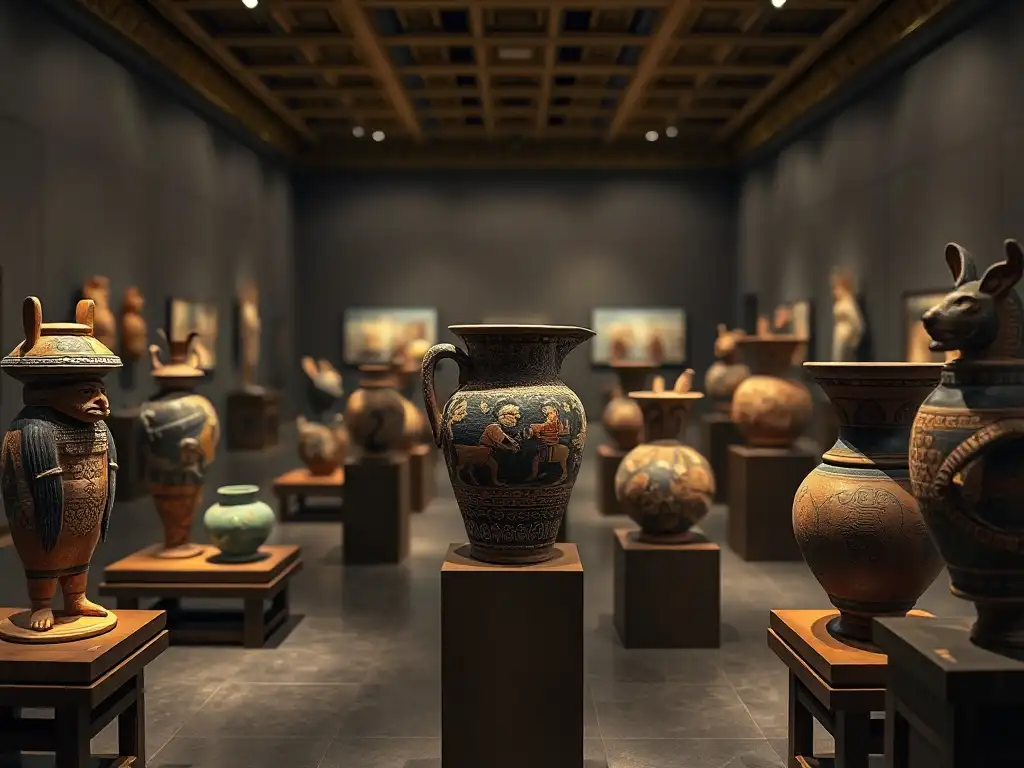
Step into a world lost to time, yet vividly preserved in clay. Andean Civilizations unveils the secrets held within the intricate artistry of ancient Peru. Prepare to be captivated by the power of Moche pottery narrative analysis, as we delve into the compelling stories etched onto these remarkable artifacts. Discover how these vibrant vessels reveal not just artistic skill, but a complex worldview—a narrative waiting to be deciphered. Dare to uncover the mysteries within... Explore the World of Andean Artifacts now!
- Moche Pottery Narrative Analysis: Unveiling the Stories Behind the Artifacts
- Myth vs. Reality: Separating Genuine Moche Pottery from Modern Replicas
- Reading the Narrative: Iconography and Storytelling in Moche Artifacts
- Authenticating Moche Pottery: Tools and Techniques for Experts and Collectors
- Protecting Moche Heritage: The Importance of Responsible Acquisition
- Conclusion: Appreciating the True Narrative of Moche Pottery
-
Frequently Asked Questions
- What is "Moche pottery narrative analysis"?
- How do archaeologists interpret the narratives on Moche pottery?
- What kind of narratives are typically depicted on Moche pottery?
- Why is Moche pottery considered so significant for understanding the culture?
- Where can I learn more about Moche pottery narrative analysis?
- Final Reflection: Unearthing the Enduring Voices of Moche Pottery
- Unveil the Richness of Moche Pottery!
Moche Pottery Narrative Analysis: Unveiling the Stories Behind the Artifacts
The Moche civilization, flourishing along the northern coast of Peru from approximately 100 CE to 800 CE, left behind a legacy of remarkable artistry and technological prowess. Nowhere is this more evident than in their pottery, intricate ceramic vessels that serve as captivating windows into their complex society, religious beliefs, and daily life. This article delves into the fascinating world of Moche pottery, exploring the techniques used to analyze these artifacts and uncover the narratives embedded within their vibrant designs and forms.
By understanding the narrative analysis of Moche pottery, we gain a deeper appreciation for the ingenuity and cultural richness of this remarkable ancient civilization. We will explore how scholars decipher the symbolic language etched onto these vessels, revealing insights into Moche mythology, social structures, and their relationship with the natural world.
This analysis is crucial not only for understanding the Moche but also for authenticating genuine artifacts in the increasingly complex world of antiquities. The ability to discern genuine Moche pottery from imitations requires a nuanced understanding of its stylistic features, production techniques, and the underlying narrative woven into each piece.
Decoding the Ceramic Language of the Moche: A Journey Through Time
Moche potters were masters of their craft, employing sophisticated techniques to create incredibly detailed and lifelike representations. Their pottery wasn't merely functional; it was a powerful medium for storytelling, conveying complex narratives through intricate iconography and stylistic choices. Analyzing these narratives requires a multi-faceted approach, combining stylistic analysis with an understanding of Moche iconography and social structures. For example, depictions of warriors, often found in elaborate scenes of battle or ritual sacrifice, provide valuable insights into the Moche's military organization and warfare practices.
Similarly, representations of deities and mythological creatures illuminate their religious beliefs and cosmology. The careful observation of posture, gestures, and the relationships between figures within a scene allows researchers to interpret the narrative unfolding before them. The use of color, too, plays a significant role, with specific hues often carrying symbolic weight within the Moche worldview. For instance, red might represent blood or power, while yellow could symbolize the sun or the elite class.
The precision and detail involved in the creation of these ceramic masterpieces is truly awe-inspiring, reflecting the high level of skill and artistic sophistication within Moche society. Each vessel tells a unique story, contributing to a larger tapestry of Moche culture and history. These stories, meticulously preserved in clay, offer invaluable insights into a civilization that thrived centuries ago.
Identifying Authentic Moche Pottery: Distinguishing Genuine Artifacts from Forgeries
The popularity of Moche pottery has unfortunately led to a rise in forgeries. Distinguishing genuine artifacts from modern imitations requires a keen eye for detail and a thorough understanding of the stylistic conventions and manufacturing techniques employed by Moche artisans. Several key characteristics can help in this process. Genuine Moche pottery often exhibits a unique combination of features, including specific clay types, firing techniques, and surface treatments. For example, the use of slip – a liquid clay suspension applied before firing – and the application of pigments are crucial elements to consider. The color, texture, and application of these slips and pigments can often reveal whether a piece is authentic. Furthermore, the presence of specific stylistic elements, such as particular motifs, iconographic conventions, and the overall aesthetic, can help in authentication. Analyzing the form and construction of the vessel is also critical. The quality of the craftsmanship, the precision of the mold-making (where applicable), and the overall finish can reveal much about a piece’s authenticity.
A detailed examination, often requiring specialized equipment and expertise, can reveal subtle clues such as microscopic analysis of the clay and pigment composition, or the detection of trace elements that are characteristic of the Moche period. Unfortunately, forgeries often lack the subtle nuances and imperfections present in authentic pieces. Authenticating Moche pottery is a complex process that requires a combination of art historical knowledge, scientific analysis, and a careful consideration of all available evidence.
The ability to discern between genuine and forged artifacts is crucial for preserving the integrity of the archaeological record and ensuring the ethical handling of Moche cultural heritage. 🕵️♂️
The Role of Context in Moche Pottery Narrative Analysis: Archaeological Discoveries and Their Significance
The context of discovery plays a vital role in understanding the narratives within Moche pottery. Artifacts found in situ, within their original burial contexts or associated with specific structures, offer significantly more information than those found out of context. For example, a ceramic vessel discovered in a tomb alongside other grave goods can provide insights into funerary practices, social status, and beliefs about the afterlife.
The arrangement of objects within a tomb, the presence of specific iconography on the pottery, and the overall context of the burial can all contribute to a richer interpretation of the narratives depicted on the pottery. Similarly, pottery found in association with specific structures, such as temples or palaces, can provide information about the social and political organization of Moche society. The analysis of the spatial distribution of artifacts and their relationship to the surrounding environment is key to understanding the narratives they convey.
This holistic approach, combining archaeological context with stylistic and iconographic analysis, is essential for a complete and nuanced understanding of Moche pottery and the stories it tells. The careful documentation of archaeological discoveries is therefore crucial for future research and interpretation. 🏛️
Myth vs. Reality: Separating Genuine Moche Pottery from Modern Replicas
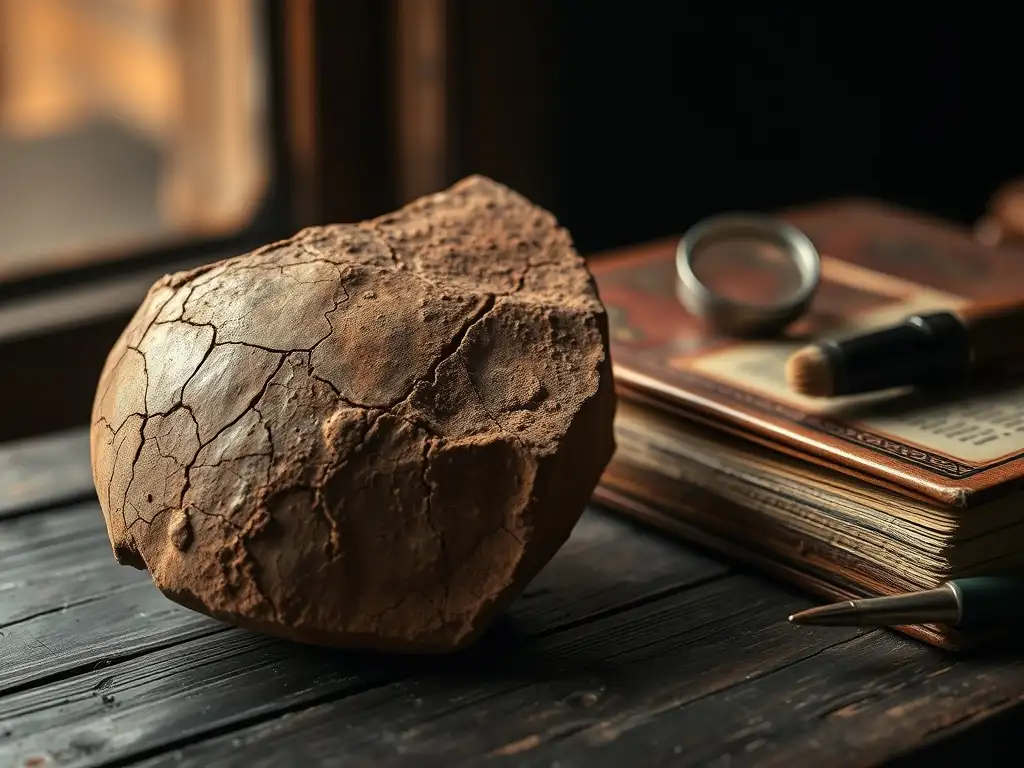
The allure of Moche pottery, with its vibrant colors and intricate depictions of daily life, rituals, and mythology, makes it a highly sought-after artifact. However, this popularity has unfortunately fueled a significant market for forgeries. Understanding the nuances of authentic Moche pottery is crucial for collectors and enthusiasts alike to ensure they are acquiring genuine pieces and contributing to the preservation of this invaluable cultural heritage.
This section delves into common misconceptions surrounding Moche pottery identification, highlighting the complexities involved in distinguishing genuine artifacts from modern replicas. Effective Moche pottery narrative analysis requires a critical eye and a deep understanding of the cultural context.
Myth 1: All Moche Pottery is Easily Identifiable by its Style
A common misconception is that all Moche pottery shares a readily identifiable style. While Moche ceramics are indeed known for their distinctive characteristics – such as the use of slip, the mastery of modeling, and the vivid depictions of scenes – the reality is far more nuanced. The vastness of the Moche territory and the long duration of their civilization (approximately 100-800 CE) resulted in significant regional stylistic variations.
Attributing a piece to the Moche culture based solely on superficial similarities to some examples of Moche pottery is insufficient and can lead to misidentification. For example, the pottery from the northern coastal regions might exhibit a different palette and style compared to those from the southern areas.
Recognizing these subtle differences requires a detailed understanding of Moche regional styles and the evolution of their ceramic techniques over time. A simple visual comparison to images online is not enough for accurate Moche pottery narrative analysis.
Reality: Varied Styles and Regional Differences in Moche Ceramics
The Moche produced a wide array of ceramic forms, each with its unique stylistic features. From the iconic portrait vessels depicting individuals with striking details to the elegant stirrup-spout jars and the functional bowls, the diversity is remarkable. Regional variations are significant, with distinct stylistic features appearing across different Moche sites.
For instance, some regions favored specific colors or motifs, while others developed unique forms and techniques. Furthermore, the Moche artistic style evolved over centuries, leading to changes in design, color palettes, and even the very techniques employed. Therefore, a thorough Moche pottery narrative analysis necessitates considering the temporal and spatial context of the artifact.
A seemingly "Moche-like" piece might actually belong to a different culture or be a later imitation attempting to mimic these regional variations. Careful examination of the ceramic paste, the firing technique, and the overall aesthetic are crucial aspects of distinguishing authentic Moche pottery from imitations. Even experienced experts rely on multiple methods to reach a definitive conclusion.
The Importance of Provenance in Moche Pottery Identification
Provenance, or the documented history of an artifact’s ownership and location, is paramount in authenticating Moche pottery. A piece with a clear and verifiable provenance—tracing its ownership back to its discovery and legitimate excavation— significantly increases its authenticity. Legitimate excavations are typically accompanied by detailed records, including photographic documentation, contextual information about the site, and stratigraphic data. This information provides crucial context for the artifact, allowing researchers to assess its age, authenticity, and relationship to other finds.
Conversely, pottery lacking a documented history raises serious doubts about its authenticity. The absence of provenance often suggests that the piece may have entered the market through illicit means, making it a high-risk purchase. This information is crucial for responsible collecting and for protecting the cultural heritage of Peru.
A strong provenance, therefore, is not just a desirable feature but a fundamental element in a robust Moche pottery narrative analysis. Without it, the risk of acquiring a fake significantly increases, regardless of the apparent stylistic similarities to genuine examples. 🕵️♂️
Reading the Narrative: Iconography and Storytelling in Moche Artifacts
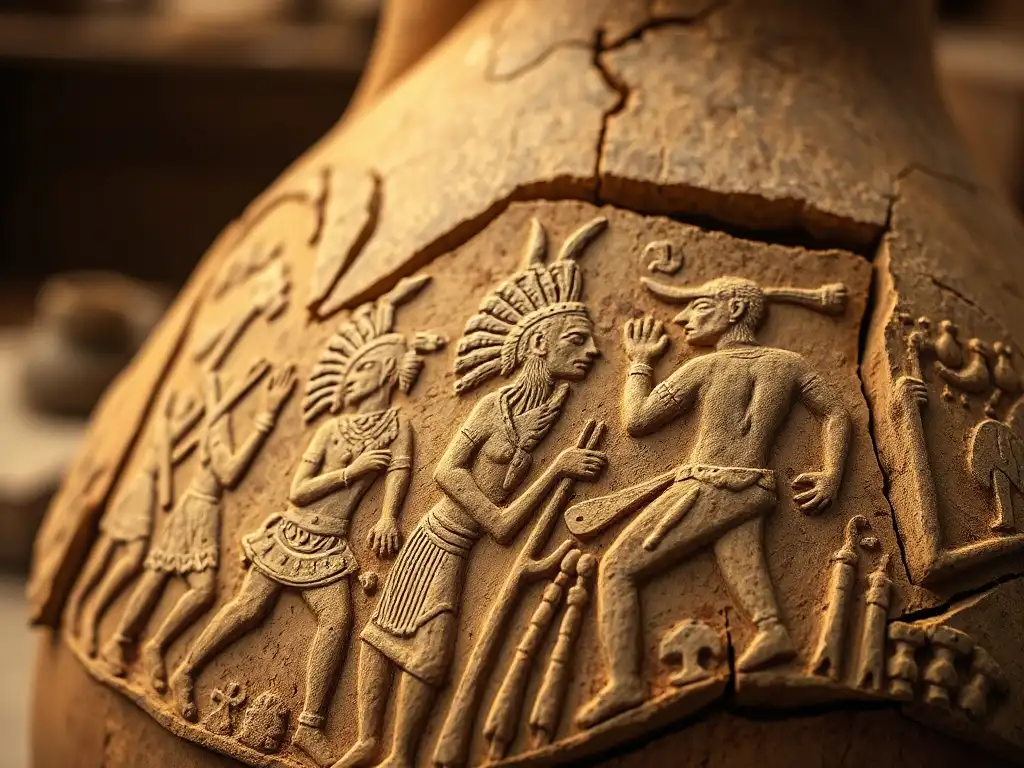
Moche pottery isn't merely a collection of aesthetically pleasing vessels; it's a rich tapestry woven with narratives, beliefs, and societal structures of a sophisticated civilization. Analyzing Moche pottery requires understanding the intricate iconography employed by the artisans, a visual language that speaks volumes about their worldview. The careful study of Moche pottery narrative analysis allows us to glimpse into their daily life, religious practices, and social hierarchies.
This section will delve into the key elements of deciphering the stories embedded within these remarkable artifacts. The Moche people were masterful storytellers, using their pottery as a canvas to depict scenes of both daily life and significant ritualistic events. By understanding the symbolic language they employed, we can begin to reconstruct their complex culture.
Moche Iconography: Understanding the Symbolic Language
The Moche iconography is remarkably consistent across various artifacts, suggesting a standardized system of representation. Certain motifs repeatedly appear, carrying specific symbolic weight. For instance, the depiction of specific animals often holds ritualistic or mythological significance. The jaguar, for example, frequently symbolizes power and ferocity, while the hummingbird often represents agility and the divine.
Similarly, certain human figures, such as the Decapitator, hold significant cultural importance within the Moche narrative. Understanding these recurring symbols is crucial for interpreting the overall narrative presented on a given piece of pottery. The color palette also played a vital role; specific colors were likely associated with specific deities or events. Further research is needed to fully understand the nuances of Moche color symbolism.
Detailed studies of individual motifs and their contextual appearances across various pieces of Moche pottery are needed to refine our understanding of their symbolic language. For example, the prevalence of certain motifs in elite tombs versus common graves could indicate social stratification and the use of pottery as a marker of status. Careful documentation and comparison of these artifacts are essential for building a comprehensive understanding of Moche iconography.
The Significance of the Decapitator Figure in Narrative Interpretation
The Decapitator figure is arguably one of the most iconic and enigmatic symbols in Moche art. This figure, often depicted wielding a knife or club, is frequently shown in scenes of sacrifice or violence. However, interpretations of this figure vary. Some scholars suggest the Decapitator represents a shamanistic figure, performing ritualistic sacrifices to appease the gods or ensure agricultural fertility.
Others propose that it symbolizes a warrior leader, showcasing the power and dominance of the Moche elite. The context in which the Decapitator appears is crucial for interpretation. Is it a standalone figure, or part of a larger narrative scene?
The presence of other symbols and characters within the scene can greatly influence the interpretation of the Decapitator's role. For instance, the presence of specific deities alongside the Decapitator could suggest a divinely sanctioned act, rather than simple violence. Further research, including ethnographic comparisons with other Andean cultures, could shed light on the exact significance of the Decapitator within the broader context of Moche society.
Case Study: Analyzing the Narrative on a Moche Stirrup Vessel Depicting a Sacrifice Ceremony
Let's consider a hypothetical example: a Moche stirrup vessel depicting a sacrifice ceremony. The vessel shows a central figure, likely a captive, bound and presented before a group of individuals, possibly priests or elites. The scene is rich with symbolic elements: a jaguar skin adorns one of the figures, suggesting a connection to power and the supernatural.
Hummingbirds fly around the scene, potentially symbolizing the transition between life and death. The use of specific colors — perhaps red for blood and sacrifice, and yellow for the sun — further adds to the narrative's intensity. Analyzing the arrangement of figures, the direction of their gazes, and the details of their attire provides valuable clues to understanding the sequence of events and the overall meaning of the scene.
This detailed analysis, combined with knowledge of other similar Moche artifacts, allows for a more nuanced understanding of the specific narrative being told on this particular vessel. By meticulously documenting such details across multiple vessels, researchers can build a more complete picture of Moche religious practices and beliefs. This meticulous approach to Moche pottery narrative analysis is vital for uncovering the richness and complexity of their culture.
Authenticating Moche Pottery: Tools and Techniques for Experts and Collectors
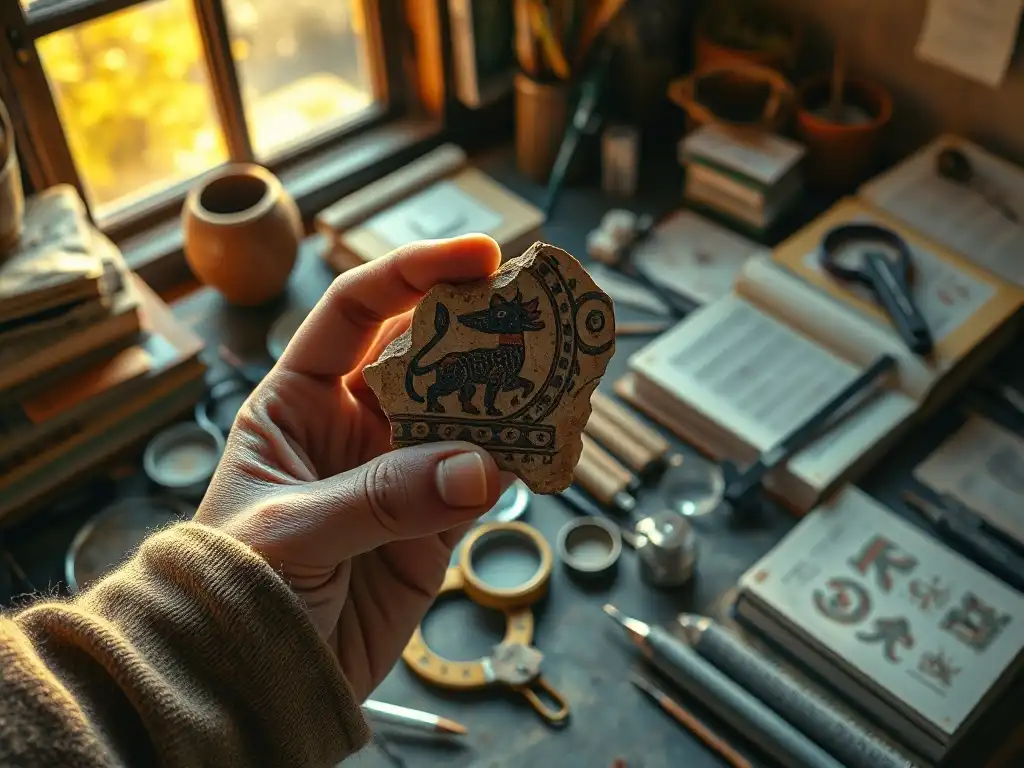
This section delves into the practical methods employed by experts and discerning collectors to authenticate Moche pottery, focusing on the crucial aspects that distinguish genuine artifacts from imitations. Moche pottery narrative analysis relies heavily on a multi-faceted approach, combining scientific scrutiny with keen visual observation. The goal is to develop a comprehensive understanding of the piece's provenance and artistic merit. Accurate Moche pottery identification demands a rigorous process, and this section provides a detailed overview of the key steps involved.
The Role of Scientific Analysis in Authentic Moche Pottery Identification
Scientific analysis plays a pivotal role in authenticating Moche pottery. Beyond visual inspection, scientific techniques provide irrefutable evidence regarding a piece's age and origin. Several methods are commonly used:
- Thermoluminescence (TL) Dating: This technique measures the accumulated radiation absorbed by the clay over time, providing an estimate of the artifact's age. TL dating is particularly useful for establishing whether a piece is truly ancient or a recent fabrication. Precise results depend on factors like the clay's composition and exposure to environmental radiation. Discrepancies in TL results compared to established Moche timelines can raise significant doubts about authenticity.
- Petrographic Analysis: This examines the microscopic composition of the clay, identifying the specific minerals and geological materials present. By comparing the petrographic profile of a suspected Moche piece with known sources of clay used by the Moche culture, experts can assess its geographic origin and time period. This analysis can reveal inconsistencies, like the use of modern additives or clays not found in the Moche region.
- Elemental Analysis: Techniques like X-ray fluorescence (XRF) can determine the elemental composition of the pigments and clay. This helps identify the specific types of minerals and metals used in the creation of the pottery, providing clues about its authenticity and the methods employed by the artisans. Unusual or anachronistic elemental compositions can be indicative of forgery.
The combination of these scientific methods provides a robust framework for verifying the authenticity of Moche pottery. While each method has its limitations, their combined application significantly increases the confidence level in the authentication process. For example, a piece showing a TL age consistent with the Moche period, a petrographic profile matching known Moche clay sources, and elemental analysis confirming the use of traditional pigments would strongly suggest authenticity.
Tools for Visual Inspection: Identifying Characteristics of Genuine Moche Pottery
Visual inspection remains a crucial first step in Moche pottery narrative analysis. Experienced eyes can spot subtle clues that indicate authenticity or forgery. Here are some key characteristics to examine:
- Clay Texture and Color: Genuine Moche pottery often exhibits a specific texture and color range, varying depending on the clay source and firing techniques. Imitations frequently lack the subtle variations and natural imperfections seen in authentic pieces. The presence of unusual colors or an overly uniform texture should raise suspicion.
- Surface Finish and Decoration: The surface finish, ranging from highly polished to more matte, is crucial. Examine the application of pigments and slip, noting any inconsistencies or signs of modern application techniques. Genuine Moche pottery often displays a remarkable precision and sophistication in decoration, while forgeries may exhibit clumsy or uneven application.
- Form and Style: Familiarity with the diverse styles and forms of Moche pottery is essential. Understanding the stylistic conventions of different Moche periods allows for accurate identification and helps distinguish genuine pieces from imitations. Inconsistencies in form or style that deviate significantly from established Moche patterns should be considered carefully. Consider the use of mold-made vs. hand-built techniques.
| Characteristic | Genuine Moche Pottery | Forged Moche Pottery |
|---|---|---|
| Clay Texture | Often exhibits subtle variations and imperfections | Typically smoother, more uniform, lacking natural flaws |
| Color | Wide range, but consistent with known Moche palettes | May exhibit unnatural or overly vibrant colors |
| Pigment Application | Precise, sophisticated, often with layered effects | Clumsy, uneven, may show signs of modern paint application |
| Form and Style | Consistent with known Moche styles and periods | May show inconsistencies or stylistic inaccuracies |
The visual examination, coupled with a thorough understanding of Moche artistic conventions and stylistic variations, provides valuable insights into a piece's authenticity. It is a fundamental skill for anyone involved in the study or collecting of Moche pottery.
Potential Resources: Where to Find Reliable Information on Moche Pottery
Accessing reliable information is crucial for anyone interested in Moche pottery. Several resources can provide the necessary knowledge and expertise to aid in authentication and appreciation:
- Academic Journals and Books: Specialized publications dedicated to Andean archaeology and art history offer in-depth analysis of Moche pottery, its stylistic development, and techniques of production. These often feature detailed studies of specific pieces and provide valuable insights into the cultural context.
- Museum Collections and Exhibitions: Major museums with significant collections of pre-Columbian art, including Moche pottery, provide invaluable opportunities for in-person study and comparison. Catalogs and online databases associated with these institutions can also be useful resources.
- Expert Consultation: Consulting with established experts in pre-Columbian archaeology and art history is highly recommended. These professionals possess the expertise to analyze complex details and provide informed opinions on authenticity. Their insights can be invaluable in making informed decisions about the acquisition or authentication of Moche pottery.
Developing a strong foundation in Moche pottery requires a diligent approach, combining careful study with practical experience. By utilizing a combination of scientific analysis and careful visual inspection, and by consulting reliable resources, one can develop the skills necessary to confidently identify genuine Moche pottery. This rigorous approach is vital for preserving the integrity of these remarkable artifacts and fostering a deeper understanding of Moche culture and artistic achievements.
Protecting Moche Heritage: The Importance of Responsible Acquisition
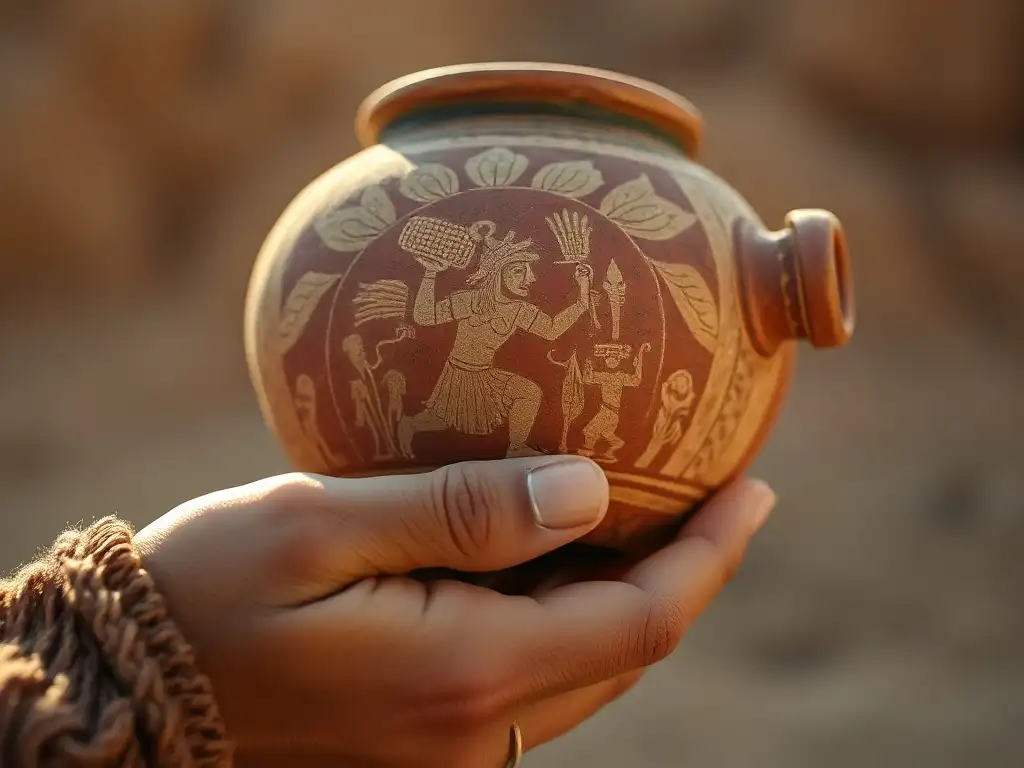
The vibrant artistry and intricate detail of Moche pottery make it highly sought after by collectors worldwide. However, the desire for these artifacts must be tempered with a profound understanding of the ethical and legal implications of acquisition. The uncontrolled removal of Moche pottery from its archaeological context not only deprives future generations of the opportunity to learn from these objects but also contributes to the destruction of invaluable historical sites. Understanding the provenance—the history of ownership and location—of a piece is paramount.
A lack of clear provenance raises serious red flags, indicating a possible illicit origin and contributing to the black market trade that fuels looting and destruction. Responsible acquisition means prioritizing artifacts with documented provenance, acquired legally and ethically through reputable channels such as auctions with transparent histories or established museums. This approach ensures that the acquisition doesn't contribute to the ongoing damage to Moche heritage sites and the overall cultural landscape.
The preservation of archaeological sites is not merely an academic concern; it's a crucial step in understanding the complex society that created this remarkable art. By choosing responsible acquisition, collectors become active participants in the protection of Moche heritage, rather than unwitting contributors to its erosion. This mindful approach is essential for the long-term survival and appreciation of Moche pottery's narrative.
Ethical Considerations in Collecting Moche Artifacts
Ethical collecting involves far more than simply purchasing a piece; it requires a commitment to responsible stewardship. This includes thorough research into the artifact's history, verifying its provenance, and ensuring its acquisition aligns with all applicable laws and regulations. Ignoring these aspects can lead to unintentional participation in illegal activities, undermining efforts to protect cultural heritage. For example, purchasing Moche pottery from an unregulated market, even if unaware of its illicit origins, contributes to the demand that fuels looting.
Collectors should prioritize transparency, seeking verifiable documentation detailing the artifact's history from its discovery to its current ownership. This often includes archaeological reports, export permits, and previous ownership records. Furthermore, ethical collectors actively support institutions dedicated to the preservation and study of Moche culture, often contributing to their research and conservation efforts. This collaborative approach ensures that these remarkable pieces remain accessible for study and appreciation by future generations.
The ethical acquisition of Moche pottery is not merely a matter of personal responsibility; it's a crucial element in the preservation of a significant piece of world history. A commitment to ethical practices helps to ensure that the narrative embedded within each artifact can continue to be understood and appreciated. The ethical considerations involved in collecting Moche pottery extend beyond individual collectors; they represent a collective responsibility to protect cultural heritage for the benefit of all.
Supporting Museums and Institutions Dedicated to Moche Culture
Museums and research institutions play a vital role in preserving and interpreting Moche pottery. By supporting these organizations, collectors actively contribute to the long-term preservation of Moche heritage. This support can take various forms: financial contributions, artifact donations, or volunteering time and expertise. Financial contributions directly support vital preservation efforts, such as conservation treatments, research projects, and public education programs.
Donating artifacts with documented provenance allows museums to expand their collections, enhancing research opportunities and public access to these invaluable pieces. The knowledge and expertise of private collectors can also be invaluable. Volunteering time and skills, such as cataloging, photography, or assisting with research, can significantly enhance museum capabilities. Furthermore, supporting museums and institutions dedicated to Moche culture promotes responsible collecting practices by showcasing authentic artifacts within a context that highlights their historical significance and encourages ethical acquisition.
This collaborative approach ensures that the narrative of Moche pottery is not just preserved but also actively shared and studied, benefiting scholars, students, and the public alike. The collaborative relationship between private collectors and museums forms a crucial pillar in the preservation of Moche heritage for generations to come. The continued existence and growth of these institutions are directly linked to the health and sustainability of Moche pottery narrative analysis.
Conclusion: Appreciating the True Narrative of Moche Pottery
This exploration into the intricacies of Moche pottery narrative analysis has revealed the depth and complexity embedded within these seemingly simple vessels. Understanding the visual language employed by the Moche artisans allows us to transcend mere aesthetic appreciation and engage with a vibrant cultural narrative. By carefully examining the iconography, stylistic choices, and the context of discovery, we can unlock a wealth of information about Moche society, beliefs, and daily life.
The process, while demanding careful scrutiny and expertise, is ultimately rewarding, granting access to a unique window into the past. The challenge of identifying genuine Moche pottery is not merely a matter of authentication, but a quest to understand and preserve a crucial piece of human history.
This careful analysis helps us appreciate the artistry and the profound cultural significance of these remarkable artifacts. The effort invested in understanding the Moche pottery narrative is a testament to the enduring power of art to communicate across millennia.
The Enduring Legacy of Moche Ceramic Art
The legacy of Moche ceramic art extends far beyond its historical context. Its influence can be seen in contemporary Peruvian art and continues to inspire artists and researchers alike. The vibrant colors, intricate details, and powerful narratives depicted in Moche pottery continue to fascinate and captivate audiences worldwide. Museums and private collections proudly display these artifacts, showcasing the artistry and ingenuity of the Moche civilization.
Moreover, ongoing research and analysis of Moche pottery continues to refine our understanding of this remarkable culture. New discoveries and technological advancements allow for increasingly sophisticated analyses, enriching our understanding of the Moche narrative. The ongoing study of Moche pottery exemplifies the importance of preserving cultural heritage and the enduring power of art to connect us to the past.
Indeed, the meticulous study of Moche pottery narrative analysis is not just an academic exercise; it is a vital contribution to our understanding of human history and cultural expression. The vibrant imagery, detailed scenes of daily life, and powerful mythological representations found in these artifacts offer a unique and compelling insight into a civilization that flourished centuries ago. 🕵️♀️ The enduring appeal of Moche pottery underscores its importance as a tangible link to a rich and complex past, a legacy that continues to inspire and inform us today.
The detailed analysis of Moche pottery narratives, including the careful consideration of stylistic elements and contextual information, allows for a more nuanced understanding of the Moche worldview and societal structures. For example, the frequent depiction of elite figures engaging in ritualistic activities provides valuable insight into the Moche social hierarchy and religious practices.
Similarly, scenes of warfare and hunting offer glimpses into their military strategies and subsistence practices. Even seemingly mundane depictions of everyday life, such as fishing or agriculture, can reveal important details about their economic activities and environmental adaptations.
The meticulous attention to detail in Moche pottery serves as a testament to the skill and artistry of the artisans, and also as a rich source of information for scholars seeking to reconstruct the past. 🏺 This holistic approach to Moche pottery narrative analysis allows for a more complete and accurate interpretation of the cultural significance of these remarkable artifacts.
Furthermore, the ongoing development of new analytical techniques, such as advanced imaging technologies and material analysis, continues to enhance our ability to understand Moche pottery narratives. These technological advancements allow researchers to uncover previously unseen details, gaining access to a wealth of information previously unavailable.
For example, the use of X-ray fluorescence (XRF) can reveal the chemical composition of pigments used in the decoration of pottery, shedding light on the sources of materials and the trade networks that connected the Moche civilization. Similarly, the use of 3D scanning and modeling can create detailed digital replicas of pottery, allowing for virtual reconstructions of scenes and a more comprehensive understanding of the narrative presented.
The combination of traditional art historical methods with advanced scientific techniques creates a powerful synergy, leading to a richer and more multifaceted understanding of Moche pottery and its narrative significance. This interdisciplinary approach is crucial for the continued advancement of Moche pottery narrative analysis and for the preservation of this invaluable cultural heritage.
Frequently Asked Questions
What is "Moche pottery narrative analysis"?
Moche pottery narrative analysis involves studying the iconography and imagery depicted on Moche pottery to understand their social structures, belief systems, and daily life. It's a way of "reading" the stories the pottery tells.
How do archaeologists interpret the narratives on Moche pottery?
Archaeologists use a multi-faceted approach, combining artistic styles, contextual clues (where the pottery was found), and comparative analysis with other Moche artifacts to interpret the narratives. Ethnoarchaeology also plays a role.
What kind of narratives are typically depicted on Moche pottery?
Moche pottery frequently depicts scenes of daily life, religious rituals, warfare, mythological beings, and erotic imagery. These narratives offer insights into various aspects of their society.
Why is Moche pottery considered so significant for understanding the culture?
Moche pottery is exceptionally well-preserved and abundant, providing a unique visual record of their culture. The intricate detail and narrative complexity offer unparalleled insights unavailable through other sources.
Where can I learn more about Moche pottery narrative analysis?
You can explore academic journals specializing in Andean archaeology, visit museums with Moche collections, and consult books dedicated to Pre-Columbian art and Moche culture. Many online resources are also available.
Final Reflection: Unearthing the Enduring Voices of Moche Pottery
The vibrant narratives etched onto Moche pottery aren't relics of a distant past; they are potent symbols resonating deeply with our contemporary understanding of storytelling, identity, and cultural expression. The intricate details, the bold imagery, and the sheer artistry continue to challenge our perceptions of ancient civilizations and their capacity for complex communication, reminding us that the human experience, in its myriad forms, transcends time.
The enduring power of Moche pottery lies not just in its aesthetic beauty, but in its ability to bridge the chasm between ancient Peru and our modern world. It compels us to consider how societies construct and transmit their histories, beliefs, and values through art. The pieces themselves become windows into a vibrant culture, offering glimpses into daily life, religious practices, and social hierarchies. Art washes away from the soul the dust of everyday life.
– Pablo Picasso. This quote, while not directly about Moche pottery, perfectly encapsulates the transformative power of art to connect us across time and cultures, allowing us to engage with the human spirit in its purest form.
Consider the stories whispered by these ancient vessels. What narratives do you hear? What aspects of the Moche culture resonate most strongly with you? Take a moment to reflect on the enduring legacy of these artifacts and how their stories continue to shape our understanding of the past and inform our present. Let the vibrant colors and intricate designs inspire you to seek out your own narratives, to find your own voice, and to share your unique story with the world.
Unveil the Richness of Moche Pottery!
Thank you for exploring the captivating world of Moche pottery with us! You've discovered the stories embedded within these remarkable artifacts, revealing the artistry and skill of the ancient Andean civilizations. Let's continue to delve deeper into this incredible heritage!
Here are some ways you can further your exploration:
- Connect with Local Artists: Visit workshops or exhibitions in your area showcasing Andean art. Experience the creativity firsthand and support local artists.
- Share Your Discoveries: Spread the word about Moche pottery and its cultural significance. Share this article with friends and family or post it on social media to inspire others to appreciate this rich cultural legacy.
- Join an Online Community: Connect with fellow enthusiasts and experts in Andean art. Participate in online forums or groups, and share your insights and discoveries.
What aspect of Moche culture most captivates you, and how will you continue to explore it?