
Decoding the Climate: What to Wear for Every Andean Altitude

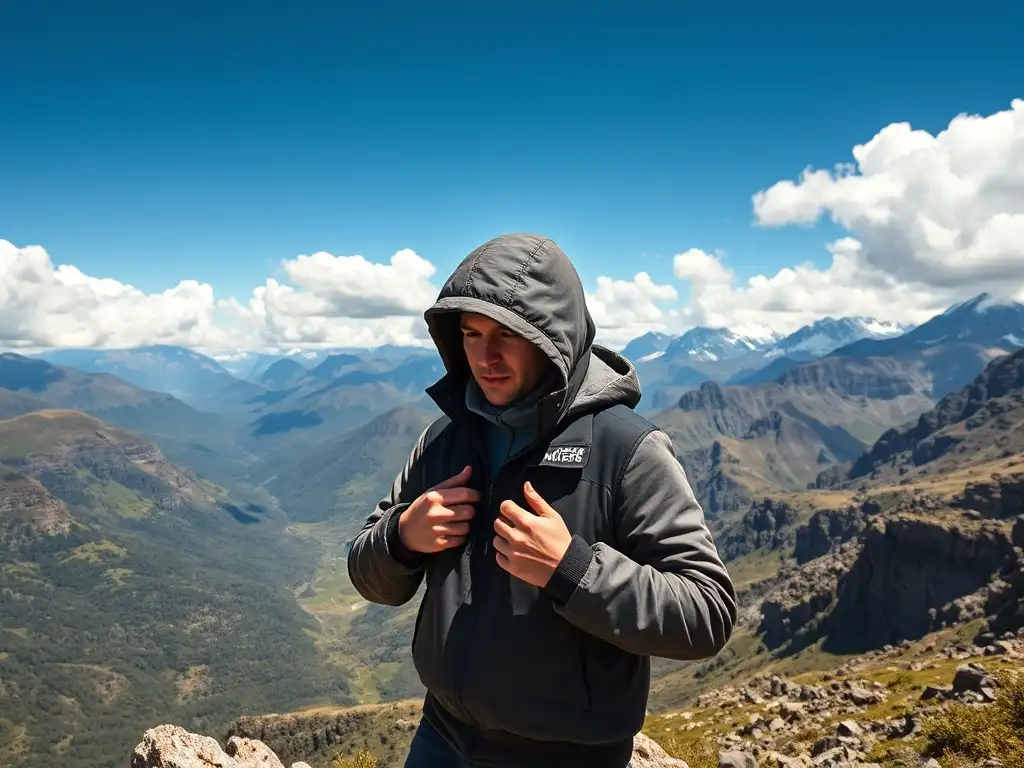
Dare to unravel the mysteries of the Andes? From the soaring heights of the Inca Empire to the breathtaking artistry of the Nazca Lines, Andean Civilizations unveils a world of wonder. But before you embark on your own Andean adventure, prepare for the elements! Our comprehensive Andean altitude clothing guide will equip you with the knowledge you need to conquer the challenging climate and fully immerse yourself in this incredible region. Discover the secrets of surviving (and thriving!) at altitude – and unlock the true magic of the Andes.
-
Decoding the Climate: What to Wear for Every Andean Altitude - Your Ultimate Andean Altitude Clothing Guide
- Understanding the Challenges of Andean Weather and Altitude
- The Importance of Layering for Andean Travel: A Practical Guide
- Footwear Recommendations for Different Andean Altitudes
- Headwear and Handwear for Andean Conditions
- Essential Accessories for Andean Altitude Travel
- Putting it All Together: Sample Outfits for Various Andean Climates
- Where to Buy Recommended Gear for Your Andean Adventure
- Adapting Your Clothing Strategy: A Case Study in the Andes
- Conclusion: Mastering Andean Altitude Clothing for a Memorable Experience
-
Frequently Asked Questions
- What should I pack for trekking in the Andes at high altitude?
- How does altitude affect clothing choices in the Andes?
- What type of footwear is best for Andean trekking?
- What about sun protection in the Andes? Is it important?
- Are there specific clothing items recommended for Andean altitudes above 4,000 meters?
- Final Reflection: Embracing the Andes: A Journey of Adaptation and Respect
- Gear Up for Adventure: Dress Right for Every Andean Altitude!
Decoding the Climate: What to Wear for Every Andean Altitude - Your Ultimate Andean Altitude Clothing Guide
The Andes Mountains, a breathtaking spine running down the western edge of South America, present a diverse and challenging climate for travelers. From the arid coastal deserts to the frigid peaks, understanding the nuances of Andean weather is crucial for a safe and enjoyable experience. This comprehensive guide, your ultimate Andean altitude clothing guide, will equip you with the knowledge to pack appropriately for any altitude, ensuring comfort and preparedness throughout your Andean adventure.
We'll delve into the specifics of layering, essential materials, and suitable clothing for various Andean climates, helping you conquer the heights in style and comfort. This guide is designed to help you navigate the complexities of Andean weather and pack the perfect wardrobe for your exploration, addressing the crucial keyword: "Andean altitude clothing guide." Prepare to unlock the secrets of dressing for success in the majestic Andes!
Understanding the Challenges of Andean Weather and Altitude
The Andes' diverse geography dramatically impacts its weather patterns. Altitude plays a significant role, with temperatures dropping approximately 6.5°C for every 1000 meters of ascent. This means that even within a short distance, you can experience wildly different conditions. Add to this the influence of rain shadows, creating arid zones alongside lush valleys, and the unpredictable nature of Andean weather becomes clear.
Rainfall varies greatly depending on location and season, with some areas experiencing intense wet seasons and others remaining perpetually dry. Strong winds and sudden temperature fluctuations are also common, particularly at higher altitudes. Understanding these factors is paramount when planning your wardrobe, as failing to adapt to these conditions can lead to discomfort, illness, or even danger. Remember, proper clothing is your first line of defense against the unpredictable Andean climate.
The Importance of Layering for Andean Travel: A Practical Guide
Layering is the cornerstone of effective Andean clothing. This approach allows you to adapt to fluctuating temperatures throughout the day and across different altitudes. Rather than relying on bulky, single-layer garments, layering provides flexibility and breathability. By adding or removing layers, you can regulate your body temperature effectively, preventing overheating and hypothermia.
This strategy is especially crucial in the Andes, where you might start your day in cool, morning air, hike through sunny midday heat, and end in a chilly evening. Think of it as building a customized "climate control system" for your body. We'll break down the essential layers to ensure you're prepared for any eventuality.
Base Layer Essentials for High Altitude Trekking
Your base layer is your foundation. It should be moisture-wicking to draw sweat away from your skin, preventing chills. Materials like merino wool or synthetic fabrics (polyester blends) are excellent choices. Avoid cotton, as it retains moisture and can lead to discomfort and hypothermia. For the base layer, consider:
- Moisture-wicking thermal underwear (tops and bottoms)
- Lightweight merino wool socks
- A comfortable sports bra (for women)
Choosing the right base layer is vital for comfort and preventing discomfort at high altitudes. Proper moisture management is key to preventing hypothermia.
Mid-Layer Options for Andean Climate
The mid-layer provides insulation and warmth. Fleece jackets, lightweight down jackets, or even a warm sweater are excellent options. These layers should be breathable to allow for ventilation while trapping heat. Consider the following for your mid-layer:
- A lightweight fleece jacket
- A down vest or jacket (for extra warmth)
- A warm, synthetic sweater
The mid-layer is where you'll find the most flexibility, allowing you to adjust to changing conditions throughout the day.
Outer Layer Protection in the Andes
Your outer layer is your shield against the elements. It should be waterproof and windproof to protect you from rain, snow, and strong winds. A durable, waterproof and breathable jacket is essential. Consider a hardshell jacket with a hood for optimal protection. In addition to the jacket, consider:
- Waterproof and windproof trousers or pants
- A waterproof hat or beanie
- Waterproof gloves
The outer layer is your last line of defense against the harsh Andean weather. A high-quality, durable jacket is an investment that will pay off in comfort and safety. Remember to choose materials designed for breathability to prevent overheating.
Footwear Recommendations for Different Andean Altitudes
Choosing the right footwear is paramount for a comfortable and safe Andean adventure. The varied altitudes and terrains demand careful consideration. At lower altitudes, where the climate might be warmer and the trails less demanding, sturdy walking shoes with good ankle support might suffice. However, as you ascend, the terrain becomes more challenging, often involving rocky paths, uneven surfaces, and potentially muddy or snowy conditions.
For higher altitudes (above 3,000 meters/9,800 feet), robust hiking boots become essential. These boots should provide excellent ankle support to prevent sprains on uneven ground, and a waterproof membrane is highly recommended to protect your feet from unexpected rain or snow. Consider boots with a stiffer sole for better stability on steep inclines and declines. Remember to break in your boots thoroughly before your trip to avoid blisters.
Properly fitted boots are crucial for preventing discomfort and injury during your trek. Ignoring this aspect can significantly impact your overall Andean experience. Think about the length of your trek; a longer journey demands more durable and comfortable footwear.
Hiking Boots: Choosing the Right Support for Trekking
Selecting the right hiking boots is crucial for your Andean journey. Look for boots with high-cut ankles for superior support, preventing ankle rolls on uneven terrain. The sole should be durable and provide good traction on various surfaces, from rocky paths to muddy trails. Consider the stiffness of the boot; a stiffer sole offers more support for carrying heavy backpacks on challenging trails, while a more flexible sole might be preferable for lighter day hikes on less demanding paths. Waterproof and breathable membranes are a must to keep your feet dry and comfortable in changing weather conditions.
Remember to consider the climate you will face. If you plan on trekking in snowy conditions, you'll need boots with excellent insulation and traction for icy surfaces. Always prioritize comfort and fit; ill-fitting boots can lead to blisters and other foot problems, greatly diminishing the enjoyment of your Andean adventure. 🥾
Socks for Andean Adventures: Keeping Feet Dry and Warm
The importance of appropriate socks often gets overlooked, but they are a critical component of comfortable Andean trekking. Opt for moisture-wicking fabrics like merino wool or synthetic blends. These materials draw sweat away from your skin, keeping your feet dry and preventing the formation of blisters. Avoid cotton socks, which retain moisture and can lead to discomfort and chafing. Consider the thickness of your socks based on the temperature and altitude.
Thicker socks provide extra insulation in colder conditions, while thinner socks might be suitable for warmer weather. Wearing two pairs of socks – a thin liner sock and a thicker outer sock – can enhance comfort and insulation. Always ensure your socks fit well within your boots, avoiding any bunching or wrinkles that could cause pressure points and blisters. Proper sock selection is vital for preventing foot problems and ensuring a pleasant Andean experience. 🧦
Headwear and Handwear for Andean Conditions
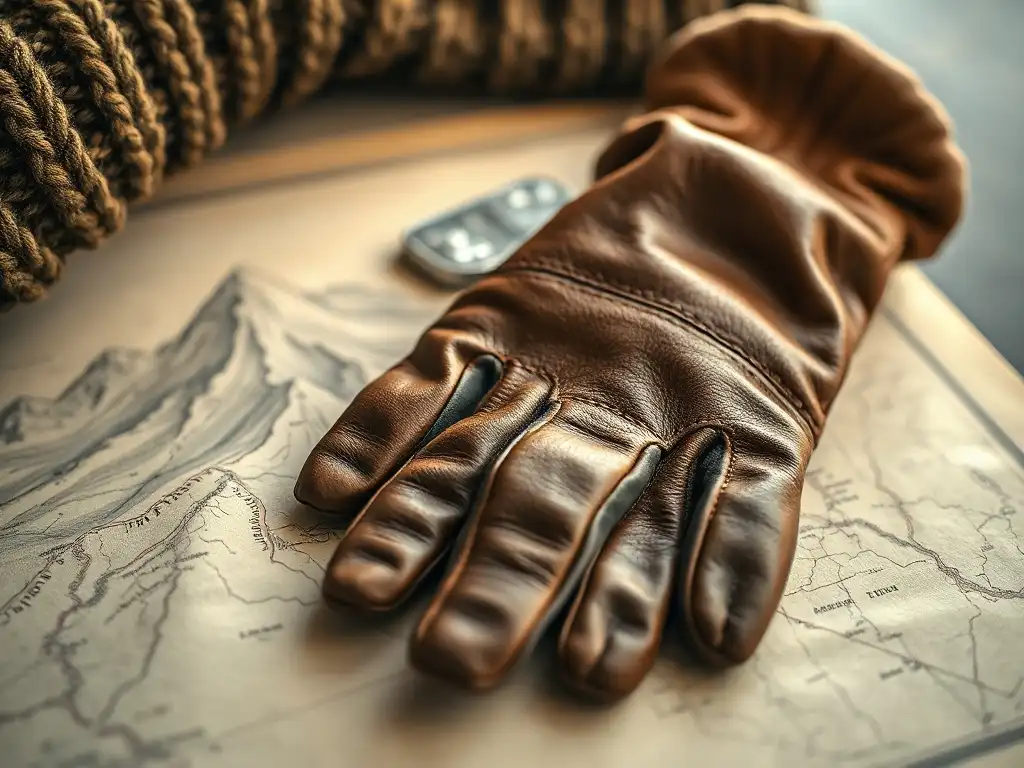
The Andean climate can be unpredictable, varying significantly with altitude and time of day. Protecting your head and hands from both sun and cold is essential. Sun exposure at high altitudes is intense, so proper headwear is crucial to prevent sunburn and heatstroke. Equally important is protection against the cold, especially at night or during higher altitude treks. Choosing versatile and adaptable headwear and handwear is key to enjoying a comfortable and safe adventure.
Hats for Andean Sun and Cold
A wide-brimmed hat is a must-have for Andean travel. It provides excellent protection from the intense sun at high altitudes, shielding your face, neck, and ears from harmful UV rays. Consider a hat made of breathable, lightweight material to keep you cool and comfortable. For colder conditions, a fleece-lined hat or a beanie will provide extra warmth.
A balaclava can offer complete face and neck protection in extremely cold and windy conditions. Remember that the sun's intensity is significantly higher at high altitudes due to the thinner atmosphere, making sun protection a top priority. A good hat will be comfortable, lightweight, and adaptable to changing weather conditions. 👒
Gloves and Mittens for Mountainous Regions
Protecting your hands from the cold is crucial, especially at higher altitudes. Gloves or mittens made of waterproof and insulated materials are essential. Consider the level of insulation needed based on the expected temperatures. Thinner gloves are suitable for milder conditions, while thicker, insulated mittens offer superior warmth in freezing temperatures.
Waterproof gloves are crucial for protecting your hands from rain or snow. Look for gloves or mittens with good dexterity if you need to handle equipment or cameras during your trek. Remember that your hands are particularly susceptible to cold and frostbite at high altitudes; proper hand protection is a non-negotiable aspect of Andean safety. 🧤
Essential Accessories for Andean Altitude Travel
Essential accessories are crucial for a comfortable and safe Andean adventure. These items, often overlooked, can significantly enhance your experience and protect you from the elements. Failing to pack appropriately can lead to discomfort, and in extreme cases, even health issues. This section will detail some of the most important accessories to consider when planning your trip.
Sunglasses: Protecting Your Eyes at High Altitude
At high altitudes, the sun's rays are significantly more intense. The thinner atmosphere allows more ultraviolet (UV) radiation to reach the earth's surface. This increased UV exposure can lead to snow blindness, a painful condition causing temporary or even permanent vision impairment. Therefore, high-quality sunglasses are non-negotiable.
Look for sunglasses that offer 100% UV protection and wrap-around style to shield your eyes from all angles. Consider polarized lenses to reduce glare from snow and ice, especially crucial during trekking. Don't underestimate the power of a good pair of sunglasses; they are your first line of defense against the harsh Andean sun. A lightweight, durable pair that fits comfortably under a hat is ideal.
Sunscreen: High SPF for Intense Andean Sun
The intense sun at Andean altitudes demands high SPF sunscreen. Even on cloudy days, the UV radiation can cause severe sunburn and long-term skin damage. Choose a broad-spectrum sunscreen with an SPF of 30 or higher, and apply liberally and frequently, especially after sweating or swimming. Don't forget to protect your lips with a lip balm containing SPF. Reapplication is crucial, even with water-resistant sunscreen. Consider a sunscreen stick for easy application throughout the day. Remember, protecting your skin is just as important as protecting your eyes. The Andean sun is unforgiving, so don't skimp on the sunscreen.
Backpacks: Choosing the Right Size and Features for Your Needs
Choosing the right backpack is paramount for comfortable Andean travel. The size and features will depend on the type of trip you're undertaking. For day hikes, a 20-30 liter backpack is generally sufficient. However, for multi-day treks, a larger backpack (40-60 liters or more) is necessary to carry all your essential gear. Look for backpacks with comfortable, adjustable straps, good ventilation, and durable, waterproof material.
Consider features like hip belts and chest straps to distribute weight evenly and reduce strain. A rain cover is a valuable addition, especially during unpredictable Andean weather. The right backpack can make or break your trip, so invest in a quality one that fits your needs. Prioritize comfort and functionality.
Putting it All Together: Sample Outfits for Various Andean Climates
Understanding the Andean climate's variability is key to packing effectively. Altitude significantly impacts temperature, so layering is essential. The following outfit suggestions cater to various Andean climates, demonstrating how to combine garments for optimal comfort and protection. Remember to adjust these based on your personal preferences and the specific activities planned.
Outfit for Cusco: A Blend of Warmth and Breathability
Cusco, at a relatively high altitude, experiences fluctuating temperatures. A typical day might start cool and end warm. An ideal outfit would include a thermal base layer (lightweight merino wool or synthetic), a fleece mid-layer, and a lightweight waterproof and windproof outer shell. Comfortable walking shoes, a warm hat, gloves, and the previously mentioned sunglasses and sunscreen are also crucial. This layering system allows for easy adjustment throughout the day, responding to changing conditions.
Outfit for High Altitude Treks: Maximizing Layering and Protection
High-altitude treks demand maximum protection from the elements. Multiple layers are essential. Start with a thermal base layer, followed by a fleece or down mid-layer for insulation. A waterproof and windproof outer shell is vital. Consider adding insulated trousers or gaiters for added warmth and protection from the cold and wind. Sturdy hiking boots with good ankle support are a must. Don't forget trekking poles for stability and to reduce strain on your knees and ankles. A well-designed backpack with sufficient capacity for water, food, and extra layers will ensure a comfortable and safe trek.
Outfit for Lower Andean Valleys: Light and Breathable Clothing
The lower Andean valleys can experience warmer temperatures, especially during the day. Lightweight and breathable clothing is ideal here. A t-shirt or lightweight long-sleeved shirt, lightweight hiking trousers or shorts, and comfortable walking shoes are suitable. A light jacket or fleece is recommended for cooler evenings. Remember that even in warmer areas, sunscreen and a hat are still essential to protect against the strong sun. This outfit prioritizes comfort and ease of movement while still offering some protection from the elements.
Where to Buy Recommended Gear for Your Andean Adventure
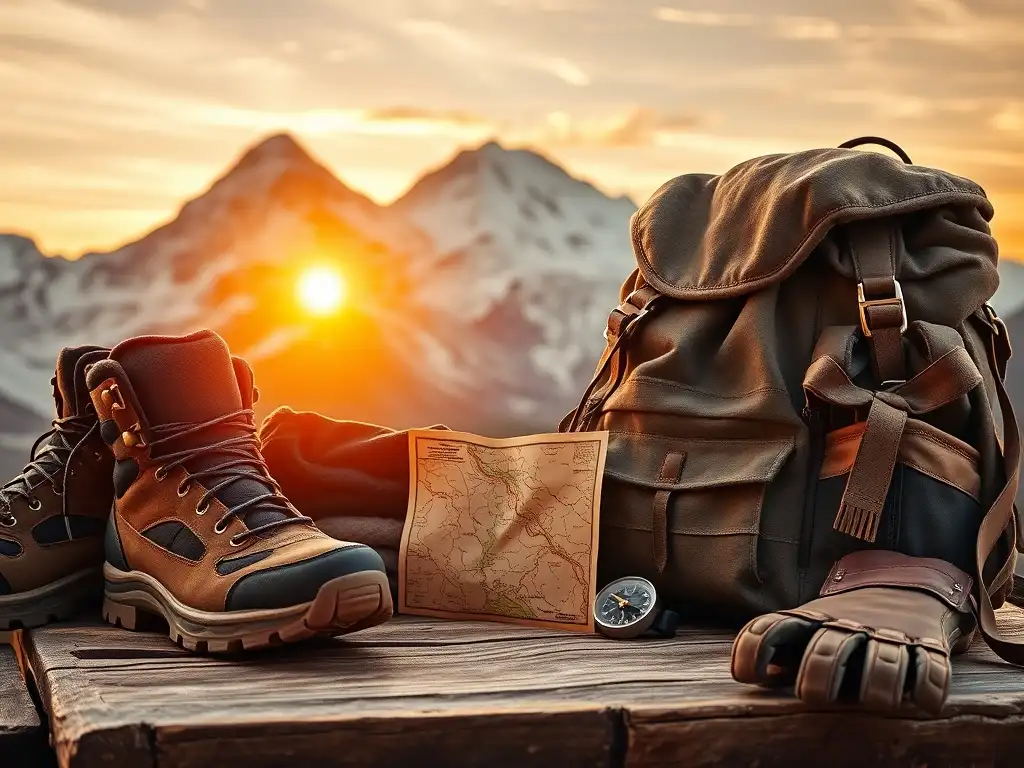
Finding the right gear for your Andean adventure is crucial for a comfortable and safe trip. You'll need clothing suitable for a wide range of temperatures and weather conditions, from scorching sun to freezing nights. Fortunately, there are many excellent options for sourcing this equipment, both online and in local Andean communities. Choosing the right retailer depends on your priorities – speed and convenience versus supporting local economies and perhaps discovering unique, handcrafted items.
Online Retailers Specializing in Outdoor Gear: REI and Backcountry
Large online retailers like REI and Backcountry offer a vast selection of high-quality outdoor clothing and gear. These platforms provide detailed product descriptions, customer reviews, and often competitive pricing. You can easily compare different brands and find items specifically designed for high-altitude trekking and mountaineering. The convenience of shopping online is undeniable, allowing you to browse and purchase items from the comfort of your home, regardless of your location.
However, be aware of shipping times, especially if you're on a tight travel schedule. Also, consider the environmental impact of shipping; purchasing from a local supplier might be a more sustainable option. Furthermore, the selection may not always include items specifically tailored to the Andean context, such as traditional Andean textiles or locally made gear.
Local Shops in Andean Regions: Tips for Purchasing Locally
Purchasing gear locally in Andean regions offers a unique opportunity to support local businesses and discover handcrafted items. Many small shops in towns near popular trekking routes sell high-quality, durable clothing and gear adapted to the local climate and terrain. This approach often provides a more sustainable and culturally enriching experience. However, availability might be more limited compared to large online retailers.
It's always advisable to research local shops beforehand, checking online reviews and availability. Be prepared to haggle respectfully on prices, a common practice in many Andean markets. Buying locally allows you to discover unique items unavailable elsewhere, such as alpaca wool garments or hand-woven ponchos, offering an authentic Andean touch to your trip. Moreover, supporting local businesses contributes directly to the communities that rely on tourism.
Adapting Your Clothing Strategy: A Case Study in the Andes
Successfully navigating the varied Andean climates requires a flexible and adaptable clothing strategy. The dramatic changes in temperature and weather conditions across different altitudes demand careful planning and packing. A layered approach is essential, allowing you to add or remove clothing as needed to regulate your body temperature. Understanding the microclimates within specific regions is also crucial; a sunny day at a lower altitude can quickly turn into a freezing night at a higher elevation.
A Real Example: How Maria Prepared for Their Inca Trail Trek
Maria, an experienced trekker, meticulously planned her clothing for her Inca Trail trek. She researched the weather patterns for the specific time of year, understanding the significant temperature fluctuations between day and night. Her packing list included:
- Base layers: Lightweight merino wool thermal tops and bottoms for excellent moisture-wicking and insulation.
- Mid layers: Fleece jackets and a lightweight down jacket for added warmth.
- Outer layer: A waterproof and windproof shell jacket and pants to protect against rain and wind.
- Accessories: Warm hat, gloves, and a scarf for cold nights and high altitudes.
- Footwear: Sturdy, broken-in hiking boots suitable for varied terrain.
Maria's layered approach allowed her to adjust her clothing to the changing conditions, ensuring her comfort and safety throughout the trek. She also packed quick-drying clothing to minimize discomfort from sweat and rain. By carefully considering the potential weather scenarios and selecting appropriate clothing, Maria ensured a successful and enjoyable trekking experience.
Key Takeaways: Planning Your Clothing for a Safe and Enjoyable Trip
Planning your Andean clothing is paramount for a successful and enjoyable trip. Thorough preparation, considering the specific altitudes and weather conditions of your itinerary, is essential. A layered clothing system, incorporating moisture-wicking base layers, insulating mid-layers, and a waterproof outer shell, offers the flexibility needed to adapt to changing conditions. Remember to prioritize comfort and safety by selecting high-quality, durable gear appropriate for the rigors of Andean trekking. Researching local suppliers can add a unique cultural dimension to your trip while supporting local economies. Careful planning and well-chosen gear will significantly enhance your Andean adventure.
Conclusion: Mastering Andean Altitude Clothing for a Memorable Experience
Successfully navigating the diverse climates of the Andes hinges on understanding and adapting to the varying altitudes. Packing appropriately is paramount to ensuring a comfortable and enjoyable experience, allowing you to fully immerse yourself in the breathtaking landscapes and rich cultural heritage. Remember, layering is your best friend.
This allows you to adjust your clothing easily as temperatures fluctuate throughout the day, and between different altitudes. Don't underestimate the power of good quality thermal underwear; it provides a crucial base layer for warmth and moisture-wicking. Similarly, a waterproof and windproof outer shell is essential for protection against unpredictable Andean weather.
Choosing the right footwear is equally important. Sturdy, well-broken-in hiking boots are crucial for tackling uneven terrain, while lighter shoes are suitable for exploring towns and cities at lower altitudes. Remember to consider the potential for rain and mud, and pack accordingly. Beyond clothing and footwear, consider accessories like a warm hat, gloves, and a scarf, even during warmer months. Sun protection is also vital; the high altitude sun is intense, so pack a high SPF sunscreen, sunglasses, and a sun hat.
Planning your wardrobe strategically, based on this Andean altitude clothing guide, will significantly enhance your overall experience. By being prepared for the varied climatic conditions, you can focus on appreciating the stunning Andean scenery, engaging with the local culture, and creating unforgettable memories. So, pack smart, pack light, and embrace the adventure! Your well-prepared wardrobe will be a silent partner in your Andean exploration, ensuring that you're comfortable, safe, and ready to conquer the heights! Happy travels!
Frequently Asked Questions
What should I pack for trekking in the Andes at high altitude?
For high-altitude trekking, layer your clothing is key. Pack thermal base layers, fleece or lightweight down mid-layers, and a waterproof and windproof outer shell. Don't forget warm socks and a hat!
How does altitude affect clothing choices in the Andes?
Altitude significantly impacts temperature and weather. Expect cooler temperatures and stronger winds at higher elevations, even during the day. Be prepared for rapid changes in conditions.
What type of footwear is best for Andean trekking?
Sturdy, waterproof hiking boots with good ankle support are essential. Break them in before your trip to avoid blisters. Consider bringing gaiters to protect against debris and moisture.
What about sun protection in the Andes? Is it important?
Absolutely! The high altitude means intense UV radiation. Pack a high SPF sunscreen, sunglasses, and a wide-brimmed hat to protect yourself from the sun. Reapply sunscreen frequently.
Are there specific clothing items recommended for Andean altitudes above 4,000 meters?
Above 4,000 meters (13,123 feet), extreme cold is likely. You'll need extra insulation, such as a heavier down jacket, warm gloves, and a neck gaiter. Consider bringing hand and foot warmers.
Final Reflection: Embracing the Andes: A Journey of Adaptation and Respect
Understanding the nuances of Andean altitude clothing is not merely about staying warm; it's about respecting the power of the mountains and ensuring a safe and enriching experience. The information presented in this guide, from base layers to outer shells, highlights the crucial role preparation plays in successfully navigating the diverse climates of the Andes. Ignoring these variations can lead to discomfort, illness, and even endangerment, underscoring the critical importance of informed decision-making before embarking on any Andean adventure.
The impact of responsible travel on fragile ecosystems like those found in the Andes cannot be overstated. The more we understand the environmental challenges faced by these regions, the more effectively we can minimize our impact. This extends beyond clothing choices; it encompasses mindful consumption, waste reduction, and a deep appreciation for the cultural heritage of the Andean communities. The mountains are calling and I must go.
- John Muir. This sentiment, while romantic, carries a responsibility to tread lightly and leave no trace, ensuring the beauty and wonder of the Andes remain for generations to come.
Now, consider your own upcoming adventures, whether they're scaling towering peaks or simply exploring a high-altitude village. What steps will you take to ensure your journey is both fulfilling and respectful? Remember the lessons learned here – the importance of layering, the power of appropriate materials, and the significance of planning ahead. Let this guide be your compass, leading you not only to a comfortable experience but also to a deeper understanding and appreciation for the majestic Andes and their unique environment. Embrace the challenge, respect the mountains, and leave only footprints.
Gear Up for Adventure: Dress Right for Every Andean Altitude!
Thank you for exploring how to dress for the varied altitudes of the Andes! You've gained valuable insights that will ensure your comfort and preparedness during your next adventure in this stunning region.
Now, let's put that knowledge to the test:
- **Choose your layers carefully:** Pack versatile clothing that can be easily adjusted to changing temperatures. Prioritize breathable fabrics that wick away sweat.
- **Plan your Andean expedition:** Research a specific Andean destination and plan your outfits based on the altitude and local climate.
- **Share your expertise:** Join our community on social media and share your favorite layering tips and outfits for different altitudes!
What Andean peak will you summit next, and what clothing will you choose for the challenge?