
From Seed to Harvest: Andean Rituals Celebrating the Agricultural Cycle

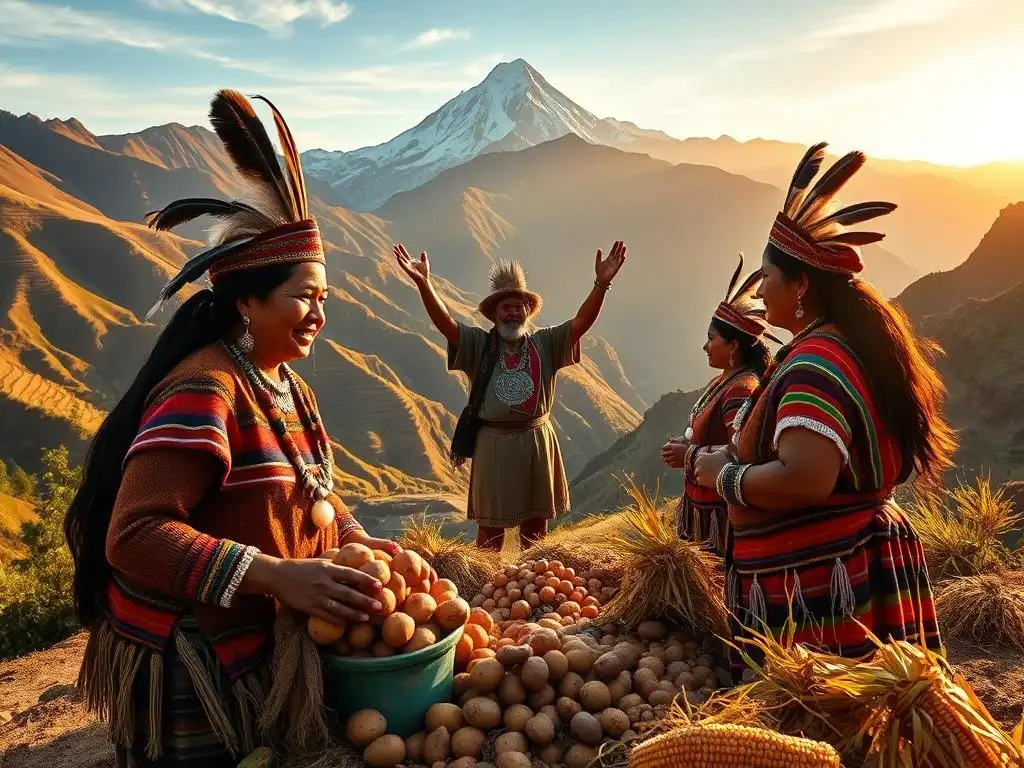
Unravel the mysteries of the Andes! Journey with us through a captivating world where the mountains whisper secrets and the earth yields bountiful harvests. For centuries, the Andean civilizations—Inca, Moche, Nazca, and Tiahuanaco among them—held deeply spiritual beliefs interwoven with their agricultural practices.
Prepare to be amazed as we delve into the fascinating world of Andean agricultural rituals, uncovering the intricate ceremonies and beliefs that shaped their lives from seed to harvest. Discover how their connection to the land transcended mere sustenance, revealing a cosmology rooted in reverence for the earth and its cycles. Explore the rich tapestry of their traditions—you won't want to miss it!
- Andean Agricultural Rituals: A Journey from Seed to Harvest
- Planting Rituals: Honoring Pachamama
- Cultivation Practices: Sustaining Growth and Balance
- Harvest Celebrations: Gratitude and Reciprocity
- The Andean Agricultural Calendar: A Rhythmic Cycle
- The Legacy of Andean Agricultural Rituals
- Frequently Asked Questions
- Final Reflection: The Enduring Spirit of Andean Agriculture
- Celebrate the Cycle: Engage with Andean Agricultural Rituals!
Andean Agricultural Rituals: A Journey from Seed to Harvest
The Andes Mountains, a spine of towering peaks and fertile valleys, nurtured some of the most sophisticated agricultural societies in pre-Columbian America. For the Incas, Moche, Nazca, and Tiahuanaco, and countless other Andean cultures, agriculture wasn't merely a means of sustenance; it was a deeply spiritual practice interwoven with their cosmology and worldview.
This article explores the rich tapestry of Andean agricultural rituals, examining the profound connection between these ancient peoples and the land that sustained them. We will delve into the significance of agriculture within their spiritual beliefs and uncover the fascinating ceremonies and practices that marked the crucial stages of the agricultural cycle, from the planting of the first seed to the joyful harvest festival.
Understanding these rituals offers a crucial lens through which to appreciate the ingenuity, resilience, and spiritual depth of Andean civilizations. This exploration of "Andean agricultural rituals" will illuminate the intricate relationship between humanity and nature in the heart of the Andes.
The Significance of Agriculture in Andean Cosmology
Agriculture formed the bedrock of Andean society, shaping its social structures, economic systems, and religious beliefs. The fertile crescent of the Andes, despite its challenging terrain, provided a surprisingly diverse range of crops, including potatoes, maize, quinoa, and beans. These weren't simply food sources; they were sacred gifts from the gods, embodying the very essence of life and renewal.
Many Andean cultures believed that the spirits of the ancestors resided within the earth, actively participating in the growth of crops. Therefore, agricultural practices were imbued with deep spiritual meaning, with rituals performed to ensure bountiful harvests and appease the deities responsible for fertility and prosperity. The success of the harvest directly impacted the community's survival and well-being, making agricultural rituals central to Andean life.
The intricate relationship between the celestial bodies, the earth's cycles, and agricultural productivity was meticulously observed and celebrated through a complex calendar of ceremonies and festivals. This deep-seated respect for the land and its bounty shaped every aspect of Andean life, from daily routines to grand celebrations. The careful cultivation of crops wasn't just a matter of survival; it was an act of communion with the divine.
The Cycle of Life: Andean Farming Traditions
The Andean agricultural cycle was marked by a series of meticulously observed rituals, each designed to honor the deities and ensure a successful harvest. The process began with the capacocha, a pre-Inca ritual where offerings, often including children, were made to the gods to ensure the fertility of the land. While the details vary across different cultures, the common thread was the profound respect for the land and the divine forces that governed its productivity. Planting ceremonies often involved prayers, offerings of coca leaves and chicha (a fermented corn beverage), and symbolic acts to encourage the growth of crops.
Farmers meticulously prepared the land, using sophisticated terracing techniques to maximize yields in the challenging Andean terrain. Throughout the growing season, further rituals were performed to ward off pests, protect the crops from inclement weather, and ensure a healthy yield. The harvest festival, a time of great celebration and thanksgiving, marked the culmination of the agricultural cycle. It was a time for community feasting, music, dance, and offerings to the gods, expressing gratitude for the bounty of the land and looking forward to the next planting season.
These celebrations weren't merely joyous occasions; they reaffirmed the community's connection to the land and its spiritual significance. The cyclical nature of agriculture mirrored the cyclical nature of life, death, and rebirth, deeply embedded within the Andean worldview. The rituals weren't just about crops; they were about sustaining the community's spiritual and social fabric. 🎉
Planting Rituals: Honoring Pachamama
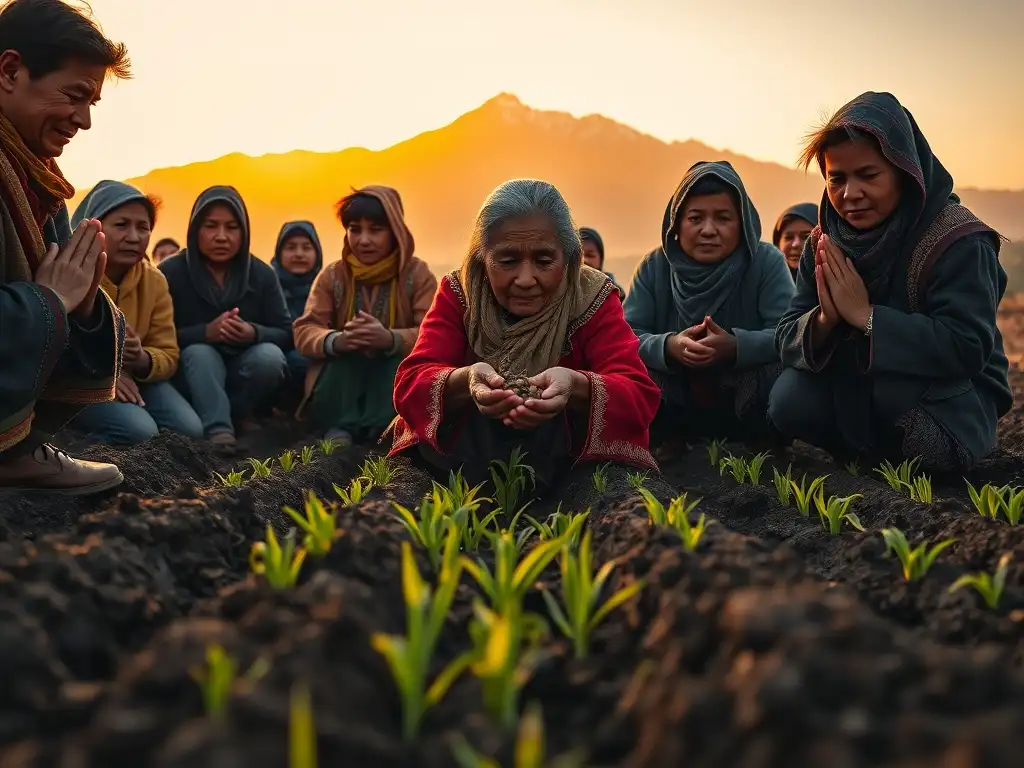
Andean agricultural rituals were deeply intertwined with the reverence for Pachamama, the Earth Mother. These weren't simply practical farming techniques; they were sacred acts designed to ensure a successful harvest and maintain harmony with the natural world. The planting season, in particular, was a time of intense ritual activity, marking the renewal of life and the promise of abundance.
Understanding these practices provides crucial insight into the Andean worldview and its profound connection to the land. The success of the harvest wasn't solely dependent on human effort but on the goodwill and blessing of the spiritual forces governing the natural world. This section delves into the specific rituals associated with planting, highlighting their significance and demonstrating the intricate relationship between Andean people and their environment.
Preparing the Land: Andean Agrarian Practices
Before a single seed touched the earth, meticulous preparation was undertaken. This wasn't simply about tilling the soil; it was a ritual cleansing and consecration. Farmers would often begin by clearing the land, removing unwanted vegetation with respect, acknowledging the life they were removing.
Then, the land was meticulously prepared, often involving intricate terracing techniques that demonstrated a sophisticated understanding of water management and soil conservation. These techniques, like the andenes found throughout the Andes, weren't just practical; they were seen as a way of honoring Pachamama by working with the land, not against it. The process involved communal labor, reinforcing social bonds and shared responsibility for the success of the harvest.
Specific chants and offerings were made during this phase, ensuring the land was receptive to the seeds about to be planted. The overall goal was to create a harmonious environment where seeds could thrive, reflecting a holistic approach to agriculture deeply rooted in spiritual beliefs.
The Seed Blessing Ceremony: A Sacred Act
The blessing of the seeds was a pivotal moment in the planting rituals. This wasn't a simple act of sprinkling water; it was a complex ceremony involving offerings, prayers, and specific rituals designed to imbue the seeds with spiritual energy. Families would often gather, sharing stories and songs passed down through generations.
The seeds themselves were carefully selected, often representing the best of the previous harvest, symbolizing continuity and the cyclical nature of life. Specific offerings, such as coca leaves, chicha (a fermented corn beverage), and other agricultural products, were presented to Pachamama as a sign of respect and a plea for her blessing. The ceremony often involved a shaman or paqo, who would lead the prayers and rituals, ensuring the seeds received the necessary spiritual energy for germination and growth.
The entire process emphasized the sacred nature of the seeds and their role in the continuation of life. This act highlights the deep spiritual significance embedded within seemingly mundane agricultural practices.
Appeasing the Spirits for a Bountiful Harvest
The planting rituals weren't solely focused on ensuring a good harvest; they also aimed to appease various spirits that could influence the success of the crops. This involved making offerings not only to Pachamama but also to other deities and spirits associated with the land, water, and weather. The specific rituals varied across different Andean cultures and regions, reflecting the diverse spiritual beliefs and practices.
For example, some communities might leave offerings at sacred sites or perform specific dances to invoke the blessings of particular deities. Failure to perform these rituals appropriately was believed to invite misfortune, highlighting the importance of maintaining a harmonious relationship with the spiritual realm.
These practices demonstrate the complex interplay between human actions and the influence of supernatural forces in the Andean worldview, emphasizing the interconnectedness of the spiritual and material worlds in their agricultural practices. The success of the harvest was not just a matter of hard work, but also of maintaining spiritual balance and respect for the unseen forces that shaped their lives.
Cultivation Practices: Sustaining Growth and Balance
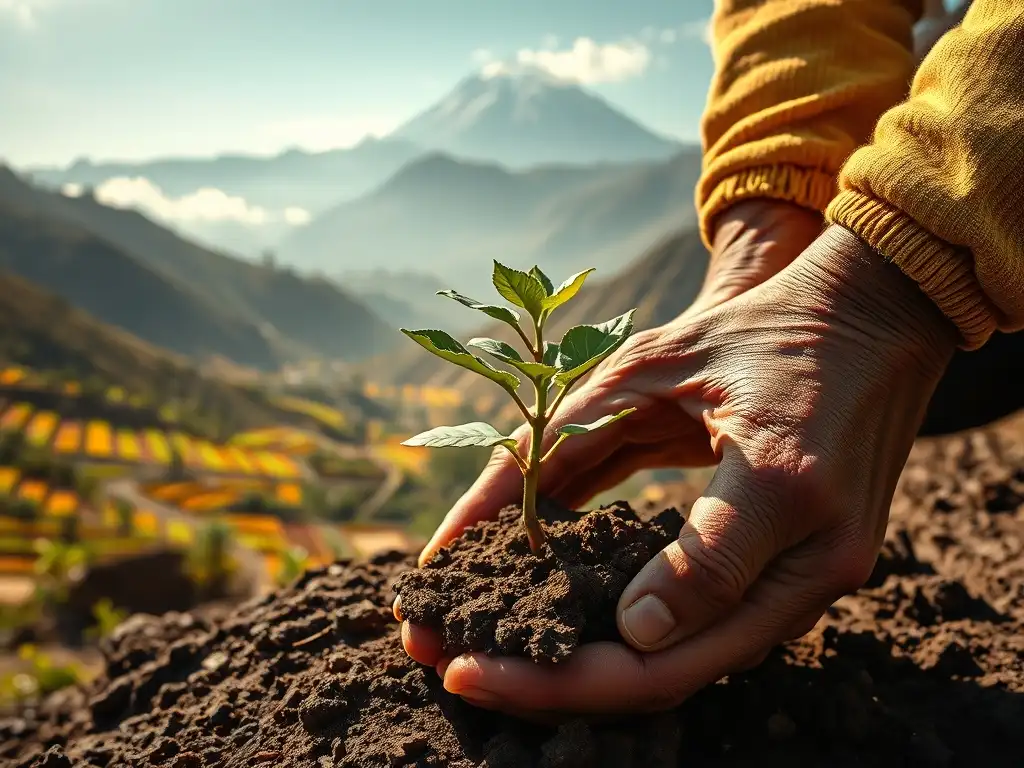
Andean agricultural rituals weren't merely superstitious practices; they were deeply intertwined with sophisticated cultivation techniques designed to maximize yields and ensure the harmonious relationship between humans and the environment. Understanding these practices reveals the ingenuity and ecological awareness of Andean civilizations. Their agricultural success wasn't accidental; it was the result of carefully planned and religiously observed methods passed down through generations.
The reverence for the land permeated every aspect of their agricultural cycle, from the initial planting to the final harvest. The understanding of the delicate balance in the ecosystem was paramount, and their rituals reflected this profound respect. The success of their agricultural practices, combined with their spiritual beliefs, allowed them to thrive in challenging Andean environments.
Water Management Techniques in Andean Agriculture
Water, or agua, was, and remains, a precious resource in the Andes. Andean farmers developed ingenious water management systems to cope with the variable rainfall patterns and arid conditions prevalent in many regions. These systems, often integrated into their religious practices, included:
- Terracing: This technique involved creating a series of step-like platforms on hillsides to create level fields for cultivation. Terraces not only increased arable land but also slowed water runoff, reducing erosion and allowing for better water retention. The construction of terraces was a monumental undertaking, often involving communal labor and ritualistic ceremonies to ensure success. The precise angle and size of terraces varied depending on the slope and soil type, showcasing a deep understanding of hydrology and engineering.
- Canals and Irrigation Channels: Complex networks of canals and channels were built to divert water from rivers and streams to irrigate fields, particularly in drier areas. These systems were meticulously maintained and often integrated into the landscape, reflecting a deep respect for water as a sacred element. The precise alignment of these channels, sometimes over considerable distances, points to advanced surveying and engineering skills. Maintaining these channels was a community effort, a shared responsibility underscored by ritual observances.
- Reservoirs and Storage Systems: In addition to canals, some communities built reservoirs and storage systems to collect and store rainwater for later use during drier periods. These structures varied in size and design, depending on the local conditions and resources available. The construction of these systems involved significant communal effort and was often accompanied by rituals aimed at ensuring the abundance of water. The management of these reservoirs was a crucial aspect of their agricultural strategy, demonstrating a sophisticated understanding of water resource management.
Traditional Andean Crop Rotation Methods
Andean farmers practiced crop rotation, a sustainable agricultural technique that helps maintain soil fertility and prevent the depletion of nutrients. By alternating crops, they avoided monoculture, reducing the risk of pest infestations and disease outbreaks. Evidence suggests that specific crop rotations were linked to particular altitudes and microclimates, reflecting a detailed understanding of soil conditions and plant needs.
Different crops were strategically planted to ensure a diverse and balanced diet. This complex system was not only a practical agricultural strategy but also deeply embedded in their spiritual understanding of the interconnectedness of the ecosystem. The selection of crops was not arbitrary; it was dictated by a combination of practical considerations and spiritual beliefs.
For instance, the rotation might involve planting potatoes (a staple crop) one year, followed by maize or quinoa the next, with beans or other legumes interspersed. This combination not only provided nutritional diversity but also helped to improve soil health. The knowledge passed down through generations ensured the long-term sustainability of their agricultural practices. This sophisticated understanding of sustainable agriculture is a testament to their profound connection with the land.
Weeding and Caring for the Crops: Maintaining Harmony
Weeding and tending to the crops were not merely chores; they were integral parts of Andean agricultural rituals, signifying a commitment to nurturing the growth of the plants and maintaining harmony with the natural world. These activities were often accompanied by prayers, offerings, and ceremonies designed to ensure a bountiful harvest. The act of weeding itself was seen as a sacred act, a way of cleansing the land and promoting the healthy growth of the crops.
The careful removal of weeds was not just about maximizing yields; it was also about expressing respect for the plants and the land. The meticulous attention to detail in weeding and caring for the crops reflects a deep understanding of plant needs and a commitment to sustainable agriculture. This diligent care demonstrates their profound connection with the land and their deep respect for the natural world.
The harmonious coexistence between humans and nature was reflected in every aspect of their agricultural practices, highlighting the importance of balance and reciprocity in their worldview. The meticulous care and attention given to each plant, from seed to harvest, emphasized the sacredness of the agricultural cycle and its importance to their survival and spiritual well-being.
Harvest Celebrations: Gratitude and Reciprocity
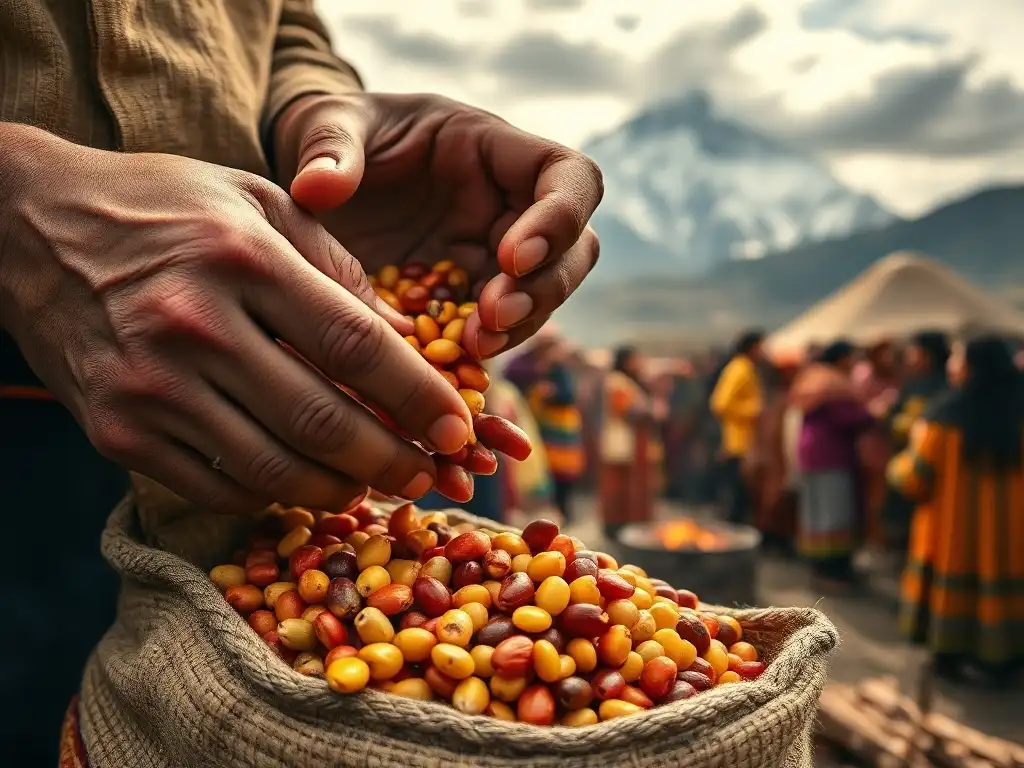
The Andean agricultural cycle wasn't just a process of planting and reaping; it was a deeply spiritual journey interwoven with elaborate rituals reflecting a profound respect for nature and the deities believed to govern its bounty. Harvest time, in particular, was a period of intense celebration, expressing gratitude for the year's abundance and reinforcing the reciprocal relationship between humans and the Pachamama (Earth Mother). These celebrations were not merely festive gatherings; they were crucial rituals designed to ensure continued prosperity and maintain the delicate balance of the Andean ecosystem.
The success of the harvest directly influenced the community's well-being, shaping social structures and religious practices alike. Understanding these harvest celebrations provides a crucial window into the complex worldview of Andean civilizations.
The First Fruits Ceremony: A Celebration of Abundance
The pachuca, or first fruits ceremony, marked the beginning of the harvest season. This wasn't a haphazard event; it was meticulously planned and executed, often involving the community's religious leaders and elders. The first harvested crops – typically maize, potatoes, or quinoa – were carefully selected and presented as offerings to the apus (mountain spirits) and the Pachamama.
These offerings weren't simply discarded; they were presented with prayers and chants, expressing gratitude for the successful growth and requesting continued blessings for the remaining harvest. The ceremony frequently involved symbolic acts, such as sprinkling chicha (a fermented maize beverage) on the land, further reinforcing the connection between the community and the earth. The successful completion of the pachuca was believed to ensure a bountiful harvest and protect the community from misfortune.
Variations of this ritual existed across different Andean cultures, reflecting the diverse agricultural practices and beliefs. For instance, the Moche civilization might have incorporated specific iconography or offerings related to their deity Ai Apaec, while the Inca emphasized the role of the Sapa Inca in these ceremonies. The meticulous nature of these ceremonies highlight the deep-seated importance of the harvest in their cosmology.
Andean Harvest Festivals: Communal Feasts and Dances
The harvest wasn't just about individual thanksgivings; it was a time for communal celebration, strengthening social bonds and reinforcing community identity. Andean harvest festivals were vibrant affairs, often lasting for several days. These events involved elaborate feasts featuring the newly harvested crops, prepared in a variety of ways. Chicha flowed freely, accompanying lively music and dances that reflected the joy and abundance of the harvest.
These dances often depicted agricultural themes, mimicking the planting and harvesting process, or celebrating the fertility of the land. The participation of the entire community was crucial; it was a time to share the fruits of their collective labor and reaffirm their social cohesion. These festivals also served as an important opportunity for social exchange and the reaffirmation of social hierarchies within the community.
Evidence suggests that the scale and extravagance of these festivals varied depending on the size and prosperity of the community, with larger settlements hosting more elaborate events. The vibrant energy of these celebrations underscores the central role of agriculture in shaping Andean social life. The festivals were not only celebrations of abundance but also crucial mechanisms for social integration and the reinforcement of communal identity.
Rituals of Thanks to Pachamama: Honoring the Earth Mother
Central to Andean agricultural rituals was the deep veneration of Pachamama, the Earth Mother. She wasn't merely a passive provider; she was an active participant in the agricultural cycle, her moods and favor directly affecting the success of the harvest. Therefore, rituals of thanks to Pachamama were crucial, expressing gratitude for her generosity and ensuring her continued benevolence.
These rituals often involved making offerings directly to the earth, such as burying food or drink in the fields, or creating elaborate offerings at sacred sites. These offerings weren't simply discarded; they were seen as a form of reciprocal exchange, a way of acknowledging Pachamama's role in the agricultural cycle and ensuring her continued support. The specific offerings and rituals varied across different Andean cultures, but the underlying principle of reciprocity and gratitude remained constant.
This deep-seated reverence for Pachamama is a testament to the profound connection between Andean civilizations and their environment, a connection that shaped not only their agricultural practices but also their entire worldview. The rituals were a tangible expression of their spiritual beliefs and their understanding of the interconnectedness of all living things. Failure to properly honor Pachamama was believed to invite misfortune and threaten the community's survival.
The Andean Agricultural Calendar: A Rhythmic Cycle
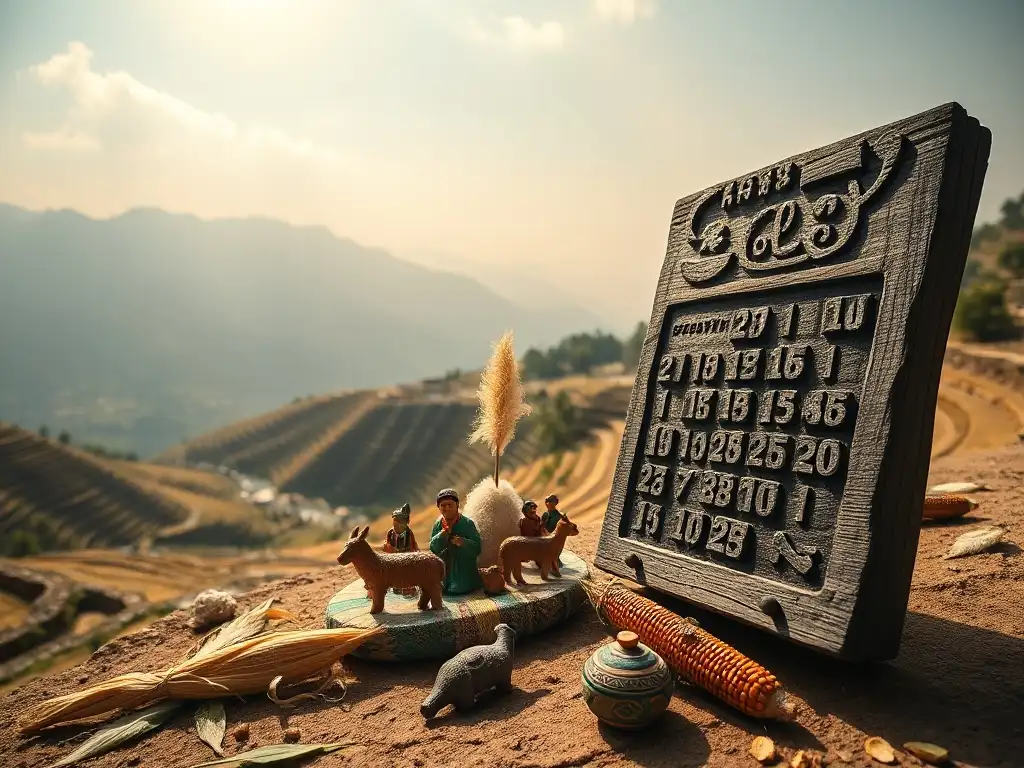
The Andean agricultural calendar wasn't merely a practical guide for planting and harvesting; it was a deeply spiritual framework interwoven with cosmology, social organization, and ritual. Unlike the linear calendars of many other cultures, the Andean calendar was cyclical, reflecting the continuous regeneration of life mirroring the cyclical nature of the cosmos itself. This cyclical understanding profoundly influenced their relationship with the land and their agricultural practices, highlighting the interconnectedness of the human and natural worlds.
The success of their agricultural endeavors was intimately tied to their understanding and respect for these rhythms, a belief system that permeated all aspects of Andean life. Understanding this calendar allows us to appreciate the sophisticated knowledge system that underpinned Andean agriculture and its profound spiritual significance. The precise dates varied slightly depending on the specific microclimate and altitude, but the overall pattern remained remarkably consistent across different Andean communities.
Key Dates in the Andean Agricultural Year
The Andean agricultural year was punctuated by numerous festivals and rituals marking crucial stages in the agricultural cycle. While specific dates are difficult to pinpoint definitively due to the lack of standardized written records and regional variations, certain key moments stand out:
- Capac Raymi (Inca): This major festival, celebrated in June, honored the sun god Inti and marked the start of the agricultural season. It involved elaborate ceremonies, processions, and sacrifices aimed at ensuring a bountiful harvest. The importance of the sun in the Andean worldview is paramount, making its role in the agricultural calendar unsurprising.
- Aymoray (Quechua): This celebration, occurring around the time of the summer solstice, focused on the ripening of crops. Prayers and offerings were made to ensure a successful harvest and to thank the earth for its bounty. This highlights the deep gratitude and respect the Andean people held for the land.
- Harvest Festivals: Numerous smaller, localized harvest festivals occurred throughout the year, varying according to the specific crops being harvested. These celebrations often involved communal feasts, music, dance, and offerings to the spirits of the land. The diversity of these celebrations reflects the variety of crops and the unique traditions of different communities.
- Planting Rituals: Before planting, rituals involving offerings, prayers, and symbolic gestures were commonplace. These practices aimed to appease the earth spirits and ensure the fertility of the soil. The dedication to ritual suggests a high degree of respect and understanding of the fragility of the agricultural environment.
| Festival/Ritual | Approximate Time of Year | Purpose | Associated Deity/Spirit |
|---|---|---|---|
| Capac Raymi | June | Beginning of agricultural season | Inti (Sun God) |
| Aymoray | Summer Solstice | Ripening of crops | Pachamama (Earth Mother) |
| Harvest Festivals | Variable | Celebration of successful harvest | Various local deities |
| Planting Rituals | Variable | Ensuring fertility of the soil | Pachamama (Earth Mother) |
The meticulous observation of these key moments in the agricultural cycle underscores the sophisticated understanding of the Andean people regarding the relationship between celestial events and agricultural productivity.
Aligning with the Cosmos: Astronomical Observations and Farming
Andean agriculture was deeply connected to astronomical observations. Farmers meticulously tracked the movements of the sun, moon, and stars to determine the optimal times for planting, weeding, and harvesting. This wasn't simply a matter of convenience; it was a deeply spiritual practice, reflecting the belief that the cosmos directly influenced the fertility of the land. Their understanding of astronomical cycles was incredibly precise, allowing them to predict seasonal changes and optimize their agricultural practices accordingly.
The precise alignment of agricultural activities with astronomical events demonstrates their advanced understanding of both celestial mechanics and agricultural principles. Many archaeological sites reveal evidence of sophisticated astronomical observatories, further supporting this claim. For example, [specific example of astronomical observatory and its function pending].
The Interconnectedness of Agriculture and Andean Time
The Andean perception of time differed significantly from linear Western conceptions. Their understanding of time was cyclical, mirroring the natural rhythms of the agricultural year and the cosmos. This cyclical view of time is reflected in their agricultural practices, which focused on continuous regeneration and sustainability. The emphasis on cyclical time influenced not only agricultural practices but also social structures, religious beliefs, and artistic expressions.
The cyclical nature of the Andean calendar reinforced the importance of maintaining harmony between humanity and nature, a cornerstone of their worldview. This understanding of time as cyclical, rather than linear, is crucial to understanding the deeply integrated nature of Andean agriculture and their cosmology. The concept of Pachakuti, a cyclical renewal of the world, further underscores the importance of this cyclical perspective and its impact on their agricultural practices.
The Legacy of Andean Agricultural Rituals
The Andean region's intricate relationship with agriculture wasn't merely a means of survival; it was deeply interwoven with their spiritual beliefs and cosmology. Andean agricultural rituals, far from being simple ceremonies, represented a complex system of interconnected beliefs, practices, and social structures that ensured the continuity of life and prosperity. These rituals, passed down through generations, reflect a profound understanding of the environment and a deep respect for the forces of nature that governed their harvests. The legacy of these practices continues to influence contemporary Andean communities and offers valuable insights into sustainable agriculture and the importance of indigenous knowledge. Understanding these ancient rituals provides a crucial key to comprehending the Andean worldview and their remarkable achievements in adapting to the challenging Andean environment. The influence of these rituals is visible in various aspects of Andean life, from the careful selection of seeds to the elaborate celebrations marking the harvest.
Preserving Ancient Farming Practices in Modern Times
Despite the pressures of modernization and globalization, many Andean communities strive to preserve their ancestral agricultural practices. This preservation isn't simply a nostalgic endeavor; it's a crucial element of their cultural identity and a vital strategy for maintaining food security and biodiversity in the face of climate change. Farmers continue to utilize traditional techniques like terracing, which reduces soil erosion and optimizes water usage, and crop rotation, which enhances soil fertility and pest control.
The knowledge passed down through generations, often embedded within elaborate rituals, proves invaluable in adapting to changing environmental conditions. For example, communities in the high Andes still employ ancient methods of frost protection, learned and reinforced through centuries of ritual observation and adaptation. These methods, often involving the burning of specific herbs or the construction of protective barriers, demonstrate the ingenuity and resilience of Andean agricultural practices.
The continued practice of these rituals helps maintain valuable biodiversity and strengthens the resilience of Andean agricultural systems. The survival of these ancient practices demonstrates the enduring relevance of Andean agricultural knowledge in the modern world.
The Importance of Indigenous Knowledge in Sustainable Agriculture
The wisdom embedded within Andean agricultural rituals offers valuable lessons for modern sustainable agriculture. The emphasis on ecological balance, biodiversity, and resource conservation found in these practices provides a powerful counterpoint to the often unsustainable methods of industrialized agriculture. The integration of indigenous knowledge into contemporary farming practices can contribute significantly to achieving greater food security, environmental sustainability, and social equity.
By studying and respecting these traditions, we can learn about effective strategies for managing water resources, improving soil health, and promoting biodiversity. For instance, the Andean practice of ayni, the principle of reciprocity and mutual aid, translates directly into cooperative farming models that promote social cohesion and resource sharing. Furthermore, the deep understanding of local ecosystems reflected in these rituals helps in developing climate-resilient agricultural systems capable of withstanding the impacts of climate change.
The incorporation of indigenous knowledge represents a crucial step towards a more sustainable and equitable agricultural future. Ignoring this rich heritage would be a significant loss for both the Andean communities and the global pursuit of sustainable agriculture.
Adaptation of Andean Agricultural Rituals in Contemporary Society
While many aspects of Andean agricultural rituals remain unchanged, others have adapted to the changing socio-economic realities of contemporary Andean societies. The integration of modern technologies, such as improved seed varieties or irrigation systems, doesn't necessarily negate the importance of ritual practices. Instead, these rituals often provide a framework for integrating new technologies in a manner that respects traditional knowledge and strengthens community bonds.
For example, the celebration of the harvest might now incorporate elements of modern communication, such as sharing photos or videos of the successful harvest online, but the core values of gratitude, community, and respect for nature remain central. The adaptation of these rituals demonstrates the dynamism and resilience of Andean culture. Moreover, the recognition of the importance of Andean agricultural practices in national and international contexts provides opportunities for promoting sustainable development and strengthening cultural preservation efforts.
The evolving nature of these rituals showcases the ability of Andean communities to integrate modern advancements while upholding their cultural heritage and ensuring the long-term sustainability of their agricultural systems. The continued evolution of these rituals guarantees their continued relevance in the modern world.
Frequently Asked Questions
What role did religion play in Andean agriculture?
Andean agriculture wasn't just about practicality, it was deeply intertwined with religion. Many rituals aimed to ensure a successful harvest, appeasing deities associated with fertility and abundance. Religious beliefs permeated every stage, from planting to harvest.
What were some common Andean agricultural rituals?
Rituals varied across different cultures, but common practices included offerings to mountain spirits (apus), fertility ceremonies, and processions to sacred sites. These rituals aimed to guarantee a bountiful harvest and protect crops from harm.
How did the Incas incorporate religion into their farming practices?
The Inca empire implemented a sophisticated system of state-sponsored agriculture heavily infused with religious beliefs. They performed elaborate ceremonies, built sacred agricultural sites, and used religious authority to manage water and land resources efficiently.
Were there specific deities associated with Andean agriculture?
Yes, several deities were associated with agriculture. Pachamama (Mother Earth) was a central figure, representing fertility and abundance. Other deities, specific to various Andean cultures, also played crucial roles in ensuring successful harvests.
How did Andean agricultural rituals impact their society?
These rituals served as vital social events, strengthening community bonds and reinforcing shared beliefs. They also helped manage resources, ensuring fair distribution and contributing to the overall stability and prosperity of Andean societies.
Final Reflection: The Enduring Spirit of Andean Agriculture
The intricate rituals surrounding Andean agriculture are not relics of the past; they are living testaments to a profound connection between humanity and the earth, a connection desperately needed in our modern, increasingly disconnected world. The practices detailed in this article, from the capacocha offerings to the vibrant celebrations of harvest, highlight a deep understanding of ecological balance and the cyclical nature of life itself – a wisdom that holds immense relevance as we grapple with climate change and food security in the 21st century.
The enduring power of these traditions lies not just in their historical significance, but in their ongoing ability to shape Andean communities and their relationship with the land. These rituals are more than just ceremonies; they are a vibrant expression of cultural identity, a way of transmitting knowledge across generations, and a powerful reminder of our dependence on the natural world. The earth is what we all have in common.
This simple statement, though not specifically Andean, encapsulates the core message of these agricultural rituals: our shared responsibility for the planet's well-being.
Consider, for a moment, the profound implications of this connection. How can we, in our own lives, cultivate a deeper appreciation for the food we consume and the land that sustains us? How can we integrate a sense of reverence for nature into our daily routines, mirroring the deep respect embedded within Andean agricultural practices? Let the stories and rituals explored in this article inspire you to connect more meaningfully with your own environment, to appreciate the cyclical nature of life, and to become a more conscious steward of our shared planet.
Celebrate the Cycle: Engage with Andean Agricultural Rituals!
Thank you for exploring the vibrant world of Andean agricultural rituals! Your interest in these cherished traditions reveals a deep appreciation for cultural celebrations that honor nature's rhythms. Let's delve deeper into this rich heritage and explore ways to connect meaningfully.
Here are some suggestions:
- Join a local community or online forum dedicated to Andean traditions and sustainable agriculture to expand your knowledge and share experiences with others.
- Organize or participate in a seasonal celebration in your community, emphasizing the importance of agriculture and community spirit, drawing inspiration from Andean practices. This could be a harvest festival, a planting ceremony, or another event that reflects the cyclical nature of Andean agriculture.
- Share your newfound knowledge on social media or in relevant online discussions, inviting others to learn about the vital role these rituals play in preserving both culture and biodiversity.
How do you feel most drawn to the Andean agricultural rituals, and how might you integrate this connection into your own life?