
A Collector's Guide: Sourcing Exquisite Andean Handicrafts from Premier Markets

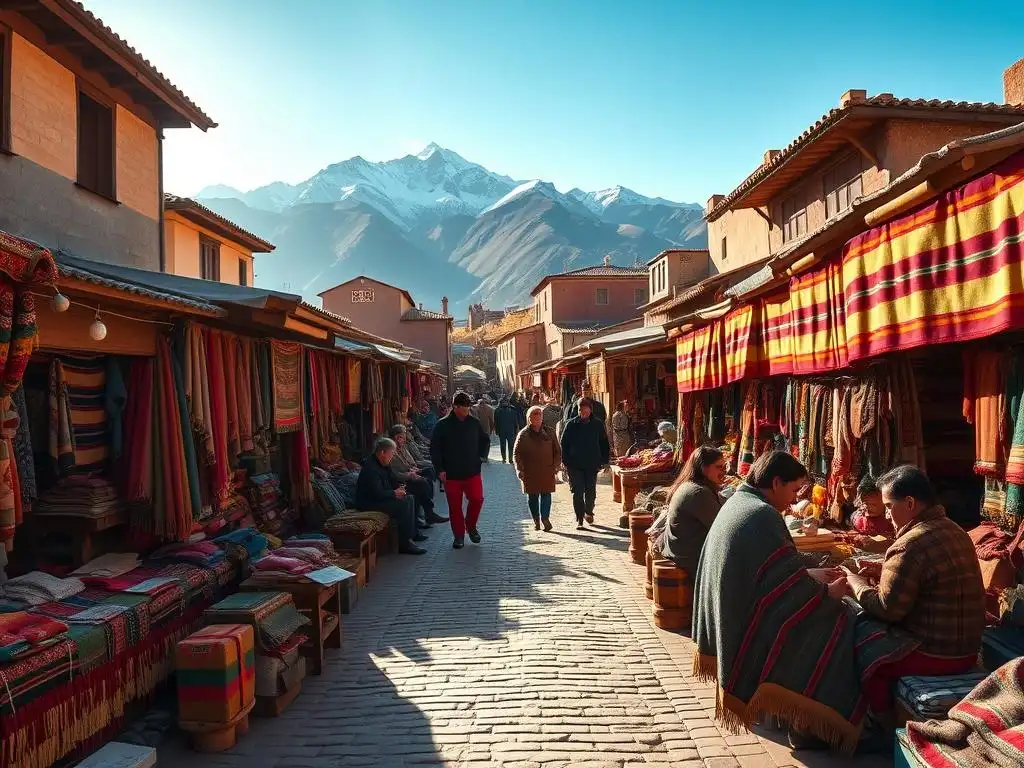
Step into a world lost in time, yet vibrantly alive. Imagine uncovering the secrets of the Andes, from the intricate artistry of the Incas to the awe-inspiring ingenuity of the Nazca. This journey through Andean Civilizations unveils a breathtaking tapestry of culture and history. But where do you find the echoes of these ancient empires today? Discover the answers – and your next prized possession – with our comprehensive Andean handicrafts sourcing guide. Begin your exploration now, and unlock the legacy of the Andes.
- Your Ultimate Andean Handicrafts Sourcing Guide: Finding Authentic Treasures
- Navigating the Best Markets for Andean Textiles and Ceramics
- Beyond the Markets: Alternative Sourcing Options for Andean Crafts
- Essential Tips for Successful Andean Handicraft Sourcing
- Conclusion: Embracing the Beauty and Culture of Andean Handicrafts
- Frequently Asked Questions
- Final Reflection: The Enduring Legacy of Andean Craftsmanship
- Unleash Your Inner Collector: Begin Your Andean Adventure!
Your Ultimate Andean Handicrafts Sourcing Guide: Finding Authentic Treasures
Embark on a journey through the vibrant tapestry of Andean culture with this comprehensive guide to sourcing exquisite handicrafts. For collectors, enthusiasts, and anyone captivated by the artistry and history woven into these remarkable pieces, navigating the world of Andean handicrafts can be both exhilarating and challenging.
This guide serves as your compass, leading you through the intricacies of identifying authentic pieces, understanding their cultural significance, and discovering the premier markets where you can find truly exceptional treasures. We will explore the diverse range of Andean crafts, from intricately woven textiles and meticulously carved ceramics to stunning silverwork and captivating jewelry, providing you with the knowledge and insights necessary to make informed and rewarding purchases.
Whether you're a seasoned collector or just beginning your exploration, this guide will empower you to build a collection that reflects the rich heritage and unparalleled craftsmanship of the Andes. Prepare to delve into a world of vibrant colors, intricate designs, and stories whispered through generations.
Understanding Andean Artisan Crafts: A Primer on Quality and Authenticity
The allure of Andean handicrafts lies not only in their aesthetic beauty but also in their profound cultural significance. Each piece tells a story, reflecting the traditions, beliefs, and skills passed down through generations of artisans. Understanding these nuances is crucial in identifying authentic and high-quality handicrafts.
Authentic Andean crafts often incorporate traditional techniques and materials, such as natural dyes from plants and minerals, hand-spun wool from alpaca or llama, and intricate weaving patterns specific to different regions. Look for inconsistencies – slight imperfections are often a hallmark of handmade items, distinguishing them from mass-produced imitations. Pay close attention to detail: examine the weave tightness in textiles, the evenness of the ceramic glaze, or the precision of the silverwork.
Consider the overall craftsmanship; a truly authentic piece will exhibit a level of skill and attention to detail that is evident in every aspect of its creation. Learning to distinguish genuine Andean handicrafts from imitations requires a discerning eye and a growing appreciation for the artistry involved. This understanding will not only enhance your collecting experience but will also ensure you are supporting the continuation of these valuable cultural traditions.
Why Choose Genuine Andean Handicrafts?
Choosing genuine Andean handicrafts offers numerous benefits beyond simply acquiring beautiful objects. Supporting authentic artisans directly contributes to the preservation of their cultural heritage and provides sustainable livelihoods for communities across the Andes. By purchasing genuine pieces, you're not only acquiring a unique and valuable item but also actively participating in the economic empowerment of these communities.
Moreover, owning an authentic Andean handicraft is akin to owning a piece of history. Each item carries the weight of generations of tradition and skill, offering a tangible connection to a rich and captivating culture. The investment in a genuine piece is often an investment in a story, a legacy, and a vibrant cultural tradition.
Furthermore, genuine Andean handicrafts tend to appreciate in value over time, making them not only beautiful possessions but also potentially sound investments. The combination of cultural significance, historical value, and potential for appreciation makes the pursuit of authentic Andean handicrafts a truly rewarding endeavor. The unique quality and craftsmanship ensure that your purchase will be a cherished possession for years to come.
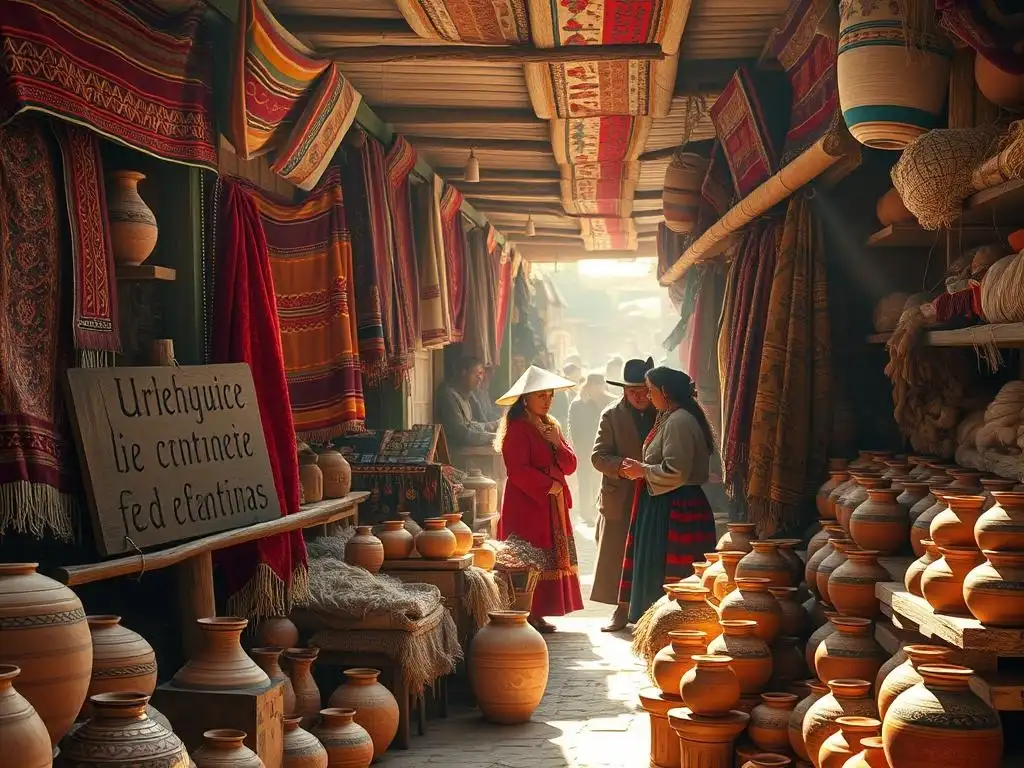
This section delves into the specifics of sourcing high-quality Andean handicrafts, focusing on two premier markets renowned for their rich textile and ceramic traditions: Cusco, Peru, and Otavalo, Ecuador. Understanding the nuances of each market—from identifying authentic pieces to navigating pricing strategies—is crucial for the discerning collector. This Andean handicrafts sourcing guide will equip you with the knowledge to make informed purchases and build a truly exceptional collection.
The Cusco Artisan Market: A Hub for Traditional Andean Weavings
Cusco, the former capital of the Inca Empire, pulsates with the energy of its vibrant artisan markets. Here, you'll find a treasure trove of traditional Andean weavings, showcasing intricate designs and techniques passed down through generations. However, the sheer volume of offerings requires a discerning eye. This section provides a detailed checklist and insights into identifying authentic, high-quality pieces.
Finding High-Quality Alpaca Wool Products in Cusco: A Buyer's Checklist
Choosing high-quality alpaca wool products requires attention to detail. Look for these key indicators:
- Fiber Quality: Genuine alpaca wool is incredibly soft, lightweight, and warm. Run your hand across the fabric – it should feel luxuriously smooth, not scratchy or coarse. Lower-quality products may use a blend of alpaca and other fibers, resulting in a less desirable feel.
- Dyeing Techniques: Traditional Andean dyes are often plant-based, resulting in subtle, earthy tones. Bright, unnatural colors may indicate the use of synthetic dyes. Inquire about the dyeing process; a commitment to natural dyes is a hallmark of authenticity.
- Weaving Density: Examine the weave closely. High-quality textiles will have a tight, even weave with minimal gaps or inconsistencies. A loose weave suggests lower quality and potentially shorter lifespan.
- Design Elements: Authentic Andean designs often incorporate traditional motifs and symbols with deep cultural significance. Research common patterns to better understand the symbolism and artistry.
- Pricing: Be prepared for a range of prices. Exceptionally high-quality, hand-woven items will command a higher price, reflecting the time and skill involved in their creation. Avoid suspiciously low prices, which may indicate low-quality materials or unethical labor practices.
Key Weaving Techniques to Look For: Warp-Faced Weaving
One hallmark of high-quality Andean textiles is the use of warp-faced weaving techniques. This technique, where the warp threads (the lengthwise threads) are dominant, creates a richly textured surface with intricate designs. Look for subtle variations in texture and color, indicative of skilled craftsmanship. Compare different pieces to understand the nuances of warp-faced weaving and its impact on the overall aesthetic and durability of the textile. The precision and complexity of the weave are significant indicators of quality and authenticity.
Affiliate Recommendation: [Local Cusco Weaver's Cooperative - Link]
Otavalo Market in Ecuador: The Largest Indigenous Market in South America
Otavalo, Ecuador, boasts one of the largest indigenous markets in South America. Known for its vibrant atmosphere and vast array of handicrafts, Otavalo presents both incredible opportunities and significant challenges for collectors. Navigating this market requires a keen eye for detail and an understanding of the subtle differences between authentic and counterfeit goods.
Identifying Genuine Otavalo Textiles: Avoiding Counterfeits
Otavalo is unfortunately known for its counterfeit goods. To ensure you're purchasing authentic textiles, consider these factors:
- Fiber Content: Look for textiles made from natural fibers like alpaca, llama, or sheep's wool. Many counterfeit items use synthetic materials, which lack the softness and durability of natural fibers.
- Weaving Techniques: Genuine Otavalo textiles often feature traditional weaving techniques, such as backstrap weaving or tapestry weaving. Examine the weave closely for inconsistencies that may indicate mass production.
- Colorfastness: Test the colorfastness of the fabric by gently rubbing a damp cloth on an inconspicuous area. If the color runs, it suggests the use of low-quality dyes.
- Pricing: While prices can vary, be wary of exceptionally low prices, which may indicate inferior materials or unethical labor practices. Negotiate respectfully, but be prepared to pay a fair price for authentic, handcrafted items.
- Seller Reputation: If possible, try to source your textiles from reputable artisans or cooperatives known for their commitment to ethical practices.
Discovering Unique Otavalo Handicrafts: Beyond the Usual Souvenirs
While the market is filled with familiar souvenirs, discerning collectors can uncover unique and exceptional pieces. Venture beyond the tourist stalls and explore the smaller, family-run shops. Engage with the artisans, learn about their techniques, and discover hidden gems that reflect the rich cultural heritage of the region. Look for items with unique designs, intricate details, and a sense of history. Ask questions about the materials, techniques, and the story behind each piece. This deeper engagement will enhance your appreciation of the craftsmanship and add a unique narrative to your collection.
Affiliate Recommendation: [Ethical Otavalo Textile Wholesaler - Link]
Pisac Market in Peru: A Blend of Traditional and Modern Andean Art
Pisac Market, nestled in the Sacred Valley of the Incas, offers a vibrant tapestry of Andean handicrafts. Its bustling atmosphere is a captivating blend of ancient traditions and contemporary artistry, making it a prime location for sourcing exquisite textiles and ceramics. The market sprawls across several streets, overflowing with stalls showcasing everything from intricately woven textiles to stunningly crafted pottery.
You'll find alpaca wool sweaters in a dazzling array of colors and patterns, hand-spun yarns in earthy tones, and intricately embroidered tapestries depicting scenes from Andean mythology. The sheer variety available makes Pisac an ideal destination for collectors seeking both traditional and modern interpretations of Andean art. Many artisans display their work directly, providing a unique opportunity to learn about their techniques and the stories behind their creations.
This direct interaction fosters a deeper appreciation for the cultural heritage embodied in these handcrafted items, adding an invaluable layer to the collecting experience. The market's location, within easy reach of Cusco, also adds to its appeal, making it easily accessible for collectors visiting the region. Remember to explore beyond the main thoroughfares; hidden gems and unique pieces often await in the less crowded alleys.
Sourcing Authentic Pisac Pottery and Ceramics: Identifying Unique Designs
Identifying authentic Pisac pottery requires a keen eye for detail. Look for handcrafted imperfections—subtle variations in shape, color, and glaze—that distinguish handmade pieces from mass-produced imitations. Traditional designs often feature geometric patterns, stylized animals, or representations of Andean deities.
Pay attention to the quality of the clay and the firing techniques; authentic pottery will generally feel heavier and more robust than cheaper imitations. The use of natural pigments creates a unique depth and richness of color, often with subtle variations in tone. Some artisans specialize in specific techniques, such as black pottery from the nearby town of Yanaoca, characterized by its distinctive matte finish and deep black hue.
Researching common Pisac pottery styles beforehand can significantly enhance your ability to identify authentic pieces and negotiate prices effectively. Don't hesitate to ask the artisans about their techniques and the history of their designs; their insights will add significant value to your collection.
Negotiating Prices Wisely: Tips for a Fair Trade at Pisac
Negotiating prices at Pisac Market is part of the experience. While it's customary to haggle, it's crucial to do so respectfully, remembering that you are interacting with individuals who have invested significant time and skill in their craft. Begin by politely inquiring about the price and then offering a lower price, keeping in mind the overall value of the item and the prevailing market rates. A friendly and respectful approach, combined with a clear understanding of the item's worth, will facilitate a mutually agreeable outcome.
Don't be afraid to walk away from a deal if you're not comfortable with the price; often, the seller will adjust their offer. Remember, fair trade involves respecting the artisan's labor and ensuring a sustainable income for their craft. By engaging in respectful negotiations, you contribute to the preservation of traditional Andean artistry and ensure the continued flourishing of these remarkable markets.
Affiliate Recommendation: [Local Pisac Ceramic Workshop - Link]
La Paz Witches' Market: Finding Unusual and Traditional Andean Items
The Witches' Market in La Paz, Bolivia, offers a truly unique and unforgettable shopping experience. This vibrant market is not just a place to acquire handicrafts; it's a window into the fascinating world of Andean spirituality and traditional medicine. Here, you'll find a captivating array of items, ranging from dried herbs and medicinal plants to intricately carved amulets and llama fetuses (used in Andean rituals, though their ethical sourcing should be carefully considered). The market's atmosphere is both intriguing and slightly unsettling, a testament to the enduring power of Andean traditions. Beyond the more esoteric items, you'll also find beautifully crafted textiles, ceramics, and jewelry, reflecting the diverse artistic traditions of the region. The sheer variety of goods on offer makes it a treasure trove for those seeking unusual and authentic Andean items. Remember to approach the market with an open mind and a respect for local customs and beliefs.
Sourcing Traditional Andean Amulets and Charms: Understanding Their Significance
Andean amulets and charms are not mere trinkets; they hold deep spiritual significance within Andean cultures. These items are often crafted from natural materials like wood, bone, or stone, and may incorporate symbols associated with Andean deities, animals, or natural forces. Understanding the symbolism behind these amulets enhances their value and allows for a more informed appreciation of their cultural context.
For example, a llama figure might represent prosperity and abundance, while a miniature condor could symbolize power and strength. Researching the specific symbolism of different amulets before your purchase can greatly enrich the experience. It is crucial to purchase these items from reputable sources, ensuring that they are ethically sourced and created with respect for the traditions they represent.
Discovering Unique Andean Musical Instruments: Zampoñas & Charangos
The Witches' Market also offers a surprising selection of traditional Andean musical instruments. The zampoña, a panpipe, and the charango, a small lute-like instrument, are particularly notable. These instruments, often handcrafted from local materials, offer a tangible connection to the rich musical heritage of the Andes. The sounds produced by these instruments are unique and evocative, reflecting the rhythms and melodies of Andean cultures.
When purchasing these instruments, consider the craftsmanship, the quality of the materials, and the overall sound. It is advisable to test the instrument before purchasing it, to ensure its playability and tone. Purchasing a handcrafted Andean musical instrument adds a unique and deeply cultural element to any collection.
Affiliate Recommendation: [Reputable La Paz Instrument Maker - Link]
Beyond the Markets: Alternative Sourcing Options for Andean Crafts
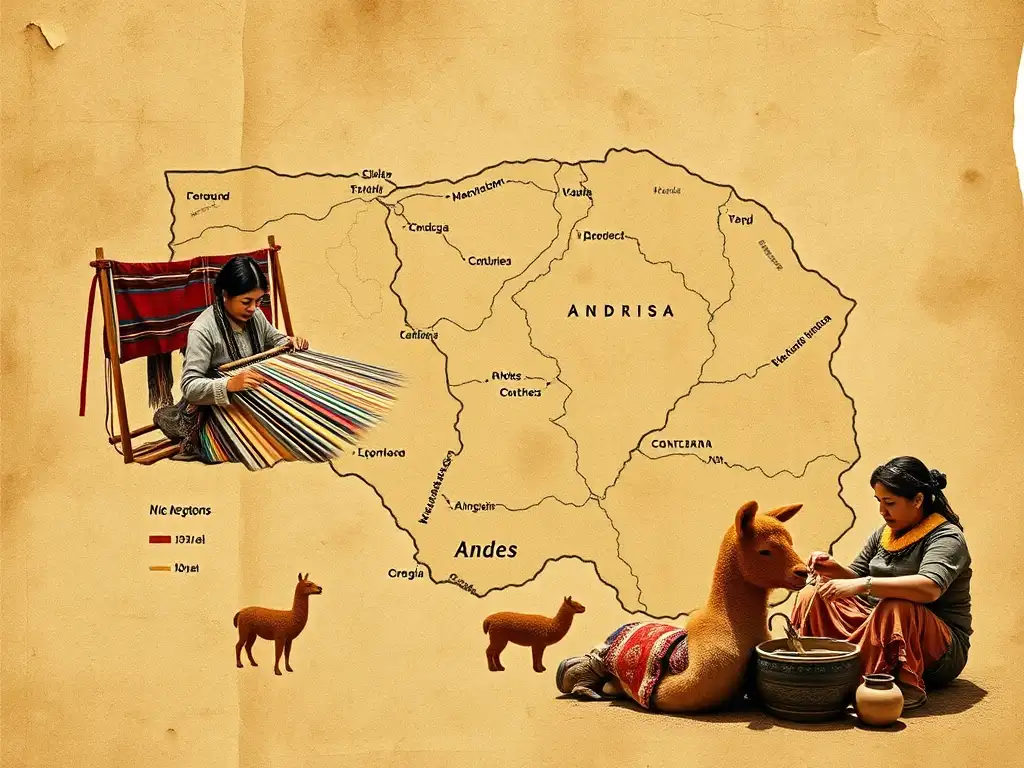
Finding exquisite Andean handicrafts isn't limited to bustling markets. Savvy collectors are increasingly exploring alternative sourcing options that offer unique advantages, from the convenience of online marketplaces to the ethical satisfaction of directly supporting artisan communities. This section delves into these compelling alternatives, providing insights into navigating these avenues effectively and ethically. Understanding these options is crucial for building a truly exceptional collection of Andean crafts while contributing positively to the preservation of this rich cultural heritage. This Andean handicrafts sourcing guide will help you explore these options.
Online Marketplaces for Andean Handicrafts: A Convenient Alternative
The digital age has revolutionized access to global goods, including the vibrant world of Andean handicrafts. Online marketplaces offer a convenient and expansive platform for sourcing unique pieces, often bypassing the geographical limitations of physical markets. However, navigating this digital landscape requires discernment to ensure authenticity and ethical sourcing.
Identifying Trustworthy Online Vendors for Authentic Andean Goods
Not all online sellers are created equal. When sourcing Andean handicrafts online, verifying authenticity is paramount. Look for vendors who provide detailed descriptions, high-resolution images showcasing craftsmanship, and information about the origin and materials of their products. Be wary of overly generic descriptions or suspiciously low prices, which may indicate counterfeit or mass-produced items lacking the unique character of genuine Andean crafts.
Reading customer reviews can also provide valuable insights into a vendor's reliability and the quality of their offerings. Pay close attention to comments on the authenticity of the pieces and the seller's responsiveness to inquiries. A reputable vendor will be transparent and readily answer questions about their sourcing practices.
Recommended Online Platforms for Andean Handicrafts: Etsy Sellers Specializing in Andean Crafts
Platforms like Etsy host a diverse range of sellers, many of whom specialize in handcrafted goods. However, even within these curated marketplaces, careful selection remains essential. Look for sellers with a strong track record, positive reviews emphasizing authenticity, and detailed descriptions of their products.
Many Etsy sellers specializing in Andean crafts showcase the unique stories and techniques behind their pieces, adding another layer of value and authenticity to your purchase. Filtering your search by "handmade" and "artisan-made" can help narrow down your choices and improve your chances of finding truly authentic pieces. Consider sellers who clearly describe the materials used and the region of origin.
Affiliate Recommendation: [Online Andean Craft Shop - Link]
Directly Supporting Andean Artisan Communities: Ethical Sourcing Practices
Beyond the convenience of online marketplaces, a deeply rewarding approach to sourcing Andean handicrafts involves directly supporting the artisan communities who create them. This ethical sourcing model not only ensures the authenticity of your acquisitions but also contributes to the economic well-being and cultural preservation of these communities. This is a crucial aspect of any responsible Andean handicrafts sourcing guide.
How to Find and Connect with Andean Artisans Directly
Connecting with Andean artisans directly can be achieved through various avenues. Researching artisan cooperatives or organizations dedicated to fair trade practices can provide direct access to authentic handicrafts while guaranteeing ethical production standards. Travel to Andean regions, if feasible, allows for firsthand encounters with artisans and a deeper understanding of their craft. Online platforms and social media groups focused on Andean culture can also connect you with artisans seeking to sell their work directly. Remember to always conduct thorough research to ensure the legitimacy of any artisan or organization you consider working with.
The Benefits of Fair Trade Practices in Andean Craft Sourcing
Choosing fair trade Andean handicrafts offers numerous benefits beyond simply acquiring beautiful pieces. Fair trade practices ensure that artisans receive fair compensation for their work, supporting their livelihoods and empowering their communities. It fosters sustainable production methods, preserving traditional techniques and protecting the environment. By choosing fair trade, you contribute to the preservation of Andean cultural heritage and promote ethical and sustainable practices within the craft industry. Supporting fair trade is not only ethically responsible but also contributes to the long-term sustainability of these ancient crafts. It's a key element of any comprehensive Andean handicrafts sourcing guide.
Affiliate Recommendation: [Fair Trade Andean Craft Organization - Link]
Essential Tips for Successful Andean Handicraft Sourcing
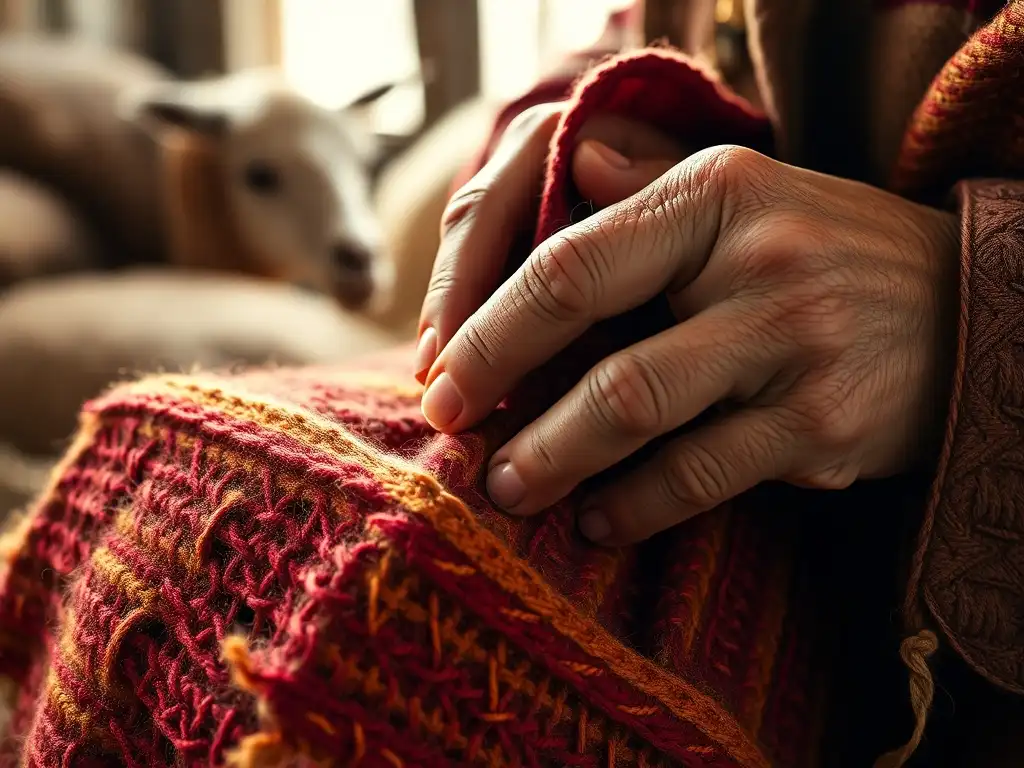
This section offers crucial advice for navigating the vibrant world of Andean handicrafts sourcing, ensuring you acquire authentic and high-quality pieces. Understanding the nuances of the market is key to a successful and rewarding experience. This guide focuses on practical strategies that will improve your chances of finding exceptional Andean handicrafts. Remember, patience and respect are paramount when engaging with artisans and vendors.
Understanding Pricing and Negotiation in Andean Markets
Negotiation is a fundamental aspect of purchasing Andean handicrafts. Prices are often not fixed, especially in smaller, local markets. However, this doesn't mean aggressively haggling is always appropriate. Respectful negotiation involves understanding the value of the piece and the artisan's work. Researching similar items beforehand can provide a helpful benchmark. Observe how other buyers interact with vendors; this can provide insight into typical pricing ranges.
Remember, a fair price benefits both you and the artisan. A lowball offer can be insulting and might prevent future collaborations with talented artisans. Instead, aim for a mutually agreeable price that reflects the quality of the craftsmanship and materials used. Consider factors like the time invested, the intricacy of the design, and the rarity of the materials. For example, a meticulously hand-woven alpaca wool textile will naturally command a higher price than a mass-produced item.
Here's a helpful table summarizing negotiation strategies:
| Strategy | Description | Potential Outcome |
|---|---|---|
| Polite Inquiry | Start by asking the price politely and showing genuine interest. | Establishes a respectful dialogue. |
| Comparative Pricing | Mention similar items you've seen at other markets (if applicable). | Provides context for price discussion. |
| Counter-Offer | Offer a reasonable price, justifying your offer based on observed market values. | May lead to a mutually agreeable compromise. |
| Multiple Purchases | Consider buying multiple items to negotiate a better overall price. | Can result in significant discounts. |
| Walk Away (carefully) | If a deal can't be reached, politely excuse yourself. Sometimes this works! | May prompt the vendor to reconsider their offer. |
It's important to remember that the process is about building relationships as much as securing a bargain. A positive interaction can lead to discovering unique pieces and fostering connections with the artisans themselves.
Recognizing Authentic Materials and Techniques: Avoiding Fakes
The Andean region boasts a rich tapestry of traditional techniques and materials. However, the popularity of Andean handicrafts has also led to an increase in counterfeits. Knowing how to identify authentic pieces is crucial to ensure you're investing in genuine artistry.
Several key indicators distinguish authentic Andean handicrafts from imitations. Look for:
- Materials: Authentic textiles often use high-quality alpaca, llama, or vicuña wool. Feel the texture—genuine alpaca wool is incredibly soft and luxurious. Similarly, silver jewelry should have a distinct weight and hallmark indicating its purity. Observe the craftsmanship—authentic pieces exhibit meticulous attention to detail and often incorporate traditional patterns and designs.
- Techniques: Traditional weaving techniques, such as backstrap weaving or tapestry weaving, are often intricate and time-consuming. Examine the piece carefully for signs of these techniques. Authenticity is also indicated by the use of traditional dyes made from natural pigments. These dyes often have a subtle, nuanced depth that mass-produced imitations typically lack.
- Imperfections: Ironically, slight imperfections can be a sign of authenticity. Hand-crafted items rarely achieve perfect uniformity. Minor variations in color, texture, or stitching are often a testament to the human touch.
Example: Identifying Authentic Silver Jewelry
Genuine Andean silver jewelry often features intricate designs and traditional motifs. Look for hallmarks or stamps that indicate the silver's purity. Feel the weight – authentic silver is noticeably heavier than cheaper alternatives. Examine the craftsmanship closely; poorly finished edges or uneven soldering are signs of a fake.
By paying close attention to these details, you can significantly reduce the risk of purchasing counterfeit items and support the preservation of traditional Andean crafts.
Protecting Your Purchases: Shipping and Customs Considerations
Once you've acquired your exquisite Andean handicrafts, ensuring their safe arrival home is paramount. Properly preparing your purchases for shipping and navigating customs regulations is essential.
Shipping Considerations
Securely package each item individually with appropriate cushioning to prevent damage during transit. For fragile items, consider using custom-made wooden boxes for added protection. Choose a reputable shipping company with experience handling international shipments and insurance options. Clearly label the package with the contents and their value.
Customs Considerations
Understand your country's customs regulations regarding the import of handicrafts. You may need to declare the value of your purchases and pay import duties or taxes. Keep all receipts and documentation related to your purchase and shipment. Be aware of any restrictions on importing certain materials, such as animal products or endangered species. Failure to comply with customs regulations can result in delays, fines, or even confiscation of your goods.
Careful planning and preparation will ensure your treasured Andean handicrafts arrive safely and legally, allowing you to enjoy these beautiful pieces for years to come. Remember to document your purchases thoroughly – photos and receipts are invaluable. This detailed approach to sourcing and protecting your acquisitions will make your Andean handicrafts journey a truly rewarding experience.
Conclusion: Embracing the Beauty and Culture of Andean Handicrafts
This journey through premier markets for sourcing exquisite Andean handicrafts has hopefully illuminated the diverse landscape of artistry and cultural heritage available to collectors. From the intricate textiles of the Andes to the finely crafted ceramics and stunning silverwork, each piece tells a story, whispering tales of ancient traditions and enduring craftsmanship.
Understanding the nuances of sourcing—from identifying authentic pieces to supporting ethical practices—is crucial for building a meaningful collection that respects both the artistry and the communities behind it. The process of acquiring Andean handicrafts is not merely about acquiring objects; it's about engaging with a rich history and contributing to its preservation.
The Lasting Value of Authentic Andean Art
Authentic Andean art possesses an inherent and enduring value that extends far beyond its monetary worth. These pieces are not just decorative items; they are tangible links to a vibrant past, embodying centuries of tradition and skill. Consider the investment in terms of both financial return and cultural significance.
Many Andean handicrafts, particularly those made using traditional techniques and materials, appreciate significantly over time, becoming coveted heirlooms. This appreciation is fueled not only by scarcity but also by the growing global recognition and appreciation of Andean cultural heritage. For instance, meticulously woven textiles from the highlands, passed down through generations, often command impressive prices at auctions and private sales.
The detailed craftsmanship, unique designs, and the historical context they represent make them highly sought-after by discerning collectors. Moreover, owning a piece of authentic Andean art allows for a deeper connection with the culture, fostering a greater understanding and appreciation of the region's history and artistic legacy. 🌎
Supporting Andean Communities Through Ethical Sourcing
Ethical sourcing is paramount when acquiring Andean handicrafts. It's not just about obtaining a beautiful piece; it's about ensuring the artisans who create them receive fair compensation and that their traditional practices are sustained. By consciously choosing to purchase from reputable sources that prioritize fair trade principles, you directly contribute to the economic well-being of Andean communities. This support helps preserve traditional skills, empowers artisans, and promotes sustainable development in the region.
Look for organizations and cooperatives that offer transparency in their supply chains, ensuring that profits reach the artisans directly. Furthermore, purchasing directly from artisans whenever possible strengthens the community bond and fosters a deeper appreciation for the creative process. Remember, your purchase is a vote for ethical practices and a contribution to the preservation of Andean cultural heritage. Supporting these communities is not only morally responsible but also ensures the continued creation of exquisite Andean handicrafts for generations to come.
This conscious consumerism ensures the sustainability of Andean art and the thriving of the communities that create it. Consider it a long-term investment in both beautiful art and a vibrant cultural legacy. 👍
Frequently Asked Questions
Where can I find authentic Andean handicrafts?
You can find authentic Andean handicrafts in several places: local markets in Peru, Bolivia, Ecuador, and Colombia; reputable online retailers specializing in ethically sourced goods; and artisan cooperatives. Always verify the seller's credentials.
How can I ensure the handicrafts are ethically sourced?
Look for sellers who are transparent about their sourcing practices. Support fair trade organizations and cooperatives that directly benefit the artisans. Ask about the materials and the artisans' backgrounds.
What are some popular types of Andean handicrafts?
Popular handicrafts include textiles (woven blankets, tapestries), ceramics (pottery, sculptures), jewelry (silver, gold, semi-precious stones), and wood carvings. The specific styles vary widely depending on the culture and region.
How can I tell if a piece is antique or a modern reproduction?
Determining authenticity requires expertise. Look for signs of age (wear, patina), examine the materials and techniques, and consult with experts or reputable dealers. Documentation from the seller can also be helpful.
What is the best way to care for my Andean handicrafts?
Proper care depends on the material. Textiles should be dry cleaned or hand-washed gently. Ceramics are generally durable but should be handled with care. Jewelry may require specific cleaning methods. Consult a professional conservator if you are unsure.
Final Reflection: The Enduring Legacy of Andean Craftsmanship
The vibrant artistry of Andean handicrafts continues to resonate today, a testament to the enduring power of cultural heritage and sustainable practices. These exquisite pieces, far from being mere collectibles, represent a living tradition, a connection to ancient techniques and the rich tapestry of Andean life. Their enduring appeal speaks to a global desire for authenticity and a growing appreciation for ethically sourced, handcrafted goods.
The journey of sourcing these treasures has been deeply enriching, revealing not only the beauty of the crafts themselves but also the dedication and skill of the artisans who create them. Their work is a powerful expression of identity and resilience, a legacy passed down through generations. The hands that create are the hands that preserve,
a sentiment that perfectly encapsulates the importance of supporting these communities and their invaluable traditions. The impact of tourism and global markets on these communities is undeniable, and it's crucial to navigate this landscape with respect and understanding.
Consider the stories woven into each piece—the intricate designs, the carefully chosen materials, the hours of meticulous work. You, the reader, now hold the key to unlocking a world of beauty and cultural exchange. I encourage you to use this guide not just to acquire exquisite handicrafts, but to engage thoughtfully with the artisans and their communities, supporting their livelihoods and ensuring the continuation of this remarkable heritage for generations to come. Let your purchase be a celebration of artistry and a commitment to ethical and sustainable practices.
Unleash Your Inner Collector: Begin Your Andean Adventure!
Thank you for exploring our guide to exquisite Andean handicrafts. You've gained valuable knowledge that can elevate your collection into a true celebration of culture and artistry. Now, let's put that knowledge to work!
- Start your collecting journey by visiting a local artisan market to discover unique and beautiful handicrafts. Immerse yourself in the vibrant colors and rich traditions of the Andes!
- Share your passion with others: Join online communities or social media groups dedicated to Andean crafts. Connect with fellow enthusiasts and learn from their experiences.
- Deepen your knowledge: Consider taking a virtual tour of Andean artisans' workshops to learn directly from the masters and gain a deeper understanding of their craft.
Are you ready to share your latest Andean treasure? What captivating handicraft will you seek out first?