
How the Incas Mastered Mountain Farming: Unveiling Ancient Agricultural Secrets

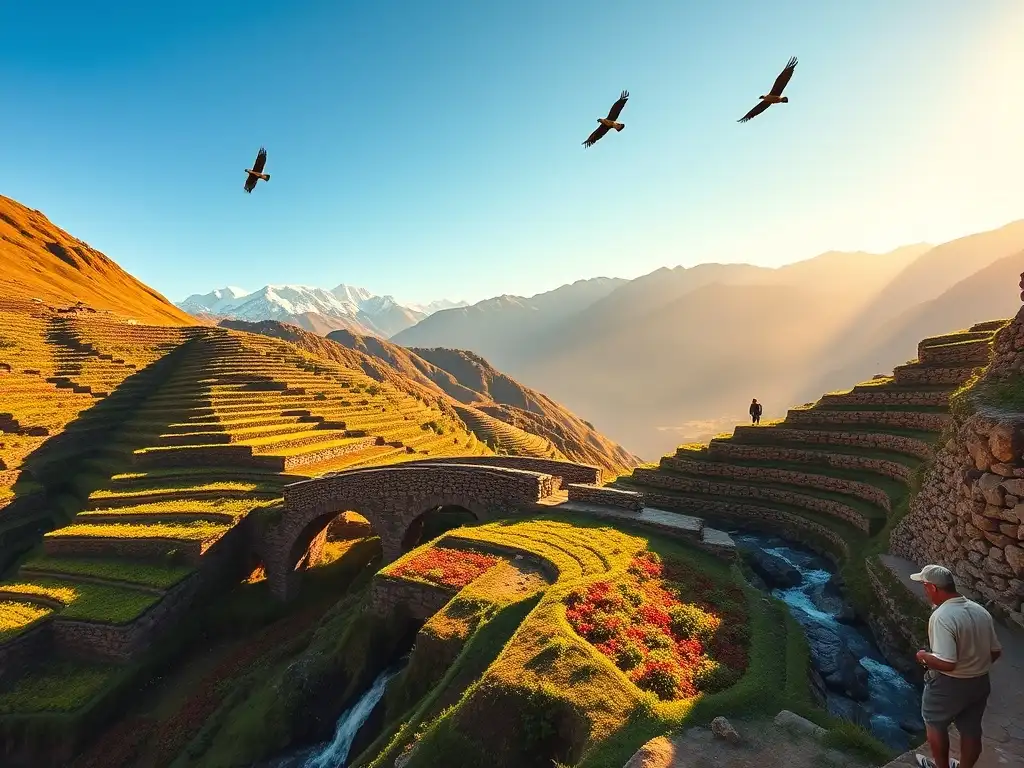
Dive into the breathtaking world of the Andean civilizations! Prepare to be amazed by the ingenuity and resilience of ancient cultures who carved empires from the challenging Andean landscape. But what secrets lie behind their astonishing agricultural achievements? Discover the fascinating story of Inca mountain farming techniques and uncover the innovative methods that allowed these civilizations to thrive in seemingly impossible environments. Unravel the mysteries of their agricultural mastery – your journey begins now.
- Inca Mountain Farming Techniques: Unveiling Ancient Agricultural Secrets
- The Challenge of Andean Agriculture: High Altitude Farming
- Inca Ingenuity: Adapting to Mountainous Terrain
- Advanced Inca Agricultural Methods
- The Impact of Inca Farming on Food Security
- Legacy of Inca Agricultural Practices
- Frequently Asked Questions
- Final Reflection: Echoes of the Andes: A Legacy of Ingenuity
- Embrace the Secrets of Ancient Farming Today!
Inca Mountain Farming Techniques: Unveiling Ancient Agricultural Secrets
The Andes Mountains, a formidable natural barrier, presented an immense challenge to early civilizations. Yet, the Incas, flourishing between the 15th and 16th centuries, not only survived but thrived in this harsh environment, developing sophisticated agricultural techniques that allowed them to cultivate food at altitudes exceeding 4,000 meters (13,000 feet).
This article delves into the ingenious methods employed by the Inca, showcasing their remarkable adaptation to the Andean landscape and providing insights into their mastery of mountain farming. Understanding their techniques offers a fascinating glimpse into their ingenuity and provides valuable lessons for sustainable agriculture today.
We will explore the key elements that enabled Inca agricultural success, from terracing and irrigation to crop diversification and soil management, illustrating how their innovative approaches allowed them to feed a vast empire in a challenging environment. The keyword "Inca mountain farming techniques" will be explored in depth, highlighting the specific practices and their impact on Inca society and its longevity.
Terracing: Conquering Steep Slopes
The Inca's mastery of terracing is perhaps their most visually striking agricultural achievement. They carved extensive terraces into the steep mountain slopes, creating a series of level platforms that dramatically increased cultivable land. These terraces weren't simply haphazardly carved; they were meticulously designed, with careful consideration given to slope, sun exposure, and drainage.
The construction involved moving vast quantities of earth, a testament to the Inca's organizational prowess and labor force. The precise angle of each terrace minimized soil erosion, while retaining walls, often constructed from stone, prevented landslides and provided support. This intricate system maximized arable land, allowing for efficient crop cultivation even on the steepest inclines.
The impact of terracing on Inca food security cannot be overstated; it was a foundational element of their agricultural success. Examples of particularly well-preserved terracing systems can still be seen in various locations throughout the Andes, standing as silent witnesses to Inca ingenuity.
Irrigation Systems: Harnessing Water Resources
Water scarcity is a significant challenge in high-altitude environments. The Incas cleverly addressed this issue by developing sophisticated irrigation systems that channeled water from rivers and streams to their terraced fields. They constructed canals, aqueducts, and reservoirs, often utilizing ingenious techniques to navigate challenging terrain. Some canals were carved directly into rock, while others were built from stone and mortar.
The precise engineering of these systems ensured an even distribution of water, maximizing crop yields and minimizing water waste. The management of water resources was crucial to the Inca's success, and the intricate irrigation systems they created are a testament to their understanding of hydrology and engineering. The design and construction of these systems also required a sophisticated social organization and collaborative effort, demonstrating the close integration of agriculture and social structures within Inca society.
Crop Diversification and Soil Management: Ensuring Resilience
The Incas understood the importance of crop diversity in maintaining a resilient agricultural system. They cultivated a wide variety of crops, including potatoes (with hundreds of varieties adapted to different altitudes and climates), maize, quinoa, beans, and squash. This diversification minimized the risk of crop failure due to disease or environmental factors. Additionally, the Incas practiced sophisticated soil management techniques, including crop rotation and the use of fertilizers (such as guano).
These practices helped to maintain soil fertility and prevent soil degradation, ensuring long-term agricultural productivity. Their understanding of soil health and the interconnectedness of different crops within an ecosystem was far ahead of its time and contributed significantly to their agricultural success. The diversity of crops also contributed to a varied and nutritious diet for the Inca population.
Waru Waru: A Sustainable Agricultural System
The Waru Waru system, a remarkable example of Inca agricultural ingenuity, involved the construction of raised beds surrounded by irrigation canals. This system provided several advantages: it improved drainage, regulated soil temperature, and increased water retention. The raised beds also provided protection against frost, a significant threat in the high Andes. The canals acted as both irrigation channels and microclimates, creating a more favorable environment for crop growth. This system is a testament to the Incas' deep understanding of their environment and their ability to create a sustainable agricultural system that could thrive in a challenging climate. 1 The Waru Waru system is still practiced in some parts of the Andes today, showcasing its enduring relevance and effectiveness.
1 Further research is needed to fully understand the specific techniques and variations of Waru Waru across different regions of the Inca Empire.
The Challenge of Andean Agriculture: High Altitude Farming
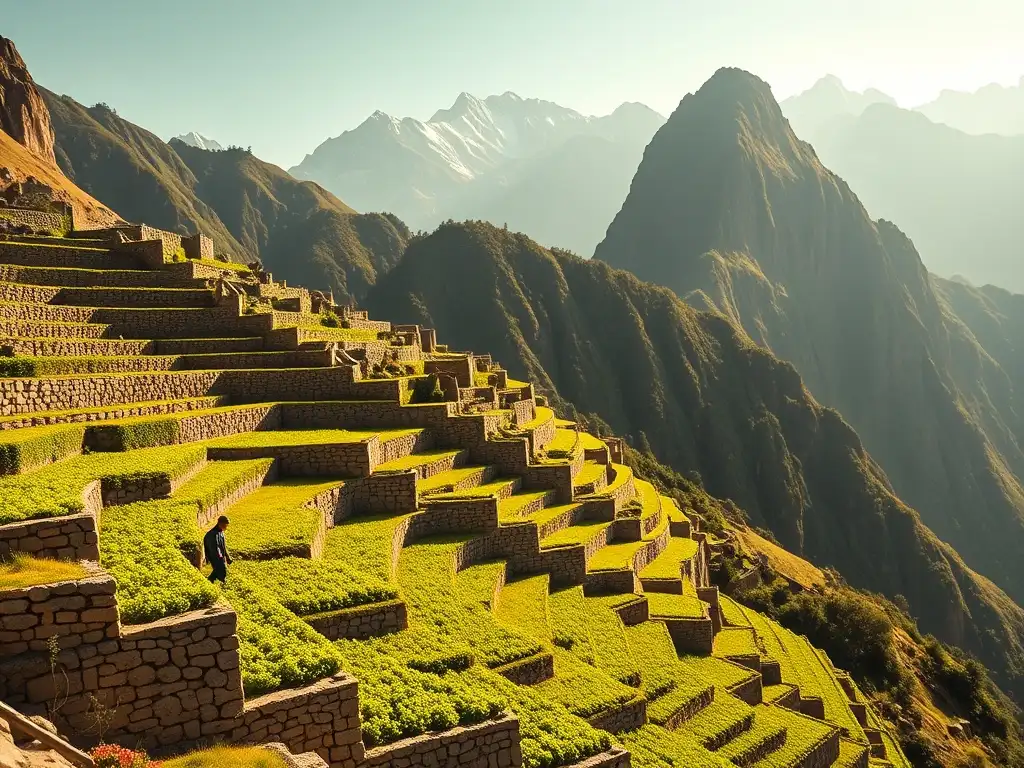
The Inca Empire's success hinged significantly on its mastery of agriculture, a feat particularly impressive considering the challenging environment of the Andes Mountains. "Inca mountain farming techniques" weren't simply a matter of planting seeds; they represented a sophisticated understanding of high-altitude ecology and ingenious solutions to overcome significant obstacles. This section explores the environmental hurdles faced by Inca farmers and the innovative strategies they employed to cultivate food in such a demanding landscape.
Understanding the Harsh Andean Environment
The Andes Mountains present a formidable challenge to agriculture. High altitudes mean significantly lower temperatures, shorter growing seasons, intense solar radiation, and unpredictable weather patterns including frost and hail. Thin, rocky soils, prone to erosion, offer limited nutrients. Water scarcity is another major factor, with uneven rainfall distribution and steep slopes leading to rapid runoff.
The combination of these factors severely restricts the types of crops that can be successfully cultivated and necessitates highly specialized agricultural practices. For instance, the average temperature at altitudes exceeding 3,000 meters (approximately 9,800 feet) is considerably lower than at sea level, significantly impacting crop growth cycles and yields. This harsh environment demanded ingenuity and adaptability from the Inca people, pushing them to develop unique and highly effective agricultural techniques. The success of Inca agriculture is a testament to their deep understanding of their environment and their ability to harness its resources effectively.
The Need for Innovative Farming Practices
The limitations of the Andean environment necessitated the development of innovative farming practices. The Incas couldn't rely on traditional agricultural methods; instead, they had to devise strategies to maximize limited resources and mitigate environmental challenges. This involved careful land management, water conservation, and the development of specialized crop varieties adapted to high-altitude conditions.
Their agricultural innovations were not merely practical; they were deeply integrated into their social and religious structures, highlighting the crucial role of agriculture in Inca society. The sheer scale of their agricultural achievements, evident in the extensive terracing systems and sophisticated irrigation networks, underscores the central importance of food production to their empire's stability and prosperity. The development of robust and reliable farming techniques was key to sustaining a large and complex population in such a challenging environment, a remarkable achievement that continues to fascinate researchers today.
The ingenuity and effectiveness of Inca mountain farming techniques remain a valuable lesson in sustainable agriculture and adaptation to challenging environments. Understanding these techniques provides crucial insights into the resilience and resourcefulness of the Inca civilization.
Inca Ingenuity: Adapting to Mountainous Terrain
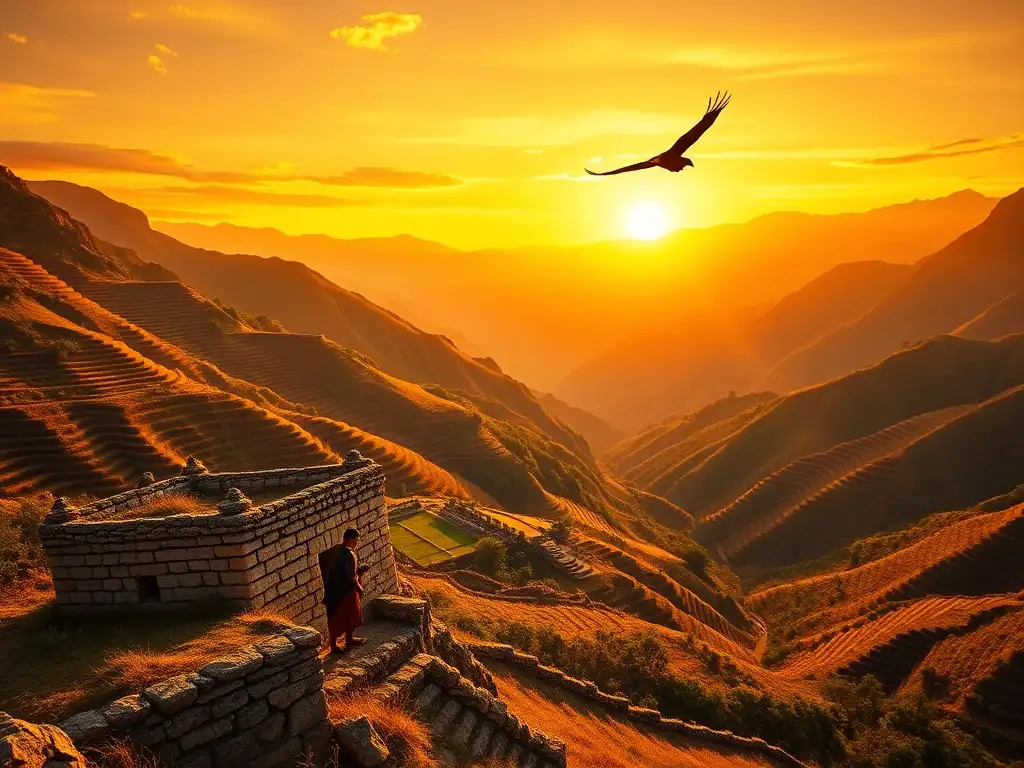
The Inca Empire's success wasn't solely due to military prowess and sophisticated administration; it was fundamentally rooted in their mastery of agriculture in a challenging, mountainous environment. Their innovative farming techniques, honed over centuries, allowed them to cultivate food in seemingly impossible locations, supporting a large and complex society. Understanding Inca ingenuity requires examining the intricate interplay of their agricultural practices with the steep slopes and unpredictable weather patterns of the Andes.
This section will delve into the specific techniques that enabled the Incas to thrive in such a demanding landscape, highlighting their remarkable adaptation and resourcefulness, key elements of their success in the face of the formidable challenges presented by the Andean terrain. The keyword "Inca mountain farming techniques" is central to understanding this remarkable achievement.
Terraced Farming: The Foundation of Inca Agriculture
Terraced farming formed the bedrock of Inca agriculture. These meticulously constructed agricultural terraces, carved into the steep Andean slopes, transformed otherwise unusable land into productive farmland. Instead of relying on flat land, which was scarce, the Incas systematically sculpted the mountainsides, creating a series of level platforms supported by retaining walls. These terraces not only increased the amount of cultivatable land dramatically but also served several crucial purposes.
They significantly reduced soil erosion by slowing the flow of rainwater, preventing valuable topsoil from washing away. The flat surfaces also facilitated efficient irrigation and cultivation, allowing for easier planting, weeding, and harvesting. The size and spacing of the terraces varied depending on the slope's steepness and the type of crop being cultivated.
For example, steeper slopes often featured smaller terraces, while gentler slopes allowed for larger, more expansive fields. The meticulous construction of these terraces, often using stone and earth, showcases the Incas’ deep understanding of engineering and their commitment to agricultural sustainability. This approach to farming was not just about increasing yields; it was about creating a resilient and adaptable agricultural system capable of sustaining a large population year after year.
Construction and Maintenance of Agricultural Terraces
The construction of Inca terraces was a monumental undertaking requiring immense labor and sophisticated planning. Teams of skilled workers, often organized through the mita system (a form of mandatory labor), meticulously carved the terraces into the mountainside, carefully selecting stones and earth to create sturdy retaining walls. The walls weren't simply piled up; they were precisely fitted together, often without mortar, demonstrating a high level of masonry expertise. Different stone types were used depending on their availability and suitability, reflecting a deep understanding of local geology and material properties.
The walls served not only as retaining structures but also as channels to direct water flow and prevent erosion. Maintenance of these terraces was a continuous process. Regular inspections and repairs were essential to ensure the integrity of the walls and prevent damage from landslides, earthquakes, or heavy rainfall.
This constant upkeep ensured the long-term productivity of the terraced fields. Evidence suggests that the Incas developed sophisticated techniques for wall repair, using techniques that allowed for easy replacement of damaged sections without compromising the overall structure. Their dedication to maintaining these agricultural marvels is a testament to their commitment to long-term food security.
Water Management in Terraced Systems: Irrigation Techniques
Water management was crucial to the success of Inca terraced farming. The Andes are characterized by highly variable rainfall patterns, with some areas receiving abundant precipitation while others experience significant drought. The Incas developed sophisticated irrigation systems to address this challenge. They constructed canals and channels to divert water from rivers and streams, directing it to the terraced fields.
These irrigation systems were often complex networks, carefully designed to distribute water evenly across the terraces, even on steep slopes. They employed a variety of techniques, including aqueducts built across valleys and sophisticated systems of reservoirs and distribution channels. The Incas also understood the importance of water conservation, implementing techniques to minimize water loss through evaporation and seepage. This involved the use of carefully constructed channels, lined with materials to reduce water infiltration, and the construction of reservoirs to store water during periods of abundant rainfall for use during drier seasons.
Their intricate water management systems highlight their deep understanding of hydrology and their ability to adapt to the challenges of a variable climate. These systems ensured a consistent water supply for crops, contributing significantly to the productivity and sustainability of Inca agriculture. The ingenuity displayed in their water management techniques is a key factor in understanding their mastery of "Inca mountain farming techniques."
Advanced Inca Agricultural Methods
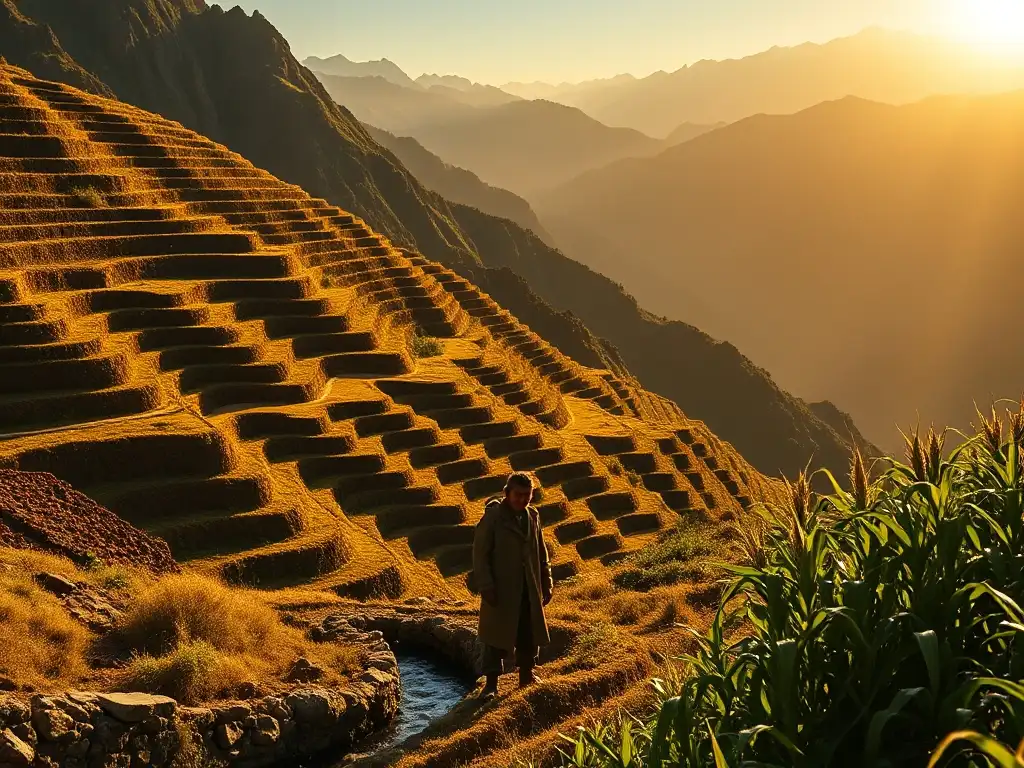
The Inca Empire's success wasn't solely based on military prowess and sophisticated administration; their mastery of agriculture in the challenging Andean terrain was equally crucial. Their agricultural practices, refined over centuries, allowed them to thrive in a landscape that presented significant obstacles to food production. Understanding these techniques reveals a sophisticated understanding of ecology and resource management far beyond simple subsistence farming.
The ingenuity of Inca mountain farming techniques is a testament to their adaptability and resilience. This section delves into the specifics of their advanced methods, highlighting their innovative solutions to the problems posed by the steep slopes, variable climates, and thin soils of the Andes.
Crop Rotation and Soil Management Strategies
Inca farmers employed sophisticated crop rotation techniques to maintain soil fertility and prevent depletion. They didn't simply plant the same crops year after year in the same location. Instead, they utilized a system of rotating different crops, including potatoes, quinoa, maize, and beans, across their terraced fields.
This practice prevented the depletion of specific nutrients from the soil, ensuring consistent yields over time. Furthermore, they understood the importance of fallow periods, allowing land to rest and regenerate naturally. This wasn't a haphazard process; evidence suggests a carefully planned rotation schedule, tailored to the specific needs of different crops and the unique characteristics of each plot of land.
The Incas also implemented innovative soil management strategies. They meticulously constructed terraces on steep slopes, creating level platforms for cultivation. These terraces not only prevented soil erosion but also improved water retention, crucial in the often-arid Andean environment. They also used various organic materials, such as manure and compost, to enrich the soil and improve its structure.
Their understanding of soil composition and the impact of different materials on crop growth is impressive, particularly considering their lack of modern scientific tools. The effectiveness of these techniques is evident in the sustained agricultural productivity of the Inca Empire. The careful management of soil resources was paramount to their success.
The Importance of Andean Crops: Potatoes, Quinoa, and More
The Inca diet heavily relied on a diverse range of crops uniquely adapted to the Andean environment. Potatoes, of course, were a staple, with hundreds of varieties cultivated to thrive in different altitudes and climates. Their cultivation wasn't simply a matter of planting tubers; the Incas developed specific techniques for storing and preserving potatoes, ensuring food security throughout the year. This included methods of drying and freezing potatoes to create chuño, a form of freeze-dried potato that could be stored for extended periods.
Quinoa, another Andean staple, was highly valued for its nutritional content and resilience. It required less water than many other crops and could tolerate harsh conditions, making it a crucial component of their agricultural system. The Incas understood the importance of crop diversification, recognizing that relying on a single crop made them vulnerable to disease or environmental changes. Their agricultural practices emphasized variety, resilience, and sustainability. The combination of potatoes and quinoa provided a balanced diet, rich in protein, carbohydrates, and essential nutrients. This dietary diversity was fundamental to the health and well-being of the Inca population.
Oca, Ulluco, and Mashua: Unique Andean Crops
Beyond potatoes and quinoa, the Incas cultivated a variety of lesser-known Andean crops, each playing a vital role in their agricultural system. Oca, ulluco, and mashua are three such examples, representing the remarkable biodiversity of Andean agriculture. These crops offered diverse nutritional benefits and were adapted to specific ecological niches within the Andean landscape.
Oca, with its vibrant colors and slightly sour taste, provided an important source of carbohydrates. Ulluco, with its tuberous roots, offered a similar nutritional profile. Mashua, known for its pungent aroma, was not only a food source but also had medicinal properties, reflecting the integrated approach of Inca agriculture and healthcare. The cultivation of these crops demonstrates the Incas' deep knowledge of their environment and their ability to exploit the diverse resources available to them.
These crops, often overlooked in broader discussions of Inca agriculture, highlight the complexity and sophistication of their farming practices. Further research into these crops and their cultivation methods is needed to fully understand their contribution to the Inca food system. The resilience and adaptability of these unique Andean crops are a testament to the ingenuity of Inca farming techniques.
The Impact of Inca Farming on Food Security

The Inca Empire, renowned for its vast expanse across the challenging Andean terrain, achieved remarkable success in sustaining a large and complex society. This success was intrinsically linked to their sophisticated and highly adaptable agricultural practices, which allowed them to overcome the limitations imposed by the steep slopes, diverse microclimates, and unpredictable weather patterns of the Andes Mountains. Understanding the impact of Inca farming on food security requires examining both the efficiency of their techniques and the strategic management of agricultural surpluses.
The Inca's mastery of mountain farming wasn't just about survival; it was a cornerstone of their political and economic power. Their ability to consistently produce enough food, even in challenging conditions, allowed for population growth, the development of specialized labor, and the construction of impressive infrastructure projects. The keyword "Inca mountain farming techniques" is central to understanding this achievement.
Sustaining Large Populations through Efficient Agriculture
The Inca's ability to feed millions hinged on several interconnected strategies. One crucial element was their mastery of terracing. By carving expansive hillside terraces, they created level platforms for cultivation, effectively increasing arable land significantly. These weren't just simple terraces; they were meticulously engineered, often incorporating sophisticated drainage systems to prevent erosion and manage water effectively. This is a prime example of the ingenuity behind Inca mountain farming techniques. The terraces were further enhanced through the use of raised fields, particularly in wetland areas. These elevated plots provided better drainage and warmer soil temperatures, extending the growing season.
Furthermore, the Incas employed advanced irrigation techniques, diverting water from rivers and streams through a network of canals and channels. This allowed them to irrigate even the most challenging slopes, ensuring a reliable water supply for their crops. The intricate system of canals and aqueducts is a testament to their understanding of hydrology and their ability to harness water resources efficiently. The implementation of these techniques is a key factor in understanding the success of Inca mountain farming techniques.
Finally, the Incas practiced a form of crop rotation and intercropping, planting different crops in sequence or together to maintain soil fertility and reduce the risk of crop failure. This approach, combined with the use of fertilizers derived from animal manure and other organic sources, maximized yields and ensured a diverse food supply. The Inca's holistic approach to agriculture, encompassing terracing, irrigation, and crop management, represented a remarkable feat of engineering and agricultural innovation.
The Role of Agricultural Surplus in the Inca Empire
The efficiency of Inca mountain farming techniques didn't just ensure food security; it generated significant agricultural surpluses. These surpluses played a crucial role in the empire's social and political structure. The Inca state controlled a large portion of agricultural production, using the surplus to support its vast bureaucracy, fund public works projects, and maintain its army.
This centralized control over food resources was a key element in consolidating power and maintaining social order. The surplus also allowed the Inca to maintain reserves for times of drought or famine, ensuring the survival of the population even during periods of environmental stress.
The redistribution of agricultural surpluses was also an important aspect of Inca social welfare. Food was distributed to those in need, including the elderly, the sick, and those unable to work. This system of social support, underpinned by agricultural productivity, contributed significantly to social stability and reduced inequality within the empire.
The ability to manage and distribute surplus effectively is another demonstration of the sophistication of Inca mountain farming techniques. The Inca's success in utilizing agricultural surplus highlights the interconnectedness of their agricultural practices with their political and social organization, demonstrating a sophisticated understanding of resource management and social engineering. The effective management of surplus was crucial in sustaining the vast Inca Empire and is a critical component when analyzing Inca mountain farming techniques.
Legacy of Inca Agricultural Practices
The Inca Empire's success hinged significantly on its mastery of agriculture in the challenging Andean terrain. Their ingenuity in adapting to the steep slopes, diverse microclimates, and unpredictable weather patterns of the Andes remains a testament to their advanced understanding of ecological principles and sustainable farming practices. This legacy extends far beyond simply producing food; it represents a sophisticated system of resource management that ensured the empire's stability and prosperity for centuries.
The Inca's agricultural achievements weren't merely about survival; they were a cornerstone of their social, political, and economic structures. Their sophisticated techniques allowed them to cultivate a wide variety of crops, including potatoes, maize, quinoa, beans, and coca, supporting a large and densely populated empire. This intricate system involved careful planning, meticulous labor, and a deep understanding of the environment.
The impact of Inca agricultural practices is still felt today, influencing modern farming techniques and providing valuable lessons in sustainable resource management. Understanding their methods offers insights into resilient agriculture in challenging environments, relevant to modern-day challenges of climate change and food security.
Modern Applications of Ancient Inca Farming Techniques
Many Inca farming techniques are surprisingly relevant to contemporary agriculture. For example, the waru waru system, a raised-bed agricultural technique, is being revived and studied for its ability to improve water retention and reduce erosion in arid and semi-arid regions. This system, which involved creating raised beds separated by irrigation canals, not only optimized water usage but also created a microclimate that extended the growing season and increased crop yields.
Modern adaptations of waru waru are being implemented in various parts of the world to address water scarcity and improve agricultural productivity in challenging environments. Similarly, the Inca's terracing techniques, which involved carving intricate steps into hillsides to create level planting surfaces, are still used today, modified to suit modern machinery and crop types. These terraces, by reducing soil erosion and improving water management, contribute to sustainable agriculture in mountainous regions worldwide.
The Inca's understanding of crop diversification and intercropping, planting different crops together to improve soil fertility and pest control, also provides valuable lessons for modern sustainable agriculture. By mimicking these ancient techniques, modern farmers can improve yields, reduce environmental impact, and build more resilient agricultural systems.
Lessons Learned from Inca Sustainability
The Inca's agricultural practices offer crucial lessons in sustainability. Their approach was deeply intertwined with their respect for the environment and their understanding of ecological interconnectedness. They didn't simply exploit the land; they actively worked to improve and maintain its productivity. Their emphasis on crop diversification, water management, and soil conservation ensured long-term agricultural viability, a stark contrast to many modern intensive farming practices that often lead to soil degradation and environmental damage.
Furthermore, the Inca's social organization played a crucial role in their agricultural success. The ayllu system, a communal organization based on kinship and reciprocity, fostered collaboration and shared responsibility for land management. This system ensured equitable access to resources and promoted sustainable practices.
The Inca's approach highlights the importance of integrating social and ecological considerations in achieving long-term agricultural sustainability. Their practices demonstrate that sustainable agriculture is not merely a technological issue, but also a social and cultural one. By understanding the Inca's holistic approach, we can develop more sustainable and equitable agricultural systems for the future.
Ongoing Research on Inca Agricultural Innovation
Research into Inca agricultural practices continues to reveal new insights into their ingenuity and sophistication. Scientists and archaeologists are employing advanced techniques, such as remote sensing and isotopic analysis, to study ancient agricultural landscapes and gain a better understanding of Inca farming methods. Studies are focusing on the long-term effects of Inca agricultural practices on soil fertility and biodiversity.
Researchers are also investigating the genetic diversity of Inca crops and their adaptation to diverse environments. This research is not only enriching our understanding of Inca history and culture but also providing valuable data for developing more resilient and sustainable agricultural practices in the face of climate change and increasing food demands. Ongoing projects are exploring the potential of applying Inca techniques to address modern agricultural challenges, such as water scarcity and soil erosion, in both the Andes and other regions of the world.
The continued study of Inca agricultural innovation promises to yield further important lessons for sustainable agriculture and food security. The potential applications of these ancient techniques are vast and warrant further investigation.
Frequently Asked Questions
What unique challenges did Inca farmers face?
Inca farmers had to contend with steep, mountainous terrain, variable climates, and thin, poor soil. Their success hinged on overcoming these significant obstacles.
How did the Incas adapt their farming to the mountains?
They developed ingenious techniques like terracing, irrigation systems, and crop rotation to maximize land use and productivity in challenging environments. These methods are still studied today.
What were some of the Inca's most important crops?
Potatoes, corn, and quinoa were staple crops, chosen for their adaptability to high altitudes and nutritional value. They also cultivated beans, squash, and various fruits.
What role did the Waru Waru system play in Inca agriculture?
The Waru Waru system was a sophisticated raised-bed agricultural technique which improved water retention, soil fertility, and frost protection, allowing for increased yields even in harsh conditions.
How did Inca farming techniques contribute to their empire's success?
Efficient and innovative farming methods ensured food security and population growth, providing a stable foundation for the Inca Empire's expansion and prosperity. This agricultural prowess was essential to their success.
Final Reflection: Echoes of the Andes: A Legacy of Ingenuity
The ingenuity of Inca mountain farming techniques remains a powerful testament to human adaptability and a crucial lesson for our time. Facing the challenges of climate change and a growing global population, understanding how the Incas cultivated thriving agricultural systems in seemingly impossible environments offers vital insights into sustainable food production. Their methods, far from being relics of the past, hold the key to unlocking innovative solutions for the future of agriculture.
The enduring impact of Inca agricultural practices extends far beyond the Andes Mountains. Their sophisticated understanding of terracing, water management, and crop diversification continues to inspire modern agricultural practices, demonstrating the power of observation, adaptation, and respect for the environment. The land was their mother, and they treated it with reverence.
This sentiment, though possibly apocryphal, encapsulates the deep connection the Inca held with their environment, a connection that modern agriculture could greatly benefit from re-embracing. Their success wasn't just about technological prowess; it was about a holistic approach to farming that prioritized sustainability and community well-being.
Consider the ingenuity of the Incas, their deep understanding of their environment, and their commitment to sustainable practices. Now, consider your own relationship with food and the environment. What can you learn from their example? How can you apply these principles of careful planning, resource management, and respect for the natural world to your own life, whether it's in your garden, your kitchen, or your advocacy for sustainable food systems? Let the echoes of the Andes inspire you to cultivate a more sustainable and resilient future.
Embrace the Secrets of Ancient Farming Today!
Thank you for exploring the fascinating world of Incan agriculture. You've discovered invaluable insights into their ingenious mountain farming techniques, offering inspiration for sustainable practices today. Now, it's time to apply this knowledge!
Here are a few simple yet impactful steps you can take:
- **Begin a small garden or container project**, using companion planting techniques inspired by the Incas to optimize space and resources. Consider starting with easy-to-grow herbs or vegetables.
- Share your knowledge with friends and family—perhaps host a gardening workshop or simply discuss your newfound passion.
- Connect with like-minded individuals by exploring local agricultural workshops or community gardens.
What will you cultivate first?