
The Inca Road System: Connecting Space and Time in the Empire

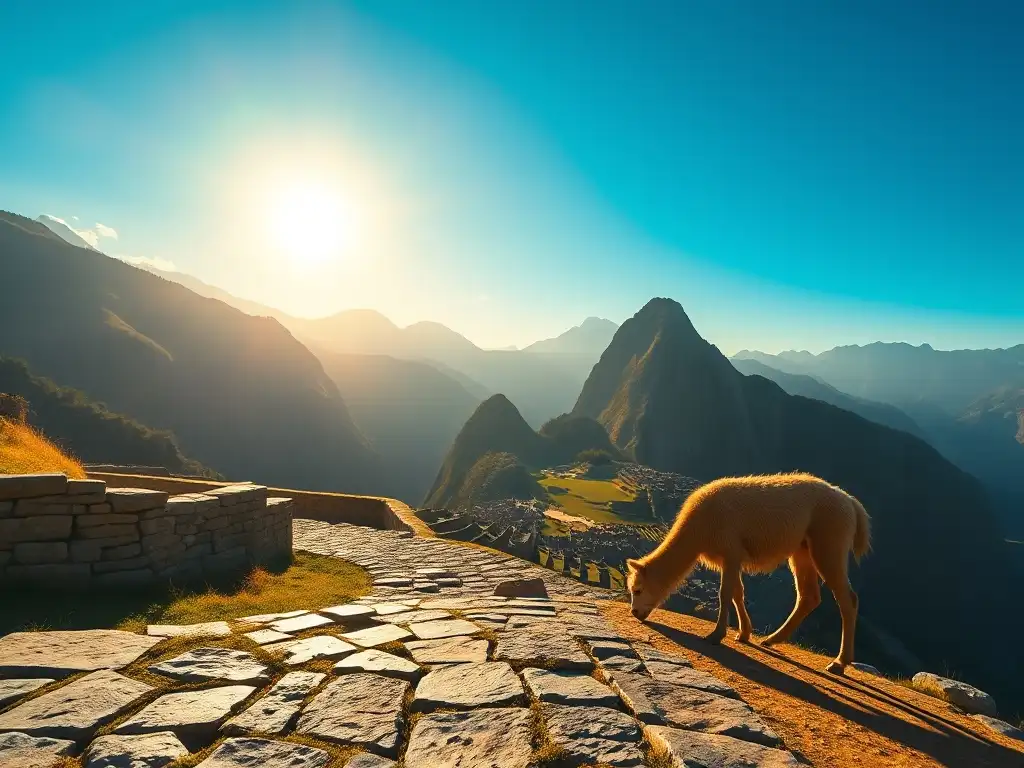
Unravel the mysteries of the Andes! Journey through millennia of breathtaking achievements, from the intricate artistry of the Nazca lines to the awe-inspiring engineering feats of the Moche. But prepare to be captivated by the Inca Road System history, a network that defied geographical boundaries and connected an empire like no other. Discover how this masterful creation reflects the Andean worldview and its profound understanding of space and time. Dare to explore the secrets hidden within this ancient tapestry – your adventure begins now.
The Inca Empire, a civilization that flourished in the Andes Mountains from the 15th to the 16th century, left behind a legacy that continues to fascinate and inspire. Central to their remarkable achievements was their sophisticated road system, the Qhapaq Ñan, a testament to their advanced engineering, organizational prowess, and profound understanding of space and time. This intricate network of pathways wasn't merely a means of transportation; it was a vital artery connecting the vast empire, facilitating trade, communication, military movements, and the dissemination of religious beliefs.
Understanding the Inca road system is crucial to comprehending the Inca worldview, their ability to govern such a diverse and geographically challenging territory, and their lasting impact on the Andean region. This article delves into the history of the Inca Road System, exploring its origins, construction, and significance within the context of Inca cosmology and its enduring legacy.
We will examine how the Qhapaq Ñan not only connected physical spaces but also shaped the perception and experience of time within the Inca Empire, demonstrating a sophisticated integration of practical engineering with profound spiritual and societal implications. The study of the Inca Road System provides invaluable insights into the ingenuity and complexity of this remarkable civilization, enriching our understanding of "Inca Road System history".
Understanding the Qhapaq Ñan: The Inca Road Network
The Qhapaq Ñan, meaning "Royal Road" in Quechua, was a marvel of ancient engineering. It wasn't a single road, but rather a complex network of interconnected pathways spanning over 40,000 kilometers (approximately 25,000 miles), traversing diverse and challenging terrains, from arid coastal deserts to high-altitude Andean passes. This extensive network connected the far-flung corners of the Inca Empire, linking major cities, agricultural regions, and remote settlements.
The roads varied in width and construction depending on their purpose and location. Some were wide enough to accommodate multiple people walking side-by-side, while others were narrow, winding paths carved into mountain sides. The Inca's mastery of engineering is evident in their construction techniques: they employed sophisticated methods of stonework, using precisely cut stones to create durable and stable pathways, often incorporating ingenious drainage systems to prevent erosion.
The roads also featured strategically placed tambos (resting places) that provided shelter, food, and supplies for travelers, facilitating both trade and communication across vast distances. The Qhapaq Ñan wasn't just a practical infrastructure; it was a powerful symbol of Inca imperial control and a crucial element of their social and religious organization. Its construction and maintenance required a massive coordinated effort, showcasing the Inca's impressive organizational skills and their ability to mobilize resources across their empire.
Origins of the Inca Road System: Pre-Inca Influences
While the Inca Empire is credited with creating and expanding the Qhapaq Ñan to its impressive scale, the system's origins predate the Inca. Evidence suggests that pre-Inca cultures in the Andes region, including the Wari and Tiwanaku civilizations, already had established networks of roads and trails. The Inca likely built upon and expanded these existing routes, integrating them into their own grander vision.
This demonstrates a continuity of infrastructural development in the Andes, showcasing the cumulative efforts of numerous Andean societies over centuries. The Inca's contribution lay not only in their expansion of the road network but also in their standardization of construction techniques, the creation of a comprehensive system of tambos, and the integration of the roads into their complex administrative and religious systems. The Inca road system, therefore, represents a culmination of centuries of Andean engineering and societal development, showcasing the evolution of infrastructural planning and its deep integration within the fabric of Andean societies.
The legacy of the Qhapaq Ñan continues to resonate today, reminding us of the ingenuity and long-lasting impact of Andean civilizations. Further research and archaeological discoveries continue to refine our understanding of its origins and evolution, adding more layers to the rich tapestry of "Inca Road System history".
Expansion of the Inca Roads: A Strategic Imperial Tool
The Inca road system wasn't simply a network of paths; it was the very artery of the empire, a testament to Inca ingenuity and a crucial instrument for their expansion and control. Its strategic development mirrored the empire's growth, extending outwards from Cusco, the capital, like tendrils reaching into every corner of their vast domain. The roads weren't haphazardly built; their placement was meticulously planned, connecting vital administrative centers, agricultural regions, and resource-rich areas.
This intricate network facilitated the efficient movement of troops, ensuring rapid responses to rebellions or external threats. The swift deployment of soldiers was paramount to maintaining order and suppressing any potential challenges to Inca authority. Furthermore, the roads enabled the seamless transportation of goods, including agricultural produce, textiles, and precious metals, bolstering the empire's economy and reinforcing its power.
The strategic placement of tambos, or roadside rest stations, along the routes provided essential services for travelers, solidifying Inca control and influence over distant territories. The expansion of the Inca road system, therefore, wasn't merely a feat of engineering; it was a deliberate and highly effective strategy for consolidating and extending imperial power. The roads themselves physically and symbolically linked the diverse regions of the empire, fostering a sense of unity and shared identity under Inca rule.
The Engineering Marvel of Inca Roads: Construction Techniques
The Inca road system stands as a remarkable achievement in engineering, especially considering the technological limitations of the time and the challenging terrain it traversed. The construction process involved a sophisticated understanding of topography, hydrology, and materials science. Inca engineers possessed an impressive ability to adapt their techniques to the varied landscapes, from the arid coastal deserts to the towering Andes mountains and the dense Amazonian jungles.
They skillfully employed advanced techniques like terracing and retaining walls to overcome steep inclines and unstable ground. The roads were meticulously planned and executed, demonstrating a profound understanding of drainage systems to prevent erosion and ensure the longevity of the infrastructure. The construction wasn't simply a matter of laying down a path; it involved careful planning and execution to ensure the roads were durable and sustainable, reflecting the Inca's long-term vision for their empire.
The Inca road system wasn't just a network of paths; it was a testament to their advanced understanding of engineering principles and their remarkable ability to adapt to diverse environments. Their expertise in road construction is a testament to their sophisticated understanding of engineering, planning, and logistics.
Inca Road Construction: Adapting to Coastal Deserts, High Mountains, and Jungles
The Inca's mastery of road construction is particularly evident in their ability to adapt their techniques to the dramatically diverse geography of their empire. In the arid coastal deserts, where water scarcity presented a major challenge, they developed ingenious methods of water management, including sophisticated drainage systems to protect the roadbeds from flash floods. They employed techniques like the use of compacted earth and stone to withstand the harsh conditions and prevent erosion. In the towering Andes, the construction presented different challenges.
The engineers tackled steep inclines with impressive stonework, creating terraces and retaining walls to stabilize the roadbeds and prevent landslides. They expertly utilized local materials, such as stone, to build durable and stable structures capable of withstanding the harsh mountain weather. In the Amazonian jungles, the challenges were related to humidity, dense vegetation, and the soft, muddy terrain.
Inca engineers overcame these obstacles by using raised pathways and bridges made from wood and other locally sourced materials. Their adaptability is truly remarkable, showcasing their deep understanding of engineering principles and their capacity to adapt to diverse and challenging environments. The Inca road system serves as a testament to their engineering prowess and their ability to overcome significant geographical obstacles.
Inca Road Materials: Stone, Gravel, and Adobe
The materials used in Inca road construction varied depending on the local availability and the specific environmental conditions. Stone, a readily available resource in many parts of the empire, was a primary material, particularly in mountainous regions. Different types of stone were selected based on their durability and resistance to weathering. Large, precisely cut stones were used for retaining walls and other structural elements, while smaller stones and gravel were used as aggregate in the roadbeds.
The precision with which these stones were cut and fitted together is astonishing, a testament to the Inca's mastery of stonework. In areas where stone was less abundant, materials like adobe bricks were utilized, particularly in lower-altitude regions with more fertile soil. Adobe bricks, made from a mixture of clay, sand, and water, were sun-dried and then used to build sections of the road.
Gravel was also a common material used to reinforce the roadbeds and provide drainage. The selection of materials was not arbitrary; it was carefully chosen to ensure the durability and longevity of the roads in their respective environments. The Inca's resourceful use of readily available local materials demonstrates their practical approach to engineering and their keen understanding of the properties of different materials.
Key Features of the Inca Road Network: Design and Functionality
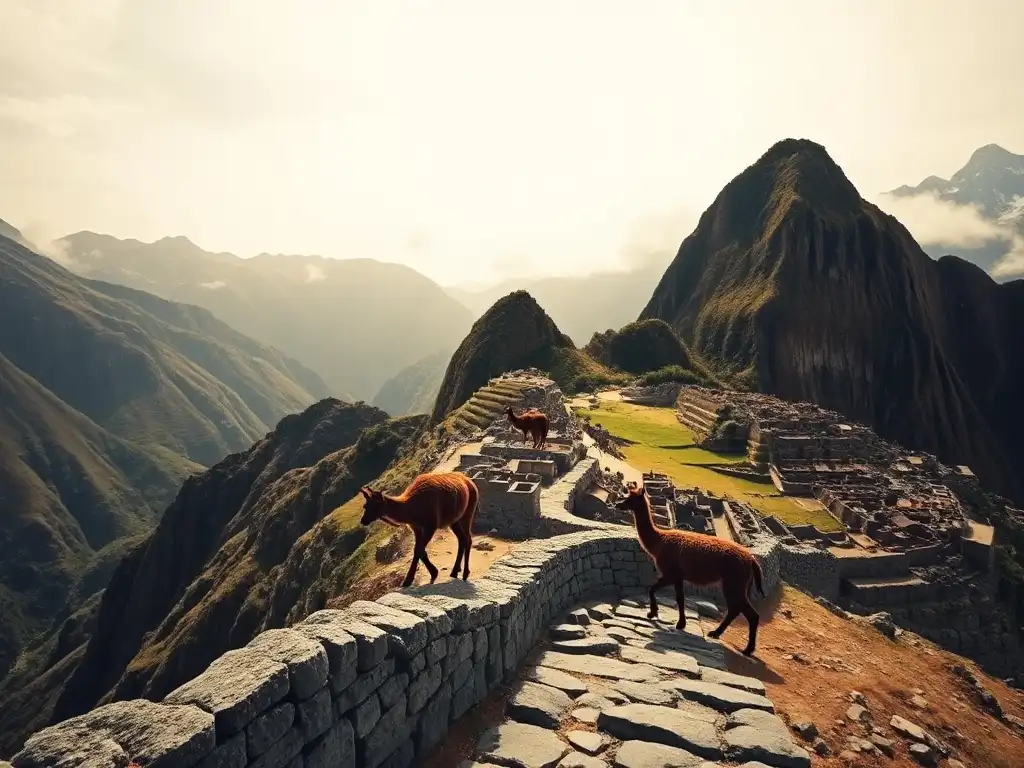
The Inca road system, a marvel of ancient engineering, wasn't merely a collection of paths; it was a meticulously planned and executed network designed to facilitate communication, trade, and military movements across the vast and challenging Andean terrain. Its functionality stemmed from several key features. The roads themselves were remarkably well-engineered for their time, often paved with stone and meticulously graded to ensure smooth passage for travelers and pack animals.
The system's impressive scale is evidenced by its extensive length, estimated to be over 40,000 kilometers, stretching from present-day Colombia to central Chile and Argentina. This vast network wasn't a single, continuous highway, but rather a complex system of interconnected roads, with varying widths and designs tailored to the specific geographic conditions. Steep inclines were addressed with switchbacks and strategically placed retaining walls, showcasing an impressive understanding of civil engineering principles.
The network’s durability is a testament to the Inca's mastery of stonework, with sections surviving to this day, a silent testament to their engineering prowess. Furthermore, the system’s design incorporated elements reflecting the Inca’s profound understanding of their environment, adapting to the diverse landscapes—from high-altitude mountain passes to coastal plains—with remarkable ingenuity. The Inca road system wasn't simply about connecting disparate locations; it was a testament to the Inca's ability to harness both their environment and their engineering skill to create a unified empire.
Inca Road Infrastructure: Tambos, Suspension Bridges, and Tunnels
The Inca road system's functionality was significantly enhanced by strategically placed infrastructure. Tambos, roadside inns or rest stations, provided essential services to travelers, including lodging, food, and supplies. These weren't just simple shelters; they were often substantial structures, reflecting the importance of maintaining the flow of people and goods along the roads.
Their distribution across the empire ensured that travelers were never far from a place of rest and replenishment, facilitating long-distance journeys. The Inca’s engineering skill is also evident in their construction of impressive suspension bridges, some spanning deep gorges and fast-flowing rivers. These bridges, often made of woven fibers and anchored to rock formations, were crucial for traversing otherwise impassable terrain, demonstrating a sophisticated understanding of material science and construction techniques.
In addition to bridges, the Inca also constructed tunnels through mountains, further showcasing their ability to overcome geographical obstacles. These tunnels, carved directly into rock, often provided shorter and safer routes, highlighting the strategic and practical considerations that shaped the road system’s design. The integration of tambos, suspension bridges, and tunnels within the road network demonstrates the Inca's capacity for complex logistical planning and the remarkable level of engineering expertise they possessed.
The Role of Chasquis: Inca Messengers and Communication
The Inca road system was not just about physical movement; it was also crucial for rapid communication across the vast empire. This was achieved primarily through the chasquis, a network of relay runners who transmitted messages along the roads. These messengers were strategically positioned at intervals along the routes, ensuring rapid transmission of information.
The chasquis were exceptionally fit and trained, capable of covering significant distances in relatively short periods. The system depended on a highly organized relay system, with each chasqui running a specific leg before handing off the message to the next. The efficiency of the chasquis system allowed for the rapid dissemination of news, orders, and decrees across the empire, contributing significantly to the Inca's ability to maintain control and order over such a vast and diverse territory.
The chasquis played a vital role in the empire’s governance, military operations, and overall administrative efficiency. Their swift and reliable communication ensured that information flowed seamlessly, connecting the far reaches of the empire to the imperial center. The organization and efficiency of the chasqui system serve as a powerful example of the Inca's ability to leverage their infrastructure to maintain a highly effective communication network.
The Inca Road System and Imperial Administration
The Inca road system was inextricably linked to the empire's administration and governance. It served as the backbone of the Inca state, facilitating the movement of officials, taxes, and goods. The roads enabled the efficient collection of tribute and the distribution of resources across the empire, supporting the Inca's centralized system of governance.
The ability to move officials and troops swiftly was also critical for maintaining order and suppressing any potential rebellions. The strategic placement of tambos along the roads allowed for the establishment of administrative centers and checkpoints, further enhancing the empire's control. The road network facilitated the movement of goods and resources from different regions of the empire, supporting a complex system of redistribution and economic management.
This system allowed for the efficient allocation of resources, ensuring that the needs of various populations within the empire were met. The Inca road system wasn’t just a physical infrastructure; it was a crucial component of their political and economic organization, enabling centralized control and efficient administration across a vast and diverse empire.
Transportation and Logistics Along the Inca Roads
The Inca road system supported a sophisticated system of transportation and logistics. Llamas and alpacas were the primary pack animals, carrying goods along the roads. The roads themselves were designed to accommodate these animals, with carefully graded inclines and strategically placed resting areas.
The system of tambos provided crucial support for the transport of goods, offering places to rest animals and replenish supplies. The movement of goods along the roads was carefully organized, with specific routes designated for different types of commodities. The efficient movement of goods was crucial for the Inca economy, supporting trade and the distribution of resources across the empire.
The system required a complex network of organization and planning, reflecting the sophisticated logistics capabilities of the Inca administration. The effective management of transportation and logistics along the Inca roads was essential for the functioning of the empire, ensuring the flow of goods and resources necessary to support its vast population and centralized administrative system.
Military Control and Movement Through the Road Network
The Inca road system played a vital role in the empire's military strategy and defense. The roads facilitated the rapid movement of troops to quell rebellions or respond to threats. The strategic placement of military garrisons along the roads allowed for quick response times and effective control of the territory.
The system's design also incorporated defensive features, such as strategically positioned fortifications and watchtowers, enhancing the empire's ability to protect its borders and maintain internal security. The roads allowed for the efficient mobilization of troops and resources, enabling the Inca to project military power throughout their vast empire.
This rapid response capability was crucial for maintaining control and stability, preventing internal conflicts and defending against external threats. The Inca road system wasn’t just a means of transportation; it was an integral component of their military strategy, enabling rapid response, efficient resource allocation, and effective control of a vast and diverse territory.
The Inca Road System and Trade: Economic Implications
The Inca road system, the Qhapaq Ñan, wasn't merely a network of paths; it was the economic artery of the vast Inca Empire. Its strategic design facilitated the efficient movement of goods and resources across diverse and challenging terrains, significantly impacting the empire's economic prosperity. The sheer scale of the road network allowed for the seamless transfer of agricultural products, textiles, metals, and other vital commodities from surplus regions to areas experiencing shortages.
This intricate system minimized trade disruptions and ensured a relatively stable supply of essential goods throughout the empire, bolstering economic stability and fostering a degree of centralized control over resource allocation. The ability to quickly transport goods also facilitated the expansion of the Inca Empire itself, providing resources and logistical support for military campaigns and the establishment of new settlements.
Without the Qhapaq Ñan, the Inca Empire's economic model, reliant on tribute and redistribution, would have been severely hampered. The efficient transportation network fostered economic interconnectedness, enabling the empire to thrive through effective resource management and trade.
Exchange of Goods and Resources via the Qhapaq Ñan
The Qhapaq Ñan facilitated a complex and dynamic exchange of goods and resources. Agricultural products, like maize, potatoes, and quinoa, moved from fertile valleys to higher-altitude regions and coastal areas. Textiles, renowned for their intricate designs and quality, were transported across vast distances, showcasing the empire's sophisticated craftsmanship.
Precious metals, such as gold and silver, mined in specific locations, were channeled to the imperial centers for use in religious ceremonies and royal adornments. Furthermore, the road system enabled the movement of livestock, including llamas and alpacas, crucial for transportation and providing wool and meat. This intricate web of exchange not only supported the empire's economic needs but also fostered cultural exchange and the dissemination of knowledge and technologies.
Archaeological evidence, including remnants of storage facilities and waystations along the Qhapaq Ñan, provides concrete evidence of this extensive trade network. The system was remarkably efficient, considering the technological limitations of the time, and served as a remarkable feat of logistical organization.
The Sacred Significance of the Inca Roads: Connecting the Cosmos
Beyond its practical applications, the Inca road system held profound spiritual significance for the Inca people. The Qhapaq Ñan wasn't simply a network of roads; it was viewed as a sacred pathway connecting the earthly realm to the celestial one, reflecting the Inca's deep-rooted cosmology. The roads were meticulously planned and built, often incorporating natural features like mountains and rivers into their design, aligning them with the Inca understanding of the cosmos.
The entire network was perceived as a representation of the Inca worldview, with specific locations along the routes holding particular spiritual importance. These sacred sites served as places of worship, pilgrimage, and communication with the divine. The integration of the road system with the Inca's spiritual beliefs reinforced the empire's power and legitimacy, solidifying the ruler's connection to the divine and the cosmos.
Inca Cosmology and the Qhapaq Ñan: A Spiritual Link
Inca cosmology viewed the world as a harmonious interplay between the earthly and celestial realms. Mountains, considered sacred entities, were often incorporated into the road's design, emphasizing the connection between the human world and the spiritual world residing in the Andes. The sun, moon, and stars played crucial roles in Inca religious beliefs, and the roads, with their orientation and placement, often reflected this celestial influence.
Specific locations along the Qhapaq Ñan, such as mountain passes or springs, were considered sacred spaces where the boundaries between the earthly and spiritual worlds blurred. These sites were frequently marked by huacas, or sacred objects and places, reinforcing the spiritual significance of the road network.
The Qhapaq Ñan thus served as a tangible manifestation of the Inca worldview, physically connecting the empire's various regions while simultaneously reinforcing its spiritual unity. The roads facilitated not only the movement of people and goods but also the movement of spiritual energy, binding the empire together on both material and spiritual levels.
Inca Rituals and Ceremonies Along the Road Network
The Inca road system served as a crucial setting for various rituals and ceremonies. Waystations and resting places along the Qhapaq Ñan often doubled as sacred sites where travelers could offer prayers and make sacrifices to appease the gods and ensure safe passage. These rituals were essential for maintaining the cosmic balance and ensuring the prosperity of the empire.
Specific ceremonies, often tied to agricultural cycles or significant events, were conducted at strategically located sites along the roads, further emphasizing their spiritual importance. The movement of people along the roads, whether for trade, pilgrimage, or administrative purposes, was inherently intertwined with religious practices. These rituals and ceremonies, integrated into the fabric of daily life, reinforced the sacred nature of the road system and its role in connecting the Inca people to their gods and the cosmos.
The Qhapaq Ñan therefore wasn't merely a means of transportation; it was a living embodiment of Inca spirituality and a vital component of their religious practices. The preservation of these rituals along the road network contributed to the cohesion and strength of the Inca Empire, demonstrating the deep interconnectedness between religious beliefs and the empire's infrastructure.
The Legacy of the Inca Road System: Impact on Andean Culture
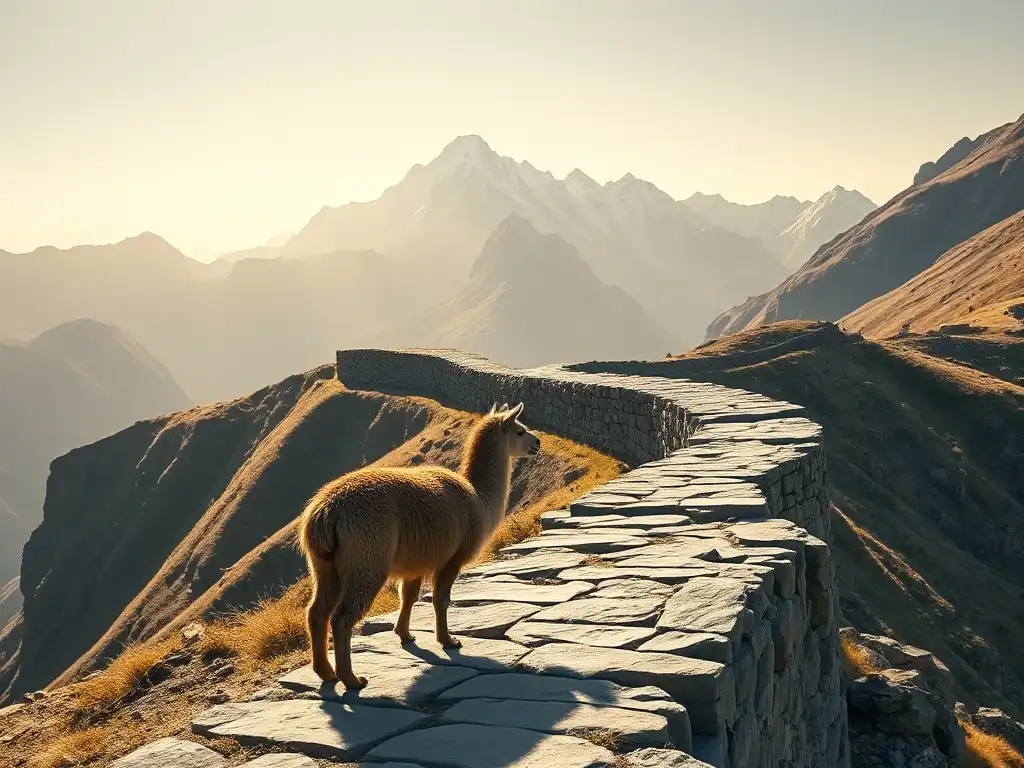
The Inca road system, or Qhapaq Ñan, wasn't merely a network of pathways; it was the very artery of the Inca Empire, profoundly impacting Andean culture in multifaceted ways. Its influence extended far beyond simple transportation, shaping social structures, economic practices, and even spiritual beliefs. The Qhapaq Ñan facilitated the rapid movement of goods, fostering economic integration across diverse ecological zones. This interconnectedness allowed for the efficient distribution of resources, from agricultural products to textiles, strengthening the empire's resilience and fostering a sense of shared identity among its diverse populations.
The roads also played a crucial role in the dissemination of Inca ideology and religious practices, unifying the empire under a common cultural banner. Royal messengers, chasquis, relayed important information and decrees swiftly along the network, ensuring effective governance across vast distances. The construction and maintenance of the roads themselves provided employment for countless individuals, contributing significantly to the Inca economy and social stability.
The legacy of the Qhapaq Ñan continues to resonate in contemporary Andean societies, shaping their cultural identity and providing a tangible link to their rich past. The roads' strategic placement, often connecting sacred sites and important agricultural regions, demonstrates a deep understanding of the Andean landscape and its spiritual significance. This integration of practical functionality with spiritual meaning is a key aspect of the Qhapaq Ñan's lasting impact.
Preserving the Qhapaq Ñan: UNESCO World Heritage Recognition
Recognizing the unparalleled historical and cultural significance of the Inca road system, UNESCO inscribed the Qhapaq Ñan, Andean Road System, on its World Heritage List in 2014. This designation underscores the global importance of preserving this remarkable feat of engineering and its enduring cultural legacy. The recognition not only highlights the achievements of the Inca civilization but also emphasizes the need for collaborative efforts to protect and conserve this invaluable heritage for future generations.
The UNESCO inscription triggered increased international cooperation in the preservation and study of the Qhapaq Ñan. This involves joint projects between various countries, including Argentina, Bolivia, Chile, Colombia, Ecuador, and Peru, to safeguard the remaining sections of the roads and promote sustainable tourism. The work includes careful documentation of the road sections, archeological investigations, and community involvement in conservation efforts.
The long-term goal is to ensure that the Qhapaq Ñan remains a vibrant testament to the ingenuity and cultural richness of the Inca Empire while also serving as a source of pride and economic opportunity for the communities it traverses. The preservation efforts also include educational initiatives to raise awareness about the historical and cultural significance of the Qhapaq Ñan among local populations and international tourists.
Modern Day Significance of the Ancient Inca Roads
Even today, remnants of the Inca road system continue to hold significant relevance. While many sections are no longer fully functional as transportation routes, they serve as vital reminders of the Inca civilization's advanced engineering and organizational capabilities. Many segments are integrated into modern road networks, serving as a testament to the enduring quality of Inca construction techniques.
The Qhapaq Ñan also plays a crucial role in tourism, attracting visitors from around the globe who are fascinated by the Inca Empire's history and cultural heritage. This tourism brings economic benefits to communities along the ancient routes, stimulating local businesses and creating employment opportunities. Furthermore, the Qhapaq Ñan continues to inspire researchers and scholars, providing valuable insights into Inca society, technology, and worldview.
Ongoing archeological studies and historical analyses continually reveal new information about the Inca road system, enhancing our understanding of this remarkable achievement. The preservation and study of the Qhapaq Ñan thus contribute significantly to historical knowledge, cultural understanding, and economic development in the Andes region. The roads serve as a powerful symbol of cultural identity and continuity, connecting the past with the present.
Inca Road System History: Key Moments and Milestones
The Inca road system's history spans centuries, marked by periods of expansion, consolidation, and adaptation. Its evolution reflects the growth and development of the Inca Empire itself. The initial stages involved constructing relatively smaller, localized paths connecting different communities and agricultural areas. As the Inca expanded their dominion, these paths were gradually integrated and extended, forming a comprehensive network that linked the entire empire.
Key innovations in engineering and construction techniques further enhanced the road system's efficiency and durability. This involved developing sophisticated methods for adapting to varied terrains, including mountainous regions and dense forests. The system's strategic design reflected a deep understanding of the Andean geography and the needs of a vast, diverse empire.
The construction and maintenance of the Qhapaq Ñan were managed by a highly organized system of labor and resources, reflecting the Inca Empire's centralized administrative structure. The road system's development was closely tied to the political and military expansion of the Inca Empire, facilitating rapid communication and troop movements. The Qhapaq Ñan played a pivotal role in the empire's consolidation and control over vast territories.
The Inca Road System in the 15th Century: The Height of its Use
The 15th century witnessed the Inca road system at its zenith. Under the rule of emperors like Pachacuti and Túpac Inca Yupanqui, the empire reached its greatest territorial extent, and the Qhapaq Ñan expanded accordingly. This period saw the construction of some of the most impressive sections of the road, showcasing the Inca's mastery of engineering and construction techniques.
The network's extensive reach facilitated the efficient movement of goods, armies, and royal messengers across the empire. This streamlined communication and transportation significantly contributed to the empire's stability and effective governance. The 15th century also marked a period of significant cultural exchange and integration along the Qhapaq Ñan.
The flow of goods and people fostered cultural blending and the dissemination of Inca ideas and practices throughout the empire. The strategic placement of tambos (roadside inns) along the routes ensured the comfort and safety of travelers, highlighting the importance of maintaining a well-functioning transportation network. The Qhapaq Ñan during this era truly exemplified the Inca’s capacity for large-scale organization and their commitment to creating a unified and interconnected empire.
The Inca Road System and the Spanish Conquest: Transformation and Decline
The Spanish conquest in the 16th century marked a turning point in the history of the Inca road system. The arrival of the Spanish dramatically altered the political landscape of the Andes, leading to the decline and eventual abandonment of many sections of the Qhapaq Ñan. The Spanish initially utilized parts of the existing road network for their own purposes, adapting it to their military and administrative needs.
However, the focus shifted towards building their own roads and infrastructure, often neglecting or destroying sections of the Inca system. The introduction of new transportation methods, such as horses and wheeled vehicles, further diminished the importance of the Inca roads. The destruction of the Inca administrative system and the disruption of traditional labor practices also contributed to the deterioration of the Qhapaq Ñan.
Nevertheless, certain sections of the Inca road system persisted and continue to be used even today, albeit often integrated into modern road networks. The enduring legacy of the Qhapaq Ñan serves as a powerful reminder of the Inca Empire's remarkable achievements and the lasting impact of the Spanish Conquest on the Andean landscape and culture. The transformation of the Inca road system from a vital artery of a vast empire to a fragmented network reflects the profound social and political changes that swept across the Andes following the Spanish arrival.
Exploring the Remains of the Inca Road System Today: Travel Tips
The Inca road system, a marvel of ancient engineering, still offers glimpses into the past for intrepid travelers. While much of the network has fallen into disrepair or been overtaken by nature, significant portions remain, providing a tangible connection to the Inca Empire's sophisticated infrastructure. Planning a trip to explore these remnants requires careful consideration, as many sites are located in remote and challenging terrain. Proper preparation is key to a safe and rewarding experience. Many sections are now incorporated into modern hiking trails, offering unique perspectives on the Inca's mastery of landscape and logistics.
Remember that altitude sickness is a very real concern in the Andes. Acclimatizing to the altitude before embarking on strenuous hikes is crucial. Consult your physician before traveling to high altitudes and consider altitude sickness medication. It's also prudent to stay hydrated and avoid overexertion, especially in the initial days of your trip.
Section of the Inca Trail to Machu Picchu: A Popular Hiking Route
The Inca Trail to Machu Picchu is perhaps the most famous section of the ancient road system still in use today. This challenging trek offers breathtaking views and a profound connection to Inca history. However, permits are required and often booked months, sometimes years, in advance due to high demand and environmental protection measures.
The trail itself is not only historically significant but also presents a unique opportunity to observe the ingenuity of Inca trail construction—its integration with the surrounding landscape, its drainage systems, and its strategic placement. The Inca Trail is divided into several sections, each with its own unique challenges and rewards. It is recommended to choose a tour operator with experience and a commitment to responsible tourism.
The trek requires a good level of physical fitness and appropriate gear. This includes sturdy hiking boots, layers of clothing suitable for varying weather conditions, and a backpack that can carry all necessary supplies, including plenty of water.
Tips for responsible exploration of Inca sites
Responsible exploration is vital for preserving the Inca road system and other archaeological sites for future generations. Respect for the cultural heritage of the Inca people should be paramount in all interactions with these locations. This means refraining from touching or damaging any structures or artifacts. Stay on marked trails to avoid contributing to erosion and damage to the fragile environment. Support local communities by utilizing local guides and businesses. This practice not only ensures a more enriching experience but also contributes directly to the preservation of the sites and the well-being of the people who live near them. Remember to pack out everything you pack in, leaving no trace of your visit behind. The enduring legacy of the Inca road system relies on the collective responsibility of all visitors to respect and protect these invaluable historical treasures. Consider the environmental impact of your visit and choose sustainable travel practices.
Conclusion: The Enduring Legacy of the Inca Road System
The Inca road system stands as a testament to the remarkable ingenuity and organizational prowess of the Inca Empire. Its intricate network not only facilitated trade, communication, and military movements but also played a significant role in shaping the empire's social and political landscape. The system's enduring legacy extends beyond its physical remains; it continues to inspire awe and admiration, reminding us of the power of human ingenuity and the importance of preserving our cultural heritage.
The Inca road system’s impact on the Inca civilization's development, its influence on the landscape, and its continued relevance in modern-day tourism highlight its importance within the broader context of Inca history and Andean cosmology. Understanding the Inca road system is crucial for understanding the Inca Empire's impressive capabilities and its enduring legacy.
The study of this remarkable achievement provides valuable insights into the Inca's sophisticated understanding of space, time, and their relationship with the Andean environment. The road system serves as a powerful symbol of the Inca Empire's sophisticated infrastructure and its lasting impact on the region.
- Understanding the Qhapaq Ñan: The Inca Road Network
- Origins of the Inca Road System: Pre-Inca Influences
- Expansion of the Inca Roads: A Strategic Imperial Tool
- The Engineering Marvel of Inca Roads: Construction Techniques
- Key Features of the Inca Road Network: Design and Functionality
- The Inca Road System and Imperial Administration
- The Inca Road System and Trade: Economic Implications
- The Sacred Significance of the Inca Roads: Connecting the Cosmos
- The Legacy of the Inca Road System: Impact on Andean Culture
- Inca Road System History: Key Moments and Milestones
- Exploring the Remains of the Inca Road System Today: Travel Tips
- Conclusion: The Enduring Legacy of the Inca Road System
Frequently Asked Questions
What was the purpose of the Inca road system?
The Inca road system, or Qhapaq Ñan, served multiple crucial purposes. It facilitated efficient communication and rapid troop movement across the vast empire, enabling swift responses to uprisings or emergencies. It also supported trade and transportation of goods and resources.
How extensive was the Inca road network?
The Inca road system was incredibly extensive, spanning over 25,000 miles. It connected the far-flung corners of the empire, traversing diverse and challenging terrains, from mountains to deserts. This intricate network was a marvel of engineering.
What materials were used to construct the Inca roads?
The Inca roads were built using locally sourced materials, including stone, earth, and wood. The quality of construction varied depending on the terrain and importance of the road. Stone paving was common in higher-traffic areas.
How did the Inca manage to build roads through such challenging terrain?
The Inca's road construction showcased remarkable engineering skills. They adapted to diverse landscapes, employing innovative techniques like terracing, bridges, and tunnels to overcome obstacles such as mountains, rivers, and cliffs. Their understanding of mountain topography was crucial.
What is the significance of the Inca road system today?
The Inca road system is a UNESCO World Heritage site, recognized for its historical and cultural significance. Its remnants are still visible today, offering a tangible connection to the remarkable achievements of the Inca civilization and a testament to their sophisticated engineering abilities.
Final Reflection: Echoes of the Inca Road: A Legacy of Connection
The Inca road system, a marvel of engineering and logistical prowess, remains a potent symbol of human ingenuity and the enduring power of connection. Its intricate network, stretching thousands of miles across treacherous terrain, not only facilitated the flourishing of the Inca Empire but also offers invaluable lessons in sustainable infrastructure and collaborative achievement relevant to our modern, interconnected world. The challenges faced by the Inca in constructing and maintaining this vast system resonate deeply with the complexities of our own global infrastructure projects, urging us to consider the long-term impact of our choices.
The Inca road system's influence extends far beyond its physical presence; it continues to shape our understanding of ancient civilizations and the importance of strategic planning. Its impact on the cultural landscape is undeniable, inspiring awe and wonder in those who study its history. The very idea of a civilization so effectively connecting its vast territories, fostering trade, and facilitating communication across such diverse environments, remains a testament to human potential. The roads were not merely pathways; they were the arteries of the empire, pulsating with life and carrying the heartbeat of a civilization.
This quote encapsulates the profound significance of the Inca road system, highlighting its role as a vital component of Inca society and its enduring legacy.
Consider the ingenuity of the Inca engineers, their deep understanding of their environment, and their ability to mobilize vast resources for a common goal. You too possess the capacity for innovative solutions and collaborative efforts.
Let the story of the Inca road system inspire you to consider the interconnectedness of our own world, to value sustainable practices, and to strive for projects that benefit not only the present but also future generations. Embrace the challenge of building bridges, both literal and metaphorical, and leave your own mark on the world, a legacy as enduring as the echoes of the Inca road.
Embark on Your Journey Through History!
Thank you for exploring the fascinating world of the Inca Road System with us! You've discovered how these ancient pathways connected not only places, but also the very heart of the Inca Empire. Now, let's continue your journey of discovery.
Here are a few ways to further explore this incredible history:
- **Dive Deeper:** Visit local museums or historical sites showcasing Inca artifacts and providing in-depth information. Experiencing these wonders firsthand truly brings history to life!
- **Share Your Insights:** Discuss your newfound knowledge with friends, family, or online communities. What aspect of the Inca Road System most surprised or captivated you?
- **Join a Community:** Participate in online forums or groups dedicated to Andean civilizations. Connecting with fellow enthusiasts can significantly deepen your understanding and appreciation.
What crucial lessons can we learn from the Inca's remarkable ability to adapt and thrive within their challenging landscape? Let's discuss!