
The Andean Labyrinth: Navigating Space and Time through Symbolic Design

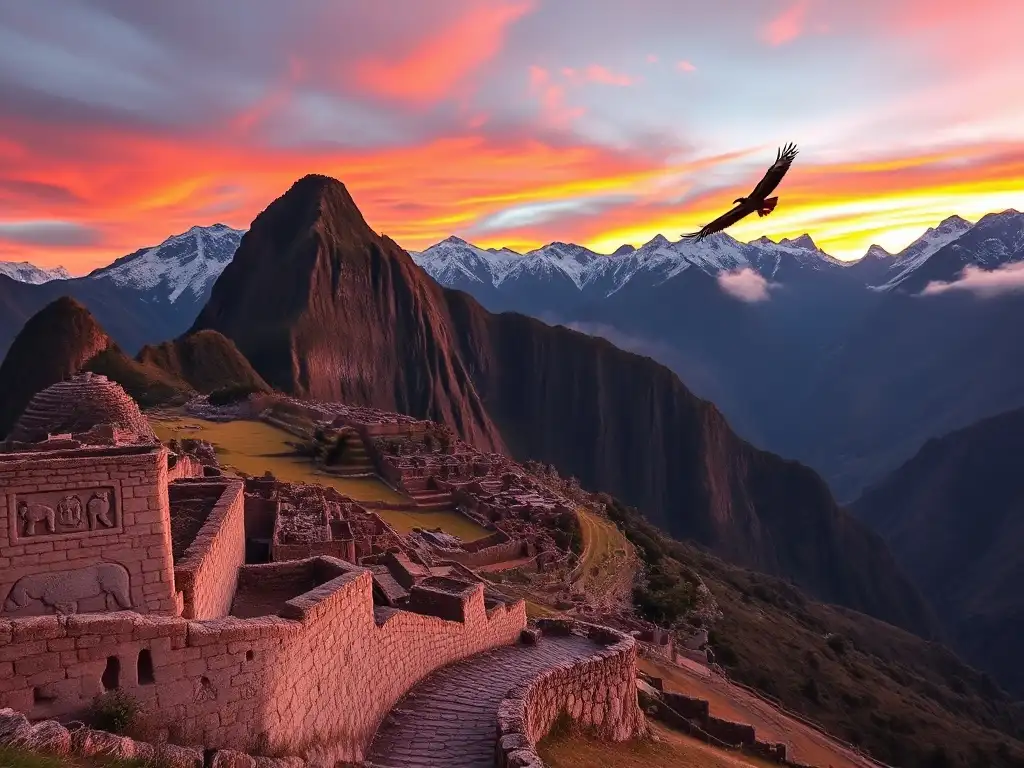
Step into the breathtaking world of the Andes, where mountains whisper secrets and ancient stones hold the key to a lost civilization. For centuries, intricate Andean symbolic design has captivated scholars and adventurers alike, weaving a complex tapestry of cosmology and worldview. Unravel the mysteries behind this enigmatic legacy—discover the profound meaning embedded within their art, and prepare to be amazed by the ingenuity and spiritual depth of the Andean civilizations. Dare to explore the Andean Labyrinth and unlock the secrets of their time.
The Andes Mountains, a spine of rock and ice stretching along the western edge of South America, served as more than just a geographical feature for the ancient civilizations that thrived there. They were a living, breathing entity, deeply interwoven with the spiritual and cosmological beliefs of cultures like the Inca, Moche, Nazca, and Tiahuanaco.
This article delves into the fascinating world of Andean symbolic design, exploring how these societies used intricate patterns, motifs, and architectural layouts to represent their understanding of space, time, and the cosmos. We will uncover the meaning embedded within these designs, revealing how they reflect a worldview profoundly different from our own, yet deeply insightful and relevant even today.
Understanding Andean symbolic design meaning provides a crucial key to unlocking the secrets of these remarkable cultures and their enduring legacy. Prepare to journey through a labyrinth of symbols, each thread leading to a deeper comprehension of Andean cosmology and worldview.
The Sacred Geometry of Andean Textiles
Andean textiles weren't simply clothing; they were complex tapestries woven with symbolic meaning. Geometric patterns, such as the khipu (knotted cords used for record-keeping), often incorporated intricate designs representing celestial bodies, agricultural cycles, and mythical beings. The precise arrangement of colors and motifs held specific significance, varying across different Andean cultures.
For example, the use of specific colors like red (representing blood and life) or yellow (representing gold and the sun) were not arbitrary, but rather deeply symbolic choices dictated by the specific message the textile was meant to convey. Detailed analysis of surviving textiles reveals a sophisticated system of symbolic communication, rich with layers of meaning waiting to be deciphered. The intricate weaving techniques themselves, often passed down through generations, further underscore the importance of these designs as powerful expressions of cultural identity and spiritual belief.
Architectural Marvels: Mirrors of the Cosmos
The monumental architecture of Andean civilizations, from the imposing structures of Machu Picchu to the enigmatic lines of Nazca, reflects a profound understanding of cosmology and the relationship between the earthly and celestial realms. The precise alignment of buildings with astronomical events, such as solstices and equinoxes, suggests a sophisticated knowledge of astronomy and its integration into daily life. Moreover, the use of specific shapes and spatial arrangements within these structures (e.g., the placement of temples, plazas, and residential areas) likely mirrored the Andean worldview, symbolically representing the cosmos and its various levels.
The intricate interplay of light and shadow within these architectural spaces further enhanced the symbolic power of these designs, creating a dynamic and ever-changing relationship between the built environment and the celestial sphere. [Specific examples of architectural alignments and their symbolic meanings pending].
The Power of Myth and Legend in Andean Design
Many Andean designs incorporated mythical figures and narratives, further enriching their symbolic meanings. These narratives often revolved around powerful deities, ancestral figures, and transformative events that shaped the Andean worldview. For example, the depiction of specific animals, such as condors or jaguars, could represent power, strength, and connection to the spiritual realm. Similarly, depictions of agricultural scenes or natural elements (mountains, rivers, etc.)
often carried symbolic weight, reflecting the Andean peoples' intimate relationship with their environment and their dependence on the cyclical rhythms of nature. [Specific examples of mythical figures and their symbolic representations pending]. The integration of these myths and legends into everyday objects, from pottery to textiles, served to reinforce social order and transmit cultural values across generations. Understanding these narratives is key to comprehending the full depth and richness of Andean symbolic design.
Deciphering the Language of Symbols: Challenges and Opportunities
The study of Andean symbolic design presents significant challenges. The lack of written language for many of these cultures means that interpretations often rely on careful analysis of surviving artifacts, archaeological evidence, and ethnographic studies of later Andean cultures.
However, these challenges also present exciting opportunities for interdisciplinary research, combining insights from archaeology, anthropology, art history, and astronomy to shed light on these complex systems of meaning. As new discoveries are made and new analytical methods are developed, our understanding of Andean symbolic design meaning will continue to evolve, revealing ever more nuanced layers of meaning within these captivating designs.
The ongoing effort to decipher this “language” of symbols allows us to not only understand the past but to also appreciate the enduring power of human creativity and the profound ways in which people have sought to understand and express their place in the universe. The Andean labyrinth continues to beckon, promising further revelations for those who dare to explore.
- The Sacred Geometry of Andean Textiles
- Architectural Marvels: Mirrors of the Cosmos
- The Power of Myth and Legend in Andean Design
- Deciphering the Language of Symbols: Challenges and Opportunities
Understanding Andean Symbolic Design
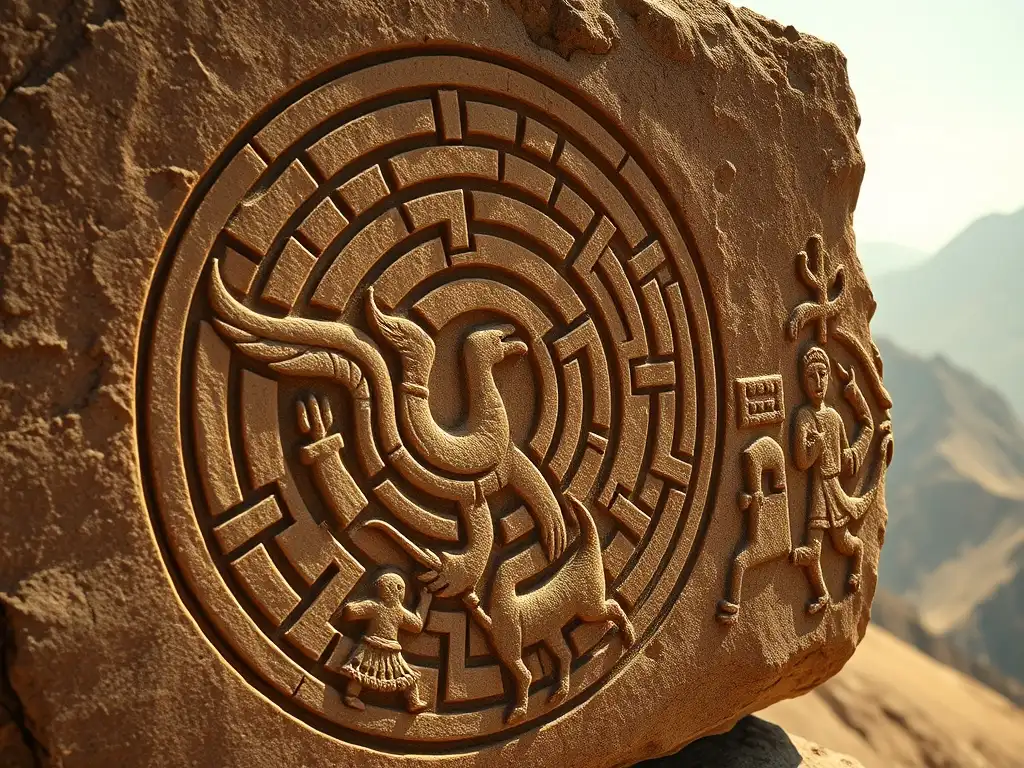
This section delves into the intricacies of Andean symbolic design, exploring how these visual expressions reflect the unique cosmology and worldview of the ancient Andean civilizations. Understanding the meaning behind these designs provides a crucial key to unlocking a deeper comprehension of their societal structures, religious beliefs, and relationship with the natural world. We will examine the core visual language and then move on to decoding specific symbols and their interpretations. The study of Andean symbolic design meaning is an ongoing process, with new discoveries constantly enriching our understanding.
The Core of Andean Visual Language
Andean visual language, unlike many alphabetic systems, relies heavily on a complex interplay of geometric shapes, zoomorphic representations (animal figures), and anthropomorphic elements (human-like figures). These elements are rarely isolated; instead, they are intricately interwoven to create layered narratives that encode profound cosmological and social meanings. Think of it as a visual tapestry, where each thread contributes to the overall image and message.
The use of color is also incredibly significant. For example, red often symbolized blood, fertility, and the sun, while yellow represented gold, power, and divinity. Green was associated with vegetation, growth, and the earth's bounty, while black frequently represented the underworld or the night. However, the precise meaning of colors could vary slightly depending on the specific culture and context. Further research is needed to fully understand the nuanced application of color across different Andean groups.
Geometric patterns, such as spirals, zigzags, and stepped frets, frequently appear in textiles, pottery, and architecture. These patterns are not merely decorative; they often represent cyclical processes, celestial movements, or the interconnectedness of life and death. For example, the spiral might symbolize the cyclical nature of time or the path of the sun across the sky. The zigzag, conversely, could depict the path of lightning or the movement of water.
The integration of natural elements into Andean symbolic designs is prevalent. Animals, plants, and celestial bodies are frequently depicted, often carrying symbolic weight related to their roles within the Andean worldview. The condor, for instance, represented power and height, while the puma symbolized strength and the earthly realm. The snake was often associated with water, fertility, and the underworld. This intricate relationship between the natural world and the symbolic representations showcases the deep connection the Andean people had with their environment.
Decoding Ancient Andean Symbols and Their Meanings
Decoding the meanings of specific Andean symbols requires careful consideration of context, style, and the specific culture of origin. While some symbols maintain consistent interpretations across various cultures, others exhibit regional variations or nuanced meanings depending on the specific artwork or artifact.
Let's consider some examples:
| Symbol | Possible Meanings | Cultural Context Examples |
|---|---|---|
| Sun Disc | Divinity, power, cosmic energy, life-giving force | Found frequently in Inca and pre-Inca iconography |
| Serpent | Water, fertility, underworld, healing, wisdom | Depicted prominently in Moche and Nazca ceramics |
| Puma | Strength, power, earthly realm, night, hunting | Common in Inca and Wari art |
| Condor | Height, power, sky, sun, spiritual world | Often associated with Inca royalty and divine power |
| Staircase Motif | Ascent to the heavens, connection between worlds | Found in architecture and textiles across various cultures |
Analyzing the combination of these symbols within a single design is crucial for a deeper understanding. For example, a sun disc flanked by two pumas might represent the sun's power over the earthly realm, or the balance between the celestial and terrestrial spheres. The context of discovery—be it a textile, a ceramic vessel, or a stone carving—further informs interpretation. The material itself can also hold symbolic weight; gold, for example, was frequently associated with divinity and power.
The study of Andean symbolic design meaning is a complex and fascinating field that requires interdisciplinary collaboration. Archaeologists, anthropologists, art historians, and linguists work together to piece together the rich tapestry of meaning embedded within these ancient visual expressions. Further research and analysis are continually revealing new insights into this intricate and captivating world of Andean symbolism. The more we uncover, the more we appreciate the depth and complexity of Andean culture and their profound connection to the cosmos.
Andean Cosmology and Spatial Concepts
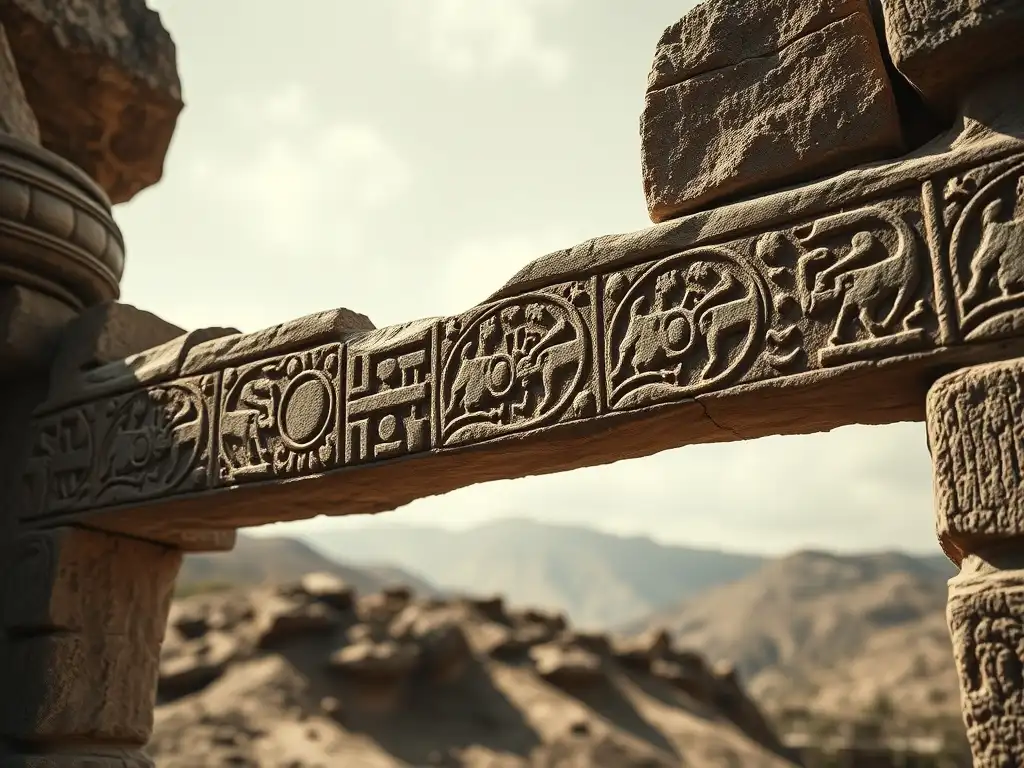
This section delves into the intricate relationship between Andean cosmology and the understanding of space, exploring how ancient Andean peoples perceived and interacted with their environment. We will examine their worldview, highlighting the unique way they integrated the physical and spiritual realms within a complex spatial framework. Understanding Andean symbolic design meaning necessitates a deep dive into their cosmological beliefs.
The Andean Worldview: Space as a Living Entity
The Andean worldview fundamentally differed from Western perspectives. Space wasn't simply a void to be occupied, but rather a vibrant, living entity imbued with spiritual power. Mountains, rivers, and celestial bodies weren't merely geographical features; they were active participants in a dynamic cosmic order. This animistic perspective infused every aspect of Andean life, from agricultural practices to artistic expression, profoundly influencing their symbolic design.
The landscape itself served as a canvas for their worldview, with sacred sites and pathways reflecting the intricate connections between the earthly and spiritual realms. For example, the placement of settlements, agricultural terraces, and ceremonial structures often corresponded to specific astronomical events and geographical features, demonstrating a deep understanding of the interconnectedness of space, time, and spirituality. This holistic approach is evident in the intricate patterns and motifs found in textiles, ceramics, and architecture, where symbolic representations of celestial bodies, animals, and deities reflected the Andean concept of a living, breathing cosmos.
The careful arrangement of elements within these designs wasn't arbitrary; it was a deliberate attempt to recreate and interact with the cosmic order. Analyzing these designs offers invaluable insights into the Andean understanding of space as a dynamic and interconnected system. Understanding this fundamental principle is crucial to deciphering the meaning behind Andean symbolic design.
Cosmic Geography: Upper, Middle, and Lower Worlds
Andean cosmology structured the universe into three interconnected realms: the Hanan Pacha (upper world), Kay Pacha (middle world), and Ukhu Pacha (lower world). The Hanan Pacha represented the celestial realm, home to the sun, moon, stars, and deities. The Kay Pacha encompassed the earthly realm, where humans lived and interacted with the natural world. The Ukhu Pacha was the underworld, a subterranean realm associated with death, ancestors, and the origins of life.
These three worlds weren't separate entities but rather a continuous flow, interconnected through sacred mountains, springs, and caves. Many Andean symbolic designs reflect this tripartite structure. For example, the recurring motif of a mountain flanked by two serpents could symbolize this three-world structure, with the mountain representing the axis mundi, connecting the three realms, and the serpents representing the pathways between them.
Additionally, the use of specific colors and geometric patterns in textiles and ceramics frequently corresponded to the different realms, further reinforcing the interconnectedness of the Andean cosmos. The study of these patterns provides a fascinating glimpse into the Andean understanding of spatial relationships and their deep connection to the cosmos. This spatial organization influenced all aspects of Andean life, including their social structures, religious practices, and artistic expressions, making it a cornerstone of understanding Andean symbolic design meaning.
Analyzing the spatial organization of Andean symbolic designs allows us to gain a deeper appreciation of their sophisticated worldview and the intricate relationship they maintained with the cosmos. The understanding of the three worlds and their interconnectedness is key to unlocking the deeper meaning within their artistic expressions. This understanding of space and cosmology is critical to deciphering the complex symbolism prevalent in Andean art and architecture.
Time as a Cyclical Concept in Andean Cultures
Andean cultures, unlike many Western societies, didn't perceive time as a linear progression from a beginning to an end. Instead, their understanding of time was deeply cyclical, mirroring the natural rhythms of the Andes—the changing seasons, the sun's journey across the sky, the phases of the moon, and the agricultural cycles vital to their survival. This cyclical view is profoundly reflected in their symbolic design, where recurring motifs and patterns represent the continuous renewal and regeneration of life.
The concept of pachacuti, a cyclical upheaval or transformation, was central to their worldview, suggesting a continuous process of destruction and creation, death and rebirth. This wasn't seen as a negative process, but rather as an essential part of the cosmic order. The cyclical nature of time is deeply intertwined with their spiritual beliefs, influencing their rituals, agricultural practices, and artistic expressions.
Understanding this cyclical perspective is key to deciphering the meaning behind many Andean symbolic designs. The repetitive patterns found in textiles, pottery, and architecture are not mere decoration; they are visual representations of this cyclical worldview, a tangible manifestation of their understanding of time's endless flow.
Andean Perceptions of Time: Beyond Linear Progression
The linear conception of time, common in Western thought, is largely absent in Andean cosmologies. Instead of a straightforward path from past to future, Andean peoples viewed time as a continuous loop, a complex interplay of past, present, and future existing simultaneously. This is evident in their intricate calendar systems, which incorporated solar and lunar cycles, alongside agricultural and ritualistic markers.
These weren't simply tools for scheduling; they were symbolic representations of the interconnectedness of time and the cosmos. For example, the Inca quipu, a complex system of knotted cords, served not only for record-keeping but also for encoding temporal information, weaving together past events, present realities, and future expectations. This holistic perception of time is crucial to understanding the intricate symbolic designs found throughout Andean art and architecture.
The seemingly repetitive patterns often reflect this cyclical understanding, symbolizing the continuous regeneration of life and the cyclical nature of the cosmos. Understanding this non-linear perspective is essential for interpreting the deeper meanings embedded within Andean symbolic designs.
The Role of Astronomy in Andean Timekeeping
Astronomy played a pivotal role in Andean timekeeping and cosmology. Their sophisticated understanding of celestial movements allowed them to develop intricate calendar systems that guided their agricultural practices and religious rituals. The precise positioning of astronomical features, such as mountains, hills, and rock formations, often served as markers for solstices and equinoxes, highlighting the deep connection between the celestial and terrestrial realms.
Many Andean symbolic designs incorporate astronomical motifs, such as the sun, moon, and stars, reflecting the significance of celestial events in their lives. For example, the Nazca Lines, though their exact purpose remains debated, are suspected to have served as an astronomical observatory, with certain lines potentially aligning with specific celestial bodies during particular times of the year. The intricate carvings and designs found on many Andean artifacts often reflect the constellations and celestial movements, further emphasizing the close relationship between astronomy and their understanding of time and space.
This astronomical knowledge wasn't just practical; it was deeply embedded in their spiritual beliefs, influencing their worldview and shaping their artistic expressions, which are reflected in the rich tapestry of their symbolic designs. The careful observation of the cosmos provided a framework for understanding the cyclical nature of time and the continuous renewal of life, a fundamental concept reflected in their art and architecture.
Symbolic Design in Andean Architecture
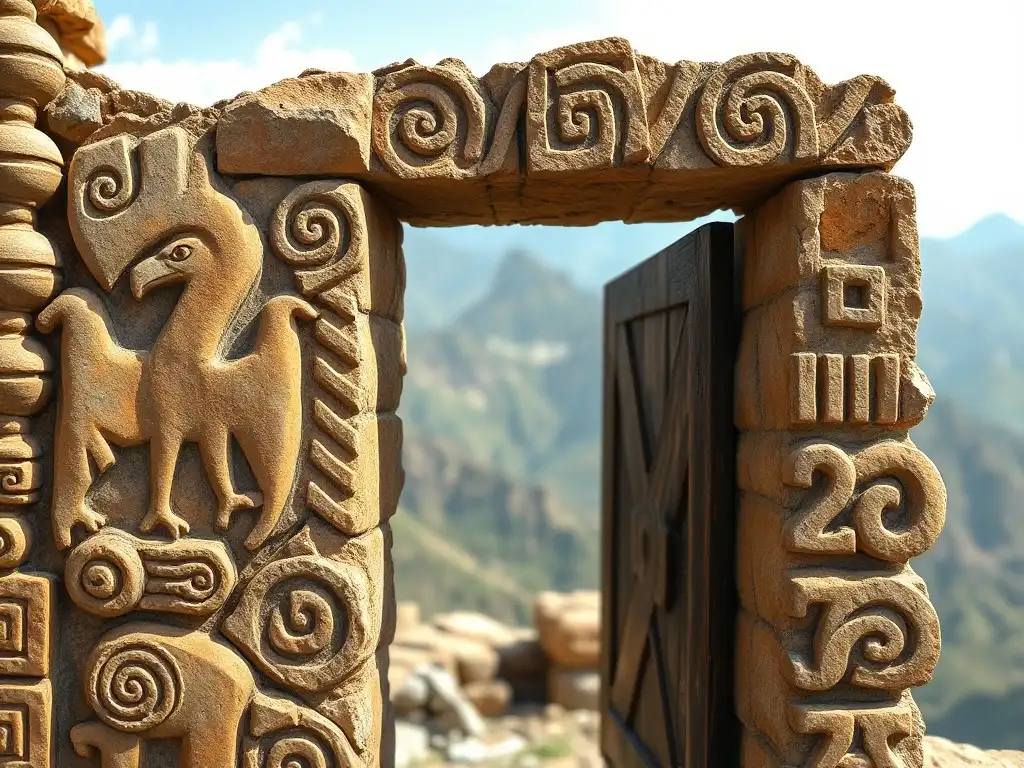
Andean symbolic design meaning is deeply interwoven with the physical landscape and the spiritual beliefs of the ancient civilizations. Their architecture wasn't merely functional; it served as a tangible representation of their cosmological worldview, a complex system of beliefs connecting the earthly realm with the celestial. This section explores how symbolic design manifested in Andean architecture, revealing the intricate relationship between space, time, and the divine. We'll delve into the sacred spaces and urban planning, demonstrating how these ancient builders meticulously crafted their environments to reflect their understanding of the universe.
Sacred Spaces: Temples and Their Symbolic Layout
The layout of Andean temples wasn't arbitrary. Careful consideration was given to astronomical alignments, cardinal directions, and the symbolic significance of specific shapes and materials. For instance, the placement of temples often corresponded to solstices and equinoxes, highlighting the importance of celestial events in their calendar and religious practices. The use of specific stones, like andesite or obsidian, also held symbolic weight, often associated with specific deities or cosmological concepts.
Consider the Temple of the Sun in Cusco, a prime example of Inca architecture. Its precise orientation towards the rising sun on the winter solstice underscores the Inca's deep understanding of astronomy and its integration into their religious beliefs. The intricate stonework, with its perfectly fitted blocks, wasn't just a testament to their engineering prowess but also a visual representation of order and cosmic harmony. The meticulous craftsmanship itself conveyed a sense of reverence and spiritual significance.
Furthermore, the internal organization of these sacred spaces often mirrored the Andean worldview. Hierarchical arrangements of chambers, specific locations for offerings, and symbolic representations of deities all contributed to the overall meaning and purpose of the temple. The use of color, particularly in murals and textiles found within these spaces, further enriched the symbolic landscape, each hue carrying its own specific connotation within the Andean cosmology.
Unfortunately, much of the original color schemes remains lost to time and weathering, making the full interpretation challenging. Further research and analysis of surviving pigments are needed to fully unravel this aspect of Andean symbolic design meaning.
Urban Planning: Reflecting Andean Cosmological Principles
Andean urban planning wasn't simply about creating efficient settlements; it was about replicating the cosmos on Earth. Cities like Cusco, with its intricate network of streets and plazas, were designed to reflect the Andean understanding of the universe, with the city's layout mirroring the celestial order. The use of specific geometries, such as squares and rectangles, wasn't accidental. These shapes held symbolic meaning, often representing the four cardinal directions and the four elements – earth, water, air, and fire.
The placement of key structures within the urban landscape further reinforced this cosmological interpretation. The location of palaces, temples, and residential areas wasn't random; it was meticulously planned to reflect the hierarchical structure of Andean society and their relationship with the divine. For example, the placement of the main plaza in Cusco, directly aligned with the cardinal directions, suggests a deliberate attempt to anchor the city within the cosmic order. The strategic positioning of water sources, such as canals and fountains, also played a crucial role, symbolizing life-giving forces and reinforcing the connection between the city and its environment.
Moreover, the integration of agricultural terraces into the urban landscape further exemplifies the close relationship between the human world and the natural environment. These terraces weren't merely agricultural features; they were also integral parts of the urban design, showcasing the Andean understanding of the interconnectedness of all things. The careful management of water resources and the creation of fertile agricultural lands within the city itself emphasized the importance of balance and harmony within their cosmological worldview.
The overall effect was a city that wasn't merely a place to live, but a living representation of their spiritual beliefs, a tangible manifestation of Andean symbolic design meaning. The intricate integration of cosmology into everyday life is a testament to the deep-rooted spiritual beliefs of these ancient cultures.
Textiles and Ceramics: Carriers of Andean Symbolism
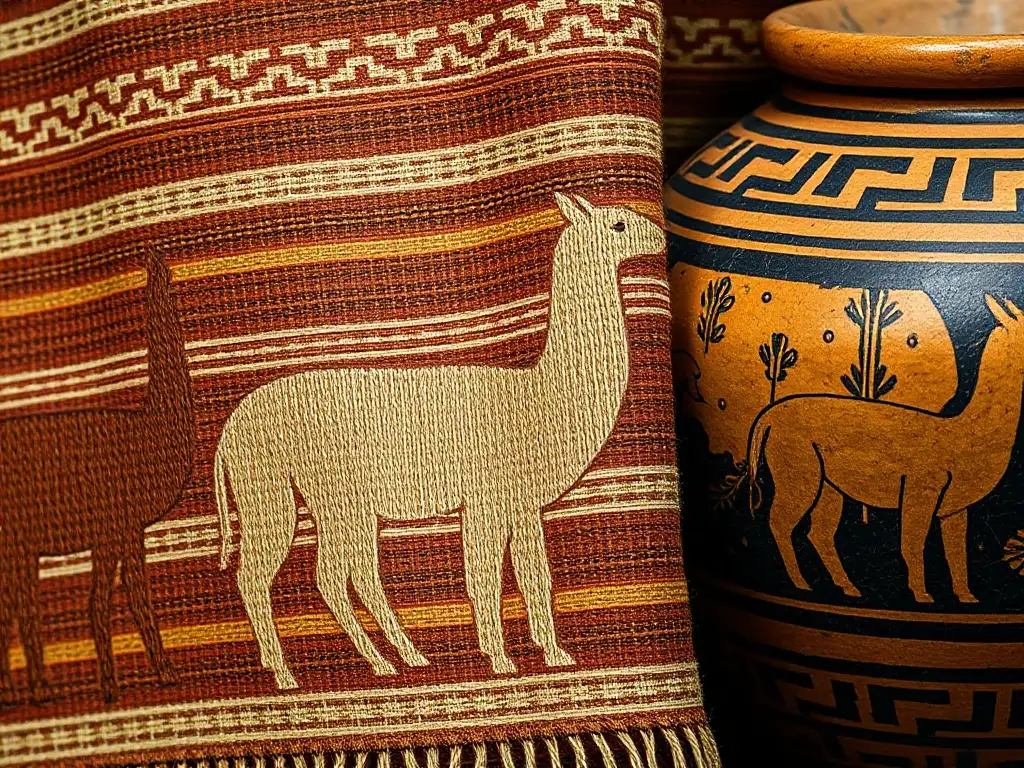
The Andean civilizations weren't just masters of monumental architecture; they were also incredibly skilled artisans, expressing their complex worldview through intricate textiles and ceramics. These weren't merely functional objects; they were powerful carriers of Andean symbolic design meaning, communicating intricate narratives about cosmology, social structures, and daily life. The vibrant colors, intricate patterns, and symbolic motifs woven into fabrics and sculpted onto clay vessels reveal a deep understanding of the relationship between humans and the cosmos, a connection deeply rooted in their perception of time and space.
Analyzing these artifacts provides invaluable insights into the Andean understanding of the world and its symbolic representation. The persistence of certain motifs across different cultures and time periods highlights the enduring power and significance of Andean symbolic design meaning. Understanding these designs requires careful consideration of both the individual elements and their collective arrangement.
The Language of Patterns: Decoding Andean Textile Designs
Andean textile designs are incredibly rich and varied, utilizing a complex vocabulary of patterns to convey meaning. Geometric shapes like triangles, squares, and zigzags frequently appear, often representing mountains, agricultural terraces, or celestial bodies. These aren't arbitrary choices; their arrangement and combination hold specific significance. For example, the repetition of a specific motif might symbolize the cyclical nature of time, reflecting the Andean understanding of the continuous renewal of life through agriculture and the seasons.
Furthermore, the use of color is highly significant. Specific dyes, often derived from natural sources, were associated with particular deities or concepts. Red, for instance, often symbolized blood, fertility, and the sun, while blue represented water and the sky.
The intricate interplay of color and pattern creates a layered system of meaning, demanding careful study to decipher the full Andean symbolic design meaning embedded within each piece. Detailed analysis of surviving textiles reveals a sophisticated understanding of symbolic systems that extended beyond simple decoration. Scholars continue to uncover new layers of meaning in these ancient textiles, enriching our understanding of Andean cosmology and worldview.
Ceramic Art: Narratives in Clay
Ceramic art offers another crucial window into Andean symbolic design meaning. From the simple utilitarian vessels to the elaborate ceremonial objects, Andean pottery is replete with symbolic imagery. Depictions of deities, mythical creatures, and scenes from daily life are common, often interwoven with geometric patterns similar to those found in textiles. The Moche culture, for example, is renowned for its highly detailed ceramic vessels depicting scenes of warfare, ritual sacrifice, and daily life, offering unparalleled glimpses into their society and beliefs.
These narratives, carefully crafted in clay, reveal much about their social hierarchy, religious practices, and understanding of the cosmos. The Nazca culture, known for its enigmatic geoglyphs, also produced ceramics featuring intricate designs and unique iconography, adding to the tapestry of Andean symbolic design meaning. Even the seemingly simple forms of everyday pottery often incorporate subtle decorative elements that convey symbolic significance.
The careful study of ceramic forms, alongside their painted or sculpted decoration, provides a rich source of data for understanding Andean symbolic design meaning, offering a tangible connection to their past. Analyzing the distribution of these ceramic styles across geographical areas also helps archaeologists understand trade networks and cultural exchange. The enduring legacy of Andean ceramic art continues to inspire contemporary artists and researchers alike.
The Meaning of Color in Andean Symbolic Representation
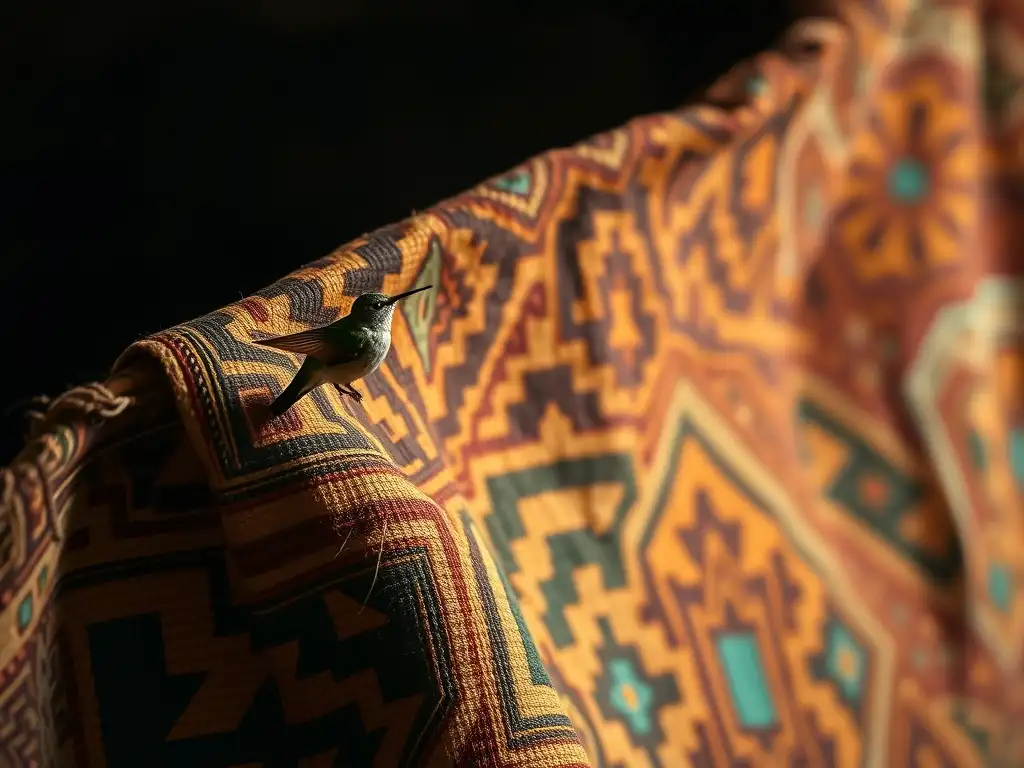
The vibrant hues found in Andean textiles, ceramics, and architecture are far more than mere aesthetic choices; they are integral components of a complex system of symbolic representation reflecting the Andean worldview. Understanding the meaning of color within this context is crucial to deciphering the rich tapestry of Andean symbolic design meaning.
Color wasn't simply decorative; it conveyed deep spiritual, social, and cosmological significance, acting as a visual language that communicated complex ideas across time and space. This section delves into the nuanced symbolism embedded within the palette of Andean artistry, exploring how specific colors held unique meanings across different cultures and time periods.
The careful selection and arrangement of colors reveal intricate narratives about the Andean relationship with the cosmos, their social structures, and their understanding of the natural world. Analyzing Andean symbolic design meaning through the lens of color provides a powerful insight into the sophisticated intellectual and spiritual development of these remarkable civilizations.
Color Symbolism: Beyond Aesthetics
Andean color symbolism transcended the purely aesthetic. Unlike Western traditions where color meanings might be more subjective or culturally fluid, Andean civilizations often assigned specific, consistent meanings to particular colors. These meanings were frequently tied to their understanding of the cosmos, the natural world, and their social hierarchy. For example, the color red, often associated with blood, sacrifice, and the sun's life-giving energy, held a powerful position in many Andean cultures.
It frequently appeared in ceremonial garments and objects, signifying power, divinity, and the vital force connecting the earthly and spiritual realms. In contrast, white often symbolized purity, fertility, and the Andean concept of Pachamama, the Earth Mother. Its presence in textiles and rituals highlighted the connection between the human world and the life-giving earth.
The use of color wasn't arbitrary. Consider the intricate textiles produced by the Inca, where the combination of colors and patterns communicated complex social information. The vibrant hues and geometric designs were not merely decorative; they indicated social status, clan affiliation, and even specific events or ceremonies.
Similarly, the Moche culture, known for its masterful ceramics, employed color to represent different deities, narratives, and aspects of their cosmology. The careful application of pigments, often made from natural sources like minerals and plants, demonstrates the profound importance placed upon the symbolic power of color within Andean artistic expression. Further research is needed to fully understand the regional variations in color symbolism across different Andean groups, however, initial findings suggest a fascinating interplay of shared meanings and localized interpretations.
Specific Color Meanings in Different Andean Cultures
While certain color associations were relatively consistent across various Andean cultures, subtle variations existed based on specific traditions and beliefs. For instance, while red generally represented power and divinity, its precise connotation could differ slightly between the Inca, the Nazca, and the Tiahuanaco. Further research is needed on the nuanced cultural expressions of color symbolism, but preliminary studies reveal intriguing differences.
| Culture | Red | White | Yellow | Black |
|---|---|---|---|---|
| Inca | Royal power, sun, sacrifice | Purity, fertility, Pachamama | Divinity, gold, the sun's power | Death, underworld, night |
| Nazca | Life force, fertility, blood | Desert blossoms, purity, renewal | Sun, maize, prosperity | Mystery, the unknown, darkness |
| Tiahuanaco | Power, war, the sun god Viracocha | Snow-capped mountains, purity | Gold, sun, wealth | Earth, fertility, the underworld |
| Moche | Blood, sacrifice, warriors | Cotton, clouds, fertility | Maize, Sun, royalty | Night, mystery, the unknown |
This table presents a simplified overview. The actual meanings were far more complex and nuanced, often influenced by the specific context in which the colors were used. The interplay of colors, patterns, and motifs created a rich visual language that conveyed complex social, political, and cosmological narratives.
More detailed analysis of surviving artifacts, coupled with ethnographic research and the incorporation of indigenous perspectives, are crucial for a more complete understanding of Andean symbolic design meaning in its full complexity. The study of Andean color symbolism remains a vibrant and evolving field of research, promising further insights into the profound intellectual and artistic achievements of these ancient civilizations.
Deciphering the Andean Labyrinth: Integrating Space, Time, and Symbol
The Andean worldview wasn't a simple linear progression of time, but rather a complex, interwoven tapestry where space and time were inextricably linked through symbolic design. Understanding this intricate relationship requires moving beyond a Western-centric interpretation of history and embracing the cyclical and multi-layered nature of Andean cosmology. Their symbolic designs, far from mere decoration, served as powerful tools for navigating this labyrinthine perception of reality, encoding profound cosmological and social meanings.
The very act of creating and interpreting these designs was a ritualistic engagement with the cosmos, reinforcing their connection to the past, present, and future. This section delves into how Andean artisans meticulously crafted their symbolic designs to reflect this holistic view of space and time, a crucial element of understanding Andean symbolic design meaning.
How Symbolic Design Connects Time and Space
Andean symbolic design frequently employs recurring motifs – such as the khipu (knotted string record-keeping system), geometric patterns, and zoomorphic representations – to illustrate the cyclical nature of time and its interaction with the spatial world. For example, the repetition of geometric shapes, like spirals and stepped pyramids, visually represents the cyclical renewal of life, mirroring the Andean understanding of the cosmos as a constantly regenerating system. This cyclical view contrasts sharply with linear Western conceptions of time.
The spatial arrangement of elements within a design also holds significant meaning. The positioning of celestial bodies, mountains, and agricultural landscapes within textiles, pottery, and architecture reflects a deep understanding of the relationship between the terrestrial and celestial realms. These designs aren't just aesthetically pleasing; they are maps of the cosmos, meticulously charting the movement of the sun, moon, and stars, and their impact on the agricultural cycle and human society.
Consider the intricate designs found on Nazca pottery: the recurring motifs of stylized birds, plants, and geometric patterns are not randomly arranged. Their specific placement and orientation likely encoded information about astronomical events, agricultural seasons, and social hierarchies. Similarly, the complex geometric designs adorning Tiahuanaco textiles likely served as calendars or maps, illustrating the Andean people's sophisticated understanding of both time and space. Further research is needed to fully decipher the nuanced meanings embedded within these intricate Andean symbolic design meanings.
The Enduring Legacy of Andean Symbolic Thinking
The impact of Andean symbolic thinking extends far beyond the ancient civilizations themselves. The enduring legacy of their sophisticated system of representing time and space through design continues to inspire artists, scholars, and spiritual practitioners today. The intricate patterns and symbolic motifs found in Andean artifacts remain a rich source of inspiration for contemporary artists, who draw on the ancient designs to explore themes of cosmology, spirituality, and cultural identity.
Moreover, the Andean approach to integrating time and space offers valuable insights for contemporary discussions on sustainability and environmental consciousness. The cyclical view of time, emphasizing renewal and regeneration, resonates with current ecological concerns and the need for sustainable practices. The Andean understanding of the interconnectedness of the terrestrial and celestial realms reinforces the importance of respecting the environment and acknowledging the impact of human actions on the natural world.
The study of Andean symbolic design is not merely an academic exercise; it is a powerful reminder of the diverse ways in which humans have sought to understand and represent their place in the cosmos. By deciphering the meanings embedded within these ancient designs, we gain a deeper appreciation for the rich intellectual and spiritual heritage of the Andean civilizations and their profound contribution to our understanding of Andean symbolic design meaning. The enduring legacy of their sophisticated system continues to inspire and challenge our contemporary perspectives on time, space, and the human relationship with the natural world.
Frequently Asked Questions
What is the significance of Andean symbolic design?
Andean symbolic designs were not merely decorative; they held deep religious and social meaning. They often represented cosmology, mythology, and social structures, reflecting the worldview of the respective cultures.
How did the Incas use symbolic design?
Inca designs frequently featured geometric patterns and zoomorphic motifs, representing power, authority, and connection to the cosmos. These designs were incorporated into textiles, ceramics, and architecture.
What are some common symbols found in Andean art?
Common symbols include the condor, representing power and altitude; the puma, symbolizing strength and earthly power; and serpents, representing fertility and water. Geometric patterns also held significant meaning, often representing celestial bodies or sacred sites.
How did Andean symbolic design vary across different cultures?
While sharing some common themes, Andean cultures like the Nazca, Moche, and Tiahuanaco developed unique styles. Nazca lines, for example, are dramatically different from the Moche's elaborate pottery. Each culture's unique designs reflected its specific beliefs and practices.
Where can I learn more about the meaning of specific Andean symbols?
Further research into specific Andean cultures will reveal the meanings of individual symbols. Academic journals, museums, and books dedicated to Andean archaeology and art history are excellent resources for in-depth information.
Final Reflection: Unraveling the Enduring Legacy of Andean Symbolic Design
The intricate tapestry of Andean symbolic design continues to resonate today, a powerful testament to the enduring human need to connect with the cosmos and express profound spiritual beliefs. These ancient symbols, far from being relics of a bygone era, offer a vibrant lens through which we can understand the complexities of human creativity and the enduring power of cultural heritage. Their intricate geometries and evocative imagery speak to a timeless quest for meaning, a quest that remains as relevant today as it was centuries ago.
The impact of Andean symbolic design extends far beyond the archaeological record; it permeates contemporary art, fashion, and even spiritual practices. Its influence is a subtle yet pervasive force, shaping our understanding of indigenous cultures and challenging Eurocentric perspectives on art and history. The enduring power of these symbols lies in their ability to transcend linguistic and cultural barriers, speaking directly to the human spirit. The past is never dead. It's not even past.
- William Faulkner. This quote perfectly encapsulates the ongoing relevance of Andean symbolic design, reminding us that the echoes of the past continue to shape our present and future.
Consider the intricate detail, the profound symbolism woven into each design. Let these ancient patterns inspire you to seek deeper meaning in your own life, to explore the rich tapestry of human expression, and to appreciate the enduring power of cultural heritage. Take a moment to reflect on the ways in which you connect with the world around you—what symbols resonate with you, and what stories do they tell? By engaging with the legacy of Andean symbolic design, we not only honor the past but also enrich our understanding of ourselves and the world we inhabit.
Unveil the Mysteries of Andean Design!
Thank you for joining us on this fascinating journey through the rich symbolism of Andean civilizations. We hope you've discovered the profound connections between space, time, and the intricate designs of these ancient cultures. Now, let's take that knowledge further and explore your own creative potential!
Here are some ways to continue your exploration:
- Dive Deeper: Research an Andean symbol that resonates with you—perhaps the intricate knotwork or the powerful imagery of the condor—and uncover its deeper meaning. Let this knowledge inspire your own creative projects.
- Connect with Others: Join online or in-person communities dedicated to Andean culture. Share your insights and learn from others, fostering a vibrant network of cultural appreciation.
- Create Your Own Symbol: Design a personal symbol inspired by Andean motifs, representing your values or life journey. Share your creation on social media using #AndeanLabyrinth to connect with fellow enthusiasts!
Which Andean symbol or design most inspires you, and how might you integrate its essence into your life or work?