
Bridging the Centuries: The Influence of Andean Art on Modern Design

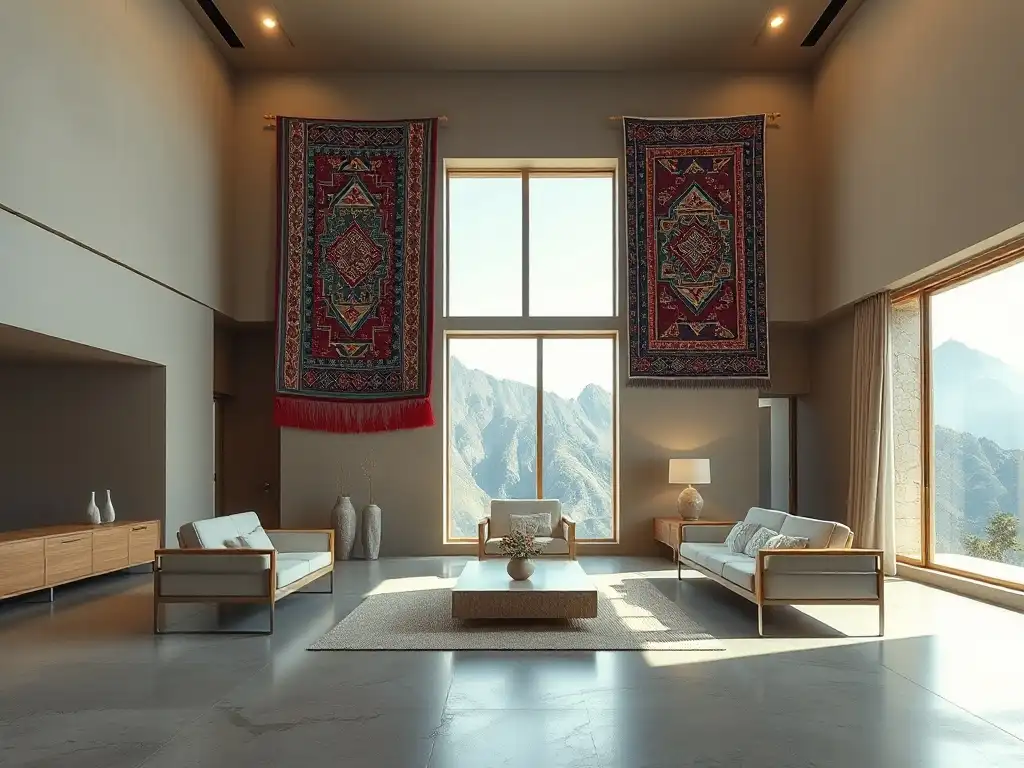
Dive into a world lost to time, yet vibrantly alive in the present. The Andean Civilizations website unveils the secrets of empires that flourished in the heart of the Andes, from the Incas to the Nazca. But what if the echoes of their artistry still resonate today? Discover how the breathtaking ingenuity of Andean art continues to influence modern design – a legacy that transcends centuries and redefines our understanding of creativity. Prepare to be amazed as we unravel this fascinating connection.
The vibrant tapestry of Andean civilizations, spanning millennia and encompassing cultures like the Incas, Moche, Nazca, and Tiahuanaco, left an indelible mark on the world. Their sophisticated artistry, reflecting a deep connection to the Andes' breathtaking landscapes and a complex spiritual worldview, continues to resonate powerfully in contemporary design.
This article explores the profound and often overlooked influence of Andean art on modern aesthetics, examining how ancient motifs, techniques, and philosophies have been reinterpreted and reimagined in contemporary creations. From the geometric precision of Nazca lines influencing textile patterns to the intricate metalwork of the Moche inspiring jewelry design, we will uncover the enduring legacy of Andean artistic innovation and its lasting impact on the global creative landscape.
Understanding this historical connection allows us to appreciate the richness and complexity of modern design, revealing the subtle yet significant echoes of a civilization that continues to inspire. We will delve into specific examples, showcasing the transformative power of Andean artistic heritage in contemporary applications.
The Enduring Legacy of Andean Aesthetics
The aesthetic principles underlying Andean art—a harmonious blend of geometric patterns, vibrant colors, and symbolic representations—have proven remarkably adaptable to modern sensibilities. The emphasis on symmetry, balance, and the incorporation of natural elements, such as stylized animals and plant life, finds echoes in contemporary design trends focusing on sustainability and biophilic design. The enduring appeal of Andean aesthetics lies in its ability to transcend cultural boundaries, speaking to a universal appreciation for beauty, craftsmanship, and the power of symbolic representation.
This enduring legacy is not merely a superficial imitation but a deeper engagement with the underlying philosophical and spiritual values inherent in Andean artistic traditions. The incorporation of Andean motifs is not just a stylistic choice; it’s a conscious effort to connect with a rich history and to incorporate the wisdom of past civilizations into modern creations.
Ancient Andean Art: A Foundation for Modern Inspiration
The diverse artistic traditions of the Andean region offer a rich wellspring of inspiration for modern designers. From the intricate pottery of the Moche depicting their complex mythology to the monumental stone structures of Tiahuanaco showcasing their advanced architectural skills, the range of artistic expression is staggering. This diversity, however, is unified by a common thread: a profound connection to the natural world and a sophisticated understanding of symbolic representation.
This deep connection to nature is particularly relevant in modern design's increasing focus on sustainability and environmentally conscious practices. The use of natural materials and the incorporation of organic forms are not just stylistic choices but reflect a broader societal shift towards a more harmonious relationship with the environment, a value deeply embedded in Andean artistic traditions.
Pre-Columbian Art Styles and Their Characteristics
Several distinct pre-Columbian Andean art styles significantly impacted modern design. The Nazca's renowned geoglyphs, visible only from the air, demonstrate a mastery of large-scale land art and a profound understanding of geometry. These intricate designs, featuring animals and stylized figures, have influenced contemporary textile patterns and graphic design.
The Moche's mastery of ceramics, showcasing incredibly detailed depictions of their society and mythology, inspires modern ceramic artists and provides insight into ancient storytelling techniques. The Inca's sophisticated metalwork, using techniques like repoussé and hammering, continues to influence contemporary jewelry design and metal sculpture. Each of these styles possesses unique characteristics, contributing to a rich and diverse body of work that continues to inspire and inform contemporary artists.
The Symbolic Language of Andean Motifs
Andean art is rich in symbolism, with motifs often imbued with deep spiritual and cultural significance. The use of recurring symbols, such as the condor, the puma, and the serpent, represents a complex worldview that connects the earthly realm with the spiritual. These symbols, often represented in stylized forms, are readily adaptable to modern design contexts, adding layers of meaning and depth to contemporary creations.
For example, the geometric patterns found in textiles and ceramics often represent cosmological concepts or agricultural cycles, adding a narrative element that transcends mere aesthetics. Understanding this symbolism allows modern designers to incorporate these motifs with a greater awareness of their original context and meaning, enriching the overall design and creating a more meaningful connection between past and present.
Materials and Techniques of Ancient Andean Artisans
The technical proficiency of Andean artisans is another crucial aspect influencing modern design. Their mastery of diverse materials, including gold, silver, copper, textiles, and ceramics, combined with innovative techniques, continues to inspire awe and admiration. The Inca's meticulous stonework, for instance, showcases an advanced understanding of construction and engineering, while the Moche's intricate pottery demonstrates their skill in molding and firing techniques.
These ancient techniques, often requiring immense skill and patience, inspire modern designers to explore new materials and methods while valuing craftsmanship and attention to detail. The use of sustainable and locally sourced materials, a practice common among Andean artisans, is also gaining traction in contemporary design, highlighting the enduring relevance of traditional practices in a modern context. The focus on handcrafted items and the appreciation for the individual skill of the artisan is a direct reflection of the values embedded in Andean artistic traditions.
- How did Andean art influence modern design?
- What specific Andean cultures most influenced modern design?
- Can you give examples of Andean art's influence in modern design?
- Are there any modern designers explicitly referencing Andean art?
- Where can I learn more about the connection between Andean art and modern design?
Andean Art's Transformation: From Ancient Craft to Modern Design
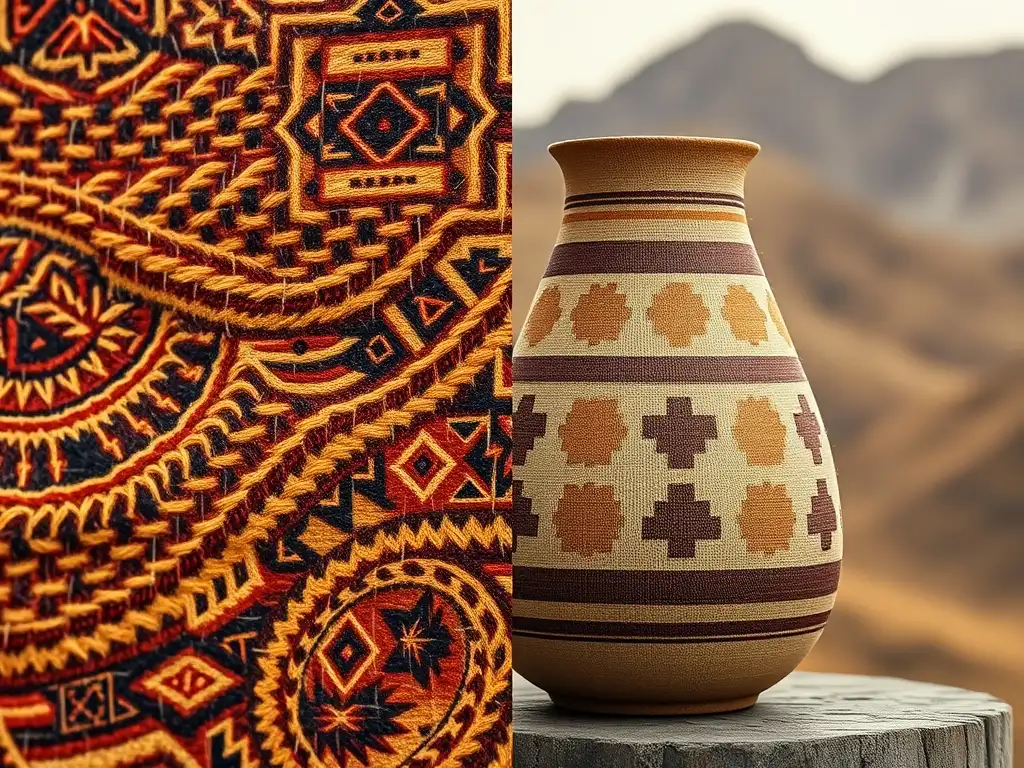
The enduring legacy of Andean civilizations extends far beyond their impressive architectural feats and intricate social structures. Their artistic expressions, vibrant and deeply symbolic, continue to resonate in contemporary design, influencing everything from textiles and jewelry to furniture and graphic design. This section explores the fascinating ways in which Andean art's unique aesthetic and technical prowess have been reinterpreted and revitalized in the modern world, demonstrating a powerful and ongoing influence on the global design landscape.
Understanding this influence requires appreciating both the historical context of Andean art and the innovative approaches contemporary designers employ to incorporate these ancient motifs and techniques into modern creations. The enduring appeal of Andean art stems from its inherent beauty, its rich symbolism, and its demonstrably sustainable production methods – all elements that resonate strongly with modern sensibilities.
The Revival of Andean Art in Contemporary Design
How Andean Patterns are Reinterpreted in Modern Textiles
Andean textiles, renowned for their intricate designs and vibrant colors, have experienced a significant revival in contemporary fashion and home décor. Traditional patterns, such as the geometric designs of the Paracas culture or the zoomorphic motifs of the Nazca, are frequently reinterpreted in modern textiles. Designers often adapt these patterns, scaling them to suit contemporary aesthetics, or combining them with modern elements to create unique and visually striking pieces.
For example, the bold geometric patterns found on ancient Peruvian textiles are now frequently seen in high-end fashion lines, reimagined on dresses, scarves, and other garments. The use of natural dyes, a hallmark of Andean textile traditions, is also experiencing a resurgence, reflecting a growing interest in sustainable and ethical fashion practices. The intricate weaving techniques, passed down through generations, are similarly being re-evaluated and incorporated into modern textile production, adding a layer of authenticity and craftsmanship.
The Use of Andean Colors and Textures in Interior Design
The rich palette of colors found in Andean art – earthy tones, vibrant reds, deep blues, and warm yellows – continues to inspire interior designers. These colors, often derived from natural pigments, evoke a sense of warmth, comfort, and connection to nature.
Modern designers utilize these colors in various ways, from incorporating them into wall paint and upholstery to using them as accents in furniture and decorative objects. The textures found in Andean art, such as the rough-hewn stone of Incan architecture or the intricately woven textiles of the various cultures, are also frequently emulated in modern interior design, creating spaces that are both visually appealing and tactilely engaging.
The use of natural materials like alpaca wool and cotton, reflecting the Andean preference for sustainable resources, adds to the overall aesthetic and reflects a growing consumer demand for eco-friendly design choices. Furthermore, the integration of Andean-inspired patterns into wallpaper, rugs, and cushions adds visual complexity and depth to modern interiors.
Andean Inspired Jewelry: A Fusion of Tradition and Modernity
Andean jewelry, known for its exquisite craftsmanship and use of precious metals and stones, has heavily influenced contemporary jewelry design. The intricate designs, often featuring symbolic motifs like birds, serpents, and feline figures, are reinterpreted in modern pieces, blending ancient symbolism with contemporary aesthetics. The use of traditional materials like silver, gold, and turquoise, alongside modern techniques and designs, creates a unique fusion of tradition and modernity.
Contemporary designers often incorporate these elements into statement necklaces, earrings, and bracelets, creating pieces that are both visually stunning and imbued with historical significance. The revival of ancient techniques, such as filigree work and granulation, further enhances the authenticity and value of these pieces. The use of semi-precious stones found in the Andes, such as lapis lazuli and amazonite, adds to the unique appeal and connection to the region's rich heritage.
Specific Examples of Andean Influence in Design
Modern Furniture Inspired by Incan Stonework
The monumental stonework of the Inca Empire, characterized by its precise craftsmanship and imposing scale, has inspired modern furniture designers. The clean lines and geometric forms found in Incan architecture are often translated into contemporary furniture pieces, creating designs that are both visually striking and structurally sound. The use of natural materials like stone, wood, and metal, reflecting the materials used in Incan construction, adds to the overall aesthetic.
The concept of layering and creating complex forms, evident in Incan structures, has also been adopted by modern designers, resulting in furniture pieces with a unique sense of depth and complexity. Examples include tables with stone tops and metal bases, chairs with sculpted wooden frames, and shelving units with geometric patterns reminiscent of Incan masonry.
Fashion Collections Featuring Aguayo Textile Patterns
The vibrant and symbolic aguayo textiles, traditional woven cloths from the Andes, have become a significant source of inspiration for modern fashion designers. The intricate patterns, often featuring geometric designs and symbolic motifs, are incorporated into clothing, accessories, and other fashion items. Designers often reimagine these patterns, adapting them to modern aesthetics while retaining their cultural significance.
The use of natural dyes and traditional weaving techniques, combined with modern silhouettes and fabrics, creates a unique fusion of tradition and innovation. This approach not only celebrates the rich cultural heritage of the Andes but also promotes sustainable and ethical fashion practices. The inclusion of aguayo-inspired patterns in high-profile fashion collections has broadened their exposure and recognition, contributing to the increased appreciation of Andean art.
Graphic Design Elements Referencing Nazca Lines
The enigmatic Nazca Lines, vast geoglyphs etched into the Peruvian desert, have captivated imaginations for centuries. Their mysterious nature and intricate designs have inspired graphic designers, who incorporate their forms and aesthetics into logos, illustrations, and other visual elements. The simplicity and boldness of the lines, combined with their scale and mystery, create a powerful visual impact in modern graphic design.
The use of earthy tones and simple lines reflects the stark beauty of the desert landscape, while the complex geometric patterns found in some of the lines offer inspiration for more intricate designs. This unique application of ancient imagery highlights the enduring appeal of Andean art and its adaptability to contemporary design contexts. The continued exploration of the Nazca Lines' symbolism and aesthetic qualities ensures their ongoing influence on modern visual expression.
Analyzing the Impact of Andean Art on Modern Design
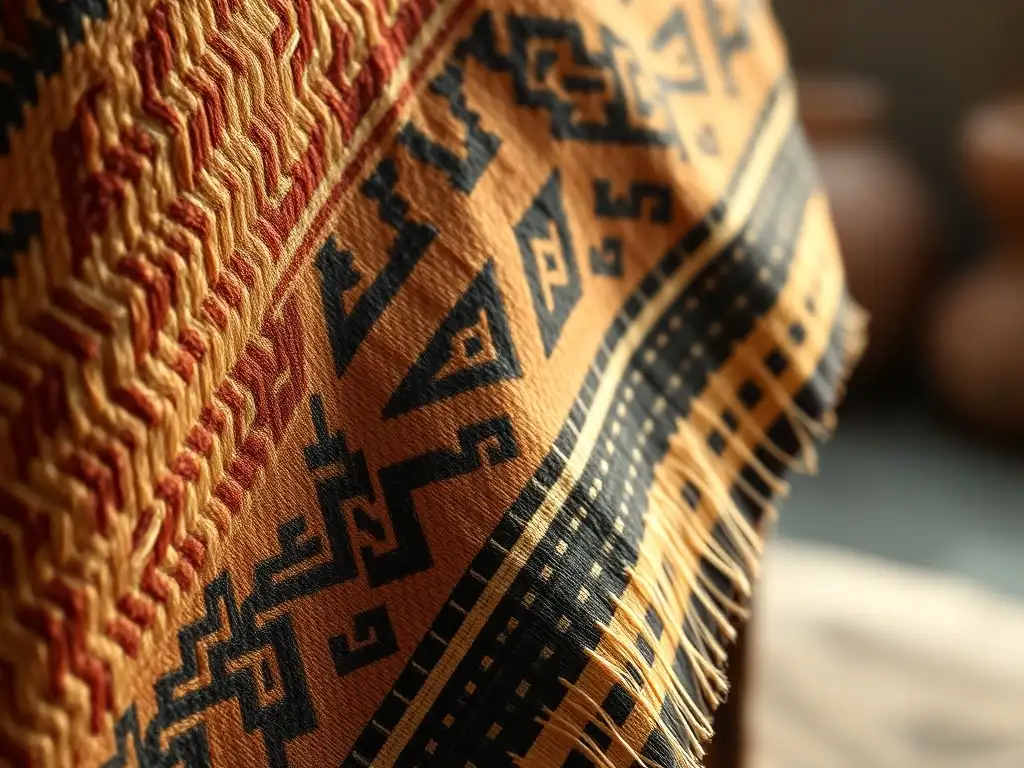
This section delves into the profound and multifaceted influence of Andean art on contemporary design trends. We'll explore how ancient aesthetics, techniques, and symbolism continue to resonate in modern products and artistic expressions, examining both the positive and challenging aspects of this cultural exchange. The enduring appeal of Andean art stems from its vibrant colors, intricate patterns, and deeply symbolic imagery, offering a unique aesthetic vocabulary that designers readily adapt and reinterpret. This analysis will consider the cultural significance, ethical implications, and future trajectory of this influential artistic lineage.
The Cultural Significance of Andean Art in Contemporary Products
The vibrant tapestry of Andean art, encompassing textiles, pottery, and metalwork, continues to inspire modern designers across various disciplines. The use of traditional Andean motifs, such as the khipu (knotted string record-keeping system) or the stylized depictions of animals like the condor and llama, adds a layer of cultural depth and historical resonance to contemporary products.
For example, Andean-inspired patterns are frequently incorporated into clothing designs, home decor textiles, and even jewelry, reflecting a growing appreciation for pre-Columbian aesthetics. This resurgence isn't merely superficial imitation; it often involves a conscious effort to understand and represent the cultural context of the original art.
Preserving Andean Heritage through Modern Design
One significant aspect of the Andean art influence on modern design is its potential for cultural preservation. By incorporating traditional Andean motifs and techniques into contemporary products, designers contribute to keeping these artistic traditions alive and relevant. This is particularly important in a globalized world where indigenous cultures are often marginalized.
The careful replication of ancient techniques, such as the intricate weaving patterns of the Nazca or the detailed ceramic work of the Moche, can help safeguard these valuable artistic skills and knowledge for future generations. Furthermore, the commercial success of Andean-inspired designs can provide economic opportunities for Andean communities involved in the production process.
The Ethical Considerations of Using Andean Imagery
While the incorporation of Andean art into modern design offers numerous benefits, it also raises crucial ethical considerations. The appropriation of cultural symbols without proper understanding or acknowledgment can be deeply disrespectful and harmful. Designers must approach the use of Andean imagery with sensitivity and respect, engaging with Andean communities and seeking their permission and collaboration whenever possible.
This includes understanding the symbolic meaning of the motifs used, avoiding stereotypical representations, and ensuring that the profits generated from the designs benefit the Andean communities whose heritage is being represented. Failure to do so risks perpetuating cultural exploitation and undermining the very traditions it seeks to celebrate.
Promoting Andean Culture in Global Markets
The growing interest in Andean art presents an opportunity to promote Andean culture on a global scale. By incorporating Andean design elements into contemporary products, designers can introduce these artistic traditions to a wider audience, fostering greater understanding and appreciation. This can, in turn, lead to increased tourism to Andean regions, supporting local economies and promoting cultural exchange. However, it's crucial to ensure that this promotion doesn't lead to the commodification of Andean culture, and that the cultural integrity of the designs is maintained. This requires a collaborative approach, involving Andean communities in the design and marketing processes.
The Future of Andean Inspired Design
The influence of Andean art on modern design is not a static phenomenon; it's a dynamic and evolving process. This section explores emerging trends and the role of technology in shaping the future of Andean-inspired design. The increasing accessibility of information and technology is both a challenge and an opportunity for the field.
Emerging Trends in Andean-Inspired Design
Several emerging trends are shaping the future of Andean-inspired design. One notable trend is the integration of sustainable and ethical practices into the design process. This reflects a growing awareness of the environmental and social impact of the fashion and design industries. Designers are increasingly sourcing materials responsibly and working directly with Andean artisans to ensure fair wages and working conditions. Another trend is the fusion of Andean motifs with contemporary design aesthetics, creating innovative and unique products that appeal to a diverse audience. This involves experimenting with new materials, techniques, and interpretations of traditional Andean patterns.
The Role of Technology in Andean Art Replication
Technology plays an increasingly important role in the replication and dissemination of Andean art. Digital tools allow for the precise reproduction of intricate designs and patterns, facilitating the creation of high-quality replicas of ancient artifacts. 3D scanning and printing technologies offer exciting possibilities for preserving and recreating delicate Andean artifacts, making them accessible to a wider audience. However, it's crucial to ensure that these technologies are used responsibly, avoiding the creation of unauthorized copies and respecting the intellectual property rights of Andean communities.
The Importance of Supporting Andean Artisans and Communities
Ultimately, the success of Andean-inspired design hinges on the support of Andean artisans and communities. By ensuring fair wages, ethical sourcing, and collaborative design processes, designers can contribute to the economic empowerment of Andean communities and the preservation of their cultural heritage. Supporting Andean artisans not only helps maintain traditional artistic skills but also ensures that the cultural significance of Andean art is not lost in the process of its adaptation and reinterpretation. This collaborative and respectful approach is vital to ensure that the influence of Andean art on modern design remains a positive and mutually beneficial exchange.
Frequently Asked Questions
How did Andean art influence modern design?
Andean art's impact on modern design is significant. Vibrant colors, geometric patterns, and stylized representations of nature found in textiles, pottery, and metalwork are frequently adapted in contemporary fashion, textiles, and graphic design. This influence reflects a renewed interest in pre-Columbian aesthetics.
What specific Andean cultures most influenced modern design?
The Inca, Moche, Nazca, and Tiahuanaco cultures all significantly contributed. Each civilization had unique artistic styles, impacting various design aspects, from textiles and ceramics to architecture and jewelry. Their distinct aesthetics continue to inspire modern creators.
Can you give examples of Andean art's influence in modern design?
Yes! Many contemporary designers incorporate Inca-inspired textiles into clothing and home decor. Moche pottery's bold imagery influences graphic design and illustration. The Nazca lines' intricate patterns inspire modern geometric designs. And Tiahuanaco's monumental architecture continues to inspire architectural styles.
Are there any modern designers explicitly referencing Andean art?
Numerous contemporary designers consciously draw inspiration from Andean art. Many explicitly cite Andean cultures as sources of inspiration in their work, showcasing a growing appreciation for pre-Columbian artistic heritage in the modern design world. Their work demonstrates the enduring appeal of Andean aesthetics.
Where can I learn more about the connection between Andean art and modern design?
You can explore museums featuring Andean artifacts, consult academic journals focusing on art history and design, and search online for contemporary designers who explicitly mention Andean influences in their work. Several books also delve into this fascinating connection.
Final Reflection: Echoes of the Andes in a Modern World
The vibrant tapestry of Andean art continues to resonate deeply within contemporary design, proving that aesthetic inspiration transcends time and geography. Its enduring influence is not merely a historical curiosity; it's a powerful testament to the timeless beauty and innovative spirit embedded within its forms and techniques. The intricate patterns, bold colors, and symbolic imagery of Andean cultures offer a rich wellspring for designers seeking authenticity and a connection to something larger than themselves.
The enduring legacy of Andean art is profoundly moving. It speaks to the resilience of cultural heritage and its capacity to inspire creativity across millennia. Its impact is evident in everything from textile designs and ceramics to architectural elements and digital art. The way in which these ancient motifs are reinterpreted and reimagined in modern contexts demonstrates both the power of cultural exchange and the enduring appeal of handcrafted artistry. Art washes away from the soul the dust of everyday life.
– Pablo Picasso. This quote, while not directly about Andean art, perfectly captures the cleansing and inspiring power of art's ability to connect us across time and cultures.
Consider the intricate details, the symbolic power, the sheer artistry present in Andean textiles and pottery. Now, imagine incorporating those elements into your own creative endeavors, whether it's through choosing a piece of art for your home, designing a logo, or simply appreciating the beauty of a well-crafted object.
Let the echoes of the Andes inspire you to seek out authenticity, embrace bold creativity, and find beauty in the unexpected connections between past and present. Let the legacy of Andean art enrich your own creative journey and inspire you to create works that will, in turn, resonate with future generations.
Unleash the Beauty of Andean Inspiration Today!
Thank you for exploring the fascinating intersection of Andean art and modern design. You've discovered how these timeless influences continue to shape creative expression. Now, let's put that inspiration to work!
- Create a mood board incorporating your favorite Andean colors and patterns. Let your creativity guide you.
- Share your appreciation for Andean influences in contemporary design with friends and family, or spark a conversation on social media.
- Visit a local art gallery or explore online exhibitions showcasing Andean artists to experience their work firsthand and support their talent.
How will you integrate Andean aesthetics into your life or work?