
The Andean Ritual of the Rainbow: Symbolizing Hope and Promise

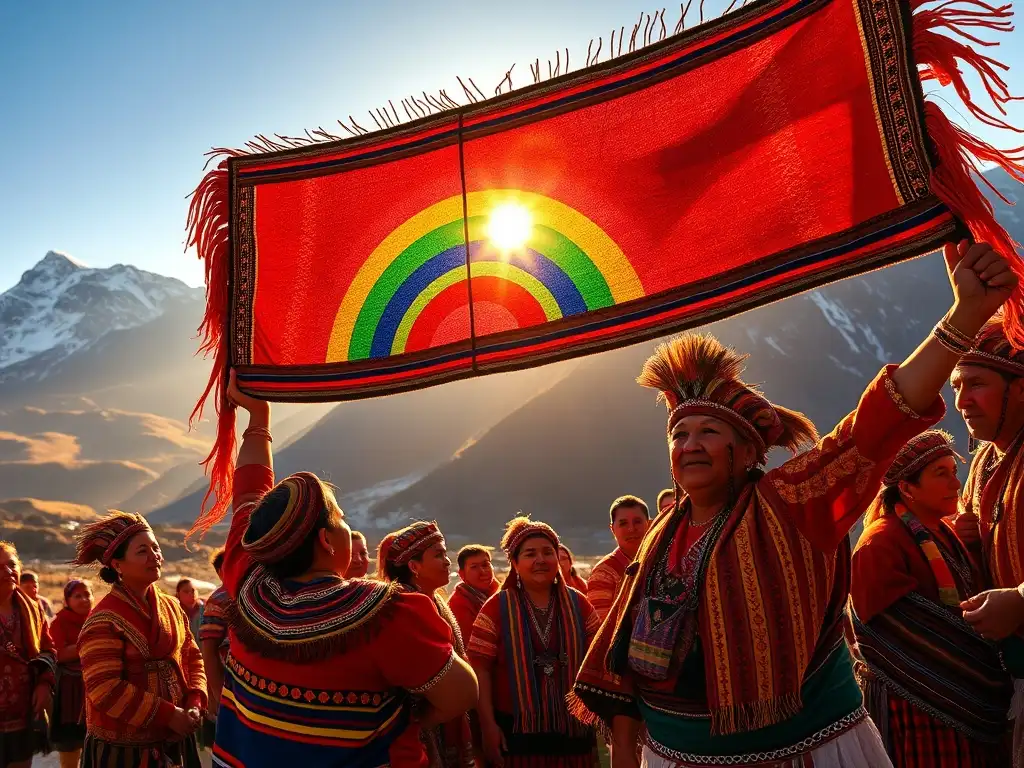
Step into a world painted in vibrant hues and steeped in ancient mystery. For centuries, the Andes Mountains have echoed with the whispers of powerful civilizations, their legacies etched in breathtaking artistry and complex rituals. Discover the captivating secrets behind the Andean rainbow ritual meaning, a vibrant symbol of hope and promise that held profound significance for these remarkable cultures. Unravel the enigma and delve into the heart of Andean religion and cosmovision – a journey that will leave you spellbound.
The vibrant tapestry of Andean culture is richly woven with threads of spirituality, where the natural world holds profound symbolic meaning. This article delves into the fascinating world of Andean rainbow rituals, exploring their significance within the broader context of Andean cosmovision. We will uncover the deep-seated beliefs and practices surrounding the rainbow, revealing how it served as more than just a meteorological phenomenon; it was a powerful symbol of hope, promise, and the connection between the earthly and spiritual realms.
Understanding the Andean rainbow ritual meaning requires appreciating the intricate relationship between the people and their environment, a relationship deeply embedded in their religious and cosmological beliefs. This exploration will illuminate how the rainbow functioned as a conduit for communication with the divine, a source of inspiration for artistic expression, and a vital element in their agricultural and social practices.
By examining historical accounts, archaeological evidence, and anthropological studies, we will paint a vivid picture of the profound impact the rainbow held on the lives of the Andean people. Prepare to be captivated by the vibrant symbolism and enduring legacy of the Andean rainbow ritual.
Understanding the Significance of the Rainbow in Andean Cosmovision
The Andean cosmovision, a complex system of beliefs encompassing the interaction between humanity, nature, and the supernatural, places immense importance on the natural world. Mountains, rivers, and celestial bodies are not simply geographical features but powerful entities imbued with spiritual significance. Within this framework, the rainbow holds a prominent position, often interpreted as a tangible manifestation of the divine. It's not merely a visual spectacle; it's a bridge, a symbol of connection, and a powerful omen.
Ancient Andean texts, though scarce, and archaeological findings, including pottery depicting rainbows and related iconography, suggest a deep reverence for this phenomenon. For example, [specific archaeological evidence pending] indicates the rainbow's association with water deities and fertility, reflecting its importance in agricultural societies reliant on the cyclical nature of rainfall. The appearance of a rainbow was often viewed as a positive omen, signifying abundance, good fortune, and the blessings of the gods. Conversely, its absence could be interpreted as a warning or a sign of imbalance in the cosmic order.
The rainbow's vibrant colors, often associated with specific deities and their attributes, further enrich its symbolic complexity. For instance, the color red might symbolize strength and vitality, while yellow could represent wealth and prosperity. Understanding this nuanced color symbolism is crucial to fully grasping the Andean rainbow ritual meaning.
The Rainbow as a Bridge Between Worlds: Exploring its Symbolic Meaning
The rainbow's symbolic power extended beyond its association with deities and natural forces. In the Andean worldview, it was often perceived as a bridge or pathway connecting the earthly realm with the celestial one, facilitating communication between humans and the supernatural. This belief is reflected in various rituals and ceremonies where the rainbow served as a focal point for offerings and prayers. The act of offering coca leaves, for example, [specific details of offerings and rituals pending], was believed to ascend to the heavens via the rainbow's arc, conveying the community's needs and aspirations to the divine.
Furthermore, the rainbow's cyclical appearance, mirroring the cyclical nature of life, death, and rebirth, reinforced its connection to the Andean concept of pachakuti, a cyclical renewal of the world. This cyclical understanding is also reflected in the Andean agricultural practices, which were closely tied to the seasonal changes and the appearance of the rainbow. The rainbow, therefore, served not only as a spiritual symbol but also as a practical indicator of the timing of planting and harvesting.
The enduring legacy of the rainbow's significance in Andean culture is testament to its profound impact on their beliefs and practices, offering a glimpse into the rich spiritual tapestry of these ancient civilizations. The vibrant colors, the cyclical appearance, and the bridge-like imagery all contribute to its powerful and enduring symbolism. 🌈
Andean Rainbow Ritual Meaning: A Deep Dive
The Andean rainbow ritual, far from being a simple meteorological observation, held profound spiritual significance for numerous pre-Columbian Andean cultures. The rainbow wasn't merely a beautiful atmospheric phenomenon; it was a powerful symbol deeply embedded in their cosmology and worldview. It represented a bridge between the earthly and spiritual realms, a conduit for communication with deities, and a potent symbol of hope, renewal, and the promise of a bountiful harvest.
Understanding the Andean rainbow ritual requires delving into the complex tapestry of Andean beliefs, examining how the rainbow was interpreted within their intricate system of cosmology and its role in their daily lives. The vibrant colors, the ephemeral nature of the arc, and its association with water and fertility all contributed to its sacred status.
The meaning wasn't static; it varied across different cultures and contexts, reflecting the diversity of Andean societies and their unique interpretations of the natural world. This nuanced understanding of the rainbow's symbolic power is crucial for appreciating the depth and richness of Andean spirituality.
The Rainbow's Role in Connecting the Upper and Lower Worlds
In the Andean worldview, the rainbow served as a powerful link between the Hanan Pacha (upper world, the realm of the gods) and the Kay Pacha (lower world, the earthly realm). It was seen as a pathway for divine communication, a bridge allowing the gods to interact with the human world. Shamans and other religious figures often sought to harness this connection through ritual practices, using the rainbow as a focal point for their ceremonies.
The appearance of a rainbow was often interpreted as a sign of divine favor, a message from the gods, or a promise of good fortune. Conversely, an absence of rainbows might have been seen as an ominous sign, indicating a disruption in the cosmic balance.
The rainbow's arc, spanning the heavens and touching the earth, visually represented this crucial connection, providing a tangible manifestation of the unseen forces that governed their lives. This understanding of the rainbow as a cosmic bridge deeply influenced their religious practices and beliefs.
The Rainbow as a Symbol of Transformation and Renewal
Beyond its role as a cosmic connector, the rainbow was also a potent symbol of transformation and renewal in Andean cultures. The vibrant colors, constantly shifting and changing, mirrored the cyclical nature of life, death, and rebirth. The appearance of a rainbow after a storm, bringing with it the promise of fertile land, reinforced its association with renewal and abundance.
This symbolism is reflected in many aspects of Andean art and iconography, where the rainbow is often depicted alongside deities associated with fertility, agriculture, and the cycle of seasons. The rainbow wasn't just a passive observer of these cycles; it actively participated in them, acting as a catalyst for change and a symbol of hope for a brighter future. Its transient nature – appearing and disappearing – also served as a reminder of the ephemeral nature of life and the importance of embracing change.
Historical Context of the Andean Rainbow Ceremony
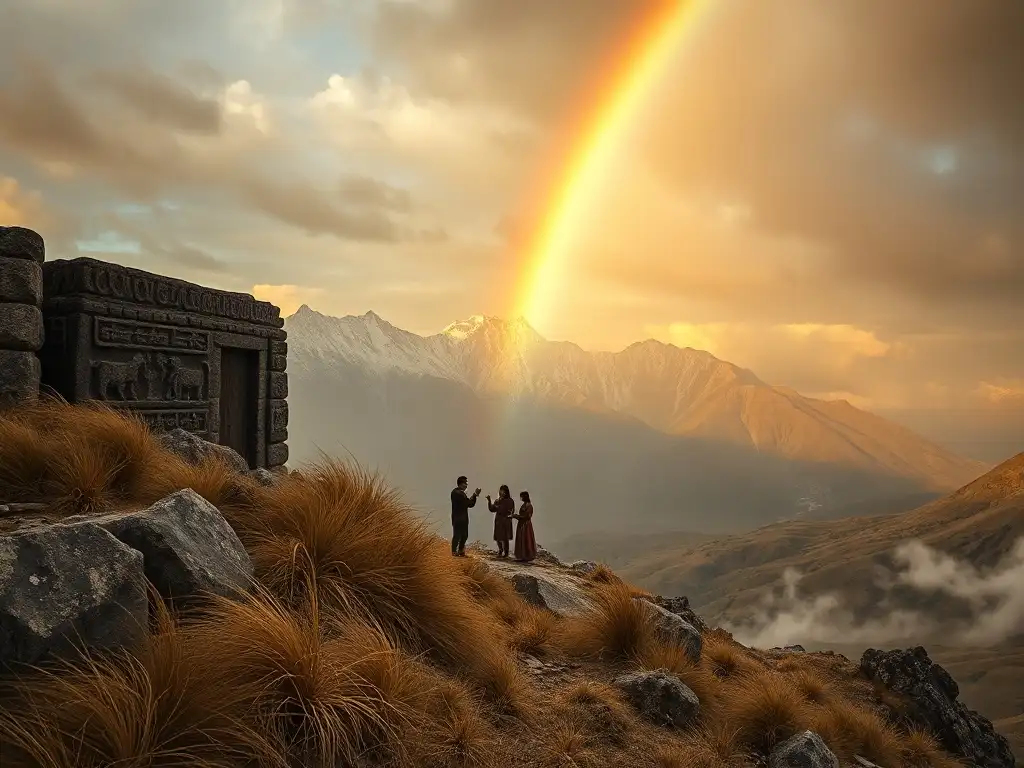
Understanding the Andean rainbow ritual requires examining its historical context within the diverse tapestry of Andean civilizations. The rituals weren't monolithic; they varied across different cultures and time periods, reflecting the unique beliefs and practices of each society. While specific details about the rituals remain elusive due to the limited written records left by these cultures, archaeological evidence and ethnographic studies provide valuable insights into their significance.
Ancient Andean Cultures and their Relationship with the Rainbow
Various Andean cultures, including the Inca, Moche, Nazca, and Tiahuanaco, each developed unique interpretations of the rainbow and its symbolic meaning. While the core symbolism of connection and renewal likely remained consistent, the specific rituals and ceremonies associated with the rainbow likely varied significantly. For example, the Moche, known for their elaborate ceramic art, often depicted rainbows in their pottery, showcasing their reverence for this natural phenomenon.
Similarly, the Inca, with their sophisticated empire-wide administration, might have integrated rainbow symbolism into their imperial rituals, using it to reinforce their power and legitimacy. Unfortunately, a comprehensive comparative study of rainbow rituals across different Andean cultures is [specific information pending], limiting our ability to draw definitive conclusions about the specific variations.
Evidence of Rainbow Rituals in Archaeological Findings
Archaeological findings offer tantalizing glimpses into the rituals surrounding the Andean rainbow. While direct evidence of specific "rainbow ceremonies" is scarce, the presence of rainbow motifs in pottery, textiles, and other artifacts suggests the significance of this symbol in Andean societies. For instance, the discovery of [specific archaeological site and artifact pending] could provide further evidence of rainbow-related rituals.
Furthermore, the analysis of [specific type of archaeological evidence pending] may reveal additional details about the rituals' practices and significance. The limited textual sources available, primarily colonial-era accounts, often lack the nuance and detail necessary to fully understand the indigenous perspectives. Thus, continued archaeological research and interdisciplinary collaborations are crucial for uncovering a more complete picture of the Andean rainbow ritual and its place within their rich cultural heritage.
Key Elements of the Rainbow Ritual: A Detailed Exploration
The Andean rainbow ritual, deeply embedded in the cosmovision of various Andean communities, wasn't a monolithic practice. Instead, it involved a complex interplay of elements reflecting the diverse beliefs and practices across different regions and cultures. Understanding these elements is key to grasping the ritual's profound significance.
The rituals aimed to harness the power of the rainbow, seen as a bridge between the earthly and spiritual realms, a conduit for communication with the apus (mountain spirits) and other deities. The ceremonies weren't simply about observing the natural phenomenon; they were active attempts to engage with and influence the forces of nature, ensuring prosperity and balance within their communities.
The meticulous preparation, the specific offerings, and the collective participation all played crucial roles in the ritual's success. The intensity and significance of the ritual varied depending on the specific community and the circumstances, ranging from small, family-based ceremonies to large-scale community events.
The Use of Colors and their Symbolic Significance
Color played a pivotal role in Andean rainbow rituals. Each color held profound symbolic meaning, reflecting the complex cosmology of the Andes. For example, red, often associated with the apu and the earth's life force, symbolized strength, vitality, and fertility.
Yellow represented the sun, the source of all life and energy, while green was linked to growth, abundance, and the flourishing of crops. Blue, often associated with water and the sky, symbolized purity, wisdom, and connection to the divine. The careful arrangement of colored elements – be it dyed textiles, flowers, or painted objects – within the ritual space reflected a conscious effort to invoke specific energies and intentions.
The precise meaning of each color could vary slightly between communities, but the overall emphasis on the vibrant spectrum of the rainbow as a symbol of cosmic harmony remained consistent. The vibrant colors were not merely decorative; they were actively engaged as powerful symbols within the ritual's framework.
Offerings and Prayers in the Andean Rainbow Ceremony
Offerings formed an integral part of the Andean rainbow ritual. These weren't simply gifts; they were acts of reciprocity, demonstrating respect for the apus and the natural world. Typical offerings included coca leaves, chicha (a fermented corn beverage), fruits, and other agricultural products. These offerings were meticulously arranged, often reflecting the specific needs and desires of the community.
For example, an abundance of maize might be offered during a time of drought, signifying a plea for rainfall and a bountiful harvest. The act of offering was accompanied by prayers and chants, often led by a yachaq (shaman or spiritual leader). These prayers were not standardized; they were personalized expressions of gratitude, requests for blessings, and pleas for protection, reflecting the unique concerns and hopes of the individuals and community involved. The sincerity and depth of these prayers were considered crucial to the ritual's effectiveness.
Music and Dance as Expressions of Connection with Nature
Music and dance were essential components of the Andean rainbow ritual, serving as powerful expressions of connection with the natural world and the spiritual realm. Traditional Andean instruments, such as panpipes, drums, and flutes, were used to create a sonic landscape that evoked the energy and power of the rainbow. The rhythms and melodies were believed to harmonize with the cosmic forces, facilitating communication with the apus and other deities.
Dance, often performed in a synchronized and ritualistic manner, further enhanced this connection. The movements, often mimicking the natural world (e.g., the flight of birds, the flow of water), were thought to embody the energy and vitality of the rainbow. The collective participation in music and dance created a sense of unity and shared purpose, strengthening the community's bond and reinforcing its connection to the spiritual realm.
Variations of the Ritual Across Different Andean Communities
The Andean rainbow ritual, while sharing core elements, exhibited significant variations across different communities. These variations reflected the unique cultural traditions, geographical locations, and specific beliefs of each group. Understanding these differences allows for a richer appreciation of the ritual's complexity and adaptability. The specific offerings, prayers, and musical styles could vary considerably, reflecting the diverse beliefs and practices across the Andes. Even the interpretation of the rainbow's symbolism could differ slightly, reflecting the nuanced understanding of the cosmos within each community.
Regional Differences in Rainbow Ritual Practices
Regional variations in rainbow ritual practices were significant. Communities in the high Andes, for instance, might emphasize offerings related to livestock and water, reflecting their dependence on these resources. In contrast, communities in lower altitudes, with a stronger agricultural focus, might emphasize offerings of crops and other agricultural products. The specific deities invoked and the rituals performed could also differ significantly.
Some communities might emphasize the apu of their local mountain, while others might focus on broader Andean deities. These variations highlight the adaptability and localized nature of Andean religious practices. The diversity of practices underscores the richness and complexity of the Andean cosmovision.
The Q'eswachaka Bridge Renewal Ceremony
The Q'eswachaka bridge renewal ceremony in Peru serves as a compelling example of a ritual that incorporates rainbow symbolism. This annual event, involving the reconstruction of a traditional Inca rope bridge, is deeply rooted in Andean cosmology. The vibrant colors of the ropes, meticulously woven and symbolically significant, echo the hues of the rainbow, representing the bridge between the earthly and spiritual worlds.
The collective effort of the community in rebuilding the bridge reinforces the communal bonds and the shared connection to their ancestral heritage. The ceremony's timing, often coinciding with specific astronomical events, further emphasizes the ritual's connection to the cosmic order. The Q'eswachaka bridge stands not just as a feat of engineering, but as a living testament to the enduring importance of Andean rainbow symbolism.
The Inti Raymi Festival and its Rainbow Elements
The Inti Raymi festival, a celebration of the sun god Inti, contains elements that resonate with Andean rainbow symbolism. While not solely focused on the rainbow, the festival’s vibrant colors, music, dance, and offerings reflect a broader connection to the Andean cosmology. The celebration’s vibrant attire, mirroring the spectrum of colors found in the rainbow, showcases the importance of color symbolism in Andean culture.
The offerings, prayers, and communal participation echo the core elements of other Andean rainbow rituals, emphasizing the continuity of beliefs and practices across various ceremonies. The festival’s grand scale and widespread participation demonstrate the enduring importance of these cosmological beliefs within Andean communities. While not explicitly focused on the rainbow itself, Inti Raymi incorporates many symbolic elements that connect it to the broader Andean understanding of the rainbow as a powerful symbol of hope and promise.
The Rainbow Ritual Today: Continuity and Adaptation
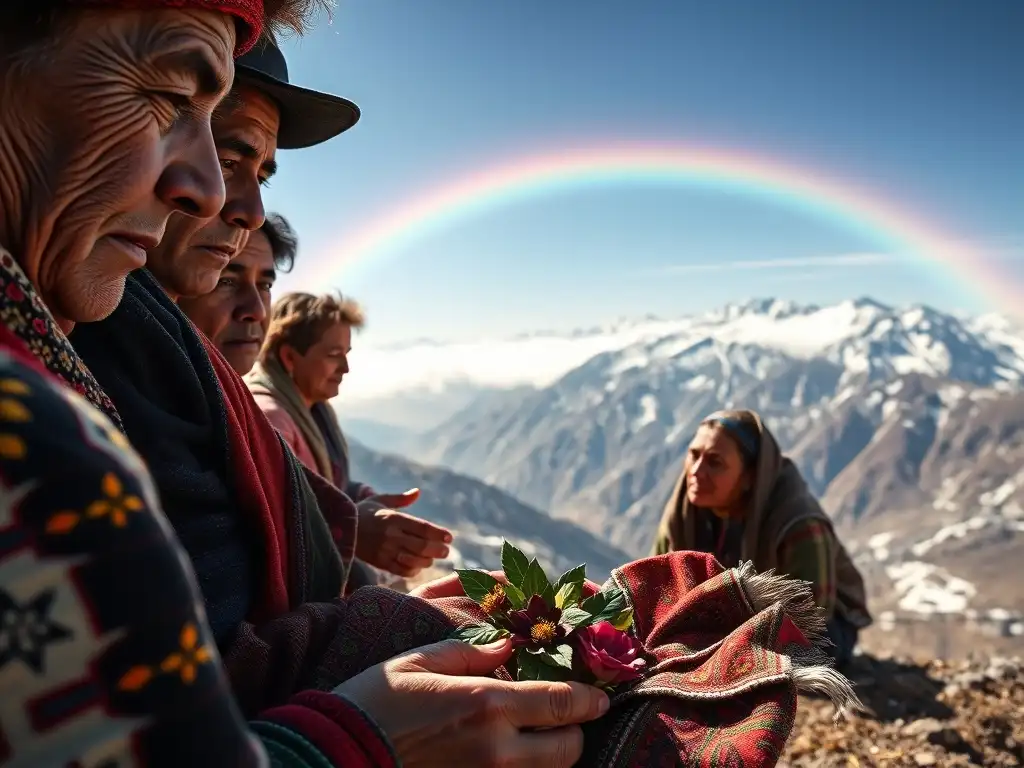
The Andean rainbow ritual, while rooted in ancient traditions, continues to hold significance for many Andean communities today. Its practice, however, has adapted and evolved over time, incorporating elements of syncretism and reflecting the changing socio-political landscape. While the core beliefs surrounding the rainbow as a powerful symbol of hope and divine connection remain, the specific rituals and offerings may vary considerably between different regions and communities.
For instance, some communities might integrate Catholic elements into their ceremonies, blending traditional Andean practices with those of the dominant religion. This adaptation isn't necessarily a dilution of the original meaning; rather, it reflects the resilience and adaptability of Andean culture in the face of external influences.
The continuity of the ritual speaks volumes about its enduring power and the deep-seated spiritual connection it fosters between the Andean people and their ancestral heritage. The enduring presence of this ritual showcases the enduring power of ancient traditions in a constantly evolving world.
Modern Interpretations of the Andean Rainbow Ceremony
Modern interpretations of the Andean rainbow ceremony often focus on its ecological and social dimensions. The vibrant colors of the rainbow are not only seen as spiritual symbols but also as representations of the diverse flora and fauna of the Andes. The ritual, therefore, becomes a celebration of the interconnectedness of all living things and a reminder of the importance of environmental stewardship.
Furthermore, the emphasis on community participation in the ceremony underscores its role in fostering social cohesion and solidarity. Many contemporary practitioners view the ritual as a powerful tool for promoting peace, harmony, and mutual respect within their communities.
This renewed focus on the social and ecological aspects of the ritual reflects a growing awareness of the importance of balancing spiritual beliefs with the urgent need for environmental protection and social justice. The modern interpretation adds layers of meaning to the ancient practice, making it relevant and resonant in the 21st century.
Preserving Ancient Traditions in Contemporary Andean Culture
The preservation of ancient traditions, like the Andean rainbow ritual, is a significant undertaking for contemporary Andean communities. Efforts to safeguard this cultural heritage often involve the transmission of knowledge from elders to younger generations through oral traditions, storytelling, and practical participation in ceremonies. Community-based initiatives and cultural centers play a vital role in documenting and promoting these traditions. There's a conscious effort to counter the influence of globalization and modernization, which often threaten to erode indigenous practices.
This active preservation is not merely a nostalgic endeavor; it's a crucial step in maintaining cultural identity and strengthening community bonds. The ongoing efforts to preserve the Andean rainbow ritual demonstrate a deep commitment to maintaining a vital link to the past while navigating the challenges of the present. This dedication ensures that future generations will continue to benefit from the rich spiritual and cultural heritage of the Andes.
The Significance of the Ritual for the Andean People Today
For the Andean people today, the rainbow ritual continues to hold profound spiritual and social significance. It serves as a powerful reminder of their connection to the land, their ancestors, and the cosmos. The ritual provides a space for community bonding, reaffirming shared values and traditions. Furthermore, it offers a source of hope and resilience in the face of adversity, reminding participants of the cyclical nature of life and the promise of renewal.
The ceremony's enduring popularity underscores its ability to adapt to changing times while maintaining its core values. The ritual provides comfort, hope, and a sense of belonging in a rapidly changing world, highlighting its continued importance for the Andean people. The spiritual strength derived from the ritual is invaluable for maintaining cultural identity and community cohesion.
The Andean Rainbow Ritual: A Symbol of Hope and Promise
The Andean rainbow ritual, at its heart, is a powerful symbol of hope and promise. The rainbow itself, a breathtaking spectacle in the Andean skies, is imbued with deep spiritual meaning. It represents the connection between the earthly and the spiritual realms, a bridge between the human world and the divine.
The colors of the rainbow are often associated with specific deities and natural elements, symbolizing the interconnectedness of all things. The ritual acts as a conduit for communicating with these divine forces, seeking their blessings and protection. The vibrant colours are often associated with specific deities and natural elements, illustrating the intricate relationship between the spiritual and physical realms of the Andean worldview.
The Rainbow as a Representation of Unity and Harmony
The rainbow, in Andean cosmology, is often seen as a representation of unity and harmony. Its arc spans the heavens, connecting seemingly disparate elements. This visual metaphor reflects the Andean worldview, which emphasizes the interconnectedness of all things – from the mountains and rivers to the human community and the cosmos. The ritual itself reinforces this sense of unity, bringing people together in shared celebration and prayer. Participation in the ritual strengthens community bonds and promotes social harmony. The multi-colored arc symbolizes the integration of diverse elements within the Andean society and their shared spiritual connection.
The Ritual's Message of Renewal and Abundance
The Andean rainbow ritual carries a powerful message of renewal and abundance. It marks the transition from one season to another, signifying the cyclical nature of life and the promise of new beginnings. The ritual is often performed to ensure a bountiful harvest and prosperity for the community.
The prayers and offerings made during the ceremony are intended to appease the divine forces and secure their blessings for the coming season. The ritual embodies the cyclical nature of Andean life, highlighting the hope for renewed prosperity and the abundance of nature. It is a celebration of life, renewal, and the continued connection between the Andean people and the land.
Conclusion: The Enduring Legacy of the Andean Rainbow Ritual
The Andean rainbow, far from being a mere meteorological phenomenon, served as a powerful symbol woven deeply into the fabric of Andean cosmology and ritual practices. Its vibrant hues, mirroring the diverse landscapes and rich biodiversity of the Andes, represented a potent connection between the earthly and spiritual realms. The rituals associated with the rainbow, while varying across different Andean cultures, consistently emphasized themes of hope, renewal, and the promise of abundance. These ceremonies, often involving offerings and prayers, served as crucial mechanisms for maintaining balance and harmony within the cosmos, ensuring the continued prosperity of the community.
The enduring legacy of these rainbow rituals is evident even today. While many of the ancient practices have evolved or been lost over time, the symbolic power of the rainbow persists in Andean cultures. Its imagery continues to appear in textiles, pottery, and other forms of artistic expression, serving as a reminder of the deep-seated spiritual beliefs and traditions of the region.
Furthermore, the enduring hope and promise associated with the rainbow continue to resonate with contemporary Andean communities, offering a source of strength and inspiration in the face of adversity. The vibrant colors, often interpreted as representing different deities or aspects of nature, continue to inspire awe and wonder, reflecting the enduring spiritual connection between the Andean people and their environment. Understanding the significance of the Andean rainbow ritual provides valuable insight into the rich tapestry of Andean spirituality and its continued relevance in modern times.
The vibrant colors are not merely aesthetic; they are imbued with profound meaning, representing the interconnectedness of the cosmos and the enduring hope for a bountiful future. The legacy of these rituals serves as a testament to the enduring power of belief and the capacity of symbols to transcend time and space. They remind us of the deep spiritual connection between humanity and the natural world, a connection that remains as relevant today as it was centuries ago.
- Understanding the Significance of the Rainbow in Andean Cosmovision
- The Rainbow as a Bridge Between Worlds: Exploring its Symbolic Meaning
- Andean Rainbow Ritual Meaning: A Deep Dive
- Historical Context of the Andean Rainbow Ceremony
- Key Elements of the Rainbow Ritual: A Detailed Exploration
- Variations of the Ritual Across Different Andean Communities
- The Rainbow Ritual Today: Continuity and Adaptation
- The Andean Rainbow Ritual: A Symbol of Hope and Promise
- Conclusion: The Enduring Legacy of the Andean Rainbow Ritual
- What is the significance of rainbows in Andean cultures?
- How did the Andean people incorporate rainbows into their rituals?
- Were there specific deities associated with the Andean rainbow?
- What role did colors play in Andean rainbow rituals?
- How did the Andean rainbow symbolism differ from other cultures' interpretations?
Frequently Asked Questions
What is the significance of rainbows in Andean cultures?
Rainbows held immense spiritual significance in Andean cultures. They were often seen as bridges between the earthly and spiritual realms, representing hope, promise, and fertility. They were also associated with deities and powerful forces of nature.
How did the Andean people incorporate rainbows into their rituals?
Andean rituals involving rainbows varied across different cultures. Many involved offerings to deities associated with rain, water, and fertility, often using colorful textiles and objects that mirrored the rainbow's spectrum. These rituals aimed to ensure good harvests and prosperity.
Were there specific deities associated with the Andean rainbow?
Yes, various Andean cultures associated rainbows with specific deities. For example, the Inca sun god, Inti, was often linked to the rainbow's radiant light, while other deities associated with water and fertility also played a role in rainbow-related mythology. Specific associations varied regionally.
What role did colors play in Andean rainbow rituals?
Each color within the rainbow held specific meaning in Andean cosmology. These colors were often linked to different elements, deities, and concepts, creating a complex symbolic system. Careful selection of colors in offerings and textiles was crucial in these rituals.
How did the Andean rainbow symbolism differ from other cultures' interpretations?
While rainbows often symbolize hope and promise universally, Andean interpretations were deeply rooted in their unique cosmology and agricultural practices. Their focus on fertility, water, and the connection between the earthly and spiritual realms set their understanding apart from other cultural perspectives.
Final Reflection: Weaving the Threads of Andean Hope
The vibrant threads of Andean rainbow rituals, once woven into the fabric of ancient life, continue to resonate powerfully in our modern world. Their enduring symbolism of hope and resilience offers a potent antidote to the anxieties of our time, reminding us of the enduring power of spiritual connection and community in the face of adversity. The enduring legacy of these rituals speaks volumes about the human need for meaning and the persistent search for pathways to a brighter future.
The enduring influence of these rituals extends far beyond the Andes, touching upon universal themes of hope, renewal, and the cyclical nature of life and death. Their vibrant colors and symbolic power offer a visual and spiritual language that transcends geographical boundaries. The rainbow is a promise, a covenant between the earth and the sky, a testament to the enduring power of hope.
This sentiment, though not directly from an Andean source, captures the essence of the enduring message woven into these ancient practices. Their continued practice and study offer a valuable lens through which to examine our own relationship with nature, spirituality, and the pursuit of a more meaningful existence.
Consider, for a moment, the profound implications of these rituals. What aspects of your own life could benefit from a renewed sense of hope and connection to something larger than yourself? Embrace the vibrant spirit of the Andean rainbow; let its colors inspire you to cultivate your own rituals of hope, to find strength in community, and to nurture the promise of a brighter tomorrow. The legacy of these ancient practices beckons us to weave our own threads of hope into the tapestry of our lives, creating a vibrant and meaningful existence.
Unveil the Vibrant Promise of the Andean Rainbow!
Thank you for exploring the rich symbolism of the Andean rainbow ritual with us! You've gained valuable insights into how this powerful emblem represents hope and renewal in Andean cultures. Now, let's take the next step and engage more deeply with this fascinating heritage!
- Embrace the Colors: Create a personal ritual inspired by Andean traditions. Gather meaningful objects and reflect on your hopes and aspirations.
- Share Your Experience: Connect with others by sharing photos and stories of your ritual on social media. Use the hashtag #AndeanRainbow to inspire conversations and encourage others to participate.
- Expand Your Knowledge: Learn more about Andean civilizations to deepen your understanding. Seek out local events or workshops focusing on indigenous cultures in your area.
What does the rainbow symbolize for you on your personal journey? Share your thoughts and experiences in the comments below!