
The Oracles of the Andes: Seeking Guidance from Priests and Sacred Sites

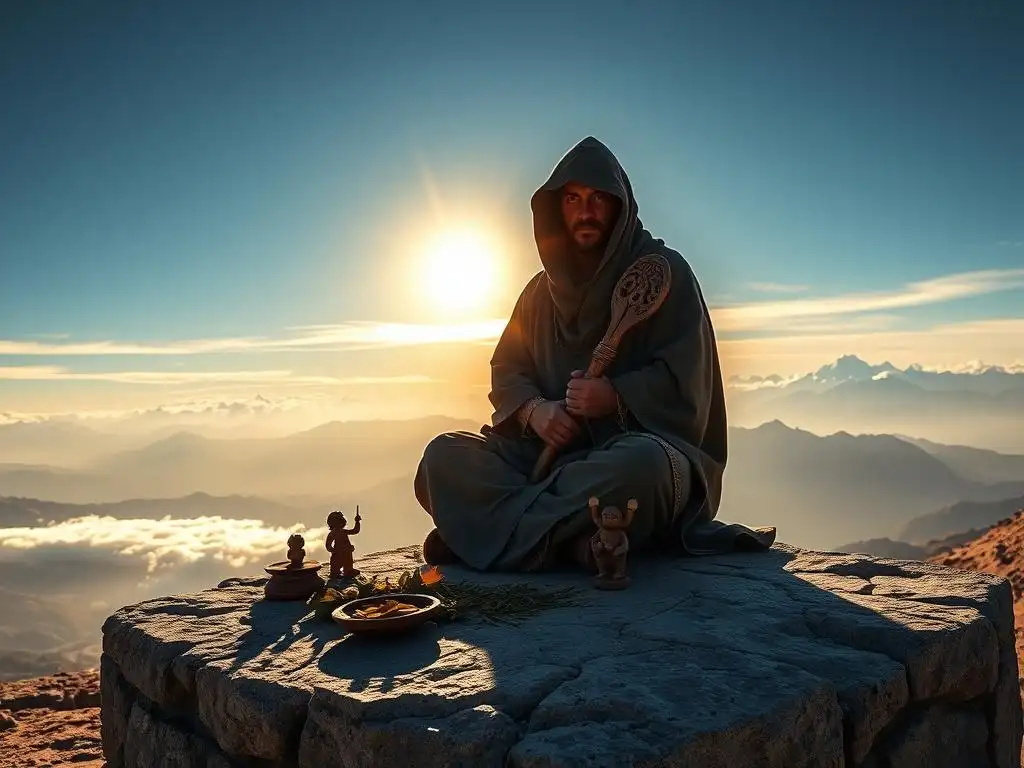
Unravel the mysteries of the Andes! For centuries, the towering peaks and sacred valleys echoed with the pronouncements of Andean oracle priests. Their predictions, woven into the very fabric of Andean society, shaped destinies and influenced empires. Dare to journey with us as we explore the intricate world of Andean religion and uncover the secrets behind these powerful pronouncements – discover the fascinating truth behind Andean oracle priest predictions and the enduring legacy they left behind.
The Andes Mountains, a spine of towering peaks stretching along the western coast of South America, were not merely a geographical feature to the ancient civilizations that thrived there. They were a living, breathing entity, a sacred landscape imbued with spiritual power.
For the Incas, Moche, Nazca, and Tiahuanaco, and numerous other Andean cultures, understanding the will of the gods and navigating the complexities of life relied heavily on the interpretations of specialized priests and the pronouncements made at sacred sites. This article delves into the fascinating world of Andean oracles, exploring the methods used by these priest-seers to predict the future, interpret divine messages, and guide their communities through both prosperity and adversity.
We will examine how their predictions influenced daily life, major decisions, and the very fabric of Andean society, focusing on the key role they played in shaping the beliefs and practices surrounding "Andean oracle priest predictions." Understanding their practices sheds light on the profound spiritual depth and intricate social structures of these remarkable civilizations.
The Role of Andean Priests in Society
Andean priests, often referred to as hamacs or paqos depending on the specific culture, held positions of immense power and influence within their communities. They were not simply religious figures; they were also often advisors to rulers, healers, and interpreters of natural phenomena.
Their knowledge of astronomy, agriculture, and medicinal plants, combined with their purported ability to communicate with the spirit world, made them indispensable to the functioning of Andean society. Their expertise was sought after for a wide range of purposes, from predicting agricultural yields and the success of military campaigns to providing guidance on personal matters and resolving disputes.
The precise methods employed varied across different cultures, but a common thread was the emphasis on ritual, divination, and the interpretation of omens. Detailed records of their practices, unfortunately, are scarce due to the destruction of many primary sources after the Spanish conquest; however, archaeological evidence and surviving accounts offer valuable insights into their significant role.
Methods of Divination and Prophecy
The Andean oracle priests employed a variety of techniques to gain insight into the future and the will of the gods. These methods often involved meticulous observation of natural phenomena, such as the movement of stars and constellations, the behavior of animals, and the patterns of weather. They also utilized various tools and objects in their divination practices.
For example, the use of coca leaves for divination, ichhu (a type of Andean grass), and other sacred objects was common. These priests would carefully arrange and interpret the patterns formed by these objects, seeking meaning in their seemingly random arrangements.
Furthermore, they often incorporated elements of sacrifice, both animal and sometimes human (though this was far less prevalent than often portrayed), to appease the gods and ensure accurate predictions. These practices were deeply embedded in the cosmological beliefs of the Andean world, reflecting a profound understanding of the interconnectedness between the human and spiritual realms.
Interpreting the Oracle's Message: Impact on Daily Life
The predictions and interpretations provided by Andean oracle priests had a profound impact on the daily lives of individuals and communities alike. Agricultural cycles were often dictated by their pronouncements, influencing planting and harvesting times. Important decisions regarding warfare, trade, and infrastructure projects were frequently made based on their guidance. Even personal matters, such as marriage and childbirth, were often influenced by the advice of these spiritual leaders.
The authority of the priests stemmed not only from their perceived connection to the supernatural but also from their intimate knowledge of the social and political landscape. Their ability to interpret omens and foresee potential challenges allowed them to guide their communities towards stability and prosperity, reinforcing their crucial role in Andean society. This intricate interplay between spiritual guidance and practical decision-making exemplifies the holistic nature of Andean culture and the profound influence of "Andean oracle priest predictions" on its development.
The Legacy of Andean Oracles
The legacy of Andean oracle priests continues to resonate today. While the specific practices may have evolved, the fundamental belief in the power of divination and the importance of seeking spiritual guidance persists in many Andean communities. The enduring influence of these ancient traditions highlights the profound spiritual and cultural richness of the Andean world and the enduring impact of their unique methods of understanding and interacting with the cosmos.
Further research is needed to fully uncover the complexity and diversity of Andean oracle practices, but the available evidence already reveals a sophisticated system of belief and practice that played a central role in shaping the history and culture of these remarkable civilizations. The study of "Andean oracle priest predictions" offers a fascinating glimpse into a world where the spiritual and the material were inextricably intertwined.
- The Role of Andean Priests in Society
- Methods of Divination and Prophecy
- Interpreting the Oracle's Message: Impact on Daily Life
- The Legacy of Andean Oracles
Understanding Andean Oracle Practices
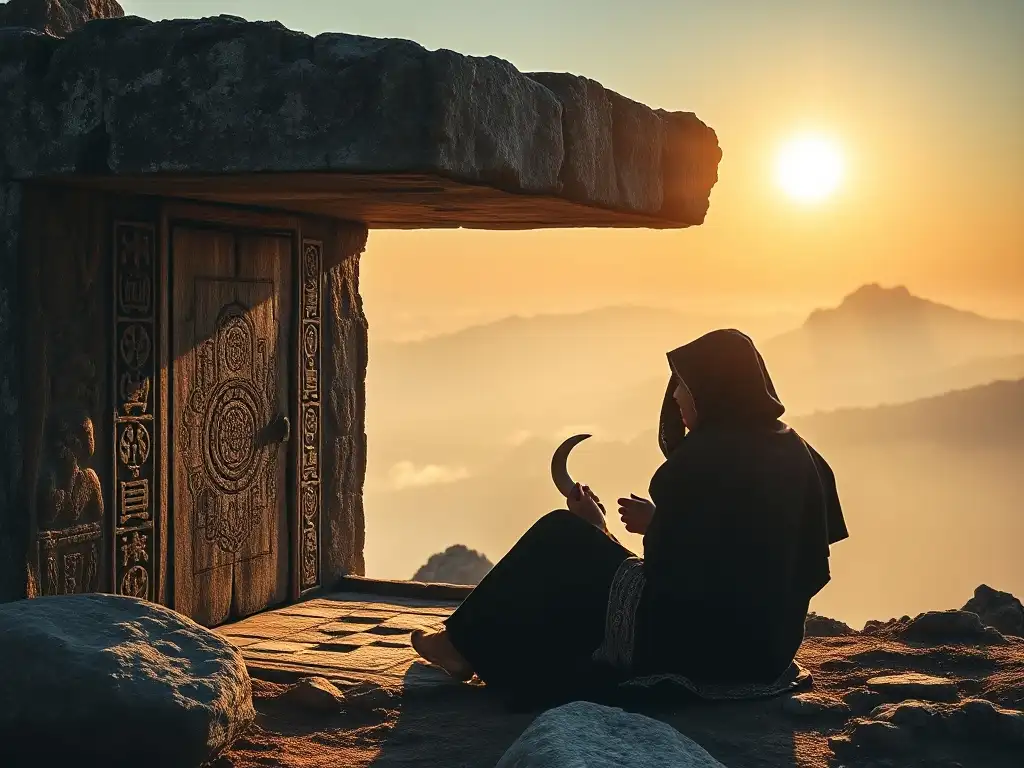
This section delves into the fascinating world of Andean oracle practices, exploring the methods employed by priests and the significance of sacred sites in seeking guidance and predictions. Understanding these practices offers a crucial insight into the complex religious and societal structures of Andean civilizations. The term "Andean oracle priest predictions" encapsulates the core of this exploration, highlighting the central role played by priestly figures in interpreting the divine will and shaping the lives of their communities.
The Role of Priests in Andean Societies
Andean priests, often referred to as paqos or yachaywasi, held positions of immense power and influence within their societies. They weren't simply religious figures; they were integral parts of the social fabric, acting as intermediaries between the human and spiritual realms. Their expertise extended beyond religious rituals; they were often consulted on matters of governance, agriculture, and warfare. Their predictions, based on intricate rituals and interpretations of natural phenomena, guided crucial decisions affecting entire communities.
The training of these priests was rigorous and lengthy, often involving years of apprenticeship under experienced masters. This apprenticeship involved not only mastering complex religious rituals but also developing a deep understanding of Andean cosmology, astronomy, and herbalism. Their knowledge was considered invaluable, making their predictions highly sought after and deeply respected. The accuracy of their predictions, while difficult to objectively assess from a modern perspective, undoubtedly contributed to their authority and the enduring belief in their abilities. We can infer their importance from the archaeological evidence of lavish burial sites and the prominence of priestly figures in iconography.
Sacred Sites as Centers of Divination
Many sacred sites across the Andes served as focal points for divination and oracle practices. These weren't simply places of worship; they were locations imbued with spiritual power, believed to be conduits for communication with the divine. Examples include mountain peaks ( apus), caves, springs, and specific geographic formations. These sites often featured intricate architectural designs, reflecting a deep understanding of astronomy and the cosmos.
The choice of location for divination wasn't arbitrary. Certain sites were associated with specific deities or spirits, and the selection of a site would depend on the nature of the question or the type of prediction sought. Rituals performed at these locations often involved offerings, prayers, and the use of divination tools such as coca leaves, llama bones, or intricate knotted cords ( quipus).
The interpretation of these tools, guided by the priest's expertise, provided the basis for the oracle's predictions. The layout and orientation of these sites often suggest a deliberate attempt to align with celestial events, reinforcing the link between the earthly and cosmic realms in Andean divination. For example, [specific details on a particular site and its astronomical alignments pending].
The Importance of Prophecy in Andean Life
Prophecy played a vital role in shaping Andean life, influencing decisions ranging from agricultural practices to military campaigns. The ability to foresee potential events, whether favorable or unfavorable, allowed communities to prepare for challenges and capitalize on opportunities. Andean oracle priest predictions weren't simply about predicting the future; they served as a mechanism for maintaining social order and ensuring the well-being of the community.
The predictions weren't always straightforward; they often required careful interpretation and contextualization within the broader Andean worldview. The priests acted as interpreters, translating the often-ambiguous messages from the divine into practical guidance for the community. This interpretive role further solidified their position of authority and influence.
The importance of prophecy is evident in the rich corpus of Andean mythology and folklore, which is replete with stories of divine intervention and prophetic visions. The integration of prophecy into daily life underscores its significance in Andean society's structure and functioning. The impact of these predictions on decision-making processes, from planting cycles to political alliances, requires further research, but the available evidence strongly suggests their profound influence on Andean societies.
Types of Andean Oracle Priests
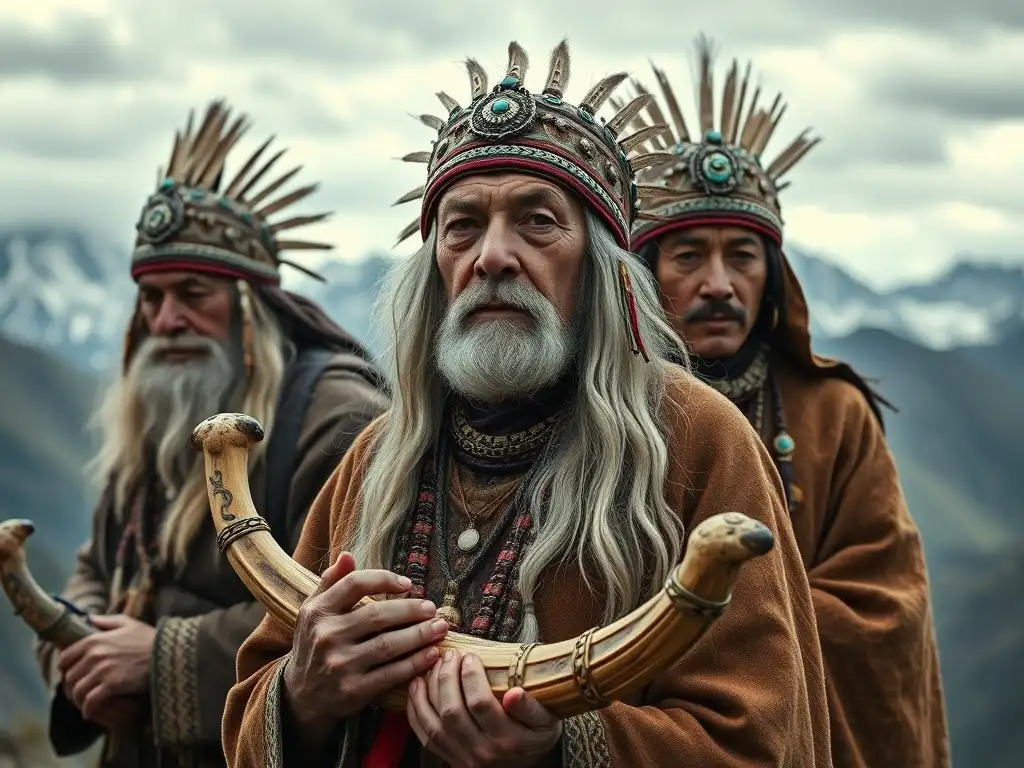
The Andean world, rich in spiritual practices and beliefs, relied heavily on the guidance provided by various types of oracle priests. These individuals, far from being monolithic figures, held distinct roles and employed diverse methods to interpret the will of the gods and predict the future. Understanding these differences provides a richer appreciation for the complexity of Andean religious life and the nuances of Andean oracle priest predictions. The most prominent types included the Yachaq, the Paqo, and the Amauta, each possessing unique skills and responsibilities.
The Yachaq: Interpreters of Signs and Omens
The Yachaq were highly respected figures, known primarily for their ability to interpret signs and omens. Unlike the Paqo who focused on direct communication with the spirit world, the Yachaq meticulously observed the natural world, searching for clues to unravel the future. Their expertise encompassed a wide range of phenomena: the flight patterns of birds, the behavior of animals, the configurations of stars, and even the patterns of coca leaves. The Yachaq's predictions were often grounded in a deep understanding of Andean cosmology and the intricate relationships between the human and natural worlds.
Their interpretations were not simply random guesses; they were based on years of study and meticulous observation. They possessed an encyclopedic knowledge of traditional lore, enabling them to connect seemingly disparate events into a coherent narrative. For instance, the unusual chirping of a particular bird species at dawn might, in the context of a recent drought, be interpreted by a Yachaq as a sign of impending famine, prompting the community to take preventative measures.
The accuracy of their predictions, built on careful analysis and existing knowledge, solidified their position within the community. Their role extended beyond mere prediction; they provided valuable insights for navigating the complexities of Andean life. The Yachaq's ability to decipher the subtle language of the natural world underscored the Andean belief in the interconnectedness of all things.
The Paqo: Connectors to the Spirit World
In contrast to the Yachaq, the Paqo were known for their ability to directly communicate with the spirit world. They served as intermediaries between the human realm and the Andean pantheon, acting as conduits for divine messages and guidance. Their practices involved shamanistic techniques, including altered states of consciousness, to access spiritual realms and receive prophecies. The Paqo's predictions, often delivered through trance states or ritualistic practices, were considered powerful and authoritative.
The Paqo's role was crucial in times of crisis, offering guidance during periods of drought, disease, or conflict. They would perform elaborate rituals, using coca leaves, hallucinogenic plants, and other sacred objects to establish contact with spiritual entities. The information they relayed wasn't always straightforward; it often required interpretation and analysis by community elders.
Their predictions were highly valued because they offered direct insights into the divine will, providing a sense of direction and hope in uncertain times. The Paqo weren't merely prophets; they were healers, mediators, and spiritual leaders, playing a central role in maintaining the social and spiritual fabric of Andean society. The power of their Andean oracle priest predictions stemmed from their perceived ability to access and interpret divine communication.
The Amauta: Guardians of Ancient Knowledge and Prophecies
The Amauta occupied a unique position within Andean society. Unlike the Yachaq and Paqo who focused on immediate predictions, the Amauta were custodians of ancient knowledge and prophecies. They were learned scholars and teachers, deeply versed in Andean history, mythology, and cosmology. Their understanding of these traditions allowed them to interpret historical events and ancient texts, drawing parallels to contemporary situations and offering insights into the future.
Their predictions were often less concerned with immediate events and more focused on long-term trends and cyclical patterns. They served as living repositories of knowledge, preserving and transmitting ancient prophecies that offered a framework for understanding the present and anticipating the future. The Amauta's role transcended simple prediction; they provided context and meaning, helping communities understand their place within the larger historical and cosmic narrative.
The Amauta's predictions, rooted in a deep understanding of Andean history and tradition, offered a sense of continuity and perspective, guiding communities through periods of change and uncertainty. Their wisdom, passed down through generations, ensured the preservation and continuity of Andean culture and beliefs. The interpretation of ancient prophecies by the Amauta offered a unique perspective on Andean oracle priest predictions, focusing on long-term cycles and historical context.
Methods of Andean Divination
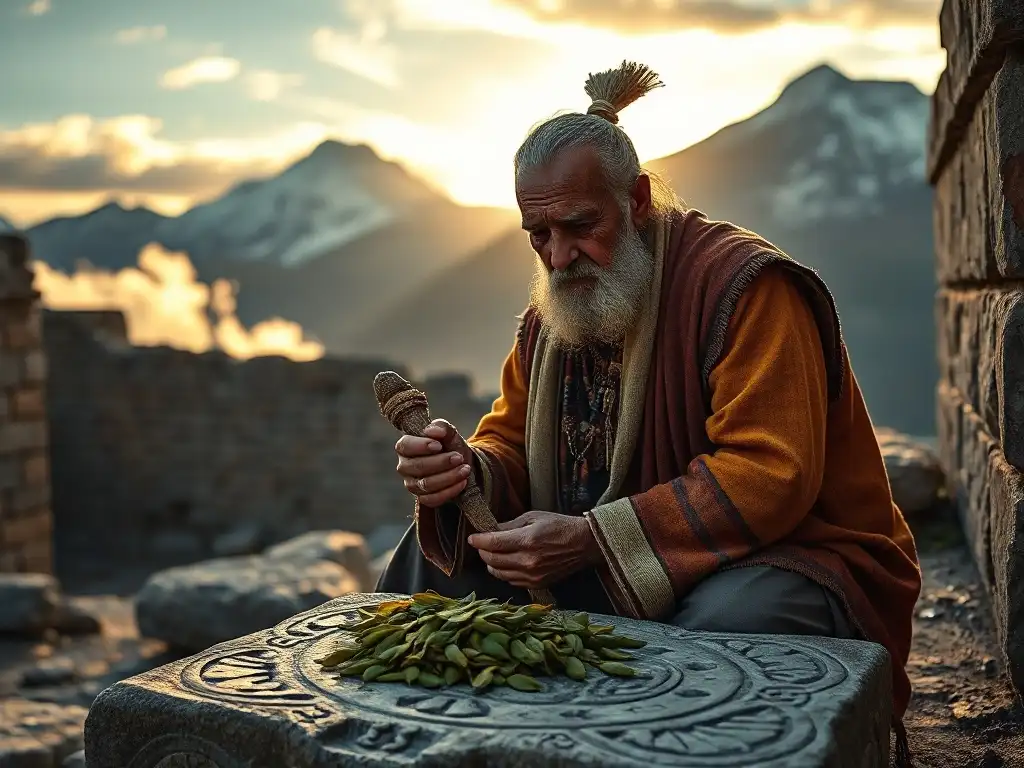
The Andean world, rich in spiritual practices and intricate cosmologies, relied heavily on divination to understand the will of the gods and navigate the uncertainties of life. Andean oracle priest predictions were not merely prophecies; they were vital components of decision-making processes, impacting everything from agricultural cycles to military campaigns. These predictions, drawn from a variety of sources and interpreted by specialized priests, offered a crucial link between the human and spiritual realms.
The methods employed were diverse, reflecting the complex interplay of nature, ritual, and religious belief central to Andean cultures. Understanding these methods unveils a fascinating aspect of Andean spirituality, showcasing the sophistication and depth of their relationship with the cosmos.
Reading Coca Leaves for Insights
Coca leaves, a staple of Andean life, held far more significance than simple sustenance. For priests skilled in t'oqo, the art of coca leaf reading, they served as a direct conduit to the divine. This practice, far from random guesswork, involved a meticulous ritual. A specific number of leaves (often varying depending on the specific question or situation) would be carefully selected and spread out on a cloth.
The priest, through keen observation and interpretation of the leaves' arrangement, their veins, and even their subtle imperfections, would then decipher messages from the gods. The interpretation wasn't a simple yes or no; nuanced meanings were derived, providing detailed insights into the future and guidance on the best course of action. For example, the appearance of specific leaves in certain positions might signal impending good fortune in agriculture, while others could warn of potential conflicts or illnesses. The accuracy of these predictions was deeply trusted, shaping the decisions of individuals and communities alike.
The process itself was a sacred act, connecting the diviner to the ancestral spirits and the broader Andean cosmology. Even today, coca leaf reading remains a significant practice in some Andean communities, demonstrating the enduring legacy of this ancient divinatory technique. The subtle nuances and intricate interpretations involved make it a powerful tool for understanding the complexity of Andean oracle priest predictions.
Interpreting Animal Behavior as Predictions
Beyond the coca leaves, the natural world itself served as a powerful source of divine communication. Andean oracle priest predictions frequently incorporated the observation of animal behavior. Specific animals were associated with particular deities or spiritual forces, and their actions were interpreted as signs or omens. For instance, the flight path of a condor, the mating rituals of certain birds, or even the unexpected appearance of a specific animal in a particular place could all hold profound meaning.
This wasn't simply a matter of superstition; these interpretations were deeply embedded within the complex web of Andean mythology and cosmology. Each animal held a specific symbolic weight, and understanding these symbols was crucial for accurate interpretation. The priests, through years of training and experience, developed an acute sensitivity to these subtle clues, enabling them to discern messages from the spirit world.
Records of these interpretations, while sparse, suggest a sophisticated system of symbolic understanding. The detailed analysis of animal behavior, combined with other divinatory techniques, provided a holistic approach to understanding the will of the gods and navigating the uncertainties of life. This practice highlights the deep interconnectedness between the human and natural worlds within the Andean worldview.
Observing Celestial Movements for Guidance
The Andean people possessed an advanced understanding of astronomy, using celestial observations to regulate their agricultural cycles and predict significant events. Andean oracle priest predictions frequently integrated astronomical observations, making the priests skilled astronomers as well. The movements of the sun, moon, and stars held immense religious and cosmological significance, serving as a calendar and a source of divine communication.
Specific constellations, planetary alignments, and solar eclipses were interpreted as powerful omens, influencing decisions at both individual and community levels. For instance, the appearance of certain stars might signal a favorable time for planting, while unusual celestial events could indicate impending misfortune or the need for ritual appeasement. The priests, as custodians of this knowledge, were responsible for interpreting these celestial signs, guiding the community through crucial decisions and ensuring harmonious relations with the divine.
The precision and sophistication of their astronomical observations are a testament to their advanced understanding of the cosmos and their ability to integrate this knowledge into their religious practices. The careful tracking of celestial events and their integration into the broader system of Andean divination underscore the complex relationship between the earthly and heavenly realms in Andean cosmology. This meticulous observation provided a framework for the Andean oracle priest predictions, making them a critical component of Andean life.
The Use of Sacred Objects in Divination Rituals
Andean divination wasn't solely reliant on interpreting natural phenomena or observing animal behavior. Sacred objects, imbued with spiritual power and often associated with specific deities or ancestral spirits, played a crucial role in many divination rituals. These objects acted as conduits, allowing priests and oracles to access the divine realm and receive prophecies. The careful selection and preparation of these objects were vital, reflecting the deep reverence and understanding of their power within Andean cosmology.
One prominent example involved the use of huacas, which encompass a wide range of sacred objects and places. These could be anything from intricately carved stones and meticulously crafted textiles to natural features like mountains and springs, all believed to house powerful spirits. During divination ceremonies, priests might consult a particular huaca relevant to the question at hand, perhaps using it as a focus for prayer or meditation to receive guidance from the spirit it embodied. The interpretation of signs or visions arising during this interaction with the huaca would then form the basis of the prediction.
Another class of significant objects were those associated with specific deities. For example, objects linked to the sun god Inti, such as finely crafted gold plates or intricately woven tapestries depicting solar imagery, might be used in divination rituals concerning matters of harvest, warfare, or royal lineage. The priest's manipulation of these objects, combined with specific incantations and offerings, was believed to attract the attention of Inti and elicit a response relevant to the question posed.
The level of detail and artistry in these objects underscores the importance and reverence attributed to their role in Andean divination practices. The precise methods and interpretations varied among different Andean cultures, demonstrating the rich diversity of ritualistic practices across the region.
Furthermore, the use of coca leaves, a plant with deep spiritual significance in Andean cultures, was integral to many divination rituals. The priest might meticulously spread out coca leaves and interpret their arrangement, or perhaps chew them to induce a trance-like state, allowing for communication with the spirit world. The patterns formed by the leaves, the way they fell, and even their individual characteristics were all imbued with meaning, contributing to the overall interpretation.
The process of coca leaf divination, known as taita, illustrates the intimate connection between the natural world and the spiritual realm in Andean religious practices and the role of carefully observing natural elements as part of predicting the future. The precise interpretations of coca leaf readings varied greatly based on the specific cultural context and the expertise of the diviner, highlighting the nuanced nature of this method of divination.
Famous Andean Oracle Sites
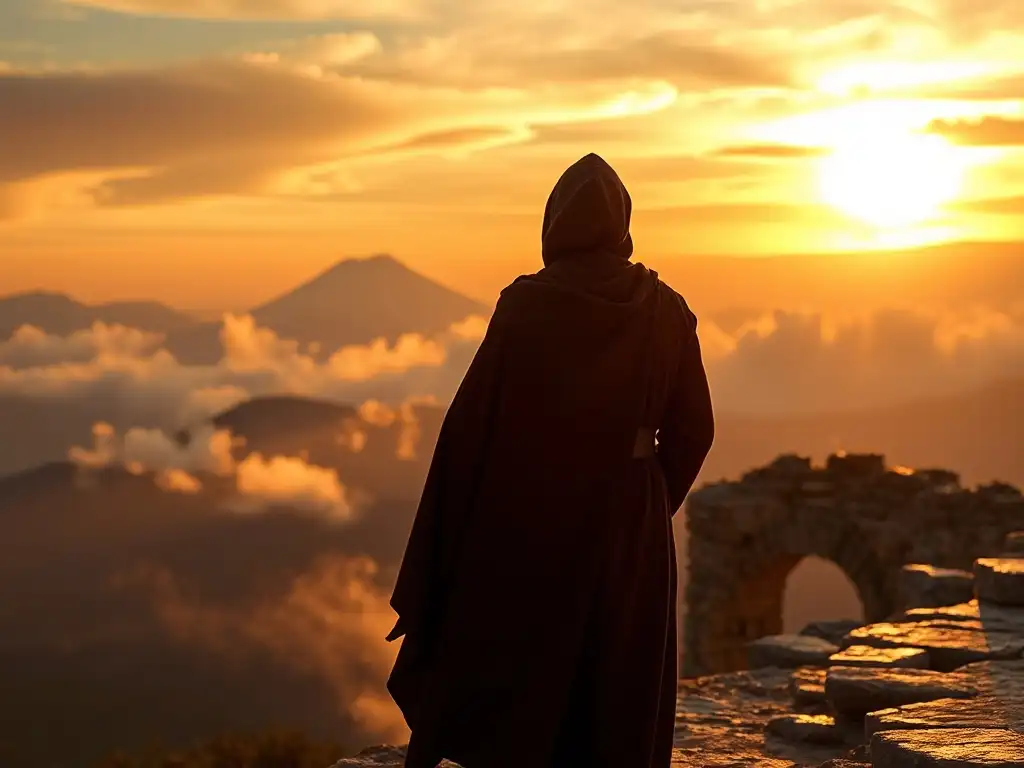
The Andean region, renowned for its breathtaking landscapes and sophisticated civilizations, also held a deep-seated belief in the power of prophecy and divination. Ancient Andean oracle priest predictions were sought not only by rulers but also by common people seeking guidance on matters of life, death, agriculture, and warfare. These predictions were often delivered through elaborate rituals performed at specific sacred sites, imbued with spiritual significance and considered gateways to the supernatural realm.
The influence of these sites extended far beyond their geographical boundaries, shaping the beliefs and practices of diverse Andean communities for centuries. The legacy of these oracle sites continues to fascinate and inspire, offering a captivating glimpse into the spiritual world of the ancient Andes.
Pachacamac: A Coastal Center of Prophecy
Pachacamac, located on the Peruvian coast south of Lima, stands as a testament to the enduring power of Andean oracle priest predictions. This significant archaeological site, once a bustling religious center, served as a crucial hub for prophecy and divination for centuries. The name itself, "Pachacamac," translates to "Shaker of the Earth," reflecting the site's perceived connection to powerful earth deities. Evidence suggests that priests at Pachacamac used various methods to communicate with the divine, including interpreting the movements of stars, analyzing animal entrails, and utilizing hallucinogenic plants like San Pedro cactus to induce trance-like states.
The temple complex at Pachacamac was meticulously designed to facilitate these practices. Elaborate structures, intricate murals, and a vast network of interconnected rooms provided a setting conducive to ritualistic activities. The priests, highly respected members of society, held considerable influence, offering their interpretations of divine messages to rulers and commoners alike.
Their predictions significantly impacted decision-making processes, shaping everything from military campaigns to agricultural practices. The enduring legacy of Pachacamac underscores the integral role that oracle priests played in the social and political fabric of ancient Andean societies. Archaeological findings continually reveal new insights into the complex rituals and beliefs associated with this coastal center of prophecy, highlighting the depth and sophistication of ancient Andean religious practices.
Chavín de Huántar: A Pre-Incan Oracle and Ritual Site
Chavín de Huántar, located in the central Andes of Peru, represents a prime example of a pre-Incan site where oracle priest predictions held immense sway. Dating back to the Early Horizon period (1200-200 BCE), Chavín de Huántar was not merely a ceremonial center; it served as a pan-Andean pilgrimage site, attracting people from far-flung regions who sought the guidance of its priests. The site's unique architecture, characterized by intricate carvings, labyrinthine passages, and imposing stone structures, was deliberately designed to create an atmosphere of awe and mystery, enhancing the priests' authority and the perceived power of their pronouncements.
The Chavín priests, known for their mastery of shamanistic practices, likely employed a combination of techniques to deliver their predictions. The site's complex layout, with its maze-like tunnels and dimly lit chambers, may have been used to induce altered states of consciousness. The priests, through their expertise in interpreting symbols and rituals, channeled messages from the supernatural realm, providing interpretations that influenced major decisions across various Andean communities.
The influence of Chavín de Huántar extended far beyond its immediate geographical reach, demonstrating the wide-ranging impact of Andean oracle priest predictions during this formative period. The site's enduring significance highlights the profound spiritual power attributed to these priests and their pronouncements in shaping the cultural landscape of the ancient Andes.
Lake Titicaca: A Sacred Site for Spiritual Consultation
Lake Titicaca, the highest navigable lake in the world, situated on the border of Peru and Bolivia, holds immense spiritual significance within Andean cosmology. For centuries, its shores have served as a site for spiritual consultation, with oracle priest predictions playing a crucial role in the lives of the communities surrounding it.
The lake's unique geographical location, its vast expanse, and its association with powerful deities, like the creator god Viracocha, contributed to its sacred status. The water itself was believed to possess healing and purifying properties, further enhancing the perceived power of the rituals and predictions performed at its shores.
Unlike the more structured temple complexes at Pachacamac or Chavín de Huántar, the spiritual consultations at Lake Titicaca often took place in less formal settings, utilizing the natural environment as a backdrop. Priests, often wielding considerable knowledge of herbal medicine and astronomy, would conduct rituals involving offerings, prayers, and divination techniques to communicate with the spirit world. Their predictions were highly valued, guiding important decisions relating to agriculture, fishing, and social affairs.
The enduring spiritual significance of Lake Titicaca, as evidenced by its continued importance in contemporary Andean traditions, underscores the lasting legacy of Andean oracle priest predictions and their profound impact on the lives of Andean peoples. The lake continues to be a source of spiritual power, a testament to the enduring connection between the Andean people and their sacred landscape.
The Significance of Andean Oracle Priest Predictions
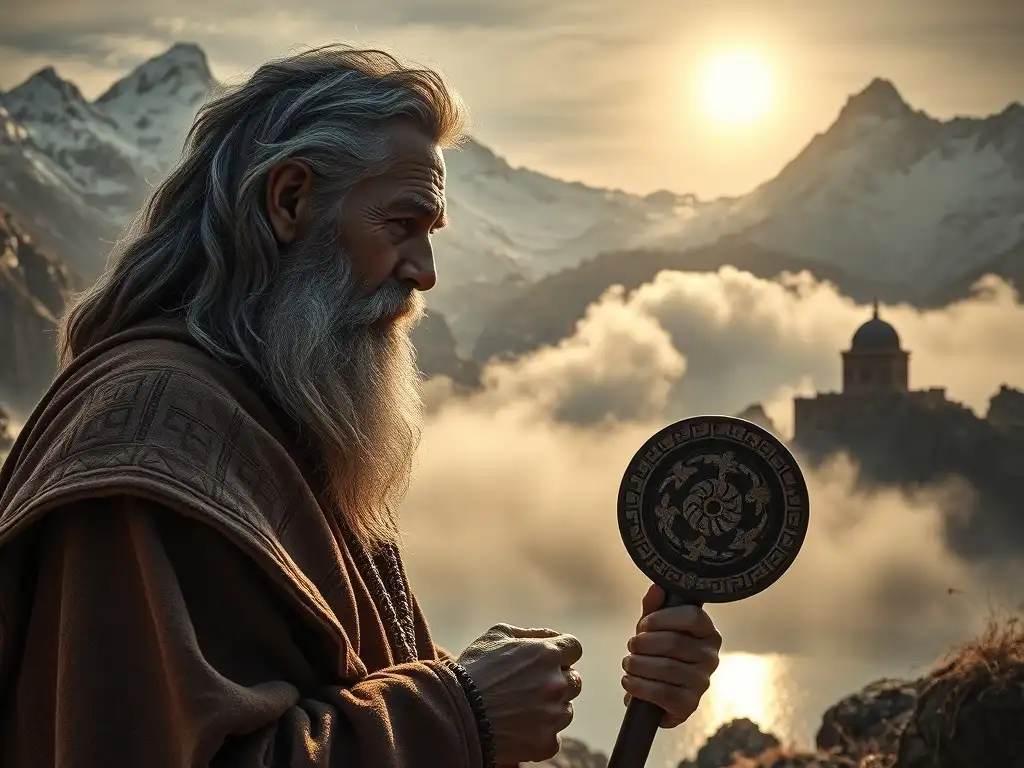
The Andean world, encompassing a vast tapestry of cultures across the Andes Mountains, placed immense importance on divination and prophecy. Andean oracle priest predictions weren't merely interesting anecdotes; they were integral to the functioning of society, influencing everything from political strategies to daily routines. These predictions, derived from a complex interplay of rituals, observations of nature, and interpretation of sacred texts, shaped the lives of millions across centuries.
The accuracy and influence of these predictions varied across different cultures and time periods, reflecting the nuanced understanding of the Andean worldview. The power of the oracle priest stemmed not just from their supposed connection to the supernatural, but also from their societal standing and the weight given to their pronouncements by the community.
Influence on Political Decisions
Andean oracle priest predictions profoundly impacted political decision-making. Rulers, from the Inca emperors to the leaders of smaller communities, frequently consulted priests before embarking on military campaigns, initiating construction projects, or making significant legislative changes. For example, the Inca, renowned for their sophisticated empire-building, relied heavily on the advice of their amautas (wise men and priests) who interpreted signs and omens to guide their expansionist policies.
A negative omen might have led to a postponement or even cancellation of a planned military action, highlighting the significant influence these predictions held. The decision to build a new temple or irrigation system might also have been influenced by the oracle's interpretation of celestial events or the behavior of sacrificial animals.
This reliance on divination demonstrates the integration of religious beliefs into the very fabric of political governance, shaping the strategic direction of the entire Andean civilization. Evidence of this can be found in the careful recording of prophecies and their subsequent outcomes in surviving chronicles and archaeological findings.
Guidance for Agricultural Practices
Agricultural practices in the Andes were intimately connected with the natural world, and oracle priest predictions played a crucial role in guiding farming techniques and timing. The success of Andean agriculture depended heavily on understanding the cyclical nature of weather patterns, and priests, often acting as skilled astronomers and meteorologists, interpreted celestial movements and natural phenomena to forecast the upcoming harvest.
Predictions concerning rainfall, frost, and other weather events were essential for planning planting times, allocating resources, and ensuring food security for the communities. Specific rituals, such as llama sacrifices or offerings to mountain deities, might be performed to appease the spirits and ensure a bountiful harvest.
Failure to heed these predictions could result in crop failure and widespread famine, underscoring the vital role of Andean oracle priest predictions in maintaining the delicate balance between humanity and nature. The intricately woven relationship between the spiritual and the practical is a testament to the holistic approach of Andean societies towards agriculture.
Impact on Daily Life and Community Well-being
Beyond political and agricultural spheres, Andean oracle priest predictions permeated daily life, influencing personal decisions and community well-being. Individuals might seek advice on marriage, travel, or business ventures. Predictions about health, illness, and even death were common, shaping both individual and collective responses to life's uncertainties.
The priests were not only interpreters of prophecies but also healers and mediators, using their knowledge to address a wide range of social issues. Community festivals and rituals were often timed according to the oracle's pronouncements, reinforcing social cohesion and reinforcing the shared belief system. The integration of these predictions into the everyday lives of Andean communities highlights their integral role in maintaining social harmony and stability.
The influence extended to all aspects of life, shaping individual choices and community practices, solidifying the priest's position as a vital figure within Andean society. The holistic approach of Andean culture ensured that religious beliefs were not confined to the temple but were deeply embedded in the daily experiences of the people.
The Legacy of Andean Oracles
The legacy of Andean oracles is a complex tapestry woven from threads of ancient practices, colonial suppression, and modern revival. Understanding this legacy requires acknowledging the profound influence these diviners held within their societies, their methods of divination, and the enduring impact they have had on Andean spirituality.
The term "Andean oracle priest predictions" itself encapsulates the core of this influence: the belief in the ability of specially trained individuals to foresee the future and guide their communities accordingly. Their role extended beyond simple fortune-telling; they were often deeply involved in political decision-making, agricultural planning, and conflict resolution, making their predictions integral to the social fabric.
The Continuation of Traditional Practices
Despite the attempts by Spanish conquistadors to eradicate indigenous religions, many traditional Andean divination practices persisted, often adapting and blending with introduced beliefs. These practices weren't simply passed down through generations; they were actively maintained and reinvented within the context of changing social and political landscapes. For example, the use of coca leaves for divination – taqui – continued, albeit sometimes in subtly altered forms.
The interpretation of coca leaf patterns, while rooted in ancient traditions, often incorporated elements reflecting the realities of the colonial and post-colonial periods. Similarly, the use of sacred objects like huacas (sacred places or objects) in divination rituals remained significant, although the specific rituals and interpretations might have evolved over time.
Oral traditions played a crucial role in preserving these practices, ensuring the continuity of knowledge across generations. The Andean oracle priest predictions, therefore, represent not a static body of knowledge, but a dynamic tradition that has continuously adapted to survive.
The Modern Relevance of Andean Divination
In contemporary Andean societies, the interest in and practice of Andean divination is experiencing a resurgence. This revival isn't simply a nostalgic return to the past; it's a conscious effort to reclaim and recontextualize ancient practices within modern society. Many Andean communities actively seek the guidance of yatiri (Andean shamans) and other practitioners of divination for a wide range of purposes, from personal guidance and healing to community decision-making. The demand for Andean oracle priest predictions reflects a deeper need for spiritual connection and cultural identity in an increasingly globalized world.
Academic research into these practices is also contributing to their preservation and wider understanding. This renewed interest underscores the enduring relevance of Andean divination and its continued integration into the lives of Andean peoples. The accuracy of these predictions, of course, remains a matter of faith and individual interpretation, but their social and cultural significance is undeniable.
Preserving Ancient Wisdom for Future Generations
The preservation of Andean divination practices faces significant challenges. The transmission of knowledge, traditionally through oral traditions and apprenticeships, is increasingly threatened by factors such as migration, urbanization, and the dominance of globalized culture. Efforts to document and archive these traditions are crucial for their long-term survival.
This includes not only recording the specific techniques of divination but also understanding their broader cultural context and significance. Furthermore, promoting intercultural dialogue and understanding can help to counter the marginalization of these practices and ensure their continued appreciation and respect. Creating educational programs and community initiatives that support the transmission of this knowledge to younger generations is vital.
Protecting the sites and objects associated with Andean divination, such as sacred mountains and archaeological sites, is also essential to preserving the tangible legacy of this rich tradition. The future of Andean oracle priest predictions depends on the concerted efforts of communities, researchers, and policymakers to safeguard this invaluable cultural heritage.
Frequently Asked Questions
What role did oracle priests play in Andean civilizations?
Andean oracle priests held significant power, acting as intermediaries between the divine and human worlds. They offered predictions and guidance based on interpretations of dreams, rituals, and observations of nature. Their pronouncements influenced major decisions.
How did Andean oracle priests make their predictions?
Methods varied across cultures but often involved interpreting llama entrails, reading patterns in coca leaves, observing celestial events, and conducting elaborate rituals. These practices were believed to reveal the will of the gods.
Were all Andean cultures equally reliant on oracle priests?
While most Andean civilizations consulted oracles, the extent of their influence differed. The Inca empire, for example, had a highly developed system, while smaller groups might rely more on local shamans or practitioners.
What kind of predictions did Andean oracle priests offer?
Predictions ranged from personal fortunes to matters of state and war. Oracle priests might advise on harvests, political decisions, or the outcomes of military campaigns. The answers influenced both individual and societal choices.
Where can I learn more about Andean oracle priest predictions?
You can explore further research in archaeological journals and books focusing on Andean history and religion. Museums featuring Andean artifacts may also provide insights into the practices and beliefs surrounding these sacred figures.
Final Reflection: Echoes of the Andes, Whispers of the Future
The ancient wisdom of the Andean oracles continues to resonate today, offering a powerful counterpoint to the relentless pace of modern life. Their prophecies, though shrouded in the mists of time, speak to a timeless human need: the yearning for guidance, meaning, and connection to something larger than ourselves. The practices and beliefs surrounding these oracles, far from being relics of the past, offer a potent lens through which to examine our own search for purpose and understanding in the present.
The enduring influence of Andean spiritual traditions is undeniable, shaping not only the cultural landscape of the Andes but also influencing global perspectives on spirituality and divination. Their emphasis on harmony with nature, respect for ancestral wisdom, and the interconnectedness of all things offers a valuable alternative to the often isolating and materialistic aspects of contemporary society. The mountains themselves are teachers; they whisper secrets to those who listen.
This sentiment, though perhaps paraphrased, encapsulates the core belief system that underpins the power and enduring appeal of Andean oracle traditions.
Consider the echoes of these ancient practices in your own life. Do you find yourself seeking guidance, searching for meaning amidst the complexities of modern existence? The oracles of the Andes, though geographically distant, offer a potent reminder that wisdom can be found in unexpected places, and that connecting with something larger than ourselves is a fundamental human need. Embrace the spirit of inquiry, listen to the whispers of your own inner voice, and discover the wisdom that resides within you, just as the Andean priests sought guidance from the mountains and the spirits.
Unveil the Wisdom of the Andes Today!
Thank you for exploring the rich tapestry of Andean spirituality and the profound guidance offered by its priests and sacred sites. This journey of discovery has opened a door to a deeper understanding of ancient traditions and their enduring relevance. Now, let's put this knowledge into practice!
- Embark on a journey: Visit a local site of spiritual significance, or plan a trip to one of the many awe-inspiring Andean landmarks. Immerse yourself in its history and absorb its teachings.
- Share your experience: Discuss your newfound insights with friends and family, or share your journey on social media to inspire others to explore this fascinating culture.
- Join a community: Connect with a local group dedicated to Andean spirituality, or even start your own. Sharing experiences and learning from others can deepen your understanding and potentially introduce you to spiritual leaders.
As you reflect on the deep connection between Andean culture and spirituality, we invite you to share your thoughts. How has exploring this wisdom influenced your approach to seeking guidance in your own life?