
Unearthing the Past: A Guide to Planning Your Andean Archaeological Adventure

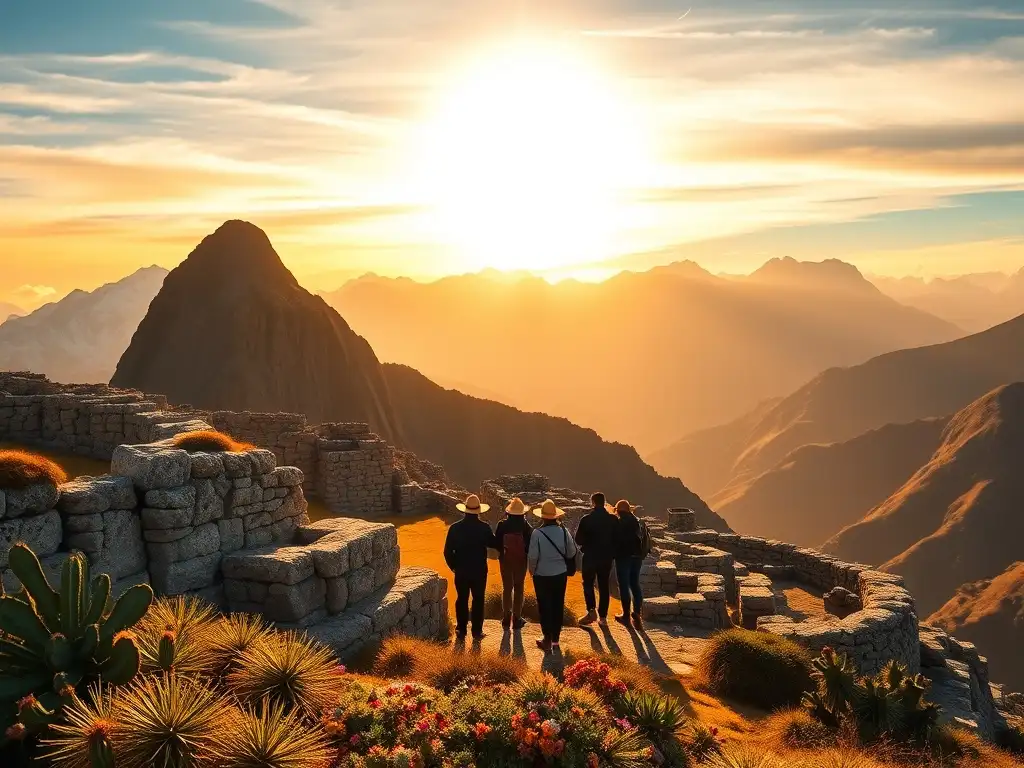
Dive into a world lost to time, yet echoing with vibrant life. Imagine yourself trekking through the breathtaking Andes, uncovering the secrets of the Incas, Moche, Nazca, and Tiahuanaco. This isn't just history; it's an adventure waiting to unfold. Ready to embark on the journey of a lifetime? Learn how to plan your own unforgettable Andean archaeological tour and unlock the mysteries of these magnificent civilizations. Let's begin...
Embark on a journey through time as we delve into the fascinating world of Andean archaeology! This comprehensive guide will equip you with the knowledge and tools necessary to plan an unforgettable Andean archaeological tour. Whether you're a seasoned adventurer or a curious first-timer, planning your trip to explore the remarkable historical sites of the Andes requires careful consideration.
From understanding your personal interests and budget to selecting the right tour operator and preparing for the unique challenges of high-altitude travel, this guide will help you navigate every step of the process, ensuring a rewarding and enriching experience. We’ll explore the intricacies of planning your Andean archaeological adventure, covering everything from defining your goals and choosing the right sites to understanding logistical considerations and maximizing your on-site experience. Get ready to unlock the secrets of ancient civilizations and uncover the wonders of the Andes!
This guide focuses specifically on helping you plan your Andean archaeological tour, providing practical advice and insightful tips to make your journey both memorable and informative. Let's begin!
Planning Your Andean Archaeological Tour: A Step-by-Step Guide
Planning an Andean archaeological tour requires meticulous preparation. Here's a step-by-step guide to ensure a smooth and enriching experience:
- Define Your Interests: What specific aspects of Andean culture intrigue you most? Are you fascinated by Inca architecture, Moche pottery, Nazca lines, or Tiahuanaco's monumental structures? Focusing your interests allows for a more targeted and fulfilling experience. Consider creating a list of must-see sites based on your preferences. For example, if you're interested in intricate textiles, you might prioritize sites known for their textile production and preservation. If colossal stone structures are your passion, sites like Ollantaytambo or Sacsayhuamán should be high on your list.
- Set a Realistic Budget: Andean archaeological tours vary significantly in price, depending on the duration, destinations, level of accommodation, and included activities. Research different tour options and compare prices before committing. Remember to factor in costs beyond the tour itself, such as flights, visas, travel insurance, and personal spending money. A realistic budget will prevent unexpected financial burdens and allow you to fully enjoy your trip without stress.
- Choose the Right Time to Visit: The Andes' climate varies significantly depending on the altitude and location. Research the best time to visit your chosen sites, considering weather conditions and potential crowds. The dry season (typically May to September) offers the best weather for trekking and exploring outdoor sites, but it's also peak tourist season.
- Select a Reputable Tour Operator: Thoroughly research potential tour operators, reading reviews and comparing itineraries. Look for operators with a proven track record of providing high-quality tours and prioritizing responsible tourism practices. Ensure they have experience with archaeological sites and can provide knowledgeable guides.
- Prepare for High-Altitude Travel: Many Andean archaeological sites are located at high altitudes. Acclimatization is crucial to avoid altitude sickness. Plan your itinerary to allow for gradual ascent and incorporate rest days to allow your body to adjust. Consult your doctor about altitude sickness prevention and treatment. Remember to stay hydrated and avoid strenuous activity during the initial days at high altitudes.
Understanding Your Andean Archaeological Adventure Goals
Before embarking on your Andean archaeological adventure, it's crucial to define your goals. What do you hope to achieve during your trip? Are you seeking a purely sightseeing experience, or do you have a deeper academic interest in Andean civilizations? Do you want to focus on a specific time period or culture, or explore a broader range of sites? Perhaps you're interested in hands-on activities like volunteering at an archaeological dig (though these opportunities are limited and require advanced planning). Clearly defining your goals will help you tailor your itinerary and maximize your time and resources. For example:
- Goal: To understand the Inca Empire's sophisticated road system. This would focus your trip on sites like the Inca Trail or the network of roads around Cusco.
- Goal: To appreciate the artistry of Moche pottery. This would lead you to museums and archaeological sites with significant Moche collections.
- Goal: To learn about the astronomical knowledge of Andean cultures. This would involve visiting sites with significant astronomical alignments, such as Chankillo.
By clearly defining your goals, you can create a truly personalized and fulfilling Andean archaeological adventure. Remember to prioritize your interests and allocate sufficient time to explore the sites that resonate most with you. This thoughtful planning will ensure an unforgettable and enriching experience.
Choosing the Right Andean Archaeological Sites for Your Trip
Planning an Andean archaeological tour requires careful consideration of the vast array of incredible sites available. To make the most of your trip, prioritize based on your interests and available time. The sheer diversity of cultures and historical periods represented in the Andes presents a rich tapestry of choices. Do you yearn to witness the majestic Inca stonework, or are you captivated by the enigmatic Nazca Lines?
Perhaps the intricate ceramics of the Moche or the monumental architecture of Tiahuanaco resonate more deeply with you. Thorough research is key; understanding the unique features and historical significance of each site will help you tailor your itinerary to your specific preferences. Consider factors such as accessibility, the time needed for a comprehensive visit, and the overall physical demands of each location.
Remember to factor in travel time between sites, as distances can be considerable, especially in the rugged Andean terrain. For example, a trip focused solely on the Cusco region might allow for a deeper exploration of Inca sites, whereas a more geographically expansive itinerary could incorporate diverse cultures across the Andes. A well-researched itinerary ensures a truly enriching and memorable Andean archaeological adventure.
Machu Picchu: The Iconic Inca Citadel Experience
Machu Picchu, the iconic "Lost City of the Incas," is a must-see for any Andean archaeological tour. Nestled high in the Andes Mountains, this breathtaking citadel boasts stunning architecture and breathtaking views. Planning a visit requires careful consideration. The Inca Trail, a challenging but rewarding trek, requires permits booked months in advance.
Alternatively, you can reach Machu Picchu by train, offering a more comfortable but less immersive experience. Regardless of your chosen route, allow ample time to explore the citadel's various sections, including the agricultural terraces, residential areas, and sacred temples. Consider hiring a certified guide to deepen your understanding of the site's history and significance.
Remember to acclimatize to the altitude before undertaking strenuous activities, and pack appropriate clothing and gear for varying weather conditions. The magic of Machu Picchu lies not only in its stunning visuals but also in the rich history it embodies, offering a captivating glimpse into the sophisticated Inca civilization. Plan your visit strategically to fully appreciate this incredible site.
Exploring the Nazca Lines: A Mysterious Ancient Wonder
The Nazca Lines, a collection of giant geoglyphs etched into the desert floor, remain one of the greatest mysteries of the ancient world. These immense figures of animals, plants, and geometric shapes can only be truly appreciated from the air. Several tour operators offer scenic flights over the Nazca Lines, providing a unique perspective on these enigmatic creations. While ground-level viewing offers a different perspective, it doesn't allow for the same comprehensive understanding of the scale and complexity of these designs.
Before booking your flight, research reputable tour companies to ensure safety and a high-quality experience. Consider the time of year, as weather conditions can impact flight visibility. The Nazca Lines present a fascinating opportunity to contemplate the ingenuity and cultural significance of the Nazca civilization, leaving visitors with a sense of wonder and intrigue. The experience is truly unforgettable, offering a unique blend of adventure and archaeological discovery.
Discovering Chan Chan: The Largest Pre-Columbian City in America
Chan Chan, the sprawling capital of the Chimú kingdom, is a testament to the impressive urban planning and architectural prowess of a pre-Columbian civilization. Located near Trujillo, Peru, this vast adobe city features intricate palace complexes, pyramids, and residential areas, showcasing the sophisticated social and political organization of the Chimú. Exploring Chan Chan requires comfortable walking shoes and ample time, as the site is extensive. Hiring a guide is highly recommended to navigate the labyrinthine structures and gain a deeper understanding of the Chimú culture.
The fragility of the adobe structures necessitates careful preservation efforts, and visitors should be mindful of their impact on the site. Understanding the historical context of Chan Chan enhances the experience, revealing the complexity of this once-thriving urban center. The sheer scale of the city and the intricate details of its architecture provide a compelling glimpse into the rich history of the pre-Columbian Andes.
Uncovering the Secrets of the Moche Culture at Huaca de la Luna
Huaca de la Luna, a remarkable Moche archaeological site near Trujillo, offers a fascinating glimpse into the religious and ceremonial practices of this ancient civilization. Known for its intricate murals and stunning architecture, Huaca de la Luna provides a captivating journey through the Moche world. The site's well-preserved structures, including temples and residential areas, reveal details about the Moche social hierarchy and religious beliefs.
The vibrant murals, depicting scenes of warfare, rituals, and daily life, are particularly striking. Guided tours are essential for understanding the historical context and interpreting the intricate details of the artwork and architecture. Remember to bring sunscreen, a hat, and water, as the site is exposed to the elements.
Huaca de la Luna offers a unique opportunity to connect with the vibrant culture of the Moche, appreciating their artistic achievements and understanding their complex society. The site's preservation and accessibility make it an exceptional destination for any Andean archaeological tour.
Budgeting for Your Andean Archaeological Expedition
Planning a successful Andean archaeological tour hinges significantly on careful budgeting. Costs can vary greatly depending on the length of your trip, your chosen destinations, travel style, and the level of luxury you prefer. Careful planning and research are essential to ensure a financially responsible yet fulfilling experience. Consider all aspects of the trip, from flights and accommodation to guided tours and daily expenses.
Creating a detailed budget will help you manage your finances effectively and avoid unexpected expenses. Remember that unexpected costs can arise, so it's always wise to include a buffer in your budget. A well-planned budget will enable you to fully immerse yourself in the richness of Andean archaeology without compromising your financial stability.
Estimating Costs for Flights to Cusco
Flights to Cusco, the gateway to many Andean archaeological sites, can fluctuate significantly depending on the time of year and your origin. Peak season (June-August) typically sees higher fares. Booking flights well in advance can often lead to significant savings. Consider utilizing flight comparison websites to find the best deals.
Remember to factor in potential additional costs, such as baggage fees and airport taxes. Flights often land at Alejandro Velasco Astete International Airport (CUZ), located approximately 30 minutes from Cusco city center. Transportation from the airport to your accommodation should also be factored into your budget. Planning ahead and comparing prices from various airlines will help secure cost-effective air travel to your Andean adventure.
Accommodation Options: From Hostels to Boutique Hotels
Accommodation costs in the Andes range widely, catering to diverse budgets. Budget-conscious travelers can find affordable hostels and guesthouses, particularly in Cusco and other major cities. Mid-range hotels offer a comfortable balance between cost and amenities. For a more luxurious experience, boutique hotels and eco-lodges provide exceptional service and stunning locations.
Consider the location of your accommodation in relation to the archaeological sites you plan to visit. Booking in advance, especially during peak season, is highly recommended, especially for popular destinations like Machu Picchu. Researching accommodation options and comparing prices will enable you to find the perfect balance between comfort and budget.
Guided Tours vs. Independent Exploration: Cost Comparisons
The decision between guided tours and independent exploration significantly impacts your budget. Guided tours offer expert insights and convenient transportation, but they come at a higher cost. Independent exploration, while potentially cheaper, requires more planning and research. Consider the complexity of the sites you plan to visit; some sites are best explored with a guide for a deeper understanding.
For example, navigating Machu Picchu without a guide might limit your appreciation of its historical significance. Compare the costs of various tour options and weigh them against the benefits of guided expertise versus the flexibility and affordability of independent travel. A balanced approach, combining guided tours for complex sites with independent exploration for simpler ones, might offer the best combination of cost and experience.
Food and Local Experiences: Budgeting for Regional Cuisine
Food costs in the Andes can vary depending on your dining choices. Local markets and smaller restaurants offer affordable and authentic Peruvian cuisine. Higher-end restaurants and international cuisine will naturally increase your food budget. Budgeting for meals should consider both daily expenses and potential special dining experiences.
Sampling local delicacies is a crucial part of the Andean experience. Factor in the cost of trying regional specialties and exploring local markets. Remember that food costs can fluctuate depending on your location and the season. Planning your meals ahead of time and incorporating a mix of budget-friendly and more upscale dining options will allow you to enjoy the culinary delights of the Andes without overspending.
Booking Your Andean Archaeological Adventure: Essential Tips
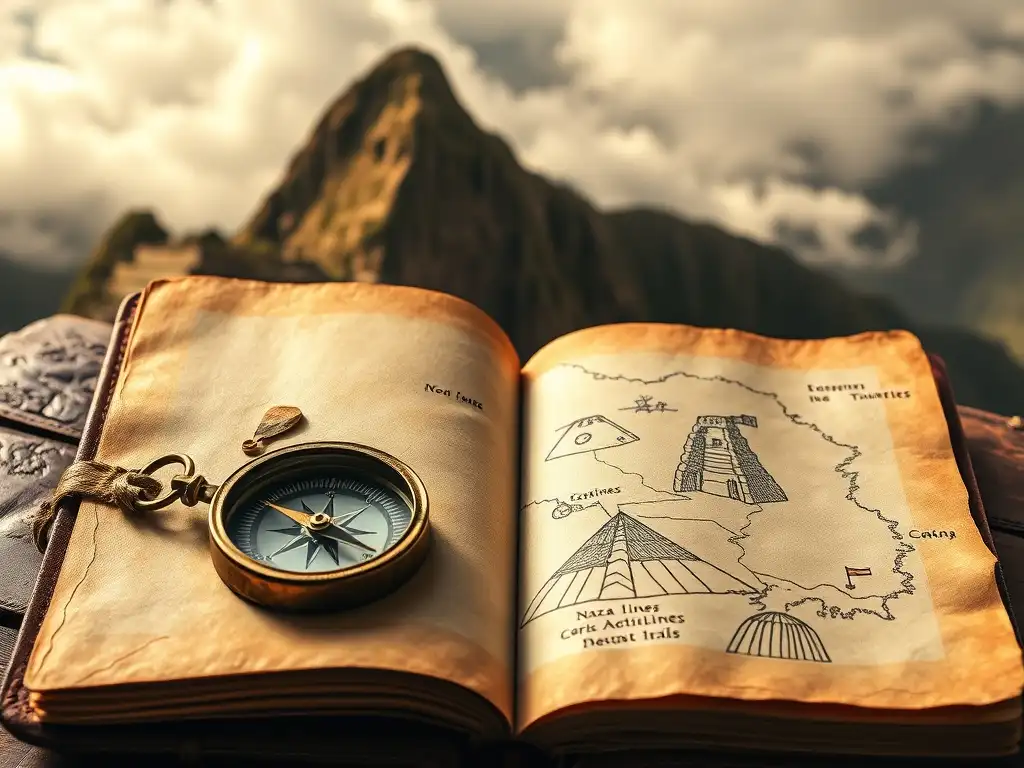
Planning an Andean archaeological tour requires meticulous preparation. Successfully navigating the complexities of booking ensures a smooth and enriching experience. This section focuses on key aspects to consider when booking your Andean adventure, turning your dream trip into a reality.
Choosing Reputable Tour Operators for Archaeological Sites
Selecting the right tour operator is paramount for a successful Andean archaeological tour. Look for operators specializing in Andean archaeology, possessing a deep understanding of the sites and their significance. Read online reviews meticulously, paying close attention to feedback regarding tour guides' expertise, logistical efficiency, and overall customer satisfaction. Prioritize operators committed to sustainable tourism practices, minimizing environmental impact and supporting local communities.
A reputable operator will provide detailed itineraries, clear pricing structures, and excellent customer service throughout the booking process and the tour itself. Don't hesitate to contact multiple operators and compare their offerings before making a decision. Consider factors such as group size, transportation methods, and the level of inclusivity in their packages.
Securing Flights and Accommodation: Best Practices
Booking flights and accommodation well in advance, especially during peak season, is crucial. Consider flying into major international airports like Lima (LIM) or Cusco (CUZ) depending on your itinerary's focus. Research and compare flight prices across different airlines and booking platforms to secure the best deals. For accommodation, options range from budget-friendly hostels to luxury hotels.
Consider your budget and preferred level of comfort when selecting your lodging. Remember to factor in travel time between airports and archaeological sites when planning your itinerary. Booking accommodation near major transportation hubs can significantly streamline your travel experience. Always confirm your bookings and keep copies of all your confirmations readily available.
Travel Insurance: Protecting Your Trip
Comprehensive travel insurance is non-negotiable for any Andean archaeological adventure. Unforeseen circumstances, from medical emergencies to trip cancellations, can quickly derail your plans. A robust policy should cover medical expenses, evacuation costs, lost luggage, and trip cancellations or interruptions. Carefully review policy details, paying particular attention to coverage limits and exclusions. Consider adding specialized coverage for adventure activities if your itinerary involves hiking or trekking. Ensure your policy covers the specific activities and locations included in your itinerary. Having a safety net in place allows you to focus on enjoying your trip without unnecessary worry.
The Importance of Permits and Entrance Fees
Many Andean archaeological sites require entrance fees and, in some cases, special permits for access. Research the specific requirements for each site you plan to visit well in advance. Entrance fees can vary significantly, so budgeting accordingly is important. Permits may be necessary for certain areas or activities, such as guided tours or overnight stays.
Purchasing tickets online or through your tour operator can often save time and avoid long queues at the site. Understand the regulations surrounding photography and drone usage at each site, as restrictions may apply. Respecting local regulations contributes to the preservation of these invaluable historical sites.
Essential Gear for Your Archaeological Exploration
Packing the right gear is vital for a comfortable and safe Andean archaeological adventure. The diverse landscapes and varying altitudes demand careful consideration of your equipment.
Hiking Boots: Durable and Comfortable Options like Salomon Quest 4
Sturdy and comfortable hiking boots are essential. Choose boots with good ankle support, waterproof membranes, and durable soles suitable for varied terrain. Brands like Salomon, with models such as the Quest 4, are known for their quality and performance. Break in your boots well before your trip to avoid blisters and discomfort. Consider the specific terrain you'll be navigating when selecting your boots. Investing in high-quality footwear is an investment in your comfort and safety throughout the trip.
Backpacks: Choosing the Right Size and Features for Your Trip (Osprey Atmos AG 65)
A comfortable and appropriately sized backpack is crucial for carrying essentials. Consider a backpack with a comfortable suspension system, ample storage space, and weather-resistant materials. Backpacks like the Osprey Atmos AG 65 offer excellent support and organization for longer treks. Choose a size that fits your body type and the duration of your trip. Ensure it has sufficient space for water, snacks, clothing layers, and any necessary equipment. Proper weight distribution is crucial for preventing back strain during long days of exploration.
Sun Protection: Hats, Sunscreen, and Sunglasses (Neutrogena Ultra Sheer Dry-Touch)
The high altitude and intense Andean sun necessitate robust sun protection. Pack a wide-brimmed hat, high SPF sunscreen like Neutrogena Ultra Sheer Dry-Touch, and high-quality sunglasses with UV protection. Reapply sunscreen frequently, especially after sweating. Sunglasses should offer 100% UV protection to shield your eyes from harmful rays. Protecting your skin and eyes is crucial for preventing sunburn and potential long-term damage. Consider using lip balm with SPF protection as well.
Cameras: Capturing the Wonders of the Andes (Sony Alpha Series)
A good camera is essential for capturing the stunning landscapes and archaeological wonders of the Andes. A versatile camera with interchangeable lenses, like those in the Sony Alpha series, allows for flexibility in capturing various scenes. Consider a camera with good low-light performance for capturing images in dimly lit ruins or at sunrise/sunset. Remember extra batteries and memory cards to avoid missing any photographic opportunities. Ensure you have sufficient storage space for the many photographs you'll undoubtedly take. High-quality images will serve as lasting memories of your Andean adventure.
Maximizing Your Andean Archaeological Experience
Planning an Andean archaeological tour requires careful consideration to ensure a rewarding and enriching experience. This involves more than just booking flights and accommodation; it's about immersing yourself in the culture and history of the Andes. To truly maximize your experience, preparation is key.
This includes researching the specific sites you wish to visit, understanding the climate and altitude, and packing appropriately for diverse conditions. Remember, many sites are located at high altitudes, requiring acclimatization to avoid altitude sickness. Researching the best time to visit, considering factors such as weather and crowds, is also crucial for a pleasant journey.
Furthermore, familiarizing yourself with the local customs and etiquette will enhance your interactions with the local communities and enrich your overall experience. A well-planned itinerary, factoring in travel time between sites and potential delays, is essential to avoid rushing and fully appreciating each location. Remember, the goal is to savor the experience, not just tick off sites on a list.
Learning Basic Spanish Phrases for Better Communication
While English is spoken in tourist areas, learning some basic Spanish phrases can significantly enhance your Andean archaeological adventure. Even simple phrases like "Buenos días" (good morning), "Gracias" (thank you), and "Por favor" (please) can go a long way in showing respect and fostering positive interactions with locals. Knowing how to ask for directions, inquire about prices, or express basic needs will prove invaluable, especially in smaller towns or rural areas where English might not be widely spoken.
Consider downloading a translation app or carrying a phrasebook for quick reference. Learning a few Quechua phrases, the language of the Inca Empire, could add another layer of cultural immersion, although it's not as widely spoken as Spanish. The effort you put into learning basic Spanish will be repaid many times over with richer interactions and a deeper understanding of the Andean culture.
Respecting Local Cultures and Customs
Respecting local cultures and customs is paramount during your Andean archaeological adventure. This involves being mindful of local traditions, religious practices, and social norms. Dressing modestly when visiting sacred sites is crucial, and refraining from taking photographs of people without their permission is a sign of respect. Remember that many Andean communities hold deep spiritual connections to their ancestral lands and archaeological sites.
Approaching these places with reverence and sensitivity is essential. Learn about the significance of the sites you are visiting beforehand, and avoid any actions that might be considered disrespectful or disruptive. Engaging with local communities in a respectful and considerate manner will not only enrich your experience but also foster positive relationships and contribute to sustainable tourism.
Understanding the History of the Andean Civilizations Before Your Trip
Before embarking on your Andean archaeological tour, immersing yourself in the history of the Andean civilizations will profoundly enrich your experience. Studying the Inca Empire, its predecessors, and the diverse cultures that flourished in the Andes will allow you to appreciate the significance of the archaeological sites you visit. Learning about the intricate social structures, religious beliefs, and technological advancements of these civilizations will provide context and meaning to the artifacts and ruins you encounter.
Reading books, watching documentaries, or taking online courses on Andean history will enhance your understanding and allow you to engage more deeply with the sites and their stories. This pre-trip research will transform your journey from a simple sightseeing trip into a truly immersive and educational experience.
Hiring Local Guides for Deeper Insights
Hiring local guides offers an unparalleled opportunity to gain deeper insights into the history, culture, and significance of Andean archaeological sites. Local guides possess invaluable knowledge and expertise, often passed down through generations. They can provide context and interpretations that go beyond what you might find in guidebooks or online resources. They can also offer unique perspectives on the lives and experiences of the people who inhabited these regions centuries ago.
Furthermore, hiring local guides supports local communities and contributes to sustainable tourism. By choosing guides who are knowledgeable and passionate about their heritage, you will not only enrich your own understanding but also contribute to the preservation of Andean cultural heritage. Look for guides with official certifications and positive reviews to ensure a high-quality experience.
Post-Trip: Reliving Your Andean Archaeological Adventure

After your Andean archaeological adventure concludes, the experience shouldn't end there. The memories and knowledge gained deserve to be cherished and shared. Taking time to reflect on your journey, revisiting notes, and reviewing photographs will help solidify the experience in your memory. Sharing your experiences with others through various media can also extend the impact of your journey.
Sharing Your Experiences Through Photography and Storytelling
Your Andean archaeological adventure offers a wealth of opportunities for photography and storytelling. Capturing images of the stunning landscapes, impressive ruins, and intricate artifacts will allow you to relive your journey visually. Sharing these photographs with friends and family, perhaps through a photo album or online presentation, will allow them to participate in your experiences.
Writing about your journey, whether through blog posts, travel journals, or simply sharing anecdotes with others, is another fantastic way to preserve and share the memories. Consider creating a travelogue, incorporating your photos and written reflections to craft a more comprehensive account of your adventure. This process of sharing your experiences not only reinforces your own memories but also inspires others to explore the wonders of the Andean world.
Considering a Return Trip to Explore More Sites
The Andes boast a wealth of archaeological sites, each offering a unique perspective into the rich history of the region. Many travelers find that a single trip is insufficient to fully explore the wonders of this region. Considering a return trip to explore more sites, perhaps focusing on a specific region or cultural group, allows for a deeper dive into Andean history and culture.
This approach allows you to revisit favorite locations and discover new hidden gems. Planning subsequent trips based on your initial experiences ensures a more focused and rewarding exploration of the Andes' incredible heritage. Perhaps you might concentrate on the Nazca Lines on a future trip, or delve deeper into the Moche culture, building upon your initial exploration.
Supporting Local Communities and Sustainable Tourism Practices
Supporting local communities and sustainable tourism practices is crucial for ensuring the long-term preservation of Andean archaeological sites and cultural heritage. This involves choosing tour operators and accommodations committed to ethical and sustainable practices. Patronizing locally-owned businesses, restaurants, and craft shops contributes directly to the economic well-being of the communities.
Respecting the environment and minimizing your environmental impact during your travels is also essential. Consider offsetting your carbon footprint, reducing waste, and supporting initiatives aimed at preserving the natural beauty of the Andes. By supporting sustainable tourism, you ensure that future generations will be able to enjoy the wonders of the Andean world.
Recommended Resources and Tools for Andean Archaeological Exploration
Planning a successful Andean archaeological tour requires meticulous preparation. Leveraging the right resources can significantly enhance your experience, ensuring a smooth and enriching journey through time. From detailed guidebooks to reliable maps and inspiring online resources, the tools available today make independent exploration significantly more accessible than ever before. Careful planning translates directly into a more rewarding and insightful trip, allowing you to maximize your time and fully appreciate the incredible historical sites you'll encounter. Remember to always check for the most up-to-date information on opening times, accessibility, and any necessary permits before your visit.
Guidebooks: "Lonely Planet Peru" for In-Depth Information
A comprehensive guidebook is an invaluable asset for any Andean archaeological adventure. The renowned "Lonely Planet Peru" series stands out for its depth of information, covering not only major archaeological sites like Machu Picchu and Sacsayhuamán but also lesser-known, equally fascinating locations. These books often include detailed maps, historical background, practical travel tips, and insightful cultural context, making them essential reading for anyone serious about understanding the nuances of Andean civilization.
The detailed descriptions of sites, along with practical advice on transportation, accommodation, and local customs, will help you navigate your journey efficiently and confidently. Consider supplementing this with more specialized books focusing on specific Andean cultures or regions to gain an even deeper understanding.
Maps: National Geographic Adventure Map for Navigation
Navigating the diverse and often challenging terrain of the Andes requires reliable maps. National Geographic's adventure maps, known for their detailed topography and clear labeling of trails and points of interest, are particularly useful for independent exploration. These maps often incorporate additional information such as altitude, climate zones, and even suggested hiking routes, significantly aiding in your planning and on-the-ground navigation. Remember that signal strength can be unpredictable in remote areas, so a physical map remains a crucial backup to any digital navigation tools. Always carry a backup map and compass, particularly when venturing off established trails.
Online Resources: The Peru Travel Blog for Planning Inspiration
The digital age offers a wealth of online resources for planning your Andean archaeological tour. Blogs dedicated to Peru travel, such as "The Peru Travel Blog," provide valuable first-hand accounts, tips, and insights from experienced travelers. These resources can offer alternative perspectives, highlight hidden gems, and provide up-to-date information on site accessibility, local conditions, and potential challenges. Remember to cross-reference information from multiple sources to ensure accuracy and avoid misinformation. Online forums and social media groups dedicated to Andean travel can also be helpful for connecting with other travelers, exchanging advice, and finding the latest updates on specific sites.
Final Thoughts on Planning Your Andean Archaeological Trip
Planning your Andean archaeological adventure is an exciting process that blends meticulous research with a sense of anticipation. By carefully considering the resources and tools available, you can ensure a truly unforgettable experience. Remember to factor in travel time between sites, consider the altitude and its potential effects, and always prioritize responsible and sustainable tourism practices.
Respecting the cultural heritage of the Andean people and the fragility of the archaeological sites is paramount. With thorough preparation and a spirit of adventure, your journey into the heart of Andean history promises to be both rewarding and intellectually stimulating. Enjoy the breathtaking landscapes, the rich history, and the profound connection you'll forge with one of the world's most captivating civilizations!
- Planning Your Andean Archaeological Tour: A Step-by-Step Guide
- Understanding Your Andean Archaeological Adventure Goals
- Choosing the Right Andean Archaeological Sites for Your Trip
- Budgeting for Your Andean Archaeological Expedition
- Booking Your Andean Archaeological Adventure: Essential Tips
- Essential Gear for Your Archaeological Exploration
- Maximizing Your Andean Archaeological Experience
- Post-Trip: Reliving Your Andean Archaeological Adventure
- Recommended Resources and Tools for Andean Archaeological Exploration
- Final Thoughts on Planning Your Andean Archaeological Trip
- What makes an Andean archaeological tour different from other tours?
- How can I plan an Andean archaeological tour that fits my budget?
- What are the essential sites to include in my Andean archaeological tour itinerary?
- What time of year is best for an Andean archaeological tour?
- How do I ensure a safe and responsible Andean archaeological tour?
Frequently Asked Questions
What makes an Andean archaeological tour different from other tours?
An Andean archaeological tour focuses on the unique history and culture of the Andean region. It emphasizes visits to ancient sites, museums showcasing Andean artifacts, and often includes insights into pre-Columbian societies. This offers a deeper understanding than a general travel experience.
How can I plan an Andean archaeological tour that fits my budget?
Budgeting for an Andean archaeological tour depends on your travel style and duration. Consider factors like flight costs, accommodation (ranging from hostels to luxury hotels), internal transportation, and tour guide fees. Research options and book in advance for better deals.
What are the essential sites to include in my Andean archaeological tour itinerary?
Essential sites depend on your interests, but consider Machu Picchu, Cusco, Nazca Lines, Chan Chan, and Tiwanaku. Prioritize sites based on your timeframe and desired level of historical depth. A well-planned itinerary balances popular destinations with lesser-known gems.
What time of year is best for an Andean archaeological tour?
The dry season (May to September) is generally ideal for trekking and exploring archaeological sites, offering pleasant weather and clear skies. However, it's also the peak tourist season, so book well in advance. The shoulder seasons (April and October) offer a good balance between pleasant weather and fewer crowds.
How do I ensure a safe and responsible Andean archaeological tour?
Choose a reputable tour operator with experience in sustainable tourism practices. Respect the ancient sites and local cultures. Pack appropriately for varying altitudes and weather conditions. Consider travel insurance that covers medical emergencies and trip cancellations for peace of mind.
Final Reflection: Echoes of the Inca – Shaping Your Andean Journey
The allure of the Andes, a landscape etched with the stories of ancient civilizations, continues to resonate powerfully in the modern world. Understanding this rich history isn't just about dusty artifacts; it's about connecting with a legacy that shapes our present and informs our future. Planning an archaeological adventure in this breathtaking region requires careful consideration, a respect for the past, and a genuine desire to learn and appreciate.
The impact of Andean cultures on global perspectives is undeniable, influencing everything from architectural styles to spiritual practices. Their sophisticated understanding of astronomy, agriculture, and social organization continues to fascinate and inspire researchers and travelers alike. As we delve deeper into these ancient societies, we gain a profound appreciation for the ingenuity and resilience of the human spirit. The past is never dead. It's not even past.
– William Faulkner. This quote perfectly encapsulates the enduring relevance of Andean archaeology, its echoes reverberating through time and influencing our understanding of ourselves and our place in the world.
Now, as you embark on your own journey of discovery, consider the weight of history beneath your feet. Let the echoes of the Inca, the whispers of the Moche, and the silent stories of countless other Andean cultures guide your exploration. Embrace the opportunity to learn, to reflect, and to connect with a heritage that transcends time. Plan your trip thoughtfully, respect the sites and the local communities, and carry with you the knowledge and inspiration gained from this incredible journey. The Andes await.
Embark on Your Andean Adventure Today!
Thank you for exploring the rich tapestry of Andean archaeology with us! We hope you've discovered the many possibilities awaiting you as you delve into the ancient wonders of these remarkable civilizations. Now, let's turn that inspiration into action!
- Begin planning your personalized trip, including essential visits to iconic sites like Machu Picchu and Tiwanaku.
- Connect with fellow enthusiasts and share your experiences by joining an online community dedicated to Andean history and archaeology.
- Consider volunteering for a local archaeological project in the Andes to gain hands-on experience and contribute to heritage preservation in the region.
What ancient site excites you most, and why? Share your thoughts in the comments below!